
PHONE
Click to View NumberGeneral Property Features
- Private Rooms, Furnished Apts Available
- Nurse on Staff, Respite/Short Term Stay
- Secured Memory Care Unit
Memory Care
- RC-1234
- 10
- Price All Inclusive
- Alz/Dementia Residents Only, Secured Courtyard, Activities, Memory Care Only Community
- Yes
Additional Levels of Care Offered
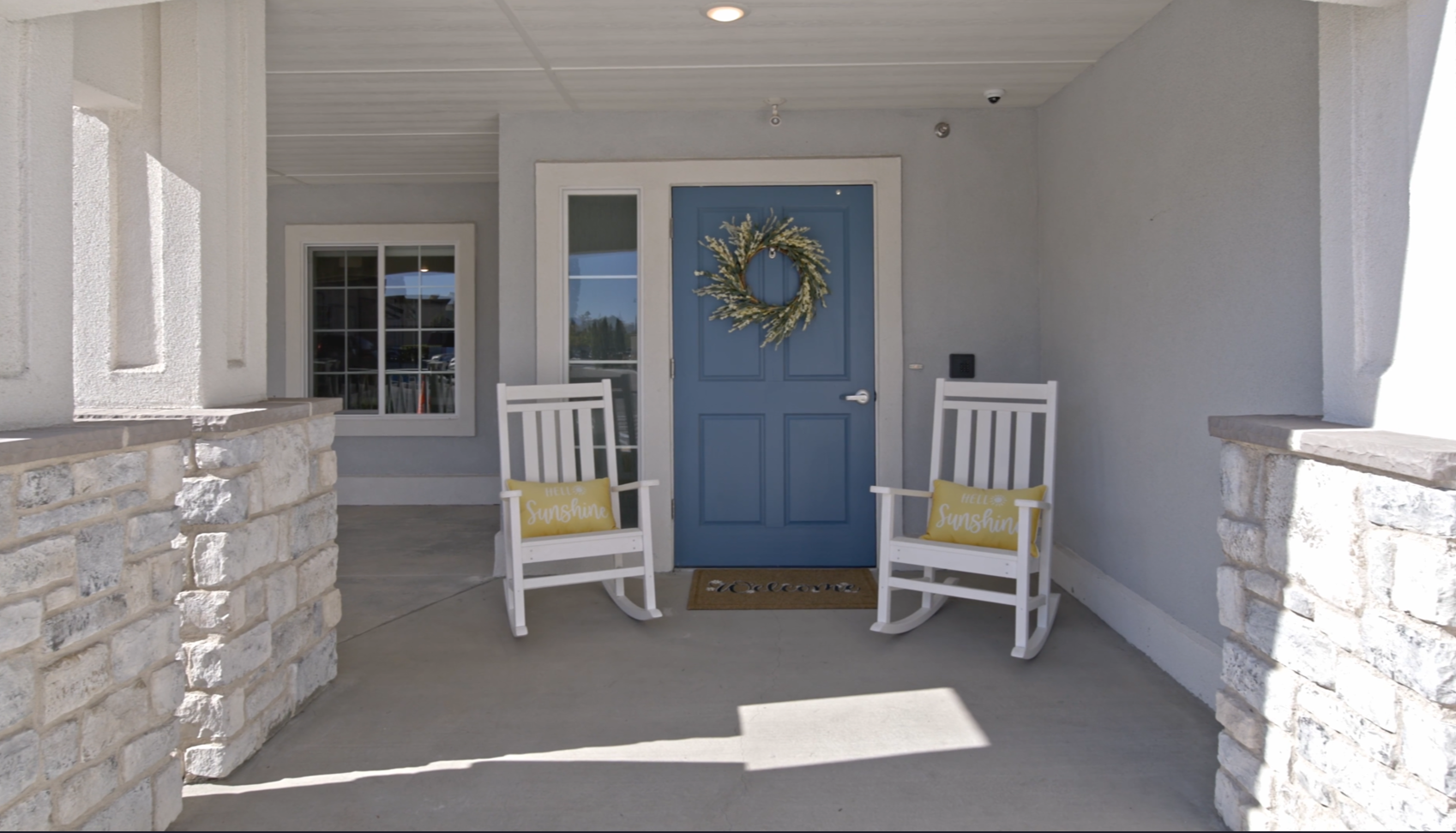
Care Moore Homes Assisted Living At Overland
Assisted Living 2940 East Overland Road, Ada County, Meridian, Idaho, 83642Care Moore Homes delivers high-quality care in a safe and inclusive environment.A Registered Nurse creates a personalized plan of care for each resident and provides ongoing oversightBoth indoor and outdoor spaces are secure and allow for enrichment activitiesFresh meals cooked on-site in a family style settingAll-inclusive pricing
Continue Your Search! Explore More Local Options.
Start SearchingLet’s engage and get educated!
Browse through thousands of expert articles in over 100 different categories.
Browse NowArticles You May Like

When Is It Time for Memory Care? A Guide for Boise Families
When Is It Time for Memory Care? A Guide for Boise FamiliesDeciding whether a loved one needs memory care is rarely based on one single moment.For many families, the changes happen gradually.A parent who once handled every household bill begins missing payments. Someone who has cooked for decades forgets that food is on the stove. A spouse wakes up confused in the middle of the night. Medication doses are missed, repeated, or taken at the wrong time.At first, family members may step in and provide extra help.Adult children stop by more frequently. A spouse takes over medications. Neighbors check in. Family members install cameras, prepare meals, organize appointments, and create reminders around the house.But dementia and Alzheimer's disease are progressive conditions. Eventually, families may reach a point when providing enough supervision at home becomes increasingly difficult.For families in Boise and Ada County, Idaho, recognizing the signs that additional support may be needed can make it easier to begin exploring memory care before an emergency forces a decision.Care Moore Homes Memory Care at Taft, located in Boise, provides dedicated memory care in a small residential environment designed specifically for people living with Alzheimer's disease and other forms of dementia. Seniors Blue Book identifies the Taft residence as one of Care Moore Homes' Boise memory care locations, offering private rooms, a secure outdoor courtyard, and a residential setting focused exclusively on memory support.Dementia Care Needs Often Change SlowlyFamilies sometimes expect there will be one obvious event that tells them it is time for memory care.In reality, the transition is often less clear.Someone may still be able to hold a conversation, recognize family members, and enjoy familiar activities while struggling significantly with other parts of daily life.Memory loss can affect:JudgmentOrientationMedication managementPersonal hygieneMeal preparationSleepCommunicationMobilitySafety awarenessAbility to recognize risksAbility to complete familiar tasksBecause changes can happen gradually, family caregivers may adjust their routines repeatedly without realizing just how much care they are providing.What started as a weekly visit may eventually become daily supervision.The question is not simply whether a loved one can still do certain things independently.A better question may be:Can this person consistently remain safe and have their daily needs met in the current environment?Memory Care Is an Increasing Need in IdahoFamilies navigating dementia are far from alone.The Alzheimer's Association's Idaho Chapter reports that more than 29,900 people in Idaho are living with Alzheimer's disease. Approximately 66,000 unpaid caregivers provide an estimated 105 million hours of care for people with Alzheimer's and other dementias across the state.The need is particularly relevant in growing communities such as Ada County.The U.S. Census Bureau estimates that Ada County reached approximately 546,141 residents in 2025, representing a 10.3% increase from its April 2020 population base. About 18.1% of county residents are age 65 or older.As the Treasure Valley's older-adult population grows, more families are likely to encounter questions about dementia care, caregiver support, and specialized senior housing.Sign 1: Wandering or Getting Lost Has Become a ConcernWandering is one of the most significant safety concerns associated with dementia.Someone may leave home because they believe they need to go to work, visit a family member, return to a childhood home, or complete another familiar task.Once outside, they may become confused about where they are or how to return.Families may begin noticing behaviors such as:Trying to leave the house unexpectedlyWalking outside during the nightBecoming lost in familiar placesAttempting to "go home" while already homeFrequently checking doorsBecoming anxious about needing to leaveWhen wandering becomes a concern, families often begin increasing supervision.However, maintaining continuous supervision at home can be extremely challenging.Dedicated memory care environments are designed with additional security considerations for residents who may become disoriented or wander.Care Moore Homes Memory Care at Taft provides a secured residential setting and outdoor courtyard, allowing residents to spend time outside while maintaining additional safety measures.Memory Care Tip: Do not wait for a loved one to become seriously lost before discussing wandering risks. Repeated attempts to leave, nighttime wandering, or increasing disorientation may be enough reason to reassess the current care plan.Sign 2: Medication Is Becoming Difficult to Manage SafelyMedication management can become complicated even for someone without memory impairment.For a person living with dementia, it may become particularly risky.They may:Forget whether medication was takenTake a second doseSkip important medicationTake medication at the wrong timeConfuse one medication with anotherStop understanding why medication is necessaryFamily members often compensate by filling pill organizers, setting alarms, or calling at medication times.Those systems can help during earlier stages of cognitive decline.Eventually, however, reminders may no longer be enough.If someone cannot reliably follow medication instructions or understand the purpose of their medications, more direct supervision may be needed.Sign 3: Everyday Tasks Are Becoming UnsafeMemory loss can affect abilities that once seemed automatic.Cooking is a good example.A person may still know how to prepare a familiar meal but forget:That a burner is turned onThat food is cookingWhere an appliance belongsWhether food has spoiledWhether they have already eatenSimilar concerns may arise with household tools, fireplaces, faucets, driving, cleaning products, or other everyday tasks.Families sometimes respond by removing hazards one at a time.Eventually, the home may require so many safeguards and so much supervision that it becomes difficult to maintain a reasonable level of independence.That can be an indication that a specialized environment deserves consideration.Sign 4: Personal Care Is DecliningChanges in personal hygiene can be another important clue.A person living with dementia may begin struggling with:BathingDressingGroomingToiletingChanging clothesDental careSelecting clothing appropriate for the weatherIt is important to understand that these changes are not necessarily caused by laziness or stubbornness.The person may genuinely forget whether they have bathed.They may become confused about the sequence of steps involved in showering.Someone may also become frightened by the sound or sensation of running water or resist help because they no longer understand what the caregiver is trying to do.Memory care professionals are accustomed to providing assistance with these daily routines while adapting to cognitive changes.Sign 5: Eating and Hydration Are Becoming ConcernsDementia can also interfere with nutrition.A person might forget to eat or drink.They may prepare food but leave it untouched.They may no longer recognize hunger signals or struggle with the steps involved in preparing meals.Families may notice:Unexplained weight lossSpoiled food in the refrigeratorRepeatedly skipped mealsVery limited food choicesDehydrationDifficulty using utensilsForgetting that a meal was just eatenA residential memory care environment can provide more consistent meals, snacks, hydration opportunities, and supervision.Care Moore Homes emphasizes home-cooked meals and a residential dining experience within its senior living model.For someone with dementia, regular mealtimes can also help provide structure to the day.Sign 6: Nights Have Become Increasingly DifficultNighttime can be particularly challenging for some families caring for a person with dementia.A loved one may wake frequently, wander through the house, become confused about whether it is morning or evening, or attempt to leave.Some individuals experience greater confusion or agitation later in the day, commonly described as sundowning.For a spouse or adult child, repeated nighttime supervision can quickly lead to exhaustion.The caregiver may begin sleeping lightly, listening for movement, or getting up several times each night.Over weeks or months, chronic lack of sleep can affect the caregiver's own physical and emotional health.A care arrangement must work for both the person receiving assistance and those providing it.Sign 7: The Primary Caregiver Is Becoming ExhaustedCaregiver burnout deserves serious attention.Family caregivers often minimize their own needs because they believe their loved one's needs are more important.They may say:"I'm managing.""We're not ready yet.""I promised Mom I would keep her at home.""I should be able to handle this."But caring for someone with advanced dementia can eventually become a 24-hour responsibility.The Alzheimer's Association reports that tens of thousands of Idaho caregivers collectively provide millions of hours of unpaid dementia care every year.Caregiver stress may appear as:Chronic exhaustionTrouble sleepingAnxietyIrritabilityDepressionSocial isolationMissing workNeglecting personal healthDifficulty managing other family responsibilitiesRecognizing that caregiving has become unsustainable is not a failure.It may simply mean that the person's needs have reached a level requiring a care team rather than one family member.Sign 8: Your Loved One Is Becoming Increasingly IsolatedSafety concerns can unintentionally lead to isolation.Families may stop taking a loved one to restaurants, church, gatherings, community events, or other activities because outings have become more difficult.Eventually, the person's world may shrink to one house and one or two caregivers.Appropriate memory care can provide opportunities for social interaction within a structured environment.Activities might include:MusicGamesArtConversationWalkingGardeningGentle exerciseHoliday activitiesSimple household tasksOutdoor timeReminiscence activitiesThe purpose is not simply entertainment.Meaningful activities can provide routine, engagement, social connection, and moments of enjoyment.Why a Smaller Memory Care Setting May Help Some SeniorsFamilies searching for memory care in Boise will find different types of communities.Some are part of larger senior living campuses.Others follow a smaller residential model.Care Moore Homes operates small residential senior living homes throughout the Treasure Valley. The Taft location is dedicated to memory care and is designed around a home-like environment rather than a large institutional campus.For some people living with dementia, fewer residents and more familiar-scale surroundings may be appealing.A smaller environment may mean:Fewer unfamiliar facesLess noise and activityFamiliar common spacesMore consistent routinesGreater caregiver familiarityEasier navigationNo single environment is right for every person.Families should consider personality, cognitive needs, mobility, medical requirements, social preferences, and comfort level.Starting the Memory Care Conversation Before a CrisisOne of the most useful things families can do is begin exploring options before memory care becomes an emergency.Seniors Blue Book guidance for Treasure Valley families recommends starting senior living conversations early so families have time to tour communities, compare options, understand costs, discuss preferences, and evaluate safety.Waiting until after a hospitalization, wandering incident, fall, or caregiver crisis can make the process much more stressful.Early research allows families to ask thoughtful questions.You might tour communities even if you are not ready to make a move immediately.This gives you a better understanding of what is available in Boise and Ada County.Questions to Ask When Touring Memory CareWhen visiting a memory care residence, consider asking:Is the community dedicated specifically to memory care?Care Moore Homes at Taft focuses specifically on residents living with Alzheimer's disease and other forms of dementia.How does the team handle changing care needs?Dementia progresses differently for everyone. Ask how care plans are updated and how families are informed when needs change.What happens at night?Ask about overnight staffing, wandering precautions, and how caregivers respond when residents wake or become confused.How are activities individualized?Not every resident enjoys the same activities or has the same cognitive abilities.How are meals and hydration handled?Ask about meal preparation, dietary needs, assistance with eating, snacks, and hydration.How is family communication handled?Families should understand how often they receive updates and whom they should contact with questions.Seniors Blue Book content associated with Care Moore Homes emphasizes ongoing family communication as an important part of the transition into senior living and memory care.Frequently Asked Questions About Moving to Memory CareDoes memory loss automatically mean someone needs memory care?No. Mild forgetfulness or an early dementia diagnosis does not automatically mean residential memory care is necessary.The decision should consider safety, daily functioning, supervision requirements, medical needs, behavior changes, and whether current caregivers can continue meeting the person's needs.Should families wait until dementia becomes severe?Not necessarily.Starting the conversation early gives families time to research options without the pressure of an emergency. A move may be considered when safety risks, supervision requirements, or caregiver stress begin becoming difficult to manage.What if my parent does not want to move?Resistance is common.Families can begin by discussing concerns rather than immediately focusing on moving. Involving medical professionals, touring communities, and introducing options gradually may help.Every situation is different, particularly when dementia affects someone's ability to understand risks or make complex decisions.Is memory care different from assisted living?Yes.Assisted living generally supports people who need help with everyday tasks while maintaining a degree of independence. Memory care is specifically structured for people with Alzheimer's disease or other dementias and typically includes additional security, supervision, dementia-aware support, and specialized programming.Can families still be involved after someone moves into memory care?Absolutely.Moving to memory care does not mean stepping away from the relationship.It can allow spouses and adult children to spend more time being family members instead of carrying every caregiving responsibility themselves.Choosing Support Before Caregiving Becomes a CrisisThere is no perfect moment to move someone into memory care.Every family situation is different.The more helpful question is whether the current environment can continue providing the level of safety, supervision, engagement, and personal care the individual now needs.When wandering increases, medications become unsafe, nighttime supervision becomes constant, nutrition declines, or family caregivers become exhausted, exploring memory care may be a responsible next step.For families considering memory care in Boise and Ada County, Care Moore Homes Memory Care at Taft offers a small residential environment dedicated specifically to people living with Alzheimer's disease and other forms of dementia. Its Boise setting includes private rooms and a secure outdoor courtyard while following Care Moore Homes' broader emphasis on personalized residential care.The community is located at 2903 W. Taft Street, Boise, Idaho 83703, and Seniors Blue Book lists 208-520-1111 as its contact number.Families can learn more and connect with Care Moore Homes Memory Care at Taft through its SeniorsBlueBook.com listing.The decision to explore memory care can be emotional, but families do not have to wait until something goes wrong. Starting the conversation early provides more time to compare options, ask questions, and choose an environment where a loved one can receive appropriate support while remaining connected to the people who matter most.
Sep 21, 2026

Finding a Home-Like Memory Care Community in Boise, Idaho
Finding a Home-Like Memory Care Community in Boise, IdahoWhen a parent or spouse begins experiencing significant memory loss, families often reach a difficult crossroads.At first, the changes may seem manageable. A loved one forgets an appointment, repeats a question, or needs an occasional reminder to take medication. Over time, however, the concerns can become more serious. Someone may become confused about where they are, leave the stove on, wander outside, struggle with personal care, or need supervision throughout the day and night.At that point, families often begin asking an important question:Would a specialized memory care community provide the safer, more supportive environment our loved one now needs?For families searching for memory care in Boise, Idaho, one option is Care Moore Homes Memory Care at Taft, a small residential memory care home located at 2903 W. Taft Street in Boise. The community is designed specifically for individuals living with Alzheimer's disease and other forms of dementia and offers a more intimate alternative to a large senior living campus.Understanding what memory care provides and knowing what to look for can make an emotional decision feel much more manageable.Why Memory Care Is Becoming Increasingly Important in BoiseBoise and Ada County are home to a substantial and growing population of older adults.According to the U.S. Census Bureau, Boise's estimated population reached approximately 238,429 residents in 2025, with about 16.2% of the city's population age 65 or older.Across Ada County, the population was estimated at approximately 546,141 in 2025, an increase of more than 10% from its April 2020 population base. About 18.1% of Ada County residents are age 65 or older.As more Treasure Valley families navigate aging, dementia, and changing care needs, access to specialized memory care becomes increasingly important.Memory loss does not affect only the individual experiencing it. Spouses, adult children, grandchildren, and other caregivers often become part of the care journey.Many families initially provide help at home. That arrangement can work well for some time, but dementia is progressive, and needs often change.Eventually, supervision may need to become more consistent.What Is Memory Care?Memory care is specialized senior living designed for individuals experiencing Alzheimer's disease, dementia, or other cognitive conditions that affect memory, judgment, communication, and daily functioning.While traditional assisted living can help with activities such as bathing, dressing, meals, and medication reminders, dedicated memory care adds an environment and support structure specifically intended for residents with cognitive impairment.Memory care may include:24-hour caregiver availabilitySecure indoor and outdoor spacesAssistance with activities of daily livingConsistent daily routinesDementia-aware communicationPersonalized care plansMeals and snacksSocial and recreational activitiesSupport with medication managementSupervision designed to reduce wandering risksCommunication with family membersCare Moore Homes states that its residential communities provide personalized assisted living and memory care with 24/7 caregiver support and individualized attention.At the Taft location, the focus is specifically on memory care.A Smaller Residential Approach to Memory CareNot every memory care community looks or feels the same.Some are large campuses with dozens or even hundreds of residents. Others use a smaller residential model.Care Moore Homes Memory Care at Taft is a 10-bed residential memory care home. Its Seniors Blue Book listing identifies it as a memory-care-only community serving residents with Alzheimer's disease and dementia.For certain seniors, a smaller environment may be appealing because there are fewer hallways, fewer unfamiliar faces, and less activity to process throughout the day.Imagine the difference between entering a large institutional building and entering a house.For someone living with dementia, surroundings can matter.A familiar-scale environment with living spaces, dining areas, bedrooms, and outdoor spaces that resemble a home may feel less overwhelming.Memory Care Tip: When touring a community, pay attention not only to what you see but to how the environment feels. Is it calm? Are staff interacting naturally with residents? Does the space feel easy to navigate? The everyday atmosphere can tell families a great deal about what life there may be like.Personalized Care Matters When Memory ChangesDementia does not follow exactly the same path for every person.One resident may be physically active but have difficulty remembering recent events.Another may need substantial help with dressing, bathing, and meals.Someone else may become anxious late in the afternoon or have difficulty communicating what they need.Because those experiences differ, memory care should not rely on a completely identical approach for every resident.Care Moore Homes emphasizes personalized support and individualized care. Its broader program includes Registered Nurse involvement in care planning and ongoing oversight.Personalized care may take into account:Current cognitive abilitiesMobilityPersonal routinesFood preferencesSleep patternsInterests and hobbiesCommunication styleMedical needsMedication needsBehaviors associated with dementiaFamily history and personal backgroundKnowing the person behind the diagnosis can help caregivers respond in a more meaningful way.A former teacher, gardener, parent, musician, business owner, or homemaker brings decades of experiences into memory care. Dementia may affect recall, but personal identity still matters.Familiarity and Consistency Can Make a DifferenceFor someone living with dementia, the world can occasionally feel unpredictable.A person may not remember why they entered a room.They may not recognize someone immediately.They may become anxious when routines unexpectedly change.Consistent caregivers and predictable routines can therefore be especially valuable.Care Moore Homes describes one benefit of its smaller residential model as the ability for caregivers to develop familiarity and provide individualized attention. Its Seniors Blue Book profile for the Taft community currently describes professional, trained caregivers providing support at approximately a 1-to-6 caregiver-to-resident ratio.A smaller resident population may also make it easier for caregivers to become familiar with someone's normal routines and preferences.That familiarity can help staff notice when something seems different.Safety Without Making Life Feel InstitutionalSafety is one of the most common reasons families begin exploring memory care.Wandering can become especially concerning.A person living with dementia may leave home intending to complete a familiar task and then forget where they are going. Others may become confused about the time of day and attempt to leave during the night.Memory care environments are designed to help reduce these risks.The Seniors Blue Book profile for Care Moore Homes Memory Care at Taft identifies the residence as a secured memory care unit with a secured courtyard.That combination can offer residents opportunities to move around and enjoy outdoor space while maintaining additional safety measures.Safety should not mean eliminating meaningful activity.The goal is to create an environment where residents can continue participating in daily life with an appropriate level of support.Private Rooms and Comfortable Shared SpacesPersonal space can become increasingly important when someone moves into senior living.A private room gives residents a place to rest, keep familiar belongings, display family photographs, and create surroundings that feel more recognizable.Care Moore Homes Memory Care at Taft offers private rooms, according to its Seniors Blue Book listing. The property is also described as having warm community spaces within a residential setting.Families preparing for a move may want to bring familiar objects such as:Family photographsA favorite blanketFamiliar artworkA comfortable chair when appropriateFavorite booksMeaningful keepsakesFamiliar clothingPersonal decorationsSmall reminders of home can help create continuity during what may otherwise feel like a major transition.Why Meals Are More Than Nutrition in Memory CareFood plays a practical role in senior care, but meals are also deeply connected to routine, comfort, and memory.The smell of breakfast cooking, sitting around a familiar-style dining table, or enjoying a favorite meal can provide reassuring sensory cues.Care Moore Homes emphasizes home-cooked meals and family-style dining as part of its residential care approach.For families touring memory care, useful dining questions include:Are meals prepared on-site?How are dietary needs handled?What happens if a resident does not want the scheduled meal?Are snacks available?How does the team encourage hydration?Can staff assist residents who need help eating?These details can become increasingly important as dementia progresses.Meaningful Activities Should Fit the PersonActivity programming in memory care is not simply about keeping someone busy.The most helpful activities often provide opportunities for connection, movement, creativity, and familiar routines.Depending on a person's abilities and interests, activities might include:MusicArtSimple gamesGardeningWalkingFolding towels or other familiar household tasksLooking through photo albumsGentle exerciseConversationSeasonal activitiesOutdoor timeSimple cooking or food-related activitiesCare Moore Homes says its residents receive wellness-focused programming and activities while maintaining an individualized daily experience rather than having every resident follow a rigid institutional schedule.That flexibility can matter because someone living with dementia may have a very different energy level or attention span from one day to the next.Signs It May Be Time to Consider Memory CareThere is rarely one exact moment that tells a family it is time.Instead, families usually notice a pattern of increasing concerns.It may be worth exploring memory care when a loved one:Wanders or becomes lostFrequently forgets to take important medicationsLeaves appliances runningHas repeated falls or safety incidentsStruggles significantly with bathing, dressing, or toiletingExperiences increasing confusion or anxietyIs no longer eating properlyNeeds supervision throughout the nightCan no longer safely remain aloneRequires more care than a spouse or family caregiver can reasonably provideCaregiver well-being matters too.If one family member is providing constant supervision and becoming physically or emotionally exhausted, the current care arrangement may no longer be sustainable.Choosing memory care does not mean the family has stopped caring.Sometimes it means recognizing that a loved one's needs have become greater than one person can safely manage alone.Questions to Ask When Touring Memory Care in BoiseTouring several communities can help families understand what type of environment feels right.Consider asking:How many residents live in the home?Smaller and larger environments offer different experiences. Care Moore Homes Memory Care at Taft is listed as a 10-bed residential home.Who develops the resident's care plan?Ask who evaluates new residents and how frequently plans are reviewed as needs change.Is nursing support available?Care Moore Homes' model includes nursing involvement, and the Taft Seniors Blue Book profile lists a nurse on staff.How is wandering addressed?Ask about doors, courtyards, outdoor access, nighttime supervision, and other safety practices.How are families kept informed?Regular communication can be extremely valuable as a resident's condition changes.What does a normal day look like?Ask about wake-up times, meals, activities, rest, outdoor time, and how much flexibility residents have.What is included in pricing?Care Moore Homes Memory Care at Taft currently lists an all-inclusive pricing structure on Seniors Blue Book. Families should still confirm current rates, included services, and any possible additional costs directly with the community.Frequently Asked Questions About Memory Care in BoiseWhat is the difference between assisted living and memory care?Assisted living generally supports seniors who need help with daily activities while remaining relatively independent. Memory care is specifically designed for individuals living with Alzheimer's disease, dementia, or other significant cognitive impairment and generally includes additional security, supervision, structure, and dementia-focused support.Does Care Moore Homes Memory Care at Taft provide private rooms?Yes. Its current Seniors Blue Book profile lists private rooms as a property feature.Is Care Moore Homes at Taft a large senior living community?No. It is a small residential memory care home with 10 units, according to its current Seniors Blue Book listing.Can someone with Alzheimer's disease live there?The Taft community is specifically listed for residents with Alzheimer's disease and other forms of dementia and is categorized as a memory-care-only residential community.How do I know whether memory care is the right next step?Start by evaluating safety, supervision needs, changes in daily functioning, caregiver stress, and whether the current living arrangement can continue meeting the person's needs. A medical professional can help families understand changes in cognition, while touring memory care communities can help determine whether a particular setting feels appropriate.Finding Memory Care That Feels Like HomeMoving a loved one into memory care is rarely an easy decision.Families may feel sadness, relief, guilt, worry, and hope all at the same time.The goal is not to find a place that replaces the family.It is to find an environment where a loved one can receive the level of supervision and support they now need while continuing to experience dignity, familiarity, comfort, and meaningful human connection.For families exploring memory care in Boise and Ada County, Care Moore Homes Memory Care at Taft offers a small residential setting with 10 units, private rooms, nursing support, a secured courtyard, activities, and specialized memory care for individuals living with Alzheimer's disease and other forms of dementia.The community is located at 2903 W. Taft Street, Boise, ID 83703, and its Seniors Blue Book profile lists 208-520-1111 as the contact number.Families can learn more, review community information, and connect directly through the Care Moore Homes Memory Care at Taft profile on SeniorsBlueBook.com. View the Care Moore Homes Memory Care at Taft Seniors Blue Book listingTaking the time to ask questions, tour the home, and talk openly about a loved one's changing needs can help families make the next decision with greater confidence.
Sep 21, 2026

Why Routine and Meaningful Activities Matter in Memory Care
Why Routine and Meaningful Activities Matter in Memory CareFor someone living with Alzheimer's disease or another form of dementia, an ordinary day can become increasingly difficult to navigate.Tasks that once happened automatically may suddenly require reminders. A person may wake up unsure of the time, forget whether breakfast has already happened, become anxious when plans change, or struggle to decide what to do next.This is one reason routine plays such an important role in memory care.A predictable daily rhythm can provide useful structure while familiar activities can create opportunities for enjoyment, connection, and accomplishment.For families exploring memory care in Boise, Idaho, Care Moore Homes Memory Care at Taft offers a small residential setting specifically designed for individuals living with Alzheimer's disease and other forms of dementia. The home is located at 2903 W. Taft Street in Boise and includes 10 units, private rooms, activities, nursing support, meals, housekeeping, laundry services, and a secured courtyard.Within this type of environment, the goal is not simply to fill every hour of the day.It is to create days that feel recognizable, comfortable, and meaningful.Why Familiar Routines Can Help Someone With DementiaMost people rely on routines more than they realize.We tend to wake up around the same time, drink coffee from a favorite mug, eat meals at predictable times, complete familiar household tasks, and follow an evening routine before going to bed.When memory and cognitive abilities change, those familiar patterns can become even more valuable.The Alzheimer's Association notes that daily routines can be helpful for people living with Alzheimer's disease and their caregivers. A planned day can reduce the amount of time spent deciding what comes next while creating more opportunities for meaningful and enjoyable activities.A predictable routine might include:Waking at a familiar timeDressing and groomingBreakfastMorning conversationLight physical activityA familiar household or recreational activityLunchRest or quiet timeAfternoon social or creative activitiesDinnerA calmer evening routinePreparing for bedThe exact schedule should not be rigid.Someone living with dementia may have an easier morning one day and need additional rest the next.The goal is consistency with flexibility.Memory Care Tip: A successful routine is not about making every day identical. It is about giving the person enough familiarity to feel grounded while allowing caregivers to adjust based on mood, energy, ability, and comfort.Routine Can Reduce the Need to Constantly Figure Out "What's Next?"Dementia can make planning and decision-making more difficult.A person who once independently organized an entire household may eventually struggle to decide whether to get dressed before breakfast or remember what happens after lunch.Too many decisions can become frustrating.A consistent environment can remove some of that uncertainty.Instead of repeatedly asking a resident to choose from many options, caregivers can gently guide the person through familiar patterns.For example:"Let's have breakfast.""Would you like to sit outside for a little while?""It's time for our afternoon walk."These simple cues can help residents move through the day without feeling as though they are constantly being tested on what they remember.Meaningful Activities Are More Than EntertainmentActivities are sometimes viewed as extras in senior living.In memory care, they can be an important part of daily life.The National Institute on Aging recommends adapting activities to a person's current abilities while helping them remain involved in things they enjoy. Activities may include cooking, music, exercise, gardening, simple household chores, visits with family, and other familiar experiences.The Alzheimer's Association similarly notes that meaningful activities can support quality of life and may help reduce behaviors such as wandering or agitation.That does not mean every resident needs an elaborate calendar filled from morning until night.Sometimes the most meaningful activity is something very ordinary.It might be:Folding towelsWatering plantsListening to a favorite songLooking through family photographsSetting the tableTaking a walkBaking something familiarSorting objectsWatching birds outsideTalking about childhoodSitting with another resident over coffeeFor a person living with dementia, these moments can offer familiarity and purpose without requiring them to remember complicated instructions.Activities Should Match the Person, Not Just the DiagnosisTwo people with Alzheimer's disease may have completely different interests.One may have spent decades gardening.Another may have been a teacher.Someone else might love country music, baseball, sewing, cooking, woodworking, or church activities.An effective memory care routine takes the person's history into account.The National Institute on Aging recommends matching activities to what the person is still able to do and helping them participate at a level that feels successful rather than frustrating.For example, someone who once loved cooking may no longer be able to independently prepare a meal.But they may still enjoy:Stirring ingredientsRolling doughSmelling familiar spicesSetting napkins on the tableTalking about favorite recipesSomeone who once maintained a large garden may not be able to manage an entire yard anymore but may enjoy watering a planter or sitting outside among flowers.The goal is not to recreate someone's past perfectly.It is to use familiar interests to create connection in the present.Smaller Memory Care Settings Can Support Individualized RoutinesThe size of a memory care community can influence everyday life.Care Moore Homes Memory Care at Taft is a 10-unit residential memory care home, according to its current Seniors Blue Book listing. The home is dedicated to people living with Alzheimer's disease and dementia rather than operating as a mixed assisted living and memory care campus.A smaller setting can appeal to families who are looking for:Fewer residentsA residential atmosphereFamiliar common spacesMore consistent facesSmaller-scale group activitiesLess overwhelming surroundingsOpportunities for caregivers to learn individual preferencesCare Moore Homes describes its broader residential model as one in which homes typically accommodate a limited number of residents so caregivers can offer more individualized attention. Its care model also includes a Registered Nurse who develops personalized plans and provides ongoing oversight as residents' needs change.For someone living with dementia, familiarity can be especially important.When the same people, rooms, routines, and rhythms become recognizable, everyday life may feel less confusing.Activities Do Not Need to Be ComplicatedFamilies sometimes assume memory care activities need to be highly specialized or elaborate.Often, simple activities work best.The Alzheimer's Association recommends considering activities such as:Household choresMusic and creative activitiesPhysical movementSocial activitiesSpiritual activitiesReading or puzzlesVisiting with friendsQuiet rest periodsIt also stresses that people with dementia need a balance between activity and rest.This matters because overstimulation can sometimes increase frustration.A large room filled with loud conversation, music, television, and multiple activities may be overwhelming.A quieter residential setting may allow activities to happen naturally throughout the day.One resident may enjoy music in the living room.Another may prefer sitting outdoors.Someone else may help fold laundry or watch a caregiver prepare lunch.All of these can be meaningful forms of engagement.Music Can Create Moments of ConnectionMusic is particularly valuable because familiar songs may remain meaningful even as other memories become harder to access.A resident might not remember what they had for breakfast but still recognize a song they heard throughout their youth.Music can be incorporated through:Listening to favorite recordingsSinging togetherDancing or gentle movementPlaying hymns or spiritual musicSeasonal songsTalking about musicians or concerts from the pastThe National Institute on Aging includes music and dancing among activities that can be adapted for people living with Alzheimer's disease.The purpose does not have to be improving memory.Sometimes the purpose is simply creating a good moment.Outdoor Time Can Be Part of the RoutineGoing outside can provide fresh air, light movement, sensory stimulation, and a welcome change of scenery.Care Moore Homes Memory Care at Taft lists a secured courtyard among its memory care features.A secured outdoor environment can be especially important for residents who enjoy walking but may become disoriented if they leave an unsecured area.Outdoor activities may include:Gentle walksSitting in the sunshineGardeningWatching birdsWatering flowersTalking with familySeasonal activitiesEven a few minutes outdoors can become an enjoyable part of someone's daily rhythm.Familiar Mealtimes Can Create ComfortMeals provide nutrition, but they also provide structure.Breakfast begins the day.Lunch marks the middle.Dinner often signals that the day is beginning to wind down.For people living with dementia, consistent mealtimes can help establish that rhythm.The National Institute on Aging recommends serving meals in a consistent place, manner, and time when possible and using familiar foods that the person enjoys.Care Moore Homes' residential model emphasizes fresh, home-cooked meals and a family-style dining environment.A familiar dining atmosphere can make mealtime feel less institutional.It may look more like sitting around a home dining table than entering a large dining hall.For some residents, that familiarity can make a major transition feel less dramatic.Personal Care Can Also Follow Familiar PatternsActivities of daily living such as bathing, dressing, grooming, toileting, and eating may become more difficult as Alzheimer's disease progresses.The National Institute on Aging notes that caregivers often need to balance providing assistance with allowing the person to remain as independent as possible.Routine can help.If someone has always showered in the morning, maintaining that pattern may feel more natural than suddenly switching to evening care.If a resident has always preferred certain clothing styles or grooming habits, continuing those preferences can help preserve identity.Memory care should not treat personal care as merely a checklist.These routines have often been part of someone's life for decades.Knowing the Resident Helps Caregivers Personalize the DayOne of the most useful things families can share with a memory care team is information about the person's life before dementia.Consider telling caregivers:What time they normally wake upFavorite foodsFoods they strongly dislikeFavorite musicFormer occupationHobbiesReligious traditionsImportant family membersFavorite television programsWhether they prefer busy or quiet environmentsTypical bedtimeWhether they enjoy being outdoorsActivities that calm themSituations that tend to cause frustrationThese details give caregivers more than medical information.They help caregivers understand the individual.A resident is not simply "someone with dementia."They are a person with decades of experiences, preferences, relationships, habits, and stories.Why This Matters Locally in Boise and Ada CountyMemory care is becoming increasingly important as the Treasure Valley grows.Ada County's population was estimated at 546,141 residents in 2025, an increase of approximately 10.3% from the April 2020 population base. About 18.1% of county residents are age 65 or older.As the local senior population grows, families throughout Boise, Meridian, Eagle, and surrounding communities are increasingly navigating Alzheimer's disease, dementia, caregiving, and senior housing decisions.Having multiple models of care available matters.Some families prefer large campuses with extensive amenities.Others are drawn to smaller residential memory care homes where daily life may feel closer to the size and pace of a traditional household.Care Moore Homes Memory Care at Taft represents that smaller residential option within Boise.Frequently Asked Questions About Daily Life in Memory CareWhy is routine important for someone living with dementia?A regular routine can reduce uncertainty and help organize the day. The Alzheimer's Association recommends predictable daily patterns while also allowing flexibility as abilities, energy, and mood change.What kinds of activities are appropriate for memory care residents?Activities should be based on the person's interests and current abilities. Possibilities include music, art, simple household tasks, walking, gardening, conversation, photographs, gentle exercise, and familiar spiritual or recreational activities.Should someone with dementia stay busy all day?No.Rest is important. The Alzheimer's Association specifically advises against trying to fill every minute and recommends balancing activity with quiet time and breaks.Does Care Moore Homes Memory Care at Taft offer activities?Yes. Its current Seniors Blue Book profile lists activities among the home's services and memory care features. The community also provides private rooms, meals, housekeeping, nursing support, laundry service, and a secured courtyard.Is Care Moore Homes at Taft exclusively for memory care?Yes. The Seniors Blue Book listing identifies Taft as a memory-care-only residential home serving residents with Alzheimer's disease and dementia.Creating Good Days One Familiar Moment at a TimeFamilies naturally want the person they love to remain connected to the things that make life meaningful.Dementia changes what someone can remember and sometimes what they can do independently.It does not eliminate the need for comfort, purpose, laughter, music, favorite foods, conversation, fresh air, familiar routines, or human connection.A well-designed memory care day recognizes that.For families searching for memory care in Boise and Ada County, Care Moore Homes Memory Care at Taft provides a small, residential memory care setting with 10 units, private rooms, activities, meals, nursing support, housekeeping services, and a secured courtyard for residents living with Alzheimer's disease and other forms of dementia.Care Moore Homes Memory Care at Taft is located at 2903 W. Taft Street, Boise, ID 83703, and can be reached at 208-520-1111.Families can learn more about services, property features, and current contact information through the Care Moore Homes Memory Care at Taft profile on SeniorsBlueBook.com.Care Moore Homes Memory Care at Taft on SeniorsBlueBook.comWhen choosing memory care, it is important to look beyond safety and supervision alone. Ask what daily life will actually feel like.The right setting should offer more than a place to live.It should create opportunities for familiar routines, meaningful moments, personal connection, and days that still feel like the resident's own.
Sep 21, 2026

Compassionate Memory Care in Meridian, Idaho: Where Every Moment Matters at Care Moore Homes Memory Care at Overland
Compassionate Memory Care in Meridian, Idaho: Where Every Moment Matters at Care Moore Homes Memory Care at OverlandWhen a loved one is living with Alzheimers disease or another form of dementia, every day can bring new challenges and new opportunities for compassion. At Care Moore Homes Memory Care at Overland in Meridian, Idaho, families find a safe, warm, and personalized environment designed to bring comfort, dignity, and joy to residents living with memory loss.Understanding Memory CareMemory Care is a specialized type of senior living that provides 24-hour support for individuals with Alzheimers disease, dementia, or other cognitive impairments. What makes memory care communities unique is their structured environment, specially trained staff, and individualized approach that focuses on maintaining residents skills, routines, and independence for as long as possible.Unlike traditional assisted living, Memory Care offers:Secure living spaces that prevent wanderingThoughtfully designed activities that stimulate memory and connectionConsistent routines to reduce confusion and anxietyAround-the-clock care and supervisionStaff trained in dementia communication and behavioral supportAt Care Moore Homes Memory Care at Overland, these elements come together in a loving, home-like setting where every resident is treated like family.The Meridian, Idaho Difference: A Community Rooted in CareMeridian is one of the fastest-growing cities in Idaho, and with its growth comes an increasing number of older adults. About 13% of Meridians residents are over age 65, according to the U.S. Census Bureau a number expected to rise in the coming decade.As families in the Treasure Valley face the realities of aging and dementia, many are searching for trusted local options that combine personalized care with a comfortable, familiar environment. Thats where Care Moore Homes Memory Care at Overland stands out.Nestled in a peaceful Meridian neighborhood, the community provides the intimacy of a residential home with the professionalism of licensed memory care experts. Its a place where seniors can enjoy meaningful days surrounded by caring staff, familiar faces, and a calm environment that feels truly like home.What Makes Care Moore Homes Memory Care at Overland Special1. A Home, Not a FacilityCare Moore Homes Memory Care at Overland isnt a large institutional building its a thoughtfully designed home where residents can move freely, engage comfortably, and feel a sense of belonging. With cozy living areas, family-style dining, and a secure outdoor patio, residents experience comfort and safety in every corner.2. Personalized Attention in a Small SettingWith a low resident-to-caregiver ratio, each individual receives the time and attention they deserve. Staff members take the time to get to know each residents background, preferences, and personality which helps them connect on a deeper, more human level.3. Trained, Compassionate CaregiversAll caregivers are specially trained in dementia care, including redirection techniques, memory-enhancing activities, and communication strategies that foster trust and reassurance.Every persons memory journey is unique. Our role is to meet them where they are, every single day with patience, empathy, and respect, shares Caroline Moore from the Care Moore Homes team.4. Engaging, Purposeful ActivitiesEach day is filled with engaging activities that support cognitive function and emotional well-being. Residents participate in music therapy, art, storytelling, light exercise, gardening, and social interactions all tailored to their abilities and interests.5. Nutritious, Home-Cooked MealsMealtime is an important part of daily life. Residents enjoy home-style meals prepared with love and served in a cozy dining room that feels like family dinner. Staff often incorporate favorite recipes or seasonal Idaho ingredients to make meals both nourishing and comforting.6. Safe, Supportive EnvironmentWandering is common among individuals with memory loss, and the communitys layout is designed to promote safety while maintaining freedom of movement. Secure entrances, calming dcor, and familiar cues throughout the home help reduce anxiety and confusion.A Day in the Life at Care Moore Homes Memory CareImagine mornings starting with the smell of coffee and friendly conversation around the kitchen table. Residents enjoy breakfast together, followed by light stretching or a sing-along with familiar songs. Afternoons may bring gentle walks in the garden, art projects, or storytelling circles that spark laughter and connection.Evenings are calm and cozy with comforting meals, quiet music, and reassurance from caregivers who know every resident by name. Family members are encouraged to visit often and take part in meaningful moments, strengthening bonds across generations.Why Families in Meridian Trust Care Moore HomesChoosing a memory care community is one of the hardest and most important decisions families make. Care Moore Homes Memory Care at Overland offers something families deeply value: trust.Heres why local families choose them:Small, intimate environment that feels more like home than a facilityExceptional staff retention, ensuring consistent and familiar caregiversStrong communication between staff and familiesFocus on emotional well-being, not just physical careRespect for individuality every residents life story mattersFamilies often describe a sense of relief knowing their loved one is safe, engaged, and cared for with genuine compassion.Local Insight: Dementia Care in IdahoAcross Idaho, approximately 27,000 residents are living with Alzheimers disease and that number is projected to increase by nearly 20% in the next five years, according to the Alzheimers Association.Communities like Care Moore Homes Memory Care at Overland are vital to helping families navigate this growing need. Their approach reflects whats most important: connection, consistency, and compassion.Meridians supportive senior network from healthcare providers to memory cafs and senior resources helps create a circle of care that benefits residents and families alike.Tip from the TeamCare Tip from Caroline Moore, Care Moore Homes Team:Even small moments of connection can make a big difference for someone living with dementia. Whether its listening to their favorite song or holding their hand during a meal, these moments build comfort and trust.Frequently Asked Questions (FAQ)1. Whats the difference between assisted living and memory care?Assisted living provides general support for seniors who need help with daily tasks. Memory Care, however, is specifically designed for individuals with Alzheimers or dementia. It includes secure environments, trained staff, and structured programs that reduce confusion and promote emotional well-being.2. How do I know when its time for memory care?Signs include increased wandering, confusion, changes in behavior, difficulty managing medications, or caregiver burnout. When safety becomes a concern or home care is no longer manageable, a memory care community can provide both safety and comfort.3. Can families visit often?Absolutely. Family involvement is encouraged and celebrated. Visits, shared meals, and participation in activities help maintain meaningful connections and continuity for residents.4. What types of activities are offered in memory care?Activities are tailored to each residents abilities and interests. At Care Moore Homes, these may include music, crafts, baking, light gardening, storytelling, and reminiscing sessions that evoke familiar memories.5. What makes a small memory care home different from a large community?Small residential homes like Care Moore Homes offer more individualized attention, a calmer environment, and closer caregiver relationships all of which are crucial for those with memory challenges.The Heart of Memory Care: Connection Above AllAt Care Moore Homes Memory Care at Overland, the philosophy is simple: every person deserves to feel valued, safe, and understood. Their team goes beyond providing care they create meaningful experiences that honor each residents history, preferences, and personality.In a world that can feel confusing to someone with memory loss, consistency and kindness make all the difference. Families can rest easy knowing that their loved one is receiving care rooted in compassion, patience, and respect.Connect with Care Moore Homes Memory Care at OverlandIf youre exploring Memory Care in Meridian, Idaho, or seeking support for a loved one living with dementia, youre not alone. The team at Care Moore Homes Memory Care at Overland is here to help guide you through every step from touring the home to understanding care options. Learn more or connect directly through their Seniors Blue Book listing:Care Moore Homes Memory Care at Overland Meridian, IDGive your loved one the gift of comfort, security, and compassionate care right here in Meridian.
Oct 06, 2025

Helping a Loved One Adjust to Memory Care in Boise, Idaho
Helping a Loved One Adjust to Memory Care in Boise, IdahoMoving a parent, spouse, or other loved one into memory care can bring many emotions at once.Families may feel relieved that professional support will finally be available around the clock. At the same time, they may feel worried about how their loved one will react to leaving home.Will Mom understand why she is moving?Will Dad recognize his new room?What should we bring?How often should we visit?What if our loved one asks to go home?These questions are common for families navigating Alzheimer's disease and other forms of dementia.For families considering memory care in Boise, Idaho, preparing thoughtfully for the transition can help make the experience feel more familiar and less overwhelming.Care Moore Homes Memory Care at Taft, located at 2903 W. Taft Street in Boise, provides memory care in a small residential setting dedicated specifically to individuals living with Alzheimer's disease and other forms of dementia. Seniors Blue Book describes the Taft location as a home-style memory care environment with private rooms and a secured outdoor courtyard.While no move is completely stress-free, families can take practical steps before, during, and after moving day to support a smoother adjustment.Why Moving Can Be Especially Difficult for Someone With DementiaMost people need time to adjust after moving to a new home.For someone living with dementia, the change can be more challenging because memory loss may make it difficult to understand why the move happened or remember that the new surroundings are now home.A person may wake up and wonder:Where am I?Why are my things here?When am I going home?Where is my spouse?Even when the family has discussed the move several times, the person may not remember those conversations.This does not mean the transition will necessarily be unsuccessful.It simply means caregivers and family members may need to rely less on repeated explanations and more on familiarity, reassurance, routine, and emotional comfort.Memory Care Tip: When someone with dementia repeatedly asks to go home, the feeling behind the question may matter more than the location itself. They may be asking for familiarity, comfort, security, or reassurance rather than literally requesting a specific house.Start Preparing Before Moving DayWhen possible, families should begin preparing before a crisis.A sudden hospitalization, wandering incident, caregiver emergency, or fall can force families to choose memory care quickly.Starting earlier provides time to:Tour communitiesAsk questionsCompare care approachesUnderstand pricingReview servicesPrepare personal belongingsShare the resident's routine with caregiversDiscuss medications and medical needsIntroduce family members to the care teamCurrent Seniors Blue Book guidance for Boise families recommends researching memory care before an emergency whenever possible so families have more opportunity to compare options and understand the differences between communities.Choose Familiar Items for the New RoomOne of the easiest ways to make a new memory care room feel more comfortable is to include familiar belongings.A completely new environment can feel confusing.Recognizable objects may help create continuity.Consider bringing:Family photographsA favorite blanketFamiliar beddingA treasured piece of artworkA favorite chair if space and community policies allowA familiar clockFavorite booksReligious itemsPersonal decorationsA familiar lampFavorite clothingMeaningful keepsakesThe goal is not to recreate the old home perfectly.Instead, choose items that immediately feel recognizable.Care Moore Homes Memory Care at Taft offers private rooms, according to its current Seniors Blue Book information, giving families an opportunity to personalize the resident's living space.Keep the Room Simple and ComfortableWhile familiar belongings can be helpful, too much clutter may become confusing.Memory loss can affect someone's ability to visually process a busy environment.Rather than filling the room with everything from home, choose a smaller number of meaningful items.Consider:Placing family photographs where they are easy to seeKeeping walking paths clearAvoiding unnecessary furnitureOrganizing clothing simplyKeeping frequently used items visibleRemoving objects that could create a fall riskA calm, uncluttered room can make it easier for a resident to navigate and locate belongings.Share Your Loved One's Story With the Care TeamMedical information is important, but caregivers should also know who the person is beyond the diagnosis.Before the move, consider preparing a short personal profile.Include information such as:Preferred nameFormer occupationSpouse and children's namesImportant family relationshipsHobbiesFavorite musicFavorite foodsFoods they dislikeNormal wake-up timeNormal bedtimeReligious or spiritual traditionsFavorite television programsActivities they enjoyThings that make them anxiousWays they prefer to be comfortedFor example, knowing that a resident spent 40 years teaching elementary school may help a caregiver understand why she enjoys organizing papers or reading aloud.Knowing that another resident spent decades working outdoors may explain why he becomes restless when he has not had a chance to go outside.Care Moore Homes emphasizes individualized care within its smaller residential model. Its related Treasure Valley listings describe Registered Nurse involvement in developing customized care plans and adjusting those plans as residents' needs evolve.Try to Preserve Familiar Daily RoutinesMoving does not need to mean changing everything at once.If your loved one normally wakes at 7:00 a.m., enjoys coffee before breakfast, rests after lunch, or listens to music before bed, share those routines with caregivers.Familiar patterns can provide valuable structure.Some routines may need to change because of care requirements or community schedules.Still, maintaining important personal habits when possible can help a new environment feel more predictable.This is one potential advantage of a smaller residential memory care setting.Care Moore Homes describes its model as offering individualized daily experiences without the same rigid structure that may be present in larger facilities.Consider the Timing of Moving DayFamilies often focus on what they will bring but overlook when the move should happen.For some people with dementia, morning or early afternoon may be easier than evening.Late-day confusion or fatigue can make transitions harder.When possible:Avoid rushingAllow enough time to settle inBring belongings ahead of time if the community permitsHave the room partially arranged before your loved one arrivesAvoid turning moving day into a large family gatheringToo many people, boxes, conversations, and instructions can be overstimulating.A quieter transition may be easier.Ask the memory care team what approach they recommend based on their experience.Avoid Long Explanations When They Create More ConfusionFamilies understandably want to explain why someone is moving.However, repeated detailed explanations may not always help a person with moderate or advanced dementia.If the person cannot remember the conversation, explaining the entire situation repeatedly can make them experience the emotional impact as if they are hearing the news for the first time.Instead of lengthy arguments, families may find reassurance more helpful.Simple phrases such as:"You are safe here.""We're taking care of everything.""I'm here with you.""Let's have some lunch."can sometimes be more calming than trying to prove why the move is necessary.The appropriate approach depends on the individual's cognitive abilities and personality.How Should Families Handle "I Want to Go Home"?This can be one of the most emotionally difficult moments after a move.A resident may repeatedly say:"I need to go home."Family members may feel guilty hearing it.But "home" does not always mean the most recent address.Someone with dementia may be thinking about a childhood home, a house from decades ago, or simply a feeling of safety.Instead of responding only with:"You live here now."families can try understanding the emotion behind the statement.You might say:"What do you miss about home?""Tell me about your house.""You seem worried. I'm right here."Then redirect toward something comforting such as a favorite snack, photograph, walk, or familiar activity.Caregivers experienced in memory support can also help families learn which approaches work best for the individual.Give the Adjustment Process TimeFamilies sometimes expect to know within a few days whether the move was successful.Adjustment may take longer.A resident may initially experience:ConfusionSadnessAngerIncreased questionsRestlessnessSleep changesDifficulty understanding the new routineThese reactions do not automatically mean the community is wrong for the person.They may reflect the normal stress of adapting to unfamiliar surroundings.Watch for gradual signs of adjustment such as:Recognizing caregiversParticipating in mealsEngaging in activitiesBecoming familiar with the roomDeveloping a predictable routineAppearing calmer during parts of the dayForming relationships with caregivers or residentsFamily members should stay in communication with the care team during this period.How Often Should Family Visit?There is no universal answer.Some residents benefit from frequent visits immediately.Others become more upset every time a loved one leaves and may initially adjust better with shorter or strategically timed visits.Ask caregivers what they are observing.A useful visitation plan might involve:Shorter visits rather than long visitsVisiting during a favorite activitySharing a mealTaking a walk togetherLooking at photographsListening to musicSitting quietly rather than constantly asking questionsAvoid turning every visit into a memory test.Questions such as:"Do you remember my name?""What did you have for lunch?""Do you remember what we did yesterday?"can unintentionally create frustration.Instead, focus on connection.Talk about what is happening in the present.Enjoy the moment even when the person cannot remember it later.Family Involvement Still Matters After the MoveMoving into memory care does not mean the family stops caregiving.The role changes.Instead of being solely responsible for bathing, medications, overnight supervision, meals, and safety, family members can spend more time being spouses, sons, daughters, siblings, and grandchildren.Families can remain involved by:VisitingAttending care meetingsSharing changes in preferencesBringing favorite foods when permittedParticipating in celebrationsHelping personalize the roomJoining activitiesSharing photographs and family storiesCommunicating concerns with caregiversThe care team handles day-to-day support, while the family continues providing history, familiarity, relationships, and emotional connection.Why a Small Residential Memory Care Setting May Help During TransitionFor some people with dementia, a large senior living campus may feel overwhelming.Long hallways, many residents, large dining spaces, multiple elevators, and constant activity can require a lot of cognitive processing.Care Moore Homes Memory Care at Taft follows a smaller residential approach and is dedicated specifically to residents living with Alzheimer's disease and other forms of dementia.The company's broader residential model is designed for relatively small resident populations, emphasizing home-style common areas, individualized routines, home-cooked meals, and caregiver familiarity.For some seniors, a smaller setting may provide:Fewer unfamiliar facesEasier navigationMore familiar-scale roomsLess noiseGreater caregiver familiarityA stronger sense of household routineFamilies should still tour and decide whether the environment matches the individual's personality and needs.Local Memory Care Needs Are Growing in BoiseMemory care is an increasingly important resource in the Boise area.The U.S. Census Bureau estimates that Boise had 238,429 residents in 2025, with approximately 16.2% age 65 or older.As the number of older adults grows across Boise and the Treasure Valley, more families are facing decisions involving dementia care, caregiver support, safety, and senior housing.Boise-area families now have multiple styles of memory care to consider, including larger dedicated communities and smaller residential homes such as Care Moore Homes at Taft.Having different options allows families to consider not just the level of care provided, but also the type of environment in which their loved one may feel most comfortable.Frequently Asked Questions About Moving to Memory CareHow can I make a memory care room feel more like home?Use familiar photographs, bedding, decorations, and meaningful personal belongings. Avoid excessive clutter and focus on objects your loved one immediately recognizes.How long does it take someone to adjust to memory care?There is no set timeline.Some residents begin developing a routine fairly quickly, while others require more time. Dementia stage, personality, prior living situation, health, and the circumstances surrounding the move can all affect the adjustment process.Should I visit every day after my parent moves?Possibly, but not every resident responds the same way.Ask the care team how your loved one behaves before and after visits. Some residents benefit from frequent contact, while others become more distressed during repeated departures. Adjust the schedule based on the individual's response.What should I tell memory care staff about my loved one?Share medical information as well as personal history, preferred routines, favorite foods, hobbies, family relationships, communication preferences, fears, and calming strategies.Those details can help caregivers provide more individualized support.Is Care Moore Homes at Taft specifically for residents with dementia?Yes. Current Seniors Blue Book information identifies Care Moore Homes Memory Care at Taft as a memory-care-only residential setting serving individuals with Alzheimer's disease and other forms of dementia. The location includes private rooms and a secured courtyard.Helping a New Place Become HomeThe transition to memory care can be emotionally difficult for everyone involved.A family may know logically that greater support is necessary while still grieving the loss of the previous living arrangement.Both feelings can exist at the same time.The goal of memory care is not to erase someone's previous home or replace their family.It is to create an environment where changing needs can be supported while the person continues experiencing familiar routines, personal connections, meaningful activities, and everyday comfort.For families researching memory care in Boise and Ada County, Care Moore Homes Memory Care at Taft offers a smaller residential approach dedicated specifically to people living with Alzheimer's disease and other dementias. The community is located at 2903 W. Taft Street, Boise, ID 83703, and Seniors Blue Book lists 208-520-1111 as its contact number.Families can learn more about Care Moore Homes Memory Care at Taft and connect with the community through its SeniorsBlueBook.com listing.View Care Moore Homes Memory Care at Taft on SeniorsBlueBook.comPreparing familiar belongings, sharing a loved one's story with caregivers, maintaining meaningful routines, and allowing time for adjustment can all help make the transition feel more manageable.A new residence may feel unfamiliar at first.With consistency, supportive caregivers, family involvement, and meaningful daily moments, it can gradually become a place that feels safe, recognizable, and genuinely like home.