
PHONE
Click to View NumberGeneral Property Features
- Age Restrictions, Handicap Access, Wheelchair Accessible, Private Rooms, Wanderguard
- Bi-Lingual Staff, Respite/Short Term Stay
- Assisted Living Community, Secured Memory Care Unit
Memory Care
- 16
- 13
- $7,000.00
- Price All Inclusive
- 12
- Studio
- Doctor Visits, Off Campus Outings, Alz/Dementia Residents Only, Secured Courtyard, Activities, Memory Care Only Community
Continue Your Search! Explore More Local Options.
Start SearchingLet’s engage and get educated!
Browse through thousands of expert articles in over 100 different categories.
Browse NowArticles You May Like
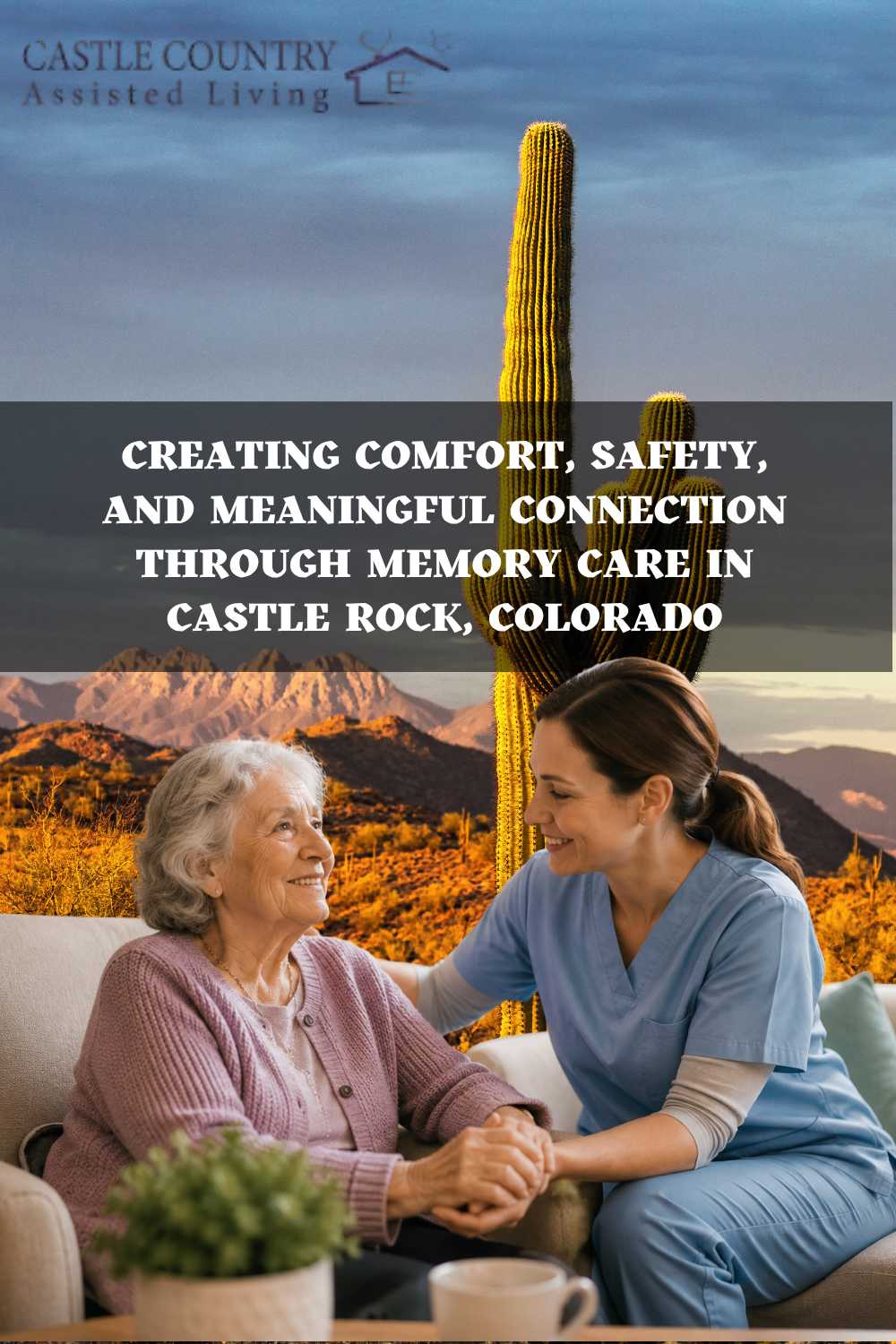
Creating Comfort, Safety, and Meaningful Connection Through Memory Car
Creating Comfort, Safety, and Meaningful Connection Through Memory Care in Castle Rock, ColoradoWatching a loved one experience memory loss can be one of the most emotional and challenging journeys a family faces.It often begins with small changesforgotten appointments, repeated conversations, misplaced items, or confusion during familiar routines. Over time, these moments may become more frequent and more concerning. Families often find themselves asking difficult questions about safety, care needs, and what support their loved one truly needs.For many seniors living with Alzheimers disease, dementia, or other forms of cognitive decline, specialized memory care can provide the structure, support, and compassionate environment necessary for a better quality of life.For families in Castle Rock, Colorado, Cantril House Memory Care provides dedicated memory care services designed to support residents with dignity, comfort, and personalized care.Memory care is about more than supervisionits about helping seniors feel safe, connected, and valued at every stage of their journey.Understanding Memory CareMemory care is a specialized form of senior living created specifically for individuals living with memory-related conditions.Unlike traditional assisted living, memory care communities are designed to meet the unique cognitive, emotional, and physical needs of residents experiencing memory loss.Services often include: 24/7 supervision Specialized dementia care Medication management Personal care assistance Structured daily routines Cognitive engagement programs Safe and secure living environments Emotional support for families The goal is to provide safety while preserving quality of life.Memory care helps residents maintain as much independence and comfort as possible while receiving the support they need.Recognizing When Memory Care May Be NeededMany families struggle with knowing when it is time to consider professional memory care.This decision is rarely easy.Families often want to support loved ones at home for as long as possible. However, there comes a point when specialized care may become the safest and most supportive option.Signs that memory care may be needed include:Increased ConfusionFrequent disorientation, confusion about time or place, or difficulty recognizing familiar people.Wandering or Safety RisksLeaving home unsafely, forgetting appliances, or becoming lost.Difficulty with Daily TasksStruggles with bathing, dressing, eating, or medication routines.Behavioral ChangesIncreased anxiety, agitation, aggression, or mood changes.Caregiver BurnoutFamily caregivers feeling physically exhausted or emotionally overwhelmed.When these challenges begin affecting safety and wellbeing, memory care can provide valuable support.Why Memory Care Matters in Castle RockCastle Rock is known for its scenic beauty, welcoming neighborhoods, and strong sense of community.As more families choose Castle Rock for retirement and aging in place, the demand for specialized senior care services continues to grow.Memory care has become an essential resource for local families seeking professional support close to home.Choosing local memory care offers several advantages: Easier family visits Stronger community connections Convenient access to healthcare providers Greater family involvement in care planning Remaining close to loved ones often helps improve emotional wellbeing for residents.The Importance of Structure and RoutineFor seniors living with memory loss, routine can be incredibly powerful.Predictable daily schedules help reduce confusion, minimize anxiety, and create a sense of security.At Cantril House Memory Care, structured routines help residents feel more comfortable and supported.Daily routines may include: Morning personal care Shared meals Social engagement Cognitive activities Gentle exercise Rest periods Family visits Consistency helps create familiarity and calm.Even small routines can improve comfort and reduce stress.Creating Meaningful Daily EngagementQuality memory care goes beyond meeting physical needs.Emotional wellbeing and meaningful engagement are just as important.Residents living with dementia still benefit from connection, purpose, and moments of joy.Activities may include:Music TherapyMusic can help stimulate memory and create emotional comfort.Cognitive ActivitiesGames, puzzles, and structured conversations support mental engagement.Social InteractionGroup activities help reduce isolation.Gentle Physical MovementLight exercise helps support mobility and overall wellness.Sensory ExperiencesCalming sensory activities can reduce anxiety and improve comfort.These programs help create meaningful daily experiences for residents.Even simple momentsa familiar song, a shared smile, or a comforting routinecan make a significant difference.Personalized Care Makes a DifferenceEvery individual experiences memory loss differently.Some residents may need mild support with routines, while others require more advanced assistance.This is why personalized care is so important.At Cantril House Memory Care, care plans may be tailored around: Cognitive condition Medical needs Personal preferences Daily routines Emotional wellbeing Family involvement Personalized care allows residents to receive support that respects their individuality and dignity.Supporting Families Through the Memory Care JourneyMemory care affects more than the residentit affects the entire family.Spouses, adult children, and loved ones often carry emotional stress, guilt, and uncertainty throughout the caregiving journey.Professional memory care helps ease this burden.Families gain peace of mind knowing their loved one has access to: Continuous supervision Specialized care Safe living environments Meaningful activities Compassionate support This allows family visits to become more focused on connection and quality time.Cheryl Griffin shares: "Memory care is about creating an environment where residents feel safe, supported, and respected every day. Families deserve peace of mind knowing their loved ones are receiving compassionate, personalized care."That level of trust is essential during this journey.Choosing the Right Memory Care CommunitySelecting a memory care community is one of the most important decisions a family can make.When touring communities, consider asking: Is staff trained in dementia care? What safety measures are in place? What activities are offered? How are care plans personalized? How are families involved in care planning? The right environment should feel secure, compassionate, and supportive.Families should feel confident that their loved one is receiving exceptional care.Compassionate Memory Care Starts with the Right SupportMemory loss changes many thingsbut families do not have to navigate it alone.The right memory care environment can provide safety, comfort, and meaningful support for both residents and their loved ones.Cantril House Memory Care provides specialized memory care services designed to help Castle Rock seniors live with dignity, security, and compassionate support.Visit their Seniors Blue Book listing today to learn more about their memory care services and discover how Cantril House supports families through every stage of the memory care journey.FAQsWhat conditions does memory care support?Memory care supports seniors with Alzheimers disease, dementia, and other cognitive conditions.How is memory care different from assisted living?Memory care provides specialized support, structured routines, and enhanced safety for residents with memory loss.When should a senior move into memory care?Memory care may be appropriate when safety, confusion, or caregiving challenges become difficult to manage at home.Can families visit regularly?Yes. Family visits are encouraged and often help support emotional wellbeing.Why choose local memory care in Castle Rock? Local care makes family visits easier and allows residents to stay connected to their community.
Jun 30, 2026
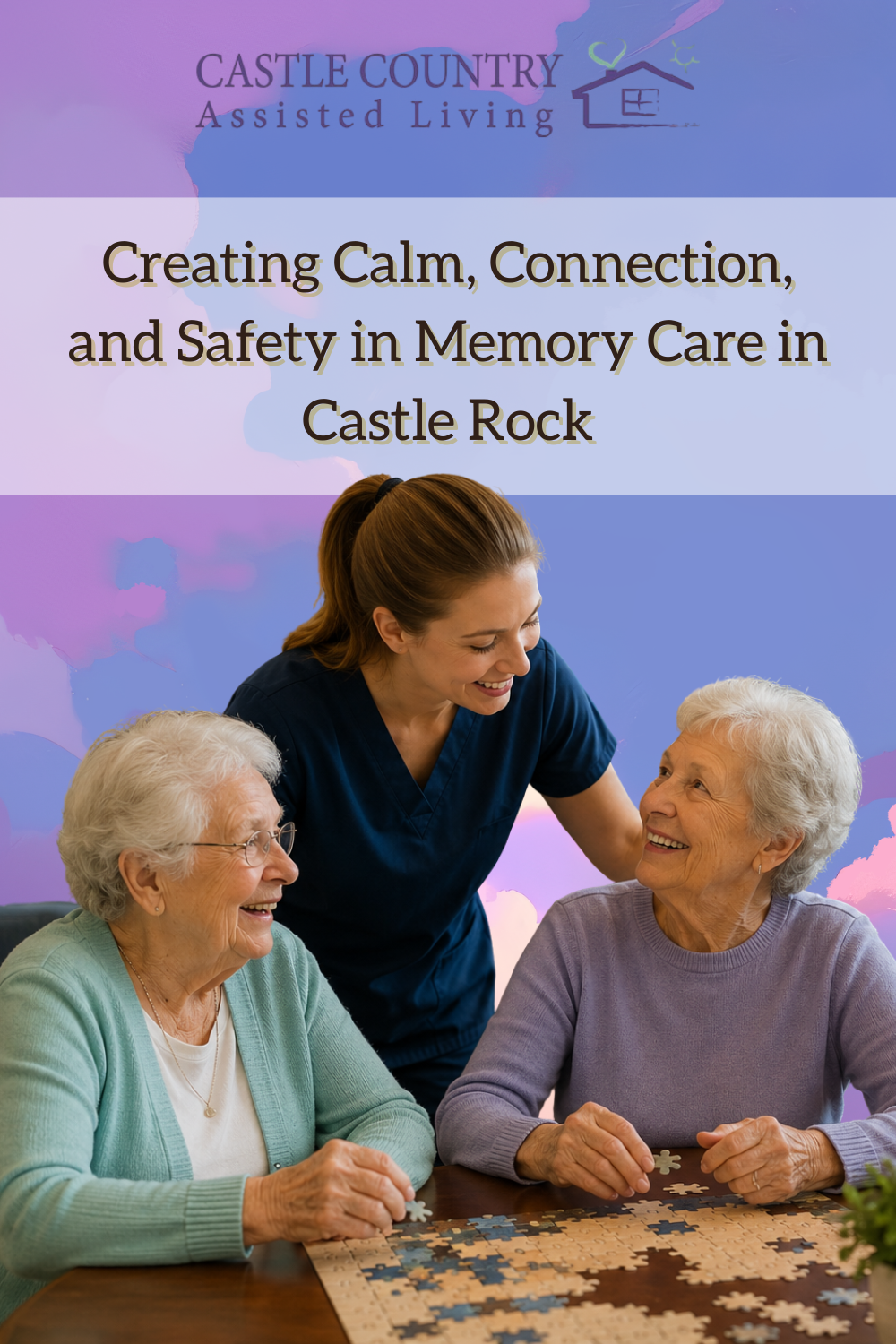
Creating Calm, Connection, and Safety in Memory Care in Castle Rock
Creating Calm, Connection, and Safety in Memory Care in Castle RockWhen a loved one begins experiencing Alzheimers disease, dementia, or other forms of memory loss, families often face a difficult question: how can we keep them safe while still honoring their dignity, personality, and independence? Memory care is designed to answer that question with specialized support, structured routines, and compassionate care.For families in Castle Rock, Colorado, Cantril House Memory Care provides a caring environment where seniors living with cognitive changes can receive personalized attention, meaningful engagement, and daily support.Why Memory Care Is DifferentMemory care is more specialized than traditional assisted living. It is created for older adults who need help with memory loss, confusion, wandering risk, communication changes, or daily routines.A strong memory care setting offers: Secure spaces designed for safety Consistent daily routines Dementia-informed caregiving Help with bathing, dressing, meals, and medications Activities that encourage comfort and connection Support for families navigating difficult transitions These services help reduce stress for residents while giving families peace of mind.Castle Rocks Supportive Setting for SeniorsCastle Rock offers a peaceful, scenic environment that many families appreciate when choosing senior care. With its small-town warmth, views of the Front Range, local parks, and access to the greater Denver area, the community provides a comforting backdrop for aging adults.Families visiting loved ones may recognize familiar local landmarks such as Downtown Castle Rock, Philip S. Miller Park, and the trails surrounding the area. That sense of familiarity can be especially meaningful when a senior is transitioning into memory care.The Power of RoutineFor people living with dementia, predictability matters. A consistent rhythm can help reduce anxiety and confusion because residents know what to expect throughout the day.At Cantril House Memory Care, routines may include familiar mealtimes, personal care support, guided activities, quiet moments, and opportunities for social interaction. These patterns help residents feel grounded and supported.A thoughtful daily routine can help with: Better sleep patterns Reduced agitation Improved participation More comfortable meals Greater emotional stability Care That Honors the IndividualEvery person with memory loss has a life story. They have favorite songs, family traditions, past careers, hobbies, foods they enjoy, and routines that make them feel at ease.Personalized memory care begins by learning those details.Caregivers can use personal history to build trust and create meaningful moments. A resident who loved gardening may enjoy flower arranging or time outdoors. Someone who enjoyed music may respond warmly to familiar songs. A former teacher, veteran, nurse, parent, artist, or business owner should be seen as a whole person, not only as a diagnosis.Cheryl Griffin shares, Memory care should always begin with compassion. When we understand a residents story, we can provide support that feels familiar, respectful, and reassuring.Meaningful Engagement Helps Residents ThriveActivities in memory care are not simply used to fill time. They are designed to support emotional wellness, social connection, and cognitive stimulation.Helpful memory care activities may include: Music and sing-alongs Gentle movement or chair exercises Art projects Reminiscence conversations Sensory activities Gardening or nature-based programs Simple household tasks Group meals and celebrations The goal is not perfection. The goal is participation, comfort, and joy.Safety Without Losing WarmthSafety is one of the biggest reasons families consider memory care. Wandering, medication mistakes, falls, missed meals, or unsafe cooking can become serious concerns at home.A memory care community provides supervision and structure while still encouraging residents to move, socialize, and participate in daily life.Families should look for memory care that balances security with dignity. Seniors should feel protected, not restricted. The environment should feel welcoming, calm, and home-like.Supporting Family CaregiversDementia affects the entire family. Adult children and spouses often become caregivers while also managing work, children, finances, and their own health. Over time, caregiving can become emotionally and physically exhausting.Memory care offers families support by providing trained caregivers, safe routines, and ongoing assistance. This allows relatives to spend more time being spouses, sons, daughters, and grandchildren instead of carrying every caregiving responsibility alone.Families may feel guilt when considering memory care, but choosing specialized support can be an act of love. It helps ensure the person with memory loss receives consistent care in an environment designed for their needs.Signs It May Be Time for Memory CareEvery familys situation is different, but certain signs may suggest that memory care should be considered: Wandering or getting lost Increased falls or unsafe movement Missed medications Difficulty bathing, dressing, or eating Frequent confusion or agitation Caregiver exhaustion Unsafe cooking or household accidents Social withdrawal Nighttime restlessness Starting the conversation early can help families make thoughtful decisions before a crisis occurs.Questions to Ask When Touring Memory CareFamilies in Castle Rock comparing memory care options may want to ask: How are care plans personalized? What dementia training do caregivers receive? How are residents kept safe? What activities are offered each day? How does the community communicate with families? How are meals and hydration supported? What happens if care needs increase? The right community should welcome questions and provide clear, compassionate answers.A Compassionate Path ForwardMemory care is not about giving up independence. It is about creating the right level of support so seniors can continue experiencing comfort, dignity, and connection.Cantril House Memory Care serves Castle Rock families by focusing on safety, routine, engagement, and personalized care for older adults living with memory loss.To learn more about Cantril House Memory Care and explore senior care resources in Castle Rock, visit their Seniors Blue Book listing today.FAQsWhat is memory care?Memory care is specialized senior care for individuals living with Alzheimers disease, dementia, or other cognitive changes.How is memory care different from assisted living?Memory care offers additional structure, safety features, dementia-informed support, and activities designed for cognitive impairment.When should a family consider memory care?Families may consider memory care when safety concerns, wandering, missed medications, or caregiver burnout become difficult to manage at home.Is Castle Rock a good place for memory care?Yes. Castle Rock offers a peaceful setting, local healthcare access, and a welcoming community for seniors and families.Can residents with dementia still enjoy activities? Yes. Many residents benefit from music, art, movement, social connection, and sensory activities tailored to their abilities.
May 22, 2026
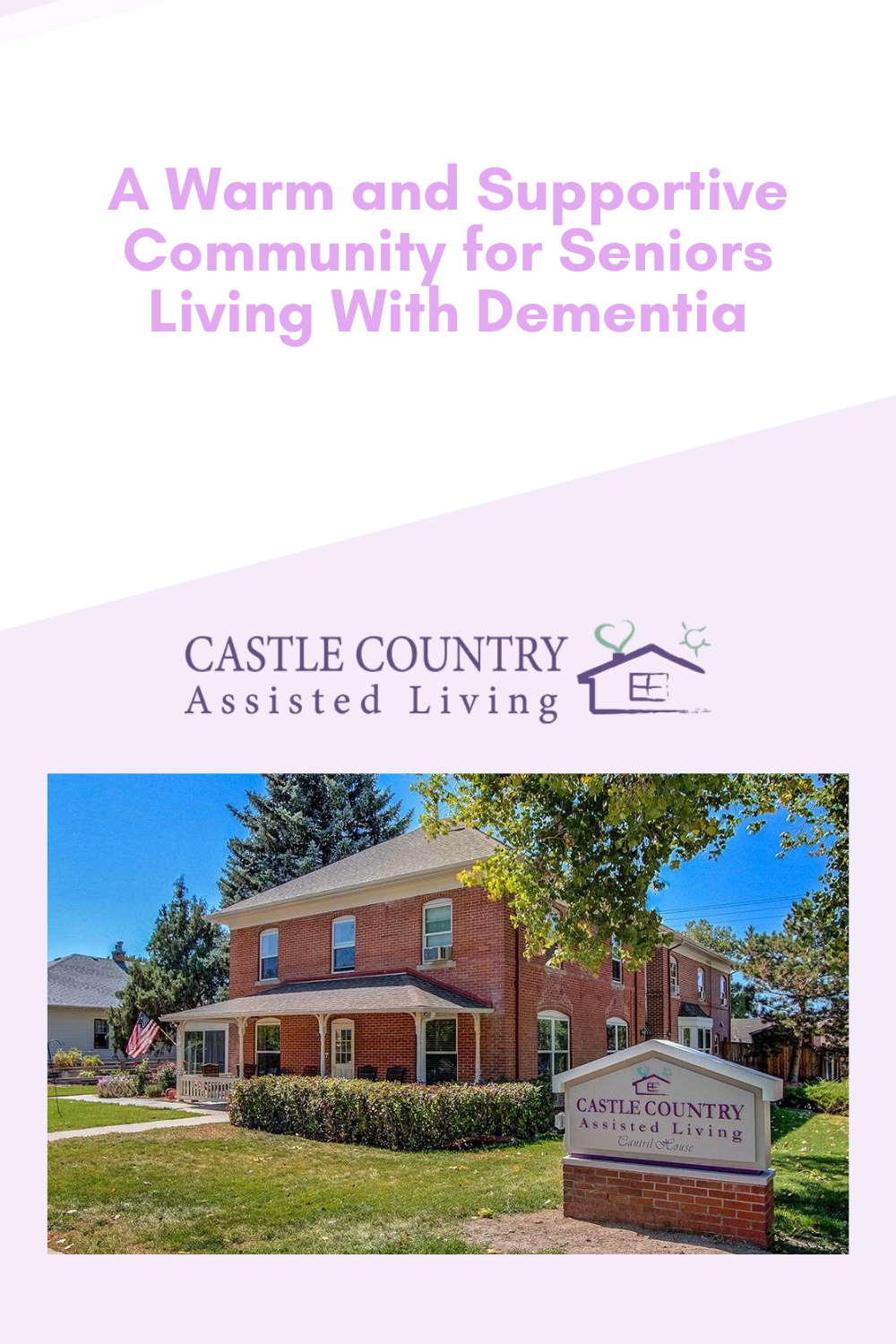
A Warm and Supportive Community for Seniors Living With Dementia
Memory loss is a deeply personal journey, one that affects not only the individual but also the family that loves them. When Alzheimers disease or other forms of dementia begin to interfere with everyday life, families often feel overwhelmedsearching for reassurance, safety, and compassionate support. In Denver, a city known for its connected neighborhoods, outdoor lifestyle, and family-oriented values, finding a memory care community that honors each residents dignity is essential.Cantril House Memory Care provides that reassurance. As a dedicated memory care community, Cantril House offers residents a nurturing home where they are understood, supported, and cared for with patience and expertise. Designed specifically for seniors experiencing cognitive decline, this community goes beyond meeting basic needsit creates an environment where residents feel valued, safe, and engaged.A Thoughtful, Person-Centered PhilosophyAt the heart of Cantril House is a belief that every resident deserves individualized care. Memory loss does not erase identity, personality, or purposeand Cantril House ensures these qualities remain at the center of daily life.Alexus Stevenson, a devoted leader within the community, describes the philosophy beautifully:Every resident at Cantril House has a story worth honoring. Our goal is to provide care that respects who they have been throughout their lifeand who they are today. Alexus StevensonThis commitment to honoring each residents journey is reflected in the way caregivers interact, activities are designed, and daily routines are structured.A Welcoming, Safe Environment Designed for Memory CarePurpose-built memory care communities like Cantril House are designed to support comfort, independence, and safety. The Denver areas blend of natural beauty and suburban convenience provides an ideal backdrop for a peaceful, nurturing home.The environment includes: Secure community access points Intuitive floor plans that reduce confusion Bright, comfortable living areas Personalized resident rooms Enclosed and supervised outdoor spaces Calming colors, lighting, and sensory-friendly dcor These design features help residents feel grounded, confident, and less anxious throughout their daily routines.Specialized Memory Care That Adapts to Each Stage of DementiaDementia affects people differentlyand changes can occur gradually or rapidly. Cantril House offers progressive, adaptive memory care that addresses each residents cognitive, emotional, and physical needs.Their personalized care approach includes: Assistance with bathing, dressing, grooming, and mobility Medication administration and health monitoring Behavioral support from trained dementia specialists Nutritional meals prepared with comfort and familiarity in mind Memory-focused activities designed to encourage cognitive engagement 24/7 oversight from caregivers who specialize in dementia care Care plans are regularly updated in partnership with families to ensure each resident receives the right level of support at the right time.Meaningful Daily Engagement for Cognitive and Emotional Well-BeingPurposeful activity is essential to quality of life for seniors living with dementia. Cantril House offers a full calendar that supports connection, comfort, and enjoyment.Programs and activities often include: Music and rhythm therapy Art, painting, and creative workshops Sensory stations designed for tactile stimulation Garden activities in enclosed outdoor spaces Personalized life-story or reminiscence sessions Gentle exercise and movement programs Social events and themed gatherings Spiritual or reflective activities for emotional grounding These experiences help residents maintain identity and find joy in everyday moments.A Care Team Trained in Empathy and ExpertiseGreat memory care depends on great caregivers. Cantril House is staffed by compassionate professionals who are specifically trained to understand dementias challengesand how best to support residents experiencing them.Their training includes: Dementia communication techniques Safe redirection and behavior management Understanding cognitive changes Fall-risk identification and prevention Person-centered care principles Emotional support and empathetic listening Families often express gratitude for the consistency and kindness shown by the team, noting that caregivers treat residents as they would their own family members.Supporting Families Through the Memory Care JourneyDementia does not only affect the person diagnosedit affects spouses, children, grandchildren, and extended family. Cantril House recognizes the emotional weight families carry and works to support them throughout the journey.Families receive: Open, honest communication Guidance on what to expect as dementia progresses Support during transitions and care changes Encouragement to remain actively involved Resources to help family members cope and connect Many families describe a sense of relief knowing their loved one is safe, supported, and surrounded by people who truly understand dementia care.A Community Rooted in Denvers ValuesDenvers strong sense of neighborliness, its appreciation for wellness, and its commitment to inclusive community life are reflected in the experience at Cantril House. Residents benefit from: A calm suburban environment Access to nearby parks, walking areas, and nature views Culturally inclusive programs that reflect the diversity of Denver families A caring team dedicated to comfort and quality of life Cantril House blends the warmth of a neighborhood home with the expertise of a professional memory care team.E-E-A-T: Trust You Can FeelCantril House exemplifies the principles of Experience, Expertise, Authoritativeness, and Trustworthiness: Experience: Skilled team members with years of hands-on dementia care Expertise: Evidence-based care methods and specialized training Authoritativeness: Respected reputation in the Denver senior-care community Trustworthiness: Transparent communication and a commitment to dignity Families can rely on Cantril House as a stable, secure environment during a complex life transition.A Place Where Residents Can Thrive, Not Just LiveCantril House Memory Care offers more than safety and structureit provides love, purpose, and a sense of belonging. Residents experience moments of joy every day, from recognizing a familiar song to planting something new in the garden to enjoying a warm conversation with a caregiver.This is what memory care should be: A home. A community. A place of dignity and compassion.Visit Their Seniors Blue Book ListingFor more information, to schedule a visit, or to explore memory care options, visit their Seniors Blue Book listingFAQs About Memory Care in Denver1. What makes Cantril House different from other memory care communities?Their person-centered philosophy and specialized dementia-trained staff create a deeply compassionate environment tailored to each resident.2. Does the community have secure outdoor space?Yesresidents enjoy safe, enclosed courtyards designed for relaxation and fresh air.3. Are families encouraged to visit regularly?Absolutely. Family involvement is an important part of resident well-being.4. How are care plans created?Care plans are customized for each resident and updated regularly in partnership with families.5. What types of activities are offered? Engagement includes music, art, sensory programs, small-group activities, and memory-supportive enrichment.