$7,995/month
.png)



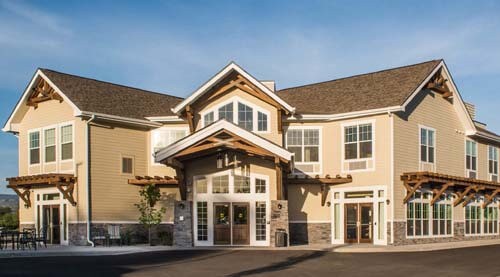
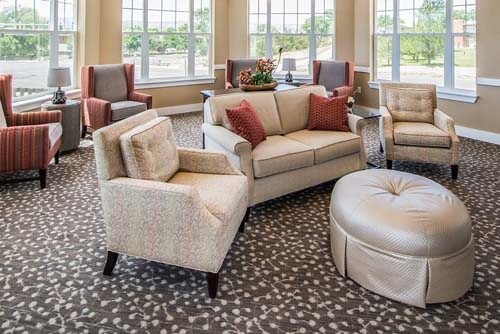
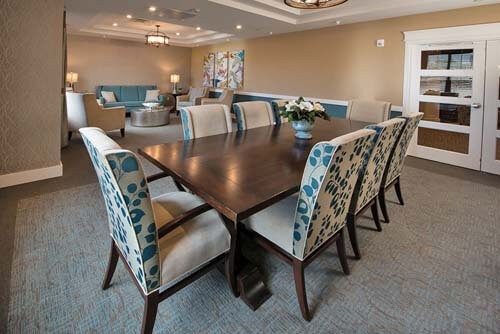
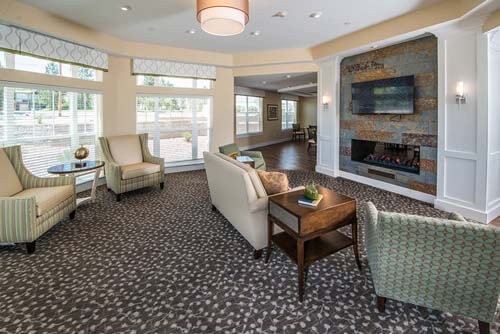
About Cappella of Grand Junction
At Cappella of Grand Junction, we carefully designed our Memory Support neighborhood to assist those living with Alzheimer's and dementia in a way that fosters individuality, dignity, a sense of value, and personal growth. Honoring the person as an individual is our mission and focus. We provide an environment where residents thrive, and families have peace of mind.General Property Features
- Private Rooms
- Respite/Short Term Stay, Scheduled Transportation, Transportation
- Assisted Living Community, Secured Memory Care Unit, Retirement Community
Memory Care
- https://www.cappellagrandjunction.com/
- 26
- $7,995.00
- Price All Inclusive
- Studio
- Doctor Visits, Off Campus Outings, Alz/Dementia Residents Only, Secured Courtyard
Additional Levels of Care Offered
Cappella Of Grand Junction
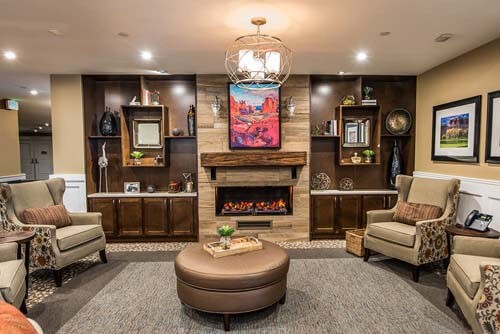
Assisted Living 628 26 1/2 Road, Mesa County, Grand Junction, Colorado, 81506At Cappella of Grand Junction our assisted living community offers the support to enable each person to live their life to the fullest. With just the right amount of assistance, residents can enjoy their day independently and in harmony with others, free from the chores and cares of household maintenance. Our lovely and lively community boasts 40 spacious studio, one-bedroom and two-bedroom apartment homes, plus a wealth of inviting common spaces, including a full-service salon, Grab and Go Bistro, Luxurious Spa and a wellness and therapy center. Honoring Each Individual, Enriching Each Day at Cappella.
Videos
Continue Your Search! Explore More Local Options.
Start SearchingLet’s engage and get educated!
Browse through thousands of expert articles in over 100 different categories.
Browse NowArticles You May Like
Supporting Independence, Community, and Peace of Mind
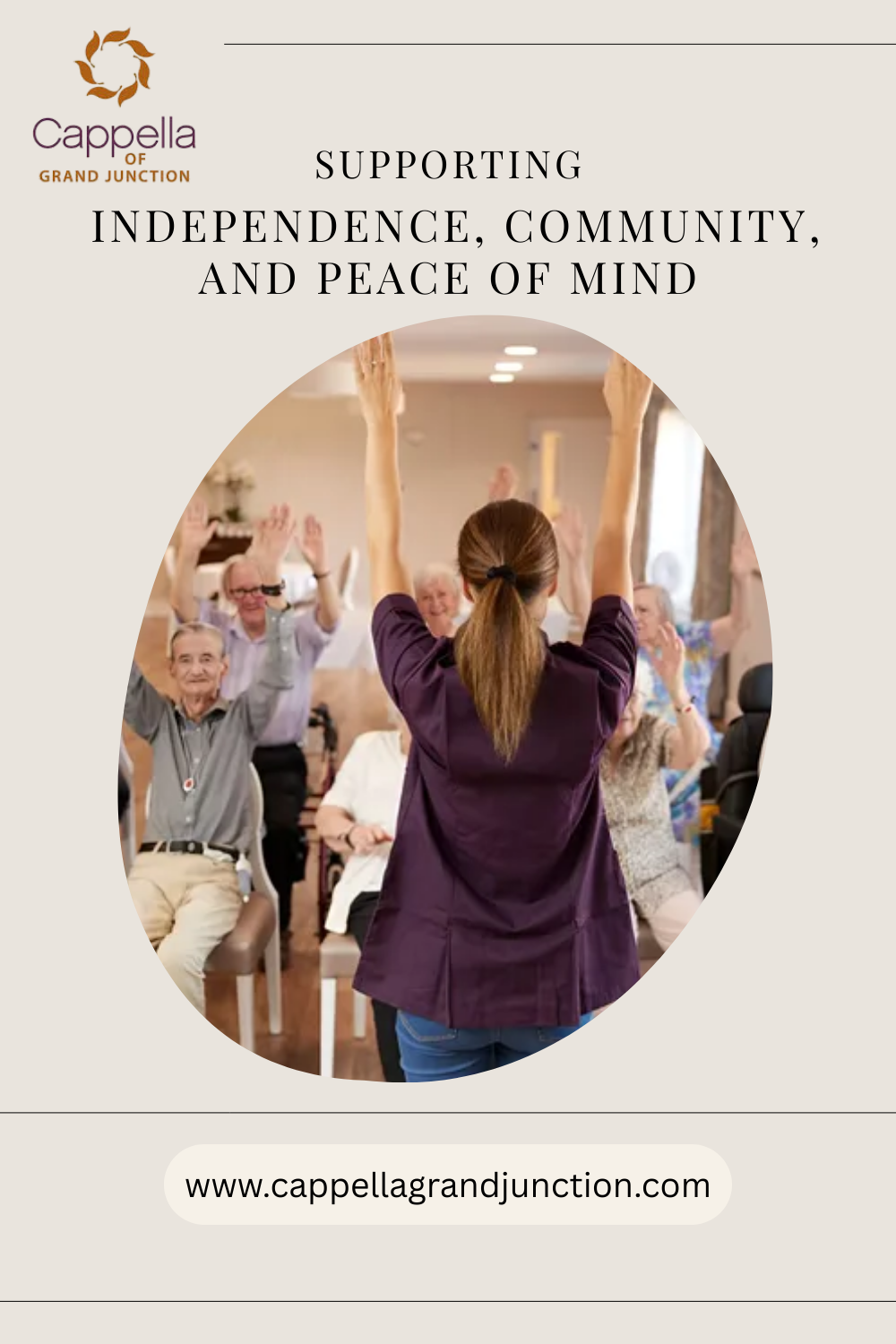
Supporting Independence, Community, and Peace of MindGrand Junctions wide-open skies, riverfront trails, and easygoing pace make it a place many seniors are proud to call home. As needs change with age, staying connected to that lifestyle often means finding the right balance between independence and support. Assisted living offers that balanceproviding help where its needed while preserving personal choice, dignity, and community engagement.In the heart of the Grand Valley, Cappella of Grand Junction offers assisted living designed for seniors who want to remain active and involved, with the reassurance that support is available around the clock. Assisted living isnt about giving up independence; its about gaining confidence and peace of mind for both residents and families. The goal of assisted living is to help residents live life on their own terms, with just the right amount of support, says Barbara Schumacher. When people feel safe and respected, theyre able to truly enjoy their days. What Assisted Living Really MeansAssisted living is often misunderstood. Its not a nursing home, and its not independent living with no help. Instead, its a flexible care option for seniors who may need assistance with daily activities but dont require full-time medical care.Assisted living typically supports: Medication management and reminders Assistance with bathing, dressing, or grooming Nutritious meals and housekeeping Transportation coordination Social activities and wellness programs This model allows residents to maintain control over their routines while having help readily available.Why Assisted Living Makes Sense in Grand JunctionGrand Junction is a regional healthcare and lifestyle hub for the Western Slope, but many seniors face challenges as driving becomes difficult or homes become harder to manage. Assisted living offers a practical solution that keeps seniors close to familiar surroundings without the burdens of home maintenance.Residents can enjoy: Proximity to medical providers and services Easy access to family and friends Opportunities to remain socially active A sense of belonging within a supportive community For many, assisted living becomes a gateway to renewed freedom rather than limitation.A Community Built Around Choice and ComfortCappella of Grand Junction emphasizes a resident-centered approach. That means daily schedules, activities, and support plans are designed around individual preferencesnot rigid routines.Residents often appreciate: Private or semi-private living spaces Comfortable common areas for socializing Dining options that encourage nutrition and enjoyment Staff who know residents personally This personalized environment helps residents feel at home rather than institutionalized.Staying Active, Social, and EngagedSocial connection is a key factor in healthy aging. Assisted living communities foster engagement through activities that support physical, emotional, and cognitive well-being.Programs may include: Group fitness or gentle movement classes Arts, crafts, and creative workshops Games, clubs, and group discussions Community outings and events Barbara Schumacher notes, When residents find activities they enjoy, they build friendships and rediscover a sense of purpose.Support That Adapts as Needs ChangeOne of the greatest benefits of assisted living is flexibility. As needs evolve, care plans can be adjustedoften without requiring a move to a new community.This adaptability provides: Continuity of relationships with staff Reduced stress during health changes Long-term stability for residents and families Knowing that support can grow alongside needs offers invaluable peace of mind.Peace of Mind for FamiliesFamilies often carry worry when an aging loved one lives aloneconcerns about falls, medication errors, or isolation. Assisted living addresses these worries by providing a safe, supervised environment while still honoring independence.Families benefit from: Regular communication with staff Reduced caregiving burden Confidence that help is always available This partnership allows families to focus on quality time rather than constant monitoring.Knowing When Assisted Living Is the Right StepDeciding when to transition to assisted living can be emotionally challenging. Signs that it may be time include difficulty managing daily tasks, increased isolation, safety concerns, or caregiver stress.Making the move earlierbefore a crisisoften leads to smoother transitions and greater satisfaction for everyone involved.A Lifestyle That Supports Aging WellAssisted living is about more than careits about lifestyle. With support in place, residents can focus on what matters most: relationships, hobbies, and enjoying the Grand Junction community they love.From quiet mornings with mountain views to lively social gatherings, assisted living creates space for seniors to live fully, confidently, and safely.A Place to Call HomeChoosing assisted living is a significant decision, but with the right community, it can open the door to greater freedom, security, and connection. A supportive environment, personalized care, and strong community ties make all the difference.To learn more about assisted living options in your area, visit Cappella of Grand Junctions Seniors Blue Book listing and connect with their team today.FAQs Assisted Living in Grand JunctionHow is assisted living different from independent living? Assisted living includes daily support services, while independent living does not provide personal care assistance.Do residents have private apartments? Many assisted living communities offer private or semi-private living spaces.Is medical care provided on-site? Assisted living provides support with daily activities and medications, but not full-time medical care.Can care plans change over time? Yes. Assisted living care plans are flexible and adjust as needs change. Are family visits encouraged? Absolutely. Family involvement is welcomed and supported.
Feb 09, 2026

Where Independence and Support Thrive Together
Where Independence and Support Thrive TogetherGrand Junction is known for its balance red rock landscapes and riverfront trails, small-town warmth and growing amenities, active retirees and multigenerational families. Its a place where people value independence but also understand the power of community.As seniors age, that balance becomes even more important.When daily tasks start to feel heavier medications become complicated, stairs feel steeper, or cooking for one feels isolating assisted living can offer the right mix of support and freedom.At Cappella of Grand Junction, residents dont just receive assistance. They gain community, purpose, and the ability to continue living life on their terms.Assisted living should feel empowering, says Barbara Schumacher. Our goal is to support independence while providing peace of mind for families.What Assisted Living Really MeansMany Western Slope families hesitate when they hear the term assisted living. They worry it means giving up independence.In reality, assisted living is designed to protect it.At Cappella of Grand Junction, residents typically receive help with: Medication management Bathing and dressing Mobility support Meal preparation Housekeeping Laundry services But they maintain control over: Daily routines Social choices Personal schedules Community involvement The right assisted living environment enhances life it doesnt restrict it.Designed for Active Western Slope SeniorsGrand Junction seniors are known for staying active. From walking along the Colorado Riverfront Trail to enjoying farmers markets downtown, many residents here want to continue participating in community life.Cappella supports that lifestyle with: Engaging activity calendars Fitness classes tailored to seniors Social events and outings Cultural and educational programming Outdoor spaces to enjoy Colorado sunshine Whether a resident prefers a quiet book club or a lively group gathering, opportunities for connection are built into daily life.A Community That Feels Like HomeOne of the biggest transitions for seniors is leaving a longtime home.Cappella of Grand Junction works to create an environment that feels welcoming and familiar, not institutional.Features may include: Comfortable common areas Private or semi-private apartments Inviting dining spaces Outdoor patios and walking paths Warm, homelike dcor For many Western Slope residents who have spent decades in Mesa County, maintaining a sense of familiarity and comfort is key to a successful transition.Supporting Families Through the TransitionMoving to assisted living is rarely just about logistics its emotional.Adult children may feel guilt. Spouses may worry about change. Seniors may fear losing autonomy.Barbara emphasizes open communication.We encourage families to be part of the journey, she says. When everyone understands the benefits and feels included, transitions are smoother.Families in Grand Junction often find that once their loved one settles in, they see improvements in: Nutrition Medication consistency Social engagement Overall mood Safety Without Sacrificing FreedomSafety is a top concern for aging adults especially after: A fall A hospitalization Increasing forgetfulness Difficulty managing medications Cappella provides: 24-hour staff availability Emergency response systems Structured medication oversight Secure environments This peace of mind allows families to step back from constant worry and return to being sons, daughters, and spouses rather than full-time caregivers.Dining, Wellness, and Social EngagementNutrition plays a critical role in senior wellness.Cappella offers: Balanced daily meals Social dining experiences Dietary accommodations Hydration monitoring In addition, wellness programming supports: Gentle exercise Cognitive engagement Emotional well-being Faith-based or spiritual activities Grand Junctions senior population thrives when connected and assisted living fosters those connections.When Is It Time for Assisted Living?Families often ask: How do we know when its the right time?Signs may include: Missed medications Declining hygiene Increased isolation Difficulty maintaining a home Caregiver exhaustion Frequent falls Planning before a crisis allows for a smoother, more thoughtful transition.Frequently Asked Questions About Assisted Living in Grand JunctionHow is assisted living different from independent living?Independent living focuses on maintenance-free living, while assisted living includes personal care support and medication management.Is assisted living covered by Medicare?Medicare does not typically cover room and board, but families can explore long-term care insurance or other financial planning options.Can couples live together?In many cases, yes. Communities often accommodate couples with varying care needs.Are pets allowed?Policies vary, but some assisted living communities offer pet-friendly options.Can residents leave for outings?Yes. Residents are encouraged to remain active and involved in the broader Grand Junction community.A Balanced Approach to Aging WellAging doesnt mean stepping away from life it means adapting with the right support.Cappella of Grand Junction offers: Compassionate care Personalized assistance Active social programming Safety and structure A warm, welcoming community For Western Slope families seeking the right balance between independence and support, assisted living can be a powerful next chapter. Visit Cappella of Grand Junction on SeniorsBlueBook.com to learn more and schedule a tour with Barbara Schumacher today.
Feb 25, 2026
How Assisted Living Can Restore Time and Connection in Grand Junction
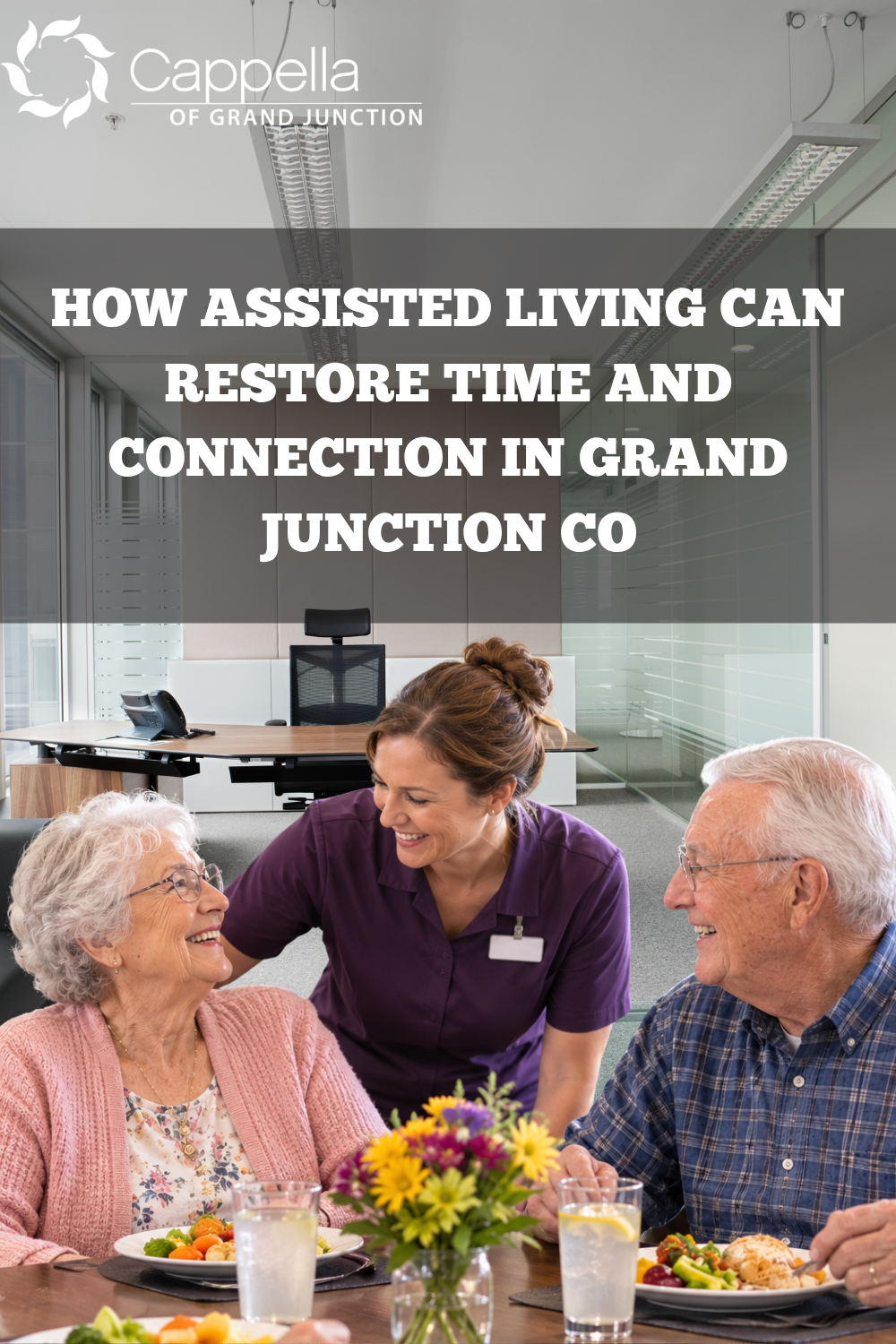
How Assisted Living Can Restore Time and Connection in Grand Junction COFor years, a familiar home may feel like the center of an older adults independence. It holds family photographs, favorite furniture, neighborhood memories, and routines built over decades.But a home also requires work.Meals must be planned. Groceries must be purchased. Laundry piles up. Prescriptions need to be organized, and small repairs cannot always wait. When mobility, stamina, or health begins to change, managing those responsibilities may consume most of a persons energy.That is when families may begin exploring assisted livingnot because an older adult has stopped valuing independence, but because maintaining the house has started limiting how that independence is used.Cappella of Grand Junction offers assisted living and memory care at 628 26 1/2 Road in Grand Junction. Its assisted living neighborhood includes 40 studio, one-bedroom, and two-bedroom apartments, along with shared spaces designed for dining, wellness, personal care, and social activities.When Daily Responsibilities Begin Shrinking a Seniors WorldThe need for assisted living does not always arrive through a major emergency. It may appear through gradual changes that are easy to explain away.An older adult may still be living alone but:Skip meals because cooking feels exhaustingAvoid bathing because getting in and out is difficultStop attending events because driving is stressfulWear the same clothes because laundry is challengingBecome less active after the loss of a spouseStruggle to remember medication schedulesSpend most days watching television without meaningful interactionIndividually, these changes may seem manageable. Together, they can indicate that daily life is becoming narrower.Assisted living can remove some of those burdens while allowing residents to retain control over their schedules, relationships, interests, and personal decisions.Barbara Schumacher of Cappella of Grand Junction has seen how the right environment can affect an older adults outlook.They see their loved ones regain energy, build friendships, and find joy in community life again, Schumacher says.Assisted Living Is Support, Not SurrenderOne of the most common misunderstandings about assisted living is that residents give up their independence when they move.In reality, the purpose of assisted living is to provide help with the tasks that have become difficult while preserving the persons ability to make everyday choices.Depending on an individual care plan, assistance may include help with:Bathing, dressing, or groomingMedication routinesMobility and transfersHousekeeping and linen serviceMeals and nutritionTransportation to appointmentsCoordination of changing care needsThe amount of assistance should reflect the residents needs. One person may require only medication reminders and housekeeping, while another may need regular help with personal care.At Cappella, residents live in private apartments and have access to team members around the clock, personalized assistance, and social and wellness programming.What Older Adults Can Gain by Letting Go of ChoresMoving away from a longtime home can bring understandable grief. However, it may also create opportunities that have been missing.More Energy for Meaningful ActivitiesAn older adult who no longer has to clean the bathroom, prepare every meal, or worry about household repairs may have more energy for hobbies, visits, exercise, and conversation.The goal is not to fill every minute with scheduled activities. It is to make participation possible again.Some residents prefer group programs, while others enjoy quiet routines such as reading, having coffee with a neighbor, visiting with family, or spending time outdoors.Regular Meals Without the WorkPreparing balanced meals can become difficult when standing is painful, appetite changes, or grocery shopping is inconvenient. Eating alone may also make meals feel less enjoyable.A community dining environment can provide structure and social contact while reducing the work involved in shopping, preparation, and cleanup.Families touring Cappella can ask about menu variety, dietary accommodations, meal schedules, seating choices, and how residents preferences are incorporated.Easier Access to Personal Care and WellnessCappellas published amenities include a full-service salon, spa, Grab and Go Bistro, and wellness and therapy center. These shared resources can make personal care and wellness activities more convenient than arranging separate trips around Grand Junction.The communitys assisted living program also received 2025 customer experience recognition for communication and the move-in process. The awards were based on ongoing resident and family surveys conducted through Activated Insights.Remaining Connected to the Grand Junction LifestyleA move to assisted living does not have to separate someone from the community they know.Grand Junction is shaped by Western Colorados outdoor landscapes, including the red-rock canyons and monoliths of nearby Colorado National Monument. The area also offers parks, family-owned businesses, medical services, community events, and connections to Fruita, Palisade, and other Mesa County communities.For longtime Western Slope residents, location can influence whether friends and relatives can visit regularly and whether familiar physicians, churches, and community relationships remain accessible.When comparing assisted living options, families should consider:Travel time for close relativesAccess to current medical providersTransportation servicesOpportunities for community outingsSpace for family gatheringsWhether the setting feels familiar and welcomingThe Importance of Everyday RelationshipsAmenities may attract attention during a tour, but relationships shape everyday life.Residents benefit when team members learn how they prefer to be addressed, what routines are important, and which interests bring them purpose. They may also form friendships with neighbors who have shared experiences.Even pets can contribute to the community atmosphere. Cappella has described itself as pet-friendly and has shared stories about resident dogs becoming familiar companions for residents and team members. Barbara Schumacher has noted that residents enjoy interacting with the communitys resident dog, Suzy.These ordinary interactionsa greeting in the hallway, a conversation at lunch, or time spent with a petcan help a new setting begin to feel like home.How to Evaluate Cappella During a TourFamilies should look beyond the appearance of the building and imagine a typical day for their loved one.Ask questions such as:How are care needs assessed before move-in?How often are care plans reviewed?What services are included in the monthly price?How does the community communicate with families?What happens when a residents needs increase?How are meals and activities personalized?Can residents bring a pet or favorite furniture?What transportation is available?How are emergencies handled overnight?It can also be helpful to visit during a meal or activity. Observe how team members interact with residents and whether the environment feels relaxed, respectful, and genuinely lived in.Frequently Asked Questions About Assisted LivingWhat Is the Difference Between Assisted Living and Independent Living?Independent living is generally intended for older adults who can manage personal care without regular assistance. Assisted living provides housing, meals, activities, and help with daily tasks according to an individualized plan.Does Cappella of Grand Junction Offer Private Apartments?Yes. Cappellas assisted living neighborhood includes private studio, one-bedroom, and two-bedroom apartment options. Availability and specific floor plans should be confirmed directly with the community.Can Couples Live Together at Cappella?Apartment options may accommodate couples, depending on availability and each persons care needs. Couples should request a joint assessment and ask how individual service charges are calculated.Does Cappella Also Provide Memory Care?Yes. Christian Living Communities lists Cappella of Grand Junction as offering both assisted living and memory care.How Can Families Contact Cappella of Grand Junction?Cappella is located at 628 26 1/2 Road, Grand Junction, Colorado 81506. The current main phone number listed by Christian Living Communities is 970-822-7070.Explore Assisted Living in Grand JunctionThe decision to move is rarely only about needing help. It is also about deciding how an older adult wants to spend their time and energy.When household responsibilities, isolation, or safety concerns begin limiting daily life, assisted living may provide a new balanceprivate space, personal choices, dependable support, and more opportunities for connection.Visit the Cappella of Grand Junction listing on SeniorsBlueBook.com to connect with Barbara Schumacher, explore current assisted living options, and learn more about services available to Grand Junction seniors and their families.
Jul 13, 2026

Is Now the Time to Move Your Loved One to an Assisted Living Community?
The short answer: yes. An assisted living community can provide significant advantages to older adults who are feeling isolated and would benefit from extra support with activities of daily living or families who are struggling with caregiver burnout.An Assisted Living Community Surrounds Your Loved One with Experts. You are definitely an expert when it comes to knowing your loved one. However, you may not be trained and educated on taking care of them. The staff and administrators at assisted living communities have extensive backgrounds in the type of work needed to make sure your loved one feels at home while also receiving the best possible care. Additionally, staff in assisted living communities have had months of training and experience in creating a safe environment during the pandemic. There is no doubt you are trying as hard as you can to do the same, but you do not have the same resources. At Cappella of Grand Junction, our clinical teams receive daily briefings from government and health professionals and are able to keep residents informed with accurate, up-to-date information. These teams can adapt that information into evolving protocols and procedures, and provide immediate training to team members. You can rest assured knowing your loved one is receiving the best care available.Caretakers Have Less Chance of Being ExposedIf you or other family members have been taking care of your loved one, it is safe to say that is not your only responsibility. You may be working from home, but you still have to leave and risk exposure occasionally. While the virus may not affect you terribly, you could still pass it along to your loved one even if you are trying to be careful. At Cappella of Grand Junction, we continue to implement rigorous virus sanitizing protocols daily. The county health department continues to direct our actions. Residents temperatures are taken twice daily and the team is vigilantly monitoring all signs and symptoms for everyone who lives and works in our community. You can read more about how we are keeping residents and team members safe here.Your Loved One Will Have More Resources to Weather the PandemicSocial distancing has been difficult for everyone, introverts and extroverts alike. Older adults were already at a higher risk of experiencing loneliness and isolation pre-pandemic, and that risk has only risen in the last few months. You want your loved one to get what they need, especially socially. It can be difficult to do that safely right now if they live alone.Some older adults rely on restaurants and do not cook for themselves. While restrictions have eased in many areas of the country, some elders may not feel comfortable going out to eat. In an assisted living community, residents have access three chef-planned meals every day. Housekeeping and linen service, medication management, transportation to medical appointments are all part of the services and amenities your loved one will receive at Cappella of Grand Junction.Vital Social ConnectionA neighborhood of potential friends is part of an assisted living community. At Cappella of Grand Junction, our goal is to strike balances between the crucial need to maintain physical health with mental health leading to happiness. Our philosophy in serving older adults is designed to encourage growth, passion, and enthusiasm for all of lifes promises and possibilities, regardless of age or individual ability.During this unprecedented time, our Life Enrichment team is finding creative ways to keep residents active while keeping them safe, as well as keeping residents connected with their families in ways that feel fulfilling, but without the fear that you might expose them to the virus.How the Virus Affects Your DecisionUltimately, the pandemic should not affect your decision to move or not move. However, it should affect how you move. In other words, if you would consider moving your loved one to an assisted living community before the pandemic, or would be considering it, then odds are you should still be considering this now. You just need to consider if the older adult in your life would feel safer and more supported in an assisted living community. We are here to help you navigate this important decision. Learn more about what our unique community has to offer and check out our Assisted Living Floor Plans. Contact us with your questions or to schedule a virtual tour.
Sep 09, 2021

Required Minimum Distributions A Creative Option
Not familiar with this term? Your required minimum distribution (RMD) is the minimum amount you must withdraw from your retirement account each year. You generally have to start taking withdrawals from your IRA, SEP IRA, SIMPLE IRA, or retirement plan account when you reach age 70.For some, these mandatory disbursements are a key part of retirement income you saved for a comfortable retirement and your IRA is a part of your plan. For others, however, the required portion creates a question, as RMDs can increase taxable income when it might not be especially needed.A few people have found a creative way to handle RMDs. They give them to the charity they love.Clearly, these gifts wont make sense for everyone, or even most. But if you find yourself with an unwanted RMD, donating all or part of it to Christian Living Communities could be a creative way to support the organization or a specific community that is part of the CLC family.For more information about this option, please contact Olivia Mayer at [email protected] or 720-974-3675. All inquiries will be held in strict confidence.
Mar 08, 2023

Where Lifestyle and Support Meet on the Western Slope
Where Lifestyle and Support Meet on the Western SlopeIn Grand Junction, retirement doesnt mean slowing down it means choosing how you want to live. With the Colorado National Monument just minutes away, farmers markets in Palisade, concerts at Las Colonias, and coffee shops lining Main Street, older adults here value independence, culture, and connection.But what happens when daily tasks begin to require a little extra help?For many seniors and families in Mesa County, the answer isnt giving up independence its finding the right level of support. At Cappella of Grand Junction, assisted living is designed not as a final stop, but as a vibrant next chapter.Assisted Living Isnt What It Used to BeThere was a time when assisted living carried outdated stereotypes quiet hallways, limited activity, and a clinical feel. Todays assisted living communities, especially in active communities like Grand Junction, are intentionally built around lifestyle.At its core, assisted living offers: Help with bathing, dressing, and grooming Medication management Housekeeping and laundry Chef-prepared meals Social and recreational programming 24-hour staff support The goal is simple: remove daily stressors while preserving autonomy.Barbara Schumacher of Cappella of Grand Junction highlights this philosophy: Our residents are still living full, active lives, says Barbara Schumacher. Were here to provide just enough support so they can focus on enjoying their days instead of worrying about chores or safety. That balance is key.Why Grand Junction Seniors Are Choosing Assisted Living EarlierMany older adults in Mesa County are proactive planners. Rather than waiting for a health crisis, they move to assisted living while theyre still active.Reasons seniors choose assisted living include: Downsizing from large homes Reducing maintenance responsibilities Increasing social engagement Preparing for gradual mobility changes Relieving family caregivers Grand Junctions wide geographic layout with homes spread across Redlands, Orchard Mesa, and Fruita can make isolation more likely as driving becomes difficult. Assisted living provides built-in community.A Community Designed for EngagementLife at Cappella isnt centered around limitations its centered around opportunity.Residents may participate in: Group fitness classes Art and craft workshops Educational lectures Live music events Movie nights Excursions to local attractions With Grand Junctions sunny climate and beautiful scenery, outdoor patios and social spaces become natural gathering points.Engagement supports both mental and physical health.Personalized Care Plans That Adapt Over TimeAssisted living is not one-size-fits-all. Each resident has different needs.Upon move-in, staff conduct assessments to determine: Level of mobility Medication requirements Dietary needs Cognitive status Preferred daily routines Care plans are adjusted as needs evolve.For example, a resident may initially need only medication reminders but later require additional mobility assistance. Flexibility ensures continuity of care without disruptive moves.Dining That Feels Like Home Without the WorkPreparing meals becomes more challenging with age especially in homes with large kitchens and multiple steps.Assisted living dining programs provide: Nutritious, balanced meals Accommodations for dietary restrictions Social dining environments Snacks available throughout the day Shared meals also encourage connection, reducing loneliness.Supporting Families Through TransitionThe decision to move a loved one into assisted living often comes with emotional weight.Families may feel: Concern about loss of independence Guilt about not providing care themselves Anxiety about change Communities like Cappella ease that transition by encouraging family involvement, offering tours, and maintaining open communication.Once residents settle in, many families notice improvements in mood, nutrition, and overall safety.Safety and Peace of MindFalls are a leading concern among seniors aging at home.Assisted living communities are designed with safety in mind: Emergency response systems Staff available 24/7 Accessible layouts Handrails and non-slip flooring Wellness monitoring In Grand Junction, where many homes include stairs or multi-level layouts, assisted living offers a safer alternative without sacrificing lifestyle.The Social Benefit of Community LivingOne of the most powerful changes families observe after a move is renewed social engagement.Instead of spending days alone, residents find: Friends with shared interests Group activities Daily conversation Celebrations and events Social connection reduces depression and supports cognitive health.When Is It Time to Consider Assisted Living?It may be time to explore assisted living if: Daily chores feel overwhelming Medications are missed Isolation is increasing Minor falls have occurred Caregiver stress is growing Starting the conversation early allows seniors to make the decision themselves preserving dignity and choice.Planning for the Future in Mesa CountyGrand Junctions senior population continues to grow. Planning for housing transitions early provides flexibility and peace of mind.Financial considerations may include: Private pay options Long-term care insurance Veterans benefits Asset planning Meeting with community representatives helps families understand costs and options clearly.A Lifestyle-Focused Approach to Assisted LivingCappella of Grand Junction approaches assisted living not as a medical solution, but as a lifestyle enhancement.Residents retain control over their schedules. They decorate their apartments with familiar belongings. They continue hobbies, friendships, and community involvement.Support exists quietly in the background ready when needed.Take the Next Step Toward Confident LivingIf you or a loved one in Grand Junction is exploring assisted living options, consider touring Cappella to see how lifestyle and support can coexist beautifully.Visit Cappella of Grand Junctions listing on Seniors Blue Book to learn more, schedule a tour, and discover how assisted living can be a vibrant next chapter on the Western Slope.Independence doesnt end it evolves.Frequently Asked Questions About Assisted Living in Grand JunctionIs assisted living only for people with serious medical needs?No. Many residents move in while still active and independent but seeking convenience and social engagement.Can residents leave the community for outings?Yes. Residents are free to come and go and often participate in organized local excursions.What if care needs increase?Care plans are adjusted to meet evolving needs. Communities work closely with families and healthcare providers.Are apartments furnished?Many communities offer both furnished and unfurnished options, allowing residents to personalize their space.Is assisted living covered by Medicare? Medicare does not typically cover room and board, but certain healthcare services may be covered separately.
Feb 12, 2026
Dementia A Message of Hope
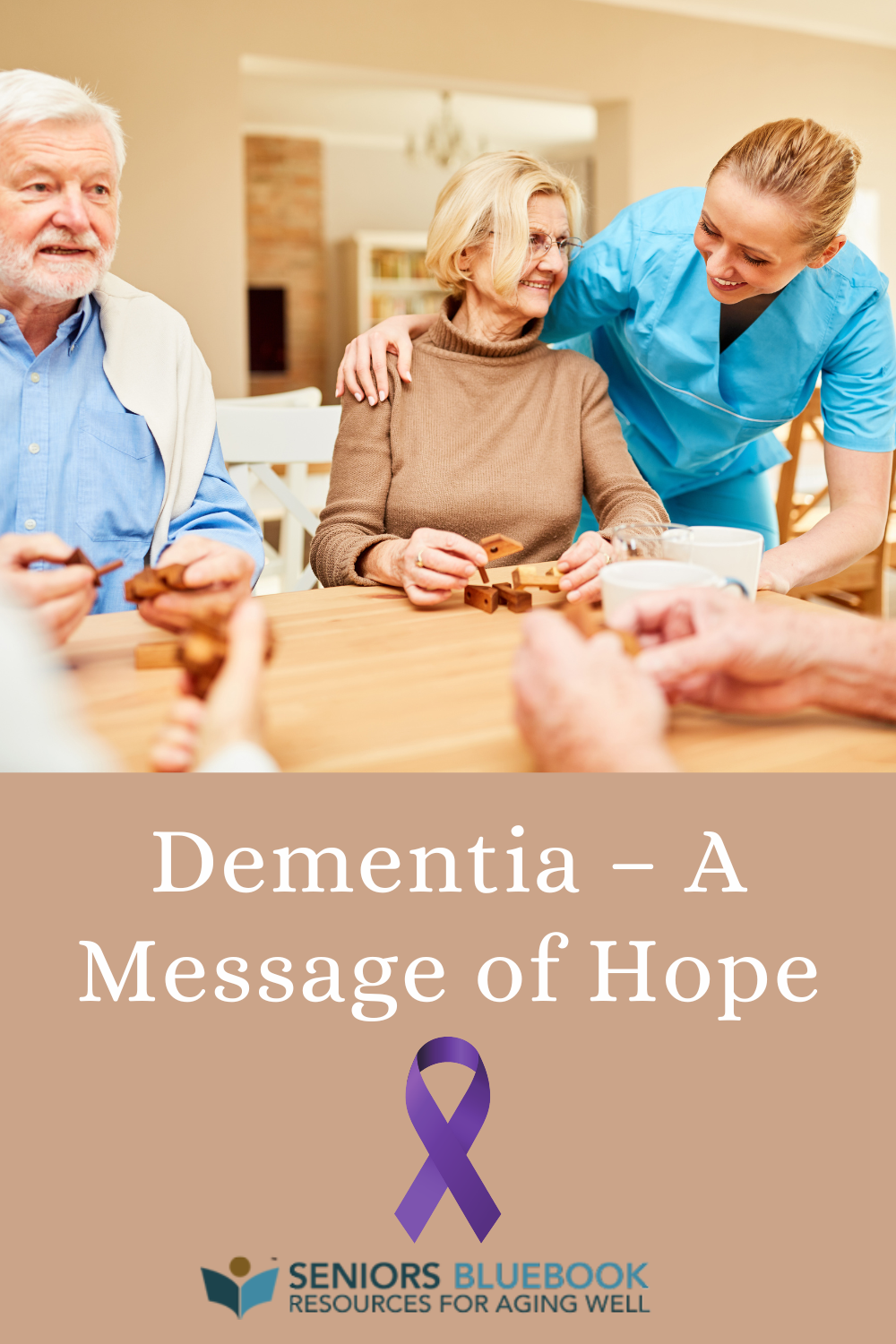
Dementia doesnt rob someone of their dignity, its our reaction to them that does. Teepa SnowLike most people in the field of senior living, Ive learned everything I know about dementia from other professionals and service providers. I recently attended a session at the LeadingAge PEAK conference that completely shifted my paradigms.This session was different. It was taught by a different type of expert a panel of individuals who have a diagnosis of, and are living with, dementia. It included advisory board members of the Dementia Action Alliance, an advocacy and education organization of people living with dementia, care partners, friends and dementia specialists.Rather than speaking of decline and deficits and despair, these panelists spoke of hope and possibility. They shared a new paradigm in which people dont just exist with dementia but truly live and craft new hopes and dreams for the future. They shared stories of the gifts that come with a dementia diagnosis such as heightened spirituality, closer connections to people and to nature, and a deeper enjoyment of life.The panelists also shared stories of the devastating and dangerous impact of the stigma that surrounds dementia. From the moment a diagnosis is received, and a doctor says, Im sorry go home and get your affairs in order, our current framework is focused only the losses that come with dementia an approach that serves to marginalize and ostracize those who are living with dementia and their families.By fighting back against the stigma and shame that surrounds dementia, the panelists believe that we can reduce fear. And, with this new approach, people will be more likely to get an early diagnosis rather than hide their symptoms. This puts the person in the drivers seat in control of his or her own future. Rather than dreading the future and isolating him or herself, an individual can choose how to live life from that moment of diagnosis forward. He or she can learn to use technology like Amazon Alexa or a smartwatch to retain independence and plan what should happen when living independently is no longer an option. Its time that the voices of those living with dementia are heard we have much to learn.
Mar 08, 2023
How to Have the Conversation About Senior Living
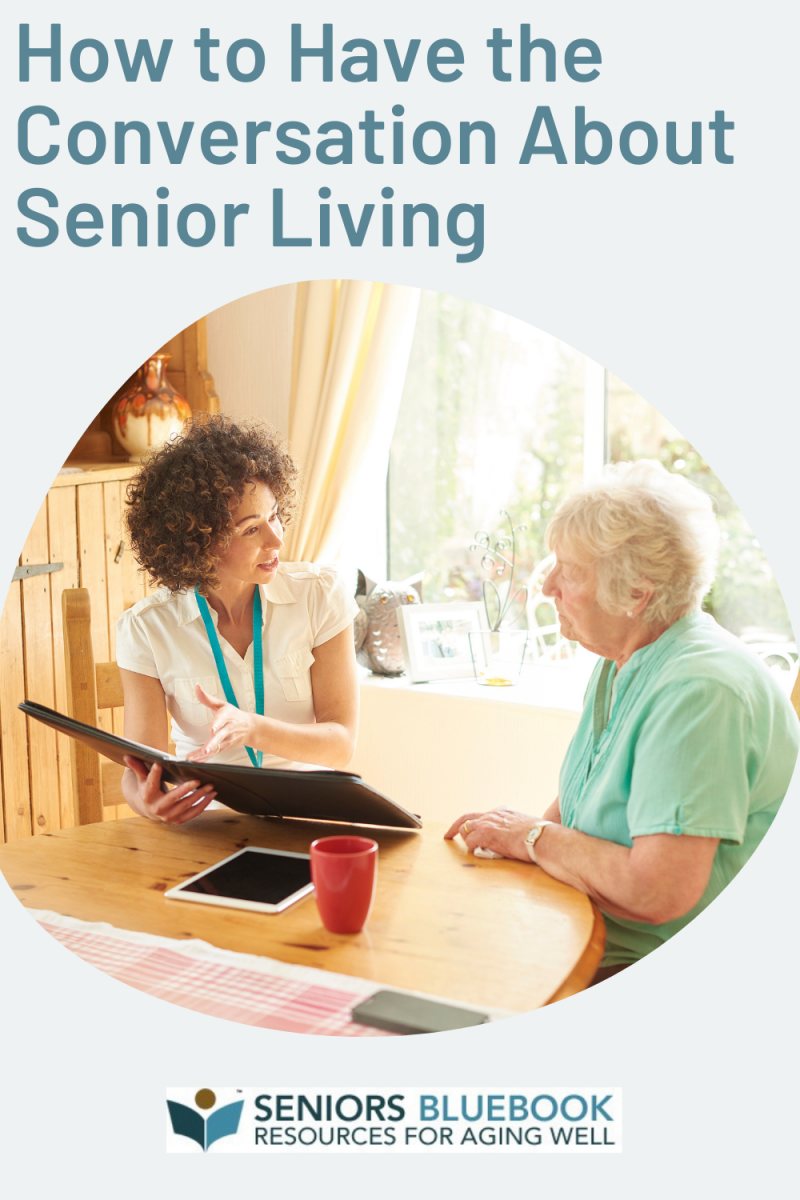
If you've noticed a drop in your loved ones quality of life, now's the time to talk to them about their future. Its normal to be nervous about this. The conversation is all too often portrayed in popular culture as an emotion-driven showdown. In real life, its more likely to be the first of many discussions in which you and your parents find the right ways to help and support one another. Here are some tips to help you start that process:Be proactive, not reactive. If your parent has skipped some meals or forgotten to fill a prescription, that's a time to help, not a time to start the conversation. Choose a relaxed environment, and set a time when no one needs to be rushing.Do some homework. What are the pros and cons of home care vs. community life? What are the financial implications? Your parents will have more confidence in their decisions if you can show you've researched questions like these.Express feelings, not fears. Using I and We statements will help with this. You are losing your mobility and could suffer a bad fall at any moment is better rephrased as I am worried that you cant get around as well as you used to and want to know you're safe at all times.Emphasize the positive. Instead of talking about what your loved one cant do now, focus on aspects of their independence they will gain or regain in a senior living community.Finish with a plan of action. This could be as simple as fixing a time to bring the wider family into the discussion, or as involved as arranging a tour of Cappella of Grand Junction.
Sep 09, 2021

Sharing Life Across Generations
A glimpse into each others lives thats what 22 University of Denver students and 22 residents of Clermont Park have been exchanging for the past few weeks. Those insights are being shared via photography and story as part of a partnership between DU and Clermont Park.The students are currently enrolled in a Life Walks photography and writing course led by Roddy McInnes. Roddy approached Clermont Park Life Plan Community to see if residents there would be open to participating. Students and residents were paired with the goal of interviewing and portraying each other through photography and story.Clermont Park resident Shirley Brown, an avid photographer for more than 50 years, met with McInnes and helped map out the project. She jumped on the idea but wasnt sure whether her neighbors would share her enthusiasm. She was very surprised that they were able to fill the 22 spots fairly quickly and that the reaction has been so positive. Once the residents had met with the students and were sharing their experiences, other residents came forward and said theyd be willing to participate if such an opportunity presented itself again.It was great to find out people really enjoyed it, she said.For her personally, it has been gratifying. It was so refreshing to have a chance to meet with a young person, she said. A lot of kids dont have a close relationship with a grandparent, and they have a lot of preconceptions, as do we. Its really good to get to know somebody and find the generalities you thought about them are not necessarily true.The Life Walks photography exhibit was at Clermont Park during May 2017. This project documented the partnerships of Clermont Park residents and DU students as they shared personal photographs with each other and then wrote essays about the experience.9News was there to cover the exhibits opening. See the story here.
Mar 08, 2023

Quick and Easy Beneficiary Designation
If you would like to remember Christian Living Communities in your estate plans, but dont have other reasons to update your will or living trust, there might be another optiona Beneficiary Designation.People choose beneficiaries for their IRAs, life insurance policies, and company retirement plans. If appropriate, you can also name CLC as one of your beneficiaries.The process is quick and easy. You simply obtain a Beneficiary Change form from your IRA custodian, life insurance provider or HR Departmentits often a one-page document and it might be available online. After you choose the percentages, you would like to give to CLC and others, you simply complete and return the form and your gift will be in place.And, if you do remember CLC with a gift, please let us know. We would love to welcome you as a member of the Compassion Circle.If you have any questions about beneficiary options or any estate gift to Christian Living Communities, please contact Olivia Mayer at [email protected] or 720-974-3675. All inquiries will be held in strict confidence.
Mar 08, 2023

Experience the Joy of Giving!
During this holiday season, give the gift of peace of mind by supporting the Resident Assistance Fund. Your gift allows qualified residents to stay in the home they love and continue to receive the exceptional care they so deserve. You may also receive a tax benefit if you donate by December 31st.By giving to the Resident Assistance Fund, you are helping residents like Faye Dixon remain in her home at Clermont Park.Enjoy your holidays and, again, thank you for your support of older adults.It means she can stay here, where she wants to be. For those who have donated we offer a heartfelt thank you.'Fayes daughterp.s. If you plan to give a Qualified Charitable Distribution (QCD) from your IRA, please contact your financial advisor to avoid any potential penalties. The giving date is important.
Mar 08, 2023
Memory Care Routines for Calm and Connection in Grand Junction CO
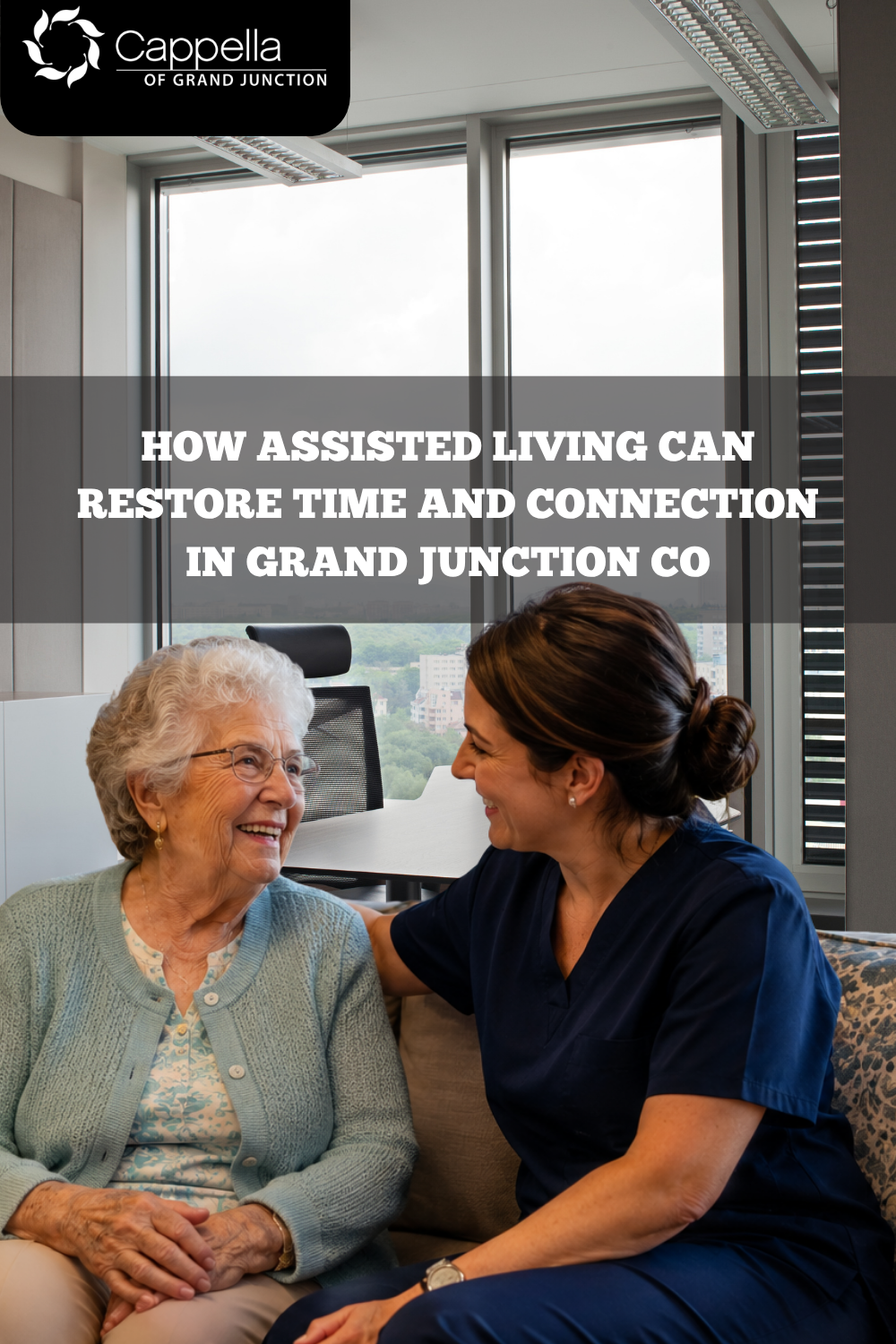
Memory Care Routines That Support Calm and Connection in Grand Junction COLate in the afternoon, an older adult who was comfortable earlier may suddenly ask to go home. They may pace near the door or insist they need to pick up children who are now adults.For families caring for someone with Alzheimers disease or another form of dementia, these moments can feel unpredictable. Yet behavior often communicates an unmet need such as fatigue, discomfort, overstimulation, hunger, fear, or a disrupted routine.Memory care is not simply supervision in a secured setting. At its best, it creates a dependable daily rhythm that helps the person know what comes next, remain involved in familiar activities, and receive support without being rushed.Cappella of Grand Junction provides memory support at 628 26 1/2 Road in Grand Junction. Its care model incorporates Christian Living Communities Rhythms Dementia Services, an approach that adapts support to each residents natural patterns, history, abilities, and opportunities for meaningful engagement.Barbara Schumacher of Cappella summarizes the philosophy clearly: Its about meeting people where they are and celebrating who they are today.Why Daily Rhythm Matters in Dementia CareDementia may change communication, judgment, sleep, orientation, and the ability to complete everyday tasks. Some people experience restlessness, agitation, or increased confusion as daylight fades, a pattern commonly called sundowning.The National Institute on Aging recommends looking for possible causes of agitation, including pain, hunger, thirst, infection, fatigue, medication effects, excessive noise, and changes in routine. The Alzheimers Association also notes that structured, pleasant activities can help reduce agitation and improve mood.A dependable rhythm does not mean every day must be rigid. It means the resident receives reassuring cues:Meals occur at familiar times.Personal care is offered without rushing.Rest is balanced with movement.Team members recognize preferred routines.Meaningful choices remain part of the day.For a longtime Grand Junction resident, familiarity may include country music, gardening, peach recipes, church traditions, pets, or stories about family life on Colorados Western Slope. Grand Junctions orchards, peaches, and Book Cliffs are defining parts of the areas identity and may inspire activities or conversations that feel personally meaningful.A Better Routine Begins With the Persons StoryFamilies often arrive with medical records, medication lists, and care instructions. Those documents are necessary, but they do not explain who the person has been.A useful life-story profile may include:Preferred name and form of addressCareer and community rolesFavorite music, foods, and hobbiesWaking and bedtime habitsPersonal-care preferencesImportant family relationshipsWords or objects that provide reassuranceChristian Living Communities describes its Rhythms approach as celebrating the whole person, including their history and potential for continued growth and engagement. Cappellas memory support neighborhood includes private apartments, discreet security, and shared indoor and outdoor spaces intended to support safe movement and social connection.Preserve Purpose Through Familiar TasksA person living with dementia may no longer complete an activity exactly as they once did, but they can still experience purpose.A former office manager might sort papers. A homemaker may fold towels. A gardener can water plants. Someone who enjoyed hosting family dinners may help set the table.The activity does not need to produce a perfect result. Its value comes from participation, identity, and the feeling of being useful.Responding to Repetition Without Creating ConflictRepeated questions can exhaust family caregivers. A person may ask when dinner is coming moments after receiving an answer or repeatedly request to go home.Correcting the person each time rarely resolves the underlying worry. The Alzheimers Association recommends accepting repetition when it is harmless, using reminders if they remain meaningful, and redirecting the person toward a pleasant activity.A supportive response might be:Youre safe here. Lets sit together.Dinner will be soon. Would you help me choose some music?Youre thinking about home. Tell me what you liked most about it.The goal is not to win an argument about facts. It is to respond to the emotion behind the persons words.Planning for Late-Afternoon ChangesSundowning may include restlessness, irritability, pacing, confusion, or difficulty sleeping. Families touring memory care should ask how the team notices patterns and adjusts the residents surroundings.Helpful questions include:Are demanding activities scheduled earlier in the day?Are residents offered movement or outdoor time?How are lighting and noise adjusted?How does the team check for pain, hunger, or fatigue?How are families informed when behavior changes?An abrupt change should not automatically be attributed to dementia. Pain, dehydration, infection, medication changes, and other medical concerns may require professional evaluation. The National Institute on Aging recommends informing a medical provider when agitation appears suddenly or changes significantly.Safety Should Still Allow MovementWandering can become dangerous when someone exits into traffic, becomes lost, or encounters extreme weather. However, movement itself may provide exercise, stimulation, and an outlet for restlessness.The Alzheimers Association recommends structured activities, exercise, attention to basic needs, and safe areas where a person can walk without unnecessary restriction.Cappellas memory support setting includes discreet security and shared spaces where residents can navigate their surroundings and interact with others. During a tour, families should observe whether outdoor areas are secured appropriately and whether team members redirect residents respectfully.Safety features matter, but so does dignity. A thoughtful environment should help residents continue walking, choosing where to sit, and participating in community life.Family Support Is Part of Memory CareDementia affects the entire household. Spouses and adult children may spend years coordinating medications, interrupted sleep, meals, transportation, and constant supervision.Cappella hosts a Memory Caf where caregivers and people living with dementia can socialize, enjoy food and music, and spend time with others facing similar experiences. The event is listed as being held monthly on the second Tuesday and is organized through Barbara Schumacher.Programs like this can help families seek information before a crisis and remind caregivers that needing additional help is not a failure.Questions to Ask During a Memory Care TourBring the same questions to every community so the answers are easier to compare:How is the residents routine learned and documented?What dementia-specific training do team members receive?How are care plans updated?How are wandering, sleep changes, and agitation addressed?How does the community communicate with families?What services are included in the monthly fee?Ask to see the dining area, outdoor space, activity setting, and a sample apartment. Notice whether team members speak directly to residents and allow enough time for responses.Frequently Asked QuestionsDoes Cappella provide both assisted living and memory care?Yes. Christian Living Communities lists Cappella of Grand Junction as offering both assisted living and memory support.Is Cappellas memory care neighborhood secured?CLC states that its memory support communities provide discreet security and shared indoor and outdoor areas designed for safe exploration and connection.Does Cappella offer private memory care apartments?Yes. Christian Living Communities states that each memory support resident has a private apartment home. Families should contact Cappella for current availability.How can a family contact Cappella?Cappella is located at 628 26 1/2 Road in Grand Junction. Christian Living Communities currently lists 970-822-7070 as the main phone number.Explore Memory Care in Grand JunctionThe right memory care setting learns when a resident likes to wake, what brings comfort, which activities create purpose, and how to turn difficult moments into opportunities for reassurance.Visit the Cappella of Grand Junction listing on SeniorsBlueBook.com to connect with Barbara Schumacher, review current memory care information, and explore whether Cappellas approach may fit your familys needs.
Jul 13, 2026

Choosing Assisted Living with Confidence A Familys Guide from Cappella of Grand Junction
The Moment You Start Asking, Is It Time?For many families, the conversation about assisted living starts quietly. Maybe Mom is missing meals, or Dads forgetting his medication more often. Its rarely a single moment that brings you to this decision its a collection of small signs that add up to one important realization: its time for more support.Thats where Cappella of Grand Junction steps in not as a facility, but as a community of care and understanding. Their team helps families make the transition to assisted living with compassion, transparency, and respect.Understanding What Assisted Living Really MeansAssisted living isnt about losing independence its about gaining confidence. Its having someone nearby when needed, while still making your own choices about how to spend each day.At Cappella of Grand Junction, residents enjoy private apartments, personalized assistance, and access to social and wellness activities that encourage engagement. Families gain peace of mind knowing trained caregivers are available 24/7.Families often tell us they wish they had made the move sooner, shares Barbara Schumacher from the Cappella of Grand Junction team. They see their loved ones regain energy, build friendships, and find joy in community life again.Why Grand Junction Families Choose CappellaGrand Junction is a special place surrounded by mesas, vineyards, and small-town charm. Seniors here value staying close to nature, friends, and familiar routines. Cappella of Grand Junction mirrors that warmth and independence with a blend of personalized care and hospitality.Key reasons families choose Cappella include: Home-like Environment Bright, private apartments with cozy common spaces and outdoor courtyards. Whole-Person Wellness Emotional, physical, and spiritual care that supports overall well-being. Local Partnerships Connections with nearby healthcare providers and community organizations. Purposeful Engagement Residents can volunteer, participate in classes, or simply enjoy leisure time their way. A Transition Made EasierMoving to assisted living can feel overwhelming. Cappellas team helps families through every step from touring the community to developing an individualized care plan.They also take time to understand each residents story what brings them comfort, joy, and meaning. Thats what makes the transition not just easier, but deeply personal.Assisted Living That Feels Like Living WellAt Cappella, assisted living means independence supported by compassion. Whether its help with daily tasks or simply a friendly face nearby, residents receive the right care at the right time.And because the staff genuinely love what they do, residents quickly feel like family. Youll often see laughter at lunch, conversations in the garden, or spontaneous moments of music in the common room the kind of everyday joy that makes life feel full.Frequently Asked Questions About Assisted Living1. How do I know when its time to consider assisted living? If daily tasks, safety, or isolation have become concerns, assisted living may offer the right balance of support and independence.2. Whats included in assisted living at Cappella? Services include meals, housekeeping, medication management, daily activity assistance, wellness programs, and social engagement.3. Is medical care available? Yes caregivers provide medication support and coordinate with physicians and specialists as needed.4. Can residents bring their own furniture or dcor? Absolutely. Residents are encouraged to make their space feel like home with personal touches and furnishings.5. How can families stay connected? Cappella keeps families involved through communication, visits, and special family events throughout the year.The Next Chapter Starts HereAssisted living can be a fresh start a chance to rediscover comfort, community, and connection. Cappella of Grand Junction offers everything needed to make that transition feel natural and rewarding. To learn more Cappella of Grand Junction or schedule a visit, connect with their team through Seniors Blue Book listing
Oct 21, 2025

Guiding Families Through the Memory Care Journey in Grand Junction
When Memory Care Becomes the Next StepMaking the decision to move a loved one into memory care is never easy. Its emotional, complex, and filled with uncertainty. But for many families in Grand Junction, Cappella of Grand Junction provides the understanding and expertise they need to navigate this journey with confidence and compassion.Located on Colorados Western Slope, Cappella offers a secure, welcoming environment designed to meet the evolving needs of seniors living with Alzheimers and dementia.Recognizing the Signs Its Time for Memory CareEvery familys experience with dementia is different. Some notice gradual changes misplaced keys, forgotten appointments, or increased anxiety. Others experience sudden confusion or wandering.Common signs it might be time for memory care include: Safety concerns at home (leaving stoves on, forgetting medications) Increasing isolation or withdrawal Difficulty with hygiene or daily routines Caregiver burnout If these situations sound familiar, it might be time to explore professional support. Cappella of Grand Junction helps families assess readiness and provides thoughtful guidance every step of the way.A Partnership of Care and UnderstandingFamilies often feel a mix of guilt and relief when considering memory care, says Barbara Schumacher from the Cappella team. Our role is to provide reassurance and show that this isnt the end of independence its the beginning of safety, purpose, and peace of mind.Cappellas team views memory care as a partnership one that supports both residents and families. Open communication, transparent care planning, and emotional support are at the heart of everything they do.Inside Cappellas Memory Care NeighborhoodCappellas memory care neighborhood feels more like home than a facility. Its thoughtfully designed for safety and comfort, with circular hallways to prevent disorientation, calming colors, and plenty of natural light.Residents enjoy: 24-hour care and medication management Engaging activities tailored to memory support Secure outdoor courtyards for fresh air and movement Nutritious meals and personalized dining support Daily routines that promote familiarity and comfort The Grand Junction DifferenceGrand Junction is known for its breathtaking landscapes and close-knit community spirit. That sense of connection carries over into how Cappella operates. The team collaborates with local health providers, senior resource organizations, and families to create a true network of care.In Mesa County, the number of residents living with Alzheimers disease has grown steadily in recent years. Cappella meets this need by offering compassionate solutions rooted in local understanding and genuine respect for aging with dignity.Supporting Families Beyond the MoveTransitioning to memory care doesnt end once the move is complete. Families still play an essential role. Cappella provides support groups, education sessions, and opportunities to stay involved helping relatives maintain emotional connections while allowing professionals to handle day-to-day care.Frequently Asked Questions About Memory Care1. How do I know when my loved one needs memory care? If safety, personal hygiene, or daily tasks have become difficult or if caregiving feels overwhelming it may be time to consider memory care.2. What kind of medical support is available? Cappellas trained care partners provide 24/7 supervision, medication management, and coordinate with healthcare professionals as needed.3. Can residents still engage in favorite activities? Yes. The staff tailors' activities to residents preferences from gardening and art to gentle fitness and music therapy.4. Is memory care the same as assisted living? No. Memory care offers specialized environments and programming for those with cognitive decline, ensuring safety and emotional well-being.5. Whats the best way to prepare for the transition? Start early, involve your loved one when possible, and work closely with the Cappella team to make the process smooth and supportive.Moving Forward TogetherThe journey through memory loss can be challenging, but families dont have to face it alone. Cappella of Grand Junction provides not only expert care but also the compassion, understanding, and community that make each day meaningful. To explore more about their memory care services or schedule a tour, visit their Seniors Blue Book profile:https://seniorsbluebook.com/senior-housing/cappella-of-grand-junction-grand-junction-co-2
Oct 21, 2025

Living with Purpose - How Cappella of Grand Junction Elevates Assisted Living
A Fresh Perspective on Assisted LivingFor many families, the term assisted living once meant a place where older adults went to slow down. But at Cappella of Grand Junction, assisted living is about something much deeper its about helping residents continue living with purpose, joy, and connection every single day.Located in the heart of Colorados Western Slope, Cappella of Grand Junction offers a vibrant community where older adults can embrace their independence while receiving just the right level of support. From chef-prepared meals and life-enriching programs to compassionate, around-the-clock care, everything here is designed to help residents thrive.The Cappella Philosophy: Empowerment Through ConnectionAssisted living at Cappella isnt about doing things for residents its about empowering them to do things with the right support. The team believes that meaningful engagement and personal choice are essential to well-being.Our goal is to make sure every resident feels valued and seen, shares Barbara Schumacher, from the Cappella of Grand Junction team. Even small decisions like choosing what to wear, when to join an activity, or how to spend the afternoon make a difference in maintaining independence and confidence.What Makes Cappella of Grand Junction UniqueCappella of Grand Junctions assisted living neighborhood blends the comforts of home with the care and structure that aging adults often need. Heres what sets them apart: Personalized Care Plans Each resident receives a plan that adapts to their changing needs, promoting autonomy and security. Restaurant-Style Dining Nutritious, chef-prepared meals with locally sourced ingredients served in a warm, social setting. Life-Enrichment Programming From creative arts to group outings, every day offers opportunities to connect, move, and grow. Health & Wellness Focus Residents benefit from wellness checks, medication management, and fitness programs tailored to individual abilities. Faith-Inspired Roots As part of Christian Living Communities, Cappella blends spiritual care with modern, person-centered support. Assisted Living in Grand Junction: A Growing NeedGrand Junction, known for its breathtaking landscapes and active senior population, has become one of Colorados most desirable places to retire. According to local data, more than 16% of Mesa County residents are over age 65 and that number continues to grow.As families seek quality senior living options that prioritize safety and dignity, Cappella of Grand Junction has become a trusted name in compassionate care. The communitys location provides easy access to medical centers, parks, and local attractions, ensuring residents stay connected to the beauty and culture of the Western Slope.Life Enrichment at the CoreAssisted living at Cappella isnt about filling time its about fulfilling lives. Residents enjoy activities that foster creativity, community, and laughter. Whether its painting, gardening, fitness classes, or outings to local wineries and museums, theres something for every interest and ability.Even the simple moments a chat over coffee, a group walk at sunset, or music shared in the lounge are treated as opportunities for connection.Family Involvement and Peace of MindCappellas approach extends beyond residents families are part of the journey, too. The staff prioritizes communication, offering updates and guidance so families always feel informed and confident about their loved ones care.That sense of partnership provides reassurance a reminder that no one has to navigate aging alone.Frequently Asked Questions About Assisted Living1. What is assisted living? Assisted living provides support with daily activities such as bathing, dressing, and medication, while allowing residents to maintain independence in a comfortable, home-like setting.2. Who is assisted living best suited for? Its ideal for seniors who need some help with daily routines but dont require the full-time medical attention of a nursing home.3. Whats the difference between assisted living and independent living? Independent living is for seniors who can live on their own, while assisted living offers additional support and care when needed.4. How is care personalized at Cappella? Each residents plan is customized based on personal preferences, health needs, and lifestyle goals reviewed regularly to adapt over time.5. Are visitors and families encouraged? Yes! Family visits, events, and participation in activities are always welcomed and encouraged.A Community That Feels Like HomeAt Cappella of Grand Junction, assisted living means having the freedom to live fully surrounded by people who care, in a place that feels like home. To explore how Cappella can support your loved ones next chapter, visit their Seniors Blue Book profile
Oct 21, 2025

Advantages of Senior Living Communities in Times of Social Distancing
To stop the spread of coronavirus, health officials have instructed the public to practice social distancing, which means staying home, avoiding crowds, and keeping your distance at least 6 feet from others. Many people who have been self-quarantined for the past week feel lonely and frightened, although they know their isolation is for the greater good. Senior living communities, if managed properly, can provide significant advantages to residents and their families with strong prevention protocols, access to medical monitoring, and safe socialization.Senior Living Communities can be a safer place to live.The clinical teams that are part of our senior living communities receive daily briefings from government and health professionals and are able to keep residents informed with accurate, up-to-date information. These teams can adapt that information into evolving protocols and procedures, and provide immediate training to all team members. Residents can rest assured knowing they are receiving the best care available to keep older adults protected.Highly trained and experienced team members know the protocols for preventing viruses, and they are equipped with proper protective gear and the appropriate disinfectants for even tough viruses like Norovirus.Residents enjoy nutritious meals every day.Although communal dining is not available given CDC guidelines for social distancing, our senior living community is still providing nutritious meals for our residents. Many older people rely on restaurants to eat and dont cook for themselves. With the current closure of restaurants and empty shelves at many grocery stores because of panicked hoarding, elders may struggle to get the nutrition they need when they live alone. In our communities, we continue to provide high-quality meals delivered directly to resident apartments to help keep bodies healthy.There is plenty to do at a Senior Living CommunityOur dedicated staff is an extension of our residents families. After following all proper infection control and safety protocols, team members continue to show up daily in resident apartments and suites, providing care as well as much-needed human interaction. Recently, teams got creative keeping residents busy and cheerful with activities like daily brain games, hallway bingo, SingFit music, and happy hours. Rather than the usual pub crawl for St. Patricks Day, a group of residents enjoyed Rueben sandwiches and trivia while a cart that went room to room with beer flights to commemorate the occasion instead. Residents love the friendly faces of our staff and appreciate the enrichment these interactions provide.Residents get help connecting with technology.Research has shown that loneliness and social isolation can be damaging to our health. Social distancing has made technology more valuable than ever before, but the reality is that many older adults dont have the latest devices in their homes to communicate with loved ones during self-quarantine. Our communities are equipped with technology to help residents stay connected with their family and friends. We are utilizing a variety of video platforms, including Facetime and Skype, so that residents can have meaningful dialogue with family and friends and still see their children and grandchildren. This helps ensure residents dont miss important milestones during this time of isolation.Trained Medical ProfessionalsEven with proper social distancing, all senior are at risk for COVID-19. In a community, residents have immediate access to trained medical professionals. They are monitored on a daily basis and when illness occurs, it can be more quickly treated. Those same professionals are also educated when it comes to taking extensive steps to prevent illness from spreading to other residents.This is a far less lonely time for our residents than it is for other seniorsespecially those who live alone. Not only are there more opportunities for fun and safe socializing, but our residents have access to better nutrition, medical care, and supplies. As COVID-19 continues to test the bonds that connect us all, our residents can benefit from the advantages of community living.
Sep 09, 2021

Blending Independence, Community, and Care at Cappella
Blending Independence, Community, and Care at CappellaIn Grand Junction, mornings often begin with golden light spilling across the Book Cliffs and evenings end with sunsets over the Colorado National Monument. For many older adults in the Grand Valley, this is home a place filled with decades of memories, neighbors who feel like family, and routines that bring comfort.As needs change with age, seniors and their families often begin exploring assisted living. The goal isnt to replace independence its to support it.At Cappella of Grand Junction, assisted living is designed to preserve autonomy while providing the right level of support, all within a vibrant, community-centered environment.Assisted living should feel like an extension of home, says Barbara Schumacher of Cappella. Our residents maintain their independence while knowing support is always close by.What Assisted Living Really OffersTheres a common misconception that assisted living means giving up freedom. In reality, assisted living bridges the gap between independent living and skilled nursing.Residents typically receive help with: Medication management Bathing and dressing Mobility assistance Housekeeping and laundry Nutritious daily meals 24-hour staff availability At the same time, they maintain: Private living spaces Personal routines Social engagement Community involvement For many Grand Junction seniors, assisted living allows them to trade home maintenance responsibilities for a more relaxed lifestyle.A Lifestyle Rooted in CommunityGrand Junction has a strong culture of connection. Whether its attending events downtown on Main Street, visiting the farmers market, or enjoying local wineries, seniors value social interaction.Cappella of Grand Junction fosters that same spirit of engagement through: Group fitness classes Social events Creative workshops Game nights Holiday celebrations Community outings Loneliness can significantly impact senior health. Assisted living environments designed around community reduce isolation while encouraging meaningful friendships.Many residents tell us they wish they had made the move sooner, Barbara Schumacher shares. Theyre surprised by how active and social their lives become.Personalized Care Plans for Changing NeedsNo two residents are alike.Some individuals may need minimal assistance with medication reminders. Others may require daily help with mobility or personal care.At Cappella, care plans are: Individually assessed Regularly updated Coordinated with healthcare providers Designed with family input This flexibility allows residents to remain in a supportive environment even as needs evolve.Dining, Wellness, and Daily ComfortNutrition and wellness are foundational to healthy aging.Residents at Cappella benefit from: Chef-prepared meals Accommodations for dietary needs Hydration support Wellness monitoring Safe mobility spaces The climate in Grand Junction encourages year-round activity. Access to outdoor patios or walking paths supports physical and emotional well-being.Maintaining daily rhythm waking, dining, socializing provides structure and stability.Safety Without Sacrificing FreedomSafety is often the primary reason families explore assisted living.Concerns may include: Falls Medication errors Memory lapses Emergency response delays Assisted living communities provide: Staff available 24/7 Emergency call systems Medication oversight Secure building access This balance of supervision and independence offers peace of mind for families especially those who live outside Mesa County.Recognizing When Its Time to Consider Assisted LivingFamilies in Grand Junction often reach out when they notice: Increased forgetfulness Difficulty managing medications Unsteady walking Household tasks becoming overwhelming Social withdrawal Caregiver burnout Early planning provides more options and a smoother transition.Rather than waiting for a crisis, proactive exploration allows seniors to participate in decision-making.Maintaining Western Slope IndependenceIndependence is deeply valued in Western Colorado.Assisted living doesnt remove independence it supports it by: Eliminating home maintenance burdens Reducing fall risks Providing consistent meals Offering structured social opportunities Residents can focus on enjoying: Visits from family Local cultural events Scenic drives Community traditions Life becomes less about managing logistics and more about enjoying meaningful moments.Frequently Asked Questions About Assisted Living in Grand JunctionHow is assisted living different from independent living?Assisted living includes personal care support and medication management, while independent living typically does not.Is assisted living covered by Medicare?Medicare does not typically cover long-term assisted living, though some financial assistance programs may be available.Can couples live together?Many communities accommodate couples, even if care needs differ.What if care needs increase?Care plans can be adjusted as needs change. Some communities offer higher levels of care on-site.How involved can families be?Families are encouraged to visit, participate in activities, and remain engaged in care planning.A Confident Next Chapter in Grand JunctionChoosing assisted living is about ensuring safety, comfort, and connection without sacrificing identity.Cappella of Grand Junction provides a welcoming environment where residents can enjoy the Western Slope lifestyle while receiving personalized support.If youre considering assisted living for yourself or a loved one in the Grand Valley, exploring options early can make all the difference. Visit Cappella of Grand Junctions listing on Seniors Blue Book to learn more and connect with Barbara Schumacher and her team today.
Feb 23, 2026

How Cappella of Grand Junction Redefines Memory Care
A Place Where Every Story MattersAt Cappella of Grand Junction, memory care is more than a service - its a calling. Tucked in the heart of Colorados Western Slope, this vibrant community provides a nurturing environment for seniors living with Alzheimers or other forms of dementia. Here, every resident is seen as an individual with a lifetime of experiences, relationships, and memories worth honoring.The Cappella philosophy is simple: connection builds well-being. Residents are surrounded by warmth, familiarity, and understanding - supported by a dedicated team trained to meet not only physical needs but also emotional and spiritual ones.The Heart of Compassionate CareWhen someone receives a dementia diagnosis, it affects the entire family. Thats why Cappellas approach to memory care begins with empathy. Care partners are trained in techniques that help preserve dignity and foster joy - from gentle touch and eye contact to reminiscence therapy and creative engagement.Its about meeting people where they are and celebrating who they are today, shares Barbara Schumacher, from the Cappella of Grand Junction team. We want every interaction to feel meaningful - every day holds a chance for connection.Individualized Support for Each ResidentEvery journey through memory loss is unique. Cappellas team works closely with families to create personalized care plans that evolve as needs change. Whether a resident enjoys art, gardening, music, or quiet reflection, the goal is to keep familiar routines and spark joy through purposeful activity.The secure memory care neighborhood is designed with calm lighting, open spaces, and sensory cues that reduce confusion and promote safety - allowing residents to move freely and comfortably.Local Connection in Grand JunctionIn Mesa County, more than 12% of residents are over age 65, and that number continues to grow. With an increasing need for dementia support services, Cappella of Grand Junction has become a trusted local resource for families seeking compassionate, professional care.The community frequently partners with local organizations and hosts educational events for caregivers - helping Grand Junction families understand the stages of memory loss and learn new ways to support their loved ones.Life Enrichment that Nurtures the SpiritPrograms like music therapy, storytelling, and art engagement are part of daily life. Studies show that music and creative expression can unlock memories, reduce anxiety, and improve overall mood in individuals living with dementia. At Cappella, these arent extra activities - theyre central to the mission of helping each resident thrive.Even simple pleasures like gardening in the courtyard or sharing laughter at a meal can make an incredible difference. Compassion lives in the small moments.Family Partnership and Peace of MindCappellas care philosophy extends to families. Loved ones are always encouraged to visit, participate in care planning, and stay connected. Staff offer open communication and consistent updates, creating trust and reducing the stress that often accompanies caregiving transitions.Families often describe Cappella as an extension of home a place where their loved one is truly known, respected, and loved.Frequently Asked Questions About Memory Care1. What is memory care? Memory care is a specialized form of senior living that provides a secure environment and structured support for individuals with Alzheimers or other forms of dementia.2. How does Cappella of Grand Junction personalize care? Each residents life story, interests, and abilities shape their individual care plan ensuring every day includes meaningful engagement and familiarity.3. What makes Cappella different from other memory care communities? Cappella blends person-centered care with local community values emphasizing dignity, autonomy, and joyful living.4. Can families stay involved in daily life? Absolutely. Family involvement is encouraged through visits, activities, and open communication with care partners.5. Is there support for caregivers and families? Yes. Cappella offers educational resources and emotional support to families navigating the dementia journey.A Community Built on CompassionCappella of Grand Junction stands as a beacon of hope for families seeking memory care that honors both heart and mind. Every day, residents experience moments of laughter, comfort, and joy - surrounded by people who care deeply. To learn more or schedule a visit, connect with Cappella of Grand Junction through their Seniors Blue Book listing