
PHONE
Click to View NumberGeneral Property Features
- Private Rooms
- Short-Term Care
Skilled Nursing
- $495.00
- 96
- Private Pay, Private Insurance, Medicare, Managed Care Benefits, Other
- Rehab and Therapy, Short-Term Care, Skilled Care, Trach Care, Physical Therapy, Occupational Therapy, Speech Therapy
Additional Levels of Care Offered
Center At Lowry, The
Rehabilitation Facilities 8550 East Lowry Boulevard, Adams County, Denver, Colorado, 80230
Continue Your Search! Explore More Local Options.
Start SearchingLet’s engage and get educated!
Browse through thousands of expert articles in over 100 different categories.
Browse NowArticles You May Like

Helping Seniors Heal, Strengthen, and Return Home With Confidence
Recovering from a hospitalization is one of the most importantand sometimes most challengingperiods in a seniors health journey. In a city as fast-growing and medically active as Denver, families want rehabilitation care that blends advanced clinical expertise with compassion, communication, and a clear path toward successful healing. The Center at Lowry, located in one of Denvers most accessible and community-oriented neighborhoods, has become a trusted destination for short-term rehabilitation and transitional care.Just minutes from Anschutz Medical Campus, Rose Medical Center, and Denver Health, Center at Lowry serves as a crucial bridge between the hospital and home. Their mission is to help seniors recover safely, regain independence, and reduce the risk of re-hospitalizationall while offering an experience that feels personal, dignified, and supportive.This article explores how Center at Lowry is helping Denver seniors rebuild strength, restore confidence, and move forward with a healthier quality of life.Why Post-Hospital Rehabilitation Is Essential for Denver SeniorsThe transition from hospital to home can be complicated. Many seniors leave the hospital still coping with: Weakness or limited mobility Pain or fatigue Medication changes Swallowing or speech challenges Cognitive changes after illness or surgery Anxiety about falling or re-injury Without the right support, the risk of setbacks is high. In fact, across the U.S., millions of older adults are re-hospitalized each year simply because they lacked access to structured, post-acute rehabilitation.Center at Lowry offers a solution. Their team helps patients regain the physical strength, balance, endurance, and confidence needed to return home safelysomething that Denver families deeply value.A Mission Built on Quality Care and Human ConnectionRehabilitation is not just about exercises or therapy sessionsit's about hope, encouragement, and strategic guidance. Center at Lowrys team is trained to support every part of the healing process.Jenny Witkowski, a compassionate leader on the Lowry team, shares:Our goal is to empower each patient with the tools, support, and encouragement they need to get back home safely. Healing is physical, but it's also emotionaland we focus on both. Jenny WitkowskiThis philosophy influences everything: communication with families, individualized care plans, and the warm, uplifting atmosphere patients experience from the moment they arrive.A Full Spectrum of Rehabilitation ServicesCenter at Lowry specializes in short-term rehabilitation designed for older adults recovering from: Joint replacement surgery Stroke or neurological events Cardiac or pulmonary episodes Orthopedic injuries Severe infections Debility after prolonged hospitalization Their interdisciplinary approach includes:Physical Therapy Strength training Gait and balance improvement Mobility restoration Fall-prevention techniques Pain reduction strategies Occupational Therapy Dressing, bathing, and grooming skills Home safety training Adaptive equipment education Energy conservation techniques Speech-Language Therapy Cognitive-linguistic therapy Swallowing safety training Communication enhancement Each therapy plan is tailored to the individualno two patients receive the same routine. This ensures maximum progress and improved outcomes.An Experienced Clinical TeamThe Center at Lowry employs highly skilled professionals, including: Licensed nurses Physical, occupational, and speech therapists Medical directors and nurse practitioners Wound care specialists Respiratory therapy support Clinical coordinators and case managers This team collaborates daily to monitor progress, adjust care plans, and communicate with families and physicians. Denver families often report that this level of coordination helps them feel involved, informed, and reassured every step of the way.A Healing Environment Designed for ComfortThe physical environment of a rehabilitation center matterspatients heal better when they feel comfortable, safe, and supported. Center at Lowry offers: Spacious private rooms Modern therapy gyms Thoughtfully designed dining areas Social lounges Quiet rest spaces Outdoor patios Laundry and personal care assistance On-site amenities that help residents feel at home These details ensure a positive healing experience that encourages independence and progress.Denver Lifestyle, Accessibility, and Community IntegrationOne of Lowrys greatest strengths is its location. Set in the revitalized Lowry neighborhood, the community is near: Cherry Creek Shopping District Lowry Sports Complex Several parks and walking trails Major hospitals and outpatient clinics Easily accessible transportation routes Denver is known for its active, health-conscious cultureand the Center at Lowry embraces this spirit by encouraging movement, connection, and wellness throughout the rehabilitation journey.Support for Families Navigating the Care JourneyRecovery can be overwhelming for families, especially when making decisions about post-hospital care. Center at Lowry supports both patients and caregivers by offering: Transparent communication Education about the recovery process Discharge planning assistance Home safety recommendations Guidance on outpatient therapies Support navigating Medicare and insurance Encouragement during emotionally difficult stages The team is skilled at helping families understand the why behind rehabilitation goals, making the process easier and less stressful.Success Stories Across the Denver MetroPatients who complete rehabilitation at the Center at Lowry often share stories of transformation: Seniors who feared walking again achieving full mobility Patients who struggled with balance gaining confidence Individuals recovering from surgery returning home safely Families expressing gratitude for the emotional support These success stories underscore the importance of professional, structured post-acute care.A Reliable Pathway Back to IndependenceThe Center at Lowry focuses on outcomes that matter to seniors and their families: Regaining strength Improving endurance Enhancing balance Reducing fall risk Learning safe mobility techniques Preparing for a smooth transition home Through consistent therapy, medical oversight, and compassionate encouragement, patients leave stronger, more confident, and better prepared for daily life.Call to ActionTo learn more about Center at Lowry or explore their rehabilitation services, visit their Seniors Blue Book listingFrequently Asked Questions1. Do they specialize in short-term rehabilitation? Yes, Center at Lowry is designed specifically for patients transitioning from hospital to home.2. Are private rooms available? Yes, many rooms are private and include comfortable amenities.3. Do they coordinate with local hospitals? Yes, they work closely with leading Denver hospitals and outpatient clinics.4. How long does rehabilitation usually last? It variescare plans are individualized based on recovery goals and medical needs. 5. Can families participate in the care plan process? Absolutely. Family involvement is encouraged and valued.
Nov 24, 2025
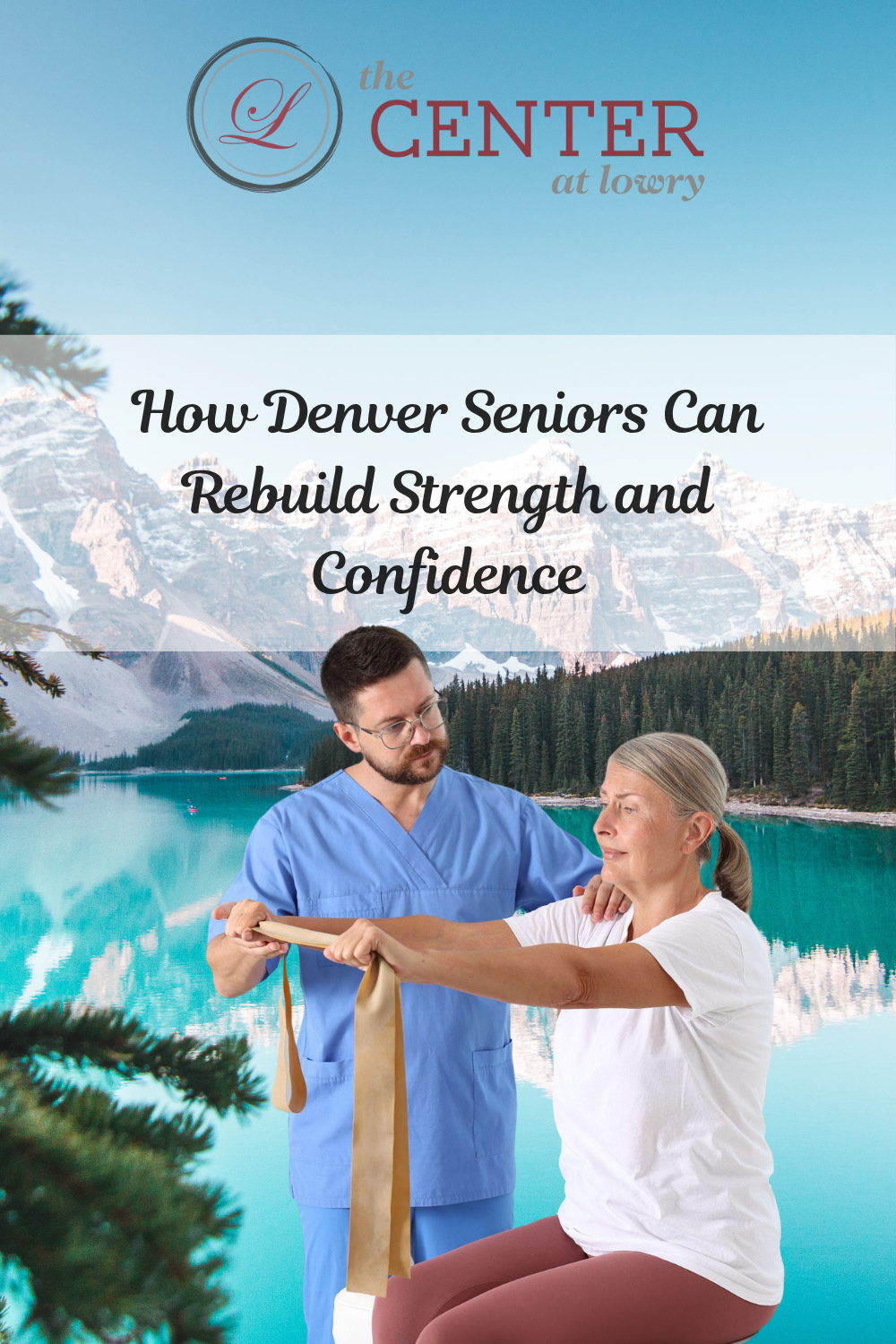
How Denver Seniors Can Rebuild Strength and Confidence
How Denver Seniors Can Rebuild Strength and ConfidenceA hospital stay can be life-changing for older adults. Whether caused by surgery, illness, injury, stroke, or a fall, hospitalization often leaves seniors feeling weaker, less mobile, and uncertain about how to safely return to normal life. Families are frequently faced with important decisions about recovery plans, therapy services, and ongoing support during an already stressful time.In Denver, rehabilitation facilities play a critical role in helping seniors recover safely and regain independence after hospitalization. Through structured therapy programs, professional medical oversight, and individualized care plans, rehabilitation communities help residents rebuild strength while reducing the risk of future setbacks.The Center at Lowry provides rehabilitation services designed to support recovery with compassion, clinical expertise, and personalized care focused on helping residents return to their highest possible level of function.As Denvers senior population continues growing, more families are recognizing the importance of choosing rehabilitation facilities that support not only physical healing, but also emotional well-being and long-term quality of life.Why Rehabilitation Matters After a Hospital StayMany seniors leave the hospital medically stable but not fully recovered.Even relatively short hospital stays can lead to: Muscle weakness Reduced endurance Difficulty walking Poor balance Increased fall risk Trouble completing daily activities Without proper rehabilitation, these challenges can increase the likelihood of: Hospital readmission Injuries or falls Loss of independence Emotional frustration Recovery is about helping residents regain confidence in themselves as much as rebuilding physical strength, says Jenny Witkowski of The Center at Lowry. Every person heals differently, and personalized rehabilitation support makes an enormous difference.Rehabilitation facilities provide structured care environments where seniors can focus on healing safely and effectively.Understanding Rehabilitation ServicesRehabilitation facilities help residents recover physical function and daily living skills after illness, surgery, or injury.Programs may include: Physical therapy Occupational therapy Speech therapy Pain management Strength and mobility training Balance and fall prevention Medical monitoring Nutritional support The ultimate goal is to help residents achieve the highest possible level of independence while improving safety and confidence.Physical Therapy Helps Restore MobilityPhysical therapy often becomes one of the most important parts of rehabilitation.Therapists work with residents to improve: Walking ability Balance and coordination Muscle strength Endurance Joint mobility Safe transfer techniques For seniors living in Denver, mobility often means maintaining the ability to enjoy favorite activities, spend time with family, attend appointments, and remain involved in community life.Personalized therapy programs help residents progress at a pace appropriate for their health condition and recovery goals.Occupational Therapy Supports Everyday IndependenceMany seniors returning home after hospitalization worry about handling everyday tasks safely.Occupational therapy helps residents rebuild independence with activities such as: Bathing Dressing Grooming Cooking preparation Safe bathroom mobility Adaptive equipment use Therapists may also recommend home modifications or safety strategies that reduce injury risks once residents return home.These practical skills help make recovery more successful and sustainable.Speech Therapy Supports Cognitive and Swallowing RecoverySpeech therapy is not only for communication challenges.Speech-language pathologists often assist seniors recovering from: Stroke Neurological conditions Swallowing disorders Cognitive decline Memory issues Speech therapy may focus on: Communication improvement Cognitive exercises Swallowing safety Problem-solving skills Memory support These therapies can greatly improve both safety and quality of life during rehabilitation.Emotional Wellness Is a Major Part of RecoveryRecovery can feel emotionally overwhelming for many older adults.Seniors may experience: Anxiety about returning home Fear of falling again Frustration about physical limitations Depression after hospitalization Loss of confidence Strong rehabilitation programs support emotional wellness alongside physical healing.Residents often benefit from: Encouragement from therapists and caregivers Structured daily routines Social interaction Recreational opportunities Family involvement When seniors feel emotionally supported, they are often more motivated and successful during rehabilitation.Denver Seniors Benefit from Access to Rehabilitation ResourcesDenvers healthcare network provides residents with access to nationally recognized hospitals, specialists, and rehabilitation providers.Seniors recovering in the Denver area often appreciate remaining close to: Family members Familiar neighborhoods Existing physicians Community resources The Lowry neighborhood itself offers a welcoming environment with nearby parks, healthcare access, and established residential communities that appeal to many older adults.Choosing rehabilitation services close to home can make transitions easier for both residents and families.Nutrition Supports the Healing ProcessHealing after surgery or illness requires proper nutrition and hydration.Older adults recovering in rehabilitation settings may need: Increased protein intake Balanced meals Specialized diets Hydration monitoring Rehabilitation facilities help ensure residents receive nutritional support that promotes healing, energy, and therapy participation.Dining support may also help residents experiencing swallowing difficulties or reduced appetite.Questions Families Should Ask During a Rehabilitation TourSelecting the right rehabilitation facility is an important decision. Families should ask thoughtful questions about therapy services and care approaches.Helpful questions include: What therapies are offered onsite? How often are therapy sessions provided? How are treatment plans personalized? What medical support is available? How are families updated about progress? What discharge planning services are offered? What safety measures are in place? Touring facilities in person allows families to observe staff interactions, cleanliness, therapy spaces, and overall atmosphere.When Rehabilitation May Be AppropriateRehabilitation services may benefit seniors recovering from: Joint replacement surgery Falls or fractures Stroke Cardiac events Neurological conditions Extended illness Hospitalization-related weakness Early rehabilitation often improves recovery outcomes and reduces complications.Helping Seniors Return to Life with ConfidenceRecovery after illness or injury takes time, support, and the right rehabilitation team.Comprehensive rehabilitation programs help seniors regain strength, improve mobility, and rebuild confidence so they can safely return to daily life with greater independence.Families in Denver seeking rehabilitation services are encouraged to learn more about The Center at Lowry and their personalized approach to recovery and wellness.Visit their Seniors Blue Book listing today to explore local rehabilitation resources and connect with their team.Frequently Asked QuestionsWhat is a rehabilitation facility?A rehabilitation facility provides therapy and medical support for individuals recovering from illness, surgery, or injury.What therapies are available during rehabilitation?Most rehabilitation facilities offer physical, occupational, and speech therapy services.How long does rehabilitation usually last?Length of stay varies depending on the residents condition, progress, and recovery goals.Can seniors return home after rehabilitation?Yes. Many residents regain enough strength and independence to safely return home.Why is rehabilitation important after hospitalization? Rehabilitation helps seniors regain mobility, rebuild strength, and reduce the risk of future complications or falls.
May 13, 2026
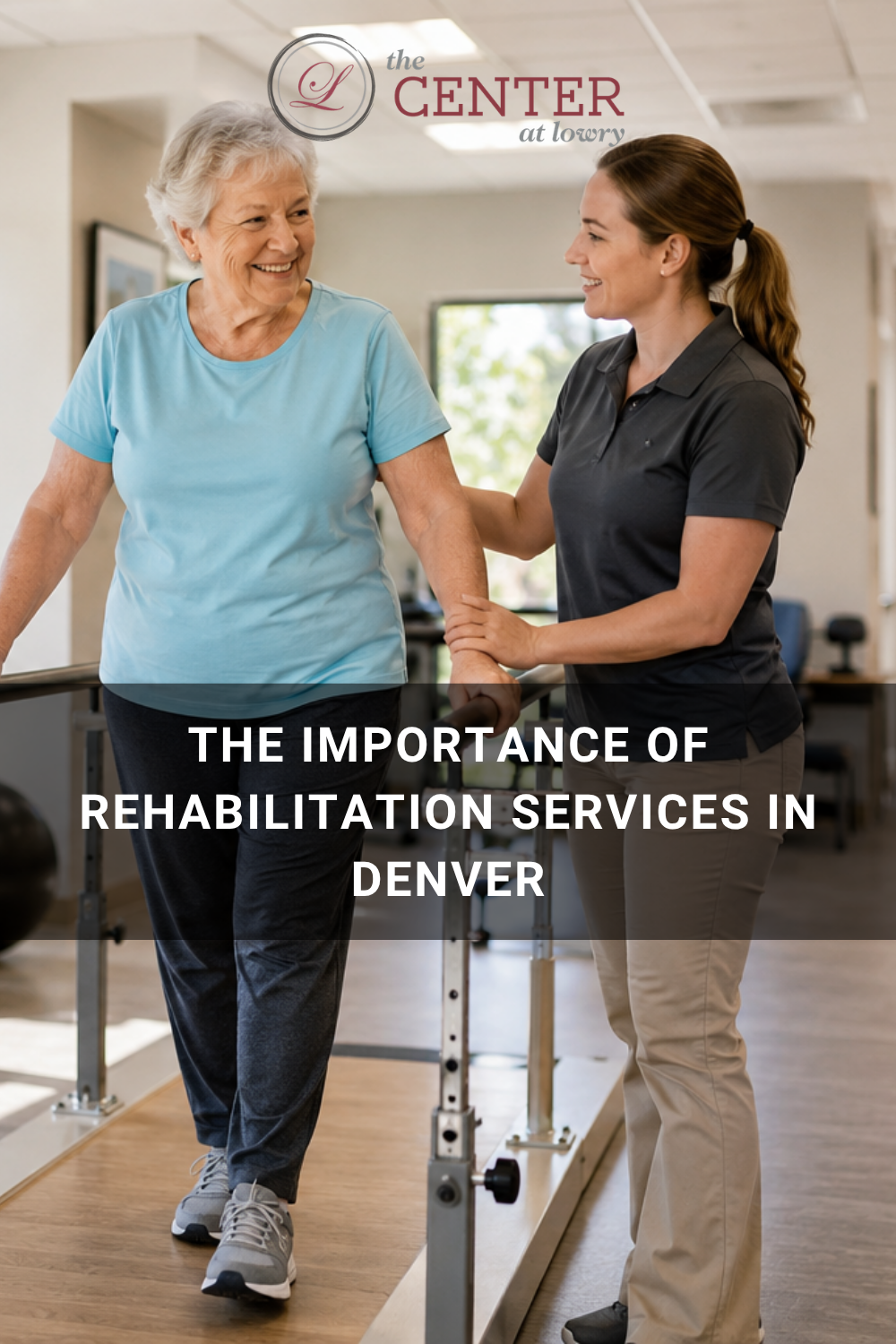
The Importance of Rehabilitation Services in Denver
The Importance of Rehabilitation Services in DenverAn illness, injury, surgery, or unexpected hospitalization can change life overnight. Activities that once seemed simplewalking across a room, climbing stairs, preparing meals, or getting dressedmay suddenly require assistance. For seniors and their families, the road back to independence can feel overwhelming.Fortunately, rehabilitation services are designed specifically to help individuals recover, regain confidence, and return to the activities they enjoy most.At The Center at Lowry in Denver, rehabilitation focuses on helping residents rebuild strength, improve mobility, and achieve personal recovery goals through a comprehensive, individualized approach. Whether recovering from orthopedic surgery, a stroke, a cardiac event, or a prolonged illness, professional rehabilitation services can make a significant difference in both short-term recovery and long-term quality of life.What Is a Rehabilitation Facility?A rehabilitation facility provides specialized therapeutic services designed to help individuals recover following a medical event.Unlike acute hospital care, rehabilitation focuses on restoring function and maximizing independence.Residents may receive support through:Physical therapyOccupational therapySpeech therapyMedical monitoringPain managementStrength trainingBalance improvementMobility rehabilitationCognitive therapyThe primary objective is helping individuals safely regain abilities that may have been affected by injury, illness, or surgery.Why Rehabilitation MattersRecovery involves much more than simply healing physically.After a hospitalization, many seniors experience challenges such as:Muscle weaknessReduced enduranceDifficulty walkingLimited range of motionCognitive changesIncreased fall riskWithout structured rehabilitation, these issues can interfere with everyday life and prolong recovery.Professional rehabilitation programs help individuals make steady progress while reducing the risk of setbacks.The right therapy can often restore confidence and improve overall well-being.Denver's Active Lifestyle Makes Recovery ImportantDenver is known for its active and health-conscious culture.From neighborhood parks and walking trails to community activities and family gatherings, many older adults want to remain engaged in the lifestyle they enjoy.For seniors recovering from medical events, rehabilitation can help support goals such as:Returning home safelyResuming hobbiesParticipating in community activitiesSpending time with familyMaintaining independenceThe ability to regain mobility and confidence often has a direct impact on quality of life.Physical Therapy: Restoring MovementPhysical therapy is often one of the most important aspects of rehabilitation.Therapists work closely with residents to improve:StrengthTargeted exercises help rebuild muscles weakened by illness or inactivity.BalanceImproving balance helps reduce the likelihood of falls and injuries.EnduranceTherapy gradually increases stamina and physical tolerance.MobilityResidents learn techniques that improve walking ability and overall movement.For many individuals, physical therapy serves as the foundation for achieving greater independence.Occupational Therapy: Regaining Daily Living SkillsWhile physical therapy focuses on movement, occupational therapy focuses on function.Occupational therapists help residents safely perform daily activities such as:DressingBathingGroomingCookingHousehold tasksUsing adaptive equipmentThese skills are essential for returning home and managing daily life successfully.Occupational therapy often bridges the gap between clinical recovery and practical independence.Speech Therapy and Cognitive RehabilitationRecovery sometimes involves challenges beyond physical mobility.Speech-language pathologists provide therapy for individuals experiencing:Communication difficultiesSwallowing disordersMemory concernsCognitive impairmentsNeurological recovery needsFollowing strokes, traumatic injuries, or certain medical conditions, these services can play a critical role in improving quality of life.Residents often benefit from improved communication abilities and greater confidence in daily interactions.Personalized Recovery Plans Produce Better ResultsNo two recovery journeys are identical.A person recovering from a hip replacement will have different goals than someone recovering from a stroke or cardiac procedure.That is why rehabilitation facilities create individualized care plans based on:Medical historyCurrent abilitiesPhysician recommendationsPersonal goalsFunctional limitationsCustomized treatment plans allow therapists to focus on the specific needs of each resident.This personalized approach often leads to stronger outcomes and higher satisfaction.Emotional Recovery Is Important TooPhysical healing is only part of the rehabilitation process.Many seniors experience emotional challenges during recovery, including:FrustrationAnxietyLoss of confidenceFear of fallingConcerns about independenceA supportive rehabilitation environment can help residents remain motivated and optimistic throughout their recovery journey.Encouragement from therapists, caregivers, and family members often contributes significantly to successful outcomes.The Importance of Interdisciplinary CareOne of the advantages of a rehabilitation facility is access to multiple healthcare professionals working together.Residents may benefit from collaboration among:PhysiciansNursesPhysical therapistsOccupational therapistsSpeech therapistsNutrition professionalsSocial workersThis coordinated approach ensures that all aspects of recovery are addressed simultaneously.The result is a more comprehensive and effective rehabilitation experience.Families Play an Important RoleRecovery is rarely a journey that seniors take alone.Family involvement can provide valuable motivation and emotional support.Rehabilitation facilities often encourage family participation through:Progress updatesCare conferencesTherapy educationDischarge planning meetingsThese opportunities help families understand recovery goals and prepare for the transition home.Strong communication between residents, families, and care teams often contributes to better outcomes.Insights from Jenny WitkowskiJenny Witkowski of The Center at Lowry emphasizes the importance of personalized rehabilitation."Successful recovery begins with understanding each person's unique goals. Our team works closely with residents to help them rebuild strength, regain confidence, and return to the activities that matter most to them."This resident-focused philosophy reflects the individualized approach that many families seek when selecting rehabilitation services.Preparing for Life After RehabilitationOne of the most important goals of rehabilitation is ensuring residents can continue progressing after discharge.Discharge planning may include:Home safety recommendationsOutpatient therapy referralsAdaptive equipment guidanceMedication educationFollow-up appointmentsCareful planning helps create a smoother transition and supports ongoing success at home.Why Rehabilitation Services Matter in DenverDenver's growing senior population continues to increase demand for quality rehabilitation services.Whether recovering from surgery, illness, injury, or a medical setback, seniors benefit from access to professional rehabilitation programs that focus on restoring independence and improving quality of life.Facilities like The Center at Lowry provide a valuable bridge between hospitalization and returning home, helping residents regain the skills, strength, and confidence needed for successful recovery.Frequently Asked QuestionsWhat conditions commonly require rehabilitation services?Common reasons include joint replacement surgery, stroke recovery, fractures, cardiac events, neurological conditions, and extended hospital stays.How long does rehabilitation typically last?The length of rehabilitation varies depending on medical needs, recovery goals, and individual progress.What is the difference between rehabilitation and skilled nursing?Rehabilitation focuses primarily on therapy and recovery, while skilled nursing includes medical care and nursing oversight in addition to rehabilitation services.Can family members participate in the rehabilitation process?Yes. Many rehabilitation facilities encourage family involvement through meetings, therapy education, and discharge planning.Does Medicare cover rehabilitation services?Medicare may cover qualifying rehabilitation services depending on individual circumstances and eligibility requirements.Learn More About The Center at LowryIf you or a loved one are exploring rehabilitation options in Denver, The Center at Lowry may provide the support, expertise, and personalized care needed for a successful recovery. Visit their Seniors Blue Book listing to learn more about available rehabilitation programs and recovery services.Seniors Blue Book proudly connects families with trusted rehabilitation resources throughout Denver and across Colorado.