Chancellor Gardens at Clearfield - MBK
1425 South 1500 East, Clearfield, Utah, 84015
Assisted Living$3,595/month






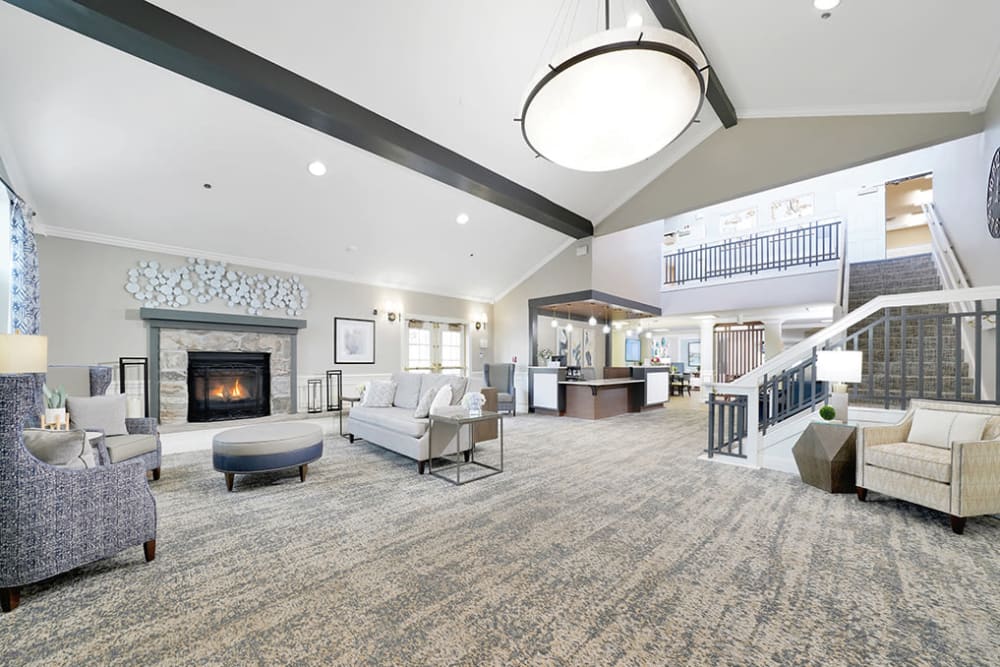


About Chancellor Gardens at Clearfield - MBK
With nearly two decades of experience serving senior residents in Davis County, Chancellor Gardens shines bright in Clearfield, UT, forAssisted Living,Memory Care, andshort-term staysnear Layton. Our inviting pet-friendly community feels like home from the moment you enter. Take in the warmth of the crackling fire in the parlor and smell the delicious aromas wafting from our chefs kitchen. Our caring and dedicated staff strives to build authentic relationships with each individual so that we may best meet the changing needs and preferences of our residents. Starting with a personalized care plan and extending to a culinary program of old favorites and fresh surprises, our community practices person-first care. We put residents first in everything we do, offering services with respect and kindness. Let us show you how we can make you feel happy, healthy, and at home.General Property Features
- Fitness Center, Private Rooms, Wanderguard, Guest Parking
- Laundry Service - Provided, Laundry Service - Self Serve, Nurse on Staff, Respite/Short Term Stay, Scheduled Transportation, Activities, Housekeeping
- Assisted Living Community, Secured Memory Care Unit
- Small Pets
Assisted Living
- http://www.mbkseniorliving.com/senior-living/ut/clearfield/chancellor-gardens-at-clearfield/
- 100
- $3,595.00
- Private Pay, Long Term Care Insurance, Veterans Administration
- Price Dependent Levels of Care
- Studio, 1 BR, 2 BR
- Kitchenette, Wanderguard, Memory Care (Dementia)
- Type 2 Care (UT-Only)
Additional Levels of Care Offered

Chancellor Gardens At Clearfield - MBK
Memory Care 1425 South 1500 East, Davis County, Clearfield, Utah, 84015With nearly two decades of experience serving senior residents in Davis County, Chancellor Gardens shines bright in Clearfield, UT, forAssisted Living,Memory Care, andshort-term staysnear Layton. Our inviting pet-friendly community feels like home from the moment you enter. Take in the warmth of the crackling fire in the parlor and smell the delicious aromas wafting from our chefs kitchen. Our caring and dedicated staff strives to build authentic relationships with each individual so that we may best meet the changing needs and preferences of our residents. Starting with a personalized care plan and extending to a culinary program of old favorites and fresh surprises, our community practices person-first care. We put residents first in everything we do, offering services with respect and kindness. Let us show you how we can make you feel happy, healthy, and at home.
Continue Your Search! Explore More Local Options.
Start SearchingLet’s engage and get educated!
Browse through thousands of expert articles in over 100 different categories.
Browse NowArticles You May Like
Dining in Memory Care, Reimagined: Creating Meaningful Mealtime
Dining in Memory Care, Reimagined: Creating Meaningful Mealtime ExperiencesA favorite family recipe. The smell of fresh bread. Sitting beside a friend over lunch. Long after many memories begin to fade, the experience of sharing a meal can still provide comfort, familiarity, and connection. In Memory Care, dining isn't simply about nutrition. It's an opportunity to preserve dignity, encourage independence, and create meaningful moments every day.For people living with dementia, mealtime often brings unique challenges, from difficulty using utensils to changes in taste, appetite, or swallowing. But with thoughtful planning and a compassionate, person-centered approach, those challenges can become opportunities to provide reassurance, encourage participation, and help each resident feel comfortable and supported.A welcoming dining environment also plays an important role. Familiar routines, personalized meal choices, and thoughtfully prepared modified diets can reduce anxiety while making meals safer and more enjoyable. Even simple moments, such as helping set the table or participating in meal preparation, can provide a sense of purpose and accomplishment.Most importantly, meaningful dining experiences are built on relationships. When families and caregivers work together to understand each resident's history, preferences, and needs, every meal becomes more than part of the daily routine. It becomes an opportunity to celebrate the individual, strengthen relationships, and bring comfort and joy to everyday life.Understanding Alzheimer's Dining ChallengesNavigating mealtime can be daunting for those with Alzheimer's. Several factors contribute to these dining difficulties.A common challenge is losing the ability to use utensils effectively. This can lead to frustration and decreased food intake. Changes in taste preferences add another layer of complexity. Foods that were once favorites may no longer appeal. Physical difficulties, such as swallowing issues, are also prevalent. These can pose risks like choking, necessitating careful supervision.Moreover, the atmosphere during meals greatly impacts the experience. An overly stimulating environment may increase confusion and anxiety.To address these challenges, consider the following approaches: Adaptive utensils: Offer tools designed for ease of use. Texture-modified diets: Provide foods that are easier to swallow. Calm, consistent environment: Minimize distractions and maintain routine. Personalize meals: Cater to individual tastes and preferences. Understanding these challenges is the first step toward creating positive dining experiences. This understanding helps ensure that mealtime remains a cherished part of daily life, not an obstacle.The Importance of Dignity in Dementia CareDignity is a cornerstone of effective dementia care. Treating individuals with respect should always be a priority.When dining, maintaining dignity can greatly enhance a resident's quality of life. Simple actions make a big difference. For example, encouraging independence during meals promotes self-worth. Allowing residents to choose their food respects their autonomy. Incorporating familiar foods can evoke comforting memories.Mealtime can also be a shared social experience. Here, the atmosphere should be calm and welcoming. Consider these strategies: Use residents' names: Acknowledge them personally. Promote choice: Offer menu options whenever possible. Be patient: Allow ample time for residents to eat. Foster inclusivity: Involve residents in mealtime discussions. By prioritizing dignity, caregivers not only nourish the body but also uplift the spirit. This balance enhances the holistic quality of life for those in memory care. Care staff should be trained to recognize and respond with empathy. This creates a nurturing environment where dignity is preserved.Creating a Supportive Dining Environment for DementiaA supportive dining environment can significantly improve mealtime experiences for individuals with dementia. It reduces anxiety and promotes relaxation.To create such an environment, consider lighting. Soft, natural light can be soothing and help orient residents. Noise levels should be minimal to prevent confusion. Music can gently enhance the atmosphere if played at a low volume. Seating arrangements also matter. Small, intimate settings encourage social interaction and lessen feelings of isolation.In addition to physical changes, the atmosphere should prioritize calmness. Staff can maintain a friendly yet professional demeanor. Key elements of a supportive dining environment include: Clear table settings: Simplified table settings reduce cognitive overload. Consistent routines: Familiarity provides comfort and reduces stress. Visual aids: Use images or colors to help identify foods. Adaptive utensils: Ensure ease of use for those with motor challenges. Dining areas should be clutter-free, allowing easy navigation. This helps residents focus on the task at hand. It is also beneficial to incorporate familiar scents during mealtimes. Pleasant aromas can stimulate appetite and invoke positive associations.By providing supportive dining spaces, caregivers create a foundation for meaningful mealtime experiences. This nurtures emotional and physical well-being in those with dementia.Person-Centered Memory Care: Tailoring Mealtime to the IndividualPerson-centered memory care is essential in tailoring dining experiences for individuals with dementia. Understanding personal preferences enhances satisfaction and comfort.Caregivers can begin by learning each resident's favorite foods and lifelong preferences. Serving familiar meals provides comfort, encourages appetite, and makes dining a more enjoyable experience. It's equally important to consider dietary restrictions and health needs to ensure every meal is both safe and satisfying. Here are some strategies to achieve person-centered mealtime: Learn personal histories: Incorporate cultural dishes that residents love. Adapt menus: Reflect dietary preferences and restrictions. Flexible scheduling: Accommodate varying appetites and meal patterns. Engagement opportunities: Let residents assist in meal preparation when possible. Creating a dining experience that resonates on a personal level boosts emotional well-being. It also strengthens the connection between caregivers and residents. Additionally, regular feedback from both residents and their families is invaluable. It ensures the dining program remains aligned with individual needs.Modified Diets for Dementia: Safety, Nutrition, and EnjoymentModified diets play a crucial role in dementia care. They ensure safety and boost nutrition while still allowing for enjoyment.Swallowing difficulties and changes in appetite are common. Therefore, diet modifications must address these specific challenges. Texture-modified foods are often essential. They help prevent choking and ensure meals are still enjoyable and nutritious.Dining and care teams work together to support each resident's nutritional needs and preferences. This collaborative approach helps create meals that are both nourishing and enjoyable while supporting independence and choice.Here are some key considerations for modified diets: Texture: Soft or pureed foods to aid swallowing. Portion sizes: Smaller portions for easier consumption. Nutrient density: Focus on high-calorie foods to maintain energy. Variety: Introduce familiar flavors to stimulate appetite. It's important to maintain pleasure in eating. This can be achieved even with dietary restrictions by integrating residents' favorite tastes. Engaging residents in meal discussions allows them to express preferences. It also helps to personalize their dining experience.Resident Engagement in Memory Care DiningEngaging Memory Care residents in mealtime activities holds significant value. It not only promotes participation but also a sense of purpose and joy. Active engagement can enhance cognitive function and emotional well-being. It encourages residents to stay connected with their surroundings.Participation can take many forms, from simple meal preparation tasks to menu decision-making. Each activity can affirm a resident's independence and autonomy. Such involvement can be facilitated by patient and mindful staff. They play a crucial role in encouraging participation and ensuring the dining experience is enjoyable.To enhance resident engagement, consider the following strategies: Menu discussions: Encourage residents to share meal preferences. Meal preparation: Involve residents in simple cooking tasks. Dining feedback: Regularly ask residents for their thoughts on meals. Theme nights: Celebrate different cultures, offering familiar and unique dishes. Regular interaction fosters a sense of community. It can also lead to increased appetite and a greater interest in mealtime.Sensory Stimulation: Enhancing Appetite and ExperienceMealtime is more than just nourishment; it's an experience. Sensory stimulation can play a pivotal role in elevating this experience for residents with dementia. Utilizing all five senses can significantly enhance appetite. Pleasant aromas, vibrant colors, and soothing sounds contribute to a more enjoyable dining atmosphere. Incorporating sensory elements can also help evoke memories and stimulate conversation. Simple cues can trigger positive emotions and associations.To enrich sensory stimulation during meals, consider these approaches: Aromatherapy: Use subtle scents like lavender for a calming effect. Colorful dishes: Serve visually appealing meals to entice appetite. Background music: Play familiar tunes to create a soothing ambiance. Textured foods: Offer a variety of textures to engage the sense of touch. By focusing on sensory stimulation, caregivers can create a dining environment that is both comforting and invigorating for those in memory care.The Role of Family and Staff in Meaningful MealtimesCreating meaningful mealtime experiences in Memory Care involves both family and staff. Collaboration is key to nurturing an environment that feels safe and supportive.Family members bring a deep knowledge of personal history and preferences. Their involvement in mealtimes can provide comfort and familiarity for residents. Simple gestures like sharing a meal or recalling favorite recipes can foster emotional connections. Team members play a critical role, as well. They ensure that mealtimes are respectful and dignified. Trained caregivers understand how to cater to the unique needs of each resident, offering personalized attention and care.To support meaningful mealtimes, consider these strategies: Encourage family visits during meals to promote bonding. Train staff in empathy and personalized care techniques. Facilitate open communication between family and staff for shared understanding. Adapt schedules to include diverse mealtime interactions. Together, family and staff can turn mealtimes into cherished moments, filled with love and respect for each resident's individual journey.Overcoming Common Barriers to Enjoyable MealtimesDining in Memory Care presents unique challenges. Overcoming these obstacles enhances well-being for all involved.Residents may face difficulties with utensils, swallowing, or changes in appetite. Addressing these issues with empathy and creativity is crucial. Staff can use adaptive tools or create texture-modified dishes to ease these difficulties.Sensory disruptions, such as noise or confusing settings, can also interfere with dining. Creating a calm and familiar environment helps reduce anxiety. Consistent mealtime routines and clear visual cues can bring comfort.To improve mealtime experiences, consider: Using adaptive utensils to assist in self-feeding. Minimizing noise to create a peaceful atmosphere. Offering a variety of food textures tailored to resident needs. By tackling these common barriers, memory care communities can transform mealtimes into moments of joy and engagement.Innovations and Best Practices in Memory Care DiningMemory Care dining is evolving with new innovations. These improvements focus on enhancing resident experiences and well-being.Technology is opening new ways to make dining more engaging. Familiar music, immersive experiences, and digital reminiscence tools can spark conversation, stimulate appetite, and create a calmer, more enjoyable mealtime environment.Best practices in Memory Care dining emphasize collaboration between caregivers, nutritionists, and families. This teamwork ensures comprehensive care tailored to individual needs. Nutrition plans adapt to the evolving dietary requirements of residents.Looking ahead, communities can implement: Music and visual aids to enhance dining ambiance. Flexible dining options to match resident routines. Ongoing staff training to improve mealtime support. These innovations create not just nutritious meals but also moments of joy and connection. Memory Care dining thus becomes a cornerstone of holistic care, enriching lives daily.
Aug 17, 2026
The Importance of Social Wellness for Seniors
As we age, staying socially connected becomes just as important as eating well and staying active. Social wellnessour ability to interact with others, build relationships, and maintain a strong support systemplays a key role in overall health and happiness, especially for seniors. Why Social Wellness Matters Human beings are inherently social. For seniors, maintaining meaningful connections can help prevent loneliness, reduce the risk of depression, and even lower the likelihood of cognitive decline. Studies show that older adults who engage socially tend to live longer, experience fewer health issues, and report higher life satisfaction. The Benefits of Staying Social A strong social life offers numerous physical and emotional benefits: Enhances life satisfaction. A study published in the International Journal of Environmental Research and Public Health found that social interactions, such as meeting with children and participating in volunteer activities, significantly increased life satisfaction among older adults aged 65 and above. Boosts mood and reduces stress: Laughing, sharing stories, and spending time with others trigger positive emotions and ease anxiety. Strengthens memory and cognitive function: Engaging conversations and group activities challenge the brain and keep it active. Promotes a sense of purpose: Regular interactions give structure to the day and nurture a sense of belonging. Encourages healthy behaviors: Friends and social groups can help keep each other accountablewhether its going for a walk, attending an exercise class, or eating balanced meals. Creating Opportunities for Connection At senior living communities, social wellness is woven into daily life. From group outings and activities to shared meals and wellness programs, seniors are encouraged to explore new friendships and deepen existing ones. Whether its joining a book club, attending a music performance, or simply enjoying a conversation over coffee, every interaction adds to the richness of life. The Role of Family and Caregivers Loved ones and caregivers play a vital part in supporting social wellness. Encouraging visits, phone calls, video chats, or even helping a senior attend events can go a long way. Small efforts make a big impact. Its Never Too Late to Connect Social wellness isnt about how many people you knowits about the quality of those connections. Even one meaningful relationship can improve a persons outlook and well-being. For seniors, investing in social ties can lead to brighter days, a stronger sense of community, and a deeper appreciation for lifes simple joys.
Aug 17, 2026

Know the Signs That Signal Its Time to Move to Senior Living
When is the right time for your loved one to make the move to a senior living community? Most importantly, its before there's a crisis that goes beyond what you can easily handle. And the earlier your spouse, mom or dad settles into a new community the greater their enjoyment of their new lifestyle, friends and benefits. But more specifically, when it comes to physical health, there are three key areas to keep an eye on when your love done is aging at home.Changes in Sleep PatternsThe first big indicator of concerning physical changes is sleep irregularity. Are they sleeping most of the day, or at unusual times or in odd locations perhaps even out in public? Is their energy so low that they are unable to stay awake at the dinner table?Sleep is critical for overall health at any age, but seniors are at a much higher risk for sleep disturbance and sleep disorders. These issues can improve if your loved one is being encouraged to maintain a healthy level of physical activity and if he or she is experiencing interaction and companionship with others.Most research indicates that just 30 minutes of activity per day will help older adults get a good night's sleep, said Josh Allen, RN. This effort doesn't need to be strenuous it can be as simple as taking a short walk alone or with one of our community's walking groups. We make staying active easy at our MBK communities whether it be chair yoga, guided meditation, orprivate training courses.Personal UpkeepThe second more obvious indicator is a deterioration of personal upkeep. Some of these outward signs are weight loss due to a lack of appetite or skipping meals, not wearing clothes correctly or wearing soiled clothing, or failing to take basic hygiene steps such as combing or brushing hair.This current COVID situation with its travel restrictions and complications is depriving family members the opportunity to see their elder adult firsthand as regularly as needed or as you would like, said Crystal Roberts, National Director of Resident Enrichment. This is a key advantage of living in an MBK community because even during the pandemic, residents are physically checked on, cared for and served daily.The state of the home, if in disarray, can also be a sign that life on their own has become overwhelming. If your loved one has always kept things a certain way around the house and you've noticed they no longer do, this is a sign that they will benefit from being relieved of responsibility for physical upkeep of their space.Risk to SafetyThe third set of indicators is the most critical because it affects the safety and physical well-being of your loved one. Short term memory challenges can become serious if the older individual begins getting lost while driving which puts him or her at risk of a car accident or being vulnerable in an unfamiliar location. Forgetting to take prescribed medications can trigger a medical emergency that could be avoided with the medication management assistance available at senior living community.Unfortunately the most common physical setback for seniors living without assistance is falling. In fact, according to the CDC, more than one out of four older people falls each year and of those, 20% results in injuries requiring hospital visits.Hospitality AwaitsAt MBK Senior Living, our care philosophy includes a personalized, relationship-based approach so we always start by taking the time to get to know each senior and immediate family personally, learning their unique story and ensuring they have just what they need to truly live and feel their best. Once the decision is made to move your family member to an MBK community, rest assured they will feel welcome and cared for. Our well-trained staff are experts in helping residents transition into our communities and take full advantage of programs and services that support social, physical and long-term care needs. All our MBK communities offer whole-person wellness programming, robust and flexible dining program, person-centered, compassionate care philosophy, and an inviting atmosphere for friends and family to connect and thrive. If you're recognizing the signs its time for a more supportive living situation, talk with one of our Directors of Sales to learn more about next steps. We are confident that when your spouse, elderly relative or friend makes the move to an MBK community, they will have the opportunity live with reliable care, social opportunities, healthy activities, great cuisine and a wonderful place for you to visit!
Aug 24, 2021
The Difference Between Alzheimers Disease and Dementia
As the population ages, terms like Alzheimer's and dementia become more prevalent in conversations about health. However, there's often confusion about what these terms mean and how they relate. Understanding the distinction between Alzheimer's and dementia is helpful for anyone navigating the complexities of aging, whether as a patient, caregiver, or healthcare professional.What is the Difference Between Alzheimers Disease and Dementia? Dementia is an umbrella term for symptoms affecting memory, thinking, and behavior. According to the Alzheimers Association, Alzheimers disease is the most common cause of dementia, accounting for 6080% of cases and affects millions of older adults each year. Not all dementia is Alzheimers, but Alzheimers is always a form of dementia. Simply put, Alzheimers disease is the leading irreversible cause of dementia in older adults. Alzheimers is dementia, but not all dementia is Alzheimers. Dementia refers to a set of symptoms someone is experiencing together, including memory loss, confusion, disorientation, mood, and behavior changes. Its important to visit a doctor who is familiar with geriatric medicine when dementia occurs because there are a variety of conditions that can cause dementia of which Alzheimers is just one.Diana Engle, Vice President of Health and Wellness, MBK Senior LivingWhat Is Dementia?The term Dementia is used to describe a range of symptoms affecting cognitive function, including memory, thinking, and social abilities. The key characteristics of dementia are memory loss, cognitive decline, communication issues, disorientation, and changes in behavior. These symptoms are severe enough to interfere with daily life and can be caused by various underlying diseases or conditions.There are several forms of dementia, each with distinct characteristics. The most common types include: Alzheimer's Disease. The most prevalent form, characterized by memory loss, confusion, and changes in behavior. Vascular Dementia. Caused by reduced blood flow to the brain, often following a stroke or a series of mini-strokes. Lewy Body Dementia. Involves abnormal protein deposits called Lewy bodies, leading to symptoms like hallucinations, movement disorders, and cognitive decline. Frontotemporal Dementia. Affects the frontal and temporal lobes of the brain, resulting in changes in personality, behavior, and language. Mixed Dementia. A combination of two or more types, usually Alzheimer's disease and vascular dementia. Parkinson's Disease Dementia. Occurs in people with Parkinson's disease, leading to memory problems and other cognitive issues. Creutzfeldt-Jakob Disease. A rare and rapidly progressing form of dementia caused by prion proteins. Huntington's Disease. A genetic disorder that causes the progressive breakdown of nerve cells in the brain, leading to dementia. Wernicke-Korsakoff Syndrome. Linked to severe thiamine (vitamin B1) deficiency, often associated with chronic alcoholism. These forms of dementia vary in their causes, symptoms, and progression, necessitating tailored approaches to diagnosis and treatment.What Is Alzheimer's Disease?Alzheimer's disease is a specific type of dementia. It is a progressive neurodegenerative disorder that primarily affects older adults, leading to memory loss, cognitive decline, and behavioral changes. It is the most common cause of dementia, accounting for 60-80% of cases. The disease is characterized by the accumulation of amyloid plaques and tau tangles in the brain, which disrupt the communication between neurons and lead to cell death.The symptoms of Alzheimer's disease typically develop slowly and worsen over time. Early signs of Alzheimers disease often include: Memory loss, particularly forgetting recently learned information. Difficulty performing familiar tasks. Problems with language, such as finding the right words. Disorientation to time and place. Poor or decreased judgment. Changes in mood, behavior, and personality. Alzheimers disease is often described in stagesearly, middle, and lateeach with progressively increasing support needs. As the disease progresses, symptoms become more severe, leading to: Greater memory loss and confusion. Difficulty recognizing friends and family. Increased difficulty with communication. Repetitive behaviors. Wandering and getting lost. Loss of ability to perform everyday activities. The exact cause of Alzheimer's disease is not fully understood, but it involves a combination of genetic, environmental, and lifestyle factors.Risk factors include advancing age, with a significant increase after age 65, and a family history of the disease, particularly if a parent or sibling is affected. Certain genes, such as APOE-e4, are associated with a higher risk.Additionally, other contributing factors include head injuries, cardiovascular disease, and lifestyle choices such as smoking, poor diet, and lack of exercise.When Should You See a Doctor?Occasional forgetfulness can be a normal part of aging, but certain changes may signal something more serious. Its important to consult a healthcare professional if you or a loved one begins experiencing symptoms that interfere with daily life or feel noticeably different from usual patterns.You may want to seek medical guidance if you notice: Memory loss that disrupts daily life, such as frequently forgetting recently learned information, important dates, or relying heavily on reminders and family members Confusion about time or place, including losing track of dates, seasons, or becoming disoriented in familiar settings Changes in personality or behavior, such as increased anxiety, irritability, withdrawal, or mood swings that seem out of character Difficulty completing familiar tasks, like managing finances, following a recipe, or navigating routines that were once second nature Early evaluation can help identify the cause of these symptoms, some of which may be treatable. It also allows individuals and families to plan ahead, access helpful resources, and begin supportive care that can improve quality of life.Diagnosing DementiaDementia is diagnosed through a comprehensive process involving a review of the patient's medical history, symptom assessment, and input from family members. A physical examination rules out other conditions, while cognitive and neuropsychological tests evaluate memory, attention, and problem-solving abilities.Neurological evaluations assess reflexes and coordination, and laboratory tests check for reversible causes like infections or metabolic imbalances. Brain imaging techniques, such as MRI or CT scans, identify structural brain changes, and sometimes PET scans are used to detect amyloid plaques. Psychiatric evaluations and, if necessary, genetic testing, particularly in cases with a family history of dementia, further aid in the diagnosis.Treatment and Management of DementiaThere is currently no cure for most types of dementia, including Alzheimers disease, but treatments and interventions can help manage symptoms and improve quality of life. Medications include cholinesterase inhibitors, such as donepezil, rivastigmine, and galantamine, which increase levels of acetylcholine, a neurotransmitter involved in memory and learning. NMDA receptor antagonists, like memantine, help regulate glutamate to improve cognitive function. Additionally, symptomatic treatments are available to manage conditions like depression, anxiety, and sleep disturbances.Non-pharmacological interventions include: Cognitive Stimulation. Activities designed to stimulate thinking, memory, and social interaction. Behavioral Therapy. Techniques to address behavioral issues and improve communication. Physical Exercise. Regular physical activity to improve overall health and potentially slow cognitive decline. Nutrition. Maintaining a balanced diet to support brain health. While there is no guaranteed way to prevent dementia, certain lifestyle changes may reduce the risk. These include maintaining a healthy diet rich in fruits, vegetables, whole grains, and healthy fats; engaging in regular physical exercise; keeping the brain active through learning, puzzles, reading, and social activities; managing cardiovascular health by controlling hypertension, diabetes, and high cholesterol; and ensuring adequate and quality sleep to support cognitive function.Support for Patients and CaregiversLiving with dementia or caring for someone with the condition can be challenging. Support systems are essential for both patients and caregivers. Education. Learning about the disease and effective management strategies. Support Groups. Connecting with others in similar situations for emotional support and practical advice. Respite Care. Temporary care services to give caregivers a break and reduce burnout. Professional Help. Seeking assistance from healthcare professionals, including doctors, nurses, and social workers. Supporting a loved one with dementia requires patience, understanding, and adaptability. Families should educate themselves about the disease to better understand its progression and symptoms. Creating a safe and structured environment can help reduce confusion and anxiety for the person with dementia. It's important to establish routines and keep communication simple and clear. Engaging the loved one in activities they enjoy and can still participate in can provide a sense of purpose and joy.Caregivers should also prioritize their own well-being by seeking support from friends, family, or support groups and considering respite care options to prevent burnout. Legal and financial planning is also important to ensure that future needs are met.