
PHONE
Click to View NumberGeneral Property Features
- Private Rooms, Semi-Private Rooms
- Respite/Short Term Stay, Short-Term Care, Activities, Housekeeping, Meals/Meal Options
- Secured Memory Care Unit
Skilled Nursing
- $252.00
- $315.00
- 60
- Private Pay, Private Insurance, Long Term Care Insurance, Medicaid, Medicare, Managed Care Benefits, Other
- Secured Memory Care Unit, Long-Term Care, Rehab and Therapy, Short-Term Care, Skilled Care, Trach Care, Intermediate Care
Continue Your Search! Explore More Local Options.
Start SearchingLet’s engage and get educated!
Browse through thousands of expert articles in over 100 different categories.
Browse NowArticles You May Like
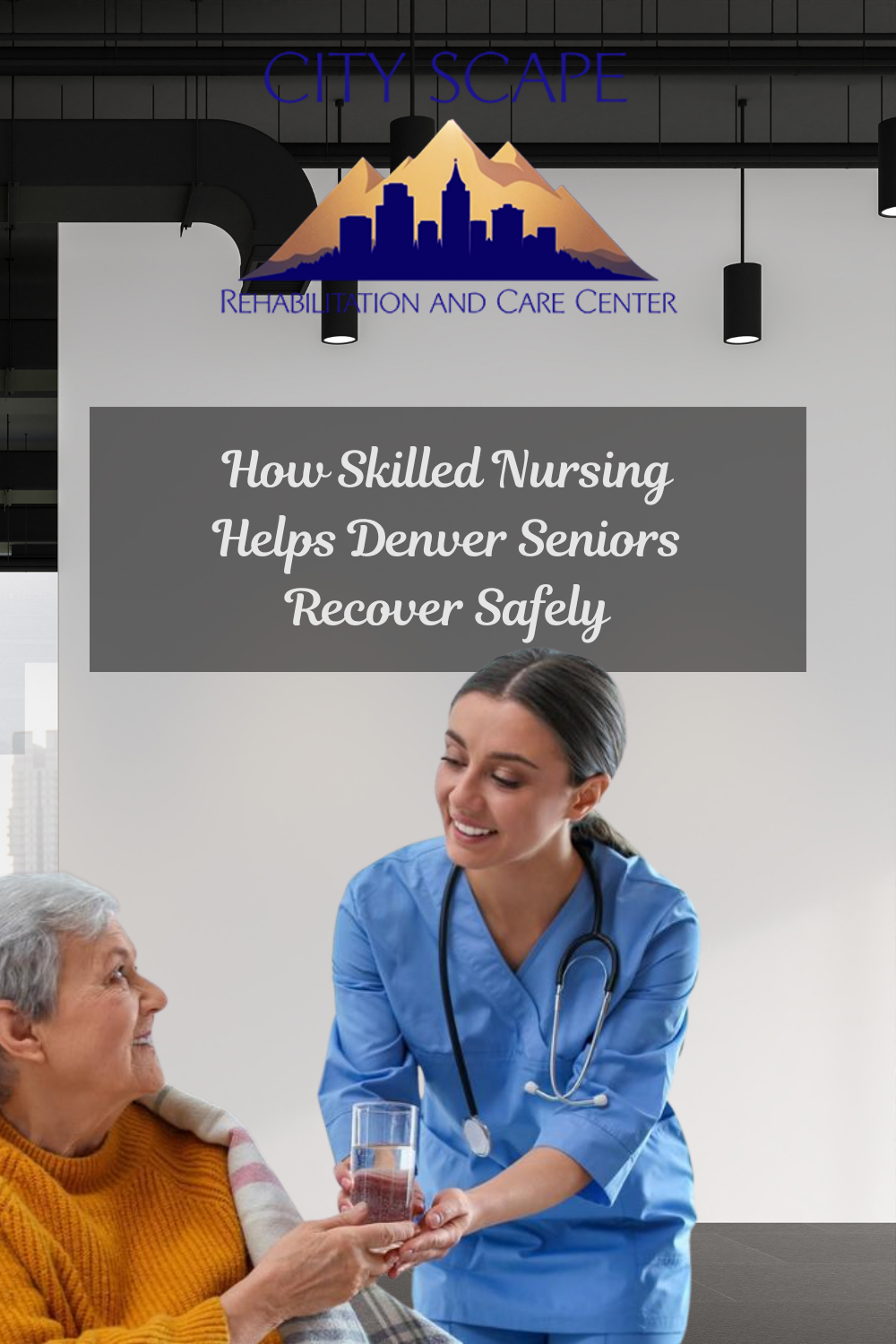
How Skilled Nursing Helps Denver Seniors Recover Safely
How Skilled Nursing Helps Denver Seniors Recover SafelyA hospital stay can change daily life quickly for older adults and their families. One moment a senior is living independently, and the next they may be facing surgery recovery, mobility challenges, medication changes, or ongoing medical concerns that make returning home immediately unsafe. Families are often asked to make important care decisions in a short amount of time while trying to balance emotional stress, medical information, and long-term planning.In Denver, skilled nursing communities play a vital role in helping seniors transition from hospitalization toward greater strength, safety, and independence. City Scape Rehabilitation & Care Center provides skilled nursing and rehabilitation support designed to help older adults recover in a structured, compassionate environment focused on healing and long-term wellness.For many Denver families, skilled nursing becomes the bridge between hospital treatment and a safer return home.Recovery is not just about treating medical conditions, says Sara Gallatin of City Scape Rehabilitation & Care Center. Its about helping residents regain confidence, restore daily function, and feel supported every step of the way.Understanding Skilled Nursing CareSkilled nursing care is designed for individuals who need medical supervision and rehabilitation services beyond what can safely be provided at home or in a standard assisted living environment.Services may include: 24-hour licensed nursing care Medication administration and monitoring Wound care Pain management Physical therapy Occupational therapy Speech therapy IV therapy Chronic disease management For some seniors, skilled nursing is temporary and focused on rehabilitation after surgery or illness. Others may require longer-term support for ongoing medical conditions.Why Seniors Often Need Additional Care After HospitalizationHospital discharge does not always mean a senior is fully recovered. Even short hospital stays can lead to weakness, reduced mobility, poor balance, and fatigue.Many seniors leaving the hospital struggle with: Walking safely Climbing stairs Managing medications Completing daily activities Maintaining strength and endurance Without proper support, these challenges may increase the risk of falls, complications, or hospital readmission.Skilled nursing provides a safer environment where residents can continue healing while receiving professional oversight.Physical Therapy Helps Restore MobilityRegaining movement and strength is often one of the biggest goals during recovery.Physical therapy may help residents: Improve balance Increase strength Practice walking safely Build endurance Reduce fall risk Improve flexibility and coordination For Denver seniors who enjoy staying active and connected to community life, mobility recovery can significantly improve emotional wellness and independence.Therapists work closely with residents to create personalized recovery plans based on health conditions and personal goals.Occupational Therapy Supports Everyday IndependenceAfter illness or surgery, many older adults find simple daily activities unexpectedly difficult.Occupational therapy focuses on helping residents safely perform tasks such as: Bathing Dressing Grooming Meal preparation Bathroom safety Adaptive equipment use Therapists may also help identify home modifications that can improve safety after discharge.These practical skills help seniors prepare for a smoother transition back home.Speech Therapy Supports Communication and Cognitive RecoverySpeech therapy is not only for speech challenges. Many seniors recovering from stroke, neurological illness, or swallowing difficulties benefit from speech-language therapy services.Speech therapy may help with: Communication skills Memory and cognition Swallowing safety Problem-solving exercises Voice strengthening These therapies improve both safety and quality of life during recovery.Emotional Support Is Part of HealingMedical recovery can be emotionally difficult for seniors.Residents may experience: Anxiety about returning home Frustration with physical limitations Fear of falling again Loneliness or depression Loss of confidence A supportive skilled nursing environment helps residents feel encouraged through compassionate caregiving, social interaction, and structured routines.Emotional wellness often plays a major role in successful rehabilitation outcomes.Denver Seniors Benefit from Local Recovery ResourcesDenver offers strong healthcare access, major medical systems, and a growing network of senior support services. Many older adults value recovering close to family, healthcare providers, and familiar surroundings.Remaining connected to local support systems can help reduce stress and improve communication during recovery.City Scape Rehabilitation & Care Center serves Denver seniors with care designed to support both medical recovery and overall quality of life.Questions Families Should Ask During a Skilled Nursing TourChoosing skilled nursing care is an important decision. Families should ask thoughtful questions such as: What therapy services are available onsite? How are care plans personalized? What nursing support is available 24/7? How are families updated about progress? What discharge planning services are offered? What safety measures are in place? Touring communities in person can provide valuable insight into the environment and staff interactions.Supporting Seniors Through RecoveryHealing after illness or surgery often requires patience, therapy, medical support, and emotional encouragement. Skilled nursing communities help seniors recover safely while working toward greater independence and confidence.Families in Denver seeking skilled nursing support are encouraged to learn more about City Scape Rehabilitation & Care Center and their personalized approach to recovery care.Visit their Seniors Blue Book listing today to explore local resources and connect with their care team.Frequently Asked QuestionsWhat is skilled nursing care?Skilled nursing provides medical supervision and rehabilitation services for seniors recovering from illness, injury, or surgery.Is skilled nursing temporary?Often, yes. Many residents stay temporarily during rehabilitation before returning home.What therapies are available?Most skilled nursing communities offer physical, occupational, and speech therapy.Can seniors return home after rehabilitation?Many residents regain enough strength and independence to safely transition home.Are families involved in care planning? Yes. Family communication and participation are encouraged throughout recovery.
May 13, 2026
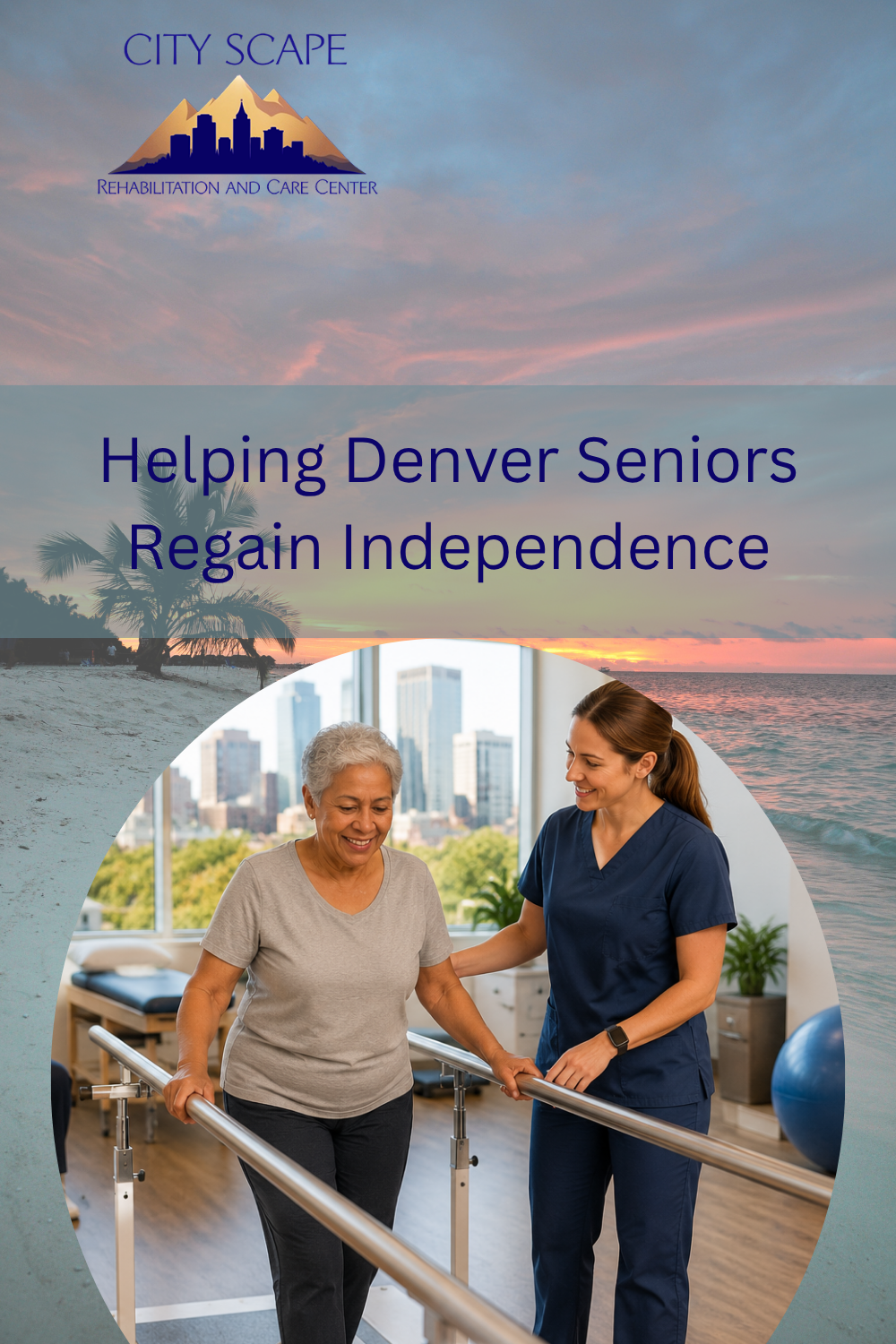
Helping Denver Seniors Regain Independence
Helping Denver Seniors Regain IndependenceFor many older adults, independence is more than a goalit is a way of life. Whether it's driving to a favorite coffee shop, attending church services, walking through City Park, or spending weekends with grandchildren, the ability to remain active and self-sufficient contributes greatly to overall well-being.However, a serious illness, injury, surgery, or hospitalization can suddenly disrupt that independence. Tasks that once seemed routine may become difficult or impossible without assistance. Fortunately, rehabilitation services within a skilled nursing environment can help seniors regain strength, mobility, and confidence.At City Scape Rehabilitation & Care Center in Denver, rehabilitation is about more than medical treatment. It is about helping individuals reclaim their lifestyles and return to the activities they enjoy most.Why Rehabilitation Matters for SeniorsAs people age, recovery often takes longer than it did in earlier years. Following a hospitalization, seniors may experience:Muscle weaknessReduced balanceLimited mobilityDifficulty performing daily activitiesIncreased fall riskLoss of confidenceWithout proper rehabilitation, these challenges can affect long-term health outcomes and quality of life.A comprehensive rehabilitation program provides structured support designed to accelerate recovery and reduce complications.Denver Seniors Have Active Lifestyles Worth Returning ToDenver offers countless opportunities for older adults to stay engaged and active. From exploring the Cherry Creek Trail and attending performances at the Denver Center for the Performing Arts to participating in community activities across the metro area, seniors have many reasons to prioritize recovery.Rehabilitation helps bridge the gap between hospitalization and returning to these meaningful activities.The goal is not simply to recover physically. The goal is to restore the ability to participate fully in life.A Team-Based Approach to RecoverySuccessful rehabilitation requires collaboration among multiple healthcare professionals.At City Scape Rehabilitation & Care Center, patients may work with:Physical TherapistsPhysical therapists focus on improving:StrengthBalanceWalking abilityEnduranceFall preventionFor someone recovering from hip surgery or a fracture, physical therapy may be the key to regaining mobility.Occupational TherapistsOccupational therapy helps patients perform everyday activities safely and independently.These activities may include:DressingGroomingBathingMeal preparationHousehold managementOccupational therapists also recommend adaptive equipment when necessary.Speech TherapistsSpeech-language pathologists help individuals experiencing:Swallowing difficultiesCommunication challengesCognitive impairmentsStroke-related deficitsThese services can dramatically improve safety and quality of life.Rehabilitation After Common Medical EventsMany conditions benefit from skilled rehabilitation services.Joint Replacement RecoveryHip and knee replacement patients often need therapy to rebuild strength and restore movement.Stroke RehabilitationStroke survivors frequently require a combination of physical, occupational, and speech therapy.Cardiac RecoveryIndividuals recovering from heart-related conditions benefit from supervised exercise and monitoring.Respiratory IllnessPatients recovering from pneumonia or other respiratory issues may need endurance training and mobility support.Neurological ConditionsSpecialized therapy can help patients manage conditions that affect movement, balance, and cognition.Confidence Is Part of the Healing ProcessOne aspect of rehabilitation that is often overlooked is emotional recovery.After a fall, illness, or hospitalization, many seniors become fearful of future injuries. They may hesitate to walk independently or resume normal activities.Therapists address these concerns by helping patients build confidence through gradual progress and measurable achievements.Every step forwardwhether walking farther, climbing stairs, or completing daily tasks independentlycreates momentum for continued success.Edward Baker of City Scape Rehabilitation & Care Center shares, "Rehabilitation is about helping people believe in themselves again. Physical improvements are important, but confidence is often what allows someone to truly move forward."Preparing for a Successful Return HomeRehabilitation should always include discharge planning.Before patients return home, care teams evaluate:Home safety concernsMobility needsMedication managementCaregiver supportFollow-up healthcare requirementsThis proactive planning helps create smoother transitions and reduces the likelihood of setbacks.Measuring Success Beyond TherapyWhile therapy milestones are important, successful rehabilitation can also be measured through meaningful outcomes such as:Returning home safelyResuming favorite activitiesParticipating in family eventsMaintaining independenceAvoiding hospital readmissionsThese outcomes often matter most to patients and their loved ones.Frequently Asked QuestionsHow soon does rehabilitation begin after admission?Therapy often begins shortly after admission once the patient is medically stable.Can rehabilitation help after a stroke?Yes. Skilled rehabilitation frequently includes specialized stroke recovery services.How often do patients receive therapy?Frequency varies based on individual care plans and physician recommendations.Is rehabilitation covered by Medicare?Many rehabilitation services may be covered under qualifying circumstances. Coverage details should be reviewed with healthcare providers and insurance representatives.What if a patient needs help after returning home?Discharge teams can help coordinate ongoing services and community resources when needed.Explore Recovery Resources Through Seniors Blue BookRecovering from illness or injury requires expert guidance, compassionate care, and a clear path forward. City Scape Rehabilitation & Care Center is dedicated to helping Denver-area seniors regain strength, confidence, and independence through comprehensive rehabilitation services.Visit their Seniors Blue Book listing today to learn more about available programs, connect with their team, and explore local senior care resources designed to support successful recovery.
Jun 16, 2026
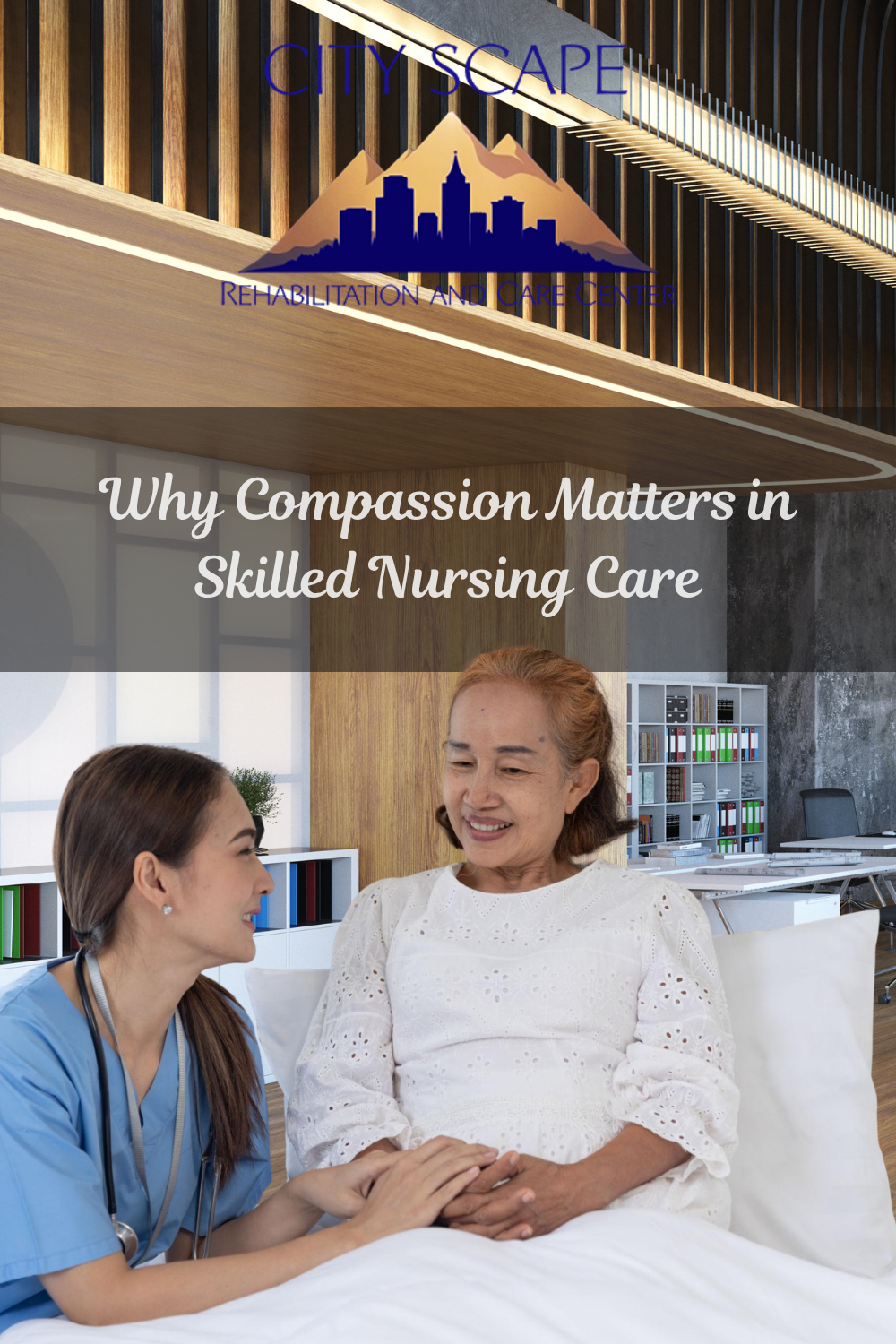
Why Compassion Matters in Skilled Nursing Care
Why Compassion Matters in Skilled Nursing CareWhen families think about skilled nursing care, they often focus first on medical needs such as medications, rehabilitation, wound care, or therapy services. While these clinical services are incredibly important, emotional support also plays a major role in helping seniors recover successfully after illness, injury, or hospitalization.In Denver, skilled nursing communities are increasingly recognizing the importance of compassionate, person-centered care that supports both emotional and physical healing.City Scape Rehabilitation & Care Center provides skilled nursing support designed to help residents feel safe, respected, and encouraged throughout their recovery journey.Residents need more than medical care alone, says Sara Gallatin of City Scape Rehabilitation & Care Center. They need kindness, reassurance, and a team that truly understands how difficult recovery can feel.Recovery Can Feel Emotionally OverwhelmingA major health event can suddenly change a seniors sense of independence and confidence.Older adults recovering from hospitalization may experience: Anxiety about the future Fear of falling again Frustration about physical limitations Loneliness or isolation Depression after illness or surgery Even temporary setbacks can feel emotionally discouraging for seniors who were previously independent.Compassionate care helps residents feel supported rather than overwhelmed during recovery.Why Emotional Wellness Affects Physical RecoveryEmotional health and physical healing are closely connected.Residents who feel encouraged and emotionally supported are often more likely to: Participate actively in therapy Maintain motivation Follow care plans Communicate concerns Stay socially engaged Positive emotional support can improve overall recovery experiences and quality of life.Personalized Care Makes Residents Feel ValuedEvery resident enters skilled nursing with a unique story, personality, and recovery goal.Person-centered care involves understanding: Personal routines Food preferences Family relationships Communication styles Cultural values Emotional concerns These details help residents feel respected and understood during a vulnerable time.Compassionate Communication Builds TrustClear, respectful communication is one of the most important parts of quality skilled nursing care.Residents benefit when caregivers: Explain treatments clearly Listen patiently Encourage questions Speak respectfully Offer reassurance Families also feel more comfortable when communication is open and consistent.Families Need Emotional Support TooCare transitions affect families emotionally as well.Adult children and spouses may feel: Guilty Worried Exhausted Uncertain about decisions Supportive skilled nursing teams help families feel more informed and reassured throughout the care process.This may include: Regular updates Care conferences Discharge planning discussions Emotional encouragement Strong family communication helps create trust and confidence.Activities and Social Interaction Improve WellnessRecovery involves more than medical treatment alone.Social engagement and recreation may help improve: Mood Cognitive stimulation Emotional wellness Motivation Residents often benefit from opportunities to participate in activities, conversations, and community interaction.These experiences can reduce isolation and help residents feel more connected.Denver Seniors Value Independence and DignityMany seniors in Denver have lived active, independent lifestyles for decades. A sudden health setback can feel emotionally difficult because it changes routines and abilities so quickly.Compassionate skilled nursing care helps residents maintain dignity while receiving the support they need during recovery.Questions Families Should Ask About Compassionate CareWhen touring skilled nursing communities, families may ask: How are residents emotionally supported? How are care plans personalized? How are families updated? What activities are available? How does staff encourage resident independence? These questions help families understand the communitys approach to person-centered care.Healing Involves More Than MedicineRecovery after illness or injury requires skilled medical care, but it also requires compassion, encouragement, and emotional support.Families in Denver seeking skilled nursing services are encouraged to learn more about City Scape Rehabilitation & Care Center and their personalized approach to resident care.Visit their Seniors Blue Book listing today to connect with their team and explore local senior care resources.Frequently Asked QuestionsWhy is emotional support important during recovery?Emotional wellness can affect motivation, therapy participation, and overall quality of life.What is person-centered skilled nursing care?It focuses on individual preferences, routines, goals, and emotional needs.How do skilled nursing communities support families?Through communication, updates, care planning, and emotional reassurance.Can social activities improve recovery?Yes. Social interaction may reduce loneliness and improve emotional health.What should families look for during a tour? Families should observe staff interactions, communication style, cleanliness, and resident engagement.
May 13, 2026
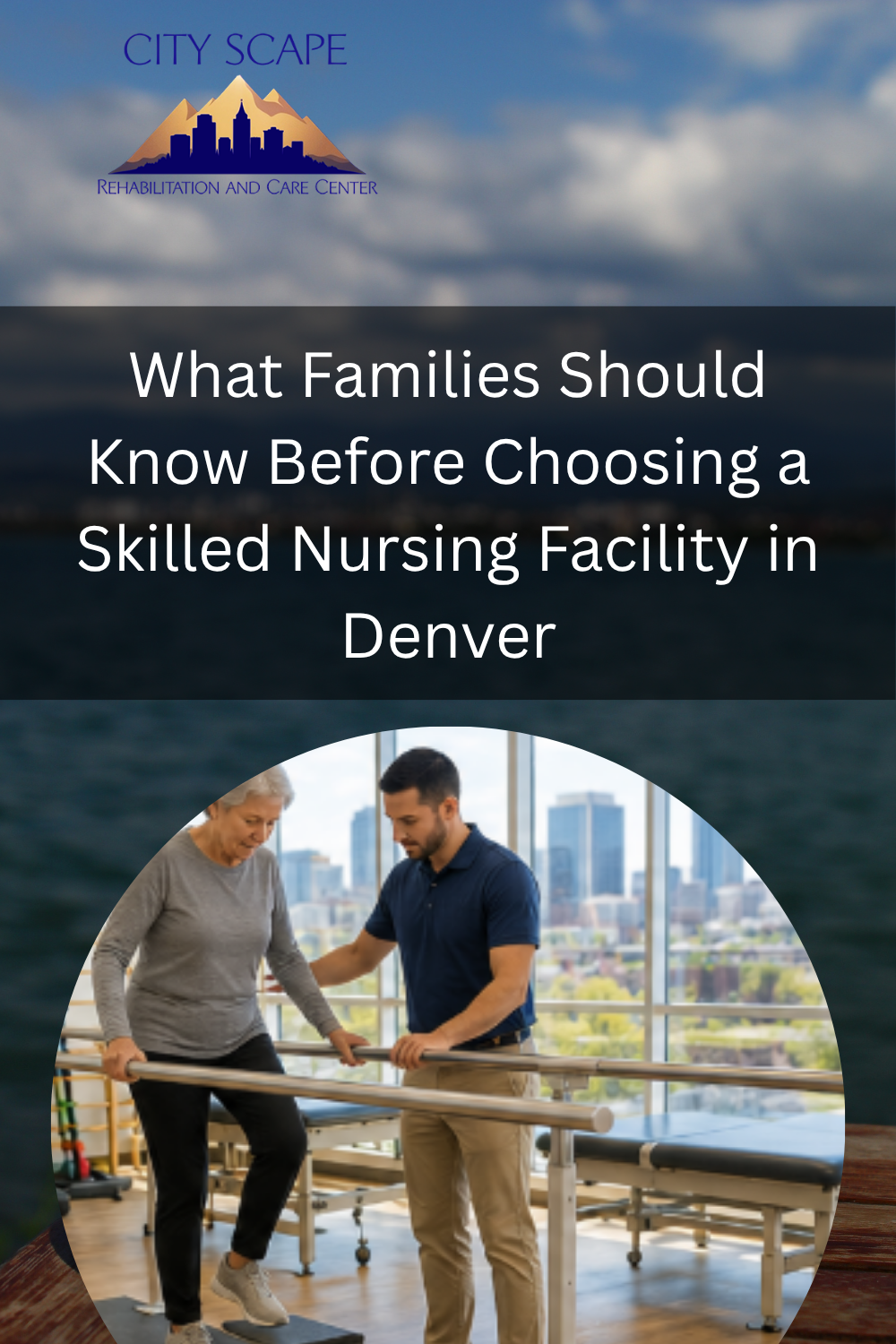
What Families Should Know Before Choosing a Skilled Nursing Facility i
What Families Should Know Before Choosing a Skilled Nursing Facility in DenverSelecting a skilled nursing facility for a loved one is rarely a decision anyone expects to make. It often comes after an unexpected hospitalization, surgery, illness, or health setback. Families suddenly find themselves navigating unfamiliar healthcare terminology while trying to make the best choice possible.In Denver, where healthcare options continue to grow alongside the city's expanding senior population, understanding what distinguishes a quality skilled nursing center can help families make informed decisions.City Scape Rehabilitation & Care Center serves as an important resource for individuals who need professional nursing care and rehabilitation services during recovery.Understanding Skilled Nursing CareSkilled nursing is not the same as traditional senior living or assisted living.A skilled nursing center provides medical services that require licensed healthcare professionals, including:Registered nursesLicensed practical nursesPhysical therapistsOccupational therapistsSpeech therapistsMedical providersThese services support patients recovering from complex medical situations.Signs That Skilled Nursing May Be NeededFamilies often wonder whether skilled nursing care is necessary.Common situations include:Recovery After SurgeryJoint replacements, spinal procedures, and other surgeries often require rehabilitation support.Stroke RecoveryPatients may need physical, occupational, and speech therapy to regain lost abilities.Serious IllnessConditions such as pneumonia, infections, or respiratory complications may require continued monitoring after hospitalization.Chronic Disease ManagementPatients with heart disease, diabetes, or neurological conditions sometimes benefit from short-term skilled nursing support.Questions Families Should AskMaking an informed decision starts with asking the right questions.Consider discussing:What rehabilitation services are available?How often are physicians involved?What is the nurse-to-patient ratio?How are families updated on progress?What discharge planning services are offered?These conversations can provide valuable insight into the quality of care.Why Denver Families Prioritize Rehabilitation OutcomesDenver seniors are known for valuing independence and community involvement.Whether enjoying outdoor recreation, attending cultural events downtown, or spending time with grandchildren, many older adults want to return to active lifestyles after illness or injury.Strong rehabilitation programs focus on helping patients achieve those goals through:Functional trainingStrength buildingMobility improvementFall prevention educationConfidence restorationCommunication Makes a DifferenceOne factor often overlooked when choosing a facility is communication.Families benefit when care teams provide:Regular updatesClear treatment goalsAccessible staffCollaborative planningOpen communication helps reduce stress and improves overall satisfaction.As Edward Baker explains, "The best outcomes happen when patients, families, therapists, and nurses work together as one team. Communication is a critical part of successful recovery."The Role of Transitional CareThe period between hospitalization and returning home is often called transitional care.This stage is essential because it focuses on:Medical stabilizationTherapy progressionMedication managementCaregiver educationHome preparationStrong transition planning can help prevent avoidable hospital readmissions.Looking Beyond the BuildingFamilies sometimes focus primarily on appearances when touring facilities. While a welcoming environment is important, clinical excellence matters most.Look for:Skilled therapy teamsStrong nursing programsIndividualized care plansComprehensive assessmentsPositive communication practicesThese elements often have the greatest impact on outcomes.Frequently Asked QuestionsWhat is the difference between assisted living and skilled nursing?Assisted living provides support with daily activities, while skilled nursing includes medical care and rehabilitation services delivered by licensed professionals.Can patients receive therapy every day?Therapy schedules vary depending on medical needs and physician recommendations.How soon can rehabilitation begin?Many patients begin therapy shortly after admission if medically appropriate.Are family meetings available?Most skilled nursing facilities offer care conferences to discuss progress and goals.Is skilled nursing only for seniors?No. Adults of various ages recovering from illness, injury, or surgery may benefit from skilled nursing services.Learn More Through Seniors Blue BookChoosing post-acute care is an important decision. City Scape Rehabilitation & Care Center is committed to helping patients and families navigate recovery with confidence.Visit their Seniors Blue Book listing to explore services, connect with local resources, and learn more about skilled nursing care options in Denver.
Jun 16, 2026
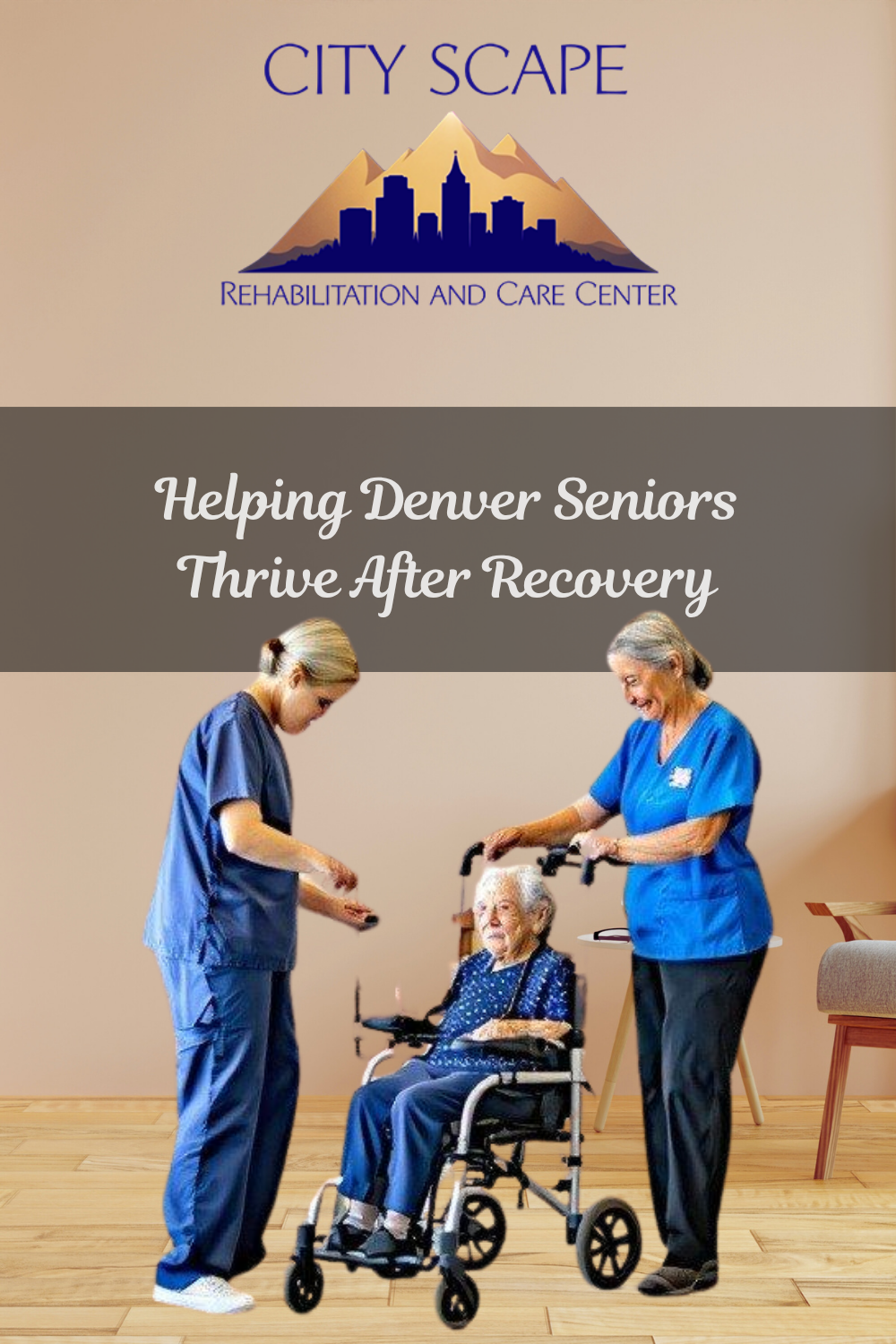
Helping Denver Seniors Thrive After Recovery
Helping Denver Seniors Thrive After RecoveryFor many seniors, recovery after illness or surgery is only one part of the journey. Once rehabilitation begins, families often start thinking about long-term wellness, safety, and quality of life moving forward. Questions about mobility, chronic health conditions, medication management, and future care needs can quickly become part of the conversation.In Denver, skilled nursing communities help older adults not only recover from immediate health setbacks, but also build healthier routines and stronger support systems for the future.City Scape Rehabilitation & Care Center provides skilled nursing care focused on helping seniors regain stability while supporting long-term health and wellness goals.Successful recovery is about creating a path toward safer, healthier living, says Sara Gallatin of City Scape Rehabilitation & Care Center. We want residents to feel stronger, more confident, and more prepared for what comes next.Skilled Nursing Supports More Than Short-Term RecoveryMany people associate skilled nursing only with temporary rehabilitation after hospitalization. While short-term recovery is common, skilled nursing can also support residents managing ongoing health conditions that require medical oversight.This may include support for: Diabetes Heart disease Mobility limitations Neurological conditions Medication management Chronic pain Fall prevention Long-term wellness often depends on consistent medical support and monitoring.Building Healthier Daily RoutinesStructured routines can help seniors maintain better overall wellness.Skilled nursing communities may support residents with: Medication schedules Balanced nutrition Hydration monitoring Mobility exercises Therapy participation Social interaction Consistency often helps residents feel safer and more stable during recovery.Nutrition Plays an Important Role in HealingGood nutrition is essential for recovery and long-term health.Older adults recovering from illness or surgery may need: Increased protein intake Specialized diets Hydration support Balanced meals that support healing Dining teams and nursing staff work together to help residents maintain proper nutrition and energy levels.Healthy eating habits also support chronic condition management and overall wellness.Preventing Falls Is a Major PriorityFalls are one of the leading causes of hospitalization among older adults.Skilled nursing communities often focus heavily on fall prevention strategies such as: Strength and balance exercises Mobility assistance Safe transfer techniques Environmental safety measures Proper footwear guidance Reducing fall risks can help seniors maintain greater independence and confidence.Therapy Continues Supporting WellnessTherapy services may continue helping residents improve mobility and maintain function even after major recovery milestones are reached.Physical therapy can help residents maintain: Balance Endurance Strength Safe movement patterns Occupational therapy may continue supporting independence with daily activities.Social Wellness Matters TooLong-term wellness is not only physical.Older adults benefit emotionally from: Social interaction Community involvement Recreational opportunities Family engagement These connections can reduce loneliness and improve overall happiness.Denver seniors often value remaining connected to community life and relationships throughout the aging process.Family Communication Supports Better OutcomesFamilies play an important role in helping seniors maintain wellness after rehabilitation.Ongoing communication between residents, families, and care teams helps everyone stay informed about: Health changes Therapy goals Medication needs Safety concerns Future planning Collaborative care often leads to better long-term outcomes.Questions Families Should Ask About Long-Term WellnessFamilies exploring skilled nursing care may ask: How are chronic conditions monitored? What wellness programs are available? How is nutrition supported? What fall prevention measures exist? Are therapy services available long term? These questions help families better understand how the community supports overall wellness beyond immediate recovery.Supporting Health, Safety, and Quality of LifeSkilled nursing care helps seniors recover safely while also supporting healthier routines and long-term well-being.Families in Denver seeking skilled nursing services are encouraged to learn more about City Scape Rehabilitation & Care Center and their personalized approach to senior care and recovery.Visit their Seniors Blue Book listing today to explore local resources and connect with their team.Frequently Asked QuestionsCan skilled nursing support chronic health conditions?Yes. Skilled nursing often helps residents manage ongoing medical needs safely.Why is nutrition important during recovery?Proper nutrition supports healing, strength, and overall wellness.How does skilled nursing help prevent falls?Communities use therapy, mobility support, and safety measures to reduce fall risks.Can therapy continue after major recovery milestones?Yes. Therapy may continue supporting long-term mobility and independence.Why is social wellness important for seniors? Social connection helps improve emotional health and quality of life.
May 13, 2026
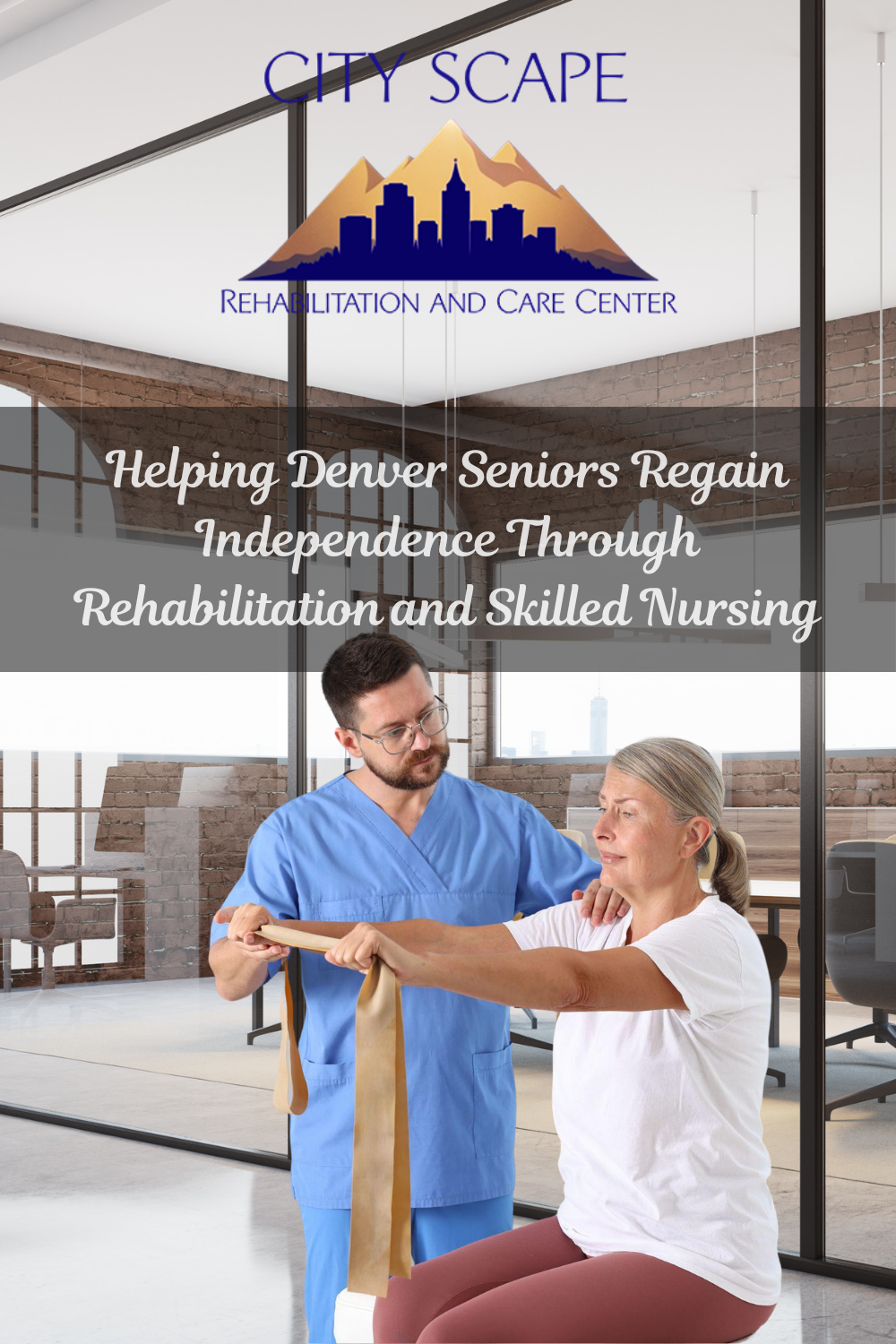
Helping Denver Seniors Regain Independence Through Rehabilitation and
Helping Denver Seniors Regain Independence Through Rehabilitation and Skilled NursingFor many older adults, maintaining independence is one of the most important parts of aging well. However, illness, surgery, falls, or hospitalization can suddenly make everyday activities feel difficult or unsafe. During recovery, seniors often need additional medical care, therapy, and support before they can confidently return to daily life.In Denver, skilled nursing and rehabilitation communities provide an important pathway for seniors working to regain mobility, rebuild strength, and restore confidence.City Scape Rehabilitation & Care Center helps residents recover in a structured environment where nursing care, therapy services, and compassionate support work together to promote healing and long-term wellness.As Denvers aging population continues growing, families are increasingly recognizing the importance of rehabilitation-focused skilled nursing care that prioritizes both physical recovery and emotional well-being.Why Rehabilitation Is So Important After Illness or SurgeryRecovery after hospitalization often requires more than rest alone.Even a brief hospital stay can result in: Reduced strength Difficulty walking Balance problems Fatigue Increased fall risk Trouble managing daily activities Without rehabilitation, these challenges may continue worsening and can make independent living unsafe.Rehabilitation helps seniors move forward with greater confidence, says Sara Gallatin of City Scape Rehabilitation & Care Center. Every recovery journey is unique, and personalized support makes a meaningful difference.Physical Therapy Helps Restore Strength and MobilityPhysical therapy is often one of the most important parts of recovery.Therapists help residents work on: Balance and coordination Walking safely Strength building Endurance improvement Pain reduction Fall prevention For Denver seniors who value active lifestyles and community involvement, mobility recovery can significantly improve quality of life.Therapy programs are personalized to fit each residents health condition and goals.Occupational Therapy Helps Residents Manage Daily TasksAfter illness or surgery, simple tasks may suddenly feel overwhelming.Occupational therapy helps residents safely rebuild independence with activities such as: Dressing Bathing Grooming Toileting Meal preparation Using adaptive equipment Therapists also help residents and families identify safety modifications that may improve the home environment after discharge.Speech Therapy Supports Communication and CognitionSpeech therapy is beneficial for seniors recovering from: Stroke Neurological conditions Swallowing difficulties Memory changes Cognitive decline Speech-language pathologists may help residents improve communication, memory, swallowing safety, and problem-solving skills.These services often improve both confidence and overall wellness.Skilled Nursing Provides Medical Oversight During RecoveryIn addition to therapy, residents may need medical monitoring during recovery.Skilled nursing services often include: Medication management Wound care Pain management Chronic disease monitoring Assistance with daily living activities This medical oversight helps reduce complications and supports safer recovery.Emotional Wellness Matters During RecoveryHealth setbacks can affect emotional well-being just as much as physical health.Many seniors experience: Anxiety Fear of falling Frustration about limitations Loneliness Loss of confidence A supportive care environment helps residents feel encouraged and emotionally connected throughout recovery.Residents often benefit from: Social interaction Compassionate caregivers Recreational opportunities Family involvement Daily routines Emotional support often improves motivation and rehabilitation outcomes.Denver Families Appreciate Local Care OptionsDenver families often prefer recovery care close to home so they can stay involved throughout rehabilitation.Being near familiar neighborhoods, physicians, and loved ones can make transitions less stressful for both residents and families.City Scape Rehabilitation & Care Center helps Denver seniors recover with professional support focused on safety, healing, and independence.Questions Families Should Ask About RehabilitationFamilies touring rehabilitation communities should ask: What therapies are available onsite? How often are therapy sessions scheduled? How are goals personalized? How is progress communicated? What discharge planning is offered? What nursing services are available? Understanding these details helps families make informed care decisions.Supporting Recovery with Compassion and ExpertiseRecovery after hospitalization takes time, encouragement, and professional care. Skilled nursing and rehabilitation communities help seniors rebuild strength and confidence while preparing for safer independent living.Families in Denver seeking rehabilitation support are encouraged to learn more about City Scape Rehabilitation & Care Center and visit their Seniors Blue Book listing today.Frequently Asked QuestionsWhat does rehabilitation in skilled nursing include?Rehabilitation may include physical, occupational, and speech therapy services.Why do seniors need rehabilitation after hospitalization?Hospital stays can lead to weakness, mobility loss, and increased fall risk.Can therapy improve independence?Yes. Therapy helps residents rebuild skills needed for daily living.Is skilled nursing only for long-term care?No. Many residents stay temporarily during rehabilitation.How does family involvement help recovery? Family encouragement and communication often improve emotional wellness and motivation.
May 13, 2026
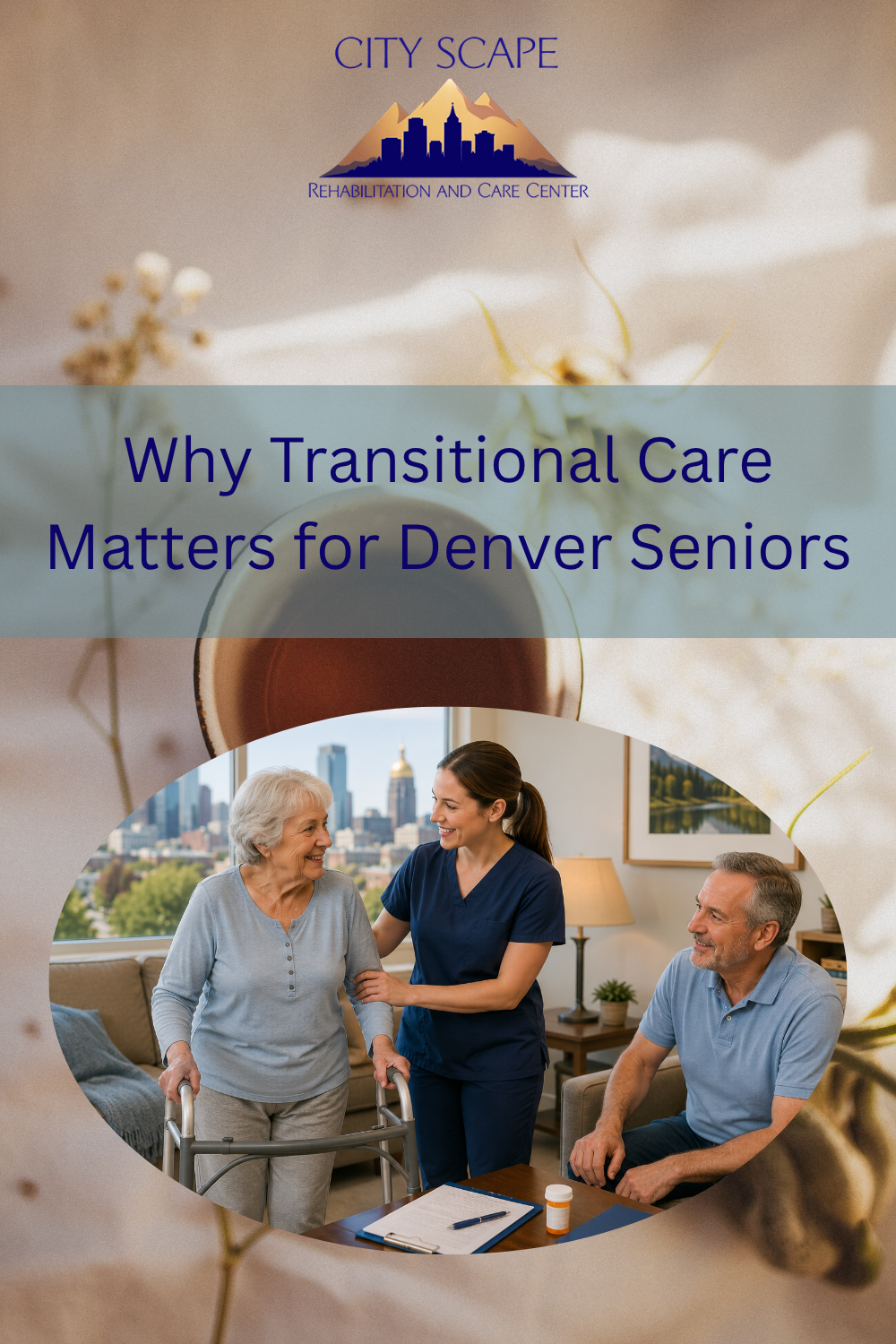
Why Transitional Care Matters for Denver Seniors
Why Transitional Care Matters for Denver SeniorsFor many seniors, leaving the hospital feels like a major victory. The surgery is complete, the illness has stabilized, and discharge papers are signed. Yet healthcare professionals know that one of the most critical periods in a patient's recovery actually begins after hospitalization.The transition from hospital care back to everyday life can be challenging. Medications change, mobility may be limited, and follow-up appointments become essential. Without proper support, seniors face an increased risk of complications, falls, or even hospital readmission.This is where transitional care plays a vital role.At City Scape Rehabilitation & Care Center in Denver, transitional care services help older adults move safely from acute medical treatment toward greater independence and long-term wellness.Understanding Transitional CareTransitional care refers to the services and support provided when a patient moves from one healthcare setting to another. Most commonly, this involves transferring from a hospital to a skilled nursing and rehabilitation center before returning home.The goal is simple: ensure recovery continues smoothly while minimizing health risks.A successful transition involves:Medical monitoringRehabilitation therapyMedication managementCare coordinationPatient educationFamily supportRather than rushing home too soon, patients receive the additional time and resources needed to rebuild strength safely.Why the Transition Period Is So ImportantAccording to healthcare experts, the weeks immediately following hospitalization are often the most vulnerable.During this period, patients may experience:Physical WeaknessExtended hospital stays often result in muscle loss and reduced stamina.Medication ChangesNew prescriptions can create confusion if not carefully managed.Increased Fall RiskWeakness and mobility challenges can increase the likelihood of injury.Complex Recovery PlansMany patients leave the hospital with multiple appointments, therapy recommendations, and lifestyle adjustments.Without professional oversight, managing all these factors can become overwhelming.Denver's Growing Senior PopulationDenver continues to attract retirees who appreciate Colorado's outdoor lifestyle, cultural attractions, and strong healthcare infrastructure.Many older adults choose to remain active through:Walking trails and parksCommunity organizationsVolunteer opportunitiesCultural and educational programsFamily-centered activitiesWhen illness or injury interrupts these routines, effective transitional care becomes especially important because it focuses on helping seniors return to the lifestyles they value.What Happens During Transitional Care?A transitional care program includes much more than nursing support.Comprehensive Medical OversightLicensed healthcare professionals monitor:Vital signsMedication effectivenessChronic conditionsRecovery progressPotential complicationsThis ongoing supervision helps identify concerns before they become serious problems.Rehabilitation ServicesPatients often participate in:Physical therapyOccupational therapySpeech therapyThese therapies are tailored to individual recovery goals.Patient and Family EducationKnowledge is a powerful tool during recovery.Patients and families learn about:Medication schedulesHome safetyDisease managementNutritionWarning signs requiring medical attentionEducation improves confidence and supports long-term success.The Human Side of RecoveryWhile clinical care is essential, emotional support also plays a significant role.Many seniors experience anxiety after a hospitalization. They may worry about falling, becoming dependent on others, or experiencing another medical setback.A supportive transitional care environment provides encouragement while helping individuals focus on achievable milestones.Small victories often become major turning points:Walking independentlyClimbing stairsPreparing a mealReturning to favorite hobbiesThese accomplishments help restore confidence and motivation.Edward Baker of City Scape Rehabilitation & Care Center explains, "Every recovery journey is different. Our role is to provide the medical support, therapy, and encouragement that help patients move forward with confidence and achieve their personal goals."Preventing Hospital ReadmissionsOne of the most important benefits of transitional care is reducing avoidable hospital readmissions.Research consistently shows that coordinated care can improve outcomes by helping patients:Follow treatment plansManage medications correctlyAttend follow-up appointmentsRecognize early warning signsContinue rehabilitation progressThis proactive approach helps protect both health and quality of life.Preparing for Life at HomeReturning home successfully requires thoughtful planning.Before discharge, care teams evaluate:Home EnvironmentPotential hazards are identified and addressed.Mobility NeedsAssistive devices and support services may be recommended.Caregiver ResourcesFamily members receive guidance and education when appropriate.Continued Healthcare NeedsFollow-up appointments and community resources are coordinated.These steps create a safer transition and help maintain progress after discharge.What Families Should Look for in Transitional CareWhen evaluating transitional care programs, families should consider:Skilled nursing expertiseRehabilitation servicesCommunication practicesIndividualized care plansDischarge planning supportPatient-centered approachStrong transitional care can make the difference between simply recovering and truly thriving.Frequently Asked QuestionsHow is transitional care different from hospital care?Hospitals focus on acute medical treatment, while transitional care focuses on recovery, rehabilitation, and preparation for returning home.Who benefits from transitional care?Individuals recovering from surgery, illness, injury, stroke, cardiac events, or other medical conditions often benefit from transitional care services.Does transitional care include therapy?Yes. Physical, occupational, and speech therapy are commonly included based on patient needs.How long does transitional care typically last?Length of stay varies depending on medical condition, recovery goals, and physician recommendations.Can family members participate in care planning?Absolutely. Family involvement is often encouraged throughout the recovery process.Find Trusted Recovery Resources Through Seniors Blue BookNavigating recovery after a hospitalization can feel overwhelming, but families do not have to do it alone. City Scape Rehabilitation & Care Center provides skilled nursing, rehabilitation, and transitional care services designed to help Denver seniors recover safely and confidently.Visit their Seniors Blue Book listing today to learn more about available services, connect with their care team, and discover trusted senior care resources throughout the Denver area.
Jun 16, 2026
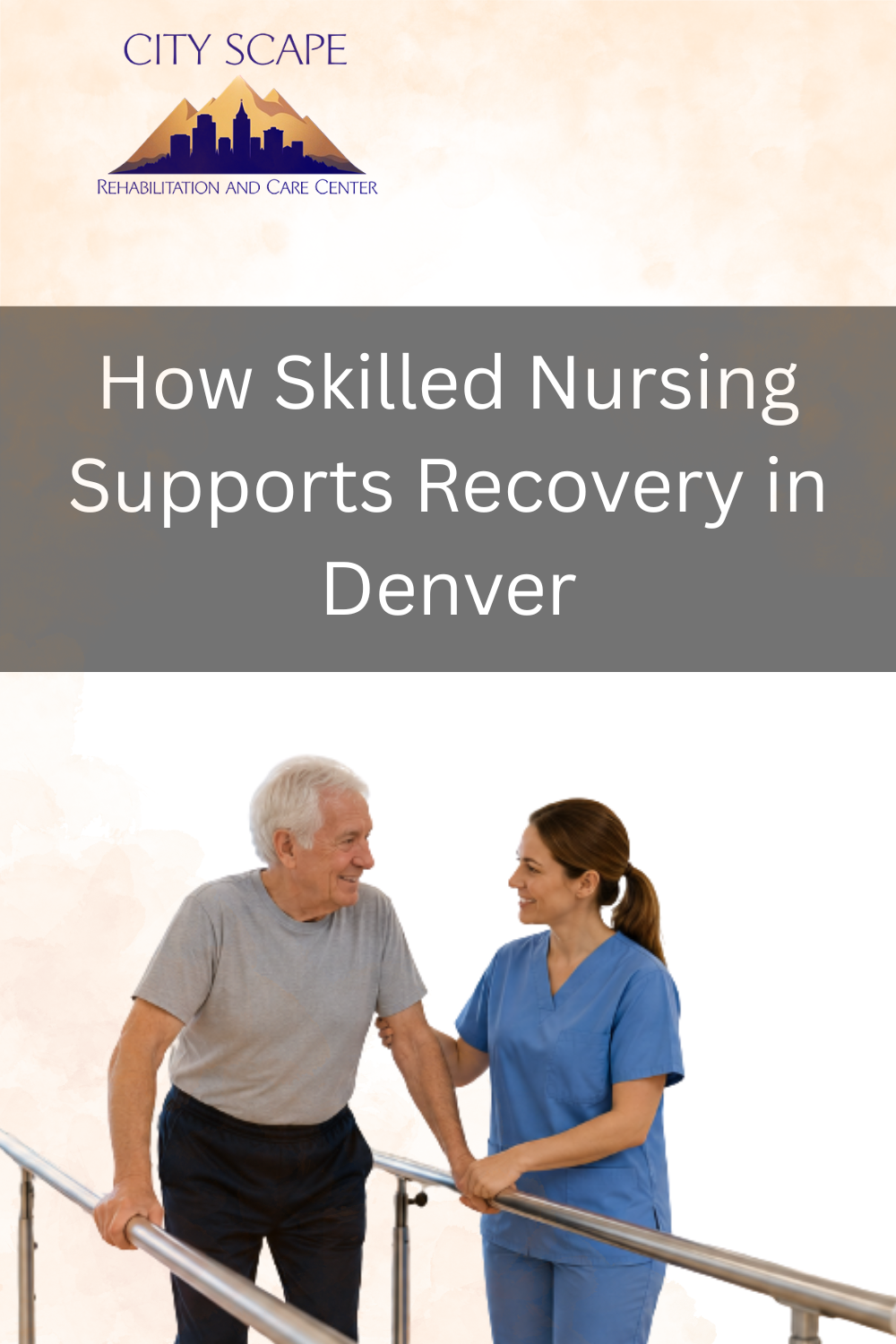
How Skilled Nursing Supports Recovery in Denver
How Skilled Nursing Supports Recovery in DenverA hospital discharge is often viewed as the finish line of a health crisis, but for many older adults, it is actually the beginning of a new phase of recovery. Whether recovering from surgery, illness, injury, or a complex medical condition, seniors frequently need continued support before they are ready to return home safely. This is where skilled nursing facilities play a vital role.In Denver, a city known for its active lifestyle, beautiful parks, and growing senior population, access to high-quality rehabilitation and nursing services can make a significant difference in a person's recovery journey. City Scape Rehabilitation & Care Center helps bridge the gap between hospital care and independent living by providing comprehensive skilled nursing and rehabilitation services designed to help individuals regain confidence and functionality.Why Recovery Doesn't End at Hospital DischargeMany seniors leave the hospital still needing medical oversight, medication management, wound care, physical therapy, or assistance with daily activities. Returning home too soon without adequate support can increase the risk of complications or readmission.A skilled nursing center offers:Around-the-clock nursing carePhysical, occupational, and speech therapyMedication managementChronic disease monitoringNutritional supportCare coordination with physiciansThis structured environment allows patients to focus on healing while receiving professional guidance every step of the way.Denver's Active Senior Community Creates Unique Recovery GoalsDenver seniors often enjoy an active lifestyle. Many spend time walking around Washington Park, exploring the Denver Botanic Gardens, attending community events, or staying involved with family and volunteer activities.Because maintaining independence is so important, rehabilitation programs must focus on real-world outcomes. Recovery is not simply about improving medical conditions. It is about helping individuals return to the activities and routines that give their lives purpose.At City Scape Rehabilitation & Care Center, therapy programs are designed to support meaningful goals such as:Regaining MobilityPhysical therapists work on:Strength trainingBalance improvementFall preventionEndurance buildingSafe walking techniquesRebuilding Daily Living SkillsOccupational therapy helps patients regain confidence with:DressingBathingMeal preparationHousehold tasksPersonal care routinesImproving Communication and Cognitive FunctionSpeech-language pathologists assist individuals recovering from stroke, neurological conditions, or swallowing difficulties.The Importance of Personalized Care PlansNo two recovery journeys are identical.A patient recovering from knee replacement surgery will have different needs than someone healing after pneumonia or a stroke. Effective skilled nursing care begins with individualized assessment and treatment planning.Patients benefit from:Customized therapy schedulesOngoing physician oversightNursing evaluationsFamily communicationProgress trackingThis collaborative approach helps ensure every recovery plan aligns with the patient's unique goals and medical needs.Family Members Need Support TooRecovery affects entire families.Adult children often find themselves coordinating appointments, managing medications, and making important healthcare decisions. Skilled nursing facilities help reduce these burdens by providing professional guidance and care coordination.Families gain peace of mind knowing their loved one is receiving:Continuous monitoringProfessional rehabilitation servicesMedical supervisionEmotional supportAccording to Edward Baker of City Scape Rehabilitation & Care Center, "Families often come to us feeling overwhelmed after a hospitalization. Our goal is to provide expert care while helping patients and loved ones feel confident about the road ahead."Building Confidence Before Returning HomeOne of the primary goals of skilled nursing rehabilitation is helping patients safely transition back to their home environment.Before discharge, care teams evaluate:Mobility and balanceHome safety concernsMedication management abilitiesCaregiver support availabilityFollow-up healthcare needsThis planning process helps reduce risks and supports long-term success.Choosing the Right Skilled Nursing PartnerWhen evaluating skilled nursing options in Denver, families should consider:Rehabilitation capabilitiesClinical expertiseStaff experienceCommunication practicesPersonalized treatment plansTransition planning supportA quality skilled nursing center becomes an essential partner in helping seniors regain independence and improve quality of life.Frequently Asked QuestionsHow long do patients typically stay in skilled nursing rehabilitation?Length of stay varies depending on medical needs, recovery progress, and physician recommendations. Some patients stay a few weeks, while others may require longer-term support.Does Medicare cover skilled nursing services?Many skilled nursing services may be covered under Medicare following a qualifying hospital stay. Families should consult their healthcare provider and insurance representative for specific coverage details.Can family members visit during rehabilitation?Yes. Family involvement is often encouraged because it supports emotional well-being and discharge planning.What types of conditions benefit from skilled nursing care?Common conditions include orthopedic surgeries, stroke recovery, cardiac events, respiratory illnesses, infections, and chronic disease management.How do therapists track progress?Therapy teams regularly assess strength, mobility, balance, and functional abilities to measure improvement and adjust treatment plans.Discover More Through Seniors Blue BookIf you or a loved one is exploring skilled nursing and rehabilitation options in Denver, City Scape Rehabilitation & Care Center offers professional support focused on recovery, safety, and independence.Visit their Seniors Blue Book listing to learn more about their services, connect with their team, and explore local resources designed to support successful aging and rehabilitation.