$3,638/month


About Country Meadows of York-South
One of the main reasons our residents and their families first considered a retirement community was for an easier, safer environmentwhat all basic senior citizen housing and assisted living facilities provide. But, one of the main reasons they chose Country Meadows was to get back to living life through our full array of social events, fitness, spiritual enrichment programs, recreational activities and lifelong learning.General Property Features
- Fitness Center, Guest Parking
- Scheduled Transportation, Transportation, Activities, Social Programs, Housekeeping, Meals/Meal Options
- Retirement Community
- Small Pets
Independent Living
- countrymeadows.com
- $3,638.00
- 105
- Studio, 1 BR
- Personal Care Home (PA-Only)
Additional Levels of Care Offered

Country Meadows Of York-South
Memory Care 2760 Pine Grove Rd, York County, York, Pennsylvania, 17403One of the main reasons our residents and their families first considered a retirement community was for an easier, safer environmentwhat all basic senior citizen housing and assisted living facilities provide. But, one of the main reasons they chose Country Meadows was to get back to living life through our full array of social events, fitness, spiritual enrichment programs, recreational activities and lifelong learning.

Country Meadows Of York-South
Assisted Living 2760 Pine Grove Rd, York County, York, Pennsylvania, 17403One of the main reasons our residents and their families first considered a retirement community was for an easier, safer environmentwhat all basic senior citizen housing and assisted living facilities provide. But, one of the main reasons they chose Country Meadows was to get back to living life through our full array of social events, fitness, spiritual enrichment programs, recreational activities and lifelong learning.

Country Meadows Of York-South
Personalized Senior Service 2760 Pine Grove Rd, York County, York, Pennsylvania, 17403One of the main reasons our residents and their families first considered a retirement community was for an easier, safer environmentwhat all basic senior citizen housing and assisted living facilities provide. But, one of the main reasons they chose Country Meadows was to get back to living life through our full array of social events, fitness, spiritual enrichment programs, recreational activities and lifelong learning.
Continue Your Search! Explore More Local Options.
Start SearchingLet’s engage and get educated!
Browse through thousands of expert articles in over 100 different categories.
Browse NowArticles You May Like
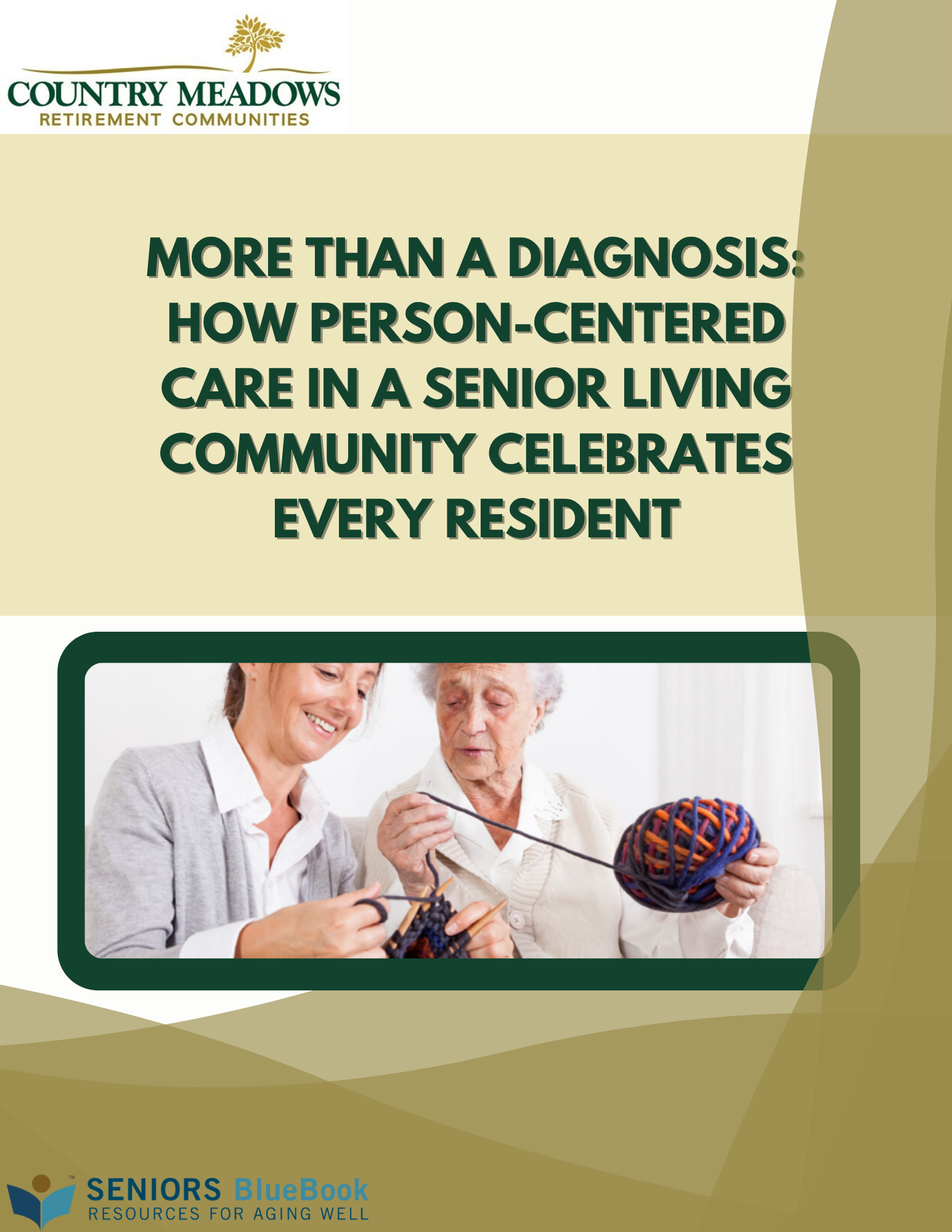
More Than a Diagnosis: How Person-Centered Care in Senior Living
More Than a Diagnosis: How Person-Centered Care in a Senior Living Community Celebrates Every Resident With more than 25 years of service in senior care, Carol Ditman is a seasoned administrator and dementia-care educator. As a Certified Dementia Practitioner and Certified Alzheimers Disease & Dementia Care Trainer, she has spent her career elevating standards of care, empowering caregivers, and improving quality of life for individuals living with Alzheimers and related dementias. At Country Meadows, she leads company-wide initiatives in dementia education, therapeutic engagement, and person-centered practices. Her mission is creating meaningful, dignified living experiences for residents at every stage of aging. When you meet someone new, how does the conversation start? Usually with a pleasant smile, exchanging names, maybe sharing something you have in common or what brought you each to that specific place and time. Most people dont lead with what ails them or what physical, emotional or mental challenges they may be facing that day. Why? Because a health situation or concern does not define the person or their character. There is so much to be defined bya diagnosis isnt one of them! While all life happenings do contribute to how you see the world, I want to stress you are not your diagnosis. This is important to remember in every life stage but particularly during a life change like moving into a senior living community or living with a medical diagnosis, like dementia. Thats where a knowledgeable, compassionate care team who sees the residents for who they are, not their chart, is especially important. For example, let me introduce you to our new resident, Mrs. Johnson not Mrs. Johnson with memory loss. When our care team enters Mrs. Johnsons apartment, they are trained clinically in how to approach an individual with dementia. But they also are educated in how to regard her with empathy, respect and dignity. The real care comes in when they observe the beautiful wedding photo of her and her sweetheart hanging on the wall, a grandchilds art on the fridge, an open coloring book on her table and her hand-quilted blanket on the chair. This is all necessary context the senior living community care team takes in to learn about Mrs. Johnson as a person, not her diagnosis. These seemingly trivial details inform successful interactions and inspire meaningful engagement, creating a connection and trust. Or meet Mr. Jones, a military veteran, an avid sports fan, a puzzler and a proud dog dad. Not, Mr. Jones, complications from a knee replacement. Mrs. Johnson and Mr. Jones represent the more than 2,100 residents in our senior living community on every level of care who may be facing the realities of aging, recovery or life hardships. We reassure our residents that we will see them and celebrate them. In the senior living space, this is described by a trending term: person-centered care-when the collective care team has an understanding that the diagnosis describes a condition, not the person. This approach can make a positive difference in a residents experience in a senior living community. When activities are created based on residents interests, preferences and abilities, they are more likely to participate. When they meet other residents navigating similar situations, they find friendship and know they arent alone. Person-centered care also shifts the focus from what residents may no longer be able to do to what they can still enjoy and excel. Remember Mrs. Johnsons handmade quilt? It was a clue to her previous hobby. Based on that insight, our team plans arts and crafts activities appropriate to her abilities and encourages Mrs. Johnson to participate. She really enjoys cutting out papers and organizing supplies for the activity, reminiscent of her days working with fabric in her craft room. The concept of person-centered care can support social and emotional well-being like in Mrs. Johnsons example or can be tied to healing and recovery. Like for Mr. Jones, who is a resident in our Pathways Restorative Care neighborhood. He is participating in activities that promote recovery and empower him and his neighbors to work toward more independence. Through activities such as balance, flexibility, strength and mobility, Mr. Jones is tapping into the discipline he learned in his military career and focusing his energy on getting back to baseline after his knee-replacement surgery. Despite recovery taking longer than expected, he knows that the entire care team understands his goals, sees how hard he is working and is rooting for his success. A 2025 U.S. News and World Report survey confirmed what we see on our campuses firsthand: a senior living community can provide the social support needed to help improve someones health. About 65% of survey participants shared that loneliness or isolation affected their health before moving into the community. Because of the support from caring co-workers and friendly peers, 63% said engagement with other residents helped improve their conditions, while 54% cited the safe environment of a senior living community as a contributor in their improvements. This increased focus on the residents as a person and not just their diagnosis or limitations has gifted family members peace of mind when they see the attention and meaningful interactions between their loved one and caregivers. Our residents are someones spouse, mother, father, grandparent, friend, neighbor or mentor. A diagnosis doesnt even begin to scratch the surface of their journey and the impact they have made on the people in their life and community. Tips for when its hard to look past the diagnosis As a caregiver or family member, the world may seem to be revolving around appointments, medications and decisions. Consider taking a breath and a step back to re-center and remember your why in caregiving: your loved one made a difference in your life and deserves the world. Try these tips in shifting the conversation or your own mindset from a diagnosis to the wonderful details about your loved one: When attending appointments with loved ones, introduce them to their care provider with your relation first. The details of the appointment and clinical history can be found in their chart. Continue including your loved ones in activities they once enjoyed. While abilities or mobilities may have changed, the muscle memory may spark joy that connects them back to what they loved. Maintaining routines welcomes independence. Whether it is making choices about what to wear or eat, even these seemingly small decisions empower them and restore feelings of control and purpose. Caring for your family is our privilege It is an honor for Country Meadows to be part of our residents stories. We get to learn from them and love them as we deliver compassionate and thoughtful care in our senior living community. We look forward to meeting you and your loved one and showing you the creative ways we deliver person-centered care during a tour with one of our expert advisors.