
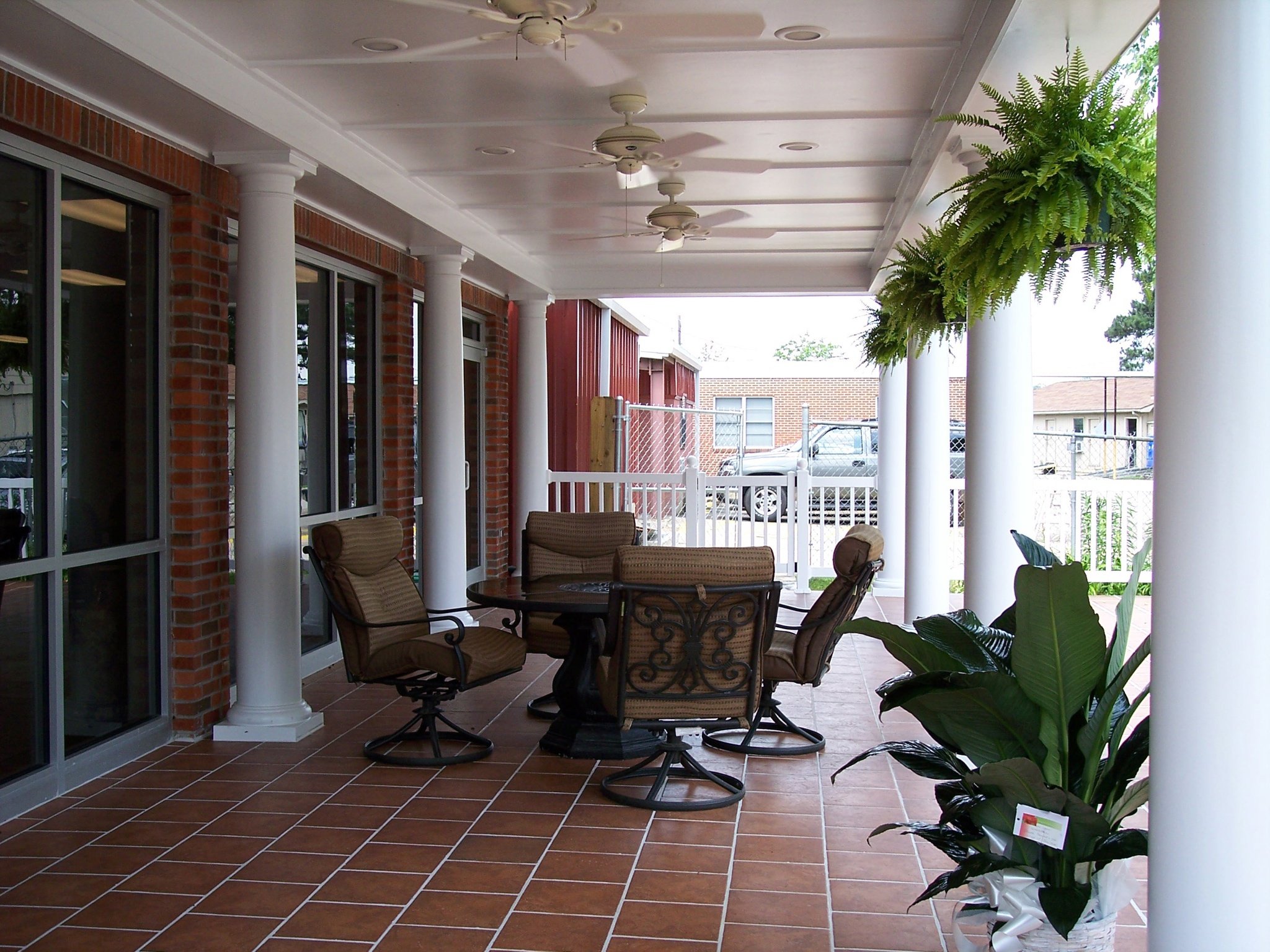

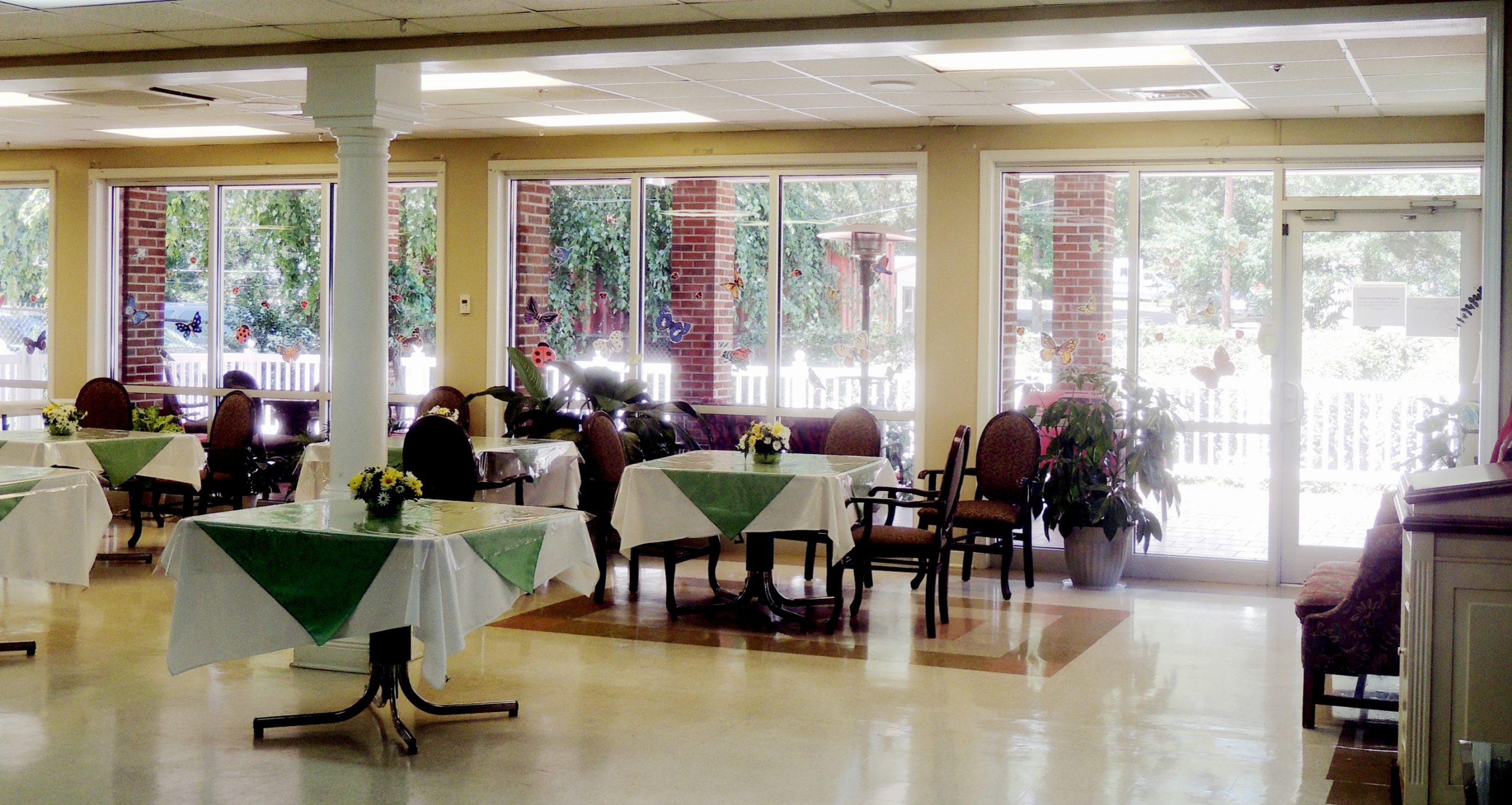


About Crowne Health Care of Citronelle
.Crowne Health Care of Citronelle is a 69-bed licensed skilled nursing and physical rehabilitation facility delivering an exceptional level of care. Whether your physical rehab or care need is short-term or long-term, you'll find an atmosphere that is friendly and private, with professional caregivers and services you need. You can have your space, or your privacy. At Crowne Health Care of Citronelle, our comfortable rooms provide a comfortable retreat for residents, but just steps away are common areas where activities and friendships await. Whether you prefer an in-room activity or an outing, youll find it here.
Our Services:
- Skilled Nursing
- Nutrition
- Rehabilitation Therapy
- Social and Recreational Therapy
- Social Services
- Staff Training
General Property Features
- Private Rooms, Semi-Private Rooms
- Social Programs
Skilled Nursing
- https://crownehealthcare.com/citronelle/
- 69
- Private Pay, Private Insurance, Long Term Care Insurance, Veterans Administration, Medicaid, Medicare, Managed Care Benefits, Other
- Long-Term Care, Ostomy Care, Respite Care, Short-Term Care, Skilled Care, Wound Vac, Physical Therapy, Occupational Therapy, Speech Therapy
Continue Your Search! Explore More Local Options.
Start SearchingLet’s engage and get educated!
Browse through thousands of expert articles in over 100 different categories.
Browse NowArticles You May Like

Supporting Quality of Life in Skilled Nursing in Citronelle, AL
Choosing a skilled nursing facility for an aging loved one involves more than finding a place that provides medical assistance. Families also want to know whether the individual will feel comfortable, receive appropriate attention, maintain meaningful routines, and have opportunities to participate in everyday activities.A parent recovering from surgery may need professional rehabilitation before returning home. Someone living with several chronic conditions may require ongoing nursing care. Another older adult may need assistance with personal activities that family members can no longer safely manage.For families in Citronelle, Alabama, finding the right skilled nursing community requires understanding both healthcare services and residential quality of life.Skilled nursing facilities provide professional nursing care, rehabilitation, and personal assistance for individuals who require a higher level of support than ordinary residential services can provide.However, the experience of living in a nursing facility also involves meals, social interaction, personal preferences, family involvement, and communication with caregivers.Crowne Health Care of Citronelle, located on North 4th Street in Mobile County, provides short-term rehabilitation and long-term skilled nursing services.The 69-bed facility offers 24-hour nursing support, physical therapy, occupational therapy, speech therapy, dietary services, social work assistance, and recreational programming.For older adults and families exploring skilled nursing in Citronelle, understanding these services can help them make decisions that support medical needs, personal dignity, and everyday comfort. What Is Skilled Nursing Care?Skilled nursing care involves healthcare services provided or supervised by qualified medical professionals.Individuals may need skilled nursing when medical conditions or functional limitations require more extensive assistance than can be provided through ordinary personal care.Common Reasons for Skilled NursingThese may include:Recovery after hospitalizationRehabilitation following surgeryMobility problems after an injuryRecovery following a strokeComplex nursing requirementsChanges in physical functioningAssistance with daily living activitiesOngoing medical conditions requiring nursing oversightLong-term residential care needsA person's eligibility for skilled nursing services depends on their medical circumstances and professional assessment.Not everyone who needs help with daily activities requires placement in a skilled nursing facility. Understanding Short-Term and Long-Term CareCrowne Health Care of Citronelle provides both short-term and long-term services.Although these arrangements may take place within the same facility, they can have different goals.Short-Term RehabilitationShort-term care often focuses on recovery following illness, injury, or surgery.A resident may receive nursing services and therapy to improve functional abilities.The goal may be to return home or transition to another suitable living arrangement.Long-Term Skilled NursingLong-term care may be appropriate when someone requires continuing residential assistance or nursing supervision.The focus may include managing chronic conditions, assisting with everyday activities, and supporting quality of life.Why the Distinction MattersShort-term rehabilitation and long-term nursing care may involve different payment arrangements and discharge expectations.Families should clarify which type of stay is being considered. Crowne Health Care of Citronelle in Mobile CountyCrowne Health Care of Citronelle is a 69-bed skilled nursing and rehabilitation facility located at 19225 North 4th Street in Citronelle, Alabama.The community is part of Crowne Health Care, an Alabama-based organization operating nursing and rehabilitation facilities.The Citronelle location is state- and federally licensed and Medicare- and Medicaid-certified.Its services include professional nursing, rehabilitation, dietary planning, social work, and organized activities.Professional Nursing CareCrowne Health Care of Citronelle employs registered nurses, licensed practical nurses, and certified nursing assistants.The facility describes its nursing and medical staff as working around the clock.Care is provided according to individualized needs and medical instructions.Personalized Care PlansThe facility develops care plans that reflect resident needs.These plans may address medical conditions, nursing assistance, rehabilitation, nutrition, and everyday support.Rehabilitation ServicesCrowne Health Care of Citronelle offers physical therapy, occupational therapy, and speech therapy.These services may help residents improve or maintain appropriate abilities.Nutrition ServicesA registered dietitian helps with meal planning and dietary needs.Social Work AssistanceThe facility's social worker works with residents and families to address social, medical, and emotional concerns.Recreational ActivitiesCrowne Health Care provides organized activities intended to encourage participation and social interaction.Verified Contact InformationCrowne Health Care of CitronelleAddress: 19225 North 4th Street, Citronelle, AL 36522Phone: 251-866-5509 Why Personalized Care Planning MattersA skilled nursing care plan should reflect the individual's medical needs and personal circumstances.Two residents with the same diagnosis may require different levels of assistance.One may be able to walk independently but need help managing medications.Another may require extensive mobility assistance and rehabilitation.Medical NeedsThe care team reviews diagnoses, prescribed treatment, and nursing requirements.MobilityResidents may need assistance walking, standing, or transferring.Personal CareCare plans may address bathing, dressing, grooming, and toileting.NutritionDietary needs and meal-related assistance should be considered.RehabilitationAppropriate therapy goals may be included.Personal PreferencesThe resident's routines, interests, and communication preferences can help guide everyday care.Family ParticipationWhen appropriate, families may contribute information and participate in care discussions.Crowne Health Care of Citronelle emphasizes individualized care planning through its nursing and support services. Physical Therapy and Functional RecoveryPhysical therapy may help residents improve or maintain mobility and physical functioning.The treatment goals depend on the person's diagnosis, condition, and rehabilitation potential.Walking and MobilitySome residents work on walking safely with or without mobility aids.StrengthExercises may address muscle weakness affecting everyday movement.BalanceTherapy may help improve stability and coordination.TransfersA resident may practice moving between a bed, chair, or other surface.EnduranceCertain rehabilitation programs focus on increasing tolerance for everyday activities.Measuring ProgressTherapists assess individual progress and update treatment plans when appropriate.Recovery is not identical for every person.Families should ask which goals are realistic and how progress will be communicated. Occupational Therapy and Everyday IndependenceOccupational therapy focuses on helping individuals participate in daily living activities.These activities can become difficult following a stroke, injury, surgery, or decline in functional abilities.DressingTherapy may help residents develop techniques for managing clothing.BathingOccupational therapists may address movements and strategies involved in personal hygiene.GroomingSome individuals benefit from adaptive approaches to everyday routines.TransfersTherapy can include practice with safe functional movement.Adaptive EquipmentCertain residents may benefit from devices that support daily activities.Preparing for DischargeFor short-term residents, therapy may address challenges they could encounter when returning home.The goal is to support the greatest practical level of independence. Speech Therapy and Communication SupportSpeech-language pathology can address several types of communication and swallowing concerns.Crowne Health Care of Citronelle offers speech therapy as part of its rehabilitation services.Communication ChangesSome individuals experience difficulty expressing themselves after a stroke or neurological condition.Speech ClarityCertain conditions may affect the production of clear speech.Language DifficultiesResidents may need assistance understanding or expressing language.Swallowing ConcernsChanges in swallowing can affect eating and drinking safely.Individualized TreatmentSpeech-language pathologists assess specific needs and determine appropriate interventions.Families should ask about therapy availability and goals when these services are relevant. Nutrition and Dining in Skilled NursingNutrition is an important part of residential healthcare.Some older adults have medical conditions that affect appetite, dietary needs, or eating abilities.Crowne Health Care of Citronelle advertises registered dietitian involvement and meal planning.Southern-Inspired MealsThe facility describes its menus as including Southern favorites and traditional home-style dishes.Special Dietary NeedsCrowne states that it accommodates special diets and requests.Nutritional PlanningA registered dietitian helps monitor meal planning.Individual PreferencesFamilies should share information about food preferences, allergies, and established dietary instructions.Eating AssistanceSome residents may require appropriate assistance during meals.Questions to AskBefore admission, ask how the facility accommodates dietary restrictions and how nutrition concerns are reported. Social and Recreational ActivitiesQuality of life involves more than medical services.Residents may appreciate opportunities for conversation, recreation, relaxation, and meaningful daily activities.Crowne Health Care of Citronelle advertises daily activities and shared spaces intended to encourage social interaction.Group ActivitiesOrganized programs can help residents interact with others.RecreationAppropriate recreational activities may provide enjoyment and variety.Exercise OpportunitiesThe facility advertises activities intended to encourage movement and participation.Educational ProgramsCrowne also identifies educational opportunities among its activities.Personal PreferencesNot everyone enjoys large group gatherings.Residents may prefer quieter activities or time with visitors.Family InvolvementRelatives can share information about hobbies and interests that may help staff understand the resident.Participation should reflect personal preferences and functional abilities. Private and Semiprivate AccommodationsCrowne Health Care of Citronelle provides private and semiprivate residential accommodations.Its rooms are located near common areas used for recreation and social activities.Personal SpaceA comfortable room can provide a place to rest and maintain personal belongings.PrivacyFamilies should ask how privacy is supported during personal care and everyday activities.Room AvailabilitySpecific room assignments depend on current openings and facility arrangements.Personal BelongingsResidents may want to bring appropriate photographs, clothing, or familiar items.Questions During a TourAsk about:Private and semiprivate roomsBathroom arrangementsStorage spaceVisitor policiesTelephone and television accessHousekeepingPersonal belongingsCurrent room availabilityA personal tour can help families understand the residential environment. Why Skilled Nursing Matters Locally in Mobile CountyMobile County includes communities where older adults may have lived for decades and developed strong connections to family, neighbors, and local organizations.When skilled nursing becomes necessary, location can influence family involvement.Staying Close to FamilyA facility in Citronelle may be practical for relatives who live nearby.Supporting Regular VisitsFamily visits can help maintain meaningful relationships.Coordinating HealthcareA skilled nursing facility brings nursing, rehabilitation, nutrition, and other support services into one residential setting.Planning for Medical ChangesSome individuals require additional care after hospitalization.Supporting Long-Term ResidentsA local residential care option may help certain families remain connected to familiar community resources.The appropriate choice still depends on the individual's clinical needs, available accommodations, and payment arrangements. The Role of Family CommunicationFamilies often want to understand how their loved one's care is progressing.Clear communication can help establish expectations.Identify a Primary ContactChoose an appropriate family representative to communicate with the facility.Understand the Care PlanAsk which services the resident will receive and how needs are reassessed.Discuss RehabilitationIf therapy is involved, ask how goals and progress are communicated.Review Significant ChangesUnderstand how the facility informs families about important health changes.Attend Care MeetingsWhen appropriate, participate in scheduled care conferences.Respect Resident PreferencesFamily communication should follow the resident's wishes and applicable privacy requirements. How to Evaluate Nursing Home QualityFamilies should evaluate several factors before choosing skilled nursing.Review Official InformationMedicare's Care Compare website provides information about certified nursing facilities.This may include health inspections, staffing, and quality measures.Understand What Ratings MeanA facility's overall rating is one part of the information available.Ratings can change and should not replace an individualized assessment.Ask About StaffingDiscuss how resident needs are addressed during different shifts.Observe the EnvironmentDuring a tour, consider cleanliness, resident interactions, and staff responsiveness.Review Care NeedsConfirm whether the facility can provide the required nursing or rehabilitation services.Ask Questions About ConcernsFamilies should feel comfortable requesting explanations about quality measures and care procedures. Understanding Medicare and Medicaid CoverageCrowne Health Care of Citronelle is Medicare- and Medicaid-certified.However, coverage depends on individual eligibility and the type of services needed.Medicare Skilled Nursing CoverageOriginal Medicare Part A may cover qualifying skilled nursing facility services for a limited period.Eligibility generally involves a qualifying inpatient hospital stay and a need for daily skilled care.Certain waivers or Medicare Advantage arrangements may follow different requirements.Coverage LimitsOriginal Medicare may cover up to 100 days of eligible skilled nursing facility care per benefit period.This is a maximum and not a guarantee of a 100-day stay.Long-Term Residential CareMedicare generally does not cover ongoing custodial nursing home care when skilled services are no longer medically necessary.MedicaidMedicaid may cover eligible long-term nursing facility care when clinical and financial requirements are met.Other Payment ArrangementsCrowne Health Care of Citronelle also advertises acceptance of private pay, many private insurance policies, and certain HMOs and long-term care insurance arrangements.Verify CoverageFamilies should confirm insurance participation, authorizations, covered services, and potential personal expenses before admission. Planning a Transition Into Skilled NursingMoving into a nursing facility involves both practical and emotional preparation.Gather Medical RecordsPrepare relevant information about diagnoses, medications, and treatment needs.Identify Personal Care NeedsExplain difficulties with mobility, bathing, dressing, and other activities.Discuss PreferencesShare information about routines, hobbies, and communication styles.Prepare Personal BelongingsAsk what items may be brought to the facility.Explain the TransitionWhen possible, include the older adult in conversations about the move.Maintain Family ContactDevelop a plan for visits and communication.Review the Care PlanAsk how initial needs will be evaluated and when the first care discussion will occur. Expert Tip for Families Comparing Skilled NursingExpert Tip: When visiting a skilled nursing facility, ask the admissions coordinator to explain what a typical day looks like for someone with needs similar to your loved one's.Discuss nursing care, meals, therapy, personal assistance, social activities, and family communication.A clear understanding of everyday routines can help you evaluate whether the facility is appropriate for the individual's medical needs and personal preferences. How to Get Started With Crowne Health Care of CitronelleStep 1: Identify the Care NeedDetermine whether your loved one requires short-term rehabilitation, long-term nursing care, or another level of assistance.Step 2: Contact the FacilityCall 251-866-5509.Step 3: Speak With AdmissionsAsk for admissions coordinator Cyndi Lundy.Step 4: Review Medical RequirementsDiscuss diagnoses, nursing needs, rehabilitation goals, and other relevant concerns.Step 5: Confirm AvailabilityAsk about current bed openings and private or semiprivate accommodations.Step 6: Review PaymentConfirm Medicare, Medicaid, private insurance, or other payment arrangements.Step 7: Schedule a TourVisit 19225 North 4th Street in Citronelle.Step 8: Discuss the Care PlanAsk how the team will address medical needs, daily routines, personal preferences, and family communication. Frequently Asked Questions About Skilled Nursing in Citronelle1. Does Crowne Health Care of Citronelle provide short-term and long-term nursing care?Yes. Crowne Health Care of Citronelle offers short-term rehabilitation and long-term residential skilled nursing services according to individual care needs.2. Where is Crowne Health Care of Citronelle located?The facility is located at 19225 North 4th Street, Citronelle, AL 36522. Its telephone number is 251-866-5509.3. What rehabilitation services are available?Crowne Health Care of Citronelle offers physical therapy, occupational therapy, and speech therapy. Treatment depends on individual assessments and clinical needs.4. Does Crowne Health Care of Citronelle accept Medicare and Medicaid?Yes. The facility is Medicare- and Medicaid-certified. Individual coverage depends on eligibility, medical necessity, payment arrangements, and applicable program rules.5. How many beds does Crowne Health Care of Citronelle have?The facility has 69 licensed beds and offers private and semiprivate accommodations. Families should contact admissions for current room availability. Supporting Health, Independence, and Daily ComfortChoosing skilled nursing care requires balancing medical needs with the everyday experiences that contribute to quality of life.Nursing support, rehabilitation, nutrition, personal assistance, activities, and family communication all play important roles.For residents and families throughout Mobile County, Crowne Health Care of Citronelle provides a local skilled nursing and rehabilitation option.Its 69-bed community offers individualized nursing care, physical rehabilitation, dietary services, social work assistance, and recreational opportunities.Whether a loved one requires short-term recovery services or long-term residential nursing support, understanding the available services can help families make more informed decisions.Contact Crowne Health Care of Citronelle to discuss admission requirements, schedule a tour, and learn about appropriate care options. Find Crowne Health Care of Citronelle on Seniors Blue BookLooking for skilled nursing and rehabilitation in Citronelle, Alabama?Explore Crowne Health Care of Citronelle through its dedicated Seniors Blue Book business listing.Learn about nursing services, rehabilitation options, residential accommodations, and available care programs.Contact the facility to discuss your loved one's needs, request admission information, and schedule a personal tour.