$3,500/month






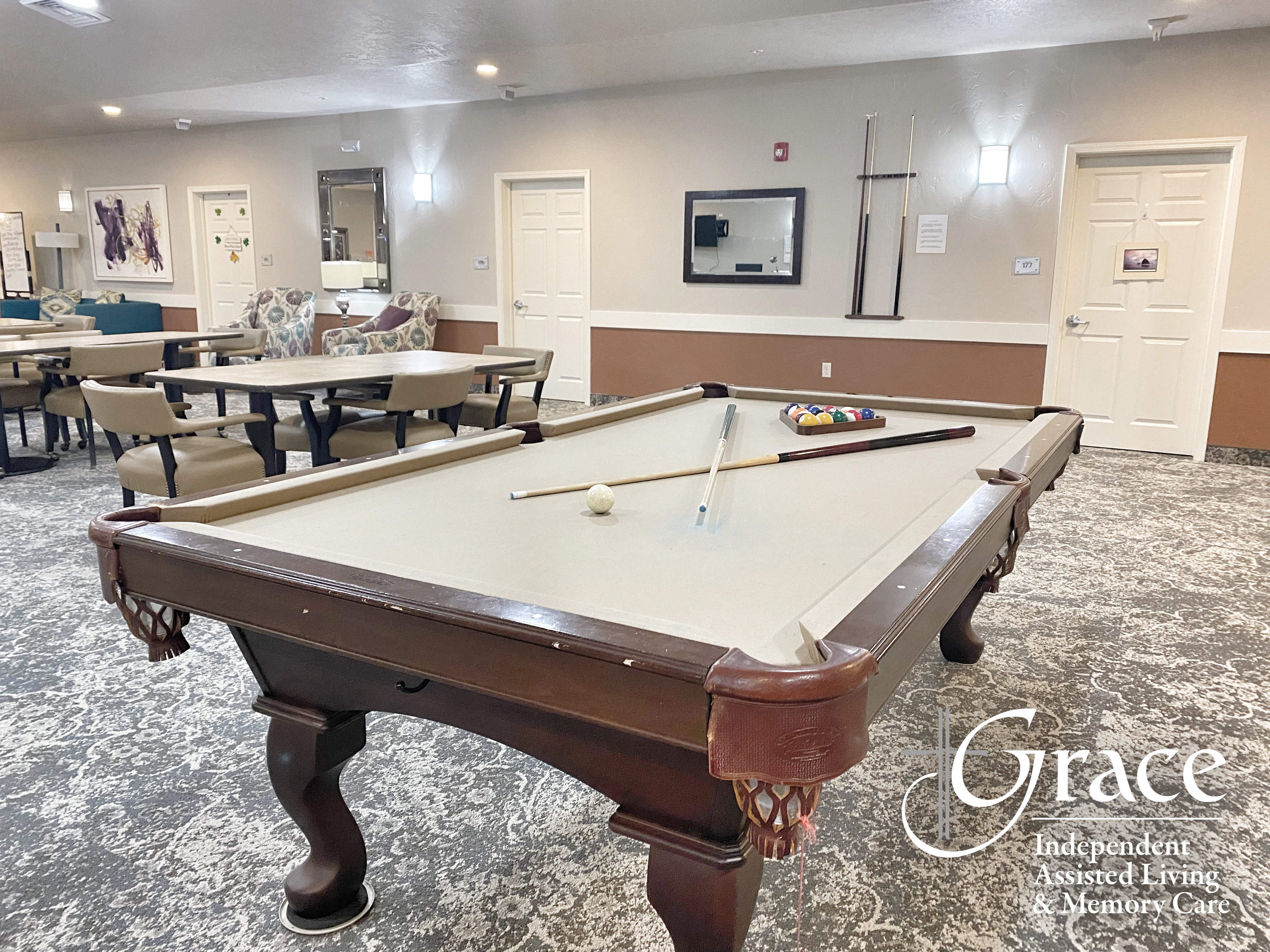
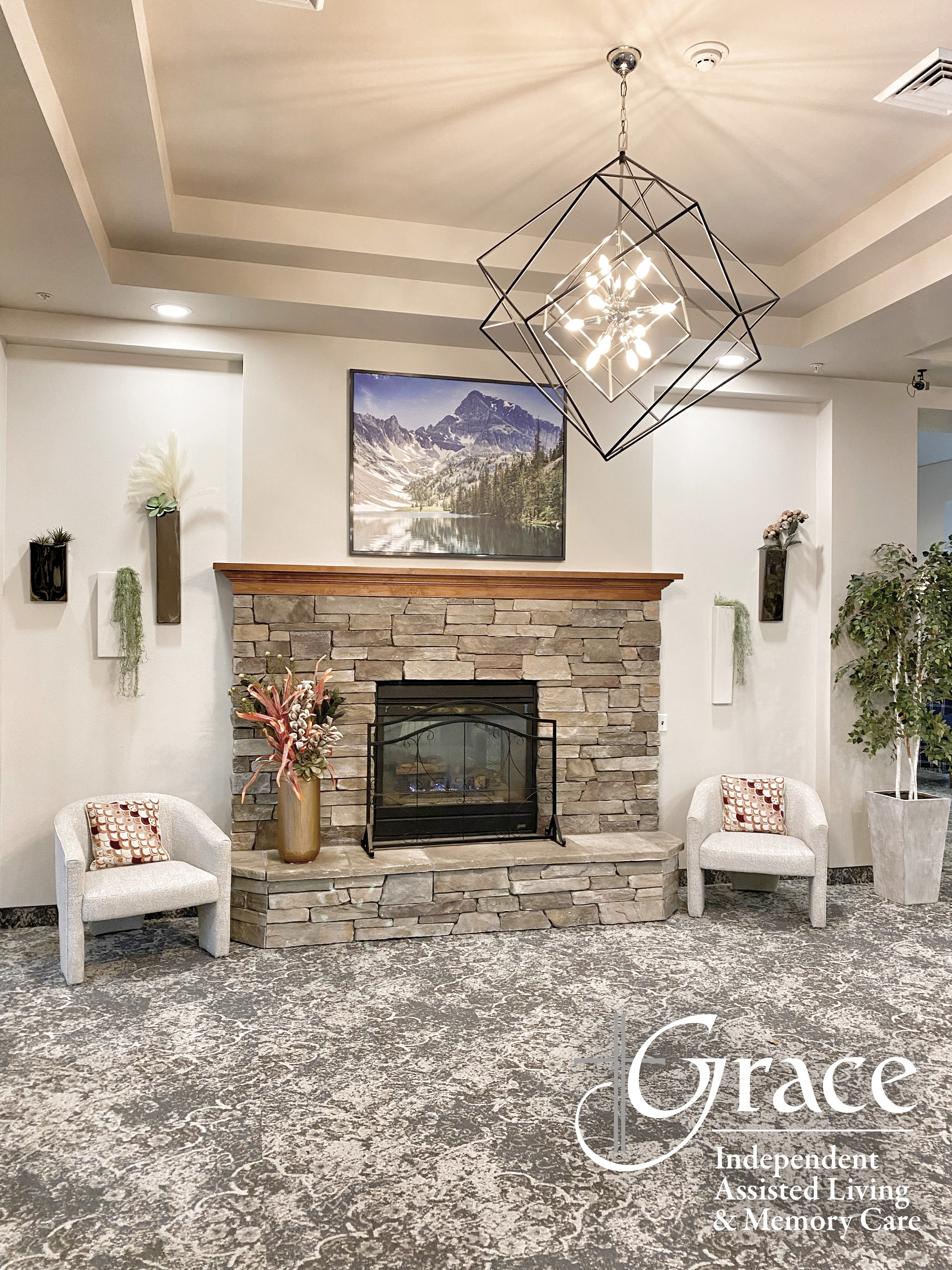


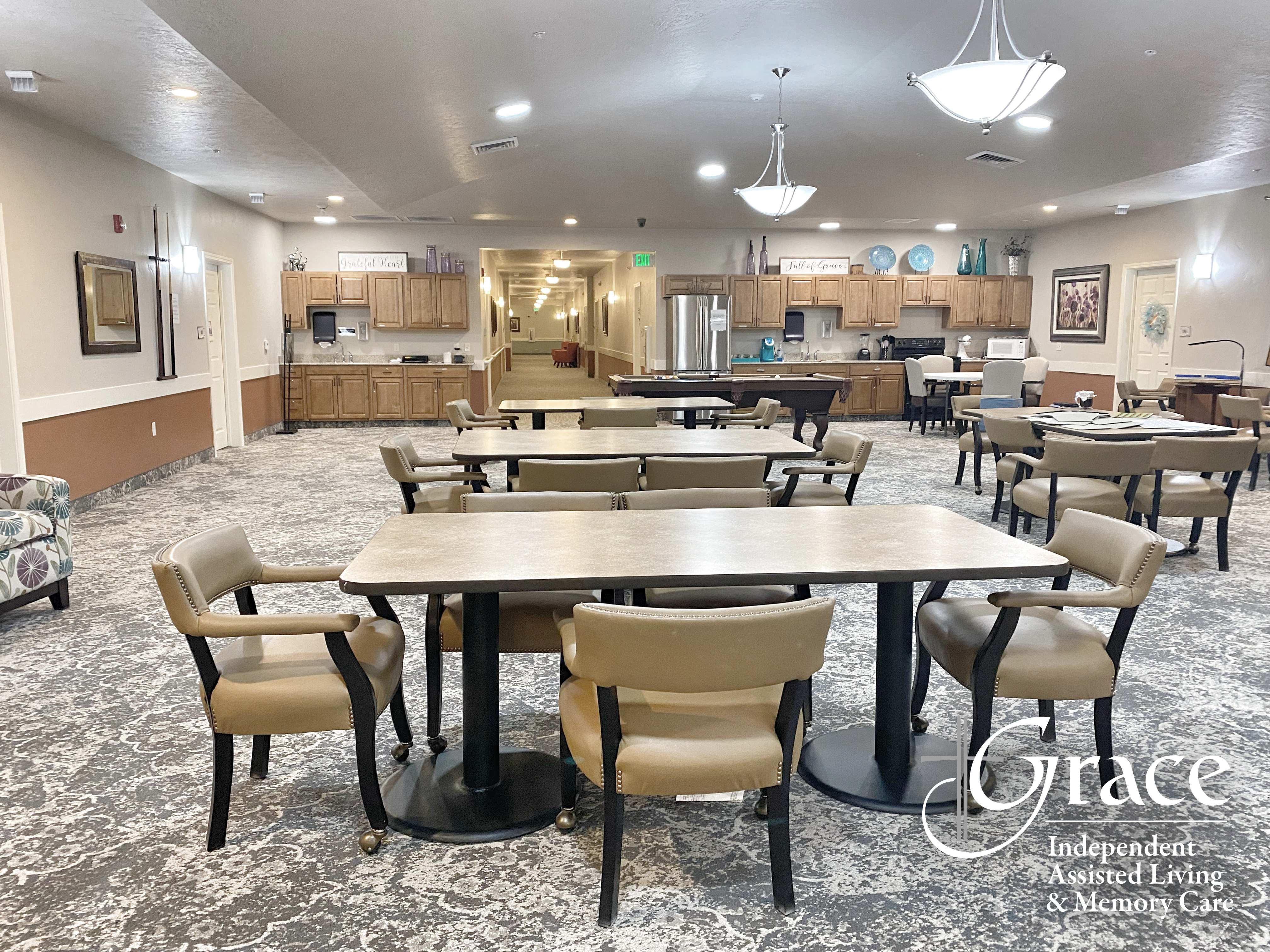



About Grace Assisted Living - Meridian
Grace Assisted Living's mission is to deliver peace of mind for families, while providing safe and gracious living communities for seniors to enjoy excellent care, quality companionship, and the finer things in life during their golden years. With over 60 years of senior living experience, you can count on Graces leadership team to care for your loved one and know them by name! They frequently visit the communities to truly understand all aspects of the business and life at Grace. Grace offers Independent Living, Assisted Living and Memory Care in Meridian, Idaho.
General Property Features
- Age Restrictions, Fitness Center, Pool/Spa, Private Rooms, Semi-Private Rooms, Furnished Apts Available, Smoker Friendly, Faith Based, Guest Parking
- Bi-Lingual Staff, Laundry Service - Provided, Laundry Service - Self Serve, Nurse on Staff, Respite/Short Term Stay, Scheduled Transportation, Transportation, Activities, Social Programs, Housekeeping
- Assisted Living Community, Retirement Community
- All Pets Considered, Small Pets
Assisted Living
- https://graceseniorcommunity.com/assisted-living-meridian-id/
- 84
- $3,500.00
- Private Pay, Long Term Care Insurance, Veterans Administration
- Price Dependent Levels of Care
- 1 BR, 2 BR, Studio
- Kitchenette
Additional Levels of Care Offered
Grace Independent Living - Meridian
Independent Living 1960 N Lakes Place, Ada County, Meridian, Idaho, 83646Grace Assisted Living~s mission is to deliver peace of mind for families, while providing safe and gracious living communities for seniors to enjoy excellent care, quality companionship, and the finer things in life during their golden years. With over 60 years of senior living experience, you can count on Graces leadership team to care for your loved one and know them by name! They frequently visit the communities to truly understand all aspects of the business and life at Grace. Grace offers Independent Living, Assisted Living and Memory Care in Meridian, Idaho.
Continue Your Search! Explore More Local Options.
Start SearchingLet’s engage and get educated!
Browse through thousands of expert articles in over 100 different categories.
Browse NowArticles You May Like

Planning the Next Chapter Together
Assisted Living for Couples in Meridian: Planning the Next Chapter TogetherAging rarely happens at exactly the same pace for two people.One spouse may still drive, exercise, manage medications, and handle most daily routines independently. The other may begin needing help with bathing, dressing, mobility, medications, meals, or getting safely through the day.For couples who have spent decades building a life together, those differences can make senior living decisions especially emotional.Families may wonder:Can Mom and Dad move together even if only one needs assisted living?Can they share an apartment?Will the more independent spouse still have freedom?What happens if one spouses needs increase later?Could memory care eventually become necessary?For couples researching assisted living in Meridian, Idaho, these questions deserve attention before a move is made.Grace Assisted Living Meridian, located at 1960 N. Lakes Place, offers both independent living and assisted living at its Meridian campus. A separate Grace Memory Care community is located nearby at 1946 N. Lakes Place. Grace also offers studio, one-bedroom, and two-bedroom apartment options, giving families different layouts to consider when planning for one or two residents.When One Spouse Needs More Help Than the OtherThis situation is extremely common.Imagine a couple who has lived in the same Meridian home for 35 years.The husband is still largely independent.His wife has developed arthritis and increasing mobility problems. She needs help showering, remembering medications, and getting safely to meals.At home, he gradually becomes her primary caregiver.He manages the house.He prepares meals.He drives to appointments.He stays nearby during bathing.He wakes up if she needs help during the night.He may still be healthy, but his life has become centered around caregiving.Moving to assisted living can change that dynamic.Instead of one spouse providing nearly every practical form of care, professional staff can provide appropriate assistance while the couple continues spending time together as husband and wife.That can be a meaningful shift.Couples Planning Tip: Ask not only what the spouse who needs care requires. Also ask what the caregiving spouse needs in order to remain healthy, independent, and emotionally connected to the relationship.Assisted Living Can Reduce the Caregiving RoleSpousal caregiving can develop gradually.At first, one spouse helps with small tasks.Eventually, those tasks may include:Bathing assistanceDressingMedication remindersMeal preparationTransportationHousekeepingMobility assistanceNighttime supervisionThe caregiving spouse may never formally call themselves a caregiver.They may simply say, Thats what spouses do.That commitment is understandable.But there is an important difference between being a supportive spouse and becoming responsible for nearly every part of another persons daily care.Grace Assisted Living Meridian lists personalized care options that may include medication management, wheelchair assistance, help with showers and dressing, help getting to meals and activities, and transfer equipment when appropriate. Grace states that care plans can change as resident needs change.For a couple, having those supports available may allow the healthier partner to step back from physically demanding caregiving responsibilities.Two-Bedroom Apartments May Be Worth ExploringGraces Meridian assisted living community currently lists studio, one-bedroom, and two-bedroom floor plans. Its broader apartment amenities include kitchenettes, refrigerators, closets, wheelchair-accessible layouts, grab bars, shower seats, staff intercom systems, housekeeping, laundry, and daily dining.A two-bedroom apartment may appeal to couples who want to remain together while maintaining some personal space.For example, the second bedroom could potentially serve as:A separate sleeping roomA reading or hobby roomA space for medical equipmentA quiet retreat when one spouse needs restAdditional storageFamilies should confirm current apartment availability and whether a particular layout is appropriate for two residents.They should also ask how pricing works when two people share an apartment, particularly if their care needs differ.Different Care Needs May Mean Different CostsTwo people sharing the same apartment do not necessarily have the same assisted living expenses.One spouse may need little or no personal-care assistance.The other may require substantial support.Seniors Blue Book currently lists Grace Assisted Living Meridian as using a pricing structure that depends on levels of care, with assisted living pricing starting from approximately $3,500 per month. Current prices can change and should always be confirmed directly with the community.Couples should ask for a clear explanation of:Base apartment costSecond-person feesMeal costsCare-level chargesMedication-management feesPersonal-care chargesTransportationLaundry and housekeepingFuture rate changesA written breakdown makes it easier to compare the actual cost with remaining at home and hiring outside caregivers.The More Independent Spouse Still Needs a LifeWhen one spouse requires assisted living, families often focus entirely on that person.But the healthier spouse matters too.They may still want to:DriveVisit friendsAttend churchShop independentlyExerciseGo out for lunchSpend time with children or grandchildrenContinue hobbiesAssisted living should not unnecessarily restrict the spouse who remains independent.Grace describes its community philosophy around allowing residents to live at their own pace and choose whether to participate in activities, socialize, or simply enjoy their own routines.During a tour, couples should specifically ask how the community supports residents with very different independence levels.Shared Meals Can Make the Transition EasierMeals are often a major part of a couples life.They may have eaten breakfast together for 50 years.Maintaining that routine can help a senior living community feel more like home.Graces amenities include breakfast, lunch, dinner, and daily snacks, along with private dining space for family events.Couples should ask:Can they routinely sit together?Are guests allowed to join meals?Are alternatives available?How are dietary needs handled?Can one spouse eat independently while the other receives assistance?Small details like dining together can make a major difference emotionally.Couples May Appreciate Having Household Responsibilities RemovedEven the healthier spouse may be ready to give up some responsibilities.At home, one partner may still be managing:HousekeepingLaundryYard workUtilitiesGrocery shoppingCookingHome maintenanceGrace lists weekly housekeeping and laundry, daily trash removal, meals, utilities, Wi-Fi, and transportation among its amenities.For couples, this can mean replacing household work with more time together.Instead of spending Saturday cleaning the house, they may have coffee, attend an activity, visit family, or simply relax.Social Life Matters for Both PartnersCouples sometimes become socially isolated when one spouses health declines.The healthier spouse may stop attending events because they do not want to leave their partner alone.Friends may visit less often.Driving may become complicated.Grace Assisted Living Meridian provides activity spaces, walking paths, a library, game areas, movie theater, fitness space, private dining, social programming, and transportation.A recent Meridian activity calendar has included exercise sessions, games, shopping trips, music, social events, veterans meetings, and other group activities. Calendars change, so families should request the current schedule when touring.The key is that both spouses can choose activities appropriate to their interests and abilities.They do not need to spend every hour together simply because they share an apartment.Transportation Can Preserve IndependenceOne spouse may still drive when the couple first moves.Later, that may change.Grace offers transportation to appointments and other outings as part of its community services.Transportation can become increasingly valuable as couples age.It may reduce dependence on adult children for:Medical appointmentsShoppingCommunity outingsErrandsFamilies should ask how transportation is scheduled and whether there are geographic or appointment limitations.What If One Spouse Develops Dementia?This can be one of the hardest questions couples face.A husband and wife may move into assisted living together, then one spouse develops worsening Alzheimers disease or another dementia.Grace operates a separate Grace Memory Care Meridian community nearby at 1946 N. Lakes Place. Seniors Blue Book describes the memory care location as a secured 30-unit community with studio and one-bedroom layouts and dementia-specific programming.Having memory care nearby may be relevant to couples thinking about future possibilities.However, families should never assume a future memory-care transition is guaranteed.Ask:How are cognitive changes assessed?When is assisted living no longer appropriate?How does a memory-care transition work?Can the spouse visit easily?Are apartments guaranteed to be available?How does pricing change?Understanding the process before a crisis can make future decisions less confusing.What If Both Spouses Eventually Need Care?Needs can change gradually.A spouse who is independent today may later require medication support, mobility assistance, or personal care.Grace states that assisted living care plans can adjust as health needs change.Families should ask how reassessments work.How often are care needs reviewed?Who participates?How quickly can services be added?How are families notified?Does increased care require an apartment change?These questions matter particularly for couples hoping to remain together.Meridian Is a Practical Location for Local FamiliesGraces Meridian campus is located at 1960 N. Lakes Place, with 208-884-8080 listed as the current contact number. Independent and assisted living are offered at that address, while Grace Memory Care Meridian is nearby.For families already living in Meridian, Boise, Eagle, or elsewhere in Ada County, proximity can make regular visits and involvement easier.Location matters because family remains part of senior care.Adult children may attend care-plan meetings.Grandchildren may visit.Friends may stop by.Couples may continue seeing local doctors, churches, restaurants, and community organizations they already know.Questions Couples Should Ask During a TourA couple should approach a tour differently from someone moving alone.Ask:Can We Share an Apartment if Only One Needs Assisted Living?Do not assume. Ask about current residency policies.What Apartment Sizes Are Available?Grace lists studio, one-bedroom, and two-bedroom options.How Does Pricing Work for Two Residents?Request a complete written estimate.Can One Spouse Receive More Care Than the Other?Ask how individualized care levels are billed and managed.Can We Keep Different Daily Schedules?Couples may have very different routines.What If One Spouse Needs Memory Care Later?Understand how Graces nearby memory care option works.What Happens if One Spouse Is Hospitalized?Ask how temporary absences and return-to-community assessments are handled.Do Not Assume Couples Must Make the Same DecisionSometimes spouses have different opinions.One may feel ready for assisted living.The other may resist.Listen to both.The spouse needing care may worry about being a burden.The healthier spouse may feel guilty accepting help.Or the caregiving spouse may desperately need relief while the person receiving care does not realize how much work the current situation requires.A productive conversation focuses on both people.Questions might include:What would make life easier for each of you?Which responsibilities are becoming exhausting?What do you want to keep doing together?What would you like more time for?Would living somewhere with help nearby reduce stress?These questions can shift the conversation from loss toward quality of life.Frequently Asked Questions About Estate Planning, Conservatorship, and Elder LawShould married couples review estate planning before moving into assisted living?Yes, it can be a useful time to review existing plans. Health changes, long-term care expenses, property, and housing decisions may affect wills, trusts, powers of attorney, beneficiary arrangements, and other documents.Should spouses automatically name each other as power of attorney?Not necessarily. Many couples do, but the appropriate choice depends on health, ability, family circumstances, and the responsibilities involved. An Idaho attorney can help determine whether primary and backup agents should be named.What happens if one spouse can no longer manage finances?A valid financial power of attorney may allow an appointed agent to handle authorized matters. If appropriate authority does not exist and the person cannot manage finances, a legal process such as conservatorship may become relevant.What is conservatorship?Conservatorship generally involves court-appointed authority to manage finances or property for a protected person. It is separate from assisted living and does not automatically occur because someone needs personal care.When might an elder-law attorney help a couple?An elder-law attorney may help with estate planning, powers of attorney, long-term-care financing, Medicaid planning, guardianship, conservatorship, property issues, and protecting the interests of both spouses as care needs change.Plan for Two People, Not Just One Care PlanWhen one spouse needs assisted living, it is easy to focus entirely on that person.But couples have shared lives.The healthier spouse still needs independence.The spouse receiving care still needs dignity and companionship.Both need financial clarity.Both need space for personal routines.And both need a plan for what may happen if care needs change.For couples exploring assisted living in Meridian, Ada County, Grace Assisted Living Meridian provides independent and assisted living at the same North Lakes Place campus, with studio, one-bedroom, and two-bedroom apartments and a separate Grace Memory Care community nearby.Learn more and connect directly through the Grace Assisted Living Meridian profile on SeniorsBlueBook.com.The goal is not simply to find care for one spouse. It is to create a living arrangement that supports the health, relationship, independence, and quality of life of both people as they enter the next chapter together.
Sep 15, 2026

Assisted Living in Meridian: Support Without Giving Up Your Lifestyle
Assisted Living in Meridian: Support Without Giving Up Your LifestyleOne of the biggest concerns older adults have about assisted living is that moving will mean giving up the life they know.They may picture rigid schedules, limited privacy, unfamiliar routines, and someone else deciding how every day should look.But assisted living does not have to work that way.For many older adults, the right community can provide something very different: freedom from the household responsibilities that have become exhausting, access to help when it is needed, and more opportunities to spend time on activities, relationships, and routines that still matter.For seniors and families researching assisted living in Meridian, Idaho, the goal should not simply be finding a place that provides care.The goal should be finding a community where an older adult can continue living as much of their own life as possible while having support nearby.Grace Assisted Living Meridian, located at 1960 N. Lakes Place in Meridian, offers both independent living and assisted living, with a separate Grace Memory Care community nearby at 1946 N. Lakes Place. Graces Meridian community combines personal-care support with meals, housekeeping, transportation, social activities, wellness resources, and studio, one-bedroom, and two-bedroom floor plans.Assisted Living Is About Adding Support, Not Taking OverAssisted living is designed for people who benefit from help with certain parts of daily life.That support may include assistance with:BathingDressingMobilityMedication managementTransportationMealsHousekeepingLaundryGetting to activitiesMonitoring certain health needsAt Grace Assisted Living Meridian, current service information lists medication management, wheelchair assistance, help getting to meals and activities, showering and dressing assistance, and transfer equipment among the levels of support that may be incorporated into a personalized care plan. Grace states that care plans can be adjusted as health needs change.That does not mean every resident needs every service.One person may need help with medications but otherwise move through the day independently.Another may need assistance getting dressed in the morning but choose how they spend the rest of the day.Someone else may primarily appreciate having meals, housekeeping, and transportation handled.The best care plan should reflect the individual rather than treating every resident the same.Senior Living Tip: When evaluating assisted living, ask what the resident will still be encouraged to do independently. Good support should fill gaps without unnecessarily replacing abilities and choices the person still has.Why This Conversation Matters in MeridianMeridian has changed dramatically over the past several years.The U.S. Census Bureau estimated the citys population at 142,988 in 2025, representing approximately 21.4% growth from its 2020 population estimates base.About 14.8% of Meridian residents are age 65 or older.That translates into thousands of local older adults and families thinking about how they want the next stage of life to look.Some will remain in private homes with family assistance or in-home care.Some will choose independent living because they want fewer household responsibilities.Others will need assisted living because personal-care or health-support needs are becoming more significant.Meridian families are fortunate to have different senior living models available, from small residential homes to larger communities with multiple living options.Grace Assisted Living Meridian represents the larger community model, with independent living and assisted living at its North Lakes Place campus and a separate Grace Memory Care community nearby.Daily Life Can Become Easier When Household Work DisappearsOne of the less-discussed benefits of assisted living is how many everyday responsibilities can be removed from the seniors schedule.Graces general community amenities include:Weekly housekeepingWeekly personal laundryDaily trash removalUtilitiesBasic cableWi-FiThree meals dailySnacksTransportation to appointmentsActivities and entertainmentThink about what that can mean for someone who has maintained a home for decades.No grocery shopping for every meal.Less laundry.No vacuuming the entire house.Fewer transportation concerns.Less time organizing household maintenance.For some people, removing these responsibilities creates more energy for things they actually want to do.Meals Can Be About Connection as Much as ConvenienceGraces Meridian community lists three dietitian-approved meals and snacks daily as part of its assisted living services. Meals are prepared and served by staff, and the community also has a private dining space that can be used for family gatherings and special occasions.Regular dining can help in several ways.First, it removes the daily work of meal planning, shopping, cooking, and cleanup.Second, it can create a more consistent eating routine.Third, meals create natural opportunities for social interaction.An older adult who previously ate most meals alone may begin seeing the same neighbors each morning or joining familiar people for dinner.That kind of casual connection can be especially valuable for someone who has become isolated at home.Residents Can Still Choose Their Own PaceOne of Graces stated senior-living philosophies is that residents can choose whether to participate or simply observe.The organization describes this as living at your own tempo, with residents deciding whether they want to enjoy entertainment, socialize, play games, watch a movie, or simply have coffee with a friend.That distinction matters.A busy activity calendar does not mean everyone must participate in everything.A resident may enjoy:Reading in the libraryAttending live musicWatching a movieWorking on a puzzleGoing on an outingPlaying cardsSitting outsideVisiting with familyParticipating in spiritual programsAnother person may prefer quieter days.Assisted living should provide choices, not impose a new personality on someone.Grace Meridian Offers Spaces for Both Socializing and Quiet TimeGraces Meridian page describes fireplaces and comfortable seating for visiting, a bright library, private dining space, activity rooms, a movie theater, game tables, a gym, salon access, patios, sidewalks, and outdoor areas.These spaces can support very different preferences.Someone outgoing may spend time in activity areas.A quieter resident may prefer the library or a patio.Families can visit in common areas or share a private meal.When touring the community, families should think about which spaces their loved one would actually use.A beautifully designed room has little value if it does not match the persons interests.Transportation Can Help Preserve IndependenceDriving often becomes a major issue in later life.A senior may be comfortable living independently but no longer feel safe driving at night.Another may stop driving completely.That can create dependence on adult children for every appointment and shopping trip.Graces Meridian community provides transportation to local medical appointments, typically within a 10-mile radius, and its bus is equipped with motorized wheelchair lifts. The community also describes using transportation for shopping, day trips, recreational drives, and other outings.Families should confirm the current schedule and any reservation requirements, but transportation can be an important part of maintaining independence.Stopping driving should not automatically mean stopping community involvement.Health Support Is Available Around the ClockGraces Meridian assisted living service information states that Certified Nursing Assistants and caregivers are staffed 24 hours a day to assist residents and monitor needs such as blood pressure, blood sugar, and weight. Grace also identifies RNs, LPNs, CNAs, and medication technicians as part of its senior-care team.The community also coordinates certain in-house services such as doctor, therapist, dentist, or lab visits.Families should still ask exactly which health-related services are included, which require additional fees, and what happens if a residents medical needs exceed what assisted living can provide.Assisted living is not the same as skilled nursing.Understanding the limits of care is just as important as understanding what the community can provide.Planning for Future Memory NeedsOne feature that distinguishes Graces Meridian campus is the separate Grace Memory Care Meridian community nearby at 1946 N. Lakes Place.Graces memory care program is designed for residents living with Alzheimers disease and related dementias, with secured surroundings and dementia-specific programming.For families already concerned about mild memory changes, having a dedicated memory care setting nearby may be worth discussing.That does not guarantee that a future transition will be available or appropriate.Availability, admission criteria, and care needs must be evaluated at the time.Still, asking about future options can help families understand what might happen if cognitive needs increase.Studio, One-Bedroom, and Two-Bedroom ChoicesGrace Assisted Living Meridian currently offers:Studio apartmentsOne-bedroom apartmentsTwo-bedroom apartmentsGraces general apartment amenities include kitchenettes with refrigerators and cabinets, large closets, shower seats, grab bars, wheelchair-friendly layouts, staff intercom systems, and some private patio options. The organization also states that its communities are pet-friendly.These features can help residents personalize their living space instead of feeling as though they are occupying a temporary room.Families should ask about current availability and which apartment features apply specifically to the Meridian location.What Should Families Look for During a Tour?A tour is an opportunity to evaluate everyday life, not just architecture.Observe Staff InteractionsHow do caregivers speak with residents?Do interactions seem warm and respectful?Ask About Personal CareWhat assistance is available with bathing, dressing, mobility, toileting, and medications?Ask About StaffingWho is available during the day?What changes overnight?Review the Meal ProgramAsk to see a current menu.Review the Activity CalendarLook for variety.Discuss TransportationAsk how medical visits and other outings are scheduled.Understand Future CareWhat happens if mobility or memory needs change?Ask About CostsFind out what is included in the base monthly rate and which services are additional.A strong tour should leave the family with practical information, not simply a brochure.Family Involvement Still MattersMoving into assisted living does not mean family involvement ends.In many cases, it improves.Adult children may spend less time cleaning, cooking, or worrying about medication routines and more time simply visiting.Families can share meals.Celebrate birthdays.Attend special events.Sit by the fireplace.Go on outings.Graces Meridian page describes family communication as an important bridge between residents and the care team.Families should ask who their primary contact will be and how changes in care needs are communicated.Frequently Asked Questions About Estate Planning, Conservatorship, and Elder LawShould estate planning be reviewed before moving into assisted living?It can be a good time to review existing documents. Changes in housing, health, finances, or long-term care may affect planning. Families may want an Idaho attorney to review wills, trusts, financial powers of attorney, health care directives, and beneficiary information.Does moving into assisted living mean someone loses control of their finances?No. Assisted living residency does not automatically transfer financial authority to a family member. A competent adult generally continues making their own financial decisions unless another valid legal arrangement applies.What is conservatorship?Conservatorship generally involves a court appointing someone to manage financial or property matters for a protected person who cannot appropriately manage those responsibilities.Does assisted living require guardianship?No. A person may need help with medications, dressing, meals, or mobility while still being capable of making personal and legal decisions. Guardianship is a separate court process.When might an elder-law attorney be useful?An elder-law attorney may help with estate planning, powers of attorney, long-term-care planning, Medicaid questions, guardianship, conservatorship, property issues, and other legal matters related to aging.Finding the Right Balance of Support and IndependenceChoosing assisted living does not have to mean choosing between independence and care.For many seniors, the right community can provide both.Help is available when needed.Meals and household responsibilities are handled.Transportation is easier.Activities and friendships are nearby.Private apartments still provide personal space.For seniors and families exploring assisted living in Meridian, Ada County, Grace Assisted Living Meridianoffers independent living and assisted living at 1960 N. Lakes Place, with a separate Grace Memory Care community nearby for residents whose needs may eventually change.Families can learn more through the Grace Assisted Living Meridian profile and local listings on SeniorsBlueBook.com, including Seniors Blue Books current Meridian assisted living guide.The goal should not simply be finding more care.It should be finding the level of support that allows an older adult to spend less energy managing what has become difficult and more time living the life that still feels like their own.
Sep 15, 2026

Planning Ahead for Memory Care in Meridian
Planning Ahead for Memory Care in MeridianMoving into assisted living can solve many immediate concerns.An older adult may receive help with medications, meals, bathing, transportation, housekeeping, or mobility while continuing to enjoy a private apartment and an active community.But some families are thinking further ahead.A parent may already have mild memory changes. A spouse may have recently received an early-stage dementia diagnosis. Another family may simply know that Alzheimers disease runs in the family and wants to understand what would happen if cognitive needs increased later.For families researching assisted living in Meridian, Idaho, considering future memory-care needs before a crisis develops can make long-term planning considerably easier.Grace Assisted Living Meridian is located at 1960 N. Lakes Place in Meridian and offers independent living and assisted living. A separate Grace Memory Care Meridian community is located nearby at 1946 N. Lakes Place, providing a dementia-specific residential option for people whose needs progress beyond traditional assisted living.Having these different care settings nearby does not mean every resident will eventually need memory care.It does mean families can ask important questions early rather than waiting until cognitive changes become urgent.Assisted Living and Memory Care Are Not the SameFamilies sometimes use the terms assisted living and memory care interchangeably.They serve different needs.Assisted LivingAssisted living is generally appropriate for adults who need help with activities such as:BathingDressingMedication managementMobilityMealsTransportationHousekeepingResidents may require personal assistance while still being able to navigate the community, communicate needs, and make many everyday decisions.Memory CareMemory care is designed specifically for people living with Alzheimers disease, other dementias, or significant cognitive impairment.It generally adds features such as:Secured environmentsMore structured routinesDementia-specific programmingAdditional supervisionStaff approaches designed around cognitive impairmentSafety measures related to wandering and disorientationSeniors Blue Book describes memory care as a specialized form of senior housing built around the needs of residents experiencing significant memory, judgment, or orientation changes.The important question is not simply whether someone has a dementia diagnosis.It is whether their current cognitive needs can still be safely and appropriately supported in assisted living.Mild Memory Changes Do Not Automatically Mean Memory CareMany older adults occasionally forget names, misplace belongings, or need reminders.Those changes do not automatically mean someone needs a secured memory care community.Even a dementia diagnosis does not necessarily mean residential memory care is immediately required.Early cognitive changes may include:Repeating questionsForgetting appointmentsNeeding medication remindersDifficulty learning new routinesLosing track of datesBecoming more dependent on written remindersA person experiencing these changes may still function well in assisted living depending on the individual situation.The key is regular assessment.Planning Tip: Do not wait for a crisis to ask how an assisted living community evaluates memory changes. Understanding the process while your loved one is stable can make later decisions much less stressful.Signs Cognitive Needs May Be IncreasingDementia usually progresses gradually.Families may begin seeing changes that go beyond ordinary forgetfulness.These can include:Getting Lost in Familiar PlacesSomeone may become confused finding their apartment, dining room, or another familiar location.WanderingThe resident may begin walking without a clear destination or attempting to leave the community.Increasing Safety ConcernsThey may no longer recognize dangers or understand why certain precautions are necessary.Significant Medication ConfusionReminders may no longer be enough because the person cannot understand the medication routine.Changes in JudgmentA resident may make increasingly unsafe decisions or become unable to evaluate risk.Nighttime ConfusionSleep-wake patterns may shift, with greater confusion or activity at night.Behavioral ChangesAnxiety, agitation, suspicion, or resistance to care can increase as dementia progresses.One behavior alone does not determine the appropriate setting.Patterns matter.Families should involve the seniors physician and assisted living care team when meaningful cognitive changes appear.Why Planning Ahead Matters in MeridianMeridian continues to grow rapidly.The U.S. Census Bureau estimated the citys population at 142,988 in 2025, approximately 21.4% higher than its 2020 estimates base. About 14.8% of Meridian residents are age 65 or older.As more residents age in Meridian and the wider Treasure Valley, more families will encounter dementia-related care decisions.Local families already have a variety of assisted living and memory care options, ranging from smaller residential settings to larger communities offering several care levels. Seniors Blue Books September 2026 Meridian guides identify Grace as one of the communities offering assisted living with a separate nearby memory care option.That kind of continuity may be worth considering when families know cognitive needs could eventually change.Grace Memory Care MeridianGrace Memory Care Meridian is located at:1946 N. Lakes PlaceMeridian, Idaho 83646The current Seniors Blue Book Meridian memory care guide lists 208-884-8099 as the contact number.Seniors Blue Book describes Grace Memory Care Meridian as a secured 30-unit memory care community with both studio and one-bedroom layouts.Its published information also notes:Dementia-focused care through Graces Assist Plus approachA secured settingA secured courtyard for outdoor timeRegular physician visitsOff-campus outingsScheduled transportationBilingual staffLaundry supportFamilies should confirm current availability, pricing, admission criteria, programming, staffing, and services directly because these details can change.The Benefit of FamiliarityTransitions can be especially difficult for someone living with dementia.New surroundings require learning:Where the bedroom isWhere meals happenWho the caregivers areHow daily routines workWhich hallways lead whereA person with cognitive impairment may find these adjustments more difficult than someone without memory loss.Grace Assisted Living and Grace Memory Care are separate communities, so a transition would still involve a move.However, their nearby Meridian locations may allow families to remain connected to the broader Grace organization and the same general area rather than relocating their loved one to a completely different part of the Treasure Valley.That may matter to families who want to stay close to familiar doctors, relatives, friends, and community resources.Ask About Memory Changes Before Move-InFamilies sometimes avoid mentioning mild cognitive concerns because they are afraid a community will refuse admission.That approach can create problems later.If Dad has begun wandering, say so.If Mom frequently forgets where she is, explain it.If medication management has become difficult, discuss it.If nighttime confusion is increasing, make sure the community knows.The purpose of an assisted living assessment is to determine whether the community can safely meet the persons needs.Accurate information helps everyone plan appropriately.Questions to Ask Grace About Future Memory CareFamilies considering Grace Assisted Living Meridian may want to ask:How Are Cognitive Changes Monitored?Find out whether memory and behavior are included in routine care assessments.Who Decides When Assisted Living Is No Longer Appropriate?Ask who participates in the decision and how families are involved.Is a Move to Grace Memory Care Automatic?It should not be assumed.Availability, clinical needs, admission criteria, and resident circumstances all matter.How Is the Transition Managed?Ask how staff and families prepare a resident for the move.Can Family Tour Memory Care Before It Is Needed?Learning about the environment early may help families feel more prepared.How Does Pricing Differ?Memory care generally has a different pricing structure from assisted living.Request current information directly.Think About the Persons Existing RoutinesDementia care works best when families can communicate who the person was before memory loss became the center of every conversation.Tell caregivers:Preferred nameFormer occupationFavorite musicFoods they enjoyReligious or spiritual traditionsNormal wake-up timeFavorite hobbiesImportant family membersTopics they enjoy discussingWhat tends to cause anxietyWhat usually helps them feel calmThese details help care become more personal.A resident is not simply the person with dementia in room 12.They have decades of life experience that remain important.Social Activities May Need to Change Over TimeA resident may participate comfortably in assisted living activities during earlier cognitive stages.As dementia progresses, large groups or complicated activities may become confusing.Memory care programs generally use more predictable routines and dementia-appropriate activities.Seniors Blue Book describes memory care programming as structured around repetition, familiarity, safety, and engagement appropriate for people experiencing cognitive decline.The goal is not necessarily to keep someone busy all day.It is to provide meaningful experiences that match their current abilities.Family Involvement Becomes Even More ImportantAs memory declines, residents may become less able to explain:What happened during the dayWhether something feels uncomfortableWhat has changedWhich routines they preferFamilies can help provide continuity.Stay involved by:VisitingAttending care meetingsAsking about eating and sleepingNoticing changes in moodUpdating staff about family eventsBringing familiar photographsSharing favorite musicParticipating in celebrationsCare works best when the community and family share information.Planning for Couples When One Spouse Has DementiaCouples face particularly difficult decisions when only one person develops significant cognitive impairment.One spouse may remain appropriate for assisted or independent living while the other eventually needs memory care.Having Grace Assisted Living and Grace Memory Care near one another may be worth discussing for couples considering their long-term options in Meridian.Ask:How easily can spouses visit?Can they share meals occasionally?Can the more independent spouse participate in memory care activities or visits?What transportation or walking arrangements exist between locations?How would billing work?Maintaining the relationship should remain part of the care plan.Review Health Care and Legal Planning EarlyDementia affects more than housing.It can affect whether someone can manage:FinancesInsuranceMedical decisionsContractsPropertyLong-term care planningFamilies should not wait until severe cognitive impairment develops to think about legal documents.Early planning may include reviewing:Financial power of attorneyHealth care power of attorneyAdvance directiveWillTrustBeneficiary informationAn Idaho elder-law or estate-planning attorney can advise families about their individual circumstances.Frequently Asked Questions About Estate Planning, Conservatorship, and Elder LawCan someone with dementia still make estate-planning decisions?Possibly. A dementia diagnosis does not automatically mean someone lacks legal capacity. Capacity depends on the individual, the stage of the condition, and the decision involved. Families should consult an Idaho attorney rather than making assumptions.Why should powers of attorney be reviewed early?A valid financial or health care power of attorney may identify trusted people who can act if the older adult later cannot manage certain decisions independently. It is generally easier to address these documents while the person can still participate meaningfully.Does dementia automatically require guardianship?No. Dementia does not automatically create a guardianship. Guardianship is a formal court process and may become relevant only in certain circumstances.What is conservatorship?Conservatorship generally involves court-appointed authority to manage another persons finances or property when they cannot adequately manage those matters themselves.When might an elder-law attorney help?An elder-law attorney may assist families with powers of attorney, estate planning, Medicaid planning, long-term-care decisions, guardianship, conservatorship, and other legal matters associated with dementia and aging.Recognize When Family Caregiving Is Becoming Too MuchDementia can create a tremendous burden for spouses and adult children.Families may find themselves managing:Constant supervisionRepeated questionsWanderingMedication routinesSleep disruptionPersonal careBehavioral changesMedical appointmentsFinancial responsibilitiesCaregiver exhaustion should not be ignored.A family does not have to reach complete burnout before considering a higher level of care.Sometimes moving from assisted living to memory care is not about giving up independence.It is about recognizing that the person now needs a different type of environment.Do Not Wait Until an Emergency to Learn About Memory CareThe worst time to begin researching memory care is often when a crisis has already happened.Families can prepare earlier by:Touring the nearby memory care communityUnderstanding admission criteriaAsking about pricingReviewing legal documentsDiscussing preferencesWatching for cognitive changesStaying involved in assisted living care assessmentsLearning does not commit the family to making a move.It simply gives them information.Plan for Today While Understanding TomorrowMost assisted living residents will not necessarily transition to memory care.But for families already seeing cognitive changes, understanding future options can provide reassurance.Grace Assisted Living Meridian provides independent living and assisted living at 1960 N. Lakes Place, while Grace Memory Care Meridian operates nearby at 1946 N. Lakes Place with a dementia-specific secured setting.Families exploring assisted living can learn more and connect through the Grace Assisted Living Meridian profile on SeniorsBlueBook.com.Planning ahead does not mean assuming the worst.It means understanding what options may be available if needs change, preserving family choice, and making future decisions from a place of preparation rather than crisis.
Sep 15, 2026

How to Compare Assisted Living Communities in Meridian
How to Compare Assisted Living Communities in MeridianChoosing assisted living is rarely as simple as finding the closest community or the one with the most attractive lobby.Families are trying to answer a much more important question:Will this community actually fit the person who will live there?That means looking beyond photos and brochures.A senior may care most about privacy, good meals, transportation, or having enough room for favorite furniture. An adult child may be focused on staffing, medication support, fall prevention, and what happens if care needs increase.Both perspectives matter.For families comparing assisted living communities in Meridian, Idaho, a thoughtful tour and a clear list of questions can make the decision much easier.Grace Assisted Living Meridian, located at 1960 N. Lakes Place, offers independent living and assisted living on its Meridian campus. Its current assisted living services include meals, housekeeping, laundry, transportation, activities, help with personal care, 24-hour staffing, and coordination of certain in-house health services. A separate Grace Memory Care community is located nearby at 1946 N. Lakes Place.Start With the Senior, Not the CommunityBefore touring any assisted living property, write down what the older adult actually needs.Do not begin with:Which place has the nicest amenities?Begin with:What is becoming difficult right now?Consider areas such as:BathingDressingMedication routinesWalkingTransfersMealsTransportationHousekeepingSocial isolationMemory changesNighttime needsThen think about personality.Does the person enjoy large groups?Do they prefer quiet?Do they want a private apartment?Do they want outdoor space?Do they value faith-based activities?Do they need frequent family visits?A community can be excellent and still be the wrong fit for a particular person.Tour Tip: Bring the same written questions to every assisted living tour. Comparing identical categories makes it much easier to remember which community actually met your priorities.Understand What Assisted Living Is Designed to ProvideIdaho defines Residential Assisted Living Facilities as settings that provide supervision, personal assistance, meals, and lodging to adults who need support.The Idaho Department of Health and Welfare also states that assisted living is intended to help adults remain as independent as possible in a safe environment. When a resident has needs requiring nursing services, the facility must ensure that a licensed nurse is available to meet those needs.This makes assisted living different from both independent living and skilled nursing.A resident may need help with everyday activities but not require continuous skilled medical care.That distinction matters when comparing communities.Question 1: What Personal Care Can the Community Provide?Do not assume every assisted living provider offers the same level of assistance.Ask specifically about:BathingDressingGroomingToiletingIncontinence supportWalkingWheelchairsTransfersMedication managementNighttime assistanceGrace Assisted Living Meridian currently lists support options including medication management, wheelchair assistance, help getting to meals and activities, showering and dressing assistance, and transfer equipment. Grace states that individualized care plans can change as resident needs change.Families should ask how those services are assessed and whether additional care changes the monthly cost.Question 2: Who Is Available at Night?Daytime tours can make every community feel active and well staffed.But seniors live there 24 hours a day.Ask what staffing looks like:During daytime hoursIn the eveningOvernightOn weekendsOn holidaysGrace states that its Meridian assisted living community has 24-hour staffing by Certified Nursing Assistants and caregivers. Staff also assist with monitoring areas such as blood pressure, blood sugar, and weight when appropriate.Families should still ask what happens overnight if a resident falls, becomes confused, needs help toileting, or experiences another change.Question 3: How Are Medications Handled?Medication management can be one of the biggest reasons families consider assisted living.A senior may have several prescriptions taken at different times.Ask:Who manages medications?Are medications stored by the community?Are reminders provided?How are new prescriptions added?What happens after a hospital discharge?How are families notified about medication concerns?A medication system should be clearly explained before move-in.Question 4: What Happens if Care Needs Increase?This is one of the most important questions families can ask.The resident you are touring for today may not have the same needs next year.Mobility may decline.Medication needs may change.Memory concerns may develop.Ask:How often are residents reassessed?What additional care can be added?When would a resident need another level of care?Who decides?How much notice is given?Does the apartment change?Grace offers independent and assisted living at its Meridian address, while a separate Grace Memory Care community is located nearby.For families concerned about future cognitive changes, that nearby memory care option is worth discussing.However, admission and future availability should never be assumed.Question 5: What Are the Meals Really Like?Meal service affects every single day.Grace lists three dietitian-approved meals and snacks daily among the services at its Meridian assisted living community.During a tour, ask to see an actual menu.Consider:VarietyAlternativesDietary needsDining hoursSnacksGuest mealsSeating arrangementsIf possible, observe the dining room near mealtime.Are residents talking?Does the food look appealing?Does the atmosphere feel relaxed?The dining experience can be a major part of a residents quality of life.Question 6: How Much Privacy Does the Resident Have?Assisted living should provide support without making someone feel constantly monitored.Graces Meridian community currently offers:Studio floor plansOne-bedroom floor plansTwo-bedroom floor plansIt also includes spaces such as a library, private dining room, activity areas, fireplaces and seating areas, a gym, movie theater, patios, and walking areas.Families should ask:Can residents bring furniture?Can apartments be decorated?Are pets allowed?Can doors be closed?How do staff handle privacy during personal care?Can family visit comfortably?The apartment is the residents home.It should feel like one.Question 7: Is Transportation Practical?Transportation can determine whether an older adult remains connected to doctors, shopping, family, and the wider Meridian community.Grace currently provides transportation to local medical appointments, typically within about a 10-mile radius, and also coordinates transportation for outings and other activities.Ask:Which appointments are covered?How far will transportation go?Is advance scheduling required?Is there an additional fee?Does a staff member accompany the resident?Is the vehicle wheelchair accessible?Transportation policies can vary significantly.Question 8: Are Activities Actually a Good Fit?A long activity calendar looks impressive.But what matters is whether your loved one would participate.Grace describes social, educational, spiritual, and recreational activities along with activity rooms, games, entertainment, outings, a movie theater, and fitness opportunities.Ask to see the current calendar.Then compare it with the persons actual interests.If Dad dislikes crafts and bingo but loves movies and walking, are there enough options for him?If Mom enjoys music and spiritual programming, are those regularly available?Activities should enhance life, not simply fill a calendar.Question 9: What Is Included in the Monthly Price?Families should never leave a tour with only one number.Ask for a written explanation of:Apartment costCare-level chargesSecond-person feesMedication managementPersonal careTransportationLaundryHousekeepingSuppliesMove-in feesDepositsRate increasesRespite or temporary careCosts can change as the residents needs change.Understanding the pricing structure is often more important than knowing the starting price.Question 10: What Does Idaho Licensing Tell You?Families do not have to rely only on marketing materials.The Idaho Department of Health and Welfare licenses assisted living facilities and conducts inspections.The states Residential Assisted Living Facilities team performs initial licensing surveys, regular inspections, typically annually, and complaint investigations. Consumers can also search facility information and available survey results.Before choosing a community, families may want to review:Licensing statusSurvey resultsComplaint informationAny available plans of correctionState records should not be the only deciding factor, but they provide useful information to add to tours and conversations.Meridian Families Have More Choices as the City GrowsMeridian continues to expand rapidly.The U.S. Census Bureau estimated 142,988 residents in 2025, representing 21.4% growth from the citys 2020 population estimates base.Approximately 14.8% of Meridian residents are age 65 or older.As the citys older population grows, families have access to a wider variety of assisted living models.Seniors Blue Books current Meridian guide highlights everything from small residential homes to larger amenity-rich communities with independent living and memory care options.Grace Assisted Living Meridian falls into the larger community model, with independent and assisted living plus access to a separate memory care location nearby.What Makes Grace Assisted Living Meridian Worth Comparing?Graces current Meridian offerings include:Independent livingAssisted livingStudio apartmentsOne-bedroom apartmentsTwo-bedroom apartmentsDaily meals and snacksHousekeepingLaundryTransportation24-hour caregiver and CNA staffingSocial and recreational activitiesLibraryPrivate diningMovie theaterGymActivity roomsOutdoor walking areasCoordination of certain in-house health servicesThe nearby Grace Memory Care location may also be relevant to families who want to understand potential future options.None of these features automatically makes Grace the right fit.They are simply areas families should evaluate against the older adults needs.Observe the Community Instead of Only Listening to the TourDuring a tour, watch what happens around you.Do residents look comfortable?Do staff greet residents naturally?Are people using common areas?Do caregivers appear rushed?Are residents waiting a long time for help?Does the community feel calm?Are there smells or maintenance concerns?How does the dining room look?Small observations can sometimes reveal more than prepared talking points.Talk About the Residents Real NeedsDo not minimize concerns during a tour because you are worried the community might say no.If Mom has frequent nighttime toileting needs, say so.If Dad sometimes needs two people for transfers, ask whether that can be accommodated.If memory changes are emerging, discuss them.A community can only determine whether it is an appropriate fit if it understands the actual situation.The goal is not simply getting admitted.The goal is finding a setting capable of providing appropriate care.Frequently Asked Questions About Estate Planning, Conservatorship, and Elder LawShould families review estate planning while comparing assisted living communities?It can be a practical time to do so. Long-term care expenses, housing changes, property, and health concerns may affect wills, trusts, powers of attorney, and beneficiary arrangements. An Idaho attorney can review the familys specific circumstances.Can an adult child sign an assisted living contract for a parent?Not automatically. A competent adult generally signs their own agreements. An adult child may need valid legal authority, such as a financial power of attorney or court appointment, to act on the parents behalf.What is conservatorship?Conservatorship generally involves a court appointing someone to manage finances or property for a protected person who cannot adequately manage those matters independently.Does needing assisted living mean guardianship is necessary?No. A senior may need physical help with meals, medications, dressing, or mobility while still being able to make their own personal and legal decisions.When might an elder-law attorney be helpful?An elder-law attorney may assist with estate planning, powers of attorney, long-term-care financing, Medicaid planning, guardianship, conservatorship, property issues, and other aging-related legal questions.Choose the Community That Fits the PersonThere is no single best assisted living community for everyone.The best choice depends on the resident.One family may prioritize a large apartment.Another may care most about staffing.Another may need transportation.Another may want a path toward memory care.For families comparing assisted living in Meridian and Ada County, Grace Assisted Living Meridian offers a combination of residential apartments, personal-care support, meals, transportation, activities, 24-hour staffing, and nearby memory care resources.Learn more and connect with the community through the Grace Assisted Living Meridian listing on SeniorsBlueBook.com.A good assisted living decision should leave the family with more than a beautiful building.It should leave them confident that the older adults daily needs, preferences, independence, and future care needs have all been considered.