$3,300/month
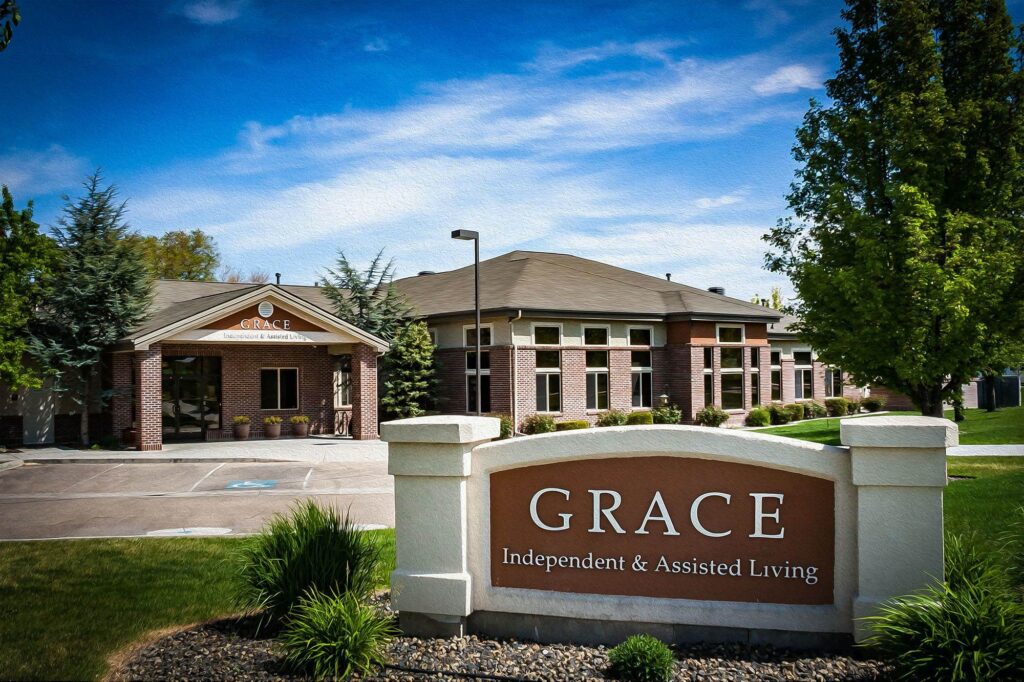

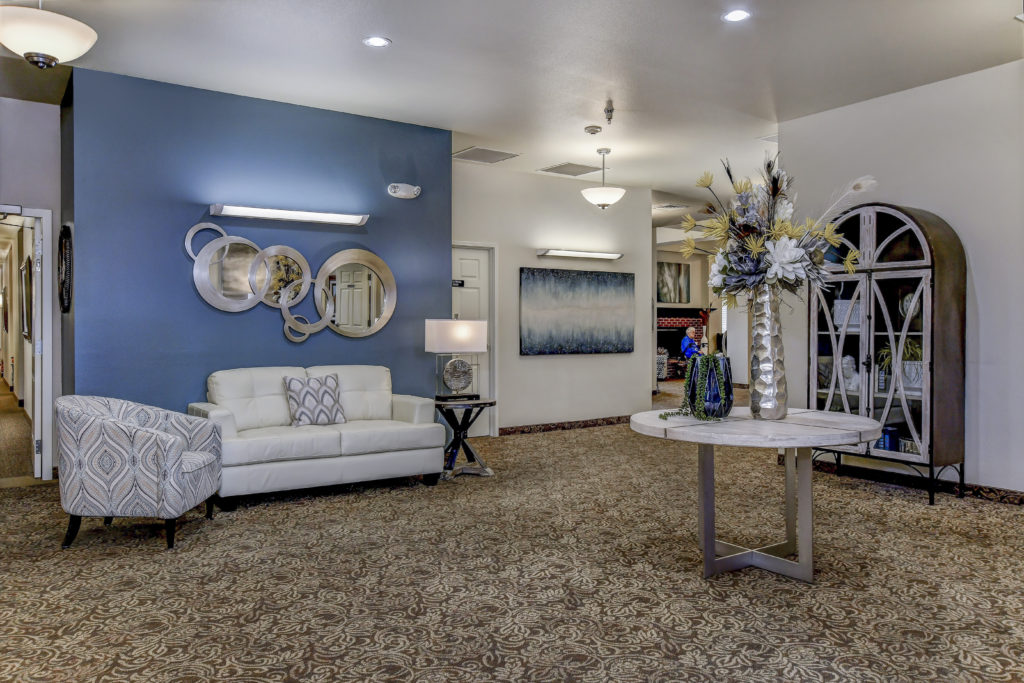
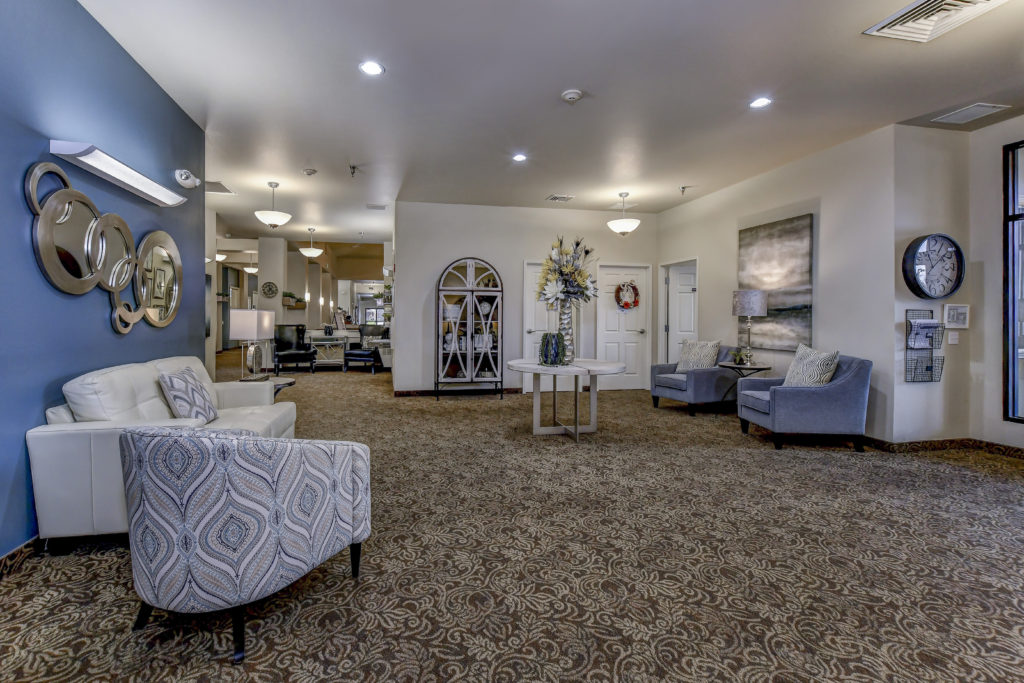
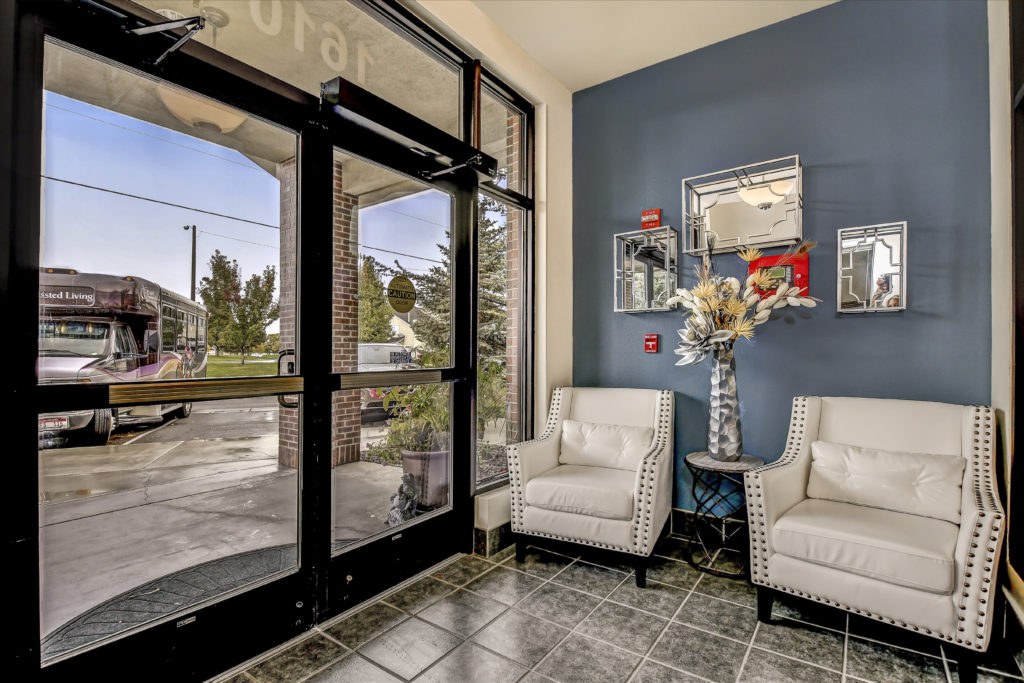
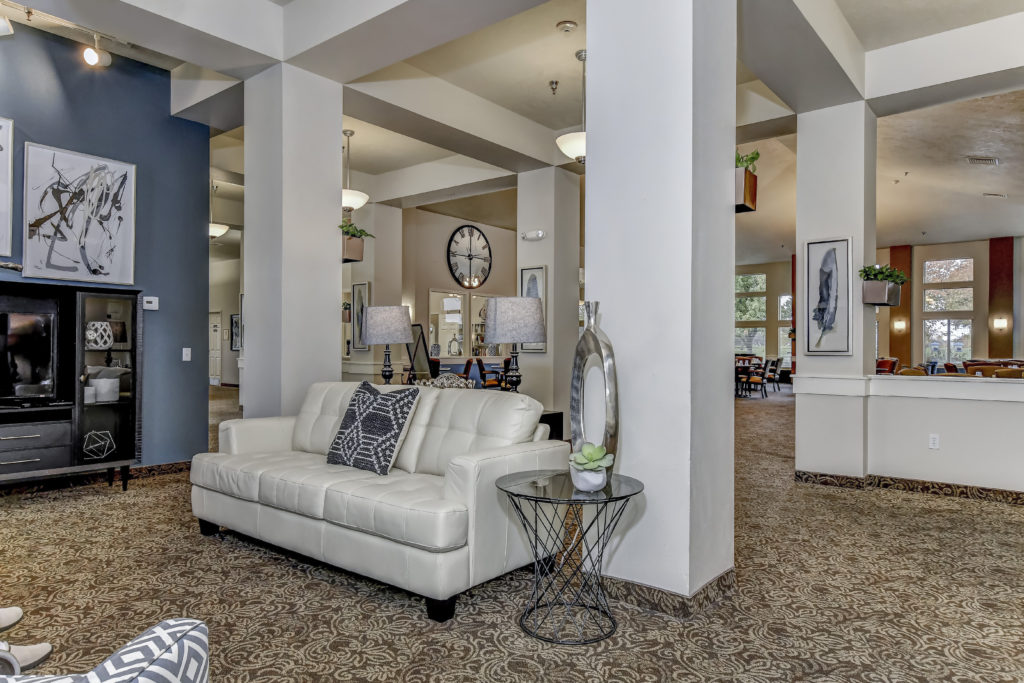
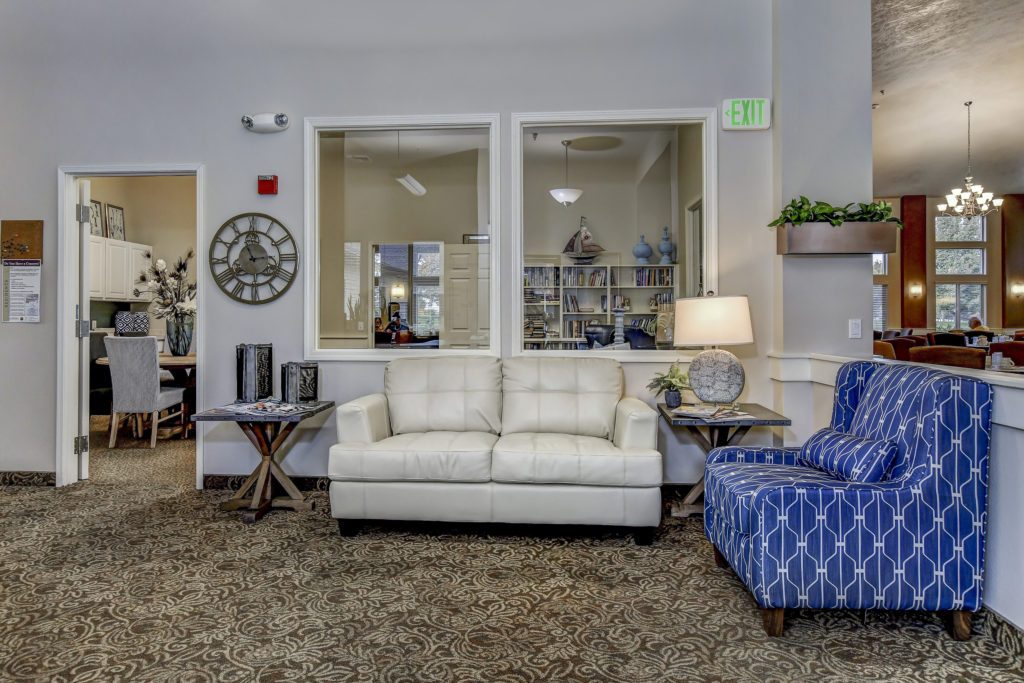

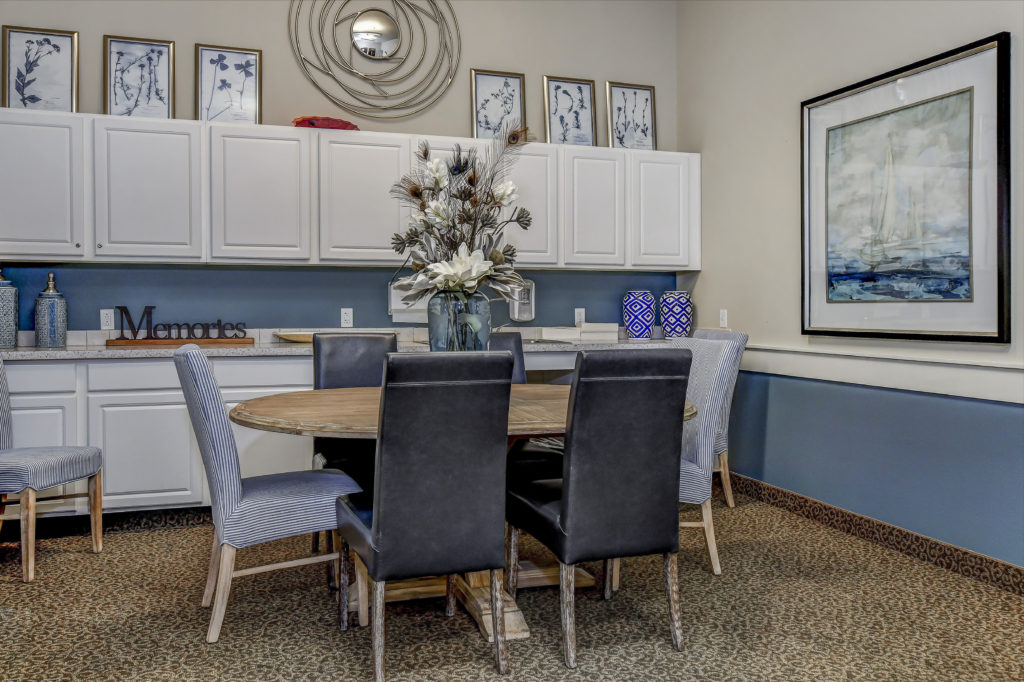
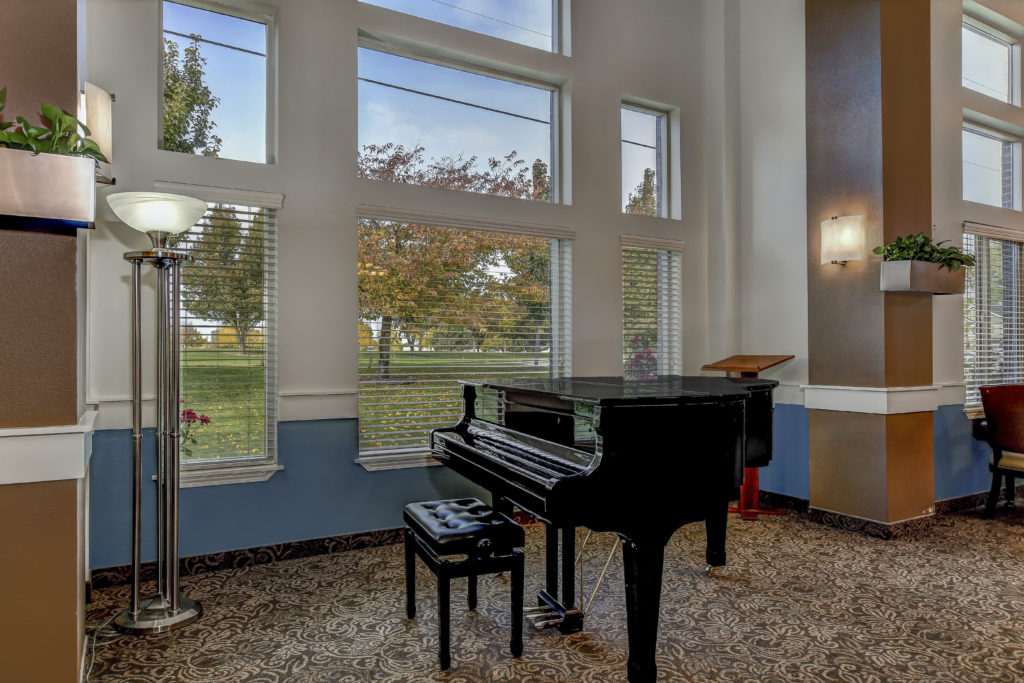

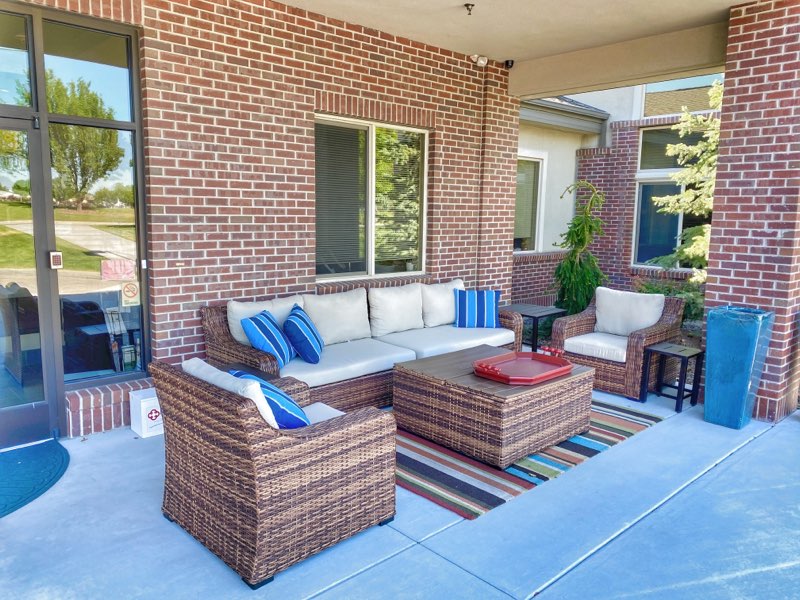
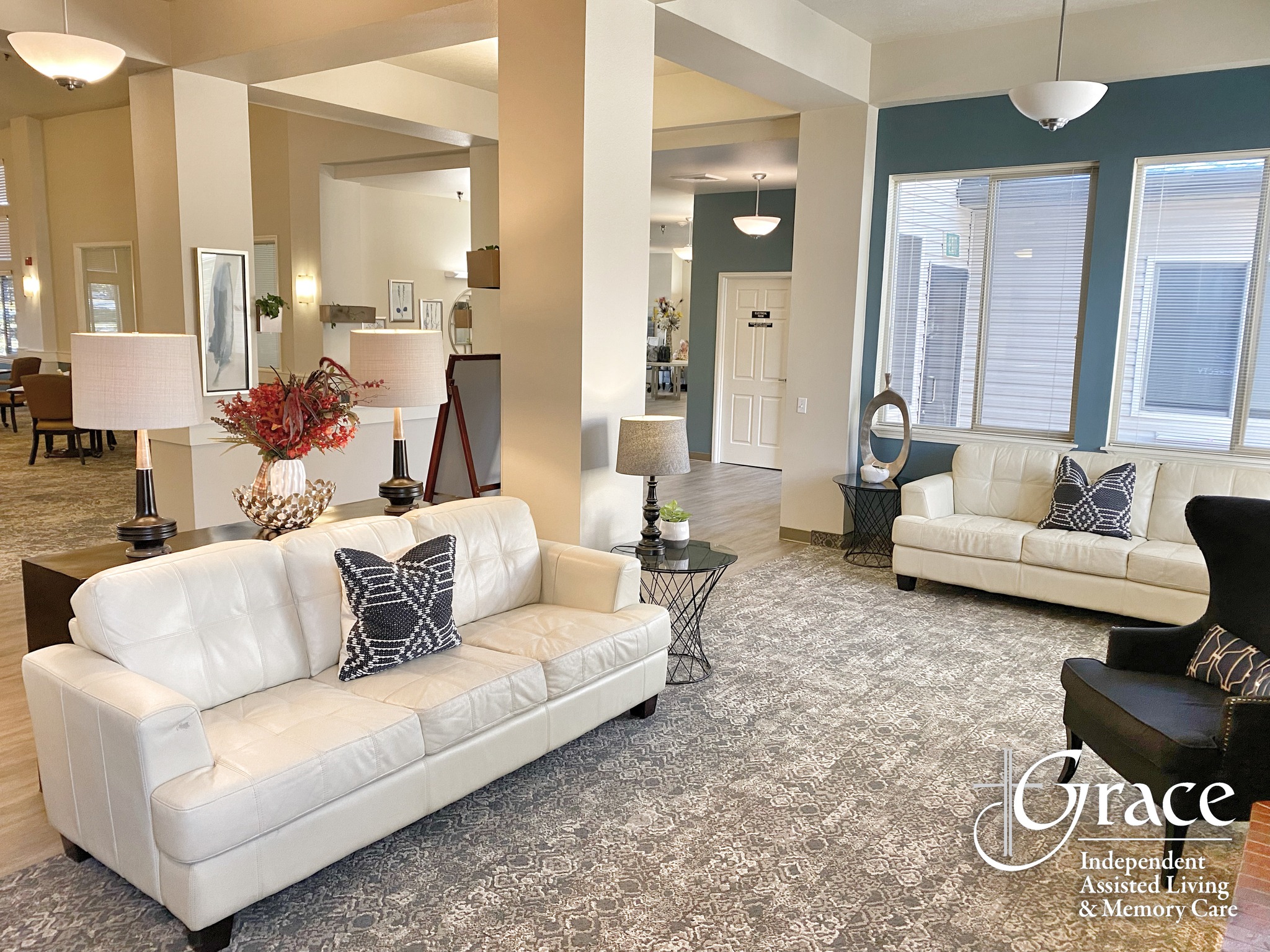
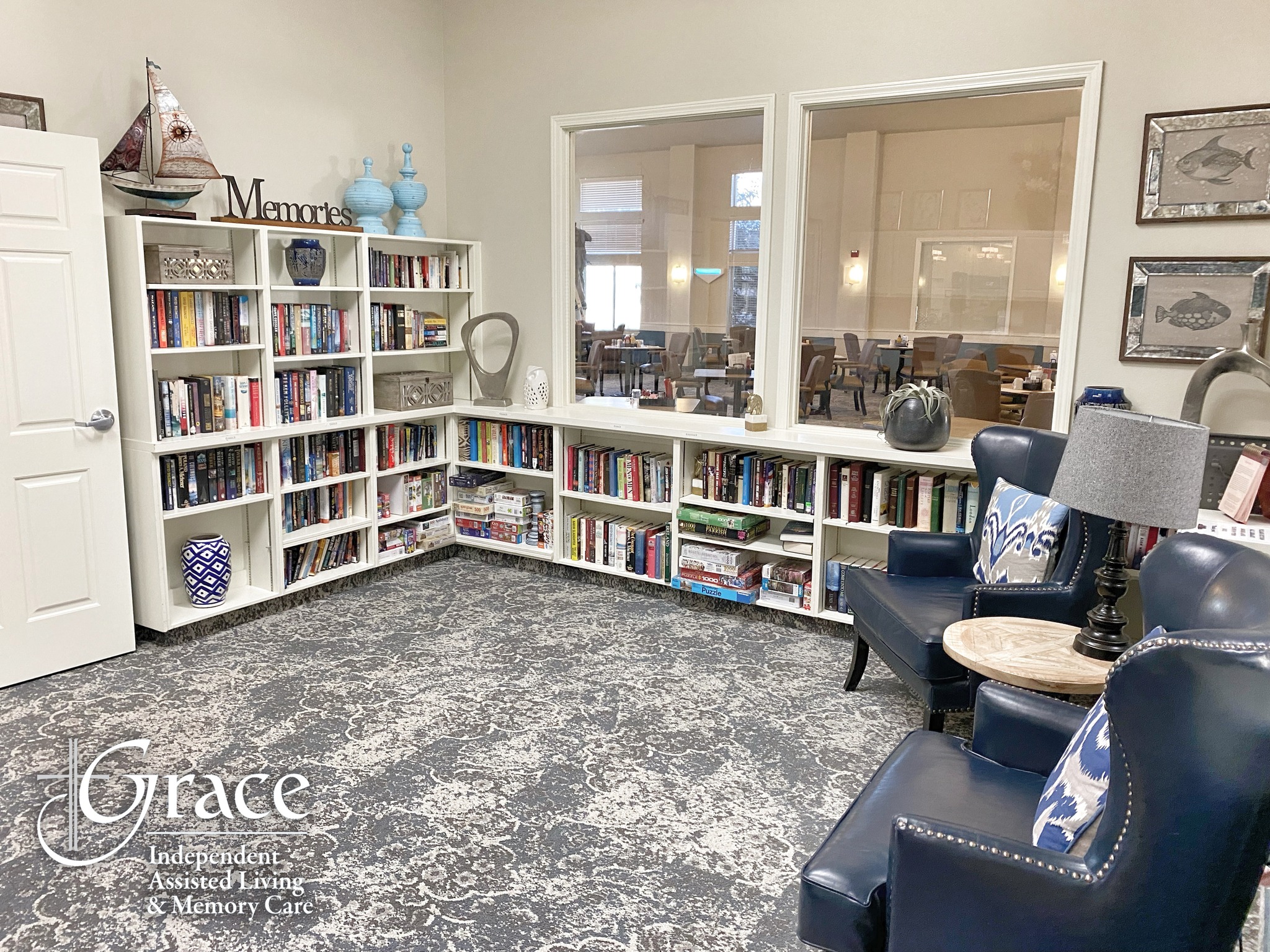
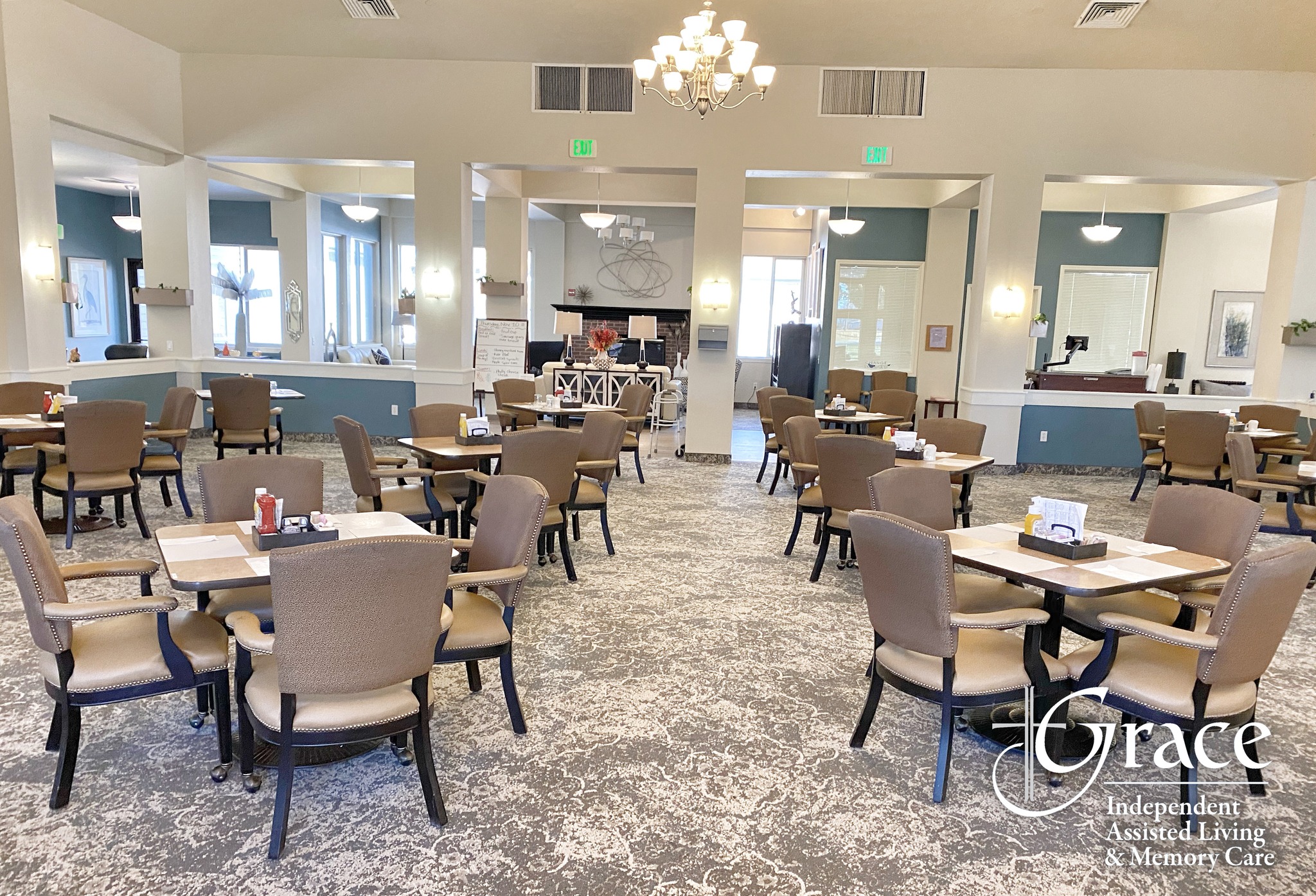
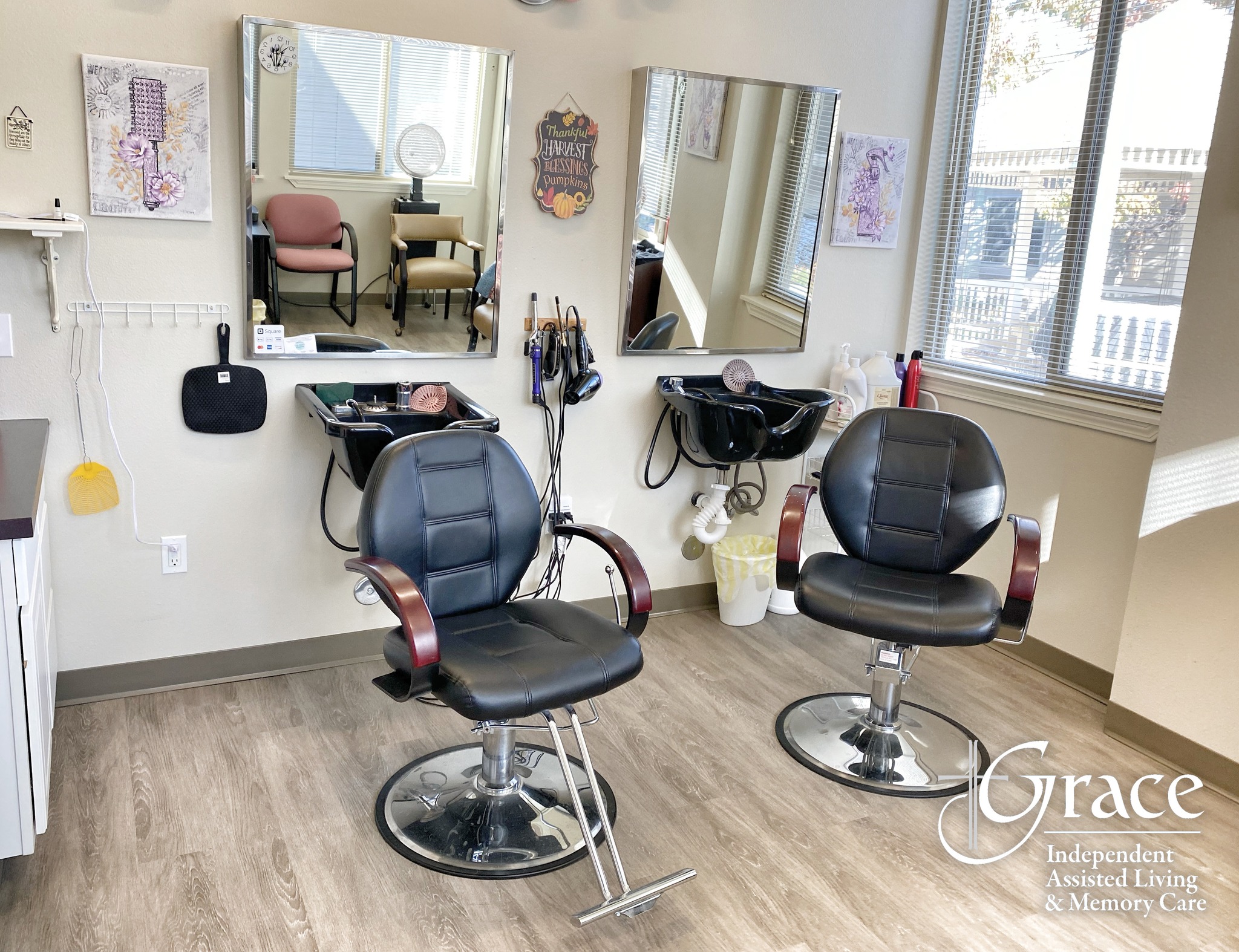
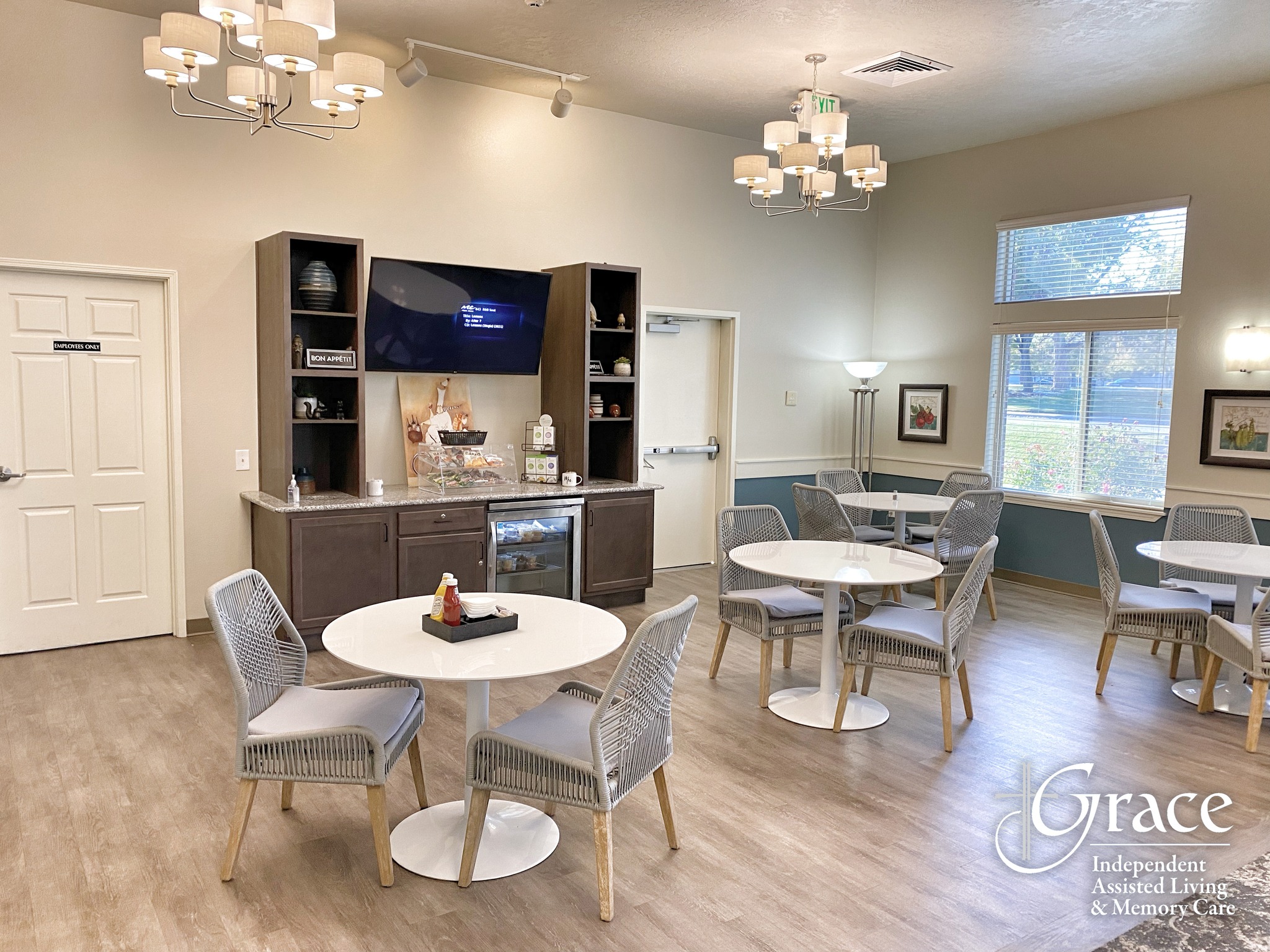
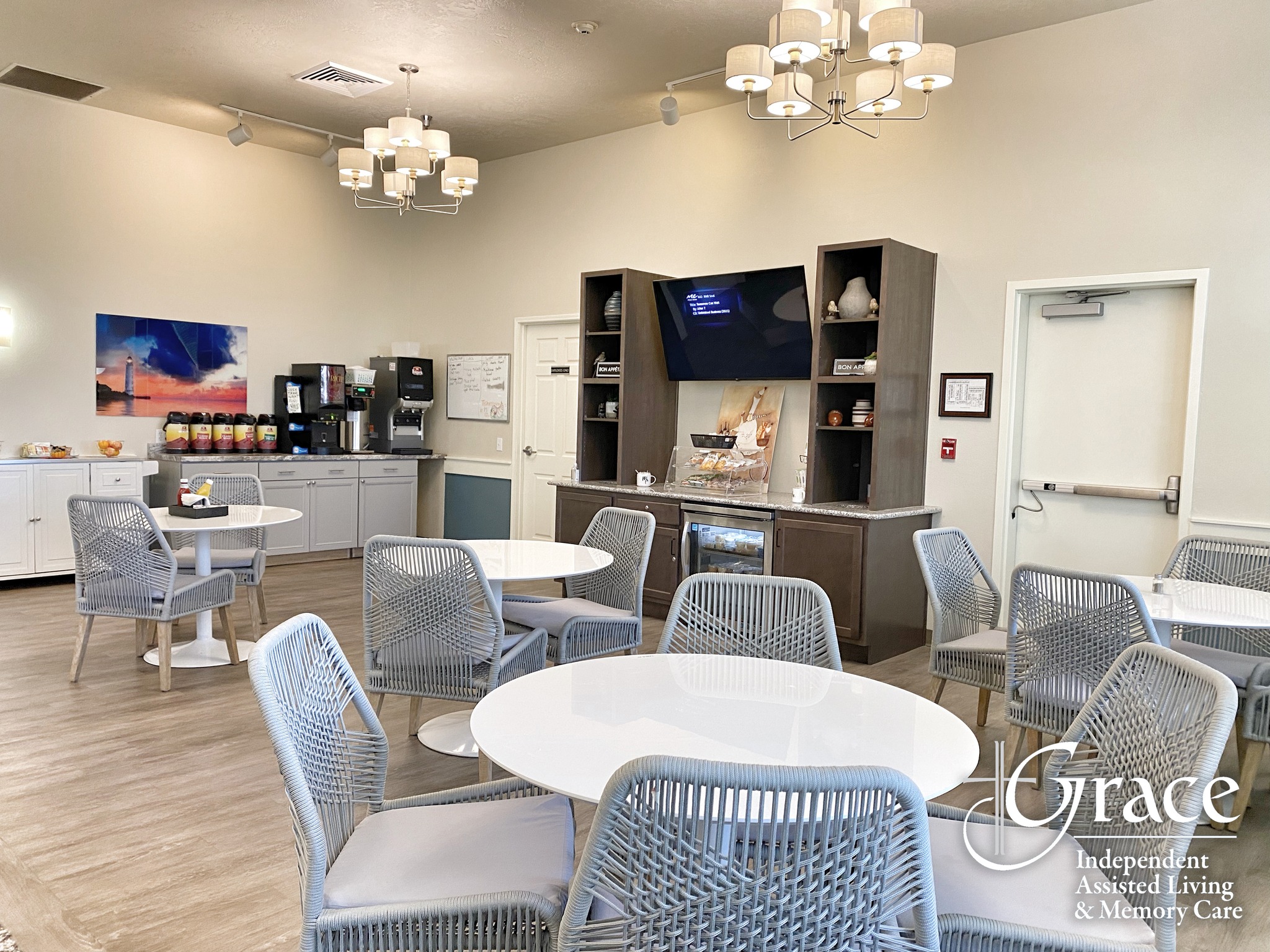
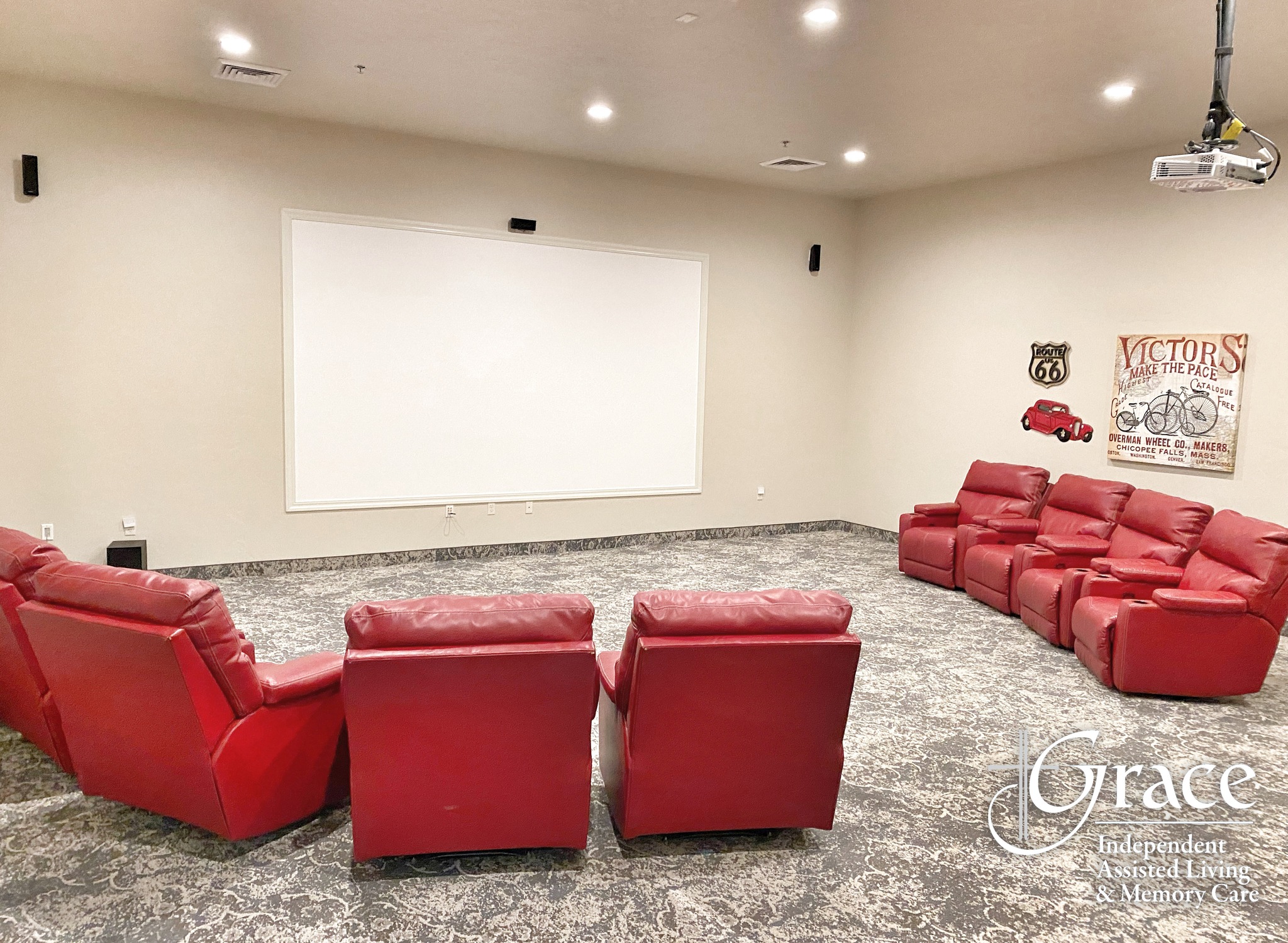

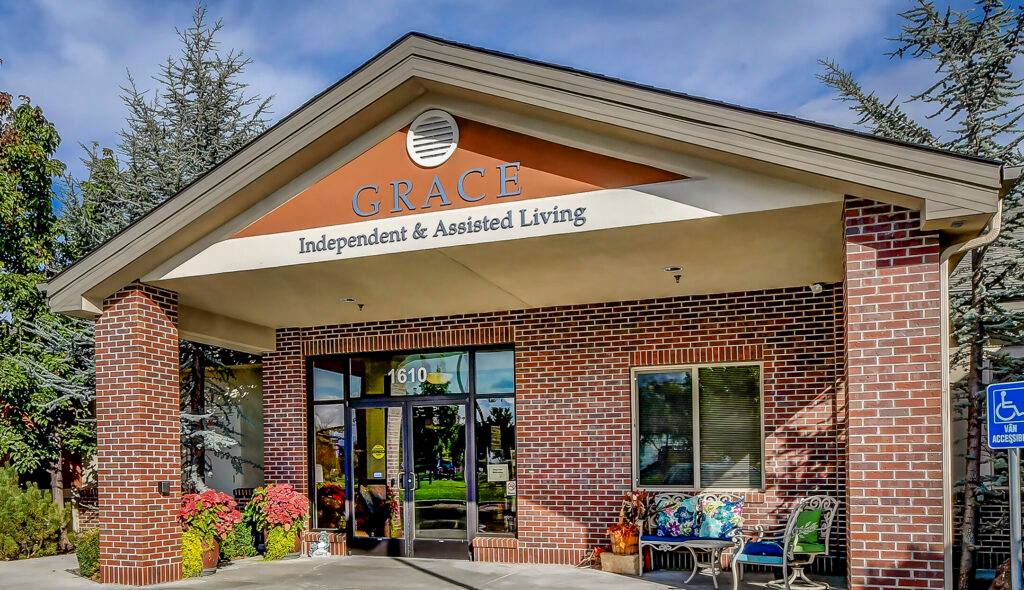


About Grace Assisted Living - Nampa
Grace Assisted Living's mission is to deliver peace of mind for families, while providing safe and gracious living communities for seniors to enjoy excellent care, quality companionship, and the finer things in life during their golden years. With over 60 years of senior living experience, you can count on Graces leadership team to care for your loved one and know them by name! They frequently visit the communities to truly understand all aspects of the business and life at Grace. Grace offers Independent Living and Assisted Living in Nampa, Idaho.
General Property Features
- Age Restrictions, Fitness Center, Pool/Spa, Private Rooms, Semi-Private Rooms, Furnished Apts Available, Smoker Friendly, Faith Based, Guest Parking
- Bi-Lingual Staff, Laundry Service - Provided, Laundry Service - Self Serve, Nurse on Staff, Respite Care, Scheduled Transportation, Transportation, Activities, Housekeeping, Meals/Meal Options, Social Programs
- Assisted Living Community, Retirement Community
- All Pets Considered, Small Pets
Assisted Living
- https://graceseniorcommunity.com/nampa-assisted-living/
- 76
- $3,300.00
- Private Pay, Long Term Care Insurance, Veterans Administration
- Price Dependent Levels of Care
- 1 BR, 2 BR, Studio
- Kitchenette
Additional Levels of Care Offered
Grace Independent Living - Nampa
Independent Living 1610 SunnyRidge Road, Canyon County, Nampa, Idaho, 83686Grace Assisted Living~s mission is to deliver peace of mind for families, while providing safe and gracious living communities for seniors to enjoy excellent care, quality companionship, and the finer things in life during their golden years. With over 60 years of senior living experience, you can count on Graces leadership team to care for your loved one and know them by name! They frequently visit the communities to truly understand all aspects of the business and life at Grace. Grace offers Independent Living and Assisted Living in Nampa, Idaho.
Continue Your Search! Explore More Local Options.
Start SearchingLet’s engage and get educated!
Browse through thousands of expert articles in over 100 different categories.
Browse NowArticles You May Like

Assisted Living After a Hospital Stay in Nampa
Assisted Living After a Hospital Stay in NampaA hospital stay can change a familys care plan almost overnight.Before the hospitalization, an older adult may have been living independently, driving, preparing meals, and managing most daily routines without much help. After a fall, surgery, infection, stroke, or other health event, that same person may return weaker, less steady, more tired, or more dependent on family.The medical crisis may be over, but everyday life may no longer look the same.For families in Nampa and throughout Canyon County, this is often the moment when assisted living becomes part of the conversation.Grace Assisted Living Nampa offers both independent living and assisted living at 1610 Sunnyridge Road in Nampa, along with respite care, meals, housekeeping, transportation, activities, a nurse on staff, and several apartment options. The communitys Seniors Blue Book profile also lists pricing based on level of care and identifies respite care among its current services.Why Hospital Discharge Can Change the PictureHospitals are highly structured environments.Meals arrive.Medication schedules are supervised.Staff members help with mobility.Call buttons are nearby.A patient who appears ready for discharge may still struggle once they return to a home where those supports disappear.A spouse may suddenly become responsible for transfers, medication reminders, meals, transportation, and nighttime supervision. An adult child may take time off work for a few days, only to realize that the recovery period will last much longer.This is where families need to distinguish between being medically stable and being ready to live independently again.Someone can be well enough to leave the hospital and still need substantial daily support.Transition Tip: Before discharge, ask what the older adult will realistically need help with during the first two weeks, not just what they can technically do on discharge day.When Assisted Living May Be Worth ConsideringA hospital stay does not automatically mean someone needs to move.Some seniors recover well with home health, physical therapy, family assistance, or temporary non-medical home care.But assisted living may become worth exploring when the hospitalization exposes broader concerns.For example, a family may realize that Mom was already skipping meals before the fall.Dad may have been confusing medications long before the infection that sent him to the hospital.A spouse may admit that bathing and dressing assistance had already become physically difficult.The hospitalization simply made those issues impossible to ignore.Idaho defines residential assisted living as a setting that provides supervision, personal assistance, meals, and lodging while helping residents remain as independent as possible in a safe environment. If a resident has needs requiring nursing services, the facility must ensure that a licensed nurse is available to meet those needs.Grace Assisted Living Offers a Built-In Care ContinuumGraces Nampa location offers both Independent Living and Assisted Living at the same address. That can matter when a seniors needs are changing but the family is not yet sure what level of support will be appropriate long term.A person who needs significant help after hospitalization may qualify for assisted living.If their needs later decrease, the family can ask whether a different level of service is appropriate.Likewise, someone who begins in independent living may have a clearer path to assisted living if their needs increase over time.Families should confirm exactly how transitions work, whether an apartment change is required, how reassessments are performed, and whether the monthly rate changes with the level of care.Respite and Short-Term Care Can Help Families Evaluate the Next StepOne useful option for families who are not ready to make a permanent decision is respite or short-term care.Grace Assisted Living Nampa currently lists respite care among its property services, while Grace Independent Living Nampa lists short-term care among its additional services. Seniors Blue Book also notes that these options can give families flexibility when they want additional support before committing to a permanent move.Short-term care may be worth asking about when:A senior needs more help following surgery or hospitalizationA family caregiver needs temporary reliefThe home is not yet ready for the seniors returnThe family wants to see how the person responds to community livingThe senior needs meals, transportation, or personal support during recoveryThe family needs time to evaluate a longer-term care planAvailability, admission requirements, and pricing for respite care should always be confirmed directly because they may change.Recovery Often Requires More Than Medical CareAfter hospitalization, families understandably focus on doctors, medications, and therapy.But everyday tasks matter too.Can the senior prepare breakfast safely?Can they get to the bathroom at night?Can they dress without losing balance?Can they remember new medication instructions?Can they get to follow-up appointments?Can they keep up with laundry and meals?These are the kinds of practical concerns that often determine whether home remains manageable.Graces Nampa community includes meals, housekeeping, laundry, scheduled transportation, activities, and nursing availability among its listed services.Those supports can reduce the number of daily responsibilities an older adult and family must manage during recovery.Meals Can Become Especially Important After a Health SetbackHospitalization often reduces appetite and energy.A senior who normally cooked independently may come home too tired to shop, stand at the stove, or clean up afterward.Grace states that meals at its Nampa community are planned by a professional chef and prepared and served by staff.Regular meal service may help create structure while the resident is regaining strength.Families should still communicate any physician-directed diet, swallowing concerns, or nutritional restrictions to the appropriate care team.Transportation Helps Keep Recovery on TrackFollow-up appointments often begin shortly after discharge.A senior may need to see a surgeon, primary care provider, specialist, or therapist.Graces Nampa community operates a bus equipped with motorized wheelchair lifts and describes using it for medical appointments, shopping, outings, restaurant trips, and recreational drives.Families should ask how medical transportation is scheduled, whether there are geographic limits, and whether staff accompany residents into appointments.Transportation can be especially valuable when adult children work during the day or live outside Nampa.Social Connection Can Matter During RecoveryHospitalization can be isolating.So can returning home alone.A senior who spends most of the day sitting by themselves may become less motivated to move, eat, or participate in normal routines.Graces Nampa community offers activity areas, a movie theater, a gym, games, crafts, musical entertainment, social gatherings, and group outings.The goal does not have to be constant activity.Even small amounts of social contact can make recovery feel less lonely.A resident may enjoy coffee with another person, a short game, music, or simply sitting in a shared area instead of spending every day alone.Assisted Living Is Not RehabilitationFamilies should understand an important distinction.Assisted living can provide residential support with daily activities, but it is not the same as a skilled rehabilitation facility.A person who still requires intensive physical therapy, skilled nursing, or another high level of medical treatment may need a different setting.Idahos assisted living program is designed for adults who need supervision and personal assistance while remaining as independent as possible. Nursing needs must be appropriately supported, but assisted living is distinct from nursing-home care.That makes a detailed care assessment essential before admission.Questions to Ask Before Moving From Hospital to Assisted LivingFamilies should avoid assuming that every assisted living community can meet every post-hospital need.Ask Grace or any community about:Mobility and transfer assistanceMedication managementNighttime supportNursing availabilityFall concernsTherapy coordinationOxygen or medical equipmentTransportation to follow-up appointmentsPersonal-care assistanceCare after another hospitalizationRespite or short-term admissionWhat needs would require a higher level of careBring a current medication list, discharge paperwork, physician contacts, mobility information, and any new diagnoses to the conversation.Nampas Growing Senior Population Makes Transitional Care More RelevantNampas population reached an estimated 120,384 in 2025, representing approximately 19.9% growth from its 2020 population estimates base. About 14.5% of residents are age 65 or older.As Nampa grows, more local families are navigating hospital discharges, caregiving, assisted living, and long-term care decisions.Being able to explore local options before a crisis becomes even more important.Graces location near Liberty Park, residential neighborhoods, medical offices, shopping, and restaurants can also make it convenient for families who want their loved one to remain connected to familiar parts of Nampa.What Families Should Watch During the First Few WeeksWhether a senior returns home or moves into assisted living, the first few weeks after hospitalization can reveal a lot.Pay attention to:Strength and mobilityAppetiteSleepFalls or near-fallsMedication confusionMoodMemoryAbility to perform personal careNeed for nighttime helpNeeds sometimes decrease as recovery progresses.Other times, the family discovers that the new level of support is likely to be permanent.That is why reassessment matters.A plan created on discharge day may not be the right plan one month later.Planning a Permanent Move After a Short-Term StayIf a respite stay goes well, a family may begin discussing permanent assisted living.Before making that decision, ask how the resident has adapted.Are meals going well?Is the resident accepting help?Are mobility needs being met?Has the familys stress level improved?Does the older adult feel comfortable with the environment?Grace offers studio, one-bedroom, and two-bedroom units at its Nampa community. Its Seniors Blue Book listing also identifies private and semi-private room options and pricing beginning at $3,300 per month, with rates dependent on level of care. Current pricing and availability should be confirmed directly.Frequently Asked Questions About Estate Planning, Conservatorship, and Elder LawShould legal documents be reviewed after a major hospitalization?Yes, a major health event can be a useful reason to review existing estate-planning documents. Families may want to confirm that financial powers of attorney, health care directives, wills, trusts, and beneficiary information still reflect the older adults wishes.Does hospitalization mean an adult child can automatically make decisions?No. Family relationship alone does not automatically provide legal authority over a competent adults finances or medical decisions. Appropriate authority may come from a valid power of attorney, health care directive, guardianship, conservatorship, or another legal arrangement.What is conservatorship?Conservatorship generally involves a court appointing someone to manage the financial or property matters of a protected person who cannot adequately manage those responsibilities.Does needing assisted living after hospitalization mean guardianship is required?No. A person may need help with mobility, medications, meals, or personal care while still being able to make their own decisions. Guardianship is a separate legal process.When might an elder-law attorney become helpful?An elder-law attorney may assist with estate planning, powers of attorney, Medicaid planning, long-term care, guardianship, conservatorship, and other legal concerns that can arise after a significant change in health.Create a Safer Bridge Between Hospital and Everyday LifeHospital discharge can leave families feeling pressured to make decisions quickly.But the next step does not always have to be permanent.Home care may work.Rehabilitation may be appropriate.Assisted living may become the better fit.A short-term or respite stay may give the family time to understand what the older adult actually needs.For Nampa and Canyon County families exploring assisted living after hospitalization, Grace Assisted Living Nampa offers a local community with assisted living, independent living, respite care, meals, transportation, activities, housekeeping, and nursing support.Learn more and connect directly through the Grace Assisted Living Nampa profile on SeniorsBlueBook.com.The goal after a hospital stay is not simply to find somewhere for a senior to go.It is to find the level of support that gives them the strongest chance to recover, remain engaged, and live as safely and independently as their circumstances allow.
Sep 15, 2026

Moving a Parent to Assisted Living in Nampa
Moving a Parent to Assisted Living in NampaMoving into assisted living is rarely just a change of address.For an older adult who has spent decades in the same home, the move may mean leaving behind familiar rooms, neighbors, routines, and memories. The kitchen may be where family holidays happened. A favorite chair may have belonged to a spouse. The backyard may hold years of gardening memories.Even when assisted living is clearly the right next step, the transition can still bring a mixture of relief, anxiety, sadness, and uncertainty.For families helping a parent move into assisted living in Nampa, Idaho, thoughtful preparation can make the process feel less like giving something up and more like creating a new home with additional support.Grace Assisted Living Nampa, located at 1610 Sunnyridge Road, offers both assisted living and independent living with studio, one-bedroom, and two-bedroom floor plans. Its current amenities include meal service, housekeeping and laundry, transportation, common gathering spaces, activity rooms, a movie theater, fitness areas, outdoor walking spaces, and personal-care support.Start With the Emotional Side of the MoveFamilies naturally focus on logistics.What furniture will fit?When should the movers arrive?Which documents are required?Those details matter, but the emotional transition often begins long before moving day.An older adult may worry:Will my family still visit?Will I lose my privacy?Will someone decide everything for me?What happens to my home?Will I make friends?Can I bring my belongings?What if I do not like it?These concerns should not be brushed aside.Instead of immediately responding with reasons the move is necessary, give the senior space to talk about what feels difficult.Transition Tip: Do not expect a parent to be excited simply because the move makes practical sense. A successful transition begins with helping them feel heard, respected, and involved.Give the Older Adult as Much Choice as PossibleMoving can create the feeling that control is slipping away.One of the best ways families can reduce that feeling is by preserving choices.Ask your parent:Which furniture do you want to bring?Which photographs matter most?What bedding would make the room feel comfortable?Which artwork should go on the wall?Do you want a favorite chair near the window?Would you prefer a studio or larger apartment?Small decisions help reinforce that this is still their home.Grace currently offers studio, one-bedroom, and two-bedroom floor plans at its Nampa community. The official amenities information also notes apartment features such as kitchenettes, refrigerators, storage, grab bars, shower seats, wheelchair-friendly layouts, staff intercom systems, and certain patio options.Families should tour available units and confirm current availability before deciding which layout best fits the resident.Bring Familiar BelongingsA new apartment can feel unfamiliar when it is empty.Familiar possessions help create continuity.Depending on apartment size and community policies, consider bringing:Family photographsFavorite blanketsArtworkA comfortable chairBooksA familiar lampReligious or spiritual itemsSmall keepsakesFavorite dishesA familiar clockDecorative pillowsAvoid trying to recreate the entire old house.Instead, choose objects that carry the most meaning.Grace notes that its apartments provide storage and living space designed for residents to create a comfortable personal environment. Some apartment options also include patios, and the community identifies itself as pet-friendly.For a senior with a beloved pet, asking whether the pet can move too may be an especially important part of the conversation.Downsize in Stages When PossibleDownsizing can be one of the most emotional parts of moving.An adult child may see an old dining table.A parent may see 40 years of birthdays and holidays.Try not to rush every decision.Create categories such as:Moving with the residentGoing to familyDonatingSellingStoring temporarilyDiscarding laterIf the family has enough time, temporary storage can help avoid forcing permanent decisions during an already emotional move.The goal is not to empty the old home as quickly as possible.It is to make the transition manageable.Set Up the Apartment Before Moving DayIf Grace allows it, consider setting up the apartment before your parent arrives.Make the bed.Hang familiar photos.Place clothing in the closet.Set up the television.Arrange the favorite chair.Put toiletries in the bathroom.Place familiar objects where they are easy to see.Walking into a room that already looks lived-in can feel much more welcoming than entering a space filled with moving boxes.Grace's Nampa community includes common living areas, fireplaces, a library, private dining space, a theater, activity rooms, outdoor walking areas, and gathering spaces where residents and families can spend time together.These shared areas can gradually become extensions of the resident's new home.Prepare Important Information for the Care TeamMedical forms tell staff about diagnoses.They do not always tell staff who the person is.Along with required paperwork, give the care team information about personality and routines.For example:"Mom prefers to shower in the evening.""Dad worked as a teacher for 35 years.""She always drinks coffee before breakfast.""He loves country music.""She gets anxious when she feels rushed.""He likes talking about gardening."These details can help staff build rapport.Families should also prepare practical information such as:Current medicationsAllergiesPhysiciansPharmacy informationMobility needsDietary restrictionsEmergency contactsMedical equipmentAdvance directivesPowers of attorney when applicableAsk Grace directly which records are required before admission.Keep Familiar Routines Whenever PossibleThe environment is changing.That does not mean every routine has to change too.If Mom has always watched the evening news, help set up the television.If Dad calls his brother every Sunday, continue the call.If a resident enjoys morning coffee before talking to anyone, let staff know.Grace describes its communities as places where residents can live at their own pace while choosing whether to participate in activities or spend time more quietly.Maintaining small routines can create a bridge between the old home and the new one.Use Community Life GraduallyGrace's Nampa community offers activities, a movie theater, game and activity rooms, fitness opportunities, social spaces, walking paths, dining, and scheduled transportation.A new resident does not need to join everything immediately.Start with one or two activities that match existing interests.Someone who enjoys cards might try a game group.A person who loves movies may be more comfortable attending a theater activity.Someone who prefers quiet may begin by sitting near a fireplace or having coffee in a shared area.The goal is not to turn a reserved person into a social butterfly.It is to give them opportunities to build familiarity at their own pace.Meals Can Become a Natural Social Starting PointGrace provides breakfast, lunch, and dinner and lists regular dining among its apartment and community services.Meals can help create routine.They can also provide an easy form of social contact because conversation happens naturally around a dining table.A resident may gradually recognize the same people each morning.Those familiar faces can make a large community begin to feel smaller.Families can ask Grace about current menus, dietary accommodations, seating practices, and whether guests can dine with residents.Keep Visiting After the MoveFamilies sometimes spend nearly every hour with the resident during the first few days and then sharply reduce visits.A predictable schedule may be more reassuring.For example:Daughter visits Tuesday eveningSon comes Saturday morningGrandchildren call SundayA longtime friend visits twice a monthConsistency helps the resident know they have not been forgotten.Grace includes family gathering areas and private dining space suitable for special occasions and visits.Birthdays, holidays, and ordinary family meals do not have to disappear after a move.Give the Resident Space to AdjustFamily involvement is important, but so is allowing the resident to establish new relationships.If relatives are constantly present, the senior may rely only on them rather than getting to know staff or neighbors.Balance support with opportunities to develop a new routine.Adjustment rarely happens in a straight line.A resident may enjoy one day and want to go home the next.That does not automatically mean the move is failing."Home" can represent decades of memories, identity, marriage, parenting, and independence.Give the transition time.Watch for Signs of Healthy AdjustmentDuring the first several weeks, families can monitor:Eating habitsSleepMoodPersonal careMedication routinesActivity participationSocial interactionCommunication with staffAsk staff how the resident is doing when family is not present.Sometimes a parent who tells their daughter, "I hate everything here," may be happily talking with neighbors an hour later.Other times, concerns are genuine and need to be addressed.Maintain open communication.Grace Offers a Range of Apartment and Community FeaturesGrace Assisted Living Nampa is located near Liberty Park in a residential part of Nampa, with shopping, restaurants, professional offices, and medical resources nearby.Current amenities include studio, one-bedroom, and two-bedroom floor plans; meal service; weekly housekeeping and laundry; Wi-Fi and basic cable; staff intercoms; wheelchair-friendly rooms; grab bars and shower seats; common gathering areas; walking paths; a salon; activity rooms; fitness areas; transportation; and nursing-related support.These features can help families focus on creating a lifestyle rather than simply arranging care.Why This Transition Matters in NampaNampa continues to experience substantial population growth.The U.S. Census Bureau estimated 120,384 residents in 2025, a 19.9% increase from the 2020 estimates base. Approximately 14.5% of residents are age 65 or older.As more families in Canyon County make senior housing decisions, communities like Grace provide local options that allow older adults to remain near established family, friends, medical providers, and familiar parts of the Treasure Valley.Frequently Asked Questions About Estate Planning, Conservatorship, and Elder LawShould estate-planning documents be reviewed before an assisted living move?It can be a good time to review them. Changes in health, housing, finances, or property may affect an existing plan. Families may want an Idaho attorney to review wills, trusts, financial powers of attorney, health care directives, and beneficiary designations.Can an adult child automatically make decisions after a parent enters assisted living?No. A family relationship alone does not automatically give an adult child authority over a competent parent's financial or medical decisions. Legal authority may come from an appropriate power of attorney, health care directive, guardianship, conservatorship, or another lawful arrangement.What is conservatorship?Conservatorship generally involves a court appointing someone to manage financial or property matters for a protected person who cannot adequately manage those responsibilities.Does moving to assisted living mean guardianship is necessary?No. Assisted living and guardianship are separate issues. A senior may need assistance with meals, bathing, mobility, or medications while remaining fully capable of making personal and legal decisions.When might an elder-law attorney help?An elder-law attorney may help with estate planning, powers of attorney, long-term care planning, Medicaid questions, property decisions, guardianship, conservatorship, and other legal issues connected with aging.Make the New Home Feel Like Their HomeA successful assisted living move is not measured by how quickly every box is unpacked.It is measured by whether the older adult begins to feel safe, recognized, respected, and comfortable.Bring familiar belongings.Protect routines.Stay involved.Encourage new connections without forcing them.Give adjustment time.For Nampa and Canyon County families preparing for an assisted living transition, Grace Assisted Living Nampaoffers apartment options, meals, transportation, social activities, housekeeping, family gathering spaces, and care support in a local community setting.Families can learn more through the Grace Assisted Living Nampa listing on SeniorsBlueBook.com and contact the community directly about current apartment availability, care levels, pricing, and move-in requirements.Moving into assisted living is a major change, but with thoughtful planning, it can also become the beginning of a more manageable, connected, and supported chapter of life.
Sep 15, 2026

How Assisted Living Simplifies Daily Life in Nampa
How Assisted Living Simplifies Daily Life in NampaFor many older adults, the hardest part of living independently is not one major problem.It is the accumulation of dozens of small responsibilities.There are meals to plan, groceries to buy, laundry to wash, rooms to clean, prescriptions to pick up, medical appointments to attend, transportation to arrange, and household maintenance to manage. Even when a senior can still handle most of these tasks, keeping everything organized may take more energy than it once did.That is one reason families consider assisted living in Nampa, Idaho.Assisted living is not only about receiving personal care. It can also simplify daily life by bringing meals, housekeeping, transportation, activities, and available support into one community.For seniors who want fewer household responsibilities but still value independence and choice, that combination can create more time for the parts of life they actually enjoy.Grace Assisted Living Nampa, located at 1610 Sunnyridge Road, offers both independent living and assisted living. The Nampa community combines personal-care support with dining, activities, transportation, fitness opportunities, social spaces, and other everyday conveniences.Assisted Living Can Remove the Burden of Running a HouseholdMaintaining a home takes work.Even without significant health problems, an older adult may spend substantial time managing:Grocery shoppingCookingDishesLaundryHousekeepingYard maintenanceHome repairsTransportationBills and utilitiesSome people enjoy those responsibilities.Others eventually decide they would rather spend their time differently.Grace describes its broader senior living philosophy as allowing residents to live at their own pace while staff take care of many everyday responsibilities such as laundry, meals, and household upkeep.For someone who has spent decades caring for a house and family, letting go of a few chores can feel less like losing independence and more like gaining time.Lifestyle Tip: When comparing assisted living communities, ask not only, What help will I receive? but also, What responsibilities will I no longer have to worry about?That question can help seniors see the practical benefits of a community lifestyle.Dining Can Make Daily Life Easier and More SocialPreparing three meals every day can become tiring.Shopping requires transportation.Cooking requires standing, lifting, chopping, and cleanup.For someone living alone, the motivation to prepare a full meal may also decrease.Grace Assisted Living Nampa states that meals are planned by a professional chef and prepared and served by staff.Regular dining can provide several benefits.Less Daily WorkResidents do not have to plan every meal, grocery shop for every ingredient, or clean an entire kitchen afterward.More Predictable NutritionHaving regular meal service may help establish a consistent eating routine.Social InteractionMeals can create natural opportunities for conversation.Someone who previously ate alone at home may begin recognizing familiar faces at breakfast or sitting with friends at dinner.Family CelebrationsGraces Nampa location also highlights a private dining room that can be used for family gatherings and special occasions.That can help the community feel less separate from family life.Transportation Can Preserve Independence After Driving StopsGiving up driving is one of the most significant lifestyle changes many older adults experience.Without transportation, even simple activities become complicated.A senior may need help getting to:Medical appointmentsShoppingRestaurantsSocial outingsCommunity eventsPersonal appointmentsGrace Assisted Living Nampa operates a community bus equipped with motorized wheelchair lifts. The community describes using the bus for shopping, medical appointments, restaurant outings, country drives, and recreational Mystery Rides.This kind of transportation can help a resident stay connected to the larger Nampa community without relying on an adult child for every trip.Transportation is about more than convenience.It can preserve choice.A senior who no longer drives may still be able to shop, attend appointments, enjoy lunch out, and participate in outings with appropriate support.Activities Can Add Structure Without Taking Away ChoiceRetirement can bring welcome freedom.But too much unstructured time can sometimes become isolating.A person who previously worked, volunteered, raised children, attended regular meetings, or maintained a busy household may suddenly have fewer reasons to leave home.Assisted living communities can provide built-in opportunities for recreation and social interaction.Graces Nampa community highlights activities such as:Jigsaw puzzlesBingoCardsTable gamesCraftsMusical entertainmentIce cream socialsHoliday celebrationsSing-alongsGroup outingsThe community also has activity spaces, a movie theater with lounge seating, a gym, and a salon.A published Grace activity calendar has also included programs such as fitness sessions, coffee socials, trivia, arts and crafts, restaurant outings, music, games, resident council meetings, shopping trips, and social events. Activities vary over time, so families should ask for the current calendar during a tour.Participation Should Still Be a ChoiceA long activity calendar may look impressive, but not every senior wants to attend everything.Some people love large group activities.Others prefer coffee with one friend.Another resident may enjoy watching a movie but have no interest in bingo.Grace describes its philosophy as allowing residents to participate or simply observe and to live life at their own tempo.That is an important concept in assisted living.Good senior living should provide opportunities without making people feel that they must suddenly become highly social simply because they moved.Social Connection Can Develop NaturallyOne advantage of community living is that social interaction does not always require planning.At home, visiting a friend might require arranging transportation and coordinating schedules.In assisted living, another resident may be sitting nearby in the library, activity room, dining area, or lounge.Graces Nampa community includes fireplaces and seating areas designed for residents and families to gather, along with a library area, activity rooms, game tables, and dining spaces.These shared spaces can make spontaneous connection easier.A conversation may begin over coffee.Friendships may develop through repeated meals.Residents may recognize one another from an exercise class or outing.For someone who has become isolated at home, those small interactions can become an important part of daily life.Fitness and Movement Can Remain Part of the RoutineStaying active can look different in later life.The goal may not be intense exercise.Instead, an older adult may focus on maintaining:MobilityBalanceStrengthFlexibilityConfidenceEveryday enduranceGraces Nampa location lists a gym among its amenities, and its activity schedules have included regular Fit & Fun sessions and other movement-oriented activities.Families should ask which fitness programs are currently available and whether residents should receive medical clearance before participating.Assisted Living Adds Support When Daily Tasks Become HarderThe community lifestyle is only one side of assisted living.The other is personal care.Grace states that its Nampa assisted living team includes RNs, LPNs, CNAs, and medication technicians trained for assisted living care. The organization also lists medical directors as part of its current care team.Depending on a residents assessment and care plan, assisted living may provide support with activities that have become difficult.Families should ask specifically about:BathingDressingGroomingToiletingMobilityTransfersMedication managementNighttime needsDo not assume every service is included automatically in the base rate.Ask how care levels are assessed and whether additional assistance changes monthly costs.Grace Offers Both Independent and Assisted Living in NampaGraces official website lists both Independent Living and Assisted Living at its Nampa location.This can be relevant for couples or individuals whose needs may change over time.For example, one spouse may be largely independent while the other needs more assistance.Or someone may initially move because they want a maintenance-free lifestyle and later need additional personal support.Families should ask Grace how changes between levels of care are handled in practice.Questions might include:Does the resident need to move to another apartment?How is additional care added?How are changing needs assessed?Can couples remain together?What happens after a hospitalization?What care needs can no longer be supported?Understanding these possibilities before moving can make future decisions easier.Location Can Matter to Daily Quality of LifeGrace Assisted Living Nampa is located on Sunnyridge Road near Liberty Park.The community describes its location as a quiet setting surrounded by residential neighborhoods while remaining close to shopping, restaurants, professional offices, and medical resources.Location can affect both residents and families.A conveniently located community may make it easier for:Adult children to visitFriends to stop byResidents to reach medical appointmentsFamilies to participate in care planningResidents to remain connected to familiar areasFor people who have lived in Nampa or Canyon County for many years, staying near established doctors, churches, friends, and family may be especially important.Nampa Continues to GrowNampa had an estimated population of 120,384 in 2025, up approximately 19.9% from its 2020 population estimates base.About 14.5% of Nampa residents are age 65 or older.As the city grows, more older adults and families are evaluating senior living options throughout Canyon County.Assisted living communities are one part of that continuum.Some seniors will remain at home.Others will choose independent living.Others will benefit from personal assistance combined with community life.The important thing is having choices.What Should Families Ask About During a Tour?Amenities are useful, but families should look deeper.DiningAsk to see the current menu.Find out whether alternatives are available.ActivitiesRequest the current monthly calendar.Look for variety rather than simply the number of activities.TransportationAsk where the bus goes and whether medical appointments require advance scheduling.Personal CareAsk what assistance is included and what creates additional charges.StaffingFind out who is present during the day, evenings, nights, and weekends.CommunicationAsk who family should contact when questions arise.Care ChangesFind out how the community responds if mobility, medication, or personal-care needs increase.Frequently Asked Questions About Estate Planning, Conservatorship, and Elder LawShould estate planning be reviewed when someone moves to assisted living?It can be a good time to review existing documents. A move may coincide with changes in health, housing, finances, or property. Families may want an Idaho attorney to review wills, trusts, financial powers of attorney, health care directives, and beneficiary information.Does moving into assisted living transfer financial control to family members?No. An older adult generally continues controlling their own finances unless another person has valid legal authority to act.What is conservatorship?Conservatorship generally involves a court appointing someone to manage financial or property matters for a protected person who cannot appropriately manage those matters independently.Can someone in assisted living still make their own decisions?Yes. Needing assistance with daily activities does not automatically mean someone lacks legal decision-making ability. Many assisted living residents continue making their own personal, health, and financial decisions.When might an elder-law attorney be useful?An elder-law attorney may help with estate planning, powers of attorney, long-term-care financing, Medicaid planning, guardianship, conservatorship, and other legal concerns that arise as care needs change.Assisted Living Can Create More Time for LivingA senior may move into assisted living because they need help with personal care.But the benefits of community life can extend beyond care.Someone no longer has to grocery shop and cook every meal.Transportation may be available.Housekeeping takes less energy.Activities are nearby.Friends may live down the hall.Family visits can focus more on spending time together instead of completing chores.For seniors and families exploring assisted living in Nampa, Idaho, Grace Assisted Living Nampa combines personal-care support with dining, transportation, activities, gathering spaces, and a community lifestyle designed to reduce everyday burdens.Visit the Grace Assisted Living Nampa profile on SeniorsBlueBook.com to learn more about current services, availability, pricing, and care options.Assisted living should not simply add care to a seniors life.At its best, it can remove some of the work that has become exhausting and create more room for comfort, connection, choice, and enjoyment.
Sep 15, 2026

When Is Assisted Living the Right Choice in Nampa?
When Is Assisted Living the Right Choice in Nampa?Deciding whether an older parent, spouse, or loved one should move to assisted living is rarely based on one dramatic event.More often, families begin noticing small changes.Mom is still living independently, but preparing meals has become harder. Dad is forgetting medications. A spouse needs increasing help with bathing and dressing. An adult child is stopping by almost every day to make sure everything is okay.At first, each concern may seem manageable.Eventually, families may realize the current arrangement depends on more and more assistance just to keep daily life running smoothly.For seniors and families searching for assisted living in Nampa, Idaho, understanding what assisted living provides and recognizing when additional support may be appropriate can make the decision less overwhelming.Grace Assisted Living Nampa, located at 1610 SunnyRidge Road, provides assisted living alongside independent living on its Nampa campus. The community's Seniors Blue Book profile emphasizes a combination of senior care, companionship, social opportunities, meals, transportation, housekeeping, and access to staff support.What Is Assisted Living?Assisted living is designed for adults who can benefit from regular assistance but may not require the intensive medical services of a skilled nursing facility.The Idaho Department of Health and Welfare defines Residential Assisted Living Facilities as residences that provide supervision, personal assistance, meals, and lodging to adults. Idaho describes the goal as helping residents remain as independent as possible in a safe environment.Depending on the community and individual care plan, assisted living may help with:BathingDressingGroomingToiletingMobilityMedication supportMealsHousekeepingLaundryTransportationSocial activitiesDaily supervisionThe exact services, staffing, pricing, and admission requirements vary from one community to another.That is why families should evaluate the person's actual needs rather than making decisions based only on the words "assisted living."Assisted Living Does Not Mean Giving Up IndependenceOne of the biggest concerns older adults express about assisted living is losing control.A senior may think:"If I move, someone else will decide everything for me."But needing help with certain activities does not mean a person has lost independence.An older adult may still:Choose their clothingDecide how to spend the dayVisit familyMaintain hobbiesParticipate in outingsMake personal decisionsManage many parts of life independentlyAssisted living is intended to add support where it is needed.For example, someone might need help getting into the shower safely but remain completely independent with grooming and dressing.Another resident may manage personal care well but need assistance with medications and meals.The goal should be the appropriate amount of support rather than automatically doing everything for the resident.Family Tip: Instead of asking, "Can Mom still live alone?" ask, "How much help does Mom already need each week to continue living alone?" That question often gives families a much clearer picture.Signs It May Be Time to Explore Assisted LivingThere is no single checklist that determines when someone should move.However, patterns can provide useful clues.Personal Care Is Becoming DifficultChanges in bathing, dressing, grooming, or toileting may indicate that additional assistance is needed.Families may notice:Bathing less oftenWearing the same clothing repeatedlyDifficulty managing buttons or shoesProblems getting safely in and out of the showerIncreasing difficulty with toiletingThese issues can affect comfort, dignity, and health.Meals Are Becoming IrregularA refrigerator full of groceries does not necessarily mean someone is eating properly.Watch for:Skipped mealsWeight lossSpoiled foodDifficulty standing long enough to cookIncreasing reliance on snacksForgetting whether meals were eatenGrace Assisted Living Nampa lists meals and meal options among its community services.Having regular dining available can remove one significant responsibility from the senior's day.Medication Routines Are Becoming ConfusingOlder adults frequently take multiple prescriptions.Problems may include:Missing dosesTaking a medication twiceConfusing morning and evening prescriptionsKeeping discontinued medication mixed with current medicationMedication concerns should be discussed with appropriate health professionals.They may also indicate that a more structured daily environment would be helpful.Household Responsibilities Are Becoming OverwhelmingMaintaining a home requires energy.Laundry, cleaning, yard care, repairs, groceries, and cooking can gradually become harder.Grace's current Seniors Blue Book profile lists housekeeping and laundry services among the available community supports.For some older adults, moving to assisted living is less about needing intensive care and more about eliminating the exhausting responsibilities of running an entire household alone.Family Caregiving Is IncreasingThis can be one of the most useful signs to consider.Ask how much support relatives are already providing.Is someone:Delivering meals several times a week?Managing medications?Handling all transportation?Helping with bathing?Cleaning the house?Calling multiple times every day?Staying overnight?Family support can work very well.But when a senior's independence depends on relatives providing care almost every day, it may be time to consider whether assisted living could provide a more sustainable arrangement.Why Assisted Living Matters in NampaNampa continues to grow rapidly.The U.S. Census Bureau estimated that Nampa reached 120,384 residents in 2025, an increase of approximately 19.9% from its 2020 population estimates base.About 14.5% of Nampa residents are age 65 or older.That represents thousands of local older adults and families making decisions about retirement, caregiving, housing, transportation, and health.As the city's senior population grows, having different senior living options becomes increasingly important.Some seniors will remain at home with family or professional caregivers.Others will choose independent living.Some will benefit from assisted living.The right option depends on the individual.Grace Assisted Living NampaGrace Assisted Living Nampa is located at:1610 SunnyRidge RoadNampa, Idaho 83686The community's current Seniors Blue Book profile lists 76 units, including studio, one-bedroom, and two-bedroom options. It also lists private and semi-private rooms, a nurse on staff, scheduled transportation, meals, housekeeping, laundry, activities, social programming, respite care, a fitness center, and pool/spa amenities.Grace's official website confirms that the Nampa location offers both Independent Living and Assisted Living and lists 208-442-9595 as the community's contact number.That combination can be especially useful for families who want to understand how a person's living arrangement may change as support needs increase.The Value of Having Independent and Assisted Living TogetherOne challenge of aging is that care needs can change.A senior may move into independent living while remaining largely self-sufficient.Several years later, they may begin needing help with medications, dressing, or other activities.Grace offers both independent living and assisted living at its Nampa address.Families considering the community should ask exactly how transitions between those levels of support work.Useful questions include:Does the resident need to change apartments?How is a higher level of care assessed?Does pricing change as assistance increases?Can couples remain together if one spouse needs more support?What happens if memory needs increase?Planning for future needs can reduce the likelihood of making another major housing decision during a crisis.Social Connection Can Be Just as Important as Personal CareAssisted living is often discussed only in terms of bathing, medications, and safety.But loneliness and social isolation can affect quality of life too.A person living alone may go several days without meaningful conversation.Driving may become harder.Friends may move away or experience their own health problems.Grace's Seniors Blue Book profile lists activities and social programs among its Nampa services.Current public information about the community describes activities such as games, crafts, music, fitness opportunities, outings, and other group programs.A good activity program should provide choices rather than pressure residents to participate in everything.Some people enjoy groups.Others prefer quieter activities.Families should ask for the current activity calendar during a tour.Transportation Can Help Preserve Community ConnectionsStopping driving can significantly reduce independence.Suddenly, every doctor's appointment, shopping trip, or social outing requires someone else.Grace currently lists scheduled transportation and transportation services among its property services.Families should ask:Where transportation is providedHow often it operatesWhether medical appointments are includedWhether advance reservations are requiredWhether there are additional chargesTransportation can become an important factor when choosing between communities.What to Look for During a TourA tour should involve more than looking at an attractive apartment.Pay attention to everyday life.Watch Staff and Resident InteractionDo staff members greet residents naturally?Do they know residents by name?Do interactions seem respectful?Visit Common AreasLook at:Dining spacesActivity areasOutdoor areasFitness spacesHallwaysResident gathering areasAsk About Care AssessmentsFind out how the community determines:What assistance is neededHow frequently needs are reassessedWhat happens when needs increaseHow families are notifiedReview Pricing CarefullyGrace's current Seniors Blue Book profile lists assisted living pricing beginning at $3,300 per month, with pricing dependent on level of care. Rates and availability can change, so families should confirm current pricing directly before making decisions.Ask what is included in the base rate and which services create additional charges.Idaho Licensing Is Another Useful Research ToolIdaho's Residential Assisted Living Facilities team licenses and surveys assisted living communities.The state performs initial licensing surveys, regular inspections, and complaint investigations. Idaho also provides a facility search that consumers can use to review available survey results.Families can use that information alongside:In-person toursConversations with community staffRecommendationsSeniors Blue Book listingsTheir own observationsNo single source should replace careful research.Include the Older Adult in the DecisionWhenever possible, the person moving should participate.Ask:"What would make you comfortable?""What do you want your apartment to feel like?""Would you prefer a studio or larger space?""What activities interest you?""How important is having transportation?""Would you want to bring a pet?"Grace's current Seniors Blue Book profile indicates that pets are considered.Questions like these shift the conversation away from what the senior is losing and toward what they want their new life to include.Frequently Asked Questions About Estate Planning, Conservatorship, and Elder LawShould estate planning be reviewed before moving into assisted living?It can be a useful time to review legal documents. Changes in health, housing, property, and long-term care expenses may affect planning. Families may want to review wills, trusts, financial powers of attorney, health care directives, and beneficiary information with an Idaho attorney.Does moving into assisted living mean someone needs guardianship?No. Assisted living residency does not automatically affect a person's legal right to make decisions. Many residents continue making their own health, financial, and personal choices.What is conservatorship?Conservatorship generally involves a court appointing someone to manage financial or property matters for a protected person. It is not automatically required simply because someone needs assisted living.Can a family member automatically sign assisted living paperwork?Not always. A competent adult generally signs their own agreements. A family member may need appropriate legal authority, such as a valid power of attorney or court appointment, to act on another person's behalf.When might an elder-law attorney be helpful?An elder-law attorney may assist with estate planning, powers of attorney, long-term care planning, Medicaid issues, guardianship, conservatorship, property questions, and other legal concerns connected with aging.Start the Assisted Living Conversation Before a CrisisFamilies do not need to wait for a fall, emergency-room visit, or caregiver burnout before learning about assisted living.Planning earlier creates time to tour communities, understand costs, compare care options, and involve the older adult in decisions.For seniors and families exploring assisted living in Nampa and Canyon County, Grace Assisted Living Nampaprovides a local option offering assisted living alongside independent living, social programming, meals, housekeeping, transportation, and other community services.Learn more and connect directly through the Grace Assisted Living Nampa profile on SeniorsBlueBook.com.The right time for assisted living is different for every family. The goal is not to move too soon or wait too long. It is to find the level of support that helps the older adult live safely, comfortably, and with as much independence as possible.