$5,500/month


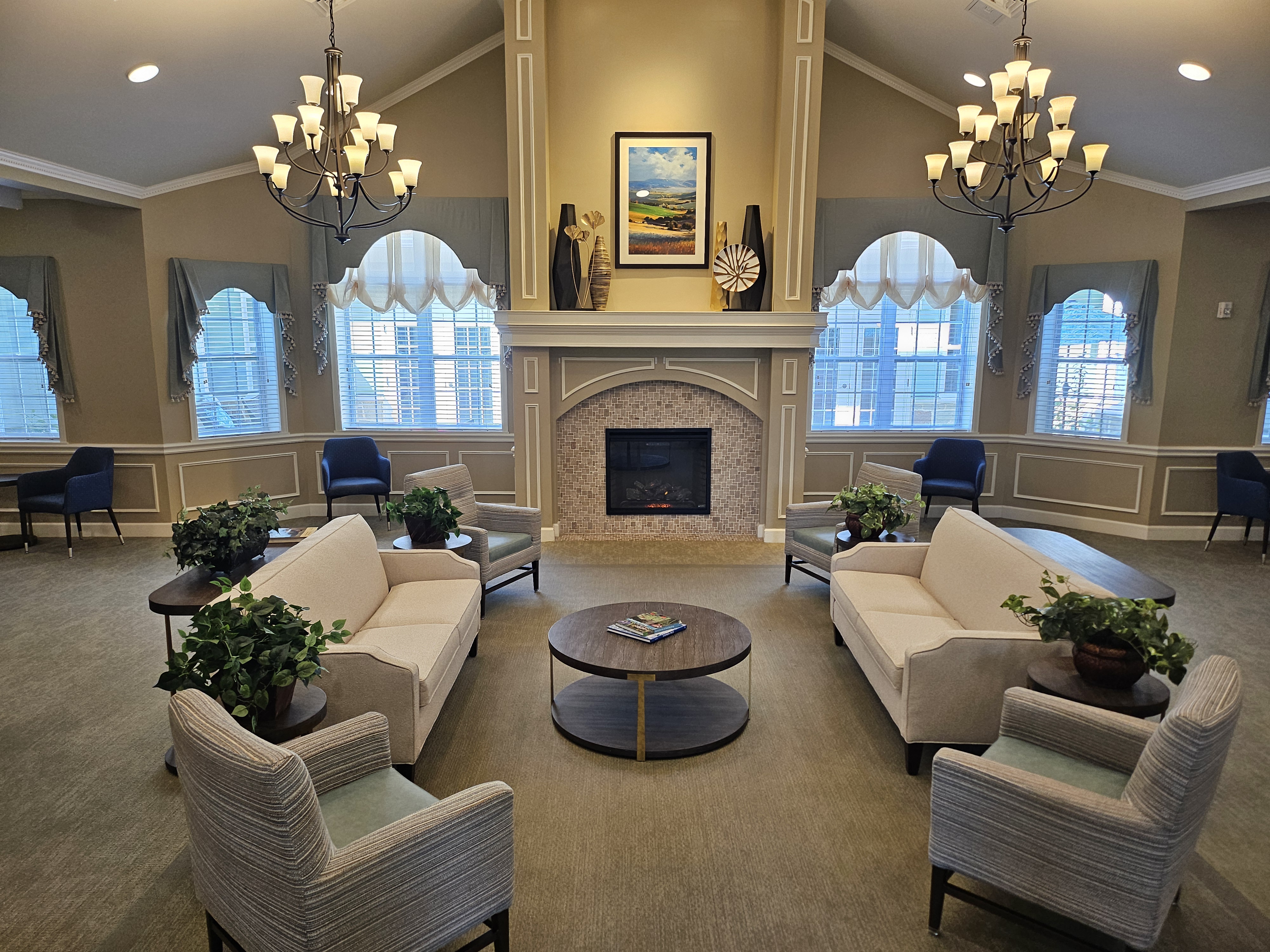



About Gulf Coast Memory Care
At Gulf Coast Memory Care, we offer compassionate and specialized care for individuals facing memory challenges. Our services include Day Programs, Respite Care, Long-Term Care, designed to cater to the unique needs of your loved ones.
Our dedicated team includes specially trained Certified Dementia Practitioners who provide expert care in an environment that feels like home. We understand how crucial it is for your loved ones to feel comfortable and secure, and our community is designed to feel like home.
Inquire about our Signature Suites coming soon. These state-of-the-art suites offer an advanced level of care and protection, ensuring the utmost safety and peace of mind.
General Property Features
- Private Rooms, Semi-Private Rooms, Furnished Apts Available
- Bi-Lingual Staff, Nurse on Staff, Respite/Short Term Stay
- Secured Memory Care Unit
Memory Care
- Gulfcoastmemorycare.com
- 12921
- 56
- $5,500.00
- 56
- Studio, 1 BR
- Adult Day Programs, Doctor Visits, Alz/Dementia Residents Only, Secured Courtyard, Activities, Memory Care Only Community
- Limited Nursing Services (FL-Only)
Videos
Continue Your Search! Explore More Local Options.
Start SearchingLet’s engage and get educated!
Browse through thousands of expert articles in over 100 different categories.
Browse NowArticles You May Like
Building a Support Network: Local Resources for Dementia Caregivers in
Caring for a loved one with dementia is a journey filled with love, but it can also bring exhaustion, stress, and moments of isolation. The good news? You dont have to do this alone. Southwest Florida is home to a wealth of local resources and community partners dedicated to supporting caregivers every step of the way.Why Support Networks MatterFamily caregivers are at risk for burnout and emotional fatigue. Having a strong support systemwhether its a local group, a trusted respite program, or a helpful neighborcan make all the difference for both you and your loved one.Local Support Groups & OrganizationsAlzheimers AssociationFlorida Gulf Coast Chapter: Offers support groups, educational programs, and a 24/7 helpline. Learn moreAlzheimers Support Network: Provides in-person and virtual groups, resources, and events for families. Visit the websiteDr. Piper Center: Connects seniors and caregivers with community support and services. Explore resourcesGulf Shore Private Home Care: Trusted local partner for in-home support. See their servicesLocal hospitals, faith communities, and senior centers often offer additional support groupsask your care team for recommendations.Respite Programs & Flexible Care OptionsGCMCs GUIDE Program: Flexible respite stays and short-term care designed to give caregivers a break and loved ones a safe, engaging environment. Learn about our GUIDE programAdult day programs and short-term stays at other reputable local memory care communities can also provide relief when needed.Trusted Partners & Community ConnectionsGCMCs Trusted Partners Page: Find reliable local businesses, healthcare providers, and organizations recommended by families and professionals. Explore our Trusted PartnersHave a great experience with a local provider? Nominate them for our Trusted Partners page to help other families find support.How to Start Building Your Support Network (With GCMC as Your Guide)Begin with Your Care Team:GCMCs staff is your first and most reliable resource. We know the local landscape and can recommend trusted support groups, respite options, and partners tailored to your familys needs.Connect with Other GCMC Families:Many of our families have walked similar paths. Ask about our informal family connections, support meetups, or community eventssometimes the best advice comes from someone whos been there.Use the Trusted Partners Page:Our Trusted Partners page is curated based on real feedback from GCMC families and staff. Start here for local professionals, home care, and community organizations that understand memory care.Ask for Help Early:Dont wait for a crisis. Let your GCMC care team know if youre feeling overwhelmedwhether you need a break, a listening ear, or help navigating resources, were always here.Stay Involved in Resident Life:Attend GCMCs family luncheons, care plan meetings, or activity days. These are great opportunities to learn from staff, connect with other families, and strengthen your support system.How to Get Help Before Burnout HitsRecognize the signs: emotional exhaustion, irritability, trouble sleeping, or feeling isolatedDont wait for a crisisreach out early to local resources and respite optionsRead our Caregiver Burnout blog for more tips and supportKey TakeawaysSouthwest Florida offers a strong network of support for dementia caregiversDont hesitate to use local groups, respite care, and trusted partnersAsking for help is a sign of strength, not weaknessFAQQ: How do I find the right support group for my needs?A: Start with the Alzheimers Association or Alzheimers Support Network for a list of local and virtual options. Try a few to see which feels most comfortable.Q: What is respite care and how does it work?A: Respite care provides short-term relief for caregiversyour loved one stays at a memory care community or with a trusted provider while you rest or attend to other needs.Q: How can I use GCMCs Trusted Partners page?A: Browse recommended local resources, or submit your own nominations to help other families.
Feb 03, 2026
4 Reasons Memory Care Is Different Than Home Care
When a loved ones memory begins to change, many families start with home care.It feels familiar.It feels loving.It feels like the right thing to do.And for a time, it may be.But as needs evolve, many families find themselves asking a difficult question:Why does memory care cost moreand does choosing it mean Im giving up?The truth is this:Memory care isnt more expensive because its more.Its different because its built for what dementia actually requires.Before comparing options, it helps to understand the real financial landscapenot from referral marketplaces, but from trusted, neutral sources.According to the Genworth Cost of Care Survey, long-term care costs continue to rise nationwide as care needs become more complex and specialized. Home care, which is typically billed hourly, can add up quickly as families increase support hours, supervision, and overnight coverage.Understanding this context allows families to compare care options more clearlynot just emotionally, but practically.What Memory Care Actually CostsAnd What That Cost CoversAt Gulf Coast Memory Care, monthly rates range from $5,800 to $8,000, depending on suite type and individualized care needs.Current Suite OptionsMangrove (Shared Suite): $5,800/monthOsprey (Jack & Jill / Shared Suite): $6,400/monthSugarberry (Studio): $6,700/monthMagnolia (Standard Suite): $7,000/monthEdison (Deluxe Suite): $7,600/monthMagnolia Signature Suite: $8,000/monthEdison Signature Suite: $8,000/monthIn addition, there is a one-time community fee of $3,000.This fee supports personalized move-in coordination, initial assessments, care planning, apartment preparation, and thoughtful onboardingso your loved ones transition is calm, supported, and intentional from day one.Whats Included in Monthly CareAll suites are all-inclusive, covering:24/7 specialized memory care supportPersonalized, chef-prepared diningCustomized daily activities designed for memory supportOn-site beauty salon and barbershopLibrary, craft room, and creative spacesSecure indoor and outdoor environments designed to reduce anxietySignature Suites also include:Amba AI safety sensors for added peace of mindElevated, elegant design featuresA private dining area for family visits and meaningful momentsThere is no hourly billing.No coordinating outside vendors.No hidden add-ons for daily living essentials.1. Memory Care Is Designed for DementiaHomes Are NotHome care brings support into a space that was never designed for memory changes.Memory care is different.At Gulf Coast Memory Care, everythingfrom the layout to the lighting to the daily flowis intentionally designed for people experiencing memory changes.That includes:Secure spaces that prevent wandering without feeling restrictiveClear sightlines that reduce confusion and anxietyCalm, predictable environments that help residents feel groundedOutdoor courtyards designed for safe freedom and fresh airThese design choices arent cosmetic. They directly affect safety, emotional regulation, and daily comfort.The National Institute on Aging, a trusted government resource, explains that as care needs changeespecially with cognitive declinethe environment often needs to change as well to support safety and routine.Why the cost is different:Youre not just paying for careyoure paying for a purpose-built environment that replaces constant crisis management with calm and stability.2. Memory Care Staff Are Specially TrainedAcross Every ShiftHome care typically relies on:One caregiver at a timeVarying levels of dementia-specific trainingInconsistent responses when behaviors changeMemory care operates as a teamnot a single solution.At Gulf Coast Memory Care:Every team member receives dementia-specific trainingStaff understand redirection, reassurance, and non-verbal communicationCare is consistent day and nightnot dependent on one persons availabilityResidents are surrounded by people who understand memory changesThis isnt about doing more.Its about knowing what to do in moments that matter most.Organizations like the Alzheimers Association emphasize the importance of specialized training, structure, and consistency for people living with dementia.Why the cost is different:Youre investing in round-the-clock expertisenot just coverage.3. Memory Care Provides Structure That Home Care Cant SustainDementia thrives on routine.Anxiety increases when days feel unpredictable.Home care often revolves around:Rotating caregiversFamily schedulesConstant adjustments to changing needsMemory care offers something different: a steady rhythm.At Gulf Coast Memory Care, residents experience:Predictable daily routines that reduce agitationEngaging programs designed specifically for memory supportSocial connection that doesnt rely on family availabilityGentle structure that restores a sense of normalcyFamilies often tell us:They seem calmer.Theyre sleeping better.We finally see moments of joy again.Why the cost is different:Youre paying for intentional structure and engagementnot just help getting through the day.View a Day in the Life at GCMC4. Memory Care Supports You, Not Just Your Loved OneHome care often asks families to remain:The coordinatorThe decision-makerThe overnight safety netThe emotional anchorEven with help, families often carry the weight alone.Memory care changes that.At Gulf Coast Memory Care, families gain:A full care teamnot just a caregiverRegular communication and guidanceRelief from constant vigilanceSpace to return to being a daughter, son, or spouse againOne of the hardest truths families face is this:You can love deeplyand still need help.Why the cost is different:Youre not just paying for careyoure gaining partnership, peace of mind, and the ability to breathe again.How This Compares to Home CareIn Real LifeHome care is typically billed by the hour. As needs increase, families often add:Daytime assistanceOvernight supervisionWeekend coverageBackup caregiversAccording to national data, these accumulating hours can bring monthly home care costs into the same range as memory careand sometimes beyondwhile still requiring families to manage safety, coordination, and emotional strain.And that doesnt include:MealsTransportationHome safety modificationsCaregiver turnoverThe emotional toll of constant vigilanceMemory care doesnt feel different because its cheaper.It feels different because everything is already in place.Choosing Memory Care Doesnt Mean You Love Them LessIt Means Youre Loving Them DifferentlyLove isnt measured by how much you carry alone.Its measured by how well your loved one is supported.Choosing memory care often means:Safety replaces fearCalm replaces chaosJoy has room to returnRelationships feel lighter, not heavierYou didnt stop loving them.You built a team around that love.And at Gulf Coast Memory Care, thats exactly what we honorevery single day.If youre wondering whether home care is still enoughor if memory care may bring more peace than fearwere here to talk.No pressure.No judgment.Just guidance, clarity, and compassion when you need it most.Youre not alone in this.Schedule a TourContact UsCall: (239) 427-1455
Feb 03, 2026
Sensory Care in Dementia: How Scent Supports Comfort and Connection
FAQ (Quick Answers)Can scent really help someone with dementia?Scent can be a gentle way to support comfort and connection because smell is closely tied to emotion and memory. It wont fix dementia, but it can help create calm, familiar moments.What scents are best?The best scents are usually familiar ones: a loved ones perfume/cologne, roses, vanilla, coffee, cinnamon, lavender, citrus, or ocean air. What matters most is the persons history.Are essential oils safe for seniors with dementia?They can be, but keep it simple: use very small amounts, avoid direct skin contact unless approved by a clinician, ensure good ventilation, and stop immediately if theres irritation, headache, nausea, or agitation.What if a scent makes them upset?That can happen. Some scents are tied to stressful memories or can feel overwhelming. If you notice grimacing, pulling away, restlessness, or agitation, remove the scent and try a different one another day.How do you use scent at Gulf Coast Memory Care?At GCMC, we may incorporate familiar, comforting scents into daily routines as part of a calm, structured dayalways with a safety-first, resident-first approach.When words get harder, connection can still happenFebruary can bring a strange kind of pressure. The world gets louder about lovecards, flowers, big conversationswhile families living with Alzheimers or dementia may be grieving the loss of normal communication.Heres the good news: connection doesnt have to depend on perfect words.Sometimes the most meaningful moments come through the sensesespecially smell.Why smell can feel so powerful in dementiaSmell is closely linked to the brains emotion and memory pathways. Thats why a familiar scent can sometimes create an immediate shift:shoulders dropbreathing slowsa face softensa small smile appearsIts not magic. Its familiarity.For someone living with mid-to-late stage dementia, a long conversation may be exhausting. But the scent of vanilla, a rose, or a spouses cologne can create a simple message the body understands: youre safe.How we think about sensory care at Gulf Coast Memory CareAt Gulf Coast Memory Care, we dont treat sensory support like a cute activity. We treat it like part of real carebecause comfort is clinical, too.We build sensory moments into the structure of the day through our Rhythm of Life approach (predictable routines that reduce stress) and through Life Stations (purposeful, familiar spaces that invite engagement without pressure).And we do it inside a secure, supportive environment designed specifically for memory carebecause calm works better when someone feels safe.6 dignity-first ways to use scent for comfort and connection1) Create a Scented Memory Box (better than a photo album for some residents)What to include:a fabric swatch lightly sprayed with a signature perfume/colognea sachet of dried lavendercedarwood (if they loved woodworking)a small vial of sea-salt scented oil (for Gulf Coast families who love the beach)How to use it: Open one scent at a time. Skip Do you remember? and try:I love this smell. It reminds me of home.This feels like springtime to me.Watch for body-language answers.2) Use truly fragrant roses (and slow the moment down)Many modern roses look beautiful but barely smell like anything.Try: fragrant or heirloom roses. Bring the bloom close, let them hold it if they want, and keep the moment simple:This is a good one.Smells like Valentines Day.No quiz. Just presence.3) Bring home into the room with vanilla or cinnamonYou dont need to bake a whole dessert.Simple options:simmer cinnamon sticks on the stovewarm a small dish of vanilla (briefly, safely) to scent the roomWarm, familiar smells can make a space feel less clinical and more like a kitchenmore like life.4) Pair scent with touch: a gentle hand massageTouch can be grounding, but it needs consent and calm.How to do it:start with an unscented lotionadd one drop of an essential oil they already like (lavender, lemon, sandalwood)keep it briefIf they relax, youll feel it.5) Try Perfume of the Past (for early-stage memory loss)Use 34 familiar scents in small jars:coffeepeppermintpinecocoaAsk gently:What does this remind you of?If they cant name it, you can:name it for themshare a memoryThis keeps it supportivenot a test.6) The Cocoa Connection (a small February ritual)Before offering cocoa or chocolate, invite them to smell it first.Even if appetite is low, the scent can still create a moment of comfort and celebration.Safety notes (important)Scent should never be overpowering.Use small amountsAvoid diffusing in closed rooms for long periodsWatch for asthma/COPD sensitivitiesStop if you see irritation, headache, nausea, or agitationIf youre unsure, keep it to everyday scents (vanilla, coffee, roses) and ask your care team.Key takeawaysConnection doesnt have to rely on conversation.Familiar scents can support calm, comfort, and closeness.Keep it simple, consent-based, and resident-led.At GCMC, sensory care fits into Rhythm of Life, Life Stations, and a secure memory care environment.If your loved one is living with dementia and youre craving connection that doesnt feel like a struggle, were here.Come visit Gulf Coast Memory Care in Estero and see what sensory-first, dignity-first support can look like in a calm, secure setting. You can also reach out with questionswell help you think through what might work for your family.
Mar 04, 2026
February Memory Care: Navigating Winter Risks and Supporting Your Love
February brings peak flu season and unique challenges for families managing memory care, with even mild illnesses potentially causing sudden confusion and behavioral changes in loved ones with dementia.Understanding February's Health ChallengesCold and flu season peaks in February, and for individuals with dementia and Alzheimer's disease, even mild illness can trigger serious complications. A simple cold or flu can cause sudden confusion, increased agitation, and a noticeable decline in cognitive and physical function. This is why February is a critical month for heightened vigilance and preventive care.Why Dementia Patients Are More VulnerableResearch shows that individuals with dementia are twice as likely to experience severe complications from the flu compared to the general population. Their weakened immune systems and difficulty communicating symptoms make them particularly susceptible to serious illness. Additionally, behavioral changes may be the only sign that your loved one is getting sick, making observation and early intervention essential.Key Prevention Strategies for FebruaryMaintain Proper Hygiene: Implement strict handwashing protocols, especially before meals and after bathroom visits. Encourage respiratory etiquette among all household members and visitors.Monitor Nutrition and Hydration: Proper nutrition and hydration support immune function. Ensure your loved one is eating balanced meals and drinking adequate fluids throughout the day.Limit Exposure: During peak flu season, consider limiting visits from people who are sick. Screen visitors for symptoms and maintain a clean living environment.Recognizing Illness in Memory Care PatientsSince individuals with dementia may not be able to communicate that they're feeling unwell, watch for these warning signs: Sudden changes in behavior or mood Increased confusion or disorientation Changes in eating or sleeping patterns Unusual agitation or withdrawal Incontinence issues that weren't present before Falls or loss of balanceCreating a Supportive Winter EnvironmentBeyond illness prevention, February is an excellent time to ensure your loved one's environment supports their wellbeing. Maintain comfortable indoor temperatures, ensure adequate lighting to prevent falls, and keep pathways clear. Engage your loved one in gentle indoor activities that provide mental stimulation and emotional connection.Working with Memory Care ProfessionalsIf your loved one is in a memory care community, maintain open communication with staff about any health concerns. Ask about their flu prevention protocols, vaccination status, and how they monitor residents for signs of illness. Professional memory care facilities should have comprehensive plans in place for managing illness during peak season.Supporting Yourself as a CaregiverFebruary can be emotionally taxing for family caregivers. Remember to prioritize your own health and wellbeing. Get your flu shot, practice stress-management techniques, and don't hesitate to reach out for support from other caregivers or professional resources.ConclusionFebruary presents unique challenges for families managing memory care, but with proper preparation, vigilance, and preventive measures, you can help protect your loved one's health and wellbeing during this critical season. By staying informed, maintaining strong communication with care providers, and recognizing early warning signs of illness, you're taking important steps to ensure the best possible outcomes for your loved one with dementia.
Mar 04, 2026

Memory Care in Estero, Florida: Compassionate Support Designed for the Moments That Matter
Estero, Florida has become a sought-after destination for retirees and aging adults, thanks to its warm climate, strong healthcare access, and growing network of senior-focused services. With a steadily increasing senior population, families in Estero are also navigating one of the most emotional decisions they may ever face: finding the right memory care support for a loved one.Memory loss conditions such as Alzheimers disease and other forms of dementia dont just affect individuals they impact entire families. Thats why choosing a memory care community isnt about finding a place to live; its about finding a place where your loved one is understood, supported, and treated with dignity every day.For families in Estero, Gulf Coast Memory Care stands out as a trusted local resource offering specialized memory care designed to cater to the unique needs of your loved ones, supported by specially trained Certified Dementia Practitioners. Why Memory Care Is So Important for Estero FamiliesMemory care is different from other types of senior living because it is purpose-built to support individuals with cognitive decline. In Estero and surrounding Southwest Florida communities, more families are seeking structured environments that balance safety with meaningful engagement.Memory care communities provide: Secure, dementia-friendly environments Predictable routines that reduce anxiety Staff trained specifically in dementia care Programs that support cognitive stimulation Emotional support for families As memory loss progresses, daily tasks become more challenging. A specialized memory care setting ensures residents receive Long-Term Care that evolves alongside their needs. What Sets Gulf Coast Memory Care ApartA Community Designed Around Understanding DementiaAt Gulf Coast Memory Care, every detail is intentional from the layout of the community to the daily routines residents follow. The goal is simple but powerful: create a calm, structured environment where residents feel safe, valued, and engaged.Their care model includes: Specially trained Certified Dementia Practitioners on-site Personalized care plans tailored to each resident Purposeful activities that encourage connection and familiarity Thoughtful design to reduce confusion and promote independence This approach helps residents maintain dignity while receiving the support they need. Specialized Services That Support Families and ResidentsDay Programs for Structured EngagementNot every family is ready for full-time placement right away. Day Programs offer families flexibility while ensuring loved ones receive professional support during the day.Benefits of day programs include: Cognitive stimulation and social interaction Professional supervision by dementia-trained staff Relief for family caregivers A structured, engaging daily routine Day programs can also serve as a gentle introduction to memory care, helping residents adjust gradually. Respite Care When Families Need SupportCaregiving can be physically and emotionally demanding. Respite Care allows families to take a break while knowing their loved one is safe, supported, and cared for by professionals.Respite care is ideal for: Caregiver vacations or recovery Temporary coverage during life transitions Trial stays to explore memory care options Families often find peace of mind knowing respite care is available when life becomes overwhelming. Long-Term Memory Care That Evolves With Your Loved OneMemory care is rarely static. Needs change, and Gulf Coast Memory Care provides Long-Term Care that adapts as residents progress through different stages of dementia.Long-term care includes: 24/7 supervision Assistance with daily living activities Ongoing health monitoring Emotional reassurance and routine consistency This continuity helps residents feel secure while easing family concerns about future transitions. A Local Perspective: Aging in Estero, FloridaEsteros senior population continues to grow as more retirees choose the area for its lifestyle and healthcare access. With this growth comes an increased need for memory care communities that truly understand dementia not just manage it.Families in Estero benefit from: Proximity to healthcare providers Community-based senior resources Memory care communities with local expertise Support systems for caregivers Gulf Coast Memory Care plays a key role in meeting these local needs. Care Team InsightMemory care isnt just about managing symptoms. Its about understanding the person behind the diagnosis and creating moments of comfort, familiarity, and connection every single day. Memory Care Professional Perspective Frequently Asked Questions About Memory Care in EsteroWhat is the difference between memory care and assisted living?Memory care provides specialized support for individuals with Alzheimers or dementia, including enhanced security, structured routines, and staff trained in cognitive care.When should families consider memory care?When safety concerns arise, confusion increases, or daily care becomes overwhelming, memory care can provide essential structure and professional support.Do memory care residents still participate in activities?Yes. Activities are specifically designed to be meaningful, familiar, and engaging, helping residents maintain connection and purpose.Can families still visit and stay involved?Absolutely. Family involvement is encouraged and plays a crucial role in promoting emotional well-being.Is memory care a long-term solution?Memory care often serves as Long-Term Care, evolving alongside a residents changing needs. Take the Next Step with ConfidenceChoosing memory care is one of the most important decisions families will make. Having access to a trusted, local resource makes all the difference.If youre exploring memory care options in Estero, Florida, connect with Gulf Coast Memory Care through their Seniors Blue Book listing to learn more, ask questions, and take the next step with clarity and confidence. View their full profile here: https://seniorsbluebook.com/senior-housing/gulf-coast-memory-care
Jan 05, 2026

How Memory Care Handles Refusal of Medication, Food, or Care
If your loved one has ever pushed away their dinner plate, refused their morning medications, or pulled back when a caregiver tried to help them get dressed, you already know how helpless that moment feels.You're not doing anything wrong. And neither are they.Refusal of care in dementia is one of the most common and most misunderstood parts of this disease. It's not stubbornness. It's not manipulation. It's the brain doing the only thing it knows how to do when it feels confused or scared, which is protect itself.The good news is that trained, compassionate memory care teams deal with this every single day. And they're very good at it.Why People with Dementia Refuse CareBefore talking about solutions, it helps to understand what's actually happening.When someone has Alzheimer's disease or dementia, their ability to reason through a situation is damaged. They may not remember why they take their medications. They may not recognize that the person helping them bathe is trying to help, and not harm them.Refusal is almost always rooted in fear, confusion, or loss of control. It's rarely about the medication or the meal itself.This is exactly why memory care in Estero, FL works differently from general assisted living. Every team member is trained to understand the emotional world of a person with dementia, and to meet them there.How a Dedicated Memory Care Team RespondsThey Never Force. They Redirect.At Gulf Coast Memory Care, the approach is never about overpowering resistance. Force creates trauma, and trauma makes future refusals worse.Instead, trained caregivers use redirection techniques. This technique is for gently shifting attention away from the point of conflict toward something calming or familiar. A favorite song. A comfortable chair. A familiar face.Once the moment of distress passes, the care attempt can often be tried again with an entirely different outcome.They Adjust the Environment FirstSometimes refusal isn't about the care itself. It's about the setting.Too much noise, unfamiliar faces, or rushed routines can trigger resistance in someone with dementiaA well-designed memory care community controls for this. Calming spaces, soft lighting, consistent staff, and unhurried schedules all reduce the number of refusal moments before they even begin.This is what "places that calm and engage" really means in practice. The physical environment is part of the care plan.They Personalize Every ApproachNo two people with dementia are the same. What works for one resident may not work for another.Specialized dementia caregivers take time to learn each resident's history, preferences, triggers, and comforts. If someone always loved a particular type of music, that music might play softly during medication time. If they respond better to humor than gentle persuasion, the team leans into that.This personalized approach is only possible when caregivers truly know their residents, which is why an 8:1 staff-to-resident ratio matters so much.They Work Closely With Families and Medical TeamsWhen refusals become frequent or start affecting health, the care team doesn't just push harder. They pause and problem-solve.Medication refusal might mean a physician reviews whether a different form of the medication (liquid instead of pill, for example) could work better. Food refusal might prompt a dietary reassessment or a conversation about texture, flavor, or presentation.Families are always part of this conversation. People who care like family mean you're never left out of decisions about your loved one's care.Why Gulf Coast Memory Care Is Built Differently100% Memory Care FocusedGulf Coast Memory Care does one thing and does it completely. Every decision, every hire, every space is built around dementia care. Your loved one is never an afterthought in a general senior living community.People Who Care Like FamilyThe team here doesn't clock in and clock out. They learn your loved one's stories, their preferences, their fears, and their joys. With an 8:1 staff-to-resident ratio, that kind of personal attention is genuinely possible every single day.Places That Calm and EngageThe environment itself is part of the care. Secure courtyards, soft natural light, familiar layouts, and thoughtfully designed spaces reduce confusion and anxiety before a caregiver even needs to step in.Programming to Stimulate Memory and JoyFrom music therapy to cognitive games to reminiscence sessions, every activity here has a purpose. Not just to fill time, but to engage the brain, spark connection, and give residents real moments of happiness every day.What This Looks Like Day to DayAt a memory care community in Estero, FL, like Gulf Coast Memory Care, refusal moments are handled quietly and with dignity.There's no alarm. No frustration. No power struggle.A caregiver notices the resistance, takes a breath, and changes approach. Maybe they sit down beside the resident and just talk for a few minutes. Maybe they offer the meal again in a different way. Maybe they call in a colleague the resident particularly connects with.The goal is always the same: meet the person where they are, not where the schedule says they should be.This is what dementia-trained caregivers and purpose-built memory care programming make possible.If you're navigating moments like these at home and wondering whether there's a better way, we'd love to show you how we handle it. Come visit Gulf Coast Memory Care in Estero, Florida. No appointment needed, no pressure at all.Frequently Asked QuestionsWhat if my loved one refuses care every single day?Frequent refusal is a signal, not a failure. The care team will review routines, environment, staffing, and medical factors to find what's driving it. Consistent refusal always has a reason, and good memory care teams are trained to find it.Is medication refusal dangerous in dementia patients?It can be, depending on the medication. In specialized memory care, nurses and physicians monitor this closely. Alternative delivery methods, adjusted timing, or medical reviews are all options explored before any concerns become serious health risks.Can family visits help when a loved one is refusing care?Absolutely. A familiar face often does what a caregiver cannot. Many memory care communities in Estero, FL, encourage family involvement during difficult periods because your presence carries a comfort and trust that no staff member can fully replicate.
May 18, 2026

Providing Compassionate and Engaging Memory Care: Gulf Coast Memory Care in Estero, FL
Nestled within the vibrant community of Estero, Florida, Gulf Coast Memory Care stands as a beacon of unwavering support and comfort for individuals navigating the complexities of memory-related challenges. With an unwavering commitment to providing exceptional memory care, this community offers a nurturing environment where residents can live a fulfilling and enriched life, guided by compassion and professionalism. Dedicated to Memory Care Excellence Gulf Coast Memory Care is founded on the core principle of offering specialized care for individuals with Alzheimer's, dementia, and other memory-related illnesses. Their holistic approach begins with a deeply personalized care plan, meticulously tailored to accommodate each resident's unique life experiences, preferences, and abilities. This individualized approach ensures that every aspect of care is attuned to the specific needs of the resident. Compassionate and Professional Team The cornerstone of this exceptional care is the compassionate and professionally trained team at Gulf Coast Memory Care. Each member is handpicked for their dedication and empathy, working closely with residents and their families to foster connections and create an environment where residents can continue to grow, find joy, and feel fulfilled. The teams commitment extends beyond the residents to support families, aiding them in navigating this transitional period with understanding and guidance. Creating a Safe and Secure Haven Safety is paramount at Gulf Coast Memory Care. The community is purposefully designed to offer a secure environment that residents can navigate comfortably. The layout is crafted to be easily navigable, calming, and engaging, ensuring residents can explore their surroundings safely without the risk of wandering or injury. Advanced safety measures, including secure entry points and emergency response systems, provide peace of mind to residents and their families. Thoughtful and Engaging Activities Central to the ethos of Gulf Coast Memory Care is the belief that a rich and fulfilling life continues beyond memory challenges. The community offers a diverse array of structured activities designed to engage residents both cognitively and socially. From art and cooking classes to brain games and scheduled outings, there's a plethora of activities tailored to suit various interests and cognitive abilities. These activities not only stimulate the mind but also encourage social interaction, fostering a sense of community among residents. Embracing an Enriching Lifestyle Gulf Coast Memory Care doesnt just provide care; it cultivates an enriching lifestyle for its residents. The community's environment is purpose-built to nurture a sense of confidence and security, allowing residents the freedom to live life on their terms. Caregivers, specially trained in providing nurturing support, offer assistance when needed, while empowering residents to lead fulfilling lives. Conclusion: Your Loved Ones Next Chapter Choosing the right memory care community is a significant decision, and Gulf Coast Memory Care in Estero, FL, stands as a testament to exceptional care, compassion, and dedication. Their unwavering commitment to providing a loving, secure, and engaging environment ensures that residents thrive while maintaining their dignity and individuality. If you are seeking a place where your loved one can feel at home, thrive, and experience compassionate care, reach out to Gulf Coast Memory Care today. Discover how this community can be a nurturing and supportive haven for your loved ones next chapter. Contact our compassionate team at Gulf Coast Memory Care and embark on a journey where compassion, professionalism, and enriching experiences merge to create a place that truly feels like home.
Jan 02, 2024
Assisted Living in Estero, Florida: A Supportive Lifestyle That Encourages Independence
Estero, Florida continues to attract older adults seeking an active, fulfilling retirement lifestyle with access to high-quality senior services. As the local senior population grows, many families find themselves asking an important question: How do we support independence while ensuring safety and care?Assisted living bridges that gap offering support where needed while encouraging residents to live life on their own terms.For families in Estero, Gulf Coast Memory Care is a trusted assisted living community that provides care designed to cater to the unique needs of your loved ones, supported by experienced professionals who understand aging with dignity. What Assisted Living Means for Todays SeniorsAssisted living is ideal for seniors who value independence but benefit from support with daily tasks. Residents maintain autonomy while having access to care, social engagement, and safety.Common assisted living services include: Help with bathing, dressing, and medication management Restaurant-style dining Housekeeping and maintenance Social activities and wellness programs 24-hour staff availability This balance allows seniors to thrive without the stress of managing everything alone. Why Estero Seniors Choose Assisted LivingEstero offers: A strong sense of community Access to healthcare and senior services Warm weather and outdoor activities Opportunities for social engagement Assisted living communities help seniors stay connected while reducing isolation and risk. Supportive Services That Make Life EasierDay Programs That Encourage EngagementMany assisted living communities offer Day Programs that provide structure, socialization, and enrichment even for seniors who are not full-time residents.Day programs support: Social connection Mental stimulation Routine and purpose Caregiver relief These programs are especially helpful for families transitioning toward assisted living. Respite Care for Short-Term SupportLife happens, and sometimes families need temporary care solutions. Respite Care allows seniors to receive professional care for short stays while families regroup or travel.Respite care can be used for: Caregiver breaks Recovery after illness Trial stays before long-term decisions Long-Term Assisted Living for Ongoing Peace of MindFor many seniors, assisted living becomes a comfortable Long-Term Care solution. As needs change, care plans are adjusted to ensure ongoing safety and comfort.Long-term benefits include: Consistent support Reduced stress for families A stable, engaging living environment Continued independence with backup care Local Insight: Assisted Living Demand in EsteroAs Esteros senior population grows, families are increasingly seeking communities that feel welcoming, not clinical. Assisted living provides a residential atmosphere with access to care a combination that resonates with todays seniors.Communities like Gulf Coast Memory Care understand the importance of personalized support and meaningful engagement. Expert PerspectiveAssisted living is about empowering seniors to live fully while ensuring help is always within reach. Its support without sacrificing independence. Senior Living Professional Frequently Asked Questions About Assisted Living in EsteroWho is a good candidate for assisted living?Seniors who need help with daily activities but want to remain active and independent often thrive in assisted living.Is assisted living the same as nursing care?No. Assisted living supports daily life, while nursing care provides medical-level support.Can assisted living residents still go out?Yes. Residents are encouraged to stay active and engaged in the community.Is assisted living permanent?It can be long-term or transitional, depending on individual needs.How do families get started?Touring communities and connecting through trusted directories like Seniors Blue Book is a great first step. Find the Right Fit Through Seniors Blue BookChoosing assisted living is a personal decision and having trusted information makes it easier.To learn more about assisted living options in Estero, Florida, connect with Gulf Coast Memory Carethrough their Seniors Blue Book profile. View their listing here: https://seniorsbluebook.com/senior-housing/autumn-leaves-of-estero-estero-fl-2
Jan 05, 2026

Indulging in Culinary Excellence: Gulf Coast Memory Cares Delightful Dining Experience
Gulf Coast Memory Care in Estero, FL, isn't just a community for memory care; it's a place where exceptional memory care meets exquisite dining experiences. Understanding the vital role food plays in overall well-being, Gulf Coast Memory Care takes dining to a whole new level, offering residents an exceptional culinary journey that combines deliciousness, nutrition, and a dash of magic. A Gourmet Experience Like No Other Eating well is fundamental to feeling one's best, and at Gulf Coast Memory Care, dining is elevated to an art form. Led by skilled chefs passionate about their craft, every meal served is a testament to culinary excellence. Imagine savoring delectable dishes reminiscent of your favorite restaurant or a cozy fireside bistroall within the comfort of a community designed to cater to your unique dietary needs. Tailored to Your Tastes and Health Needs Just like the personalized care plans offered at Gulf Coast, the dining experience is tailored to meet individual preferences and nutritional requirements. Meals are not just nourishing; they are an experience crafted to delight the taste buds. Whether you prefer a dish with a personal touch or have specific dietary needs prescribed by a doctor, the culinary team ensures that every dish is prepared with care and attention, meeting senior-centric nutritional guidelines without compromising on taste. Freshness and Variety in Every Bite At Gulf Coast Memory Care, freshness is the cornerstone of their dining philosophy. The culinary team sources only the freshest ingredients to create a menu that tantalizes the senses and promotes overall health. The menu is thoughtfully curated, offering a diverse array of choices to suit various palates. From flavorful soups to succulent entrees and indulgent desserts, there's something for everyone. The rotating menu of favorites ensures that residents are treated to a delightful variety of dishes regularly. Nourishing, Flavorful, and Inviting The meals at Gulf Coast Memory Care are more than just sustenance; they are an integral part of the community's commitment to promoting a healthy and fulfilling lifestyle. Each dish is crafted with a blend of nutrition and flavor, ensuring that residents not only eat well but thoroughly enjoy every bite. The dining experience transcends the ordinary, offering residents an opportunity to savor delicious flavors while fostering a sense of community and joy around the table. Conclusion: Savor the Difference Gulf Coast Memory Care in Estero, FL, redefines the dining experience within a memory care community. Their dedication to providing exceptional meals, cooked to perfection, while meeting individual dietary needs, sets them apart. It's not just about the food; it's about creating moments of joy, comfort, and connection through shared meals. To truly understand the magic behind Gulf Coast Memory Cares dining experiences, consider joining for a meal during your tour. Discover firsthand how culinary excellence meets compassionate care, and how every dish served is not just a meal but a delightful experience that contributes to a fulfilling life in this vibrant community. Reserve your seat and savor the taste of something truly special at Gulf Coast Memory Care.
Jan 02, 2024
Preventing Illness in Memory Care: How GCMC Protects Resident Health
Keeping our residents healthy and safe is always a top priority at Gulf Coast Memory Careespecially during cold, flu, and RSV season. Families trust us to be vigilant, proactive, and transparent. Heres an inside look at the protocols and daily practices that help protect your loved ones all year round.How GCMC Monitors Resident HealthEvery day, our team closely monitors residents for any signs or symptoms of illness, including nausea, vomiting, diarrhea, fever, congestion, and general malaise. The moment a change is observed, our team reports it to the nurse so action can be taken right away. Early detection is key to keeping everyone safe.What Happens If Someone Shows Signs of Illness?Residents: Any symptoms are reported to the nurse and the residents physician is notified. Family members are contacted immediately and kept informed about the plan for timely treatment, including new doctors orders.Staff: Team members who feel unwell notify their supervisor, seek medical care from their provider, and only return to work with a physicians note. This helps prevent the spread of illness in our community.Communicating with FamiliesWe know how important it is for families to feel informed. If your loved one is ill or theres an update about illness prevention, youll get a call or emailwhichever you prefer. Our goal is always open, timely communication.Cleaning, Sanitation & Air QualityHigh-touch areas (like doorknobs, handrails, and shared spaces) are cleaned frequently throughout the day.Air filters are changed regularly by our maintenance team to reduce airborne particles and keep the environment as healthy as possible.Nutrition, Hydration & Immune SupportResidents immune health is supported with monthly weight checks and supplements as needed.Hydration stations are placed throughout the community and monitored often.Nutritious snacks are offered throughout the day, and special diets (like BRAT) are provided if someone is ill.Advice for Families: How You Can Help Protect Your Loved OnePractice good hygiene: frequent handwashing, avoid touching your face, cover coughs and sneezes.Boost immunity: prioritize sleep, nutrition, and exercise; get annual flu and pneumonia vaccines.If youre not feeling well or have been exposed to illness, please stay homebut know that were happy to set up Zoom or FaceTime calls so you can still connect with your loved one safely.Key TakeawaysDaily monitoring and early detection keep residents saferFamilies are always kept in the loop about health changesGCMC goes above and beyond with cleaning, air quality, and nutritionVirtual visits are available to protect residents when neededFAQQ: How often are residents monitored for symptoms?A: Every day, with staff trained to report any changes immediately.Q: What happens if my loved one gets sick?A: The nurse and physician are notified, and youll receive a call or email with updates and a care plan.Q: Can I visit if Im not feeling well?A: To keep everyone safe, we ask that you stay home if youre sick. Well help you connect virtually instead.Q: How does GCMC keep the environment clean and safe?A: High-touch areas are cleaned frequently and air filters are changed regularly.Q: What can I do to help protect my loved one?A: Practice good hygiene, stay up to date on vaccines, and opt for virtual visits if youre unwell.Have more questions about our health and safety protocols? Contact us or call (239) 427-1455. Were always here to keep you informed and your loved one protected.
Dec 23, 2025
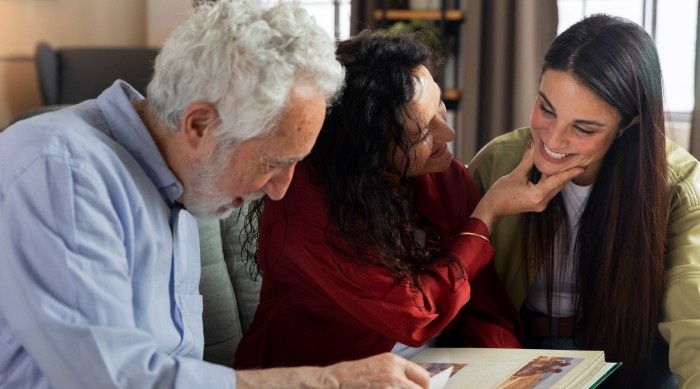
What Does a Bad Fit Memory Care Community Look Like?
Choosing a memory care community for a loved one with Alzheimer's or dementia is one of the most emotionally charged decisions a family will ever make.You research, you tour, you ask questions, and then you make the leap. But what happens when, weeks or months after the move, something just feels off?The truth is, not every memory care community is the right fit for every resident. Spotting the warning signs early before your loved one's health and happiness suffer can make all the difference.If you're exploring or have recently placed a loved one in memory care in Estero, FL, here's what a bad fit looks like and how to recognize it before it becomes a crisis.The Staff Doesn't Know Your Loved One's NameThis one sounds small. It isn't.In a quality memory care community in Estero, FL, caregivers build genuine relationships with residents. They know that Mrs. Johnson loves Frank Sinatra. They know Mr. Rivera gets anxious before lunch. They call residents by name, not by room number.When staff routinely fails to recognize residents as individuals, it signals a deeper problem: high staff turnover, inadequate training, or a culture that treats residents as tasks to be completed rather than people to be cared for.People living with dementia depend on consistency and familiarity. When staff changes constantly or interactions feel transactional, residents often become more agitated, withdrawn, and confused. Watch for this red flag from day one.The Environment Feels Chaotic or ClinicalWalk in unannounced. What do you see?A well-designed memory care community in Estero, FL, should feel calm, structured, and home-like, not loud, rushed, or sterile. Dementia-specific design matters enormously. Calming colors, secure outdoor spaces, natural light, clear pathways, and familiar sensory cues all reduce anxiety and agitation in residents with cognitive decline.If the common areas feel noisy and disorganized, if residents appear bored or unattended, or if the space looks more like a hospital ward than a home, these are signs the environment is working against your loved one, not for them.Activities Are Generic or NonexistentMeaningful engagement is not a luxury in memory care; it is care.A bad-fit community treats activities as optional filler. A good one builds a structured daily routine around the specific cognitive and emotional needs of each resident. If your loved one sits in front of a television for hours with no purposeful engagement, that is a red flag.Ask yourself: Are activities tailored to different stages of dementia? Is there music therapy, art, gentle movement, or sensory programs?Is your loved one's personal history, like their hobbies, their career, and their passions, reflected in how they spend their days? If the answer is no, the community may not be equipped to deliver the person-centered care your loved one deserves.Family Communication Is Vague or InconsistentYou should never have to wonder how your loved one is doing.Transparent, proactive family communication is a hallmark of quality memory care in Estero, FL.If staff are evasive when you ask questions, if you're only contacted when there's a problem, or if care plan updates are rare and superficial, take note.Families who feel left out of the care conversation often sense early on that something is wrong, but they struggle to put their finger on it.Trust that gut feeling. Communities that are good for families encourage them to get involved, share news often, and make it easy for leaders to be reached.Your Loved One's Condition Has Noticeably DeclinedAs dementia gets worse, some cognitive decline is to be expected. But if your loved one suddenly or quickly gets worse, becomes more agitated, loses weight, shows new behavioral symptoms, or pulls away from daily life in a big way, it could mean that the environment is bad, the care is not good enough, or the community can't meet their needs safely.This is perhaps the most urgent red flag of all. In the right memory care community in Estero, FL, residents often stabilize emotionally after an adjustment period because structure, routine, and specialized care provide the predictability their brain needs. If you're seeing the opposite, it's time to ask hard questions or consider whether a different community is a better match.What to Do If You Spot These Signs EarlyDon't wait. Schedule a meeting with the care team and leadership. Bring specific examples of your concerns. Ask about care plan reviews, staffing ratios, and how the community handles behavioral changes.A quality memory care community in Estero, FL will welcome this conversation not deflect it.If responses remain vague or dismissive, it may be time to explore other options. Placing a loved one is never easy. Moving them again is even harder.At Gulf Coast Memory Care, families always have direct access to leadership and caregivers, because staying informed should never be a struggle.Frequently Asked QuestionsHow do I know if a memory care community is the right fit before placement?To know if a memory care community is the right fit, tour the community at different times of day, including unscheduled visits if possible. Observe how staff interact with current residents. Also, ask how care plans are developed, how often they are reviewed, and how the community involves families in ongoing decisions.What are the most important red flags to watch for after my loved one moves in?Some of the most important warning signs are: changes in behavior or health that can't be explained, staff who don't know your loved one personally, a lack of meaningful daily interaction, vague or infrequent family communication, and an environment that feels chaotic or clinical.Is it common for families to move a loved one to a different memory care community after initial placement?It happens more often than families expect, and it is not a failure. It is advocacy. Dementia care needs are highly individual, and the right match depends on factors like the community's staffing philosophy and approach. Families who act on early warning signs rather than waiting for a crisis almost always report better outcomes for their loved one.
May 18, 2026

Embracing Comfort and Care: Gulf Coast Memory Care in Estero, FL
Nestled in the heart of Estero, Florida, Gulf Coast Memory Care offers compassion and support for those navigating the delicate journey of memory-related challenges. As a premier memory care community, it goes beyond mere accommodationit embodies a philosophy of understanding, dignity, and holistic care for its residents. At Gulf Coast Memory Care, every aspect is meticulously designed to cater to the unique needs of individuals grappling with memory loss conditions such as Alzheimer's or dementia. The community is crafted to provide a serene, safe, and engaging environment where residents thrive and find comfort in their daily lives. One of the hallmarks of this esteemed community is its compassionate and highly-trained staff. The team at Gulf Coast Memory Care is not merely a group of caregivers; they're companions on the journey, offering round-the-clock support and empathy to every resident. Their dedication is unmatched, ensuring that residents receive personalized attention, fostering trust, and building lasting relationships. Beyond the compassionate care, the physical environment is tailored to promote a sense of ease and familiarity. The thoughtfully designed spaces provide both comfort and stimulation, featuring cozy living areas, secure outdoor spaces, and engaging activities tailored to residents' cognitive abilities and interests. Safety is paramount at Gulf Coast Memory Care. The community is equipped with the latest technology and safety measures to ensure a secure environment for residents. From secure entry points to emergency response systems, every aspect is designed to provide peace of mind to both residents and their families. Additionally, Gulf Coast Memory Care places a strong emphasis on wellness. Nutritious meals prepared by skilled chefs are offered, considering individual dietary needs and preferences. Physical activities and exercise programs are also integrated into daily routines, promoting overall well-being and enhancing residents' quality of life. What truly sets Gulf Coast Memory Care apart is its commitment to individualized care plans. Understanding that each resident is unique, the community's approach is centered around tailoring care to meet specific needs and preferences. Whether it's assistance with daily activities, medication management, or specialized therapies, every aspect of care is customized to honor the dignity and individuality of each resident. Moreover, family involvement is encouraged and valued at Gulf Coast Memory Care. Regular updates, family meetings, and educational resources are provided to support families in understanding and navigating their loved one's journey. As part of the Estero community, Gulf Coast Memory Care fosters a sense of belonging and community engagement. Various social events, outings, and programs are organized to stimulate the mind and create joyful moments for residents. Choosing a memory care community is a significant decision, and Gulf Coast Memory Care in Estero, FL, recognizes the importance of trust and reliability in such a choice. The testimonials from families and residents serve as a testament to the exceptional care and support provided by this esteemed community. In conclusion, Gulf Coast Memory Care in Estero, FL, stands as a beacon of hope and support for individuals and families navigating the challenges of memory-related conditions. With its compassionate staff, thoughtfully designed spaces, personalized care, and commitment to well-being, Gulf Coast Memory Care offers not just a place to live, but a place to thrivea true home filled with understanding, comfort, and dignity. To learn more about Gulf Coast Memory Care and how it can be the right choice for your loved one, visit their website or schedule a tour to experience firsthand the warmth and care that define this exceptional community.
Jan 02, 2024

Respite Care
What is Respite Care?Respite Care is a bridge, a supportive pause that allows families to maintain their balance. At Gulf Coast Memory Care, we provide a warm, enriching environment where your loved one feels valued and cared for, giving you the peace of mind you need.Why Choose GCMC Respite Care?Your trust is our highest priority. We believe in celebrating individuality.GCMC's respite care is designed to honor your loved one's unique journey, providing personalized support that fosters independence and well-being. Contact us today to learn more about our respite care services and schedule a tour!
Feb 03, 2026
UTIs and Dementia: Why Symptoms Look Different
Urinary tract infections (UTIs) dont always look like UTIs in someone living with dementia. Instead of clearly saying it burns or I need to go, your loved one may seem suddenly more confused, more anxious, more agitated, or simply not like themselves. If youve ever felt that gut-level worrysomething is offyoure not overreacting.This guide will walk you through the signs families often notice first, why sleep changes can be an early clue, and how Gulf Coast Memory Care uses Amba (in our Signature Suites) to track sleep patterns and out-of-bed activity so we can spot changes sooner and respond quickly.Why UTIs can look different in dementiaA UTI can be uncomfortable for anyone. But dementia changes how a person experiences and communicates whats happening in their body.A few reasons UTIs can show up differently:They may not be able to describe symptoms. Pain, urgency, pressure, or burning might be hard to nameor they may not connect the sensation to I need help.Confusion can intensify quickly. Infections can cause a sudden spike in disorientation, agitation, or withdrawal.Baseline dementia symptoms can mask the classic signs. If someone already needs help with toileting or communication, a UTI can be easy to miss until behavior changes.UTI signs families often notice first (not the textbook symptoms)Families usually dont notice a UTI because their loved one says, I think I have a UTI. They notice it because something changes.Common early signs can include:Sudden increase in confusion (more disoriented than usual, forgetting familiar people/places)New agitation, irritability, or tearfulnessMore pacing or restlessnessespecially late afternoon/eveningNew or worsening incontinence or more frequent bathroom tripsA noticeable appetite dip or refusing meals they normally enjoyFatigue or not themselves energyless engaged, less talkative, more withdrawnSleep disruptionmore waking, more getting out of bed, more nighttime wanderingIf youre seeing a cluster of changesespecially if they came on quicklyits worth checking in with a healthcare provider.Why sleep changes and nighttime up-and-down can be an early clueNighttime is often where families first notice a shift.You might see:More frequent trips to the bathroomMore getting out of bed (sometimes without remembering why)More calling out, anxiety, or restlessnessA sudden change in sleep rhythm (shorter sleep stretches, more waking)A UTI isnt the only possible causebut when nighttime patterns change fast, it can be a meaningful clue that your loved one is uncomfortable, needs more toileting support, is dehydrated, or may be dealing with an infection.How GCMC uses Amba to spot changes early (and why that matters)At Gulf Coast Memory Care, were 100% focused on memory careso we pay close attention to the small changes that families often worry theyll miss.In our Signature Suites, we use Amba to help us track patterns like sleep and movement (without cameras). That matters because sleep disruption is often one of the first quiet signs something is off.With Amba, our team can notice trends such as:More frequent out-of-bed events than a residents normal baselineMore nighttime movement or unusual pacing patternsDisrupted sleep over multiple nightsWhen we see a meaningful change, it prompts a closer lookthings like hydration support, toileting routines, comfort checks, and staff observations. If concerns continue, we communicate with the family and coordinate next steps with the appropriate clinical professionals.Important note: Amba doesnt diagnose UTIs. It helps us catch pattern changes earlier so we can respond soonerbefore a small issue becomes a bigger one.What you can do at home if you suspect a UTIIf youre caring for a loved one at home, you dont need a perfect systemyou just need a simple way to track whats changing.Heres a practical approach:Write down the changes youre seeing (2472 hours).Sleep: waking more? getting out of bed more?Bathroom: more frequent trips? new accidents?Mood: more agitation, fear, or sadness?Appetite/energy: eating less? unusually tired?Support hydration in small, realistic ways.Offer fluids in smaller amounts more oftenTry warm tea, flavored water, popsicles, soups, or fruit with high water contentPair drinks with routines (after toileting, with meds, during a favorite show)Dont self-treat with leftover antibiotics.UTIs need the right test and the right treatment. Using the wrong medication can delay care and create other problems.Call the doctor when changes are sudden or escalating.Especially if confusion spikes quickly, sleep becomes unsafe, or theres a new pattern of accidents.If your loved one has fever, severe pain, vomiting, or youre worried about dehydration or safety, seek urgent medical guidance. If you need help finding local support, our team can point you in the right directionsee our Trusted Partners for vetted resources families often use.Dementia-friendly UTI prevention tips (that dont feel like a battle)Prevention isnt about perfectionits about routines that feel normal and supportive.Build hydration into the day. Instead of drink more water, try: Lets have a drink together, or Heres your favorite cup.Use a gentle toileting schedule. Regular bathroom reminders (especially before bed) can reduce nighttime urgency and accidents.Keep clothing simple. Easy-on/easy-off clothing reduces stress and helps your loved one toilet more successfully.Support hygiene with dignity. Calm tone, privacy, warm water, and predictable routines go a long way.Watch for constipation. Constipation can contribute to urinary discomfort and bathroom struggles. If youre noticing changes, its worth discussing with a healthcare provider.Want a quick refresher on prevention? Here are UTI prevention basics from the Urology Care Foundation.When it might be time for more supportIf UTIs or sudden health changes keep happening, nights feel unsafe, or youre constantly on edge trying to catch things early, it may be a sign your loved one needs more structured monitoring and support.In a specialized memory care setting, families often feel relief knowing:Theres a consistent routine (day and night)Staff are trained to notice subtle changesSafety is built into the environmentCare is coordinated, not reactiveSchedule a tour at Gulf Coast Memory CareKey takeawaysUTIs in dementia often show up as behavior, mood, and sleep changesnot classic symptoms.Nighttime patterns (more waking, more out-of-bed events) can be an early clue.Amba helps our team notice changes sooner in Signature Suitesso we can respond quickly and communicate with families.If your gut says something is off, youre not overreactingtrust it and get support.FAQCan a UTI cause sudden confusion in dementia?Yes. A UTI can trigger a sudden increase in confusion, agitation, or withdrawalsometimes before any classic urinary symptoms are obvious.What are the most common non-typical UTI signs?Families often notice changes in mood, sleep, restlessness, appetite, or toileting patterns before anything else.How do you confirm a UTI?A healthcare provider typically confirms a UTI through a urine test and evaluates symptoms to determine the right treatment.Can Amba detect a UTI?NoAmba doesnt diagnose UTIs. It helps track sleep and movement patterns, which can highlight early changes (like more frequent out-of-bed activity) that may warrant a closer look.How can I reduce UTIs if my loved one forgets to drink water?Make hydration part of routine moments, offer preferred drinks, use smaller portions more often, and pair fluids with familiar activities.When should I seek urgent help?If your loved one has severe pain, fever, vomiting, signs of dehydration, or sudden confusion that creates safety risks, contact a medical professional right away.Need help figuring out what youre seeing?If youre noticing sudden changesespecially disrupted sleep, new confusion, or increased nighttime up-and-downyou dont have to carry that worry alone.Gulf Coast Memory Care in Estero is a purpose-built, 100% memory care community. In our Signature Suites, Amba helps us track sleep patterns and out-of-bed activity so we can spot changes early and support residents with calm routines, trained staff, and a secure environment.If youd like to talk through whats happening or schedule a visit, were here to help you take the next step with clarity and compassion.Contact us today, Call Us: (239) 427-1455 or fill out our contact form.
Feb 03, 2026
Creative Ways to Stay Connected When You Cant Visit in Person
The holidays are a time for togetherness, but sometimes distance, illness, or travel make it impossible to visit your loved one in memory care. If youre facing a season apart, youre not aloneand your connection still matters.Weve previously shared tips for meaningful visits in person (see our Thanksgiving in Memory Care guide), but what if you cant be there physically? Heres how you can still make your loved one feel remembered, valued, and lovedno matter where you are.Why Connection Still MattersEven from AfarStaying emotionally connected boosts well-being for both residents and families. At GCMC, we know that love, comfort, and a sense of belonging can travel any distance. Our team is here to help you bridge the gap and keep relationships strong, even when you cant be in the same room.Creative Ways to Stay ConnectedVideo Calls & Virtual Gatherings:Schedule FaceTime or Zoom calls with help from GCMC staffMake virtual visits special: show off your tree, sing a holiday song, or include grandkids and pets on screenPersonalized Care Packages:Send favorite snacks, cozy socks, family photos, or a handwritten letterInclude sensory items (lavender sachets, soft blankets, holiday cards)Ask GCMC for safe delivery instructionsLetters & Holiday Cards:Handwritten notes or cards are treasured keepsakesInvite friends and family to send cardsmail call can be a highlight of the weekRecorded Messages & Family Videos:Short video greetings, family updates, or memory slideshowsGCMC staff can help play these for your loved oneShared Activities from Afar:Watch the same holiday movie, listen to favorite music, or do a craft together (even if apart)Send a simple activity kit or playlist for your loved one to enjoyStaff-Facilitated Connections:GCMC team members are happy to read your messages aloud, share photos, or assist with callsjust let us know what you needGCMCs Support for Remote Family ConnectionsWere committed to helping families stay close, no matter the distance. Our staff can:Schedule and facilitate video callsSafely deliver packages and cardsPlay your recorded messages or videosProvide updates and photos upon requestIf you need help making a connection, just reach outwere here to support you.When You Feel Far AwayCoping with Holiday Guilt & SadnessIts normal to feel guilty or sad about missing in-person time, especially during the holidays. Remember: your love and care shine through every call, card, and thoughtful gesture. If youre struggling, connect with GCMC staff or support resources like the Alzheimers Associationyoure not alone.Related ReadingFor tips on in-person visits, check out our Thanksgiving in Memory Care guide.Key TakeawaysConnection matters, even from a distanceSmall gesturesa call, a card, a favorite treatcan brighten your loved ones dayGCMC is here to help families stay close, however possibleFAQQ: Can I send gifts or packages to my loved one at GCMC?A: Yes! Please contact our team, (239) 427-1455, for safe delivery instructions and any guidelines.Q: How do I schedule a virtual visit?A: Call or email our front desk to set up a FaceTime or Zoom callour staff will assist with the technology. (239) 427-1455 or @[email protected]: What if my loved one doesnt recognize me on video calls?A: Thats okayfocus on sharing a smile or a song. The sound of your voice and your presence still provide comfort.Q: How can I include kids or grandkids in remote connections?A: Have them draw a picture, record a message, or join a video call. Simple gestures mean so much.Q: Who can I contact at GCMC for help?A: Reach out to our main office at Contact Us or call (239) 427-1455.If you need help connecting with your loved one, or want to share your own creative ideas, please contact us. Were here to help you stay closeno matter the miles.
Dec 23, 2025

What Happens If You Wait Too Long to Move Someone Into Memory Care?
Moving someone into memory care is not a decision anyone wants to move fast on. It feels enormous. And so families wait for one more good month, one more assessment, one more conversation they're not ready to have.That instinct is understandable. But waiting too long has real consequences. Not just for the person living with dementia, but for the entire family carrying the weight of care.What "Too Long" Actually Looks LikeThe signs that you should move your loved one to memory care rarely show up as a single dramatic moment. It creeps in through a pattern of things getting harder.Your loved one stops eating reliably. They wander at night. They become upset in familiar surroundings, and calming them takes hours. Medication management becomes a daily crisis. Falls happen or almost happen more often than you want to admit.Meanwhile, whoever is providing care at home is exhausted. Sleeping poorly. Cancelling their own appointments. Running on fumes and guilt in equal measure.According to the Alzheimer's Association, Alzheimer's moves from early to middle to late stages, and the middle stage is where in-home care often becomes genuinely unsafe rather than simply difficult.The Safety Risks of WaitingSafety is the most urgent issue. A person in the moderate to late stages of dementia can wander, fall, forget they've left the stove on, or become disoriented in familiar spaces.Home environments are rarely designed for these risks. There are no trained staff watching through the night. There's no system to catch early changes in behavior. One person or one exhausted family cannot provide the level of continuous, specialized supervision that the later stages of dementia actually require.At Gulf Coast Memory Care in Estero, Florida, we have secure entryways, 24/7 supervision, and fall prevention measures built into every part of how we operate. Our team members receive specialized training in dementia communication and behavior management, not as a supplement to their work, but as the foundation of it.What Delayed Transitions to Memory Care Cost EmotionallyFamilies who wait too long often describe the same experience. They moved their loved one into memory care under duress after a fall, after a hospital stay, after a moment that left no other option.Those transitions are hard. Not just because they're rushed, but because there's no time to prepare the person with dementia for the change. There's no gradual introduction to the new environment, no careful handoff of routines and preferences. There's only urgency.A planned transition looks completely different. Families have time to tour the community, meet the team, and bring meaningful belongings that create immediate comfort. Staff have time to learn your loved one's history, preferences, and what brings them calm. Everyone starts from a place of preparation rather than panic.How Gulf Coast Memory Care Supports the TransitionGulf Coast Memory Care is not just a memory care facility. We are a community and that distinction shapes everything about how we operate.When a new resident joins us, we begin with a thorough care assessment. We ask families to share everything that makes their loved one who they are their routines, their preferences, the things that comfort them, the things that upset them. That information shapes a personalized care plan from day one.Our team operates with what we call a person-centered approach. We focus on what remains personality, humour, connection, joy, rather than cataloguing what has been lost. Every day includes meaningful activities, warm meals, and genuine human engagement from people who chose this work because they care about it.The Question Families Avoid AskingMost families know, somewhere, that the time has come. They feel it before they say it out loud.The question isn't really whether memory care is the right choice. It's whether making that choice now, before a crisis forces it, would give their loved one a better experience of the transition.The honest answer, in most cases, is yes.Moving someone into a supportive, structured environment while they still have capacity to adjust is kinder than waiting until they are in acute distress. It is also better for caregivers who are running out of capacity to give the care their loved one actually needs.If you're asking yourself whether it's time, that question itself is often the answer.FAQsWhat are the clearest signs that in-home care is no longer safe for someone with dementia?The most urgent signs involve physical safety wandering at night, falls or near-falls, leaving appliances on, and becoming aggressive or deeply distressed in familiar surroundings. When one person can no longer reliably keep a loved one safe through the night, or when medical and behavioral needs require specialized training that home care doesn't provide, the threshold for a transition has typically arrived. A professional assessment can help families understand where their loved one currently sits in the progression of their condition.Does moving into memory care mean giving up on my loved one?It means the opposite. Moving a loved one into a community where their specific needs are met by trained professionals, around the clock, is an act of genuine care. Families who make this decision proactively describe it as one of the hardest and most loving choices they have made. At Gulf Coast Memory Care, many family members share that once their loved one settled in, they were able to be a daughter, son, or spouse again, rather than an exhausted caregiver.What makes a memory care transition go more smoothly?Early planning is the single biggest factor. Families who tour communities before a crisis, who take time to ask questions and meet the team, and who prepare their loved one gradually tend to see smoother transitions. Bringing familiar objects favourite blankets, family photos, meaningful items helps create immediate comfort in a new space. Sharing detailed information about your loved one's history and preferences with the care team allows staff to build trust from the very first day.
May 18, 2026

What Happens When Dementia and Depression Occur Together?
Dementia is rarely just one thing. For many people living with Alzheimer's disease or another form of cognitive decline, a second condition runs alongside it, one that often goes unrecognized, undertreated, and quietly makes everything harder. That condition is depression.The two are deeply intertwined in ways that researchers are still working to fully understand. What is clear is that when dementia and depression occur together, the impact on the person, and on their family, is significantly greater than on either condition alone.How Common Is Depression in People Living With Dementia?More common than most families realize. According to the Alzheimer's Association, up to 40 percent of people living with Alzheimer's or a related dementia experience significant depression.Depression does not only follow a dementia diagnosis. A comprehensive meta-analysis published in The British Journal of Psychiatry, one of the most cited studies in this field, found that late-life depression significantly increases the risk of developing dementia, particularly Alzheimer's disease and vascular dementia. The relationship, it seems, runs in both directions. Depression can be an early warning sign of cognitive decline, a consequence of it, or both at the same time.For families watching a loved one change, this matters enormously. Understanding that depression may be part of what they are seeing, and that it can be identified and addressed, changes both the conversation and the care.Why Is It So Difficult to Recognize?The challenge is that depression and dementia share a significant number of symptoms. Withdrawal from activities, loss of interest, difficulty concentrating, disturbed sleep, and slowed thinking can all be signs of either condition or both simultaneously.When a person with dementia becomes quieter, less engaged, or more tearful, it is easy for families and even clinicians to attribute these changes entirely to the progression of their cognitive condition. Depression can be missed for months, sometimes longer, because it is assumed to be part of the disease rather than a separate and treatable condition running alongside it.There are also differences in how depression presents in people with dementia compared with those without cognitive decline. Irritability and agitation often appear where sadness might be expected. Apathy, a profound loss of motivation and interest, can look like depression but is actually a distinct neuropsychiatric symptom that requires different management. Getting the distinction right matters because the approach to each is different.What Does the Research Say About Treatment?This is where families can find genuine reason for hope. Depression in people with dementia is treatable, and treating it makes a measurable difference to quality of life, behaviour, and the daily experience of both the person with dementia and those who care for them.Research published by Harvard Health and systematic reviews such as those in The BMJ consistently point toward non-drug, psychosocial interventions as the most effective and lowest-risk first line of treatment. These include structured activity programs, music therapy, reminiscence approaches, physical activity, and emotion-oriented therapies. These are interventions that give the person a sense of meaning, connection, and pleasure within their day.The evidence is significant: of eleven randomized controlled studies of psychosocial treatments for depression in older adults with dementia, seven showed meaningful improvement in the treatment group, and in six of those studies, improvements were maintained beyond the active treatment period.This is precisely why structured daily programming in a dedicated memory care setting is not simply enrichment. It is care. An unstructured day for someone living with both dementia and depression is not neutral. It is an environment in which depression deepens. A day built around purposeful activity, social connection, familiar routine, and genuine engagement is one in which it has less room to take hold.Medication can also play a role, though it requires careful consideration. Research suggests that antidepressants carry meaningful risks in older adults with dementia, including falls, fractures, and drug interactions, and are not recommended as routine first-line treatment. When medication is considered appropriate; it is managed alongside, not instead of, non-pharmacological support.What Families in Bonita Springs Should KnowIf you are caring for a loved one with Alzheimer's or dementia in Bonita Springs, Bonita Bay, Pelican Landing, Whiskey Creek, or Cypress Lake, FL, and you have noticed changes in their mood, engagement, or behavior, do not assume it is simply the dementia progressing. It may well be depression, and depression responds to the right care.Talk to their physician. Ask specifically whether depression has been assessed. And when you are evaluating memory care options, look carefully at the daily life they would have, because structure, activity, connection, and purpose are not extras. They are the treatment.At Gulf Coast Memory Care, our Rhythm of Life program is built around exactly these principles. Every resident's day is structured to provide meaningful engagement, social connection, and genuine moments of joy the things that matter most when dementia and depression occur together.Call (239) 880-7575 or schedule a visit to see daily life at Gulf Coast Memory Care for yourself.Frequently Asked QuestionsCan depression make dementia symptoms worse?Yes. Research consistently shows that when depression and dementia occur together, cognitive decline tends to be more rapid and the impact on daily functioning more severe than with either condition alone.A nationwide longitudinal study published in PLOS ONE (available via NIH's PMC) found that people experiencing both subjective cognitive decline and depression faced a significantly higher risk of progressing to dementia than those with either condition on its own. Addressing depression is not a secondary concern. It is central to the quality of care a person with dementia receives.How can I tell if my loved one with dementia is also depressed?The overlap between dementia and depression makes this genuinely difficult. Signs to watch for include a marked withdrawal from activities they previously enjoyed, increased tearfulness or irritability, significant changes in appetite or sleep beyond what their dementia stage would explain, persistent expressions of hopelessness or worthlessness, and a sudden drop in engagement or communication.If you are noticing these changes, raise them specifically with your loved one's physician rather than assuming they are part of the dementia. A structured clinical assessment can help distinguish depression from other neuropsychiatric symptoms such as apathy.What kind of care environment helps someone with both dementia and depression?Research points clearly toward structured daily activity, meaningful social connection, physical movement, music, reminiscence, and person-centered engagement as the most effective non-drug approaches to depression in people living with dementia. A purpose-built memory care community where the entire day is designed around these principles for every resident provides the kind of consistent, structured, and emotionally engaged environment that makes a genuine difference. An unstimulating or isolating environment, by contrast, allows depression to deepen. When evaluating care options, look carefully at what a typical day actually looks like for residents, not just the amenities.
May 18, 2026
The Power of Hobbies in Dementia Care: Life Stations at GCMC
When dementia takes memories, it can feel like it takes identity too. The gardener who spent weekends tending roses. The musician who played piano every evening. The mother who rocked babies to sleep. These weren't just activitiesthey were expressions of who someone was. At Gulf Coast Memory Care in Estero, Florida, we believe that dementia doesn't erase identity; it changes how people access it. That's why we've created Life Stationstherapeutic spaces designed to reconnect residents with the hobbies, roles, and activities that once defined them.What Are Life Stations?Therapeutic Spaces That Honor IdentityLife Stations are designated areas throughout GCMC where residents can engage in meaningful, identity-affirming activities. These aren't generic "arts and crafts" tables. They're intentionally designed environments that tap into long-held interests, skills, and emotional connectionseven when cognitive abilities have declined.Our Life Stations Include:Gardening Club: Raised beds, potting stations, and sensory plantsBaby Doll Therapy Station: Lifelike dolls that activate nurturing instinctsMusic Corner: Instruments, record players, and era-specific playlistsCraft and Hobby Room: Painting, knitting, and other craft materialsFlower Arranging Station: Creating beautiful arrangementsSorting and Organizing Stations: Silverware sorting, laundry folding, and familiar domestic tasksKitchen Connections: Washing vegetables, stirring ingredients, and setting tablesReading Nook: Large-print books, magazines, and comfortable seatingTherapy Dog Visits: Scheduled interactions with certified therapy animalsWhy They Work: Life Stations engage procedural memorythe type of memory that controls learned skills and habits. Even when someone can't remember their daughter's name, their hands remember how to knead dough, strum a guitar, or fold laundry. These stations honor what remains rather than focusing on what's lost.The Science Behind Hobby-Based TherapyWhy Familiar Activities Matter for the BrainResearch shows that engaging in familiar hobbies and activities provides significant cognitive and emotional benefits for people with dementia.The National Institute on Aging provides research on therapeutic activities for dementia.Neurological Benefits:Procedural Memory Activation: Skills learned over a lifetime (playing piano, gardening, sewing) are stored differently than factual memories and often persist longer.Dopamine Release: Successful completion of familiar tasks triggers reward centers in the brain, improving mood and motivation.Reduced Anxiety: Familiar activities provide comfort and predictability, lowering stress hormones.Sensory Stimulation: Hobbies engage multiple senses simultaneously, creating rich neural activation.Emotional and Social Benefits:Identity Preservation: Engaging in lifelong hobbies reinforces sense of self.Purpose and Contribution: Residents feel useful and valued.Social Connection: Shared activities create opportunities for interaction.Reduced Behavioral Issues: Meaningful engagement decreases agitation, wandering, and aggression.What Research Shows: Studies demonstrate that residents who participate in meaningful activities experience fewer behavioral incidents, require less medication for anxiety and agitation, and report higher quality of lifeeven in moderate to advanced dementia stages.Life Stations at GCMC: A Closer LookGardening ClubWhy It Works: Gardening taps into deep procedural memory. The feel of soil, the rhythm of watering, the satisfaction of nurturing growththese experiences are visceral and comforting. For residents who spent decades gardening, this activity reconnects them with a core part of their identity.What Residents Do:Plant flowers and herbs in raised bedsWater and tend to plants in our interior courtyardsHarvest herbs used by our chef in mealsEngage in sensory experiences (touching leaves, smelling flowers)Experience the therapeutic benefits of nature and sunlightReal Impact: We've seen withdrawn residents come alive in the garden. A man who rarely spoke began sharing gardening tips with staff. A woman with advanced dementia smiled while touching lavender plants, her face peaceful and content. These moments matter.Baby Doll Therapy StationWhy It Works: For many residentsespecially women who were mothersnurturing is a deeply ingrained role. Baby doll therapy activates caregiving instincts, providing comfort, purpose, and emotional regulation.What Residents Do:Hold, rock, and care for lifelike dolls"Feed" and "dress" the dollsExperience the calming effects of nurturing behaviorEngage in gentle conversation with staff about "their baby"Real Impact: Residents who are anxious or agitated often calm immediately when given a doll to hold. The act of rocking, soothing, and caring for something activates deep emotional memories and provides profound comfort. This isn't about pretending they have a real babyit's about honoring the caregiver role that shaped their lives.Important Note: Baby doll therapy is offered respectfully and only to residents who respond positively. It's never forced or used in a way that feels demeaning.Music CornerWhy It Works: Music is one of the most powerful tools in dementia care. Musical memory is stored across multiple brain regions, making it remarkably resilient even in advanced stages. A person who can't remember their own name may sing every word of a song from their youth.Research published by the National Institutes of Health shows music therapy improves mood, reduces anxiety, and enhances memory recall in Alzheimer's patients.What Residents Experience:Live music performances from local artistsAccess to a grand pianoPersonalized playlists from their favorite erasGroup sing-alongs and music therapy sessionsOpportunities to play instruments they once lovedReal Impact: Music transforms residents. We've seen individuals who haven't spoken in months suddenly sing along to Frank Sinatra. A former pianist whose hands trembled with uncertainty found confidence when placed at a keyboard. Music doesn't just entertainit reconnects people with themselves.Craft and Hobby RoomWhy It Works: Creative activities engage fine motor skills, visual processing, and decision-making. For residents who loved painting, knitting, woodworking, or crafting, these activities provide continuity with their former lives.What Residents Do:Painting and drawing (watercolors, acrylics, coloring)Knitting, crocheting, and needleworkSimple projectsCollage and scrapbookingSensory crafts (textured materials, clay)Real Impact: The goal isn't perfectionit's engagement. A resident who paints abstract shapes may not create a recognizable image, but the process of choosing colors, moving a brush, and creating something brings joy and purpose. Staff celebrate effort and participation, not outcome.Therapy Dog VisitsWhy It Works: Animals provide unconditional love, sensory stimulation, and emotional connection without requiring verbal communication. For residents with dementia, interacting with therapy dogs offers comfort, joy, and a sense of normalcy.What Residents Experience:Scheduled visits from certified therapy dogsOpportunities to pet, brush, and interact with animalsEmotional connection and companionshipReduced anxiety and increased smilesReal Impact: Residents who are withdrawn or unresponsive often light up around therapy dogs. The simple act of petting a dog, feeling its warmth, and receiving affection creates profound moments of connection. We've seen residents who rarely smile break into laughter when a therapy dog nuzzles their hand.How Life Stations Fit Into the Rhythm of LifeIntegration with Daily ProgrammingLife Stations aren't isolated activitiesthey're woven into our Rhythm of Life programming, which runs from 8 AM to 7 PM daily. This structured schedule ensures residents have consistent opportunities to engage in meaningful activities throughout the day.Daily Schedule Integration:Morning: Gardening club, music sessions, craft activitiesAfternoon: Baby doll therapy, reading time, hobby engagementEvening: Calming activities, music, sensory experiencesPersonalization: Not every resident participates in every Life Station. Our team learns each resident's history, preferences, and abilities, then personalizes activity recommendations. A former teacher may love the reading nook. A lifelong gardener gravitates toward the garden. A mother of six finds comfort in baby doll therapy.Flexibility: Residents can engage with Life Stations at their own pace. Some participate actively; others observe. Both are valuable. The goal is engagement at whatever level feels comfortable.Benefits for FamiliesWhat Families NoticeWhen residents engage meaningfully in Life Stations and hobbies, families see real changes:During Visits:Residents have something to share and show familiesConversations become easier (talking about activities rather than struggling with memory)Families see their loved one engaged and purposefulVisits feel more positive and less emotionally drainingOverall Well-Being:Fewer behavioral incidents reported by staffImproved mood and reduced anxietyBetter sleep patternsIncreased social interaction with other residentsReduced need for anti-anxiety or behavioral medicationsPeace of Mind: Families find comfort knowing their loved one isn't just "sitting around" but actively participating in meaningful, identity-affirming activities. It eases the guilt many families feel about placement.The Alzheimer's Association emphasizes the importance of meaningful activities in dementia care.Frequently Asked QuestionsQ: What if my loved one never had hobbies? A: Life Stations aren't just about past hobbiesthey're about sensory engagement and meaningful activity. Even residents without specific hobbies respond to music, nature, animals, and creative expression.Q: Will my loved one remember participating in these activities? A: Probably not. But they experience joy, purpose, and connection in the momentand that matters. The emotional benefit persists even when the memory doesn't.Q: What if my loved one refuses to participate? A: Participation is always voluntary. Staff gently invite residents to engage and never force. Some residents prefer to observe, and that's okay too.Q: Are Life Stations available at all dementia stages? A: Yes. Activities are adapted to each resident's abilities. A resident with advanced dementia may simply touch plants or hold a doll, while someone in early stages may actively garden or paint.Q: How do you know which Life Stations to recommend for my loved one? A: During admission, we gather detailed life history information from families. Our staff learns about past careers, hobbies, interests, and preferences, then personalizes activity recommendations.Q: Can family members participate in Life Stations during visits? A: Absolutely! Families are welcome to garden, listen to music, do crafts, or engage in any Life Station activity with their loved one. It's a wonderful way to connect.Key Takeaways Life Stations honor identity by reconnecting residents with lifelong hobbies and roles Familiar activities activate procedural memory, which persists longer than factual memory Meaningful engagement reduces anxiety, agitation, and behavioral issues GCMC's Life Stations include gardening, baby doll therapy, music, crafts, and therapy dogs Activities are personalized based on each resident's history and preferences Life Stations are integrated into the Rhythm of Life daily programming Families see real improvements in mood, engagement, and quality of lifeThe Gift of PurposeDementia takes so muchmemories, independence, cognitive abilities. But it doesn't have to take identity. We believe that the gardener is still a gardener, the musician is still a musician, and the mother is still a mother. Life Stations provide opportunities for residents to reconnect with the roles and activities that shaped their livesnot through memory, but through experience.When a resident's hands remember how to plant seeds, when their voice remembers the words to a beloved song, when their heart remembers how to nurturethose moments are sacred. They remind us that identity isn't just what we remember. It's who we are, even when we can't articulate it.Want to see Life Stations in action? Schedule a tour of Gulf Coast Memory Care at 22900 Lyden Drive in Estero, next to Coconut Point. Call (239) 221-6120 to learn how our Rhythm of Life programming and Life Stations create meaningful, joyful experiences for residents at every stage of dementia.
Dec 23, 2025
Winter Memory Care: Supporting Your Loved One Through the Challenging
Winter presents unique challenges for families managing memory care, from seasonal mood changes to safety concerns, but with the right strategies and support, you can help your loved one thrive during the colder months. As temperatures drop and daylight decreases, individuals with dementia may experience increased confusion, behavioral changes, and difficulty adjusting to seasonal transitions.While winter in Southwest Florida is milder than in many parts of the country, families here still face unique seasonal considerationsespecially if loved ones travel, recently relocated, or have family in colder climates. At Gulf Coast Memory Care, we stay up-to-date on the best practices for winter safety, routines, and wellness, so we can support families from all backgrounds and be your trusted authority for all things memory careno matter the season or location.Understanding Winter's Impact on Memory CareThe winter season affects individuals with dementia differently than the general population. Reduced sunlight exposure can trigger seasonal affective disorder (SAD), leading to increased depression, anxiety, and agitation. Cold weather may also limit outdoor activities that provide cognitive stimulation and physical exercise, both essential for maintaining mental and physical health. Additionally, the disruption of familiar routines due to holiday activities and weather-related changes can disorient individuals with memory loss.Safety Considerations During Winter MonthsWinter safety is paramount when caring for someone with dementia. Slippery surfaces, reduced visibility, and heavy clothing can increase fall risks. Ensure your home is properly heated and that your loved one wears appropriate clothing layers. Keep pathways clear of ice and snow, install grab bars in bathrooms, and maintain adequate lighting throughout the home. If your loved one tends to wander, consider additional safety measures such as door alarms or GPS tracking devices. Regular health check-ups become even more important during winter to monitor for seasonal illnesses like flu and pneumonia.Maintaining Routines and StructureConsistency is crucial for individuals with dementia, especially during winter when external changes are more pronounced. Maintain regular meal times, medication schedules, and bedtime routines. Create a predictable daily structure that includes indoor activities, gentle exercise, and social engagement. Familiar routines provide comfort and reduce anxiety, helping your loved one feel more secure despite seasonal changes. Consider establishing a winter-specific routine that accounts for the earlier sunset and adjusted activity schedules.Discover more meaningful activities for memory care that can be adapted for winter.Engaging Winter Activities for Memory CareKeep your loved one mentally and physically active with winter-appropriate activities. Indoor options include reminiscence therapy using old photographs and videos, gentle arts and crafts projects, puzzle games, and music therapy. Baking seasonal treats together can stimulate multiple senses and create positive memories. Indoor gardening or caring for houseplants provides purposeful activity and connection to nature. If weather permits, short outdoor walks in daylight hours can boost mood and provide essential vitamin D exposure. Group activities in memory care communities offer social engagement and structured entertainment.Learn about our Signature Suites and how we create engaging, safe environments year-round.Managing Behavioral ChangesWinter may bring increased agitation, confusion, or withdrawal in individuals with dementia. These behavioral changes are often responses to environmental factors like reduced light, temperature changes, or disrupted routines. Address these changes with patience and compassion. Increase social interaction, ensure adequate lighting (consider light therapy lamps), maintain comfortable room temperatures, and provide reassurance during moments of confusion. If behavioral changes become severe, consult with healthcare providers about potential interventions or medication adjustments.Nutrition and Hydration in WinterWinter can make it easy to overlook proper nutrition and hydration. Ensure your loved one receives balanced meals and adequate fluids throughout the day. Warm beverages and comfort foods are often more appealing in cold weather, so use this to your advantage. Monitor weight changes and appetite, as these can indicate health issues or depression. Involve your loved one in meal preparation when possible, as this provides activity and stimulation while ensuring they receive proper nutrition.Supporting Caregiver WellnessWinter caregiving can be emotionally and physically demanding. As a family caregiver, prioritize your own health and well-being. Seek respite care when needed, maintain your own exercise routine, and connect with support groups. Winter weather may make it harder to access support services, so plan ahead and establish backup arrangements. Remember that taking care of yourself enables you to provide better care for your loved one. Don't hesitate to reach out to professional memory care services for additional support during challenging months.Consider our GUIDE respite program designed to give caregivers a well-deserved break during the winter months.Winter memory care requires thoughtful planning, patience, and compassion. By understanding the seasonal challenges your loved one faces, implementing safety measures, maintaining consistent routines, and engaging in meaningful activities, you can help them navigate the winter months with greater comfort and dignity. Remember that professional memory care communities are equipped with specialized expertise and resources to support your family during all seasons. If you're considering memory care options for your loved one, Gulf Coast Memory Care is here to help you find the right solution for your family's needs.
Feb 03, 2026

Winter Hydration: The Hidden Challenge for Seniors with Dementia
As January brings cooler temperatureseven here in Southwest Floridafamilies often focus on keeping loved ones warm and cozy. But theres a hidden health risk that can sneak up on seniors with dementia during the winter: dehydration. While most people associate dehydration with the summer heat, the dry air and reduced thirst signals of winter can be just as dangerousespecially for those living with memory loss.Why Hydration Matters More in WinterDuring the colder months, the bodys natural thirst response is less active. Seniors may not feel thirsty, even when their bodies need fluids. For those with dementia, this challenge is magnified: they may not recognize or communicate their need for water, and memory changes can make it easy to forget to drink altogether. Dry indoor heating and extra respiratory effort also increase fluid loss, making winter dehydration a real concern.Signs of Dehydration in Seniors with DementiaIncreased confusion or agitationFatigue or sleepinessDry mouth or cracked lipsDizziness or headacheDark-colored urine or reduced urinationConstipationIf you notice these signs, encourage fluid intake and consult your loved ones care team or physician.Practical Tips for Keeping Seniors Hydrated in Winter1. Serve Warm Alternatives:Offer warm herbal teas, decaf coffee, or warm apple cider instead of cold waterTry low-sodium broths or homemade soups for both hydration and comfort2. Incorporate "Eating" Water:Hydrating snacks like oranges, melons, grapes, or cucumbersAdd warm soups or stews to mealtime routines3. Use Visual Cues:Place brightly colored mugs or clear pitchers of fruit-infused water in high-traffic areasUse labeled cups or special drinkware to catch your loved ones attention4. Make Hydration Social:Establish a "cheers" routinejoin your loved one for a drink every hourPair drinks with favorite activities (reading, music, or after a walk)5. Track Intake Together:Keep a simple hydration chart or use a phone reminderCelebrate small wins to encourage participationHow Gulf Coast Memory Care Supports Winter HydrationAt GCMC, we integrate hydration into the rhythm of every day:"Hydration Stations" are available throughout our communityScheduled social tea times and snack breaksStaff are trained to spot subtle signs of dehydration and encourage residents with gentle reminders, favorite drinks, and sensory-focused methodsCollaboration with families to share tips and preferencesFor more on our approach to wellness, see our Preventing Illness in Memory Care and Nutrition, Hydration & Immune Support blogs.For additional guidance, visit the Alzheimers Association: Nutrition and Hydration resource.Key TakeawaysWinter dehydration is a hidden risk for seniors with dementiaeven in mild climatesWarm drinks, hydrating snacks, and social routines can help keep loved ones safeGCMC staff and families work together to make hydration a daily priorityFAQQ: Why is dehydration a risk in winter?A: Cold weather reduces thirst, and dry indoor air increases fluid loss. Seniors with dementia may not recognize or express thirst.Q: What are the best ways to encourage hydration?A: Warm, appealing drinks, hydrating snacks, and making hydration part of daily routines all help.Q: What if my loved one refuses to drink?A: Try different temperatures, flavors, and drinkware. Consult your care team for more ideas or if youre concerned.Q: How does GCMC help with hydration?A: We offer hydration stations, social tea times, staff reminders, and personalized support for every resident.Have questions about winter wellness or supporting your loved ones hydration? Contact Gulf Coast Memory Care or call (239) 427-1455were here to help your family thrive, every season.
Feb 03, 2026

Can Dementia Symptoms Be Caused by Something Reversible?
When a parent begins forgetting names, getting confused in familiar places, or struggling to follow a conversation, the mind goes straight to Alzheimer's disease. It is the most natural and most frightening conclusion to reach. But it is not always the right one.A range of medical conditions can produce symptoms that look, feel, and behave exactly like dementia. The difference is that when the underlying cause is identified and treated, those symptoms can improve significantly, and in some cases, resolve entirely.According to research published in the journal Alzheimer's & Dementia, an estimated 7.2 million Americans age 65 and older are currently living with Alzheimer's dementia. But clinicians note that a host of treatable conditions, from vitamin deficiency to urinary tract infection, can produce cognitive difficulties that are fully reversible with proper treatment. Getting an accurate diagnosis early is what determines the outcome.What Causes Reversible Dementia Symptoms?Medical literature commonly identifies several conditions that can mimic dementia closely enough to be misdiagnosed. These include:Vitamin B12 DeficiencyThe brain depends on vitamin B12 to function. When levels drop, which is common in older adults, particularly those with absorption issues, memory problems, confusion, and difficulty concentrating can develop gradually. These symptoms can closely resemble early Alzheimer's disease. The good news is that B12 deficiency is identified through a simple blood test and often responds well to supplementation when caught early.HypothyroidismAn underactive thyroid slows nearly every system in the body, including brain function. Memory impairment, slowed thinking, depression, and difficulty concentrating are all recognized symptoms of hypothyroidism, and all are also symptoms associated with dementia. Research published in the American Nurse Journal notes that clinicians can misdiagnose hypothyroidism as an irreversible form of dementia. Thyroid function is measured with a straightforward blood test, and thyroid replacement therapy can reverse most cognitive and behavioral changes when treatment begins early.DepressionWhen depression causes cognitive symptoms poor memory, inability to concentrate, withdrawal, and disorientation clinicians refer to it as pseudodementia. According to the same the American Nurse Journal research, symptoms of depression occur in 40 to 50 percent of people already living with Alzheimer's disease or a related dementia, making it particularly difficult to distinguish. In older adults without a dementia diagnosis, depression is one of the most commonly overlooked causes of apparent cognitive decline, and it responds well to treatment.Urinary Tract InfectionsA UTI causing confusion or delirium in an older adult is one of the most frequently misread situations in family caregiving. Because UTIs in older adults often present without the classic symptoms of pain or urgency, the sudden onset of disorientation, aggression, or memory problems can be alarming and easy to mistake for a rapid progression of dementia. Treatment with antibiotics typically resolves these symptoms.Medication Side EffectsOlder adults often take multiple medications to manage chronic conditions. Drug interactions, or medications that do not metabolize as expected, can cause memory impairment, confusion, and behavioral changes. A thorough medication review with a physician, including all over-the-counter drugs and supplements, is an important early step when dementia-like symptoms appear suddenly or recently after a medication change.Normal Pressure HydrocephalusNormal pressure hydrocephalus (NPH) is a build-up of cerebrospinal fluid in the brain that can cause memory loss, difficulty walking, and urinary incontinence. It is frequently mistaken for Alzheimer's or Parkinson's disease. When diagnosed early, surgical treatment can reverse or significantly reduce symptoms.Why Getting an Accurate Diagnosis MattersAccording to Diagnosis and Management of Dementia: A Review, all patients presenting with dementia or cognitive symptoms should be evaluated with a range of laboratory tests and, where appropriate, brain imaging, precisely because some of the conditions causing those symptoms are treatable.Receiving a dementia diagnosis without that evaluation means potentially living with the consequences of an undiagnosed thyroid condition, a vitamin deficiency, or a medication interaction for months or years unnecessarily.The Alzheimer's Association and leading geriatric specialists consistently recommend that any new cognitive changes be evaluated promptly by a primary care physician. Basic blood work can rule out nutritional deficiencies, thyroid dysfunction, and infection. If symptoms are more complex, a full neurological workup can identify structural causes such as NPH.When Symptoms Are Not ReversibleIt is equally important to be honest: not every case of memory loss or cognitive decline has a reversible cause. Alzheimer's disease, vascular dementia, Lewy body dementia, and frontotemporal dementia are progressive conditions that cannot be reversed. What early evaluation offers is clarity: either a treatable cause is found and addressed or a true dementia diagnosis is confirmed, allowing families to plan thoughtfully and access the right level of care.For families in Bonita Springs, Bonita Bay, Pelican Landing, Whiskey Creek, FL, and Cypress Lake, FL, who are noticing changes in a loved one, the most important step is not to wait and wonder. Speak to a physician. Rule out what can be ruled out. And if a dementia diagnosis is confirmed, know that specialized, compassionate care is available close to home.At Gulf Coast Memory Care, we support families through every part of this journey, from the earliest questions to long-term residential care. Our team is available seven days a week to talk through what you are seeing and help you understand your options.Call (239) 880-7575 or schedule a conversation with our care team.Frequently Asked QuestionsCan dementia symptoms really go away with treatment?In some cases, yes. When cognitive symptoms are caused by a treatable condition, such as a vitamin B12 deficiency, hypothyroidism, depression, a urinary tract infection, or a medication interaction, addressing the underlying cause can significantly improve or fully resolve the symptoms. This is why a thorough medical evaluation is essential before any dementia diagnosis is accepted as final.How do doctors tell the difference between reversible and irreversible dementia?A combination of blood tests, physical examination, cognitive screening, and sometimes brain imaging allows physicians to identify or rule out treatable causes of cognitive decline. Conditions like thyroid dysfunction and vitamin deficiencies are identified through routine blood work. Normal pressure hydrocephalus may require a brain scan. Depression and medication interactions are assessed through clinical interview and medication review. If no reversible cause is found, further specialist evaluation can confirm whether a progressive dementia such as Alzheimer's disease is present.What should I do if I notice sudden changes in my loved one's memory or behavior?Sudden changes, particularly those that appear over hours or days, should be treated as a medical concern and evaluated promptly. A rapid onset of confusion, agitation, or disorientation in an older adult can signal a urinary tract infection, medication reaction, or other acute condition that requires immediate attention. Gradual changes over weeks or months also warrant evaluation, as early identification of either a reversible cause or a progressive dementia leads to significantly better outcomes. Do not wait for symptoms to worsen before speaking to a doctor.
May 18, 2026
Dementia Refuses to Bathe? Dignity-First Strategies That Work
FAQ (Quick Answers)How often does someone with dementia need a bath?It depends on mobility, continence, skin health, and personal preference. Many families find that a full shower 13 times per week, with daily hygiene support (face, hands, underarms, perineal care), keeps someone clean and comfortable.What if they havent bathed in weeks?Start small and focus on comfort: warm washcloth spa wipes, no-rinse cleanser, clean clothes, and hair care on separate days. If theres odor, skin breakdown, rash, or signs of infection, contact a healthcare provider.Are no-rinse products safe?Generally, yesmany are designed for sensitive skin. Choose fragrance-free options when possible and watch for irritation.What if they get angry or aggressive?Pause, step back, and try again later. Arguing or forcing can escalate fear and damage trust. If aggression is new or sudden, rule out pain, UTI, constipation, or skin issues.When should I seek professional help?If bathing refusal is constant, unsafe, or causing skin problemsor if youre exhausted and its harming your relationshipget support. A primary care provider can help rule out medical causes, and a specialized memory care team can help with routines and hands-on care.Bath refusal in dementia: what it usually meansIf your loved one refuses to bathe, its rarely stubbornness. In dementia, bathing can feel confusing, scary, painful, or humiliating. The refusal is often communication:Im cold.I dont feel safe.I dont understand what you want.Im embarrassed.Something hurts.At Gulf Coast Memory Care, we see this oftenand we also see how quickly things improve when families shift from get the shower done to protect dignity and reduce fear.Why bathing becomes hard (the real reasons)Bathing is a perfect storm for dementia: multiple steps, sensory overload, and a loss of control.Common causes include:Feeling exposed or embarrassed (especially with modesty or past trauma)Fear of slipping or falling (bathrooms are loud, echo-y, and slippery)Water sensation feels painful (temperature changes can feel extreme)Confusion about the steps (What do I do next?)Sensory overload (bright lights, fan noise, rushing)Depression, fatigue, apathy (low energy makes everything harder)Pain(arthritis, neuropathy, skin irritation)When you treat the causenot the behaviorrefusal often softens.What not to do (even though its tempting)These approaches usually backfire:Arguing or correcting (You have to. You already showered?)Forcing or rushing (can trigger fear and aggression)Surprising them (Come on, were showering right now.)Trying during sundowning (late afternoon/evening is often harder)Too many people talking at once (overwhelming and embarrassing)If its escalating, the best move is often to pause and try later.Reframe the goal: clean and comfortable (not a perfect shower)A full shower isnt the only way to stay hygienic. Many families (and many memory care teams) use a small wins approach:Warm washcloth or sponge bath (face, hands, underarms, groin)No-rinse cleanser for quick refreshesBathing wipes for sensitive skinHair washing on a different day (sink wash, dry shampoo, salon visit)Foot and nail care separatelyA simple rhythm can reduce battles:Daily: face/hands/underarms + fresh clothesEvery other day: targeted wipe-down (as needed)13x/week: full shower when theyre most calmDignity-first strategies that actually work (step-by-step)1) Offer choices to restore controlTry:Would you like to wash up now or after lunch?Do you want the blue towel or the white towel?Would you rather do a quick washcloth today or a shower?Even small choices reduce resistance.2) Make it warm, private, and fastWarm the room firstHave towels/clothes readyUse a robe or towel to cover what youre not washingKeep the door closed and the tone calm3) One step at a time (no multi-step instructions)Instead of Lets shower, wash your hair, then get dressed, try:Lets warm up your hands.Now well wash your face.Greatlets do your arms.4) Use validation + reassuranceI know this doesnt feel comfortable.Youre safe. Im right here.Well go slowly.5) Start with easy wins and build momentumBegin with hands/face. Once they feel successful and safe, theyre more likely to allow more.6) Turn it into comfort (not a task)Favorite musicWarm towel from the dryerA familiar soap scentSoft lightingAt GCMC, we lean into calm routines and sensory comfortbecause the nervous system matters as much as the checklist.Scripts you can literally say (copy/paste)I already did. You might havelets just do a quick freshen-up so you feel comfortable.No, I dont want to. Thats okay. We can do a warm washcloth insteadtwo minutes, then were done.Youre trying to hurt me. Im sorry it feels scary. Youre safe. Well stop if anything feels uncomfortable.Im cold. Youre rightlets warm the room and use a warm towel first.Leave me alone. Okay. Ill give you space. Ill come back in a little bit and well do just hands and face.Im embarrassed. I understand. Well keep you covered and only wash one small area at a time.Safety setup that reduces fear (and falls)If bathing feels unsafe, refusal makes sense.Helpful upgrades:Non-slip matsShower chairHandheld sprayerGrab barsBrighter lightingA clear path (no clutter)If your loved one is getting up frequently at night, safety becomes even more importantboth at home and in any care setting.When refusal might actually be a medical issueA sudden change in bathing tolerance can be a clue that something hurts.Consider checking for:UTI (often shows up as confusion, agitation, sleep changes)Skin irritation, rash, yeast infectionConstipationArthritis or joint painDepressionIf refusal is new, sudden, or paired with big behavior changes, its worth calling the doctor.When its time for more support (without guilt)Bathing battles can become exhaustingand emotionally painfulbecause theyre so personal.It may be time for more support if:Youre worried about fallsRefusal is constant and escalatingSkin health is decliningYou dread bathing days (and so do they)Its harming your relationshipIn specialized memory care, bathing support is part of a calm routine with trained staff who know how to reduce fear, preserve dignity, and keep residents safe.Gulf Coast Memory Care is 100% memory care (not a wing or add-on). Families choose us because we combine compassionate routines with a secure environment and a team trained to handle the real-life momentslike bathing refusalwithout shame or force.Come visit us to see for yourself.Key takeawaysBath refusal is usually fear or discomfort, not stubbornness.Aim for clean and comfortable, not perfect.Use choices, warmth, privacy, and one-step cues.Watch for medical causes if the change is sudden.If it becomes unsafe or constant, getting help is an act of love.If bathing has become a weekly battle, youre not aloneand you dont have to keep guessing.If you want to talk through what youre seeing, or youd like to see what calm, dignity-first support can look like day to day, Schedule a tour or Contact us. Were here to help you take the next step with clarity and compassion.