
PHONE
Click to View NumberGeneral Property Features
- Age Restrictions, Fitness Center, Private Rooms, Guest Parking, Controlled Access
- Laundry Service - Self Serve, Nurse on Staff, Respite/Short Term Stay, Scheduled Transportation, Transportation, Activities, Social Programs, Housekeeping
- Assisted Living Community, Secured Memory Care Unit, Retirement Community
- All Pets Considered, Small Pets
Assisted Living
- 144
- $3,760.00
- Private Pay, Long Term Care Insurance, Other
- Price Dependent Levels of Care
- Studio, 1 BR, 2 BR
- Kitchenette
- Assisted Living Facility (PA-Only)
Additional Levels of Care Offered
Harvard Square
Memory Care 10200 East Harvard Avenue, Denver County, Denver, Colorado, 80231Nestled next to the serene Babi Yar Memorial Park, Harvard Square offers residents a unique blend of history, nature, and local charm..From the convenience of neighborhood shopping to the tranquility of surrounding green spaces, life at Harvard Square connects you to the heart of a vital community, rich in experiences waiting to be explored.Our amenities serve as the backdrop for vibrant daily life at Harvard Square; each space is designed to kindle social interactions, personal rejuvenation, and lifelong excitement.We know how challenging it can be to find the right residence for a loved one who needs memory care. We have created a safe, positive, residential environment with the best in memory care services. Our associates don~t just provide all the assistance residents need, they are trained to bring joy and a sense of family to each and every moment by staying focused on what residents can do, never what they cannot. Harvard Squares unique Revere Memory Care approach is thoughtfully designed to help you be your best self, regardless of your memory impairment. This approach uses relationship-based methods to help your loved one make meaningful connections. Through personalized care plans and individual attention, we see residents challenged with dementia or Alzheimer~s thrive.We believe daily routines create harmony and securityjust as a steady rhythm is the foundation of a soaring melody. Working together, we use holistic approaches to help you maintain health while enjoying your life. Our community also offers fall detection technology through SafelyYou. SafelyYou combines real-time AI video technology with 24/7 remote clinical support to detect and help prevent falls. With consent, a camera is activated in a residents room, recording only the events surrounding an on-the-ground event. Staff can then review the fall video to understand how the fall occurredand how to help prevent it from happening again. SafelyYou reduces falls by 40% and fall-related ER visits by 80%, keeping residents safer and providing families greater peace of mind.Tap into your creative talents at Harvard Square by Cogir~s art studio, home to the Melody & Masterpiece Program. Discover your inner artist and enjoy various classes and one-of-a-kind experiences.Harvard Square by Cogir~s Forever Fit Program offers instructor-led fitness classes to keep you vibrant and energized.The Pawsitive Health Program is our way of integrating furry friends into multiple aspects of our engagement and wellness programs, increasing social engagement, physical activity and elevating your mood long after the visit is over.The Memories in Motion Programs are the heartbeat of Harvard Square by Cogir. We provide a vibrant, autonomous lifestyle experience that elevates well-being and infuses rhythm into all aspects of life.Elevate your dining experience with Harvard Square~s ENCORE Culinary Services. Every bite promises a gastronomic journey of five-star caliber, meticulously crafted by our esteemed chefs. Dive into a diverse palate of cuisines, each dish echoing the passion and expertise that goes into its creation. If you have any questions regarding memory care, give us a call. We pride ourselves on providing the information and answers families need to make the right decision.
Harvard Square
Independent Living 10200 East Harvard Avenue, Denver County, Denver, Colorado, 80231When it comes to Independent Living, Harvard Square will exceed your expectations. You~ll have the lifestyle you deserve, plus all the help you need and want. Were committed to assisting you how you like, when you like, 24 hours per day on your schedule, not ours. You tell us about your preferences for when, where and how, and well take care of the rest. Our experience has taught us that the best in care doesn~t have to mean an environment that feels medical. At Harvard Square, the atmosphere is friendly and comfortable, and care is customized to your needs and preferences.
Continue Your Search! Explore More Local Options.
Start SearchingLet’s engage and get educated!
Browse through thousands of expert articles in over 100 different categories.
Browse NowArticles You May Like
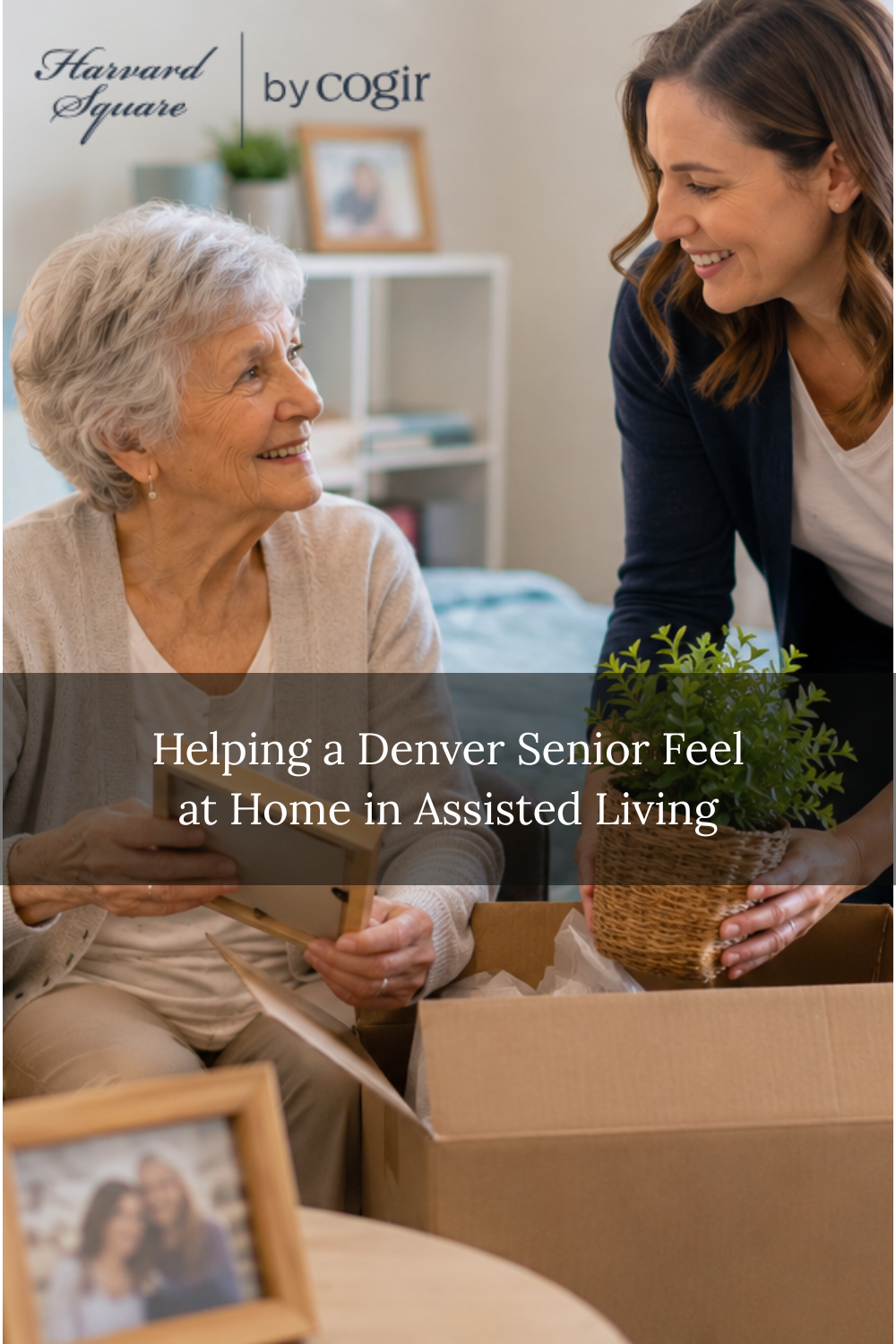
Helping a Denver Senior Feel at Home in Assisted Living
Helping a Denver Senior Feel at Home in Assisted LivingMoving to assisted living is not just a change of address. It is a change in rhythm.For an older adult, leaving a longtime home can bring relief and uncertainty at the same time. There may be fewer chores, more daily support, and opportunities to meet new people. Yet there can also be worry about giving up privacy, missing familiar routines, or wondering whether a new apartment will ever truly feel like home.For families in Denver, the transition is often emotional because the move represents more than logistics. It may follow a health change, the loss of a spouse, increasing isolation, or the realization that managing a house has become too demanding. The goal should not be to rush through that change. It should be to help the senior remain involved, respected, and connected throughout the process.Harvard Square by Cogir, located at 10200 East Harvard Avenue in Denver, offers independent living, assisted living, and memory care. Its assisted living approach combines supportive services with active programs, community connection, and opportunities for residents to continue living according to their preferences.Start With What the Senior Wants to KeepFamilies often begin an assisted living conversation by focusing on what is no longer working at home: the stairs, the missed meals, the medication concerns, or the amount of housekeeping required.Those concerns are important. But a better first question may be: What do you most want to keep in your life?The answer may be simple:Drinking coffee slowly in the morningWearing favorite clothes and keeping a familiar daily routineHaving space for family photographs and meaningful belongingsStaying close to children, grandchildren, friends, or faith communitiesEnjoying music, books, art, gardening, games, or exerciseChoosing when to socialize and when to restA successful move does not erase these preferences. It creates a setting where they may become easier to enjoy.Moving into assisted living should feel like opening a new chapter, not closing a book, says Dee Townsley. When we understand what makes a person feel like themselves, we can help make the transition more comfortable, personal, and positive.Suggested quote for Dee Townsleys review and approval before publication.Give the Older Adult a Meaningful Role in the DecisionA move can feel more difficult when a senior believes everyone else has already made the decision.Whenever possible, involve the older adult from the beginning. Invite them to tours. Ask what they liked and did not like. Let them help choose furniture, dcor, clothing, and favorite belongings to bring. Encourage questions about meals, activities, apartment layouts, visitors, and support services.Even when a family is concerned about safety, the senior should still feel heard.Instead of saying, You cannot live alone anymore, try language that focuses on support:What would make your day feel easier?What do you miss doing because home responsibilities take too much energy?Would it feel good to have help with the tasks you do not enjoy?What would you want your new space to look and feel like?Respectful language can reduce defensiveness and make the process feel collaborative.Downsize With Intention, Not PressureOne of the most emotional parts of the move is deciding what to bring.A family home may hold decades of memories, from holiday decorations and framed photographs to furniture, collections, and handwritten recipes. Trying to make every decision in one weekend can create unnecessary stress.Begin early and sort items into categories:Items the senior wants in the new apartmentThings family members may cherishObjects to donate, sell, or give awayImportant documents and valuables to secureItems that can be stored temporarily until the senior feels settledThe new apartment does not need to replicate the former home. It should reflect the person who will live there now.Harvard Square offers several apartment styles across its senior-living options, and families can ask about the layouts that may best suit a loved ones mobility, privacy, and personal belongings.A favorite chair, a familiar quilt, treasured family photos, and beloved books can transform a new space from an apartment into a home.Plan the First Week, Not Just Move-In DayMove-in day receives a great deal of attention, but the first week is often more important.A senior may feel tired, unsettled, or overwhelmed by new names and routines. Families can make this period easier by keeping the schedule calm and predictable.Helpful steps may include:Visiting during the first few days without staying so long that the senior cannot restBringing familiar snacks, music, or small comfortsIntroducing the resident to one activity at a timeEncouraging a meal in the dining room with a family member or new acquaintanceHelping them learn the route from their apartment to common areasAsking staff how they welcome new residents and build connectionsHarvard Square describes a community culture centered on connection, with resident interactions, meals, live entertainment, themed events, and social opportunities designed to help people engage with one another.The goal is not to fill every moment. It is to help the resident find a few familiar anchors in each day.Let Support Create More FreedomSome older adults worry that assisted living will make them less independent. In many cases, the right support can help them reclaim time and confidence.When a senior no longer has to manage every meal, repair, errand, or difficult household task alone, there may be more energy for relationships and personal interests. Help with daily needs can reduce stress while allowing the resident to focus on the parts of life they enjoy.Harvard Square describes assisted living as a lifestyle that combines supportive care with social programs, helping residents pursue interests and make new connections in a community setting.Families should ask how support is personalized and how care preferences are updated over time. The best plan should adapt to the residentnot force the resident into a rigid routine.Stay Connected Without Taking OverAfter a move, adult children may feel tempted to check in constantly. That instinct comes from love, but it can sometimes make it harder for a parent to establish confidence in the new environment.Instead, create a balanced pattern of connection.Schedule regular calls or visits. Attend special events when possible. Ask about new friends, favorite meals, and activities. Continue sharing family news and everyday stories. At the same time, allow the older adult room to explore the community, build relationships, and develop their own new routine.For Denver families, Harvard Squares location can make it easier for loved ones from nearby neighborhoods and surrounding communities to remain involved while allowing the senior to establish a meaningful home base.Choose a Community That Supports the Whole TransitionThe right assisted living setting is not only one that meets care needs. It is one where a senior can feel welcomed, known, and encouraged to participate in life.Harvard Square offers assisted living within a community that also features programming related to creativity, movement, entertainment, and social connection. Its lifestyle offerings include Melody & Masterpiece art experiences and nearby recreation options such as Babi Yar Park and Denver Southeast District Park.For families beginning the move process, the most helpful next step is often a conversation. Visit the Harvard Square listing on Seniors Blue Book to learn more about assisted living in Denver, explore the community, and schedule a tour that includes your loved one in the decision.Frequently Asked QuestionsHow can I help my parent adjust to assisted living?Bring familiar belongings, keep the first week calm, maintain regular contact, and encourage participation in one or two activities that match their interests.What should a senior bring to assisted living?Bring meaningful furniture, photos, clothing, books, favorite dcor, hobby materials, and small personal items that make the new apartment feel familiar.How long does it take to adjust to assisted living?Adjustment is different for every person. Some residents feel comfortable quickly, while others need several weeks or months to build confidence and new routines.Can family members stay involved after a loved one moves?Yes. Families can remain involved through visits, calls, meals, celebrations, care conversations, and support during the transition.What should I ask before choosing an assisted living community?Ask how care plans are personalized, how needs are reassessed, what apartment options are available, how activities work, and how the community supports new residents after move-in.
Jul 02, 2026

How Denver Couples Can Stay Connected in Assisted Living
How Denver Couples Can Stay Connected in Assisted LivingFor couples who have built a life together over decades, the idea of needing different levels of care can feel unsettling.One partner may still enjoy driving, managing appointments, and keeping an active social schedule. The other may need regular help with bathing, medication routines, mobility, meals, or memory changes. Families may begin asking difficult questions: Can they stay together? Will one spouse become the full-time caregiver? What happens if needs change again?These questions are increasingly common for Denver families. Aging does not always happen at the same pace for both people in a relationship. The goal is not to treat one spouse as the patient and the other as the helper. It is to find a living arrangement that supports both peoples safety, dignity, independence, and relationship.Harvard Square by Cogir, located at 10200 East Harvard Avenue in southeast Denver, offers independent living, assisted living, and memory care. The community describes an age-in-place philosophy that can support couples with different needs while helping them remain connected.Begin With the Life They Want to Continue SharingBefore discussing care levels or apartment layouts, start with the couples relationship.What parts of their daily life matter most? Perhaps they enjoy having coffee together each morning, watching a favorite show after dinner, hosting grandchildren, listening to music, or simply being near one another during quiet moments. Those rituals should not disappear simply because one person needs additional support.A thoughtful assisted living plan should help preserve:Time together without constant household responsibilitiesPrivacy and familiar daily routinesIndividual interests and social connectionsFamily visits and celebrationsA sense of shared decision-makingSupport that changes as health needs evolveThe conversation is often more productive when families focus on what the couple wants to gain, rather than only what they may be leaving behind. Fewer household repairs, regular meals, personal-care support, and a more manageable routine can create more time for companionship.Suggested quote for Dee Townsleys approval: When couples receive the right support, they can spend less time worrying about daily tasks and more time enjoying each other, their families, and the experiences that make life meaningful.Notice the Hidden Work of the Caregiving SpouseA spouse often becomes a caregiver gradually.At first, they may remind their partner about medication. Then they start preparing every meal, driving to appointments, managing laundry, arranging refills, and staying alert throughout the night. They may insist they are fine because caring for a partner feels natural.But caregiver fatigue can build quietly.The spouse providing most of the care may lose time for hobbies, friendships, exercise, rest, or their own medical appointments. They may feel guilty about needing help or worry that considering assisted living means they are breaking a promise.Assisted living can change that dynamic. Support with personal care, medication management, meals, housekeeping, and daily routines may allow the caregiving spouse to return to being a husband, wife, or partner rather than carrying every responsibility alone.That shift can protect the relationship. Instead of spending each evening managing tasks, the couple may have more room for conversation, shared meals, family visits, or simple time together.Look for a Community That Can AdaptA good community should meet current needs while also giving families room to plan for possible changes.Harvard Square offers independent living, assisted living, and memory care in one Denver community. Its assisted living information describes individualized service plans, help with daily tasks, medication management, dining support, appointment scheduling, and coordination as residents needs change.During a tour, ask clear questions:Can one spouse receive more care than the other?How are individual service plans developed and updated?What happens if one partner needs more help after moving in?Are there options if memory support becomes necessary?How does the team communicate with adult children or other loved ones?Can the couple remain involved in decisions about their daily routines?Families should not assume that a one size fits all plan will work. Each spouse may need a different level of support, and those needs may change over time.Keep Individuality in the PictureStaying together does not mean doing everything together.One spouse may enjoy a fitness class, art project, or social gathering while the other prefers a quieter afternoon. One may want to attend live entertainment, while the other chooses a movie or a visit with family. Healthy relationships often depend on having room for individual preferences.Harvard Square promotes lifestyle programming that includes creative activities through Melody & Masterpiece, movement opportunities through Forever Fit, live entertainment, social events, and resident connection.When touring, families should ask about activities for both partners. The goal is not just to find programming for the person needing care. It is to make sure each spouse has opportunities to stay engaged, build friendships, and maintain a sense of purpose.Choose an Apartment With Daily Life in MindApartment selection can become especially important for couples.Think beyond square footage. Consider where the couple will sit together, whether there is enough room for favorite furniture, and how easy the bathroom and bedroom areas will be to navigate. Ask whether there is space for family photos, a familiar chair, books, or a small table where they can share coffee.Harvard Square lists apartment options from studios through two-bedroom layouts, depending on the lifestyle and care setting. Its floor-plan information notes that options, availability, and details can vary, so a current tour is the best way to compare choices.A new apartment does not need to replicate a longtime home. It should feel comfortable enough for the couple to continue living their life together.Let Family Members Support Without Taking OverAdult children often become involved when one parents care needs increase. Their support can be valuable, but couples should remain central to the decision-making process whenever possible.Instead of saying, You need to move, try asking:What has become hardest about living at home?What would make each day feel easier for both of you?Would help with meals or personal care give you more time together?What do you want your next home to feel like?This approach respects the couples autonomy while opening the door to practical planning.Family members can also help by touring with their parents, taking notes, asking about care-plan changes, and helping organize the move. After the move, visits can remain meaningful through shared meals, celebrations, and everyday conversation.Make the Transition a Shared New ChapterMoving to assisted living can bring grief, but it can also bring relief.For couples who have been overwhelmed by household demands or uneven care needs, the right community may create a new rhythm: more support, more connection, and fewer daily worries. Harvard Squares community information emphasizes social connection, resident ambassadors, group events, chef-prepared dining, and programming intended to help new residents feel welcome.For Denver couples, the best assisted living option is not simply the place with the most amenities. It is the setting where both people can feel supported, respected, and still connected to one another.Visit the Harvard Square listing on Seniors Blue Book to learn more about assisted living options in Denver, explore care support for couples, and schedule a tour with your loved ones.Frequently Asked QuestionsCan spouses live together if one needs more care?Often, yes. Ask the community how it supports couples with different care needs and whether individual service plans can be adjusted over time.What happens if one spouse eventually needs memory care?Communities with multiple lifestyle options may be able to discuss transitions and support choices. Harvard Square offers independent living, assisted living, and memory care.Does assisted living reduce the caregiving spouses role?It can reduce the daily tasks that create stress, allowing the spouse to focus more on companionship and shared time.Should both spouses tour assisted living communities?Yes. Both partners should have the opportunity to ask questions, see apartment options, try a meal, and share what feels comfortable.How can adult children help without taking control?Listen to both parents, focus on shared goals, provide practical research, and support their preferences whenever possible.
Jul 02, 2026
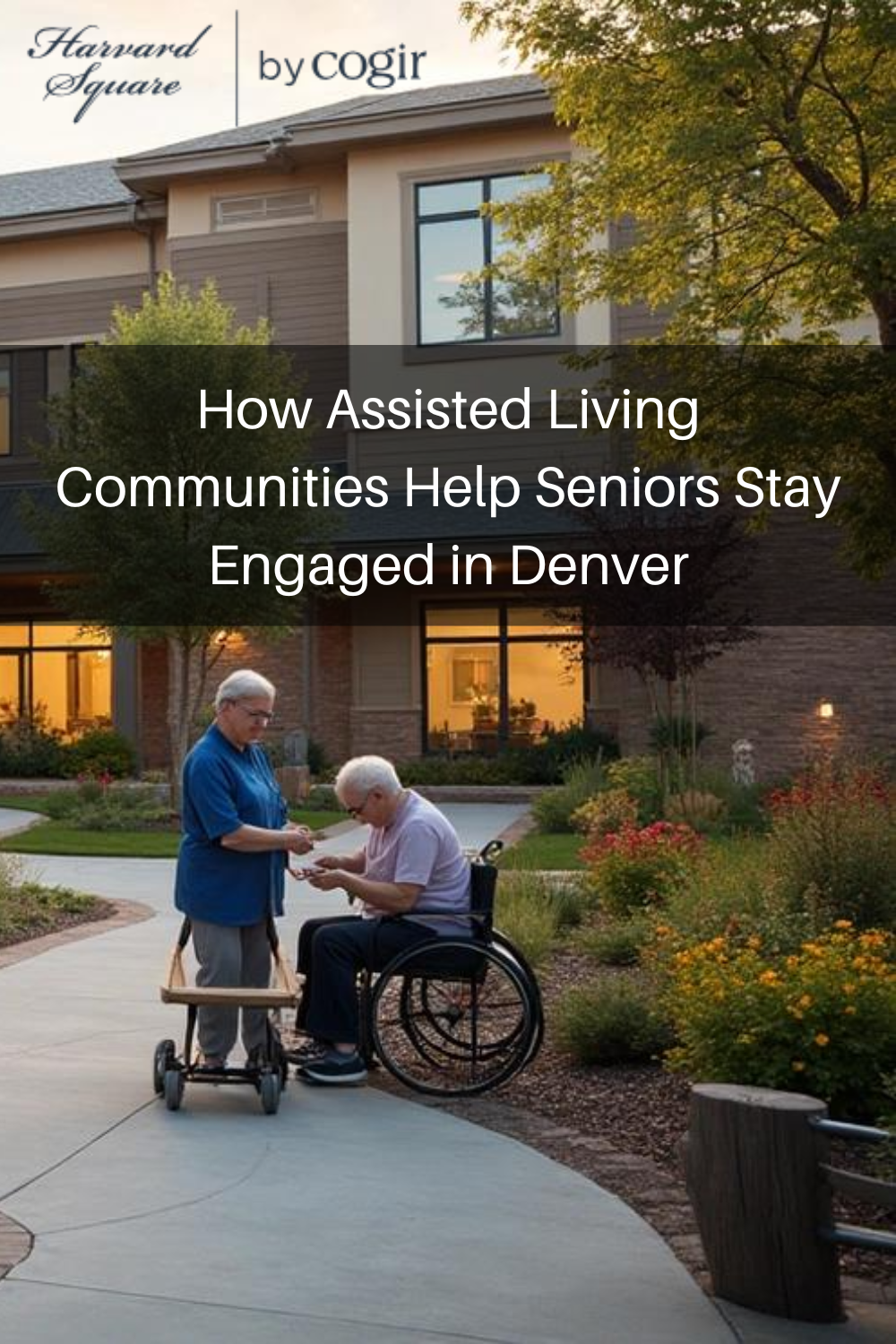
How Assisted Living Communities Help Seniors Stay Engaged in Denver
How Assisted Living Communities Help Seniors Stay Engaged in DenverRetirement should not feel like life is slowing down. For many older adults in Denver, retirement becomes an opportunity to rediscover hobbies, deepen friendships, and focus on personal wellness. Yet maintaining that sense of purpose can become difficult when daily responsibilities, health concerns, or isolation begin interfering with everyday life.That is one reason assisted living communities such as Harvard Square are helping redefine what aging looks like for Colorado seniors.Modern assisted living communities focus on creating environments where residents can continue learning, socializing, participating, and enjoying meaningful routines. Rather than simply providing assistance, these communities help seniors maintain emotional well-being and independence while reducing stress.For many Denver families, assisted living is becoming less about care and more about quality of life.Retirement Without Connection Can Feel LonelyDenver offers incredible opportunities for active older adults, from scenic parks to cultural events and neighborhood gatherings. However, many seniors living alone eventually face subtle forms of isolation.Friends may relocate. Transportation becomes harder. Family members become busy with work and parenting responsibilities. Even seniors who appear independent may spend long stretches without meaningful interaction.Over time, this isolation can affect: Mental health Physical wellness Cognitive function Motivation Confidence Communities like Harvard Square help counteract those challenges by creating daily opportunities for connection.Residents can engage in conversations during meals, attend organized activities, participate in group wellness programs, and build friendships with neighbors who share similar experiences.Connection is incredibly important as we age, says Dee Townsley of Harvard Square. Seniors thrive when they feel included, valued, and part of a community.That sense of belonging often becomes one of the most meaningful benefits of assisted living.Assisted Living Supports Active AgingTodays seniors often want much more from retirement than quiet routines.Many older adults in Denver remain highly interested in: Fitness and wellness Lifelong learning Arts and creativity Community involvement Social events Outdoor activities Family gatherings Harvard Square encourages residents to stay active while also providing support tailored to individual needs.This balance helps seniors continue participating in life instead of withdrawing because daily tasks become difficult or exhausting.Residents no longer need to spend energy on housekeeping, cooking, yardwork, or home maintenance. Instead, they can focus on activities that bring enjoyment and fulfillment.Why Families Are Rethinking Senior LivingAdult children often wait too long before discussing assisted living because they worry about upsetting a parent or taking away independence.Ironically, many seniors experience more freedom after moving into a supportive environment.Without the stress of maintaining a household alone, residents often: Become more socially engaged Sleep better Eat more consistently Participate in hobbies again Feel safer and more confident Families also benefit emotionally because caregiving pressure becomes more manageable.Instead of constantly coordinating medications, transportation, or household tasks, loved ones can spend more quality time together.This shift allows relationships to feel more natural and less centered around caregiving responsibilities.Personalized Support Helps Residents Maintain ConfidenceEvery resident enters assisted living with different needs and goals.Some seniors need help remembering medications. Others may require mobility support or assistance with bathing and dressing. Some residents simply want easier daily routines and more opportunities for social interaction.At Harvard Square, care plans are individualized so residents receive support without sacrificing dignity or independence.This personalized approach helps seniors remain empowered while ensuring their health and safety needs are addressed.Families gain reassurance knowing support is available if circumstances change over time.Denvers Environment Encourages WellnessColorado seniors often prioritize wellness more actively than previous generations.Denvers emphasis on outdoor recreation, healthy living, and community engagement influences how many retirees approach aging.Assisted living communities that align with these values tend to feel especially appealing to local seniors.Harvard Square supports wellness through: Organized activities Community dining Opportunities for movement Social programming Accessible support services Safe, comfortable living spaces These elements work together to create healthier and more balanced daily routines.Assisted Living Can Reduce Safety RisksEven highly independent seniors sometimes face increasing safety concerns at home.Falls remain one of the leading causes of injury among older adults. Additional concerns may include: Medication errors Poor nutrition Driving limitations Emergency response delays Household accidents Assisted living communities provide built-in support systems that help reduce these risks while still encouraging independence.At Harvard Square, residents benefit from accessible environments and staff support designed to help seniors age safely and confidently.This proactive approach often prevents small challenges from becoming larger health emergencies later.Touring Communities Helps Families Feel More ComfortableFamilies beginning the senior living search process may initially feel overwhelmed by options.When touring assisted living communities in Denver, experts recommend observing: Resident engagement Staff friendliness Cleanliness Dining quality Community atmosphere Activity schedules Safety features Pay attention to whether residents appear genuinely comfortable and socially connected.A strong community culture often says far more than marketing materials alone.According to Dee Townsley, families should ask thoughtful questions and trust their instincts during visits.The right assisted living community should feel welcoming and authentic, Townsley says. Families deserve transparency, compassion, and a team that truly cares about residents.A New Chapter Full of OpportunityMoving into assisted living can feel emotional at first, but many residents discover unexpected benefits after settling into community life.For some seniors, assisted living becomes the beginning of: New friendships Better routines Improved health Reduced stress More enjoyable daily living Rather than focusing on what has changed, many residents begin focusing on what is now possible.Harvard Square continues helping Denver seniors navigate this stage of life with warmth, support, and respect for individuality.Families interested in exploring supportive senior living options are encouraged to visit Harvard Squares listing on Seniors Blue Book to learn more about available services and community amenities.FAQs About Assisted Living CommunitiesHow do I know if assisted living is the right fit?Signs may include increasing isolation, difficulty managing household tasks, medication concerns, or safety issues at home.Do assisted living residents have private apartments?Many assisted living communities offer private or semi-private apartment options depending on resident preferences.Can couples live together in assisted living?Yes. Many communities offer accommodations for couples with varying care needs.What activities are available in assisted living?Activities often include fitness classes, games, outings, arts programs, educational events, and social gatherings.Is assisted living available for short-term stays? Some communities offer respite or short-term care options based on availability.
May 26, 2026
Why Assisted Living in Denver Feels Different at Harvard Square
Why Assisted Living in Denver Feels Different at Harvard Square Denver has always attracted people who appreciate balance. Residents here enjoy mountain views and city convenience, peaceful neighborhoods and active cultural life, snowy winters and sunny afternoons. For older adults entering retirement, that same balance becomes even more important. Families are no longer simply looking for a place where a loved one can live safely. They want a community that encourages connection, independence, wellness, and purpose. That shift is one reason assisted living communities like Harvard Square in Denver continue to stand out among local senior living options. Located in a city known for active lifestyles and strong neighborhood identity, Harvard Square offers seniors an opportunity to maintain their routines while receiving personalized support that makes everyday life easier and more enjoyable. As Denvers senior population continues to grow, many families are asking the same important question: How do you know when assisted living is the right next step? The answer often begins with quality of life. Assisted Living Is About Support Not Giving Up Independence One of the biggest misconceptions about assisted living is that it means surrendering freedom. In reality, todays assisted living communities are designed specifically to help older adults preserve independence longer. At Harvard Square, support is tailored to each residents needs. Some seniors may need help managing medications or navigating mobility challenges, while others simply want relief from cooking, housekeeping, or home maintenance responsibilities. This flexible approach allows residents to focus on the parts of life they still enjoy most. Families are often surprised by how much their loved one thrives once the stress of daily responsibilities is removed, says Dee Townsley of Harvard Square. We see residents become more social, more active, and more confident because they finally have the right level of support. That transformation is especially meaningful in Denver, where seniors often want to stay engaged with community activities, local events, and family visits. Why Denver Seniors Are Choosing Assisted Living Earlier For many years, families delayed assisted living conversations until a health crisis forced immediate action. Today, seniors are moving earlier and experiencing better outcomes because of it. In neighborhoods throughout Denver, including areas near Washington Park, University Hills, and Cherry Creek, older adults are recognizing the advantages of proactive planning. Some of the most common reasons Denver seniors choose assisted living include: Reduced home maintenance responsibilities Increased social opportunities Access to wellness programming Safer living environments Daily dining services Medication management support Transportation assistance Peace of mind for adult children Colorados climate and active culture also encourage older adults to stay mobile and engaged. Assisted living communities that prioritize wellness fit naturally into that lifestyle. At Harvard Square, residents can enjoy organized activities, shared meals, and opportunities for connection without the isolation many seniors experience while aging alone at home. The Hidden Health Risks of Senior Isolation Loneliness among seniors has become a major national health concern. Studies from organizations like the CDC and National Institute on Aging continue to show links between social isolation and increased risks for: Depression Cognitive decline Heart disease Anxiety Reduced immune function Hospitalization In Denver, where winter weather and transportation challenges can sometimes limit mobility, isolation can quietly become a serious issue for older adults living alone. Assisted living communities help combat that isolation naturally through daily interaction and built-in opportunities for engagement. At Harvard Square, residents are surrounded by peers, caregivers, dining staff, and activity coordinators who create an environment centered around connection. Whether its participating in a group activity, sharing coffee with neighbors, or attending a wellness class, these small moments often make a major difference in emotional and physical well-being. Dining and Nutrition Become Easier Nutrition is another area where many seniors begin struggling long before families notice. Shopping becomes tiring. Cooking for one person feels discouraging. Dietary restrictions become harder to manage consistently. Over time, older adults may unintentionally skip meals or rely heavily on processed foods. Assisted living communities help eliminate those barriers. At Harvard Square, residents enjoy prepared meals in a social setting that encourages healthier eating habits and regular routines. This matters because proper nutrition directly affects: Energy levels Medication effectiveness Fall prevention Cognitive function Immune health Muscle strength For many residents, dining also becomes one of the highlights of the day because meals create natural opportunities for friendship and conversation. What Families Should Look for During an Assisted Living Tour Choosing assisted living can feel overwhelming at first. Denver families often compare several communities before making a final decision. During tours, experts recommend paying attention to more than appearances alone. Some important questions include: Does the staff seem genuinely engaged with residents? Observe interactions in hallways and common spaces. Warm, respectful communication matters. Are residents participating in activities? An active community often reflects strong programming and positive morale. Is the environment clean and welcoming? Look beyond staged areas and pay attention to dining spaces, activity rooms, and resident common areas. Are care plans personalized? Every residents needs are different. Assisted living should never feel one-size-fits-all. Is there a sense of community? The emotional atmosphere of a senior living community matters just as much as the physical amenities. According to Dee Townsley, families should trust what they feel during a visit. You can often sense whether a community truly feels like home, Townsley explains. Families should look for warmth, consistency, and genuine relationships between residents and staff. Denvers Lifestyle Makes Senior Living More Engaging One advantage of assisted living in Denver is the city itself. The area offers seniors access to: Scenic parks and walking areas Museums and cultural attractions Community festivals Intergenerational family activities Excellent healthcare systems Mild sunshine throughout much of the year Communities like Harvard Square help residents remain connected to the broader Denver lifestyle while providing the support needed to age safely and comfortably. This combination of local culture and personalized care creates a more fulfilling retirement experience than many families initially expect. Assisted Living Also Supports Family Caregivers Adult children often spend years balancing caregiving responsibilities with careers, parenting, and personal obligations. Even when caregiving comes from love, it can become emotionally and physically exhausting. Assisted living doesnt replace family involvement. Instead, it allows families to focus on relationships rather than constant caregiving tasks. Many families discover they can enjoy more meaningful visits once stress, scheduling, and safety concerns are reduced. That relief becomes especially valuable when families live across different parts of the Denver metro area and cannot always provide daily support themselves. Planning Early Creates Better Choices One of the smartest decisions families can make is starting conversations about senior living before an emergency occurs. Waiting until after a hospitalization or major health decline often limits options and creates unnecessary stress. By planning earlier, seniors have more opportunities to: Participate in decisions Explore communities comfortably Adjust gradually Build social connections sooner Maintain greater independence Harvard Square encourages families to ask questions, visit communities, and begin discussions openly and honestly. The goal is not simply finding care. It is finding the right environment for long-term happiness and wellness. A New Chapter Can Still Feel Like Home Transitioning into assisted living is a significant life change, but it can also become the beginning of a healthier, more connected chapter. For many Denver seniors, assisted living offers freedom from stress, increased social engagement, and renewed confidence. At Harvard Square, the focus remains on helping residents maintain dignity, comfort, and quality of life while continuing to enjoy everything that makes Denver special. Families exploring assisted living options are encouraged to learn more by visiting Harvard Squares listing on Seniors Blue Book and discovering how personalized senior care can support independence, wellness, and meaningful daily living. FAQs About Assisted Living in Denver What services are typically included in assisted living? Most assisted living communities provide meals, housekeeping, medication management, wellness programs, transportation assistance, and help with activities of daily living. When should someone consider assisted living? Families often begin exploring assisted living when daily tasks become difficult, isolation increases, or safety concerns arise at home. Is assisted living only for seniors with major health problems? No. Many residents move into assisted living while still relatively independent in order to enjoy social opportunities and supportive services. How much does assisted living cost in Denver? Costs vary depending on care needs, apartment size, and amenities. Denver-area assisted living communities generally offer several pricing options. Can families visit regularly? Yes. Most assisted living communities encourage family involvement, visits, and participation in events and activities.
May 26, 2026

The Value of Assisted Living in Denver
The Value of Assisted Living in DenverGrowing older often brings important changes. Tasks that once felt effortless may require more time and energy. Managing medications becomes more complicated. Driving across Denver traffic feels increasingly stressful. Home maintenance grows tiring. Family members begin worrying more frequently about safety and isolation.These changes do not mean seniors must lose independence. In fact, the right support system can often help older adults preserve independence longer while improving overall quality of life.That is exactly why many Denver families are turning to assisted living communities like Harvard Square.Modern assisted living focuses on helping residents remain engaged, comfortable, and connected while providing personalized assistance that reduces daily stress.For seniors who value both freedom and support, assisted living can provide the best of both worlds.Seniors Today Want More Than Basic CareOlder generations often viewed senior living communities as places people moved only after major health declines. Todays seniors see things differently.Many retirees actively seek communities that offer: Social opportunities Wellness programs Convenience Safety Community involvement Maintenance-free living Personalized support Denvers senior population reflects this shift strongly.Many older adults in Colorado remain active well into retirement and want environments that support continued engagement rather than limitation.Harvard Square helps meet those expectations by combining assistance with lifestyle-focused living.Our residents want to continue enjoying life while having support available when they need it, says Dee Townsley. Assisted living should empower seniors, not define them by limitations.The Emotional Impact of Living AloneMany seniors living independently experience emotional challenges that families may not immediately recognize.Loneliness can gradually develop when: Friends move away Mobility decreases Transportation becomes difficult Family members live farther away Health concerns limit activities Even seniors who appear independent externally may quietly struggle with isolation.This emotional disconnection can contribute to: Depression Anxiety Memory decline Reduced physical activity Poor nutrition Assisted living communities naturally create more opportunities for daily interaction and engagement.At Harvard Square, residents enjoy shared experiences that help foster friendships and emotional connection.Simple routines like group dining, wellness classes, and social events often create significant improvements in mood and confidence.Assisted Living Reduces Everyday StressOne of the greatest advantages of assisted living is relief from constant household responsibilities.Older adults frequently spend large amounts of energy managing: Cleaning Laundry Cooking Grocery shopping Home repairs Medication schedules These responsibilities may slowly become exhausting, especially for seniors managing mobility concerns or chronic health conditions.At Harvard Square, residents can focus more on enjoying life because many daily stressors are removed.This support allows seniors to spend more time participating in hobbies, connecting socially, and maintaining healthier routines.Why Families Feel More ReassuredAdult children often carry significant emotional pressure while helping aging parents remain safe at home.Questions frequently arise: Did Mom remember her medications? Is Dad eating enough? What happens if there is a fall? Is someone checking in regularly? These concerns can become overwhelming for families balancing careers, children, and caregiving responsibilities simultaneously.Assisted living communities help ease this stress by providing consistent support and oversight.Families gain confidence knowing professional staff members are available to assist residents while maintaining communication with loved ones.This reassurance often improves family relationships because visits become more focused on connection rather than caregiving tasks.Denver Seniors Appreciate Community-Based LivingDenvers neighborhoods are known for community spirit, walkability, and active lifestyles. Seniors here often want environments that continue encouraging engagement rather than isolation.Harvard Square reflects those values by creating opportunities for: Resident interaction Wellness activities Shared experiences Community events Comfortable social spaces The Denver area also offers access to excellent healthcare systems, cultural attractions, and recreational opportunities that contribute to a fulfilling retirement lifestyle.For many residents, assisted living becomes less about receiving care and more about gaining a supportive community environment.Personalized Assistance MattersEvery resident arrives with unique circumstances and preferences.Some individuals may need: Medication reminders Mobility assistance Help with dressing or bathing Transportation coordination Nutritional support Others simply want easier daily living and more social opportunities.Harvard Square develops individualized care plans that evolve alongside resident needs.This personalized approach helps seniors remain comfortable while preserving dignity and independence.Families appreciate knowing their loved ones care is not treated as one-size-fits-all.Early Planning Leads to Better OutcomesMany families postpone senior living conversations because they feel uncomfortable or emotionally difficult.However, waiting until after a medical crisis often limits available choices.Exploring assisted living proactively gives seniors more control over the process and creates smoother transitions.Early planning allows older adults to: Tour communities calmly Ask thoughtful questions Adjust emotionally Build social connections gradually Participate in decision-making Denver families increasingly recognize that assisted living is not simply a last resort. It can be an intentional lifestyle decision focused on wellness, connection, and support.What Families Should Look for During ToursWhen visiting assisted living communities, families should observe more than dcor or amenities.Important details include: Resident happiness Staff responsiveness Activity participation Cleanliness Dining atmosphere Communication style Overall warmth A strong community culture often becomes immediately noticeable during tours.According to Dee Townsley, authentic relationships matter most.We want residents and families to feel genuinely welcomed here, Townsley explains. Trust and compassion are essential parts of quality senior living.Assisted Living Can Be a Positive TransitionMoving into assisted living is certainly a major life change, but it can also create unexpected opportunities.Many residents discover: New friendships Better health routines Improved confidence More enjoyable daily living Reduced stress Greater peace of mind At Harvard Square, the focus remains on helping seniors continue living fully while receiving the support needed to age comfortably and safely.Families interested in learning more about assisted living in Denver are encouraged to visit Harvard Squares listing on Seniors Blue Book for additional information about services, amenities, and community life.FAQs About Assisted LivingWhat age do most people move into assisted living?Most assisted living residents are in their late seventies or eighties, although needs and timing vary individually.Can assisted living help with medication management?Yes. Medication reminders and management support are commonly included services.Are meals included in assisted living?Most assisted living communities provide daily meals and dining services for residents.How does assisted living differ from nursing homes?Assisted living focuses on supportive daily living and independence, while nursing homes provide more intensive medical care.Is assisted living available for seniors with mild mobility challenges? Yes. Many assisted living residents benefit from mobility assistance while remaining socially and physically active.
May 26, 2026
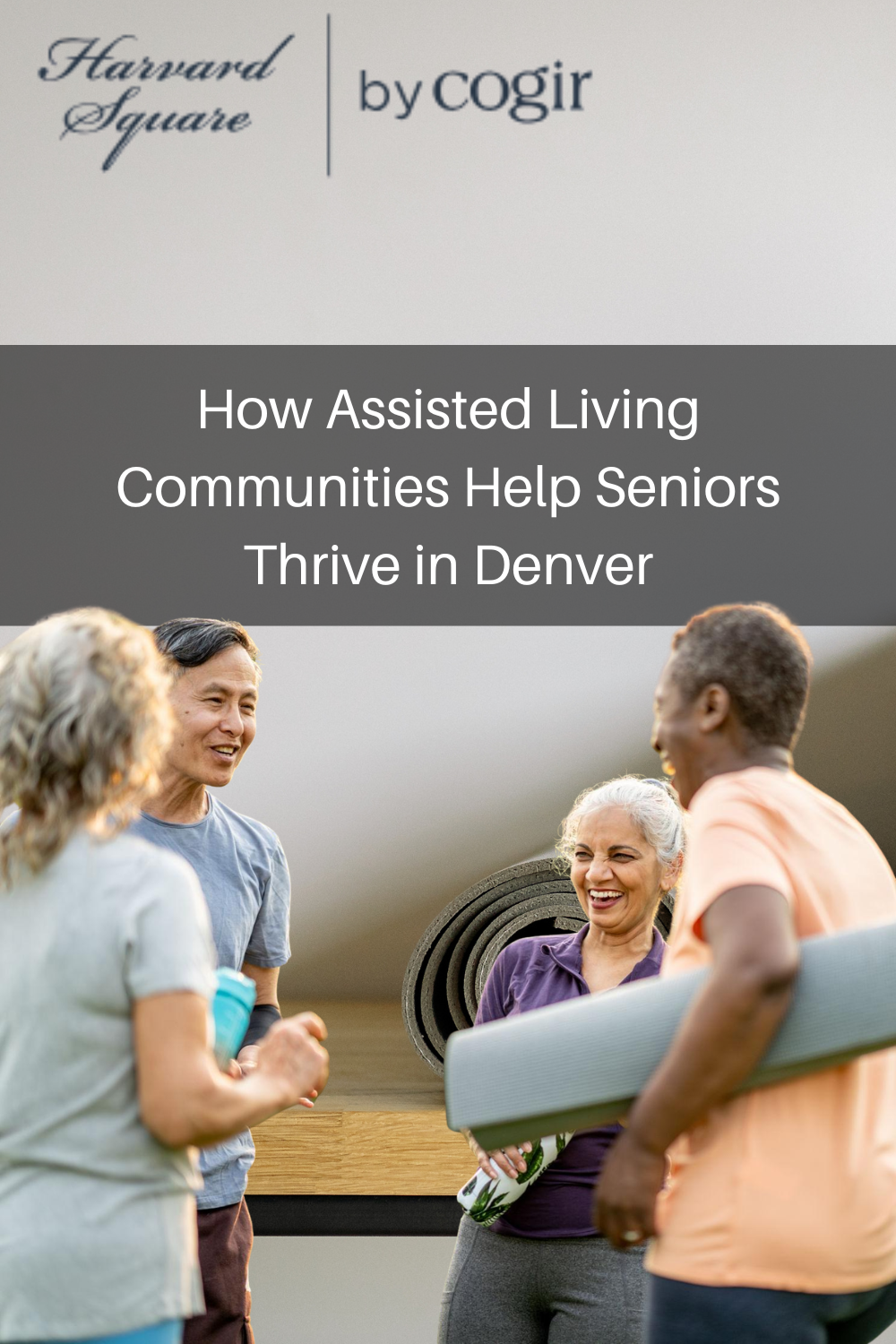
How Assisted Living Communities Help Seniors Thrive in Denver
How Assisted Living Communities Help Seniors Thrive in DenverThere comes a point in life when convenience becomes more valuable than square footage. For many older adults in Denver, retirement is no longer about maintaining a large home or keeping up with endless chores. Instead, it becomes about enjoying meaningful moments, staying socially connected, and having the freedom to focus on wellness and relationships.That transition is exactly why assisted living communities like Harvard Square are becoming increasingly important for Colorado seniors and their families.Modern assisted living is no longer defined by institutional routines or clinical environments. Todays communities are designed around lifestyle, dignity, and personalized support. Residents can enjoy independence while receiving assistance where it is needed most.In a city like Denver where seniors often value activity, nature, culture, and community assisted living can create a healthier and more fulfilling retirement experience.Why Aging at Home Is Not Always the Easiest OptionMany seniors initially hope to remain in their longtime homes forever. While aging in place works well for some people, it can become more difficult over time.Daily responsibilities that once felt simple may gradually become stressful: Climbing stairs Preparing meals Managing medications Driving in heavy traffic Cleaning and laundry Coordinating healthcare appointments For older adults living alone, these responsibilities can quietly lead to exhaustion or isolation.Denvers changing seasons can also create additional challenges. Snow, icy sidewalks, and colder temperatures sometimes make mobility more complicated for seniors trying to maintain a household independently.Assisted living communities remove many of these burdens while preserving freedom and routine.At Harvard Square, we want residents to feel supported without feeling restricted, says Dee Townsley. The goal is to make daily life easier so seniors can continue enjoying the things that matter most to them.That philosophy resonates strongly with Denver families looking for practical but compassionate care solutions.Assisted Living Encourages More Social InteractionOne of the most overlooked parts of healthy aging is social wellness.Research consistently shows that older adults who remain socially engaged tend to experience: Lower rates of depression Better cognitive function Improved physical health Increased confidence Greater emotional stability Unfortunately, many seniors living alone experience reduced social opportunities over time.Friends relocate. Driving becomes harder. Family schedules become busier. Even active older adults can slowly become disconnected from regular interaction.At Harvard Square, social connection becomes part of daily life naturally.Residents may participate in: Community events Group fitness classes Shared dining experiences Game nights Creative workshops Holiday celebrations Local outings around Denver These experiences help residents form friendships while maintaining emotional engagement and purpose.Denver Seniors Want Active Retirement LifestylesDenvers culture encourages movement and participation at every age. Seniors here often enjoy: Walking trails Community gatherings Arts and music events Local restaurants and coffee shops Outdoor recreation Volunteer opportunities Assisted living communities that embrace active living align perfectly with the expectations of many Colorado retirees.Harvard Square supports this lifestyle by offering residents opportunities to remain engaged while also providing the reassurance of accessible support services.This balance allows seniors to continue enjoying independence without the constant worry that sometimes comes with aging alone.Personalized Care Creates Peace of MindEvery senior has different needs, preferences, and routines. Some residents may need occasional reminders with medications, while others benefit from more hands-on support with mobility or personal care.Personalized care plans are one of the most important advantages of assisted living.Rather than applying identical routines to everyone, communities like Harvard Square tailor support based on individual circumstances.This flexibility helps residents maintain dignity and confidence while receiving the right level of assistance.Families also gain peace of mind knowing trained staff members are available if needs change over time.That reassurance becomes especially valuable for adult children balancing careers, parenting, and caregiving responsibilities simultaneously.Dining Becomes a Daily Experience AgainCooking can become increasingly tiring for seniors, especially when preparing meals for one person.Many older adults unintentionally begin skipping meals or relying on frozen foods and snacks because shopping and meal preparation feel overwhelming.In assisted living communities, dining becomes easier, healthier, and more enjoyable.At Harvard Square, residents benefit from regular meals served in welcoming dining spaces where conversation and community naturally happen.Good nutrition plays a major role in: Energy levels Fall prevention Medication effectiveness Cognitive health Muscle maintenance Immune support Equally important, shared meals reduce loneliness and help create daily routines that support emotional wellness.Families Often Notice Positive Changes QuicklyFamilies sometimes approach assisted living with hesitation or uncertainty. However, many notice improvements shortly after a loved one moves into a supportive environment.Common changes include: Increased appetite Better sleep habits Improved mood More social interaction Reduced stress Greater mobility Renewed interest in hobbies This is often because seniors no longer spend all their energy trying to manage household responsibilities alone.Many residents rediscover parts of themselves they had slowly stopped engaging with, explains Dee Townsley. We often see confidence return once people feel connected and supported again.That transformation can positively affect both seniors and their family relationships.What Makes Assisted Living Communities Feel Like HomeThe best assisted living communities focus on more than care services alone. They prioritize comfort, warmth, and emotional belonging.Families touring communities in Denver should pay close attention to: Staff interactions with residents Resident engagement levels Cleanliness and atmosphere Activity calendars Dining experiences Communication style Overall sense of community A welcoming environment matters tremendously during major life transitions.Harvard Square strives to create a setting where residents feel respected, valued, and genuinely at home rather than simply cared for.Planning Ahead Gives Families More OptionsMany families delay conversations about senior living until an emergency occurs.Unfortunately, crisis decisions often create additional emotional stress and limited choices.Starting discussions early allows seniors to: Participate in decisions Explore communities comfortably Transition gradually Build social connections sooner Preserve greater independence Denver families increasingly recognize the value of proactive planning rather than reactive decision-making.Even if assisted living is not immediately necessary, touring communities and gathering information early can make future decisions much easier.A Community Designed for Aging WellAging successfully involves far more than medical care alone. Emotional wellness, social connection, nutrition, safety, and purpose all play important roles in quality of life.Communities like Harvard Square help seniors maintain these important aspects of healthy aging while reducing unnecessary stress.For older adults seeking supportive, engaging retirement living in Denver, assisted living can provide both freedom and reassurance.Families interested in learning more are encouraged to visit Harvard Squares listing on Seniors Blue Book to explore available services, amenities, and lifestyle opportunities.FAQs About Assisted Living in DenverWhat is the difference between assisted living and independent living?Independent living focuses primarily on convenience and lifestyle, while assisted living also includes personalized support with daily tasks and care needs.Can assisted living residents still come and go freely?Yes. Most assisted living residents maintain active lifestyles and can participate in outings, appointments, family visits, and community activities.Does assisted living include healthcare services?Assisted living communities provide support services and coordination of care, but they are not hospitals or skilled nursing facilities.Are pets allowed in assisted living communities?Many assisted living communities have pet-friendly policies, although guidelines may vary by location.Why are more Denver seniors choosing assisted living earlier? Many seniors now move earlier to enjoy social engagement, convenience, safety, and wellness opportunities before major health challenges arise.
May 26, 2026
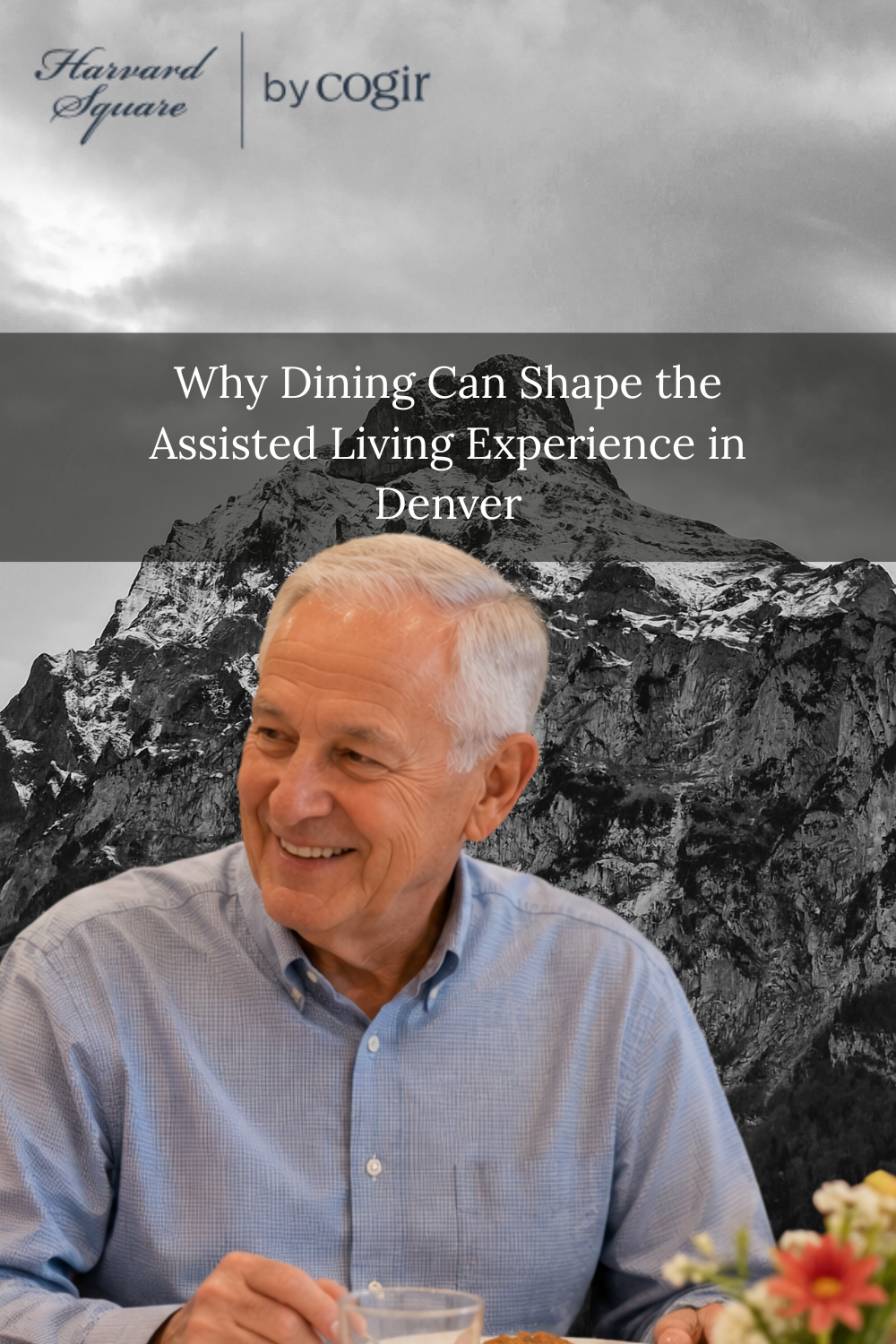
Why Dining Can Shape the Assisted Living Experience in Denver
Why Dining Can Shape the Assisted Living Experience in DenverFor many older adults, cooking changes long before anyone calls it a problem.A favorite recipe may become too tiring to prepare. Grocery trips may feel less convenient. Standing at the stove can be difficult after a health change, and eating alone can make even a good meal feel less enjoyable. Over time, meals may become repetitive, rushed, or skipped altogether.That is why dining deserves more attention when families compare assisted living communities in Denver.At Harvard Square by Cogir, located at 10200 East Harvard Avenue in Denver, assisted living combines personalized support with on-site dining, social programming, and daily services intended to make life easier and more connected. The community lists on-site culinary teams, dietary support, medication management, appointment scheduling, and assistance with bathing and grooming among its assisted living services.For a senior considering a move, the dining room may become more than a place to eat. It can be a daily gathering point, a source of routine, and one of the first places where new friendships begin.The Hidden Work Behind Every Meal at HomeFamilies often focus on safety concerns when considering assisted living: falls, medication changes, mobility issues, or isolation. Yet the daily work of food can become just as stressful.Shopping, carrying groceries, deciding what to cook, preparing meals, washing dishes, and monitoring nutrition all require energy. For a senior living alone, the process can feel like a lot of work for one plate of food. For a spouse caring for a partner, meals may become another responsibility added to an already long list.When dining is available within the community, residents may spend less time managing the logistics of food and more time enjoying the experience itself.That can mean:Starting the day with a dependable breakfastSharing lunch with neighbors instead of eating aloneHaving access to meals that fit dietary preferencesAvoiding the physical demands of grocery shopping and cookingEnjoying family visits without worrying about meal preparationReturning to a more consistent daily rhythmA dining program does not take away choice. At its best, it gives older adults more freedom from tasks that have become tiring.A Good Dining Room Creates ConnectionA meal is one of the easiest ways for people to connect. It does not require special skills, a large group, or the confidence to join a new club. Someone can simply sit down, greet a familiar face, and begin a conversation.This can be especially meaningful for seniors who have become more isolated at home. A regular tablemate may become a friend. A casual lunch conversation may lead to an art class, a movie night, or an invitation to a community event.Harvard Square describes its culture as one centered on connection, with resident ambassadors who welcome newcomers through shared meals, conversation, and community activities. The community also highlights Sunday brunches, themed dinners, holiday gatherings, happy hours, and live entertainment.For a new resident, those moments can make a large difference. A familiar face in the dining room can help a community begin to feel less new.Suggested quote for Dee Townsleys approval: Dining should feel welcoming, personal, and enjoyable. It is one of the simplest ways residents can build connections while keeping a steady, comforting rhythm in their day.What Families Should Notice During a Meal VisitA community tour may include a look at the dining room, but families should try to visit during an actual meal whenever possible.Observe the atmosphere.Are residents greeted warmly? Do team members seem patient and attentive? Are people talking with one another, or do they appear disconnected? Does the space feel comfortable and unrushed?It is also helpful to ask specific questions:How are food preferences and dietary needs documented?Are there menu choices at meals?What happens when a resident misses a meal because of an appointment or illness?Can family members join residents for meals or special events?How are changes in appetite or nutrition concerns communicated?Are snacks and beverages available between scheduled meals?Harvard Square states that its culinary team prepares meals while considering residents dietary needs and preferences. Families should still discuss individual medical, allergy, swallowing, or nutritional concerns directly with the community and the appropriate healthcare professionals.Dining Can Support a More Predictable DayFor some seniors, the most valuable part of community dining is consistency.When meals happen at regular times, the day has helpful structure. Breakfast can signal the start of the morning. Lunch may be an opportunity to catch up with friends. Dinner can become a relaxed end to the day rather than another task to manage.That rhythm may be especially helpful after a move, when everything feels unfamiliar. A resident may not yet know the activity calendar or have close friends in the community, but they can usually begin with a meal.The dining room can also be a comfortable place for relatives to visit. Instead of adult children arriving with takeout bags or trying to cook in a parents apartment, they may be able to sit down together and focus on conversation.For families coming from across Denver, Aurora, Lakewood, or nearby South Metro communities, that can make visits feel simpler and more natural.Food Is Part of BelongingMany families worry that moving into assisted living will feel institutional. Dining is one area where a community can show whether it understands the importance of everyday comfort.The goal is not only a polished menu. It is whether residents have choices, familiar routines, and opportunities to feel included.Harvard Square offers assisted living alongside independent living and memory care, as well as social and lifestyle programs including art experiences, fitness opportunities, entertainment, and virtual experiences.A resident may begin the day with breakfast, join an activity, meet a friend for lunch, rest in the afternoon, and enjoy a themed dinner or music event later on. For someone who has spent years eating alone or feeling overwhelmed by household responsibilities, that kind of routine can feel like a meaningful change.Use Colorado Resources Alongside a Community TourChoosing assisted living should include both personal observation and independent research.Colorados Department of Public Health and Environment offers a Find and Compare Facilities tool where consumers can review inspections conducted within the previous three years for licensed facilities, including citations and plans of correction when available.This resource should not replace an in-person visit. It can help families prepare stronger questions and better understand the communitys regulatory history before making a decision.Explore the Dining Experience at Harvard SquareThe right assisted living community should make everyday life feel easier without making it feel less personal.For seniors in Denver, dining may be one of the first signs that support can create more freedom: fewer chores, more routine, and more opportunities to connect with others.Visit the Harvard Square listing on Seniors Blue Book to learn more about its assisted living community, dining experience, and lifestyle offerings. Schedule a tour and ask to see what an ordinary mealtime feels like.Frequently Asked QuestionsAre meals included in assisted living?Meal arrangements vary by community and care level. Ask what meals are included, whether snacks are available, and how special dietary needs are addressed.Can assisted living communities accommodate dietary preferences?Many communities can work with dietary preferences and needs. Harvard Square states that its culinary team caters to dietary needs and preferences as part of assisted living services.Can relatives join a resident for a meal?Guest dining policies differ by community. Ask about family meals, holiday events, reservations, and guest fees during your tour.Why is dining important for seniors in assisted living?Dining can provide daily structure, nutrition support, social interaction, and an easier alternative to cooking and grocery shopping alone.How can I evaluate a communitys dining program?Visit during a meal, observe resident interaction and service, ask about menu options and dietary accommodations, and discuss any specific health needs with the community.
Jul 02, 2026
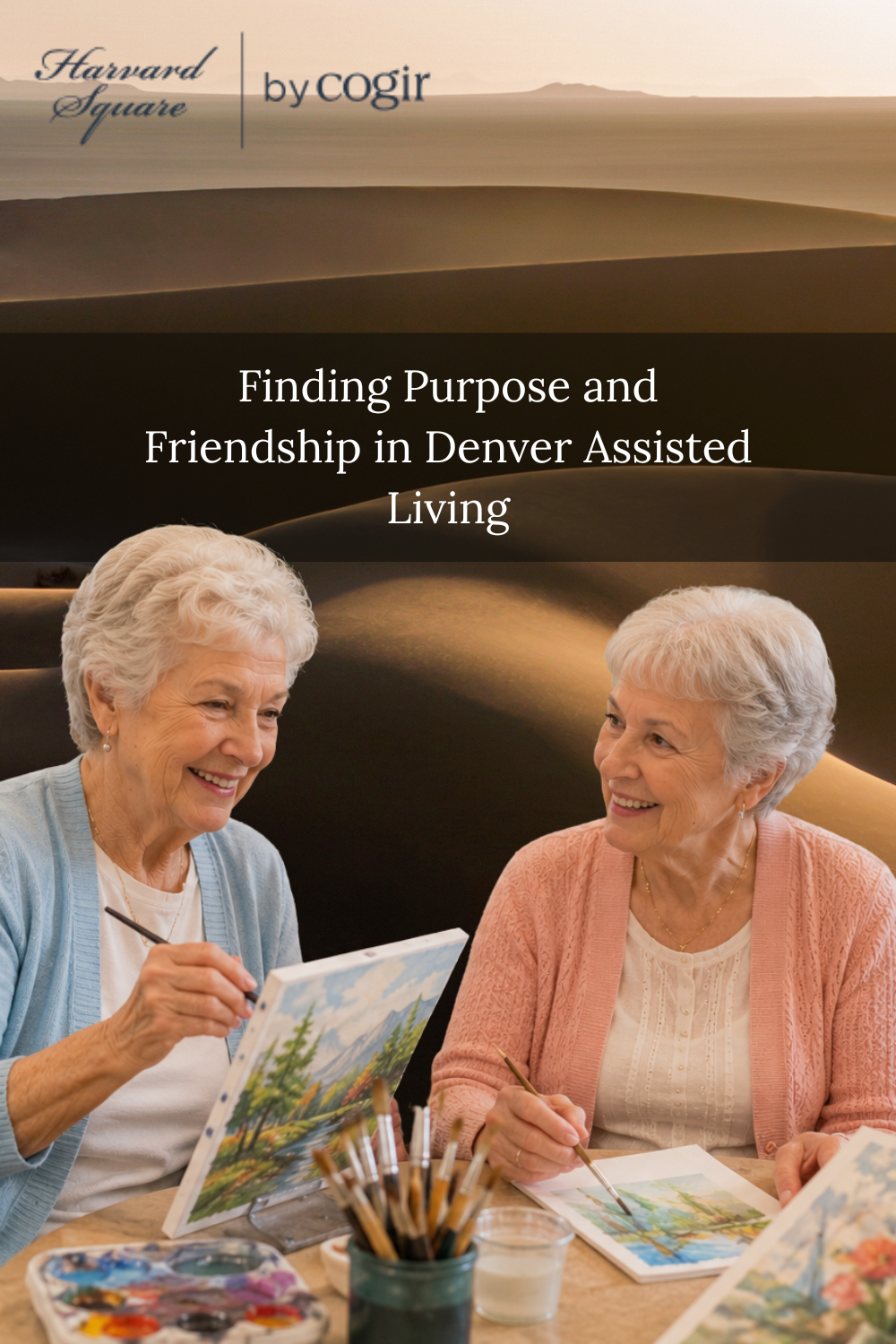
Finding Purpose and Friendship in Denver Assisted Living
Finding Purpose and Friendship in Denver Assisted LivingFor many older adults, the hardest part of aging is not always a physical change. It can be the gradual loss of the routines that once gave each day a sense of purpose.A person may retire from a career they loved, stop driving regularly, lose a spouse, or find that managing a home takes more energy than it once did. Days can become quieter. Favorite activities may happen less often. Even seniors who are surrounded by family can begin to feel disconnected from the friendships, hobbies, and small responsibilities that once made them feel like themselves.Assisted living can offer more than help with daily tasks. In the right environment, it can create new opportunities for connection, creativity, movement, and belonging.Harvard Square by Cogir, located at 10200 East Harvard Avenue in Denver, provides assisted living alongside independent living and memory care. Its assisted living lifestyle combines personalized support with social programming designed to help residents pursue interests, build friendships, and participate in community life.Purpose Looks Different for Every PersonPurpose does not have to mean a packed schedule.For one person, it may mean tending a plant, joining a fitness class, or talking with friends over lunch. For another, it may mean painting, watching live music, helping welcome a new neighbor, or participating in a discussion about a favorite travel destination.The most meaningful activities are often the ones that remind a resident of who they have always been.A former teacher may enjoy sharing stories and helping others feel included. A lifelong gardener may appreciate time outdoors. Someone who spent years caring for family may find joy in being able to relax, attend an event, and let someone else handle dinner preparation.The goal of assisted living should not be to keep residents busy every minute. It should be to create choices that help each person feel connected to their interests, abilities, and personal history.Suggested quote for Dee Townsleys approval: A full calendar is not the goal. The goal is helping each resident find the moments, relationships, and activities that give their day meaning.When Life at Home Starts Feeling SmallerA senior may still be capable of living at home while quietly participating in less of life.The reasons are often practical. Denver traffic may make driving feel stressful. A mobility change can make outings harder to manage. Winter weather may discourage someone from leaving the house. Grocery shopping, cooking, laundry, home maintenance, and appointment coordination can take so much energy that hobbies begin to disappear.Families sometimes notice that their loved one is spending more time alone, declining invitations, or talking less about the things they used to enjoy.These changes do not mean the person has lost interest in life. They may simply need a more supportive environment that makes connection easier.At Harvard Square, residents can participate in programs that include creative classes, fitness opportunities, virtual travel experiences, live entertainment, themed events, brunches, and holiday celebrations. The community also describes a culture of connection that encourages residents to meet through meals, events, and everyday conversations.Activities Should Feel Like Invitations, Not RequirementsSome seniors worry that moving to assisted living means being expected to participate in every event. That should not be the case.A welcoming community respects different personalities. Some residents enjoy large gatherings, games, group fitness, and happy hours. Others prefer quieter activities, such as a creative project, conversation over coffee, reading in a common area, or listening to music.The best activity programs offer opportunities without pressure.Harvard Square highlights Melody & Masterpiece, an art-focused program where residents can explore creative classes and hands-on experiences. It also offers Virtual Voyages, which brings travel and cultural experiences into the community through immersive programming.These types of options can be especially helpful for seniors who may no longer feel comfortable traveling independently but still want to learn, explore, and try something new.Friendship Often Begins in Ordinary MomentsMaking friends as an adult can feel difficult at any age. After moving into a new community, a senior may worry that everyone else already knows one another.That is why small interactions matter.A shared lunch table can become a familiar routine. A greeting in the hallway can lead to a conversation. A new resident may meet someone during an art class, at live entertainment, or while sitting outside on a pleasant Denver afternoon.Harvard Square says resident ambassadors help welcome newcomers by sharing meals, conversation, and community experiences. That kind of personal introduction can make the first weeks feel less intimidating.Families can help by encouraging their loved one to try one thing at a time. A resident does not need to attend every event or make several friends immediately. Sometimes one enjoyable meal, one familiar face, or one favorite activity is enough to begin building confidence.Movement Can Build ConfidenceStaying active does not mean every resident needs a demanding exercise routine.Movement can be as simple as stretching, walking through the community, participating in a seated class, joining a gentle fitness program, or spending time outdoors. The important thing is finding a level of activity that feels safe, enjoyable, and realistic.Harvard Square promotes active lifestyle programming, including fitness-focused opportunities intended to support engagement and connection among residents.Families should ask how activities are adapted for mobility concerns and whether residents can participate at their own pace. A supportive environment should encourage progress without creating embarrassment or pressure.Family Involvement Still MattersA move to assisted living does not replace family relationships. It can make those relationships feel more enjoyable.When a senior has support with meals, housekeeping, personal care, and daily routines, adult children may have more time to visit as family instead of spending every moment completing chores.Families can remain involved by:Joining a loved one for meals or special eventsAsking about new activities and friendshipsBringing favorite photos, books, or hobby suppliesCelebrating birthdays and holidays togetherEncouraging participation without forcing itStaying connected through regular calls and visitsThe goal is to help a senior develop confidence in the community while still knowing their family is present and supportive.Questions to Ask During a TourWhen touring assisted living, families often ask about apartments, costs, and care services. They should also ask questions about daily life.Consider asking:What activities are available each week?How are new residents introduced to programs and other residents?Are activities adapted for different mobility levels and interests?Can residents participate in events at their own pace?How does the community help someone who is shy or hesitant to join in?What opportunities are available for creativity, movement, music, and social connection?The answers can reveal whether a community sees activities as a checklist or as an important part of resident well-being.Discover a New Rhythm at Harvard SquareAssisted living should not focus only on what a person needs help with. It should also create room for what they still want to enjoy.For Denver seniors, a community like Harvard Square may offer the chance to trade household stress for more time with friends, more opportunities to explore interests, and more reasons to look forward to each day.Visit the Harvard Square listing on Seniors Blue Book to learn more about assisted living in Denver, community programs, and opportunities to schedule a tour.Frequently Asked QuestionsWhat types of activities are offered in assisted living?Activities vary by community but may include art, exercise, music, games, outings, social events, lectures, movies, holiday celebrations, and group dining.Do residents have to participate in activities?No. Residents should be able to choose programs that match their interests, energy level, and comfort.Can assisted living help with loneliness?A community setting can create more opportunities for meals, activities, conversations, and regular contact with others. Families should ask how a community welcomes new residents and encourages connection.Can activities be adapted for seniors with mobility concerns?Many communities offer programs for varying abilities. Ask how fitness, creative, and social activities are adjusted to support different needs.How can I help my parent get involved after a move?Encourage them to try one activity or meal at a time, ask about their interests, and remain patient while they build comfort and relationships.