$5,695/month


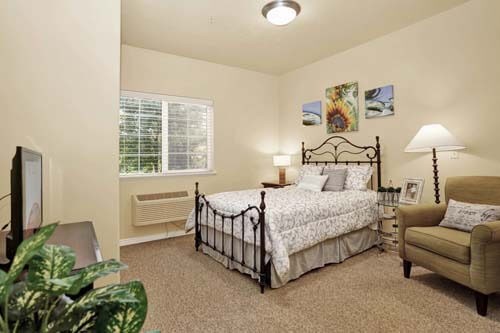




About Highland Glen - MBK
At Highland Glen, our focus is on the health and well-being of our residents and their families. Our dedicated team of associates is available to provide support and assistance 24-hours a day based on our residents' individual needs and we can customize a care and service plan to meet those needs. With the requisite personal support, our assisted living residents can continue to enjoy their gracious apartment home and the social and recreational opportunities at Highland Glen. To learn more, please visit our website.General Property Features
- Fitness Center, Guest Parking, Controlled Access, Handicap Access, Wheelchair Accessible, Private Rooms, Wanderguard
- Laundry Service - Provided, Laundry Service - Self Serve, Nurse on Staff, Respite Care, Respite/Short Term Stay, Scheduled Transportation, Short-Term Care, Transportation, Activities, Housekeeping, Meals/Meal Options, Social Programs
- Secured Memory Care Unit
Memory Care
- www.mbkseniorliving.com/senior-living/ut/highland/highland-glen
- 31
- $5,695.00
- Price All Inclusive
- Studio
- Doctor Visits, Off Campus Outings, Alz/Dementia Residents Only, Secured Courtyard, Activities
Additional Levels of Care Offered

Highland Glen - MBK
Assisted Living 10322 North 4800 West, Utah County, Highland, Utah, 84003At Highland Glen, our focus is on the health and well-being of our residents and their families. Our dedicated team of associates is available to provide support and assistance 24-hours a day based on our residents~ individual needs and we can customize a care and service plan to meet those needs. With the requisite personal support, our assisted living residents can continue to enjoy their gracious apartment home and the social and recreational opportunities at Highland Glen. To learn more, please visit our website.
Continue Your Search! Explore More Local Options.
Start SearchingLet’s engage and get educated!
Browse through thousands of expert articles in over 100 different categories.
Browse NowArticles You May Like
Finding Your Path: How to Evaluate a Philosophy During Your Next Visit
We've all felt that sudden spike of panic misplacing our car keys. Imagine experiencing that same disorientation, but instead of missing keys, the unfamiliar territory is your own living room. Many families assume a strong Memory Care philosophy simply means locking doors to keep loved ones safe from wandering. However, modern approaches reject this idea of mere containment in favor of active thriving.Research from leading neurologists reveals a profound truth about dementia: emotional memory persists long after factual memory fades. An individual might completely forget what they ate for lunch, but they will absolutely remember how the caregiver made them feel during the meal. Feelings outlast facts every single time.MBK's Memory Care program builds its entire foundation on this understanding of the human heart and brain. Instead of focusing solely on task-based routines, our innovative Memory Care model uses a holistic approach to nurture the person who is still very much present.Improving quality of life in senior living requires moving beyond basic clinical safety toward deep, meaningful engagement. Tailored, relationship-focused environments turn moments of confusion into daily opportunities for joy.From Medical Task-Lists to Social LivingWaking up to a stranger rushing you out of bed just to meet a communitys strict morning schedule is a jarring experience. For years, traditional Memory Care programming followed this rigid path, treating individuals primarily as patients needing management rather than people needing a home. Today, the most effective communities have embraced a profound shift.The fundamental difference between medical and social models of care comes down to priorities. In a clinical framework, care is highly task-orientedfocused mostly on getting residents bathed, medicated, and fed on time. When someone living with dementia feels rushed through an assembly line of chores without understanding why, they naturally become frightened or agitated, causing reactions often mistakenly labeled as "bad behavior."Moving toward a social model involves three key markers: emotional connection, daily purpose, and a comforting environment. Instead of institutional corridors, modern communities use a "neighborhood" design, such as MBKs Connections for Living Memory Care neighborhoods, clustering rooms around shared living spaces to foster natural conversations. Within this cozy setting, the benefits of routine in dementia support flourish, creating a gentle, predictable daily rhythm like a favorite song rather than a harsh schedule.Removing the pressure of a clinical checklist allows your loved one's unique personality to gently resurface. Establishing this safe, social foundation is the vital first step of a true person-centered dementia care model.Why 'Person-Centered Care' Is the Only Way to See the Individual Behind the DiagnosisWhile a medical chart details a diagnosis, a "Life Story" reveals the person. True person-centered care uses your loved one's personal history as a vital clinical tool, not just polite conversation. If a care team knows that a resident was a night-shift baker for forty years, they won't force an early morning wake-up call. Instead, they adapt to the individual, acting like a tailor fitting a custom suit rather than a factory assembly line.Letting individuals maintain control over their daily rhythms is the heart of resident-directed care. When team members adapt to a person's natural preferenceswhether that means eating breakfast at noon or wearing a favorite mismatched sweaterfrustration plummets. This holistic approach to cognitive health dramatically decreases severe agitation, which frequently reduces the reliance on heavy antipsychotic medications simply by removing the forced friction from daily life.Finding a community that genuinely practices these methods requires looking past the polished marketing brochures. When learning how to evaluate resident-directed care during a tour, ask these four revealing questions to see if they treat residents as names or numbers: How do you gather and use a resident's Life Story? Can residents choose their own wake-up and meal times? How do you handle a resident who refuses personal care? Do caregivers have dedicated time for social connection? Knowing the person allows staff to respond to emotional distress with empathy and genuine validation.Turning Confusion into Connection: The Power of Validation TherapyThe urge to correct a loved one when they insist they must pick up children who are actually fully grown adults is a common caregiver reflex. However, constantly forcing these reality checks causes deep emotional distress and accelerates caregiver burnout. Instead, compassionate Memory Care teaches us to pause and recognize that every behavior is essentially a form of communication.When someone living with dementia says something factually incorrect, they are usually expressing a genuine underlying feeling. Validation therapy for Alzheimer's disease encourages us to step into their reality rather than dragging them into ours. If a mother is frantically looking for her babies, she isn't simply disoriented; she is communicating a profound need to nurture or feel secure.Successfully managing behavioral symptoms of memory loss requires a simple three-step response: listen, empathize, and redirect. First, hear their words without judgment, then validate their feelings by asking them to tell you about their kids, and finally, gently transition them to a calming, related activity.Honoring these emotional needs builds trust and naturally paves the way for giving individuals meaningful daily tasks and restored agency.How the Montessori Method Restores Agency to SeniorsSitting idle all day breeds frustrating restlessness, a feeling individuals with memory loss experience intensely when lacking purpose. Traditional care often focuses on rehabilitation bytrying to force the brain to regain lost skills. Instead, modern habilitation focuses entirely on the abilities that still exist. By nurturing what remains, the Montessori method for dementia proves that a daily sense of purpose is the best medicine for cognitive health.Rather than doing everything for a loved one, effective life enrichment strategies for seniors invite them to participate in daily rhythms. This approach leverages deep-rooted muscle memory when short-term memory fails, restoring personal agency, preserving physical dexterity, and replacing boredom with meaningful contribution. Caregivers can easily introduce adapted, failure-free roles, such as: Folding warm towels or napkins Setting the table before meals Arranging fresh flowers Meaningful sensory stimulation activities for cognitive decline do much more than simply pass the time. When seniors are gently guided toward familiar, tactile tasks during the late afternoon, it naturally channels their energy and significantly reduces the agitation known as "sundowning." Just as purposeful work creates internal calm, the physical space around them must also support their success through peaceful, therapeutic design.How Therapeutic Environments Reduce AgitationWalking into a chaotic supermarket often triggers an instant sense of overwhelm. For individuals living with dementia, poorly designed rooms cause that same anxiety, meaning the physical space itself must act as a "Silent Caregiver." When creating a therapeutic environment for aging, the primary goal is eliminating subtle distress triggers like harsh floor shadows, overlapping background noise, and confusing visual clutter.This comforting layout heavily relies on "wayfinding"using simple visual cues, like a brightly painted bedroom door, to help residents navigate without feeling lost. Instead of dead-end corridors that spark panic, thoughtful designs feature continuous circular hallways that naturally guide people back toward safe communal areas. These supportive concepts reflect the Eden Alternative principles in nursing, which aim to replace cold, medical institutions with warm, vibrant habitats filled with plants and familiar comforts.Abundant natural sunlight also anchors the internal "Rhythm of the Day," naturally regulating sleep cycles to prevent late-afternoon agitation. Ultimately, when choosing the right setting for memory support, observing how a community uses light and space reveals their true dedication to well-being. Recognizing these subtle physical details empowers families to evaluate a community's true care philosophy.Finding Your Path: How to Evaluate a Philosophy During Your Next VisitYou no longer have to view a dementia diagnosis through a lens of helplessness. By understanding true Memory Care philosophy, you can comfortably look past glossy brochures to find genuine, person-centered support. When choosing the right setting for memory support, remember that community culture matters far more than fancy furniture.Bring this 5-point "Vibe Check" on your tours to separate marketing speak from actual implementation: Listen to the language: Do team members constantly correct residents (Red Flag), or do they validate their current reality? Look at the schedules: Is daily life rigidly dictated by a clinical clock (Red Flag), or is it entirely resident-directed? Observe the engagement: Are people parked passively in front of televisions (Red Flag), or involved in purposeful, everyday tasks? Assess the interactions: Do caregivers kneel to speak at eye level with genuine warmth? Notice the atmosphere: Is the environment chaotic, or does it feel naturally calm and safe? When determining the strength of a communitys care approach, simply look for dignity, patience, and a relentless focus on the person who is still there. Beautiful lobbies mean nothing if the caregivers don't know your loved one's unique history.Start by scheduling a visit and trusting your intuition. Dementia changes the brain, but with the right empathetic environment, experiencing daily moments of joy and truly thriving is absolutely possible.
Aug 24, 2026
Activities to Enhance Memory Care Engagement
A dementia diagnosis can change many aspects of daily life, but it does not diminish a person's need for purpose, connection, creativity, or joy. In fact, meaningful engagement becomes even more important as cognitive changes progress. For families exploring Memory Care, one of the most common questions is: "What do residents do all day?" The answer should be much more than simply staying busy. The most effective Memory Care programs focus on creating opportunities for connection, supporting individual interests, and helping each person experience moments of success throughout the day. Thoughtfully designed activities can encourage social interaction, stimulate the brain, reduce anxiety, and foster a sense of belonging. Why Engagement Matters in Memory Care Research consistently shows that meaningful engagement can have a positive impact on emotional well-being, cognitive function, and quality of life for individuals living with dementia. When activities are tailored to a person's interests, abilities, and life experiences, they can help: Reduce feelings of isolation and loneliness Encourage social interaction and communication Support cognitive stimulation Promote physical movement and coordination Reduce anxiety, agitation, and frustration Foster confidence and a sense of accomplishment Create opportunities for joy and self-expression What Are Some Memory Care Activities That Support Meaningful Engagement? Music and Singing Music often remains deeply meaningful, even when other memories become more difficult to access. Familiar songs can spark emotional connections, encourage conversation, and create moments of recognition. Activities may include: Group sing-alongs Listening to favorite artists or genres Musical performances Rhythm and percussion activities Personalized playlists For many individuals living with dementia, music can provide comfort and connection in ways that words sometimes cannot. Arts and Creative Expression Creative activities allow residents to express themselves without relying on memory or verbal communication. Examples include: Painting and drawing Crafts and seasonal projects Flower arranging Adult coloring Photography and visual arts The goal is not creating a perfect finished product but enjoying the process and sense of accomplishment. Reminiscence and Life Story Activities Reflecting on meaningful life experiences can help strengthen identity and encourage conversation. Activities may include: Looking through photographs Sharing family stories Discussing favorite hobbies or careers Exploring historical events and cultural memories Memory boxes filled with familiar items These experiences help reinforce a person's sense of self while creating opportunities for meaningful connection. Physical Activity and Movement Regular movement supports overall wellness while helping maintain mobility, balance, and independence. Depending on individual abilities, activities may include: Walking groups Chair yoga Stretching exercises Dance and movement classes Gardening Outdoor experiences Even gentle movement can support both physical and emotional well-being. Sensory Experiences Sensory engagement can be particularly beneficial for individuals living with more advanced stages of dementia. Examples include: Aromatherapy Hand massages Textured materials and sensory objects Nature experiences Baking and cooking activities Pet therapy visits These experiences can provide comfort, reduce stress, and create moments of calm and connection. The Importance of Personalization While activity calendars are valuable, meaningful engagement is not one-size-fits-all. A former teacher may enjoy helping lead a discussion group. A lifelong gardener may find purpose tending flowers. Someone who spent years raising a family may enjoy folding towels, setting tables, or helping prepare for an event. The most successful Memory Care programs focus less on filling time and more on understanding each person's interests, strengths, routines, and preferences. How MBK Senior Living Supports Memory Care Engagement At select MBK Senior Living communities, Memory Care programming is guided by our specialized approach designed to support residents living in our Connections for Living neighborhoods through relationship-centered care, meaningful experiences, and purposeful engagement. By building genuine connections and understanding each resident as an individual, team members can create opportunities that reflect personal interests, preferences, and life experiences. A cornerstone of this philosophy is the Daily Flow, an individualized approach that moves away from rigid schedules and instead supports each resident's natural rhythms, preferences, and interests. Rather than expecting everyone to participate in the same activities at the same time, Daily Flow allows team members to meet residents where they are. Some residents may thrive in a group setting, while others find greater comfort in one-on-one interactions or quieter experiences throughout the day. This flexibility helps create opportunities for engagement that feel natural, meaningful, and rooted in the relationships that support each resident's sense of belonging and purpose. Innovative Technology That Supports Connection Technology is also helping create new opportunities for engagement in Memory Care. While offerings vary by community, many MBK Memory Care neighborhoods incorporate innovative technologies that support meaningful engagement, strengthen family connections, enhance communication, and help care teams deliver more personalized support. It's Never 2 Late (iN2L) iN2L is an interactive engagement platform designed specifically for older adults. Residents can explore music, games, virtual travel experiences, cognitive activities, and family photos that encourage participation and connection. The platform allows experiences to be tailored to individual interests and abilities, helping create moments of joy, reminiscence, and discovery. Rendever Rendever uses virtual reality technology to provide immersive experiences that can transport residents to familiar places, dream destinations, and meaningful life experiences. Whether revisiting a childhood hometown, exploring a national park, or attending a virtual cultural event, these experiences can inspire conversation, evoke memories, and create powerful opportunities for connection. SingFit Music has long been recognized as a meaningful way to connect with individuals living with dementia. SingFit combines music and technology to create engaging, interactive singing experiences that encourage participation, support cognitive stimulation, and foster social connection. Familiar songs often spark memories and emotional responses that can be both comforting and uplifting. August Health August Health supports personalized care by helping care teams better understand each resident's unique needs, preferences, and changing abilities. Through enhanced communication and real-time care insights, team members can identify opportunities for meaningful engagement while ensuring support remains individualized and responsive. Go Icon Go Icon helps residents, families, and team members stay connected through a user-friendly digital communication platform. Families can easily share photos, messages, and updates, helping residents remain connected to the people and moments that matter most. For individuals living with dementia, familiar faces, shared memories, and ongoing family involvement can provide comfort, support emotional well-being, and create meaningful opportunities for engagement and conversation. Creating Moments That Matter Meaningful engagement in Memory Care is not measured by how many activities appear on a calendar. It is measured by the moments that help individuals feel connected, valued, and understood. Whether it's singing a favorite song, sharing a memory, tending a garden, or interacting with innovative technology, every experience has the potential to create purpose and joy. The best Memory Care environments recognize that meaningful living does not stop with a dementia diagnosis. Through personalized support, thoughtful engagement, and strong relationships, individuals can continue to experience connection, fulfillment, and a sense of belonging every day.
Aug 24, 2026

Understanding Senior Living Expenses: What You Need to Know
Choosing a senior living community is an important decision that involves both emotional and financial considerations. While the cost of senior living may seem complicated at first, understanding how pricing works can help families make informed decisions and plan confidently for the future.The good news is that senior living expenses often cover far more than housing alone. Depending on the community and level of care, monthly fees may include meals, utilities, maintenance, transportation, wellness programs, housekeeping, social activities, and personalized support services.As you explore your options, understanding what contributes to the costand the value those services providecan help you compare communities more effectively.Breaking Down Senior Living CostsSenior living expenses generally fall into several categories: Monthly Rent. Monthly rent typically covers a resident's apartment, utilities, maintenance, housekeeping services, and access to community amenities. Costs vary based on apartment size, floor plan, location, and community offerings. Care Services. For residents who need assistance with activities of daily living such as bathing, dressing, medication management, or mobility support, additional care fees may apply. In Assisted Living and Memory Care settings, care is often customized to the individual's needs and adjusted as those needs change over time. Dining, Programs, and Amenities. Many senior living communities include chef-prepared meals, fitness and wellness programs, transportation services, educational opportunities, entertainment, and social events as part of the monthly fee. These services provide convenience and support while helping residents remain active, engaged, and connected. One-Time Fees. Some communities charge a move-in fee, community fee, or administrative fee that helps cover onboarding, apartment preparation, and initial service setup. What Factors Affect Senior Living Costs?Several factors influence the cost of senior living, making it essential to understand what youre paying for: Location. As with housing costs, geography plays a significant role. Communities in metropolitan areas or regions with higher costs of living generally have higher monthly rates. Apartment Size and Features. Private apartments, larger floor plans, premium views, patios, or upgraded finishes may increase monthly costs. Level of Care. Independent Living is generally the most affordable option because it does not include personal care services. Assisted Living and Memory Care typically cost more because they provide increasing levels of support and staffing. Community Offerings. Communities that offer extensive wellness programs, specialized Memory Care programming, transportation, multiple dining venues, or premium amenities may have higher monthly fees. Understanding Pricing ModelsNot all senior living communities structure pricing the same way. Common structures include: All-Inclusive Pricing. Some communities bundle housing, dining, utilities, activities, and many services into a single monthly fee. This can simplify budgeting and provide greater predictability. La Carte Pricing. Other communities charge separately for services and care. While this approach may offer flexibility, monthly expenses can fluctuate as needs change. When comparing communities, ask for a detailed breakdown of what is included and what may result in additional charges.Planning for Senior Living ExpensesMany families are surprised to learn there are multiple ways to help pay for senior living. Personal Assets. Savings, retirement accounts, pensions, Social Security benefits, and proceeds from the sale of a home are common funding sources. Long-Term Care Insurance. Depending on the policy, long-term care insurance may help offset Assisted Living or Memory Care expenses. Veterans Benefits. Eligible veterans and surviving spouses may qualify for benefits that can help cover certain care-related costs. Government Assistance Programs. Programs such as Medicaid may help pay for care services for qualifying individuals, although eligibility requirements vary by state. Financial Planning Resources. Many families benefit from speaking with a financial advisor, elder law attorney, or senior living counselor to explore available options and develop a long-term plan. Looking Beyond the Monthly FeeWhile cost is important, it's equally important to consider what families receive in return.According to CareScout's 2025 Cost of Care Survey, the national median cost of Assisted Living is now approximately $6,200 per month. Costs continue to rise nationwide as demand for senior housing and care services increases.However, comparing senior living costs to the expenses of remaining at home often reveals a more complete picture.Many homeowners continue paying for mortgage or rent, utilities, groceries, property taxes, home maintenance, transportation, housekeeping, and increasing care needs. When those costs are combined, especially when in-home care services become necessary, the financial difference may be smaller than expected.Senior living also provides benefits that can be difficult to measure financially: Opportunities for daily social interaction Access to wellness and fitness programs Chef-prepared meals Maintenance-free living Transportation services Safety features and emergency response systems Personalized care and support Relief from caregiving responsibilities for family members Research continues to demonstrate the importance of social engagement as we age. Studies cited by AARP have found that strong social connections can improve well-being, support cognitive health, and may even increase a person's odds of survival by approximately 50 percent.For many families, senior living is not simply a housing decisionit's an investment in quality of life, connection, and peace of mind.Questions to Ask When Comparing CommunitiesAs you tour communities, consider asking: What is included in the monthly fee? How are care costs determined? Are there annual rate increases? What additional fees should I expect? How does the community support changing care needs? Are meals, transportation, housekeeping, and activities included? What happens if additional care is needed in the future? Are there short-term or respite stay options available? Finding the Right FitEvery family has unique needs, priorities, and financial considerations. Taking the time to understand pricing structures, compare options, and evaluate the value of included services can help you make a confident decision.The right senior living community offers more than a place to live. It provides support, opportunities for connection, engaging experiences, and the peace of mind that comes from knowing help is available when needed.Find an MBK Senior Living community near you today. Frequently Asked Questions About Senior Living ExpensesHow much does senior living cost per month?Costs vary widely based on location, apartment size, and level of care. Nationally, Assisted Living communities have a median monthly cost of approximately $6,200, though costs may be higher or lower depending on the market and services provided.What is typically included in senior living costs?Most communities include housing, utilities, maintenance, housekeeping, dining, transportation, activities, and access to community amenities. Assisted Living and Memory Care communities may also include varying levels of personal care services.Is senior living more affordable than staying at home?It depends on individual circumstances. When housing costs, utilities, maintenance, food, transportation, and in-home care services are added together, many families discover that the overall cost difference is smaller than expected.Does Medicare pay for senior living?Medicare generally does not cover the cost of Independent Living, Assisted Living, or long-term Memory Care housing. However, it may cover certain medical services received by residents.Does long-term care insurance cover Assisted Living?Many long-term care insurance policies provide benefits that can help pay for Assisted Living or Memory Care services. Coverage varies by policy, so it's important to review your plan details.Are there financial assistance programs available?Depending on eligibility and location, assistance may be available through Medicaid programs, veterans benefits, long-term care insurance, or other state-specific resources.Why is Memory Care more expensive than Assisted Living?Memory Care communities provide specialized programming, enhanced safety features, higher staffing levels, and team members trained to support individuals living with Alzheimer's disease and other forms of dementia. These additional services contribute to higher overall costs.