
PHONE
Click to View NumberGeneral Property Features
- Private Rooms, Semi-Private Rooms, Wanderguard
- Laundry Service - Provided, Nurse on Staff, Respite/Short Term Stay, Scheduled Transportation, Short-Term Care, Activities, Housekeeping, Meals/Meal Options, Social Programs
- Secured Memory Care Unit, Skilled Nursing Facility
- All Pets Considered
Skilled Nursing
- $388.00
- 107
- Private Pay, Private Insurance, Long Term Care Insurance, Veterans Administration, Medicaid, Medicare, Managed Care Benefits
- Secured Memory Care Unit, Intermediate Care, Long-Term Care, Rehab and Therapy, Respite Care, Short-Term Care, Skilled Care, Sub Acute Unit, Wound Vac, Physical Therapy, Occupational Therapy, Speech Therapy, Bariatric Bed
Continue Your Search! Explore More Local Options.
Start SearchingLet’s engage and get educated!
Browse through thousands of expert articles in over 100 different categories.
Browse NowArticles You May Like
Helping Aurora Seniors Recover Stronger After a Hospital Stay
Helping Aurora Seniors Recover Stronger After a Hospital StayWhen a loved one leaves the hospital, families often assume the hardest part is over. In reality, the recovery period that follows can be one of the most important stages in a person's health journey. Whether recovering from surgery, illness, injury, or a medical event such as a stroke, many older adults require additional support before they can safely return home.For families in Aurora and the greater Denver metro area, finding the right skilled nursing community can significantly impact recovery outcomes. Highland Park Rehabilitation and Care Community serves as a valuable resource for seniors who need professional rehabilitation services, skilled nursing care, and a supportive environment focused on healing and regaining independence.Aurora's growing senior population continues to create demand for quality post-acute care options, making it increasingly important for families to understand how skilled nursing can support successful recovery.The Critical Transition Between Hospital and HomeHospital stays are becoming shorter than ever. Advances in healthcare allow patients to leave acute-care settings sooner, but that doesn't necessarily mean they are ready to manage independently.Many seniors leave the hospital still needing: Medication management Physical rehabilitation Wound care Mobility assistance Nutritional support Ongoing nursing oversight Without proper follow-up care, recovery can stall or complications can occur.This is where skilled nursing communities play an essential role.What Makes Skilled Nursing Different?Families often confuse skilled nursing with assisted living or traditional senior housing.While each serves an important purpose, skilled nursing provides a much higher level of medical support.Residents may receive:Licensed Nursing CareRegistered nurses and licensed professionals monitor health conditions and coordinate treatment plans.Rehabilitation ServicesPhysical, occupational, and speech therapies help individuals regain strength and independence.Specialized Medical SupportPatients recovering from surgery, illness, injury, or chronic conditions often require advanced clinical oversight.Care CoordinationHealthcare teams work closely with physicians, specialists, and family members to ensure continuity of care.Why Aurora Is a Strong Location for RecoveryAurora has become one of Colorado's leading healthcare hubs.Home to major medical facilities, specialty clinics, and rehabilitation providers, the city offers seniors access to comprehensive healthcare resources close to home.Residents benefit from: Proximity to major hospitals Access to specialists Convenient transportation corridors Diverse community resources Family-friendly neighborhoods For many families, staying close to loved ones during recovery is a major advantage.The Emotional Side of RehabilitationRecovery is not only physical.Many seniors experience emotional challenges after a hospitalization, including: Anxiety Frustration Isolation Fear of losing independence A supportive rehabilitation environment addresses both physical and emotional wellness.Patients who feel encouraged, connected, and motivated often experience better outcomes than those recovering alone.Rebuilding ConfidenceOne of the most overlooked aspects of rehabilitation is confidence.After a fall, surgery, or serious illness, many seniors become hesitant about everyday activities.Therapy programs focus on rebuilding trust in their abilities through gradual progress and personalized goals.A Team Approach to RecoverySuccessful rehabilitation rarely depends on one individual.Instead, recovery often involves collaboration between: Physicians Nurses Physical therapists Occupational therapists Speech therapists Dietary professionals Social workers Family caregivers This coordinated approach helps ensure that every aspect of a patient's recovery is addressed.Common Conditions That Benefit from Skilled NursingMany seniors enter skilled nursing communities after experiencing:Orthopedic SurgeryHip replacements, knee replacements, and fracture repairs frequently require intensive rehabilitation.Stroke RecoverySpecialized therapies help patients regain communication skills, balance, mobility, and independence.Cardiac EventsRecovery after heart-related procedures often involves monitoring and physical conditioning.Respiratory IllnessesPatients recovering from pneumonia or other respiratory conditions may require continued medical oversight.General DebilitySome individuals simply need additional support after extended hospital stays or serious illnesses.What Families Should Look ForChoosing a skilled nursing community involves more than comparing amenities.Families should ask: How are care plans developed? What rehabilitation services are available? How often are therapy sessions provided? What communication systems exist for families? What discharge planning support is offered? The goal should always be to find a community focused on helping residents achieve their highest level of independence.Recovery Goals MatterEvery patient enters rehabilitation with a different starting point.For one resident, success may mean walking independently again.For another, it may involve regaining speech or managing daily activities safely.Personalized care plans help ensure treatment remains focused on meaningful outcomes.According to Sara Gallatin of Highland Park Rehabilitation and Care Community, "Every recovery journey is unique. Our goal is to meet residents where they are, support their progress every step of the way, and help them regain as much independence and confidence as possible."Preparing for a Successful Return HomeThe best rehabilitation programs focus not only on current needs but also on future success.Discharge planning often includes: Home safety recommendations Caregiver education Equipment coordination Medication review Follow-up appointments This preparation helps reduce the risk of hospital readmissions.Why Skilled Nursing Remains EssentialAs healthcare evolves, skilled nursing continues to serve as a vital bridge between hospital care and independent living.For many seniors, these communities provide the structure, expertise, and encouragement needed to recover successfully and return to the activities they enjoy.Families throughout Aurora continue to rely on trusted skilled nursing providers to help loved ones regain strength, restore confidence, and move forward after significant health challenges.FAQsHow long do patients typically stay in skilled nursing rehabilitation?Length of stay varies depending on the individual's condition, recovery goals, and physician recommendations.Is skilled nursing covered by Medicare?Certain skilled nursing services may be covered under Medicare guidelines when eligibility requirements are met.Can family members visit during rehabilitation?Most communities encourage family involvement because support often contributes to better recovery outcomes.What therapies are commonly offered?Physical therapy, occupational therapy, and speech therapy are among the most common rehabilitation services.How do I know if my loved one needs skilled nursing instead of home care?A healthcare provider can evaluate medical needs and determine the most appropriate level of care.Call to Action If you are exploring rehabilitation or skilled nursing options in Aurora, visit the Highland Park Rehabilitation and Care Community listing on Seniors Blue Book to learn more about available services and resources for post-hospital recovery and long-term care.
Jun 17, 2026
How Skilled Nursing Rehabilitation Helps Aurora Seniors Heal Safely
How Skilled Nursing Rehabilitation Helps Aurora Seniors Heal SafelyFor many older adults in Aurora, recovering after surgery or hospitalization can feel like an unexpected challenge. Procedures such as hip replacements, cardiac surgeries, strokes, or serious illnesses often require far more than a few days of rest at home. Seniors may suddenly face weakness, balance issues, medication confusion, or difficulty performing basic daily activities.Families are frequently unprepared for how much support recovery truly requires.That is why skilled nursing rehabilitation has become an essential part of senior healthcare. Highland Park Rehabilitation and Care Community in Aurora provides rehabilitation and nursing services designed to help seniors regain strength, restore independence, and recover safely in a supportive environment.Why Rehabilitation Matters After HospitalizationTodays hospitals discharge patients much sooner than they did years ago. While shorter hospital stays can reduce certain risks, they also mean many seniors return home before they are fully ready to manage daily life independently.Without proper rehabilitation support, seniors may face: Falls Delayed healing Medication mistakes Reduced mobility Hospital readmissions Emotional stress Structured rehabilitation programs help reduce these risks while giving seniors the support needed to recover more successfully.Recovery requires patience, encouragement, and personalized care, says Sara Gallatin of Highland Park Rehabilitation and Care Community. Our focus is helping residents rebuild confidence while progressing safely at their own pace.Physical Therapy Helps Restore MobilityAfter surgery or illness, even simple movements may become difficult.Physical therapy helps residents improve: Strength Balance Coordination Walking ability Endurance Fall prevention skills Therapists develop individualized plans based on each residents condition, recovery goals, and personal abilities.For some seniors, rehabilitation may focus on walking independently again. Others may work toward climbing stairs safely or rebuilding strength after extended hospitalization.Occupational Therapy Supports Daily IndependenceOccupational therapy focuses on helping residents regain the ability to perform daily activities safely.Therapists often assist with: Dressing Bathing Grooming Meal preparation skills Safe movement techniques Adaptive equipment use These practical skills are essential for helping seniors feel prepared to transition home successfully.Speech Therapy Helps More Than CommunicationMany families do not realize speech therapy also supports swallowing and cognitive recovery.Speech therapists may help seniors improve: Communication skills Cognitive exercises Memory support Swallowing safety Problem-solving abilities These services are especially important after strokes or neurological conditions.Auroras Growing Senior Population Needs Rehabilitation SupportAuroras older adult population continues to expand as more retirees choose the area for its healthcare access, suburban neighborhoods, and community atmosphere.Many seniors in Aurora enjoy: Walking trails Recreation programs Family activities Community events Outdoor spaces Skilled rehabilitation services help older adults work toward safely returning to these meaningful routines.Emotional Recovery Matters TooPhysical recovery is only one part of healing.After hospitalization, many seniors experience: Anxiety Frustration Depression Fear of falling Isolation Compassionate rehabilitation environments provide emotional encouragement and structure that help residents feel more hopeful and motivated during recovery.Nutrition Plays a Critical Role in HealingProper nutrition significantly affects recovery speed and overall wellness.Rehabilitation care teams help ensure residents receive: Balanced meals Hydration support Dietary accommodations Nutritional monitoring Good nutrition helps support energy, healing, and physical strength.Families Benefit From Skilled Nursing SupportAdult children often try to coordinate recovery care independently after a loved one leaves the hospital.This can quickly become overwhelming.Skilled nursing rehabilitation provides peace of mind by ensuring: Healthcare professionals monitor progress Therapy occurs consistently Medications are managed properly Safety concerns are addressed promptly Families can focus more on emotional support instead of trying to manage every medical detail alone.Preventing Hospital ReadmissionsOne major goal of rehabilitation is reducing the risk of additional hospital visits.Close monitoring allows care teams to identify concerns early, including: Infection risks Medication complications Mobility setbacks Nutritional concerns Preventive care and therapy support often improve long-term outcomes significantly.Personalized Rehabilitation Creates Better OutcomesEvery seniors recovery journey is unique.Personalized rehabilitation plans allow healthcare teams to adjust therapy intensity, goals, and support based on: Medical history Physical abilities Emotional needs Recovery progress This individualized approach helps residents feel more supported and motivated.Supporting Seniors Through Recovery With CompassionRecovering after illness or surgery can feel physically and emotionally exhausting. Skilled nursing rehabilitation communities help seniors regain confidence through professional medical care, therapy services, and compassionate support.Call to ActionTo learn more about rehabilitation and skilled nursing services in Aurora, visit the Seniors Blue Book listing for Highland Park Rehabilitation and Care Community today.FAQsWhat is skilled nursing rehabilitation?Skilled nursing rehabilitation provides medically supervised therapy and recovery services after illness, surgery, or hospitalization.What therapies are commonly offered?Physical therapy, occupational therapy, and speech therapy are common rehabilitation services.Can rehabilitation help seniors return home safely?Yes. Therapy programs help seniors regain mobility and independence needed for safer transitions home.Does rehabilitation reduce hospital readmissions?Ongoing monitoring and therapy support often help prevent complications and readmissions.Who benefits from short-term rehabilitation? Seniors recovering from surgery, strokes, injuries, or illnesses often benefit from rehabilitation care.
May 14, 2026
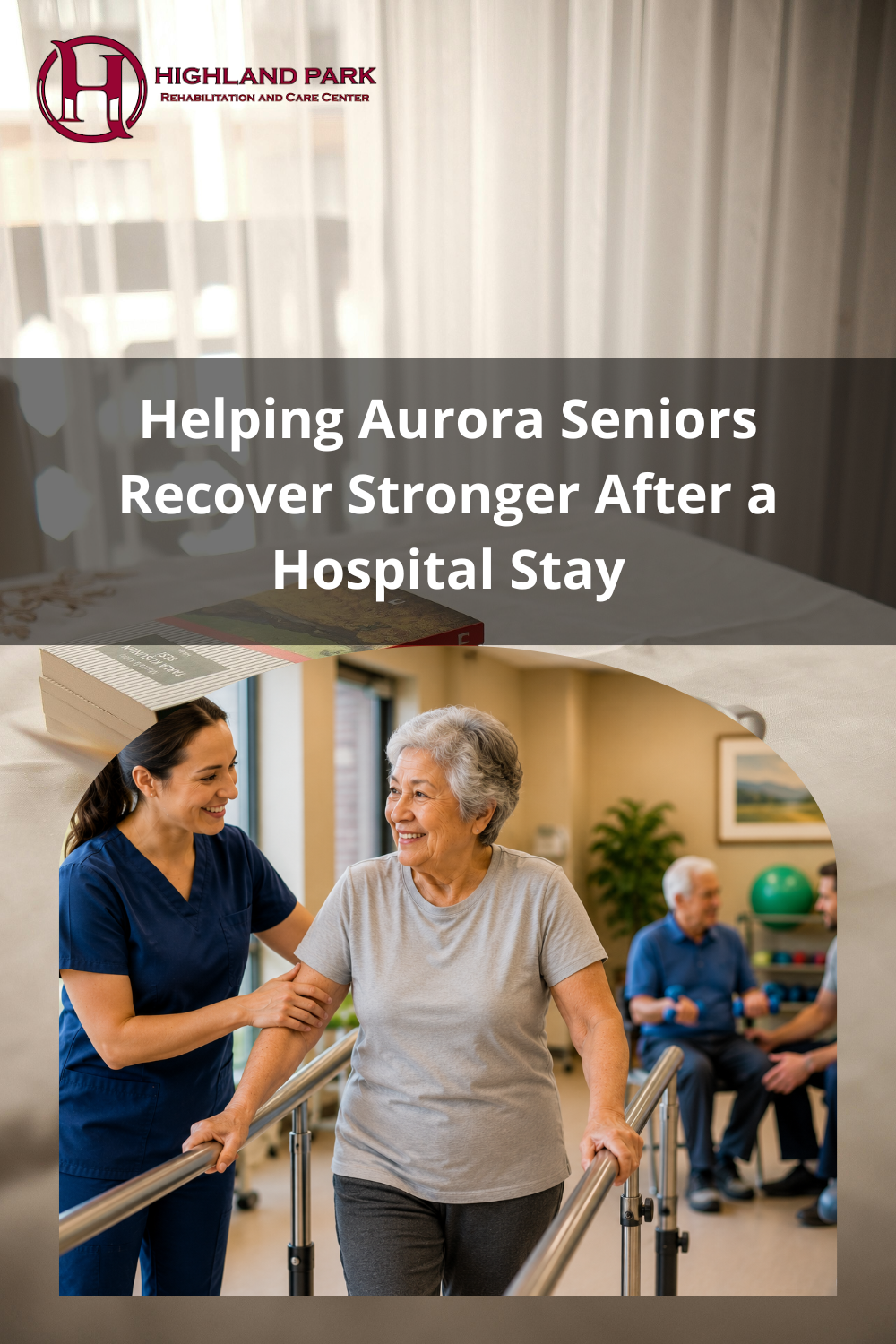
How Skilled Nursing Rehabilitation Helps Aurora Seniors Regain Indepen
How Skilled Nursing Rehabilitation Helps Aurora Seniors Regain IndependenceFor many older adults, a hospital stay is only the beginning of the recovery process. Whether caused by surgery, illness, a fall, or a serious medical condition, the road back to independence often requires more support than family members can safely provide at home.That is why skilled nursing rehabilitation has become such an important part of senior healthcare. Communities like Highland Park Rehabilitation and Care Community in Aurora help bridge the gap between hospital care and independent living, giving seniors the opportunity to rebuild strength, improve mobility, and regain confidence before returning home.As Aurora continues to grow and attract retirees from across Colorado, families are increasingly seeking rehabilitation providers that focus on personalized recovery plans and measurable outcomes. The goal is not simply healingit is helping individuals reclaim the lifestyle they value most.Why Recovery Doesn't End at Hospital DischargeMany families feel relieved when a loved one is discharged from the hospital. While that milestone is important, healthcare professionals often emphasize that discharge does not necessarily mean recovery is complete.A patient may still be dealing with: Limited mobility Muscle weakness Balance challenges Medication adjustments Pain management Difficulty completing daily tasks Without structured rehabilitation, these challenges can delay recovery or even lead to another hospitalization.Skilled nursing rehabilitation provides the clinical support and therapy services needed to continue healing in a safe environment.The Importance of Regaining IndependenceMost seniors share a common goal after a health setback: returning to normal life.That may mean: Walking without assistance Preparing meals independently Climbing stairs safely Driving again Participating in hobbies Attending community events Independence looks different for every individual, but the desire to maintain control over daily life remains universal.Rehabilitation programs are designed to help patients achieve realistic goals that support long-term success.Aurora's Active Senior CommunityAurora offers an ideal setting for active aging.The city features: Extensive park systems Community recreation centers Golf courses Walking trails Cultural attractions Access to major healthcare providers Many older adults living in Aurora enjoy volunteering, attending local events, spending time outdoors, and staying involved with family and friends.Following a hospitalization, rehabilitation helps ensure they can return to these activities safely.How Physical Therapy Supports RecoveryOne of the most visible aspects of rehabilitation is physical therapy.Physical therapists work with patients to improve:StrengthPeriods of illness or inactivity often lead to muscle loss.Targeted exercises help rebuild strength gradually.BalanceFalls are a leading cause of injury among older adults.Balance training helps reduce future fall risks.MobilityPatients may need assistance relearning movement patterns after surgery or injury.Therapy focuses on improving walking, transfers, and overall mobility.EnduranceRecovery often requires rebuilding stamina for everyday activities.Therapists create individualized programs that progress at a safe pace.Occupational Therapy: The Forgotten HeroWhile physical therapy receives much attention, occupational therapy is equally valuable.Occupational therapists help patients perform everyday tasks such as: Bathing Dressing Grooming Cooking Household management The objective is practical independence.Even small improvements can dramatically improve quality of life and confidence.The Role of Skilled Nursing StaffTherapy sessions are only part of the recovery equation.Skilled nursing teams provide ongoing clinical care between therapy appointments.This may include: Medication administration Health monitoring Wound care Chronic disease management Physician communication Continuous oversight helps identify potential concerns before they become major issues.Recovery Is Both Physical and EmotionalMany people underestimate the emotional challenges that accompany recovery.A senior who was once highly independent may suddenly need help walking, dressing, or completing basic tasks.This transition can feel discouraging.Supportive rehabilitation environments encourage residents through: Positive reinforcement Social interaction Goal setting Progress tracking Family involvement Celebrating milestoneswhether large or smallhelps maintain motivation.Personalized Care Produces Better ResultsNo two recovery journeys are identical.An individual recovering from a knee replacement will have different goals than someone recovering from a stroke.Personalized rehabilitation plans allow healthcare teams to tailor services based on: Medical history Physical abilities Personal goals Lifestyle preferences Physician recommendations This individualized approach often leads to more meaningful outcomes.Common Reasons Seniors Enter RehabilitationHighland Park Rehabilitation and Care Community frequently serves individuals recovering from:Joint Replacement SurgeryHip and knee replacement patients often require intensive therapy before returning home.Falls and FracturesBroken bones frequently require rehabilitation to restore strength and mobility.Stroke RecoverySpeech, mobility, and cognitive therapies can help maximize recovery potential.Cardiac ProceduresPatients recovering from heart-related conditions often benefit from structured rehabilitation programs.General Medical RecoveryExtended illnesses or hospitalizations can result in weakness that requires additional support.Preparing Families for SuccessFamilies play an important role throughout the rehabilitation process.Successful recovery often involves: Participating in care planning meetings Understanding discharge recommendations Learning safe caregiving techniques Coordinating follow-up appointments Supporting therapy goals When healthcare teams and families work together, transitions tend to be smoother and more successful.According to Sara Gallatin of Highland Park Rehabilitation and Care Community, "Families are a vital part of the recovery process. We encourage open communication and collaboration because the best outcomes happen when everyone is working toward the same goal."Looking Beyond the Recovery PeriodThe most effective rehabilitation programs focus on what happens after discharge.Patients should leave with: Improved confidence Greater physical ability Safety strategies Follow-up care plans Clear recovery goals The ultimate objective is helping seniors maintain their independence and avoid future setbacks.The Value of Skilled Nursing in Today's Healthcare SystemAs healthcare continues to evolve, skilled nursing communities remain a critical component of the continuum of care.They provide the specialized services needed to help patients transition successfully from hospital care back to their homes and communities.For seniors in Aurora, access to quality rehabilitation services means more opportunities to recover fully, remain active, and continue enjoying everything Colorado has to offer.Frequently Asked QuestionsHow soon after hospitalization should rehabilitation begin?In many cases, rehabilitation starts immediately after hospital discharge to maximize recovery potential.How often do residents participate in therapy?Therapy schedules vary depending on physician recommendations and individual needs.Can rehabilitation help prevent future falls?Yes. Strength, balance, and mobility training can significantly reduce fall risks.Is rehabilitation only for surgical patients?No. Rehabilitation also benefits individuals recovering from illness, stroke, cardiac events, and injuries.What is the goal of skilled nursing rehabilitation?The primary goal is helping patients regain independence, improve function, and safely return home whenever possible.Learn More If you are helping a loved one recover after surgery, illness, or injury, visit the Highland Park Rehabilitation and Care Community listing on Seniors Blue Book. You'll find valuable information about skilled nursing services, rehabilitation programs, and resources designed to support successful recovery and long-term wellness.
Jun 17, 2026
Supporting Seniors With Compassion and Stability in Aurora
Supporting Seniors With Compassion and Stability in AuroraAs seniors age, some eventually require a higher level of medical support than families can safely provide at home. Chronic illnesses, mobility limitations, neurological conditions, and complex healthcare needs often create challenges that go far beyond occasional caregiving assistance.For families in Aurora, finding long-term skilled nursing care can feel emotional and overwhelming. Adult children may struggle with guilt, uncertainty, and fear about making the right decision for a loved one.Yet quality skilled nursing communities provide much more than medical supervisionthey create environments focused on comfort, dignity, safety, and quality of life.Highland Park Rehabilitation and Care Community offers compassionate skilled nursing support designed to help seniors receive ongoing care while maintaining personal dignity and meaningful daily engagement.What Is Long-Term Skilled Nursing Care?Long-term skilled nursing care provides around-the-clock medical support for seniors with ongoing healthcare needs that cannot safely be managed independently.Residents may require assistance due to: Advanced mobility limitations Chronic illnesses Stroke recovery Neurological conditions Complex medication management Cognitive decline Long-term rehabilitation needs Licensed nurses and healthcare professionals provide continuous monitoring and support tailored to each residents condition.Long-term care should never feel institutional, says Sara Gallatin of Highland Park Rehabilitation and Care Community. Residents deserve compassionate support, respect, and opportunities to continue enjoying meaningful moments every day.Why Families Often Struggle With the DecisionMany adult children initially attempt to provide full-time care themselves.However, caregiving responsibilities can eventually become overwhelming due to: Physical demands Medical complexity Emotional exhaustion Work responsibilities Sleep deprivation Families often feel relief after finding skilled nursing support that allows their loved one to receive consistent professional care.Medical Supervision Improves SafetySeniors with chronic conditions frequently need ongoing monitoring and medical oversight.Skilled nursing care teams help manage: Medication schedules Blood pressure monitoring Diabetes management Wound care Pain management Mobility support This consistent supervision helps reduce medical complications and emergency situations.Aurora Seniors Value Stability and RoutineAs health conditions become more complex, predictable routines often become increasingly important for older adults.Structured daily schedules help residents feel: Safer More comfortable Less anxious More emotionally secure Routine also supports better sleep, medication consistency, and daily participation.Social Engagement Remains ImportantEven seniors with advanced medical needs benefit greatly from social interaction and emotional connection.Skilled nursing communities often provide opportunities for: Group activities Music programs Games Holiday celebrations Social conversation Family events These interactions help reduce isolation and improve emotional wellness.Specialized Support for Chronic ConditionsLong-term skilled nursing care often supports seniors managing conditions such as: Parkinsons disease Diabetes Heart disease COPD Stroke-related complications Neurological disorders Healthcare teams coordinate care plans designed around each residents medical and emotional needs.Nutrition and Hydration Require Ongoing AttentionSeniors with chronic health conditions often face nutritional challenges.Skilled nursing teams help monitor: Dietary needs Hydration Weight changes Appetite concerns Specialized meal plans Good nutrition remains essential for maintaining energy and overall health.Families Need Reassurance TooFamily members often worry constantly about aging loved ones with serious medical needs.Skilled nursing communities provide reassurance that: Nurses are available around the clock Health concerns are monitored closely Medications are administered correctly Safety measures are in place This support can greatly reduce stress and caregiver burnout.Emotional Wellness Matters at Every StageAging with chronic illness can feel emotionally difficult for seniors.Compassionate caregivers help residents maintain: Dignity Emotional connection Daily purpose Comfort Social interaction Simple moments of kindness and companionship often make a tremendous difference in quality of life.Personalized Care Helps Residents Feel SeenEvery resident has unique preferences, routines, and life experiences.Personalized care plans help staff understand: Communication preferences Mobility needs Emotional triggers Favorite activities Family involvement This individualized approach creates more meaningful and compassionate care experiences.Choosing Skilled Nursing With Compassion in MindFamilies exploring long-term care should look for communities that prioritize: Medical expertise Communication Safety Emotional warmth Resident dignity Personalized support Compassionate environments help residents and families feel more comfortable throughout the transition process.Supporting Seniors With Dignity and RespectLong-term skilled nursing care is not simply about managing medical conditionsit is about helping seniors live as comfortably and meaningfully as possible while receiving the support they need.Call to ActionTo learn more about long-term skilled nursing and rehabilitation services in Aurora, visit the Seniors Blue Book listing for Highland Park Rehabilitation and Care Community today.FAQsWhat is long-term skilled nursing care?Long-term skilled nursing provides ongoing medical supervision and support for seniors with complex healthcare needs.Who benefits from skilled nursing care?Seniors with chronic illnesses, mobility limitations, or advanced medical conditions often benefit from skilled nursing support.Are activities available in skilled nursing communities?Yes. Many communities provide social programs, games, music, and group activities.Do skilled nursing facilities provide 24-hour care?Yes. Licensed nursing staff are typically available around the clock.Can skilled nursing help families avoid caregiver burnout? Absolutely. Professional care support greatly reduces stress for family caregivers.