$$3,050/month


About Legacy Retirement Residence
Within walking distance of the LDS Jordan River Temple, Legacy Retirement Residence of South Jordan is Salt Lake's premier independent living community. Legacy Retirement Residence of South Jordan provides independent living services and has been serving the community since 1996. Our residents enjoy daily activities, restaurant-style dining, beautifully decorated living areas and a variety of apartment floor plans all in a home-like setting. At Legacy Retirement Residence of South Jordan, we believe that the more our residents can be independent, the healthier they are and the better they feel. No matter what stage of life we're in, maximizing independence, maintaining dignity and having choices are important. Nevertheless, there comes a time when we all could use a helping hand, even for the most basic daily activities like meal preparation, housekeeping, transportation or social interactions.General Property Features
- Covered Parking, Fitness Center, Guest Parking, Handicap Access
- Scheduled Transportation, Activities, Housekeeping, Meals/Meal Options, Social Programs
- Retirement Community
- Small Pets
Independent Living
- https://www.legacyretire.com/communities/legacy-retirement-residence/
- $$3,050
- 162
- Studio, 1 BR, 2 BR
- Anytime Dining
Videos
Continue Your Search! Explore More Local Options.
Start SearchingLet’s engage and get educated!
Browse through thousands of expert articles in over 100 different categories.
Browse NowArticles You May Like
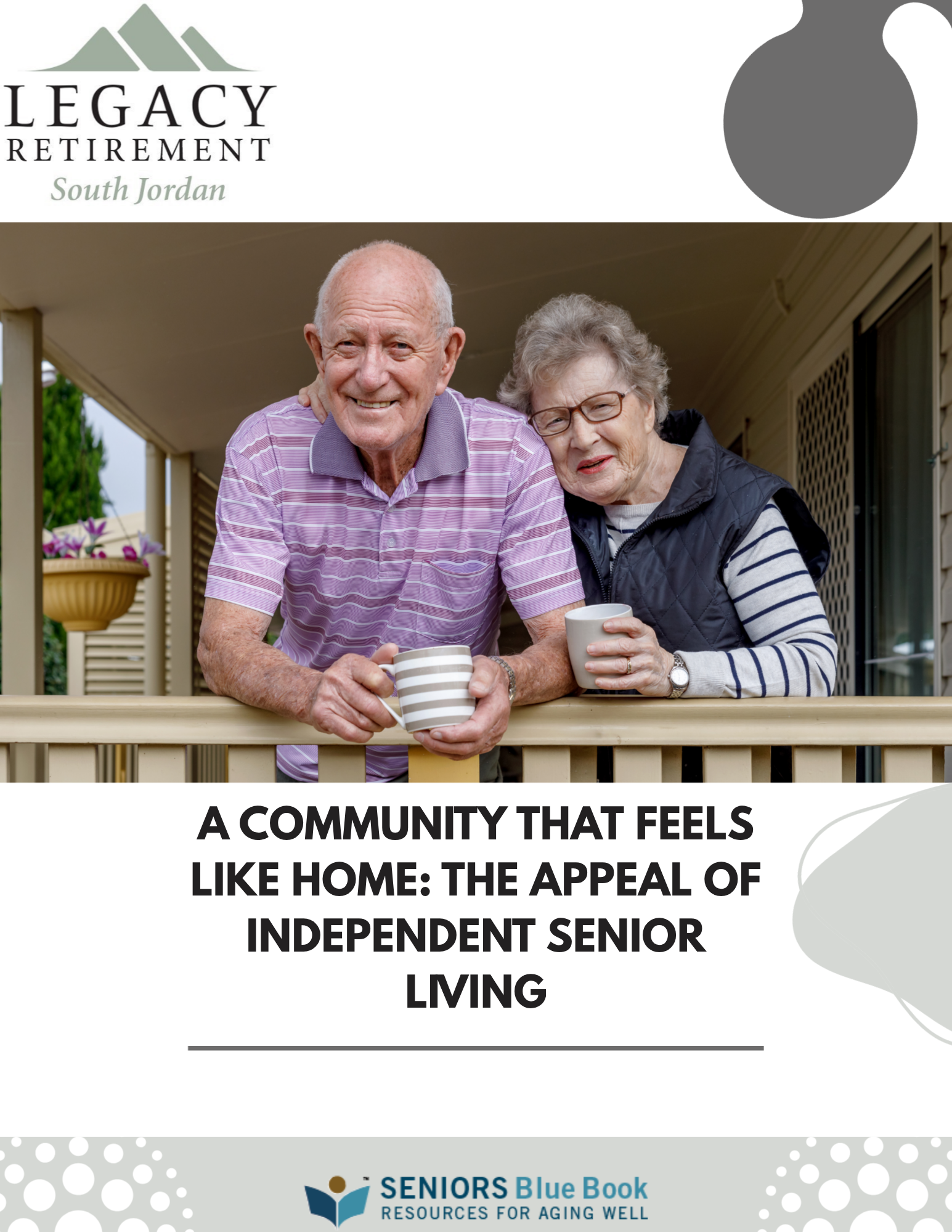
A Community That Feels Like Home
A Community That Feels Like Home: The Appeal of Independent Senior LivingHome has never just been a placeit's a feeling. It's the comfort of familiar routines, the warmth of friendly faces, and the sense that you belong somewhere. For a growing number of older adults, that feeling isn't tied to a specific house anymore. It's found in independent senior living communities, where simplicity, connection, and freedom come together to create something surprisingly close to the ideal of home, sometimes even richer than what came before.Letting Go of the Burdens, Keeping the ComfortFor many seniors, the decision to leave a long-time family home isn't about giving up independenceit's about reclaiming it. Home maintenance, yard work, and the endless upkeep of a large house can become more burden than blessing over time. Independent living communities remove these responsibilities, handling maintenance, landscaping, and housekeeping so residents can spend their time and energy on what actually brings them joy.This shift often surprises new residents. Rather than feeling like a loss of autonomy, it feels like liberation. Freed from chores and repairs, residents frequently describe rediscovering hobbies, travel, and social time they hadn't made space for in years.The Power of Built-In CommunityOne of the most cited reasons residents come to love independent living is the sense of built-in companionship. Unlike a traditional neighborhood where neighbors may barely interact, these communities are designed around connection. Shared dining spaces, common lounges, and daily programming naturally bring people together.Friendships often form quickly and run deep, in part because residents share a life stage and similar experiences. A morning coffee chat, a shared table at dinner, or a weekly card game can turn into meaningful, lasting relationships. For those who've experienced the isolation that can come with agingespecially after losing a spouse or seeing friends move awaythis built-in social fabric can be transformative.Familiar Comforts, New PossibilitiesWhat makes a community feel like home is often a blend of the familiar and the new. Personalizing a living space with cherished furniture, photos, and mementos helps preserve a sense of continuity and identity. At the same time, the surrounding environment opens up new possibilities: a fitness class never tried before, a book club that sparks new friendships, or a hobby rediscovered after years on the back burner.This balancehonoring the past while embracing new experiencesis part of what makes independent living communities feel less like a departure from home and more like an evolution of it.A Rhythm to the DayMany residents find comfort in the structure and rhythm that community living provides. Scheduled meals, regular activities, and a lively events calendar bring a natural cadence to daily life. This isn't about rigid routineit's about having engaging options readily available, removing the friction of always having to plan, cook, or seek out social opportunities alone.That built-in rhythm often makes days feel fuller and more purposeful, without requiring residents to do the legwork of organizing it all themselves.Support Without Sacrificing IndependenceIndependent living strikes a particular balance that appeals to many seniors: access to support without a loss of autonomy. Staff are present and available, but residents maintain control over their schedules, routines, and lifestyle choices. This is a significant departure from assisted living or nursing care, and it's precisely this balance that makes many residents feel more at ease, not less.Knowing help is nearbyfor maintenance issues, questions, or emergenciesprovides peace of mind without residents feeling like their independence has been compromised.Design That Feels Warm, Not InstitutionalThe physical design of modern independent living communities plays a significant role in how "homey" they feel. Gone are the sterile, clinical aesthetics once associated with senior living. Today's communities often feature inviting common areas with comfortable furniture, natural light, fireplaces, and thoughtfully landscaped grounds.Private living spaces are designed to feel like true apartments or homes rather than institutional rooms, often including full kitchens, private bathrooms, and outdoor access. This attention to design helps residents feel a genuine sense of ownership and comfort in their space.A Place to Be Seen and KnownPerhaps the deepest appeal of independent senior living is the sense of being known. In a well-run community, staff learn residents' names, preferences, and stories. Neighbors become familiar faces who notice when something feels off and celebrate life's milestones together. This kind of recognition and belonging is a core part of what makes any place feel like home.For residents who may have felt increasingly isolated living alone, this renewed sense of being seen and valued can have a profound impact on emotional well-being.
Aug 24, 2026

How Senior Communities Encourage an Active and Fulfilling Lifestyle
Retirement no longer means slowing down and stepping back from life. Today's senior living communities have reimagined what it means to grow older, creating environments that actively nurture physical health, mental sharpness, social connection, and personal growth. Far from the quiet, sedentary image many people still associate with senior living, modern communities are vibrant hubs of activity designed to help residents thrive well into their later years.Fitness Programs Built for Every Ability LevelPhysical activity is one of the cornerstones of healthy aging, and senior communities have responded by offering fitness programming tailored to a wide range of mobility and health levels. Group exercise classes such as chair yoga, water aerobics, tai chi, and low-impact strength training give residents accessible ways to stay active without the intimidation factor of a traditional gym.Many communities also feature on-site fitness centers, walking trails, and swimming pools, allowing residents to build movement into their daily routines at their own pace. Personal trainers or wellness coordinators often work one-on-one with residents to design safe, effective exercise plans, particularly for those managing chronic conditions like arthritis or recovering from surgery. The goal isn't just physical fitness for its own sake, but preserving independence, balance, and confidence in everyday movement.Social Engagement as a Daily PriorityLoneliness and isolation are among the most significant risks to health in later life, and senior communities are structured specifically to combat them. Shared dining rooms, common lounges, and scheduled group activities create natural opportunities for residents to build friendships and maintain a sense of belonging.Clubs and interest groupsbook clubs, gardening circles, card games, art classesgive residents the chance to bond over shared passions. Many communities also organize regular social events like themed dinners, live music nights, and holiday celebrations that bring the whole community together. This consistent social rhythm helps residents form meaningful relationships, which research has repeatedly linked to better emotional and even physical health outcomes.Lifelong Learning and Mental StimulationKeeping the mind engaged is just as important as keeping the body moving, and forward-thinking senior communities treat cognitive wellness as a core part of their programming. Many partner with local colleges or offer their own in-house courses covering everything from history and literature to technology and foreign languages.Trivia nights, puzzle sessions, discussion groups, and workshops on new skills like painting or photography give residents regular mental challenges. Some communities bring in guest speakers or host cultural events that expose residents to new ideas and perspectives. This ongoing intellectual engagement supports cognitive health and gives residents a genuine sense of curiosity and purpose.Opportunities for Purpose and ContributionA fulfilling lifestyle isn't only about leisureit's also about feeling useful and valued. Many senior communities create structured volunteer opportunities, whether that's mentoring younger generations through intergenerational programs, participating in community service projects, or taking on informal leadership roles within resident committees.Some communities invite residents to lead their own clubs or teach classes based on their professional backgrounds or personal hobbies, turning decades of experience into something the whole community can benefit from. This sense of contribution helps residents maintain their identity and purpose beyond retirement, reinforcing that this stage of life is still rich with meaning.Access to Nature and the OutdoorsTime outdoors has well-documented benefits for mood, sleep, and overall well-being, and many senior communities are designed with this in mind. Landscaped gardens, walking paths, courtyards, and outdoor seating areas invite residents to spend time in nature daily.Community gardening programs let residents grow their own flowers or vegetables, offering a gentle physical activity paired with a rewarding creative outlet. Outdoor group activitiesnature walks, birdwatching clubs, or simply enjoying meals al frescoadd variety to daily life while encouraging residents to stay connected to the natural world around them.Wellness Support That Goes Beyond the PhysicalMany communities now embrace a holistic model of wellness that addresses emotional, spiritual, and social health alongside physical care. On-site counseling, meditation or mindfulness sessions, and spiritual services cater to residents' emotional and personal needs. Nutrition-focused dining programs ensure residents have access to meals that support their health goals while still being enjoyable and social experiences.This comprehensive approach recognizes that a truly fulfilling lifestyle touches every dimension of well-being, not just physical fitness.Technology That Keeps Residents ConnectedTechnology has become an unexpected ally in fostering active, connected lives for seniors. Many communities offer tech classes to help residents use video calls to stay in touch with family, explore hobbies online, or access telehealth services conveniently. Some communities incorporate smart home features or wearable health monitors that support independence while giving families peace of mind.
Aug 24, 2026
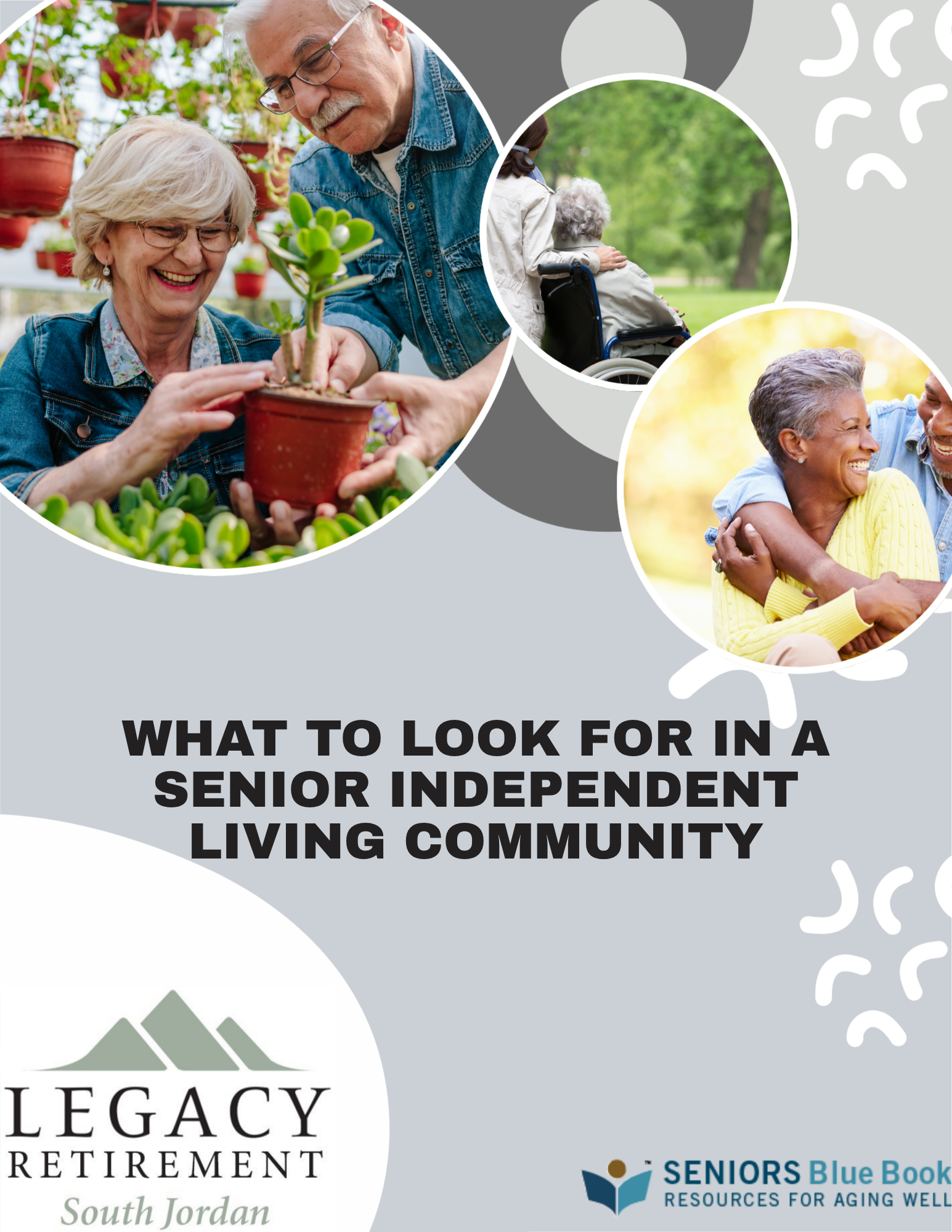
What to Look for in a Senior Independent Living Community
Choosing an independent living community is one of the more significant decisions many older adults and their families will make. Done well, it opens the door to a simpler, more social, and more fulfilling lifestyle. Done hastily, it can lead to a mismatch between expectations and reality. With so many communities to choose from, each with its own amenities, culture, and price point, knowing what to prioritize can make the search far less overwhelming. Here's what to pay close attention to when evaluating your options.Location and AccessibilityLocation often shapes daily life more than people expect. Consider proximity to family members and friends, since regular visits matter for emotional well-being. Look at how close the community is to hospitals, medical specialists, pharmacies, and everyday conveniences like grocery stores and banks.It's also worth thinking about climate and surroundings. Some retirees want to stay close to their roots, while others prefer relocating somewhere warmer or scenic. If driving is no longer preferred or possible, check whether the community offers transportation services or is located near public transit.Living Space and Floor PlansIndependent living communities typically offer a range of unit types, from studio apartments to multi-bedroom cottages. Tour available floor plans and think honestly about space needs, storage, and whether the layout accommodates mobility aids like walkers or wheelchairs, even if they aren't needed yet.Pay attention to details like kitchen setups (some units include full kitchens, others have kitchenettes), in-unit laundry, natural light, and outdoor space such as a balcony or patio. Ask whether personalization is allowedcan residents paint walls, hang art, or bring their own furniture? Feeling truly at home matters.Amenities and ActivitiesA defining feature of quality independent living communities is the depth and variety of their amenities. Look for fitness centers, swimming pools, walking paths, libraries, hobby and craft rooms, and social lounges. Beyond physical spaces, examine the activity calendar closelydoes it offer a genuine mix of fitness classes, educational programs, cultural outings, and social events, or does it feel thin and repetitive?It's worth visiting during an actual activity or event if possible, so you can see resident engagement firsthand rather than relying on a brochure description.Dining Options and Food QualityDining is one of the most important daily experiences in any community, so don't overlook it. Ask about meal plans, menu variety, and whether dietary restrictions and preferences (vegetarian, low-sodium, gluten-free, etc.) are accommodated. Many communities offer restaurant-style dining rooms, casual cafes, or even room service options.If possible, eat a meal on-site during your visit. Food quality and the overall dining atmosphere can significantly affect day-to-day satisfaction.Safety and Security FeaturesSafety should be non-negotiable. Look for features like emergency call systems in each unit, secure entry points, on-site staff availability around the clock, and well-lit walkways and parking areas. Ask about the community's protocols for medical emergencies and how quickly staff typically respond.While independent living doesn't provide the same level of medical care as assisted living, a well-run community should still have clear safety measures and staff trained to handle emergencies.Staff Quality and CultureThe tone of a community is often set by its staff. During a visit, observe how staff members interact with residentsare they warm, attentive, and familiar with residents by name? Ask about staff turnover rates, as high turnover can be a red flag for underlying issues with management or working conditions.Talking to current residents, if possible, can offer honest insight into daily life, staff responsiveness, and overall community culture that a sales tour alone won't reveal.Health Services and Future Care OptionsWhile independent living is designed for those who don't need daily medical assistance, it's wise to ask what happens if care needs change over time. Some communities are part of a continuing care retirement community (CCRC) model, offering a seamless transition to assisted living or memory care if needed down the road. Others may require residents to move elsewhere if their care needs increase.Understanding this now can prevent a stressful, disruptive move later and provides peace of mind for long-term planning.Social Atmosphere and Community CultureEvery community has its own personality. Some are quiet and low-key, while others are lively and highly social. Think about what environment would genuinely suit your lifestyle and personality. Attending a meal, event, or activity during a visit can offer a much clearer sense of the community's rhythm than a formal tour alone.Ask about resident-led clubs, committees, or leadership opportunities, which often indicate a strong, engaged community culture.Cost Structure and Contract TermsFinancial clarity is essential. Ask for a detailed breakdown of what's included in the base monthly feehousing, meals, housekeeping, utilities, activitiesand what costs extra. Some communities charge an entrance or community fee in addition to monthly rent, so be sure to understand the full financial picture upfront.Review the contract terms carefully, including policies on rent increases, cancellation, refunds, and what happens if a resident needs to move to a higher level of care. It's often worth having a financial advisor or elder law attorney review contracts before signing.Pet Policies and Personal PreferencesFor many seniors, pets are cherished companions, so if bringing a pet is important, confirm the community's pet policy, including size or breed restrictions, associated fees, and available outdoor space for walks. Small personal preferences like this can significantly affect quality of life and shouldn't be an afterthought.Trust Your InstinctsBeyond checklists and comparisons, pay attention to how a community feels. Does it feel welcoming? Do residents appear genuinely happy and engaged? Does the staff seem proud of the community they help run? Sometimes the intangible sense of "fit" is just as important as the tangible features on paper.