$422/day



About Life Care Center of Punta Gorda
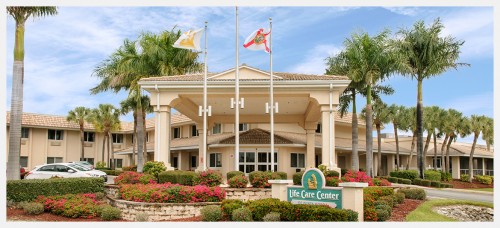
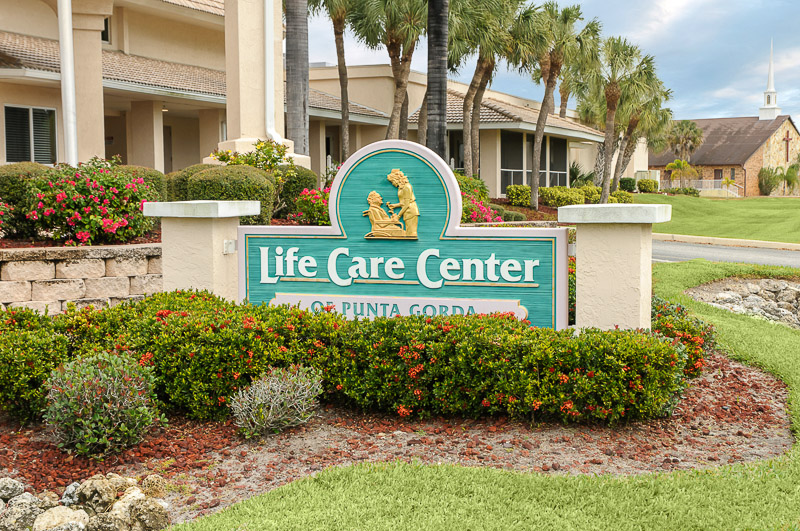
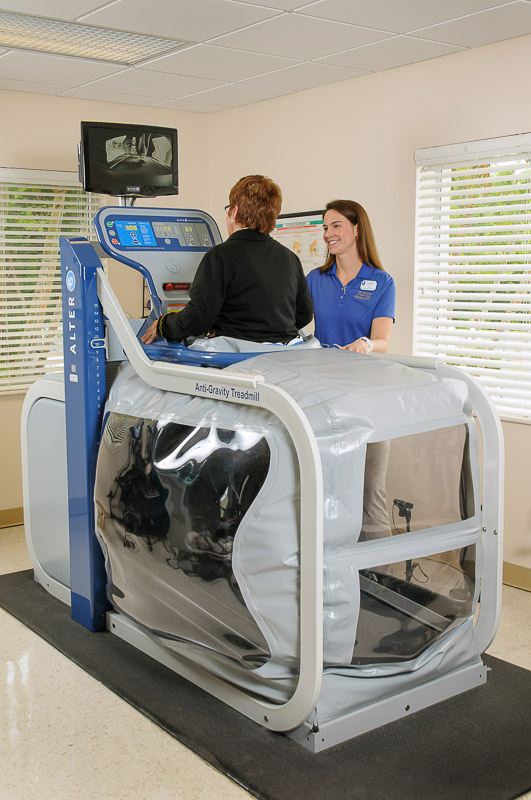
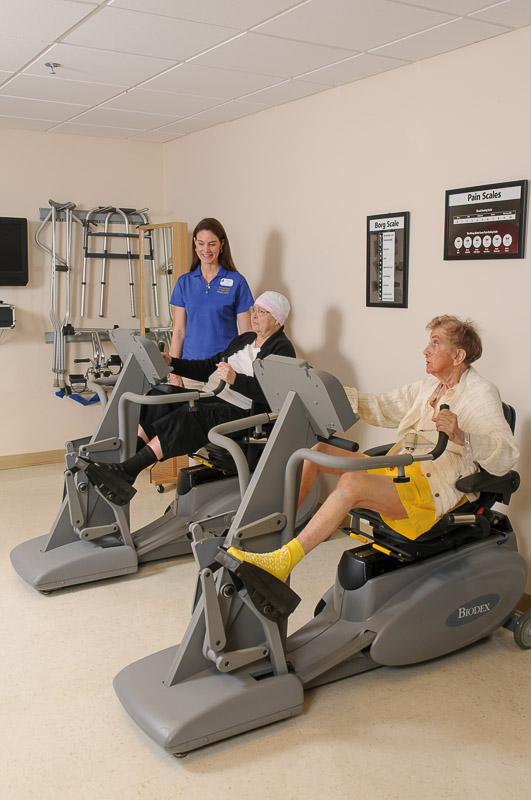
Explore premier nursing care at Life Care Center of Punta Gorda, situated in the downtown historic district of Punta Gorda, Florida, near Fisherman's Village. Our Skilled Nursing Facility, located within two miles of Bayfront Health Punta Gorda, specializes in both inpatient and outpatient rehabilitation, tailored to meet the unique recovery goals of our residents and patients. With an in-house rehabilitation team equipped with state-of-the-art facilities, we deliver skilled nursing care with a personalized plan for each resident. Visit us today to experience why Life Care Center of Punta Gorda is a top-tier nursing care facility in our community
Skilled Nursing & Long-term Care
There are a variety of conditions that require skilled nursing care, from wound care to diabetes management. Our nursing team has experience with a wide variety of diagnoses. Whether you are planning elective surgery, or looking for care for yourself or a loved one, contact us today to see how our team can fulfill your needs during your stay.
Our nursing staff provides 24-hour care for residents, including physician and nurse coverage. Services include:
- 24/7 easy admissions
- 24-hour skilled nursing care
- Case management
- Discharge planning
- Fall prevention
- Individualized treatment plans
- Infection management
- IV therapy
- Long- and short-term care
- Medical director
- Medication management
- Post-surgical care
- Pre-admission program
- Social services
- Wound care
Rehabilitation
A skilled team of physical, occupational and speech therapists evaluates the rehabilitation needs of each patient and designs an outcome oriented treatment program. The goal of specialized rehabilitation programs is to help residents attain their maximum potential and restore the abilities and confidence essential to independent living. We offer unique inpatient and outpatient programs with the latest rehab technologies to help our patients reach their maximum level of independence.
Physical Therapy
Physical therapy fosters each patient's independence and enables functional mobility skills following acute or chronic disease processes. This is accomplished through individual evaluations and treatment plans that address deficits through customized interventions.
Occupational Therapy
Occupational therapists work with patients to achieve independence in activities of daily living. Therapists help patients refine their motor skills, hand and upper extremity function, and bladder and bowel control for incontinence.
Speech Therapy
Speech and language therapy helps patients improve their communication skills in speaking, problem solving, reading, writing and verbal expression, and resolving problems with swallowing.
Amenities
Life Care facilities are designed with the patient in mind. Each Life Care facility maintains a unique personality and offers amenities that represent the needs and interests of the local population.
- 24-hour security and fire safety systems
- Beauty salon and barber shop
- Bedside and bathroom call lights
- Certified dietitian
- Community re-entry program
- Complimentary wireless Internet
- Daily activity schedule
- Family/resident councils
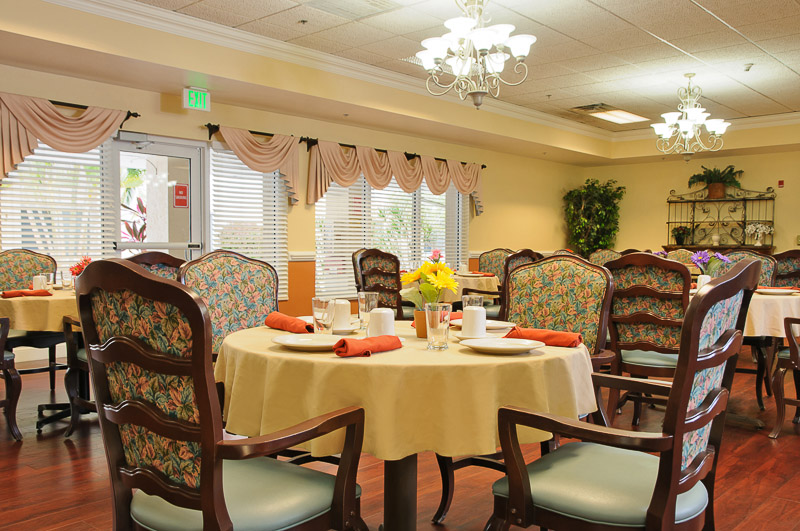
- Fine dining program
- Flat-screen TVs
- Flexible visiting hours
- Full-time, certified activity director
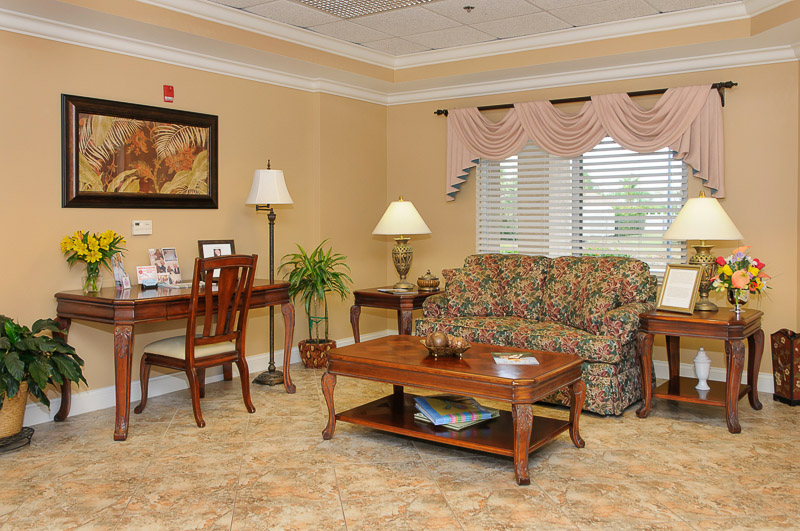
- Homelike setting
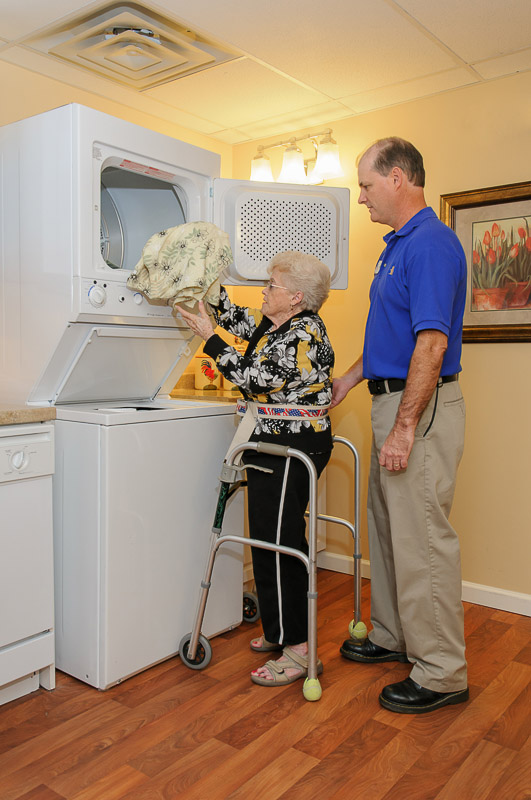
- Housekeeping and laundry services
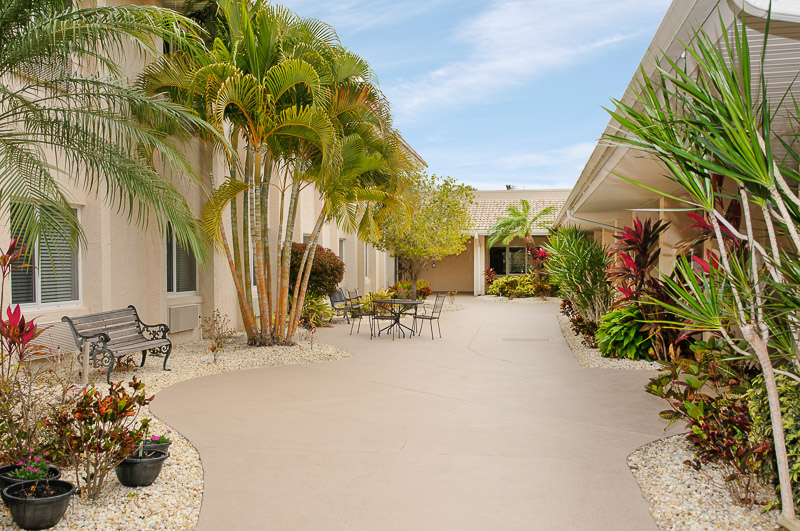
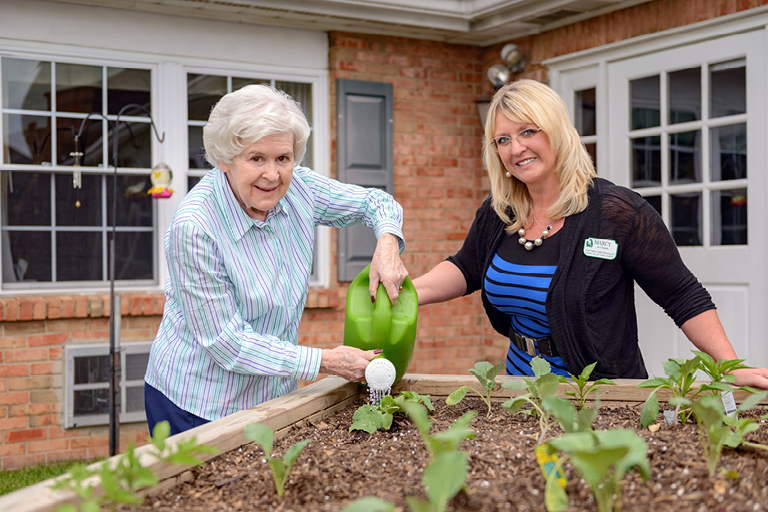
- Landscaped grounds and courtyards
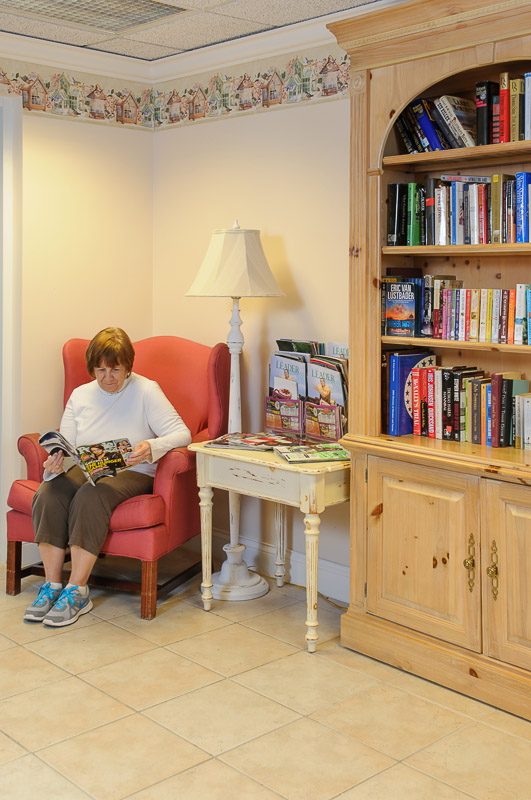
- Library
- Non-smoking facility
- Pet visitors allowed
- Private and semiprivate rooms
- Private bathrooms
- Religious services
- Patient/family education program
- Telephone and cable television hookups
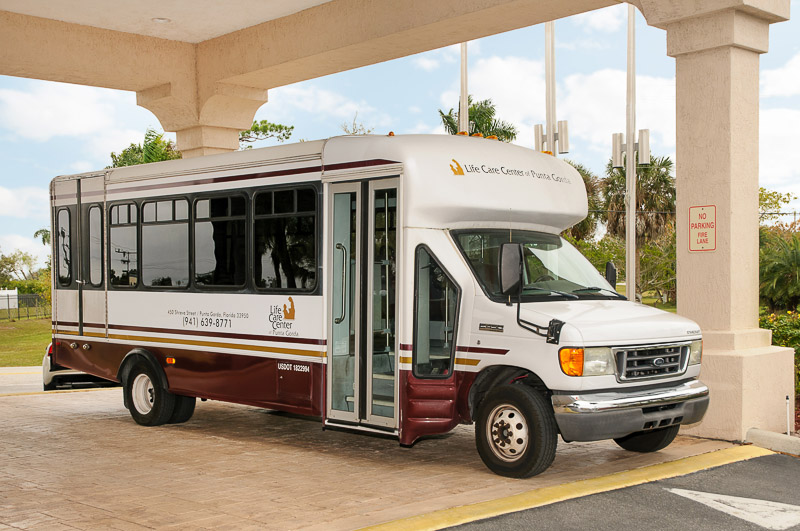
- Transportation services
General Property Features
- Private Rooms, Semi-Private Rooms
- Bi-Lingual Staff, Nurse on Staff, Respite Care, Respite/Short Term Stay, Scheduled Transportation, Short-Term Care, Transportation, Activities, Housekeeping, Meals/Meal Options, Social Programs
- Secured Memory Care Unit, Skilled Nursing Facility
Skilled Nursing
- www.lifecarecenterofpuntagorda.com
- 12940961
- $422.00
- $475.00
- $525.00
- 180
- Private Pay, Long Term Care Insurance, Medicaid, Medicare, Managed Care Benefits
- Secured Memory Care Unit, Dialysis, Long-Term Care, Ostomy Care, Rehab and Therapy, Respite Care, Short-Term Care, Skilled Care, Sub Acute Unit, Wound Vac, Physical Therapy, Occupational Therapy, Speech Therapy, Bariatric Bed, Intermediate Care
Videos
Continue Your Search! Explore More Local Options.
Start SearchingLet’s engage and get educated!
Browse through thousands of expert articles in over 100 different categories.
Browse NowArticles You May Like

Skilled Nursing in Punta Gorda, Florida: Compassionate Care and Comfort at Life Care Center of Punta Gorda
When it comes to finding the right skilled nursing care for yourself or a loved one, the process can feel overwhelming. Families in Punta Gorda, Florida want the reassurance that their loved ones are receiving exceptional medical support but also the warmth, dignity, and respect they deserve.Thats exactly what Life Care Center of Punta Gorda provides a trusted local community offering short and long-term care, 24/7 easy admissions, and expert medication management in a compassionate, home-like environment. What Is Skilled Nursing and Why It MattersSkilled nursing is more than just medical care. Its a vital bridge between hospital recovery and returning home safely. Skilled nursing facilities (SNFs) like Life Care Center of Punta Gorda provide around-the-clock clinical support for patients who require specialized rehabilitation or chronic care management.This includes:Post-surgery recovery and rehabilitationWound care and IV therapyMedication management and monitoringPhysical, occupational, and speech therapiesAssistance with daily activities (bathing, dressing, mobility)Whether someone is recovering from a hospital stay or managing a long-term illness, the goal is the same to restore strength, confidence, and independence in a supportive, healing environment. Why Families in Punta Gorda Trust Life Care CenterNestled in the heart of Charlotte County, Life Care Center of Punta Gorda has become a cornerstone of senior care in Southwest Florida. The area is home to a vibrant senior population nearly 40% of Punta Gorda residents are over the age of 65, one of the highest percentages in the state.This strong sense of community and connection is reflected in the personalized care Life Care Center offers every resident.A Personalized Approach to Short and Long-Term CareEvery persons journey to recovery is unique which is why Life Care Center offers both short and long-term care options.Short-term stays support those recovering from surgery, stroke, or injury who need rehabilitation before returning home.Long-term care provides ongoing support for those living with chronic illnesses, dementia, or limited mobility.Each resident receives a customized care plan designed by a team of licensed nurses, therapists, and specialists. The goal? To promote healing, comfort, and independence at every stage. 24/7 Easy Admissions Because Care Cant WaitEmergencies dont wait for business hours. Thats why Life Care Center of Punta Gorda offers 24/7 easy admissions ensuring seniors and families get the care they need when they need it most.Whether youre transitioning from a hospital or seeking immediate placement, the admissions team helps simplify the process, handling everything from medical paperwork to insurance coordination.Our priority is making sure families feel supported and informed from the very first call, says a representative from the Life Care Center care team. We understand these transitions can be stressful thats why were here 24/7 to help make it as seamless as possible. Medication Management: Safety and Precision You Can Count OnFor many seniors, managing multiple medications can be challenging. Missed doses, timing errors, or drug interactions can quickly lead to complications.At Life Care Center of Punta Gorda, medication management is handled by experienced nursing professionals who ensure every prescription is administered safely and correctly. Their team works closely with physicians and pharmacists to monitor dosage changes, track side effects, and educate residents about their medications building peace of mind for families and better health outcomes for residents. Rehabilitation and Recovery Designed for SuccessBeyond medical care, skilled nursing at Life Care Center includes advanced rehabilitation programs tailored to each residents needs. Physical therapy helps rebuild strength and balance; occupational therapy supports independence with daily living tasks; and speech therapy assists with communication and swallowing challenges.Modern therapy gyms, specialized equipment, and one-on-one sessions create an environment where progress is not only possible its celebrated. A Supportive Environment That Feels Like HomeWalking through the halls of Life Care Center of Punta Gorda, its easy to see why residents and families describe it as more than a facility its a community.Spacious rooms, comfortable common areas, and regular social activities make it a place where seniors can thrive emotionally and socially, not just physically.Activities may include:Group fitness and wellness classesMusic, crafts, and recreation therapyFaith-based services and celebrationsOutdoor gatherings and family-friendly eventsThese moments of connection make all the difference supporting not just recovery, but quality of life. Skilled Nursing in Punta Gorda: Meeting a Growing NeedAs the senior population in Punta Gorda continues to grow, the demand for high-quality skilled nursing care has never been greater. Families want more than medical treatment they want compassionate caregivers who understand the emotional side of recovery.Life Care Center of Punta Gorda meets that need with a holistic approach: blending clinical excellence with the warmth of community care. Quick Tip: Visit Before You DecideTip from the Care Team: Always tour a skilled nursing facility before making a decision. Meeting the staff, seeing the environment, and observing how residents are cared for in person can give you peace of mind and confidence in your choice.If youre considering skilled nursing for yourself or a loved one, scheduling a visit to Life Care Center of Punta Gorda is the best way to experience their commitment to comfort, care, and compassion firsthand. Frequently Asked Questions (FAQ)1. Whats the difference between short-term and long-term skilled nursing care?Short-term care focuses on rehabilitation after surgery, illness, or injury, helping patients regain independence before returning home. Long-term care provides ongoing medical and personal support for residents who require assistance with daily living or have chronic conditions.2. How do 24/7 easy admissions work?Life Care Center of Punta Gordas admissions team is available day and night. They coordinate directly with hospitals, physicians, and insurance providers to ensure a smooth transition into care at any hour.3. Is medication management included in all care plans?Yes every resident receives a customized medication plan thats closely monitored by licensed nurses, with physician collaboration and ongoing reviews to ensure accuracy and safety.4. Can family members visit regularly?Absolutely. Life Care Center of Punta Gorda encourages family involvement and provides flexible visitation to support loved ones throughout their stay.5. Does the center accept insurance or Medicare?Yes, most major insurance plans and Medicare are accepted. The admissions team can help families understand coverage options and out-of-pocket costs.Your Local Resource for Skilled Nursing in Punta GordaIf youre exploring options for skilled nursing in Punta Gorda, Florida, Life Care Center of Punta Gorda stands out for its commitment to excellence, accessibility, and compassionate care.Their short and long-term care, 24/7 easy admissions, and medication management services are designed with one goal in mind helping seniors live healthier, happier lives in a safe and supportive environment.To learn more or connect directly with the team, visit their Life Care Center of Punta Gorda listing on Seniors Blue Book for contact information, care details, and helpful local resources.
Oct 14, 2025
What Should I Know Before Occupational Therapy? 10 Commonly Asked Qu
To help you and your family learn more about occupational therapy (OT), we built a brief list of questions that patients commonly ask just before they begin their inpatient occupational therapy program.We hope these questions and their answers will give you more insight into everything occupational therapy entails and help you feel confident about your stay and ready to reclaim your independence!1. Does occupational therapy work?Occupational therapy was established more than 100 years ago and is proven to be a highly effective therapy that helps patients regain their functional independence. According to studies, occupational therapy patients experience:47% reduction in falls with OT fall prevention programs67% improvement in grip strength45% decrease in hospital readmissions38% improvement in daily activities (stroke patients)35% improvement in upper extremity function (stroke patients)33% increase in quality-of-life measures2. How much therapy will I do each day?Patients typically participate in therapy one to two hours per day, five days a week in a skilled nursing setting. Therapy sessions in a rehabilitation center may be longer and more intensive, depending on a patients needs.3. What is the difference between occupational therapy and physical therapy?Physical therapy focuses on restoring a patients general strength, balance, and ability for activities such as standing, walking, bed mobility, and transfers. Occupational therapy focuses on restoring a patients ability to perform activities of daily living, such as bathing, dressing, using the bathroom, and cooking.4. What kind of equipment will I use in occupational therapy?As an occupational therapy patient, you will learn to use a variety of tools and adaptive equipment that will help you retrain in and perform certain daily tasks safely.Here are a few examples of adaptive equipment used in occupational therapy:Dressing equipmentExamples: button hooks for buttoning shirts, dressing sticks for lower-body dressing, and sock aidsShowering/bathing toolsExamples: grab bars for stabilization, non-slip mats, shower chairs, long-handled spongesFeeding toolsExamples: universal cuff for better grip and coordination, weighted or built-up silverware, rocker knives for one-handed meal prepHygiene toolsExamples: toothpaste dispensers, adaptive hairbrushes, elongated sink faucetsCar Safety equipmentExamples: hand controls, steering wheel grips, and transfer simulators that recreate the experience of getting in and out of a car.5. What should I wear during therapy sessions?We suggest that you wear comfortable, loose-fitting clothing that is easy to move around in, such as tee shirts and shorts. For your feet, tennis or athletic shoes are the best option.6. What should I bring with me for an inpatient stay?Be sure to bring with you everything you need to feel comfortable and supported during your stay. Here is a brief list of items to consider:Clothing for therapy, sleep, and loungingToiletry items for bathing and hygieneEntertainment items, such as books and small electronicsAny medications you might need7. Whats the difference between inpatient and outpatient therapy?Inpatient therapy is rehabilitation a patient undergoes while staying at the skilled nursing or rehabilitation facility in a private or semiprivate suite. With outpatient therapy, a patient visits the facility for scheduled therapy sessions, or, in some cases, therapists visit the patients home for in-home sessions.8. Does occupational help with the body only?Occupational therapy addresses more than just physical impairments and functionality. Using performance-based testing, occupational therapists also assess a patients functional cognition, or their ability to think and make decisions that help them complete normal activities. This assessment will shape the patients overall therapy and discharge plans.9. When can I go home?In most cases, inpatient occupational therapy patients return home within two to four weeks. Your occupational therapist will monitor your progress and create a personalized discharge plan to help you make a smooth, safe transition back home.10. Will I need outpatient occupational therapy?After discharging from inpatient therapy, some patients require additional rehabilitation services to ensure not only a stable transition back to independent life but long-term success. Your therapist and physician will determine if outpatient occupational therapy would benefit you.
May 26, 2026

Stay Safe and Steady: Essential Fall Prevention Tips
According to the CDC, more than one out of four older adults suffer a fall each year. Less than half of these incidents get reported to their doctor; yet falling once doubles your chances of falling again. These falls can vary in level of severity, but all falls should be taken seriously.Multiple risk factors can contribute to and cause falls. Some of these risks include...Environmental factorsPoorly lit roomsWet floorsClutter/clustered furnitureExposed cordsThrow rugsLack of strength and aerobic capacityInactivity resulting in decreased strength and aerobic capacityDecreased balance/coordinationMuscle weaknessFoot problemsNerve damage caused by diabetic neuropathyInflamed tendonsImproper footwearAmputationsVision and hearing impairmentsNot wearing recommended glasses or hearing aidsWearing inappropriate or out-of-date glasses and/or hearing aidsMedication side effectsSome medicines may decrease your balance and cause increased dizziness. These include some medications taken for depression, high blood pressure, sleep problems, diabetes, and heart conditions.Please check with your provider when starting any new medications to ensure you are aware of any side effects that may cause an increase in potential falls.The good news is that most falls can be avoided with simple prevention.Take the following steps to decrease your fall riskIncrease the lighting around you where possible.Wear properly fitting and gripping footwear to avoid trips or slips.Ensure you are wearing up-to-date glasses and hearing aids.Ensure your environment has clear walkways.Ensure rugs are pulled up or secured to the floor with double-sided tape.Use grab bars and shower seat in bathroom, if needed.Use recommended adaptive devices (two-wheeled walker, cane, four-wheeled walker, etc.).Stay hydrated.Take medications as prescribed and check with your provider about any side effects that could increase your risk for falls.Exercise regularly.Dont rush.Physical therapy may also reduce your risk of falls. Our in-house physical therapists are spe-cially trained to assess each person individually and determine your risk factors for falling. They can then create specialized programs for you that will target strength, balance, and endurance to address your identified fall risks.Contact us today for more information about fall prevention and to learn more about how physical therapy may help you or a loved one decrease your risk of falling.
Feb 07, 2025

Life Care Champions Whatever It Takes Winners for March 2026
Our Whatever It Takes Champions program honors associates who go beyond their job descriptions in caring for our patients, residents, and families. Here are four recent winners and their inspiring stories. We are proud to have associates like these who define what it means to be Champions of Care! Alex Seber, CNA at Life Care Center of Morgan CountyA residents family nominated Alex and included this heartfelt note about his care:My family member had been at Life Care of Morgan County for the past few years. During this time, CNA Alex has not only been a caregiver but a friend to Albert (my family member). Alex would take extra time just talking with Albert about life. Alex also made sure Albert felt like he was more than just a resident. We could always tell when Alex was taking care of Albert by his extra attention to details.Alex is a kindhearted CNA that should be recognized for the little extra things he does to improve the life of his residents. Thank you, Alex! Katie Cundiff, Restorative Aide at Life Care Center of MoreheadTo make a residents day extra special, Katie came to the facility on her off day to bring them their favorite milkshake to enjoy while they watched the University of Kentucky basketball game. Compassion, kindness, and skill go a long way in care, but a little sugar helps too!Lofi Cunningham, Activities Director at Life Care Center of CrossvilleThe Life Care Center of Crossville resident council voted to nominate Lofi as the Whatever It Takes winner for March 2026. They appreciate all the hard work and imagination she puts into her activities and call her a good role model and reliable support system for all the residents at the facility.Melissa Lawrence, Director of Rehab at Life Care Center of Port TownsendA short-term therapy patient became worried when he realized he didnt have adequate care for his dogs that day. So, Melissa went to his house and made sure his dogs had everything they needed. The patient was happy and relieved, which allowed him to continue his therapy with focus and confidence.
May 26, 2026
Life Care Center of Punta Gorda Has Current Availability
Finding the right care setting for yourself or a loved one is a major decision. Families want a place that offers support, compassion, safety, and services designed around each residents needs. Life Care Center of Punta Gorda is pleased to share that current availability is open in several important areas, including long-term care beds, short-term rehabilitation beds, and a female-only memory care unit.Located at 450 Shreve St. in Punta Gorda, Florida, Life Care Center of Punta Gorda provides skilled nursing and rehabilitation services in a comfortable, supportive environment. The facility is located within two miles of Charlotte Regional Medical Center and offers both inpatient and outpatient rehabilitation services designed to help residents and patients work toward their recovery goals.For individuals who need ongoing daily support, long-term care can provide peace of mind for both residents and their families. Life Care Center of Punta Gorda offers skilled nursing care for a variety of needs, including medication management, wound care, IV therapy, diabetes management, infection management, fall prevention, case management, discharge planning, and individualized treatment plans. The nursing staff provides 24-hour skilled nursing care, helping residents receive the attention and support they need around the clock.For those recovering after surgery, illness, injury, or a hospital stay, short-term rehabilitation may be the right fit. The centers rehabilitation team includes physical, occupational, and speech therapists who evaluate each patient and build treatment programs around their goals. These services are designed to help patients regain strength, improve mobility, rebuild confidence, and work toward greater independence.Life Care Center of Punta Gorda is also highlighting availability in its female-only memory care unit, offering a more specialized care environment for women living with memory-related needs. This setting can provide added comfort for families looking for a supportive space focused on safety, dignity, and compassionate daily care.The facility also offers helpful amenities such as flexible visiting hours, a daily activity schedule, housekeeping and laundry services, complimentary wireless internet, private and semiprivate rooms, a beauty salon and barber shop, landscaped grounds and courtyards, and family/resident councils. Families interested in learning more are encouraged to call (941) 639-8771 or schedule a tour to discuss current availability and care options.
May 27, 2026
Short-Term Rehab Motivation - Success Stories for May 2026
We love to highlight our rehab graduates to celebrate their accomplishments and encourage anyone who may be considering inpatient or outpatient therapy for themselves or a loved one.If you are wondering if short-term therapy would benefit you and your family, take a look at the following patient success stories for May 2026!Warren Baker at Life Care Center of MedinaAt 91 years old, Warren came to Life Care Center of Medina after surgery to receive therapy, wound care, and heart failure management services.When he arrived, he needed a walker and moderate assistance from one person to get around. The Medina team created a customized care plan for Warren that included congestive heart failure education, therapy, skilled nursing, and specialized dietary services. His plan also included discharge guidance for continued success at home.His goal was to regain his prior level of function and independence and to walk with a cane without assistance.During his stay, Warren progressed very well in his program and experienced no complications from congestive heart failure. After less than 30 days, he met all his walking goals and discharged with reclaimed independence."I felt like I was family. Thank everyone for the care, support, and even all the information given to me and my daughters. What would the world do without nurses? It feels great to be going home and getting back to my old self." WarrenSally at The HighlandsAfter a complicated hospitalization related to a tibia fracture, femoral bypass surgery, and sepsis, Sally came to The Highlands for short-term therapy. She experienced many challenges during her 13-month stay at the facility.Upon admission, she required significant help with all activities of daily living, such as bathing and dressing. She also required non-weight bearing restrictions and wound vac placement in two locations on her lower extremities, which left her dependent on mechanical lifts for transfers. Despite her challenges, Sally showed enthusiasm during her short-term therapy program and expressed eagerness to return home. Her sessions focused on improving her strength and endurance so that she could perform ADLs and transfers independently.During her therapy journey, Sally regained her ability to perform transfers and walk with a walker. She returned home to her family and had a successful home evaluation, proving that her year of focus and hard work paid off!"I am very happy with my experience. Everyone was very helpful, and I have made many friends. Therapy helped me progress from standing in the parallel bars, to now being able to use a walker. I can't wait to go home and do what I've been practicing here for over a year!" SallyLois at Garden Terrace at HoustonLois arrived at Garden Terrace at Houston with a pubic and scapular fracture from a fall. She required total assistance with mobility, including transfers and wheelchair mobility, and with ADLs. She could not walk or stand.During her stay, she participated in physical, occupational, and speech therapies five days a week, one and a half hours per day.The goal in physical therapy was to improve Loiss bed mobility and transferring ability, while occupational therapy focused on rebuilding her strength and coordination for ADLs. Speech therapy addressed her cognitive impairments.Lois remained motivated in all areas of therapy throughout her treatment and met her goals after just five weeks. At discharge, she could walk with a walker and required only moderate assistance with transfers and ADLs. Her memory has significantly improved, and her cognition is back to normal levels. "I truly appreciate you all. It really means a lot to this older woman. This has been a home away from home." Lois
May 26, 2026
Short-Term Rehab Works! Therapy Success Stories 2025
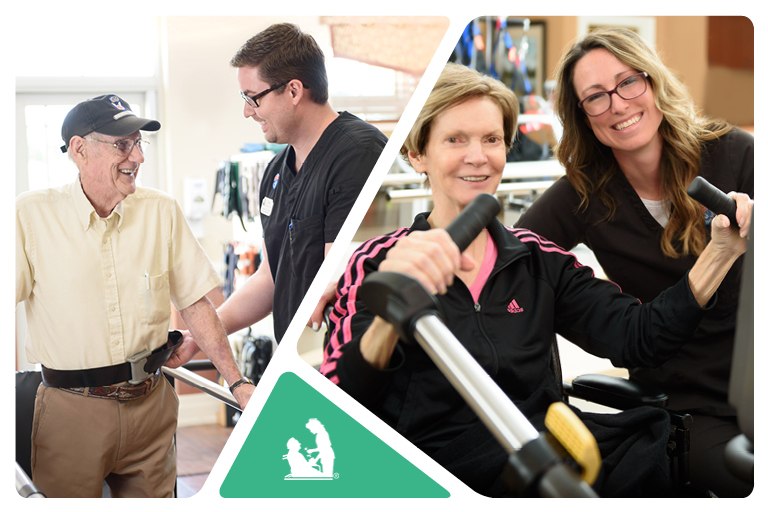
Seeing our short-term therapy patients meet their recovery goals never gets old!And we love to highlight these individuals as much as possible to celebrate our patients and inspire anyone who may be considering inpatient or outpatient rehabilitation for themselves or a loved one.If you are wondering if short-term therapy would benefit you and your family, take a look at the following success stories!Robert at Life Care Center of Saint LouisRobert came to Care Center of St. Louis after being treated for spinal fusion and complications related to surgery.At the time of admission, Robert required maximum assistance for upper body dressing and bathing and was dependent for lower body dressing. He needed help with bed mobility and transfers and was unable to stand. In addition, he was also experiencing significant cognitive impairment.In physical therapy, he focused on lower extremity and core strengthening and transfer training. In occupational therapy, he focused on retraining for activities of daily living and upper extremity strengthening. While in speech therapy, he addressed orientation, problem solving, memory issues.When Robert discharged, he was independent with eating, dressing, and grooming, and required set-up for bathing and toileting. He is independent with bed mobility, transfers, and walking. He is also able to climb stairs with supervision and has normal cognitive function."I wouldn't be where I am today if I hadn't received such great therapy. RobertCongratulations to Robert on meeting his recovery goals!Life Care Center of Saint LouisAnna at Life Care Center of ElyriaAnna admitted to Life Care Center of Elyria for comprehensive rehabilitation to maximize her independence and enable her to return home.Anna had weakness, decreased balance, and decreased tolerance of functional activity. She needed help walking, transferring, and completing self-care tasks.The physical therapist and occupational therapist evaluated Anna and formulated a dynamic, integrated treatment approach that would help her reach her goal of returning home independently.Anna met all her goals and discharged back to her apartment without requiring any further therapy or services!"My stay was a 10 out of 10! I had very good care. Everyone working here has been very nice and very prompt. The food was hot, fresh, and tasty! I introduced myself to other residents and got to know them. I felt welcome and included." AnnaCongratulations to Anna and her success in short-term therapy!Life Care Center of ElyriaBethany at Parkview Nursing and Rehabilitation CenterBethany received hospital treatment after a severe automobile accident, which caused a severe neck fracture and triggered a stroke.Upon admission, Bethany could not walk and had cognitive difficulties. She required full assistance with most activities of daily living and needed assistance with walking, transfers, dressing, and bathing.Bethanys daily rehab program included physical, occupational, and speech therapies. Her physical therapy focused on improving her strength, balance, and mobility. Occupational therapy targeted her memory problems and her ability to complete daily activities. In speech therapy, Bethany addressed her cognitive and communication skills.After completing her therapy program, Bethan could walk over 250 feet and care for herself on her own. Her cognitive function has returned to a normal level."I went from the lowest of lows to feeling strong and independent again. The therapists and staff were compassionate and supportive, and I am grateful that they humbled themselves to serve me. BethanyWe want to congratulate Bethany for reclaiming her independence!
Feb 07, 2025

Champions of Care: Whatever It Takes Winners Nov. 2024
Life Care Centers of America's Whatever it Takes Champions program honors associates who go beyond their job descriptions in caring for our patients, residents, and their families. Here are four of our recent winners and their inspiring stories. These associates are certainly Champions of Care!India Warren, Unit Manager at Life Care Center of Citrus CountyA form of feedback we cherish comes from the family members of our patients and residentsbecause we dont serve just the patient or resident. We serve the entire family!Here is what one family member had to say about India Warren and her compassionate care:I appreciate India's accessibility when I need to have conversations about my 98-year-old father's care. She is a problem-solver who finds positive solutions. She knows who my dad is and is familiar with his issues, which helps me sleep at night! I am grateful that she is in this important and difficult role.Life Care Center of Citrus CountySteely Savino, RN Unit Coordinator at Life Care Center of ColumbiaSteely is a source of encouragement and inspiration to her colleagues and support and comfort for her patients and residents. She can be found assisting in various areas of the facility, providing extra assurance that our patients and residents receive the care they need.Recently, Steely put up a positivity board in the facility chart room. This simple contribution has had a great effect, boosting staff morale and overall spirit. Everyone she comes into contact with considers her a true asset to the facility!Life Care Center of ColumbiaAaron Campbell, Houseekeeping Assistant at Life Care Center of OoltewahThe facility held a garage cleanup day, and Aaron volunteered to assist with item removal. Not only did he come in to help on one of his off days, but he also used his personal vehicle to haul several loads of items to a donation center.Life Care Center of OoltewahEric Spalding, CNA at Life Care Center of Winter HavenWe also love it when our residents personally nominate associates for the Whatever It Takes award, as their words serve as the truest representation of the quality care we strive to deliver at Life Care.Recently, a resident nominated Eric, and this is what they had to say about his performance as a CNA:This is the most wonderful CNA I have ever had. He's caring and concerned. He answered my questions, which were many. I felt special, like I was beng treated like his mother. He is never in a hurry. Eric deserves this award! He is a Champion!
Feb 07, 2025
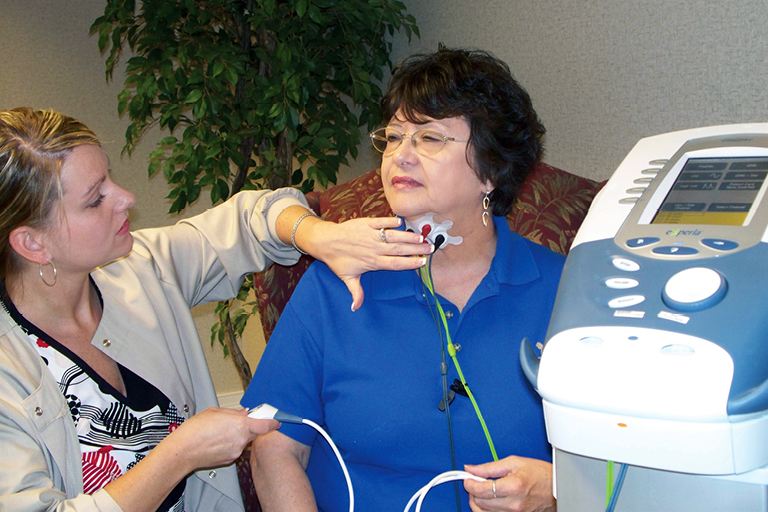
Rehab Tech for Success: Tools You May Use During Your Short-Term Therapy Program
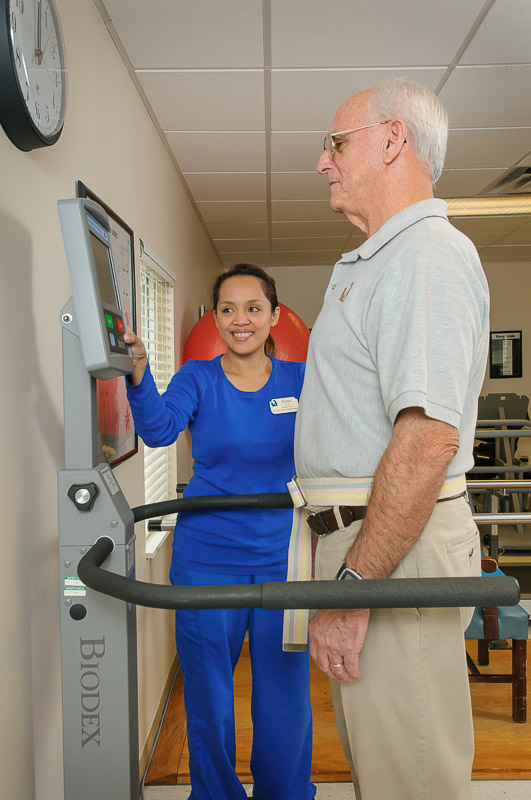
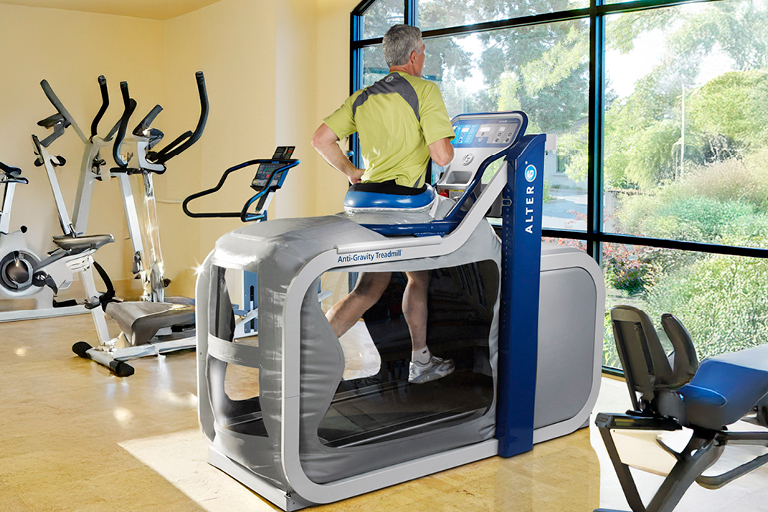
It also requires the right tools. If youre preparing for a short-term therapy stay, you may be wondering about the various types of equipment your therapy might incorporate. So, we decided to compile a brief list of common tools, technologies, and modalities you might use during your journey back to independence!Stretching & Strength Training ToolsYou are probably already familiar with many of these pieces of equipment, as they can be found in most gyms and fitness centers. If you undergo physical or occupational therapy, you will likely encounter exercise balls, gait trainers, grip strengtheners, resistance bands, and light weights. These tools help therapy patients regain strength, improve motor skills, and increase range of motion.Whether you use some or all these tools depends your personal needs. Your therapist will create for you an individualized program that includes all the tools you need to succeed.Alter-G Anti-Gravity TreadmillThis state-of-the-art piece of equipment employs NASA-developed Differential Air Pressure (DAP) technology to help reduce a patients weight impact so they can train with minimal pain and discomfort. The device uses a pressurized air chamber that encompasses a patients lower half. As the patient trains, the chamber reduces gravitational load in small increments, giving the patient more buoyancy and support.Vital StimCommonly used in speech therapy, this device is designed to treat dysphagia, or difficulty swallowing. It uses electrical stimulation to activate, strengthen, and retrain the muscles responsible for swallowing. According to studies, 97 percent of patients who use this device regain their functional swallowing ability, and 40 percent regain full swallowing ability.AquacCiser Underwater TreadmillSimilar to the Alter-G, the Aquaciser uses water resistance to give patients more support as they rehabilitate, so that they experience lower impact and less pain while building their strength. Water depth and temperature can be adjusted to suit each patients needs and preferences.Trans-Sit Car Transfer SimulatorTypically used in occupational therapy, the Trans-Sit car transfer simulator recreates the experience of getting in and out of car. Patients can practice transferring in a stable and comfortable environment instead of an unpredictable and potentially unsafe parking lot. The simulator is adjustable, allowing therapists to customize training sessions to meet the specific needs and abilities of each patient.Biodex Balance SystemThis therapy device is designed to help patients assess and improve their balance. It features a circular, multiaxial platform that can sense a patients weight and movements. While holding onto the devices supportive handles, patients can test their balance, screen for fall risk, and undergo balance training exercises.
Feb 07, 2025
Skilled Care Now Available in Punta Gorda
Choosing the right care center is not just about finding an available bed. It is about finding a place where residents can receive quality care, families can feel informed, and each persons needs are treated with respect.Life Care Center of Punta Gorda is currently welcoming inquiries for long-term care beds, short-term rehabilitation beds, and its female-only memory care unit.Located in Punta Gorda, Florida, Life Care Center of Punta Gorda provides skilled nursing and rehabilitation services in a setting designed to support both recovery and ongoing care. The facility is near Charlotte Regional Medical Center and offers rehabilitation programs for both inpatient and outpatient needs.For long-term residents, the center provides support for a wide range of skilled nursing needs. Services include 24-hour skilled nursing care, case management, discharge planning, fall prevention, IV therapy, medication management, wound care, diabetes management, infection management, post-surgical care, and individualized treatment plans. This level of support can be especially important for residents who need consistent care, structure, and medical oversight.For short-term rehabilitation patients, Life Care Center of Punta Gorda offers therapy programs designed to help individuals rebuild strength and independence. A team of physical, occupational, and speech therapists evaluates each patient and creates a treatment program based on their specific needs. The goal is to help patients reach their highest possible level of independence and confidence after illness, injury, surgery, or hospitalization.The center is also highlighting its female-only memory care unit, which may be a strong option for families seeking a more specialized and comfortable environment for women living with memory-related conditions. Memory care decisions are deeply personal, and having a dedicated female-only option can help families feel more confident about placement.In addition to care services, residents and patients have access to amenities such as flexible visiting hours, a daily activity schedule, complimentary wireless internet, housekeeping and laundry services, landscaped grounds, a fine dining program, private and semiprivate rooms, and family/resident councils. Families looking for care options in Punta Gorda are encouraged to reach out directly to discuss current availability or schedule a tour. Life Care Center of Punta Gorda can be reached at (941) 639-8771.
May 27, 2026
Care Options Now Available at Life Care Center of Punta Gorda
When a loved one needs care, timing matters. Whether the need is long-term support, recovery after a hospital stay, or specialized memory care, families deserve options that are available, reliable, and centered around the person receiving care.Life Care Center of Punta Gorda currently has availability in several key care areas:Long-term care beds available Short-term rehab beds available Female-only memory care unit availabilityLife Care Center of Punta Gorda is a skilled nursing and rehabilitation facility serving the Punta Gorda community. The center offers nursing care, rehabilitation services, and individualized care planning for residents and patients with a variety of needs. Its in-house therapists and nurses create individualized care plans focused on the goals and needs of each resident and patient.Long-term care is often the right choice for individuals who need daily assistance, ongoing supervision, or skilled nursing support. At Life Care Center of Punta Gorda, services include 24-hour skilled nursing care, medication management, wound care, IV therapy, post-surgical care, infection management, fall prevention, and social services. These services help support residents who require a higher level of care than what can be safely managed at home.Short-term rehab is designed for individuals who are working to recover and return to a more independent lifestyle. The rehabilitation team provides physical therapy, occupational therapy, and speech therapy. Physical therapy supports mobility and function, occupational therapy helps patients improve daily living skills, and speech therapy assists with communication, problem-solving, verbal expression, and swallowing challenges.The female-only memory care unit provides another important option for families looking for a specialized care environment for women with memory care needs. This type of setting can be especially valuable for families who want a secure, compassionate, and more personalized environment for their loved one.Life Care Center of Punta Gorda was also named one of U.S. News & World Reports 2026 Best Nursing Homes, according to the facilitys website. To learn more about availability, services, or scheduling a tour, families can contact Life Care Center of Punta Gorda at (941) 639-8771.
May 27, 2026
What Should I Know Before Speech Therapy? 10 Commonly Asked Question
Speech and language therapy is often associated with helping children pronounce words correctly, but speech-language pathologists (SLPs) also help older adults recover and maintain important communication and swallowing skills.Often part of a comprehensive rehabilitation plan, speech therapy can improve your quality of life, safety, confidence, and independence. Below is a list of questions that patients and families often have about speech therapy. We hope this article leaves you feeling informed and encouraged about the many ways speech therapy can help you thrive.1. What does speech therapy help with for older adults?Speech therapy can help you with much more than speaking clearly. Speech therapists can assist you with:Speech and language difficultiesMemory and cognitive challengesProblem-solving and attention skillsVoice disordersReading and writingSwallowing difficulties (dysphagia)Speech therapy is commonly recommended after a stroke, brain injury, surgery, illness, or hospitalization. It can also benefit you if you are living with Parkinsons disease, dementia, or other neurological conditions.2. What is a speech-language pathologist?A speech-language pathologist (SLP) is a licensed healthcare professional trained to evaluate and treat communication and swallowing disorders.Your SLP works with you to improve functional skills that support everyday life, such as communicating with loved ones, remembering information, following directions, and eating safely. Speech therapist is a more casual way of referring to an SLP.3. Is speech therapy only for people who have trouble talking?No. In fact, many people are surprised to learn that speech therapy also addresses cognition and swallowing. For example, you may work with a speech therapist to improve memory after hospitalization, strengthen problem-solving skills, safely swallow food and drinks, reduce coughing or choking during meals, and improve attention and concentration. These skills can be important for helping you maintain independence and safety at home. 4. What conditions commonly require speech therapy?Speech therapy may help you recover from or manage conditions such as:StrokeParkinsons diseaseDementiaTraumatic brain injuryRespiratory illness affecting voiceHead and neck cancerGeneral weakness after hospitalizationMany patients receive speech therapy during short-term rehabilitation following surgery, illness, or injury.5. What happens during a speech therapy evaluation?During an evaluation, your speech therapist will assess your communication, cognitive, or swallowing abilities. Depending on your needs, the therapist may evaluate your speech clarity, language comprehension, memory and attention, problem-solving skills, voice quality, and swallowing safety.Your therapist will then create an individualized treatment plan with goals tailored to your daily life and recovery needs. 6. What does speech therapy look like day to day?Speech therapy sessions vary depending on your goals. Sessions can include things like:Memory exercisesWord-finding activitiesCommunication practiceSwallowing exercisesSafe eating strategiesCognitive tasks related to everyday activitiesTherapy is often interactive and personalized to help you regain practical skills you use every day.7. Can speech therapy help with swallowing problems?Yes. Swallowing difficulty, also called dysphagia, is one of the most common reasons older adults receive speech therapy. A speech therapist can help you strengthen your swallowing muscles and learn safer swallowing techniques, ultimately improving your safety while eating and drinking and reducing the risk of choking. Addressing swallowing concerns can also help reduce complications and improve your nutrition and hydration.8. How long will someone need speech therapy?Every recovery timeline is different. You may benefit from short-term therapy after surgery or illness, while others with chronic neurological conditions may participate longer-term. Your progress depends on factors such as overall health, severity of symptoms, consistency with therapy, and individual goals. Speech therapists regularly reassess progress and adjust treatment plans as needed.9. Can family members be involved in speech therapy?Yes! Family involvement can play an important role in your recovery. Speech therapists often educate caregivers on communication strategies, swallowing techniques, and ways to continue exercises outside therapy sessions. Including loved ones in the process can help you feel more confident and supported.10. What are the benefits of speech therapy for seniors?Speech therapy can help you improve:CommunicationConfidenceSafety during mealsMemory and cognitionIndependenceOverall quality of lifeThese improvements can make daily activities easier and help you reconnect with your family, friends, and routines.
May 26, 2026
Skilled Nursing in Punta Gorda: Comprehensive Care with a Personal Touch
When a loved one requires more than basic daily assistancewhether after surgery, illness, or injurya skilled nursing facility can provide the professional care and support needed for recovery and comfort. For seniors in Punta Gorda, Florida, the Life Care Center of Punta Gorda stands as a trusted choice, offering compassionate, quality care in a community-centered environment.Life Care Center of Punta Gorda combines medical expertise with rehabilitative services such as Physical Therapy, Occupational Therapy, and Speech Therapy, helping residents regain strength, independence, and confidenceone step at a time.Why Skilled Nursing Care Matters for SeniorsAs we age, our healthcare needs often become more complex. Seniors recovering from a hospital stay, stroke, or chronic condition may need ongoing medical supervision, specialized therapy, and daily assistance that goes beyond whats available at home or in an assisted living setting.Skilled nursing care bridges that gap. These facilities provide:24-hour licensed nursing careMedication management and monitoringRehabilitative therapy services (physical, occupational, and speech)Assistance with daily activities (bathing, dressing, mobility)Nutritional support and meal planningEmotional and social supportAt Life Care Center of Punta Gorda, residents receive individualized care plans designed to help them meet their personal recovery goalswhether its walking again after surgery or regaining the ability to speak clearly after a stroke.Rehabilitation that Restores Strength and IndependencePhysical Therapy: Rebuilding Strength and MobilityPhysical Therapy plays a crucial role in recovery, especially for seniors regaining mobility after surgery, illness, or a fall. At Life Care Center of Punta Gorda, licensed physical therapists work with residents to:Improve balance and coordinationRestore flexibility and strengthEnhance mobility and walking abilityReduce pain and inflammationPrevent future injuriesEvery program is customized to match the residents current health and personal goalswhether its getting back to gardening, walking to the mailbox, or enjoying time with grandkids.Expert Tip: Consistency is key to recovery. Even small daily improvements build momentum toward long-term independence, says a Life Care Center rehabilitation specialist. Occupational Therapy: Regaining Daily FunctionOccupational Therapy helps seniors adapt to everyday challenges by improving the skills needed for self-care and independence. Therapists at Life Care Center of Punta Gorda assist residents with:Relearning activities like dressing, bathing, and cookingAdapting to new physical limitationsUsing assistive devices effectivelyImproving fine motor coordinationThe focus is on helping residents return to meaningful routines and hobbiesbecause recovery isnt just physical, its emotional and practical, too.Speech Therapy: Rebuilding Communication and Swallowing SkillsCommunication is one of the most important aspects of lifeand losing that ability can be frustrating and isolating. The Speech Therapy team at Life Care Center of Punta Gorda provides personalized treatment for residents dealing with:Speech or language difficulties after a strokeSwallowing disorders (dysphagia)Cognitive communication issuesVoice changes or hoarsenessTherapists use proven techniques to improve clarity, confidence, and swallowing safety, empowering residents to express themselves and stay connected to loved ones.A Caring Community in Punta Gorda, FloridaLocated in the heart of Charlotte County, Punta Gorda is known for its warm weather, waterfront charm, and senior-friendly community. According to recent data, nearly 45% of Punta Gordas residents are age 65 or older, making senior healthcare and rehabilitation essential parts of the communitys support system.At Life Care Center of Punta Gorda, that local connection runs deep. Many team members live right in the community and share a genuine passion for serving their neighbors. The facilitys comfortable setting, friendly staff, and focus on holistic wellness create a welcoming environment where residents feel right at home.Life Care Beyond Medical NeedsBeyond clinical care, Life Care Center of Punta Gorda offers a range of amenities and services designed to support the whole person:Daily social and recreational activitiesNutritious, chef-prepared mealsSpiritual care and emotional supportOn-site beauty salon/barber servicesOutdoor spaces and group gatheringsThese details may seem small, but they play a big role in helping residents stay positive and engaged throughout their recovery journey.How to Know If Skilled Nursing Is the Right ChoiceChoosing a skilled nursing facility is a major decision for families. Here are a few signs it might be time to consider professional skilled care:Your loved one needs medical supervision or frequent therapy after a hospital stay.Home care isnt enough to manage complex health needs.You notice a decline in mobility, strength, or ability to perform daily activities.Safety or fall concerns have increased at home.If any of this sound familiar, Life Care Center of Punta Gorda offers short-term rehabilitation and long-term care options tailored to your loved ones needs. Frequently Asked Questions About Skilled Nursing1. Whats the difference between skilled nursing and assisted living?Assisted living offers help with daily activities, but skilled nursing provides medical care from licensed nurses and therapists for individuals with ongoing health or recovery needs.2. How long do seniors typically stay in skilled nursing?It varies by conditionsome residents stay for a few weeks after surgery, while others need long-term care for chronic health issues.3. Are therapy services included in skilled nursing care?Yes. At Life Care Center of Punta Gorda, residents have access to Physical Therapy, Occupational Therapy, and Speech Therapy based on their personalized recovery plan.4. Does insurance cover skilled nursing care?Many stays are covered by Medicare, Medicaid, or private insuranceespecially for rehabilitation following a hospital stay. Its best to check your specific coverage options.5. Can family members visit frequently?Absolutely. The team encourages family involvement and provides flexible visiting hours to help residents stay connected to loved ones. Your Partner in Recovery and WellnessAt Life Care Center of Punta Gorda, every resident is treated like family. Whether recovering from an illness, managing a chronic condition, or building strength after surgery, the care teams goal is to help seniors achieve the highest level of independence possible.Learn more about Life Care Center of Punta Gorda and explore their Skilled Nursing, Physical Therapy, Occupational Therapy, and Speech Therapy services today on SeniorsBlueBook.com your trusted resource for senior care options across Punta Gorda, Florida.