
PHONE
Click to View NumberGeneral Property Features
- Private Rooms, Semi-Private Rooms, Controlled Access
- Laundry Service - Provided, Respite/Short Term Stay, Activities, Social Programs, Housekeeping
- Assisted Living Community
- All Pets Considered, Small Pets
Assisted Living
- 2304O6
- 8
- $5,800.00
- Medicaid, Private Pay, Private Insurance, Long Term Care Insurance, Veterans Administration, ASAP
- Price Dependent Levels of Care, Price All Inclusive
- 8
- 1 BR
- Adult Day Programs, Memory Care (Dementia)
- Yes
Continue Your Search! Explore More Local Options.
Start SearchingLet’s engage and get educated!
Browse through thousands of expert articles in over 100 different categories.
Browse NowArticles You May Like
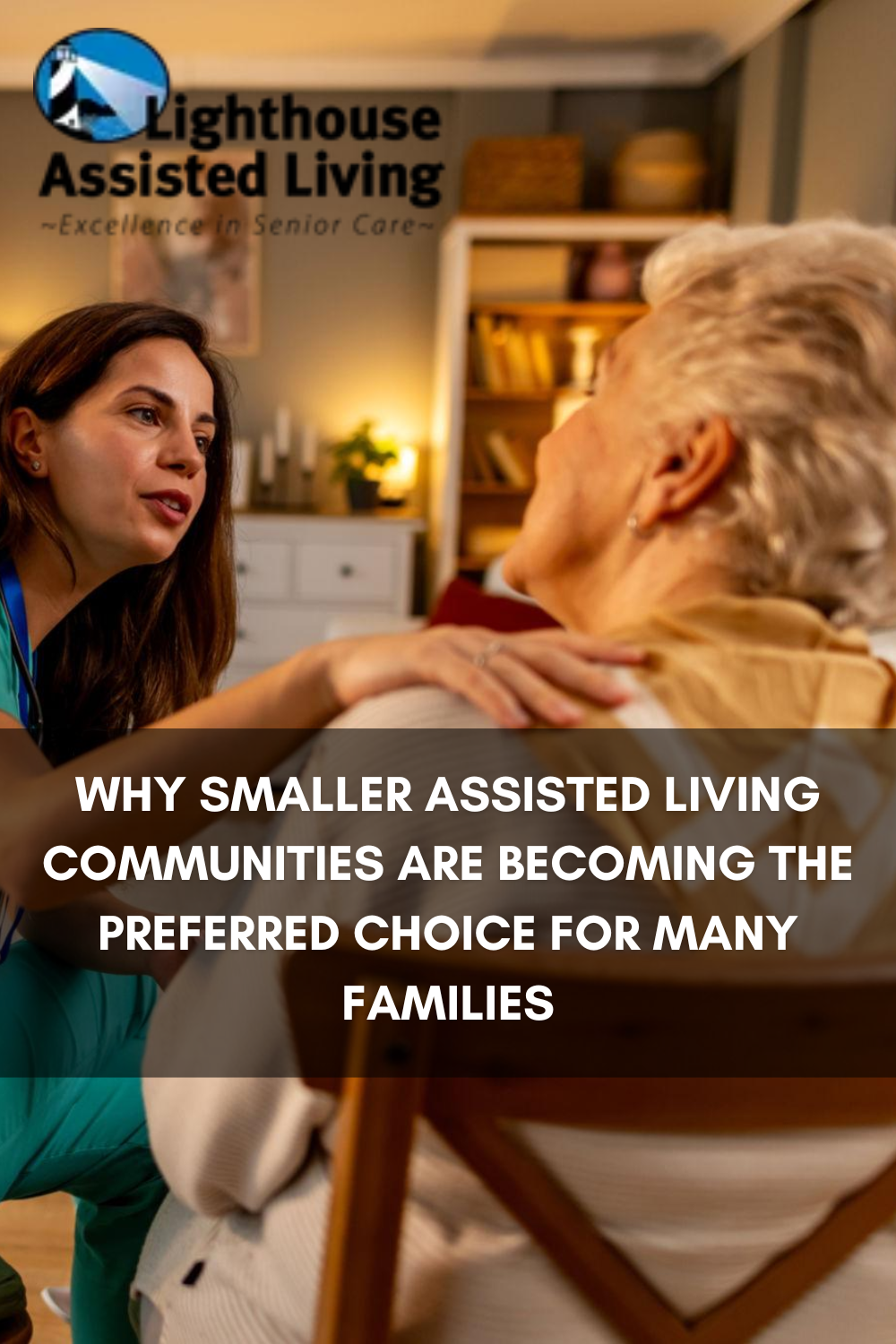
Why Smaller Assisted Living Communities Are Becoming the Preferred Cho
Why Smaller Assisted Living Communities Are Becoming the Preferred Choice for Many FamiliesAs families begin exploring senior living options for aging loved ones, many are discovering that bigger is not always better. While large senior campuses may offer extensive amenities, smaller assisted living communities often provide something equally valuable a more personal, comforting, and relationship-centered experience.In Englewood, seniors and their families increasingly seek environments where residents are known by name, caregivers build meaningful connections, and daily life feels warm and familiar rather than overwhelming.At Lighthouse Assisted Living - Emporia, residents receive compassionate support in a setting designed to feel more like a true home than a traditional facility. This personalized approach to assisted living can make a significant difference in emotional wellness, comfort, and quality of life.Smaller communities allow us to really know each resident personally, says Tom Littleton of Lighthouse Assisted Living - Emporia. That familiarity creates trust, comfort, and stronger relationships for both residents and families.The Growing Desire for Personalized Senior CareTodays older adults are redefining what they want from senior living. Families are no longer looking solely for basic assistance with daily tasks they are searching for communities that prioritize: Individualized attention Emotional support Meaningful relationships Comfortable environments Resident dignity Quality of life Many seniors transitioning into assisted living are leaving homes they lived in for decades. A smaller, more intimate setting can help ease that transition by creating a sense of familiarity and emotional security.For residents who may feel anxious about change, quieter environments with fewer residents often feel more manageable and welcoming.Englewoods Community Atmosphere Supports Healthy AgingLocated just south of Denver, Englewood offers a blend of suburban comfort and urban accessibility that appeals to many older adults.Seniors in Englewood enjoy: Access to excellent healthcare Nearby shopping and dining Beautiful parks and outdoor spaces Quiet residential neighborhoods Strong community connections Many longtime residents appreciate remaining near familiar surroundings while gaining access to supportive senior care services.Communities like Lighthouse Assisted Living - Emporia help seniors maintain those local connections while receiving personalized assistance tailored to their evolving needs.Why Smaller Communities Feel DifferentIn large senior living campuses, residents may interact with many different staff members throughout the week. Smaller assisted living communities often create more consistency in caregiving relationships.This consistency can provide: Greater emotional comfort Better communication More personalized support Familiar daily interactions Increased trust between staff and residents Caregivers who know residents personally are often better able to recognize subtle changes in: Mood Appetite Mobility Energy levels Cognitive health That familiarity can lead to earlier intervention when concerns arise.Residents Often Feel More Comfortable SociallyFor some seniors, large social environments can feel intimidating or exhausting. Smaller assisted living communities may encourage more natural social interaction because residents become familiar with one another more quickly.Daily opportunities for connection may include: Shared meals Casual conversations Small group activities Holiday celebrations Outdoor relaxation Music and entertainment These moments help residents develop friendships and feel part of a supportive community.At Lighthouse Assisted Living - Emporia, we want residents to feel genuinely known and included, Tom Littleton explains. Relationships are a huge part of emotional wellness.Personalized Routines Help Maintain IndependenceOne of the most important goals of assisted living is helping seniors maintain independence while receiving support where needed.Smaller communities often provide greater flexibility in accommodating personal routines and preferences.Support services may include: Medication management Assistance with bathing or dressing Meal preparation Mobility assistance Housekeeping Transportation coordination Rather than forcing residents into rigid schedules, individualized care allows seniors to maintain a sense of control over their daily lives.This approach helps preserve dignity and confidence during the aging process.Emotional Wellness Matters as Much as Physical CareMany families initially focus on physical safety when evaluating assisted living communities. While safety is certainly important, emotional health also plays a major role in healthy aging.Older adults living alone frequently experience: Loneliness Reduced social interaction Anxiety Depression Loss of motivation Smaller assisted living communities can help reduce these feelings by creating closer interpersonal relationships between residents and caregivers.Feeling emotionally connected can improve: Mood Appetite Cognitive engagement Overall happiness A warm environment often helps residents feel more relaxed and secure.Dining and Daily Living Become EasierCooking, grocery shopping, and household chores often become more difficult with age. Assisted living communities simplify these responsibilities while helping seniors maintain healthy routines.Residents benefit from: Nutritious meals Regular dining schedules Housekeeping assistance Laundry services Wellness oversight Family-style dining environments common in smaller communities may feel especially comforting for residents transitioning from independent living.These shared experiences also encourage social interaction and routine.Families Appreciate Greater CommunicationFamilies often report feeling more connected and informed in smaller assisted living environments.Because staff members develop closer relationships with residents and loved ones, communication may feel more personal and responsive.Adult children frequently gain peace of mind knowing: Their loved one is being observed regularly Staff recognize changes quickly Care plans are individualized Emotional well-being is prioritized This reassurance can significantly reduce caregiver stress.Questions Families Should Ask When Touring CommunitiesChoosing assisted living is an important decision, and families should carefully evaluate each option.Helpful questions include: How does the community personalize care? What is the staff-to-resident interaction like? How are activities planned? Does the environment feel calm and welcoming? How does staff communicate with families? What opportunities exist for social engagement? Visiting communities in person often provides valuable insight into the atmosphere and culture.Families should pay attention not only to amenities, but also to how residents appear emotionally and socially engaged.Smaller Communities Can Create Stronger ConnectionsFor many seniors, assisted living is not simply about receiving care it is about belonging to a supportive environment where they feel valued, respected, and comfortable.Smaller assisted living communities often create opportunities for: Stronger relationships Personalized support Emotional connection Familiar routines Greater comfort These qualities can positively influence both resident satisfaction and overall well-being.For families in Englewood seeking compassionate senior care, finding a community that truly feels personal can make all the difference.Learn More About Lighthouse Assisted Living - EmporiaFamilies exploring assisted living options in Englewood can learn more about Lighthouse Assisted Living - Emporia through their Seniors Blue Book listing. Personalized senior living can help older adults maintain independence, comfort, and meaningful relationships while receiving compassionate daily support.FAQsWhy do families choose smaller assisted living communities?Smaller communities often provide more personalized attention, stronger relationships, and quieter environments for residents.Is assisted living only for seniors with medical issues?No. Many residents simply benefit from support with daily tasks while remaining socially active and independent.How does assisted living help reduce loneliness?Residents have regular opportunities for social interaction through meals, activities, and community engagement.What services are typically included in assisted living?Services often include meals, medication management, housekeeping, transportation, wellness programs, and personal care assistance.Why is Englewood a good location for assisted living? Englewood offers convenient healthcare access, welcoming neighborhoods, outdoor recreation, and proximity to Denver amenities.
May 27, 2026
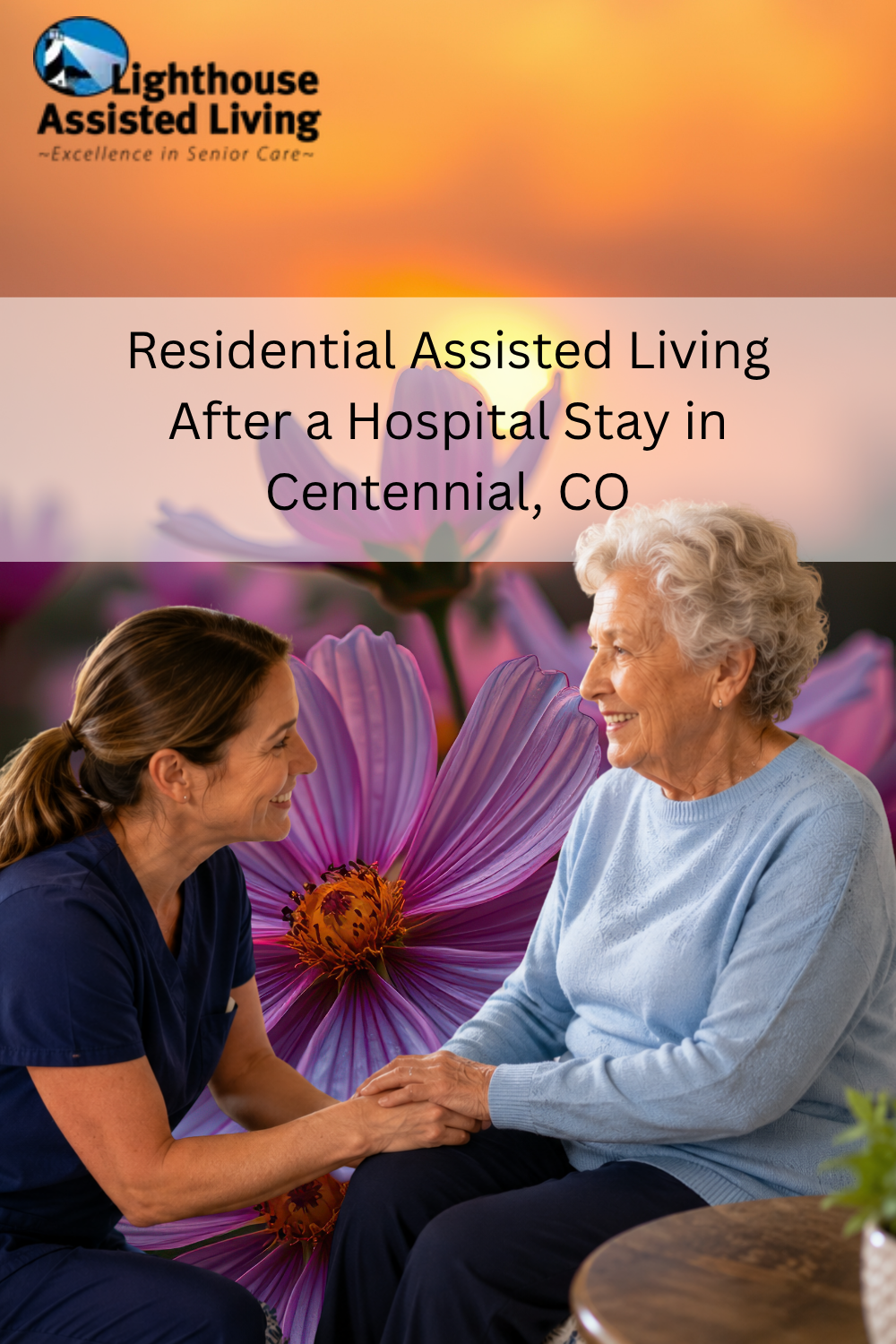
Residential Assisted Living After a Hospital Stay in Centennial, CO
Residential Assisted Living After a Hospital Stay in Centennial, COA hospital stay can change a familys perspective overnight.Before the admission, an older adult may have been managing at home with occasional help. Afterward, daily tasks can feel more difficult. Medications may have changed. Walking may be less steady. Follow-up appointments, meal preparation, bathing, and recovery routines can quickly become overwhelming for both the senior and the family members trying to help.For Centennial families, this is often when the search for assisted living begins. The goal is not to rush a loved one into a decision. It is to identify a safe, supportive setting that can make the transition from hospital to everyday life feel more manageable.Lighthouse Assisted Living Elizabeth offers a residential care-home setting in Centennial for families who are looking for personalized support in a quieter, more home-like environment.The Days After Discharge Can Be the Most ChallengingA hospital discharge does not always mean a person is ready to resume life exactly as before. A loved one may be medically stable but still need extra support with personal care, medication routines, mobility, nutrition, or follow-up instructions.Families may notice concerns such as:Increased weakness or fatigueTrouble moving safely through the homeMissed medication doses or confusion about new prescriptionsChanges in appetite or hydrationDifficulty bathing, dressing, or using the restroom independentlyMore frequent falls or fear of fallingIsolation after an illness or injuryGrowing caregiver stress among adult children or spousesThese concerns do not mean a person has lost all independence. They may simply mean that their current environment is no longer providing enough structure and support.A thoughtful assisted living transition can give families time to focus on recovery, connection, and quality of life instead of managing every daily task alone.Assisted Living Is Not the Same as RehabilitationFamilies sometimes assume that assisted living and rehabilitation are interchangeable. They are not.Rehabilitation is typically short-term and therapy-focused, often following surgery, illness, injury, or hospitalization. Assisted living is a long-term residential option for older adults who need help with daily living but do not require continuous skilled nursing care.However, the two may work together. Lighthouse Assisted Living states that it works with home health and rehabilitation agencies, allowing services to be delivered in the residence when ordered by a physician. This can help families coordinate care after a hospital stay while their loved one adjusts to a more supported daily routine.Before making any move, families should speak with the hospital discharge planner, primary care provider, rehabilitation team, and prospective assisted living community. A care assessment helps determine whether the residents needs can be safely met.Why a Residential Care Home May Feel More ComfortableAfter a difficult medical event, a large senior living campus can feel overwhelming to some older adults. Long hallways, unfamiliar routines, and busy common areas may add stress during an already emotional period.A residential care-home setting may offer a different experience. It can feel more familiar, quieter, and easier to navigate. For a senior who values comfort and personal attention, that setting may support a smoother adjustment.Lighthouse Assisted Living Elizabeth is located at 7783 S. Elizabeth Way in Centennial. The residence is part of Lighthouse Assisted Livings South Metro network of homes in Centennial, Littleton, and Englewood. Its published location gallery shows home-style living and dining spaces, bedrooms, a backyard deck, and outdoor areas designed for everyday use.For families balancing work, medical appointments, and caregiving responsibilities throughout Centennial and the surrounding South Metro area, a familiar neighborhood setting may make visits and ongoing involvement feel more natural.Planning for Daily Support, Not Just Todays NeedsThe most effective care plans do not only address what happened in the hospital. They also consider what may be needed in the weeks and months ahead.Lighthouse Assisted Living states that prospective residents are assessed by a registered nurse using information from the residents physician and medical durable power of attorney to determine whether the home can meet their individual care needs.Families should be ready to discuss:Mobility and transfer needsMedication changes and medication administrationShowering, dressing, and toileting assistanceSpecial diets or hydration needsMemory changes or confusionMedical equipment and visiting provider needsFall history and safety concernsFamily communication preferencesLighthouse reports that its homes are nurse-owned and managed, with staff who receive ongoing training. It also states that its caregivers are Qualified Medication Administration Person, or QMAP, certified for medication administration in Colorado assisted living settings.These details matter because a transition is easier when care expectations are discussed honestly before move-in.A Family-Centered Approach to ChangeWhen an older adult leaves the hospital, families can unintentionally focus only on safety. Safety is essential, but it should not be the only measure of a good next step.A loved one also needs dignity, familiarity, choice, and a sense of being known.Lighthouse describes Tom Littletons focus as providing better care to residents while reducing stress for families. That perspective is especially important after a health event, when family members may feel uncertain about every decision.A good assisted living conversation should include the older adult whenever possible. Ask what they are worried about. Ask what would make daily life easier. Let them choose personal belongings for their room, participate in tours, and share their preferences about meals, schedules, and social activities.A move feels different when it is presented as a way to gain support rather than a loss of control.Questions to Ask Before Choosing Assisted Living After a Hospital StayFamilies should bring a written list of questions to each tour. Consider asking:Can the community meet my loved ones current care needs?How are care plans created and updated?What happens if mobility or memory needs increase?How are medications managed after discharge?Can home health, therapy, hospice, or other medical providers visit?How are falls, urgent changes, or hospital transfers handled?How often are families updated about changes in condition?What is included in the monthly cost, and what may require additional fees?A reputable community should answer clearly and encourage families to ask follow-up questions.Frequently Asked QuestionsCan someone move into assisted living directly after a hospital stay?Possibly, but it depends on the persons needs and the communitys ability to provide safe care. Families should consult the discharge team and arrange an assessment with the assisted living provider.Does Lighthouse Assisted Living Elizabeth provide a home-like setting?Yes. Lighthouse Assisted Living Elizabeth is located in a residential Centennial neighborhood, and its published gallery includes living areas, dining spaces, bedrooms, and outdoor areas.Can a resident receive home health or rehabilitation services in assisted living?Lighthouse states that home health and rehabilitation agencies may provide services in its homes with a doctors recommendation. Families should confirm individual arrangements directly with the provider.How does Lighthouse determine whether it can meet a new residents needs?The organization states that a registered nurse reviews information from the prospective residents physician and medical durable power of attorney before admission.Take the Next Step With a PlanA hospital stay may reveal that a loved one needs more support, but it can also create an opportunity to build a safer and more sustainable routine.Visit the Seniors Blue Book listing for Lighthouse Assisted Living Elizabeth to learn more about its Centennial residential setting. Schedule a tour, discuss your loved ones current needs, and explore whether a personalized care-home environment could offer the reassurance your family needs.