$1,347/month



About Luther Acres
The art of living well is defined at Luther Acres, a Luthercare senior living community in Lititz. Offering the perfect blend of location, lifestyle, services and healthcare, Luther Acres is a Continuing Care Retirement Community (CCRC) designed to meet your physical, spiritual and social aspirations.General Property Features
- Age Restrictions, Fitness Center, Pool/Spa, Faith Based, Guest Parking, Handicap Access, Wheelchair Accessible
- Laundry Service - Self Serve, Nurse on Staff, Scheduled Transportation, Transportation, Activities, Housekeeping, Meals/Meal Options, Social Programs
- Secured Memory Care Unit, Skilled Nursing Facility, Retirement Community, CCRC Campus
- All Pets Considered
Housing - Other Types
- www.Luthercare.org
- $1,347.00
- $73,872.00
- 402
- Studio, 1 BR, 2 BR, 3 BR
- Multi-Levels, New Construction, Condo/TownHomes, Not For Profit Status
- Wellness Center
- Activity Programs, Housekeeping, Lawn Service Included, Social Programs, Dining
- Fee for Service Contract
- Nursing Care Units (private), Independent Living Units
Additional Levels of Care Offered
Luther Acres
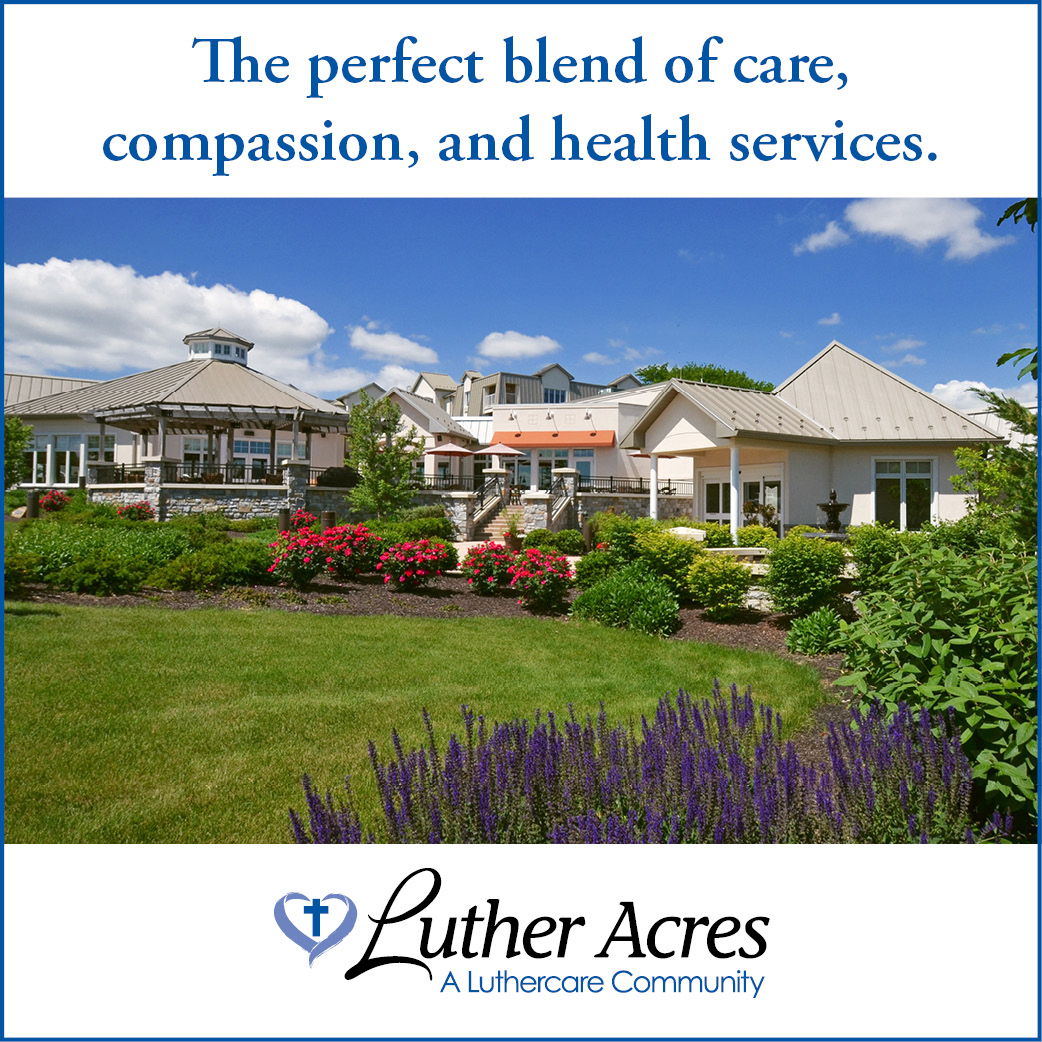
Skilled Nursing 400 Saint Luke Drive, Lancaster County, Lititz, Pennsylvania, 17543At the Luther Acres skilled nursing Healthcare Center, we provide 24-hour-a-day, seven-days-a-week care for those who require ongoing monitoring, assessment and treatment. In addition, a full range of rehabilitation therapies, social services, nutritional assessment, treatment and activities are provided. A rehabilitation gym is located adjacent to the rooms for convenience. Luther Acres is a Continuing Care Retirement Community (CCRC) that offers the full continuum of care.
Luther Acres
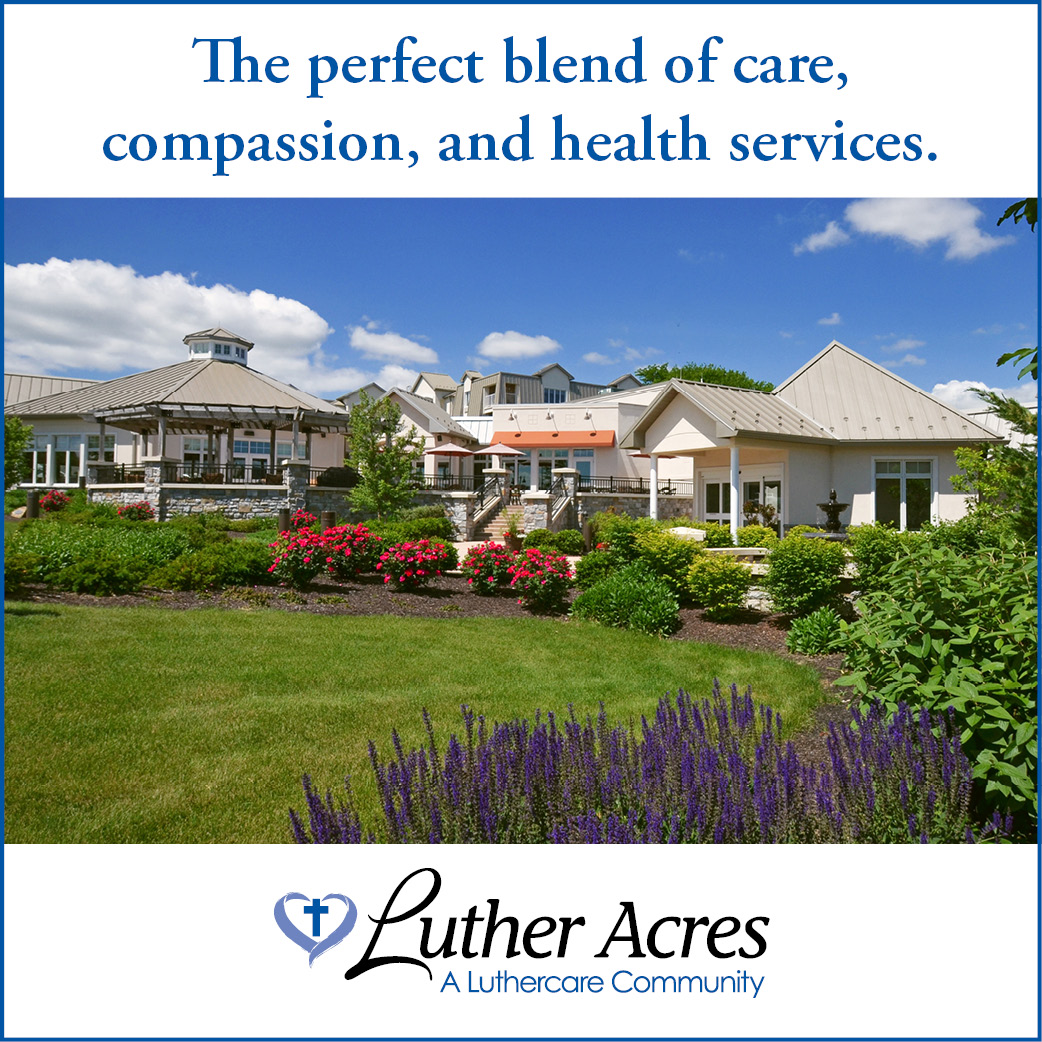
Assisted Living 300 Saint Mark Avenue, Lancaster County, Lititz, Pennsylvania, 17543Personal Care at Luther Acres offers a supportive, caring, lifestyle designed to meet individual needs. Luther Acres~ Personal Care suites feature private bathrooms and tea kitchens and come in a variety of floor plans. Our community features welcoming gathering spaces perfect for connecting and mingling with family and friends.
Luther Acres
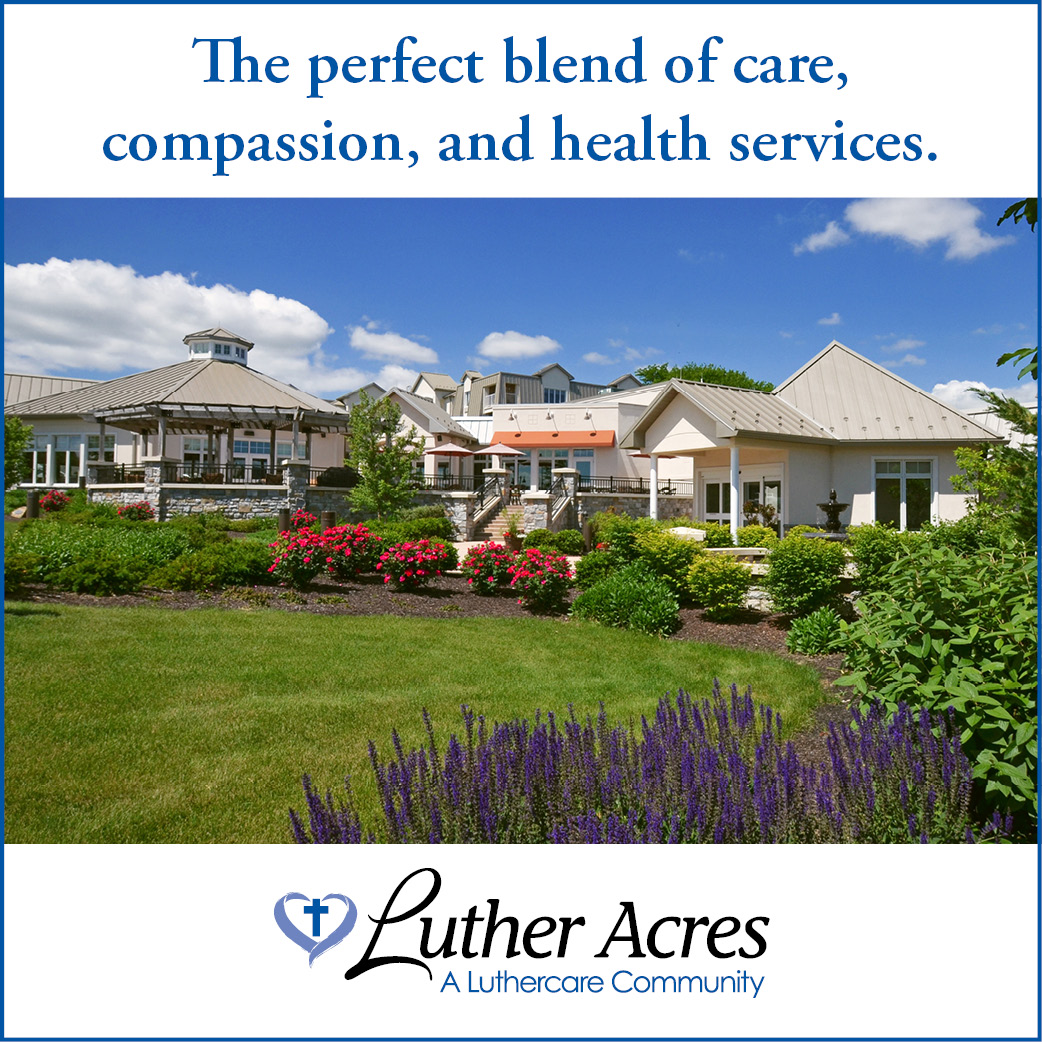
Rehabilitation Services 600 E Main St, Lancaster County, Lititz, Pennsylvania, 17543The art of living well is defined at Luther Acres, a Luthercare senior living community in Lititz. Offering the perfect blend of location, lifestyle, services and healthcare, Luther Acres is a Continuing Care Retirement Community (CCRC) designed to meet your physical, spiritual and social aspirations.

Luther Acres
Independent Living 600 East Main Street, Lancaster County, Lititz, Pennsylvania, 17543The art of living well is defined at Luther Acres, a Luthercare senior living community in Lititz. Offering the perfect blend of location, lifestyle, services and healthcare, Luther Acres is a Continuing Care Retirement Community (CCRC) designed to meet your physical, spiritual and social aspirations. We offer Independent Living 1- and 2-bedroom apartments and cottages in a variety of designs.
Continue Your Search! Explore More Local Options.
Start SearchingLet’s engage and get educated!
Browse through thousands of expert articles in over 100 different categories.
Browse NowArticles You May Like

The Benefits of Memory Care
A dementia diagnosis changes more than daily routines it changes the entire landscape of decisions a family has to make. One of the most significant of those decisions is whether, and when, to consider memory care. For many families, the idea can feel like a difficult step. But for residents living with Alzheimer's disease or other forms of dementia, memory care is often what allows them to live more safely, calmly, and fully than they could at home and it can be a relief, not just a loss, for the families who love them.Here's a closer look at what memory care actually offers.What Makes Memory Care DifferentMemory care is a specialized form of senior living designed specifically for people with Alzheimer's disease, dementia, or other cognitive impairments. While it shares some features with assisted living private or semi-private rooms, meals, activities, personal care support it's built around the specific needs of a cognitively declining brain, from the physical layout of the building to the training of every staff member.1. A Safer Physical EnvironmentOne of the most immediate benefits of memory care is safety. Dementia often brings an increased risk of wandering, falls, and disorientation even in a familiar home. Memory care communities are purpose-built to reduce these risks: Secured entrances and exits to prevent unsafe wandering off the property Circular or looped hallway layouts that allow residents who wander internally to walk safely without hitting confusing dead ends Color-coded doors, photos, and memory boxes outside each room to help residents recognize their own space Reduced fall hazards clear walkways, good lighting, grab bars, and non-slip flooring 24-hour supervision by staff trained specifically in dementia care This kind of environment allows residents far more freedom of movement than would be safe at home, precisely because the space is designed to contain and support that movement safely.2. Specially Trained StaffCaring for someone with dementia requires a different skill set than general caregiving. Memory care staff typically receive specialized training in: De-escalation techniques for agitation or confusion Communication strategies for residents who struggle with language or memory Recognizing and responding to non-verbal cues, especially in later-stage dementia Understanding the progression of different types of dementia and adjusting care accordingly This training often translates into a calmer, more patient, and more consistent caregiving approach one that reduces the frustration and anxiety that can otherwise escalate into distress for both residents and their families.3. Structured, Predictable RoutinesPredictability is deeply calming for people with dementia, who often experience the world as confusing or unfamiliar even in objectively familiar settings. Memory care communities build daily life around consistent routines: Set times for meals, activities, and rest Familiar staff assigned consistently to the same residents, rather than a rotating cast Repetition and reinforcement built into daily programming This structure tends to reduce agitation, sundowning (a common pattern of increased confusion in the late afternoon and evening), and the general disorientation that can come from unpredictable environments.4. Purposeful, Cognitively Engaging ActivitiesRather than generic senior activities, memory care programming is specifically designed around cognitive ability level and often draws on approaches like: Reminiscence therapy using music, photos, or familiar objects to draw on long-term memories, which tend to remain accessible longer than short-term memory Music therapy often remarkably effective at reaching residents even in advanced dementia stages Sensory activities simple, tactile tasks like folding towels, sorting objects, or gardening that provide a sense of purpose without overwhelming complexity Art therapy offering creative expression without the pressure of "getting it right" Simple, familiar tasks tied to past roles or routines (folding laundry, setting a table), which can restore a sense of competence and dignity These activities aren't just entertainment they're calibrated to support cognitive function, reduce anxiety, and give residents a sense of accomplishment and identity.5. Reduced Caregiver Burnout for FamiliesCaring for a loved one with dementia at home is physically and emotionally exhausting often described by family caregivers as a 24/7 responsibility with no real breaks. Studies consistently show high rates of depression, anxiety, and physical health decline among family dementia caregivers.Memory care shifts the daily hands-on caregiving to trained professionals, which allows family members to: Return to being a spouse, child, or sibling rather than primarily a caregiver Visit with more presence and less exhaustion Reduce the guilt and stress that often comes with trying (and struggling) to manage care alone Access support groups and family education often provided by the memory care community itself Many families describe this shift as allowing them to "get their relationship back" visiting for connection rather than crisis management.6. Better Nutrition and Health MonitoringDementia can significantly affect appetite, the ability to recognize hunger, and even the physical mechanics of eating. Memory care staff are trained to watch for and manage these changes: Modified food textures for residents with swallowing difficulties Hand-feeding or eating assistance when needed, delivered with patience and dignity Close monitoring of weight and nutrition, catching problems early Medication management, ensuring complex medication schedules are followed correctly something that's often mismanaged at home as dementia progresses 7. A Slower Rate of Decline (in Some Cases)While memory care isn't a treatment and doesn't stop the underlying progression of dementia, some residents show a noticeably steadier plateau after moving in attributable to the combination of routine, engagement, safety, better nutrition, and reduced stress. A calmer, more structured environment can meaningfully affect day-to-day functioning, even if it doesn't change the underlying disease trajectory.8. Social Connection with Peers at a Similar StageIsolation is a significant risk for people with dementia, especially as friends and even family may become less comfortable or less available as the condition progresses. Memory care surrounds residents with peers experiencing similar challenges, which can: Reduce feelings of isolation and embarrassment Create genuine social bonds, even amid cognitive impairment Allow for group activities calibrated to shared ability levels, rather than residents feeling "left behind" in a general senior activity 9. End-of-Life Planning and Continuity of CareMany memory care communities are equipped to support residents through the full progression of dementia, including late-stage and end-of-life care, often in coordination with hospice services. This continuity means families often don't have to face another difficult transition during an already emotionally difficult time the resident can often remain in a familiar environment, with familiar caregivers, through the end of life.Signs It Might Be Time to Consider Memory Care Wandering or getting lost, even in familiar places Safety incidents at home falls, leaving the stove on, unsafe driving Increasing difficulty with basic self-care Sundowning or significant behavioral changes in the evening Family caregiver burnout reaching an unsustainable point A diagnosis progressing to a stage where 24-hour supervision is medically recommended Choosing a Memory Care CommunityFamilies evaluating memory care options should ask about staff-to-resident ratios, specific dementia training programs, how the community handles behavioral changes or aggression, activity programming, and how they support family involvement. Touring in person and observing how staff actually interact with residents, not just what's listed in a brochure remains one of the best ways to judge fit.A Different Way to Think About the DecisionIt's understandable for families to feel like moving a loved one into memory care is a loss. But for many residents, it's the opposite: a return to safety, structure, and a sense of purpose that had become harder and harder to maintain at home. And for families, it often means finally being able to show up simply as family present, connected, and no longer stretched thin by the impossible demands of round-the-clock caregiving. That shift, more than anything else, is the real benefit of memory care.
Aug 13, 2026

How Skilled Nursing Communities Support Whole-Person Wellness
When people hear "skilled nursing," they often picture the clinical side only medication carts, therapy rooms, call buttons. And clinical care is certainly central to what these communities do. But the best skilled nursing communities have moved well beyond a purely medical model. They operate on the understanding that health isn't just the absence of illness it's physical, emotional, social, cognitive, and even spiritual wellbeing working together. This is often called "whole-person wellness," and it's reshaping how skilled nursing care is delivered.Here's a look at what that actually means in practice.What "Whole-Person Wellness" MeansWhole-person wellness is a framework that looks beyond diagnoses and treatment plans to consider a resident's full quality of life. It typically breaks down into several interconnected dimensions: Physical medical care, rehabilitation, nutrition, pain management Emotional mental health support, grief counseling, emotional security Social relationships, community, connection to family and peers Cognitive mental stimulation, memory support, purposeful engagement Spiritual meaning, faith practices, personal values Environmental a living space that feels safe, comfortable, and dignified Rather than treating these as separate boxes to check, well-run skilled nursing communities weave them together into daily care.Physical Wellness: More Than Just Medical TreatmentSkilled nursing exists first and foremost to provide a high level of medical care 24-hour licensed nursing staff, wound care, IV therapy, post-surgical recovery, and management of complex or chronic conditions. But physical wellness in this setting goes further: Rehabilitation services physical, occupational, and speech therapy help residents regain function after surgery, illness, or injury, with the goal of maximizing independence rather than just stabilizing a condition Nutrition and dietary planning registered dietitians design meals around both medical needs (diabetic diets, low-sodium diets, dysphagia-friendly textures) and personal taste, recognizing that food is also a source of comfort and enjoyment Pain management proactive, individualized approaches rather than reactive treatment alone Preventive care vaccinations, regular screenings, fall-prevention programs, and mobility support to avoid complications before they start Emotional Wellness: Caring for the Person, Not Just the ConditionMoving into skilled nursing often following a health crisis, surgery, or major life transition can bring real emotional weight: grief, loss of independence, anxiety about the future. Strong communities address this directly through: On-site or visiting counselors and social workers Support groups for residents processing illness, loss, or major life changes Staff trained in trauma-informed and compassionate communication Consistent caregiver assignments, so residents build trusting relationships rather than facing a rotating cast of unfamiliar faces Family counseling and education, recognizing that a resident's transition affects the whole family system Small things matter enormously here staff who remember a resident's history, preferences, and personality tend to see markedly better emotional outcomes than those who treat care as purely transactional.Social Wellness: Preventing IsolationIsolation is a well-documented risk factor for both physical and cognitive decline, and skilled nursing residents often dealing with mobility limitations or recovering from illness are particularly vulnerable to it. Communities work to counter this through: Communal dining designed to encourage conversation Group activities calibrated to residents' varying physical and cognitive abilities Family visitation policies designed to be as open and welcoming as possible Volunteer and intergenerational programs Pet therapy and other companionship-based programming Technology support for video calls with family who can't visit often For residents with more limited mobility, staff often work to bring social opportunities to them hosting smaller group activities in common areas near their rooms, or facilitating one-on-one visits.Cognitive Wellness: Keeping the Mind EngagedCognitive engagement matters at every stage, including for residents managing dementia or other cognitive conditions. Programming often includes: Memory-focused activities: reminiscence therapy, music therapy, familiar sensory experiences Puzzles, trivia, and brain-stimulating games adapted to varying cognitive levels Structured routines that provide comfort and predictability for residents with cognitive decline Specialized memory care programming for residents who need it, often integrated into the same campus Speech-language pathologists also play a role here, working with residents on cognitive-communication skills following strokes or other conditions affecting memory and language.Spiritual Wellness: Honoring Meaning and ValuesSpiritual wellness doesn't necessarily mean religion, though for many residents it does. It's fundamentally about connection to meaning, purpose, and personal values. Communities typically support this through: On-site chaplains or coordination with residents' own faith communities Religious services and holiday observances across different traditions Quiet spaces for prayer, meditation, or reflection Respect for personal rituals and values in day-to-day care from meal preferences to end-of-life planning conversations For residents receiving palliative or hospice-adjacent care, spiritual support becomes an especially important part of comfort and dignity.Environmental Wellness: A Space That Feels Like HomeThe physical environment itself is part of wellness. Leading skilled nursing communities increasingly move away from institutional, hospital-like design in favor of: Personalized rooms where residents can bring photos, furniture, and personal items Small-household or neighborhood models, where smaller groups of residents live in more intimate, homelike settings rather than long institutional hallways Access to outdoor spaces, gardens, and natural light Noise reduction and calming design choices, particularly important for residents with dementia or sensory sensitivities This shift reflects a broader industry trend often called the "culture change" movement toward resident-centered, less clinical environments.Why This Integrated Approach MattersResearch increasingly shows that these dimensions of wellness aren't separate from medical outcomes they directly affect them. Socially engaged residents tend to recover faster from illness and surgery. Emotionally supported residents show lower rates of depression and better medication adherence. Cognitively engaged residents often experience slower functional decline. In other words, whole-person wellness isn't a "nice extra" layered on top of clinical care it's increasingly understood as part of effective clinical care itself.What Families Should Look ForWhen evaluating a skilled nursing community, it's worth looking past the clinical checklist to ask about whole-person care as well: How do you support residents' emotional wellbeing during the transition into care? What does a typical day of activities and social engagement look like? How are meals personalized, both medically and by preference? Is there access to spiritual or chaplaincy support, across different faith traditions? How is the physical environment designed more institutional, or more homelike? How do you support family involvement and communication? Touring in person and observing actual interactions between staff and residents not just reading a brochure is often the clearest way to gauge whether a community genuinely practices whole-person care or simply advertises it.