$282/day


About Orchard Park Health Care
Orchard Park Health Care Center, located in Centennial, Colorado, is a premier provider of skilled nursing services dedicated to delivering comprehensive and personalized care to its patients. The facility offers a full continuum of health care services, ensuring that each patient receives individualized attention tailored to their specific needs.
Comprehensive Skilled Nursing Services
At Orchard Park Health Care Center, patients have access to a wide range of skilled nursing services designed to promote recovery and enhance well-being. These services include post-surgical care, cardiac care, diabetes management, wound care, IV therapies, and infection prevention and control. The focus is on an individualized, patient-specific approach that not only treats but also educates patients during their care journey. The ultimate goal is to help patients regain their independence and return to their daily lives as swiftly as possible.
Specialized Rehabilitation Programs
Beyond skilled nursing, Orchard Park offers specialized rehabilitation programs to address various health conditions:
Orthopedic Rehabilitation: Tailored therapies aimed at restoring function and mobility following orthopedic surgeries or injuries.
Cardiac Recovery: Medically directed programs designed to aid patients in recovering fully from cardiac events such as heart attacks, angina, bypass surgery, coronary stents, or valve surgery.
Stroke Recovery: Therapies focused on overcoming limitations and improving capabilities to help stroke patients live life to their fullest potential.
Aquatic Therapy: Utilizing the unique properties of warm water to promote flexibility and strength, aquatic therapy offers a comfortable environment for patients to move and strengthen without the pressure on joints.
State-of-the-Art Facilities and Amenities
The center boasts over 10,000 square feet of therapy gym space equipped with state-of-the-art equipment and staffed by therapists with over fifteen different specializations. This expansive facility allows for a comprehensive and immersive rehabilitation experience. Additionally, Orchard Park offers resort-style amenities, including a movie theater and caf bistro, creating a comfortable and engaging environment for patients during their stay.
Commitment to Quality Care
Orchard Park Health Care Center's dedication to excellence is evident through its recognitions and certifications. The facility has been recognized as a 5-Star facility by the Centers for Medicare and Medicaid Services and has received the Governors Gold Seal. The Gold Seal Program awards and recognizes skilled nursing facilities that demonstrate excellence over a sustained period, promoting the stability of the industry and facilitating the physical, social, and emotional well-being of skilled nursing facility patients. Furthermore, the facility is certified by the Joint Commission on Accreditation for Health Care Organizations (JCAHO), underscoring its commitment to continuous improvement and delivering safe, high-quality care.
Personalized Patient-Centered Approach
Understanding that each patient's journey is unique, Orchard Park emphasizes a collaborative approach to care. By involving families in the care planning process, the facility ensures that the physical and emotional needs of each patient are met, providing loved ones with peace of mind. The interdisciplinary team of trained professionals develops personalized care plans aimed at maximizing physical wellness, promoting independence, and enhancing personal dignity.
Community Reputation and Positive Outcomes
Measurable results and positive outcomes have solidified Orchard Park's reputation in the Centennial community as the provider of choice for both inpatient rehabilitation and outpatient therapy services. The inpatient rehabilitation program focuses on a safe transition home, while outpatient services offer a continuum of care to help patients continue strengthening and advancing toward their personal therapy goals.
Orchard Park Health Care Center in Centennial, Colorado, stands as a beacon of excellence in skilled nursing and rehabilitation services. With a comprehensive range of specialized programs, state-of-the-art facilities, and a steadfast commitment to personalized, patient-centered care, Orchard Park is dedicated to restoring quality of life for its patients. Whether recovering from surgery, managing a chronic condition, or seeking specialized rehabilitation, patients can trust Orchard Park to provide the highest standard of care in a compassionate and supportive environment.
General Property Features
- Private Rooms, Semi-Private Rooms, Wanderguard
- Bi-Lingual Staff, Laundry Service - Provided, Nurse on Staff, Respite/Short Term Stay, Short-Term Care, Transportation, Activities, Housekeeping, Meals/Meal Options, Social Programs
- Skilled Nursing Facility
Skilled Nursing
- https://orchardparkhealthcare.com/
- $282.00
- 133
- Private Pay, Private Insurance, Long Term Care Insurance, Medicaid, Medicare, Managed Care Benefits
- Long-Term Care, Rehab and Therapy, Short-Term Care, Skilled Care, Trach Care, Intermediate Care
Additional Levels of Care Offered

Orchard Park Health Care
Rehabilitation Facilities 6005 South Holly Street, Arapahoe County, Centennial, Colorado, 80121At Orchard Park Health Care Center in Centennial, Colorado, we take pride in offering comprehensive rehabilitation services designed to promote healing, recovery, and independence. Our state-of-the-art facility provides a patient-centered approach to care, ensuring that each individual receives a personalized rehabilitation plan tailored to their specific needs. Whether recovering from surgery, injury, or a serious illness, our dedicated team is committed to delivering the highest quality physical therapy, occupational therapy, and speech therapy to help patients regain their strength, mobility, and confidence.Comprehensive Rehabilitation ServicesOrchard Park Health Care Center provides a full spectrum of rehabilitation services, ensuring that each patient receives individualized treatment plans to address their unique challenges and recovery goals. Our expert rehabilitation team includes licensed physical therapists, occupational therapists, and speech-language pathologists who work together to create a seamless and effective recovery process.Physical TherapyOur physical therapy services focus on restoring strength, balance, and mobility. Patients recovering from orthopedic surgeries, strokes, or other medical conditions receive customized therapy programs that emphasize:Gait and balance training to prevent falls and promote stability.Strength and endurance exercises to enhance mobility and independence.Pain management techniques to improve comfort and quality of life.Post-surgical rehabilitation to aid in a faster and more complete recovery.Occupational TherapyOur occupational therapy services help individuals regain the ability to perform daily activities such as dressing, bathing, cooking, and other essential tasks. We provide:Adaptive strategies and training for everyday tasks.Hand therapy to improve dexterity and coordination.Cognitive rehabilitation for individuals recovering from strokes or brain injuries.Home safety evaluations and recommendations to support independent living.Speech TherapyFor patients experiencing speech, swallowing, or cognitive communication difficulties, our speech-language pathologists offer specialized therapy, including:Speech and language rehabilitation for individuals recovering from strokes or neurological disorders.Swallowing therapy to address dysphagia and other swallowing difficulties.Cognitive-communication training to improve memory, problem-solving, and executive function skills.Skilled Nursing and Rehabilitation SupportBeyond therapy, Orchard Park Health Care Center offers comprehensive skilled nursing services to support rehabilitation efforts, including:Post-surgical care to ensure a smooth transition from hospital to home.Cardiac rehabilitation for individuals recovering from heart conditions or surgeries.Diabetes management and education to promote long-term wellness.Advanced wound care to support healing and prevent complications.IV therapy and medication management for optimal recovery.Infection prevention and control to safeguard patient health.A Recognized Leader in RehabilitationOrchard Park Health Care Center has earned prestigious recognition for its commitment to excellence in skilled nursing and rehabilitation services. We are proud to be a 5-star rated facility by the Centers for Medicare and Medicaid Services (CMS) and have received the esteemed Governors Gold Seal for demonstrating excellence in patient care. Additionally, our facility is certified by the Joint Commission on Accreditation for Health Care Organizations (JCAHO), underscoring our dedication to the highest standards of quality and safety.A Personalized Approach to RecoveryAt Orchard Park, we believe that successful rehabilitation goes beyond therapy sessionsits about empowering patients to reclaim their independence and improve their quality of life. Our interdisciplinary team works closely with each patient and their family to develop a customized care plan that aligns with their recovery goals. Whether the focus is on regaining mobility, restoring speech, or improving daily living skills, our goal is to support patients every step of the way.Experience the Orchard Park DifferenceChoosing the right rehabilitation center is a crucial decision for individuals and families seeking quality care. At Orchard Park Health Care Center, we provide a warm, supportive environment where patients receive expert therapy, compassionate nursing care, and the encouragement they need to thrive. Our ultimate mission is to help each patient get back to being themselves, living life to the fullest with renewed strength and confidence.If you or a loved one is in need of comprehensive rehabilitation services in Centennial, Colorado, contact Orchard Park Health Care Center today to learn more about how we can support your recovery journey.Orchard Park Health Care Center Helping Hands, Compassionate Hearts, Exceptional Care.
Continue Your Search! Explore More Local Options.
Start SearchingLet’s engage and get educated!
Browse through thousands of expert articles in over 100 different categories.
Browse NowArticles You May Like
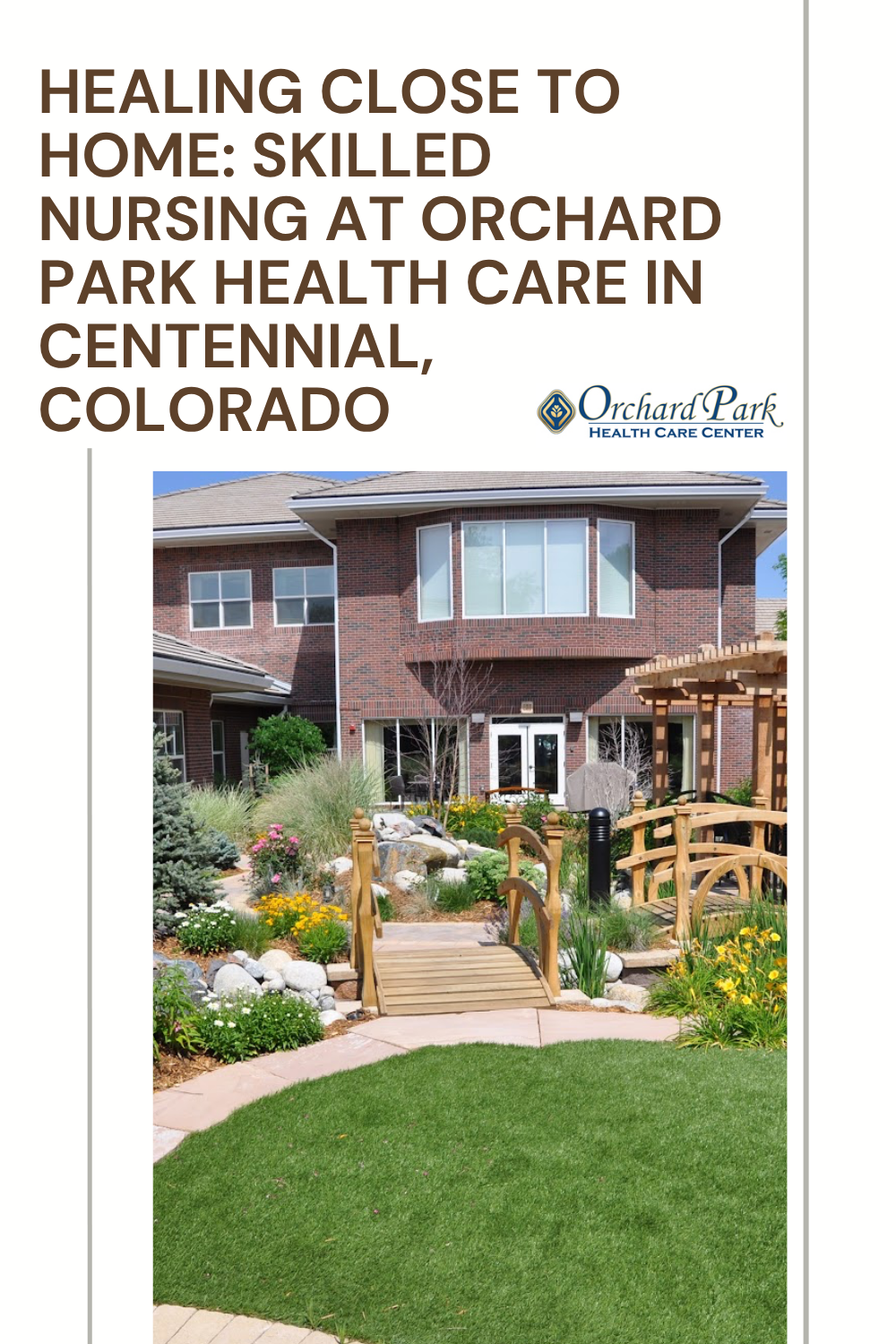
Healing Close to Home: Skilled Nursing at Orchard Park Health Care in Centennial, Colorado
Healing Close to Home: Skilled Nursing at Orchard Park Health Care in Centennial, ColoradoWhen a loved one needs around-the-clock medical care or rehabilitation after a hospital stay, families often face a big decision: finding a place that not only provides clinical expertise but also treats their loved one with dignity, compassion, and respect.Thats where Orchard Park Health Care in Centennial, Colorado, stands out. With a commitment to excellence in skilled nursing care, Orchard Park provides a comforting environment where healing, independence, and community come together.Whether youre seeking short-term rehabilitation or long-term skilled nursing, Orchard Park offers personalized care backed by a professional team who treats every resident like family.What Is Skilled Nursing Care?Skilled nursing care is specialized medical care provided by licensed professionals in a supportive, residential setting. Its typically designed for individuals recovering from surgery, illness, or injury or for those who require ongoing medical support for chronic conditions.Unlike assisted living, which focuses on daily living assistance, skilled nursing involves 24-hour medical supervision and therapeutic care provided by registered nurses, licensed practical nurses, and certified nursing assistants.Common Skilled Nursing Services Include:Post-surgical recovery and wound careMedication management and IV therapyPhysical, occupational, and speech therapyPain management and palliative careCardiac, pulmonary, and neurological rehabilitationNutrition and dietary supportAt Orchard Park Health Care, these services are delivered with both precision and compassion ensuring every resident receives the highest level of care in a comfortable, home-like setting.Centennial, Colorado: A Thriving Community for SeniorsLocated just south of Denver, Centennial, Colorado, offers the perfect backdrop for recovery and long-term care. Known for its strong community values and high quality of life, Centennial has become one of the most desirable cities for older adults in the Denver metro area.According to the U.S. Census Bureau, about 14% of Centennials population is age 65 or older, a number that continues to grow as more retirees move to the area for its mild climate, healthcare access, and active lifestyle opportunities.The city is home to scenic parks, welcoming neighborhoods, and easy access to major healthcare systems including Centura Health Littleton Adventist Hospital and UCHealth Highlands Ranch Hospital making it an ideal location for skilled nursing and rehabilitation services.For families in Centennial and neighboring Greenwood Village, Orchard Park provides expert care thats both local and reliable so loved ones can receive exceptional support close to home.The Orchard Park DifferenceAt Orchard Park Health Care, skilled nursing is more than just a service its a philosophy built on compassion, connection, and clinical excellence.The team understands that healing involves more than medicine; its about emotional well-being, respect, and a sense of belonging. Thats why Orchard Parks residents are treated as individuals, with care plans tailored to their unique medical needs, preferences, and goals.What Makes Orchard Park Stand Out:24-hour nursing support from experienced professionalsComprehensive rehabilitation services to promote recovery and independenceComfortable accommodations designed for safety and relaxationNutritious, chef-prepared meals customized to dietary needsEngaging social and recreational activities for residents mental and emotional healthFamily-centered care approach that keeps loved ones involved and informedTip from Daphne Richards, Orchard Park Health Care Team:Every recovery journey is unique. Our focus is on helping residents regain their strength, confidence, and independence while ensuring they feel cared for every step of the way.Rehabilitation and Recovery: Personalized for Every ResidentWhether recovering from surgery, illness, or an injury, the rehabilitation program at Orchard Park Health Carehelps residents rebuild strength and independence at their own pace.The on-site therapy team includes skilled physical, occupational, and speech therapists who work closely with each resident to develop personalized goals.Rehabilitation Programs Focus On:Regaining mobility and balanceImproving communication and swallowing abilitiesRestoring independence with daily activitiesManaging pain and preventing re-injuryEvery care plan is guided by collaboration between healthcare professionals, residents, and their families creating a supportive environment for effective, sustainable recovery.Long-Term Skilled Nursing: Dignity and Compassion Every DayFor individuals who need long-term skilled nursing care, Orchard Park provides a nurturing environment that feels like home.Residents receive 24-hour medical oversight, ongoing therapy as needed, and access to enrichment activities that foster connection and joy. The staffs goal is to ensure every day is meaningful filled with opportunities for social engagement, recreation, and comfort.From medication management to daily support and companionship, the Orchard Park team ensures that every residents needs physical, emotional, and social are met with respect and understanding.Supporting Families Through Every StepOrchard Park knows that transitioning a loved one into skilled nursing care can be an emotional decision. Thats why they emphasize open communication, family involvement, and transparent updates throughout the care process.Families are encouraged to visit often, join activities, and stay connected because at Orchard Park, family is considered part of the care team.This holistic, family-first approach creates peace of mind for loved ones, knowing their parent or relative is safe, cared for, and thriving.Why Families in Centennial Choose Orchard ParkWhen families search for skilled nursing in Centennial, Colorado, they want a place that combines medical expertise with compassion and Orchard Park consistently delivers.Reasons Families Trust Orchard Park:Strong Reputation: Known in the community for exceptional care and dedication.Experienced Staff: Nurses and therapists with years of specialized experience.Personalized Attention: Every resident receives individualized care and support.Convenient Location: Close to major hospitals, highways, and family neighborhoods.Welcoming Environment: A place that feels as nurturing as it is professional.Frequently Asked Questions About Skilled Nursing1. Whats the difference between skilled nursing and assisted living?Skilled nursing provides 24-hour medical care from licensed nurses and therapists, while assisted living focuses on helping with daily activities like meals and medication reminders without full medical supervision.2. Is skilled nursing only for long-term care?Not always. Many residents come to Orchard Park for short-term rehabilitation after a hospital stay or surgery and return home once theyve recovered.3. Does Medicare cover skilled nursing care?Yes, Medicare often covers skilled nursing care for a limited time after a qualifying hospital stay. Orchard Parks admissions team can help families navigate insurance and benefits.4. How involved are families in the care process?Very involved. Families are encouraged to communicate with the care team, attend meetings, and visit regularly to stay connected to their loved ones progress.5. What kinds of therapy are available at Orchard Park?Orchard Park offers physical, occupational, and speech therapy, all tailored to the residents needs and recovery goals.Skilled Nursing with Heart and PurposeAt Orchard Park Health Care, skilled nursing is more than a service its a calling. Every member of the team is dedicated to helping residents live with comfort, dignity, and purpose. Whether recovering from surgery, managing a chronic condition, or needing long-term support, residents receive expert care in a warm, welcoming environment that feels like home.For families in Centennial, Greenwood Village, and surrounding Colorado communities, Orchard Park represents peace of mind knowing that exceptional care is right around the corner.Connect with Orchard Park Health CareLearn more or schedule a visit through their Seniors Blue Book profile: Orchard Park Health Care Centennial, COExperience compassionate skilled nursing, advanced rehabilitation, and family-focused care only at Orchard Park Health Care in Centennial, Colorado.
Oct 23, 2025
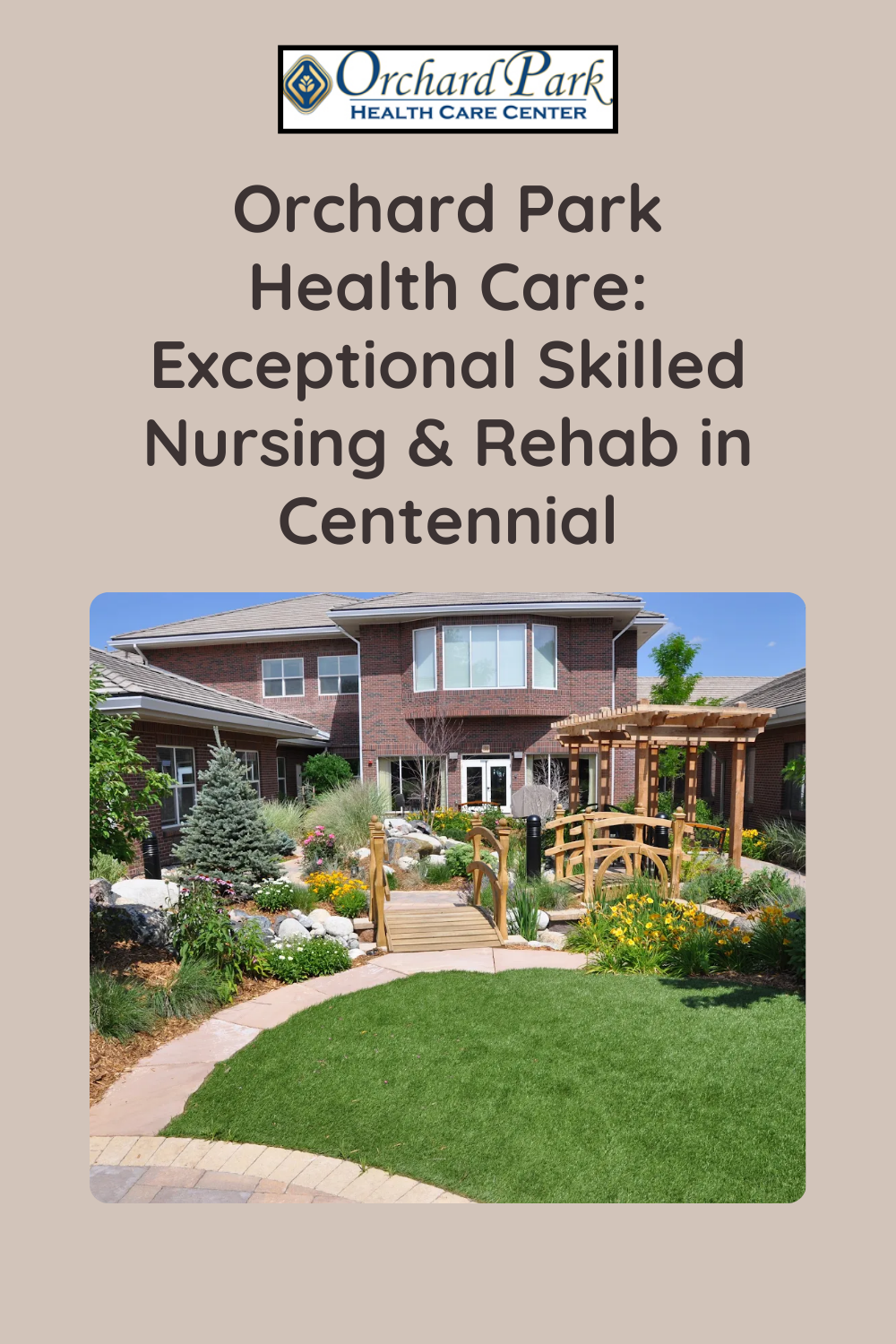
Orchard Park Health Care: Exceptional Skilled Nursing & Rehab in Centennial
Orchard Park Health Care: Exceptional Skilled Nursing & Rehab in CentennialWhen individuals and families face health challenges requiring skilled nursing, rehabilitation, or long-term care, finding a facility that focuses on both recovery and respect is crucial. In Centennial, Orchard Park Health Care stands as a leading provideroffering expert clinical care, personalized therapy, and a supportive, resort-like environment tailored to healing and well-being.A Comprehensive Range of Skilled and Rehabilitation ServicesOrchard Park offers a full spectrum of clinical care and therapy, including: Skilled Nursing Services: Comprehensive support for post-surgical recovery, diabetes management, IV therapy, wound care, cardiac monitoring, incontinence programs, respiratory and enteral feeding services, catheter and colostomy care, pain management, hospice support, and therapeutic counselingall personalized to restore wellbeing. Advanced Rehabilitation Therapy: With over 10,000 square feet of therapy space and a large, multidisciplinary team, residents benefit from tailored physical, occupational, and speech therapy programs. Whether recovering motor skills after a stroke, regaining strength post-fracture, or improving coordination, the therapy team works closely with residents and families to define goals and support progress. Restorative Nursing Programs: Long-term residents can participate in customized plans focusing on ambulation, range of motion, self-care routines, and strength-building to preserve functional independence. A Healing Environment with Resort-style TouchesOrchard Parks thoughtful design enhances recovery and comfort: A well-appointed therapy gym filled with restorative activity space Relaxing amenities like a caf-bistro and a movie theater for social connection Spacious, private or semi-private rooms in a welcoming, homelike setting Beautiful outdoor areas and pathways for fresh air and gentle movement This warm environment encourages joy, conversation, and peace of mindkey ingredients for effective healing.Dedicated Clinical Excellence and Specialized SupportOrchard Parks skilled care is supported by: A structured leadership team including an on-site Medical Director and Director of Nursing, ensuring continuity and precision in care plans Highly trained nursing staff delivering medication administration, dietary support, infection control, and compassionate end-of-life care Family education programs that involve loved ones in care decisions, promoting peace of mind and alignment with resident goals This combination of clinical strength and human connection sets Orchard Park apart.A Culture of Recognition and TrustOrchard Park Health Care has earned stellar accolades that reflect its quality: A top-tier rating from healthcare regulators Prestigious recognition for consistency in excellence Accreditation by national healthcare quality organizations, ensuring commitment to safe, exceptional care These affirmations show that Orchard Park is not only capable but dependable.Outcomes That Inspire ConfidenceResidents and their families consistently note successful recovery journeys and emotional comfort: Short-term rehabilitation stays focused on returning home safely Long-term care plans centered on preserving dignity and independence Warm reception, attentive staff, and thoughtful programming throughout care transitions Families find reassurance in the facilitys ability to balance skill, support, and personal connection.Key Features at a GlanceService AreaBenefit for Residents & FamiliesSkilled Nursing ServicesHolistic medical care and specialized therapiesRehabilitation (PT/OT/ST)Goal-driven, multidisciplinary support for recoveryRestorative Nursing ProgramSupport to maintain function and mobility long-termResort-style AmenitiesComfort and social connection during recoveryLeadership & Care TeamsClinical expertise and compassionate coordinationTrusted Quality RecognitionA reliable choice based on accreditation and excellenceFamily-Centered ApproachCollaboration and communication at every stepConclusion: Care That Balances Clinical Excellence with EmpathyWhen recovery or ongoing care becomes essential, what families value most is a place that combines top-quality clinical services with kindness, understanding, and personal dignity. Orchard Park Health Care offers that balancefrom advanced rehab technology to exquisite therapy spaces, from nursing precision to a warm, resident-centered environment. For families seeking trusted, expert care focused on healing and well-being, Orchard Park invites you to visit and experience how their approach transforms healthcare into hope and home.
Aug 28, 2025
Why Skilled Nursing Care Is Essential for Seniors Managing Chronic Hea
Why Skilled Nursing Care Is Essential for Seniors Managing Chronic Health ConditionsAs seniors age, many begin navigating ongoing health conditions that require more consistent medical attention and daily support. Conditions such as heart disease, diabetes, COPD, Parkinsons disease, and mobility limitations often become more complex over time, making independent living increasingly difficult and sometimes unsafe.For families in Centennial, skilled nursing communities provide an important solution for seniors who need continuous healthcare support while maintaining dignity, comfort, and quality of life.At Orchard Park Health Care, residents receive compassionate skilled nursing services tailored to individual medical needs, helping older adults manage chronic conditions safely while remaining emotionally and socially supported.Managing chronic illness requires much more than medical treatment alone, says Nick Sorenson of Orchard Park Health Care. Residents need consistent care, emotional encouragement, and a supportive environment that helps them maintain the best quality of life possible.Chronic Conditions Become More Common with AgeMany older adults live with one or more chronic health conditions that affect daily functioning.Common examples include: Diabetes Heart disease Arthritis Respiratory illnesses Stroke complications Neurological disorders Mobility limitations These conditions often require: Medication monitoring Regular nursing care Therapy services Nutritional management Ongoing health assessments For seniors living alone, managing these responsibilities independently can become overwhelming.Families may begin noticing: Missed medications Frequent falls Difficulty attending appointments Increased weakness Declining mobility Skilled nursing communities help ensure these needs are managed consistently and safely.Skilled Nursing Provides Comprehensive Medical SupportUnlike independent living or traditional assisted living, skilled nursing offers around-the-clock medical oversight for residents with more advanced healthcare needs.Services may include: 24-hour nursing care Medication administration Wound care Chronic disease management Pain management Therapy services Physician coordination This level of support helps reduce complications and prevent avoidable hospitalizations.At Orchard Park Health Care, care plans are individualized to each residents health needs, goals, and comfort preferences.Centennial Families Value Local Healthcare AccessCentennials growing senior population reflects the communitys appeal for older adults seeking both comfort and healthcare accessibility.The area offers: Proximity to hospitals and specialists Quiet suburban neighborhoods Family-oriented communities Scenic surroundings Access to rehabilitation services For families supporting loved ones with chronic conditions, remaining close to trusted healthcare resources can make ongoing care coordination much easier.Skilled nursing communities help provide continuity and stability throughout long-term health management.Nursing Oversight Improves SafetyMany chronic illnesses increase risks related to: Falls Medication complications Infections Emergency medical situations Reduced mobility Skilled nursing communities are equipped to monitor these risks closely.Trained nursing staff help residents: Take medications correctly Monitor symptoms Respond to health changes quickly Coordinate medical care Maintain safer daily routines This level of supervision provides families with significant peace of mind.Therapy Services Support Long-Term FunctioningEven seniors with chronic conditions can benefit greatly from rehabilitation therapies.Physical therapy may help improve: Strength Balance Mobility Endurance Occupational therapy can support: Daily living skills Adaptive techniques Safer movement Greater independence Speech therapy may help residents experiencing: Swallowing difficulties Cognitive communication challenges Speech impairments after stroke or illness These therapies often help seniors maintain higher levels of functioning and comfort for longer periods.Emotional Health Is Equally ImportantLiving with chronic illness can affect emotional wellness as much as physical health.Seniors managing ongoing medical challenges may experience: Depression Isolation Anxiety Frustration Loss of independence Skilled nursing communities help address emotional health through: Social engagement Structured routines Supportive relationships Community activities Compassionate caregiving Residents benefit from being surrounded by others rather than facing health struggles alone.At Orchard Park Health Care, we focus on the whole person, Nick Sorenson explains. Emotional support and human connection are essential parts of quality healthcare.Nutrition Plays a Critical Role in Chronic Disease ManagementProper nutrition becomes increasingly important for seniors managing chronic health conditions.Specialized dietary support may help with: Blood sugar control Heart health Weight management Wound healing Energy levels Skilled nursing communities often provide: Balanced meal plans Dietary accommodations Hydration monitoring Nutritional assessments This support helps residents maintain greater overall wellness while reducing complications associated with chronic illness.Families Benefit from Professional SupportCaregiving responsibilities can quickly become exhausting for family members caring for loved ones with ongoing medical needs.Adult children may struggle to manage: Medication schedules Medical appointments Emergency situations Mobility assistance Daily care needs Skilled nursing communities help ease these burdens while ensuring seniors receive consistent professional support.Families often experience emotional relief knowing trained healthcare professionals are available around the clock.Long-Term Care Requires Compassion and ConsistencyFor seniors living with chronic illness, consistency in caregiving relationships can make a major difference emotionally.Residents often feel more comfortable when caregivers understand: Personal routines Medical history Communication preferences Emotional needs Strong relationships between residents and staff help foster trust and comfort over time.Communities that prioritize compassion alongside clinical care often create more positive long-term experiences for residents and families alike.Choosing the Right Skilled Nursing CommunityFamilies searching for skilled nursing care should evaluate: Medical expertise Therapy programs Staff communication Resident engagement Safety measures Emotional atmosphere Touring communities in person can help families determine whether the environment feels supportive, professional, and compassionate.The quality of relationships between staff and residents is often just as important as the medical services themselves.Skilled Nursing Helps Seniors Maintain Quality of LifeWhile chronic illness can introduce significant challenges, professional skilled nursing care helps many seniors continue living with comfort, dignity, and meaningful support.Through personalized medical care, therapy services, emotional engagement, and daily oversight, residents often experience: Greater safety Improved stability Better symptom management Increased emotional support Enhanced quality of life For many families in Centennial, skilled nursing becomes an essential source of reassurance and compassionate care.Learn More About Orchard Park Health CareFamilies searching for skilled nursing services in Centennial can learn more about Orchard Park Health Care through their Seniors Blue Book listing. Skilled nursing care can help seniors managing chronic health conditions maintain comfort, dignity, safety, and professional medical support throughout every stage of aging.FAQsWhat is chronic care in skilled nursing?Chronic care helps seniors manage long-term medical conditions through nursing oversight, therapy services, and personalized healthcare support.What conditions are commonly treated in skilled nursing?Conditions may include diabetes, heart disease, stroke recovery, respiratory illnesses, arthritis, and mobility limitations.Does skilled nursing provide therapy services?Yes. Residents may receive physical, occupational, and speech therapy depending on their needs.How does skilled nursing improve safety?Communities provide medical monitoring, medication management, fall prevention support, and emergency response services.Why do families choose skilled nursing in Centennial? Centennial offers healthcare accessibility, peaceful neighborhoods, and proximity to Denver-area medical specialists.
May 27, 2026
How Skilled Nursing Coordinates Care When Needs Overlap
How Skilled Nursing Coordinates Care When Needs OverlapA recovery journey rarely follows a neat, single-path plan.A loved one may be healing after surgery while also managing diabetes, reduced balance, chronic pain, medication changes, or fatigue. Another person may be recovering from a stroke while coping with communication challenges, swallowing concerns, limited mobility, and anxiety about returning home. After a cardiac event, even simple activities may require a new level of caution, monitoring, and support.For families, the challenge is not always understanding one diagnosis. It is understanding how all the pieces fit together.That is where skilled nursing can play an important role. It provides a setting where nursing care, rehabilitation, daily support, and communication can be organized around the individual rather than handled as separate problems. For Centennial families, this coordinated approach may help turn a complicated recovery into a clearer, more manageable next step.Recovery Is Often About More Than the Original DiagnosisA hospital stay may begin with one urgent concern, but the days afterward can reveal other needs.A person recovering from pneumonia may also be weak from time in bed and need help rebuilding endurance. Someone following joint surgery may need wound care, pain management, mobility training, and help with medications. A stroke survivor may benefit from physical therapy, occupational therapy, speech-language support, nursing oversight, and family education at the same time.The right plan recognizes that recovery is not limited to a hospital diagnosis. It includes the persons strength, safety, comfort, home environment, caregiver support, and long-term goals.Federal discharge-planning requirements emphasize that patients and their caregivers should be active partners in post-hospital planning, with attention to the patients goals and treatment preferences.For families, that means asking more than, What services are available? It means asking, What will help my loved one move safely, feel comfortable, and make progress toward the next stage of life?Think of Skilled Nursing as a Connected Care PlanWhen multiple health needs overlap, families may feel overwhelmed by appointments, instructions, phone calls, and different providers. Skilled nursing can provide a more connected approach by bringing nursing, therapy, and daily care into one setting.A coordinated plan may address:Medication administration and clinical monitoringPost-surgical precautions and wound careMobility, transfers, walking, balance, and fall preventionBathing, dressing, toileting, and other personal-care needsCardiac, pulmonary, or diabetes-related routinesCommunication, thinking, swallowing, or memory concernsNutrition, hydration, pain management, and restTherapy goals and the practical steps needed for dischargeThe goal is not to make every day feel medical. The goal is to make recovery safer and more organized, with skilled professionals available to help the person work toward meaningful outcomes.MedlinePlus advises families to work with a hospital social worker or discharge planner to identify the type of care needed and compare facilities that can meet those needs.The Questions That Help Families See the Whole PictureDuring a hospital discharge or skilled nursing tour, families can use a few focused questions to understand whether a community can coordinate complex recovery needs.What Needs Clinical Attention Every Day?Ask about medications, wounds, oxygen, diabetes, cardiac monitoring, pain control, IV therapies, and infection prevention. These needs should be clearly explained before admission.Orchard Park Health Care lists skilled nursing services that include post-surgical care, cardiac care, diabetes management, wound care, IV therapies, and infection prevention and control.What Does My Loved One Need to Relearn or Practice?This may include standing from a chair, using a walker, dressing, bathing, speaking more clearly, managing fatigue, or following swallowing recommendations. Rehabilitation should connect each therapy goal to a real daily activity.How Will the Team Communicate?Ask who calls the family with updates, how often the care plan is reviewed, and how nursing staff and therapists communicate with each other. A strong team should explain progress in language families can understand.What Is the Next Destination?Some residents may be preparing for home, while others may need longer-term skilled nursing support. A discharge plan should begin early and reflect the persons ability, home layout, available caregivers, equipment needs, and follow-up care.Where Therapy Meets Everyday SupportTherapy is essential, but it is only part of the day.A physical therapist may help a resident improve balance and walking. Occupational therapy may focus on dressing, bathing, or using adaptive equipment. Speech-language therapy may help with communication, cognition, or swallowing. Nursing and caregiving staff can help reinforce those goals during meals, transfers, personal care, and rest periods.This connection is especially important for people with several recovery priorities. A resident may work on strength in therapy but still need nursing support for fatigue, medication timing, wound care, or safe movement throughout the day.Orchard Park describes an interdisciplinary approach that includes physical, occupational, and speech therapists. The community reports more than 10,000 square feet of therapy-gym space, modern equipment, and therapists with more than 15 specializations.Families should ask how therapy recommendations continue outside the gym. For example, if a therapist teaches a safer way to transfer from bed to chair, does the rest of the care team know and use that approach? If swallowing strategies are recommended, are they incorporated during meals? Coordination makes those plans more useful.Specialized Recovery Support at Orchard Park Health CareOrchard Park Health Care is located at 6005 S. Holly Street in Centennial and provides rehabilitation, skilled nursing, short-term care, long-term care, and outpatient therapy services. Nick Sorenson is listed as the communitys administrator.The community lists specialty programs that include orthopedic rehabilitation, cardiac recovery, stroke recovery, pulmonary therapy, lymphedema therapy, vestibular therapy, urinary incontinence support, balance training, pain reduction, wound care, and aquatic therapy.These services may be relevant when a recovery plan involves more than one clinical challenge. For example, someone with a heart condition may also need help rebuilding mobility. A person with chronic lung disease may benefit from support for breathing tolerance and endurance. Someone recovering from a fall may need balance work alongside medication and pain-management oversight.Individual suitability should always be confirmed through an assessment with the clinical and admissions teams.Suggested quote for Nick Sorensons approval: When recovery involves several challenges at once, families need a coordinated plan that helps their loved one make progress without losing sight of comfort, safety, and dignity.Begin Planning for the Next Transition EarlyThe best recovery plans look ahead from the beginning.For a person expected to return home, this may involve preparing for stairs, arranging equipment, scheduling follow-up visits, and identifying who can help with meals or medications. For someone with more lasting needs, it may involve discussing long-term skilled nursing support and quality-of-life goals.Orchard Park states that outpatient therapy is available after an inpatient stay, allowing people to continue rehabilitation with familiar staff members when appropriate.Families should ask:What needs to improve before a return home is safe?What equipment or home modifications may be needed?Will therapy continue after discharge?Who will manage medications and follow-up appointments?What should family caregivers know before the transition?Who should we contact if the plan changes?Clear answers help reduce avoidable stress and make the next move more realistic.Frequently Asked QuestionsWhat does complex skilled nursing care mean?It refers to skilled nursing support for people with multiple or overlapping health needs, such as post-surgical recovery, mobility limitations, wound care, chronic illness management, medication changes, and rehabilitation goals.Can skilled nursing support stroke or cardiac recovery?Yes. Orchard Park lists cardiac recovery and stroke recovery among its specialty programs. The clinical team should assess whether the community can meet a specific persons needs.Why is coordination between nursing and therapy important?Therapy goals are more useful when they carry into daily care. Nursing and caregiving teams can reinforce safe mobility, personal-care techniques, medication routines, and other recommendations between formal therapy sessions.Does Orchard Park offer therapy after an inpatient stay?Yes. Orchard Park states that outpatient therapy is available for people who need continued support after inpatient rehabilitation.Find a Clearer Path ForwardComplex recovery can leave families feeling like they are managing too many needs at once. The right skilled nursing setting should bring those needs together through thoughtful communication, individualized goals, and consistent care.Visit the Seniors Blue Book listing for Orchard Park Health Care to learn more about skilled nursing and specialized rehabilitation in Centennial. Contact the admissions team to discuss your loved ones diagnosis, current needs, and the type of coordinated support that may help them move forward.
Jul 06, 2026
How Skilled Nursing Communities Help Seniors Maintain Dignity and Qual
How Skilled Nursing Communities Help Seniors Maintain Dignity and Quality of LifeWhen families begin exploring long-term healthcare options for aging loved ones, medical support often becomes the primary focus. While professional healthcare services are certainly important, quality skilled nursing care goes beyond treating medical conditions alone. The best skilled nursing communities also prioritize dignity, emotional wellness, personal relationships, and quality of life.For seniors in Centennial who require ongoing medical care, a compassionate skilled nursing environment can make a significant difference in daily comfort and emotional well-being.At Orchard Park Health Care, residents receive individualized skilled nursing support in an environment that values respect, compassion, and meaningful connection.Every resident deserves to feel heard, valued, and treated with dignity, says Nick Sorenson of Orchard Park Health Care. Healthcare is important, but emotional support and human connection are equally essential.Aging with Complex Health NeedsMany seniors eventually reach a point where ongoing healthcare support becomes necessary due to: Chronic illness Reduced mobility Neurological conditions Advanced rehabilitation needs Long-term medical complications These challenges often require: Continuous nursing care Medication management Therapy services Mobility assistance Specialized treatment plans For families, balancing these medical needs at home can become physically and emotionally overwhelming.Skilled nursing communities provide professional care while helping residents maintain comfort and daily structure.Dignity Matters at Every Stage of AgingOlder adults facing medical challenges often worry about losing independence and personal identity.Simple things such as: Making daily choices Maintaining routines Being spoken to respectfully Preserving privacy can greatly influence emotional well-being.Quality skilled nursing communities recognize that residents are not simply patients they are individuals with unique life experiences, preferences, and personalities.Care that respects dignity often includes: Personalized communication Encouraging resident choices Supporting independence where possible Building trusting relationships Maintaining emotional sensitivity These approaches help residents feel more comfortable and emotionally secure.Centennial Provides a Supportive Environment for Senior CareCentennials peaceful neighborhoods and strong healthcare access make it a desirable location for senior healthcare services.Families appreciate the areas: Proximity to hospitals and specialists Calm residential atmosphere Community-centered culture Access to rehabilitation resources Remaining close to loved ones and familiar surroundings can help seniors feel more emotionally connected during long-term care.Communities like Orchard Park Health Care help residents maintain comfort and stability while receiving professional nursing support.Skilled Nursing Supports Daily ComfortResidents in skilled nursing communities often require assistance with: Mobility Medication administration Bathing and dressing Pain management Nutritional needs Medical monitoring Providing this support compassionately is just as important as the clinical care itself.Residents benefit from caregivers who: Show patience Listen attentively Respect personal preferences Build familiarity Offer emotional encouragement These daily interactions often shape the overall resident experience more than families initially realize.Emotional Wellness Influences Physical HealthEmotional well-being and physical wellness are closely connected for seniors.Older adults experiencing loneliness, frustration, or anxiety may face: Reduced appetite Lower activity levels Sleep problems Increased stress Slower recovery Skilled nursing communities help support emotional health through: Social opportunities Structured routines Community engagement Compassionate staff relationships Residents often benefit from simply feeling seen, included, and emotionally supported.At Orchard Park Health Care, relationships matter deeply, Nick Sorenson explains. Our staff works to create genuine connections with residents because emotional trust is an important part of quality care.Rehabilitation Helps Preserve IndependenceMany residents in skilled nursing communities continue participating in rehabilitation therapies aimed at maintaining or improving daily functioning.Physical therapy may help support: Balance Mobility Strength Fall prevention Occupational therapy can help residents: Adapt to physical limitations Perform daily tasks more safely Maintain greater independence Speech therapy may assist seniors recovering from: Stroke Neurological conditions Swallowing difficulties Even modest improvements can significantly improve confidence and quality of life.Structured Routines Provide StabilityFor seniors managing chronic illness or cognitive challenges, predictable daily routines often create emotional reassurance.Structured schedules may include: Regular meals Therapy sessions Medication administration Wellness activities Rest periods Consistency helps residents feel safer and more comfortable within their environment.Routine also helps reduce confusion and anxiety while promoting healthier daily habits.Families Need Emotional Support TooLong-term caregiving responsibilities can become emotionally exhausting for spouses and adult children.Families often struggle with: Guilt Caregiver burnout Stress Fear about medical changes Difficulty balancing responsibilities Skilled nursing communities help families feel supported by providing: Professional medical oversight Ongoing communication Rehabilitation coordination Emotional reassurance Knowing loved ones are receiving compassionate care allows families to focus more on meaningful relationships and emotional connection.Personalized Care Improves Resident ExperiencesEvery resident enters skilled nursing with different healthcare needs, personalities, and life experiences.Individualized care plans help staff better understand: Medical conditions Personal routines Communication styles Emotional needs Comfort preferences This personalized approach often helps residents feel more respected and emotionally secure.Communities that prioritize individualized care frequently create stronger resident satisfaction and trust.Quality of Life Remains the GoalEven when seniors require advanced medical support, quality of life remains incredibly important.Residents deserve opportunities to: Build relationships Participate in enjoyable activities Feel emotionally connected Maintain personal dignity Experience comfort and stability Skilled nursing communities that combine medical expertise with compassion help residents continue living meaningful lives despite health challenges.Learn More About Orchard Park Health CareFamilies searching for compassionate skilled nursing care in Centennial can learn more about Orchard Park Health Care through their Seniors Blue Book listing. Professional nursing support, rehabilitation services, and relationship-focused care can help seniors maintain dignity, comfort, and quality of life throughout every stage of aging.FAQsWhat is skilled nursing care?Skilled nursing provides 24-hour medical oversight, rehabilitation therapies, and ongoing healthcare support for seniors with complex medical needs.How does skilled nursing support quality of life?Communities provide medical care while also supporting emotional wellness, social engagement, and resident dignity.What therapies are available in skilled nursing?Residents may receive physical, occupational, and speech therapy based on their health conditions and goals.Why is emotional support important in senior healthcare?Emotional wellness can positively impact recovery, physical health, and overall quality of life for older adults.Why do families choose skilled nursing in Centennial? Centennial offers healthcare accessibility, peaceful surroundings, and strong senior care resources close to Denver-area hospitals.
May 27, 2026
The Role of Skilled Nursing in Preventing Hospital Readmissions for Se
The Role of Skilled Nursing in Preventing Hospital Readmissions for SeniorsFor many older adults, leaving the hospital is only the beginning of recovery. After surgery, illness, injury, or a serious medical event, seniors often require continued medical attention and rehabilitation before they are truly ready to return home safely. Without proper follow-up care, many older adults experience setbacks that result in avoidable hospital readmissions.Families in Centennial are increasingly turning to skilled nursing communities to help seniors recover safely, regain stability, and reduce the likelihood of returning to the hospital unnecessarily.At Orchard Park Health Care, skilled nursing services provide seniors with structured medical support, rehabilitation, and compassionate oversight designed to promote long-term recovery and wellness.Hospital discharge is a vulnerable time for seniors, says Nick Sorenson of Orchard Park Health Care. Skilled nursing helps provide the medical supervision and rehabilitation support needed to reduce complications and support a safer recovery process.Why Seniors Face Higher Readmission RisksOlder adults often experience more complicated recoveries due to: Multiple chronic health conditions Reduced mobility Medication complexity Weakened immune systems Cognitive challenges Increased fall risk After hospitalization, even simple daily tasks may suddenly become difficult. Seniors who attempt to recover independently at home may struggle with: Taking medications correctly Following therapy recommendations Managing wound care Attending follow-up appointments Monitoring symptoms These challenges can quickly lead to complications that require additional hospitalization.Skilled nursing communities help bridge this critical recovery gap.What Skilled Nursing Provides After HospitalizationSkilled nursing communities offer medical oversight and rehabilitation services specifically designed for seniors recovering from illness or injury.Residents may receive: 24-hour nursing support Medication management Physical therapy Occupational therapy Wound care Pain management Nutritional monitoring Chronic condition oversight This level of care helps seniors recover in a supervised environment where complications can be identified and addressed quickly.At Orchard Park Health Care, recovery plans are individualized based on each residents medical needs, mobility goals, and overall health condition.Centennial Families Value Continuity of CareCentennials growing senior population reflects the areas appeal for retirees seeking strong healthcare access and supportive communities.Families in Centennial often appreciate: Proximity to hospitals and specialists Nearby rehabilitation services Community-oriented neighborhoods Convenient access to family support Transitioning directly from hospital care into skilled nursing can help create continuity in treatment and recovery.Remaining close to familiar surroundings also helps reduce emotional stress for many seniors during rehabilitation.Medication Management Reduces ComplicationsMedication errors are one of the leading causes of hospital readmissions among older adults.After discharge, seniors may suddenly need to manage: New prescriptions Changing dosages Multiple medications Complex treatment schedules Confusion or missed medications can lead to serious complications.Skilled nursing communities help reduce these risks through: Professional medication administration Monitoring for side effects Coordination with physicians Ongoing health assessments This oversight helps residents remain medically stable throughout recovery.Rehabilitation Helps Seniors Regain StrengthHospital stays often leave seniors physically weakened, especially after prolonged bed rest or illness.Physical therapy helps residents: Improve balance Rebuild muscle strength Increase mobility Prevent falls Restore endurance Occupational therapy focuses on helping seniors safely perform daily activities such as: Dressing Bathing Walking Transferring safely Using adaptive equipment These therapies reduce the likelihood of setbacks once seniors return home or transition into less intensive care settings.Rehabilitation is about helping residents regain confidence along with physical strength, Nick Sorenson explains. Small improvements can make a huge difference in long-term recovery.Skilled Nursing Supports Chronic Condition ManagementMany seniors recovering from hospitalization are also managing chronic illnesses such as: Diabetes Heart disease COPD Kidney disease Neurological disorders Without proper monitoring, these conditions can worsen during recovery.Skilled nursing communities help manage chronic illnesses through: Vital sign monitoring Symptom management Nutritional support Coordinated healthcare communication Ongoing nursing assessments This proactive approach helps prevent medical complications before they escalate.Nutrition Plays a Major Role in RecoveryRecovery requires energy, hydration, and proper nutrition.Yet many seniors struggle with: Reduced appetite Difficulty preparing meals Dietary restrictions Fatigue after hospitalization Skilled nursing communities provide: Balanced meals Specialized diets Hydration support Nutritional oversight Proper nutrition helps support: Immune function Wound healing Strength recovery Medication effectiveness Residents often regain energy more effectively when nutritional needs are carefully managed.Emotional Support Improves HealingHospitalization can be emotionally difficult for seniors. Many older adults experience: Anxiety Fear of future health issues Depression Reduced confidence Feelings of vulnerability Skilled nursing communities provide emotional reassurance through: Consistent routines Supportive caregiving Social engagement Structured rehabilitation Residents benefit from being surrounded by compassionate professionals and peers during recovery.Emotional wellness often influences physical healing more than families realize.Families Gain Peace of Mind During RecoveryHospital discharges can feel overwhelming for adult children and spouses.Families are often suddenly responsible for: Medication schedules Transportation Therapy coordination Safety monitoring Home preparation Skilled nursing communities help relieve this burden while ensuring residents receive professional support around the clock.Families frequently feel reassured knowing: Medical staff are available 24/7 Recovery progress is monitored closely Therapies are coordinated professionally Complications can be addressed quickly This peace of mind allows loved ones to focus more on emotional support and encouragement.Skilled Nursing Helps Build Long-Term StabilityRecovery is not only about immediate healing it is about preventing future setbacks.Skilled nursing communities help seniors: Rebuild routines Improve mobility Increase confidence Stabilize chronic conditions Prepare for safer transitions home This structured support often reduces future emergency visits and hospitalizations.Communities that combine medical expertise with compassionate care help seniors recover more successfully both physically and emotionally.Learn More About Orchard Park Health CareFamilies searching for skilled nursing and rehabilitation services in Centennial can learn more about Orchard Park Health Care through their Seniors Blue Book listing. Professional skilled nursing care can help seniors recover safely, avoid hospital readmissions, and regain strength with personalized support and rehabilitation.FAQsWhat causes hospital readmissions for seniors?Common causes include medication errors, falls, chronic illness complications, infections, and inadequate recovery support at home.How does skilled nursing help reduce readmissions?Skilled nursing provides medical oversight, rehabilitation therapies, medication management, and monitoring during recovery.What therapies are available in skilled nursing?Residents may receive physical, occupational, and speech therapy depending on their recovery needs.Can skilled nursing help after surgery?Yes. Skilled nursing communities commonly support seniors recovering from surgeries, illnesses, strokes, and injuries.Why do families choose skilled nursing in Centennial? Centennial offers strong healthcare access, rehabilitation resources, and supportive senior care communities close to Denver.
May 27, 2026
How Families Can Choose With Confidence
How Families Can Choose With ConfidenceChoosing skilled nursing care for a parent, spouse, or relative can feel overwhelming. Families may be making decisions after a sudden hospitalization, a decline in mobility, repeated falls, or a growing need for hands-on help. In many cases, there is little time to process emotions before practical questions take over.Which community can meet my loved ones needs? How will the staff communicate with us? What should we look for during a tour? Will rehabilitation be available if recovery is still possible?For families in Centennial and the South Metro Denver area, the best decision is rarely based on one feature alone. It comes from understanding the persons clinical needs, observing how a community feels, and asking direct questions about care planning, communication, and next steps.Orchard Park Health Care offers skilled nursing, short-term rehabilitation, long-term care, and outpatient therapy services in Centennial. Its approach combines nursing support with physical, occupational, and speech-language therapy for people recovering from illness, injury, surgery, or changing long-term care needs.Start With Your Loved Ones Real NeedsBefore touring any skilled nursing community, make a clear list of what your loved one needs help with today.It is easy to focus only on a diagnosis, such as a stroke, joint replacement, heart condition, or infection. However, the day-to-day impact of that diagnosis matters just as much.Consider whether your loved one needs help with:Walking, transfers, or fall preventionMedication administration and monitoringBathing, dressing, toileting, or eatingWound care or post-surgical recoveryCommunication or swallowing concernsMemory changes, confusion, or safety supervisionNutrition, hydration, and chronic-condition managementTherapy to prepare for a return homeThis information gives the clinical team a more complete picture. It also helps families avoid choosing a community based only on location, appearance, or a general service list.A strong skilled nursing setting should be able to explain how it assesses a residents needs, who participates in care-plan decisions, and how the plan changes if the persons health or abilities change.Use the Tour to Observe More Than the BuildingA beautiful lobby can make a positive first impression, but a skilled nursing decision should go much deeper.During a visit, notice whether team members acknowledge residents by name. Pay attention to the pace of the environment. Do residents appear to have support when moving through shared spaces? Does the dining area feel organized and welcoming? Are common areas active, calm, or crowded?Families should also observe whether staff members communicate respectfully. A person receiving skilled nursing care may need significant help, but they should still be spoken to as an adult with preferences, history, and dignity.Ask to see the areas that matter most to your loved ones daily life, including resident rooms, therapy spaces, dining areas, activity spaces, and outdoor areas when available. A tour should help you picture an ordinary afternoon, not only a special event or presentation.Ask How Nursing and Rehabilitation Work TogetherFor many families, skilled nursing is not only about long-term support. It may also be part of a recovery journey after hospitalization.Orchard Park Health Care lists skilled nursing services that include post-surgical care, cardiac care, diabetes management, wound care, IV therapies, and infection prevention and control. The community also provides physical, occupational, and speech-language therapy services.This combination matters because therapy goals need support outside scheduled sessions.A therapist may help a resident practice safe transfers, while nursing staff reinforce those methods during the rest of the day. Occupational therapy may focus on dressing or bathing skills, while caregivers help residents use the same techniques during normal routines. Speech-language therapy may address communication or swallowing needs that also affect meals and family conversations.Questions to ask include:How often will therapy be provided based on my loved ones needs?How do nurses and therapists share updates with one another?How are therapy goals connected to daily routines?What equipment or family training may be needed before discharge?Can outpatient therapy continue after an inpatient rehabilitation stay?Orchard Park states that it offers outpatient therapy after an inpatient stay, allowing people to continue rehabilitation with familiar staff members when appropriate.Make Communication a PriorityCommunication can shape a familys entire experience with skilled nursing.A relative may be receiving updates from nurses, therapists, physicians, social workers, and discharge planners. Without a clear point of contact, families can feel lost or unsure whom to call with questions.During a tour, ask how the community keeps families informed. Find out how care-plan meetings work, how often updates are provided, and what happens if there is a meaningful change in condition.Good questions include:Who should we call with clinical questions?How are medication or treatment changes communicated?Can family members participate in care-plan discussions?How are falls, infections, or changes in appetite reported?What happens when a resident needs a hospital transfer?Can family members join meetings by phone or video if they live farther away?Orchard Park says it includes family input in the plan of care as part of its collaborative approach to meeting residents physical and emotional needs.Suggested quote for Nick Sorensons approval: Families deserve clear communication and a care plan they can understand. Our goal is to help them feel informed, involved, and confident about each next step.Nick Sorenson is listed as administrator for Orchard Park Health Care.Look at the Whole Continuum of CareA skilled nursing stay may be short-term, long-term, or somewhere in between. A person admitted for rehabilitation may make steady progress and return home. Another individual may need ongoing clinical support because of complex health needs, limited mobility, or a lack of safe caregiving resources at home.Families should ask what happens if needs change.For example, a resident may begin with rehabilitation after surgery but later need extended nursing support. Another person may move in for long-term care while still benefiting from restorative therapy, activities, and regular reassessment.Orchard Parks published service options include rehabilitation, skilled nursing, short-term care, long-term care, and outpatient therapy. Its specialty programs include orthopedic rehabilitation, cardiac rehabilitation, stroke recovery, pulmonary therapy, lymphedema therapy, wound care, balance support, vestibular therapy, and pain reduction.The important question is not simply, How long will my loved one stay? It is, What level of care will help them remain as safe, comfortable, and independent as possible?Check Public Information Along With Your TourAn in-person visit is essential, but families can also use public resources to prepare better questions.Medicares Care Compare tool allows consumers to review nursing home information and compare providers. It can be a useful starting point for looking at available inspection, staffing, and quality information before making a decision.Public information should not replace a visit, a conversation with the admissions team, or an individualized clinical assessment. Instead, use it to create a fuller picture.Bring notes from your research to the tour. Ask staff to explain anything that is unclear. A trustworthy community should welcome informed questions.Frequently Asked Questions About Skilled Nursing in CentennialWhat is the difference between skilled nursing and assisted living?Skilled nursing provides a higher level of clinical support, including nursing care and rehabilitation services for people with more complex medical or functional needs. Assisted living generally supports daily activities while offering less intensive clinical care.Can skilled nursing help after surgery or a hospital stay?Yes. Skilled nursing may support people recovering after surgery, illness, injury, or hospitalization through nursing oversight, rehabilitation, medication management, and assistance with daily activities.Does Orchard Park offer rehabilitation services?Yes. Orchard Park lists physical therapy, occupational therapy, speech-language therapy, skilled nursing, and specialty rehabilitation programs.Can family members be involved in care planning?Families should ask each community about participation in care-plan meetings, updates, and discharge planning. Orchard Park states that it welcomes family input as part of its care-planning approach.Take the Next Step With Better QuestionsChoosing skilled nursing care is a major family decision, but you do not have to make it based on uncertainty. The right questions can reveal how a community approaches safety, rehabilitation, communication, and long-term support.Visit the Seniors Blue Book listing for Orchard Park Health Care to learn more about its Centennial location, skilled nursing services, and rehabilitation programs. Schedule a tour, share your loved ones needs, and explore whether its care approach is the right fit for your family.
Jul 06, 2026
Questions Families Should Ask Before Discharge
Questions Families Should Ask Before DischargeA hospital discharge can arrive faster than a family feels prepared for.A physician may say a loved one is stable enough to leave the hospital, but that does not always mean they are ready to return home safely. They may still be weak after surgery, unsteady after a fall, adjusting to new medications, recovering from a cardiac event, or struggling with the physical effects of an infection or illness.For many Centennial families, the question becomes: What happens next?Short-term rehabilitation in a skilled nursing setting can provide a bridge between hospital care and home. It gives older adults access to nursing oversight, therapy, personal assistance, and a structured recovery plan while families prepare for the next transition.The key is choosing a setting that understands the person behind the diagnosis.A Hospital Discharge Is Not the Same as a Full RecoveryA hospitals primary role is to stabilize and treat an immediate medical issue. Once a patient no longer requires acute hospital care, the next step may still involve significant recovery needs.A loved one may need help with:Walking, balance, or transfersMedication changes and monitoringWound care or post-surgical precautionsStrength, endurance, and pain managementDressing, bathing, or toiletingSpeech, swallowing, or communication concernsBlood sugar, oxygen, cardiac, or infection-related monitoringPreparing safely for the return homeThis is where skilled nursing and rehabilitation may be appropriate. Orchard Park Health Care offers skilled nursing services that include post-surgical care, cardiac care, diabetes management, wound care, IV therapies, and infection prevention and control, alongside rehabilitation services.For families, that combination can reduce the pressure of trying to coordinate complex care alone during the first difficult days after discharge.Question One: What Does My Loved One Need Help With Right Now?Before choosing a rehabilitation center, make a list of the support your loved one needs todaynot just the diagnosis they received.For example, someone recovering from knee surgery may need assistance getting in and out of bed, pain-management monitoring, help using a walker, and therapy to safely navigate stairs. A person returning after pneumonia may need supervision with medication, oxygen, endurance, hydration, and rebuilding strength. A stroke survivor may need support with mobility, speech, swallowing, and personal care.Bring the discharge paperwork, medication list, therapy recommendations, physician contacts, insurance information, and any notes about mobility restrictions to the admissions conversation.Orchard Parks admissions team accepts inquiries for short-term rehabilitation, long-term care, outpatient therapy, and other care needs. The community states that its admissions department is available around the clock for immediate assistance.A clear clinical picture helps a prospective skilled nursing community determine whether it can safely meet the persons needs.Question Two: What Does Getting Better Actually Mean?Recovery goals should be personal.For one resident, success may mean walking safely from the bedroom to the bathroom. For another, it may mean being able to prepare for a return home, sit through a family dinner without exhaustion, communicate needs more clearly, or manage a shower with less assistance.Families should ask the rehabilitation team to explain goals in practical terms.Instead of only asking, How long will therapy take? try asking:What daily tasks are we working toward?What can my loved one do now that they could not do at admission?What support will still be needed after discharge?What safety concerns need to improve before a return home?How will we know whether the recovery plan is working?Physical therapy often focuses on balance, strength, mobility, and endurance. Occupational therapy addresses the everyday activities that support independence, such as bathing, dressing, and eating. Speech-language therapy may support communication, problem-solving, and swallowing concerns. Orchard Park lists all three therapy disciplines among its rehabilitation services.These services matter because recovery is not only about completing exercises. It is about helping a person regain confidence in the moments that make up daily life.Question Three: How Do Nursing and Therapy Work Together?Therapy sessions may last an hour, but a residents recovery continues throughout the day.A strong skilled nursing plan connects what happens in therapy with what happens at meals, during transfers, while getting dressed, and when resting. If a therapist recommends a safer way to use a walker, nursing staff can help reinforce that approach during everyday routines. If a speech therapist identifies swallowing precautions, the care team can help carry those recommendations into mealtime.Orchard Park describes an interdisciplinary approach involving physical, occupational, and speech therapists. Its therapy services page also states that the community has more than 10,000 square feet of therapy-gym space and therapists with over 15 specializations.Ask prospective communities:How often will the care plan be reviewed?How do nurses and therapists communicate with each other?How are medication changes shared with the care team?How will family members receive updates?What happens if a resident is not progressing as expected?Clear communication can make recovery feel less confusing for everyone involved.Question Four: Does the Community Have Experience With the Recovery Need?Not every recovery journey looks the same. Some residents need support after orthopedic surgery. Others may be recovering after a heart attack, stroke, respiratory illness, wound complication, or balance-related condition.Orchard Park Health Care lists specialized programs in orthopedic rehabilitation, cardiac recovery, stroke recovery, pulmonary therapy, lymphedema therapy, vestibular therapy, balance training, wound care, pain management, urinary incontinence support, and aquatic therapy.Families should ask whether the communitys services are appropriate for their loved ones specific diagnosis, restrictions, and goals. Availability and individual suitability should always be confirmed directly with the clinical and admissions teams.For someone recovering from a cardiac event, the priority may be monitored activity and heart-health education. For a stroke survivor, the plan may include mobility, communication, swallowing, and cognitive support. For a person recovering from joint surgery, the focus may be pain control, safe movement, and rebuilding function.The more specific the questions, the more useful the answers will be.Orchard Park Health Care in CentennialOrchard Park Health Care is located at 6005 S. Holly Street in Centennial, Colorado. Its website identifies the community as offering rehabilitation, skilled nursing services, short-term care, long-term care, and outpatient therapy.The community also states that patients may continue with outpatient therapy after an inpatient rehabilitation stay, allowing recovery to continue with familiar staff when appropriate.That continuity may be especially helpful for older adults who feel more comfortable working with therapists and caregivers they already know.Suggested quote for Nick Sorensons approval: A successful recovery plan is not just about leaving the hospital. It is about helping each person rebuild the strength, skills, and confidence needed for the next stage of life.Nick Sorenson is listed as administrator for Orchard Park Health Care.Question Five: What Needs to Happen Before Returning Home?A return home should be planned, not rushed.Before discharge from short-term rehabilitation, families should know whether the home is ready. Consider stairs, bathroom access, caregiver availability, transportation, medication routines, therapy follow-up, and the need for equipment such as a walker, shower chair, hospital bed, or grab bars.Ask the care team:What assistance will my loved one need on day one at home?What equipment should be in place before discharge?Will outpatient therapy or home health be recommended?What follow-up appointments need to be scheduled?Who should we call if a concern arises after discharge?A strong discharge plan helps prevent avoidable setbacks and gives families a more realistic understanding of what recovery will look like at home.Frequently Asked Questions About Short-Term RehabilitationIs short-term rehabilitation the same as long-term skilled nursing?No. Short-term rehabilitation is generally focused on helping a person recover after surgery, illness, injury, or hospitalization. Long-term skilled nursing is intended for people who need ongoing clinical support and assistance with daily care.What services may be available during a short-term rehabilitation stay?Depending on individual needs, services may include skilled nursing, medication management, post-surgical care, therapy, wound care, cardiac support, personal care assistance, and discharge planning. Orchard Park lists these and other specialized programs on its services page.Can family members participate in the rehabilitation process?Families should ask about care-plan meetings, progress updates, discharge training, and ways to support a loved ones therapy goals safely.Does Orchard Park offer outpatient therapy after rehabilitation?Yes. Orchard Park states that outpatient therapy is available after an inpatient stay for people who need continued rehabilitation support.Take the Next Step With a Clearer PlanChoosing short-term rehabilitation is not about giving up independence. It is about creating the right conditions for recovery, safety, and a more confident next transition.Visit the Seniors Blue Book listing for Orchard Park Health Care to learn more about skilled nursing and rehabilitation in Centennial. Contact the admissions team to discuss your loved ones current needs, recovery goals, and potential next steps.
Jul 06, 2026
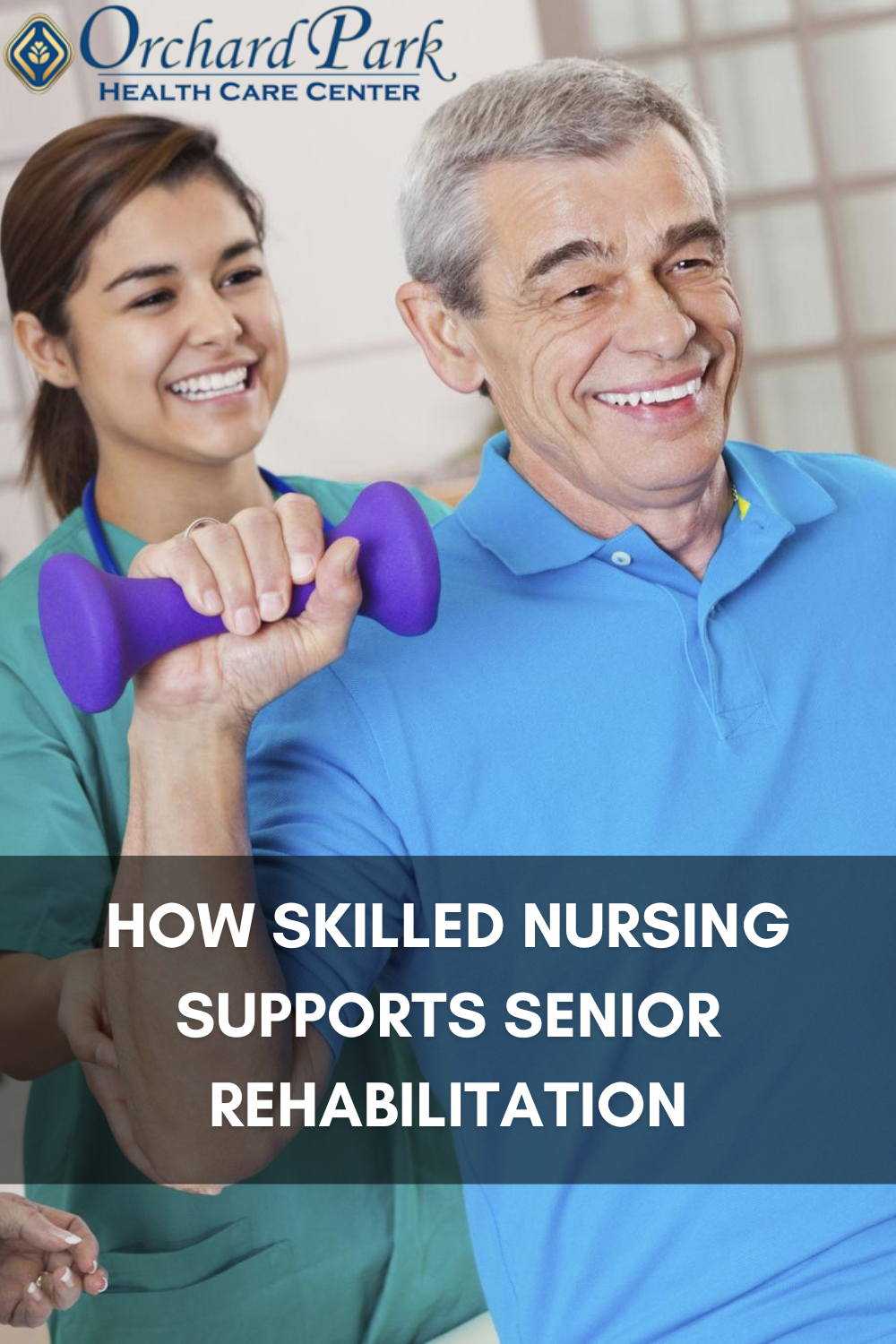
How Skilled Nursing Supports Senior Rehabilitation
How Skilled Nursing Supports Senior RehabilitationA hospital stay can be physically and emotionally exhausting for older adults. Whether caused by surgery, illness, injury, or a sudden medical event, hospitalization often leaves seniors needing additional support before they are ready to safely return home. For families in Centennial, skilled nursing care plays an important role in helping older adults recover with confidence, dignity, and professional medical oversight.At Orchard Park Health Care, skilled nursing services are designed to help residents regain strength, improve mobility, and receive personalized care during recovery and long-term wellness management.Recovery is not just about healing physically, says Nick Sorenson of Orchard Park Health Care. Seniors also need encouragement, structure, and compassionate support throughout the rehabilitation process.Why Recovery Can Be More Challenging for SeniorsAs people age, the body often requires additional time and support to recover after: Joint replacement surgery Stroke Pneumonia Falls and fractures Cardiac procedures Serious infections Older adults may also experience: Reduced mobility Muscle weakness Medication complications Increased fatigue Higher fall risks Returning home too quickly without proper rehabilitation can sometimes lead to setbacks or hospital readmissions.Skilled nursing communities help bridge the gap between hospital discharge and long-term recovery.What Skilled Nursing Care ProvidesSkilled nursing offers a higher level of medical support than traditional assisted living or home care.Residents may receive: 24-hour nursing oversight Medication management Physical therapy Occupational therapy Speech therapy Wound care Pain management Nutritional support These services are coordinated to help seniors recover safely while improving independence whenever possible.At Orchard Park Health Care, individualized care plans help ensure each resident receives treatment tailored to their specific health goals and recovery needs.Centennial Seniors Benefit from Local Access to RehabilitationCentennial is home to many active retirees and older adults who value maintaining independence and quality of life.The area offers: Excellent healthcare access Community-centered living Scenic outdoor spaces Quiet residential neighborhoods Proximity to Denver specialists and hospitals For seniors recovering from hospitalization, remaining close to family and familiar surroundings can make rehabilitation feel more manageable emotionally.Families also appreciate having access to skilled nursing support within their local community.Physical Therapy Helps Restore MobilityAfter illness or injury, many seniors struggle with weakness, balance issues, or reduced endurance.Physical therapy focuses on helping residents: Rebuild strength Improve flexibility Restore balance Increase mobility Reduce fall risks Therapists work closely with residents to create realistic goals while encouraging steady progress.Even small improvements in movement can dramatically improve quality of life and independence.Regaining mobility often restores confidence as well, Nick Sorenson explains. Residents feel empowered when they begin achieving milestones during recovery.Occupational Therapy Supports Daily Living SkillsOccupational therapy helps seniors regain the ability to perform essential daily activities safely and independently.This may include assistance with: Dressing Bathing Grooming Eating Household tasks Mobility within living spaces Therapists may also recommend adaptive equipment or techniques that help residents remain safer and more independent after discharge.The goal is not simply medical improvement, but helping residents return to meaningful daily routines.Skilled Nursing Provides Medical OversightMany seniors recovering from hospitalization require ongoing medical monitoring that may not be possible at home.Skilled nursing teams can help manage: Complex medications IV therapy Diabetes management Cardiac monitoring Wound care Chronic illness support This oversight helps reduce complications while supporting safer recovery.Families gain reassurance knowing trained professionals are available around the clock.Emotional Recovery Matters TooPhysical healing is only part of the rehabilitation process.After hospitalization, many seniors experience: Anxiety Depression Frustration Fear of falling Loss of confidence Skilled nursing communities help support emotional wellness through: Encouragement Social engagement Structured routines Compassionate caregiving Rehabilitation support Residents often benefit from simply being surrounded by supportive staff and peers during recovery.Nutrition Supports HealingRecovery requires proper nutrition, yet many older adults struggle to maintain healthy eating habits after illness or surgery.Skilled nursing communities provide: Balanced meals Dietary accommodations Hydration monitoring Nutritional support Proper nutrition plays a critical role in: Wound healing Energy levels Immune support Muscle recovery Residents recovering from hospitalization often regain strength more effectively when nutritional needs are carefully managed.Families Need Guidance During RecoveryHospital discharges can feel overwhelming for families. Adult children are often suddenly responsible for: Coordinating appointments Managing medications Understanding rehabilitation plans Preventing falls Monitoring progress Skilled nursing communities help families navigate these transitions while ensuring residents receive professional care.Communication between healthcare teams and families helps everyone remain informed about recovery goals and progress.At Orchard Park Health Care, we believe families are an important part of the healing process, Nick Sorenson says. We work closely with loved ones to support each residents recovery journey.Long-Term Skilled Nursing SupportWhile some residents enter skilled nursing temporarily for rehabilitation, others may require longer-term care due to chronic health conditions or ongoing medical needs.Long-term skilled nursing may benefit seniors who need: Continuous medical monitoring Complex care management Mobility assistance Cognitive support Specialized healthcare services Quality skilled nursing communities focus on maintaining dignity, comfort, and quality of life regardless of the length of stay.Choosing the Right Skilled Nursing CommunityFamilies evaluating skilled nursing communities should consider: Therapy programs Staff responsiveness Cleanliness Medical expertise Communication practices Resident engagement Rehabilitation outcomes Touring communities in person often helps families better understand the atmosphere and level of care provided.Compassionate staff relationships can significantly influence both resident comfort and recovery success.Skilled Nursing Can Help Seniors Rebuild ConfidenceAfter a major health event, many seniors feel uncertain about their physical abilities and future independence.With professional rehabilitation, medical oversight, and emotional support, residents often regain: Strength Mobility Confidence Daily functioning Emotional stability Skilled nursing communities help older adults recover in safe, supportive environments designed specifically for senior healthcare needs.Learn More About Orchard Park Health CareFamilies searching for skilled nursing and rehabilitation services in Centennial can learn more about Orchard Park Health Care through their Seniors Blue Book listing. Professional rehabilitation and compassionate medical care can help seniors recover safely while improving strength, wellness, and quality of life.FAQsWhat is skilled nursing care?Skilled nursing provides medical care, rehabilitation therapies, and 24-hour nursing support for seniors recovering from illness, injury, or surgery.How is skilled nursing different from assisted living?Skilled nursing offers a higher level of medical oversight and rehabilitation services than assisted living communities.What therapies are available in skilled nursing?Residents may receive physical therapy, occupational therapy, speech therapy, and specialized rehabilitation services.How long do seniors stay in skilled nursing?Some residents stay temporarily for rehabilitation, while others require longer-term medical support and care.Why do families choose skilled nursing in Centennial? Centennial offers strong healthcare access, welcoming communities, and convenient proximity to Denver-area medical resources.
May 27, 2026
Understanding Skilled Nursing Care: What Families Need to Know Introduction
As seniors age, the level of care they require can change significantly. When short-term recovery, complex medical needs, or chronic illness management becomes necessary, families often turn to skilled nursing care. This specialized care plays a crucial role in improving quality of life, supporting rehabilitation, and offering peace of mind for families. Understanding what skilled nursing entails, how it differs from other senior care services, and when its the right choice is essential for making informed decisions.At Orchard Park Health Care Center, families find expert skilled nursing care delivered with compassion and professionalism. This article explores the essential elements of skilled nursing care, helping families navigate this critical aspect of senior healthcare.What Is Skilled Nursing Care?Skilled nursing care refers to medically necessary care provided by licensed health professionals such as registered nurses (RNs), licensed practical nurses (LPNs), and physical, occupational, or speech therapists. Its usually prescribed by a physician and goes beyond what can be offered through assisted living or home health care.Key services provided in skilled nursing care include: 24/7 medical supervision Wound care Medication management Intravenous (IV) therapy Post-surgical recovery Physical, occupational, and speech therapy Chronic disease monitoring and management Skilled nursing care can be delivered in a dedicated skilled nursing facility (SNF), like Orchard Park Health Care Center, or as part of a broader long-term care community.When Is Skilled Nursing Care Necessary?Deciding when skilled nursing is appropriate often comes after a significant medical event or diagnosis. Situations that typically require this level of care include: Post-hospital recovery: After surgery, injury, or illness, patients may need intensive rehab and close medical monitoring. Stroke recovery: Skilled therapy and nursing are essential for regaining mobility and speech functions. Wound care needs: Chronic wounds, surgical sites, or pressure ulcers require expert care. Chronic condition management: Conditions like diabetes, heart disease, or COPD often need skilled monitoring and adjustment of treatment plans. Decline in mobility or function: Skilled therapy can help seniors regain independence and prevent further decline. At Orchard Park Health Care Center, skilled nursing services are tailored to meet the unique needs of each resident, whether short-term or long-term.Short-Term vs. Long-Term Skilled NursingSkilled nursing care can be either short-term or long-term, depending on the seniors medical condition.Short-Term RehabilitationMany residents enter skilled nursing for short stays focused on rehabilitation. These stays may follow: Joint replacement surgery Pneumonia recovery A hospital stay for heart failure Recovery from a fall or fracture Orchard Park Health Care Center offers a robust short-term rehabilitation program, emphasizing rapid recovery and a safe return home.Long-Term Skilled NursingSeniors with complex or progressive medical needs may require ongoing skilled care. Long-term stays are ideal for individuals with: Advanced dementia or Alzheimers disease Progressive neurological disorders Debilitating chronic illnesses High levels of dependency for daily tasks Orchard Parks long-term care program provides both high-level medical attention and a nurturing, homelike environment.Benefits of Skilled Nursing at Orchard Park Health Care CenterFamilies choosing Orchard Park Health Care Center gain access to a wide array of benefits that go beyond clinical care:1. Professional Medical SupportWith experienced nurses and therapists on staff, residents receive continuous and comprehensive care. The team works closely with physicians and families to monitor health changes and adjust care plans.2. Advanced Rehabilitation ServicesResidents benefit from on-site physical, occupational, and speech therapy, delivered using modern techniques and equipment. Therapy is personalized to restore strength, balance, and confidence.3. Comfortable AccommodationsOrchard Park creates a healing environment with comfortable rooms, social spaces, and nourishing meals. Residents feel supported physically and emotionally.4. Family CommunicationThe care team at Orchard Park maintains open lines of communication with families, providing updates and support during each stage of recovery or ongoing care.5. Medicare and Insurance AssistanceNavigating the financial side of skilled nursing can be overwhelming. Orchard Parks admissions and billing team helps families understand what services are covered by Medicare, Medicaid, and private insurance.Skilled Nursing vs. Assisted Living: Knowing the DifferenceFamilies often confuse assisted living with skilled nursing care. While both provide support for seniors, the level of medical attention differs greatly.FeatureAssisted LivingSkilled NursingMedical StaffLimited nursing staffLicensed nurses 24/7TherapyMinimal to noneFull rehabilitation servicesMedical NeedsMild/moderateComplex or intensiveInsurance CoverageTypically private payOften covered by MedicareLength of StayLong-termShort-term or long-termFor seniors recovering from a hospital stay or managing complex health issues, skilled nursing offers the depth of care they needmaking Orchard Park Health Care Center the ideal choice.Questions to Ask When Choosing a Skilled Nursing FacilityNot all skilled nursing centers offer the same level of care or comfort. When touring or researching facilities, families should ask: What is the staff-to-resident ratio? Are therapists available on-site daily? How are care plans developed and updated? What is the facilitys Medicare rating? How is infection control managed? Are there enrichment programs or social activities? Orchard Park Health Care Center proudly offers transparency, high-quality care, and a welcoming community for both residents and their loved ones.Planning Ahead: Why Early Conversations MatterOften, the need for skilled nursing care arises during a crisis, making it harder to evaluate options. Families are encouraged to: Discuss care preferences early Tour facilities in advance Understand Medicare and insurance coverage Keep medical records organized Proactive planning reduces stress and empowers families to make the best decisions. Orchard Park Health Care Centers admissions team is always ready to assist with planning, touring, and answering any questions.
Jul 28, 2025
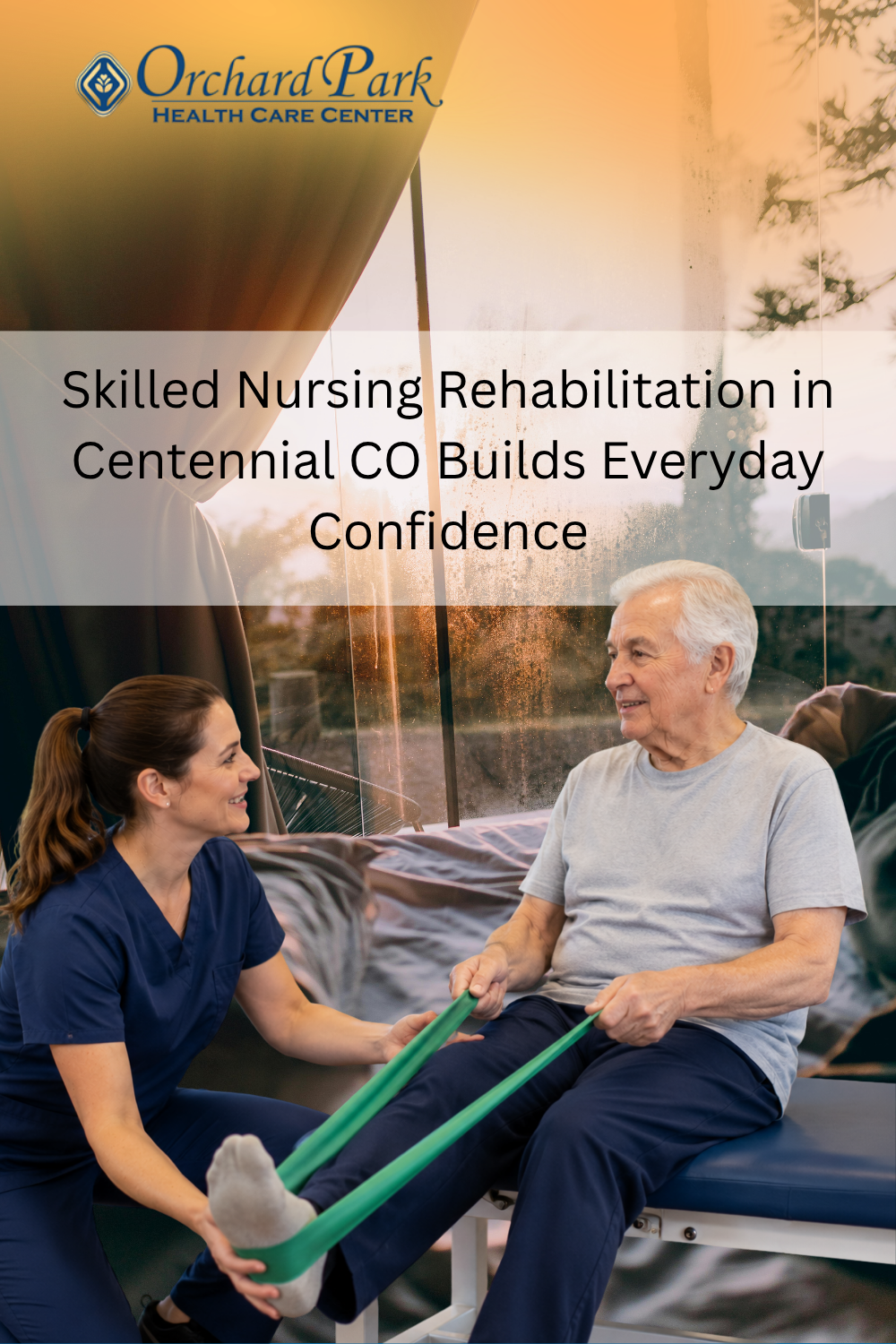
Skilled Nursing Rehabilitation in Centennial CO Builds Everyday Confid
Skilled Nursing Rehabilitation in Centennial CO Builds Everyday ConfidenceA recovery plan can look impressive on paper: physical therapy, occupational therapy, speech-language support, nursing oversight, and a discharge plan. Yet the person doing the work usually measures progress in more personal terms.Can I get out of bed without fear? Can I make it to the bathroom safely? Can I dress, speak clearly at the dinner table, or walk from the car to the front door without feeling exhausted?Those questions shape daily confidence after surgery, illness, injury, or a hospital stay. For older adults across Centennial and the South Metro Denver area, skilled nursing rehabilitation can offer a structured place to practice real-life skills with clinical support nearby.Recovery Is Built One Routine at a TimeAfter a health setback, ordinary tasks may suddenly require planning. A person might be able to stand but not turn safely. They may have enough strength to lift a fork but lack the stamina to finish a meal. They may know what they want to say but struggle to find words quickly.Rehabilitation helps people regain, maintain, or improve abilities needed for daily life.In skilled nursing, treatment can be connected to a persons actual routines. Instead of treating strength as an abstract measure, the team may work toward rising from a chair, moving through a bathroom, managing clothing, using a walker correctly, or preparing for a home with stairs. That approach helps families see progress in practical ways.Physical Therapy Builds Safer MobilityPhysical therapy often supports balance, strength, coordination, endurance, movement, and pain management. Orchard Park describes its physical therapy services as helping patients develop functional mobility after orthopedic or neurological conditions or injuries, with goals related to range of motion, strength, coordination, and muscle control.For a resident, physical therapy involves more than walking down a hallway. It may include transfers, walker positioning, endurance for household distances, or balance after illness or a fall.Families can ask: What movement is safer now than it was last week? What assistance is still needed during transfers? Which mobility device is recommended? How can the home become safer before a return?The answers can guide planning around stairs, narrow bathrooms, fatigue, and realistic caregiver support.Occupational Therapy Restores Control of Daily TasksPhysical therapy helps a person move more safely. Occupational therapy connects that movement to the routines that give a day structure and privacy.The American Occupational Therapy Association explains that occupational therapy uses the activities people want and need to do to support health, well-being, and participation in daily life. For an older adult, that may mean bathing, dressing, grooming, eating, toileting, or learning to use adaptive tools.Orchard Park states that its occupational therapy program focuses on greater independence in bathing, dressing, and eating after illness or injury, including training with specialized equipment.These milestones matter deeply. Putting on a shirt with less help or safely reaching for a toothbrush can restore confidence. The aim is to find a safer, more workable way for a person to participate in everyday tasks.Speech-Language Therapy Supports Communication and SwallowingSpeech-language therapy can be helpful for more than speech alone. Health changes may affect verbal expression, problem-solving, reading, writing, voice strength, memory strategies, or swallowing.Orchard Park lists speech-language therapy for communication skills, problem-solving, reading, writing, verbal expression, and swallowing disorders.For families, this can mean giving a loved one more time to respond, following recommended swallowing precautions, and using strategies that make conversation easier. These supports can help with meals, care conversations, and family visits.Skilled Nursing Carries Therapy Goals Into the DayRehabilitation does not happen only in a therapy room. The rest of the day matters too.A therapist may recommend a safer transfer technique; nursing staff can reinforce it during toileting or bedtime. A speech-language pathologist may suggest swallowing strategies; caregivers can help incorporate them at meals. Medication changes, wound care needs, diabetes management, cardiac concerns, or post-surgical monitoring may also require nursing attention alongside therapy.Orchard Park lists skilled nursing services that include post-surgical care, cardiac care, diabetes management, wound care, IV therapies, and infection prevention and control.This collaboration matters because many older adults are recovering from more than one issue at a time. Someone may be rebuilding balance while managing pain, fatigue, shortness of breath, or new medications.Orchard Park Health Care in CentennialOrchard Park Health Care is located at 6005 S. Holly Street in Centennial. The center offers physical, occupational, and speech-language therapy alongside skilled nursing. Its specialty programs include orthopedic rehabilitation, cardiac recovery, stroke recovery, pulmonary therapy, lymphedema therapy, vestibular therapy, wound care, pain reduction, and aquatic therapy.Orchard Park says clinicians may provide rehabilitation up to seven days each week, depending on individual needs. It also offers outpatient therapy later in recovery, allowing patients to continue with familiar team members after an inpatient stay.For families in the South Metro Denver area, continuity can be valuable. Outpatient support may help a person keep advancing as they return to home and community routines.Suggested quote for Nick Sorensons approval: The most meaningful recovery goals are often the everyday ones. We want people to leave stronger, safer, and more confident in the routines that matter most to them.Nick Sorenson is listed as Orchard Park Health Cares administrator.Notice the Small WinsFamilies sometimes wait for a major breakthrough before they believe recovery is working. More often, progress arrives in smaller changes:Needing less assistance during a transferFeeling more secure with a walker or wheelchairCompleting more of a grooming routineSpeaking with less frustrationEating more comfortably with recommended supportsAsking to do more independentlyCelebrate effort as well as outcomes. Recovery often includes slower days. Steady encouragement is more helpful than pressure.Frequently Asked Questions About Skilled Nursing RehabilitationWhat is the difference between physical and occupational therapy?Physical therapy commonly focuses on movement, balance, strength, endurance, and mobility. Occupational therapy focuses on daily activities such as bathing, dressing, eating, and grooming.Can speech-language therapy help with swallowing concerns?Yes. Speech-language therapy can evaluate and treat swallowing disorders as well as communication-related needs. Orchard Park lists both areas among its therapy services.Does Orchard Park provide rehabilitation for different conditions?Orchard Park lists orthopedic, cardiac, stroke, pulmonary, lymphedema, vestibular, wound-care, and aquatic therapy programs. Individual fit should be confirmed with the clinical and admissions teams.Can therapy continue after a skilled nursing stay?Yes. Orchard Park states that outpatient therapy is available after an inpatient stay, with familiar staff continuing to support rehabilitation.Take the Next Step Toward Everyday ConfidenceA strong rehabilitation experience is not measured only by exercises completed. It helps someone move toward the activities, relationships, and choices that make life feel like their own.Visit the Seniors Blue Book listing for Orchard Park Health Care to learn more about skilled nursing and rehabilitation in Centennial. Schedule a conversation with the admissions team to discuss your loved ones therapy needs, functional goals, and next stage of recovery.
Jul 06, 2026
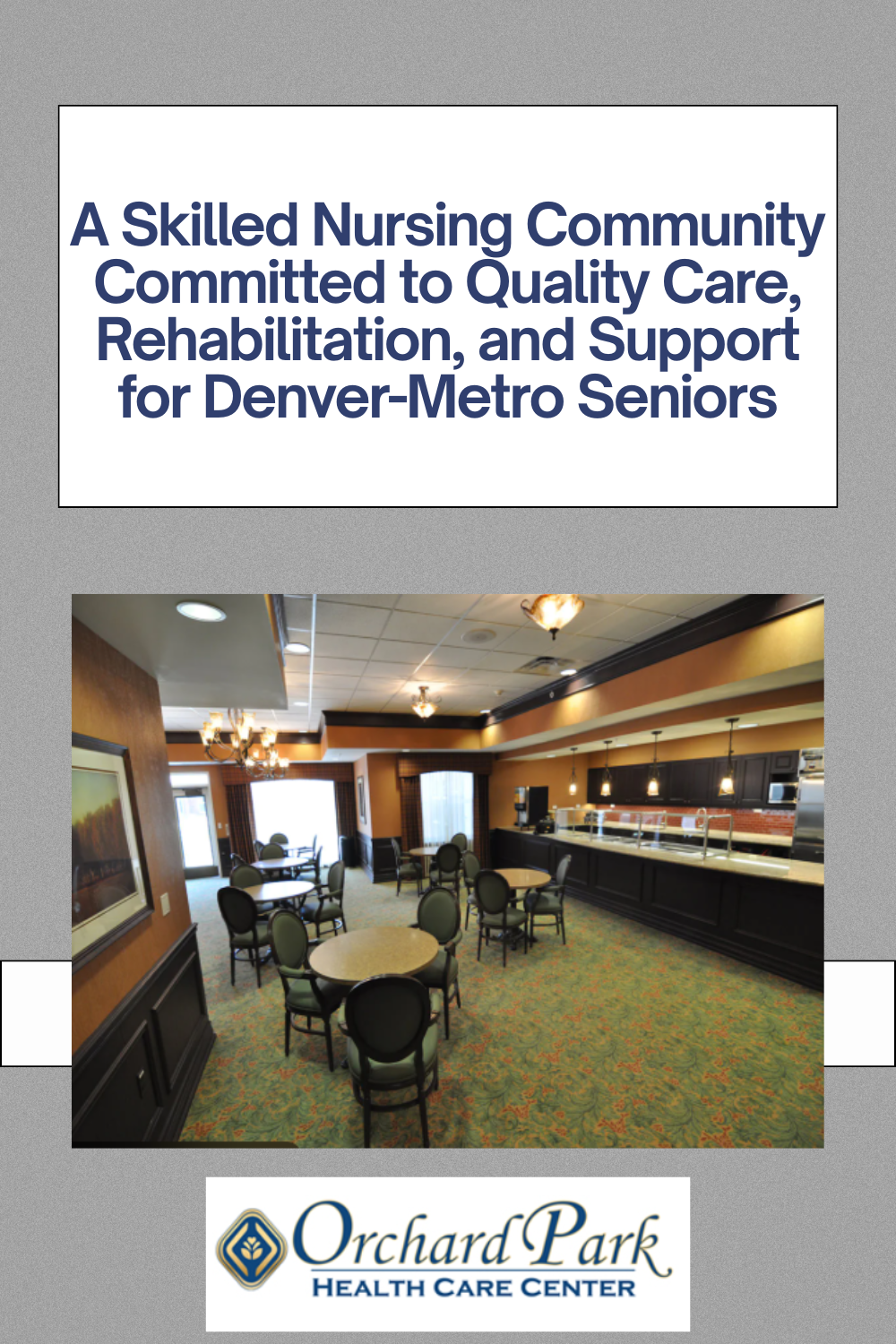
A Skilled Nursing Community Committed to Quality Care, Rehabilitation, and Support for Denver-Metro Seniors
When a loved one needs 24-hour medical supervision, rehabilitation after a hospital stay, or long-term skilled nursing support, choosing the right care community becomes critically important. Families across the Denver metro region, including Centennial, Greenwood Village, Aurora, Englewood, and south Denver, turn to Orchard Park Health Care for its high standards of clinical care, compassion, and resident-centered approach.Situated in the heart of Centennial and conveniently accessible from major medical centers and residential neighborhoods, Orchard Park Health Care provides a safe, structured, and supportive environment where seniors can receive the care they need while maintaining dignity, comfort, and meaningful connection.This article explores how Orchard Park Health Care serves as a trusted skilled nursing and rehabilitation provider for seniors and families throughout Colorados Front Range.A Mission Built on Respect, Care, and Professional ExcellenceSkilled nursing communities play a crucial role in supporting seniors who need consistent medical attention or rehabilitation. Orchard Park Health Cares mission is rooted in delivering compassionate, high-quality care while recognizing the personal journeys, preferences, and histories that each resident brings.Krystalyn Ruybal, a dedicated leader at Orchard Park Health Care, shares this heartfelt perspective:Every resident deserves to feel cared for, respected, and valued. Our team works hard every day to provide exceptional support and help our residents experience a sense of purpose and comfort. Krystalyn RuybalThis philosophy guides every aspect of careclinical, emotional, social, and rehabilitative.What Skilled Nursing Really Means for SeniorsSkilled nursing is designed for individuals who need ongoing medical support, monitoring, or rehabilitation that cannot safely be managed at home or in assisted living.Orchard Park Health Care supports seniors who may experience: Chronic or complex health conditions Post-operative recovery Physical limitations from illness or injury Long-term cognitive or physical decline Mobility or safety challenges Need for wound care or IV therapy Chronic pain management Specialized rehabilitation needs For many seniors, this level of care provides safety, stability, and a strong clinical foundation for healing or long-term support.Comprehensive Medical & Nursing CareOrchard Park Health Care provides skilled services overseen by trained medical professionals. Services include: 24/7 licensed nursing Medication management and administration Wound care and pressure sore prevention Post-hospital and post-surgical care Respiratory treatments Chronic disease management Coordination with hospitals, specialists, and primary care providers Vital sign monitoring and ongoing assessments This medically focused approach ensures residents receive high-quality, clinically sound care.Personalized Rehabilitation ServicesOrchard Park offers physical, occupational, and speech therapy designed to help seniors regain strength, mobility, and independence after a hospital stay or major health event.Rehabilitation goals may include: Improving mobility and balance Strengthening muscles Regaining independence in daily tasks Enhancing speech or swallowing abilities Reducing pain Supporting cognitive function Preparing for a safe return home Therapy plans are individualized, goal-oriented, and monitored regularly for progress.Comfortable Living Environment Designed for HealingA nurturing environment supports both physical recovery and emotional well-being. Orchard Park Health Care offers: Private and semi-private rooms Comfortable communal spaces Dining rooms for social meals Outdoor areas for fresh air and sunshine Activity rooms for recreation and therapy Thoughtfully designed hallways and mobility-friendly layouts These features help residents feel safe, supported, and at ease throughout their stay.Nutritious Dining That Supports Health and RecoveryNutrition is a crucial part of the healing process. Orchard Park Health Care provides: Balanced, dietitian-approved meals Options for dietary restrictions (diabetic, cardiac-friendly, soft diet, etc.) Hydration monitoring Assistive dining support when needed Snacks and supplemental nutrition as recommended Meals are served in a comfortable, welcoming environment that encourages social interaction.Engaging Activities and Social OpportunitiesEven while receiving medical care, seniors benefit from staying mentally, emotionally, and socially connected. Orchard Park Health Care offers a variety of activities such as: Group games and trivia Arts and crafts Music programs Movie nights Holiday celebrations Pastoral and spiritual support Small-group discussions Recreational therapy These activities help residents maintain a sense of purpose, joy, and community.Support for Families Through Each Stage of CareFamilies often feel overwhelmed when a loved one requires skilled nursing. Orchard Park Health Care partners with families through: Regular updates and communication Education about care plans and progress Resources for managing long-term medical needs Emotional support during transitions Guidance on next steps, including rehabilitation discharge planning This collaborative approach ensures families feel supported, informed, and reassured.Serving Seniors Across the Denver Metro AreaWith a central location convenient to hospitals, rehabilitation centers, and medical providers, Orchard Park Health Care serves seniors from: Centennial Greenwood Village Aurora Littleton Englewood Denver Lone Tree Its accessibility makes it a valuable resource for families seeking skilled nursing in the south Denver region.E-E-A-T: Why Orchard Park Health Care Is a Trusted Skilled Nursing ProviderOrchard Park demonstrates excellence through:ExperienceYears of caring for seniors with complex health needs.ExpertiseTrained clinical staff skilled in long-term care, rehabilitation, and chronic condition management.AuthoritativenessA respected presence in the Denver metro senior care network.TrustworthinessCompassionate communication, consistent quality, and a resident-centered culture.These qualities help families feel confident that their loved one is in capable, caring hands.Helping Seniors Heal, Live Fully, and Experience ComfortWhether a resident is recovering from surgery, living with chronic illness, or needing long-term support, Orchard Park Health Care strives to help them: Feel safe Maintain dignity Experience comfort Engage socially Heal with professional support Enjoy meaningful daily interactions Its a place where high-quality care meets genuine compassion.Call to ActionTo learn more about Orchard Park Health Care or schedule a tour, visit their Seniors Blue Book listingFrequently Asked Questions1. Does Orchard Park Health Care offer rehabilitation services? Yesphysical, occupational, and speech therapy are available on-site.2. Is long-term skilled nursing an option? Absolutely. They offer both short-term rehab and long-term care.3. Are meals included? Yesnutritious meals and snacks are provided daily.4. Can families visit regularly? Yes, family involvement is encouraged and supported. 5. Do residents receive 24/7 nursing care? Yeslicensed nurses provide round-the-clock medical support.