Parker at Monroe Nursing Care Residence
395 Schoolhouse Road, Monroe Township, New Jersey, 08831
Skilled Nursing$375/day
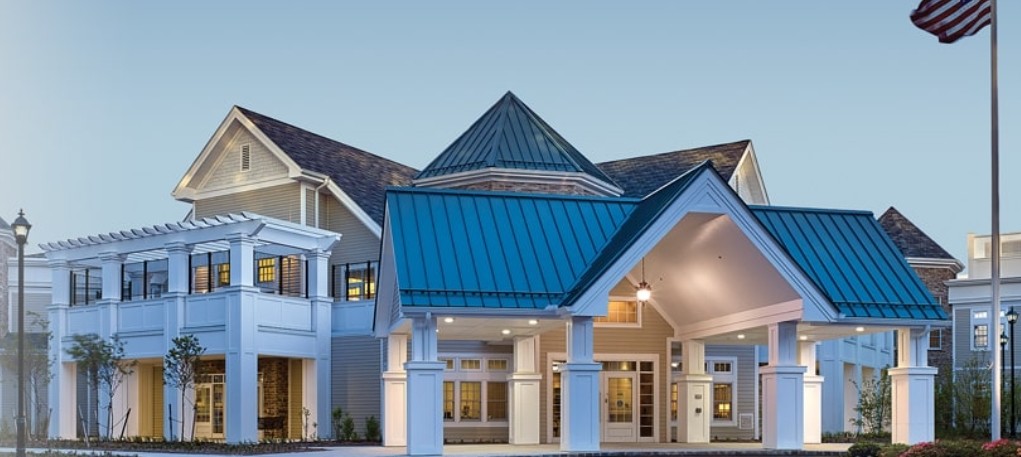
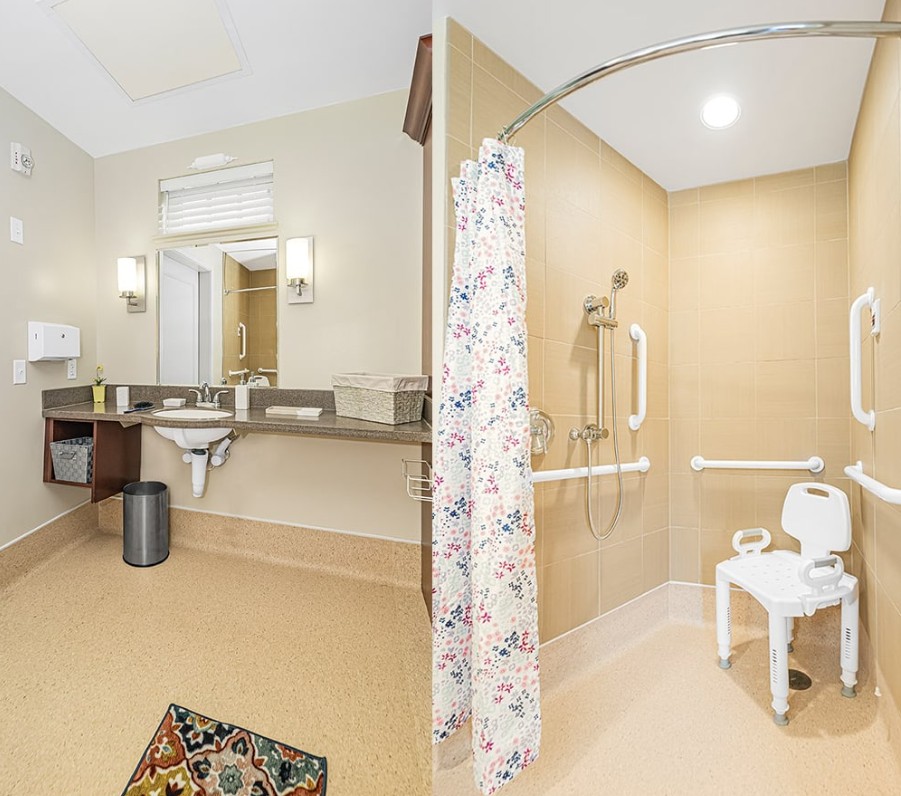


About Parker at Monroe Nursing Care Residence
Parker is known as a pioneer, thought leader, and innovator in long-term care. There is no more outstanding example than Parker at Monroe nursing care residence. As a pioneer in nursing care residences, this unique and specialized model of care provides a warm, home-like setting. Our Monroe residence results from decades of research and over a century of experience.
Opened in late 2014, Parker at Monroe provides 24/7 person-centered living and person-directed nursing care services, with memory care for individuals with all stages of dementia who may also have complex physical needs. The campus comprises six Small Homes connected to a Community Center (within one large home). Sixteen residents with similar needs and cognitive levels reside in each Small Home. The buildings and programs are designed to promote independence, dignity, and a sense of community among our residents.
As an Eden Alternative registered home, Parker at Monroe embraces the concept of person-directed communities that offer varied and meaningful activities. Our home provides opportunities for residents to give, receive care, and interact with other living things, such as children, animals, and plants.
General Property Features
- Private Rooms, Semi-Private Rooms
Skilled Nursing
- https://www.parkerlife.org/
- $375.00
- 96
Claim This Business Listing
- Are you the owner of this business listing? If so, please click the button below to take control of it today.
- This feature enables businesses to update their information and become part of the Seniorsbluebook.com network. It is a simple, yet effective way for businesses to connect with seniors and their families who are looking for senior related services.
Continue Your Search! Explore More Local Options.
Start SearchingLet’s engage and get educated!
Browse through thousands of expert articles in over 100 different categories.
Browse NowArticles You May Like

What Makes a Nursing Care Residence Feel Like Home?
The word nursing home can bring very different images to mind.For some families, it suggests a large institutional building, long hallways, shared dining rooms, and a highly scheduled day.But modern long-term care is increasingly focused on a different question: What if a nursing care residence could feel more like a neighborhood home?That question is particularly relevant for families in Monroe Township and central New Jersey, where active adult communities, multigenerational families, and established neighborhoods have become an important part of the area's identity.Parker at Monroe Nursing Care Residence was designed around precisely that idea.Located on Schoolhouse Road, Parker at Monroe uses a Small Home model that creates smaller, more familiar living environments within a larger campus. The residence includes six Small Homes connected to a central Community Center.Why the Physical Environment Matters Where a person lives can influence how they experience each day.For an older adult who requires nursing care, a comfortable environment can help preserve familiarity and personal identity.At Parker at Monroe, each Small Home includes its own kitchen and dining area, living room, and spaces for residents to gather. Bedrooms and bathrooms are designed with accessibility and mobility needs in mind.That design creates opportunities for everyday activities that feel familiar.A resident might sit at the kitchen table, participate in a meal, spend time in the living room, or visit with family in a comfortable shared space.Those details matter.The Small Home ModelThe Small Home concept is one of Parker at Monroe's defining characteristics.Instead of treating 96 residents as one large population, the community creates smaller residential neighborhoods. Parker describes these homes as environments where residents with similar needs and cognitive levels can live together.This can create a more personal atmosphere.Staff have opportunities to know residents as individuals, while residents can develop familiarity with the people and surroundings around them.For families, that can change the experience of visiting.Rather than feeling like they are entering an institution, they may feel like they are visiting someone's home.Person-Directed Care Changes the ConversationThe physical environment is only one part of creating a sense of home.The other is culture.Parker follows a person-directed philosophy that emphasizes resident choice, dignity, purpose, and meaning. The organization is also an Eden Alternative registered home.Michael Brophy, Senior Director of Sales and Marketing, describes the philosophy this way: Families come to us during vulnerable moments. Our responsibility is not only to provide exceptional clinical care, but to truly know each resident their story, their preferences, and what makes them feel at home.That distinction is important.A person isn't simply a room 12 resident.They may be a retired teacher, a grandmother, a veteran, an avid gardener, a lifelong Mets fan, a former business owner, or someone who loves classical music.Good long-term care makes room for that story.What Does a Typical Day Look Like?There isn't one perfect routine for every resident.Parker's person-directed approach is designed to support individual preferences and abilities.Programming can include opportunities for: Social interaction Exercise and wellness Creative activities Dining and cooking experiences Family visits Educational programs Entertainment Spiritual services Outdoor timeThe Community Center also includes therapy services, a Health and Wellness Center, outdoor access, dining venues, and gathering spaces.Dementia Care Within a Familiar SettingFor people living with dementia, familiarity can be especially important.Parker at Monroe has different Small Homes serving people at different stages of dementia and physical need. The Oaks, for example, serves residents with early-to-mid-stage dementia, while The Willows is designed for residents with more advanced dementia and significant physical support needs.This specialized structure allows programming and support to be tailored to residents' abilities.Family Is Part of the CommunityA nursing care residence should not mean that family life stops.In fact, regular family involvement can become an important part of a resident's routine.For Monroe Township families, proximity can make that easier.Children and grandchildren living in nearby communities such as East Brunswick, Spotswood, Old Bridge, Jamesburg, or Princeton can build visits into their regular schedules.A Sunday afternoon visit. A birthday celebration. A cup of coffee. A grandchild's school project brought in to share.These moments help preserve relationships.What Should Families Look for When Touring?When evaluating a nursing care residence, look beyond the dcor.Pay attention to how residents appear.Ask yourself: Do residents seem engaged? Do staff members know residents by name? Are residents offered choices? Does the environment feel calm? Are families welcomed? Are activities meaningful? Are rooms and common areas comfortable? Does the community feel like somewhere your loved one could actually live?Frequently Asked Questions**1. What is the Small Home model?** Parker at Monroe organizes its campus into smaller residential homes connected to a central Community Center, creating a more intimate living environment.**2. Does Parker at Monroe offer private rooms?** The Seniors Blue Book listing indicates that both private and semi-private rooms are available.**3. Does the residence offer activities?** Yes. Parker emphasizes meaningful activities and opportunities for social connection, along with amenities and programs throughout the campus.**4. Is there memory care at Parker at Monroe?** Yes. Specialized Small Homes support residents with different stages of dementia.**5. Where can I learn more?** Families can explore Parker at Monroe's complete Seniors Blue Book listing.Rethinking What Long-Term Care Can BeLong-term care doesn't have to mean giving up the feeling of home.For many families, the right environment can provide something they cannot safely provide alone: professional nursing care combined with community, comfort, meaningful activity, and personal choice.That is the philosophy behind Parker at Monroe.Explore Parker at Monroe on Seniors Blue Book.More information can be found on their Seniors Blue Book Listing Visit Parker at Monroe
Aug 19, 2026
Redefining Skilled Nursing in Monroe Township: What Families Should Kn
Redefining Skilled Nursing in Monroe Township: What Families Should KnowWhen a loved one needs nursing care, families often feel overwhelmed. The decision isnt just about medical support its about dignity, comfort, community, and trust. In a town like Monroe Township, where neighbors know one another and multi-generational families are common, choosing the right nursing care residence is deeply personal.At Parker at Monroe, skilled nursing is more than clinical excellence its a philosophy of person-centered care rooted in decades of experience serving New Jersey seniors.This article explores how modern nursing care residences are evolving, what families should look for, and why Parker at Monroe continues to be a trusted choice in Middlesex County.Understanding Todays Nursing Care ResidencesMany people still picture nursing homes as institutional settings with limited personalization. In reality, leading communities like Parker at Monroe have redefined what skilled nursing looks like.What Is a Nursing Care Residence?A nursing care residence provides:24/7 licensed nursing carePost-hospital sub-acute rehabilitationLong-term care for chronic conditionsMemory support servicesPalliative and end-of-life careFor Monroe Township families especially those balancing careers in nearby New Brunswick, Princeton, or even commuting into New York City having trusted, high-level care close to home is invaluable.Why Location Matters in Monroe TownshipMonroe Township is known for its active adult communities, peaceful residential neighborhoods, and proximity to major medical centers. With a growing senior population, demand for high-quality nursing care has increased.Families here often prioritize:Easy access for frequent visitsA community atmosphereContinuity of care as needs evolveStrong relationships between staff and residentsParker at Monroes location allows loved ones to stay connected whether its a quick visit after errands at local shopping centers or weekend family gatherings.The Shift Toward Person-Centered CareOne of the biggest advancements in senior healthcare is the move toward individualized, person-centered care.Rather than focusing solely on medical diagnoses, communities like Parker at Monroe consider:Personal routines and preferencesCultural and dietary needsSocial engagement interestsEmotional and spiritual wellbeingMichael Brophy, Senior Director of Sales and Marketing at Parker at Monroe, emphasizes this philosophy: Families come to us during vulnerable moments. Our responsibility is not only to provide exceptional clinical care, but to truly know each resident their story, their preferences, and what makes them feel at home. Thats what builds trust. This approach reflects modern best practices in geriatric healthcare and aligns with national standards for skilled nursing excellence.Clinical Excellence with CompassionWhile warmth and hospitality matter, clinical expertise is essential.Parker at Monroe Provides:Registered nurses on-site 24/7Individualized care plansMedication management and oversightPhysical, occupational, and speech therapyChronic disease managementMemory care supportFor Monroe Township families navigating conditions such as Parkinsons disease, stroke recovery, heart failure, or advanced dementia, having integrated clinical services in one setting provides peace of mind.Rehabilitation After a Hospital StayOne common reason families search for skilled nursing in Monroe Township is following hospitalization.After surgery, illness, or injury, seniors often require:Sub-acute rehabilitationStrength and mobility trainingMonitoring for complicationsCoordinated discharge planningThe goal is often to return home safely and confidently.Communities like Parker at Monroe collaborate with hospitals and physicians to create structured recovery plans. Therapy teams work closely with residents to rebuild strength while minimizing hospital readmissions a critical measure of quality in todays healthcare landscape.A Community, Not an InstitutionMonroe Township residents value community. From local parks to active adult neighborhoods, connection is part of daily life.At Parker at Monroe, that community spirit continues inside the residence through:Social activities and enrichment programsIntergenerational eventsCultural celebrationsReligious and spiritual servicesFamily-inclusive programmingMaintaining social engagement has been shown to improve cognitive health, mood, and overall wellbeing especially for seniors in long-term care.Transparency and Communication with FamiliesTrust is built through communication.Families often ask:How often will I receive updates?Who do I call with concerns?How involved can I be in care decisions?Parker at Monroe prioritizes open communication between care teams and family members. Regular updates, care plan meetings, and accessible leadership help families feel involved rather than distant.For adult children who may live in surrounding areas like East Brunswick, Freehold, or Princeton, this transparency provides reassurance.Financial Considerations and PlanningUnderstanding payment options is a major part of the decision process.Depending on individual circumstances, nursing care may be covered by:Medicare Medicaid (for qualified long-term care)Long-term care insurancePrivate payFamilies are encouraged to consult with financial advisors and care counselors to understand eligibility and planning strategies.Early planning can significantly reduce stress during crisis situations.When Is It Time to Consider Nursing Care?Recognizing the signs early allows families to explore options thoughtfully rather than reactively.Warning Signs May Include:Frequent fallsRepeated hospitalizationsProgressive memory declineDifficulty managing medicationsCaregiver burnoutAdvanced chronic illnessIf daily care needs exceed what can safely be provided at home, skilled nursing may offer both safety and improved quality of life.Frequently Asked Questions About Nursing Care in Monroe Township1. How is a nursing care residence different from assisted living?Assisted living supports seniors who need help with daily activities but do not require 24/7 medical care. Nursing care residences provide continuous licensed medical supervision.2. Can families visit regularly?Yes. Family involvement is strongly encouraged, and proximity within Monroe Township makes frequent visits convenient.3. What medical conditions are commonly managed?Conditions such as stroke recovery, advanced dementia, diabetes complications, cardiac issues, and mobility impairments are commonly treated.4. How do I start the admission process?Contacting the community directly to schedule a tour and care consultation is typically the first step.A Trusted Resource for Monroe Township FamiliesChoosing skilled nursing care is one of the most significant decisions a family will make. It requires balancing medical expertise, emotional comfort, financial planning, and proximity to loved ones.In a community like Monroe Township where stability, family, and long-term relationships matter Parker at Monroe stands as a respected provider dedicated to serving seniors with dignity and excellence.If you are exploring skilled nursing options for a loved one in Monroe Township, we encourage you to learn more about Parker at Monroes services, care philosophy, and availability.Visit their full Seniors Blue Book listing here: Parker at Monroe
Mar 01, 2026
How to Choose the Right Nursing Care in Middlesex County
How to Choose the Right Nursing Care Residence in Middlesex County: What Families Should Look ForWhen a family begins searching for a nursing care residence in Middlesex County, New Jersey, the process can quickly become overwhelming.There are facilities to research, phone calls to make, tours to schedule, financial questions to answer, and medical needs to consider. At the same time, families are often making these decisions while managing an older loved one's changing health or increasing care needs.The good news is that families don't have to make the decision based on appearance alone.Knowing what to look forand what questions to askcan make it easier to compare long-term nursing care options in Monroe Township and surrounding communities.For families considering Parker at Monroe, understanding the community's approach to nursing care, memory care, Small Home model, therapies, amenities, and person-directed philosophy can be an important part of that process. Parker at Monroe is located at 395 Schoolhouse Road in Monroe Township and provides 24/7 person-directed nursing care. Start With the Level of CareThe first question should not necessarily be, "Which nursing home should we choose?"It should be:What level of care does my loved one actually need?An older adult may need assistance with daily activities but not require continuous nursing care. Another person may have complex physical needs, significant mobility limitations, or dementia that requires specialized support.Families should discuss the individual's needs with their healthcare professionals and consider: Mobility and transfers Medication management Bathing and dressing Toileting Nutrition Cognitive changes Dementia-related needs Chronic medical conditions Communication abilities Fall risk Need for rehabilitation or therapy The goal is to find an environment that can appropriately support the person's current needs while also considering how those needs might change.Look at More Than the BuildingA nursing care residence can be beautiful and still not be the right fit.During a tour, pay attention to the atmosphere.Do residents appear comfortable?Do staff members interact respectfully with residents?Do employees seem to know the people they are caring for?Are residents sitting alone, or are there opportunities for connection?Do common areas feel welcoming?Is there outdoor access?Are families encouraged to visit?These observations can tell you things that a brochure cannot.At Parker at Monroe, the campus is organized around a Small Home model connected to a central Community Center. The residence includes private and semi-private bedroom suites, accessible bathrooms, kitchen and dining areas, living rooms, family spaces, and access to Community Center amenities. Ask About the Philosophy of CareOne of the most important questions families can ask is:How does this community define good care?Clinical care is essential, but families should also understand how a residence approaches dignity, independence, choice, relationships, and daily life.Parker at Monroe follows a person-directed care philosophy. The approach emphasizes resident choice and a sense of purpose and meaning in daily life. Parker is also an Eden Alternative registered home. That philosophy can be especially meaningful for older adults who may have significant physical or cognitive needs.The goal isn't simply to provide care.It is to recognize the person receiving it.Ask About Dementia Care SpecificallyIf your loved one has Alzheimer's disease or another form of dementia, don't settle for a general answer such as "Yes, we provide memory care."Ask what dementia care actually looks like.Questions might include: Are residents grouped according to cognitive needs? How are activities adapted? How does the staff respond to changing behaviors? Is the environment designed to support familiarity? What happens as dementia progresses? How are families involved? What happens if physical needs increase? Parker at Monroe has specialized Small Homes serving residents with different stages of dementia and physical needs. The Oaks serves residents with early- to mid-stage dementia who may require limited physical support, while The Willows serves residents with later-stage dementia who may require significant physical support. That specialized structure is an important distinction for families evaluating memory care in Monroe Township.Consider the Size and Feel of the Living EnvironmentTraditional nursing homes can sometimes feel large and institutional.Families should ask how the community creates a sense of familiarity.Parker at Monroe's Small Home model is designed around smaller residential neighborhoods. Parker's current information describes five Small Homes connected to a Community Center, with residents who have similar needs and cognitive levels living together. (Parker Life)Each Small Home has its own kitchen and dining area, living space, and residential environment.For families, this can create a different experience from a large centralized nursing facility.It can feel more like a home within a larger community.Don't Forget About Therapy and WellnessNursing care is only one component of an older adult's overall well-being.Ask about physical, occupational, and speech therapy.Ask about exercise.Ask about activities.Ask about outdoor access.Ask about opportunities for social interaction.At Parker at Monroe, the Community Center includes a Health and Wellness Center, physical, occupational, and speech therapies, outdoor access, dining venues, and gathering spaces for educational programs, entertainment, and faith-based services. These services can contribute to a more active and meaningful daily routine.Think About Family AccessA nursing care residence is also where your loved one will live.That means family access matters.For families in Monroe Township, East Brunswick, Old Bridge, Spotswood, Jamesburg, South Brunswick, or other nearby Middlesex County communities, consider how realistic frequent visits will be.A community that is relatively close to home may make it easier for: Spouses to visit Adult children to stop by Grandchildren to maintain relationships Family members to attend care meetings Loved ones to participate in celebrations and activities Ask how the community welcomes family members and whether there are comfortable spaces for visits.Parker's nursing care philosophy emphasizes that family members and friends are welcome to visit, within reason, rather than limiting family interaction to narrowly defined visiting hours. Understand the Financial DetailsFamilies should discuss financial considerations early.Ask: What is included? What services have additional costs? What payment options are available? What happens if care needs change? What documentation is required for admission? Parker at Monroe is currently listed by Parker as a private-pay long-term nursing care residence and does not participate in Medicare or Medicaid. Families should confirm current financial and admissions requirements directly with Parker before making a decision. Understanding the financial structure early can prevent surprises later.Tour More Than Once if You CanA single tour provides only one snapshot.If possible, visit at different times of day.Observe the morning routine.See how lunch feels.Ask what evenings are like.Talk with staff.Notice how residents interact with one another.And most importantly, imagine your loved one living there.Would they feel comfortable?Would they have opportunities to make choices?Would the environment support their personality and interests?Would your family feel welcome?Those questions can be more important than whether the lobby has the newest furniture.Frequently Asked Questions1. What should I look for when choosing a nursing home in Middlesex County?Consider the level of nursing care, specialized dementia services, staff interaction, living environment, activities, therapies, family involvement, location, and financial requirements.2. Does Parker at Monroe provide dementia care?Yes. Parker at Monroe provides memory care for people with different stages of dementia and physical needs through specialized Small Homes. 3. Does Parker at Monroe offer private rooms?Parker's current information indicates that private and semi-private bedroom suites are available. 4. What therapies are available at Parker at Monroe?The Community Center includes physical, occupational, and speech therapy services. 5. Where is Parker at Monroe located?Parker at Monroe is located at 395 Schoolhouse Road in Monroe Township, New Jersey. Choosing a Nursing Care Residence Is About More Than CareThe right nursing care residence should provide more than medical support.It should provide an environment where an older adult can continue to experience relationships, routines, activities, dignity, and meaningful daily life.For families searching for nursing care in Monroe Township and throughout Middlesex County, Parker at Monroe offers a distinctive Small Home model, specialized memory care, 24/7 nursing care, therapy services, wellness opportunities, and a person-directed approach.The best way to determine whether it is right for your family is to ask questions, visit the community, and see how the environment feels in person.Explore Parker at Monroe through its Seniors Blue Book listing.Visit Parker at Monroe
Aug 19, 2026
When Is It Time for Long-Term Nursing Care? A Guide for Monroe Twp
When an older parent, spouse, or loved one begins needing more help, families often find themselves asking a difficult question: Can we continue safely caring for them at home, or is it time to consider long-term nursing care?There is rarely one moment that provides an obvious answer. More often, the decision develops gradually as health needs become more complicated, caregiving becomes exhausting, or a home environment can no longer provide the level of support a senior requires.For families in Monroe Township, East Brunswick, Old Bridge, Freehold, Princeton, and surrounding Middlesex County communities, understanding the options before a crisis occurs can make an emotional decision more manageable.At Parker at Monroe Nursing Care Residence, long-term care is designed around person-directed living, 24/7 nursing support, memory care, and a home-like residential environment. The community opened in 2014 and is built around a Small Home model designed to encourage familiarity, independence, dignity, and connection.Recognizing the Signs That More Support May Be NeededFamilies sometimes wait because they are unsure whether a loved one is sick enough for nursing care.The more useful question is whether the person's current care environment is still safe and sustainable.Some signs that it may be time to explore long-term nursing care include: Frequent falls or difficulty recovering after a fall Increasing assistance with bathing, dressing, or toileting Difficulty managing medications Repeated hospital or emergency-room visits Progressive dementia or memory loss Significant mobility limitations Complex chronic health conditions Weight loss or difficulty preparing meals Increasing caregiver stress or exhaustion A home that is no longer safe for the individual's needsNone of these automatically means someone must move into a nursing care residence. They are reasons to begin a conversation.Don't Wait for a CrisisOne of the biggest challenges families face is waiting until a hospitalization forces an immediate decision.When there is time to tour communities, compare care models, ask financial questions, and involve the older adult in the conversation, families are generally better positioned to make a thoughtful decision.A proactive tour can also help dispel outdated ideas about what nursing homes look and feel like.What Modern Nursing Care Looks LikeParker at Monroe takes a different approach from the traditional institutional nursing-home model.The campus is organized into Small Homes connected to a Community Center. Each Small Home serves residents with similar needs and cognitive levels, creating a more intimate environment. Private and semi-private rooms are available, along with accessible bathrooms, kitchens, dining areas, living spaces, and family areas.The philosophy is person-directed care.That means the individual is not defined only by a diagnosis.Their preferences, routines, relationships, interests, abilities, and personal history matter.Michael Brophy, Senior Director of Sales and Marketing at Parker at Monroe, has emphasized the importance of that relationship-centered approach: Our responsibility is not only to provide exceptional clinical care, but to truly know each resident their story, their preferences, and what makes them feel at home.Memory Care Is About More Than SafetyFor families dealing with dementia, safety is understandably a primary concern. But quality dementia care involves much more than preventing wandering or managing medications.A meaningful memory care environment should also consider: Familiar routines Opportunities for social connection Activities appropriate to cognitive abilities Meaningful relationships Sensory experiences Mobility and physical activity Opportunities for choice Emotional comfortParker at Monroe has specialized Small Homes serving residents at different stages of dementia, including programs designed for people with early-to-mid-stage dementia and those requiring significant physical support.Keeping Families ConnectedLocation matters when selecting long-term care.For Monroe Township families, a residence close to home can make it easier for spouses, children, grandchildren, siblings, and friends to remain involved.A visit doesn't have to be a major production. A family member might stop in after shopping, bring a favorite meal, spend time together in a common area, or simply sit and talk.Those ordinary interactions can become some of the most important parts of a resident's day.What Should Families Ask During a Nursing Care Tour?Before choosing a nursing care residence, consider asking: What level of nursing care is available? How is care individualized? How are dementia-related needs addressed? What therapies are available? How are families involved in care planning? What activities are offered? How are meals handled? What happens when a resident's needs change? What are the costs and payment requirements?Parker at Monroe provides 24/7 person-centered nursing care, memory care, physical, occupational and speech therapy, dining options, wellness amenities, and community programming.Frequently Asked Questions**1. What is the difference between assisted living and long-term nursing care?** Assisted living generally serves people who need help with daily activities but do not require the same level of continuous nursing support. Long-term nursing care is designed for individuals with more complex medical, physical, or cognitive needs.**2. Does Parker at Monroe provide dementia care?** Yes. Parker at Monroe offers specialized memory care programs for residents across different stages of dementia.**3. Can families tour Parker at Monroe?** Families can contact Parker to arrange a tour and learn more about the residence and care model.**4. Where is Parker at Monroe located?** Parker at Monroe is located at 395 Schoolhouse Road in Monroe Township, New Jersey.**5. How can I learn more about Parker at Monroe?** Visit the Seniors Blue Book listing to explore the community and contact information.A Better Way to Begin the ConversationChoosing long-term nursing care is never simply a healthcare decision. It is a decision about home, relationships, safety, dignity, and quality of life.For families in Monroe Township and surrounding Middlesex County communities, learning about care options before a crisis can provide clarity and peace of mind.Visit Parker at Monroe's Seniors Blue Book Listing.More information about Parker at Monroe, including services, contact information, and community details, can be found on their Seniors Blue Book Listing Visit Parker at Monroe
Aug 19, 2026
Dementia Care in Monroe Township: Questions Families Should Ask Before
When a parent or spouse is diagnosed with dementia, families often begin searching for memory care in Monroe Township, New Jersey, without knowing exactly what they should be looking for.The word "memory care" can mean different things from one community to another.Some programs are designed primarily for people in the earlier stages of dementia. Others support people with more advanced cognitive changes or significant physical needs.The environment, staffing approach, activities, safety measures, and philosophy of care can all make a difference.For families in Monroe Township and surrounding Middlesex County communities, asking the right questions can help make the search for dementia care more focused and productive.Parker at Monroe provides memory care for individuals with all stages of dementia who may also have complex physical needs, using a Small Home model and person-directed approach. (Parker Life)Start by Understanding Your Loved One's Current NeedsDementia is not the same for everyone.Two people can have the same diagnosis and require very different types of support.Before visiting memory care communities, think about your loved one's current abilities.Can they: Manage medications? Prepare meals? Dress independently? Bathe safely? Navigate the home? Communicate their needs? Recognize family members? Sleep through the night? Safely leave the house? Participate in familiar activities? Also consider physical needs.Does your loved one use a walker or wheelchair?Do they need assistance with transfers?Are there fall concerns?Do they need help with toileting?Understanding these needs can help families identify which memory care environments may be appropriate.Ask How the Community Handles Different Stages of DementiaOne of the most important questions is whether the community's program is designed for your loved one's current stage of dementia.A person in the early stages may still be relatively independent.Someone with more advanced dementia may need extensive assistance with daily activities and communication.Parker at Monroe's Small Home model includes specialized environments for different resident needs.The Oaks is designed for residents with early- to mid-stage dementias who may require limited physical support. The Willows is for residents with moderate later-stage dementia who may require significant physical support. (Parker Life)That type of specialization is important because dementia care should evolve with the individual.Ask What a Typical Day Looks LikeA dementia care program should be more than a secure place to live.Ask what residents actually do during the day.Are there opportunities for: Music? Exercise? Art? Social interaction? Outdoor time? Cooking or dining activities? Sensory experiences? Family visits? Educational programs? Spiritual activities? Parker's memory care philosophy emphasizes recreation and activities using technology, games, art, and music to encourage engagement and socialization in a home-like environment. (Parker Life)At Parker at Monroe, residents also have access to Community Center amenities including dining venues, outdoor space, wellness services, therapy, and gathering areas. (Parker Life)Ask How Staff Get to Know ResidentsDementia can affect memory, communication, and the ability to explain preferences.That makes familiarity especially important.Ask prospective communities:How do you learn who my loved one is?Do staff members know residents' histories?Do they know their preferred foods?Do they understand what makes them anxious?Do they know what activities they enjoy?Do they recognize changes in behavior?Parker's person-directed philosophy emphasizes resident choice, dignity, purpose, and meaning in daily life. (Parker Life)That approach recognizes that dementia may change someone's abilities without erasing the person's identity.Look at the Physical EnvironmentThe physical environment matters greatly in dementia care.During a tour, look at: Hallways Lighting Signage Common areas Dining spaces Outdoor areas Bathrooms Bedrooms Places for quiet time Places for social activity Ask yourself whether the environment seems easy to understand and navigate.Does it feel calm?Are there places where residents can gather?Are there places where someone can step away from a busy activity?Parker at Monroe's Small Homes are residential environments connected to a central Community Center. The Small Homes include kitchens, dining areas, living spaces, accessible bathrooms, and family areas. (Parker Life)Ask About Physical Care Along With Memory CareDementia and physical needs can develop together.A person may begin with primarily cognitive concerns and later need significant assistance with mobility, transfers, bathing, eating, or other daily activities.Families should therefore ask whether the community can address both.At Parker at Monroe, specialized Small Homes serve residents with dementia and different levels of physical support. The Willows, for example, supports residents with later-stage dementia who may require significant physical support. (Parker Life)This is an important question for families thinking about long-term care rather than only the immediate future.Ask About Therapy and WellnessPhysical movement can remain important for people living with dementia.Ask whether therapy services are available and how wellness is incorporated into daily life.Parker at Monroe's Community Center includes physical, occupational, and speech therapies as well as a Health and Wellness Center. (Parker Life)Families can ask how those services are incorporated based on an individual's abilities and goals.Ask How Families Are IncludedDementia care affects the entire family.The older adult may be the person receiving care, but spouses, children, grandchildren, siblings, and close friends are also adjusting.Ask: How are families included in care planning? How are changes in condition communicated? Can family members visit regularly? Are there family events? Are there comfortable places to spend time together? Parker's nursing care philosophy emphasizes that family members and friends are welcome to visit within reason. (Parker Life)For families in Monroe Township, East Brunswick, Old Bridge, Jamesburg, Spotswood, and surrounding areas, proximity can make that involvement easier.Don't Forget About the FutureOne of the most important questions families can ask is:What happens if my loved one's needs change?Dementia is progressive.The care environment that works today must be able to respond as needs evolve.Ask: Can residents remain in the community as dementia progresses? What happens if physical needs increase? How are changes in behavior handled? What happens if communication becomes more difficult? How does the care plan change? Planning for the future can prevent another disruptive move later.Pay Attention to How You Feel During the TourFamilies often focus so heavily on asking questions that they forget to observe.Watch the interactions.Do staff members speak to residents respectfully?Do residents appear comfortable?Does the environment feel hurried?Are people engaged?Do staff seem to know the residents?Does the community feel like somewhere your loved one could call home?Your observations matter.Frequently Asked Questions1. What should I ask when touring memory care in Monroe Township?Ask about the stages of dementia served, staffing, activities, physical care, therapy, safety, family involvement, meals, changing needs, and how individualized care plans are developed.2. Does Parker at Monroe provide memory care for advanced dementia?Parker at Monroe has specialized Small Homes serving residents at different stages of dementia, including residents with later-stage dementia and significant physical support needs. (Parker Life)3. Does Parker at Monroe provide therapy?Yes. Physical, occupational, and speech therapies are available through the Community Center. (Parker Life)4. What makes the Small Home model different?Parker's Small Home approach places residents with similar needs and cognitive levels into smaller residential environments connected to a central Community Center. (Parker Life)5. Where is Parker at Monroe?Parker at Monroe is located at 395 Schoolhouse Road in Monroe Township, New Jersey. (Parker Life)Finding the Right Dementia Care EnvironmentChoosing dementia care is about more than finding an available room.Families want to know that their loved one will be safe, respected, engaged, and understood.They want professional nursing support when it is needed.They want an environment that recognizes the person behind the diagnosis.And they want to know that the community can adapt as needs change.For families searching for dementia care and memory care in Monroe Township and Middlesex County, Parker at Monroe offers specialized Small Homes, 24/7 nursing care, therapy services, wellness opportunities, and a person-directed philosophy.A tour can help families determine whether the environment feels right for their loved one.Explore Parker at Monroe through its Seniors Blue Booklisting.
Aug 19, 2026
Beyond the Nursing Home: How Person-Directed Care Supports Quality of
When families search online for long-term care in Monroe Township, NJ, they often begin with a checklist.24-hour nursing care.Memory care.Therapy.Accessible rooms.Medication management.But there is another question that deserves equal attention:What will life actually feel like for my loved one?Healthcare needs are essential, but quality of life matters too.For Parker at Monroe Nursing Care Residence, that philosophy is reflected in a person-directed model of care that focuses not only on what residents need, but also on what gives their lives meaning.A New Definition of Long-Term CareParker has spent more than a century developing aging services in New Jersey. The organization was founded in 1907 and describes itself as a pioneer in person-centered aging services.Parker at Monroe opened in 2014 and was created as a specialized nursing care residence for people with dementia and complex physical needs.The distinction between care and quality of life is important.Care answers questions such as:Can medications be managed safely?Can someone assist with bathing?Is nursing support available around the clock?Quality of life asks:What makes this person smile?What does independence mean to them?Who do they want to spend time with?What routines are important?What gives their day purpose?The Person Comes Before the DiagnosisA diagnosis can explain a person's medical needs.It doesn't explain the person.Two people with the same diagnosis may have completely different personalities, histories, preferences, and abilities.Person-directed care recognizes that difference.At Parker at Monroe, residents live in Small Homes organized around similar needs and cognitive levels. The environment is designed to encourage independence, dignity, social interaction, and community.That approach can be especially meaningful for people living with dementia.Instead of asking only, What can this resident no longer do? caregivers can also ask, What can this resident still do, enjoy, choose, and contribute?Why Choice MattersChoice can become surprisingly important when someone moves into long-term care.At home, people make hundreds of decisions without thinking about them.When do I wake up?What do I wear?Where do I sit?What do I eat?Who do I call?What do I want to do today?A care environment that preserves appropriate choices can help maintain a person's sense of identity.Parker's philosophy emphasizes resident choice and purpose, with opportunities for residents to give, receive care, and interact with children, animals, and plants.The Importance of Meaningful ActivitiesActivities should be more than ways to fill time.For a former gardener, planting or caring for flowers may be meaningful.For someone who spent decades cooking, helping prepare food may provide purpose.For a music lover, familiar songs can create connection.For a parent or grandparent, time with younger generations may be the highlight of the week.Parker's Eden Alternative philosophy recognizes the importance of meaningful engagement and connection to living things.Supporting the Whole PersonA strong long-term care environment addresses multiple dimensions of well-being: Physical health Cognitive health Emotional well-being Social connection Spiritual needs Personal identity Independence Family relationshipsThis is particularly important in dementia care, where a person's abilities may change over time.Clinical Care Still MattersPerson-centered care doesn't replace clinical expertise.It complements it.Parker at Monroe provides 24/7 nursing care and has physical, occupational, and speech therapy available through its Community Center.Residents may have significant physical limitations, chronic illnesses, or complex dementia-related needs.The goal is to provide professional support while continuing to recognize the individual behind those needs.As Michael Brophy, Senior Director of Sales and Marketing, explains, Thats what builds trust.Trust is particularly important when families are making decisions about long-term care.Monroe Township Families Have Local ChoicesMonroe Township has become well known for its active adult communities and strong retirement presence.For families already living in the area, choosing a local nursing care residence can allow a loved one to remain near familiar places and people.That proximity can matter to spouses who want frequent visits and adult children balancing work and family responsibilities.Being close to home also means family members don't have to turn a visit into an all-day trip.What Families Should Observe on a TourDon't simply ask staff questions.Observe the environment.Look for: Residents who appear comfortable Staff interacting respectfully with residents Opportunities for residents to make choices Spaces where families can visit Activities appropriate to different abilities Clean, comfortable common areas An atmosphere that feels warm rather than institutionalTrust your instincts, but also ask detailed questions.Frequently Asked Questions**1. What does person-directed care mean?** It means care is built around the individual's preferences, abilities, routines, relationships, and goalsnot solely their medical diagnosis.**2. Does Parker at Monroe specialize in dementia care?** Yes. Parker at Monroe has specialized Small Homes for residents with different stages and types of dementia-related needs.**3. What therapies are available?** The Community Center includes physical, occupational, and speech therapy services.**4. Can family members remain involved?** Family connection is an important part of creating a meaningful community, and the residence provides spaces designed for visits and gatherings.**5. How can I explore Parker at Monroe?** Visit the community's Seniors Blue Book listing for more information.Long-Term Care Should Still Feel Like LifeThe best long-term care isn't simply about managing medical needs.It is about helping people continue to experience life.For families in Monroe Township and central New Jersey, Parker at Monroe offers a model built around nursing expertise, specialized memory care, small-home living, meaningful activities, and person-directed care.Visit Parker at Monroe's Seniors Blue Book Listing.More information can be found on their Seniors Blue Book Listing Visit Parker at Monroe