$3,900/month


About Senior Commons at Powder Mill
Senior Commons at Powder Mill is a warm welcoming retirement community offering Independent Living, Personal Care and Memory Care. Senior Commons provides personalized care in a safe and homelike environment, with services including meals, housekeeping and transportation, as well as a variety of events and activities to encourage socialization and wellness.General Property Features
- Private Rooms, Semi-Private Rooms, Furnished Apts Available, Guest Parking
- Laundry Service - Provided, Laundry Service - Self Serve, Nurse on Staff, Respite/Short Term Stay, Scheduled Transportation, Activities, Social Programs, Housekeeping
- Assisted Living Community, Secured Memory Care Unit
- Small Pets
Assisted Living
- powdermill.com
- 99
- $3,900.00
- Private Pay, Long Term Care Insurance
- Price Dependent Levels of Care
- Studio, 1 BR
- Memory Care (Dementia)
- Personal Care Home (PA-Only)
Additional Levels of Care Offered
Senior Commons At Powder Mill
Independent Living 1775 Powder Mill Road, York County, York, Pennsylvania, 17403Senior Commons at Powder Mill is a warm welcoming retirement community offering Independent Living, Personal Care and Memory Care. Senior Commons provides personalized care in a safe and homelike environment, with services including meals, housekeeping and transportation, as well as a variety of events and activities to encourage socialization and wellness.
Senior Commons At Powder Mill
Memory Care 1775 Powder Mill Road, York County, York, Pennsylvania, 17403Senior Commons at Powder Mill is a warm welcoming retirement community offering Independent Living, Personal Care and Memory Care. Senior Commons provides personalized care in a safe and homelike environment, with services including meals, housekeeping and transportation, as well as a variety of events and activities to encourage socialization and wellness.
Senior Commons At Powder Mill
Dining & Entertainment 1775 Powder Mill Road, York County, York, Pennsylvania, 17403Senior Commons at Powder Mill is a unique retirement community offering Independent Living, Personal Care and Memory Care. Senior Commons provides personalized care in a safe and homelike environment, with services including meals, housekeeping and transportation, as well as a variety of events and activities to encourage socialization and mobility.
Continue Your Search! Explore More Local Options.
Start SearchingLet’s engage and get educated!
Browse through thousands of expert articles in over 100 different categories.
Browse NowArticles You May Like
The Go-To Reading List for Children with Aging Parents
Becoming a caregiver for an aging parent can be overwhelming. This list is a good place to start if you are looking for resources and advice on subjects relating to providing care, financial and housing concerns, and the emotional issues of Alzheimers Disease and dementia.Dementia Caregiver Guide by Teepa Snow, MS, OTR/L, FAOTA Teepa Snow, an occupational therapist with 40 years of clinical practice experience and one of the worlds leading educators on dementia, uses Dementia Care Guide to offer better support and care practices so caregivers can choose more positive interactions; more productive communication; and care that is more effective and less challenging for all involved.How to Care for Aging Parents, Third Edition: A One-Stop Resource for All Your Medical, Financial, Housing, and Emotional Issues by Virginia Morris Winner of the Books for Better Life Award, How to Care for Aging Parents was first released in 1996, and is completely revised and updated. The third edition features the most recent research and recommendations; current laws and regulations; and helpful online resources. This book is considered an essential guide to help you begin difficult conversations with your parents. Also available with this edition are fill-in worksheets to help organize important documents, keep a record of medications, and more.Driving Miss Norma: One Familys Journey to Saying Yes to Living by Tim Bauerschmidt & Ramie Liddle At 90-years-old, Miss Norma, a newly widowed woman, receives a diagnosis of uterine cancer. Instead of confining herself to a hospital bed, and heeding doctors advise to undergo surgery, radiation, and chemotherapyshe decides to hit the road! Miss Norma joins her son Tim Bauerschmidt, his wife Ramie Liddle and their poodle Ringo on a cross-country journey to live life on her terms as she tries regional food for the first time, takes a ride on a hot air balloon and moreproving its never too late for adventure!The 36-Hour Day: A Family Guide to Caring for People Who Have Alzheimer Disease, Other Dementias, and Memory Loss by Nancy L. Mace, MA & Peter V. Rabins, MD, MPH In the sixth edition, revised and updated, this John Hopkins Press Health Book continues to be an essential resource for caregivers of loved ones living with Alzheimers disease or another form of dementia. Included in this edition is advice about what to expect; how to cope with emotional challenges and difficult behaviors; recent research information; choosing a senior living community; support groups; and more.Protecting Your Parents Money: The Essential Guide to Helping Mom and Dad Navigate the Finances of Retirement by Jeff D. Opdyke The book title speaks for itself. Help your parents navigate the finances of retirement, including understanding Medicare and long-term health care; estate planning; searching for a qualified senior living community while factoring your parents assets; and other financial concerns.No matter where you are in your caregiving journey, information is power. We hope these resources are helpful as you take on the important and enormous job of caring for your aging parents.
Aug 12, 2026
A Good Support Group is the Ace in a Caregivers Hand
As a family caregiver, you wear many hats. Aside from the role of spouse or adult child, youve now become a nurse, pharmacist, nutritionist, chef, chauffeur, accountant, personal assistantand the list goes on.If youre an adult child maintaining dual households or providing care to a loved one living with memory-impairments, days are more likely to be frustrating than fun. Family caregivers struggle with feelings of isolation, depression, and stress. The overwhelmingness of it all can have you believing youre the only caregiver on earth.But, youre not alone. In fact, there are 16 million Americans that are providing unpaid care to people living with Alzheimers disease and other dementias. This number increases when including individuals who are caring for a loved one living with a chronic illness.Before you experience caregiver burnout, make sure youre taking time for YOU. The Cleveland Clinic defines caregiver burnout as a state of physical, emotional and mental exhaustion. It may be accompanied by a change in attitude, from positive and caring to negative and unconcerned.You may find yourself scouring endlessly on the internet for answers to all your caregiving questions while overlooking a great source of local knowledgeattending a support group meeting.The thought may sound intimidating at first, but having an outlet, like a good support group, offers friendship and a safe place to share your frustrations, concerns, and victories in confidenceand without judgment. Also, youll gain different perspectives, better approaches to care, local resources, and healthier coping skills.Support groups are available in-person, online, or by telephone. Helpful online forums and a support group locator can be found on the following websites: AARP, Caregiver Action Network, Family Caregiver Alliance, Alzheimers Association, The Michael J. Fox Foundation for Parkinsons Research, and the Parkinsons Foundation.Most monthly meetings are free, but some organizations may require a membership that charges dues. Senior living communities also offer free support groups that provide generalized caregiving information, as well as condition-specific meetings, which focus on Alzheimers disease and dementia, or Parkinsons disease. Contact us to find out about the Support Groups here or in this area.
Aug 12, 2026
How Community Living Combats Senior Isolation
A large part of retirement involves much more leisure time than the years before. Quiet afternoons at home can easily slip into prolonged periods of inactivity, leaving an older adult with little social interaction. This steady isolation can take a heavy toll on daily well-being, impacting both mood and long-term physical health. Loneliness and isolation arent just tough for seniors; they can also leave devoted family caretakers feeling anxious or stretched thin as they try to provide frequent companionship.Fortunately, community living offers a warm and supportive environment that replaces quiet solitude with genuine connection. When a family comes together with their loved one to choose community living, theyre also choosing impactful social engagement, essential health benefits, and peace of mind.A New Chapter Defined By Joy and ConnectionLiving in a senior community with peers creates natural opportunities to build deep, lasting friendships. Suddenly, an adult finds themselves surrounded by a plethora of new neighbors in close proximity, and the entire structure of daily life is framed around fostering a sense of community. The isolation that can sometimes creep in when living alone is replaced by a vibrant social environment. No one has to sit alone for a meal, because senior living provides shared dining experiences where residents can enjoy delicious food while engaging in lively conversation. Beyond meal times, a rich calendar of structured group activities and resident-led clubs brings people together over common interests. Whether its a passion for crafts, a love for classic films during movie nights, a commitment to health and wellness classes, or a competitive game of cards, there are countless ways to connect.Throughout the campus of a community, comfortable and inviting common areas are always bustling with activity. Its easy to find a friendly face available to chat, share a story, or simply enjoy a quiet moment together. At every turn, from the garden pathways to the cozy lounges, theres never a missed moment to make a meaningful connection. All these factors help residents feel a true sense of belonging, as if they are part of a close-knit, caring neighborhood.Nurture Emotional Well-BeingCommunity living isnt just about activities on a calendar, although that is certainly a perk! A supportive, active environment significantly reduces anxiety and brings a renewed sense of purpose to everyday life. A study showed that strong social support can enhance resilience to stress and protect from the psychological effects of trauma, and even help adults live a longer, healthier life. Theres real comfort in being surrounded by compassionate team members and friendly neighbors who genuinely care. Celebrating holidays, birthdays, and life milestones in a community fosters a deep sense of family.A senior living community also provides home maintenance services as an amenity, offering its own stress-reducing benefits. When less time is spent coordinating lawn care or electricity fixes, theres a lot more time freed up to spend on activities that spark joy. This also relieves pressure on adult children or caregivers who would have had to organize these services on behalf of their relative.The Effects of Senior IsolationAs people age, they often find themselves spending more time alone. According to the National Institute on Aging, older adults who are socially isolated or lonely have a higher risk of experiencing conditions such as high blood pressure, anxiety, depression, and cognitive decline. Community living wont just make older adults feel betterthere are real psychological and physical benefits to seeking the right senior living community. A network of family, friends, and neighbors contributes greatly to happiness and overall contentment. With a proven link between daily social interactions and maintaining strong cognitive health, families will be glad to know that senior living communities go the extra mile. Depending on the community, there are programs designed to bring people together based on shared interests, hobbies, or even health conditions for wellness support. Blending engagement and interpersonal bonds is how communities maximize joy while fulfilling the emotional and physical needs of every resident. Take The First Step TogetherThe right community can work wonders for an adult feeling the effects of senior isolation or loneliness. A caring community environment actively transforms life into a bright, fun chapter filled with strong bonds and emotional security. In many ways, the cognitive and physical health of an older adult depends on moving into a senior living community. The transition feels much easier when families approach this period with positivity and view it as a collaborative journey. This is a time when tours come in handy, especially because they allow adults and their families to observe the atmosphere and find the perfect fit. At Heritage Senior Living, our mission is to create a culture of support and compassion, while still encouraging independence for all residents. We understand this time is one of transformation, and we invite all families and potential residents to visit and see for themselves how beautiful life can be in one of our communities. The decision to transition into a community isnt one families make lightly, and we use the trust given to us as fuel to create an environment where residents truly become family. If youre ready for you or your family member to take the next step, we invite you to find the right Heritage community today, so we can schedule a tour!Key Takeaways: Living in a senior community with peers creates natural, effortless opportunities to build deep, lasting friendships. A supportive, active environment significantly reduces anxiety and brings a renewed sense of purpose to everyday life. Older adults who are socially isolated or lonely have a higher risk of experiencing conditions such as high blood pressure, anxiety, depression, and cognitive decline, but senior living communities significantly lower these risks.
Aug 12, 2026
Early Signs of Dementia that Families Often Miss
Sometimes, its easy to write off cognitive changes in someone you love as bouts of forgetfulness or simple brain fog. This is because early signs of dementia can often feel small, inconsistent, or easy to explain away, which leaves many families unsure when to step in. In truth, these symptoms are important to note for future preparation and peace of mind.Recognizing the early signs of dementia is an act of care, not alarm, and it can make a meaningful difference in protecting a loved ones dignity, safety, and quality of life. For adult children and close relatives, the first sign is often a lingering feeling that something within a family member feels different, even before theres a clear reason for concern. These changes may begin with subtle shifts in memory, behavior, communication, and daily routines, and theyre often easier to understand when families look for patterns over time rather than focusing on a single isolated moment. Whether a loved one lives at home or in a senior living community, noticing these changes early can help families seek the right support with greater confidence and compassion.Memory Changes That Go Beyond ForgetfulnessMinor memory lapses are often dismissed by families as normal signs of aging, stress, or distraction. These initial thoughts are understandableoccasional lapses in memory can happen at any age for many reasons. However, repeated patterns may deserve greater attention from families.Specifically, asking the same question several times, forgetting recent conversations, misplacing items in unusual places, or relying more heavily on notes and reminders far exceeds simple brain fog in an older adult. These signs indicate memory loss, rather than brief forgetfulness that can be recalled with a bit of rumination.If you notice these signs in a loved one, try to track them over time, rather than focusing on a single incident. A reliable way to monitor the situation is to note the date, the specific symptoms, and your family members mood during each occurrence. That way, when its time for your family member to get a diagnosis, you have a few memory events laid out for reference.Changes in Judgment, Planning, or Problem SolvingEmotional and behavioral shifts can also be early signs of dementia, but they can be easily mistaken for loneliness, stress, or the natural effects of aging. According to the National Council of Certified Dementia Practitioners, Aggression and agitation in dementia are often the result of underlying stress, discomfort, or environmental triggers. A loved one may begin to show increased irritability, anxiety, or suspicion, or they might seem more withdrawn, apathetic, or sad than usual. These changes can also show up as a loss of interest in hobbies, avoiding social events, or even declining phone calls from family and friends. Often, these shifts occur because everyday tasks or conversations start to feel more difficult or overwhelming, leading to frustration or a desire to retreat. Families may overlook these signs, especially if they appear gradually or match up with major life changes like retirement, grief, or a move.Observing these changes with compassion and initiating gentle conversations can help uncover whether these behaviors are part of a larger pattern. By addressing these concerns early, you can provide the support and understanding your family needs during this challenging time.Trouble Finding Words or Following ConversationsCommunication changes are also subtle but significant early signs of dementia. According to the National Institute on Aging, even the most nuanced of speech changes can occur before cognitive decline, providing foresight much earlier in dementia or Alzheimers disease progression. These changes can be diverse. An older adult may have trouble with word recall, sentence flow, or conversations. They might pause frequently, use incorrect words for familiar objects, or repeat the same stories without realizing it. In group settings, they may become unusually quiet, finding it difficult to follow the thread of discussions or respond quickly. Families often attribute these changes to hearing issues, distraction, or simple fatigue, but when they occur repeatedly, they may indicate something more serious. These communication challenges can lead to feelings of frustration or embarrassment for the person experiencing them, making it even more important to approach the situation with patience and understanding. Slowing down conversations, offering reassurance, and seeking medical guidance if these changes persist can help ensure your family member feels supported and heard.Difficulty With Places, Routines, or Daily SafetyAs dementia progresses, it can affect a persons ability to navigate familiar places, follow routines, or maintain daily safety. An individual might become confused in environments theyve known for years, take longer to complete routine errands, or feel uncertain while driving familiar routes.Other signs may include leaving appliances on, forgetting to take medications, missing meals, or losing track of time. These changes can significantly impact their confidence, independence, and overall safety. Families often notice these difficulties during visits, shared errands, or phone calls about daily tasks. Its important to approach these concerns with care and consider supportive next steps, such as a medical evaluation, a home safety review, or exploring senior living communities that offer structured support. By addressing these challenges early, you can help your parent or relative maintain a sense of security and well-being while planning for the future.Senior Living Communities Can Provide SupportNavigating early signs of dementia as a family requires a lot of love and logistics. Assembling a care team, consulting with physicians or neurologists, and keeping your family member feeling heard and supported is a lot to take in. Thats where the right memory care community comes in.At Heritage Senior Living, we bring a compassionate edge to dementia care. Our signature Daybreak Memory Care program blends a warm, secure neighborhood environment with a specialized, human-centered approach to memory care services. Paired with Teepa Snows Positive Approach to Carean evidence-backed, supportive method of nurturing individuals with dementiaour qualified caregivers provide peace of mind to families and residents alike.If this sounds like the right environment for the older adult in your life, please visit our site to find the perfect future community. With locations in Pennsylvania and Virginia, your family member will get the support they need while enjoying beautiful, secure surroundings and a vibrant social life thanks to compassionate team members and kind neighbors.Key takeaways: Early signs of dementia often appear subtle and gradual, making them easy for families to overlook. Observing patterns over time is key. Memory changes, such as repeatedly forgetting recent conversations or misplacing items, may signal more than normal aging. Shifts in mood, personality, or social engagement, like withdrawal or increased irritability, can indicate early cognitive changes. Difficulty with communication, such as finding words or following conversations, may lead to frustration and require patience and support. Challenges with familiar routines, daily safety, or navigating known places highlight the importance of early intervention and planning.
Aug 12, 2026
Social Wellness Importance: An Equal Aspect of Overall Health
A warm smile, a shared laugh, and a meaningful conversation are vital parts of a long, healthy life. While families often focus on their aging loved ones physical health, the deep human need for personal connection can sometimes be overlooked. Prolonged loneliness can quietly drain a persons vitality. True health extends beyond physical wellness. In fact, active social engagement strengthens the body, protects against decline, and nourishes the spirit. When older adults build genuine relationships and participate in group activities, they can ward off anxiety and find a renewed sense of purpose.Fortunately, senior living communities offer a compassionate environment that fosters these vital relationships. By weaving meaningful connections into each day, these communities replace isolation with a sense of genuine belonging. Embracing social wellness helps transform retirement years into a vibrant chapter filled with joy, ensuring older adults receive the heartfelt engagement they need to thrive.The Cognitive Impact of Staying ConnectedAccording to the Mayo Clinic, there are real cognitive benefits to having a robust social life as an older adult. Interacting with others is exercise for your brainits one of the best ways to improve your cognitive flexibility. Its likely more beneficial than doing crossword puzzles or other brain games, said Dr. Amit A. Shah, M.D., at Mayo Clinic.Studies show that the inversea nonexistent social life, otherwise known as lonelinesscan have truly devastating emotional, mental, and physical effects. Health risks associated with loneliness can include depression, anxiety, dementia, strokes, and other chronic conditions. As a person ages, it may become more difficult to leave the house. This can be due to all sorts of things, like changes in mobility, retiring, or family and friends moving away to live their own lives. An aging adult must be mindful of staying in the house too often, as a lack of interpersonal contact may lead to loneliness and social isolation. Loneliness is a feeling, while social isolation measures how often someone interacts with others. The best way to address loneliness and social isolation, of course, is to surround oneself with friendly neighbors, nurturing caregivers, and cherished family members. This is made simple in senior living communities, where friendships form naturally as residents live and interact in close quarters. Shared dining, group activities, and social activities all make it simple to make new connections.Strengthen The Body By Nourishing The MindIt may seem unexpected, but active social engagement directly strengthens the body and protects against serious physical decline. Regular conversations and shared activities with cherished people in an older adults life help lower blood pressure and reduce stress hormones.A study published in the National Library of Medicine determined loneliness and social isolation can be as damaging to health and well-being as smoking and obesity. This is because the mental and cognitive challenges of stress and anxiety manifest in the body through mental and chronic illnesses like depression and cardiovascular disease. This domino effect makes social wellness importance that much more pronounced, because cognitive well-being directly feeds physical well-being.Additionally, individuals with strong social ties often experience better sleep quality. Sleep is vital for older adults because resting helps the body recover from diseases, re-energize ahead of a new day, and consolidate memory. Its all connected!The Unique Role of Senior Living CommunitiesA supportive community environment effortlessly weaves meaningful connection into the natural rhythm of every single day. Everything from a routine lunch to a casual chat over coffee to a walk down the hallway offers the opportunity to spark a genuine conversation with a neighbor or caregiver. Accessible common areas and neighborhood events allow older adults to build a chosen family right there in the community.Dedicated care teams work in tandem with activity directors to curate events and clubs that match personal interests. The great thing about senior living communities is that every day is a chance to learn something new, whether a resident is expanding on a lifelong passion or diving into a new hobby entirely. These opportunities for socialization, a vibrant lifestyle, and a supportive network of friends can give families a deep sense of comfort.Take The First Step Toward a Deeply Connected FutureNurturing social wellness transforms the retirement years from a time of quiet isolation into a vibrant chapter filled with joy, better physical health, and deep personal bonds. Social wellness importance is equally significant as physical health importance, because the two are intertwined. When older adults are surrounded by a compassionate community, they find the genuine belonging and daily engagement they need to truly thrive. Prioritizing these meaningful connections ensures that your loved one doesnt just receive excellent support but also enjoys a rich, fulfilling lifestyle alongside caring friends. At Heritage Senior Living, its our mission to make this lifestyle a reality for residents all day, every day. Our award-winning care, coupled with a culture of brightness and positivity, ensures we can keep residents living happy lives for years to come. When you or someone you love joins the Heritage Senior Living family, you arent simply entering a community; youre entering a neighborhood filled with love, dignity, and mutual respect. If youd like to learn more, please contact us and schedule a tour.Key takeaways: The Hidden Physical Benefits: Active social engagement directly strengthens the body. Regular conversations and shared activities help lower blood pressure, boost the immune system, and improve overall physical health. Nourishing the Mind and Spirit: Building deep, genuine relationships actively wards off anxiety and brings a renewed sense of purpose to daily routines. Warm companionship naturally elevates mood and prevents the quiet onset of loneliness. Fostering Genuine Belonging: A supportive senior living community effortlessly weaves meaningful connection into the natural rhythm of every single day. Shared dining, engaging resident clubs, and welcoming common areas ensure no one ever has to feel alone. Restoring Family Bonds: Knowing your loved one is surrounded by compassionate team members and wonderful new friends gives family members profound peace of mind. It allows you to step back from worrying and simply enjoy your time together as a family.
Aug 12, 2026
Personal Care Communities Raise Seniors Living Standards
As you age, your future care plans may become a topic of conversation among your family members. Most seniors scoff at the idea of senior living communities. Still, many places that feature personal care services have the potential to renew your sense of purpose and improve your quality of life.Here are five ways personal care communities can help you to live better:Daily Support. A little help goes a long way. With 24-hour personal care services, staff members are available to assist you with dressing, bathing, and grooming. Many senior living communities include light housekeeping, laundry, and maintenance in the rental fee, so youre free to conquer the day on your terms. Safety. A fall-related injury could be detrimental to your health; even a fear of falling can keep you homebound. Personal care communities are designed with mobility challenges in mind, offering fall prevention programs and emergency call systems.Food. Leave the food preparations to the Dining Director. Most communities provide breakfast, lunch, and dinner with an emphasis on nutrition without sacrificing taste. Special dietary needs are also accommodated.Engagement. Through social, recreational, and educational programs, personal care communities can nurture your physical, mental, and spiritual needs. Senior Commons at Powder Mill in York engages its residents with an array of activities and events designed to foster meaningful relationships. Activities include card games, on-site entertainment, guest speakers, shopping and scenic excursions, devotions and more. Fitness. Personal care communities provide on-site fitness classes like circuit training and yoga to help maintain your strength, mobility, and balance, so you remain as independent as possible.At Senior Commons, residents are treated with the dignity and respect they deserve with a focus on preserving overall wellness through life-enhancing programs and services. To find out if a move to a senior living community is right for you, schedule a tour to meet the staff and residents.Editors Note: This article was contributed by Kelly Golden, marketing director at Senior Commons at Powder Mill, which provides Independent Living, Personal Care, and Memory Care on one campus.
Feb 13, 2024
Adjusting to Senior Living After a Move: Now What?
Picture this: youve sold your old home, downsized your belongings, and settled into your new beautiful apartment. Now, you must take one more leap of faith as you consider embracing the endless opportunities for enrichment and engagement provided by your new community.Its understandable to be overwhelmed, and even a little scared. Its a significant life shift, and there are many emotions to work through as you embrace this next stage. However, youve chosen the perfect environment to process these feelings and look to the future. By leaning on supportive team members and getting out of your comfort zone, youll find that this rain will quickly give way to sunshine.Take Things at Your Own PaceLike most things in life, major adjustments take time to get used to. A brand new lifestyle is no different. Give yourself grace as you start adjusting to assisted living or personal care; dont pressure yourself to do anything you arent ready for. Seek out low-pressure experiences that make you feel involved, not overwhelmed.Instead of diving straight into a lively social outing while youre still navigating intense feelings, consider opting for a calm group fitness class first. Alternatively, our assisted living communities offer a group dining format designed to bolster connections at the table. This could be a great first step in greeting other residents and opening the gate to future friendships.Rely on Planned Social ActivitiesA common feeling among individuals adjusting to assisted living or personal care is having so many options for enjoyable experiences that they dont know where to start. While not necessarily a bad thing, this decision paralysis can contribute to the initial feelings of overwhelm. According to Psychology Today, this phenomenon is known as the paradox of choice, coined by psychologist Barry Schwartz. The way around this confusion or stress is to rely on the structure of events outlined in the events calendar of assisted living communities. Resident Life teams routinely fill each month with events, speaker engagements, social gatherings, and more. This takes the guesswork out of your day and lets you simply show up for whichever activity resonates with you. With less planning required on your end, you wont have to worry about putting yourself out there. That way, you can walk into community events feeling calm and ready to make friends.Dont Hesitate to Seek SupportThe great thing about assisted living communities is the constant presence of nurturing, qualified caregivers. These individuals provide great support with daily tasks, but they are also friends and confidants. Caregivers can offer a kind word and vibrant conversation when you need it most.Keeping family close also goes hand in hand with maintaining a supportive network of people who fully support you. Calls and video chats are perfect for those early days when hearing a family members voice is what you need to stay grounded.Many communities offer Family Day or similar events that highlight the importance of familial presence. This is another notable way that assisted living communities remove the logistics of planning special occasions. Simply invite your family members, and the community leadership handles the rest.Take Advantage of the Ability to Pursue New HobbiesTheres no better time to get lost in a new passion than in assisted living. Hobbies are encouraged in all areas. Most communities have hobby rooms, exercise gyms, or multipurpose centers right on campus to cater to residents interests in a safe environment.At Heritage Senior Living, our communities are no exception. While each campus is unique, they all have something to offer to appeal to diverse tastes. Hobbies and activities include art, crafting, fitness, board games, and music. The best part about all these opportunities is that youre sure to meet someone who enjoys the same things you do. Most activities are group-based, so immerse yourself in something new and see what comes of it!The Next Step? Peaceful Enjoyment and SecurityIf youre thinking, What now? after a move to assisted living, our answer is, A whole lot! Its reasonable to feel stuck deciding what to do next, or even how to enjoy this exciting chapter. Fortunately, assisted living communities shoulder a lot of the work of helping you navigate this new environment.Everything, from group dining and lively social events to cozy family days, is organized by the community, so you never have to worry about hosting. Similarly, if you cant figure out your next activity, the curated social calendar makes it easy to choose what suits you best. Just take a peek at the calendar and arrive ready to enjoy yourself.At Heritage Senior Living, we understand the challenge of processing such a major lifestyle transformation. Thats why we ensure that residents can fully discard their fears once they become part of our family. If youd like to discover how we make assisted living a stress-free, fulfilling experience for older adults, please contact our team or find a community today.Key takeaways: The Paradox of Choice: When adjusting to assisted living or personal care, the abundance of options, hobbies, and amenities can lead to stress. Take Things Slow: Assisted living communities remove many obstacles to socialization, but its important to pace yourself. Opt for low-pressure experiences, like group dining, rather than a massive group outing during your adjustment period. Rely on Structured Monthly Calendars: Theres no need to stress over making plans or putting yourself out there. Engagement directors plan recreation, so all you have to do is show up! Lean on Team Members and Family: Caregivers are a wonderful source of support as you acclimate to life in assisted living. Similarly, family members are an invaluable part of your support network and can help ease feelings of loneliness. Fill Your Time with New Hobbies: Learning a new skill is the perfect way to keep your mind occupied and meet new people in the process. Many communities have activity rooms for this purpose.
Aug 12, 2026
Brain Fitness: Four Areas of Focus
According to the Alzheimers Association, one in 10 people age 65 and older has Alzheimers disease or other forms of dementia. There are a plethora of studies showing you can slow the process of memory loss, dementia and Alzheimers disease by maintaining your brains health. So, if you dont want to lose it, you better use it!Here are four areas of focus to maintain and enhance your cognitive wellness:LEARN something new. Take a cooking class, art class or computer class. Learn a foreign language or musical instrument. Or, continue your education through a community college, university or senior community.Stay SOCIALLY ENGAGED with family, friends and community. If your health permits, then offer to baby-sit your grandchildren or younger loved ones. Take trips with family or friends. Get together for breakfast, lunch or dinner. Volunteer at an animal shelter, community center or other organization you would enjoy.Maintain PHYSICAL WELLNESS. Caring for your brain means caring for your body. Stay physically active by taking tai chi or yoga classes, or joining a walking group. Many senior communities offer free wellness classes that are open to the public.There are lots of independent ACTIVITIES you could do to enhance your brainpower too. Examples include photography, embroidery, building models, woodworking, crossword puzzles, solitaire, brainteasers and other memory games.Its also important to note that a healthy diet and proper rest and relaxation can also improve your mental wellbeing. And, remember these activities should be pleasurable, not stressful! Be sure to maintain regular visits with your doctor and discuss any memory or behavioral changes you are experiencing. Staying well both physically and mentally translates to a longer, healthier life!
Aug 12, 2026
The Holidays and Dementia: Make the Holidays Merry!
The Holidays and Dementia: Make the Holidays Merry!Tis the season to be jolly! Although theres much to celebrate over the next few weeks, for family caregivers and those living with dementia, the holidays can be a difficult time to navigate.Being adaptable and building an inclusive environment are key to creating dementia-friendly celebrations. While preparations may differ from the past, making the holidays special for you and your loved one is possible.Consider these tips from one of our Memory Care Directors Lori Lafferty:Adjust expectations. Caregivers already have a long to-do list, and undertaking extra roles to fulfill holiday traditions is a recipe for burnout. Give yourself grace and take on what you can safely manage. Adapting celebrations and keeping occasions small will reduce stress for you and your loved one.Lafferty says, Modify mealtime! Its still a holiday meal at 1 p.m. Fellowship, family, and love are what matter the most.Prepare for visitors. Take time to update guests on your loved ones condition. Be honest about their diagnosis and if abilities have changed or symptoms progressed. Fear of dementia is a thing, and even family members can be afraid to engage.Lafferty suggests bringing out old family photos, home movies, or heirlooms to reminisce about or playing their favorite music and encouraging others to sing along.Your loved one will feel the connection. Try not to ask questions that start with Do you remember? Try something like, This is one of my favorite pictures of us; it was such a special day! What do you think?' she says.Create a safe, calm space by keeping decorations simple and reducing boisterous chatter. When guests are visiting, designate a quiet room where your loved one can retreat to should they feel overstimulated.Include your loved one. Embrace their strengths and focus on their present abilities, not what they used to do. Appointing simple tasks like mashing potatoes, setting the table, or saying the blessing helps them feel important and purposeful. Above all, sit back and enjoy the holiday. If youre relaxed and calm, your loved one will be. Whats most important is that youre all together and lifting one another up, she says.
Aug 12, 2026
Understanding Senior Living Options
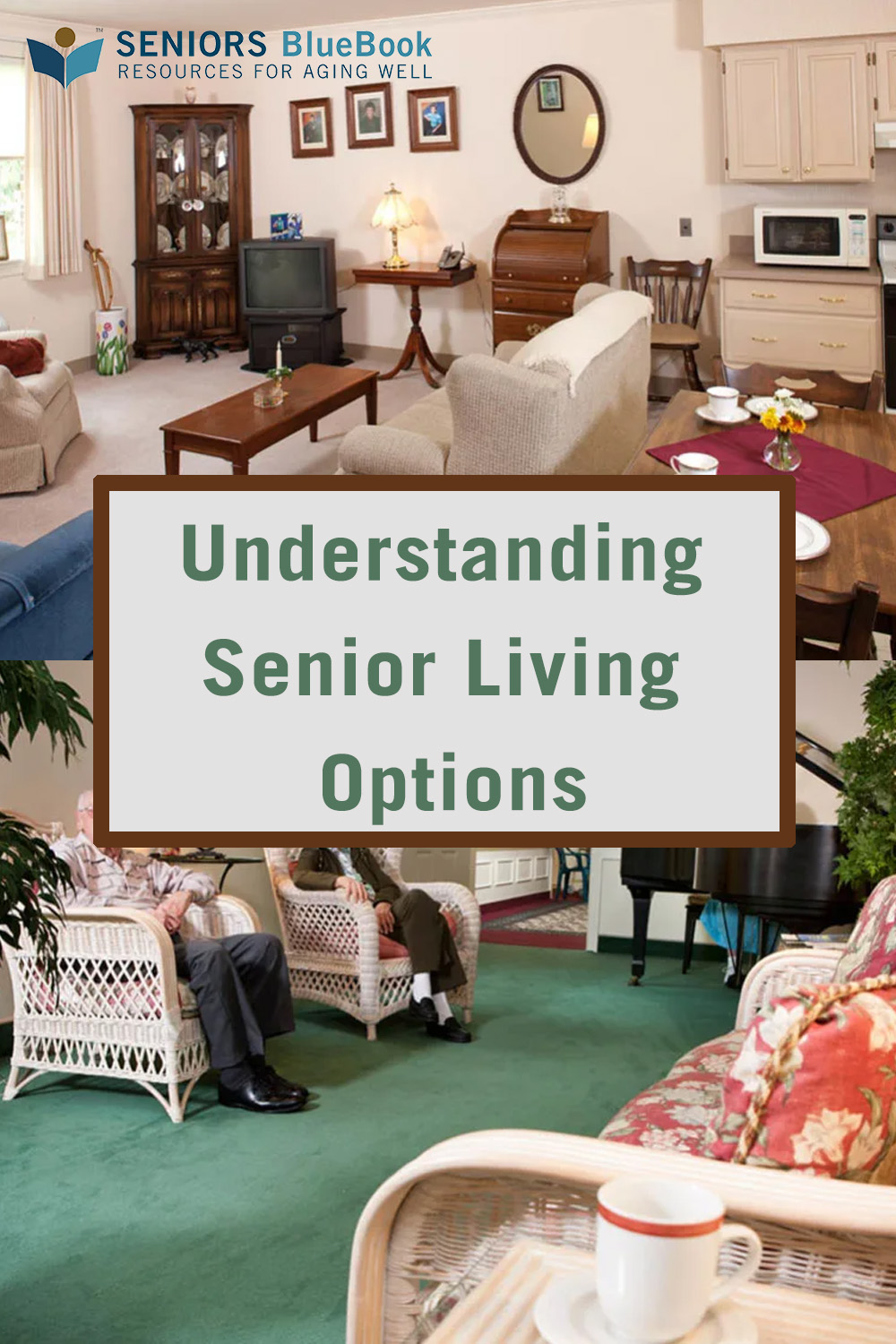
When looking to the future, or even right now, have you thought about your or your loved one's care needs? Gracefully aging at home may be the consensus, but senior living can afford a better lifestyle than you might have imagined. Senior living communities have a lot to offer: an inviting atmosphere with friendly staff, private and shared apartments with homelike amenities, healthy meals, a diversely planned activities calendar, group outings, and wellness programs to enhance residents' overall well-being. But with the different senior living choices, how do you know which option is right for you? Read on to distinguish each term. Independent Living is for seniors who do not require assistance with activities of daily living, such as bathing, dressing, eating, and medication management. These communities focus on managing everyday chores like housekeeping and maintenance. Residents focus on building new connections and exploring hobbies and other interests without the restrictions of traditional homeownership. Personal Care and Assisted Living. Most people would use the terms interchangeably; however, in 2011, Pennsylvania legislation sought to make a distinction. Both offer housing, three meals a day, assistance with activities of daily living, and medication management. Staff is available 24 hours a day, seven days a week. In contrast, assisted living provides some skilled health care services to supplement personal care.Memory Care is long-term care for seniors living with Alzheimer's disease or another form of dementia. These neighborhoods provide a secure and tranquil environment with structured programs and activities that instill fulfillment. Caregivers receive specialized training to support the changing needs of these residents. Nursing Homes provide round-the-clock clinical care overseen by trained medical personnel that encompasses skilled nursing services like IV therapy or wound care to treat chronic and acute health conditions. Continuing Care Retirement Communities (CCRCs), also called Life Plan Communities, provide multiple levels of care on one campus. These care levels include independent living, assisted living, memory care, and skilled nursing. CCRCs require an entrance fee; the national average is approximately $300,000 to $350,000. Cost factors vary per location, housing option, and residency contract.At Senior Commons at Powder Mill in York, residents benefit from three levels of careindependent living, personal care, and memory careall within its campus, eliminating the need to move should their care needs change. Plus, there is no hefty buy-in fee!Editors Note: This articlewas contributed by Michelle Poole, marketing director at Senior Commons atPowder Mill Independent Living, Personal Care, and Memory Care. www.powdermill.com.
Apr 04, 2023
Gardening: For Mind, Body and Spirit
Toiling the soil, feeling the sunshine on your skin and rubbing the sweat off your brow, may seem like work, but there is something enriching, perhaps soul-cleansing, when tending a garden.Gardening is a therapeutic activity that the young and young-at-heart can find pleasurable, and many older adults find that the act of gardening can cultivate a better quality of life. This is especially true for seniors experiencing a cognitive or physical decline.Consider gardening as a way to:Engage the mind. From digging to planting, and all the preparations in between, the act of gardening is a step-by-step thinking process that keeps the mind active. Gardeners benefit from mental stimulation such as problem-solving, focused concentration, following verbal direction, and more!Keep the body robust. Gardening is a form of exercise that helps increase dexterity, flexibility, blood flow (especially to the brain), oxygenation, endurance and strength. When you can grow a garden outdoors, getting healthy sun exposure increases vitamin D production, which has its own health benefits, such as reducing your risk of osteoporosis, heart disease, and some cancers.Bonus: You can also meet your recommended amount of physical activity when performing certain acts of gardening. The guidelines (https://health.gov/paguidelines/second-edition/pdf/Physical_Activity_Guidelines_2nd_edition.pdf#page=66), outlined by the U.S. Department of Health and Human Services, suggest older adults engage in at least 150 to 300 minutes of moderate-intensity physical activity a week.Rejuvenate the spirit. Gardening induces the feelings of calm and relaxation and helps to increase self-esteem. Access to a resident garden, like those found in senior living communities, promote social interactions among like-minded peers. Studies show that tending a garden helps seniors living with dementia recall positive memories. Research shows activities stimulating the senses allow those living with Alzheimers disease or dementia the opportunity to reconnect with positive emotions they may no longer experience.The benefits of gardening dont end there! There is nothing better than a fresh garden tomato or a bouquet of flowers grown in your own back yard. And, while there is more to gardening than beautiful bouquets or fresh produce, there are few activities that provide both intrinsic and tangible rewards.There are several ways you can enjoy gardening. You can get down in the dirt, find the support from a raised gardening bed or care for a small container plant. Ergonomic tools also add convenience and help seniors have a more pleasurable experience tending plants. Whatever your preference for gardening may be, just get out there (or stay inside) and dig in!
Aug 12, 2026
Creative Gift Ideas for Seniors
Finding the perfect gift during the holidays can turn into a daunting task, especially when your senior family member insists they dont need anything. Instead of relying on the practical gift-giving of sweaters, undershirts, and socks, consider getting creative with these five thoughtful gift ideas:Make an affirmation jar. This gift can be helpful to your aging loved one when he or she needs a little emotional support or encouragement. Choose a large-sized jar that you can decorate and then fill it with all of your handwritten expressions of gratitude, happy memories, small trinkets, and more.Make a one-of-a-kind musical playlist. You can burn a CD or download tunes to an MP3 playerwhatever device your loved one can easily manage. The playlist should feature their favorite songs and hymns. Music is also beneficial to those living with Alzheimers disease. Studies have shown they can process music, which makes it a useful tool in the treatment of memory care. Through music, you can make a special reconnection with your aging family member.Make a personal photo book. Help your relative reminisce through images from the past and present. You can be as creative as you want by adding pressed flowers, stickers, stamps, ribbons, and photo captions.Make a favorite recipe. If Dad was well-known for his chocolate chip cookies, bake him a dozen using his famous recipe. Or, if cooking or baking isnt your forte, put together a basket full of your loved ones favorite sweet and savory snacks.Make time. Its a gift money cant buy! Your aging family member would enjoy your company more than anything, especially around the holidays. Plan a day together: go to lunch and a movie or take a ceramics class. If youre struggling with ideas, ask your loved one to create a bucket list, and then help him or her complete it. In some cases, a move to a senior community could be a wonderful gift to your senior family member. Our communities provide award-winning services in independent living, personal care and memory care, which include daily nutritious meals, wellness programs, and social events. Contact us to learn more or to talk about ways to begin this conversation with your loved one.