Senior Living Residences Marlboro
52 County Route 520, Morganville, New Jersey, 07751
Assisted Living



About Senior Living Residences Marlboro
Senior Living Residences at Marlboro in Marlboro, NJ offers a modern, hospitalityfocused senior living experience designed to support independence, comfort, and connection for older adults throughout Monmouth County. Conveniently located near Freehold, Manalapan, Colts Neck, and Old Bridge, this community provides Assisted Living and Memory Care in a warm, welcoming environment that feels like home. With beautifully designed apartments, personalized support, and a lifestyle centered on dignity and engagement, Senior Living Residences Marlboro is an ideal choice for families seeking highquality care close to the people and places they love.
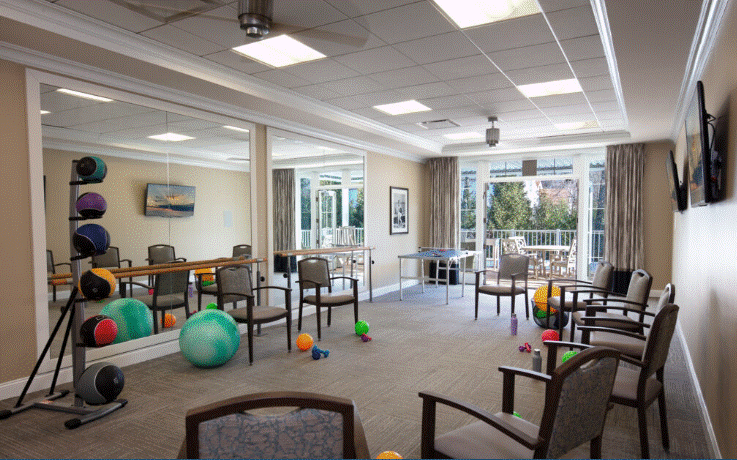
Residents enjoy a vibrant daily experience supported by a full suite of amenities, including chefprepared dining, wellness and fitness programs, social and recreational activities, beautifully landscaped outdoor spaces, and inviting common areas for gathering with friends and family. The communitys evidencebased approach to Memory Care provides a secure, nurturing environment for individuals living with Alzheimers or other forms of dementia, supported by trained associates who deliver compassionate, individualized care. Every aspect of life at Senior Living Residences Marlboro is designed to promote purpose, engagement, and overall wellbeing.
Located near local parks, shopping, dining, and major medical providers, Senior Living Residences Marlboro offers families peace of mind and seniors a maintenancefree lifestyle with the right level of support. Its central Monmouth County location, combined with a strong commitment to residentcentered care, makes it a trusted option for those seeking Assisted Living or Memory Care in the Marlboro area. Learn more at Senior Living Residences - Marlboro
General Property Features
- Age Restrictions, Fitness Center, Private Rooms, Semi-Private Rooms, Guest Parking, Controlled Access
- Laundry Service - Provided, Nurse on Staff, Respite/Short Term Stay, Scheduled Transportation, Transportation, Activities, Social Programs, Housekeeping
- Assisted Living Community, Secured Memory Care Unit
- Small Pets
Videos
Continue Your Search! Explore More Local Options.
Start SearchingLet’s engage and get educated!
Browse through thousands of expert articles in over 100 different categories.
Browse NowArticles You May Like

A Beautiful New Chapter at Senior Living Residences Marlboro
A Beautiful New Chapter at Senior Living Residences MarlboroIf you've been searching for senior living in Monmouth County, there's never been a better time to visit Senior Living Residences Marlboro. The Morganville community has recently unveiled a stunning renovation that enhances nearly every shared space, creating a fresh, welcoming environment where older adults can thrive.From the moment you step inside the redesigned lobby, it's clear that every update was made with residents in mind. New furnishings, refreshed dcor, updated carpeting, and beautifully renovated gathering spaces create an inviting atmosphere that feels both modern and comfortable. While the community has a fresh new look, its commitment to compassionate care and exceptional service remains as strong as ever.More Than a Fresh LookThe recent renovation goes beyond aesthetics. It reflects Senior Living Residences Marlboro's belief that a beautiful environment encourages connection, wellness, and an active lifestyle.Residents and visitors can now enjoy refreshed spaces including:A bright, welcoming lobbyRenovated caf and restaurant-style dining roomUpdated private dining room for family celebrationsComfortable resident lounges and libraryModern Creative Arts StudioRefreshed theater and fitness roomBeautifully updated Compass Memory Support Neighborhood common areasThese thoughtfully designed spaces encourage residents to gather with friends, participate in activities, and enjoy everyday life in a warm, vibrant setting.A Lifestyle Focused on WellnessAt Senior Living Residences Marlboro, every day offers opportunities to stay engaged.Residents enjoy an active calendar through the community's EnrichedLIFE programming, featuring fitness classes, educational programs, creative arts, music, entertainment, and social events. Whether it's joining an exercise class, attending a lecture, creating artwork, or simply sharing coffee with neighbors, there's always something happening.Dining is another highlight. The community's award-winning Brain Healthy Dining Program features delicious chef-prepared meals inspired by Mediterranean-style nutrition, helping support both overall health and cognitive wellness while making every meal an enjoyable social experience.Personalized Care with Peace of MindSenior Living Residences Marlboro offers Assisted Living services designed around each resident's individual needs. Personalized care plans may include assistance with daily activities, medication management, housekeeping, transportation, and wellness support, allowing residents to maintain as much independence as possible.For families navigating Alzheimer's disease or other forms of dementia, the Compass Memory Support Neighborhood provides specialized care in a secure, thoughtfully designed environment. Dedicated team members use person-centered approaches that promote dignity, engagement, and meaningful daily experiences.According to Gabrielle Dolgin, Executive Director, "Our recent renovation reflects our commitment to providing an environment where residents feel comfortable, connected, and inspired. Combined with personalized care and engaging programs, we're proud to offer a community that truly feels like home."Conveniently Located in MorganvilleLocated in the heart of Marlboro Township, Senior Living Residences Marlboro is convenient for families throughout Morganville, Freehold, Manalapan, Colts Neck, Holmdel, and surrounding Monmouth County communities. Its central location makes it easy for loved ones to visit while residents remain close to familiar neighborhoods, healthcare providers, shopping, and local attractions.Whether someone is looking for assisted living, specialized memory support, or simply a maintenance-free lifestyle with opportunities to stay active, the community offers a welcoming place to call home.Frequently Asked QuestionsWhat services does Senior Living Residences Marlboro offer?The community provides Assisted Living, Compass Memory Support Neighborhood, personalized care, wellness programs, dining, housekeeping, transportation, and engaging daily activities.What was included in the recent renovation?The renovation refreshed the lobby, dining areas, caf, theater, fitness room, library, Creative Arts Studio, resident gathering spaces, and Memory Support Neighborhood common areas.Is memory care available?Yes. The Compass Memory Support Neighborhood provides specialized care for individuals living with Alzheimer's disease and other forms of dementia.Experience the New Senior Living Residences MarlboroA beautifully renovated community, personalized care, engaging programs, and a dedicated team make Senior Living Residences Marlboro an exceptional choice for older adults looking to enjoy life with confidence and comfort.To learn more about Senior Living Residences Marlboro, visit their Seniors Blue Book listing to explore services, photos, and contact information.More information can be found on their Seniors Blue Book Listing SEE MORE INFO HERE
Jul 27, 2026

Choosing Assisted Living in Monmouth County
Choosing Assisted Living in Monmouth County, NJDeciding whether to move into assisted living can be a significant step for older adults and their families.A longtime home often represents independence, personal accomplishments, and meaningful memories. Leaving that environment may feel difficult, even when additional support would make everyday life more manageable.Families may also disagree about timing.One person may want to explore a residential community before care needs increase. Another may prefer to remain at home until daily activities become more challenging.There is no single timeline that works for everyone.For seniors throughout Monmouth County, New Jersey, choosing assisted living involves understanding personal needs, financial considerations, available services, and the emotional aspects of relocation.Senior Living Residences Marlboro provides assisted living with individualized care arrangements, opportunities for wellness and lifelong learning, and options for short-term or trial stays.Its residential model allows families to explore both daily care services and the practical experience of community living.A carefully planned transition can help older adults and their loved ones approach the decision with greater clarity.When Is It Time to Consider Assisted Living?Families sometimes assume assisted living should be considered only after a serious medical event.However, the decision can also begin with gradual changes in everyday functioning.Signs That More Support May Be HelpfulDifficulty preparing mealsChallenges with bathing or dressingMissed medicationsIncreasing mobility limitationsDifficulty maintaining the householdFewer opportunities for social engagementGreater reliance on family caregiversFrequent concerns about safetyProblems maintaining regular routinesAn isolated incident does not necessarily mean residential care is needed.Patterns of difficulty, especially involving essential activities, may suggest that a professional assessment would be useful.Starting the Conversation RespectfullyOlder adults may have concerns about moving into assisted living.Some worry about losing privacy or independence. Others may have misconceptions about residential care.Questions Worth AskingWhich daily activities have become difficult?What do you enjoy most about your current home?What responsibilities would you like to reduce?How important are meals and social activities?Would you prefer a smaller residence?What concerns do you have about assisted living?Listen Before Making RecommendationsThe older adult should participate in decisions whenever possible.A respectful discussion helps family members understand personal priorities instead of focusing exclusively on practical caregiving needs.Understanding Senior Living Residences MarlboroSenior Living Residences Marlboro is a licensed assisted living community in Monmouth County, New Jersey.Its services include personal care support, dining, residential amenities, individualized wellness planning, and access to trained caregivers.The Community OffersPrivate apartment residencesAssisted living servicesA dedicated Compass Memory Support NeighborhoodPersonalized care plansDining with brain-healthy menu influencesFitness and lifelong learning programsCommon gathering spacesShort-term and trial staysThese options allow prospective residents to evaluate whether the environment fits their needs and preferences.Assisted Living Versus Independent LivingThe names of senior housing categories can sometimes be confusing.Independent living generally emphasizes a convenient residential lifestyle for older adults who manage most personal care independently.Assisted living includes additional support for people who need help with certain activities of daily living.Assisted Living May Include Help WithBathingDressingGroomingMedication routinesMobilityToiletingPersonal hygieneThe amount of assistance varies.Families should discuss the specific services and staffing arrangements with the community rather than assume every residence offers identical support.Assisted Living Versus Memory CareSenior Living Residences Marlboro offers both assisted living and a dedicated Compass Memory Support Neighborhood.These programs address related but different needs.Assisted LivingThis setting is generally intended for older adults who need personal assistance while retaining a level of independent decision-making and everyday functioning appropriate for the residence.Memory CareThis specialized setting focuses on support for individuals with Alzheimer's disease, dementia, or other significant cognitive conditions.It includes dementia-focused programming, trained staff, and environmental safeguards.Choosing Between ThemA clinical and functional assessment can help determine which option is most suitable.A memory-related diagnosis alone does not automatically establish the need for residential memory care.Preparing for a Community TourA personal tour can help prospective residents understand how the community operates.It is useful to look beyond attractive photographs and consider what an ordinary day might feel like.Areas to ExploreAvailable apartmentsDining roomsActivity spacesFitness areasLibraryOutdoor areasHallways and accessibilityCommon sitting spacesNotice Everyday InteractionsObserve how staff communicate with residents and respond to questions.Ask how daily routines are organized and how individual preferences are accommodated.Questions About Care PlansThe appropriate care plan should reflect current abilities and needs.Ask the CommunityHow are care needs assessed before admission?Who develops the care plan?How often is it reviewed?What happens after a health change?How is medication support provided?What personal care services are available?How are families informed about important changes?A clear understanding of these processes can help families evaluate whether the community can provide appropriate support.What to Look for in an ApartmentChoosing a residence involves more than square footage.Comfort, accessibility, privacy, and familiar belongings all matter.Features to ConsiderBathroom accessibilityRoom layoutNatural lightingStorageKitchen facilitiesConvenient access to amenitiesFurniture placementMobility needsSenior Living Residences Marlboro advertises studio, one-bedroom, and two-bedroom options.Families should confirm which residences are available within the appropriate neighborhood.The Financial Side of Assisted LivingMoving into assisted living can involve a different cost structure from remaining at home.Monthly fees may combine residential accommodation with services, but care arrangements can affect the total expense.Financial Questions to AskWhat is included in the base fee?How are care levels priced?Are there one-time fees?Does the price include meals?Are utilities included?Which personal care services cost extra?How do fees change if needs increase?What payment arrangements are accepted?Review the written agreement rather than relying exclusively on verbal estimates.Consider Overall Household ExpensesFamilies comparing assisted living with homeownership may consider property taxes, maintenance, utilities, transportation, housekeeping, groceries, and home care expenses.A qualified financial advisor can help evaluate broader retirement planning questions.Short-Term and Trial StaysA distinctive feature of Senior Living Residences Marlboro is its short-term and trial stay program.The community advertises short stays within assisted living and memory support, pending availability and appropriate assessment.It also states that the program does not require a minimum length of stay.Why Families May Consider a Trial StayA short-term arrangement may provide an opportunity to:Experience daily community lifeBecome familiar with staffParticipate in activitiesExplore dining servicesLearn about personal care arrangementsEvaluate comfort with residential livingTemporary AssistanceSome families may consider a short-term stay when the primary caregiver is unavailable or additional residential support is temporarily needed.Confirm Clinical SuitabilityA short-term assisted living stay may not be appropriate for every medical condition.The community should assess whether it can meet the individual's needs.Preparing a Longtime Home for a MoveDownsizing can be one of the most demanding parts of transitioning to assisted living.A home occupied for decades may contain important possessions and family memories.Start With Manageable TasksConsider organizing belongings into groups:Bring to the new residenceGive to familyDonateSellStoreDiscardUse the Apartment Floor PlanMeasure the new living space before selecting furniture.This can help avoid overcrowding and unnecessary moving costs.Respect Sentimental ItemsA piece of furniture may represent meaningful family experiences.Older adults should remain involved in decisions about personal belongings whenever possible.Coordinating the MoveMoving into assisted living may involve several providers and family members.Responsibilities to OrganizeConfirming the admission dateArranging transportationScheduling moversPreparing documentsManaging medication informationUpdating contact detailsPlanning furniture placementCoordinating care arrangementsKeep Documents AccessibleImportant identification, insurance information, healthcare records, and legal documents should be organized separately from ordinary household packing.Confirm Community RequirementsAsk about move-in scheduling, permitted furnishings, deliveries, and resident preparation.Making the New Residence Feel FamiliarAn older adult may appreciate the convenience of assisted living while still missing the previous home.Familiar belongings and personal routines can help support adjustment.Items That May Provide ComfortFamily photographsFavorite artworkA familiar chairBooksPreferred beddingPersonal decorationsMeaningful keepsakesAvoid OvercrowdingThe residence should remain accessible and comfortable.Room arrangement is particularly important when mobility aids are used.Supporting Emotional AdjustmentMoving can bring excitement and uncertainty at the same time.Some residents immediately enjoy the new environment.Others may need several weeks or longer to feel comfortable.Common Adjustment ConcernsMissing homeFeeling unfamiliar with the environmentAdjusting to community mealsMeeting new neighborsAccepting personal assistanceEstablishing new routinesHelpful Family ApproachesListen to concernsMaintain regular contactEncourage preferred activitiesRespect quiet timeShare personal preferences with staffAllow time for adjustmentThe goal is to support the older adult rather than demand immediate enthusiasm.Building a New Daily RoutineDaily structure can help residents feel more comfortable in a new residential setting.A Routine Might IncludeBreakfast at a preferred timeMorning personal careA favorite activityTime for readingMeals with neighborsAppropriate movementFamily contactEvening relaxationIndependence Still MattersResidents should have meaningful opportunities to choose how they spend their time.A community schedule can provide options without requiring participation in every activity.Exploring Wellness and ActivitiesSenior Living Residences Marlboro emphasizes a combination of fitness, arts, music, and lifelong learning.The community also offers brain-healthy dining inspired by Mediterranean eating patterns.Potential Lifestyle BenefitsThese amenities may help residents:Establish social routinesExplore new interestsContinue familiar hobbiesParticipate in appropriate physical activityEnjoy shared mealsMeet neighborsPrograms may change over time.Families should request a current activity calendar when touring.Planning for Changes in Care NeedsAssisted living is not necessarily a permanent level of care for every resident.Health and functional abilities may change over time.Important QuestionsWhat happens if mobility declines?Can additional personal assistance be arranged?How are cognitive changes evaluated?When might memory care be appropriate?Can outside therapy providers assist?What medical services are available on-site?What would require a different care setting?Avoid Assuming Every Service Is IncludedThe community works with outside providers for certain rehabilitation, hospice, and palliative services.These services have separate eligibility and payment considerations.Families should confirm the specific arrangements.Understanding Family InvolvementFamily members can continue playing an important role after a move.Ways to Remain InvolvedSchedule visitsAttend community eventsCommunicate care preferencesReview authorized care updatesBring favorite belongingsCelebrate personal milestonesEncourage important outside relationshipsFamily involvement should reflect the resident's wishes and applicable privacy requirements.Common Mistakes to Avoid When Choosing Assisted LivingA rushed decision can create unnecessary complications.Potential MistakesSelecting a residence based only on photographsFailing to review care needsIgnoring possible additional chargesNot discussing medication supportOverlooking accessibilityForgetting to measure furnitureAssuming all medical care is includedNot involving the older adultFailing to plan the moveNeglecting follow-up after admissionAsking detailed questions can help families make better-informed decisions.Expert Tip: Tour With a Daily-Life ChecklistAssisted Living Tip: Before touring a community, write down your loved one's typical morning, afternoon, and evening routines. Ask how each part of that day would work in the assisted living setting. This approach helps reveal practical questions about care, meals, activities, privacy, and personal choice that might otherwise be overlooked.Frequently Asked Questions About Moving to Assisted Living1. How do families know when assisted living may be appropriate?Increasing difficulty with personal care, medication routines, meals, mobility, or everyday safety may suggest the need for an assessment. The appropriate level of care depends on individual circumstances.2. Does Senior Living Residences Marlboro provide both assisted living and memory care?Yes. The community offers assisted living and a separate Compass Memory Support Neighborhood for people with specialized dementia-related needs.3. Can someone try assisted living before making a longer commitment?The community offers short-term and trial stays, subject to availability, admission requirements, and current service arrangements.4. What should families bring to an assisted living tour?Helpful information includes the older adult's care needs, daily routines, mobility concerns, preferences, financial questions, and a list of desired services.5. How can families help a loved one adjust after moving?Regular communication, familiar belongings, respect for personal preferences, and opportunities to participate in enjoyable activities may help. Residents should be allowed time to adjust at their own pace.Planning the Next Chapter With ConfidenceChoosing assisted living involves practical, financial, and emotional considerations.Families need to understand the level of daily assistance required, but they should also consider personal comfort, activities, friendships, and future needs.For older adults throughout Monmouth County, New Jersey, Senior Living Residences Marlboro offers personalized assisted living within a community that emphasizes wellness, social engagement, and individual preferences.Its private residences, amenities, caregiver support, and short-term stay options provide several ways to explore community living.A thoughtful transition begins with a respectful conversation, appropriate assessment, clear financial information, and a visit to see how the community operates.Learn More About Senior Living Residences MarlboroVisit Senior Living Residences Marlboro on SeniorsBlueBook.com to explore its Assisted Living listing and learn about residential accommodations, care plans, and short-term stays.
Oct 15, 2026
Personalized Assisted Living in Monmouth County
Personalized Assisted Living in Monmouth County, NJMaintaining independence is an important priority for many older adults. Being able to make personal choices, enjoy preferred activities, and follow familiar routines contributes to a sense of dignity and everyday satisfaction.However, aging may bring changes that make certain responsibilities more challenging.An older adult may need assistance getting dressed, managing medications, or maintaining household routines. Preparing meals can become tiring, and mobility limitations may make it difficult to participate in favorite activities.These changes do not always require extensive medical treatment or nursing home care.For many seniors, assisted living provides an appropriate combination of residential independence and practical daily support.Senior Living Residences Marlboro offers assisted living services for older adults throughout Monmouth County, New Jersey, who want a comfortable living environment with access to personalized care and community amenities.The community provides private apartment residences, caregiver assistance, wellness programming, dining, and opportunities for social engagement.Its approach recognizes that each person has unique abilities and preferences, and assistance should be designed around individual needs.Understanding Assisted LivingAssisted living combines residential accommodations with services that support older adults who need help with selected daily activities.Residents generally maintain private living spaces while receiving assistance according to individualized care plans.Assisted Living Services May IncludeBathing assistanceDressingGroomingMedication-related supportMobility assistanceMeal serviceHousekeepingLaundryRecreational activitiesWellness programsTransportation arrangementsCare coordinationThe level of support varies according to resident needs and the community's service capabilities.Assisted living is distinct from continuous skilled nursing care, although residents may have access to outside healthcare professionals when appropriate.Assisted Living at Senior Living Residences MarlboroSenior Living Residences Marlboro is licensed by the New Jersey Department of Health as an assisted living residence.The community offers private apartments and personalized care services in a residential setting designed to encourage independence and participation.Community FeaturesPublished amenities include:Studio, one-bedroom, and two-bedroom apartment optionsCare staff available around the clockIndividualized wellness plansDining servicesCommunity gathering areasFitness facilitiesA libraryCreative arts spacesA theaterOutdoor seating areasShort-term and trial stay optionsThe community also offers a dedicated Compass Memory Support Neighborhood for residents whose cognitive needs require a specialized care setting.Preserving Independence With Individualized AssistanceOne of the most important principles of assisted living is recognizing what the resident can continue doing independently.Some individuals may need help with medication routines but manage dressing without assistance.Others may require mobility support while remaining active in community programs.A Personalized Care Plan May ConsiderPhysical abilitiesMedication needsMobilityPersonal care routinesNutritional requirementsSocial interestsHealthcare conditionsPersonal preferencesFamily involvementSupport should reflect these factors rather than assume that every resident needs the same services.Encouraging ParticipationCaregivers can allow residents to complete manageable steps independently.For example, someone may select their outfit while receiving help with fasteners or footwear.Respecting existing abilities can help maintain personal confidence.Assistance With Daily Personal CarePersonal care tasks may become challenging because of arthritis, balance problems, limited flexibility, or other physical changes.Areas of Assistance May IncludeBathingDressingGroomingToiletingPersonal hygieneMobilityTransfersMorning and evening routinesRespecting PrivacyPersonal care involves sensitive activities.Caregivers should communicate clearly and respect residents' preferences and dignity.Care Needs May ChangeA resident recovering from illness may need additional temporary assistance.Another person may gradually require more daily support.Care plans should be reassessed when circumstances change.Medication Support and Care CoordinationMany older adults take several prescription medications.Managing different instructions, schedules, and refills can become complicated.Potential Medication ChallengesThese may include:Forgetting medication timesConfusing different prescriptionsDifficulty opening containersChanges in medication ordersManaging multiple healthcare providersSenior Living Residences Marlboro offers wellness support and personalized care planning.Families should ask the community how medication administration, reminders, prescriptions, and nursing oversight are handled.Medication treatment decisions should remain with appropriately qualified healthcare professionals.Dining and Brain-Healthy NutritionA distinctive feature of Senior Living Residences Marlboro is its emphasis on brain-healthy dining.The community describes serving cuisine influenced by Mediterranean dietary principles.Common Elements of Mediterranean-Style EatingThese can include:VegetablesFruitsWhole grainsLegumesOlive oilFishNutsBalanced mealsActual menus and individual dietary plans vary.Why Dining Is More Than NutritionCommunity dining can provide social interaction and a predictable daily routine.Residents may enjoy meals with neighbors rather than managing every stage of food shopping, preparation, and cleanup.Specialized Dietary NeedsMedical conditions may require individualized dietary recommendations.Residents and families should ask how allergies, therapeutic diets, and swallowing concerns are addressed.No dietary pattern guarantees prevention or treatment of dementia.Lifelong Learning and Intellectual EngagementRetirement can offer opportunities to explore personal interests and continue learning.Senior Living Residences Marlboro emphasizes lifelong learning as part of its programming.Activities May IncludeEducational discussionsArtsMusicCurrent eventsCreative projectsFitnessCultural interestsGroup activitiesWhy Personal Interests MatterSomeone who enjoys reading may appreciate access to the library.A resident interested in painting may benefit from creative arts opportunities.Others may prefer structured fitness or social gatherings.Programs should reflect individual preferences and abilities.Fitness and Everyday WellnessMaintaining suitable physical activity may support strength, balance, and everyday functioning.Senior Living Residences Marlboro offers wellness and fitness programming, along with dedicated spaces for resident activities.Possible Wellness PrioritiesMaintaining mobilityEncouraging appropriate physical activitySupporting social connectionsParticipating in recreationDeveloping consistent routinesAccessing suitable healthcare resourcesFitness Should Be IndividualizedResidents with medical conditions or mobility limitations should consult qualified professionals before beginning new exercise programs.Care staff should follow appropriate recommendations and resident care plans.Social Life in Assisted LivingLiving independently at home can become less enjoyable when social opportunities are limited.Assisted living may provide convenient access to neighbors, events, and shared spaces.Opportunities for InteractionResidents may connect through:DiningFitness activitiesCreative artsDiscussionsMusic programsGroup entertainmentCommunity eventsCasual conversationsMaintaining Personal ChoiceNot every resident wants the same amount of social activity.A good residential environment should offer a balance of privacy and opportunities for engagement.Making New ConnectionsFriendships may develop through shared interests or repeated participation in familiar activities.Residents should have time to adjust at their own pace.Apartment Living With More ConvenienceMoving into assisted living can reduce many responsibilities associated with traditional homeownership.Instead of coordinating repairs, maintaining landscaping, and managing frequent household chores, residents may have access to services organized through the community.Apartment OptionsSenior Living Residences Marlboro advertises studio, one-bedroom, and two-bedroom layouts.Families should confirm which floor plans are available within the appropriate living neighborhood.Features to EvaluateConsider:Bathroom accessibilityKitchenette arrangementsStorageNatural lightSpace for favorite furnishingsMobility needsDistance to dining and activity spacesA tour can help prospective residents envision everyday life in the residence.Community Amenities and ActivitiesSenior Living Residences Marlboro features several common areas designed for recreation and social engagement.Published Amenities IncludeLibraryTheaterFitness roomCreative arts roomCafDining roomPrivate dining areaOutdoor patioCommunity sitting areasThese amenities can help make favorite activities more convenient.Residents should ask about programming schedules and any services that involve additional charges.Access to Outside Healthcare PartnersSome assisted living residents may benefit from physical therapy, occupational therapy, or other clinical services.Senior Living Residences Marlboro has identified care partners offering certain additional healthcare services on-site.Available Partner ResourcesIts published materials describe:Physical therapyOccupational therapyHospice servicesPalliative care servicesThese services are provided through separate professional organizations and depend on eligibility, availability, and care needs.They should not be assumed to be included in the monthly assisted living fee.Families should review specific service arrangements.Supporting Family RelationshipsMoving into assisted living does not eliminate the role of adult children, spouses, or other relatives.Family members can remain involved in personal visits and authorized care discussions.Family Involvement May IncludeVisiting regularlyParticipating in celebrationsDiscussing care preferencesSharing medical information when authorizedBringing familiar belongingsAttending community eventsHelping residents maintain outside connectionsFamilies should discuss communication expectations with the community.Understanding Short-Term and Trial StaysSenior Living Residences Marlboro offers short-term and trial stays in its assisted living setting, subject to availability.The community states that this option has no minimum length of stay.Potential Reasons to Explore a Short StayTrying assisted living before a longer commitmentTemporary caregiver unavailabilityAdditional support after an appropriate care transitionShort-term residential assistanceThe admission process should confirm whether the community can meet the individual's specific needs.Short-term assisted living is not a substitute for medically necessary skilled nursing rehabilitation.Comparing Assisted Living and Home CareFamilies often consider whether professional help at home or a residential community would better meet an older adult's needs.Home Care May Be Appropriate WhenThe current home remains manageableRequired support can be provided safelyThe person prefers familiar surroundingsSuitable caregiver coverage is availableAssisted Living May Be Appropriate WhenDaily assistance is needed more consistentlyHousehold responsibilities have become difficultMeals and amenities would be helpfulThe person wants convenient social activitiesFamily caregivers need a different long-term arrangementEach situation requires an individualized assessment.Understanding Costs and ServicesAssisted living expenses depend on accommodations, care needs, and the community's financial arrangements.Families should ask for written pricing information.Important QuestionsWhat is the base monthly cost?Which care services are included?Are medication services billed separately?What dining options are available?How are care levels assessed?Are there community fees?How frequently can rates change?What are short-term stay charges?A transparent financial discussion helps families understand the total commitment.Expert Tip: Evaluate Daily Life, Not Only the ApartmentAssisted Living Tip: During a community tour, ask to see the dining areas, activity spaces, fitness room, and common gathering areas. Consider how your loved one would spend an ordinary day, not just whether the apartment looks attractive. The right assisted living community should support both practical care needs and personal interests.Frequently Asked Questions About Assisted Living1. Does Senior Living Residences Marlboro provide assisted living?Yes. Senior Living Residences Marlboro is a New Jersey licensed assisted living residence offering individualized senior care and residential support.2. What types of apartments are available?The community advertises studio, one-bedroom, and two-bedroom apartments. Available floor plans depend on current inventory and residential care arrangements.3. What activities and amenities are offered?Published amenities include fitness and creative arts spaces, a library, theater, caf, dining areas, and lifelong learning programs.4. Are care staff available overnight?Senior Living Residences Marlboro states that care staff are available around the clock. Families should ask about the specific staffing and clinical services associated with their loved one's care plan.5. Can families explore a short-term assisted living stay?Yes. The community offers short-term and trial stays, subject to availability and assessment, and advertises no minimum stay requirement.Choosing Assisted Living That Supports IndependenceAssisted living can offer an important balance between personal independence and daily assistance.Older adults may continue choosing how they spend their time while receiving help with activities that have become difficult.For seniors throughout Monmouth County, New Jersey, Senior Living Residences Marlboro provides assisted living with personalized support, residential amenities, wellness resources, and social activities.Families evaluating the community can benefit from discussing current care needs, visiting the available apartments, reviewing services, and understanding costs.A thoughtful decision considers both everyday assistance and the lifestyle the older adult wants to maintain.Learn More About Senior Living Residences MarlboroVisit Senior Living Residences Marlboro on SeniorsBlueBook.com to explore its Assisted Living listing and learn more about personalized care and residential amenities.
Oct 15, 2026
Dementia-Friendly Living in Monmouth County, NJ
Dementia-Friendly Living in Monmouth County, NJWhen an older adult develops memory-related difficulties, everyday activities can become less predictable.Tasks once completed automatically may begin requiring reminders, reassurance, or physical assistance. A familiar room may suddenly seem confusing. Changes in routine may cause frustration, and nighttime activity may raise new safety concerns.Families often respond by adjusting household schedules, providing more frequent supervision, or coordinating additional caregivers.These strategies may be helpful for a time. However, as dementia progresses, the amount of support required can become difficult to manage consistently at home.For families throughout Monmouth County, New Jersey, specialized residential memory care can provide an alternative environment designed around predictable routines, supportive communication, and appropriate supervision.Senior Living Residences Marlboro Compass Memory Support offers a dedicated memory care neighborhood that combines trained care staff with individualized support and structured daily experiences.A central part of dementia-friendly living is understanding how routines, the physical environment, and relationships can influence everyday comfort.Why Routine Matters for People Living With DementiaMemory-related conditions can affect the ability to recognize time, follow sequences, and adapt to unexpected changes.Consistent routines may help reduce uncertainty.Useful Daily Routines May IncludeWaking at familiar timesMorning hygieneRegular mealsScheduled activitiesRest periodsDaily movementEvening preparationConsistent bedtime practicesA routine should remain flexible enough to reflect each person's needs.The goal is not to impose a rigid schedule but to provide a recognizable structure.Dementia-Friendly Routines at Senior Living Residences MarlboroSenior Living Residences Marlboro's Compass Memory Support Neighborhood emphasizes personalized plans and specialized programming.Residents can participate in structured activities designed for their interests and cognitive abilities.A Typical Care Plan May ConsiderPreferred waking timesPersonal grooming habitsDietary preferencesMobility limitationsSocial interestsCommunication styleActivities that provide reassuranceNighttime needsPersonal details can help make the residential environment more familiar.The program's adult learning activities can also provide dependable opportunities for engagement throughout the week.Understanding Confusion and DisorientationA person living with dementia may become unsure about where they are or what should happen next.Confusion may increase when the surroundings are unfamiliar or several activities occur at once.Supportive Approaches May IncludeSimple explanationsConsistent routinesClear visual cuesGentle redirectionReduced background noiseFamiliar belongingsReassuranceAllowing extra response timeThese approaches should be tailored to individual preferences.New or sudden confusion can also signal a medical concern and should receive appropriate clinical evaluation.Communication That Supports DignityCommunication challenges can affect both the person living with dementia and those providing care.A resident may have trouble finding words, understanding complicated questions, or explaining discomfort.Helpful Communication PracticesSpeak calmly and respectfullyUse short, understandable sentencesOffer manageable choicesAllow time for responsesObserve facial expressionsAvoid unnecessary argumentsExplain actions before providing assistanceCaregivers should not assume that difficulty speaking means the individual has no preferences.Nonverbal communication and familiar responses can remain important.Why Redirection Can Be HelpfulA person living with dementia may become focused on a concern that cannot easily be resolved through explanation.Arguing may increase distress.Redirection involves gently shifting attention toward another meaningful or reassuring activity.Examples May IncludeListening to familiar musicTaking an appropriate walkLooking at family photographsOffering a preferred beverageMoving into a quieter spaceStarting a familiar activitySenior Living Residences Marlboro describes redirection and de-escalation as important components of its non-pharmacological Compass approach.These strategies are not appropriate substitutes for necessary medical treatment, and responses should be guided by trained staff.Supporting Safety Without Removing Every ChoiceFamilies may worry about wandering, falls, or difficulty navigating unfamiliar spaces.Safety requires a personalized approach.Considerations May IncludeSupervised walking areasAppropriate staffingClear pathwaysSecure access pointsAccessible bathroomsConsistent observationMobility assistanceEmergency response proceduresThe Compass neighborhood provides a secure outdoor courtyard where residents may enjoy walking and outdoor surroundings within a managed environment.Residents' abilities and supervision requirements should guide access to activities.Understanding Wandering and Exit-SeekingSome individuals living with dementia may walk frequently or attempt to leave a familiar area.These behaviors can arise for different reasons.A person may be searching for someone, following an earlier routine, or trying to address an unmet need.Important QuestionsFamilies should ask the community:How is exit-seeking assessed?What environmental safeguards are used?How are nighttime concerns managed?Are walking opportunities available?How do caregivers respond to distress?How are families informed about incidents?Appropriate movement and supervised activity can be important alongside safety planning.Nighttime Changes and Sleep RoutinesSleep patterns may change with dementia.Some individuals become more active at night, wake frequently, or experience confusion during evening hours.Supportive Strategies May IncludePredictable evening routinesComfortable sleeping arrangementsAppropriate lightingReducing unnecessary stimulationAddressing pain or discomfortEvaluating possible medication effectsMedical concerns that affect sleep should be reviewed by healthcare professionals.Senior Living Residences Marlboro identifies overnight safety checks among its Compass neighborhood services.Families should clarify how individual nighttime needs are assessed.Meaningful Activities Beyond EntertainmentStructured activities are not simply a way to occupy time.They can create opportunities for expression, familiar interactions, and participation.The community's Reconnections curriculum incorporates art, music, fitness, and social experiences.Activities Can Be Adapted ThroughShorter sessionsFamiliar materialsSimpler instructionsOne-to-one engagementSmall groupsFlexible expectationsAppropriate rest periodsThe most suitable activity is one the individual finds comfortable and meaningful.Dining and Mealtime SupportEating can become more complicated when a person has difficulty following routines or concentrating during meals.A calm, familiar dining environment may help.Care Plans May ConsiderPreferred foodsMealtime schedulesNeed for remindersAssistance with utensilsDietary restrictionsHydrationSwallowing concernsSocial dining preferencesCaregivers may provide assistance according to the resident's assessed needs.Medical diets and swallowing-related precautions require appropriate healthcare guidance.Encouraging Participation in Personal CareDementia can affect the steps involved in dressing, bathing, and grooming.However, people may retain the ability to participate in portions of these activities.Supportive TechniquesCaregivers may:Set out clothing in orderOffer simple choicesGive one instruction at a timeMaintain privacyUse familiar grooming productsAllow adequate timeAssist only where neededEncouraging participation can support dignity and personal agency.Care plans should be adjusted as abilities change.Understanding Emotional DistressSome residents living with dementia may experience frustration, sadness, fear, or agitation.These reactions can have many possible causes.Factors Worth ConsideringPainFatigueHungerEnvironmental noiseUnfamiliar surroundingsDifficulty communicatingChanges in routineMedical illnessCaregivers should consider possible unmet needs before assuming that distress is simply a behavioral symptom.The Compass program emphasizes individualized, non-pharmacological approaches to addressing cognitive and behavioral challenges.Family Relationships Remain ImportantMoving into memory care changes how daily assistance is provided, but it does not remove the importance of family.Relatives can continue supporting personal relationships and sharing information.Families Can Contribute ByDescribing established routinesSharing photographsVisiting when appropriateIdentifying favorite activitiesExplaining communication preferencesParticipating in care discussionsNotifying staff of meaningful changesFamilies may also benefit from guidance about how to make visits comfortable.Preparing for Visits With a Loved OneVisits can be meaningful, even when the resident has difficulty remembering names or recent events.Helpful Visit IdeasBring familiar photographsListen to favorite musicShare a simple activityDiscuss familiar subjectsKeep plans flexibleAvoid testing memoryAllow quiet timeA visit does not need to involve a long conversation to be valuable.Sometimes sitting together provides the most comfortable experience.Supporting Family Caregivers Through a TransitionFamily caregivers may experience mixed emotions when considering memory care.They may feel relief at having professional assistance while also worrying about their loved one's adjustment.Important Family PrioritiesThese may include:Understanding the care planKnowing how to contact staffLearning visiting proceduresDiscussing medical coordinationReviewing safety arrangementsClarifying costsMaintaining meaningful contactA community consultation can help families identify which support options are appropriate.Short-Term Memory Support StaysSenior Living Residences Marlboro offers short-term and trial stays in its Compass Memory Support Neighborhood, subject to availability and admission requirements.The community states that its short-term stay option does not require a minimum length of stay.Families May Explore a Short Stay WhenAdditional support is needed temporarilyA family caregiver is unavailableA senior is transitioning from another care settingThe family wants to learn whether the community is a suitable fitA short-term stay is not a substitute for hospitalization or medically necessary skilled care.Families should discuss clinical eligibility and the services available during the stay.Planning for Changing Dementia Care NeedsMemory-related conditions can progress differently for each person.Care plans should be reviewed when changes occur in communication, movement, eating, personal care, or supervision needs.Questions for the Care TeamHow are changes documented?Who updates the care plan?What nursing resources are available?How are medication concerns addressed?Can outside therapy providers assist residents?How are families notified about major changes?What circumstances might require another level of care?Clear communication can support informed decisions.Evaluating a Dementia-Friendly CommunityWhen touring a memory care residence, families should consider the daily environment, not just the appearance of the building.What to ObserveStaff communicationResident engagementAvailable activitiesEnvironmental organizationOutdoor spacesMealtime routinesPrivacySafety proceduresAsk how the program adapts when residents have different abilities and preferences.The most important question is whether the community can appropriately support the individual.Expert Tip: Build a Familiar Routine Before Move-InDementia Care Tip: Create a simple daily routine guide describing preferred waking times, favorite meals, bathing habits, calming activities, and bedtime practices. Share it with the memory care team before admission. Familiar patterns can give caregivers useful information when helping a new resident adjust.Frequently Asked Questions About Dementia-Friendly Care1. Does Senior Living Residences Marlboro have a dedicated dementia care neighborhood?Yes. The community offers the Compass Memory Support Neighborhood for individuals with Alzheimer's disease and related dementias.2. How does the community support dementia-related distress?Its Compass program emphasizes non-pharmacological approaches, including specialized engagement, redirection, de-escalation, and individualized care strategies.3. Are residents able to enjoy outdoor activities?The Compass neighborhood includes a secure landscaped courtyard with a walking path. Appropriate access depends on individual needs and supervision requirements.4. Can family members remain involved in daily care planning?Families can communicate preferences, routines, and relevant concerns to the care team. The community can explain how authorized family members participate in care discussions.5. Are temporary memory care stays available?Senior Living Residences Marlboro offers short-term and trial stays in its Compass neighborhood, subject to admission requirements and current availability.Creating Familiarity During Memory-Related ChangesDementia-friendly care should consider more than memory symptoms.Daily routines, communication, emotional comfort, meaningful activities, and family relationships all influence residential life.For older adults throughout Monmouth County, New Jersey, Senior Living Residences Marlboro Compass Memory Support provides a dedicated environment organized around individualized dementia support.Its trained staff, specialized programming, and secure outdoor space help address residents' daily needs.Families can evaluate the program by discussing supervision, communication, changing care needs, and the person's established preferences.A thoughtful memory care decision starts with recognizing the individual and developing support around their life.Learn More About Senior Living Residences Marlboro Compass Memory SupportVisit Senior Living Residences Marlboro Compass Memory Support on SeniorsBlueBook.com to learn more about dementia-friendly routines, care arrangements, and temporary memory support stays.
Oct 15, 2026
Personalized Memory Care in Monmouth County, NJ
Personalized Memory Care in Monmouth County, NJWhen someone begins experiencing changes in memory, communication, or familiar daily routines, families often face questions about how to provide the right support. The needs of a person living with Alzheimer's disease or another form of dementia can change over time, making personalized care increasingly important.For older adults and families throughout Monmouth County, New Jersey, a specialized memory care community can offer a supportive residential setting with trained caregivers, meaningful activities, and assistance designed around individual needs.Senior Living Residences Marlboro Compass Memory Support provides dementia-focused care through its dedicated Compass Memory Support Neighborhood. The program emphasizes person-centered relationships, structured engagement, and non-pharmacological approaches to supporting residents with memory loss.Its goal is to recognize the individual beyond the diagnosis, preserving personal interests, comfort, and participation in everyday life.Understanding Specialized Memory CareMemory care is designed for individuals who need additional support because of Alzheimer's disease, dementia, or related cognitive conditions.The needs of residents may involve more than forgetfulness. Changes in judgment, communication, orientation, and the ability to complete familiar tasks can influence everyday safety and independence.Common Reasons Families Explore Memory CareIncreasing difficulty managing personal careConfusion about familiar routinesWandering or disorientationChanges in communicationDifficulty preparing or eating mealsGreater need for supervisionChanges in behavior or sleepIncreasing demands on family caregiversA medical diagnosis alone does not determine whether residential memory care is necessary. Decisions should be based on the individual's condition, functioning, safety, preferences, and available support.Discover the Compass Memory Support NeighborhoodAt Senior Living Residences Marlboro, the Compass Memory Support Neighborhood provides a dedicated environment for older adults living with memory-related conditions.The program emphasizes evidence-informed practices and individualized attention.Community Features IncludeA specialized memory support neighborhoodCare associates available around the clockStaff trained in dementia-related carePersonalized resident care plansDedicated memory support programmingComfortable common areasA secure landscaped outdoor courtyardDaily activities suited to different abilitiesThe community also has a full-time Director of Compass Programming who is a Certified Dementia Practitioner.This dedicated leadership role helps coordinate programming focused on the specific needs of memory care residents.A Person-Centered Approach to Dementia CareTwo people with the same diagnosis may have very different abilities and preferences.One resident may enjoy music, group activities, and conversation. Another may prefer quiet routines and individualized attention.Person-centered care begins by understanding the individual.Important Personal Information May IncludeFormer occupationsFamily traditionsFavorite foodsPreferred musicHobbiesDaily routinesCommunication preferencesCultural backgroundActivities that provide comfortThis information can help caregivers create interactions that feel familiar and meaningful.Supporting Individual IdentityMemory-related changes do not erase a person's history or individuality.Caregivers can support dignity by addressing residents respectfully, offering suitable choices, and encouraging participation in activities they can still enjoy.Understanding Non-Pharmacological Dementia SupportOne distinctive aspect of Senior Living Residences Marlboro's Compass program is its emphasis on non-pharmacological approaches to memory support.These approaches use meaningful activities, supportive communication, environmental adjustments, and individualized responses rather than relying on medication as the first response to behavioral symptoms.Examples of Supportive ApproachesThese may include:Redirecting attention toward a preferred activityUsing familiar musicProviding reassuranceMaintaining predictable routinesReducing unnecessary stimulationOffering quiet spacesAdjusting communicationEncouraging meaningful engagementThese strategies may help address distress and support everyday comfort.They do not replace necessary medical treatment. Medication decisions belong to qualified healthcare professionals.Meaningful Engagement Through ReconnectionsSenior Living Residences Marlboro offers the Reconnections program, an adult learning curriculum designed for people living with dementia.The curriculum incorporates art, music, fitness, and socialization.Why Adult Learning MattersOlder adults living with memory loss continue to have interests, talents, and personal preferences.Appropriately adapted educational and recreational activities can provide opportunities for participation and self-expression.Activities May IncludeCreative art experiencesMusic appreciationGroup conversationGentle fitness activitiesFamiliar cultural subjectsStructured social programsActivities based on personal interestsThe purpose is not to test memory or measure performance.Instead, programming can create meaningful moments and encourage residents to participate at a comfortable level.Music and Creative ExpressionMusic and creative activities may remain enjoyable even when cognitive abilities change.A familiar song can encourage conversation or participation. An art activity may provide a way to express preferences without relying entirely on spoken language.Adapting ActivitiesCaregivers may adjust an activity by:Offering fewer stepsProviding visual examplesUsing familiar materialsAllowing additional timeEncouraging participation without pressureFocusing on enjoyment rather than resultsIndividual responses vary, and activities should reflect each resident's abilities and comfort.A Supportive Physical EnvironmentA dementia-friendly residential environment should be designed with comfort, navigation, and safety in mind.Individuals living with cognitive conditions may have difficulty finding their way through unfamiliar surroundings.Important Environmental ConsiderationsThese include:Clear walking areasAccessible common roomsAppropriate lightingFamiliar gathering spacesSupervised access where neededComfortable dining areasSecure outdoor spacesSenior Living Residences Marlboro provides a dedicated Compass courtyard with landscaping and a walking path.This gives residents an opportunity to enjoy outdoor surroundings within a managed memory support environment.The Value of Outdoor AccessSpending time outdoors can provide enjoyment and a change of scenery.For residents living with dementia, safe outdoor access may also offer opportunities for gentle movement and sensory experiences.Outdoor Activities May IncludeShort walksObserving seasonal changesEnjoying fresh airSitting with a caregiverTalking about plants and natureParticipating in suitable garden activitiesSupervision and activity levels should be based on individual care requirements and mobility.The secure courtyard at Senior Living Residences Marlboro provides a dedicated space for these experiences.Personalized Assistance With Daily LivingMemory loss can affect a person's ability to organize personal care activities.Someone may forget the order of dressing tasks or become uncertain about bathing routines.Support May InvolveDressingGroomingBathingToiletingEatingMobilityDaily remindersRoutine supervisionCaregivers should encourage participation when it is appropriate and safe.An older adult may still be capable of completing many steps independently with reminders or guidance.The care plan should reflect these abilities.Staffing and Around-the-Clock SupportFamilies evaluating memory care should ask about staffing qualifications and availability.Senior Living Residences Marlboro identifies specially trained Certified Resident Care Associates available 24 hours a day, seven days a week, in its Compass neighborhood.The community also provides overnight safety checks and escorts to meals and programs.Questions About Staff SupportFamilies may ask:How are new care needs assessed?What dementia training do caregivers receive?How are changing behaviors addressed?How are families informed about concerns?What happens during nighttime confusion?When are healthcare professionals consulted?These questions can help clarify how the community supports individual residents.Understanding Medical and Wellness ResourcesIndividuals living with dementia may also have other healthcare conditions requiring attention.Senior Living Residences Marlboro works with outside care partners that offer certain services on-site.Its published information identifies physical and occupational therapy resources as well as access to palliative and hospice services through separate providers.These services are subject to clinical appropriateness, eligibility, and separate arrangements.Memory care is not a substitute for emergency medical services or skilled hospitalization.Families should ask how medical concerns, medications, and referrals are managed.Family Involvement in Memory CareFamily members remain important partners after someone moves into memory care.They can offer information about personal history, preferences, and routines.Families Can Help BySharing favorite music and hobbiesIdentifying comforting activitiesExplaining familiar routinesParticipating in authorized care discussionsVisiting when appropriateProviding photographs and meaningful belongingsCommunicating changes in behavior or healthA familiar relationship may help residents maintain important emotional connections.Families should also ask how updates and care plan changes are communicated.Preparing for a Memory Care TransitionA move into memory care can be emotionally difficult for older adults and relatives alike.Some families may worry about whether a loved one will adjust to a new environment.Preparing for the MoveConsider:Reviewing the community's admission processUnderstanding personal care needsDiscussing established routinesIdentifying familiar belongingsAsking about visiting policiesReviewing medication arrangementsUnderstanding costs and service agreementsFamilies may benefit from sharing a short personal profile describing the resident's preferences and life experiences.What to Look for During a Memory Care TourA community visit can help families evaluate both the environment and the caregiving approach.Areas to ObserveStaff interactions with residentsCommon gathering spacesDining arrangementsActivity programmingOutdoor areasResident accommodationsSecurity arrangementsAccess to nursing and medical supportQuestions to AskFind out how the community creates personalized programs, responds to distress, and addresses changes in supervision needs.It is also important to understand which services are included in the monthly fee and which may cost extra.Expert Tip: Share a Personal History With CaregiversMemory Care Tip: Prepare a one-page profile of your loved one's favorite activities, past occupations, important relationships, daily habits, and preferred ways of communicating. Share it with the memory care team before move-in. Personal details can help caregivers create familiar experiences and more individualized interactions.Frequently Asked Questions About Compass Memory Support1. Does Senior Living Residences Marlboro offer specialized memory care?Yes. The community offers its Compass Memory Support Neighborhood for older adults living with Alzheimer's disease and related dementias.2. What makes the Compass program different?The program emphasizes individualized dementia care, non-pharmacological strategies, and meaningful programming through its Reconnections adult learning curriculum.3. Is memory care staff available overnight?Senior Living Residences Marlboro identifies specially trained Resident Care Associates available 24/7 in its Compass neighborhood, along with overnight safety checks.4. Does the community offer secure outdoor access?Yes. The Compass neighborhood includes a secure landscaped courtyard with a walking path.5. Can families arrange a tour of the memory care neighborhood?Yes. Families can contact the community to request a tour, discuss care requirements, and learn about current availability and pricing.Supporting Dignity Through Personalized Memory CareChoosing memory care involves more than finding supervision for an older loved one.Families also want a setting that respects personal history, encourages engagement, and provides appropriate daily assistance.For seniors throughout Monmouth County, New Jersey, Senior Living Residences Marlboro Compass Memory Support offers a specialized approach centered on individualized programming and trained dementia care staff.Its Compass program combines meaningful activities, non-pharmacological support strategies, and a dedicated residential environment.Families can explore whether this approach matches their loved one's needs through a personal consultation and community tour.Learn More About Senior Living Residences Marlboro Compass Memory SupportVisit Senior Living Residences Marlboro Compass Memory Support on SeniorsBlueBook.com to explore its Memory Care listing and learn about available dementia support services.