Springpoint Living at Manalapan - Memory Care
199 Woodward Road, Manalapan Township, New Jersey, 07726
Memory Care

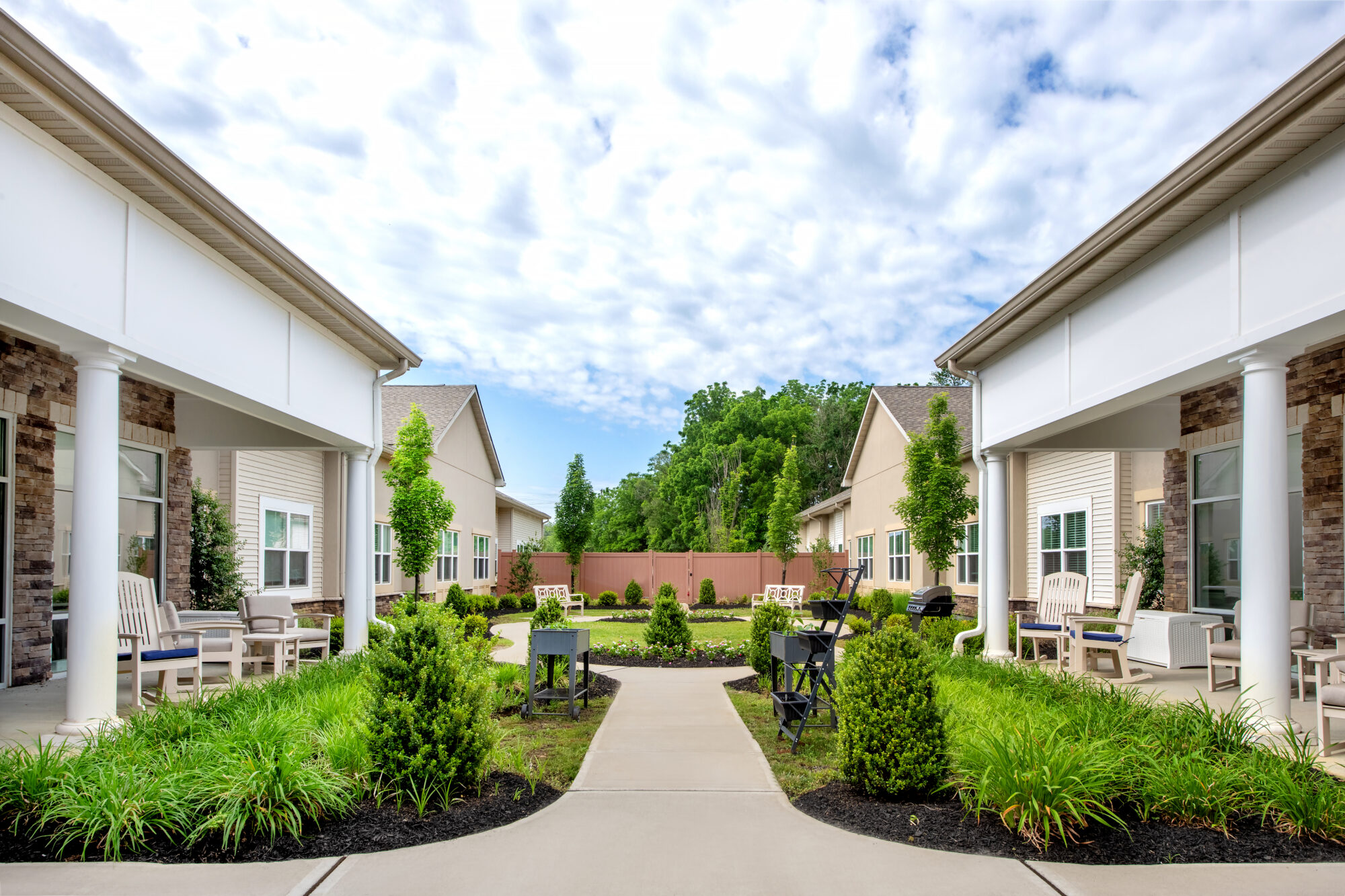


About Springpoint Living at Manalapan - Memory Care
Springpoint Living at Manalapan is a welcoming senior living community offering compassionate assisted living and specialized memory care in a comfortable, person-centered environment. Backed by Springpoint, New Jerseys largest nonprofit senior living organization, the community combines trusted care, engaging programs, and a warm atmosphere where residents can thrive each day.https://springpointatmanalapan.org/
Residents enjoy a vibrant lifestyle with enriching opportunities through Springpoints exclusive LivWell wellness program, designed to support physical, emotional, intellectual, and social well-being. From creative arts and brain games to therapeutic horticulture and meaningful social connections, every day is designed to bring purpose and enjoyment.
Features & Amenities:
Personalized assisted living support with bathing, dressing, and medication management
Specialized memory care through the Connections dementia care program
Chef-prepared, restaurant-style meals with fresh ingredients
Weekly housekeeping and laundry services
Full-service salon and spa
24/7 caring team member support
Scheduled transportation services
Maintenance-free lifestyle with beautifully maintained spaces
Daily activities, games, music, arts, and wellness programs
Secure, comfortable memory care neighborhood
Higher-than-average staff-to-resident ratio for personalized attention
Peaceful Manalapan location near shopping, dining, and family-friendly neighborhoods
Located in desirable Manalapan, New Jersey, the community offers a suburban setting with convenient access to Monmouth County families, healthcare providers, shopping centers, and recreationmaking visits easy while giving residents a peaceful place to call home.
Learn more: https://springpointatmanalapan.org/
General Property Features
- Age Restrictions, Fitness Center, Private Rooms, Furnished Apts Available, Wanderguard, Guest Parking, Controlled Access
- Bi-Lingual Staff, Laundry Service - Provided, Respite/Short Term Stay, Scheduled Transportation, Transportation, Activities, Social Programs, Housekeeping
- Assisted Living Community, Secured Memory Care Unit
Memory Care
Additional Levels of Care Offered
Springpoint Living At Manalapan
Assisted Living 199 Woodward Road, Monmouth County, Manalapan Township, New Jersey, 07726Springpoint Living at Manalapan is a welcoming senior living community offering compassionate assisted living and specialized memory care in a comfortable, person-centered environment. Backed by Springpoint, New Jerseys largest nonprofit senior living organization, the community combines trusted care, engaging programs, and a warm atmosphere where residents can thrive each day.https://springpointatmanalapan.org/Residents enjoy a vibrant lifestyle with enriching opportunities through Springpoints exclusive LivWell wellness program, designed to support physical, emotional, intellectual, and social well-being. From creative arts and brain games to therapeutic horticulture and meaningful social connections, every day is designed to bring purpose and enjoyment. Features & Amenities: Personalized assisted living support with bathing, dressing, and medication management Specialized memory care through the Connections dementia care program Chef-prepared, restaurant-style meals with fresh ingredients Weekly housekeeping and laundry services Full-service salon and spa 24/7 caring team member support Scheduled transportation services Maintenance-free lifestyle with beautifully maintained spaces Daily activities, games, music, arts, and wellness programs Secure, comfortable memory care neighborhood Higher-than-average staff-to-resident ratio for personalized attention Peaceful Manalapan location near shopping, dining, and family-friendly neighborhoodsLocated in desirable Manalapan, New Jersey, the community offers a suburban setting with convenient access to Monmouth County families, healthcare providers, shopping centers, and recreationmaking visits easy while giving residents a peaceful place to call home. Learn more: https://springpointatmanalapan.org/
Continue Your Search! Explore More Local Options.
Start SearchingLet’s engage and get educated!
Browse through thousands of expert articles in over 100 different categories.
Browse NowArticles You May Like

When Dementia Changes Daily Life: A Family's Guide
When Dementia Changes Daily Life: A Family's GuideCaring for someone living with dementia often begins with small adjustments. A family member may provide reminders about appointments, help organize medications, or prepare meals when an older loved one becomes forgetful.Over time, those responsibilities can become more demanding.An individual may become confused during familiar activities, have difficulty navigating their home, or need assistance throughout the evening and overnight hours. Family caregivers may find themselves responding to changing needs while also managing employment, household responsibilities, and their own health.These changes can make families question whether the current care arrangement remains appropriate.For older adults throughout Monmouth County, New Jersey, understanding the signs that additional memory support may be needed is an important part of long-term planning.Springpoint Living at Manalapan Memory Care offers specialized residential dementia support through its Connections program.The community provides dementia-trained caregivers, structured routines, personalized assistance, and a secure setting designed for older adults experiencing cognitive changes.Knowing how to evaluate safety, prepare for a transition, and remain involved in care can help families navigate an emotionally significant decision.How Dementia Can Affect Everyday LifeDementia is a general term for conditions involving changes in memory, thinking, reasoning, and other cognitive abilities that interfere with daily functioning.Alzheimer's disease is one common cause.Changes May AffectRemembering appointmentsPreparing mealsTaking medicationsManaging financesRecognizing familiar surroundingsFollowing conversationsCompleting personal careMaintaining sleep routinesMaking decisionsThe course of dementia varies.Families should not assume that everyone will experience the same symptoms or progress at the same rate.Recognizing Changes in Supervision NeedsSome individuals living with dementia remain comfortable at home with appropriate support.Others develop needs requiring more frequent supervision.Warning Signs Worth DiscussingRepeated wanderingLeaving household appliances onBecoming lost in familiar placesDifficulty maintaining hygieneIncreasing nighttime confusionUnsafe attempts to leave homeChanges in eating or hydrationMore frequent fallsDifficulty recognizing hazardsA healthcare professional should assess significant changes.Avoid Waiting for an EmergencyDiscussing care options early gives families more time to evaluate alternatives.Understanding the Family Caregiver's ResponsibilitiesSupporting a person with dementia can involve practical and emotional demands.Common TasksManaging schedulesProviding remindersPreparing mealsAssisting with personal careSupervising daily activitiesCoordinating healthcareProviding transportationResponding to nighttime needsAs responsibilities increase, one person may struggle to manage everything.Shared CaregivingFamilies may benefit from distributing responsibilities among relatives and qualified professionals.The appropriate level of support should match the older adult's actual needs.When Residential Memory Care May Be HelpfulResidential memory care may be worth considering when consistent supervision, specialized communication, or assistance with daily activities becomes difficult to provide in the current setting.A Decision Should ConsiderCognitive functioningMedical conditionsDaily living abilitiesSafetyAvailable home supportFamily caregiving capacityPersonal preferencesFinancial circumstancesMemory care should not be selected solely because of age or a dementia diagnosis.An individualized assessment is important.Memory Care at Springpoint Living at ManalapanSpringpoint's Connections program provides a dedicated residential option for people living with Alzheimer's disease and other dementias.Published FeaturesDementia-trained team membersAround-the-clock supportIndividual care plansStructured daily activitiesSecure surroundingsPersonal care assistanceMedication managementFamily education and supportThese services are designed to address cognitive and functional needs in a residential environment.What Families Should ConfirmAsk about the actual staffing arrangement, medical services, admission criteria, and individualized supervision needs.Why Environmental Safety MattersCognitive changes can affect the ability to recognize unfamiliar hazards.Someone may have difficulty interpreting signs, locating a room, or remembering why an exit is restricted.Residential Safety ConsiderationsClear pathwaysRecognizable gathering areasAppropriate lightingSupervised accessSecured entrancesSafe bathroom accessStaff availabilityEmergency proceduresSpringpoint describes its Connections environment as secure and thoughtfully designed.Security Does Not Eliminate Every RiskFamilies should understand the specific precautions and how staff respond to incidents.Understanding Wandering and Exit-SeekingSome individuals living with dementia walk frequently or attempt to leave a residence.This behavior can occur for different reasons.A person may be searching for someone, following an earlier routine, or responding to discomfort.Questions to AskHow does the community assess wandering risks?What procedures are used for exit-seeking?Are walking opportunities available?How are residents supervised?How are families notified about concerns?What happens during emergencies?A qualified team should consider both safety and individual needs.Nighttime Support and Sleep ChangesDementia can affect sleep patterns and orientation.Some individuals wake frequently, become confused during the night, or require assistance with toileting.Important Planning QuestionsAre caregivers present overnight?How are calls for assistance managed?How are nighttime routines individualized?What happens when confusion suddenly increases?Are sleep-related medical concerns evaluated?Springpoint advertises 24/7 support in its memory care program.Families should discuss specific needs rather than assume identical monitoring for every resident.Supporting Communication During Cognitive ChangesDementia may make conversation more difficult.A person can have trouble finding words, following several instructions, or explaining discomfort.Helpful Communication StrategiesSpeak calmlyUse simple languageAllow response timeOffer manageable choicesObserve facial expressionsAvoid unnecessary confrontationProvide reassuranceRespect Adult IdentityCommunication difficulties should not lead caregivers to speak disrespectfully or assume the individual has no preferences.Responding to Emotional DistressA person with dementia may experience anxiety, frustration, or agitation.These reactions can have many causes.Possible ContributorsPainHungerFatigueIllnessUnfamiliar surroundingsExcessive noiseDifficulty communicatingChanges in routineCaregivers should evaluate potential needs and use appropriate individualized responses.Sudden changes may require prompt medical attention.Preparing for a Memory Care TourA tour allows families to understand daily operations.Areas to ReviewLiving accommodationsDining spacesActivity roomsWalking routesCommon areasSecurity arrangementsStaff interactionsObserve the Caregiving ApproachNotice whether staff communicate respectfully and whether residents have opportunities for meaningful engagement.Ask About Different Times of DayThe community's morning activities may look very different from evening and overnight routines.Choosing the Appropriate ResidenceSpringpoint Living at Manalapan advertises several memory care residence types.These include studios, one-bedroom apartments, and shared suites.ConsiderPrivacy preferencesMobilityAccessibilityPersonal belongingsSupervision requirementsRoom-sharing comfortCurrent availabilityCostsThe residence should fit the person's needs rather than the family's assumptions about what they might prefer.Preparing the Older Adult for a MoveTransitions may be more difficult when an individual experiences confusion or relies on familiar surroundings.Practical PreparationDiscuss the transition with healthcare professionalsShare care needs with the communityPrepare medication and contact informationIdentify favorite belongingsCommunicate established routinesAsk staff about move-in recommendationsFamiliar ItemsPhotographs, preferred bedding, or other permitted possessions may provide comfort.Allow Adjustment TimeFamilies should not expect every resident to adjust in the same way.Creating a Family Communication PlanResidential memory care changes caregiving responsibilities but does not end family involvement.EstablishPrimary family contactsAuthorized healthcare representativesPreferred communication methodsVisit schedulesCare meeting arrangementsEmergency notification proceduresAsk About Changes in ConditionFamilies should understand how staff communicate significant changes in mobility, appetite, behavior, or health.Making Visits MeaningfulEven when an older adult cannot remember recent conversations, familiar relationships may remain important.Visit ActivitiesListening to musicReviewing photographsSharing a quiet mealSitting outdoors when appropriateReading togetherParticipating in simple activitiesAvoid Memory TestsRepeatedly asking a loved one to recall names or events can create frustration.Focus on shared enjoyment instead.Supporting Family Caregivers After PlacementFamily members may continue experiencing worry, sadness, or uncertainty after arranging professional care.Ways Families Can Support ThemselvesMaintain communication with the care teamShare responsibilitiesAttend educational programsAsk questions about the care planMake time for personal healthSeek emotional support when neededSpringpoint identifies family education and support among the Connections program components.Reviewing Medical and Medication ArrangementsSome residents living with dementia also have chronic medical conditions.Questions to ClarifyWho administers medications?How are physician appointments coordinated?How are behavioral changes evaluated?What happens if hospitalization is necessary?What clinical needs exceed the community's services?How are families notified?Families should review the current service agreement and care plan.Understanding Memory Care FeesSpringpoint's published information describes different residential pricing tiers based on care level and accommodation.Financial QuestionsWhat is the current monthly rate?Which services are included?Are medication services priced separately?Are assessments required?What additional fees may apply?How are rate changes handled?Request current written information and avoid relying on estimates from earlier publications.Comparing Memory Care With Other OptionsResidential memory care is one of several care approaches.Alternatives may include additional in-home assistance, adult day services, or other supervised settings, depending on individual needs.ConsiderSafety and supervisionMedical needsTransportationFamily availabilityCognitive functioningFinancial resourcesPersonal preferencesA healthcare professional can help determine the appropriate level of support.Expert Tip: Prepare a Clear Transition SummaryDementia Care Tip: Before admission, organize a concise guide containing medical contacts, current medication information, mobility needs, communication preferences, favorite routines, and behaviors that may signal discomfort. Share the relevant details with authorized care staff. This can help create a more informed care plan during the transition.Frequently Asked Questions About Dementia Care Decisions1. When should families consider memory care?A memory care assessment may be appropriate when dementia-related supervision or daily assistance needs exceed the support available in the current living arrangement.2. Does Springpoint Living at Manalapan offer secure dementia support?Yes. Its Connections program operates in a specialized, secure memory care environment with trained caregivers and individualized programming.3. Is support available overnight?Springpoint describes 24/7 support in its memory care neighborhood. Families should confirm the individual supervision arrangements needed for their loved one.4. Can families remain involved after admission?Yes. Springpoint includes family education and support in Connections, and relatives can remain involved through appropriate visits and care discussions.5. How can families evaluate the cost of memory care?Contact the community to discuss current rates, available residence types, included services, additional charges, and care assessment requirements.Navigating Dementia Care With Greater ConfidenceChanging cognitive and daily living needs can place substantial demands on older adults and their families.However, thoughtful planning can help identify appropriate care options before a situation becomes urgent.For families throughout Monmouth County, New Jersey, Springpoint Living at Manalapan provides specialized residential support through its Connections memory care program.By evaluating safety, daily routines, staffing, family communication, and financial arrangements, families can make more informed decisions about future care.Learn More About Springpoint Living at Manalapan Memory CareVisit Springpoint Living at Manalapan Memory Care on SeniorsBlueBook.com to explore dementia care services and residential options.
Oct 15, 2026
Beyond Memory Loss: Care That Celebrates Every Individual
Beyond Memory Loss: Care That Celebrates Every IndividualA diagnosis of Alzheimer's disease or another form of dementia can change many aspects of daily life. Familiar responsibilities may require more assistance, communication can become difficult, and routines that once felt effortless may begin to cause confusion.Yet memory loss does not erase someone's personality, relationships, interests, or life experiences.An individual who enjoyed gardening may still find comfort in caring for plants. Someone who loved music may continue enjoying familiar songs. A former teacher may appreciate conversation, reading, or activities that encourage curiosity.For families throughout Monmouth County, New Jersey, finding memory care that recognizes the individual beyond the diagnosis can be an important priority.Springpoint Living at Manalapan Memory Care offers specialized dementia support through Springpoint's exclusive Connections: A Dementia Care Model of Excellence.This approach combines individualized care plans, specially trained caregivers, purposeful programming, and a thoughtfully designed residential environment.By considering personal history alongside cognitive and physical needs, the community aims to create meaningful opportunities for engagement while providing appropriate daily assistance.Understanding Person-Centered Memory CareMemory care provides specialized residential support for individuals living with Alzheimer's disease and other dementias.Unlike a general residential setting, memory care addresses challenges involving cognition, communication, orientation, personal care, and supervision.However, effective support involves more than completing daily tasks.Person-Centered Care ConsidersPersonal history and family relationshipsFavorite activities and hobbiesCommunication preferencesDaily routinesPhysical abilitiesCultural traditionsSocial interestsEmotional comfortIndividual support needsThe goal is to respond to the person's abilities and preferences rather than applying an identical routine to every resident.Why Personal History MattersSomeone who previously enjoyed working outdoors may respond positively to gardening-related activities.Another person may prefer books, music, or conversation.Understanding these preferences can help caregivers offer more familiar experiences.The Connections Memory Care ProgramSpringpoint Living at Manalapan provides memory care through its exclusive Connections program.The community describes Connections as a research-informed model designed to support the physical, cognitive, and social well-being of individuals living with dementia.Core Elements of ConnectionsThe program includes:Individualized dementia care plansActivities based on personal interestsCognitive engagementSensory stimulationTrained dementia care team membersA secure residential settingFamily education and supportStructured daily routinesAn Individualized ApproachCare plans consider the resident's personal history, current abilities, preferences, and support requirements.As needs change, care arrangements should be reassessed.Professional SupportSpringpoint describes its memory care team as specifically trained to understand the needs of residents experiencing cognitive changes.Families should ask about staff training, nursing arrangements, and how individual care needs are communicated between shifts.Why Meaningful Activities MatterDementia may affect memory and communication, but many people retain the ability to enjoy familiar experiences.Appropriately adapted activities can provide opportunities for expression, connection, and participation.Examples of Memory-Friendly ActivitiesDepending on resident interests, activities may include:Listening to musicLooking through photographsGardeningArt projectsGentle recreational movementSimple gamesReminiscence activitiesGroup conversationsSensory experiencesReading togetherParticipation Matters More Than PerformanceAn individual does not need to finish a puzzle or remember every detail of an activity to enjoy participating.The experience of spending time with others can be meaningful in itself.Avoid Unnecessary PressureAn activity that feels overwhelming should be adjusted.Caregivers may offer shorter sessions, simplified steps, or quieter alternatives.Sensory Engagement and Dementia SupportSensory experiences may provide opportunities to interact with the environment when spoken communication becomes difficult.Sensory Activities May InvolveFamiliar musicComfortable texturesPleasant garden experiencesVisual artworkRecognizable household objectsAppropriate food-related activitiesSpringpoint's Connections program incorporates sensory stimulation within its memory care approach.Personalize Every ExperienceA familiar song may be comforting to one resident and unpleasant to another.Caregivers should consider each person's preferences and responses.Sensory Activities Are Not Medical TreatmentThese experiences can support engagement and comfort but do not cure dementia or replace necessary medical services.Cognitive Engagement Without Testing MemoryFamilies sometimes feel tempted to ask repeated questions to determine what their loved one remembers.However, activities that resemble memory tests may create frustration.A more supportive approach emphasizes engagement rather than performance.Helpful OptionsDiscussing favorite topicsSimple matching activitiesLooking at familiar photographsReading short passagesListening to storiesParticipating in creative projectsAdjusting DifficultyCaregivers can simplify activities when needed and provide additional time for responses.Respecting the IndividualA person living with dementia should not be treated like a child.Activities should reflect adult interests and personal dignity.Therapeutic Gardening and Nature ExperiencesSpringpoint Living at Manalapan highlights therapeutic horticulture among its community programming.Through Springpoint's broader LivWell approach, residents can participate in gardening-related experiences adapted to their abilities.Gardening May IncludeCaring for plantsWatering containersArranging flowersObserving seasonal changesDiscussing familiar plantsEnjoying appropriately supervised outdoor spacesWhy Familiar Activities Can Be ValuableAn older adult who spent years gardening may appreciate continuing some aspects of that interest.Accessibility MattersActivities should match mobility, endurance, and supervision requirements.Gardening can be adapted for seated participation or shorter sessions.Music and Creative ExpressionMusic can provide an enjoyable way to engage without relying entirely on conversation.Residents may recognize familiar melodies or enjoy the rhythm of a favorite song.Music-Related ActivitiesListening to preferred recordingsSinging familiar songsWatching musical performancesDiscussing past experiencesParticipating in suitable movementCreative activities can also include painting, crafting, or working with familiar materials.Individual Responses DifferNot every resident responds to music in the same way.Caregivers should observe comfort and adapt activities accordingly.Understanding the Role of Familiar RoutinesPredictable daily routines can be helpful when memory-related conditions make unexpected changes difficult.Common Routine ElementsMorning personal careRegular mealtimesScheduled activitiesRest periodsDaily movementEvening preparationSpringpoint's memory care program emphasizes structured routines with individualized support.Flexibility Remains ImportantA routine should provide familiarity without becoming unnecessarily rigid.Residents may need different schedules depending on fatigue, health, or personal preference.Assistance With Everyday Personal CareDementia may affect the ability to complete familiar tasks in the correct sequence.A person may forget how to organize clothing or become uncertain about bathing.Support May IncludeDressingGroomingBathingToiletingMobilityEatingPersonal hygieneDaily remindersEncouraging ParticipationCaregivers should assist with difficult steps while allowing residents to complete tasks they can manage appropriately.This can preserve personal involvement and dignity.Privacy Is EssentialPersonal care should be provided respectfully and according to individual needs.Medication Management and Clinical SupportSome memory care residents require assistance maintaining prescribed medication routines.Springpoint Living at Manalapan identifies medication management and clinical support among its memory care services.Questions Families Should AskWho administers medications?How are new prescriptions handled?How are side effects monitored?What nursing resources are available?How are physicians contacted?What happens during an emergency?Medication decisions belong to appropriately qualified healthcare professionals.Families should understand the care team's specific capabilities and procedures.A Secure, Homelike EnvironmentIndividuals living with dementia may become confused in unfamiliar surroundings.Springpoint describes its memory care neighborhood as secure, thoughtfully designed, and homelike.Environmental PrioritiesThese may include:Comfortable residencesClear walking routesAccessible gathering spacesAppropriate supervisionFamiliar furnishingsAreas for quiet activitiesSecure entrances and exitsPrivacy and Personal SpaceThe community advertises studio apartments, one-bedroom residences, and shared suites for memory care.Availability and suitability depend on individual assessment.Bringing Familiar BelongingsPhotographs, favorite blankets, and other permitted personal items may help make a new residence feel comfortable.The Importance of Family InvolvementFamily members can contribute valuable information about the resident's identity and preferences.Helpful Information to ShareFormer occupationFamily traditionsFavorite musicDaily habitsImportant relationshipsPreferred foodsActivities that provide comfortCommunication preferencesFamily EducationConnections includes family education and support to help relatives understand dementia-related changes.Maintaining RelationshipsFamily visits and shared activities can remain important parts of the resident's life.Families should ask about visiting arrangements and authorized care discussions.Recognizing When Memory Care May Be AppropriateMemory care may become an option when a person's needs exceed the support available at home or in another residential arrangement.Potential ConcernsIncreased confusionDifficulty with personal careWanderingNighttime supervision needsUnsafe daily activitiesChanges in communicationSignificant caregiver demandsA diagnosis alone does not determine placement.Medical and functional assessments should guide the decision.Questions to Ask During a Community TourA tour provides an opportunity to understand how individualized memory support operates.Ask AboutStaff dementia trainingCare plan developmentActivity schedulesSecure living areasMeal assistanceMedication servicesNighttime staffingFamily communicationResidence optionsMonthly costsWhenever possible, discuss the individual's actual needs rather than relying on general descriptions.Understanding Memory Care CostsSpringpoint Living at Manalapan describes a pricing approach based on care level and accommodation type.Costs may differ between private and shared residences and between assisted living and memory care.Important Financial QuestionsWhich services are included?Are medications covered by the standard fee?What additional care charges may apply?Are there move-in costs?How are rates adjusted?What happens if care needs change?Families should request current written pricing and review the applicable agreement.Expert Tip: Create a Personal Connections ProfileMemory Care Tip: Prepare a one-page introduction about your loved one that includes meaningful relationships, favorite music, hobbies, former work, preferred daily routines, and activities that bring comfort. Share it with the memory care team. These details can help caregivers create familiar experiences that reflect the individual's personality.Frequently Asked Questions About Memory Care1. What is the Connections memory care program?Connections is Springpoint's specialized dementia care program that combines individualized care plans, structured activities, sensory engagement, trained caregivers, and a secure environment.2. Does Springpoint Living at Manalapan provide Alzheimer's care?Yes. The community provides residential memory care for individuals living with Alzheimer's disease and other forms of dementia.3. What accommodations are offered?The memory care program advertises studio apartments, one-bedroom apartments, and shared suites. Current availability should be confirmed.4. How are families involved?Springpoint describes family education and support as part of Connections. Families can also share personal history and participate in appropriate care discussions.5. How can families arrange a memory care consultation?Contact Springpoint Living at Manalapan to discuss individual needs, available accommodations, current costs, and scheduling a community tour.Recognizing the Individual Beyond DementiaSpecialized memory care should address more than cognitive changes.Residents continue to have meaningful histories, relationships, preferences, and interests.For families throughout Monmouth County, New Jersey, Springpoint Living at Manalapan provides dementia support through its person-centered Connections program.The community's approach combines trained caregivers, structured routines, activities, and residential support designed around individual needs.By evaluating the program, visiting the community, and sharing information about the older adult's life, families can make more informed decisions about memory care.Learn More About Springpoint Living at Manalapan Memory CareLooking for personalized memory care in Monmouth County, New Jersey?Visit Springpoint Living at Manalapan Memory Care on SeniorsBlueBook.com to learn about the Connections program and available dementia support services.
Oct 15, 2026
The Right Support at the Right Time: Choosing Senior Care
The Right Support at the Right Time: Choosing Senior CareDeciding when an older adult should consider assisted living is rarely straightforward. A person may continue enjoying an active social life while quietly struggling with household responsibilities or personal care.Family members may notice that medication routines are becoming difficult, meals are being skipped, or mobility challenges are making everyday activities more demanding.These concerns often lead to important conversations about the future.Is additional help at home sufficient? Would a residential community provide more consistent support? How much care is actually needed? What happens if those needs change over time?For seniors and families throughout Monmouth County, New Jersey, understanding assisted living options before an emergency can make the decision-making process more manageable.Springpoint Living at Manalapan offers personalized assisted living in a residential environment supported by trained caregivers, wellness programming, dining services, and community amenities.The community also provides information about an optional Lifecare arrangement through Springpoint's broader network, which may be relevant when families are considering future healthcare needs.A thoughtful decision starts with understanding today's requirements while preparing for changes that may occur later.When Is Assisted Living Worth Considering?Assisted living may be appropriate when an older adult requires regular help with everyday activities but does not necessarily need ongoing skilled nursing treatment.Signs That Support Needs Are ChangingThese may include:Difficulty bathingTrouble getting dressedMissed medication dosesIncreasing fatigueMobility concernsDifficulty preparing mealsReduced housekeeping abilityIncreased reliance on relativesLess participation in social activitiesOne isolated incident does not necessarily indicate a need to move.Repeated patterns may suggest that an assessment would be useful.Understanding Activities of Daily LivingActivities of daily living, or ADLs, are fundamental tasks involved in everyday self-care.Common ADLsBathingDressingToiletingEatingTransferringMobility-related activitiesDifficulty with one or more of these activities may indicate a need for additional support.An Individualized AssessmentThe level of assistance needed differs from person to person.A healthcare professional or senior living care team can help evaluate functional abilities.Assisted Living at Springpoint Living at ManalapanSpringpoint Living at Manalapan provides customized care arrangements and assistance with activities of daily living.The community emphasizes personal dignity, individual choice, and practical daily support.Published Assisted Living FeaturesPersonal care assistanceMedication managementAround-the-clock staff supportResidential accommodationsDining servicesHousekeepingMaintenanceTransportationWellness programmingCommunity activitiesIndividual Needs MatterSome residents may require assistance several times per day.Others may need limited support while managing most routines independently.Care plans should reflect actual needs.The Difference Between Assisted Living and Home CareFamilies often consider whether to arrange additional assistance at home or move into a residential community.Home Care May Be Appropriate WhenThe home remains accessibleNecessary supervision is availableCaregiver schedules can meet daily needsThe older adult strongly prefers remaining at homeEssential services can be coordinated safelyAssisted Living May Be Appropriate WhenDaily assistance is needed more consistentlyHousehold responsibilities have become burdensomeSocial opportunities are limitedMeals and transportation are difficult to manageFamily caregiving arrangements are becoming unsustainableNeither option is automatically better for everyone.The appropriate decision depends on individual circumstances.Assisted Living Versus Memory CareSpringpoint Living at Manalapan offers both assisted living and specialized memory care.Understanding the difference is important.Assisted LivingAssisted living generally supports older adults needing help with daily activities who can maintain an appropriate level of independence within the residence.Memory CareMemory care addresses cognitive conditions such as Alzheimer's disease and dementia through specialized programming, supervision, and environmental safeguards.Springpoint's memory care services are delivered through Connections.Choosing the Right ProgramAn older adult's diagnosis, abilities, safety needs, and supervision requirements should guide the assessment.Families should not assume that assisted living and memory care offer identical services.Planning Before a Health CrisisSome families wait until hospitalization or a serious incident before exploring residential care.However, gathering information earlier can provide more time to compare options.Benefits of Early PlanningMore time to tour communitiesOpportunity to review costsBetter understanding of care needsLess pressure during decision-makingMore time to discuss preferencesGreater ability to organize belongingsOpportunity to review contracts carefullyBegin With a ConversationAsk the older adult what responsibilities have become difficult and what aspects of daily life they want to preserve.Their answers can help guide the search.Preparing for a Care ConsultationBefore contacting an assisted living community, organize relevant information.Useful DetailsCurrent medical conditionsMedication listMobility needsPersonal care abilitiesCognitive concernsDietary requirementsEmergency contactsPreferred routinesFinancial questionsBe Specific About AssistanceInstead of saying that a parent needs general help, explain which tasks are difficult and how frequently support is needed.This can help the care team understand the situation.Understanding the Care PlanSpringpoint Living at Manalapan describes individualized care plans as an important part of assisted living.A Care Plan May AddressPersonal hygieneDressingMobilityMedication supportNutritionHealthcare coordinationDaily routinesSafetyWellness interestsAsk About ReassessmentNeeds can change following illness or rehabilitation.Families should understand when care plans are reviewed and how additional assistance affects costs.Medication Management and Changing Care NeedsManaging prescriptions can become more complicated when an older adult has multiple health conditions.Springpoint includes medication support in its assisted living services.Questions to AskWho administers medications?What is included in the standard care fee?Are certain medications handled differently?How are physician orders received?How are changes communicated?What happens during a medical emergency?Springpoint's published pricing information distinguishes simple medication management from certain more complex services that may involve additional charges.Families should confirm current terms.Understanding Springpoint's Pricing StructureSpringpoint Living at Manalapan describes two tiers of all-inclusive rates, with pricing influenced by the level of care and type of accommodation.Factors Affecting CostThese may include:Assisted living versus memory carePrivate or shared residencesApartment sizeIndividual care requirementsMedication-related needsAdditional servicesRequest a Personalized EstimateFamilies should obtain current pricing based on the prospective resident's needs.Review Written AgreementsVerbal estimates are helpful for initial planning, but the actual financial commitment depends on written terms.Budgeting for Senior LivingA financial comparison should consider the full cost of living rather than only the monthly residence fee.Current Home Expenses May IncludeProperty taxesInsuranceUtilitiesMaintenanceHousekeepingGroceriesTransportationHome careEmergency repairsAssisted Living Expenses May IncludeMonthly residence chargesCare servicesAdditional medication supportPersonal spendingTransportation beyond included servicesMedical expensesMove-in costsConsider Retirement ResourcesFamilies may wish to discuss retirement savings, pensions, home equity, insurance, and other resources with qualified advisors.Understanding the Optional Lifecare ArrangementSpringpoint Living at Manalapan describes an optional Lifecare plan available through the broader Springpoint network.The community states that the plan involves a one-time optional fee and provides certain financial protections and access to higher levels of care through participating Springpoint communities, subject to the applicable agreement.Why Families May Explore LifecareSome older adults worry about the financial consequences of requiring more extensive care later.A Lifecare arrangement may be worth evaluating as part of long-term planning.Important QuestionsWhat is the current one-time fee?Which care settings are covered?What eligibility requirements apply?How are future monthly charges calculated?What are the availability conditions?Are there exceptions?What happens if the resident leaves the program?Read the Contract CarefullyMarketing descriptions do not replace the detailed agreement.Families should obtain written terms and consider independent financial or legal advice before making a significant commitment.Planning for Future Health ChangesAn older adult's needs may evolve over several years.Some individuals remain stable with limited assistance, while others eventually require more extensive clinical services.Possible ChangesIncreased mobility limitationsNew medication requirementsCognitive declineNeed for rehabilitationMore intensive personal careSkilled nursing requirementsClarify the Care PathwayFamilies should ask which services are offered directly at Springpoint Living at Manalapan and which are provided through separate Springpoint communities or outside providers.The local community does not offer every level of skilled healthcare within its assisted living residence.Choosing a Suitable ApartmentSpringpoint Living at Manalapan offers studio, one-bedroom, and shared-suite arrangements.ConsiderPrivacy preferencesBudgetBathroom accessibilityStorageFurniture layoutMobilityProximity to activitiesPersonal comfortTour Different LayoutsA residence that looks spacious in photographs may feel different when furnished.Families should review dimensions and availability directly.Planning a Move From a Longtime HomeMoving into assisted living can involve emotional and practical challenges.Organizing BelongingsFamilies may sort items into:KeepBring to the new residenceGive to relativesDonateSellStorePreserve Important MemoriesFavorite photographs, artwork, and personal belongings can help create familiarity.Allow Enough TimeRushed downsizing can make the transition unnecessarily stressful.Coordinating Admission and Moving DayAn assisted living move may involve care assessments, paperwork, transportation, and household arrangements.A Practical ChecklistConfirm the residenceComplete required assessmentsReview financial documentsArrange moversOrganize medication informationConfirm emergency contactsPrepare personal belongingsDiscuss first-day routinesSchedule family visitsCommunicate With StaffThe community should be aware of relevant mobility and care requirements before arrival.Supporting Emotional AdjustmentMoving can bring relief and uncertainty at the same time.Some older adults appreciate convenient dining and reduced chores but still miss their previous home.Supportive Family ApproachesListen to concernsBring familiar possessionsEncourage preferred activitiesMaintain regular contactRespect quiet timeAllow gradual adjustmentAvoid Comparing ResidentsSome individuals settle in quickly.Others need more time.The transition should reflect the resident's personality and preferences.Dining and Community LifeSpringpoint Living at Manalapan offers restaurant-style dining, chef-prepared meals, and social activities.These services may help older adults establish familiar routines in the new setting.Lifestyle OpportunitiesShared mealsCreative artsFitness activitiesGardeningEducational programsSocial groupsMusicAppropriate outingsResidents should be able to choose activities suited to their interests.Questions to Ask During a TourA tour should cover both care services and everyday living.Questions About CareHow are assistance needs assessed?What support is available overnight?How are medications managed?What happens after a health change?Questions About LifestyleWhat meals are included?What activities are offered?How does transportation work?Can residents maintain personal schedules?Questions About FinancesWhat is the current monthly fee?Which services cost extra?How do rates change?What are the optional Lifecare terms?Request written details whenever possible.Avoiding Common Senior Care Decision MistakesFamilies can make more informed choices by avoiding several common problems.Potential MistakesRelying only on website photographsChoosing without a care assessmentIgnoring medication service costsAssuming all healthcare services are includedFailing to review financial agreementsOverlooking apartment accessibilityRushing downsizingExcluding the older adult from decisionsNot planning for changing needsCareful preparation can reduce uncertainty.Expert Tip: Compare Care Today With Care TomorrowSenior Care Planning Tip: During an assisted living consultation, ask two separate questions: "What assistance would my loved one receive based on today's needs?" and "What would change if those needs increased?" Request specific examples involving staffing, services, costs, and possible care transitions. This can help families evaluate both immediate suitability and long-term planning considerations.Frequently Asked Questions About Choosing Assisted Living1. When should families consider assisted living?Assisted living may be appropriate when an older adult needs recurring assistance with daily activities, medication routines, meals, or mobility and the existing arrangement no longer meets those needs reliably.2. Does Springpoint Living at Manalapan provide personalized care assessments?Yes. Its assisted living program uses individualized care planning to match assistance with resident needs and preferences.3. How does Springpoint determine assisted living costs?The community describes different all-inclusive pricing tiers based on the level of care, residence type, and other service requirements. Current personalized estimates should be requested.4. Does Springpoint offer options for future higher-level care?Springpoint Living at Manalapan advertises an optional Lifecare arrangement through the Springpoint network. Eligibility, fees, access, and other conditions are governed by the specific agreement.5. How can families begin the assisted living process?Contact Springpoint Living at Manalapan to discuss care needs, available accommodations, financial information, admission requirements, and scheduling a tour.Making an Informed Senior Living DecisionChoosing assisted living involves more than determining whether an older adult needs help with daily activities.Families should also consider residential comfort, personal preferences, financial commitments, social opportunities, and the possibility of changing care needs.For seniors throughout Monmouth County, New Jersey, Springpoint Living at Manalapan offers personalized assisted living supported by residential amenities, wellness programming, and care planning.The community also provides information about optional future-care arrangements through the broader Springpoint network.By planning early, reviewing written agreements, and discussing both current and potential future needs, families can make decisions with greater clarity.Learn More About Springpoint Living at ManalapanConsidering assisted living for yourself or an older loved one in Monmouth County, New Jersey?Visit Springpoint Living at Manalapan on SeniorsBlueBook.com to explore its Assisted Living listing and learn more about residential support.
Oct 15, 2026
More Freedom, Less Worry: A New Way to Age Well
More Freedom, Less Worry: A New Way to Age WellRetirement can create opportunities to pursue personal interests, enjoy friendships, and spend more time doing what matters. For many older adults, however, the responsibilities of daily living can gradually become more difficult.Maintaining a home, preparing meals, organizing medications, and completing personal routines may require additional effort. A family member who previously managed everything independently may begin asking for help with dressing, mobility, or other everyday activities.These changes do not necessarily mean an older adult must give up an active lifestyle.Assisted living can provide an environment where practical support and personal independence work together.For seniors throughout Monmouth County, New Jersey, Springpoint Living at Manalapan offers assisted living services that combine individualized daily assistance, residential convenience, and opportunities for wellness and social engagement.The community's approach emphasizes understanding each resident's personal preferences and providing care that supports participation in everyday life.Through Springpoint's exclusive LivWell wellness program, residents can also explore physical, intellectual, emotional, social, and creative activities.Assisted Living Designed Around the IndividualAssisted living is intended for older adults who need assistance with certain activities of daily living while retaining an appropriate level of independence.Assistance May IncludeBathingDressingGroomingMobilityMedication managementPersonal hygieneDaily remindersMealtime supportThe amount of assistance differs from resident to resident.Preserving Personal IndependenceAn individual who needs medication support may remain independent with grooming.Someone who benefits from help dressing may continue enjoying hobbies and community activities.A personalized plan identifies the assistance needed while recognizing existing abilities.The Springpoint Living at Manalapan ApproachSpringpoint Living at Manalapan is a nonprofit senior living community offering assisted living and memory care.Its assisted living program emphasizes individual support, personal dignity, and maintenance-free residential living.Community FeaturesSpringpoint describes:Customized care plansAround-the-clock supportPrivate and shared residence optionsRestaurant-style diningHousekeepingMaintenanceTransportationSocial activitiesWellness programmingA Person-Centered PhilosophyResidents are encouraged to maintain preferences regarding daily routines, interests, and activities.Professional OversightThe community identifies clinical oversight as part of its assisted living services.Families should confirm nursing coverage and which tasks require specific licensed professionals.Understanding the LivWell Wellness ProgramA distinctive feature of Springpoint Living at Manalapan is its LivWell program.LivWell uses seven dimensions of wellness as a framework for resident programming.The Seven DimensionsPhysical wellnessIntellectual wellnessEmotional wellnessSocial wellnessSpiritual wellnessVocational wellnessEnvironmental wellnessThe approach recognizes that well-being involves more than medical conditions or physical activity alone.Individual ParticipationResidents can choose activities that reflect their interests, abilities, and personal goals.Not every program is appropriate or appealing to every individual.Physical Wellness and Suitable ActivityRemaining appropriately active can be an important part of healthy aging.Springpoint's programming includes fitness classes, group exercise, and movement activities.Possible Benefits of Regular MovementAppropriately selected exercise may support:Muscle strengthBalanceFlexibilityEnduranceSocial interactionDaily functioningActivities Must Match AbilitiesAn older adult recovering from illness may require a different level of activity from someone with no mobility limitations.Qualified healthcare professionals should advise on medical restrictions and rehabilitation requirements.Participation Without PressureResidents should be encouraged to find suitable and enjoyable activities.Intellectual Wellness and Lifelong LearningRetirement does not end curiosity.Many older adults enjoy opportunities to learn, discuss ideas, and explore new interests.Springpoint's LivWell program incorporates educational activities and cognitive engagement.Examples May IncludeBook clubsEducational workshopsBrain fitness gamesDiscussion groupsCreative projectsCultural presentationsMeaningful LearningAn activity should reflect adult interests and remain enjoyable.Building RoutinesRegular opportunities for learning can provide structure and give residents something to anticipate.Social Wellness and Community ConnectionsMoving into a residential community can increase opportunities for everyday interaction.Dining rooms, recreation spaces, and scheduled programs can make social participation more convenient.Opportunities for ConnectionResidents may meet through:Shared mealsExercise classesMusic programsCreative artsEducational eventsGroup discussionsCommunity celebrationsRespecting Different PersonalitiesSome older adults enjoy a full social calendar.Others prefer quiet conversations and occasional activities.A supportive environment should respect those preferences.Emotional Wellness and Self-ExpressionChanges in health, retirement, or residential arrangements may bring complicated emotions.Springpoint's LivWell program includes emotional wellness activities such as supportive groups, music-based experiences, and opportunities for expression.Activities May IncludeGroup discussionsCreative projectsGuided relaxationMusic programsAppropriate support groupsReflective activitiesClinical Concerns Require Professional CareCommunity wellness programs do not replace treatment by qualified mental health professionals.Residents experiencing persistent distress should receive appropriate evaluation.Therapeutic Horticulture and the Eldergrow ProgramSpringpoint Living at Manalapan highlights therapeutic horticulture as part of its wellness experience.Its partnership with Eldergrow introduces gardening-related activities designed for older adults.Gardening Activities May IncludePlanting herbsWatering plantsArranging flowersLearning about seasonal changesDiscussing familiar gardening experiencesParticipating in suitable creative projectsA Meaningful Connection With NatureResidents who enjoyed gardening earlier in life may appreciate opportunities to continue that interest.Activities Can Be AdaptedParticipation should reflect physical abilities, mobility, and preferences.Gardening programs do not replace medical treatment or guarantee prevention of illness.Restaurant-Style Dining and NutritionDaily cooking may become a burden when shopping, standing, or meal preparation becomes difficult.Springpoint Living at Manalapan provides chef-prepared meals in a restaurant-style dining setting.Dining FeaturesThe community advertises:Fresh ingredientsVaried menu optionsFlexible dining timesPersonalized dietary accommodationsChef-prepared mealsDietitian involvementResident Gardens and Fresh IngredientsSpringpoint describes incorporating herbs and vegetables grown by residents into its dining experience.This connects culinary activities with opportunities for resident participation.The Social Side of DiningMeals can also help residents establish friendships and regular routines.Personal Care Without Giving Up ChoiceSome older adults worry that assisted living will mean losing control of everyday decisions.However, personalized support is intended to preserve independence whenever possible.Meaningful Decisions May IncludeChoosing clothingDeciding when to participate in activitiesSelecting mealsSpending time with familyEnjoying private timeMaintaining hobbiesAppropriate Caregiver AssistanceA caregiver might help with difficult physical tasks while encouraging the resident to complete manageable activities.Privacy and DignityResidents should receive care that respects personal preferences and comfort.Medication Management and Daily ConfidenceManaging multiple prescriptions can be challenging.Springpoint's assisted living services include medication-related support.Questions to AskWho manages medications?How are orders updated?What is included in the standard fee?Are complex medication needs billed separately?How are side effects reported?What happens during emergencies?Springpoint's published pricing information notes that simple medication management is included in its standard tiers, while certain complex arrangements may incur additional charges.Families should request current details.Maintenance-Free Residential LivingHomeownership can involve constant responsibilities.Residents of assisted living communities may appreciate having maintenance and housekeeping arranged through the residence.Responsibilities That May Be ReducedRoutine cleaningLaundryRepairsProperty maintenanceCookingCertain transportation arrangementsMore Time for Personal InterestsWith fewer household chores, residents may have more opportunities to enjoy social activities, reading, fitness, or visits.Confirm Included ServicesFamilies should review which services are included in the residential agreement.Choosing a Comfortable ApartmentSpringpoint Living at Manalapan advertises studio residences, one-bedroom apartments, and shared suite options.Apartment ConsiderationsPrivacyStorageBathroom layoutNatural lightAccessibilityPersonal furnitureProximity to diningMobility requirementsA suitable residence should support both comfort and practical daily needs.Transportation and Staying ConnectedSome older adults prefer not to drive regularly.Springpoint identifies scheduled transportation among its assisted living services.Possible UsesShoppingMedical appointmentsRecreational outingsCommunity activitiesFamilies should confirm destinations, scheduling, accessibility, and additional costs.Family Involvement and CommunicationFamily relationships remain important after a move into assisted living.Relatives may continue supporting residents through visits, shared experiences, and authorized care discussions.Questions for the CommunityHow are care updates shared?Who is the primary contact?How are medical changes communicated?Can relatives attend care meetings?What are the visiting arrangements?Communication should respect the resident's wishes and applicable privacy rules.Understanding the Nonprofit DifferenceSpringpoint is a nonprofit senior living organization.The community describes reinvesting organizational resources into residential spaces, programs, and supportive services.Questions Prospective Residents May AskHow is the community governed?How are improvements planned?What resident feedback opportunities exist?How are services evaluated?Nonprofit status does not by itself guarantee a particular care outcome, pricing advantage, or quality rating.Families should evaluate actual services and contractual terms.Comparing Assisted Living With Other OptionsAssisted living may be appropriate for someone who needs routine personal assistance in a residential setting.Other options include remaining at home with professional support or choosing another care setting.CompareDaily care requirementsPersonal preferencesMedical needsSafetySocial opportunitiesFamily availabilityCostsA healthcare professional can help assess needs requiring skilled nursing or specialized dementia support.Questions to Ask Before MovingA personal tour can clarify whether the community matches the older adult's needs.Important QuestionsHow are care plans created?What staffing is available overnight?Which apartment types are available?What meals are provided?How do residents join activities?What transportation is offered?How do fees change?What happens when care needs increase?Ask for current written information.Expert Tip: Choose Activities Before Choosing a ScheduleAssisted Living Tip: Before touring a community, identify three activities your loved one genuinely wants to continue enjoying. Ask how the community's wellness, dining, and recreational programs support those interests. The right assisted living setting should accommodate necessary care while helping residents maintain a personally meaningful lifestyle.Frequently Asked Questions About Assisted Living1. Does Springpoint Living at Manalapan provide assisted living?Yes. Springpoint Living at Manalapan is a licensed assisted living residence offering individualized daily assistance and residential amenities.2. What is the LivWell wellness program?LivWell is Springpoint's multidimensional wellness program addressing physical, intellectual, emotional, social, spiritual, vocational, and environmental well-being.3. Are meals and housekeeping available?Yes. The community advertises restaurant-style dining, housekeeping, maintenance, and related residential services.4. What apartment options are available?Springpoint advertises studio apartments, one-bedroom residences, and shared suites. Current availability and costs should be confirmed.5. How can families arrange a visit?Contact the community to review care options, pricing, apartment availability, and scheduling a tour.Enjoying More Possibilities With Personalized SupportAssisted living can help older adults reduce difficult daily responsibilities without giving up personal choice.For seniors throughout Monmouth County, New Jersey, Springpoint Living at Manalapan provides assisted living that combines individualized support with wellness programming, dining, and opportunities for meaningful activities.Its LivWell approach encourages residents to explore interests and connections while receiving the assistance they need.Families can learn whether the community is a suitable choice by reviewing care services, accommodations, pricing, and the resident experience.Learn More About Springpoint Living at ManalapanLooking for assisted living that combines daily support with wellness and independence in Monmouth County, New Jersey?Visit Springpoint Living at Manalapan on SeniorsBlueBook.com to explore its Assisted Living listing.