
PHONE
Click to View NumberGeneral Property Features
- Private Rooms, Semi-Private Rooms
- Bi-Lingual Staff, Nurse on Staff, Respite/Short Term Stay, Scheduled Transportation
- Assisted Living Community, Secured Memory Care Unit
- All Pets Considered
Memory Care
- 24
- $6,750.00
- Price All Inclusive
- Studio, 1 BR
- Doctor Visits, Off Campus Outings, Activities
Additional Levels of Care Offered
Continue Your Search! Explore More Local Options.
Start SearchingLet’s engage and get educated!
Browse through thousands of expert articles in over 100 different categories.
Browse NowArticles You May Like

Managing Stress in Senior Housing: 10 Practical Tips for Residents & Caregivers
As we observe International Stress Awareness Day, it's crucial to recognize that stress affects people of all ages. For seniors living in a senior housing community, managing stress is not just essential for their overall well-being but can significantly enhance their quality of life. Here are 10 practical tips for residents and caregivers to effectively manage stress in a senior housing setting. At Trustwell Living, our senior housing communities are designed to provide a calm and peaceful environment, fostering a sense of serenity that promotes relaxation and stress reduction. Embrace Mindfulness Exercises One of the most effective ways to manage stress is through mindfulness exercises. Seniors can engage in activities like meditation, deep breathing, and gentle yoga to help calm their minds. Our senior housing communities offer tranquil spaces that are perfect for these exercises, allowing residents to find peace and serenity right at home. Encourage Creative Expression Engaging in creative hobbies such as painting, writing, or music can be a therapeutic outlet for stress. Our senior housing communities often provide art rooms and music corners, giving residents a space to express themselves and reduce tension through their creative pursuits. Maintain a Balanced Diet Proper nutrition plays a vital role in stress management. Our senior housing facilities offer well-balanced meals that cater to specific dietary needs, ensuring residents are well-nourished and energized. Organize Educational Programs Mental stimulation is just as important as physical activity. Hosting educational workshops and lectures can keep the mind engaged and reduce stress. Our senior housing communities often have designated spaces for learning and intellectual growth. Create a Routine Establishing a daily routine provides a sense of security and predictability. Residents are encouraged to maintain a structured schedule that incorporates various activities, from meals to leisure time, reducing the chaos that can lead to stress.Gentle Physical Activities Engaging in light physical activities can significantly reduce stress levels in seniors. Encourage residents to take short walks in our well-maintained gardens or participate in low-impact exercise classes. Physical activities help release endorphins, the body's natural mood lifters, and promote overall relaxation. Promote Social Interaction Staying socially connected is essential for senior residents. Regular interactions with peers and caregivers can combat feelings of isolation and stress. Our communities foster a sense of togetherness, with communal areas for group activities, dining, and recreation.Prioritize Rest and Sleep Adequate rest is crucial for managing stress. Our senior housing communities provide comfortable living spaces that support a peaceful night's sleep, ensuring residents wake up refreshed and ready to face the day. Offer Support Services Sometimes, professional assistance is necessary to cope with stress. Our senior housing communities have dedicated support services that provide guidance and counseling for those who require it. Maintain a Peaceful Environment Finally, our senior housing communities are designed to be calm and serene environments. Residents can find tranquility in the beautifully landscaped gardens and cozy common areas that encourage relaxation and peace of mind. On International Stress Awareness Day, it's crucial to remember that stress management is a fundamental aspect of well-being, regardless of age. For seniors residing in senior housing communities, these 10 practical tips can make a significant difference in their lives. By embracing mindfulness exercises, engaging in gentle physical activities, and enjoying our peaceful environments, residents and caregivers can create a harmonious and stress-free living experience. In our senior housing communities, we prioritize the holistic well-being of our residents, offering support, serenity, and a sense of belonging.
Aug 12, 2024
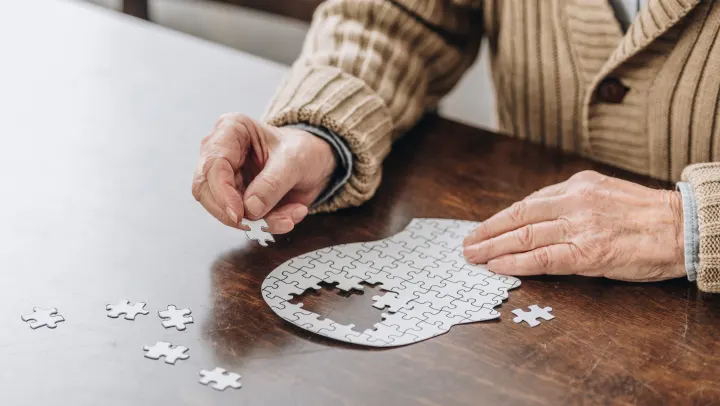
How to Support Your Loved One with Alzheimer in a Senior Housing
As we age, it's not uncommon for some of us to face the challenges of cognitive decline, with Alzheimer's disease being one of the most prevalent conditions in senior communities. Alzheimer's disease affects not only the individual living with it but also their loved ones and caregivers. In senior housing communities, providing adequate support and care for residents with Alzheimer's is crucial to ensuring their well-being and quality of life. In this blog post, we'll explore various strategies and resources to help you support your loved one with Alzheimer's disease in senior housing. From effective communication techniques to memory-stimulating activities and accessing specialized care services within our community, we've got you covered.Understanding Alzheimer's Disease Before delving into the ways you can support your loved one in senior housing, it's essential to have a basic understanding of Alzheimer's disease. Alzheimer's is a progressive brain disorder that affects memory, thinking, and behavior. It is the most common cause of dementia among older adults. Symptoms typically begin with mild memory loss but can progress to the point where individuals may struggle with daily activities, recognize loved ones, or communicate effectively. Effective Communication Techniques Patience and Empathy: Alzheimer's can make communication challenging. Be patient and approach conversations with empathy. Speak slowly and calmly, maintaining eye contact and using a soothing tone of voice. Use Simple Language: Keep your sentences short and straightforward. Avoid complex or abstract ideas. Ask yes-or-no questions when possible, as this can make it easier for your loved one to respond. Nonverbal Communication: Pay attention to body language and facial expressions. Sometimes, nonverbal cues can convey more than words. Smile, maintain a relaxed posture, and use touch when appropriate to reassure and comfort your loved one. Memory Aids: Use visual aids like pictures, notes, or memory books to help trigger memories and facilitate conversations. These aids can be particularly helpful in senior housing environments. Memory-Stimulating Activities Engaging in memory-stimulating activities can be beneficial for seniors with Alzheimer's disease. These activities can help improve cognitive function, boost self-esteem, and provide a sense of purpose. Here are some ideas: Art and Crafts: Encourage your loved one to explore their creative side through painting, drawing, or crafting. These activities can be enjoyable and provide a sense of accomplishment. Music Therapy: Music has a powerful impact on individuals with Alzheimer's. Play their favorite songs or introduce them to new music that can trigger positive memories and emotions. Gardening: If your senior housing community has a garden or outdoor space, consider involving your loved one in gardening activities. Gardening can be therapeutic and engaging. Puzzles and Games: Simple puzzles, card games, and board games can stimulate the mind and provide hours of entertainment. Accessing Specialized Care Services In senior housing communities, specialized care services are often available to support residents with Alzheimer's disease. These services can make a significant difference in your loved one's quality of life. Here are some resources to consider: Memory Care Units: Many senior housing communities have dedicated memory care units designed specifically for residents with Alzheimer's disease. These units offer a safe and supportive environment with trained staff. Support Groups: Joining a support group for caregivers of individuals with Alzheimer's can provide emotional support, information, and coping strategies. Check with your senior housing community for local support group options. Professional Caregivers: If your loved one's needs exceed what you can provide, consider hiring professional caregivers who specialize in dementia care. They can provide personalized support and respite for family caregivers. Supporting a loved one with Alzheimer's disease in senior housing may come with its unique challenges, but with the right strategies and resources, you can enhance their quality of life and ensure their well-being. Effective communication techniques, memory-stimulating activities, and access to specialized care services are vital components of a comprehensive care plan. By implementing these strategies and seeking the assistance of professionals when needed, you can create a nurturing and supportive environment for your loved one in their senior years.