$287/day
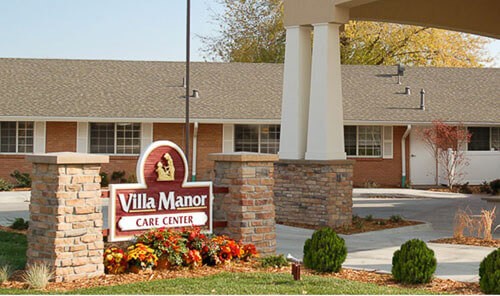
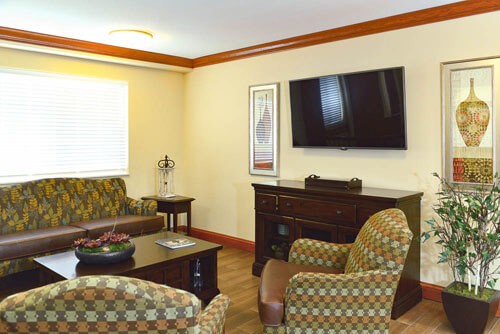
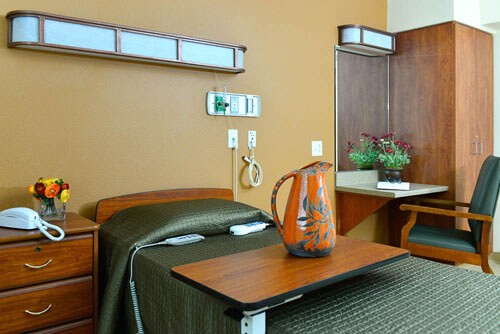
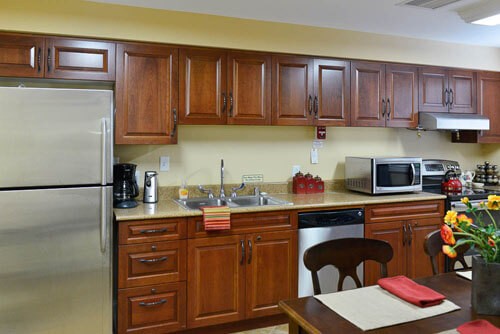


About Villa Manor Care Center
Villa Manor Care Center, a Life Care Centers of America facility, offers a full complement of health care services including an on-site physician. Specializing in post-acute care, rehabilitation services and extended care, Villa Manor Care Center can help. With over 30 years of service, Life Care is the name to trust.General Property Features
- Private Rooms, Semi-Private Rooms
- Respite/Short Term Stay, Short-Term Care
- Skilled Nursing Facility
Skilled Nursing
- villamanorcarecenter.com
- $287.00
- 106
- Private Pay, Private Insurance, Medicaid, Medicare, Managed Care Benefits
- Long-Term Care, Rehab and Therapy, Short-Term Care, Skilled Care, Trach Care, Wound Vac, Physical Therapy, Occupational Therapy, Speech Therapy
Continue Your Search! Explore More Local Options.
Start SearchingLet’s engage and get educated!
Browse through thousands of expert articles in over 100 different categories.
Browse NowArticles You May Like
Compassionate Recovery and Long-Term Care at Villa Manor Care Center
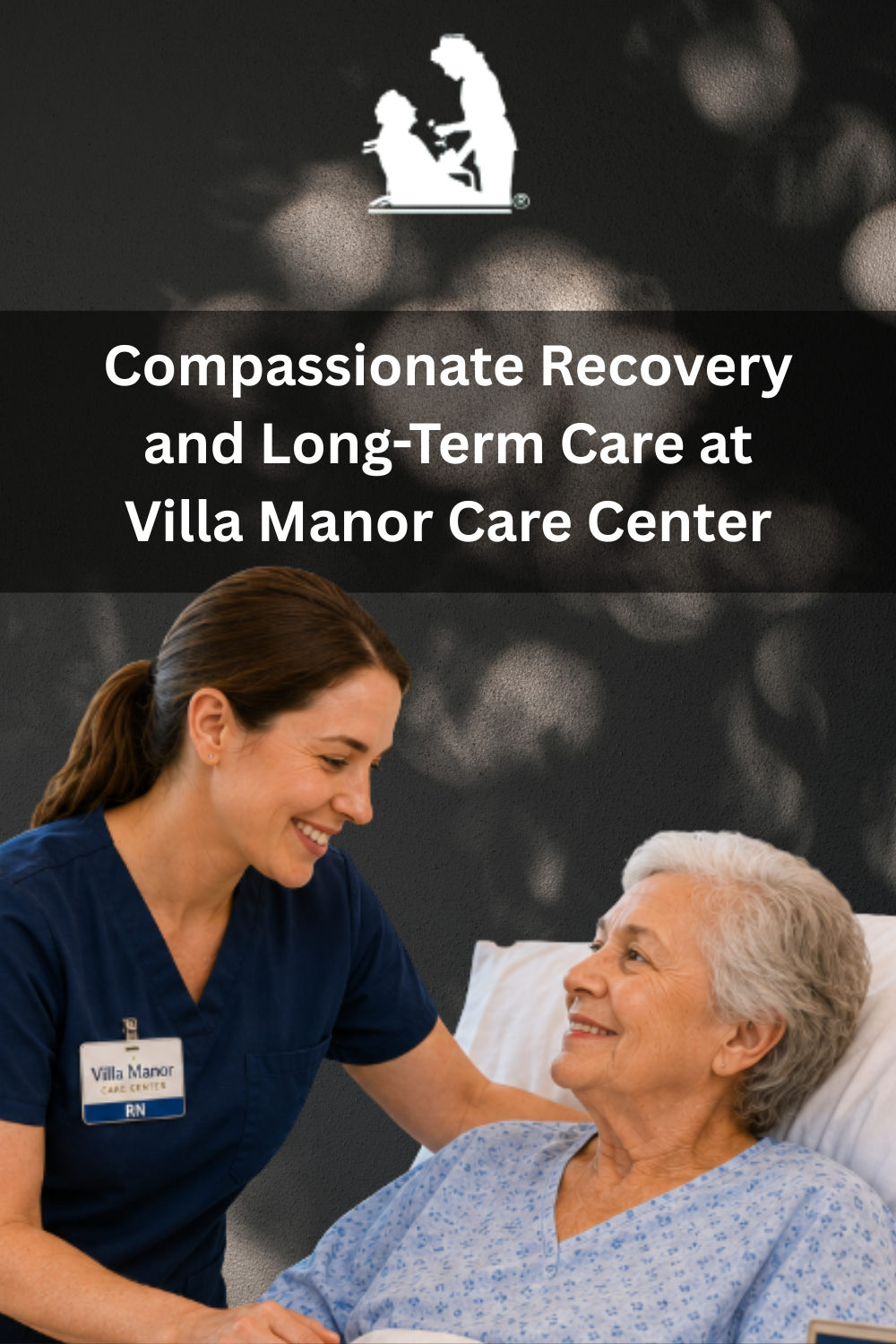
Compassionate Recovery and Long-Term Care at Villa Manor Care CenterWhen a loved one requires skilled nursing care, families are often faced with difficult decisions during stressful circumstances. Whether the need comes after a hospital stay, surgery, injury, or ongoing medical challenges, choosing the right care community becomes one of the most important decisions a family can make.Families want reassurance that their loved one will receive expert medical support in an environment that feels safe, compassionate, and supportive.For families in Lakewood, Villa Manor Care Center offers skilled nursing and rehabilitation services designed to support recovery, comfort, and long-term wellness.By combining personalized care, clinical excellence, and compassionate support, Villa Manor Care Center helps residents and families navigate important healthcare transitions with confidence.Understanding Skilled Nursing CareSkilled nursing care is designed for individuals who need ongoing medical attention and clinical supervision beyond what can be safely managed at home or in assisted living.This level of care is often needed after: Surgery Hospital discharge Serious illness Injury or falls Stroke Chronic condition progression Skilled nursing communities provide around-the-clock care delivered by licensed professionals.Services commonly include: 24/7 nursing care Medication management Physical therapy Occupational therapy Speech therapy Wound care Pain management Post-hospital recovery Long-term medical support These services ensure residents receive the specialized care needed to recover and maintain quality of life.Why Lakewood Is a Strong Community for Senior CareLakewood is one of the Denver metro areas most desirable communities for seniors and families.Known for its scenic beauty and convenient access to healthcare, Lakewood provides an excellent environment for recovery and ongoing care.Families appreciate Lakewood for its: Strong healthcare access Peaceful neighborhoods Outdoor recreation Convenient transportation Proximity to Denver specialists Residents benefit from nearby access to: St. Anthony Hospital Bear Creek Lake Park Belmar This combination of healthcare resources and community amenities makes Lakewood an ideal setting for senior care.When Skilled Nursing Becomes the Right ChoiceFamilies often wonder when it is time to consider skilled nursing care.Common signs include: Frequent hospital visits Declining mobility Increasing falls Complex medication schedules Need for rehabilitation Ongoing medical monitoring When care needs become too complex for home support alone, skilled nursing can provide the appropriate level of care and supervision.What Makes Villa Manor Care Center Stand OutVilla Manor Care Center focuses on providing individualized care designed around each residents unique needs.Their approach emphasizes both medical excellence and personal connection.Personalized Care PlansEvery resident has different health needs, recovery goals, and care priorities.Thats why personalized care planning matters.Care plans often consider: Medical history Current health status Therapy goals Functional limitations Long-term care needs This customized approach supports better care outcomes.Rehabilitation-Focused RecoveryMany residents come to skilled nursing communities for short-term rehabilitation after surgery, illness, or hospitalization.Therapy services help residents regain: Strength Balance Mobility Confidence Independence Rehabilitation often supports recovery after: Joint replacement Stroke Injury Illness-related weakness Strong therapy programs can significantly improve recovery timelines and quality of life.24-Hour Clinical OversightOne of the biggest advantages of skilled nursing is continuous access to trained healthcare professionals.This is especially important for residents with: Complex health conditions High-risk recovery needs Ongoing medical treatments Around-the-clock monitoring helps improve safety and peace of mind.Skilled Nursing Is About More Than Medical CareClinical support is essentialbut exceptional care goes beyond treatment plans.Families also value environments where residents feel: Respected Comfortable Supported Safe Valued The best skilled nursing communities understand that emotional well-being matters just as much as physical health.Healing often happens best in environments rooted in compassion and dignity.John Masterson on Quality Skilled Nursing CareJohn Masterson believes outstanding care requires both clinical excellence and compassionate support.He shares: Families want confidence that their loved ones are receiving excellent care from people who truly care about their well-being. Skilled nursing is about supporting recovery while treating every resident with dignity and compassion. That balance of expertise and empathy is what families seek most.Questions Families Should Ask When Choosing Skilled NursingChoosing the right skilled nursing community requires careful evaluation.Important questions include: What nursing services are available? What rehabilitation programs are offered? How are care plans developed? How often are families updated? What makes this community unique? These conversations help families make informed decisions.FAQs About Skilled Nursing in LakewoodWhat is skilled nursing care?Skilled nursing provides 24/7 medical supervision and specialized clinical care for seniors with higher care needs.How is skilled nursing different from assisted living?Assisted living provides help with daily activities, while skilled nursing provides medical care and rehabilitation services.Is skilled nursing temporary or long-term?It can be both. Some residents need short-term rehabilitation, while others require long-term care.Does skilled nursing include therapy?Yes. Skilled nursing communities often provide physical, occupational, and speech therapy.Why choose skilled nursing in Lakewood?Lakewood offers excellent healthcare access, strong senior care resources, and a welcoming community environment.Choosing the Right Care MattersFinding the right skilled nursing community can make a major difference in recovery, comfort, and long-term well-being.Families deserve confidence when making important care decisions.For families in Lakewood, Villa Manor Care Center offers trusted skilled nursing and rehabilitation services focused on personalized, compassionate care. Visit their Seniors Blue Book listing today to learn more about their services, rehabilitation programs, and care philosophy.
Jun 23, 2026
Finding Strength and Support Through Skilled Nursing Care in Lakewood
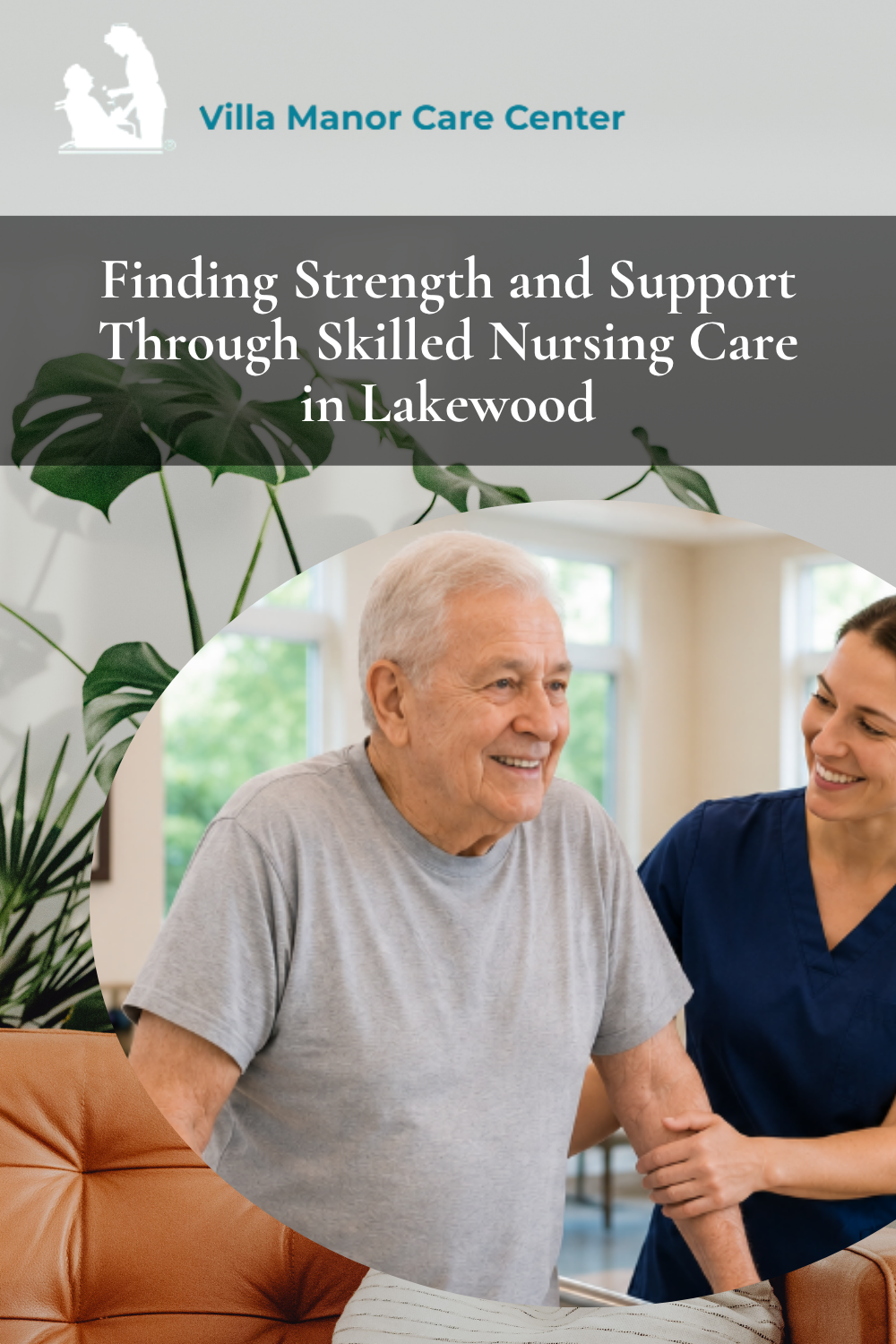
Finding Strength and Support Through Skilled Nursing Care in LakewoodRecovering from a serious illness, surgery, injury, or hospitalization can feel overwhelming for both seniors and their families. Even after leaving the hospital, many older adults still need professional medical care, rehabilitation, and daily support before they can safely return home.For families in Lakewood and the surrounding Denver metro area, skilled nursing communities play an important role in helping seniors rebuild strength, regain confidence, and improve quality of life during recovery.Villa Manor Care Center provides skilled nursing and rehabilitation support for residents who need compassionate medical care in a comfortable and supportive environment. Whether someone requires short-term rehabilitation or ongoing nursing care, having experienced professionals available can make a meaningful difference in the healing process.Why Skilled Nursing Care Matters After HospitalizationA hospital discharge does not always mean a person is fully recovered. Many seniors leave the hospital still dealing with: Limited mobility Weakness and fatigue Pain management needs Medication adjustments Wound care Fall risks Difficulty performing everyday tasks Without additional support, returning home too quickly can increase the risk of setbacks or rehospitalization.Skilled nursing care helps bridge the gap between hospital treatment and independent living by providing medical supervision, rehabilitation services, and assistance with daily activities.This transitional support allows residents to focus on recovery in a safer and more structured environment.The Growing Need for Skilled Nursing in LakewoodLakewood continues to be one of Colorados most desirable communities for older adults because of its balance between suburban comfort and convenient access to Denver healthcare systems.Seniors in Lakewood enjoy: Nearby parks and outdoor recreation Access to hospitals and specialists Established neighborhoods Community programming for older adults Proximity to family-friendly areas As the local senior population grows, the need for high-quality rehabilitation and skilled nursing services has increased as well.Families want care environments that prioritize not only clinical support, but also dignity, communication, and emotional well-being.What Skilled Nursing Care IncludesMany people assume skilled nursing only refers to long-term care, but skilled nursing communities often provide a wide range of short-term rehabilitation and recovery services.Depending on a residents needs, care may include:24-Hour Nursing SupportLicensed nurses monitor residents health conditions, medications, and recovery progress throughout the day and night.Rehabilitation TherapyResidents recovering from surgery, illness, or injury may receive therapy designed to rebuild mobility and independence.Medication ManagementProfessional oversight helps reduce medication errors and ensures treatment plans are followed safely.Wound Care and Medical MonitoringResidents with surgical incisions, infections, or chronic conditions often require specialized medical attention during recovery.Assistance with Daily LivingStaff may help residents with bathing, dressing, grooming, mobility, and meals when needed.Together, these services create a supportive environment where healing can happen more safely and comfortably.Rehabilitation Helps Residents Regain IndependenceRehabilitation services are often central to skilled nursing care.After hospitalization, many seniors need help rebuilding physical strength and confidence before returning home.Physical TherapyPhysical therapy may focus on: Improving balance Building strength Restoring mobility Preventing falls Increasing endurance Residents recovering from orthopedic surgeries, strokes, or illnesses often benefit from personalized mobility training.Occupational TherapyOccupational therapy helps residents practice daily activities such as: Getting dressed safely Bathing independently Using adaptive equipment Preparing for safe movement at home These practical skills can significantly improve long-term independence.Speech TherapySome residents may require speech-language therapy to support: Swallowing difficulties Communication skills Memory challenges Cognitive rehabilitation Therapy plans are typically tailored to each residents individual goals and recovery progress.The Emotional Side of RecoveryRecovery involves more than physical healing.Many seniors experience emotional stress after major health events. Losing temporary independence can feel frustrating, frightening, or discouraging.That emotional impact often affects motivation and confidence during rehabilitation.John Masterson of Villa Manor Care Center understands the importance of supporting residents as whole individuals. Every residents recovery journey is unique. Our focus is not only on providing skilled medical care, but also on helping residents feel encouraged, respected, and supported throughout the process, says John Masterson. Compassionate care environments can help residents remain motivated and emotionally engaged during recovery.Helping Families Feel Informed and SupportedFamilies often carry tremendous stress when a loved one enters skilled nursing care.Questions may arise about: Recovery timelines Therapy progress Long-term care needs Discharge planning Home safety concerns Future healthcare decisions Clear communication between families and care teams helps reduce uncertainty and create stronger care coordination.Families should feel comfortable asking questions and participating in care planning conversations throughout the rehabilitation process.Planning for a Safe Transition HomeFor many residents, the ultimate goal is returning home safely after recovery.Discharge planning often begins early and may include recommendations related to: Home modifications Mobility equipment Follow-up medical appointments In-home support services Medication organization Continued outpatient therapy Preparing carefully for discharge helps reduce the likelihood of falls, complications, or rehospitalization.Families who plan proactively often feel more confident supporting loved ones after returning home.Modern Skilled Nursing Communities Are EvolvingMany people still imagine outdated institutional settings when they hear the phrase nursing home. In reality, todays skilled nursing communities increasingly focus on comfort, rehabilitation, and resident-centered care.Modern environments may emphasize: Personalized therapy goals Social engagement Comfortable living spaces Wellness-focused activities Family communication Individualized care planning These improvements help create more positive recovery experiences for residents and their loved ones.Recognizing When Skilled Nursing May Be AppropriateSkilled nursing care may benefit seniors recovering from: Joint replacement surgery Stroke Cardiac events Falls or fractures Pneumonia or respiratory illness Infections Neurological conditions Extended hospital stays Healthcare providers, discharge planners, and rehabilitation specialists can help determine the most appropriate level of care after hospitalization.Supporting Quality of Life During RecoveryAt its best, skilled nursing care supports more than medical recovery alone. It helps residents maintain dignity, preserve independence when possible, and feel supported during challenging moments.Encouragement, patience, and personalized attention can make an enormous difference in how residents experience rehabilitation.For families, knowing a loved one is receiving attentive professional care often provides valuable peace of mind.Learn More About Villa Manor Care CenterIf your family is exploring skilled nursing or rehabilitation services in Lakewood, Villa Manor Care Center offers support focused on recovery, safety, and compassionate care.Visit their Seniors Blue Book listing to learn more about rehabilitation programs, skilled nursing services, and care resources available for older adults in Lakewood and the surrounding Denver metro area.FAQsWhat is skilled nursing care?Skilled nursing care provides medical supervision, rehabilitation services, and daily support for individuals recovering from illness, surgery, or injury.How is skilled nursing different from assisted living?Skilled nursing offers a higher level of medical care and rehabilitation support than assisted living communities.What therapies are typically offered in skilled nursing?Residents may receive physical therapy, occupational therapy, and speech-language therapy based on individual recovery needs.How long do residents stay in skilled nursing rehabilitation?Length of stay depends on the residents medical condition, therapy goals, and overall progress.Why choose skilled nursing care close to home? Local care allows families to visit more easily, stay involved in care planning, and support loved ones during recovery.