Advanced Health Care of Aurora
1800 South Potomac Street, Aurora, Colorado, 80012
Counties Served: Colorado - Adams, Arapahoe, Denver, Douglas, Jefferson, Broomfield
Rehabilitation Facilities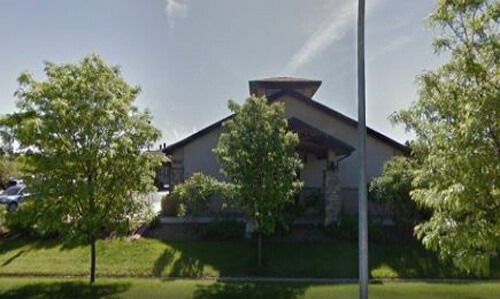

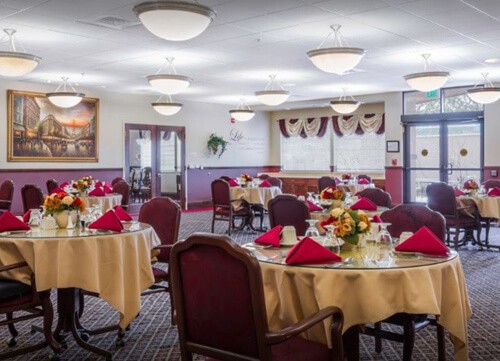






About Advanced Health Care of Aurora
See More
Additional Services Offered

Advanced Health Care Of Aurora
Skilled Nursing 1800 South Potomac Street, Arapahoe County, Aurora, Colorado, 80012Advanced Health Care of Aurora stands at the forefront of skilled nursing and rehabilitation, offering a modern and patient-focused alternative to traditional nursing homes. Located in the heart of Aurora, Colorado, our state-of-the-art skilled nursing facility delivers an exceptional level of care tailored to individuals recovering from hospitalization. Whether youre healing from surgery, illness, or injury, our expert staff and advanced therapies help you transition smoothly from hospital to home.A New Standard in Post-Acute CareAt Advanced Health Care of Aurora, we redefine what it means to receive skilled nursing care. Our facility specializes in short-term rehabilitation and skilled nursing services designed to restore your health, mobility, and independence. Our experienced clinical team is available 24 hours a day to provide compassionate, professional medical care tailored to your specific recovery needs.From the moment you enter our beautifully designed facility, youll notice the difference. We offer private suites, each meticulously designed for comfort, privacy, and healing. Our guests enjoy a calm and elegant environment that supports both physical recovery and emotional well-being.Comprehensive Skilled Nursing ServicesOur skilled nursing services go beyond basic care, providing a full range of clinical and rehabilitative support for individuals recovering from a variety of conditions, including:Post-surgical recovery | Orthopedic rehabilitation (hip, knee, spine procedures) | Cardiac and pulmonary conditions | Stroke recovery | Neurological disorders | Wound care | Pain management | IV therapy | Diabetes managementWith round-the-clock nursing supervision, patients and families can have peace of mind knowing that expert care is always available. Our licensed nurses work closely with physicians, therapists, and other healthcare professionals to implement and manage a customized care plan for each patient.Inpatient Rehabilitation: Physical, Occupational, and Speech TherapyOne of the core components of our skilled nursing facility is our comprehensive inpatient rehabilitation program. Our team of licensed therapists provides physical therapy, occupational therapy, and speech therapy services seven days a week. Each therapy plan is personalized to help patients regain strength, mobility, coordination, and communication skills essential for returning home and enjoying an active lifestyle.Physical therapy focuses on improving strength, balance, and mobility to promote independence.Occupational therapy helps patients relearn daily activities such as dressing, grooming, and bathing.Speech therapy assists with communication, cognitive skills, and swallowing difficulties.Our rehab team works closely with nursing staff and physicians to ensure continuity of care and measurable progress throughout your stay.Luxury Meets HealingAdvanced Health Care of Aurora combines top-tier medical care with hospitality-style amenities to create a unique healing experience. Patients recover in spacious private suites featuring flat-screen TVs, Wi-Fi, and comfortable furnishings. The atmosphere is designed to feel more like a boutique hotel than a traditional skilled nursing facility.Our fine dining experience is another signature element that sets us apart. Meals are prepared by culinary professionals and tailored to meet each guests dietary needs while offering variety and flavor. Dining is offered in an elegant setting that promotes both nutrition and enjoyment.Additional amenities include:On-site salon services | Beautifully landscaped courtyards | Common areas for family visits and socialization | Daily activities and wellness programs | Concierge-level customer serviceA Focus on Smooth TransitionsOur goal is to ensure that each patient makes a safe and successful transition from hospital to home. We provide coordinated discharge planning that includes home health referrals, outpatient therapy recommendations, and education on medication management and follow-up care. We work hand-in-hand with families and caregivers to ensure that patients are prepared and confident as they take the next step in their recovery.Why Choose Advanced Health Care of Aurora?State-of-the-art skilled nursing facility in Aurora, COSpecialized in short-term rehabilitation and transitional care24/7 nursing support from experienced cliniciansPrivate suites with hotel-like amenitiesIndividualized care plans and therapy programsComprehensive inpatient rehab services (PT, OT, ST)Luxurious environment with gourmet diningPatient-centered approach focused on dignity, recovery, and comfortWhether you~re recovering from surgery or managing a complex medical condition, Advanced Health Care of Aurora is here to support you every step of the way. Our team is committed to delivering the highest quality of skilled nursing care in a setting designed to promote wellness and independence.
Continue Your Search! Explore More Local Options.
Start SearchingLet’s engage and get educated!
Browse through thousands of expert articles in over 100 different categories.
Browse NowArticles You May Like
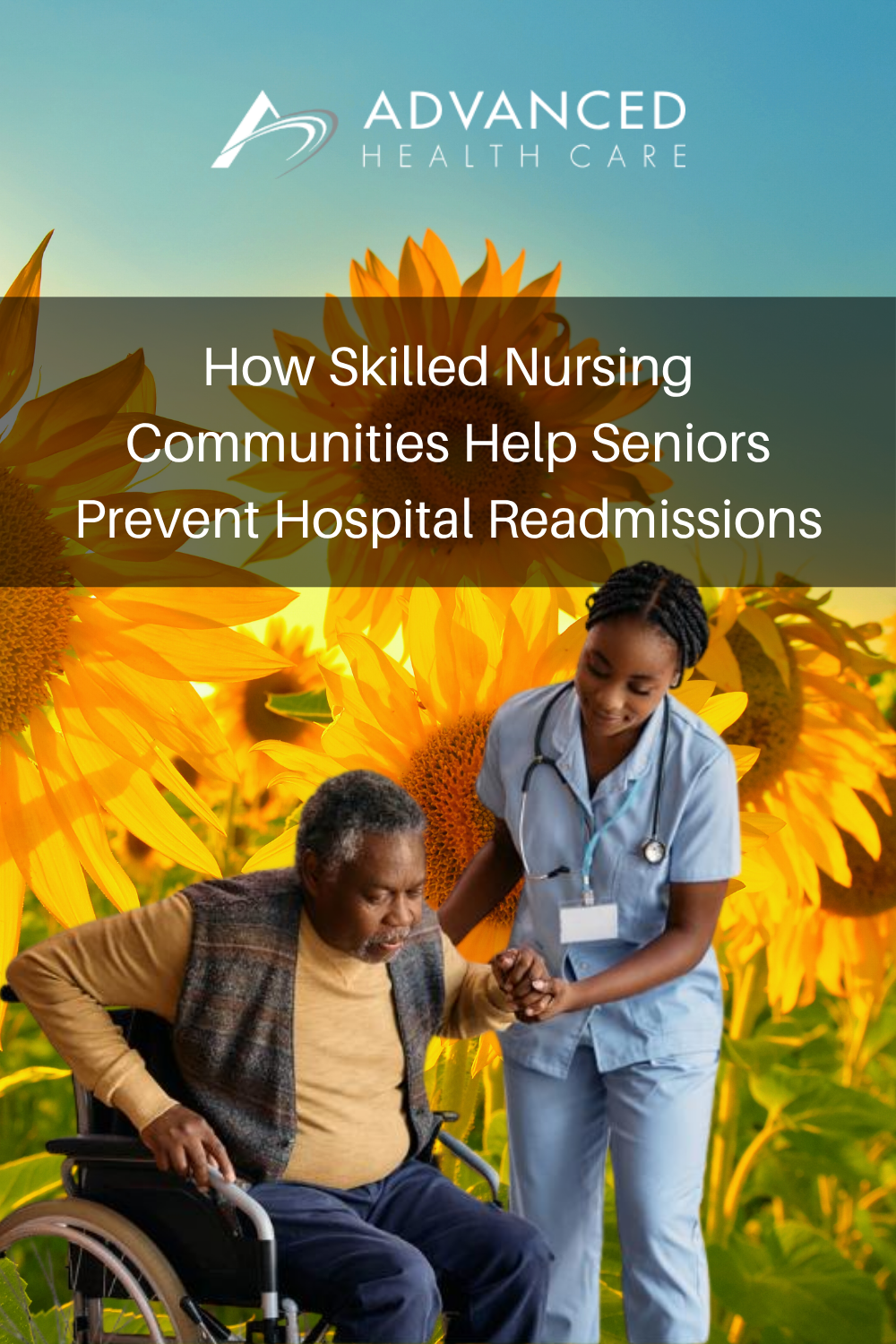
How Skilled Nursing Communities Help Seniors Prevent Hospital Readmiss
How Skilled Nursing Communities Help Seniors Prevent Hospital ReadmissionsFor many older adults, leaving the hospital does not always mean the medical crisis is fully resolved. The days immediately following discharge are often the most vulnerable period in a seniors recovery journey. Medication changes, reduced mobility, lingering weakness, and chronic health conditions can create complications that send patients right back to the emergency room.Across Aurora and the greater Denver metro area, families are increasingly recognizing the value of skilled nursing care in helping older adults recover safely and avoid preventable hospital readmissions.Advanced Health Care of Aurora serves seniors who need professional nursing oversight and rehabilitation support after surgery, illness, or hospitalization. In a healthcare landscape focused heavily on outcomes and recovery success, skilled nursing providers have become essential partners for both families and hospitals.Why Hospital Readmissions Are a Serious ConcernAccording to healthcare experts, hospital readmissions among seniors are surprisingly common. Older adults often face multiple overlapping health challenges, including: Diabetes Heart disease COPD Arthritis Limited mobility Cognitive changes Medication management issues Even after treatment, these conditions require close monitoring.Without structured support, seniors may experience complications such as: Falls Medication errors Infection Dehydration Poor nutrition Missed follow-up care The result can be another hospital stay only days or weeks after discharge.This cycle is stressful for both seniors and their families. It can also lead to declining independence and emotional exhaustion.Aurora Families Need Recovery Solutions That WorkAurora is home to a rapidly growing senior population. The city offers retirees access to major healthcare systems, scenic outdoor areas, and thriving residential communities. Many seniors choose Aurora because it combines urban convenience with a quieter suburban atmosphere.Yet healthcare recovery challenges remain significant.Adult children often balance caregiving responsibilities with work schedules and family obligations. Many worry about whether they can provide enough care at home immediately after a parents hospitalization.Skilled nursing communities help ease this burden by offering a structured recovery setting staffed with trained professionals.What Skilled Nursing Care Actually IncludesMany people misunderstand what skilled nursing communities provide.Skilled nursing is not simply custodial care. Instead, it involves medically supervised services delivered by licensed healthcare professionals.At Advanced Health Care of Aurora, care plans may include: 24-hour nursing support Medication management Wound care Physical therapy Occupational therapy Speech therapy Pain management Nutrition oversight Physician coordination This level of comprehensive support helps seniors stabilize medically while rebuilding strength.Recovery Requires Monitoring and ConsistencyOne of the biggest reasons seniors return to the hospital is because warning signs are missed at home.For example: Swelling may indicate heart complications Confusion could signal infection Reduced appetite may lead to dehydration Weakness increases fall risks In a skilled nursing setting, trained professionals monitor these symptoms closely.This proactive approach allows healthcare teams to intervene early before small concerns become emergencies.Cassidy Himes of Advanced Health Care of Aurora explains: Successful recovery is not only about treating a medical condition. It is about paying attention to the details every daymobility, nutrition, emotional wellbeing, medication management, and communication with families. That attention to detail helps create safer outcomes for seniors transitioning out of the hospital.Rehabilitation Helps Seniors Regain IndependencePhysical recovery after illness or surgery often takes longer than families expect.Even highly independent seniors may struggle with stamina and mobility following hospitalization.Physical Therapy Builds ConfidencePhysical therapists help residents regain: Strength Balance Walking ability Endurance Transfer safety These improvements reduce the likelihood of falls and injuries after discharge.Occupational Therapy Restores Daily FunctionOccupational therapists focus on practical activities such as: Dressing Bathing Kitchen mobility Bathroom safety Household movement This type of therapy helps seniors prepare for real-life routines once they return home.Speech Therapy Supports Communication and SwallowingSpeech therapists may assist seniors recovering from strokes or neurological conditions that affect communication or swallowing abilities.Together, these therapies create a comprehensive recovery plan.Nutrition Plays a Major Role in RecoveryMany seniors experience nutritional challenges after hospitalization. Appetite changes, fatigue, medication side effects, and chronic conditions can all interfere with proper eating habits.Poor nutrition delays healing and weakens the immune system.Skilled nursing teams help monitor: Hydration Weight changes Meal intake Dietary restrictions Protein consumption Nutritious meals and supervision support stronger recovery outcomes.Social Isolation Can Slow HealingRecovery is not only physical.Seniors recovering alone at home sometimes experience loneliness, anxiety, or depressionespecially after major medical events.A supportive skilled nursing environment provides social interaction, encouragement, and daily structure that can positively affect emotional wellbeing.Auroras senior population values community connection. Whether seniors previously enjoyed local coffee shops, neighborhood walks, volunteer opportunities, or family gatherings, maintaining emotional engagement remains important during rehabilitation.Preparing Families for the Transition HomeOne of the most important parts of skilled nursing care is discharge planning.Families need guidance on what comes next after rehabilitation ends.This planning process may include: Home safety recommendations Durable medical equipment guidance Follow-up appointments Medication instructions Home therapy referrals Caregiver education Preparing carefully for discharge helps seniors maintain progress and avoid setbacks.Questions Families Should Ask After HospitalizationWhen evaluating post-hospital recovery options, families should consider several important questions:Will my loved one need therapy services?If mobility or daily tasks have become difficult, rehabilitation may be essential.Is medical monitoring still necessary?Conditions such as wound healing, medication adjustments, or chronic illness management often require professional oversight.Is returning home immediately realistic?Safety should always guide the decision.What support systems are available?Families benefit from coordinated care teams that communicate clearly throughout recovery.Advanced Health Care of Aurora helps families navigate these questions while focusing on individualized recovery goals.The Future of Senior Recovery Care in ColoradoHealthcare providers increasingly recognize that recovery outcomes improve when seniors receive structured transitional support after hospitalization.As Aurora continues growing, demand for high-quality skilled nursing and rehabilitation services will likely continue rising as well.Families want care environments that combine: Clinical expertise Compassion Communication Personalized therapy Safe recovery planning That combination supports both healing and peace of mind.Supporting Aurora Seniors Through Every Step of RecoveryHospitalization can feel overwhelming for seniors and their loved ones. Recovery often involves uncertainty, emotional stress, and difficult decisions.Skilled nursing communities help bridge the gap between hospital treatment and a safe return home by providing therapy, nursing support, medical monitoring, and compassionate care.Advanced Health Care of Aurora continues to support local families through personalized rehabilitation programs focused on improving outcomes, reducing complications, and helping seniors regain independence.Visit Their Seniors Blue Book ListingFamilies interested in learning more about rehabilitation and skilled nursing care in Aurora can visit Advanced Health Care of Auroras listing on SeniorsBlueBook.com for additional information and resources.FAQsWhat conditions usually require skilled nursing care after hospitalization?Common reasons include surgery recovery, stroke rehabilitation, fractures, infections, heart conditions, and serious illnesses requiring therapy or medical supervision.Can skilled nursing care reduce hospital readmissions?Yes. Professional monitoring, therapy services, medication management, and coordinated care can help reduce preventable complications.How does therapy help seniors recover?Therapy improves mobility, balance, strength, and the ability to safely perform everyday tasks.Is skilled nursing temporary or long term?Many residents receive short-term rehabilitation, though some individuals may require longer-term medical care depending on their condition.Why is discharge planning important? Proper discharge planning helps seniors transition home safely while reducing the risk of falls, medication errors, and additional hospital visits.
May 21, 2026
Recognizing When to Choose Hospice: Signs and Support for Families
Deciding on hospice care is never easy, but making an informed choice can bring comfort, dignity, and relief to your loved one and family. This guide will help you recognize the signs that its time to consider hospice and explain the support available throughout this important transition.What Is Hospice Care?Hospice care is specialized support for those facing a life-limiting illness, focusing on comfort, pain management, and quality of life rather than curative treatment. This holistic approach addresses physical, emotional, and spiritual needsfor both patients and their loved ones.When to Consider Hospice: Key SignsUnderstanding when to choose hospice can prevent unnecessary hospitalizations and support a more peaceful, dignified experience. Look for these signs:1. Frequent Hospitalizations or ER Visits Multiple unplanned trips to the hospital within a short period Increasing difficulty managing symptoms at home2. Rapid Decline in Health Noticeable weight loss, weakness, or fatigue Reduced appetite or difficulty swallowing Increased need for assistance with daily activities (bathing, dressing, eating)3. Uncontrolled Pain or Symptoms Pain that persists despite ongoing interventions Shortness of breath, vomiting, or psychological distress4. Shifting Focus from Cure to Comfort Your loved one expresses a desire for quality time over aggressive treatment Doctors suggest that treatment is no longer helping the underlying illness5. Increasing Confusion or Withdrawal Periods of confusion, memory loss, or withdrawal from conversation and social activitiesHow Hospice Supports Patients and FamiliesHospice aims to empower families and honor the choices of the person receiving care. Heres what you can expect:Personalized Care Plans Individualized plans tailored to the patients needs, beliefs, and preferences Regularly updated by a team of professionals24/7 Expert Care and Symptom Management Nurses and aides available around the clock Focus on comfort, pain control, and dignityEmotional and Spiritual Support Counseling for patients and families, including support groups and bereavement services Guidance from chaplains or spiritual care providersHelp for Families Education about what to expect during the end-of-life journey Respite care to allow family caregivers time to rest and recharge Ongoing communication between hospice staff and family membersCommon Myths and Realities About Hospice Myth Reality Hospice means giving up. Hospice focuses on living comfortably and meaningfully in ones final stage of life. Hospice is only for cancer patients. Hospice supports people with any life-limiting terminal illness, including heart, lung, and neurological diseases. You must leave your home for hospice care. Most hospice care happens where the patient feels most comfortableoften at home. Hospice care is expensive. Hospice is usually covered by Medicare, Medicaid, and most private insurances. How to Start the Hospice Conversation Approach the topic honestly and compassionately Include your loved ones wishes and preferences in all discussions Consult with healthcare professionals to answer clinical questions and provide referralsTake the Next StepReach Out for GuidanceIf youre noticing any of these signs in your loved one or need support making this decision, youre not alone. Expert guidance and compassionate care can make all the difference.Contact us today to schedule a visit, take a tour, or get more information: (720) 213-1773 Your peace of mind starts with the right information and support. Hospice is not about giving upits about providing comfort, dignity, and compassionate care when its needed most.
Jul 29, 2025
The Role of Multidisciplinary Teams in Delivering Quality Home Care
Recognizing the critical role that multidisciplinary teams (MDTs) play in delivering quality home care is essential for families seeking the best support for their loved ones. MDTs bring together various healthcare professionals who collaborate to provide comprehensive, patient-centered care that addresses medical, emotional, and social needs. This article explores how multidisciplinary teams enhance home health services, improve patient outcomes, and streamline care delivery, making it a cornerstone of advanced home healthcare.What Is a Multidisciplinary Team in Home Care?A multidisciplinary team in home care typically includes physicians, nurses, social workers, dietitians, therapists, and other specialists working collaboratively. Each team member contributes unique expertise toward a unified goal: delivering tailored, holistic care for patients in their own homes. This coordinated approach ensures that patients receive support addressing all aspects of their wellbeingphysical health, mental health, nutrition, and social factorsleading to better overall outcomes.Key Benefits of Multidisciplinary Teams in Home Care Improved Patient Outcomes: By pooling expertise, MDTs provide personalized treatment plans that adapt to patients changing needs, reducing hospital readmissions and enhancing recovery rates. Holistic, Patient-Centered Care: Teams address complex conditions by incorporating medical treatment, emotional support, nutrition management, and social services. Enhanced Communication and Coordination: Regular collaboration and communication among professionals prevent service duplication, reduce errors, and streamline workflows. Increased Patient and Family Satisfaction: Patients benefit from seamless care that feels more connected and supportive; families appreciate transparent communication and whole-person care. Cost Efficiency: Coordinated care avoids unnecessary hospitalizations and optimizes resource use, lowering overall healthcare costs.Roles Within a Multidisciplinary Home Care Team Professional Role and Contribution Physicians Diagnose, manage medical treatment plans, and monitor conditions Nurses Coordinate care, provide symptom management, educate patients Social Workers Address emotional, social, and financial challenges Dietitians Develop nutrition plans tailored to health needs Therapists (Physical, Occupational, Speech) Support rehabilitation, improve mobility, and communication Psychologists or Counselors Provide mental health support and coping strategies Each member ensures their specialty aspect is integrated within the patients overall care plan, making home care both comprehensive and adaptive.How Multidisciplinary Teams Improve Patient Care and Experience1. Comprehensive Assessment and Personalized PlansMDTs conduct thorough assessments that go beyond symptoms to include lifestyle, home environment, and personal goals. This leads to highly individualized care plans reflecting total patient needs.2. Continuous Monitoring and CommunicationOngoing team meetings and shared documentation allow swift adjustments to care as patients conditions evolve. Families are kept informed, fostering trust and reducing anxiety.3. Promoting Patient Engagement and IndependencePatients are encouraged to participate in goal-setting with their care team, increasing motivation and adherence to treatment plans. This approach emphasizes restoring or maintaining independence.4. Emotional and Social SupportMDTs recognize the impact of mental health and social isolation on recovery, embedding psychosocial care alongside medical treatment to improve overall wellbeing.Real-World Impact: Evidence Supporting Multidisciplinary Home CareResearch clearly shows MDTs lead to better clinical outcomes and satisfaction: Reduced hospital stays and readmissions Higher rates of patient independence and quality of life Improved management of chronic and complex conditions Enhanced communication and collaboration among care providersFor example, elderly patients under MDT care have demonstrated significant decreases in complications and emergency visits, reflecting the benefits of coordinated, holistic support.Why Choose MDT-Based Home Care Services?Choosing a home care provider that uses a multidisciplinary approach ensures your loved one receives expert care tailored to their unique circumstances. It also provides peace of mind that all health aspects are managed collaboratively and efficiently.Take the Next StepExperience the benefits of multidisciplinary home care firsthand. Contact Advanced Home Health & Hospice of Colorado to learn how our expert team can support your familys needs.Call us today at (720) 213-1773 to schedule a visit, take a tour, or get more information. Let us partner with you to provide the comprehensive, compassionate care your loved one deserves.
Jul 29, 2025
Touring Advanced Health Care of Aurora: What Families Can Expect
Selecting the right care facility for your loved one can feel overwhelming. Touring Advanced Health Care of Aurora is a crucial stepone that reveals not just the services offered, but also the atmosphere, culture, and dedication to patient-centered care. Here, we break down what families can expect when they visit, key questions to ask, and why transparency sets this community apart.Why Tour Advanced Health Care of Aurora?A visit is more than a walk-throughit's your opportunity to ensure both comfort and trust. Touring allows you to: See the facilitys cleanliness and amenities firsthand Meet the compassionate staff and clinical team Observe how current patients are engaged and cared for Ask specific questions about services, therapy, and daily routines Experience the facilitys culture and approach to family engagementFirst Impressions: Warm Welcomes and Transparent ProcessesUpon arrival, families are greeted by a dedicated admissions team member. Every step, from sign-in to tour completion, is designed for transparency: Personalized tour itinerary tailored to your questions and priorities A walk-through of patient rooms, therapy gyms, dining areas, and communal spaces Opportunity to observe active therapy sessions or group activities Open discussion of patient safety, security, and family involvementFacility Features and AmenitiesDuring your tour, highlights include: Private and semi-private patient suites with modern amenities Chef-prepared meals with dietary accommodations State-of-the-art rehabilitation gyms for physical, occupational, and speech therapy Social activity rooms, library lounges, and outdoor relaxation areas On-site beauty salon, spiritual care, and wellness programsThe staff will explain how personalized care plans are developed, how short-term rehabilitation differs from long-term skilled nursing, and what support systems are offered for both patients and families.Questions to Ask During Your TourTo make the most of your visit, consider asking: What levels of care are available, and how are care plans updated? How does the facility ensure patient safety 24/7? What is the staff-to-patient ratio, and how is staff training managed? How are therapies tailored to individual needs? Are family members encouraged and supported in staying involved with care decisions? What are the visiting policies and family resources?Building Trust Through OpennessTransparency is a cornerstone of Advanced Health Care of Aurora. Staff are prepared to answer any questions you have, provide clear explanations about services and pricing, and connect you with families who can share their experiences. Youre encouraged to observe daily routines and spend time in both common areas and clinical spaces.Encouraging Visits: Why Seeing Is BelievingFamilies who tour the facility often remark on the warmth, professionalism, and attentiveness of the staff. The welcoming atmosphere, coupled with visible dedication to quality care, builds trust and puts families at ease. Touring in person gives you the confidence to make an informed decisionone based not just on brochures, but on real connections and observations.Take the Next Step: Schedule Your VisitChoosing the right care partner begins with seeing and experiencing the community for yourself. Advanced Health Care of Aurora is committed to transparency and family engagement at every step.Contact us to schedule a visit, take a tour, or get more information: (720) 213-1700 Visit todaydiscover the difference that compassionate care and honesty can make for your loved ones journey to recovery and well-being.
Jul 29, 2025
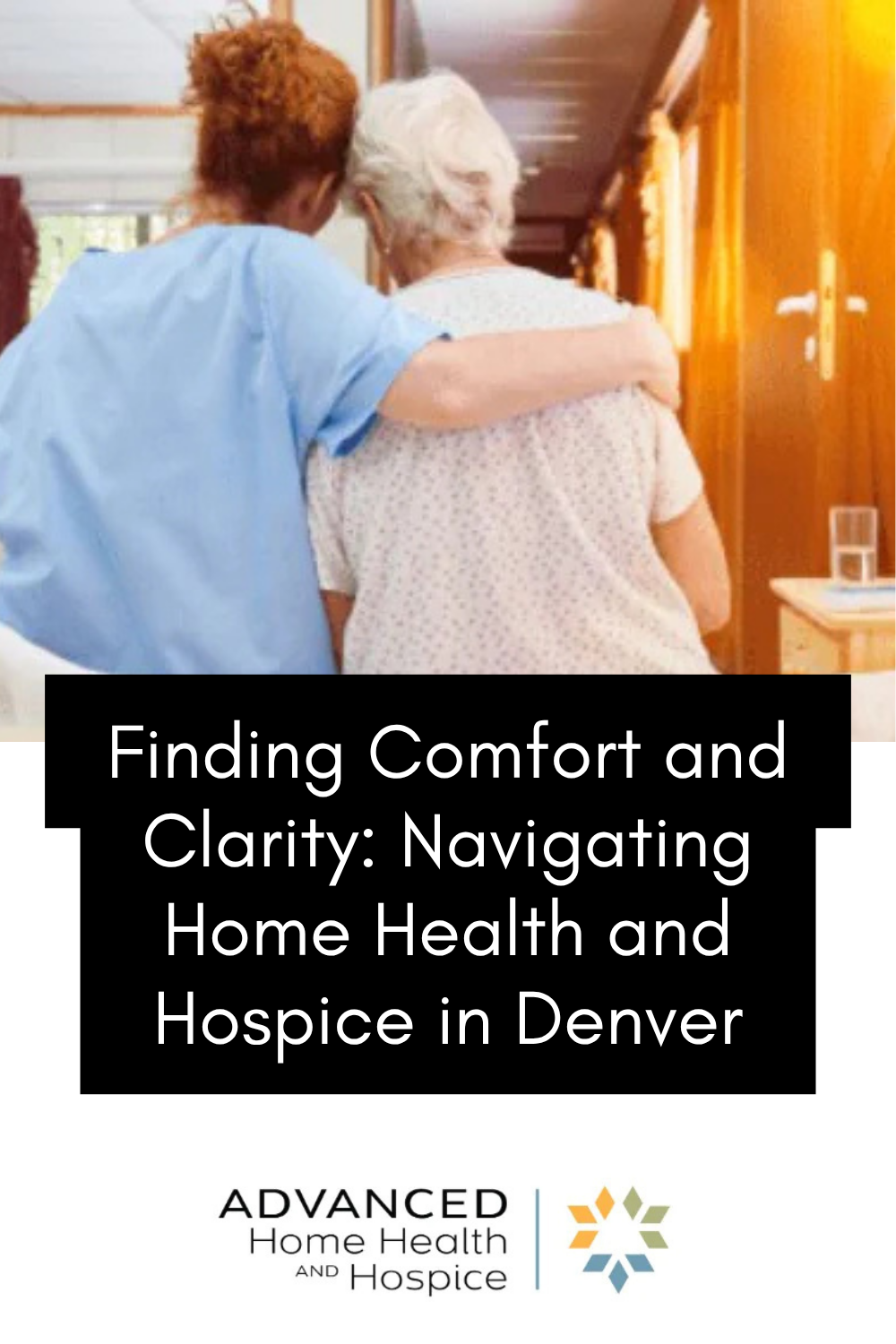
Finding Comfort and Clarity: Navigating Home Health and Hospice in Denver
Denver is a city of high-altitude adventure and stunning mountain vistas. For many long-time residents, especially our senior community, the idea of leaving this beautiful, familiar environmentthe neighborhoods of Capitol Hill, the green spaces of Washington Park, and the views from City Parkcan be daunting, especially when facing a serious illness. Fortunately, modern healthcare makes it possible for most seniors to receive high-quality medical and palliative care right where they belong: at home.When serious illness strikes, families in Denver often find themselves at a difficult crossroads: should they choose home health services focused on recovery, or hospice care focused on comfort? Understanding the key differences is the first step toward making a confident, informed decision. Advanced Home Health & Hospice of Colorado is a trusted local resource dedicated to guiding families through these complex choices, ensuring seamless, compassionate care across the entire Denver metro area.What is Home Health Care? The Road to RecoveryHome health care is a physician-ordered medical service delivered in a patient's residence. It is episodic, short-term, and goal-oriented, with the primary focus on rehabilitation and recovery.Who Needs Home Health?Imagine a senior in the Highlands neighborhood recovering from a hip replacement, or a resident of Cherry Creek managing new-onset diabetes. These are perfect scenarios for home health. It's for patients who:Are recovering from a surgery, illness, or injury.Require short-term skilled services like physical therapy, occupational therapy, or speech therapy.Need wound care, medication management, or injections administered by a registered nurse (RN).Are housebound, meaning leaving home requires a considerable and taxing effort.In Denver, home health services are invaluable for helping seniors transition safely from a major hospital like Denver Health or the University of Colorado Hospital back to the comfort and familiarity of their own living room. The goal is simple: get the patient back on their feet, self-managing their condition, and independent again.Understanding Hospice Care: Focusing on Quality of LifeHospice is a specialized type of care for individuals facing a life-limiting illness, typically with a prognosis of six months or less if the disease runs its expected course. Crucially, hospice shifts the focus of care from curative treatment to comfort and quality of life (palliative care). It is often provided in the patient's home and is supported by an interdisciplinary team.The Hospice TeamHospice is not a service; it's a philosophy delivered by a highly coordinated team of professionals:Registered Nurses (RNs): Manage pain and symptoms 24/7.Aides/Certified Nursing Assistants (CNAs): Assist with personal care (bathing, dressing, etc.).Social Workers: Provide emotional support, help with financial/legal planning, and connect families to resources.Chaplains/Spiritual Counselors: Offer non-denominational spiritual comfort.Volunteers: Provide companionship and respite for family caregivers.The Physician/Medical Director: Oversees the patient's plan of care.For Denver seniors who have decided to discontinue aggressive treatments, hospice ensures that their remaining time is spent with dignity, comfort, and peace, surrounded by family and their cherished memories in their own home.E-E-A-T: The Experts at Advanced Home Health & HospiceIn the complex landscape of healthcare, selecting a provider requires certainty. For local Denver families, Advanced Home Health & Hospice of Colorado provides assurance through its demonstrated Experience, Expertise, Authoritativeness, and Trustworthiness (E-E-A-T).Their team possesses extensive experience navigating the intricacies of Medicare and private insurance in Colorado, ensuring seamless access to care. They maintain a clinical staff with specialized certifications and a deep understanding of chronic conditions prevalent in the senior population, from COPD (common at our altitude) to heart disease. This expertise allows them to provide precise, patient-centered care plans. Furthermore, their long-standing presence and commitment to ethical practices in the Denver community underscore their authoritativeness and trustworthiness as a leading local provider.The Compassionate Difference: Advice for Denver FamiliesChoosing between home health and hospice can be emotionally draining. It requires open communication among family members and with medical providers.Bissy Shuck, representing Advanced Home Health & Hospice of Colorado, offers this vital perspective for families navigating this decision:"The most crucial step a family can take is to ask questions, no matter how small they seem. People often hesitate to ask about hospice, thinking it means giving up. It absolutely doesn't. It means shifting focus to maximizing the quality of the time remaining. We are here to educate and support those decisions, ensuring every senior in Denver receives the right care at the right time, whether thats focused on recovery or comfort."This insight speaks to the core of their mission: providing clarity and dignity in care.Local Focus: Home Care in the Mile High CityDenver's unique lifestyle and senior demographics influence how home care is delivered.Altitude and Respiratory Care: The higher altitude of the Denver area means that respiratory illnesses like COPD and congestive heart failure often require more vigilant and specialized skilled nursing care, a service home health expertly provides.Community Support: Denver is known for its active, engaged senior community, from classes at the Denver Botanic Gardens to social groups in the Baker neighborhood. Home care aims to keep seniors connected to this active lifestyle for as long as possible.Navigating Traffic: For family caregivers commuting in Denver's challenging traffic, having skilled professionals come directly to the home in areas like Aurora, Lakewood, or Highlands Ranch is a significant relief, preventing missed appointments and reducing stress.Home health and hospice providers become familiar sights in these neighborhoods, bringing essential medical services right up to the doorstep.Frequently Asked Questions (FAQs) for Denver SeniorsQ: Does Medicare cover home health and hospice in Colorado? A: Yes. Medicare Part A covers 100% of the costs for covered home health care services for eligible beneficiaries. Medicare also covers 100% of hospice care, including services, supplies, and medications related to the terminal illness.Q: How quickly can services begin once they are ordered by a doctor? A: Services usually begin very quickly. Once the necessary paperwork is received, Advanced Home Health & Hospice of Colorado works swiftly, often initiating care within 24 to 48 hours, especially for patients transitioning directly from a Denver-area hospital.Q: Can a patient receive home health and hospice care simultaneously? A: Generally, no. Home health is for recovery and hospice is for comfort. When a patient enrolls in the Medicare hospice benefit, they waive their right to Medicare-covered services for the curative treatment of their terminal illness. They must choose one or the other, based on their care goals.Your Next Step Toward Peace of MindMaking decisions about home health or hospice care is one of the most important choices a family will face. It demands a partnership with a provider that is experienced, local, and deeply compassionate. Advanced Home Health & Hospice of Colorado is dedicated to serving the Denver community with clinical excellence and heart.Ready to find clarity on your loved ones care needs? Visit their dedicated profile on Seniors Blue Book to learn more about their services, read testimonials from other Denver families, and contact their team directly to schedule a no-obligation consultation.More information can be found on their Seniors Blue Book Listing
Nov 18, 2025
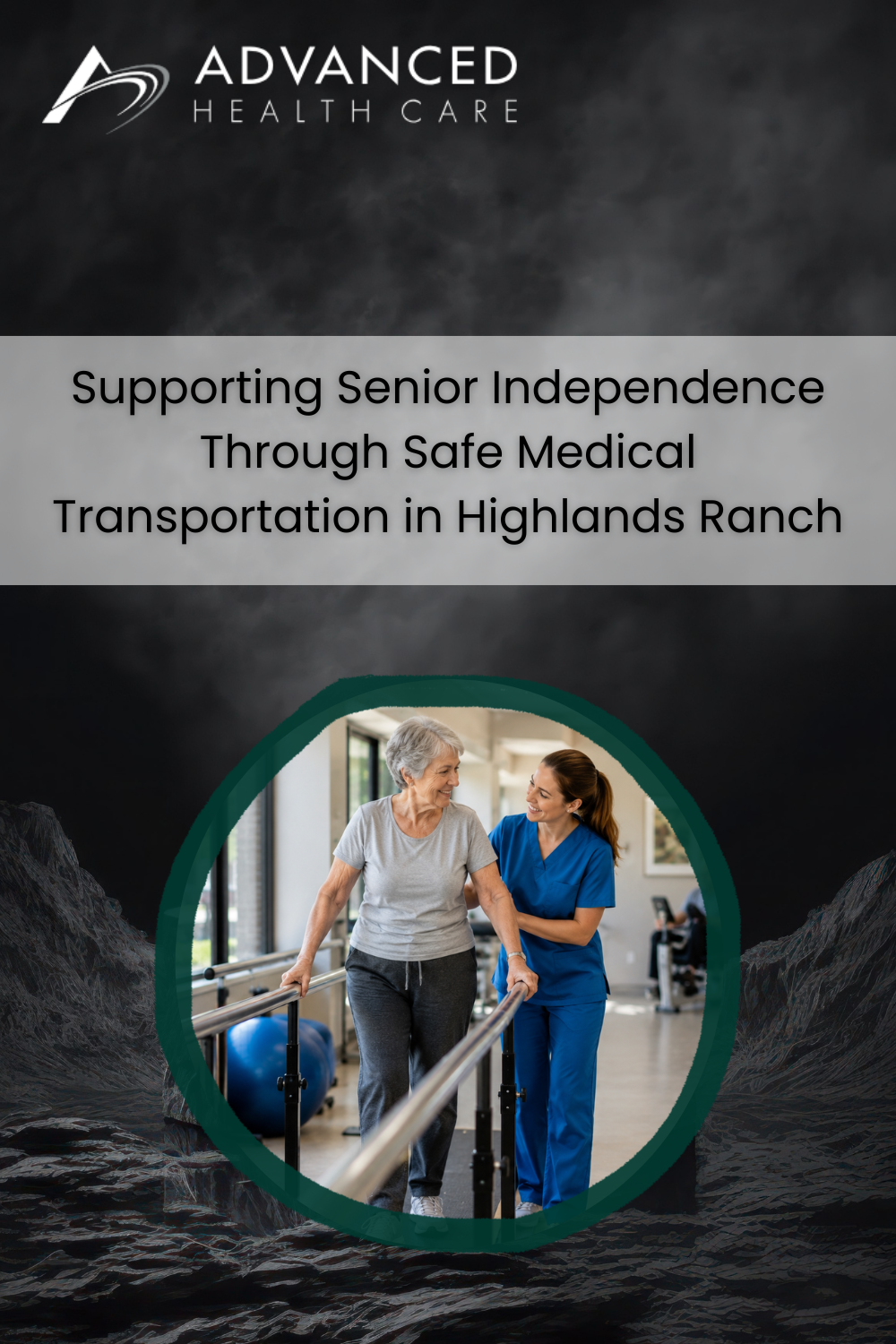
Why Short-Term Rehabilitation Can Transform Recovery for Seniors
Why Short-Term Rehabilitation Can Transform Recovery for SeniorsRecovering after surgery, illness, injury, or hospitalization can be one of the most challenging phases of a seniors healthcare journey. Families often assume that once a hospital stay ends, the hardest part is over. In reality, recovery is often just beginning.For seniors in Aurora, the transition from hospital to home requires careful planning, skilled support, and access to high-quality rehabilitation services. Without the right care during recovery, seniors face increased risks of setbacks, readmissions, and slower healing.Thats why skilled nursing facilities like Advanced Health Care of Aurora play such an essential role in post-acute recovery.Understanding Skilled Nursing CareSkilled nursing care provides short-term medical and rehabilitative support for patients recovering from health events that require more care than can safely be managed at home.This level of care typically includes: 24/7 nursing supervision Physical therapy Occupational therapy Speech therapy Medication management Wound care Pain management Post-surgical monitoring Unlike assisted living or home care, skilled nursing focuses heavily on clinical recovery.The goal is simple: help patients heal safely and regain independence.Who Benefits from Skilled Nursing?Skilled nursing is often ideal for seniors recovering from: Joint replacement surgery Stroke Cardiac procedures Falls or fractures Major illness Hospital stays requiring rehabilitation Recovery needs vary widely, but one thing remains consistent: quality care matters.Families often underestimate how much support recovery requires.Even simple daily tasks like walking, dressing, bathing, or getting out of bed may suddenly become difficult.Thats where rehabilitation-focused care makes a major difference.Why Recovery Support MattersRecovery is not only about rest.It requires structure, monitoring, and consistent therapy.Without proper support, seniors may experience: Reduced mobility Increased fall risk Slower healing Medication errors Hospital readmission A skilled nursing environment reduces these risks significantly.By combining medical oversight with therapy services, patients can rebuild strength more effectively.Advanced Health Care of Auroras Approach to RecoveryAdvanced Health Care of Aurora serves patients and families in Aurora with skilled nursing and rehabilitation services designed to support recovery after hospitalization or illness.Their care model focuses on helping patients recover safely while working toward functional independence.That means addressing both medical needs and rehabilitation goals.This comprehensive approach helps patients transition successfully from hospital care to daily life.Rehabilitation Is About Restoring ConfidenceRecovery isnt only physical.Many seniors lose confidence after surgery or hospitalization.Simple fears can emerge: Fear of falling Fear of re-injury Fear of losing independence Anxiety about returning home Therapy helps rebuild confidence step by step.Small milestones often become major victories: Walking independently Climbing stairs Regaining balance Managing daily routines These improvements can dramatically improve quality of life.Aurora: A Growing Healthcare Hub for SeniorsAurora has become one of Colorados leading healthcare communities.Its proximity to major hospitals, specialty providers, and rehabilitation services makes it an important destination for senior care.Families in Aurora benefit from access to high-quality healthcare resources close to home.This matters especially for seniors recovering from complex medical events.Having skilled nursing care nearby reduces stress during recovery.The Importance of Personalized Care PlansNo two recoveries are the same.A senior recovering from hip surgery has very different needs than someone recovering from stroke rehabilitation.Thats why personalized care plans are critical.Strong skilled nursing facilities evaluate: Medical history Functional ability Mobility limitations Therapy goals Discharge planning needs Personalized treatment supports stronger outcomes.Family Support Matters TooRecovery affects the entire family.Loved ones often worry about: Progress Safety Pain management Discharge readiness Skilled nursing helps reduce uncertainty by providing professional support during this important stage.Families gain reassurance knowing recovery is being monitored closely.Cassidy Himes shares: "Recovery is about more than healing physicallyits about helping patients regain confidence, independence, and strength so they can move forward safely."That philosophy reflects what successful rehabilitation truly looks like.Final ThoughtsRecovery after hospitalization can feel overwhelming for seniors and families.The right support makes all the difference.Skilled nursing and rehabilitation provide the structure, therapy, and medical oversight needed for safer, stronger recovery.For families in Aurora, Advanced Health Care of Aurora offers skilled care focused on helping patients heal, regain strength, and return to daily life with confidence.Visit Their Seniors Blue Book Listing TodayLooking for skilled nursing or rehabilitation support in Aurora? Visit Advanced Health Care of Auroras Seniors Blue Book listing to learn more.FAQsWhat is skilled nursing care? Skilled nursing provides short-term medical and rehabilitation support after illness, injury, or surgery.Who needs skilled nursing? Seniors recovering from hospitalization, surgery, stroke, or injury often benefit.How long do patients stay in skilled nursing? Length of stay varies based on recovery goals and medical needs. Does skilled nursing include therapy? Yes, physical, occupational, and speech therapy are common services.
Jun 29, 2026
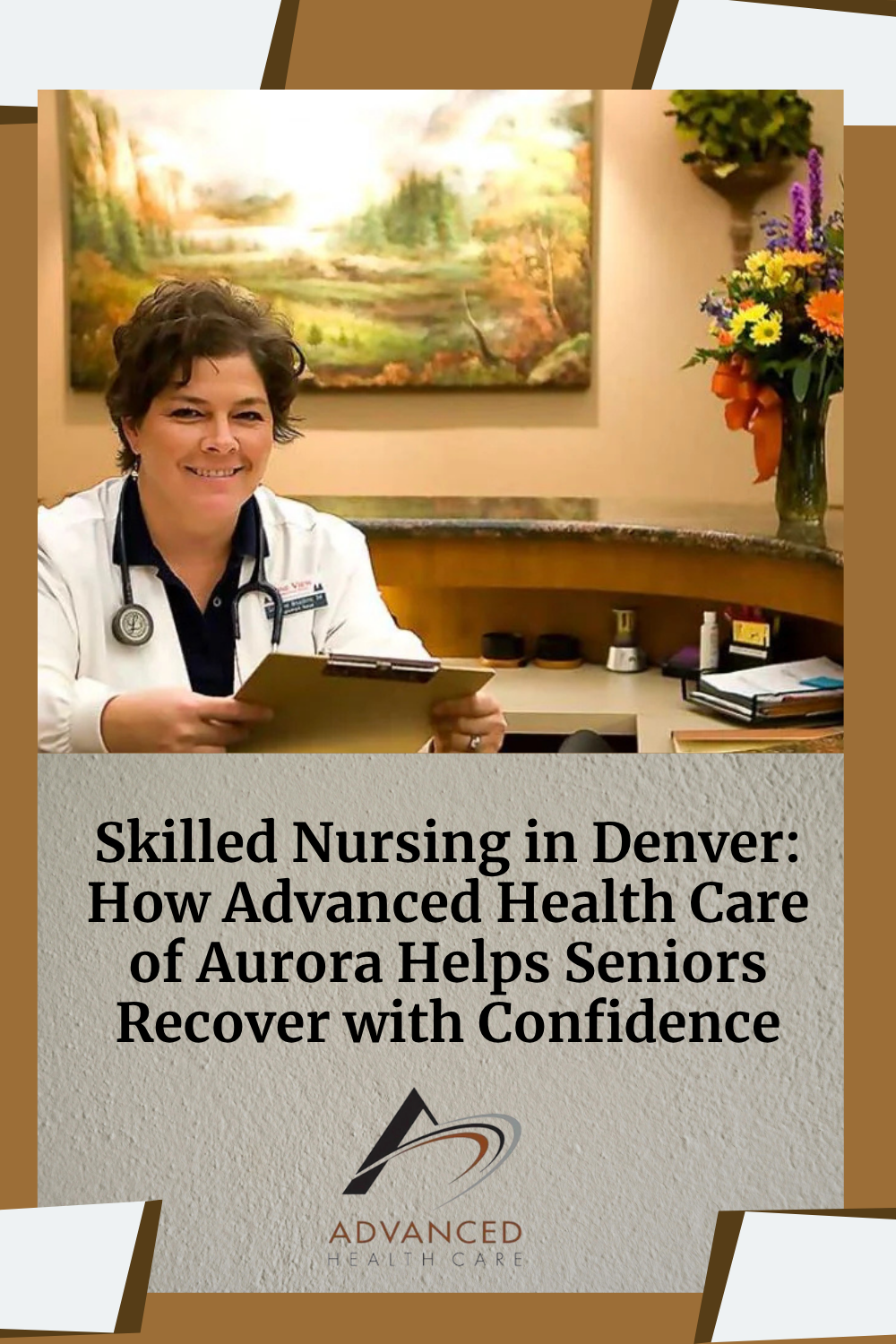
Skilled Nursing in Denver: How Advanced Health Care of Aurora Helps Seniors Recover with Confidence
When a loved one experiences a major illness, surgery, or hospital stay, families are often left with one pressing concern: What comes next? For many seniors in the Denver metro area, the recovery journey requires more than temporary support it requires skilled clinical care, hands-on rehabilitation, and a comfortable environment where healing can truly begin. Thats exactly what Advanced Health Care of Aurora provides.Located conveniently in the heart of the AuroraDenver area, Advanced Health Care of Aurora specializes in Skilled Nursing and short-term rehabilitation services designed to help seniors rebuild strength, restore independence, and return home safely.Denvers Aging Population and the Rising Need for Skilled NursingDenvers senior population continues to increase steadily. According to the Colorado State Demography Office, older adults age 60+ now represent nearly 16% of the regions total population, and this number continues to grow as more retirees relocate to Colorado for its quality of life and access to top-tier healthcare.With this demographic shift, the demand for Skilled Nursing facilities that offer high-quality clinical care, rehabilitation therapies, and specialized recovery support has grown significantly.Families often turn to Skilled Nursing when their loved ones need: Post-hospital rehabilitation Infusion therapy Wound care Pain management Strength and mobility recovery IV therapy Respiratory support 24-hour nursing supervision Advanced Health Care of Aurora meets these needs with a highly trained clinical team and an environment built for comfort and healing.What Is Skilled Nursing Care?Skilled Nursing goes beyond traditional senior care. It involves medical professionals such as registered nurses, physical therapists, occupational therapists, speech therapists, and licensed clinicians providing care that meets medical, treatment, and rehabilitation needs.Skilled nursing care is ideal for seniors recovering from: Surgery (hip replacement, knee replacement, cardiac procedures) Stroke Heart failure Pneumonia or other serious illness Injuries or mobility challenges Diabetes-related complications Chronic condition flare-ups The goal is simple: faster recovery and a safe return home.Advanced Health Care of Aurora: A Clinical and Comfort-Centered ApproachWhat makes Advanced Health Care of Aurora stand out is its commitment to combining high-level medical care with a comfortable, hotel-like experience that helps seniors focus on healing.Features that families love:1. 24/7 Skilled Nursing TeamAround-the-clock registered nurses and licensed clinicians ensure each resident receives continuous monitoring, medication management, and specialized medical care.2. Individualized Recovery ProgramsNo two recovery journeys are the same. Care plans are customized based on diagnosis, mobility level, goals, and physician recommendations.3. Rehabilitation OnsiteComprehensive therapy services include: Physical therapy Occupational therapy Speech therapy Balance and mobility training Strength-building exercises 4. Private Suites for ComfortResidents enjoy private suites, many equipped with: Individual climate control Flat-screen TVs Personal bathrooms Comfortable furnishings The peaceful environment supports rest, which is a crucial factor in healing.A Holistic, Person-First Care ModelSkilled Nursing care is most effective when it treats the whole person not just the condition. Advanced Health Care of Aurora embraces a holistic, person-centered approach.This includes: Emotional support Routine check-ins Engagement in meaningful activities Social interaction Safe mobility assistance Nutritionally balanced meals The goal is to help every resident feel safe, respected, and empowered during recovery.Local Expertise for Denver-Area FamiliesDenver and Aurora families face a unique set of challenges when it comes to senior care: Busy, urban schedules Limited immediate family support Increasing healthcare needs Geographic separation from aging loved ones Advanced Health Care of Aurora understands these realities. Their team collaborates closely with hospitals, physicians, case managers, and family caregivers throughout the Denver metro area to ensure seamless care transitions.Callout Quote from the Team Recovery is never just physical its emotional, mental, and deeply personal. Our goal is to be a partner in every step of that journey. Cassidy Himes, Advanced Health Care of Aurora Team Why Skilled Nursing Care Is a Smart Choice After HospitalizationHospital stays today are shorter than ever, which means seniors are often discharged before they feel fully ready. Skilled Nursing provides the clinical supervision and therapeutic support needed to regain independence safely.Skilled Nursing helps with: Preventing falls Managing pain Monitoring vitals Supporting chronic conditions Reducing risk of readmission Rebuilding strength Restoring mobility With focused therapy and continuous clinical oversight, seniors avoid complications and regain confidence.A Team Dedicated to Quality and SafetyThe team at Advanced Health Care of Aurora is committed to maintaining exceptional standards of care. Their licensing, training, and clinical expertise ensure that residents receive top-tier Skilled Nursing services backed by compassion, professionalism, and accountability.Families value: Regular progress updates Transparent communication Specialized wound care Access to therapy multiple times a day Onsite medical resources Safety is always the foundation of their care model.Frequently Asked Questions (FAQ)1. What makes Skilled Nursing different from assisted living?Skilled Nursing includes clinical care provided by licensed professionals such as RNs and therapists. Assisted living generally focuses on help with daily activities, not medical treatment.2. Who typically needs Skilled Nursing services?Seniors recovering from surgery, illness, injury, or hospitalization often require Skilled Nursing. It is also beneficial for those who need wound care, IV therapy, or specialized rehabilitation.3. How long do residents typically stay in Skilled Nursing?Stays vary based on medical progress. Some seniors stay for a few weeks of intensive rehab, while others may stay longer if their recovery needs are more complex.4. What rehabilitation services are offered?Advanced Health Care of Aurora provides physical therapy, occupational therapy, speech therapy, and mobility/supportive therapies to help seniors regain independence.5. Does insurance cover Skilled Nursing care?Many insurance plans, Medicare, and supplemental policies may cover Skilled Nursing following a qualifying hospital stay. Coverage depends on the individuals plan and medical needs.Connect with Advanced Health Care of Aurora TodayChoosing the right Skilled Nursing facility can make all the difference in your loved ones recovery journey. With its welcoming environment, advanced clinical services, and deeply compassionate team, Advanced Health Care of Aurora offers the support seniors and families need during a vulnerable time.To learn more, explore services, or arrange a consultation, visit their Seniors Blue Book listing. Let Advanced Health Care of Aurora help your loved one recover with confidence, comfort, and exceptional skilled nursing care.
Nov 11, 2025
The Emotional Benefits of Quality Rehab for Seniors Recovering from Surgery
Recovering from surgery can be a daunting journey, especially for seniors who face unique physical and emotional challenges. Quality rehabilitation programs do more than restore mobility and strengththey offer profound emotional benefits that support seniors mental well-being and foster a positive recovery experience. Understanding these emotional advantages can help families feel reassured and confident in choosing the right rehab setting for their loved ones.Why Emotional Well-Being Matters in Senior RehabSeniors recovering from surgery often face fears such as loss of independence, decreased mobility, and uncertainty about their future. Emotional health is tightly linked to physical recovery; stress, anxiety, or depression can slow healing and diminish motivation. Quality rehab programs address these emotional needs alongside physical therapy, creating a holistic path to recovery.Key Emotional Benefits of Quality Senior Rehab1. Reduced Anxiety and Stress Through Professional SupportA structured rehab environment provides constant access to skilled healthcare professionals who monitor progress and promptly address concerns. This reassurance reduces anxiety, as seniors and their families know help is immediately available, easing fears about complications or setbacks. Continuous monitoring lessens stress about health uncertainties Encouragement from staff creates a safe, comforting atmosphere2. Increased Confidence and MotivationTherapists set achievable, personalized goals, celebrating small victories that boost morale. Mastering daily tasks through therapylike walking, dressing, or cookingbuilds seniors confidence to regain independence. This positive reinforcement motivates seniors to actively participate in their recovery. Goal-oriented therapies foster a sense of accomplishment Progress milestones increase self-esteem and resilience3. Social Connection to Combat Loneliness and IsolationMany seniors face social isolation during recovery, which can lead to depression. Rehab centers offer opportunities to connect with peers through group activities and shared therapy sessions, creating a supportive community. This social interaction enhances emotional health and provides a sense of belonging. Group therapies and recreational activities encourage socialization Peer support helps reduce feelings of loneliness4. Structured Routine for Mental Stability and ComfortRehab programs follow consistent daily schedules including therapy, meals, and rest. This predictability creates a calming routine that helps seniors focus on recovery without the confusion or unpredictability they might experience at home. A regular schedule enhances mental clarity and reduces stress. Predictable routines foster security and comfort Helps establish healthy habits benefiting both mind and body5. Emotional Encouragement from Compassionate CaregiversThe empathetic care offered by rehab staff provides emotional support essential for healing. Knowing someone understands their fears and struggles helps seniors navigate the emotional rollercoaster of recovery. This compassionate environment encourages openness and emotional expression. Emotional support reduces feelings of frustration or loneliness Caregiver-patient relationships build trust and hopeHolistic Care Eases Family ConcernsFamilies often worry about the emotional toll recovery takes on their loved ones. Quality rehab programs recognize this by involving families in care plans, offering transparency about progress, and providing education on emotional indicators to watch for. This partnership helps families feel more involved and less anxious. Family communication strengthens support networks Education empowers families to contribute positively to emotional healingFinal Thoughts: Choosing Rehab for Both Body and MindQuality rehab for seniors recovering from surgery is about more than physical healingit's an emotional lifeline that restores hope, confidence, and connection. When seniors receive care that values their mental well-being alongside their physical recovery, the entire healing process becomes more effective and fulfilling.If you are exploring rehab options for a loved one, consider facilities that emphasize compassionate, holistic care to support both physical and emotional recovery.Ready to learn more about quality rehabilitation for seniors in Aurora? Contact Advanced Health Care of Aurora today to schedule a visit, take a tour, or get additional information: (720) 213-1700. Let us help your family navigate the recovery journey with confidence, compassion, and expertise.
Jul 29, 2025
How Advanced Home Health & Hospice Ensures Seamless Transition From Hospital to Home
Making the transition from hospital care to home can be a critical and sometimes challenging step for patients and their families. Advanced Home Health & Hospice of Colorado understands the complexities involved and specializes in creating smooth, safe, and supportive transitions that promote healing and reduce the risk of rehospitalization. This article explores how their comprehensive, patient-centered approach ensures continuity of care, peace of mind, and optimal recovery in the comfort of home.Understanding the Importance of a Seamless Hospital to Home TransitionTransitioning from hospital to home is more than just leaving a facilityits a coordinated process that involves careful planning, communication, and personalized care. Research shows that nearly one in five Medicare patients is readmitted to the hospital within 30 days of discharge, often due to gaps in care or mismanaged medications. Effective transitional care lowers these risks by closely monitoring patient needs during this vulnerable period and providing targeted support.Personalized Care Planning Starts Before DischargeAdvanced Home Health & Hospice begins the transition process while the patient is still in the hospital. Care coordinators work hand-in-hand with hospital staff, physicians, and the patients family to: Develop a detailed, individualized care plan tailored to the patient's medical condition, therapy needs, and home environment. Review discharge instructions and medication regimens to ensure understanding and compliance. Arrange for necessary medical equipment, home modifications, and support services before the patient arrives home.This early involvement allows for a smooth handoff and timely deployment of home care services on discharge day.Skilled Nursing and Therapy Services In-HomeOnce home, patients receive expert clinical care that mirrors hospital-level attention but in a more comfortable setting. Services include: Skilled nursing for medication management, wound care, vital sign monitoring, and other specialized medical needs. Physical, occupational, and speech therapy tailored to restore function, mobility, and independence. Regular assessments and communication with the patients primary physician to quickly address any changes in condition.This comprehensive clinical support helps prevent complications and rehospitalizations, promoting faster recovery.Medication Management and Patient EducationMedication errors and confusion are leading causes of readmissions. Advanced Home Health & Hospice provides: Careful medication reconciliation to confirm accurate prescriptions. Help with medication administration and adherence. Patient and family education about medication purposes, potential side effects, and warning signs requiring medical attention.This focus on medication safety keeps patients on track and reduces avoidable risks.Support for Daily Living and Emotional WellbeingIn addition to clinical care, the agency offers assistance with daily activities that may be difficult during recovery, such as meal preparation, bathing, and transportation to appointments. Emotional support is also prioritized through compassionate caregiving, family communication, and connection to counseling resources if needed. This holistic approach uplifts both patients and families.Ongoing Communication and Family InvolvementKeeping families informed and involved is key to a successful transition. Advanced Home Health & Hospice staff: Maintain open lines of communication via phone calls and visits. Provide updates on the patients progress and any changes in care needs. Encourage family participation in care planning and decision-making.This transparency reduces anxiety, builds trust, and empowers families to be active partners in recovery.Why Choose Advanced Home Health & Hospice for Your Transition Care? Proven expertise in coordinating complex hospital discharges in Colorado. Multidisciplinary approach ensuring clinical excellence and personalized support. Focus on reducing hospital readmissions and enhancing quality of life. Compassionate staff dedicated to humanizing the care experience. Tailored services designed with both patient and family needs in mind.Take the Next Step: Contact Advanced Home Health & HospiceIf you or a loved one is preparing for a hospital discharge and looking for trusted, professional home care in Colorado, call Advanced Home Health & Hospice today. Schedule a visit, take a tour, or get more information to ensure your transition from hospital to home is smooth, safe, and supportive. Call now at (720) 213-1773 Experience the peace of mind that comes with expert transitional care designed around you.
Jul 29, 2025
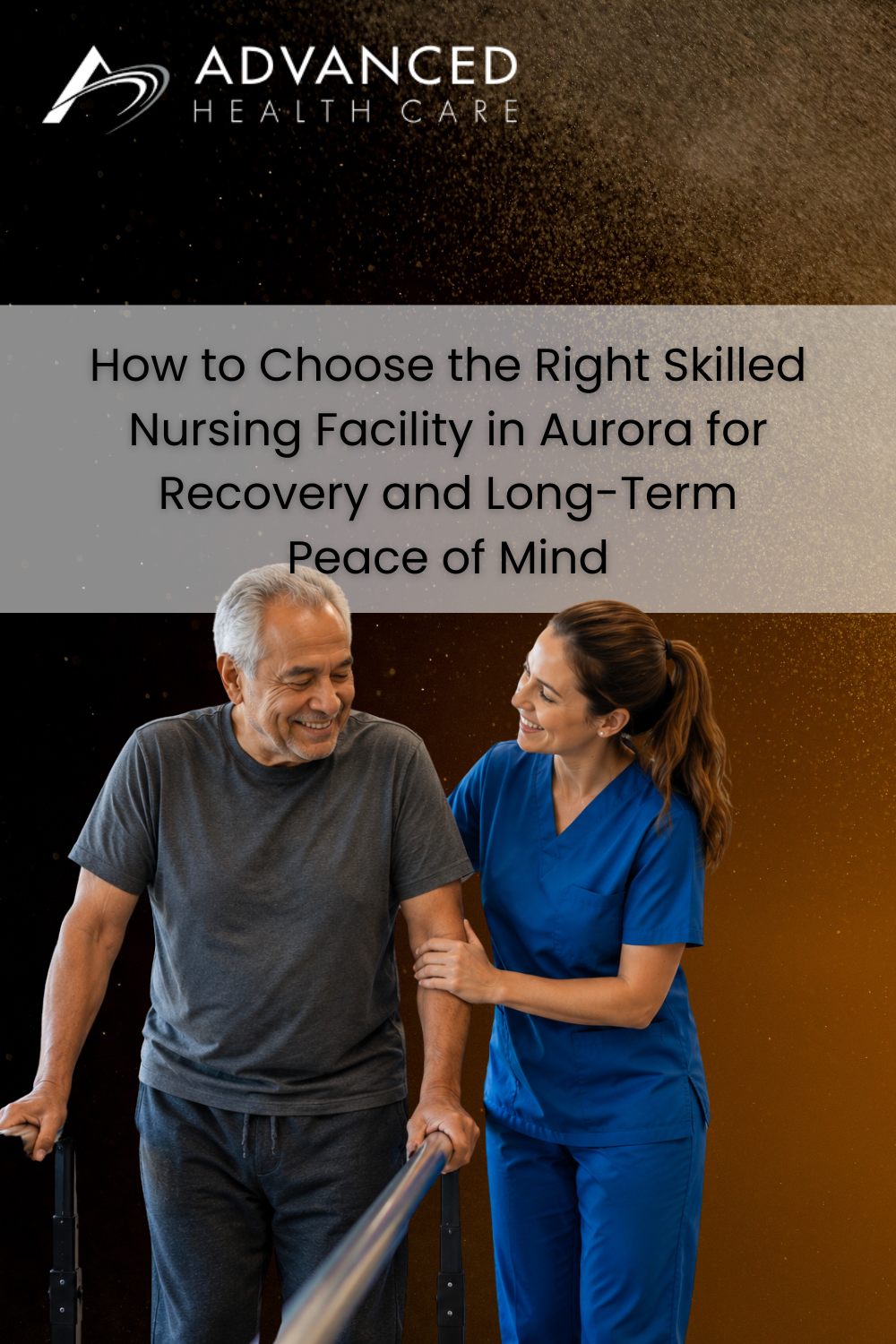
How to Choose the Right Skilled Nursing Facility in Aurora for Recover
How to Choose the Right Skilled Nursing Facility in Aurora for Recovery and Long-Term Peace of MindChoosing a skilled nursing facility for a loved one is never easy.For many families, the decision comes during an emotionally stressful timeoften after a hospitalization, surgery, fall, or sudden health event. Families may feel pressure to make quick decisions while trying to understand complex medical needs and care options.Questions start coming fast.Will Mom recover safely? Does Dad need rehabilitation? Can they return home soon? What kind of medical support is necessary?These decisions can feel overwhelming.For families in Aurora, having access to trusted skilled nursing care can make a significant difference during these transitions. Facilities like Advanced Health Care of Aurora provide essential medical care, rehabilitation, and support for seniors who need a higher level of care after hospitalization or illness.Understanding what skilled nursing offers can help families make more confident decisions.What Is Skilled Nursing?Skilled nursing refers to professional medical care provided in a licensed healthcare facility for individuals who need ongoing nursing support and rehabilitation services.This level of care is designed for patients who require more medical attention than can be safely provided at home or in assisted living.Skilled nursing services often include: 24-hour nursing care Medication management Wound care Pain management Post-surgical recovery support Physical therapy Occupational therapy Speech therapy Clinical monitoring The primary goal is to support recovery, improve function, and help patients regain as much independence as possible.When Is Skilled Nursing Needed?Many families are unsure when skilled nursing becomes necessary.Typically, skilled nursing is recommended after significant medical events or when a patient requires specialized care during recovery.Common situations include:Recovery After SurgeryProcedures such as hip replacement, knee replacement, spinal surgery, or cardiac surgery often require short-term rehabilitation.Stroke RecoveryStroke patients frequently need ongoing therapy and clinical monitoring.Serious Illness or HospitalizationAfter pneumonia, infections, or major illness, patients may need additional care before returning home.Injury RecoveryFalls and fractures can significantly impact mobility and safety.Chronic Condition ManagementComplex medical conditions may require close supervision.In all of these situations, skilled nursing helps bridge the gap between hospital care and returning home.Why Choosing the Right Facility MattersNot all skilled nursing facilities offer the same level of care.The right environment can significantly impact recovery outcomes, comfort, and long-term health.Families should look beyond location alone.Quality of care matters most.The best skilled nursing facilities combine strong clinical support with personalized rehabilitation and compassionate care.This creates a more effective healing environment.Key Factors to Consider When Choosing a Skilled Nursing FacilityWhen evaluating skilled nursing providers, families should focus on several important factors.Quality of Medical CareAsk about: Nursing availability Medical oversight Staff training Patient safety protocols Clinical excellence should always be a priority.Rehabilitation ServicesRecovery often depends heavily on therapy.Look for facilities that offer access to: Physical therapy Occupational therapy Speech therapy Strong rehab programs can significantly improve outcomes.Personalized Care PlanningEvery patient has unique needs.A strong facility creates individualized care plans based on: Medical history Recovery goals Mobility needs Functional limitations Personalized care leads to better results.Communication with FamiliesFamilies need transparency.Clear communication regarding progress, goals, and care plans helps reduce uncertainty and stress.Facility EnvironmentHealing environments matter.Comfortable, supportive surroundings can positively affect both physical and emotional recovery.The Role of Rehabilitation in RecoveryMany people assume skilled nursing focuses only on medical monitoring.In reality, rehabilitation is often a major component.Therapy helps patients regain essential skills and independence.This may include: Walking safely Improving balance Strengthening muscles Relearning daily activities Improving speech or swallowing Rehabilitation focuses on restoring function.Progress often happens through small but meaningful milestones.Standing without assistance. Walking independently. Climbing stairs. Managing personal care.These victories can dramatically improve confidence and quality of life.Advanced Health Care of Auroras Patient-Focused ApproachAdvanced Health Care of Aurora provides skilled nursing and rehabilitation services designed to support patients through critical recovery periods.Their approach focuses on delivering quality clinical care while helping patients improve strength, function, and independence.This combination of medical support and rehabilitation creates a strong foundation for recovery.Families benefit from knowing their loved one is receiving structured care tailored to individual needs.This level of support is especially important during vulnerable transitions.Emotional Recovery Matters TooHealing is about more than physical recovery.Many seniors experience emotional challenges during rehabilitation, including: Fear Anxiety Frustration Depression Loss of confidence The right skilled nursing environment addresses these emotional challenges as well.Encouragement, compassionate care, and consistent support all contribute to better outcomes.Recovery improves when patients feel motivated and supported.Cassidy Himes shares: The recovery journey looks different for every patient. Our goal is to provide compassionate, high-quality care that helps each individual regain strength, confidence, and independence.That patient-centered philosophy makes a meaningful difference.Aurora Is a Strong Community for Senior HealthcareAurora continues to be one of Colorados leading healthcare hubs.Its growing senior population benefits from access to: Major hospitals Specialists Rehabilitation providers Senior care resources Families in Aurora value having trusted healthcare options close to home.This local access becomes especially important during recovery after hospitalization or major medical events.Planning Ahead Reduces StressOne of the best things families can do is learn about skilled nursing options before a crisis occurs.Planning ahead allows families to: Research providers Compare services Ask better questions Make informed decisions Preparation leads to greater confidence when care needs arise.It also reduces stress during urgent healthcare transitions.Final ThoughtsChoosing a skilled nursing facility is one of the most important healthcare decisions a family can make.The right facility provides more than medical careit provides guidance, reassurance, and a clear path toward recovery.For families in Aurora, Advanced Health Care of Aurora offers skilled nursing and rehabilitation services designed to help patients recover safely, regain strength, and move forward with confidence.When recovery matters most, quality care makes all the difference.Visit Their Seniors Blue Book Listing TodayLooking for trusted skilled nursing or rehabilitation services in Aurora? Visit Advanced Health Care of Auroras Seniors Blue Book listing to learn more about their care options.FAQsWhat is a skilled nursing facility?A skilled nursing facility provides licensed medical care and rehabilitation for patients recovering from illness, surgery, or injury.How long do patients stay in skilled nursing?Length of stay depends on medical needs, recovery goals, and therapy progress.Does skilled nursing include therapy?Yes. Most facilities provide physical, occupational, and speech therapy.Is skilled nursing different from assisted living?Yes. Skilled nursing provides clinical medical care, while assisted living focuses on daily living assistance.When should families consider skilled nursing? After hospitalization, surgery, injury, or when medical care needs become too complex for home care.
Jun 29, 2026
Rebuilding Strength and Confidence After a Hospital Stay in Aurora
Rebuilding Strength and Confidence After a Hospital Stay in AuroraWhen an older adult leaves the hospital, the next few weeks can shape the course of their long-term health. Families in Aurora often find themselves navigating difficult decisions after surgery, illness, injury, or a serious medical event. Questions about rehabilitation, recovery timelines, mobility, and ongoing nursing support quickly become overwhelming.For many Colorado families, skilled nursing care becomes the bridge between hospitalization and returning home safely. In a growing city like Aurorawhere active retirees enjoy everything from the Plains Conservation Center to the trails near Cherry Creek State Parkmaintaining independence matters deeply.That is where skilled nursing communities like Advanced Health Care of Aurora play an important role.Located in one of the Denver metro areas fastest-growing communities, Advanced Health Care of Aurora focuses on short-term rehabilitation and high-quality nursing support designed to help seniors recover with dignity, structure, and encouragement.Why Transitional Care Matters More Than EverHospital stays are shorter today than they were even a decade ago. While this helps reduce medical costs and hospital overcrowding, it also means many seniors leave the hospital before they are fully ready to manage daily life independently.A person recovering from: Joint replacement surgery Stroke Cardiac procedures Pneumonia Falls or fractures Extended illness may still need professional medical oversight, therapy services, and assistance with mobility.Without the right recovery environment, setbacks can happen quickly. Medication mistakes, dehydration, limited movement, or missed therapy sessions often lead to avoidable hospital readmissions.Skilled nursing communities are designed to reduce those risks while helping seniors regain confidence.Auroras Growing Senior Population Needs Specialized Recovery OptionsAurora has become a desirable location for retirees because of its balance between suburban comfort and city accessibility. Seniors appreciate nearby medical campuses such as the Anschutz Medical Campus, the abundance of parks, and access to cultural attractions throughout the Denver region.As the population ages, the need for post-acute rehabilitation continues to rise.Families are increasingly seeking care environments that provide: Licensed nursing support Rehabilitation therapies Coordinated physician communication Nutrition management Fall prevention Emotional encouragement Structured recovery plans Advanced Health Care of Aurora helps fill this need by offering individualized care plans tailored to each residents recovery goals.Rehabilitation Is About More Than Physical HealingRecovery is rarely only physical.After hospitalization, many older adults experience fear, frustration, anxiety, or discouragement. Losing independenceeven temporarilycan affect emotional wellbeing as much as physical health.An effective skilled nursing environment recognizes both sides of recovery.At Advanced Health Care of Aurora, therapy programs often focus on helping residents regain everyday abilities such as: Getting in and out of bed safely Walking independently Climbing stairs Bathing and dressing Preparing for a safe return home Equally important is helping seniors feel hopeful during the process.Cassidy Himes of Advanced Health Care of Aurora explains: Families want reassurance that their loved one is not just receiving medical attention, but also encouragement and compassionate support throughout recovery. Healing happens best when people feel seen, motivated, and cared for. That human-centered approach can make an enormous difference during rehabilitation.The Importance of Therapy After Surgery or IllnessMany people underestimate how quickly physical strength declines after hospitalization.Research consistently shows that even a short hospital stay can lead to muscle loss, balance problems, and reduced endurance in older adults. Physical therapy and occupational therapy help reverse those changes safely.Physical Therapy GoalsPhysical therapy often focuses on: Improving strength Restoring balance Increasing mobility Preventing falls Building endurance For seniors recovering from hip or knee replacements, therapy may help them return to walking routines or recreational activities they enjoy around Auroras many outdoor spaces.Occupational Therapy GoalsOccupational therapy emphasizes practical daily activities such as: Grooming Dressing Bathroom safety Kitchen mobility Home navigation These skills are essential for maintaining independence after discharge.Speech Therapy SupportSome seniors also require speech therapy after strokes, neurological conditions, or swallowing difficulties. Skilled nursing teams coordinate these services to ensure recovery remains comprehensive.Family Involvement Makes Recovery StrongerOne of the most valuable parts of successful rehabilitation is communication with families.Loved ones often feel anxious after a hospitalization. They want updates, guidance, and clarity about what happens next.Strong skilled nursing providers understand the importance of involving family members throughout the care process.This may include: Therapy progress discussions Discharge planning meetings Home safety recommendations Medication education Care coordination updates Families in Aurora frequently juggle work schedules, caregiving responsibilities, and long commutes across the metro area. Having a reliable recovery partner can ease emotional stress significantly.What to Look for in a Skilled Nursing CommunityChoosing post-hospital care is a major decision. Families should evaluate more than appearance alone.Questions worth asking include:Is rehabilitation individualized?Recovery plans should match the residents condition, goals, and physician recommendations.How often are therapies provided?Consistency matters during rehabilitation.Is nursing available around the clock?Medical oversight is critical for seniors with complex recovery needs.How does the community communicate with families?Transparency builds trust.What is the discharge planning process?A quality skilled nursing team prepares residents for success after they leave.Advanced Health Care of Aurora emphasizes coordinated recovery planning that supports both short-term healing and long-term wellness.Aurora Seniors Value Active LivingMany older adults in Aurora remain highly active well into retirement. They attend community events, enjoy local dining, visit nearby golf courses, and spend time outdoors year-round.Because independence is so important, rehabilitation goals often center around returning to meaningful routinesnot simply medical stabilization.That might mean helping a resident: Walk safely through their neighborhood again Attend church services comfortably Visit grandchildren Return to gardening Participate in community activities Recovery becomes more motivating when tied to real-life goals.Preparing for a Safe Return HomeOne of the biggest concerns families face is whether their loved one can safely transition home after rehabilitation.Discharge planning should include: Home safety evaluations Medication reviews Mobility recommendations Equipment guidance Follow-up therapy coordination Skilled nursing providers help families understand what support may still be needed after discharge.This proactive planning helps reduce readmissions while improving long-term outcomes.A Community Resource for Aurora FamiliesNavigating senior healthcare decisions can feel intimidating, especially after an unexpected hospitalization.Families throughout Aurora and the greater Denver metro area often need guidance, reassurance, and trustworthy recovery support. Skilled nursing communities help bridge the gap between acute medical care and independent living.Advanced Health Care of Aurora continues to serve local seniors by focusing on rehabilitation, compassionate nursing care, and personalized recovery experiences designed to help residents regain strength safely.For families evaluating post-hospital recovery options, understanding the value of skilled nursing care can make an important difference in both healing and quality of life.Visit Their Seniors Blue Book ListingTo learn more about Advanced Health Care of Aurora, rehabilitation services, and skilled nursing support in Aurora, visit their listing on SeniorsBlueBook.com.FAQsHow long do seniors usually stay in skilled nursing rehabilitation?The length of stay depends on the medical condition, therapy progress, and physician recommendations. Some residents stay for several weeks while others may require longer recovery periods.What is the difference between skilled nursing and assisted living?Skilled nursing provides licensed medical care, rehabilitation therapies, and 24-hour nursing support. Assisted living primarily focuses on daily living assistance and social support.Does Medicare cover short-term skilled nursing care?Medicare may cover certain short-term skilled nursing and rehabilitation services following a qualifying hospital stay. Families should verify eligibility and coverage details directly.Can families visit during rehabilitation?Most skilled nursing communities encourage family involvement and visitation, though policies may vary depending on health and safety guidelines.Why is therapy important after hospitalization? Therapy helps seniors rebuild strength, mobility, balance, and independence while reducing the risk of falls and hospital readmissions.
May 21, 2026
What to Pack for a Short-Term Rehab Stay at AHC Aurora
A short-term rehab stay at AHC Aurora is all about comfort, recovery, and peace of mind. Knowing what to pack can help you or your loved one settle in smoothly, reduce anxiety, and get the most out of the post-acute care experience. This practical guide covers all the essentials, personal touches, and helpful tips you need for a successful transition.Why Packing Right MattersArriving prepared allows patients and caregivers to focus on healingnot on missing items. The right personal belongings make the room feel like home and ensure that daily routines arent disrupted during rehab.Essential Clothing and Personal ItemsComfort is key. Clothing for rehab should balance practicality, ease of movement, and personal style. Loose-fitting, soft clothing for therapy sessions and lounging (sweatpants, T-shirts, shorts, pajamas) Non-skid socks or supportive slippers for safe walking Sturdy, comfortable shoes for therapy Undergarments for at least one week (including bras and undershirts) Light sweater or robe (layers for temperature changes) Adaptive clothing, if needed, for those with mobility challengesLaundry Note: AHC Aurora provides laundry services, so a weeks supply of clothing is usually sufficient.Personal Care Items and ToiletriesMost facilities offer basic toiletries, but bringing familiar products can add comfort and maintain routines. Toothbrush, toothpaste, floss, mouthwash Hairbrush/comb, shampoo, conditioner, hair products Soap/body wash, deodorant, lotion, facial wipes Razor/shaving supplies (if desired) Makeup or skincare items (if preferred) Eyeglasses, hearing aids, dentures (with cases and cleaning supplies)Tip: Label all personal items to prevent mix-ups.Important Documents and Medical InformationEnsure these items are ready before check-in to streamline admissions and daily care: Photo ID and insurance cards Medication list (including dosages, schedules, and allergies) Advance directives, medical power of attorney, or other legal forms (if applicable) Emergency contacts and primary physician informationComforts From HomeBringing a few personal touches can minimize homesickness and support healing. Family photos or small framed pictures Favorite blanket or pillow Books, magazines, puzzle books, or digital tablet Headphones for listening to music or audiobooks Small mementos or faith items (rosary, prayer book, etc.)Technology and CommunicationStay connected with loved ones and maintain routines: Cell phone and charger (or tablet, laptop) Notepad and pens for jotting down questions or therapy notes List of phone numbersItems to Leave at HomeFor safety and privacy, certain items should not be brought: Valuables (expensive jewelry, large amounts of cash) Large electric appliances (space heaters, fans) Medications not approved by the care team (unless facility-directed) Candles or open flamesFrequently Asked QuestionsWhat if I forget something?AHC Auroras staff is always ready to assist. Families can bring or drop off items as needed.Can loved ones visit?Yesfamily involvement is encouraged! Ask about current visitation guidelines and best times to visit.Will my belongings be secure?Patient rooms are private and secure, but its best to avoid bringing irreplaceable valuables.Get Ready for a Smooth StartPacking for your short-term rehab stay doesnt have to be stressful. A little preparation goes a long way in supporting comfort, safety, and recovery. The friendly team at AHC Aurora is available to answer your packing questions and ensure all your needs are met.Ready to learn more or schedule a tour? Contact us at (720) 213-1700 for a personalized consultation, or to arrange your visit. Were here to help every step of the way!Let AHC Aurora be your partner on the journey back to healthpacked with confidence and encouragement for every patient and caregiver.
Jul 29, 2025
A Step-By-Step Guide to Starting Home Health Services in Colorado
Starting home health services can be a vital step for individuals recovering from illness, managing chronic conditions, or needing extra support to safely remain at home. If you or a loved one live in Colorado and are considering home health care, this guide will walk you through the processfrom understanding eligibility to choosing the right provider. Our goal is to simplify your journey and help you access compassionate, professional care tailored to your needs.What Are Home Health Services?Home health services provide medically necessary care and support delivered in your own home. These can include skilled nursing, physical therapy, occupational therapy, speech therapy, personal care assistance, and homemaking support. Colorado residents often benefit from home health when recovering from surgery, illness, or managing chronic health issues while maintaining independence.Step 1: Confirm Eligibility for Home Health Care in ColoradoBefore starting services, its important to understand if you qualify for home health care, particularly if you intend to use Medicare, Medicaid (Health First Colorado), or private insurance. Key eligibility criteria include: You must be under the care of a licensed physician who certifies the need for home health services as part of your care plan. You require skilled nursing or therapy services intermittently (not full-time 24/7 care). You are generally homebound, meaning leaving your home is difficult and requires assistance. Services must be medically necessary for treatment, recovery, or managing an illness, injury, or disability. You must select a Medicare and/or Medicaid-certified home health agency if using public benefits.In Colorado, Medicaid beneficiaries must have prior approval from the Options for Long Term Care agency for long-term services, and all home health agencies must be licensed by the state.Step 2: Get a Doctors Order and Care PlanThe journey begins with your healthcare provider. Your doctor will evaluate your medical condition and prescribe home health services tailored to your needs. This order initiates the creation of a detailed care plan, which outlines: The type and frequency of skilled care and therapy. Health goals and milestones. Duration of care (e.g., acute care for up to 60 days or long-term care as authorized).Your care plan will be regularly reviewed and updated to reflect your progress and any changes needed.Step 3: Choose a Certified Home Health AgencySelecting the right home health agency is critical. Ensure the agency: Is certified by Medicare and/or Medicaid (if applicable). Employs licensed nursing staff and qualified therapists. Meets Colorado state regulations and maintains insurance and compliance standards. Has a reputation for quality care and positive patient outcomes.You can compare agencies through Medicares Home Health Compare tool or seek recommendations from your healthcare provider or local resources.Step 4: Schedule a Home Health AssessmentOnce you select an agency, they will arrange a home visit to assess your living environment, health status, and specific care needs. This assessment helps tailor services to your home setting, ensuring safety and effectiveness.Expect coordination between your doctor, agency nurses, and therapists to begin scheduling visits and therapies based on your care plan.Step 5: Begin Receiving Care and Monitor ProgressWith your services in place, skilled nurses and therapists will visit your home as scheduled to provide care, education, and support. Common services include: Medication management and wound care. Physical, occupational, and speech therapies. Assistance with daily living activities like bathing, dressing, and mobility. Homemaking tasks such as light housekeeping and meal preparation.Your care team will communicate regularly with your physician and update your care plan as you recover or your needs evolve.Step 6: Engage with Your Care Team and FamilyOpen communication with your home health providers and family members is essential. Ask questions about your care, express concerns, and participate actively in decision-making. This collaboration ensures optimal outcomes and emotional reassurance for you and your loved ones.Additional Tips for a Smooth Home Health Experience Keep a list of medications, emergency contacts, and important health information visible for caregivers. Prepare your home to be safe and accessible for care visits. Stay proactive about scheduling follow-ups and therapy appointments. Utilize available resources for caregiver support and education.Why Choose Home Health Services in Colorado?Home health care offers a compassionate, personalized alternative to hospitalization or nursing facility stays, promoting independence and comfort without sacrificing professional medical support. Colorados certified agencies provide comprehensive care tailored to diverse needs, with strict oversight to maintain quality and safety.Contact Advanced Home Health & Hospice of ColoradoIf you are ready to explore home health services or want to learn more about how we can support you or your loved one in Colorado, contact us today. We offer personalized consultations, care planning, and support every step of the way. Call us at (720) 213-1773 to schedule a visit, take a tour, or get more information. Your journey to compassionate home care starts here.
Jul 29, 2025
What Makes Advanced Health Care of Aurora Different from Other Rehab Facilities?
When searching for the best rehabilitation facility, families want exceptional care, comfort, and confidence in their choice. Advanced Health Care of Aurora (AHC Aurora) stands out in Colorado for its unique blend of clinical expertise and hospitality-driven experiences. Heres what sets AHC Aurora apart from other rehab centersand why it might be the ideal fit for your recovery journey or that of a loved one.A Hospitality-Based Model: Where Recovery Feels Like HomeUnlike traditional rehab centers with a clinical feel, AHC Aurora is built on a hospitality-based care model. This philosophy combines high-quality medical care with warmth, service, and the upscale comforts of a boutique hotel. From the moment you walk in, expect a friendly, welcoming atmosphere where patients are treated as treasured guests rather than just another number.Key Features: Concierge-style service for patients and families Guest-centered approach to daily routines Extra touchesfresh flowers, daily housekeeping, and gourmet diningPrivate Suites: Comfort, Privacy, and DignityPrivacy and personal space can make a huge difference in the rehabilitation experience. Each patient enjoys a spacious, private suite at AHC Aurora, promoting dignity and enhancing recovery: Private bathrooms in every room Large, comfortably furnished living spaces In-room flat screen TVs and Wi-Fi Space for family visits and personal touchesPatients can relax, spend time with loved ones, and recover at their own pacewithout the stress of sharing a room or common restroom.Advanced Therapy Approach: Personalized Rehab for Optimal RecoveryRehabilitation is not one-size-fits-all, and AHC Aurora creates customized therapy programs based on each patients needs, abilities, and goals. Their state-of-the-art therapy gym features modern equipment, and therapy is delivered by a multi-disciplinary team. Physical Therapy: Restores strength, balance, and mobility Occupational Therapy: Focuses on daily living skills and independence Speech-Language Pathology: Addresses speech, swallowing, and cognitive abilitiesTherapists work closely with patients and families, involving them in setting goals and celebrating milestonesresulting in efficient, confident recoveries.Highlights: Individualized rehab schedules (7 days a week) Integrated care with nursing staff and physicians Education and training for families before dischargeFine Dining & Amenities: Nourishment for Body and SpiritAHC Aurora transforms mealtimes into an experience with its restaurant-style dining. Professional chefs serve delicious, nutritious meals tailored to medical requirements and individual preferences. Additional amenities include: On-site beauty salon and barber services Activity and recreation programs for socialization and enrichment Outdoor spaces and lounge areas for relaxationSeamless Transitions and Family SupportTransitioning from hospital to rehab, or from rehab back home, can be stressful. AHC Aurora simplifies the process with: Coordinated care planningfrom hospital discharge to admission Detailed post-discharge planning to prevent readmissions Ongoing communication to keep families informed and involvedWhy Families Choose Advanced Health Care of Aurora Consistently high patient satisfaction and clinical outcomes Focus on both medical excellence and personal comfort Upscale, home-like environment supporting both healing and happinessExperience the Difference for YourselfReady to see how Advanced Health Care of Aurora can support your recovery or that of a loved one? Contact us to schedule a visit, take a tour, or get more information: (720) 213-1700