Alzheimer's Association Greater Pennsylvania Chapter
2835 E Carson St Suite 200, Pittsburgh, Pennsylvania, 15203
Memory & Dementia Care




About Alzheimer's Association Greater Pennsylvania Chapter
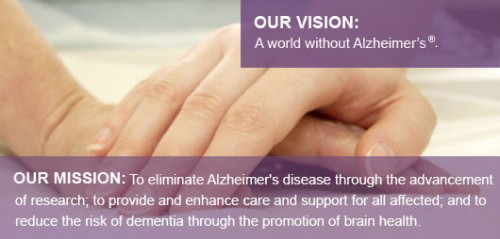
The Alzheimer's Association provides vital services and support to those individuals struggling with the disease, their families and caregivers. The Greater Pennsylvania Chapter serves 59 counties in western, central and northeastern Pennsylvania through our four offices. Our mission is to eliminate Alzheimer's disease through the advancement of research; to provide and enhance care and support for all affected; and to reduce the risk of dementia through the promotion of brain health.See More
Videos
Continue Your Search! Explore More Local Options.
Start SearchingLet’s engage and get educated!
Browse through thousands of expert articles in over 100 different categories.
Browse NowArticles You May Like

Do What You Love on the Longest Day
The Longest Day is all about love. Love for all those affected by Alzheimer's disease. On the summer solstice, June 21, 2018, participants will team up to do an activity they love or an activity loved by those affected to help end Alzheimer's. What people do on The Longest Day is up to them! This is a way to honor someone living or lost to the disease by selecting one of their favorite hobbies, or select an activity that honors a caregiver. Or, do what they are passionate about to recognize this important day.To demonstrate the commitment our participants have to our fight, we ask each team to raise funds and awareness to fuel the efforts of the Alzheimer's Association. From face-to-face support to online education programs and promising worldwide research initiatives, all donations raised make a difference in the lives of the millions of people affected by Alzheimer's today and those who will face the disease tomorrow. Every dollar raised helps to strengthen our impact while moving us closer to our vision of a world without Alzheimer's disease.More than 5 million Americans are living with Alzheimer's disease, here in Pennsylvania 400,000 people are affected by Alzheimer's disease or related dementia. There are 15 million Americans providing unpaid care for people with Alzheimer's or other dementias. Last year these caregivers provided an estimated 18.2 billion hours of care valued at over $230 billion. These caregivers are our inspiration for The Longest Day, we want to show them our support for their fight and help end this disease.You can show your support for those affected by this devastating disease by registering your Longest Day team today. Visit www.alz.org/tld to register, build your team, set your activity and start raising funds and awareness for the Alzheimer's Association. If you have any questions about The Longest Day or any of the programs and services offered by the Alzheimer's Association call our Helpline, available 24 hours a day, seven days a week, at 800.272.3900.
May 15, 2018
The Alzheimers Associations 2018 Facts & Figures Report Reveals Increases in Alzheimers Prevalenc
With each passing year, new data continues to prove that Alzheimer's disease is a growing epidemic. Significant increases in costs and incidence, including care costs for individuals living with Alzheimer's or other dementias surpassing a quarter of a trillion dollars have been reported in the Alzheimer's Association 2018 Alzheimer's Disease Facts and Figures report.However, this years report goes beyond the statistics with a special report on the financial and personal benefits of early diagnosis, addressing prevalence, mortality and morbidity, caregiving and what the disease could mean to our health care system if left unchecked. As the number of older Americans grows rapidly, so does the number of people living with Alzheimer's and the impact to the nations economy. An estimated 5.7 million Americans are currently living with Alzheimer's with an expected increase to 7.1 million people by 2025. There are currently over 400,000 people in Pennsylvania who have been diagnosed with Alzheimer's or a related dementia and it continues to increase each year. This number does not include all those who are affected by the disease such as family and caregivers, states Jeremy Bland, Director of Marketing and Communications, Alzheimer's Association Greater Pennsylvania Chapter. In fact, by the time you are finished reading this article 1- 2 people will have developed the disease based on the fact that every 65 seconds another diagnosis is made. Alzheimer's disease is not only affecting those diagnosed, but caregivers as well. Due to the long duration of this disease, the strain on Alzheimer's caregivers can last several years and produce serious declines in caregiver physical, emotional and financial well-being. In 2017, 16 million Americans provided an estimated 18.4 billion hours of unpaid care in the form of physical, emotional and financial support at a valued cost of $232.1 billion. The difficulties in providing this level resulted in an estimated $11.4 billion of additional health care costs for Alzheimer's and other dementia caregivers in 2017. By 2050, the total cost of care is projected to exceed $1.1 trillion. Unfortunately, mortality from Alzheimer's disease also continues to rise. While deaths from other major causes continue to decrease, new data shows that deaths from Alzheimer's disease have more than doubled, increasing 123 percent between 2000 and 2015. In comparison, the number of deaths from heart disease the number one killer in America decreased 11 percent. Alzheimer's is the most underrecognized threat to public health in the 21st century according to Dr. David Satcher, former U.S. Surgeon General and former Centers for Disease Control and Prevention (CDC) Director. Investing in a nationwide Alzheimer's public health response will help create population-level change, achieve a higher quality of life for those living with the disease and their caregivers, and reduce associated costs
Nov 26, 2018

SBB University presents "Healthy Living for Your Brain and Body - Tips from the Latest Research"
For centuries, we've known that the health of the brain and the body are connected. But now, science is able to provide insights into how to make lifestyle choices that may help you keep your brain and body healthy as you age.Join SBB University and the Alzheimer's Association of Greater PA to learn about research in the areas of diet and nutrition, exercise, cognitive activity and social engagement, and use hands-on-tools to help you incorporate these recommendations into a plan for healthy aging.Presenters:Deb Schleh, Volunteer, Alzheimer's Association of Greater PA and Seniors Blue Book of South Central PASara Murphy, VP of Programs & Services, Alzheimer's Association of Greater PA24/7 Helpline: 800.272.3900 www.alz.org