Amada Senior Care Twin Cities
8441 Wayzata Boulevard, Ste 345, Golden Valley, Minnesota, 55426
Counties Served: Minnesota - Hennepin County
Personal Care Assistance



About Amada Senior Care Twin Cities
Personal Care Assistance at Amada Senior Care
As seniors age, everyday personal care tasks can become more difficult due to mobility limitations, chronic health conditions, or recovery from illness or surgery. Activities such as bathing, dressing, grooming, and moving safely around the home may require additional support. Amada Senior Care provides compassionate personal care assistance services that help seniors maintain their dignity, comfort, and independence while continuing to live safely at home.
Personal care assistance focuses on helping seniors with activities of daily living (ADLs)the essential tasks individuals perform each day to care for themselves. Amada caregivers are trained to provide respectful, professional support with these activities while ensuring seniors feel comfortable and empowered. These services allow seniors to receive the help they need without sacrificing privacy or independence.
One of the most important aspects of personal care assistance is help with bathing and hygiene. Many seniors experience difficulty stepping into bathtubs or showers due to balance issues or reduced strength. Amada caregivers assist with safe bathing, showering, grooming, and oral care while helping prevent slips and falls. Maintaining proper hygiene not only improves comfort but also helps protect seniors from infections and other health concerns.
Caregivers also provide assistance with dressing and grooming, which can become challenging for individuals living with arthritis, Parkinsons disease, or other mobility limitations. Amada caregivers help seniors choose comfortable clothing, assist with dressing, and ensure they are ready for the day. These simple tasks can greatly improve a seniors confidence and sense of well-being.
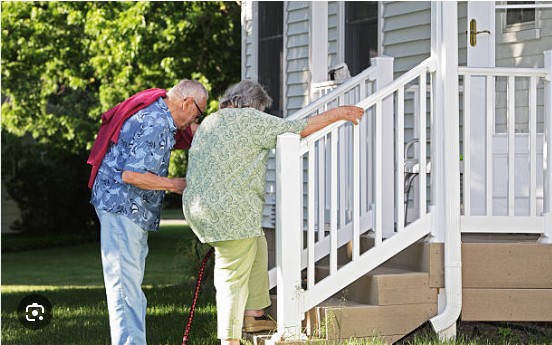
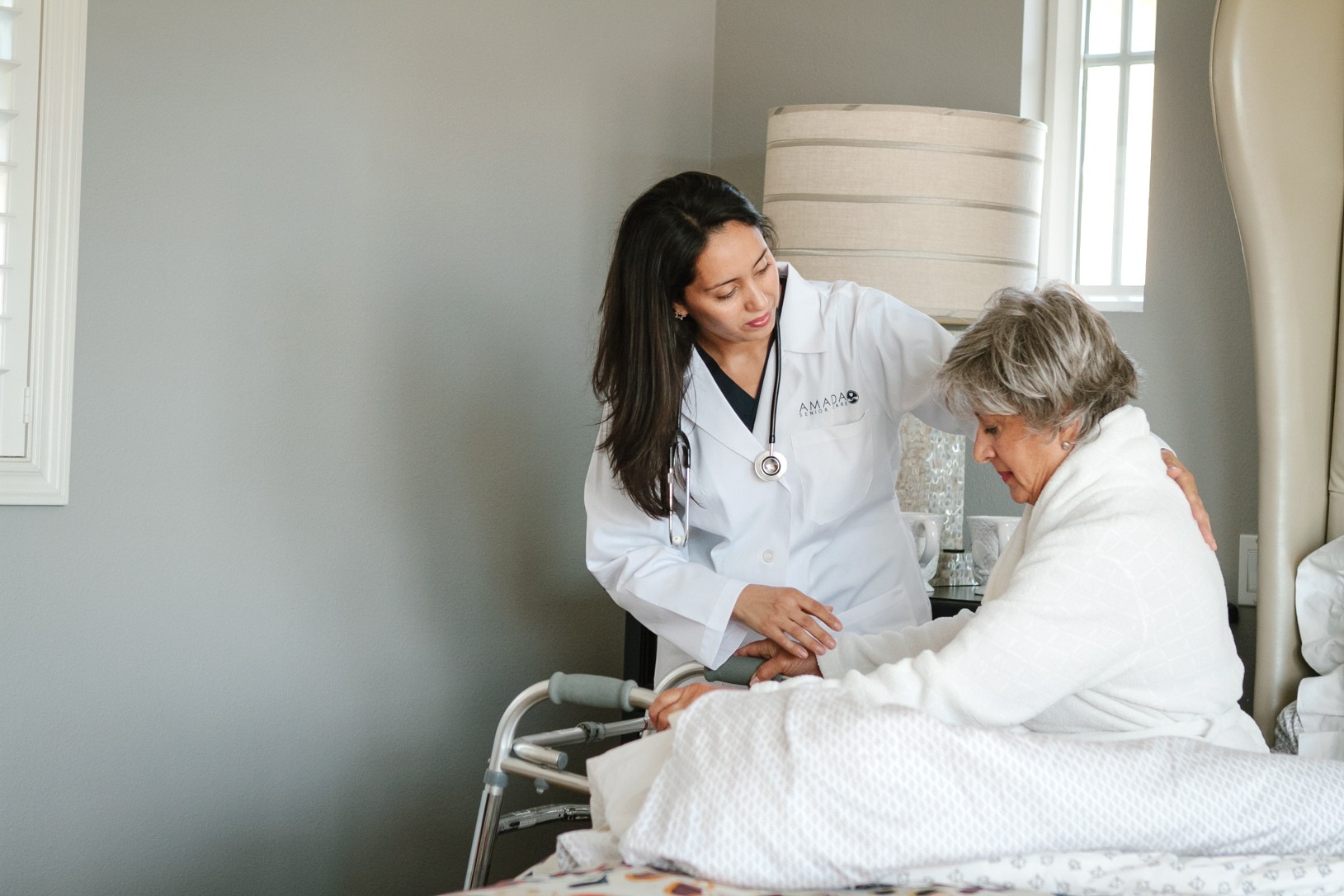
Mobility support is another key component of personal care services. Amada caregivers assist seniors with moving safely around the home, transferring from bed to chair, and navigating stairs when needed. This support reduces the risk of falls while allowing seniors to remain active and independent within their own homes.
Amada caregivers also help with toileting and continence care, offering discreet and respectful assistance that helps seniors maintain dignity. These services can be especially helpful for individuals with limited mobility, cognitive decline, or medical conditions that affect bladder or bowel control.
In addition to personal care tasks, caregivers often provide medication reminders, meal preparation, and light housekeeping, ensuring seniors daily needs are fully supported. These services create a safer and more comfortable environment while helping seniors maintain consistent routines that support their overall health.
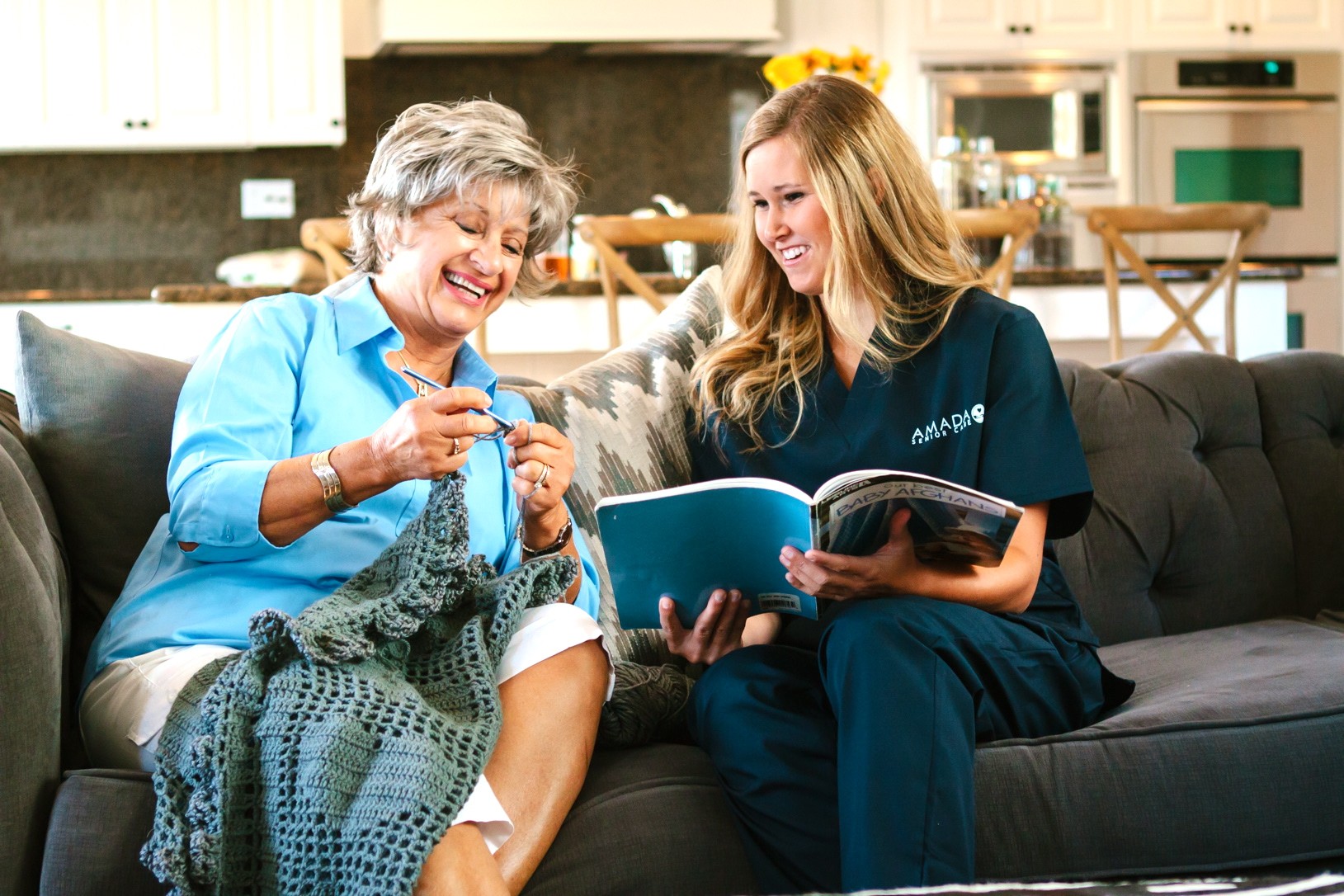
Another important benefit of personal care assistance is the companionship caregivers provide. Many seniors experience loneliness or isolation, especially if family members live far away. Amada caregivers build meaningful relationships with clients, offering conversation, encouragement, and emotional support that improves quality of life.
At Amada Senior Care's personal care plans are tailored to meet each individuals needs. Whether a senior requires a few hours of assistance each week or more consistent daily support, caregivers work closely with families to ensure the right level of care is provided.
For seniors who want to remain independent while receiving support with essential daily tasks, personal care assistance from Amada Senior Care offers a compassionate solution. With trusted caregivers providing respectful and reliable help, seniors can continue living comfortably and safely in the place they call home.
Additional Services Offered
Amada Senior Care Twin Cities
Home Health 8441 Wayzata Boulevard, Ste 345, Hennepin County, Golden Valley, Minnesota, 55426Navigating Care at Home Through Lifes Transitions in the Twin CitiesIn the MinneapolisSaint Paul metro and surrounding area, aging rarely follows a straight line. One year a parent is shoveling their own walk, the next theyre recovering from a hospital stay, managing a new diagnosis, or quietly struggling with daily routines. For families across Golden Valley and the surrounding Twin Cities communities, the question often isnt if help is neededbut how to bring it in without taking independence away.Thats where Amada Senior Care Twin Cities, a trusted home health company based in Golden Valley, Minnesota, steps in. Rather than offering one-size-fits-all solutions, Amada Senior Care Twin Cities focuses on helping seniors stay safely at home during lifes most commonand most stressfultransitions.Why Transitional Care Matters More Than Ever in the Twin CitiesThe Twin Cities metro is home to more than 700,000 residents age 60+, and that number continues to grow. With major health systems like Abbott Northwestern, Methodist Hospital, and United Hospital nearby, families often face sudden decisions after hospital discharges, surgeries, or changes in mobility.Transitions are where many seniors fall through the cracks:Hospital to homeRehab to independent livingLiving alone after the loss of a spouseManaging chronic illness while trying to remain activeWithout proper in-home support, these moments can lead to avoidable hospital readmissions, caregiver burnout, or premature moves into assisted living.Amada Senior Care Twin Cities specializes in bridging those gapssafely, compassionately, and locally.A Home Health Approach That Respects IndependenceAmadas philosophy centers on one simple belief: most seniors want to remain at home for as long as possibleand with the right support, they can.Rather than replacing independence, Amadas caregivers reinforce it.Services are customized to meet each clients evolving needs, which may include:Post-hospital and post-surgical careAssistance with bathing, dressing, and mobilityMedication reminders and safety monitoringMeal preparation and light housekeepingTransportation to medical appointmentsCompanionship and cognitive engagementAlzheimers and dementia careThis flexible model is especially valuable in communities like Golden Valley, Plymouth, St. Louis Park, and Edina neighborhoods where seniors may live alone but remain deeply connected to their homes and routines.Local Knowledge Makes a Real DifferenceOne of the most overlooked aspects of quality home care is local expertise. Amada Senior Care Twin Cities understands the specific challenges seniors face in Minnesotafrom icy winters and fall risks to navigating regional healthcare systems and veteran benefits. team regularly coordinates with:Twin Cities hospitals and rehab centersLocal physicians and discharge plannersVeterans Affairs resourcesCommunity senior programs and nonprofitsThat local coordination ensures care plans dont exist in isolationthey work in real life.Families often come to us feeling overwhelmed after a sudden change, shared a representative from the Amada Senior Care Twin Cities team. Our role is to steady the ground beneath themhelping their loved one recover safely at home while giving the family confidence that theyre not navigating it alone.Supporting Family Caregivers, Not Replacing ThemIn Minnesota, a significant portion of senior care is still provided by adult childrenmany of whom are balancing full-time jobs, their own families, and long commutes across the metro.Amada doesnt aim to replace family caregivers. Instead, they support them.How Amada Helps Families Breathe AgainProviding respite care to prevent burnoutOffering professional insight on changing care needsAdjusting schedules as health conditions evolveBeing a reliable presence when families cant be thereThis partnership approach is especially meaningful for long-distance caregivers or those managing care across Minneapolis and Saint Paul metro area while living elsewhere.Specialized Experience with Memory Care at HomeAs Alzheimers and dementia diagnoses rise across Minnesota, more families are seeking ways to provide memory care without immediate placement in a facility.Amada Senior Care Twin Cities offers trained caregivers who understand:Dementia-related behaviors and communicationThe importance of routine and familiaritySafety strategies for wandering and confusionEmotional reassurance for both seniors and familiesFor many Twin Cities families, this level of in-home support can delay or even prevent the need for residential memory carewhile maintaining dignity and comfort.What Sets Amada Senior Care Twin Cities ApartNot all home health agencies operate the same way. Families often choose Amada Senior Care Twin Cities because of its combination of professionalism, warmth, and accountability.Key differentiators include:Carefully screened and trained caregiversPersonalized care plans that evolve over timeStrong communication with familiesExperience navigating long-term care insurance and VA benefitsDeep roots in the Twin Cities senior-care networkThis blend of compassion and operational excellence reflects Amadas commitment to both seniors and the families who love them.When Is It Time to Consider Home Health Care?Many families wait too longassuming help means giving up. In reality, early support often preserves independence longer.Home care may be beneficial if you notice:Increased falls or balance issuesMissed medications or appointmentsChanges in personal hygieneIsolation or withdrawalDifficulty managing meals or household tasksStarting care sooner allows seniors to adjust gradually, rather than during a crisis.Frequently Asked Questions About Home Health in the Twin CitiesIs home health care only for seniors with serious medical needs?No. Many clients begin with companionship or light assistance and scale care as needs change.Can Amada Senior Care Twin Cities provide short-term care after surgery or illness?Yes. Transitional and recovery care is one of Amada Senior Care Twin Cities core strengths.Do caregivers help with transportation around Minneapolis and Saint Paul metro area?Absolutely. Caregivers can assist with rides to medical appointments, errands, and community activities.Is care available on weekends or overnight?Yes. Amada Senior Care Twin Cities offers flexible scheduling, including evenings, weekends, live-ins, and 24-hour care.Does Amada Senior Care Twin Cities help families understand payment options?They do. The team assists families with long-term care insurance, VA benefits, and private-pay planning.A Trusted Local Resource for Aging Well at HomeFor seniors in Golden Valley and across the MinneapolisSaint Paul metro area, aging at home doesnt have to mean aging aloneor unsafely. With the right support, home can remain a place of comfort, dignity, and connection.Amada Senior Care Twin Cities continues to be a trusted partner for families navigating the realities of agingoffering steady guidance through lifes transitions and compassionate care where it matters most. To learn more, explore their full profile and additional resources on their Seniors Blue Book listing:https://www.amadaseniorcare.com/twin-cities-senior-care/

Amada Senior Care Twin Cities
Dementia Care 8441 Wayzata Boulevard, Ste 345, Hennepin County, Golden Valley, Minnesota, 55426Alzheimers and Dementia Care at Amada Senior CareCaring for a loved one with Alzheimers disease or another form of dementia can be one of the most emotional and challenging journeys a family experiences. As memory loss progresses, seniors often require specialized support, patience, and compassionate care. At Amada Senior Care, families can find trusted in-home Alzheimers and dementia care services designed to help seniors remain safe, comfortable, and dignified while living in familiar surroundings.Amada Senior Care understands that no two dementia journeys are alike. Alzheimers disease and related dementias progress differently for each individual, which is why their caregivers develop personalized care plans tailored to the unique needs of every client. These care plans evolve over time as symptoms change, ensuring seniors receive the right level of assistance throughout each stage of the disease.Highly trained caregivers at Amada provide specialized support for seniors experiencing memory loss, confusion, behavioral changes, and difficulty performing daily activities. Their compassionate team assists with essential activities of daily living (ADLs) such as bathing, dressing, meal preparation, medication reminders, mobility assistance, and personal hygiene. These services help seniors maintain independence while ensuring safety and comfort at home.One of the most important aspects of Alzheimers and dementia care is creating a structured environment. Amada caregivers establish consistent daily routines that reduce anxiety and confusion for seniors with cognitive impairment. Predictable schedules, calming interactions, and familiar surroundings can help individuals feel more secure while supporting their emotional well-being.Safety is another critical focus of dementia care. Seniors with Alzheimers may experience wandering, forgetfulness, or impaired judgment, which can create potential hazards. Amada caregivers perform home safety assessments and help implement practical adjustments that minimize risks while preserving a seniors independence and dignity. They also carefully monitor changes in behavior or health and communicate regularly with family members to keep them informed about their loved ones condition.Beyond providing direct care, Amada Senior Care supports families by helping them navigate the complex financial and logistical aspects of long-term care. Their team offers expert assistance with long-term care insurance claims, veterans benefits, and funding options, helping families access the financial resources available to support dementia care services.For families considering additional care options, Amada also provides senior housing and memory care placement guidance. If remaining at home is no longer the safest option, their advisors help families explore assisted living or memory care communities that specialize in dementia care. This ensures seniors receive the appropriate level of support while maintaining the highest quality of life possible.Most importantly, Amada Senior Care recognizes that Alzheimers and dementia affect the entire familynot just the individual living with the disease. Their caregivers provide emotional support, respite care for family caregivers, and education to help loved ones understand what to expect throughout the progression of the condition. With compassionate professionals guiding the journey, families can feel more confident and supported during an incredibly difficult time.For seniors, Amada Senior Care offers a compassionate solution for Alzheimers and dementia caredelivering personalized support, trusted guidance, and peace of mind for families who want their loved ones to age with dignity, safety, and comfort.
Amada Senior Care Twin Cities
Hospice 8441 Wayzata Boulevard, Ste 345, Hennepin County, Golden Valley, Minnesota, 55426End-of-Life Companion Care Services at Amada Senior Care Facing the final stages of life is one of the most emotional experiences a family can go through. During this time, compassionate support and meaningful companionship can make an extraordinary difference for both the individual and their loved ones. Amada Senior Care provides end-of-life companion services that focus on comfort, dignity, and emotional support, helping seniors remain peaceful and supported in their own homes or wherever they reside.Amadas caregivers understand that end-of-life care is about far more than physical assistanceit is about being present for seniors and their families during a deeply personal time. Their trained caregivers provide non-medical companionship and supportive care designed to enhance comfort, reduce anxiety, and ensure that seniors feel respected and cared for throughout their final journey. These services often complement hospice care by offering additional emotional and daily living support.Companion caregivers from Amada help with many essential tasks that make life easier and more comfortable for seniors receiving end-of-life care. They assist with activities of daily living, such as bathing, dressing, mobility support, medication reminders, and meal preparation when appropriate. These services allow seniors to remain comfortable while helping family members focus on spending meaningful time with their loved one. Beyond practical care, companionship plays a powerful role in end-of-life support. Amada caregivers provide calming and reassuring presence through conversation, reading aloud, listening to stories, or simply sitting quietly with a senior who may not want to be alone. These moments of connection can ease fear and loneliness while bringing comfort during a difficult transition.Amada caregivers also support families by helping maintain a peaceful home environment. Light housekeeping, laundry, and meal preparation allow loved ones to focus on emotional connection rather than daily tasks. Caregivers can also provide overnight companionship so family members can rest, knowing their loved one is safe and supported.Communication and coordination with families and hospice providers are another important part of Amadas approach. Caregivers carefully observe changes in comfort, behavior, or mobility and communicate with family members so they remain informed about their loved ones needs. This collaborative approach ensures seniors receive the right level of support and that families feel guided and supported throughout the process.One of the most meaningful aspects of end-of-life companion care is helping seniors maintain their dignity and quality of life. Whether assisting with personal care, reminiscing about memories, or simply holding a hand during quiet moments, Amada caregivers strive to create a calm and compassionate atmosphere where seniors feel valued and respected.For families in the Twin Cities area, Amada Senior Care provides trusted guidance and heartfelt companionship during lifes most delicate moments. Their compassionate caregivers offer not only practical assistance but also emotional support, helping families navigate end-of-life care with peace of mind and reassurance that their loved one is never alone.
Amada Senior Care Twin Cities
Non-Medical 8441 Wayzata Boulevard, Ste 345, Hennepin County, Golden Valley, Minnesota, 55426Navigating Care at Home Through Lifes Transitions in the Twin CitiesIn the MinneapolisSaint Paul metro and surrounding area, aging rarely follows a straight line. One year a parent is shoveling their own walk, the next theyre recovering from a hospital stay, managing a new diagnosis, or quietly struggling with daily routines. For families across Golden Valley and the surrounding Twin Cities communities, the question often isnt if help is neededbut how to bring it in without taking independence away.Thats where Amada Senior Care Twin Cities, a trusted home health company based in Golden Valley, Minnesota, steps in. Rather than offering one-size-fits-all solutions, Amada focuses on helping seniors stay safely at home during lifes most commonand most stressfultransitions.Why Transitional Care Matters More Than Ever in the Twin CitiesThe Twin Cities metro is home to more than 700,000 residents age 60+, and that number continues to grow. With major health systems like Abbott Northwestern, Methodist Hospital, and United Hospital nearby, families often face sudden decisions after hospital discharges, surgeries, or changes in mobility.Transitions are where many seniors fall through the cracks:Hospital to homeRehab to independent livingLiving alone after the loss of a spouseManaging chronic illness while trying to remain activeWithout proper in-home support, these moments can lead to avoidable hospital readmissions, caregiver burnout, or premature moves into assisted living.Amada Senior Care Twin Cities specializes in bridging those gapssafely, compassionately, and locally.A Home Health Approach That Respects IndependenceAmadas philosophy centers on one simple belief: most seniors want to remain at home for as long as possibleand with the right support, they can.Rather than replacing independence, Amadas caregivers reinforce it.Services are customized to meet each clients evolving needs, which may include:Post-hospital and post-surgical careAssistance with bathing, dressing, and mobilityMedication reminders and safety monitoringMeal preparation and light housekeepingTransportation to medical appointmentsCompanionship and cognitive engagementAlzheimers and dementia careThis flexible model is especially valuable in communities like Golden Valley, Plymouth, St. Louis Park, and Edina neighborhoods where seniors may live alone but remain deeply connected to their homes and routines.Local Knowledge Makes a Real DifferenceOne of the most overlooked aspects of quality home care is local expertise. Amada Senior Care Twin Cities understands the specific challenges seniors face in Minnesotafrom icy winters and fall risks to navigating regional healthcare systems and veteran benefits. team regularly coordinates with:Twin Cities hospitals and rehab centersLocal physicians and discharge plannersVeterans Affairs resourcesCommunity senior programs and nonprofitsThat local coordination ensures care plans dont exist in isolationthey work in real life.Families often come to us feeling overwhelmed after a sudden change, shared a representative from the Amada Senior Care Twin Cities team. Our role is to steady the ground beneath themhelping their loved one recover safely at home while giving the family confidence that theyre not navigating it alone.Supporting Family Caregivers, Not Replacing ThemIn Minnesota, a significant portion of senior care is still provided by adult childrenmany of whom are balancing full-time jobs, their own families, and long commutes across the metro.Amada doesnt aim to replace family caregivers. Instead, they support them.How Amada Helps Families Breathe AgainProviding respite care to prevent burnoutOffering professional insight on changing care needsAdjusting schedules as health conditions evolveBeing a reliable presence when families cant be thereThis partnership approach is especially meaningful for long-distance caregivers or those managing care across Minneapolis and Saint Paul while living elsewhere.Specialized Experience with Memory Care at HomeAs Alzheimers and dementia diagnoses rise across Minnesota, more families are seeking ways to provide memory care without immediate placement in a facility.Amada Senior Care Twin Cities offers trained caregivers who understand:Dementia-related behaviors and communicationThe importance of routine and familiaritySafety strategies for wandering and confusionEmotional reassurance for both seniors and familiesFor many Twin Cities families, this level of in-home support can delay or even prevent the need for residential memory carewhile maintaining dignity and comfort.What Sets Amada Senior Care Twin Cities ApartNot all home health agencies operate the same way. Families often choose Amada because of its combination of professionalism, warmth, and accountability.Key differentiators include:Carefully screened and trained caregiversPersonalized care plans that evolve over timeStrong communication with familiesExperience navigating long-term care insurance and VA benefitsDeep roots in the Twin Cities senior-care networkThis blend of compassion and operational excellence reflects Amadas commitment to both seniors and the families who love them.When Is It Time to Consider Home Health Care?Many families wait too longassuming help means giving up. In reality, early support often preserves independence longer.Home care may be beneficial if you notice:Increased falls or balance issuesMissed medications or appointmentsChanges in personal hygieneIsolation or withdrawalDifficulty managing meals or household tasksStarting care sooner allows seniors to adjust gradually, rather than during a crisis.Frequently Asked Questions About Home Health in the Twin CitiesIs home health care only for seniors with serious medical needs?No. Many clients begin with companionship or light assistance and scale care as needs change.Can Amada Senior Care Twin Cities provide short-term care after surgery or illness?Yes. Transitional and recovery care is one of Amada Senior Care Twin Cities core strengths.Do caregivers help with transportation around the Twin Cities metro area?Absolutely. Caregivers can assist with rides to medical appointments, errands, and community activities.Is care available on weekends or overnight?Yes. Amada Senior Care Twin Cities offers flexible scheduling, including evenings, weekends, live-ins, and 24-hour care.Does Amada Senior Care Twin Cities help families understand payment options?They do. The team assists families with long-term care insurance, VA benefits, and private-pay planning.A Trusted Local Resource for Aging Well at HomeFor seniors in Golden Valley and across the MinneapolisSaint Paul area, aging at home doesnt have to mean aging aloneor unsafely. With the right support, home can remain a place of comfort, dignity, and connection.Amada Senior Care Twin Cities continues to be a trusted partner for families navigating the realities of agingoffering steady guidance through lifes transitions and compassionate care where it matters most. To learn more, explore their full profile and additional resources on their Seniors Blue Book listing:https://www.amadaseniorcare.com/twin-cities-senior-care/
Continue Your Search! Explore More Local Options.
Start SearchingLet’s engage and get educated!
Browse through thousands of expert articles in over 100 different categories.
Browse NowArticles You May Like

What Are Activities of Daily Living (ADLs)? | Amada Senior Care Twin C
For many older adults, remaining at home is more than a preferenceit's where they feel most comfortable, connected, and independent. As we age, however, everyday routines may become more difficult. Families often notice subtle changes long before a crisis occurs. A parent may struggle to get dressed, preparing meals becomes overwhelming, or balancing while showering becomes a safety concern.Healthcare professionals refer to these everyday tasks as Activities of Daily Living (ADLs). Understanding ADLs can help families recognize when a loved one may benefit from additional support while continuing to live safely at home.What Are Activities of Daily Living?Activities of Daily Living are the basic personal tasks people perform every day to maintain their health and independence. They typically include: Bathing and personal hygiene Dressing Grooming Using the restroom safely Walking and transferring safely Eating and meal assistance Medication reminders Mobility around the home When one or more of these activities becomes difficult, it doesn't necessarily mean it's time for assisted living. In many cases, professional in-home care can provide the right level of support while allowing seniors to remain comfortably in familiar surroundings.Recognizing When Extra Help May Be NeededMany families wait until after a fall or medical emergency before seeking assistance. However, early intervention often helps seniors remain independent longer.Signs that additional support may be beneficial include: Difficulty bathing safely Wearing the same clothes repeatedly Weight loss from skipped meals Increased forgetfulness with medications Trouble walking or getting out of a chair More frequent falls or near falls Family caregivers feeling overwhelmed Professional caregivers can provide assistance before these challenges become larger health concerns.How In-Home Care Supports IndependenceHome care isn't about taking away independenceit's about helping seniors maintain it.Professional caregivers provide assistance tailored to each person's needs, whether that's a few hours each week or more comprehensive daily care.Services may include: Personal care assistance Bathing and dressing Meal preparation Medication reminders Light housekeeping Transportation to appointments Companionship Alzheimer's and dementia support Respite care for family caregivers Every care plan is personalized because every senior has different goals, abilities, and preferences.Serving Families Throughout the Twin CitiesAmada Senior Care proudly serves seniors and families across the Twin Cities through multiple locally operated offices. Whether you live in the city or surrounding suburbs, compassionate caregivers are available to provide personalized in-home support.Service areas include: Minneapolis St. Paul Burnsville Eagan Golden Valley White Bear Lake Stillwater And many surrounding Twin Cities communities No matter which Amada office serves your neighborhood, families receive the same commitment to compassionate care, professional caregivers, and personalized service designed to help seniors age safely in place.Supporting Family CaregiversCaring for an aging parent is rewarding, but it can also be physically and emotionally demanding.Many adult children balance careers, raising children, and caregiving responsibilities simultaneously. Professional home care allows family members to spend more meaningful time together instead of focusing solely on caregiving tasks.Even a few hours of weekly assistance can reduce stress and improve quality of life for both seniors and their families.Why Families Choose Amada Senior CareFamilies choose Amada because they value compassionate caregivers, personalized care plans, and a commitment to helping older adults remain independent for as long as possible.Whether someone needs companionship after surgery, support with Activities of Daily Living, dementia care, or ongoing personal care assistance, Amada works closely with families to create solutions that meet each individual's needs.Frequently Asked QuestionsWhat are Activities of Daily Living (ADLs)?ADLs are the basic daily tasks needed for independent living, such as bathing, dressing, eating, walking safely, toileting, and personal hygiene.Does needing help with ADLs mean someone has to move into assisted living?No. Many seniors receive assistance with ADLs through professional in-home caregivers while continuing to live safely at home.What areas does Amada Senior Care serve?Amada Senior Care serves families throughout Minneapolis, St. Paul, Burnsville, Eagan, Golden Valley, White Bear Lake, Stillwater, and many additional Twin Cities communities.How do I know when it's time to seek home care?If everyday tasks become difficult or family caregivers feel overwhelmed, a professional home care consultation can help determine the right level of support.If you or someone you love could benefit from compassionate in-home care, Amada Senior Care is here to help. With experienced caregivers serving Minneapolis, St. Paul, Burnsville, Eagan, Golden Valley, White Bear Lake, Stillwater, and surrounding Twin Cities communities, Amada provides personalized care that helps seniors remain safe, comfortable, and independent at home. Visit the Seniors Blue Book to connect with the Amada Senior Care location serving your community and learn more about available home care services.
Jul 20, 2026

Pickleball and Aging: Staying Active and Safe in the Twin Cities
Pickleball has become a staple of active aging across the Twin Cities suburbs, from the YMCA in Forest Lake to busy courts in Maple Grove and community centers throughout the metro. Organized play is easy to find through local parks and recreation programs, the YMCA, and indoor clubs, making it one of the most accessible ways for older adults to stay active in every season.In Minnesota, where winters push many people indoors, pickleball offers something more than exercise. It brings structure to the week, creates connection during long winters, and helps older adults stay socially engaged. Many members of our Amada Twin Cities team are pickleball enthusiasts themselves, so we see firsthand how much this game means to the seniors and families we serve.For families, pickleball can be a wonderful sign that a loved one is staying active and engaged. It can also be an opportunity to notice early changes in balance, energy, or coordination that could increase fall risk. That is what makes one reality important to acknowledge.Most of the time, pickleball is a safe and positive activity. A recent widely reported fatal fall involving a 76-year-old pickleball player, Jeff Webb, is a reminder that while pickleball offers real benefits, it also carries real risks for older adults. The goal is not to discourage play, but to talk honestly about safety in aging bodies.Why Pickleball Feels Safe and Why That Can Be MisleadingPickleballs smaller court and lighter paddle make it feel gentler than many sports, which is why it brings people back to activity. The challenge is that aging changes what happens when something unexpected goes wrong.A quick pivot or loss of balance that might cause a minor bruise in a younger player can lead to a broken wrist, hip fracture, or head injury in someone in their 70s or 80s. Many pickleball injuries among older adults happen not from overexertion, but from falls.Normal age-related changes such as slower reaction time, reduced balance recovery, vision changes, arthritis, osteoporosis, blood thinner use, or prior concussions all increase the likelihood of injury and can slow recovery.Playing Pickleball with Age Aware RespectOlder adults do not need to stop playing pickleball to stay safe. They need to play with awareness. The message is not simply to stay active, but to stay active with awareness. A few simple habits can significantly reduce risk:Warm up before play, especially hips, ankles, shoulders, and legsWear court shoes with good lateral support rather than walking shoesBuild balance and leg strength off the courtEase into play instead of jumping into frequent competitive gamesBe honest about dizziness, fatigue, confusion, headaches, or medication side effectsChoose recreational or skills-based play instead of fast-paced competition when neededStaying Active and SafePickleball remains a great activity for older Minnesotans. Its social and physical benefits are real. But enthusiasm does not erase biology. Aging changes risk, and acknowledging that fact allows seniors to keep playing longer and more safely.Staying active should add years of enjoyment, not unnecessary risk. Playing with awareness is one of the most effective safety tools we have. For many older adults, it supports independence as much as it supports physical health.Contact Amada Senior Care for further information at 763-307-9138 .