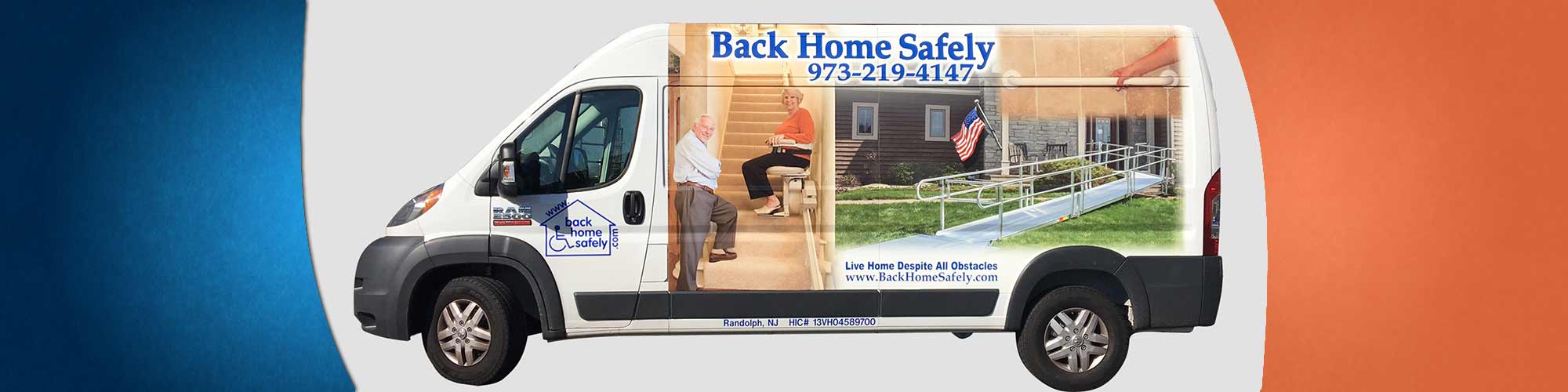


About Back Home Safely
See More
Additional Services Offered

Continue Your Search! Explore More Local Options.
Start SearchingLet’s engage and get educated!
Browse through thousands of expert articles in over 100 different categories.
Browse NowArticles You May Like
Home Modifications to Prevent Senior Falls
A fall can happen during an ordinary momentgetting out of the bathtub, walking down the stairs, or stepping through the front door.For older adults, even a minor fall can create concerns about mobility, confidence, and the ability to continue living independently.Family members may begin worrying about whether a loved one can safely manage everyday activities.Fortunately, many household hazards can be identified and addressed before an injury occurs.For seniors and families in Randolph, Morris County, and surrounding New Jersey communities, home safety modifications can play an important role in reducing fall risks.Back Home Safely specializes in therapist-led home accessibility assessments and professional modifications, including grab bars, bathroom conversions, stair lifts, ramps, and other safety equipment.Understanding how these improvements work can help families create a safer living environment. Why Fall Prevention Matters for SeniorsFalls are a significant health concern among older adults.According to the Centers for Disease Control and Prevention, more than one in four Americans age 65 and older reports falling each year.Falls can result in fractures, head injuries, reduced mobility, and hospitalization.Even when no serious injury occurs, someone may become afraid of falling again.This fear can cause older adults to limit physical activity or avoid certain parts of their homes.How Falls Affect IndependenceAfter a fall, a senior may begin avoiding:StairsBathrooms without support barsOutdoor walkwaysSocial activitiesTrips to medical appointmentsHousehold chores requiring movementReduced activity can contribute to weakness and further mobility difficulties.Preventing falls is therefore about more than avoiding injuries. It also supports participation in everyday life. Common Fall Hazards in New Jersey HomesHomes throughout Morris County have different layouts, but certain hazards appear frequently.Some were present for years without causing difficulty.Others become more concerning when someone develops arthritis, balance problems, or reduced strength.Uneven FlooringLoose carpeting, damaged floorboards, and uneven surfaces can create tripping hazards.Poor LightingDim hallways and staircases may make it difficult to recognize obstacles.Bathroom SurfacesWet floors and smooth bathtub surfaces can increase slipping risks.Staircases Without Adequate SupportStairs may become challenging when handrails are loose, difficult to grip, or poorly positioned.Entryway StepsRaised thresholds and porch steps can be difficult for individuals using mobility aids.Cluttered WalkwaysElectrical cords, shoes, small furniture, and other belongings may obstruct walking routes.Identifying these conditions provides an opportunity to make targeted improvements. Start With a Professional Fall-Risk AssessmentA home safety assessment should consider both the environment and the person living in it.An older adult with balance limitations may need different improvements than someone who primarily experiences joint pain.Back Home Safely's therapist-led approach considers individual functional abilities, personal goals, and the home's physical characteristics.Areas Worth EvaluatingEntrances and exitsStaircasesBathroomsBedroomsHallwaysWalking surfacesMobility equipmentTransfer locationsOutdoor pathwaysCaregiver assistance needsA professional evaluation can help identify risks that may not be obvious to family members. Bathroom Modifications That Improve SafetyThe bathroom is an important starting point for fall prevention.Bathing often involves stepping over a threshold, turning, bending, and standing on wet surfaces.These activities can become difficult when balance or mobility changes.Professionally Installed Grab BarsGrab bars provide designated support points during certain movements.They may be useful near showers, bathtubs, and toilets.However, placement matters.A bar installed too high, too low, or in an unsuitable location may not provide the support needed.Back Home Safely offers grab bar installation and bathroom accessibility services.Accessible ShowersTraditional bathtubs may require users to lift their legs over a high wall.For someone with hip or knee limitations, this can create difficulties.A bathroom conversion or appropriately designed accessible shower may reduce the need to step over a high barrier.Walk-In TubsWalk-in tubs provide an alternative bathing configuration with an entry door.They may be appropriate for certain users, depending on their ability to transfer, tolerate waiting while the tub fills and drains, and use the equipment safely.Families should evaluate their loved one's mobility before selecting a walk-in tub.Additional Bathroom ImprovementsOther helpful changes may include:Slip-resistant surfacesBetter lightingAccessible shower controlsAppropriate seatingClear walking routesSuitable toilet supportThe best combination depends on the user's individual needs. Stair Lifts for Difficult StaircasesStair climbing requires strength, balance, coordination, and endurance.A person who experiences knee pain or muscle weakness may find stairs increasingly demanding.A stair lift provides an alternative to physically walking between levels.How Stair Lifts Can HelpFor an appropriate user, a stair lift may:Reduce repeated stair climbingImprove access to upper floorsLimit physical strainSupport daily independenceReduce the need for physical assistance on stairsHowever, stair lifts do not eliminate every fall risk.The user must be able to enter and exit the chair safely.Back Home Safely offers stair lift solutions and can help determine whether a particular staircase and user are suitable. Wheelchair Ramps for Safer EntrancesExterior steps can create difficulties for people using wheelchairs, walkers, or other mobility equipment.A properly designed ramp may provide a more accessible route into and out of the home.Important Ramp ConsiderationsRamp safety depends on:Appropriate slopeSuitable surface tractionAdequate landing spaceCorrect weight capacityProper installationHandrail and edge protection requirementsSafe access to the surrounding walkwayBack Home Safely offers wheelchair ramps and ramp rental options.A personalized assessment can help identify the appropriate configuration. Improving Bedroom SafetyFalls may occur when older adults get out of bed or walk to the bathroom at night.Bedroom safety should therefore be included in a whole-home assessment.Helpful Bedroom AdjustmentsLightingInstall easy-to-reach bedside lighting and ensure the path to the bathroom is visible.Clear pathwaysRemove unnecessary obstacles and keep commonly used walking routes unobstructed.Appropriate bed heightA bed that is too high or too low may make transfers difficult.Accessible personal itemsStore essential belongings within easy reach.Mobility equipmentMake sure walkers, canes, or other recommended devices are accessible.Families should consult qualified professionals before adding equipment intended to assist with transfers. Why Medication and Health Reviews MatterEnvironmental changes are important, but they are only one part of fall prevention.Some falls occur because of dizziness, medication effects, vision problems, or changes in strength.A healthcare professional may recommend reviewing:Prescription medicationsBlood pressureBalanceVisionFootwearMuscle strengthMobility limitationsNeurological symptomsPhysical therapy or other interventions may also be appropriate.A fall prevention plan should address both personal health and the home environment. Fall Prevention During New Jersey WintersOutdoor conditions deserve attention throughout the year.Snow, ice, freezing rain, and wet leaves can create slippery surfaces.For seniors living in Randolph, Dover, Denville, Morristown, and surrounding Morris County communities, seasonal maintenance is important.Winter Safety ChecklistClear snow from entrances.Remove ice using appropriate materials.Keep exterior handrails secure.Maintain outdoor lighting.Inspect wheelchair ramps.Avoid using unsafe icy surfaces.Keep frequently used pathways clear.Follow equipment manufacturers' maintenance instructions.Outdoor accessibility equipment should be evaluated regularly, especially after severe weather. The Role of Caregivers in Fall PreventionFamily members often notice mobility changes before an older adult openly discusses them.A parent may begin holding onto furniture or avoiding stairs.Another family member may notice that bathing now requires assistance.These observations can be useful starting points for a conversation.Questions to AskHave you experienced a fall recently?Are there places in the house that feel unsafe?Do you have trouble getting out of the bathtub?Are the stairs becoming tiring?Do you sometimes feel dizzy?Would additional support make daily routines easier?Ask questions respectfully and involve the older adult in decisions whenever possible. Home Safety Tip: Focus on FunctionFall Prevention Tip: The safest modification is not necessarily the largest or most expensive. A well-placed grab bar, an accessible bathing arrangement, or an appropriate stair lift may address a specific risk more effectively than a broad renovation without an individualized assessment.This is why professional evaluation can be valuable. How Back Home Safely Approaches Home SafetyBack Home Safely combines clinical assessment with technical installation.Its services include:Home accessibility assessmentsGrab barsStair liftsWheelchair rampsBathroom conversionsRoll-in showersWalk-in tubsAdditional mobility and accessibility equipmentBy considering how a person moves through the home, the team can recommend solutions based on individual circumstances.Families should discuss whether additional medical, rehabilitation, or caregiving support is needed alongside environmental modifications. Frequently Asked Questions About Fall Prevention1. What are the most important home modifications for fall prevention?Common improvements include properly installed grab bars, safer bathroom access, adequate lighting, appropriate stair support, clear walkways, and suitable mobility equipment.2. Can home modifications completely prevent falls?No. Modifications may reduce environmental hazards, but falls can still occur because of medical, physical, or other factors.3. Are grab bars better than towel racks for support?Yes. Properly installed grab bars are designed for physical support. Ordinary towel racks generally are not intended to bear a person's body weight.4. Should families install a stair lift after a fall?A stair lift may be worth evaluating if stair climbing has become difficult or unsafe. A professional assessment should determine whether the person can transfer and use the lift safely.5. Does Back Home Safely help identify fall hazards?Yes. Back Home Safely offers therapist-led home assessments that evaluate accessibility and recommend appropriate modifications. Make Fall Prevention a Priority With Back Home SafelyPreventing falls starts with recognizing risks and taking practical action.For seniors and families throughout Randolph, Morris County, and New Jersey, home modifications can help address challenging areas such as bathrooms, staircases, and entryways.Back Home Safely provides professional accessibility assessments and installation services to help families create safer living environments.Ready to identify potential hazards in your home?Visit Back Home Safely on SeniorsBlueBook.com to learn more about available modifications and connect with the team.Taking a proactive approach to home safety can help support independence, confidence, and everyday comfort.
Oct 13, 2026
Choosing Home Accessibility Solutions in NJ
When mobility needs begin changing, families often discover that their homes are not as accessible as they once believed.A staircase that was once easy to climb may become exhausting. A traditional bathtub might create concerns about slipping. Exterior steps may make leaving the house difficult for someone using a wheelchair.These challenges can leave families wondering where to begin.Should they install a wheelchair ramp? Would a stair lift be more appropriate? Is a complete bathroom renovation necessary, or could smaller improvements provide enough support?For homeowners in Randolph, Morris County, and throughout New Jersey, choosing the right home accessibility solutions requires understanding both the available equipment and the individual's needs.Back Home Safely helps families evaluate these decisions through therapist-led assessments and professional installation services.By focusing on functional abilities, personal goals, and the home's layout, accessibility planning can become more practical and less overwhelming. What Are Home Accessibility Solutions?Home accessibility solutions include modifications and equipment designed to make a living environment easier to navigate for individuals with physical limitations.These solutions may help older adults, people with disabilities, individuals recovering from surgery, and family caregivers.Common Types of Accessibility EquipmentExamples include:Wheelchair rampsStair liftsGrab barsBathroom conversionsRoll-in showersWalk-in tubsStair railsAdjustable bedsLift chairsCeiling liftsSpecialized mobility equipmentNot every product is appropriate for every household.The right combination depends on the person, the activities that have become difficult, and the physical environment. Why Individual Needs Should Guide Every DecisionOne of the most common mistakes in home accessibility planning is focusing on equipment before identifying the problem.For example, someone may assume that a stair lift is necessary because an older parent struggles with stairs.However, the parent may also have difficulty standing from a seated position.If safe transfers are not possible, a stair lift may not be the right solution.Questions to Ask FirstBefore selecting equipment, consider:Which daily activities are difficult?What type of mobility equipment does the person use?Can the person walk independently?Is assistance required for transfers?Are the limitations temporary or long-term?What are the person's goals?Does a caregiver provide physical assistance?Are future changes in mobility anticipated?Answering these questions provides a foundation for more appropriate recommendations. Understanding Home Accessibility Needs in New JerseyNew Jersey homes vary greatly in age, design, and layout.In communities such as Randolph, Morristown, Parsippany, Denville, Dover, and Madison, families may live in houses with raised entrances, multiple levels, or traditional bathrooms.These features can become challenging when someone develops mobility limitations.Typical Residential Accessibility BarriersRaised entrancesSteps may make wheelchair or walker access difficult.Multi-level layoutsBedrooms and bathrooms may be located on different floors.Traditional bathroomsHigh bathtub walls and limited transfer space can create problems.Narrow doorwaysSome mobility devices require more clearance than the existing home provides.Limited support pointsStairways and bathrooms may lack appropriately positioned handholds.A home assessment can identify which barriers deserve attention. Solution 1: Wheelchair RampsWheelchair ramps provide a sloped access route between elevations.They are commonly used at entrances with steps or raised landings.Back Home Safely offers ramp recommendations, professional installation, and rental options.When a Ramp May Be AppropriateA ramp may help when:Someone uses a manual wheelchair.A powered wheelchair or scooter requires entry access.A walker user cannot safely navigate entrance steps.A person needs temporary access during recovery.A household is preparing for long-term mobility limitations.Factors That Affect Ramp SelectionA suitable ramp must account for the user's equipment and physical abilities.Important considerations include:Height differenceAvailable spaceRamp slopeSurface conditionsTurning areasWeight capacityHandrail requirementsInstallation methodLocal building regulationsA professional evaluation is important because unsuitable ramps may create hazards. Solution 2: Stair LiftsA stair lift is a motorized chair that travels along a rail attached to a staircase.It can help some individuals reach different floors without physically climbing stairs.Straight and Curved StaircasesStraight stair lifts are generally designed for stairs without turns.Curved staircases require equipment designed to accommodate changes in direction.The right system depends on the staircase geometry and the user's mobility needs.Important User ConsiderationsA stair lift may be appropriate when someone:Experiences pain while climbing stairsHas reduced enduranceCan transfer safely onto and off the seatCan maintain an appropriate seated positionCan understand and operate the controlsSignificant transfer difficulties may require another accessibility approach.Back Home Safely can help evaluate suitable stair lift options. Solution 3: Grab Bars and Stair RailsGrab bars and stair rails provide support during specific movements.They can be valuable in bathrooms, stairways, and other locations where someone needs an appropriate handhold.Grab BarsGrab bars are commonly installed near showers, bathtubs, and toilets.Placement should reflect how the user moves and transfers.Stair RailsSecure stair rails can assist individuals who retain the ability to climb steps but require additional hand support.However, rails may not adequately address severe balance or strength limitations.Why Installation MattersSupport equipment must be properly mounted and suitable for its intended use.A towel rack is not a substitute for a grab bar.Likewise, a loose handrail can become a safety concern.Professional installation helps ensure equipment is positioned and secured appropriately. Solution 4: Bathroom ConversionsBathrooms often require special attention because bathing and toileting involve balance, transfers, and movement on wet surfaces.A bathroom conversion may improve access for someone who struggles with traditional fixtures.Roll-In ShowersRoll-in showers may be appropriate for some wheelchair users or individuals requiring specialized bathing arrangements.However, the complete layout must accommodate equipment, transfer needs, drainage, and caregiver access.Walk-In TubsWalk-in tubs may reduce the height a user must step over when entering.They are not ideal for everyone.The person must be able to use the entry safely and remain in the tub while water fills and drains.Accessible Shower FeaturesDepending on the individual, improvements may include:Grab barsShower seatingHandheld showerheadsAppropriate traction surfacesAccessible controlsModified entry thresholdsBack Home Safely offers bathroom conversions, walk-in tubs, and roll-in showers. Solution 5: Lift Chairs and Adjustable BedsSome people experience difficulty standing from low seating or finding a comfortable position in bed.Specialized equipment may help with certain positioning and transfer needs.Lift Chair ReclinersLift chairs use powered mechanisms to change the chair's position.Some models may help users transition toward standing.However, the person must still have sufficient balance and ability to complete the transfer safely.Adjustable BedsAdjustable beds can change sleeping and resting positions.Depending on the individual, this may make certain activities more manageable.Equipment selection should reflect medical advice, mobility abilities, and manufacturer requirements.Back Home Safely lists lift chairs and adjustable beds among its available products. Solution 6: Customized Ceiling LiftsIndividuals with substantial mobility limitations may require specialized transfer assistance.A ceiling lift system may be considered when moving between a bed, wheelchair, or other surfaces requires mechanical support.These systems involve careful assessment of the person, transfer requirements, and structural environment.Important ConsiderationsUser weight and sizeTransfer locationsCaregiver trainingAppropriate sling selectionStructural supportEquipment inspectionMaintenance requirementsA ceiling lift should be selected and used with appropriate professional guidance.Back Home Safely includes customized ceiling lifts among its accessibility solutions. Why Therapist-Led Assessments Are ValuableMany accessibility products can appear similar in photographs or online descriptions.However, product specifications alone do not determine suitability.The person's strength, coordination, balance, mobility equipment, and home environment all matter.Back Home Safely's therapist-led assessment model brings these considerations into the planning process.How an Assessment Can HelpA professional evaluation may:Identify the most important mobility barriersReview current functional abilitiesConsider caregiver assistance needsEvaluate available spaceRecommend suitable equipmentIdentify potentially unnecessary modificationsHelp prioritize projectsSupport planning for changing needsThis individualized approach can be especially useful for families managing several accessibility concerns. Temporary Versus Permanent Accessibility EquipmentSome individuals need modifications for a limited period following illness or surgery.Others require equipment for ongoing mobility limitations.Temporary NeedsExamples include:Recovery after joint replacementRehabilitation following an injuryTemporary wheelchair useShort-term caregiver arrangementsRental equipment may be appropriate for certain situations.Long-Term NeedsPermanent solutions may be considered when mobility limitations are expected to continue.Families should evaluate durability, service requirements, accessibility, and the possibility of future needs.Questions to Ask About RentalsWhat is the minimum rental period?Does installation come with the rental?Who maintains the equipment?Are there removal fees?Can the rental period be extended?Is purchasing an option?Clear terms help prevent unexpected expenses. Understanding Installation CostsHome accessibility projects vary considerably in cost.A grab bar installation differs greatly from a customized bathroom conversion or ceiling lift system.Factors That Influence PricingType of equipmentProperty layoutInstallation complexityStructural requirementsElectrical workCustomizationPermitsAccessoriesMaintenance coverageFamilies should request written estimates and understand which services are included.Insurance and Funding QuestionsOriginal Medicare generally does not pay for most structural home modifications.Some other programs, insurance arrangements, or benefits may offer assistance under specific circumstances.Families should verify eligibility and coverage directly. Choosing a Home Accessibility ProviderSelecting a company involves more than comparing product prices.Families should consider professional qualifications, assessment methods, installation practices, and ongoing support.Questions Worth AskingDo you provide a home accessibility assessment?How do you evaluate the user's functional abilities?Who installs the equipment?What experience does the company have?Are warranties available?What maintenance is required?Can the equipment be adjusted later?What happens if a repair is needed?Are rental options available?Will any permits be required?Back Home Safely was founded in 2007 and offers an approach that combines clinical expertise with professional installation.Its team also provides education to therapists, social workers, case managers, and senior groups. Expert Tip: Choose the Solution, Not Just the ProductHome Accessibility Tip: Start with the person's functional goals. Whether someone wants to enter the house independently, use the bathroom more comfortably, or reach an upstairs bedroom, the right equipment should address that specific need.This approach can help families evaluate options without becoming overwhelmed by product choices. Frequently Asked Questions About Home Accessibility1. What are the most common home accessibility solutions?Common options include wheelchair ramps, stair lifts, grab bars, accessible showers, bathroom conversions, and specialized mobility equipment.2. How do I know which equipment is right for my loved one?A professional assessment can evaluate mobility, transfers, personal goals, caregiver needs, and the home's layout before recommending solutions.3. Can accessibility equipment be rented?Some products, including certain wheelchair ramps, may be available for rental. Back Home Safely offers ramp rental options.4. Do home accessibility modifications require major construction?Not always. Some installations are relatively straightforward, while customized bathroom conversions or other structural modifications may involve more extensive work.5. What makes Back Home Safely different from a typical equipment retailer?Back Home Safely emphasizes therapist-led accessibility assessments combined with professional installation, allowing recommendations to reflect individual functional needs and the home environment. Find Home Accessibility Solutions With Back Home SafelyChoosing the right accessibility equipment is an important decision for older adults, individuals with disabilities, and family caregivers.The best solution should address real mobility challenges while supporting comfort, safety, and independence.Back Home Safely offers assessments and installation services for ramps, stair lifts, grab bars, bathroom conversions, and other accessibility equipment throughout its New Jersey service area.Ready to explore home accessibility options for yourself or a loved one?Visit Back Home Safely on SeniorsBlueBook.com to learn more about available services and connect with the team.With thoughtful planning and professional guidance, families can create home environments that better support changing mobility needs.
Oct 13, 2026
Aging in Place Safely in New Jersey
For many older adults, home is where they feel most comfortable. It is where family memories were made, familiar routines developed, and friendships grew over the years.But as mobility and health needs change, a home that once felt easy to navigate may begin presenting unexpected challenges.A staircase might become difficult to climb. Stepping into the bathtub may require additional assistance. A few steps leading to the front door could make leaving home more complicated than it used to be.For seniors and families in Randolph, Morris County, and surrounding New Jersey communities, these changes often lead to an important question: Can an older adult continue living safely at home?In many situations, thoughtful home modifications can help make aging in place more manageable.Back Home Safely, based in Randolph, New Jersey, provides therapist-led home accessibility assessments and modifications designed to help individuals remain in familiar surroundings despite changing physical abilities. What Does Aging in Place Really Mean?Aging in place means continuing to live in one's home or chosen community while adapting to changes in health, mobility, and daily living needs.It does not necessarily mean living completely independently or refusing assistance.Instead, aging in place may involve a combination of home improvements, mobility equipment, family support, and professional caregiving services.Common Aging-in-Place GoalsMany older adults want to:Remain near family and friendsContinue familiar daily routinesMaintain privacy and personal preferencesAccess every important area of the homeReduce avoidable safety concernsParticipate in community activitiesReceive assistance without unnecessary disruptionA successful aging-in-place plan considers both what the individual can do today and how their needs may change. Why Aging in Place Matters in Morris CountyMorris County includes established residential communities such as Randolph, Morristown, Dover, Denville, Parsippany, Madison, and Rockaway.Many residents have lived in their homes for years and developed strong connections with their neighborhoods.As residents grow older, housing accessibility becomes an increasingly important consideration.New Jersey homes often include raised entrances, multiple floors, traditional bathtubs, and staircases that may become difficult for people with mobility limitations.These features do not automatically make a property unsuitable for aging in place.However, they may require modifications.Aging Does Not Affect Everyone the Same WayOne person may experience arthritis that makes stairs uncomfortable.Another may require a wheelchair after surgery.Someone else may have difficulty with balance but remain capable of managing most activities independently.This is why accessibility improvements should be based on individual needs rather than age alone. Common Home Accessibility ChallengesSome hazards are easy to recognize, while others become apparent only after physical abilities change.StaircasesClimbing stairs requires strength, coordination, and balance.Older adults with joint pain, weakness, or neurological conditions may struggle to move safely between floors.Bathroom EntrancesHigh bathtub walls, narrow shower entrances, and slippery flooring can make bathing more difficult.Exterior StepsPorch steps or raised entryways may prevent a wheelchair or walker user from entering or leaving the home comfortably.Narrow WalkwaysFurniture placement, hallway dimensions, and doorway clearance may create barriers for mobility equipment.Inadequate SupportBathrooms and stairways without appropriate handholds may leave individuals relying on unstable furniture or fixtures.Recognizing these concerns is an important first step. Why a Professional Home Assessment MattersFamilies sometimes begin accessibility projects by shopping for products online.While equipment can be useful, choosing a product before evaluating the person's functional abilities may lead to an unsuitable solution.Back Home Safely uses a therapist-led approach to home accessibility.This means the evaluation considers both the physical environment and how the individual moves through it.What a Home Accessibility Assessment May IncludeA professional may examine:Entrance steps and pathwaysStaircase configurationBathroom layoutBedroom accessibilityWalking and transfer abilitiesMobility equipment requirementsCaregiver assistance needsCurrent fall hazardsPotential future accessibility concernsThe resulting recommendations should reflect the person's goals and capabilities. Wheelchair Ramps for Accessible EntrancesFor someone using a wheelchair, walker, or scooter, steps at the entrance can become a major obstacle.A properly designed wheelchair ramp may provide an accessible route into and out of the home.Back Home Safely offers wheelchair ramp solutions, including rentals for appropriate temporary needs.Factors That Influence Ramp DesignThe right ramp depends on:Height of the entranceAvailable outdoor spaceType of wheelchair or mobility aidUser's ability to move independentlySurface conditionsAppropriate slope and landing requirementsLocal installation regulationsA professional evaluation is important because ramps that are too steep or poorly positioned can create safety risks. Stair Lifts for Multi-Level HomesNot everyone can relocate their bedroom to the first floor.For residents with limited mobility, a stair lift may make it easier to continue using different levels of the home.A stair lift is a motorized chair that travels along a rail installed beside the staircase.Potential BenefitsFor suitable users, stair lifts may:Reduce the effort required to climb stairsImprove access to bedrooms and bathroomsSupport continued use of a multi-level homeReduce the need for assistance with stair climbingMake everyday routines more manageableThe user must still be able to transfer safely onto and off the chair.Back Home Safely offers stair lift solutions and can help families evaluate whether the equipment is appropriate. Bathroom Modifications for Everyday SafetyBathrooms deserve special consideration because bathing and toileting involve movements that can become challenging with age.Slippery surfaces, limited space, and high bathtub walls may increase fall risks.Common Bathroom ImprovementsDepending on individual needs, modifications may include:Professionally installed grab barsWalk-in tubsRoll-in showersBathroom conversionsAppropriate bathing support equipmentImproved access and transfer arrangementsBack Home Safely offers bathroom conversion services, grab bars, walk-in tubs, and roll-in shower solutions.Choosing the Right ModificationsSomeone who can step into a shower with minimal assistance may need different equipment than a wheelchair user requiring a transfer bench or roll-in access.A personalized evaluation helps determine which arrangement is suitable. How Home Modifications Support Family CaregiversAging in place often involves support from spouses, adult children, or professional caregivers.Helping someone navigate stairs, enter a bathtub, or transfer between surfaces can create physical demands.Appropriate accessibility improvements may make some everyday tasks easier to manage.For example, a ramp may reduce the need to carry mobility equipment over steps.A properly positioned grab bar may offer support during certain transfers.However, home modifications do not replace safe lifting techniques or professional caregiving guidance.Caregivers should receive appropriate instruction when substantial physical assistance is needed. Planning for New Jersey WeatherAging-in-place planning must also account for seasonal conditions.New Jersey experiences rain, snow, ice, and changing temperatures throughout the year.Outdoor ramps and entryways need suitable maintenance.Seasonal Safety RemindersKeep walkways clear of debris.Remove snow and ice using appropriate methods.Maintain exterior lighting.Inspect handrails regularly.Follow manufacturers' equipment maintenance guidelines.Ensure drainage does not create slippery conditions.Establish an emergency exit plan.Accessibility equipment must remain functional throughout the seasons. The Value of Early PlanningFamilies sometimes wait until a fall or hospitalization before making changes.However, early planning may provide more time to understand the available options.Benefits of Planning AheadMore choiceOlder adults can participate in decisions before mobility becomes severely limited.Less pressureFamilies have time to compare solutions rather than rush after an emergency.Better coordinationHealthcare professionals and accessibility specialists can contribute to a practical plan.Potentially fewer unnecessary changesAn assessment can help prioritize modifications based on actual needs. Expert Tip: Start With Daily ActivitiesAging-in-Place Tip: Rather than asking whether the entire house needs remodeling, identify the activities that have become most difficult. Start with essential tasks such as entering the home, reaching the bathroom, bathing, and accessing the bedroom.Targeting specific barriers can make accessibility planning more manageable. Frequently Asked Questions About Aging in Place1. What does aging in place mean?Aging in place means continuing to live in a familiar home or community while using appropriate support, services, and modifications to address changing needs.2. What are the most common home modifications for seniors?Common solutions include wheelchair ramps, stair lifts, grab bars, accessible showers, bathroom conversions, and improvements to entryways and walking routes.3. How do I know which modifications my home needs?A professional home accessibility assessment can evaluate the resident's physical abilities, home layout, and safety concerns to identify suitable improvements.4. Can someone age in place after developing mobility limitations?Many individuals can remain at home with appropriate modifications and support. The decision depends on their medical needs, safety, caregiving availability, and home environment.5. Does Back Home Safely offer home assessments?Yes. Back Home Safely advertises therapist-led, no-obligation home assessments to help identify suitable accessibility solutions. Explore Aging-in-Place Solutions With Back Home SafelyRemaining at home can be an important goal for older adults and their families.The right modifications may help make familiar surroundings more accessible while supporting independence and personal comfort.Back Home Safely combines therapist-led assessments with professional installation of accessibility equipment for homes throughout its New Jersey service area.Ready to explore ways to make your home safer and more accessible?Visit Back Home Safely on SeniorsBlueBook.com to learn more about aging-in-place solutions and connect with the team.Thoughtful planning today can help make daily living more comfortable for years to come.
Oct 13, 2026
Preparing Your Home After Hospital Discharge
Returning home after a hospital stay is often a welcome milestone. Familiar surroundings, personal belongings, and everyday routines can provide comfort after an illness, injury, or surgery.However, the transition can also introduce new challenges.Someone who previously walked independently may now need a walker or wheelchair. A person recovering from joint replacement surgery may have restrictions on bending, standing, or climbing stairs.Even familiar areas of the home may require changes to accommodate new mobility needs.For families in Randolph, Morris County, and surrounding New Jersey communities, preparing the home before discharge can help make the transition more manageable.Back Home Safely specializes in therapist-led accessibility assessments and home modifications designed to address mobility barriers.Understanding what to evaluate before bringing a loved one home can help families identify appropriate solutions. Why Home Preparation Matters After HospitalizationA hospital provides equipment, staff assistance, and an environment designed around patient care.The home may not offer the same accessibility.A person might use a hospital bed with adjustable features but return to a bedroom with a low mattress.A hospital bathroom may have grab bars and wide access, while the bathroom at home has a high bathtub and narrow doorway.These differences can create difficulties after discharge.Common Post-Hospital ChallengesIndividuals may experience:Reduced strengthLimited enduranceDifficulty walkingBalance problemsPain or movement restrictionsIncreased need for assistanceTemporary wheelchair useDifficulty climbing stairsChallenges with bathing and toiletingThe specific concerns depend on the person's condition and healthcare recommendations. Start Planning Before the Discharge DateFamilies should begin discussing home needs as early as possible.The discharge team can explain the person's mobility restrictions, equipment requirements, and recommended services.Important Questions for the Healthcare TeamCan the person walk independently?Will a wheelchair or walker be needed?Is stair climbing allowed?Are there restrictions on bending or lifting?Can the person safely enter the bathtub?Is assistance required for transfers?Are physical or occupational therapy services recommended?What equipment is necessary at home?What symptoms require medical follow-up?Write down the answers and share relevant information with the people helping prepare the home. Why Home Layout Matters in Morris CountyHomes in Randolph, Morristown, Dover, Denville, Parsippany, and surrounding communities have many different layouts.Some have several steps between the driveway and entrance.Others have bedrooms on the second floor or traditional bathrooms with high bathtub walls.A person recovering from surgery may find these features difficult even if they were manageable before hospitalization.Important Areas to ReviewDriveway and entranceFront stepsGarage accessHallwaysBedroomsBathroomsStaircasesKitchenCommon living areasThe goal is to make sure the person can reach essential spaces without unnecessary barriers. Step 1: Evaluate the Home EntranceOne of the first challenges may be getting the person through the front door.Steps can be difficult when someone uses a wheelchair, walker, or other mobility aid.When a Wheelchair Ramp May HelpA ramp can provide a sloped route between the entrance and surrounding ground level.Back Home Safely offers wheelchair ramp solutions, including rentals.Temporary ramp rentals may be worth considering when mobility restrictions are expected to improve.Important Ramp Planning FactorsA professional should consider:Entrance heightAvailable spaceWheelchair or walker requirementsSafe slopeLandingsSurface conditionsWeather exposureApplicable installation requirementsFamilies should avoid improvising ramps with unsecured boards or other unsuitable materials. Step 2: Make Bathroom Access SaferThe bathroom is one of the most important areas to prepare.After surgery or hospitalization, someone may have difficulty stepping into a bathtub, standing while showering, or transferring onto the toilet.Bathroom Improvements to ConsiderGrab barsProperly installed grab bars may provide support at appropriate transfer locations.Accessible showersA bathroom conversion or roll-in shower may be appropriate for individuals with certain mobility limitations.Walk-in tubsSome individuals may benefit from a walk-in tub, depending on transfer ability and other needs.Appropriate seatingA healthcare professional may recommend shower seating or other bathing equipment.Clear pathwaysEnsure sufficient space for walkers, wheelchairs, or caregiver assistance.Back Home Safely offers grab bars, bathroom conversions, roll-in showers, and walk-in tub solutions.The right choice depends on the individual's abilities and expected recovery. Step 3: Determine Whether Stairs Are ManageableStair climbing may be restricted after certain surgeries or injuries.Families should never assume that a person can safely use stairs simply because they could do so before hospitalization.Questions to ConsiderCan the person climb stairs according to medical instructions?Is assistance required?Are the stairs narrow or steep?Is a bathroom available on the main floor?Can sleeping arrangements be moved temporarily?Is a stair lift appropriate?Stair Lift OptionsA stair lift may provide an alternative way to travel between floors for someone who can sit, transfer, and operate the equipment safely.However, not every postoperative patient is an appropriate user.Mobility restrictions and medical instructions must be considered.Back Home Safely can evaluate stair lift options as part of home accessibility planning. Step 4: Prepare the BedroomA comfortable bedroom is important during recovery.The person should be able to enter and leave the room without unnecessary obstacles.Bedroom Preparation ChecklistClear walking routes.Remove loose rugs.Ensure adequate lighting.Position frequently used items within reach.Check bed height.Make room for recommended mobility equipment.Keep a telephone accessible.Confirm that the person can reach the bathroom safely.Adjustable Beds and Transfer NeedsBack Home Safely also lists adjustable beds and other mobility-related equipment among its products.Some people may benefit from an adjustable sleeping arrangement, but equipment selection should reflect medical recommendations and transfer needs.Families should discuss specific requirements with qualified professionals. Step 5: Improve Everyday Walking RoutesHallways and common areas may contain obstacles that become more difficult after hospitalization.A person using a walker needs sufficient space to move safely.Common ObstaclesSmall rugsElectrical cordsNarrow furniture arrangementsCluttered hallwaysPoor lightingUneven flooringRaised thresholdsSimple changes may help create a more manageable environment.However, families should ensure that equipment and layout changes are suitable for the person's mobility limitations. Step 6: Plan for Caregiver AssistanceAfter discharge, family members may need to help with meals, transportation, medications, and personal care.Some individuals also require assistance with standing, walking, or transfers.These tasks may involve physical strain.Questions for CaregiversCan the person stand without assistance?Is help required when bathing?Does someone need to remain nearby overnight?Who will provide transportation?Are caregivers trained in safe transfer techniques?Is professional home care necessary?When will follow-up appointments occur?Family caregivers should not attempt unsafe lifting without appropriate guidance.A physical therapist, occupational therapist, or other qualified professional may provide recommendations. Step 7: Consider Temporary Versus Long-Term ModificationsNot all mobility restrictions are permanent.Someone recovering from knee replacement surgery may need extra support for a limited period.Another individual may experience a long-term disability requiring continuing accessibility improvements.Temporary ModificationsPotential options may include:Rental wheelchair rampsTemporary equipment arrangementsRearranged furnitureRelocated sleeping areasShort-term personal care assistanceLong-Term ModificationsLong-term solutions may involve:Permanent accessibility equipmentBathroom conversionsStair liftsHome entrance modificationsSpecialized transfer equipmentBroader changes to the living environmentA professional evaluation can help determine which approach is appropriate. The Value of Therapist-Led AssessmentsHome modification decisions are most useful when they reflect the person's functional abilities.Back Home Safely uses a therapist-led model to evaluate accessibility needs.This approach considers how the individual moves through the home and performs important activities.What an Assessment Can AddressAbility to navigate entrancesStaircase accessBathroom transfersMobility equipment clearanceNeed for supportive equipmentCaregiver assistance requirementsEnvironmental safety concernsThe goal is to recommend modifications that address actual functional barriers. Coordinating With Healthcare ProfessionalsHome accessibility specialists and healthcare providers serve different but complementary roles.The healthcare team determines medical restrictions, rehabilitation goals, and clinical needs.Accessibility professionals evaluate environmental barriers and suitable modifications.Communication between these groups can help ensure the home setup is consistent with the person's abilities.Information Worth SharingWith appropriate consent, families may share:Mobility restrictionsPrescribed equipmentTransfer limitationsExpected recovery needsRelevant accessibility recommendationsPlanned discharge timingClear communication helps reduce the risk of choosing unsuitable equipment. Preparing for New Jersey WeatherWeather conditions can make returning home more complicated.Rain, ice, and snow may affect walkways and outdoor ramps.Families should make sure access routes are suitable before discharge.Seasonal Safety ConsiderationsClear entrance pathways.Inspect railings.Maintain appropriate outdoor lighting.Remove snow and ice.Check drainage.Follow ramp maintenance instructions.Arrange assistance when outdoor conditions are unsafe.An accessible entrance should remain usable under anticipated conditions. Expert Tip: Begin at the Front DoorHospital-to-Home Tip: Before a loved one leaves the hospital, walk through the route they will take from the vehicle to the bedroom and bathroom. Identify every step, narrow doorway, transfer point, and surface that may create difficulty.This simple exercise can reveal barriers that are easy to overlook.Families should review any concerns with the discharge team and appropriate accessibility professionals. Frequently Asked Questions About Home Modifications After Hospitalization1. When should families start preparing the home for hospital discharge?Ideally, planning begins before the discharge date. Early communication with the healthcare team allows time to identify equipment needs and arrange modifications.2. Can wheelchair ramps be rented for temporary recovery?Back Home Safely offers ramp rental options. Suitability, availability, rental terms, and installation requirements should be confirmed directly.3. What bathroom modifications are useful after surgery?Depending on mobility restrictions, appropriate improvements may include grab bars, accessible showers, shower seating, and changes to transfer arrangements.4. Is a stair lift appropriate after knee or hip surgery?It may be suitable for some individuals, but the decision depends on postoperative restrictions, transfer ability, and the staircase. Healthcare guidance and a professional assessment are important.5. Does Medicare pay for home modifications after hospitalization?Original Medicare generally does not cover most structural home modifications. Coverage for specific medically necessary equipment or alternative benefit programs depends on eligibility and plan terms. Prepare for a Safer Return Home With Back Home SafelyReturning home after hospitalization should be a positive milestone.However, the living environment must accommodate the person's current abilities and recovery needs.Back Home Safely provides therapist-led home accessibility assessments, ramps, bathroom modifications, stair lifts, and other equipment for families throughout New Jersey.Preparing for a loved one's return home?Visit Back Home Safely on SeniorsBlueBook.com to learn about available services and connect with the team.Planning ahead can help families create a home environment that better supports recovery, safety, and everyday comfort.