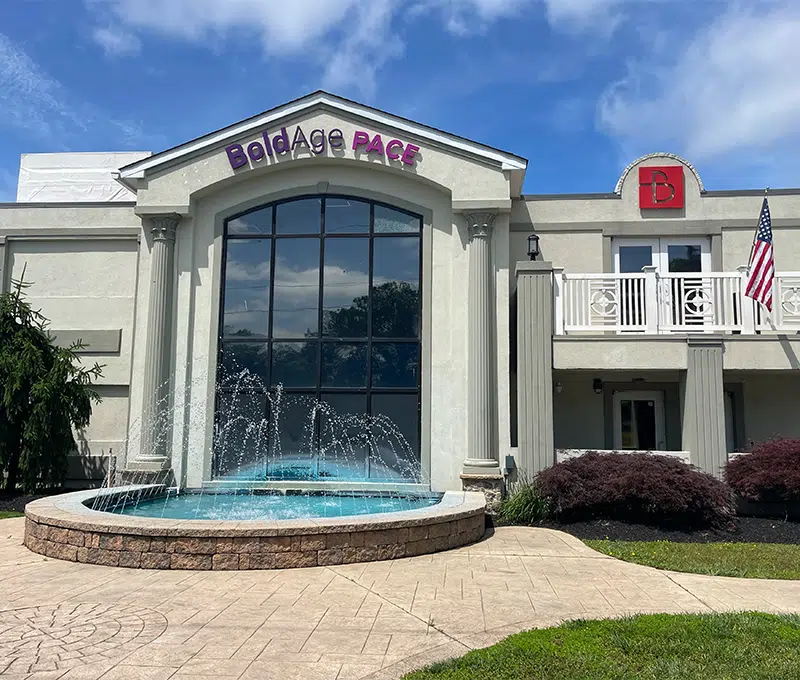


About BoldAge PACE of Lakehurst, NJ
See More
Claim This Business Listing
- Are you the owner of this business listing? If so, please click the button below to take control of it today.
- This feature enables businesses to update their information and become part of the Seniorsbluebook.com network. It is a simple, yet effective way for businesses to connect with seniors and their families who are looking for senior related services.
Continue Your Search! Explore More Local Options.
Start SearchingLet’s engage and get educated!
Browse through thousands of expert articles in over 100 different categories.
Browse NowArticles You May Like

How PACE Supports Family Caregivers
How PACE Supports Family CaregiversCaring for an aging parent, spouse, or loved one can be one of life's most meaningful responsibilities. It can also be physically demanding, emotionally exhausting, and difficult to balance with work and other family commitments.A caregiver may spend mornings organizing medications, afternoons arranging medical appointments, and evenings helping a loved one with meals, bathing, or mobility.As care needs increase, managing these responsibilities alone can become overwhelming.For families in Lakehurst, Toms River, Manchester, and throughout Ocean County, New Jersey, finding dependable support is an important part of long-term caregiving.The Program of All-Inclusive Care for the Elderly, commonly known as PACE, offers a coordinated approach to caring for eligible older adults.BoldAge PACE of Lakehurst provides comprehensive healthcare and supportive services designed to help participants remain in their homes and communities while working with families to address changing care needs.Understanding how PACE supports both participants and caregivers can help families explore their options.Understanding the Challenges of Family CaregivingFamily caregiving often begins gradually.An adult child may start by driving a parent to an occasional appointment.A spouse may help organize prescriptions or complete household chores.Over time, those responsibilities can expand.Common Family Caregiving TasksThese may include:Scheduling medical appointmentsCoordinating transportationPreparing mealsHelping with personal careManaging medicationsMonitoring chronic conditionsProviding companionshipHandling household responsibilitiesResponding to urgent needsCommunicating with multiple healthcare providersWhen several responsibilities occur at once, caregivers may have little time for their own health or personal activities.Why Caregiver Support Matters in Ocean CountyOcean County is home to a substantial older adult population.According to U.S. Census Bureau data, approximately 23.3% of county residents are age 65 or older.For many families, increasing age brings new questions about long-term healthcare, mobility, transportation, and personal assistance.Communities such as Lakehurst, Brick, Toms River, Jackson, Lakewood, and Manchester include families balancing senior care with everyday responsibilities.Some caregivers live nearby and provide hands-on support.Others coordinate services from different cities or states.Either situation may involve considerable stress.What Is PACE?PACE stands for Program of All-Inclusive Care for the Elderly.It is a Medicare and Medicaid program that coordinates comprehensive healthcare and supportive services for eligible individuals age 55 and older.Participants must meet nursing facility level-of-care requirements and be able to remain safely in the community with PACE services when they enroll.Rather than relying on several unrelated arrangements, PACE uses an interdisciplinary team to plan and coordinate care.How This Helps FamiliesA coordinated care team may reduce the number of separate arrangements caregivers must manage.For example, the PACE team can coordinate authorized primary care, rehabilitation, medication management, and transportation.Families still play an important role, but they have access to professionals who help organize the participant's healthcare needs.Support 1: Coordinating Medical CareOne of the most demanding aspects of caregiving is managing medical care across multiple providers.An older adult may need routine primary care, specialist appointments, medication adjustments, and therapy services.Without coordination, caregivers may spend significant time arranging visits and communicating information.The PACE ApproachBoldAge PACE uses an interdisciplinary care team to evaluate needs and develop an individualized care plan.The team coordinates approved medical services and monitors changing needs.Potential services include:Primary careNursing servicesPreventive healthcareSpecialist careLaboratory testingHospital servicesMedication managementThis approach can make healthcare planning more organized.Why Communication MattersWhen care providers share relevant information, families may have a clearer understanding of the overall plan.However, caregivers should still ask how they can communicate with the team and receive updates while respecting the participant's privacy and preferences.Support 2: Help With Daily ActivitiesSome older adults need assistance with personal care.Bathing, dressing, grooming, and mobility may become difficult because of illness, disability, or reduced strength.Family members often step into these roles.While caregiving can be rewarding, substantial physical assistance may increase the risk of caregiver injury or exhaustion.How PACE May HelpPACE can provide personal care and home-based support according to the participant's individualized care plan.Services may include assistance with certain daily living activities.The amount of help provided depends on assessed needs and team authorization.Families should discuss the specific support their loved one requires.Important QuestionsWhat personal care services are included?How frequently will assistance be provided?Can services change if mobility declines?What support is available during evenings or weekends?How are urgent needs addressed?These conversations help establish realistic expectations.Support 3: Transportation to Healthcare ServicesTransportation can become a major responsibility for family caregivers.A loved one may no longer drive or may need assistance transferring into a vehicle.Medical appointments, therapy sessions, and routine healthcare visits can require several trips each week.PACE coordinates transportation to the program center and approved medical appointments.Potential Benefits for FamiliesTransportation support may:Reduce scheduling pressuresHelp participants attend appointmentsSupport access to rehabilitationImprove participation in center activitiesReduce dependence on relatives for every tripFamilies should ask about transportation scheduling, assistance requirements, and service limitations.Support 4: Rehabilitation and Mobility ServicesMobility limitations can affect everyday activities and increase caregiver responsibilities.A person recovering from hospitalization may need physical therapy.Someone with arthritis or neurological symptoms may benefit from occupational therapy.PACE can coordinate medically necessary rehabilitation services.Types of RehabilitationPhysical therapyMay address strength, balance, endurance, and movement.Occupational therapyMay help individuals develop strategies for everyday activities.Speech-language therapyMay address communication or swallowing needs.These services are provided based on clinical assessment and the participant's care plan.Why Rehabilitation Matters to CaregiversWhen individuals maintain or improve functional abilities, some daily tasks may become more manageable.Caregivers may also benefit from learning appropriate strategies for assisting with mobility and daily activities.However, therapy outcomes differ, and improvement is not guaranteed.Support 5: Social Activities and Community ConnectionCaregivers sometimes worry that their loved ones spend too much time alone.Reduced mobility and limited transportation can make social engagement difficult.PACE centers offer opportunities for approved participants to receive care and participate in social activities.What the BoldAge PACE Center OffersThe Lakehurst center provides a setting for coordinated healthcare, rehabilitation, meals, and engagement.Depending on individual schedules and needs, activities may include:Social gatheringsGamesGroup activitiesMealsWellness programmingOpportunities to interact with other participantsThese experiences can help older adults remain connected with others.Why Social Engagement MattersMeaningful activities can support emotional well-being and provide structure to daily routines.For family caregivers, scheduled center participation may also provide time to manage other responsibilities.The specific attendance schedule is determined through the participant's care plan.Support 6: Nutritional ServicesProper nutrition can become challenging when an older adult has difficulty shopping, preparing meals, or following dietary recommendations.Family caregivers may need to plan meals around chronic health conditions or changing appetites.PACE may provide nutritional counseling and meals as appropriate.How Nutrition Support Can HelpThe care team may evaluate dietary needs and coordinate recommendations.Relevant concerns may include:Diabetes managementHeart-healthy eatingWeight changesSwallowing difficultiesFood preferencesNutritional riskDietary recommendations should reflect the participant's medical needs.Families can ask how meal planning and nutritional counseling are incorporated into care.Support 7: Help Navigating Changing Care NeedsOne of the greatest caregiving challenges is uncertainty about the future.A parent who needs occasional reminders today may require more substantial personal care later.Health conditions can also change unexpectedly.PACE care teams regularly assess participants and adjust care plans when necessary.Why Ongoing Assessment Is ImportantA changing care plan can help address:New medical conditionsIncreased mobility limitationsMedication changesRehabilitation needsPersonal care requirementsNutrition concernsCognitive changesFamilies should ask how reassessments occur and when they will be included in planning discussions.Support 8: Information About Respite and Caregiver ReliefEven the most dedicated caregivers need rest.Respite care provides temporary relief by arranging appropriate support for the person receiving care.Depending on the participant's needs and the PACE team's assessment, respite services may be included in a care plan.Why Respite MattersCaregivers may need time to:Attend personal medical appointmentsWorkRestSpend time with other family membersManage household responsibilitiesAddress personal health needsRespite arrangements vary.Families should ask BoldAge PACE which caregiver relief services may be available and how they are authorized.Maintaining a Healthy Caregiver RelationshipWhen caregiving responsibilities increase, family relationships can change.A spouse may begin feeling more like a full-time caregiver than a partner.An adult child may spend most visits managing medications and appointments.Coordinated support may allow some families to spend more time enjoying activities together.Ideas for Meaningful ConnectionShare a favorite meal.Look through family photographs.Enjoy music together.Take appropriate outings.Watch a favorite television program.Have conversations unrelated to medical care.Participate in familiar hobbies.Caregiving is about more than completing tasks.Maintaining personal relationships is also important.Practical Strategies for Caregiver Well-BeingPACE can provide valuable support, but caregivers still need to recognize their own limits.Helpful Self-Care StrategiesAsk for help earlyDo not wait until exhaustion becomes severe.Maintain healthcare appointmentsCaregivers should attend to their own medical needs.Share responsibilitiesWhen possible, involve relatives or trusted friends.Keep important information organizedMaintain accessible contact details, care plans, and emergency instructions.Schedule breaksRegular rest can help make caregiving more sustainable.Communicate with the care teamDiscuss concerns before they become emergencies.Expert Tip for CaregiversCaregiver Support Tip: A strong caregiving plan should address the older adult's medical and personal needs while also considering the caregiver's time, physical abilities, and emotional well-being.Supporting caregivers can help sustain a more stable care environment.When Should Families Explore PACE?PACE may be worth investigating when an older adult has complex needs and family caregivers are struggling to coordinate services.Examples include:Frequent medical appointmentsIncreasing personal care needsComplex medication routinesTransportation difficultiesMultiple chronic conditionsNeed for rehabilitationGrowing caregiver responsibilitiesThe person must still meet PACE eligibility requirements.BoldAge PACE can help families understand whether the program is appropriate.Frequently Asked Questions About PACE and Caregiving1. Does PACE replace family caregivers?No. PACE coordinates comprehensive healthcare and supportive services, but families may continue participating in care according to the participant's needs and preferences.2. Can PACE provide help at home?Yes. Home-based services may be included when the interdisciplinary team determines they are appropriate.3. Does PACE offer caregiver respite?Respite may be included based on individual needs and care planning. Families should discuss available arrangements with the PACE team.4. Can family caregivers communicate with the care team?PACE encourages coordinated planning with participants and their representatives. Communication arrangements must also respect privacy and consent requirements.5. Where is BoldAge PACE of Lakehurst located?The center is located at 800 Route 70, Lakehurst, NJ 08733, and serves Ocean County and certain Burlington County ZIP codes.Get Caregiver Support Through BoldAge PACE of LakehurstFamily caregiving can involve complicated medical decisions, changing daily routines, and considerable emotional responsibility.A coordinated care program may help make some of these responsibilities more manageable.BoldAge PACE of Lakehurst provides comprehensive services designed to support eligible older adults while helping families navigate healthcare and everyday care needs.Looking for coordinated senior care and caregiver support in Ocean County?Visit BoldAge PACE of Lakehurst on SeniorsBlueBook.com to learn more about the program and connect with the team.You can also call 732-716-4600 to discuss eligibility and available services.The right support can help families focus not only on caregiving responsibilities but also on the relationships that matter most.
Oct 13, 2026
Coordinated Senior Care at Home in New Jersey
Coordinated Senior Care at Home in New JerseyFor many older adults, remaining at home is an important personal goal. Familiar surroundings, established routines, and relationships with family and neighbors contribute to comfort and a sense of independence.However, managing multiple health conditions can make living at home increasingly complicated.An older adult may need assistance with medications, transportation, rehabilitation, meals, personal care, and routine medical appointments.Family members often step in to coordinate these responsibilities, but the number of services involved can become overwhelming.For residents of Lakehurst, Toms River, Manchester, and surrounding Ocean County communities, understanding available long-term care options can help families make informed decisions.BoldAge PACE of Lakehurst provides coordinated healthcare and supportive services designed to help eligible older adults continue living safely in their communities.Its approach brings different aspects of care together through an interdisciplinary team.What Is Coordinated Senior Care?Coordinated senior care involves organizing medical treatment, personal support, rehabilitation, and other necessary services around the individual's needs.Instead of treating every condition or service separately, a coordinated approach considers how different aspects of health and daily living affect one another.For example, an older adult may have diabetes, arthritis, and reduced mobility.These conditions can influence medication routines, nutrition, exercise, transportation, and personal care.A coordinated plan considers these related needs.Why Coordination MattersOlder adults often receive services from multiple professionals.Without effective communication, families may struggle with:Conflicting appointmentsComplicated medication schedulesTransportation arrangementsQuestions about treatment plansChanges in mobilityFollow-up after hospitalizationAccessing supportive servicesA coordinated care model can help organize these responsibilities.The Importance of Home-Based Senior Care in Ocean CountyOcean County has a significant older adult population.According to the U.S. Census Bureau, approximately 23.3% of residents are age 65 or older.Communities such as Lakehurst, Toms River, Brick, Lakewood, Manchester, and Jackson include many households considering future healthcare and long-term living arrangements.For some older adults, remaining at home is possible with limited assistance.Others require more extensive services to manage health conditions and daily activities safely.Programs such as PACE provide an option for eligible individuals whose needs meet nursing facility level-of-care standards.Understanding the PACE ApproachPACE stands for Program of All-Inclusive Care for the Elderly.It is a Medicare and Medicaid program that provides comprehensive medical and supportive services through an interdisciplinary team.PACE is designed for individuals age 55 and older who require a nursing facility level of care but can remain safely in the community with program assistance.How BoldAge PACE Coordinates CareThe care team evaluates each participant's health, mobility, daily activities, and personal needs.Based on the assessment, the team develops an individualized plan.The plan may include:Primary healthcareNursingSpecialist careRehabilitationPersonal assistanceMedication managementNutritional servicesTransportationSocial activitiesOther medically necessary servicesServices are coordinated according to individual needs and program requirements.Primary Care as Part of a Larger PlanManaging chronic conditions often requires regular monitoring.Older adults may have several diagnoses that affect one another.For example, heart disease may influence physical activity recommendations, while diabetes may require ongoing medication and nutrition management.PACE coordinates primary healthcare within the overall plan.Common Areas of Medical SupportPrimary care may involve:Routine examinationsPreventive screeningsMedication reviewsMonitoring chronic conditionsReferrals to authorized specialistsEvaluation of new symptomsFollow-up after medical treatmentThis approach helps connect routine medical care with other services participants may need.Managing Multiple Chronic ConditionsChronic illnesses often require ongoing attention.A person with arthritis may need mobility support, while someone with diabetes may require nutritional counseling and regular monitoring.An individual with more complex health conditions may need several types of services.Conditions That May Create Coordinated Care NeedsExamples include:DiabetesHeart diseaseArthritisChronic respiratory diseaseNeurological conditionsMobility limitationsCognitive impairmentOther long-term medical conditionsA diagnosis alone does not determine PACE eligibility.The state evaluates whether the individual meets nursing facility level-of-care requirements.Benefits of an Integrated ApproachCoordinated care allows the team to consider how different treatments and services interact.For example, medication changes may affect balance, while nutritional needs may influence chronic disease management.Team communication can help support a more consistent plan.Rehabilitation Services That Support Daily LivingRehabilitation can be an important part of maintaining or improving functional abilities.PACE may coordinate physical, occupational, and speech-language therapy when medically necessary.Physical TherapyPhysical therapy may focus on:WalkingStrengthBalanceEnduranceFunctional mobilityMovement following illness or injuryOccupational TherapyOccupational therapy may help participants manage daily activities such as dressing, bathing, and moving safely within their homes.Speech-Language TherapySpeech therapy may address communication and swallowing concerns.The specific therapies provided depend on clinical evaluation and care team authorization.Personal Care Support in the HomeMedical appointments are only one part of remaining safely at home.Some older adults need assistance with everyday routines.Tasks such as bathing, dressing, grooming, and moving between rooms may become challenging.How PACE Addresses Personal Care NeedsPACE may authorize home-based assistance as part of the individualized care plan.Services are determined according to the participant's needs and the team's assessment.This can help families create a more organized approach to daily support.Setting Realistic ExpectationsPACE does not automatically provide full-time home attendants or continuous supervision for every participant.Families should ask exactly what services are included and how support may change as needs evolve.Transportation as Part of Healthcare AccessTransportation barriers can make coordinating senior care difficult.An older adult may need regular medical visits but no longer be able to drive.Family members may need to take time away from work to provide transportation.PACE coordinates transportation to approved healthcare services and program center activities.Why Transportation Is ImportantTransportation can support:Medical appointment attendanceRehabilitation participationAccess to the PACE centerSocial engagementConsistent care routinesFamilies should confirm how transportation is scheduled and what assistance is available.Nutrition and Wellness ServicesNutrition plays an important role in managing many chronic conditions.Older adults may have dietary restrictions, swallowing difficulties, reduced appetites, or challenges preparing meals.PACE may include nutritional counseling and meals as appropriate.Important Nutrition ConsiderationsThe care team may evaluate:Dietary requirementsWeight changesHydrationFood preferencesChronic disease managementSwallowing concernsNutritional risksNutrition planning should align with the participant's medical needs and preferences.Social Connection Through the PACE CenterRemaining at home is important to many older adults, but social isolation can become a concern.Limited mobility or transportation may reduce opportunities to interact with others.The BoldAge PACE center in Lakehurst provides an environment where participants can access healthcare services and engage in activities.Potential Center-Based OpportunitiesDepending on the care plan, participants may enjoy:Social interactionMealsRecreational programmingGroup activitiesWellness servicesRehabilitation sessionsVisits with care professionalsThese opportunities can help participants maintain community connections.Why Meaningful Activities MatterSocial activities can provide structure and opportunities for enjoyment.Individual interests should guide participation.Some people enjoy group games, while others prefer quieter activities or conversation.A coordinated care plan considers these personal preferences alongside medical needs.Planning for Changes in HealthHealth needs can change over time.A participant may develop new mobility limitations, require additional therapy, or experience changes in chronic disease management.PACE teams regularly review needs and adjust approved services.Changes That May Prompt ReassessmentA new diagnosisHospitalizationFallsChanges in mobilityMedication concernsNutritional changesIncreased personal care requirementsCognitive changesFamilies should communicate meaningful changes to the care team.Healthcare After HospitalizationTransitions between hospitals and home can be challenging.A participant may need follow-up appointments, medication adjustments, rehabilitation, or additional personal care.PACE can coordinate authorized post-hospital services through the individual's care plan.Questions Families Should AskWhat follow-up appointments are needed?Have medications changed?Is rehabilitation recommended?Does the person need more help at home?Are mobility restrictions in place?How will transportation be arranged?Who should be contacted about new symptoms?Clear communication can help families understand the plan after discharge.How PACE Differs From Managing Separate ServicesSome families use several providers independently.For example, a primary care practice, home care agency, rehabilitation clinic, and transportation service may each operate under separate arrangements.PACE uses an interdisciplinary team to coordinate covered services.Potential Advantages of CoordinationA coordinated approach may provide:A central care planning processCommunication among professionalsIndividualized service arrangementsOngoing assessmentMedical and supportive services within one programHelp navigating changing needsHowever, families should understand that PACE generally requires participants to receive non-emergency healthcare through the program or authorized providers.This may require changing existing healthcare relationships.The enrollment team should explain these requirements before an individual joins.Who Can Benefit From PACE?PACE is intended for people who meet specific eligibility requirements.A prospective participant must:Be at least 55 years oldLive in an approved service areaMeet the state's nursing facility level-of-care requirementsBe able to live safely in the community with PACE services at enrollmentIndividuals who need only occasional assistance with household chores may not satisfy the program's care-level requirements.Families should request an eligibility review rather than assume someone qualifies.Planning for Family InvolvementEven with coordinated healthcare, family involvement may remain important.Relatives often provide emotional support, companionship, and assistance with personal decisions.When appropriate and authorized, family members may participate in care discussions.Helpful Ways Families Can ParticipateShare observations about changing needs.Ask questions about care plans.Discuss mobility and safety concerns.Coordinate with the care team.Support meaningful activities.Maintain regular contact.Review emergency arrangements.Communication should respect the participant's privacy and personal preferences.Expert Tip: Consider the Whole PersonCoordinated Care Tip: Senior care planning works best when families consider medical conditions alongside mobility, nutrition, transportation, daily routines, and social connections. Each area can influence whether a person can remain safely in the community.This whole-person perspective is central to the PACE model.Frequently Asked Questions About Coordinated Senior Care1. What is coordinated senior care?Coordinated care brings different healthcare and supportive services together through a shared plan developed around the individual's needs.2. Can PACE provide both medical and personal care?Yes. PACE includes comprehensive healthcare and supportive services, with specific assistance determined through an individualized care plan.3. Can PACE help after hospitalization?PACE can coordinate medically necessary follow-up care, rehabilitation, and other approved services after a hospital stay.4. Does PACE include social activities?PACE centers commonly provide recreational and social programming. Participation depends on individual needs and care schedules.5. Where can Ocean County families learn more about BoldAge PACE?Families can contact BoldAge PACE of Lakehurst at 732-716-4600 or visit the organization's Seniors Blue Book listing.Discover Coordinated Senior Care With BoldAge PACE of LakehurstManaging healthcare, rehabilitation, personal assistance, and transportation can become complicated as people age.For individuals with substantial long-term care needs, an integrated approach may help organize services while supporting community living.BoldAge PACE of Lakehurst provides coordinated medical and supportive care for eligible participants in Ocean County and approved Burlington County communities.Interested in learning how coordinated senior care may support you or a loved one?Visit BoldAge PACE of Lakehurst on SeniorsBlueBook.com to review the listing and connect with the team.For more information about enrollment and available services, call 732-716-4600.An individualized care plan can be an important step toward managing changing healthcare needs while maintaining the familiarity and comfort of home.
Oct 13, 2026
Who Qualifies for PACE in New Jersey?
Who Qualifies for PACE in New Jersey?Finding the right care for an aging parent or loved one can be complicated, especially when medical needs, personal care, and everyday responsibilities begin overlapping.A family may be helping someone manage prescriptions, attend doctor appointments, prepare meals, and move safely around the home. Over time, these responsibilities can become more demanding.For older adults in Lakehurst, Ocean County, and surrounding New Jersey communities, the Program of All-Inclusive Care for the Elderly, known as PACE, may provide a coordinated alternative to managing several separate care services.But one of the most important questions families ask is: Who qualifies for PACE?BoldAge PACE of Lakehurst helps individuals understand their eligibility and explore comprehensive healthcare and community-based support services.This guide explains the main eligibility requirements, enrollment process, financial considerations, and questions families should ask.What Is PACE?PACE is a Medicare and Medicaid program designed to help eligible older adults receive coordinated healthcare and long-term support while continuing to live in their communities.Rather than requiring families to arrange every service independently, PACE brings medical care, rehabilitation, personal assistance, and other approved services together through a coordinated team.The program serves individuals whose care needs meet their state's nursing facility level-of-care standards but who can remain safely in a community setting with appropriate PACE support.Why Families Consider PACEPACE may be worth exploring when an older adult needs assistance with several aspects of daily life.Examples include:Managing chronic medical conditionsAttending frequent medical appointmentsReceiving personal care assistanceCoordinating medicationsAccessing rehabilitation servicesArranging transportationMaintaining safe community livingParticipating in social activitiesThe services provided depend on the participant's assessed needs and individualized care plan.Understanding PACE Eligibility in New JerseyThe PACE program has four primary eligibility requirements.All four must be satisfied before someone can enroll.Requirement 1: Be at Least 55 Years OldPACE serves individuals age 55 and older.Although the program's name refers to elderly care, enrollment does not begin exclusively at age 65.People between ages 55 and 64 may qualify if they meet the remaining requirements.Requirement 2: Live in an Approved Service AreaPACE organizations operate within designated geographic service areas.A person must live within the approved area of the organization they intend to join.For BoldAge PACE of Lakehurst, the service area includes Ocean County and specific ZIP codes in Burlington County.Requirement 3: Meet Nursing Facility Level-of-Care RequirementsThe state must determine that the applicant meets its nursing facility level-of-care criteria.This does not mean the person must already live in a nursing home.It means their functional or healthcare needs meet the state's applicable standards.Requirement 4: Be Able to Live Safely in the Community With PACE ServicesPACE is designed to support community living.At enrollment, the person must be able to remain safely in the community with the services PACE can provide.Eligibility is assessed individually.A person may meet the nursing facility level-of-care requirement while still living at home.What Does Nursing Facility Level of Care Mean?This eligibility requirement can be confusing.Some families assume that anyone who needs help with cooking, transportation, or medications automatically qualifies.However, qualifying for PACE involves a formal assessment under state standards.The evaluation may consider physical abilities, medical needs, cognitive functioning, and assistance requirements.Examples of Needs That May Be RelevantDifficulty completing activities of daily livingSignificant mobility limitationsComplex healthcare conditionsNeed for ongoing supervisionCognitive limitations affecting safetySubstantial assistance with personal careHaving one of these concerns does not automatically establish eligibility.The state determines whether the applicant satisfies the required level of care.Can Someone Still Live Independently and Qualify?An individual may be living at home while receiving considerable assistance from relatives or paid caregivers.PACE eligibility is based on assessed needs, not simply the current living address.Families should speak with the BoldAge PACE enrollment team rather than assume someone will or will not qualify.Which New Jersey Communities Does BoldAge PACE Serve?BoldAge PACE operates its Lakehurst center at:800 Route 70Lakehurst, NJ 08733The organization serves residents throughout Ocean County and in specifically approved portions of Burlington County.Ocean County CommunitiesResidents of communities such as Lakehurst, Toms River, Manchester, Brick, Lakewood, Jackson, Berkeley Township, and other covered Ocean County areas may explore eligibility.Burlington County Service AreaOnly designated Burlington County ZIP codes are included in the Lakehurst program's coverage area.Families should confirm the applicant's exact ZIP code with BoldAge PACE before proceeding.Why Geographic Eligibility MattersPACE coordinates care through local providers, transportation arrangements, and its community-based center.The approved service area helps define where the organization can deliver those services.An individual who otherwise meets eligibility criteria may need to explore a different PACE organization if they live outside the Lakehurst coverage area.Why PACE Is Relevant to Ocean County SeniorsOcean County has one of New Jersey's substantial older adult populations.According to the U.S. Census Bureau, approximately 23.3% of Ocean County residents are age 65 or older.As residents age, demand for appropriate healthcare coordination and long-term support becomes an important consideration for families.A person with several chronic conditions may need regular appointments, medications, and assistance at home.A caregiver may struggle to coordinate these services across multiple providers.PACE offers an organized care model for individuals who meet the program's requirements.Do You Need Medicare to Qualify for PACE?Not necessarily.PACE is administered through Medicare and Medicaid, but eligibility is not limited to individuals who have both programs.People with Medicare, Medicaid, both, or neither may be able to enroll if they satisfy the program's requirements and applicable payment arrangements.Medicare and PACEIndividuals who have Medicare may enroll in PACE if eligible.PACE becomes responsible for coordinating covered healthcare services through its program and authorized providers.Medicaid and PACEPeople who qualify for Medicaid may receive PACE services without a monthly PACE premium.Private-Pay ParticipationIndividuals who do not have Medicare or Medicaid may be able to pay privately.Because costs and eligibility circumstances differ, financial details should be discussed directly with the program.How Much Does PACE Cost?PACE costs depend on the participant's coverage.If You Have MedicaidEligible Medicaid participants generally do not pay a monthly PACE premium.If You Have Medicare but Not MedicaidYou may be responsible for monthly premiums associated with long-term care services and prescription coverage.The amount depends on your Medicare coverage and program arrangements.If You Have Neither Medicare Nor MedicaidPrivate-payment arrangements may be available.What About Copayments?There are no deductibles, copayments, or coinsurance charges for medications, services, or care approved by the PACE team.However, participants must follow the program's care coordination rules.Unauthorized services from providers outside PACE may result in personal financial responsibility, except where applicable emergency and other program rules provide otherwise.Families should review all payment and provider requirements carefully before enrolling.What Services Can Eligible Participants Receive?PACE provides comprehensive services based on individual healthcare needs.The interdisciplinary team determines and coordinates approved care.Medical ServicesThese may include:Primary carePreventive servicesNursing careSpecialist appointmentsLaboratory servicesHospital carePrescription medicationsRehabilitation ServicesParticipants may receive appropriate physical, occupational, or speech therapy.Home-Based SupportPersonal care and certain home support services may be included when authorized by the care team.Social and Supportive ServicesPACE may also include:Social work servicesNutritional counselingCenter-based activitiesMealsTransportationOther necessary supportive servicesThe actual service schedule varies based on assessed needs.How to Apply for BoldAge PACEBoldAge PACE provides an enrollment process intended to help families understand the program before making a decision.Step 1: Make an Initial InquiryContact the Lakehurst team and explain the individual's circumstances.An enrollment representative can discuss the program and answer general questions.Step 2: Meet the TeamFamilies may have an opportunity to visit the center, meet staff, and learn how services are coordinated.Step 3: Complete Eligibility AssessmentsThe program reviews geographic and age eligibility and coordinates the required assessments.The state determines whether nursing facility level-of-care requirements are satisfied.The team also evaluates whether the applicant can live safely in the community with PACE support.Step 4: Review Enrollment InformationBefore enrolling, families should understand:Available servicesCare coordination requirementsProvider arrangementsCostsParticipant rightsTransportationDisenrollment optionsStep 5: Begin Coordinated ServicesAfter enrollment takes effect, the care team coordinates the participant's approved healthcare and support services.Questions to Ask Before EnrollingA family should feel comfortable asking detailed questions.Important Enrollment QuestionsDoes our ZIP code qualify?How is nursing facility level of care determined?Which current healthcare providers can be used?How are specialist appointments arranged?What is the transportation process?Which medications are covered?What home care services might be available?How are emergencies handled?What premiums apply to our coverage?Can someone leave the program later?PACE participation is voluntary, and participants may disenroll.Families should ask how disenrollment would affect healthcare coverage and ongoing services.A Helpful Enrollment TipPACE Eligibility Tip: Do not rule out PACE simply because your loved one still lives at home or is younger than 65. The program serves eligible individuals beginning at age 55, and nursing facility level-of-care needs can exist even when someone remains in their own residence.A conversation with the enrollment team can help clarify the next steps.Frequently Asked Questions About PACE Eligibility1. Can someone age 60 qualify for PACE?Yes. PACE eligibility begins at age 55, provided the individual meets the geographic, care-level, and community safety requirements.2. Does a person need to live in a nursing home first?No. PACE is specifically designed to help eligible individuals receive coordinated services while living in the community.3. Is Medicaid required for PACE enrollment?No. Eligible individuals may participate through different Medicare, Medicaid, or private-payment arrangements. Costs depend on coverage.4. Does everyone in Burlington County qualify for BoldAge PACE Lakehurst?No. The Lakehurst program serves only specific Burlington County ZIP codes, along with its Ocean County service area.5. How can I find out whether my parent qualifies?Contact BoldAge PACE of Lakehurst to discuss eligibility requirements and arrange the appropriate screening process.Find Out Whether BoldAge PACE Is Right for Your FamilyUnderstanding eligibility is an important first step when exploring long-term care options.For older adults with substantial healthcare and personal support needs, PACE may provide a coordinated way to receive necessary services while continuing to live in the community.BoldAge PACE of Lakehurst helps families throughout Ocean County and covered Burlington County communities understand their options.Ready to explore PACE eligibility for yourself or a loved one?Visit BoldAge PACE of Lakehurst on SeniorsBlueBook.com to learn more and connect with the enrollment team.You can also call 732-716-4600 to discuss eligibility, coverage, and the enrollment process.A simple conversation can help clarify whether PACE is an appropriate care option for your family's needs.
Oct 13, 2026
Understanding PACE for Seniors in New Jersey
Understanding PACE for Seniors in New JerseyAs older adults experience changes in their health, managing everyday responsibilities can become increasingly complicated. Medical appointments, prescriptions, transportation, rehabilitation, and personal care may require assistance from several different providers.For families in Lakehurst, Toms River, Manchester, Brick, and surrounding Ocean County communities, coordinating these services can feel overwhelming.Many older adults want to remain in their homes rather than move into a nursing facility. However, staying at home may become difficult when medical and personal care needs increase.This is where the Program of All-Inclusive Care for the Elderly, commonly called PACE, can make a meaningful difference.BoldAge PACE of Lakehurst, New Jersey, provides coordinated healthcare and supportive services designed to help eligible older adults remain safely in their communities.Understanding how PACE works can help seniors and families explore a different approach to long-term care.What Is the PACE Program?PACE stands for Program of All-Inclusive Care for the Elderly.It is a Medicare and Medicaid program that coordinates medical care, personal assistance, and social support for eligible individuals age 55 and older.PACE is designed for people who meet their state's nursing facility level-of-care requirements but can continue living safely in the community with appropriate support.Unlike arrangements in which families must coordinate several healthcare providers independently, PACE brings services together through an interdisciplinary team.The Main Goal of PACEThe goal is to help participants receive appropriate healthcare and long-term support while remaining in their homes and communities whenever safely possible.PACE does not guarantee that nursing home care will never be necessary.Instead, it offers coordinated services intended to support health, independence, and quality of life.Why PACE Matters in Ocean County, New JerseyOcean County has a substantial population of older adults.According to the U.S. Census Bureau, approximately 23.3% of Ocean County residents are age 65 or older.As residents age, families may face new challenges involving transportation, chronic conditions, personal care, and access to medical services.Communities such as Lakehurst, Manchester Township, Toms River, Jackson, Lakewood, and Brick have older residents who may benefit from learning about coordinated long-term care options.For individuals with complex healthcare needs, finding a program that combines multiple services can simplify an otherwise complicated process.How Does BoldAge PACE Work?BoldAge PACE uses a team-based care model.Each participant receives an individualized care plan developed and reviewed by healthcare and support professionals.The team evaluates medical needs, functional abilities, living arrangements, and personal goals.Members of a PACE Care TeamDepending on the program and participant's needs, the team may include:Primary care providersNursesSocial workersPhysical therapistsOccupational therapistsDietitiansPersonal care professionalsActivity coordinatorsTransportation staffOther healthcare specialistsTeam members communicate about the participant's needs and coordinate approved services.This integrated approach can help reduce fragmentation between different aspects of care.Primary and Preventive Healthcare Through PACERegular medical care is an important part of maintaining health as people age.Older adults may require ongoing monitoring for conditions such as diabetes, heart disease, arthritis, or chronic respiratory illnesses.PACE coordinates primary care and medically necessary services through its care team and authorized providers.Healthcare Services May IncludeRoutine medical appointmentsPreventive screeningsNursing servicesMedication reviewsChronic disease managementLaboratory testingMedical specialty servicesHospital care when neededServices are provided according to the participant's individualized care plan.The PACE team determines and coordinates necessary covered care.Why Coordination MattersWhen several providers are involved, important information may become difficult to track.A coordinated team can review how medications, therapies, and medical conditions interact.This may help create a more consistent treatment approach.Personal Care and Home SupportFor some older adults, medical treatment is only one part of the challenge.Everyday activities such as bathing, dressing, meal preparation, and moving safely around the home may become difficult.PACE may provide home-based support when included in the participant's care plan.Possible Home Support ServicesAssistance with bathingDressing and grooming supportPersonal careHelp with certain daily activitiesNursing servicesRehabilitation supportOther authorized services based on assessed needsThe amount and type of assistance vary by participant.PACE does not automatically provide continuous in-home caregiving for every individual.Families should discuss specific support requirements with the BoldAge PACE team.Rehabilitation and Therapy ServicesMobility limitations can affect independence.A person recovering from surgery may need physical therapy, while someone with a neurological condition may benefit from occupational or speech therapy.PACE can coordinate rehabilitation services when medically necessary.Physical TherapyPhysical therapy may address:StrengthBalanceMobilityWalkingEnduranceFunctional movementOccupational TherapyOccupational therapy may help individuals develop strategies for daily activities such as dressing, bathing, and safely navigating their environments.Speech TherapySpeech-language services may address communication or swallowing concerns when appropriate.These services are integrated into the participant's overall care plan.The Role of the PACE Day CenterPACE is not simply a home care service.The program also uses a community-based center where participants may receive healthcare, rehabilitation, meals, and social services.BoldAge PACE operates a center in Lakehurst.What Happens at a PACE Center?Depending on individualized needs and scheduled participation, activities may include:Medical appointmentsNursing assessmentsRehabilitationNutritious mealsRecreational activitiesSocial interactionWellness programmingCare coordinationThe center provides an opportunity for participants to receive multiple types of support in one setting.Social Engagement MattersOlder adults who have limited transportation or mobility may find it difficult to participate in community activities.The PACE center can offer opportunities for conversation, friendship, and meaningful engagement.Participation schedules reflect each person's care plan and preferences.Transportation Support Through PACETransportation is a significant concern for many seniors.Some older adults no longer drive, while others require assistance traveling to healthcare appointments.PACE can coordinate transportation to its center and approved medical appointments.Why Transportation Makes a DifferenceReliable transportation may help participants:Attend routine medical visitsReceive rehabilitation servicesParticipate in center activitiesAccess coordinated healthcareReduce reliance on family members for every appointmentTransportation arrangements depend on program services and individual care plans.Medication Management and CoordinationManaging multiple prescriptions can be complicated.Older adults may take medications at different times or require adjustments as medical conditions change.PACE coordinates necessary medication services through its healthcare team.Benefits of Coordinated Medication ManagementThe care team can review prescriptions, assess medication-related concerns, and coordinate authorized medications.Families should understand that participants generally receive covered healthcare and prescriptions through PACE or authorized providers.This arrangement differs from independently obtaining all services outside the program.How PACE Differs From Traditional Home CareTraditional home care often focuses on assistance with daily activities or specific nursing needs.PACE provides a broader, integrated model.It can coordinate medical treatment, therapies, personal support, transportation, and social services within one program.Key DifferencesTraditional home careServices may be provided by an agency that focuses on personal assistance or skilled care.PACEServices are coordinated through an interdisciplinary team responsible for the participant's overall care plan.PACE may also include center-based activities, medical services, and rehabilitation.The right option depends on eligibility and individual needs.Understanding PACE CostsPACE is a Medicare and Medicaid program, but costs depend on a participant's insurance and eligibility.Individuals with Medicaid generally do not pay a monthly premium for PACE.People who have Medicare but are not eligible for Medicaid may have monthly premiums.Those without Medicare or Medicaid may also have private-pay options.There are no deductibles, copayments, or coinsurance charges for drugs, services, or care approved by the PACE team.Families should review their exact financial circumstances with the enrollment team before joining.Important PACE Eligibility RequirementsTo qualify, an individual generally must:Be at least 55 years oldLive in a PACE organization's approved service areaMeet state nursing facility level-of-care requirementsBe able to live safely in the community with PACE services at enrollmentMeeting the age requirement alone does not establish eligibility.BoldAge PACE can explain the screening and enrollment process.A Helpful Tip for FamiliesSenior Care Tip: When evaluating long-term care options, consider the complete picturenot just medical appointments. Transportation, personal care, medication coordination, rehabilitation, and social connection can all influence a senior's ability to remain safely at home.PACE is designed to bring these needs together through coordinated services.Frequently Asked Questions About PACE1. Is PACE the same as a nursing home?No. PACE is designed to help eligible individuals receive comprehensive care while continuing to live in their communities. Nursing facility services may be included when medically necessary.2. Do participants have to visit the PACE center every day?Not necessarily. Center attendance and service schedules depend on the individualized care plan.3. Does BoldAge PACE provide transportation?PACE includes transportation to its center and authorized medical services according to participant needs.4. Can someone join PACE without Medicaid?Possibly. Individuals with Medicare or those paying privately may qualify if they meet program requirements. Costs differ depending on coverage.5. Which areas does BoldAge PACE of Lakehurst serve?The Lakehurst program serves Ocean County and certain approved ZIP codes in Burlington County. Families should verify their address before beginning enrollment.Explore BoldAge PACE in Lakehurst, New JerseyCoordinating healthcare and daily support can become challenging as needs change.PACE offers a comprehensive approach designed to bring medical treatment, rehabilitation, personal care, transportation, and social support together.For eligible older adults in Ocean County and covered Burlington County communities, BoldAge PACE of Lakehurst provides a local option for coordinated senior care.Interested in learning whether PACE could help you or a loved one remain at home?Visit BoldAge PACE of Lakehurst on SeniorsBlueBook.com to learn more and connect with the team.You can also contact BoldAge PACE of Lakehurst at 732-716-4600 to discuss eligibility and available services.Understanding your options is the first step toward building a care plan that supports health, independence, and peace of mind.