
PHONE
Click to View NumberSee More
Additional Services Offered
Center At Lincoln, The
Skilled Nursing 12230 Lioness Way, Douglas County, Parker, Colorado, 80134This free listing made possible by Seniors BlueBook
Continue Your Search! Explore More Local Options.
Start SearchingLet’s engage and get educated!
Browse through thousands of expert articles in over 100 different categories.
Browse NowArticles You May Like
Helping Seniors Heal, Rebuild, and Return Home Safely
Helping Seniors Heal, Rebuild, and Return Home SafelyA hospital stay can leave older adults and their families facing difficult questions about recovery, safety, and long-term care needs. Whether a senior is recovering from surgery, illness, a fall, or a serious medical event, returning home immediately may not always be the safest option. Many older adults require additional support, therapy, and medical supervision before they can comfortably resume everyday routines.In Parker, skilled nursing and rehabilitation communities provide essential care for seniors transitioning from hospital treatment toward greater independence and recovery. These communities combine professional medical support with rehabilitation therapies that help residents regain strength, mobility, and confidence.The Center at Lincoln offers skilled nursing and rehabilitation services designed to support healing while focusing on personalized care, comfort, and dignity throughout the recovery process.As Parker continues growing as one of Colorados most family-oriented and retirement-friendly communities, more families are seeking high-quality skilled nursing options close to home and local healthcare resources.Understanding Skilled Nursing CareSkilled nursing care provides medical oversight and rehabilitation services supervised by licensed healthcare professionals.Unlike assisted living or non-medical home care, skilled nursing communities offer clinical care for individuals recovering from hospitalization or managing complex medical needs.Services often include: 24-hour nursing care Medication administration Wound care Pain management Physical therapy Occupational therapy Speech therapy IV therapy Chronic illness monitoring Post-surgical support For many residents, skilled nursing is temporary and recovery-focused. Others may require longer-term care depending on health conditions and medical complexity.Why Seniors Often Need Rehabilitation After HospitalizationHospital discharge does not always mean a senior is fully ready to return home safely.Even short hospital stays can lead to: Muscle weakness Fatigue Reduced mobility Difficulty balancing Increased fall risk Trouble completing daily tasks Without proper rehabilitation and medical supervision, seniors may face complications or hospital readmissions.Recovery is not just about healing physically, says Leah DeRosa of The Center at Lincoln. Its about helping residents rebuild confidence and regain the ability to safely return to their daily lives.Structured rehabilitation programs help seniors progress more safely and successfully.Physical Therapy Helps Residents Regain StrengthMobility challenges are common after illness, surgery, or injury.Physical therapy focuses on helping residents: Improve balance Increase strength Practice safe walking techniques Build endurance Reduce pain Prevent falls For seniors in Parker who enjoy active lifestyles, community activities, and family involvement, restoring mobility often plays a major role in emotional well-being and independence.Therapists create individualized treatment plans tailored to each residents medical needs and recovery goals.Occupational Therapy Supports Daily Living SkillsAfter hospitalization, many seniors struggle with everyday activities that once felt routine.Occupational therapy helps residents regain confidence and independence with tasks such as: Bathing Dressing Grooming Meal preparation Safe bathroom use Adaptive equipment use Therapists also help identify practical strategies that may improve safety and independence when residents return home.These skills are critical for reducing future injury risks and promoting successful recovery.Speech Therapy Improves Communication and SwallowingSpeech therapy is another important part of rehabilitation for many seniors recovering from strokes, neurological conditions, or surgeries.Speech-language pathologists may help residents with: Communication challenges Cognitive exercises Memory support Swallowing difficulties Voice strengthening Improving communication and swallowing safety can greatly enhance quality of life and reduce medical complications during recovery.Emotional Support Matters During RecoveryRecovering after illness or hospitalization can feel emotionally overwhelming for older adults.Residents may experience: Anxiety Frustration Fear of falling Depression Loss of confidence Skilled nursing communities provide emotional support through compassionate caregiving, structured routines, and social engagement opportunities.Residents often benefit from: Encouragement from care teams Community interaction Recreational activities Family involvement Consistent routines Healing is often more successful when emotional wellness is supported alongside physical recovery.Parkers Growing Senior CommunityParker has become increasingly popular among retirees and multigenerational families because of its balance between suburban comfort and access to Denver-area healthcare systems.Seniors living in Parker appreciate: Scenic neighborhoods Community events Walking trails and parks Nearby healthcare providers Family-oriented atmosphere Remaining close to familiar surroundings and loved ones can make rehabilitation and recovery feel less stressful for seniors and families alike.Choosing skilled nursing care locally also helps simplify communication, visitation, and ongoing support during recovery.Nutrition Plays an Important Role in HealingNutrition is essential during rehabilitation.Older adults recovering from illness or surgery often need: Protein-rich meals Hydration support Specialized diets Balanced nutrition that promotes healing Skilled nursing communities provide structured dining support and nutritional monitoring that help residents regain energy and strength throughout recovery.Care teams also monitor residents for swallowing concerns, appetite changes, and dietary needs.Questions Families Should Ask During a Skilled Nursing TourChoosing the right skilled nursing community is an important decision. Families should ask detailed questions about care quality and rehabilitation programs.Helpful questions include: What therapies are offered onsite? How often do residents receive therapy? What nursing support is available? How are care plans personalized? How are families updated about progress? What discharge planning services are provided? What safety protocols are in place? Touring communities in person can help families evaluate the environment, cleanliness, staff interactions, and overall atmosphere.When Skilled Nursing May Be the Right ChoiceSkilled nursing care may be appropriate for seniors recovering from: Joint replacement surgery Falls and fractures Stroke Cardiac events Pneumonia Infections Extended hospitalization Chronic medical conditions Families should work closely with physicians and discharge planners to determine the appropriate level of care after hospitalization.Supporting Recovery with Compassion and ExpertiseHealing after illness or injury often requires professional medical care, therapy support, and compassionate encouragement.The right skilled nursing environment can help seniors regain strength, rebuild confidence, and safely transition toward greater independence.Families in Parker seeking rehabilitation and skilled nursing support are encouraged to learn more about The Center at Lincoln and their personalized approach to post-hospital recovery care.Visit their Seniors Blue Book listing today to explore local resources and connect with their care team.Frequently Asked QuestionsWhat is skilled nursing care?Skilled nursing provides medical supervision and rehabilitation services for individuals recovering from illness, injury, or surgery.Is skilled nursing temporary?Often, yes. Many residents stay temporarily for rehabilitation before returning home.What rehabilitation therapies are available?Most skilled nursing communities offer physical, occupational, and speech therapy.Can seniors return home after rehabilitation?Yes. Many residents regain enough strength and independence to safely transition home.Are family members involved in care planning? Absolutely. Family communication and involvement are encouraged throughout recovery.
May 13, 2026
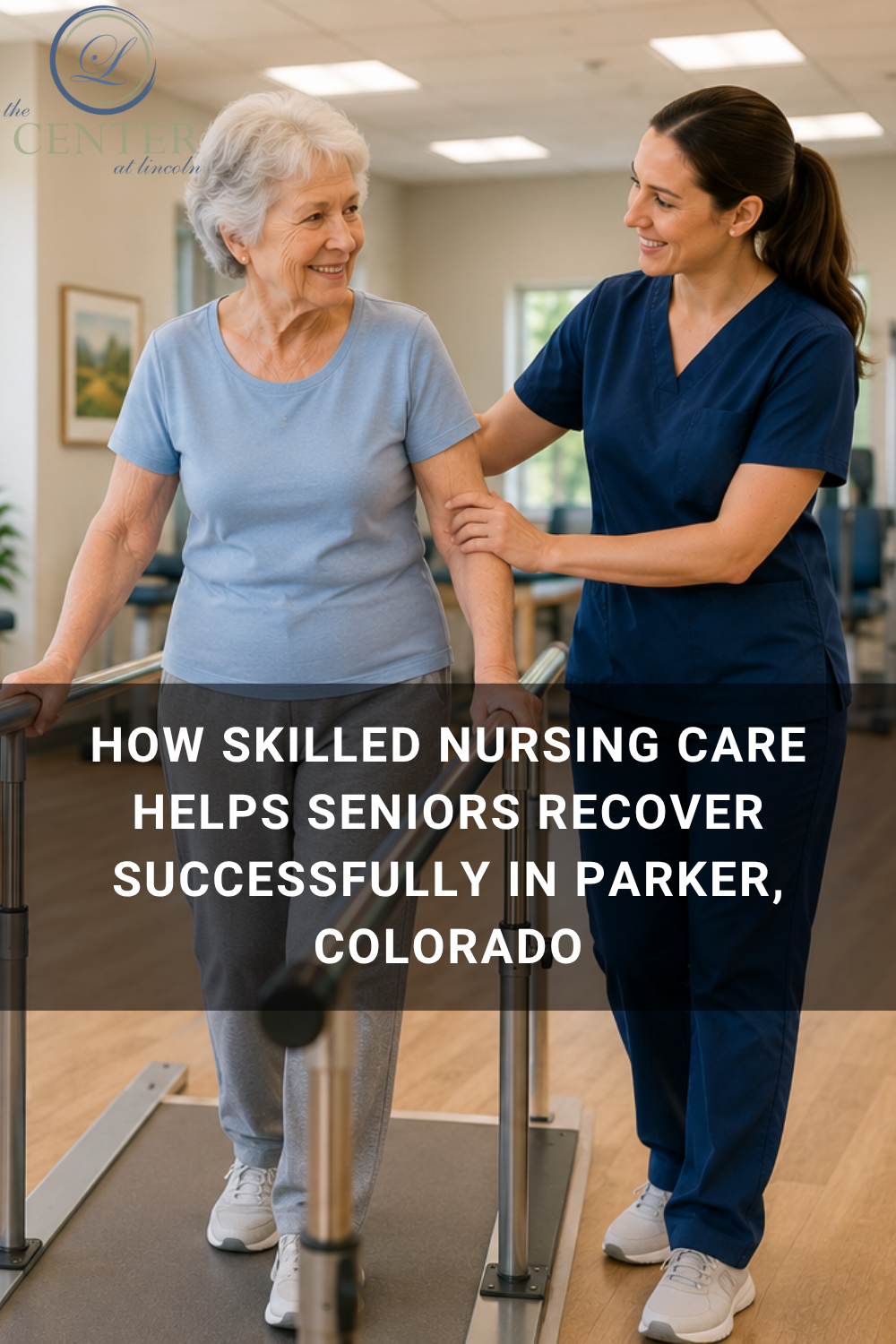
How Skilled Nursing Care Helps Seniors Recover Successfully in Parker,
How Skilled Nursing Care Helps Seniors Recover Successfully in Parker, ColoradoWhen a loved one leaves the hospital after surgery, illness, or injury, many families assume the hardest part is over. In reality, recovery often continues long after discharge. Seniors may still face challenges with mobility, strength, medication management, and daily activities that make returning home immediately difficult.This transitional period is one of the most important stages of recovery. Without the right support, seniors may experience setbacks that delay healing or even lead to hospital readmissions.That is why skilled nursing care remains such an essential resource for older adults. Communities like The Center at Lincoln in Parker, Colorado provide professional medical oversight, rehabilitation services, and personalized support designed to help seniors regain independence and safely transition back to daily life.For families navigating post-hospital care decisions, understanding the value of skilled nursing can make all the difference.What Is Skilled Nursing Care?Skilled nursing care combines medical services and rehabilitation programs for individuals who require a higher level of support than can typically be provided at home.Residents often enter a skilled nursing community following:Joint replacement surgeryStroke recoveryCardiac eventsFalls and fracturesRespiratory illnessesHospitalizations due to infectionChronic health condition complicationsSkilled nursing facilities provide access to licensed nurses, rehabilitation specialists, and healthcare professionals who work together to support recovery.Services commonly include:24-hour nursing carePhysical therapyOccupational therapySpeech therapyMedication administrationWound carePain managementNutritional supportMedical monitoringThe goal is to help residents achieve the highest possible level of function and independence.Why Recovery Requires More Than RestYears ago, recovery often involved extended periods of bed rest. Today, healthcare professionals understand that active rehabilitation is critical for many seniors.After a hospital stay, older adults frequently experience:Muscle lossReduced enduranceBalance difficultiesMobility limitationsIncreased fall riskWithout intervention, these challenges can become long-term obstacles.Skilled nursing communities focus on structured rehabilitation programs that encourage gradual progress while maintaining safety.The earlier rehabilitation begins, the greater the opportunity for successful outcomes.Parker: A Community That Supports Healthy AgingParker has become one of Colorado's most desirable communities for retirees and older adults.Located southeast of Denver, Parker offers a unique blend of suburban comfort, healthcare accessibility, and community engagement.Residents enjoy:Scenic parks and trailsAccess to quality healthcare systemsFamily-friendly neighborhoodsCommunity eventsOutdoor recreation opportunitiesFor seniors recovering from illness or surgery, remaining close to family and familiar surroundings can have a positive impact on emotional well-being and motivation.This makes Parker an ideal location for post-acute rehabilitation and recovery services.Physical Therapy: Rebuilding Strength and ConfidenceOne of the cornerstones of skilled nursing rehabilitation is physical therapy.Physical therapists develop customized treatment plans based on each resident's condition and goals.Therapy may focus on:Improving MobilityResidents work on walking, transferring safely, and navigating everyday environments.Strength BuildingExercises help rebuild muscles weakened by hospitalization or inactivity.Fall PreventionBalance training and mobility improvement reduce the likelihood of future falls.Many seniors are surprised by how much progress they can achieve with consistent therapy and professional guidance.Occupational Therapy: Preparing for Daily LifeRecovery is about more than walking again.Seniors must also regain the skills needed to manage everyday activities safely and independently.Occupational therapists assist residents with:DressingBathingGroomingMeal preparationHousehold tasksAdaptive equipment useBy focusing on practical daily functions, occupational therapy helps residents prepare for a successful transition home.Speech Therapy and Cognitive SupportCertain medical conditions affect communication, memory, cognition, or swallowing abilities.Speech-language pathologists provide specialized support for residents recovering from:StrokesNeurological conditionsBrain injuriesSwallowing disordersCognitive challengesThese therapies can significantly improve both safety and quality of life.Residents often regain important skills that help them participate more fully in daily activities and social interactions.The Value of Skilled Nursing OversightWhile rehabilitation is essential, medical supervision remains equally important during recovery.Skilled nursing professionals monitor residents for changes in health status and provide interventions when needed.Clinical services often include:Medication managementVital sign monitoringDiabetes managementInfection preventionWound treatmentPhysician coordinationThis comprehensive approach allows healthcare teams to identify concerns early and support continued progress.Individualized Care Plans Make a DifferenceNo two residents arrive with the same needs.A senior recovering from knee replacement surgery requires a different approach than someone recovering from a stroke or respiratory illness.Personalized care plans take into account:Medical historyCurrent health statusFunctional abilitiesRecovery goalsPhysician recommendationsThis individualized strategy helps ensure residents receive the right level of care at every stage of recovery.Supporting Families Through the ProcessFamilies often experience significant stress when a loved one requires post-hospital care.Questions about recovery timelines, rehabilitation progress, and future care needs can feel overwhelming.Skilled nursing communities provide support through:Regular progress updatesFamily meetingsCare planning conferencesDischarge preparationEducational resourcesThese services help families remain informed and involved throughout the recovery journey.A Healing Environment MattersClinical care is critical, but the environment where recovery takes place also influences outcomes.A supportive setting can encourage:Therapy participationSocial interactionEmotional well-beingMotivationConfidenceResidents who feel comfortable and engaged are often more likely to achieve positive rehabilitation results.Communities that balance clinical excellence with compassionate care create an environment where healing can thrive.Leah DeRosa on Recovery and IndependenceLeah DeRosa of The Center at Lincoln believes successful rehabilitation focuses on helping residents regain both physical abilities and confidence."Every recovery journey is unique. Our team is committed to providing personalized care that helps residents rebuild strength, regain independence, and feel supported every step of the way."This philosophy reflects the resident-centered approach many families seek when selecting skilled nursing services.Preparing for a Successful Return HomeOne of the most important goals of skilled nursing care is helping residents return home safely whenever possible.Discharge planning often includes:Home safety recommendationsContinued therapy referralsMedication educationFollow-up appointment coordinationFamily caregiver guidanceThese preparations help reduce complications and support ongoing recovery after discharge.Why Skilled Nursing Care Matters in ParkerAs Parker's senior population continues to grow, access to quality rehabilitation and skilled nursing services becomes increasingly important.Communities like The Center at Lincoln provide an essential bridge between hospital care and independent living. Through personalized rehabilitation, professional nursing services, and compassionate support, seniors receive the tools they need to recover successfully and regain confidence.For families facing important healthcare decisions, skilled nursing care offers reassurance that their loved ones are receiving the attention and expertise necessary for a stronger recovery.Frequently Asked QuestionsWhat is the difference between skilled nursing and assisted living?Skilled nursing provides medical care and rehabilitation services, while assisted living focuses primarily on assistance with daily activities.How long do residents typically stay in skilled nursing?Length of stay varies based on individual medical needs and recovery goals. Some residents stay for a few weeks, while others require longer-term care.Does Medicare cover skilled nursing care?Medicare may cover qualifying skilled nursing services after a hospital stay. Eligibility depends on specific medical and coverage requirements.What conditions commonly require skilled nursing rehabilitation?Common conditions include surgery recovery, stroke rehabilitation, fractures, cardiac events, respiratory illnesses, and complex medical conditions.Can family members participate in care planning?Yes. Most skilled nursing communities encourage family involvement through meetings, updates, and discharge planning discussions.Learn More About The Center at LincolnIf you or a loved one are exploring skilled nursing and rehabilitation options in Parker, The Center at Lincoln may provide the support and expertise needed for a successful recovery. Visit their Seniors Blue Book listing to learn more about their skilled nursing services, rehabilitation programs, and resident-centered approach to care.Seniors Blue Book proudly helps families connect with trusted senior care resources throughout Parker, Colorado, and surrounding communities.
Jun 15, 2026
Expert Rehabilitation Close to Home: How The Center at Northridge, The Center at Lincoln & The Center at Lowry Support Seniors After Hospitalization
When older adults experience a major medical eventsuch as a surgery, stroke, cardiac episode, or sudden illnessthe transition from hospital to home becomes one of the most important steps in their recovery. For many Denver-metro families, this phase can feel overwhelming. They want a rehabilitation community that not only understands complex medical needs but also supports the emotional and physical challenges that come with healing.Across the Denver metro area, three sister communitiesThe Center at Northridge, The Center at Lincoln, and The Center at Lowryprovide the specialized care, encouraging environment, and clinical expertise that help seniors move safely from hospital to home. Conveniently located in Northglenn, Parker, and Denver, these communities serve older adults from every corner of the region, including Denver, Aurora, Centennial, Littleton, Thornton, Lakewood, Highlands Ranch, Castle Rock, and beyond.Together, these Centers share one mission: to guide seniors through meaningful recovery with skilled therapy, advanced clinical care, and genuine compassion.Bridging the Gap Between Hospital and HomeHospitals stabilize. Home is the destination. Rehabilitation is the bridge.After a hospitalization, many seniors continue to face challenges such as: Weakness or fatigue Difficulty walking Loss of balance Shortness of breath Pain or stiffness Cognitive or communication changes New medications and routines Anxiety about falling or returning home too soon Going directly home without structured rehabilitation can slow progress or even lead to re-hospitalization. Thats why hospitals across the Denver metro area consistently refer patients to Northridge, Lincoln, and Lowrythree communities dedicated exclusively to post-acute rehabilitation.A member of the leadership team shares: Every patient arrives with their own goals and their own story. Our job is to support them with the right therapy, the right care, and the right encouragement so they can return home safely. This person-centered philosophy guides all three locations.Comprehensive Rehabilitation ProgramsAll three Centers specialize in short-term rehabilitation designed to help seniors rebuild mobility, confidence, and independence. While each location offers its own unique environment, the therapy and clinical programs follow the same high standards.Physical TherapyFocused on restoring strength and mobility, physical therapy may include: Balance and gait training Strength-building and endurance exercises Functional movement practice Pain management techniques Fall-prevention conditioning These programs help patients regain the confidence to return to their daily routines and active Colorado lifestyles.Occupational TherapyOccupational therapy supports independence in daily activities such as: Bathing, grooming, and dressing Home-safety and energy-conservation strategies Adaptive equipment training Functional task practice Fine motor and hand-strength improvement Therapists at all three Centers tailor each plan to match the patients home environment and personal goals.Speech-Language PathologyFor patients recovering from stroke, neurological changes, or illness affecting communication or swallowing, speech therapists provide: Cognitive skill-building Memory and problem-solving exercises Swallowing therapy Voice and communication strengthening This support helps seniors improve safety, understanding, and independence.A Skilled Clinical Team at Every LocationEach Center employs an experienced group of healthcare professionals dedicated to safety, progress, and person-centered care, including: Registered nurses Physical, occupational, and speech therapists Nurse practitioners Wound care specialists Pain-management teams Case managers Care coordinators Clinical teams meet regularly to evaluate progress, update care plans, and ensure every patient receives individualized support.Families across Denver frequently express gratitude for this level of communication and oversight.Comfortable, Supportive, and Healing EnvironmentsThe Center at Northridge, Center at Lincoln, and Center at Lowry are all designed to promote healing in spaces that feel calm, motivating, and supportive.Amenities Offered Across Sister Communities: Private and semi-private suites Bright, fully equipped therapy gyms Comfortable dining spaces Social lounges for connection and engagement Outdoor courtyards and gathering spaces Recreational and daily activity programs 24-hour nursing care These amenities help patients stay engaged, positive, and focused on their recovery.Serving the Entire Denver Metro AreaTogether, Northridge, Lincoln, and Lowry provide convenient access to families across: Denver Aurora Parker Centennial Thornton Northglenn Lakewood Englewood Highlands Ranch Littleton Castle Rock And surrounding communities No matter which location families choose, they receive consistent levels of clinical excellence, communication, and compassionate support.Family-Centered Care & CommunicationRecovery is a family journey. Across all three Centers, staff provide: Regular updates on progress Thorough discharge planning Home-safety education Help navigating Medicare and insurance Emotional support Physician coordination Families often share that this involvement makes transitions smoother and less stressful.A Shared Goal: Returning Seniors Home SafelyAt Northridge, Lincoln, and Lowry, the mission is simple and shared:Help every patient return home stronger, safer, and more confident.Care teams focus on: Strength and mobility recovery Confidence-building Fall-risk reduction Daily-living independence Managing ongoing medical needs Long-term success through home-exercise programs Patients leave each Center with a personalized plan to continue their progress.A Culture of Encouragement and CompassionHealing is more than physical progressit also requires emotional support. Staff across all three Centers encourage positivity, motivation, and connection from the moment patients arrive. This uplifting culture helps seniors feel valued, supported, and capable of achieving their goals.Call to ActionTo learn more about The Center at Northridge, The Center at Lincoln, or The Center at Lowry, or to explore rehabilitation services near you, visit their Seniors Blue Book listings.Frequently Asked Questions1. How long is a typical rehabilitation stay? Length of stay variesyour care team and physicians will determine the safest and most effective timeline.2. Do the Centers offer private rooms? Yes, each location offers private and semi-private suites.3. Is therapy offered daily? Therapy schedules are individualized, with sessions offered regularly to support consistent progress.4. Do they coordinate with Denver-metro hospitals? Yeseach Center works closely with hospital systems, specialists, and discharge teams across the region. 5. Can family members be involved in discharge planning? Absolutely. Family participation is encouraged and supported at all three communities.