
Continue Your Search! Explore More Local Options.
Start SearchingLet’s engage and get educated!
Browse through thousands of expert articles in over 100 different categories.
Browse NowArticles You May Like
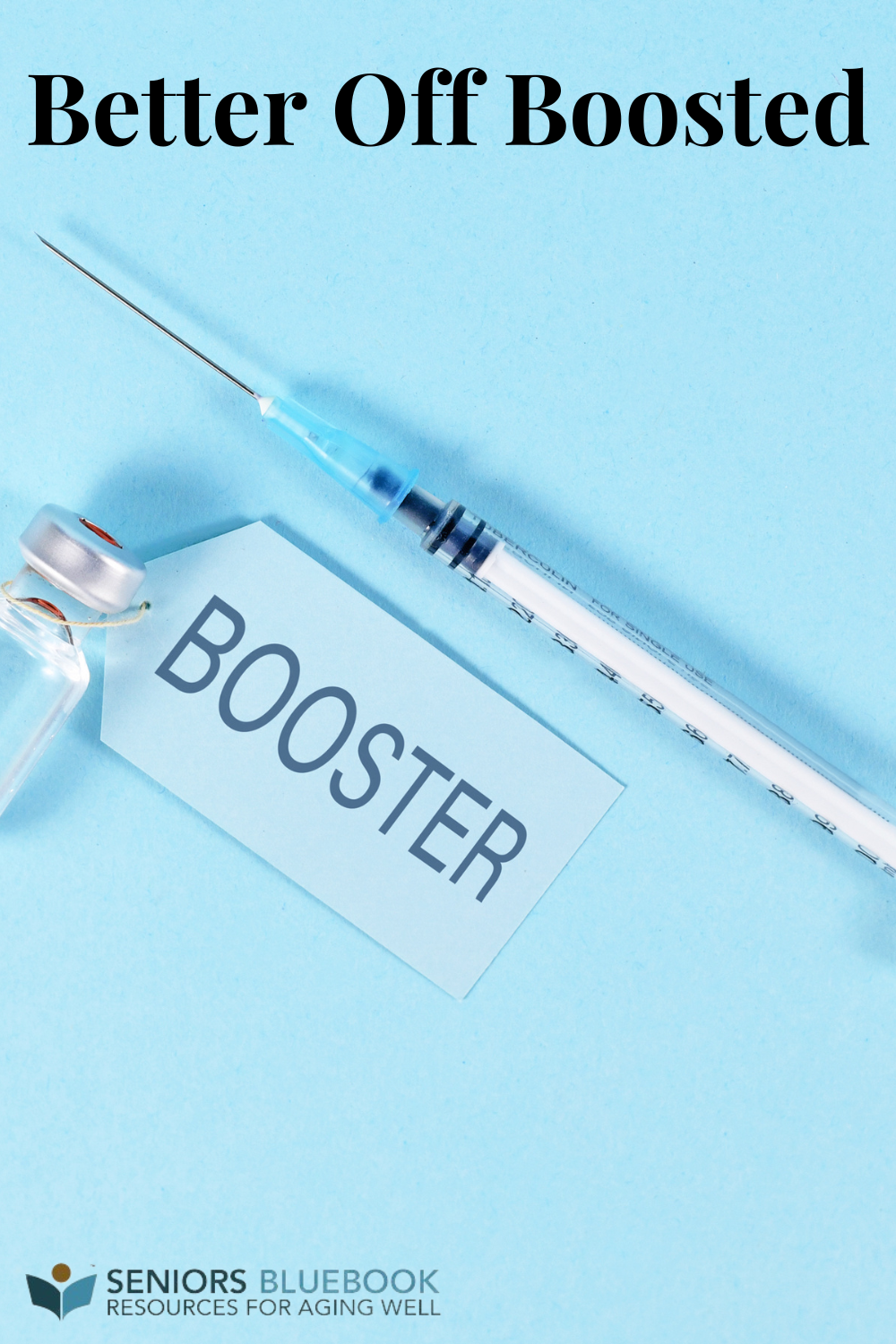
Better Off Boosted
With COVID cases, hospitalizations, and deaths continuing to drop in the U.S. we all may be tempted to let our guard down. I understand and appreciate the newfound freedoms that have come with this recent drop; however, I remain guardedly optimistic. As you can see from the CDC's COVID data tracker our numbers have fluctuated over the past couple of years. It all began in early 2020 when testing was not yet being done. Over time as we developed testing, we began to track and trend data as seen here.Over the past year we have seen spikes in January and a hold in elevation prior to the spike around July. If this trend holds true, we should see things pick up again around July. But that may not be the case if we are not up to date with our COVID-19 vaccination. The CDC noted that "only about half of the booster-eligible population has received a booster and is considered up to date." As a nurse I recognize that an ounce of prevention is worth a pound of cure. By making the choice to not be up to date with vaccination we risk being more likely to be seriously ill, hospitalized, or worse. There is also risk of the virus mutating in our body and releasing a new and possibly more aggressive strand of COVID-19."only about half of the booster-eligible population has received a booster and is considered up to date"- CDCRecent studies have shown that the COVID-19 vaccine's effectiveness to protect against the Alpha, Delta, and Omicron variants by reducing their risk of death or need of a ventilator by 90-95%. Protection was the highest in adults who received the third dose of the COVID-19 vaccine.Finally, the CDC noted "These studies emphasize the importance of staying up to date with vaccinationsthey are our best protection against severe COVID-19 illness. Vaccination is also the safest way to reduce the chance that new variants will emerge. Find a vaccine provider and get your booster dose as soon as you can."Source: https://www.cdc.gov/coronavirus/2019-ncov/covid-data/covidview/index.html
Oct 06, 2022
You Are Never Too Old to Learn
You are never too old to learn, a statement Kathleen Arnold lives by.Kathleen has always been filled with curiosity of the world around her and has a passion for learning. She also says she must be an old soul because she has always felt a connection with the older generation. Luckily for her, she was able to create a career out of combining the two. She created a lifelong learning program business where she travels to different senior living communities and provides educational lectures on various topics.Arnold grew up as an Air Force brat and traveled the world before settling in Colorado Springs, Colorado in 1968. She would go on to graduate from college and work for the federal government in Washington D.C. and Denver. After retiring from the U.S. General Accountability Office as a supervisory management analyst, Kathleen found her calling volunteering as an educator in senior communities throughout the Denver area.She first found a special comradery and comfort with seniors in 2004 after attending her fathers WWII Bomb Group reunion. Kathleen made an immediate connection to the veterans of the Greatest Generation and volunteered as a group board member and group historian. She also began volunteering at a local nursing home that eventually turned into a part-time position as the activities director where she focused on the lifelong learning program. There she would develop educational presentations based on certain topics and teach the residents. She poured a lot of herself and passion into these programs and ended up doing so well that other communities would reach out asking her to come teach their residents.In 2014, Kathleen decided this would be a great career and took the work full-time as her own business. She now travels and teaches at 20 different communities in the Colorado area. One of them being our very own Cherry Creek Retirement Village in Aurora, Colorado.Throughout the years, Kathleen has created at least 150 presentations ranging in wildly various topics. When deciding on a topic to cover, she likes to focus on a subject that is interesting and out of the box. She loves when a resident comes up to her after a lecture thanking her for teaching them something they never knew before. Kathleen puts so much passion into these presentations that she will spend up to thirty hours researching the topic.If somebody leaves there thinking of a new memory or new knowledge, Kathleen says, then I feel like I have done something in their life - enriched their life more than when they came in. That is very rewarding for me.What would be some of her favorite topics that shes done, you might ask? She says she has no favorites, but a few do stick out.She found Normal Rockwell to be quite interesting. It is a very revealing program: Kathleen says, about his personality that people didnt know before. She has also done a presentation on Presidential first ladies, past and present.Kathleen has been teaching her program at Cherry Creek monthly for over two years. The residents love when Arnold shows up. There is always such a huge crowd, and the feedback has been excellent.
Oct 06, 2022
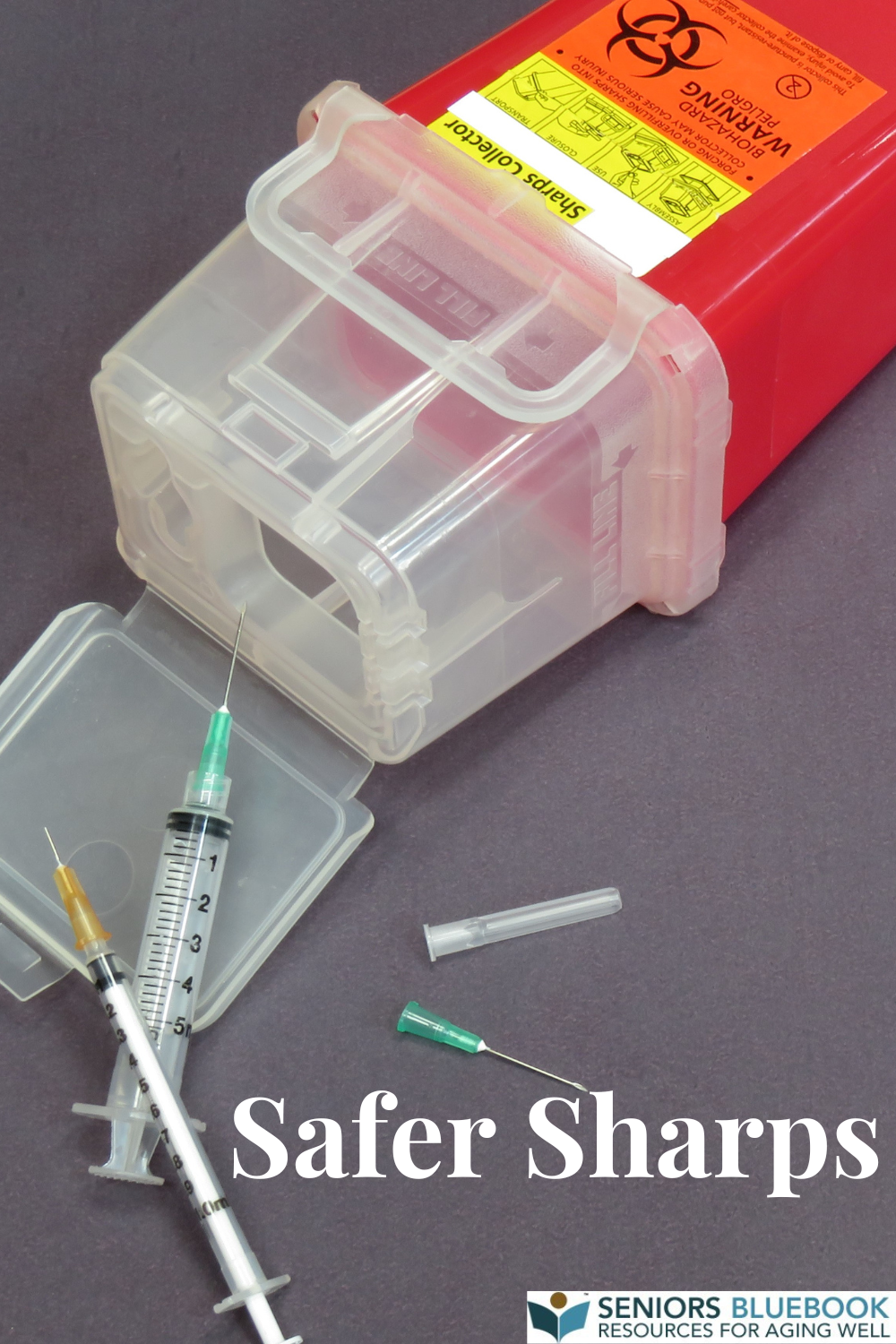
Safer Sharps
Needlesticks are a common occurrence for Health Care Workers (HCW) and it is estimated that upwards of 800,000 injuries occur per year in the United States. Of these, many go unreported. While needlestick injuries have the potential to transmit bacteria, protozoa, viruses and more; the risk of hepatitis B, hepatitis C and HIV are the highest. As a care provider, the risk can be as high as 10% for hepatitis C alone. Luckily, there are ways we can keep our caregivers safe, when providing care, that puts them at risk of contracting blood borne pathogens.Century Park is committed to safeguard our residents and associates by the continued education of our Safety with Sharps program. Upon hire, and annually thereafter, our caregivers are all assigned a course that demonstrates the use of approved safer sharps equipment. By participating in our Safety with Sharps program we can reduce the risk of our Century Park family facing uncertainty surrounding their infection status during the initial stages of the injury and facing the life changing consequences if they develop a disease. This understandably severe emotional and mental trauma can be avoided by taking the necessary steps to prevent needlesticks. Please do your part by using and providing Century Park approved safer medical devices & sharps containers. Approved devices include those that are needleless or have built-in protection to guard associates from exposure to contaminated sharps.Thank you for partnering with us in our commitment to protect our Century Park family. Together, we can continue our commitment to create a climate where people feel valued and where residents and associates thrive. Safety of our residents and associates is and will remain our top priority.
Oct 06, 2022
Self-Care
As caregivers we often overlook one key person in our day of providing care to others; ourselves. Taking care of ourselves is the foundation to providing good quality care. Without self-care you are giving from an empty well. As the flight attendant says, "Should the cabin lose pressure, oxygen masks will drop from the overhead area. Please place the mask over your own mouth and nose before assisting others." We know as care providers why the flight attendant requires this process. It's because if we don't have oxygen for ourselves we can't possibly provide oxygen to others.SO WHAT CAN YOU DO TO CARE FOR YOURSELF?Eat healthy foods, get enough sleep, and exercise regularly. Manage stress and go for regular medical check-ups.Practice good hygiene. Good hygiene is important for social, medical, and psychological reasons in that it not only reduces the risk of illness, but it also improves the way others view you and how you view yourself.See friends or family to build your sense of belonging.Practice Gratitude. If you find the smallest things to be grateful for it can change your entire outlook.Try to do something you enjoy every day. That might mean dancing, watching a favorite TV show, working in the garden, painting or reading.Find ways to relax, like meditation, yoga, getting a massage, taking a bath or walking in the woods.Caregivers find that their physical, spiritual, and emotional health are all connected, and that supporting one supports the others. Taking care of all aspects of you will increase the likelihood that you stay well. This will fill your tank and give you the replenishment needed to continue to provide good quality care.
Oct 06, 2022
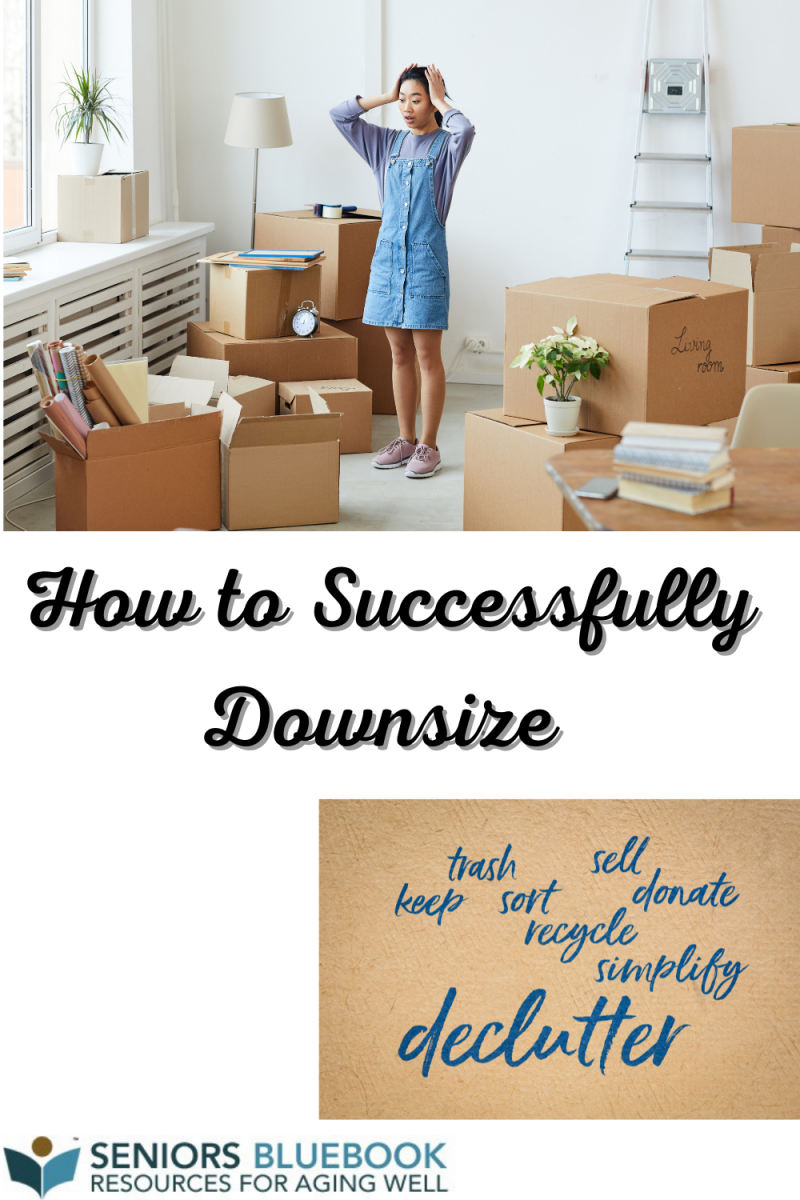
How to Successfully Downsize
At Century Park we understand that one of the most difficult challenges for seniors looking to move into a senior living community may be downsizing. Downsizing is the act of getting rid of items that have collected over the years that may not have a place in a new home. This can be an emotional process for our residents, so we work to provide them the resources they need to make this transition as simple as possible. Erica Starich, a representative from Senior Move Coordinators and guest speaker at Cherry Creek Retirement Center ,shares her wisdom on how to successfully downsize your stuff and upsize your living.Downsizing is a word that can instantly bring a sense of being overwhelmed upon people, especially those who are about to embark on a transition from a home in which theyve created a lifetime of memories to a much smaller residence. Its a realization that its time to part with items accumulated over the years, and its a time to re-evaluate what is important right now.Start with the three Ds of downsizing for the sorting process - diamonds, donate and dispose.Diamonds items that bring us joy. They are precious to us, and we want to keep them, but just like diamonds, they are more rare. They dont include everything that we like, rather, these are the things we love. Its time to enjoy the finer things in life.Donate Some items are no longer used and would be great to pass along to someone else. Items such as board games, extra kitchenware, clothes not worn in the past two years, extra sets of sheets (keep only the highest thread count). Think of your favorite charity for donation dont forget food pantries and animal shelters.Dispose Other items are simply broken, have holes or cracks, are expired and trash. Remember that chemicals, TVs, mattresses and old prescriptions require special recycling, and documents may need to be shredded.The next step is creating a timeline for the downsizing process. As overwhelm can quickly set in, it is recommended to break down the sorting into layers. Whether that be room-by-room, a closet in a room or even a drawer in a room, the key is to just get started. As you evaluate an item, decide which category the items falls into and have a box ready for donate and have a garbage bag ready for disposal.Know that this feeling of being overwhelmed can be turned around into a feeling of release. It is a time to simplify and redistribute items to new homes where someone else can enjoy what you once enjoyed. It is a time to cherish the memories, be thankful for those experiences and know that you are about to create new memories. You will have more time and energy for the things you enjoy.The more time you have for the downsizing process, the better. However, if this is a sudden event or something that is just too much to take on yourself, consider bringing in a third party such as a senior move manager.The National Association of Senior Move Managers has a directory seniors can use to find the right fit for their move. Visit their website to find a manager near you -nasmm.org/.These specialists have the compassion needed to help sort through your belongings, yet not the emotional attachment. They also have all the resources needed to help with finding new homes for your items. They also have the resources to help if your downsize transition is across the country.
Sep 21, 2021
Beyond Burnout
Dr. Beth Hudnall Stamm, Ph.D., retired professor, and researcher in the field of traumatic stress, defines compassion as "feeling and acting with deep empathy and sorrow for those who suffer." Caregivers are often compassionate individuals by nature. Compassion is typically considered an asset, but it leaves caregivers at risk for the negative "costs of caring." The "cost of caring" can present as caregiver burnout. Several factors can contribute to caregiver burnout. Some factors include:An inability to influence decisions that affect your job e.g., schedule, assignments, workloadNot having clarity on job expectationsDysfunctional workplace dynamicsLack of supportWork-life imbalanceMany of you have probably heard about burnout but are not familiar with the concept of compassion fatigue. Unlike burnout, compassion fatigue is a secondary traumatic stress disorder that results from exposure to another person's traumatic experience(s) and creates high levels of emotional stress. "Compassion fatigue is an extreme state of tension and stress that can result in feelings of hopelessness, indifference, pessimism and overall disinterest in other people's issues," explains Christine Valentin, LCSW. Early signs of compassion fatigue include excessive stress, sadness, anger, irritability, and insomnia. Without intervention, over time, health issues can arise and result in high blood pressure, heart disease, substance abuse, vulnerability to illness and much more.To combat compassion fatigue, early detection is critical. Once recognized you can prevent undesired consequences and support the wellbeing of yourself, your coworkers, and residents. Without early intervention the risk of workplace violence, abuse and neglect will continue to climb. If you notice that you or one of your co-workers are experiencing burnout, take action. Actionable steps include:Options Discuss the concerns with your supervisor. Work together to set goals and work out a way forward.Seek support Reach out to a co-worker, friend or loved one. Use our EAP program.Nourish your Mind, Body or Spirit - Examples: Meditation, exercise, yoga or reading.Encourage and practice self-care.Sleep - A good night's rest restores well-being and helps protect your health.Remember as you continue to support wellness and go beyond burnout, the Century Park Vision is to 'create a climate where people feel valued' and our Mission is to 'Create a fulfilling environment where residents and associates thrive through community and belonging.