Columbia Cottage - Hanover
2288 Grandview Rd, Hanover, Pennsylvania, 17331
Counties Served: Pennsylvania - Adams, York
Respite Care


About Columbia Cottage - Hanover
An alternative to Skilled Nursing and Personal Care that allows individuals to age in their own apartment. Couples can remain in one apartment even when they have very different care needs! Call and arrange for a no-pressure tour so you can understand the great options available! We are the only licensed assisted living residence in the area - and the difference is very inviting, warm, caring, and personalized to your needs! Long Term Care and Veterans Benefits do cover some services if eligible.See More
Continue Your Search! Explore More Local Options.
Start SearchingLet’s engage and get educated!
Browse through thousands of expert articles in over 100 different categories.
Browse NowArticles You May Like
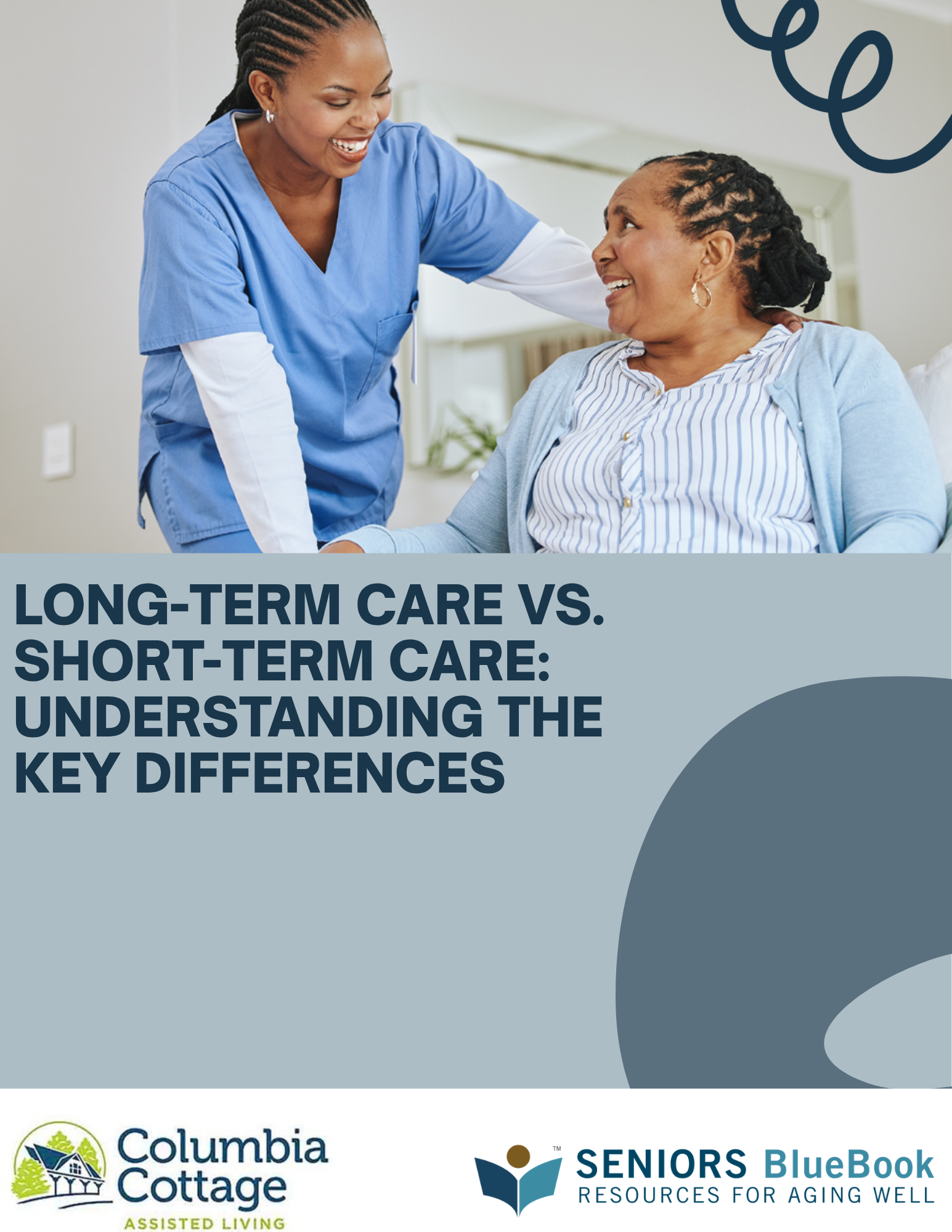
Long-Term Care vs. Short-Term Care: Understanding the Key Differences
When facing a healthcare decision for yourself or a loved one, choosing between long-term care vs. short-term care can feel overwhelming. Both options provide essential care services but cater to different needs and circumstances. Understanding the distinctions between them can help you make the best choice for improving your quality of life. So which one is right for you or your loved one in your specific circumstance? What Is Long-Term Care? Long-term care offers comprehensive support for individuals who require ongoing medical care and assistance with daily activities. This type of care is designed for those with chronic health conditions, disabilities, or progressive illnesses that limit their independence. Depending on the individuals needs, it is typically provided in assisted living communities, skilled nursing facilities, or even at home. Services Provided in Long-Term Care Long-term care is ideal for those who require: Assistance with daily activities such as bathing, dressing, and eating. Medical care for chronic illnesses, including medication management. Physical therapy, occupational therapy, and speech therapy to help maintain mobility and communication skills. Social and recreational activities to foster engagement and emotional well-being. Many individuals who require long-term care have conditions such as Alzheimers disease, Parkinsons, or mobility impairments that necessitate consistent support. What Is Short-Term Care? Short-term care is temporary and designed to support individuals recovering from surgery, illness, or injury. It provides rehabilitation and medical assistance for a set period, helping patients regain strength and return to their daily lives as quickly as possible. Unlike long-term care, which is ongoing, short-term care plans are structured around a specific recovery timeline. Services Provided in Short-Term Care Short-term care is ideal for individuals who need: Rehabilitation therapies such as physical therapy, occupational therapy, and speech therapy after surgery or injury. Medical monitoring and skilled nursing care during the recovery period. Assistance with daily living ADLs for temporary support until independence is regained. A bridge between hospitalization and home life to ensure a smooth transition. This type of care is often provided in skilled nursing facilities like ours, rehabilitation centers, or through in-home healthcare services, depending on the severity. Once recovery goals are met, patients typically return home or to their regular living arrangements. How to Choose Between Long-Term Care vs. Short-Term Care Choosing the right type of care depends on several factors, including the individuals health status, medical needs, and expected recovery timeline. When deciding between short-term and long-term care, consider the following: Duration of care needs Short-term care may be sufficient if recovery is expected within weeks or months. If ongoing support is required indefinitely, long-term care is the better option. Type of care required Individuals needing medical care for chronic conditions or progressive diseases benefit more from long-term care services. Independence level If a person is expected to regain independence, short-term care is designed to assist with recovery. If daily assistance will always be necessary, long-term care is more suitable. You will also want to involve the doctor caring for yourself or your loved one in the decision between long-term or short-term care. The doctor providing care can guide you toward the right type of care for your specific circumstance or needs. How Do Costs Compare Between Long-Term Care vs. Short-Term Care? Understanding the financial aspect of care is crucial for planning. The cost of both long-term and short-term care varies based on factors such as level of medical attention, duration of care, and location. Short-Term Care Costs Because short-term care is temporary, it is often covered by Medicare, Medicaid, or private insurance when medically necessary. Expenses can include rehabilitation therapies, skilled nursing care, and post-hospital recovery services. Long-Term Care Costs Long-term care is an ongoing expense, and costs depend on whether care is provided in an assisted living community, a skilled nursing facility, or at home. Many families rely on long-term care insurance, private pay, or Medicaid to cover expenses. Planning ahead and exploring financial options can help families manage the cost of care while ensuring their loved ones receive the necessary support. How Can Short-Term Care Transition Into Long-Term Care? While short-term care is designed to be temporary, some individuals find that their needs extend beyond their expected recovery period. When a person does not regain full independence, transitioning to long-term care ensures they continue receiving the necessary support. At Columbia Cottage, we provide both short-term and long-term care options, allowing residents to seamlessly transition if their needs change. Our aging-in-place approach ensures that individuals receive the appropriate level of care as their health evolves, eliminating the stress of relocating. Whether recovering from surgery or managing a chronic condition, Columbia Cottage offers compassionate, personalized care in a warm and supportive environment. Contact us today to learn more about our care services and find the right fit for your loved one. Find the Right Care Option for Your Loved One Deciding between long-term vs. short-term care is essential in ensuring the best possible quality of life. Finding the right care setting is essential for comfort, safety, and well-being, whether recovery is temporary or ongoing. At Columbia Cottage, we provide compassionate and personalized care solutions tailored to individual needs. If youre exploring options for yourself or a loved one, were here to help guide you. Contact us today to learn more about our care services and find the right fit for your situation.
May 19, 2026

Exploring the Advantages of Assisted Living Facilities
Exploring the Advantages of Assisted Living Facilities for Enhanced Senior Living During a persons golden years, when daily tasks become more challenging, the advantages of assisted living facilities shine brightly as harbors of freedom, care, and companionship. These communities offer a unique blend of personalized care that enriches the lives of seniors, allowing them to thrive with independence, dignity, and a profound sense of belonging. Imagine a place where each day is greeted with the potential for new friendships, support is just a call away, and every meal is an opportunity for joyous interaction. This exploration into the advantages of assisted living facilities reveals a vibrant world where enhanced senior living is realized through a wealth of amenities, comprehensive services, and a deep commitment to the holistic well-being of each resident. Uncover how assisted living communities redefine senior living, making every moment joyful and enveloped in care and community. What Are the Key Advantages of Assisted Living Facilities? Assisted living communities provide a harmonious blend of support and independence, tailoring their services to the unique requirements of each resident. These facilities shine by offering a spectrum of advantages geared towards enhancing the quality of life for seniors. Heres a closer look at the key benefits: Personalized Care Plans: Crafting individualized care strategies ensures that every resident receives the optimal level of assistance, from medication administration to personal care. Support with Daily Living Activities: Assisted living facilities are equipped to aid residents with daily tasks, promoting a sense of independence while providing necessary support. Access to a Variety of Services: These communities offer an array of amenities, designed to meet the wide-ranging needs of their residents. By focusing on the distinct needs of each resident, assisted living facilities create an environment where seniors can thrive, enjoying the balance between assistance and autonomy. What Makes Assisted Living Facilities a Better Option Than Nursing Homes for Some Older Adults? Assisted living facilities offer a compelling alternative to nursing homes for seniors seeking a balance between independence and support. These communities cater to older adults who require assistance with daily activities such as personal care, medication management, and meal preparation but do not need the intensive medical and skilled nursing care provided in nursing homes. The appeal of assisted living lies in its ability to offer a blend of privacy and social interaction, with residents enjoying their own apartments or living quarters within a safe, home-like environment, coupled with access to communal areas and engaging activities that foster a vibrant social life. This setup not only simplifies planning for families but also ensures that as residents needs evolvepossibly requiring memory care or more personalized supportthey can receive these services without having to relocate, making assisted living facilities a versatile and attractive option for many seniors and their families looking for a supportive, community-oriented living arrangement. How Do Assisted Living Facilities Support the Elderly in Maintaining Independence? One of the most significant benefits of assisted living communities is their ability to help older adults live independently. With most daily needs taken care of, residents can focus their free time on enjoying their interests and hobbies. The availability of private apartments or living quarters allows for personal space, while community areas provide socialization opportunities. Can Assisted Living Facilities Enhance Cognitive Health Among the Elderly? Assisted living communities often offer programs and activities designed to support cognitive health. Through social and recreational activities, educational workshops, and exercise classes, residents can engage in stimulating activities that promote mental wellness. For individuals with Alzheimers disease or other forms of cognitive decline, specialized memory care units provide tailored activities and therapies to enhance cognitive function and quality of life. Why Is Community Important in Assisted Living Facilities? The sense of community in assisted living facilities plays a vital role in the well-being of residents. Being part of a community of peers offers numerous benefits, from reduced loneliness and isolation to increased opportunities for social engagement. Activities, social events, and shared dining areas encourage interaction among residents, fostering friendships and a supportive environment. How Do Assisted Living Facilities Prepare for the Future Needs of Residents? Many assisted living facilities offer a spectrum of care levels to help meet residents needs at their level. This care ensures that as residents needs change, they can transition to different levels of support without leaving the comforts they have come to enjoy. This level of support provides peace of mind for the residents and their family members, knowing that future healthcare needs will be met within the same community. This is one of the advantages of assisted living that the residents at all the locations of Columbia Cottage enjoy. Choosing an assisted living facility is a significant decision that affects the quality of life for seniors. With tailored care, opportunities for socialization, and support for maintaining independence, assisted living communities offer a vibrant alternative for seniors aiming to enhance their golden years. When considering assisted living options, ask questions about the services and care provided, and speak with current residents and their families to ensure the best fit for your loved one. Please get in touch with us today if you are ready to learn more about choosing assisted living at Columbia Cottage.