
PHONE
Click to View NumberSee More
Additional Services Offered
Comfort Keepers
Respite Care 540 Main Street, Suite 112, Delta County, Delta, Colorado, 81506Offering compassionate in-home care and specialized senior care across the entire Western Slope of Colorado, including Mesa, Delta, Montrose, Ouray, Garfield, and surrounding areas since 2004.At Comfort Keepers Home Care, we offer a wide range of senior care services to help seniors and disabled adults retain their independence from the comfort of home. From assistance with daily living activities to specialized care - we have something for any aging adult~s needs!
Comfort Keepers
Veteran Services 540 Main Street, Suite 112, Delta County, Delta, Colorado, 81416With the use of CareLink MobileHelp, Comfort Keepers provides a simple solution to many accidents and medical emergencies. CareLink MobileHelp is a medicalalert system that works nationwide, beyond the home with all the same features as traditional in-home systems. CareLink MobileHelp keeps you connected to a live monitoring center regardless of your location. You can have the freedom to continue participating in the activities that you enjoy in and outside your home, knowing that you are always accompanied by a highly efficient medical alert system.
Continue Your Search! Explore More Local Options.
Start SearchingLet’s engage and get educated!
Browse through thousands of expert articles in over 100 different categories.
Browse NowArticles You May Like
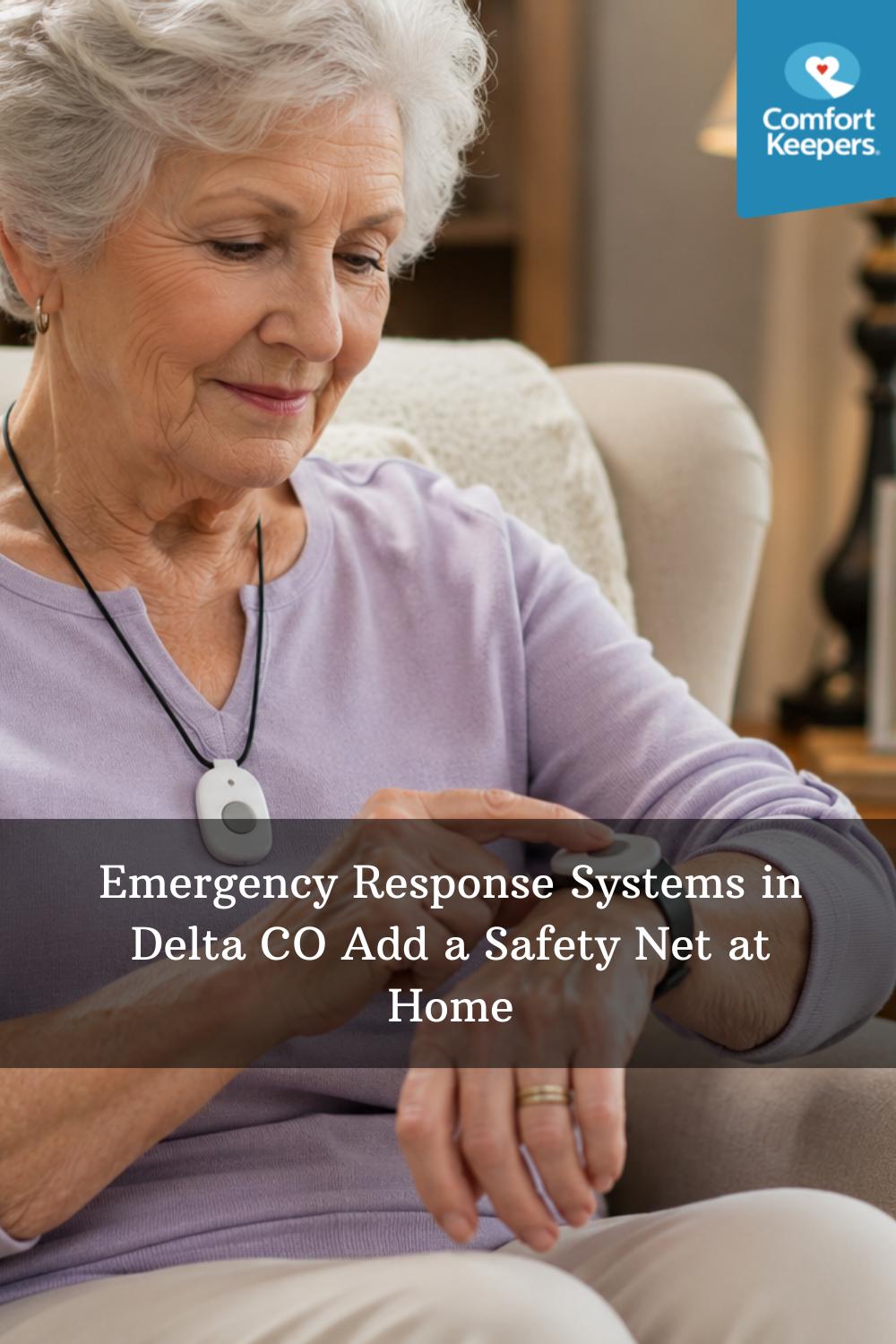
Emergency Response Systems Support Safer Aging at Home
Emergency Response Systems Support Safer Aging at HomeA quiet afternoon can change in seconds.An older adult may lose balance while reaching for a kitchen cabinet, feel sudden dizziness in the backyard, or experience chest discomfort while home alone. The telephone may be in another room, and a family member could be working in Montrose, shopping in Grand Junction, or living outside Colorado.An emergency response system gives the older adult a direct way to request assistance without needing to reach a phone. For seniors who want to remain in their own homes, this small piece of technology can become an important part of a larger aging-in-place plan.Comfort Keepers in Delta offers Comfort360 Alert, a personal emergency response solution designed to connect users with a trained support person at the push of a button. In-home and mobile options are available, with wearable wristband and pendant choices for easier access.Why Emergency Planning Matters in Delta CountyDelta Countys older population is much larger than the statewide average. Current U.S. Census Bureau data indicates that 29.8% of county residents are age 65 or older. The county also has an owner-occupied housing rate of nearly 78%, reflecting how many local residents have established long-term roots in their homes.Aging at home can offer privacy, familiarity, and control. It can also create safety concerns when someone lives alone or when a spouse cannot physically assist during an emergency.Delta County includes a mix of neighborhoods, farms, rural roads, and smaller communities such as Cedaredge, Hotchkiss, Paonia, Orchard City, Cory, and Austin. Relatives may live close enough to help regularly but not close enough to respond immediately.An emergency response system helps bridge that gap.As Krista Spencer of Comfort Keepers explains, Families cannot be present every minute of the day, but they can put reliable safeguards in place. An emergency response system gives seniors a simple way to reach a real person when something does not feel right.What Is a Personal Emergency Response System?A personal emergency response system, commonly called a PERS or medical alert system, connects a user with a monitoring or support center during an urgent situation.The senior usually wears a lightweight button as a pendant or wristband. When the button is pressed, the system connects the user with a trained operator. The operator can assess what is happening, remain in communication, and contact a family member, caregiver, neighbor, or emergency responder based on the situation and the established response plan.Comfort360 Alert provides one-touch access to trained operators 24 hours a day. Comfort Keepers states that the operator can remain in contact until a loved one or appropriate help arrives.The system is intended to support emergency communication. It does not prevent every fall, diagnose medical problems, or replace professional care.What Happens After the Button Is Pressed?Understanding the process can make the device feel less intimidating.Step 1: The Senior Activates the DeviceThe user presses the wearable button after a fall, sudden illness, safety concern, or other urgent event.Step 2: A Trained Person RespondsThe system connects the user with a live support professional. The user can explain what happened and whether they appear to be injured.Step 3: The Response Plan Is FollowedDepending on the situation, the operator may contact:Emergency medical servicesA family memberA nearby neighborA designated caregiverAnother person listed in the response planStep 4: Communication ContinuesThe operator may stay connected until assistance arrives, helping reduce fear and uncertainty during the wait.The exact process depends on the device, service plan, signal availability, and emergency circumstances. Families should ask for a complete demonstration before installation.Who May Benefit From an Emergency Alert Device?Medical alert systems are not only for seniors who have already experienced a serious fall. They may be appropriate for older adults who:Live alone for part or all of the dayHave balance or mobility difficultiesUse a cane, walker, or wheelchairHave recently returned from the hospitalExperience dizziness or faintingManage a chronic medical conditionHave difficulty reaching or operating a phoneFeel anxious about being aloneLive with a spouse who cannot provide physical assistanceComfort360 Alert is designed for older adults living independently, people at risk of falls or medical events, and families who want an additional layer of support between caregiver visits.At-Home Versus Mobile Emergency SystemsFamilies should consider where the senior spends time.At-Home SystemsAn at-home system may be suitable for someone who rarely leaves the property without another person. Families should ask how far the wearable button can operate from the base unit and whether coverage extends to the porch, garage, basement, garden, or driveway.Mobile SystemsA mobile option may be useful for seniors who still shop, attend appointments, visit friends, or enjoy activities outside the home. Comfort Keepers indicates that both in-home and mobile solutions are available through Comfort360 Alert.Coverage limitations, charging requirements, location features, and cellular connectivity should be reviewed before choosing a device.Why Technology Works Best With Human SupportAn alert button is useful, but it should not be the entire safety plan.A complete plan may combine the response system with:Regular family check-insIn-home caregiver visitsMedication remindersTransportation assistanceImproved lightingBathroom grab barsClear walking pathsSupportive footwearA current emergency contact listRoutine medical and vision appointmentsComfort Keepers provides companion care, personal care, transportation, respite care, post-hospital support, dementia care, and other individualized services in Delta, Montrose, and surrounding communities.The local office also offers a home visit to assess needs and demonstrate how its technology products may support safety and independence.Questions to Ask Before Selecting a SystemNot every alert system works the same way. Families should ask:Does it work at home, away from home, or both?Is the device worn on the wrist or around the neck?Is it water-resistant for use near the shower?How often must it be charged?What happens during a power outage?Which cellular network or connection does it use?Who answers the call?Can family contacts be notified?Are equipment, activation, or cancellation fees involved?How often should the system be tested?The best system is one the senior understands, accepts, and consistently wears.Local Resources for Aging SafelyRegion 10s Area Agency on Aging serves adults age 60 and older and their caregivers in Delta and five neighboring counties. Available support includes options counseling, transportation, nutrition programs, in-home assistance, caregiver resources, health promotion, and help locating services that promote independence.Families can combine community resources, private home care, home modifications, and emergency technology to create a plan suited to the seniors actual circumstances.Frequently Asked Questions About Emergency Response Systems in DeltaWill an emergency response system automatically call 911?That depends on the situation and the users response plan. A trained operator may first speak with the senior and then contact emergency services or a designated family member.Can a senior use the system outside the house?Comfort360 Alert offers both in-home and mobile solutions. Families should confirm service coverage for the places the senior regularly visits.Does the system replace in-home care?No. It provides access to assistance during an urgent event but does not prepare meals, provide personal care, reduce household hazards, or supervise someone with significant cognitive impairment.What if the senior forgets to wear the device?Make the wearable part of a consistent morning routine. Keep it beside essential items, and use regular caregiver or family check-ins as reminders.Should the system be tested?Yes. Families should follow the providers testing instructions and confirm that the senior knows how to activate the device.Add Confidence to an Aging-in-Place PlanA personal emergency response system cannot eliminate every risk, but it can give an older adult a faster, simpler way to request help. For Delta families, that added connection may make living at home feel more secure and manageable.Visit the Comfort Keepers Seniors Blue Book listing to explore emergency response systems in Delta, learn about personalized home safety options, and connect with a local team serving seniors across the Western Slope.
Jul 14, 2026
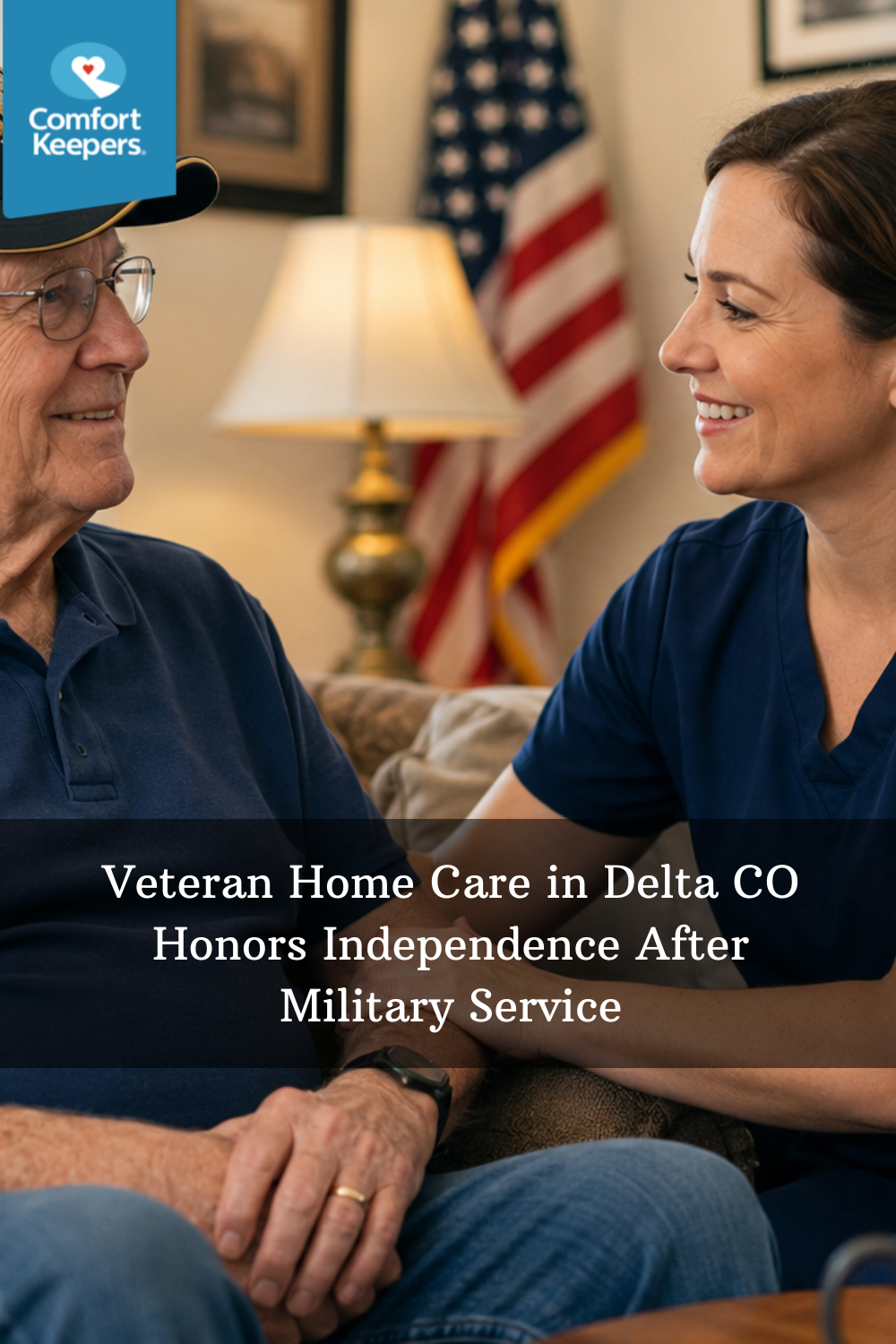
Veteran Home Care Supports Independence in Delta
Veteran Home Care Supports Independence in DeltaFor many veterans, independence is more than a preference. It is a value shaped by years of responsibility, self-reliance, teamwork, and service.That can make conversations about in-home assistance difficult. An older veteran may insist that everything is fine, even when preparing meals has become tiring, driving feels less comfortable, or household tasks are no longer manageable. A spouse may quietly handle more responsibilities without telling adult children how exhausting each day has become.Veteran home care offers another path. Instead of waiting for a crisis or immediately considering a move, families can bring personalized assistance into the veterans own home.For veterans and surviving spouses in Delta, Comfort Keepers provides in-home support intended to preserve safety, dignity, routine, and connection. Its local office serves Delta, Montrose, Hotchkiss, Paonia, Cedaredge, Orchard City, Olathe, and other Western Slope communities.Delta County Has a Strong Veteran CommunityVeterans are an important part of life in Delta County. The U.S. Census Bureau estimates that 2,368 veterans lived in the county during the 20202024 reporting period. Nearly 30% of county residents are age 65 or older, and approximately 78% of occupied homes are owner-occupied.Those figures help explain why aging at home matters locally. Many veterans have lived in the same house for decades. Their homes hold family photographs, military keepsakes, familiar furniture, workshop tools, gardens, and routines that create a strong sense of identity.Across Delta and the North Fork Valley, family members may also live several towns apart. An adult child might travel from Montrose to Delta, or from Paonia to Cedaredge, to help with groceries, laundry, transportation, or personal care. Reliable in-home assistance can fill gaps when relatives cannot be present every day.Veteran Home Care Is About Support, Not SurrenderAccepting help does not mean giving up independence. In many cases, assistance makes independence possible.Comfort Keepers creates individualized care plans after learning about the clients health, mobility, schedule, routines, interests, and household needs. Its Delta-Montrose services include companionship, personal care, transportation, meal assistance, light housekeeping, respite care, dementia support, post-hospital care, and 24-hour care.A caregiver may help an older veteran:Prepare nutritious mealsShop for groceries and household suppliesComplete laundry and light housekeepingBathe, dress, and groom safelyMove around the home with greater confidenceAttend appointments or pick up prescriptionsRemember daily routinesStay connected through conversation and activitiesGive a caregiving spouse time to restThese are non-medical daily-living services unless skilled clinical care has been arranged separately. Families should always ask exactly which services are included in a proposed care plan.Krista Spencer of Comfort Keepers expresses the goal this way:Veterans have spent their lives serving, leading, and taking responsibility. Our role is not to take control away from them. It is to provide the right level of support so they can continue making choices and living safely in the home they value.How VA Programs May Help Pay for CareOne of the most confusing parts of arranging veteran care is determining which benefits may apply. There is no single program that automatically pays every veterans home-care expenses.The Department of Veterans Affairs offers several possible pathways. VA Homemaker and Home Health Aide Care may be available to enrolled veterans who qualify for community care, meet clinical criteria, and have access to the service locally. The amount and frequency of assistance are based on assessed needs, and a copayment may apply depending on the veterans service-connected disability status.Veterans who receive a VA pension and need help with daily activities may also qualify for Aid and Attendance benefits. The VA lists bathing, dressing, and feeding among the activities considered when evaluating eligibility. Housebound benefits are a separate option for certain pension recipients who spend most of their time at home because of a permanent disability. A person cannot receive Aid and Attendance and Housebound benefits simultaneously.Income, net worth, medical need, military service, marital status, and dependency circumstances can affect eligibility and payment amounts. VA pension limits are adjusted periodically, so families should rely on current VA information rather than older benefit tables found online.Start Locally With the Delta County Veterans Service OfficeFamilies do not have to interpret benefit rules alone.The Delta County Veterans Service Office provides free assistance to veterans and their families. The office helps prepare, submit, and track applications for federal, state, and local benefits, including service-connected disability compensation and needs-based VA pension benefits. It can also help request discharge documents and make referrals to additional veteran resources.Documents that may be useful during a benefits appointment include:DD-214 or other discharge paperworkVA correspondence or claim numbersRelevant medical recordsMarriage or dependent informationBanking details for direct depositFamilies should not postpone requesting help simply because a document is missing. The Veterans Service Office states that it can assist veterans in obtaining needed records.Comfort Keepers also states that its Delta team helps families gather documentation and understand possible funding pathways for veteran home care. Its veteran services are available for eligible veterans and surviving spouses throughout Delta, Montrose, and surrounding communities.Recognizing When an Older Veteran May Need HelpVeterans may minimize difficulties because they do not want to burden their families. Rather than asking only, Do you need help? relatives should observe how daily routines are changing.Possible signs include:Unopened mail or missed appointmentsWeight loss or spoiled food in the refrigeratorIncreasing difficulty getting dressedA less orderly home than usualBruises, unsteadiness, or recent fallsReduced driving or missed social activitiesConfusion about medicationsA spouse who appears exhaustedAvoidance of stairs, showers, or outdoor tasksOne sign does not always indicate a serious problem. A pattern of changes, however, may justify a care consultation.How to Introduce Home Care RespectfullyThe most productive conversations recognize the veterans experience and decision-making authority.Focus on the GoalInstead of saying, You cannot manage alone, try, We want to make it easier for you to stay in this home.Offer Specific HelpA veteran may reject the broad idea of care but accept transportation, meal preparation, or help with heavier household tasks.Begin GraduallyA few scheduled hours each week can help the veteran become comfortable with a caregiver before greater assistance is needed.Include the Veteran in Every DecisionAsk about preferred visit times, routines, caregiver characteristics, meals, hobbies, and privacy expectations. A care plan is more likely to succeed when the veteran helps design it.Frequently Asked Questions About Veteran Services in DeltaDoes every veteran qualify for VA-funded home care?No. Eligibility depends on the specific program, enrollment status, clinical need, service history, financial circumstances, and local availability. A county Veterans Service Officer or VA representative can evaluate the individual situation.Can surviving spouses qualify for assistance?Some surviving spouses may qualify for pension-related benefits, Aid and Attendance, or respite support. Eligibility is not automatic and should be verified through the VA or a qualified Veterans Service Officer.Can Comfort Keepers help a veteran who is paying privately?Yes. Families can contact the local office to discuss private-pay care as well as possible veteran benefit programs. The care plan should clearly identify services, rates, scheduling requirements, and payment responsibilities.Is veteran home care only for people with service-connected disabilities?No. Some VA programs consider clinical need, age, pension eligibility, income, or other factors rather than requiring a service-connected disability. Each program has its own requirements.Can care begin with only a few hours per week?Care schedules can be personalized. Some veterans need occasional companionship or transportation, while others require daily personal care, overnight supervision, or continuous support.Help a Delta Veteran Continue Living With PurposeMilitary service deserves more than ceremonial recognition. It deserves practical support that helps veterans remain safe, respected, and involved in decisions about their lives.Visit the Comfort Keepers Seniors Blue Book listing to learn more about veteran home care in Delta, explore personalized in-home services, and connect with a local team serving veterans and surviving spouses across Colorados Western Slope.
Jul 14, 2026
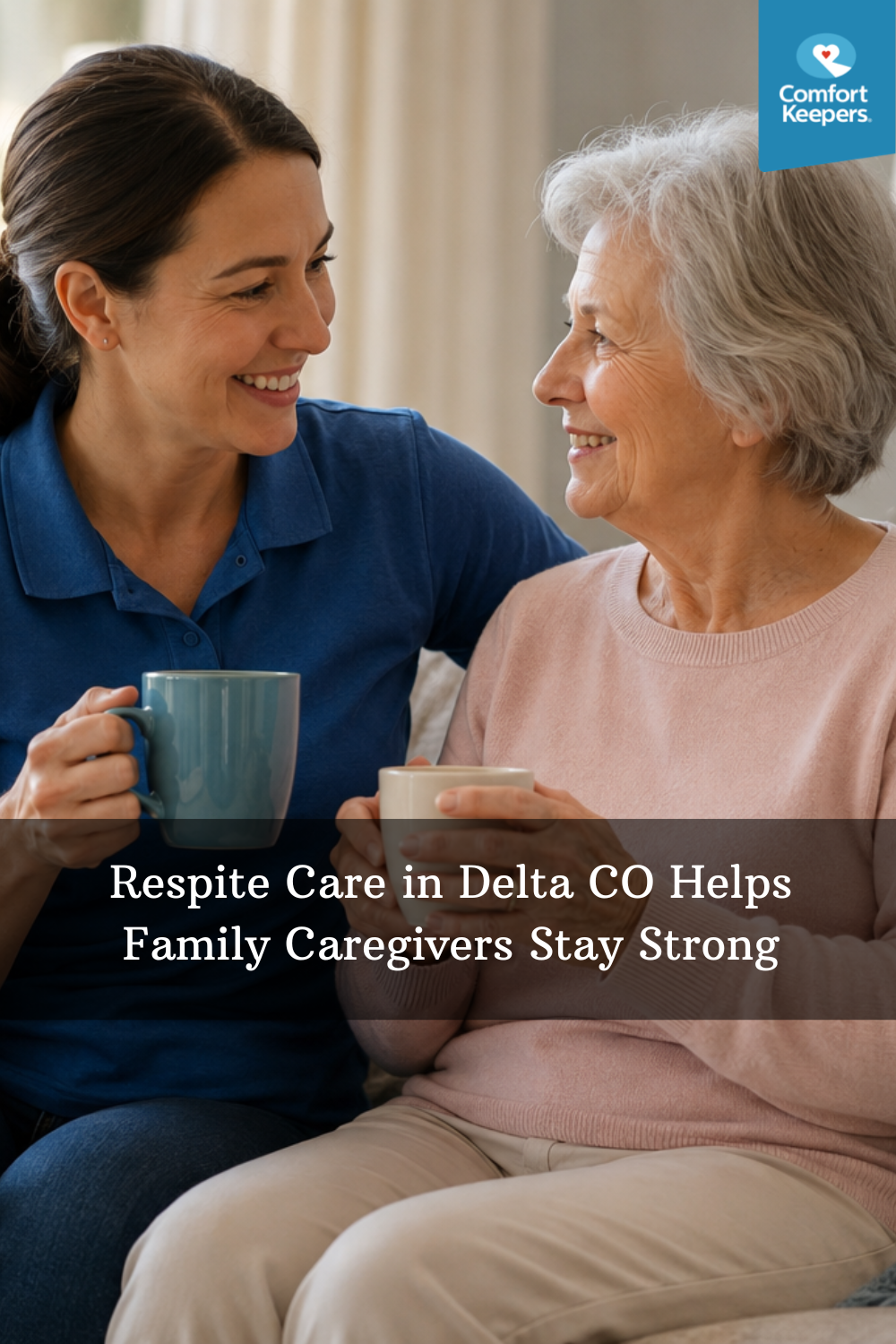
Respite Care Helps Delta Caregivers Stay Strong
Respite Care Helps Delta Caregivers Stay StrongIn Delta, caregiving often begins with a simple promise: Ill help for as long as you need me.At first, that may mean delivering groceries, driving a parent to an appointment, or stopping by after work. Over time, the responsibilities can expand. The family caregiver may begin preparing every meal, managing the household, helping with personal care, and staying alert throughout the night.The love remains, but energy is not unlimited.Respite care gives family caregivers planned time away while a trained caregiver supports their loved one at home. It is not a sign that a family has failed. It is a practical way to make caregiving safer, healthier, and more sustainable.For families in Delta and nearby Western Slope communities, Comfort Keepers offers respite care and personalized in-home support designed around each seniors needs and schedule. The local Comfort Keepers office is located on Main Street in Delta and serves surrounding communities including Cedaredge, Orchard City, Hotchkiss, Paonia, Cory, and Austin.Why Respite Care Matters in Delta CountyDelta County is home to a significant older population. According to current U.S. Census Bureau estimates, approximately 29.8% of county residents are age 65 or older. The county also has a high homeownership rate of 77.9%, reflecting how many local residents have deep connections to their homes and communities.Many older adults want to remain in the houses where they raised families, built gardens, welcomed grandchildren, and established decades of routines. That preference often depends on the support of a spouse, adult child, relative, or neighbor.In a rural region, however, family members may live many miles apart. A caregiver might travel between Delta, Cedaredge, Hotchkiss, or Montrose while also balancing employment and family responsibilities. A quick visit can easily become several hours of driving, errands, and hands-on assistance.Respite care creates reliable coverage so the primary caregiver does not have to handle every responsibility alone.What Respite Care Can Look Like at HomeRespite care is flexible. It may be arranged for a few hours, an afternoon, a full day, overnight support, or a recurring weekly schedule.During a respite visit, an in-home caregiver may provide:Friendly conversation and companionshipMeal preparation and mealtime supportLight housekeeping and laundryAssistance with bathing, dressing, and groomingMobility and walking supportMedication remindersTransportation for errands or appointmentsEngagement in hobbies and familiar activitiesSupervision for an older adult who should not be left aloneComfort Keepers states that its Delta team meets with seniors and their families to develop personalized care plans based on individual needs and schedules. Depending on the familys situation, care may be arranged on a part-time, full-time, or 24-hour basis.Respite Is More Than Taking a BreakThe word break can make respite care sound optional. For long-term caregivers, however, regular relief is part of responsible planning.It Protects the Caregivers HealthCaregivers commonly postpone their own appointments, exercise, sleep, and social activities. Some feel uncomfortable leaving the person they support, even for a few hours.Over time, constant responsibility can contribute to exhaustion, irritability, poor concentration, and physical strain. Scheduled respite allows caregivers to rest before they reach a point of complete depletion.It Can Strengthen Family RelationshipsWhen every conversation revolves around medication, meals, bathing, and safety, a spouse or adult child can begin to feel more like a care manager than a family member.Respite care creates room for the relationship itself. After resting, caregivers may have more patience and energy to enjoy a meal, look through photographs, or have an ordinary conversation with their loved one.It Gives Seniors New Social InteractionAn older adult may also benefit from spending time with someone outside the immediate family. A professional caregiver can bring conversation, encouragement, and new energy into the home while respecting established routines.A proposed quote for Krista Spencers review is:Respite care gives families permission to pause without feeling that their loved one has been left unsupported. When caregivers receive dependable relief, they can return to their role with more energy, patience, and confidence.Signs a Family May Need Respite CareFamilies do not have to wait for a crisis. Respite care may be helpful when the primary caregiver:Feels tired even after sleepingHas stopped attending personal appointmentsBecomes frustrated more easilyWorries constantly about leaving the senior aloneHas little time for a spouse, children, friends, or workExperiences back pain or other strain from caregiving tasksFeels isolated or overwhelmedIs preparing for a trip, medical procedure, or family obligationA change in the seniors needs can also be a reason to explore support. Increased confusion, mobility challenges, nighttime wakefulness, or personal-care needs may require more assistance than one family member can safely provide.Starting Respite Care Without Creating StressSome older adults resist outside help because they fear losing control. Families can make the transition easier by introducing respite care gradually.Begin With a Familiar RoutineSchedule the first visit during a predictable part of the day. The caregiver might prepare lunch, help with laundry, take a short walk, or share an activity the senior already enjoys.Explain the Benefit PositivelyInstead of saying, I cant keep doing this, try:I want to make sure we both have enough support.This frames respite as a shared resource rather than a withdrawal of care.Share Important DetailsProvide information about:Preferred meals and daily routinesMobility limitationsCommunication preferencesFavorite activitiesEmergency contactsHome safety concernsBehaviors that may indicate discomfort or anxietyThe more the professional caregiver understands, the easier it is to create a comfortable experience.Use a Consistent ScheduleRegular visits help the senior become familiar with the caregiver. They also allow the primary family caregiver to plan appointments, errands, rest, or social time without scrambling for last-minute coverage.Local Resources Can Complement Private Respite CareFamilies may use more than one form of support. Region 10s Area Agency on Aging serves adults age 60 and older and their caregivers throughout Delta and five neighboring counties. Its programs include caregiver support, transportation, nutrition services, in-home assistance, benefits counseling, and long-term planning.Region 10 also operates a Senior Companion Program in which eligible older volunteers provide scheduled companionship and may offer respite for caregivers. Availability, eligibility, hours, and waitlists can vary, so families should contact the organization directly for current details.Private respite care can complement these community programs by providing a personalized schedule and assistance tailored to the seniors household routines.Frequently Asked Questions About Respite Care in DeltaHow often can a family use respite care?Respite care may be occasional or recurring. Some families arrange a few hours each week, while others use longer visits during travel, appointments, work commitments, or periods of increased need.Does my loved one need a medical condition to receive respite care?Not necessarily. Respite care is appropriate for many older adults who need companionship, supervision, personal care, meal preparation, mobility assistance, or help completing daily tasks.Can respite care be provided in the seniors own home?Yes. In-home respite allows the older adult to remain in familiar surroundings while the primary caregiver takes time away.Is respite care only for adult children caring for parents?No. It can help spouses, siblings, grandchildren, friends, and other unpaid caregivers. Anyone providing ongoing support may benefit from dependable relief.What should Delta families ask during a care consultation?Ask how caregivers are screened, trained, supervised, and matched with clients. Families should also discuss scheduling, minimum visit requirements, backup coverage, rates, personal-care needs, and how the care plan will be updated.Build a Caregiving Plan That Can LastFamily caregiving is an act of commitment, but commitment should not require exhaustion. Planned respite can protect the caregivers well-being while allowing an older adult to continue receiving respectful support at home.Visit the Comfort Keepers Seniors Blue Book listing to learn more about respite care in Delta, explore available in-home services, and connect with a local care team that understands the needs of Western Slope families.