
PHONE
Click to View NumberSee More
Additional Services Offered

Larimer County Office On Aging
Area Agencies on Aging 1501 Blue Spruce Drive, Larimer County, Fort Collins, Colorado, 80524The Larimer County Office on Aging, which is located in the Department of Human Services, is the Area Agency on Aging (AAA) for Larimer County. As one of sixteen AAA~s in Colorado, the Office on Aging receives funding from the Federal Older Americans Act and the Older Coloradans Fund to provide services to Larimer County residents who are 60 and older, and to serve as the lead agency for planning and coordinating those services. Included in the Office on Aging service area are the communities of Berthoud, Estes Park, Fort Collins, LaPorte, Loveland and Wellington, as well as the rural areas of the county.The Office on Aging advocates, plans, coordinates and delivers services for older adults, adults living with disabilities, and caregivers so they may experience their highest quality of life characterized by empowerment, dignity, health and independence. Area Agencies on Aging (AAA), as mandated under the Older American~s Act, play a unique role to not only fund community partners and provide direct services but to innovate, advocate, and lead our community to meet the growing needs of the population. AAA~s need to be visible, innovative, collaborative, and responsive to community needs.The Office on Aging provides funding to agencies that provide services for older adults in Larimer County, including congregate/home-delivered meals, transportation, legal assistance, caregiver support and many more. These agencies are referred to as our funded community partners. In addition, the Office on Aging staff provides direct services and programs to older adults.
Long Term Care Ombudsman- Larimer County
Senior Organizations & Services 1501 Blue Spruce Dr, Fort Collins, Colorado, 80524
Larimer County Human Services
Financial Assistance 1501 Blue Spruce Dr, Larimer County, Fort Collins, Colorado, 80524
Continue Your Search! Explore More Local Options.
Start SearchingLet’s engage and get educated!
Browse through thousands of expert articles in over 100 different categories.
Browse NowArticles You May Like
A Trusted Resource for Older Adults and Caregivers in Northern Colorado
A Trusted Resource for Older Adults and Caregivers in Northern ColoradoAging comes with questions about healthcare, housing, finances, transportation, and long-term planning. For many older adults and caregivers in Fort Collins and across Northern Colorado, knowing where to start can be the hardest part.Thats where the Larimer County Office on Aging plays a critical role.As part of the nationwide Area Agencies on Aging network, the Larimer County Office on Aging serves as a central, trusted resource for older adults, caregivers, and families. Their mission is simple but powerful: help people age with dignity, independence, and access to the services they need to thrive.What the Area Agency on Aging Does and Why It MattersArea Agencies on Aging (AAAs) were created to ensure that older adults have access to essential services, accurate information, and advocacy regardless of income or background. The Larimer County Office on Aging fulfills this mission locally by connecting residents to programs that support safety, independence, and well-being.Rather than providing just one service, the Office on Aging helps individuals navigate the entire aging system.This includes guidance related to: In-home support and caregiving resources Nutrition and meal programs Transportation options Caregiver support and education Benefits counseling and long-term planning For many families, this office becomes a lifeline during times of transition or uncertainty.Serving Fort Collins and All of Larimer CountyBased in Fort Collins, the Larimer County Office on Aging serves older adults throughout Larimer County and the surrounding Northern Colorado region. Their reach extends to urban, suburban, and rural communities ensuring equitable access to aging services.This local presence allows the Office on Aging to: Understand regional needs and challenges Coordinate with local providers and nonprofits Offer culturally and geographically appropriate resources For residents, it means help is close to home and tailored to the community.Empowering Older Adults to Remain IndependentOne of the core goals of the Larimer County Office on Aging is to help older adults remain independent for as long as possible. That doesnt mean doing everything alone it means having the right support at the right time.The Office on Aging helps individuals: Identify services that support aging in place Understand eligibility for local, state, and federal programs Make informed decisions before a crisis occurs Many people dont realize how many resources are available to support them as they age, says Erin Alt of the Larimer County Office on Aging. Our role is to help older adults and caregivers understand their options and feel confident navigating the system.This proactive guidance often prevents small challenges from becoming major obstacles.A Vital Resource for Family CaregiversCaregivers are the backbone of the aging system yet many dont identify themselves as caregivers until theyre overwhelmed. The Larimer County Office on Aging provides critical support to family caregivers at every stage.Caregiver-focused resources may include: Education and training Support groups and counseling referrals Respite care options Help navigating complex care systems By supporting caregivers, the Office on Aging helps sustain the entire care network around older adults.Connecting Residents to Nutrition and Wellness ProgramsAccess to proper nutrition is essential for healthy aging, yet it can become challenging due to mobility, health, or financial barriers. The Office on Aging helps connect residents to meal programs and nutrition services that promote health and stability.These programs often support: Older adults living alone Individuals with limited mobility Seniors recovering from illness or hospitalization Nutrition services not only support physical health, but also reduce isolation and improve quality of life.Navigating Benefits, Insurance, and Long-Term PlanningUnderstanding benefits and long-term care options can be overwhelming, especially as needs change with age. The Larimer County Office on Aging provides unbiased information to help residents make informed decisions.This includes guidance on: Medicare and related benefits Long-term care planning Public assistance programs Local and state aging resources Rather than selling services, the Office on Aging focuses on education and advocacy ensuring decisions are based on facts, not pressure.Advocacy and Protection for Older AdultsBeyond services and referrals, the Larimer County Office on Aging plays an important advocacy role. They work to protect the rights, safety, and dignity of older adults throughout the county.This advocacy helps ensure: Older adults voices are heard Services remain accessible and equitable Vulnerable populations receive support For families, this advocacy adds an extra layer of reassurance during difficult situations.How the Office on Aging Fits Into the Local Care ContinuumThe Larimer County Office on Aging works closely with healthcare providers, nonprofits, senior living communities, and local agencies. This collaboration helps create a more coordinated and responsive aging system.By serving as a central point of connection, the Office on Aging reduces fragmentation and helps families find answers faster.When Should You Contact the Larimer County Office on Aging?The Office on Aging can help if you or a loved one: Are unsure what aging resources are available Need help navigating caregiving responsibilities Want to plan ahead for aging in place Are facing a sudden change in health or independence You dont need to be in crisis to reach out early guidance often leads to better outcomes.Frequently Asked Questions About Area Agencies on AgingDo I have to be low-income to receive help? No. Many services and referrals are available regardless of income.Is there a cost to contact the Office on Aging? No. Information and assistance services are typically free.Do they provide direct caregiving? They primarily connect individuals to services rather than provide hands-on care.Can family members call on behalf of a loved one? Yes. Caregivers are encouraged to reach out.Is help available in multiple languages or formats? The Office on Aging works to provide accessible services whenever possible.Start With Knowledge, Support, and Local GuidanceIf you or a loved one in Fort Collins or Northern Colorado is navigating aging-related questions, the Larimer County Office on Aging offers trusted guidance rooted in advocacy, education, and community connection.Their work helps older adults remain informed, supported, and empowered at every stage of aging. Visit the Larimer County Office on Agings Seniors Blue Book listing to explore services, resources, and ways to connect with their team. When it comes to aging well, having the right information at the right time can make all the difference.
Feb 02, 2026
How the ADRC Helps Seniors and Adults With Disabilities in Fort Collins
How the ADRC Helps Seniors and Adults With Disabilities in Fort CollinsNavigating aging- and disability-related services can feel overwhelming, especially during times of transition or crisis. For older adults, adults with disabilities, and their caregivers in Fort Collins, knowing where to start is often the hardest part. Questions about benefits, housing, long-term care, transportation, or in-home support can pile up quickly and finding clear, trustworthy answers isnt always easy.Thats exactly why the Aging and Disability Resource Center (ADRC) exists. Serving Northern Colorado, the ADRC acts as a single, trusted entry point for information, referrals, and personalized guidance, helping individuals make informed decisions that support independence and quality of life.What Is the Aging and Disability Resource Center?The ADRC is designed to simplify access to long-term services and supports. Rather than sending seniors and caregivers from agency to agency, the ADRC brings information together in one place, offering unbiased guidance tailored to each persons unique situation.In Fort Collins and surrounding communities, the ADRC supports: Older adults planning for current or future needs Adults with physical, developmental, or cognitive disabilities Family caregivers seeking guidance and relief Professionals assisting clients with aging or disability concerns This no wrong door approach ensures that individuals receive help regardless of where they begin.Why a Central Resource MattersAs people age or experience disability, services often intersect healthcare, housing, transportation, financial assistance, and caregiving supports all overlap. Without coordination, navigating these systems can become confusing and stressful.The ADRC helps by: Providing clear explanations of available programs Offering personalized options counseling Connecting individuals to vetted local resources Empowering people to make choices aligned with their goals Rather than pushing one solution, the ADRC focuses on education, choice, and empowerment.Services and Support Offered Through the ADRCThe ADRC does not replace existing service providers it connects people to them. Support may include guidance related to: In-home care and supportive services Long-term care planning and options Medicare, Medicaid, and benefits navigation Housing and accessibility resources Transportation and mobility services Caregiver support and respite options By understanding both public and private resources, the ADRC helps individuals identify realistic, appropriate solutions.Supporting Aging in Place in Fort CollinsFort Collins is known for its active lifestyle, vibrant neighborhoods, and strong sense of community. Many older adults want to remain in their homes as long as possible, surrounded by familiar places and people.The ADRC supports aging in place by helping seniors: Identify in-home support services Explore home modification and accessibility options Connect with transportation and meal programs Plan ahead for changing needs Proactive planning can prevent crises and help seniors remain independent longer.A Local Perspective on Guidance and ChoiceErin Alt, who works closely with individuals and families through the ADRC, emphasizes the importance of accessible, unbiased information: People often come to us feeling overwhelmed or unsure of their next step. Our role is to listen first, provide clear information, and help them make choices that feel right for their situation and their future. Erin Alt Her words reflect the ADRCs person-centered philosophy supporting decisions, not directing them.Helping Caregivers Navigate Complex DecisionsCaregivers frequently juggle multiple responsibilities while trying to advocate for a loved one. The ADRC serves as a valuable partner by offering clarity and reassurance during complex decision-making processes.Caregivers can benefit from: One-on-one guidance and referrals Education about care options and benefits Support during hospital discharges or transitions Help planning for future needs By reducing confusion, the ADRC helps caregivers focus on what matters most supporting their loved ones well-being.Local Context: Connecting Northern Colorado CommunitiesNorthern Colorado includes a diverse mix of urban centers and rural communities. The ADRC understands the regional landscape and works to connect residents with services that are realistic and accessible within their specific location.This local knowledge is especially valuable for seniors who may face transportation barriers or limited service availability.When to Contact the ADRCIts never too early or too late to reach out. The ADRC can help if: Youre unsure what services are available A health change has created new care needs Youre planning for aging or disability in the future Youre helping a loved one navigate options You need unbiased, reliable information Early guidance often leads to better outcomes and reduced stress.Frequently Asked Questions About the ADRCIs the ADRC only for seniors?No. The ADRC serves both older adults and people with disabilities of all ages.Does the ADRC provide direct care?No. The ADRC provides information, counseling, and referrals not hands-on services.Is there a cost for assistance?No. ADRC services are free and unbiased.Can caregivers contact the ADRC?Yes. Caregivers are encouraged to reach out for support and guidance.Do I need an appointment?Some services may require scheduling; contacting the ADRC directly is recommended.Find Trusted Guidance Through Seniors Blue BookIf you or a loved one are navigating aging or disability-related decisions in Fort Collins or Northern Colorado, the Aging and Disability Resource Center is an excellent place to start. Visit their Seniors Blue Book listing to learn more about available support and how to connect. When the path feels unclear, having a knowledgeable local guide can make all the difference.
Dec 16, 2025
Navigating Resources in Larimer County
Navigating Resources in Larimer CountyAging well isnt just about healthits about access, connection, and knowing where to turn when needs change. For older adults and caregivers in Fort Collins and across Northern Colorado, finding accurate information at the right time can make the difference between feeling overwhelmed and feeling supported.Thats where a trusted public resource becomes essential.Larimer County Office on Aging serves as a central hub for older adults, caregivers, and families seeking guidance, services, and advocacy. As part of the Area Agencies on Aging network, the Office on Aging helps residents navigate the complex landscape of aging with clarity, dignity, and local expertise.Why Area Agencies on Aging Matter in Northern ColoradoLarimer County is home to a rapidly growing older adult population. Many residents are aging in place, while others are supporting parents, spouses, or relatives through new stages of care. With this growth comes complexityhousing options, benefits, caregiving support, transportation, nutrition, and long-term planning.Area Agencies on Aging exist to simplify that complexity.Rather than families having to piece together information from multiple sources, the Larimer County Office on Aging provides: A single point of entry for aging-related resources Reliable, unbiased information Local coordination with service providers and community partners This structure ensures that help is not only availablebut accessible and understandable.A Community-Focused Approach to Aging ServicesWhat sets the Larimer County Office on Aging apart is its deep integration into the local community. The team understands the realities of aging in Northern Coloradofrom rural access challenges to the needs of urban and suburban seniors in Fort Collins.Services and support often include: Information and referral for aging-related programs Caregiver support and education Guidance on benefits, long-term care options, and planning Advocacy for older adults independence and well-being This community-centered approach helps ensure that services reflect real local needs, not one-size-fits-all solutions.Supporting Caregivers as Well as Older AdultsCaregivers are often the invisible backbone of aging support. Adult children, spouses, and family members step in gradually, often without training or a roadmap. Over time, responsibilities growand so does stress.The Larimer County Office on Aging recognizes caregivers as clients too.Support for caregivers may include: Education about available resources and options Connections to respite and support services Help navigating complex systems during high-stress moments As Erin Alt from the Larimer County Office on Aging shares: Caregivers are essential partners in aging well. When we support caregivers with information and resources, we strengthen outcomes for older adults and families alike. That recognition helps families feel less aloneand more capable.Helping Older Adults Age in PlaceAging in place is a priority for many Larimer County residents. Staying in ones home and community preserves independence, familiarity, and quality of lifebut it often requires planning and support.The Office on Aging helps older adults: Understand in-home support options Access community-based services Plan ahead before a crisis occurs By offering guidance early, the Office helps residents remain independent longer and avoid unnecessary disruptions.Navigating Transitions With ConfidenceNot all aging journeys follow a straight path. Health changes, hospitalizations, or safety concerns can trigger sudden decisions about care, housing, or support services.During these moments, families often need clear, trustworthy guidancequickly.The Larimer County Office on Aging plays a critical role by: Explaining care options in plain language Connecting families to appropriate next steps Reducing confusion during emotionally charged transitions This clarity helps families move forward with confidence rather than panic.Experience, Expertise, and Public TrustAs a public agency serving older adults, the Larimer County Office on Aging operates with accountability, professionalism, and transparency. Their work is guided by evidence-based practices, community input, and a commitment to equity.Residents value: Unbiased information without sales pressure Staff who understand aging systems and policies A mission focused on dignity and independence This trust is especially important when decisions affect long-term well-being and financial security.Collaboration Across Northern ColoradoAging services work best when organizations collaborate rather than operate in silos. The Larimer County Office on Aging partners with healthcare providers, nonprofits, housing organizations, and local agencies to strengthen the overall aging network.These partnerships help: Fill service gaps Improve coordination across systems Ensure older adults dont fall through the cracks For families, this means fewer dead ends and more meaningful solutions.Who Benefits Most From the Office on Aging?The Larimer County Office on Aging serves a wide range of individuals, including: Older adults seeking information or support Family caregivers navigating care decisions Seniors planning proactively for the future Residents facing sudden changes in health or independence Reaching out early often leads to better outcomes and more choices.Frequently Asked Questions About the Larimer County Office on AgingWhat does an Area Agency on Aging do?It provides information, referrals, advocacy, and support services for older adults and caregivers.Do I need to be in crisis to contact the Office on Aging?No. Many people reach out proactively to plan or learn about available resources.Are services only for seniors?No. Caregivers and family members are also supported.Is the Office on Aging connected to local services?Yes. They work closely with community providers throughout Larimer County.Is there a cost to access information and referrals?Many services focus on guidance and referrals and are designed to be accessible to the community.A Trusted Starting Point for Aging SupportAging well starts with knowing where to turn. For residents of Fort Collins and Northern Colorado, the Larimer County Office on Aging offers a reliable, compassionate starting pointhelping older adults and caregivers navigate aging with knowledge, confidence, and community support. Visit their Seniors Blue Book listing to learn more about the Larimer County Office on Aging and explore local aging resources available to you.
Jan 29, 2026

A Fort Collins Guide to Getting Senior Support Through the Larimer County Office on Aging
A Fort Collins Guide to Getting Senior Support Through the Larimer County Office on AgingWhen youre trying to help an older loved one in Fort Collins, the hardest part is often not the care itselfits figuring out where to start. Families may be juggling doctor visits, medication changes, home safety worries, and the emotional weight of watching a parent struggle with tasks that used to be easy. Seniors may feel overwhelmed by paperwork, transportation, or confusing benefit systems. Caregivers may feel stretched thin, trying to be the case manager of everything.Thats why the Larimer County Office on Aging is such an essential resource for Northern Colorado families. It acts as a hubconnecting older adults and caregivers to information, programs, and services that support independence, safety, and quality of life. In a community as active and diverse as Fort Collins, having a trusted place to call for aging resources can be the difference between feeling lost and feeling supported.Whether you need help understanding options, finding caregiver resources, locating nutrition or transportation support, or simply learning whats available in Larimer County, the Office on Aging provides guidance that helps families move from stress to a plan.What the Larimer County Office on Aging Does (In Plain Language)The Larimer County Office on Aging helps older adults (typically 60+) and their caregivers navigate services that support aging well. Think of it as a starting point and a connector. Families often call because they need answers such as: What services are available for seniors in Fort Collins? How do we get help at home? What programs can support my parents independence? Where can I get caregiver resources or respite? How do I access benefits or find local support? Services and supports often include: Information and referral to local programs and providers Caregiver support and education Options counseling (help understanding care choices) Nutrition and meal programs guidance Transportation resource connections Benefits assistance and community resource support Supportive services navigation for aging at home Not every family needs the same solution. The power of an Office on Aging is that it helps you find the right path for your specific situation.Why This Matters in Fort Collins and Larimer CountyFort Collins is known for its healthy lifestyle and strong community networks, but aging challenges still ariseoften suddenly. A single hospitalization can change everything. A fall can trigger safety concerns. A spouse caregiver can burn out. Adult children may live outside Northern Colorado and need coordination help.Larimer County also includes a range of living situationsfrom seniors in walkable Fort Collins neighborhoods to those in more rural areas who have transportation barriers. The Office on Aging can help connect families to supports that make life workable, even when distance or mobility makes it harder to access resources.Common Situations Where the Office on Aging Can HelpFamilies often reach out when they are experiencing:Caregiver BurnoutCaregivers may be exhausted, stressed, or unsure how to keep going. The Office on Aging can connect caregivers to education, support, and respite resources.Aging at Home ChallengesWhen daily tasks become hardbathing, meal prep, medication routines, mobilitythe Office on Aging can guide families toward supportive services and community options.Confusing Benefits and PaperworkMany seniors struggle to navigate programs, forms, and eligibility requirements. Supportive guidance can reduce missed opportunities and frustration.Food and Nutrition ConcernsIf a senior is skipping meals, losing weight, or having trouble shopping and cooking, the Office on Aging can connect families to nutrition-related resources.Transportation BarriersWhen driving becomes unsafe or impossible, seniors can become isolated quickly. The Office on Aging can help identify local transportation supports or alternatives.Safety and Resource PlanningFamilies may need guidance on fall prevention resources, home modifications, or supportive services that reduce risk at home.A First Steps Checklist for FamiliesIf youre unsure what to ask or how to begin, heres a helpful approach before contacting the Office on Aging: Identify the biggest concern: safety, isolation, meals, transportation, caregiver stress, memory issues, etc. List whats currently working (family support, neighbors, routines). List whats not working (missed meals, falls, confusion, caregiver burnout). Gather basic info: age, living situation, any diagnoses that affect daily life. Write 3 goals: e.g., stay at home safely, reduce caregiver stress, get reliable transportation. The clearer your goals, the easier it is for resource professionals to guide you.The Value of Options Counseling: Making Decisions With ClarityOne of the most stressful moments for families is deciding between support at home versus transition to a higher level of care. Options counseling helps families understand realistic choices: What services can help someone remain at home longer? When is assisted living or memory care more appropriate? What signs suggest a safety threshold has been crossed? What resources can reduce caregiver strain? Options counseling doesnt force a decisionit helps families make informed decisions with less fear.As Erin Alt shares: Families often dont realize how many resources exist until they know where to look. Our goal is to help seniors and caregivers feel supported, informed, and connectedso they can make decisions with confidence. That reassurance is often exactly what families need in the middle of uncertainty.Reducing Isolation: Community Connections MatterLoneliness is a real health risk for older adults, and it can increase quickly when transportation decreases or mobility changes. The Office on Aging can help families find community supports that keep seniors connectedbecause connection supports mood, brain health, and overall wellbeing.In Fort Collins, where many seniors want to stay active and involved, being connected to the right resources can keep life fuller and safer.Caregiver Support: Taking Care of the Whole SystemCaregiver stress affects everyone. When caregivers are overwhelmed, seniors often feel it too. Support can include education, practical resources, and connections that help caregivers keep going without burning out.Even a small amount of respiteconsistent breaks, reliable help, resource guidancecan change the emotional tone of a family.A Strong Starting Point for Fort Collins FamiliesIf you feel like youve been trying to figure it out alone, you dont have to. The Larimer County Office on Aging exists to help older adults and caregivers navigate real-life challenges and find the right supports.Call to Action: To learn more about resources available in Fort Collins and throughout Larimer County, visit the Larimer County Office on Aging listing on Seniors Blue Book and reach out. One call can lead to a planand a plan can bring real relief.FAQs (Fort Collins / Larimer County)1) Who can contact the Larimer County Office on Aging? Older adults, caregivers, and family members can reach out for information, referrals, and support.2) Do you have to be in crisis to call? No. Many families call early to prevent emergencies and understand available resources.3) Can the Office on Aging help with caregiver support? Yes. Caregiver resources, education, and referrals are common services.4) Can they help with transportation and nutrition resources? Often, yes. They can connect families to local programs and options. 5) What should I prepare before calling? Have a short summary of your loved ones situation, the main concern, and what youre hoping to accomplish.
Jan 21, 2026

What the Larimer County Office on Aging Can Do for You (and How to Use It)
What the Larimer County Office on Aging Can Do for You (and How to Use It)When families in Fort Collins begin navigating aging-related decisions, they often start with a simple question: Where do we even begin? Maybe its a parent who is trying to stay at home but needs more help. Maybe its a spouse who is overwhelmed by caregiving. Maybe its an older adult who has stopped driving and is suddenly cut off from appointments, errands, and community life. Or maybe its a family trying to understand benefits, plan for the future, and avoid crisis-driven decisions.In Northern Colorado, there is an entire network designed to helpbut most people dont realize it exists until theyre already under stress.That network often starts with your local Area Agency on Aging (AAA).The Larimer County Office on Aging in Fort Collins helps older adults, caregivers, and families connect with services, benefits information, and local resources that support independence and well-being. Instead of families having to piece everything together alone, the Office on Aging serves as a guidehelping people understand whats available, what they may qualify for, and how to take the next step.Erin Alt of the Larimer County Office on Aging describes the mission in practical terms: People dont need to navigate aging alone. Our role is to connect older adults and caregivers to resources that support safety, independence, and quality of liferight here in Larimer County.What Is an Area Agency on Aging (AAA)?Area Agencies on Aging are community-based organizations that help coordinate services and supports for older adults, typically age 60+. They are part of a nationwide network created under the Older Americans Act, but services are delivered locallyby people who understand local needs, transportation realities, and community resources.In Fort Collins and Larimer County, the Office on Aging helps: Connect seniors with community services Provide caregiver support and education Help families understand benefits and options Coordinate in-home supports and aging resources Reduce isolation and promote wellness Think of it as a starting pointespecially when families feel overwhelmed.The Fort Collins Reality: Aging in Place Is Popular, but Support Is NeededFort Collins is a place where many people want to stay long-term. Seniors often have deep roots in neighborhoods, faith communities, and social networks. They may enjoy the citys trails, parks, cultural events, and community feel. But aging in place becomes harder when needs changeespecially if: Driving becomes unsafe Mobility decreases A spouse passes away Caregiver fatigue builds Medical needs increase Social connection fades The Office on Aging helps bridge the gap between wanting to stay home and having the supports to do it safely.What the Larimer County Office on Aging Can Help WithServices and resources vary depending on needs and eligibility, but families often turn to the Office on Aging for help in key areas.1) Information and Referral: A Clear Starting PointSometimes the most valuable service is simply helping families understand their options.The Office on Aging can help you: Identify what services exist locally Understand eligibility guidelines Find reputable providers and programs Clarify next steps (who to call, what paperwork matters, what to expect) This reduces the time families spend Googling and guessing.2) Caregiver Support: Help for the HelperCaregivers often carry a silent burdenmanaging schedules, medications, appointments, finances, and emotional support. Many dont identify as caregivers until burnout hits.Caregiver resources may include: Education and training Support groups Respite information Coaching and planning tools Resource navigation for complex situations In a community like Fort Collins, where many caregivers balance work and family, these supports can be lifesaving.3) In-Home Support Navigation: Staying Safe at HomeAging at home often requires layered support. The Office on Aging may help families explore: Meal support Transportation resources In-home services and safety supports Care coordination and referrals This is especially helpful after a hospitalization or fall, when families need a plan quickly.4) Benefits and Program GuidanceMany families arent sure what programs exist or how to apply. The Office on Aging can often help people understand: Available public benefits Community programs for older adults Options that reduce out-of-pocket expenses Where to find trustworthy information This guidance can prevent missed opportunities for support.5) Wellness, Connection, and Community EngagementIsolation is a growing concern among older adults. The Office on Aging supports well-being not just through services, but through connectionhelping seniors stay engaged and active.That may include guidance to: Community programs Senior-focused activities and resources Local events and engagement opportunities Fort Collins has strong community resourcesbut many seniors need help finding and accessing them.The Aging Map: How Families Can Use the Office on Aging StrategicallyFamilies often call only when theres an emergency. But the Office on Aging can also support proactive planning. Heres a practical way to use the resource:Stage 1: Early Planning (Before Crisis)Best time to call if: Youre noticing small changes You want to plan for aging in place You want to understand local resources early This stage supports prevention and reduces future stress.Stage 2: Transition Support (After a Change)Call if: There has been a fall or hospitalization A spouse caregiver is overwhelmed Driving has stopped New memory concerns have emerged This stage supports stabilization and resource coordination.Stage 3: Ongoing Support (Sustaining the Plan)Call if: Needs are increasing Caregiver burnout is rising A seniors safety at home is changing Services need adjustment This stage helps families adapt without panic.Erin Alt emphasizes proactive connection: Its easier to build a plan early than to rebuild after a crisis. We encourage families to reach out sooner, so support can grow with changing needs.Why Local Matters: Larimer County Knowledge Makes a DifferenceNational websites can provide general information, but local services can be hard to find without a community guide. The Larimer County Office on Aging understands: Regional transportation realities Local resource availability Community organizations and partners The Fort Collins-Loveland corridor support landscape Where families typically get stuck in the process That local knowledge turns information into actionable steps.How Seniors Blue Book Supports Resource NavigationSeniors Blue Book is designed to help older adults and families find local senior-focused services in one place. It complements the work of local agencies by making it easier to explore providers and options.To learn more about aging resources and support in Fort Collins, visit the Seniors Blue Book listing for Larimer County Office on Aging. Its a helpful starting point for families who want clarity, local guidance, and a better plan for aging.Local FAQs: Larimer County Office on AgingDo I need to be low-income to get help from the Office on Aging?Not necessarily. Many services begin with information, referral, and resource guidance that can benefit a wide range of families.Is this only for people age 65+?Many programs focus on age 60+ (depending on program guidelines), and caregiver resources may be available regardless of age.Can the Office on Aging help caregivers too?Yes. Caregiver support is a major part of what AAAs provideeducation, resources, and guidance.What should I have ready when I call?Basic information about the seniors needs, living situation, and any major concerns (mobility, memory, safety, caregiver stress).Is the Office on Aging the same as a senior center?Not exactly. The Office on Aging connects people to services and supports, including community programs. Senior centers are often activity-based community hubs.A Better Starting Point for Aging Support in Fort CollinsIf youre caring for a loved oneor planning ahead for your own futureknowing where to start can change everything. The Larimer County Office on Aging helps Fort Collins families find real, local support that makes aging safer, healthier, and less overwhelming. Strong CTA: Visit the Seniors Blue Book listing for Larimer County Office on Aging to learn more and connect with local aging resources in Fort Collins and Larimer County.
Jan 19, 2026
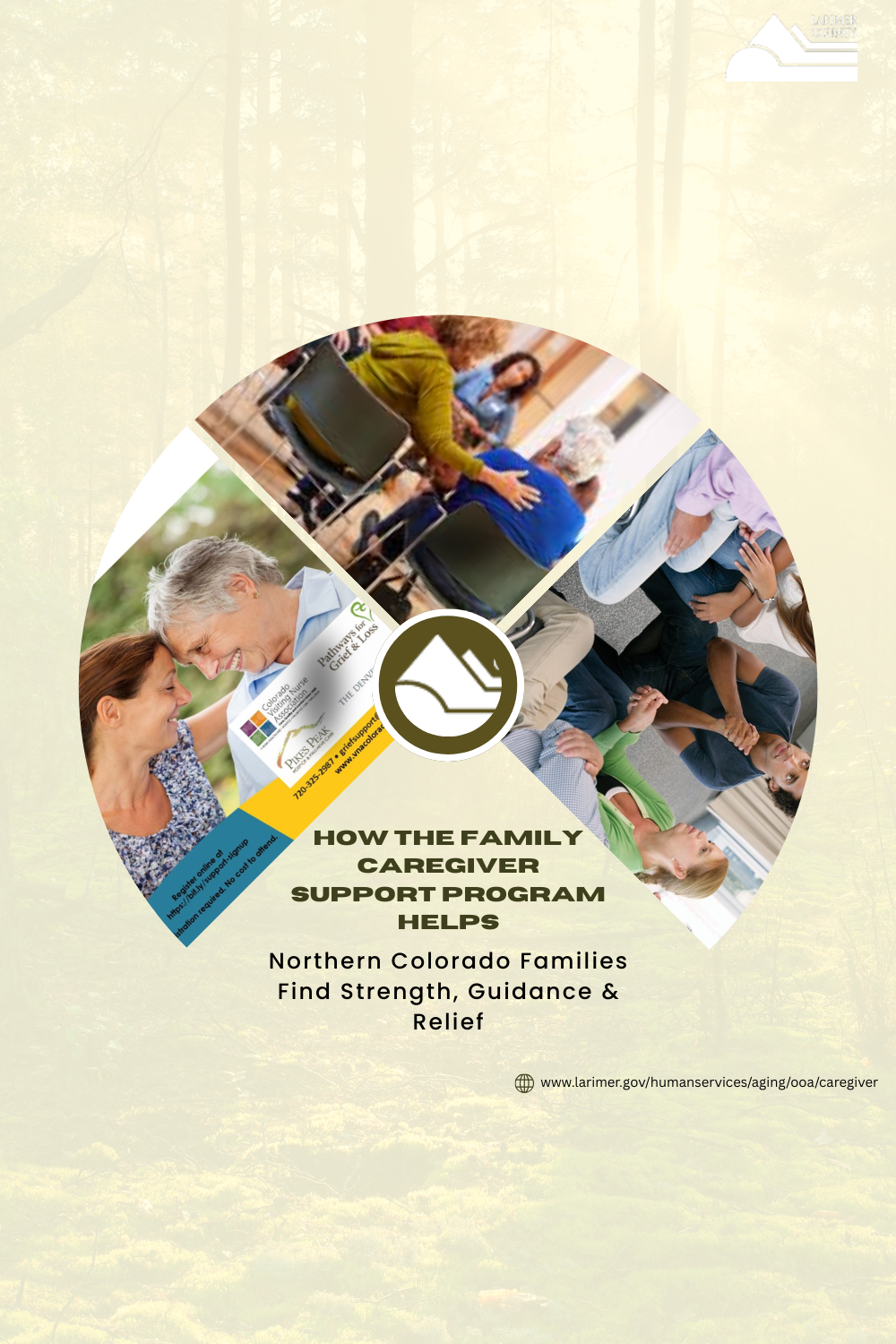
How the Family Caregiver Support Program Helps Northern Colorado Families Find Strength, Guidance & Relief
How the Family Caregiver Support Program Helps Northern Colorado Families Find Strength, Guidance & ReliefCaregiving is one of the most meaningful acts of lovebut it can also be one of the most overwhelming. In Northern Colorado, thousands of family members quietly provide daily support to aging parents, spouses, neighbors, and loved ones living with chronic illness, dementia, disabilities, and health challenges. Many juggle caregiving with full-time jobs, parenting responsibilities, and their own health needs.The Family Caregiver Support Program (FCSP), offered through the Larimer County Office on Aging, exists to make sure caregivers do not shoulder that responsibility alone. Through emotional support, education, respite options, and practical tools, FCSP helps caregivers stay strong, supported, and connected.For caregivers in Fort Collins, Loveland, Windsor, Wellington, and rural Larimer County, this program is often a turning pointhelping families move from burnout and confusion to confidence and resilience.Why Caregivers Need Support More Than EverAs the number of older adults in Northern Colorado increases, family caregivers are filling more roles than ever before. Many caregivers: Assist with bathing, dressing, and personal care Manage medication, appointments, and transportation Prepare meals and oversee household tasks Handle financial and legal responsibilities Provide emotional support and supervision Navigate dementia-related changes The work is constant, and often unrecognized. Without support, caregivers face higher risks of exhaustion, depression, social isolation, and declining physical health.The caregivers in our community give so much of themselves, says the Aging and Disability Resource Center. Our mission is to help them feel supported, valued, and empowered. No one should have to do this alone.What the Family Caregiver Support Program OffersThe FCSP provides a wide range of services designed to reduce stress, increase knowledge, promote health, and strengthen the caregiving relationship.1. One-on-One Consultation & GuidanceCaregivers receive personalized support to: Understand their role Access community resources Develop care plans Navigate long-term care options Locate respite services This guidance helps families make informed decisions about home care, medical systems, aging services, and community supports.2. Emotional & Peer Support GroupsRegular support groups create safe, compassionate environments where caregivers can: Share experiences Reduce isolation Receive encouragement Learn coping strategies Build friendships with others who get it Many caregivers describe these groups as essential to their emotional well-being.3. Education & Skill-Building WorkshopsWorkshops help caregivers understand: Dementia and cognitive decline Mobility and safety techniques Medication management Stress reduction and self-care Legal and financial planning Communication strategies These classes provide practical tools that make day-to-day caregiving easier.4. Respite Care AssistanceCaring for a loved one is rewarding but exhausting. FCSP connects caregivers with respite caretemporary relief that allows caregivers to rest, recharge, and take care of their own needs.Respite may include: In-home care Adult day programs Short-term facility-based care This break is essential for long-term caregiving sustainability.5. Resource NavigationCaregivers often feel lost in a maze of programs and services. FCSP helps connect families to: Medicaid & Medicare support Nutrition programs Transportation resources Home modification services Disability services Alzheimers & dementia organizations Mental health providers Supporting the Entire Family UnitCaregiving affects the whole family. FCSP supports: Spouses caring for spouses Adult children caring for parents Grandparents caring for grandchildren Neighbors and friends providing informal support This family-centered approach recognizes that caregiving roles vary widelyand each deserves tailored support.Serving an Entire Region: Fort Collins, Loveland & Rural AreasNorthern Colorado includes both bustling cities and remote rural communities. The Family Caregiver Support Program provides services across: Fort Collins Loveland Estes Park (with partner agencies) Windsor & Severance Wellington Berthoud Unincorporated Larimer County Virtual workshops and phone consultations ensure access for caregivers who cannot attend in person.Reducing Burnout & Strengthening Caregiver ResilienceCaregiver burnout happens slowly. Fatigue builds, stress rises, and emotional strain increases. The Family Caregiver Support Program helps caregivers regain balance through: Self-care coaching Break planning Supportive accountability Encouragement to seek help Education on recognizing burnout Caregivers report feeling calmer, more organized, and more connected after engaging with the program.Helping Caregivers Navigate Dementia-Related CareDementia caregiving is uniquely challenging. FCSP offers specialized support for those caring for individuals with Alzheimers disease or other dementias.This includes: Behavioral communication strategies Safety planning Wandering prevention tips Daily structure ideas Emotional reassurance Access to dementia-friendly partners across Larimer County Caregivers learn that meaningful connection is still possibleand that they have a community behind them.A Compassionate, Relationship-Based ApproachThe Family Caregiver Support Program emphasizes dignity, empathy, and shared humanity. Staff members understand that every caregivers situation is differentand they meet families exactly where they are.We are here to listen first, says the Aging and Disability Resource Center. Our goal is to walk alongside caregivers, provide clarity during difficult moments, and help them rediscover hope.Call to ActionIf you or someone you love is supporting an older adult in Fort Collins or Larimer County, the Family Caregiver Support Program is here to help. Visit their listing on SeniorsBlueBook.com to learn about support groups, respite options, and caregiver education programs.Frequently Asked Questions (FAQs)1. Do I need to live in Larimer County to receive services?Most services are available to Larimer County residents, but some workshops may be open to a broader area.2. Is there a cost for caregiver support?Many services are free or low-cost through the Office on Aging.3. Do I need to be a legal caregiver?No. Anyone providing careformal or informalcan receive support.4. Can caregivers bring the person they care for?Some programs accommodate care recipients, while others are caregiver-only.5. Does the program offer help with dementia-related care? Yes. Specialized education and navigation are available for dementia caregivers.
Dec 05, 2025

Supporting Seniors Through Advocacy, Resources & Community Connection in Northern Colorado
Supporting Seniors Through Advocacy, Resources & Community Connection in Northern Colorado Northern Colorado is home to a rapidly growing population of older adults who bring history, culture, and vitality to the region. With its blend of outdoor recreation, community-centered neighborhoods, and active lifestyle, Larimer County has become a place where many seniors want to age in placestaying connected to the homes and communities they love. But as aging needs evolve, many families discover they arent sure where to turn for help. Questions about caregiving support, Medicare benefits, transportation, respite, food assistance, or long-term planning can feel overwhelming without guidance. Thats where the Larimer County Office on Aging (LCOA) becomes an essential lifeline. Serving Fort Collins, Loveland, Wellington, Estes Park, and communities across the county, the Office on Aging provides accessible, reliable, and compassionate support designed to help older adults live safely, independently, and with dignity. A Mission Centered on Advocacy & Empowerment The Office on Aging is dedicated to informing, supporting, and empowering seniorsand the families who care for them. Their programs ensure that older adults have access to the resources they need for health, wellbeing, and independence. Erin Alt, a respected leader within the department, emphasizes the heart behind the work: Our goal is to make sure no older adult in Larimer County feels alone in navigating aging. Were here to provide guidance, support, and programs that help people thriveno matter their circumstances. Erin Alt This commitment to dignity and advocacy is woven into every service they offer. Key Programs & Services for Seniors and Their Families The LCOA offers a broad network of support, designed to meet seniors where they are and connect them to practical resources. 1. Information & Referral Services Aging can bring up complicated questions. The Office on Aging helps families understand and access: Housing resources Transportation services Nutrition programs Senior centers and activity programs In-home support options Medicare and benefit programs This guidance prevents families from feeling overwhelmed and helps them make informed decisions. 2. Caregiver Support & Respite Caregiving is an act of lovebut also an immense responsibility. The Office on Aging provides: Respite care assistance Caregiver grants Caregiver education and training Support groups and peer connection These supports help reduce burnout and increase confidence. 3. Long-Term Care Ombudsman Program A crucial advocacy service within the community, ombudsmen help seniors living in nursing homes, assisted living, and memory care communities by: Protecting resident rights Addressing concerns and complaints Ensuring quality of care Supporting families through transitions This program ensures that seniors in long-term care settings are treated with dignity and respect. 4. Options Counseling Aging decisions can feel overwhelming. Options Counselors guide seniors through: Housing choices In-home care decisions Safety planning Community resources Financial and benefit considerations This personalized support helps families create clear, realistic plans for aging. 5. Transportation & Mobility Assistance For older adults no longer driving, transportation is essential. LCOA connects seniors with: Dial-a-Ride programs Paratransit services Volunteer driver networks Accessible mobility resources Lack of transportation shouldnt prevent seniors from accessing healthcare, shopping, or social activities. Rooted in the Northern Colorado Community The Office on Aging is deeply integrated into Northern Colorados senior resource network, collaborating with: UCHealth Senior centers in Fort Collins & Loveland Meals on Wheels Local nonprofits Housing communities Dementia support organizations Veterans services Because of these strong partnerships, seniors receive comprehensive support tailored to local challenges and opportunities. Whether its helping an Estes Park resident secure transportation to medical appointments, supporting a Wellington caregiver through respite resources, or guiding a Fort Collins senior through Medicare enrollment, the Office on Aging is committed to being a steady, trusted resource. Why Seniors Trust the Larimer County Office on Aging Families across Northern Colorado rely on the LCOA for its: Compassionate, knowledgeable staff Commitment to equity and accessibility Personalized support Strong community partnerships Holistic approach to aging Their mission is simple yet powerful: help every senior live with dignity, safety, and independence. Call to Action To explore resources, programs, and support available through the Larimer County Office on Aging, visit their Seniors Blue Book listing for contact details and service information. FAQs 1. Is there a cost for Office on Aging services? Most services are free or low-cost, funded by county and federal aging programs. 2. Do I need to be low-income to qualify? Noresources are available to all Larimer County seniors regardless of income. 3. Can caregivers request support directly? Yes. Caregivers can access respite grants, education, and support groups. 4. Do they help with Medicare questions? Absolutelytrained counselors assist with Medicare, benefits, and supplemental plans. 5. What areas does the Office on Aging serve? They support all of Larimer County, including Fort Collins, Loveland, Timnath, Windsor, Wellington, and Estes Park.