Graceful Transitions PA
Counties Served: Pennsylvania - Adams,Berks,Chester,Cumberland,Dauphin,Franklin,Lancaster,Lebanon,Perry,York
Housing Placement & Resource Specialists


About Graceful Transitions PA
Complimentary Senior Placement Guidance in Central Pennsylvania.
Your journey to peace of mind starts here.
Who We Help
When a loved one can no longer safely live at home, the choices can feel overwhelming. Families often struggle with questions like:
- Which communities are reputable?
- What level of care is truly needed?
- How do we compare pricing, services, and waitlists?
Graceful Transitions PA exists to provide clarity, direction, and confidence through complimentary, one-on-one placement guidance for Assisted Living, Personal Care, and Memory Care across Central Pennsylvania.
Why Families Trust Us
With 20+ years of healthcare experience, I understand the medical, emotional, and practical realities families face. My process begins with a Care Needs Assessment to determine the correct level of carebecause the right placement starts with a thorough understanding of care needs.
To help families make informed decisions, I also review Pennsylvania state transparency inspection records for each recommended community. This ensures every option is vetted for quality, safety, and regulatory compliance.
How Our Process Works
I walk alongside families like a care-focused navigator, learning:
- Budget and financial considerations
- Social and lifestyle preferences
- Medical diagnoses and mobility needs
- Cognitive and behavioral concerns
- Family dynamics and decision-making roles
From there, I:
- Create a personalized shortlist of communities that truly fit
- Coordinate and schedule tours
- Prepare families with guided questions to ask
- Support them through selection, move-in, and post-move follow-up
Trusted Local Referrals
Transitions are rarely simple. Thats why Graceful Transitions PA provides reliable referrals for:
- Downsizing and moving specialists
- VA benefits resources
- Realtors and home support services
- Other trusted professionals who ease the transition
Why Professionals Refer to Us
Discharge planners, nurses, social workers, elder law attorneys,
fiduciaries, and home health teams rely on Graceful Transitions PA because we deliver:
- Quick response and consistent communication
- Education on care levels and options
- Vetted, local recommendations
- Support that reduces delays and helps ensure safe placement
Lets Begin
Whether youre a daughter helping from out of state, a son juggling work and caregiving, or a professional seeking a trusted partner for your patients you dont have to navigate this alone.
Call or text to begin your complimentary placement guidance today.
See More
Continue Your Search! Explore More Local Options.
Start SearchingLet’s engage and get educated!
Browse through thousands of expert articles in over 100 different categories.
Browse NowArticles You May Like

When Senior Living Decisions Feel Overwhelming, You Dont Have to Figure Them Out Alone A Local Guide to Assisted Living & Memory Care in Central Pennsylvania
A Local Guide to Assisted Living & Memory Care in Central Pennsylvania Most families never expect to become experts in senior living. Yet suddenly after a fall, a hospital stay, or growing safety concerns families are asked to understand assisted living, memory care, care levels, costs, availability, and timing often under intense emotional pressure. You dont have to navigate senior living decisions alone. Thats where a local senior living placement specialist becomes invaluable. When Families Start Searching for Senior Living Help It often begins quietly: A parent isnt safe living alone anymore Memory changes are becoming harder to ignore A hospital discharge feels rushed or unclear Online searches only create more confusion Families often feel unsure who to trust and concerned about making a decision that could affect safety, finances, or quality of life. Senior living decisions are too important to be left to guesswork. What a Senior Living Placement Specialist Actually Does A senior living placement specialist doesnt sell communities they guide families. Placement specialists help families: Determine what level of care is truly needed Clearly understand assisted living versus memory care Narrow options based on care needs, budget, and real availability Coordinate tours and next steps Remain a steady, trusted point of contact throughout the process Families often assume all placement services work the same way but local, independent guidance offers a very different experience than national referral platforms. Instead of navigating endless lists and conflicting information alone, families receive clear, personalized guidance from someone who understands the local senior living landscape. Why Local Knowledge Makes All the Difference Senior living is deeply local. Two communities may appear similar online, yet differ significantly in staffing stability, care capabilities, leadership, culture, and responsiveness details that arent always visible during a brief tour. Experienced placement specialists work with these situations every day and understand how care needs, availability, and community policies intersect in real life. That local insight helps families focus only on communities that genuinely fit their situation often preventing rushed decisions, wasted time, and unnecessary stress. How the Right Guidance Helps Families Avoid Costly Mistakes When families are under pressure, its easy to choose a community that looks right but doesnt truly meet care needs. Common mistakes families later regret include: Choosing assisted living when memory care is actually needed Underestimating how quickly care needs may change Selecting a community without fully understanding care limitations or expectations Relying solely on online ratings or rushed tours Having to move again after only a few months These missteps can lead to additional move-in fees, disrupted care, increased confusion for the older adult, and higher overall costs over time. A local senior living placement specialist helps families slow the process down just enough to make the right decision the first time reducing the likelihood of unnecessary moves and avoidable expenses. An Often-Overlooked Step: Pennsylvania State Transparency Records Beautiful brochures and friendly tours dont tell the whole story. In Pennsylvania, assisted living and personal care homes are licensed and monitored by the state, with public transparency records that document inspections, compliance history, and areas requiring follow-up. The challenge is that these records are not always easy to locate or easy to interpret. A local Senior Placement Advisor can locate these records and interpret them in context helping families understand whats routine, what warrants closer attention, and which questions are appropriate to ask. This added layer of insight allows families to move beyond marketing materials and make decisions based on both fit and facts, with clarity and confidence. What About Cost? One of the most surprising things families learn is that senior living placement services are typically provided at no cost to families. Placement specialists are generally compensated by the community after a successful placement, allowing families to receive guidance, education, and support without added financial burden. Placement support is especially helpful for families who want honest answers, local insight, and calm guidance without pressure or sales tactics. The Bigger Picture Senior living decisions arent about buildings or amenities. Theyre about safety, dignity, and quality of life for both the older adult and the family who loves them. A placement specialist offers something invaluable during an uncertain time: Clarity when it matters most. Local Senior Living Guidance in Central Pennsylvania Families searching for assisted living or memory care in Hershey, Lancaster, Harrisburg, Lititz, Elizabethtown, and surrounding Central Pennsylvania dont have to navigate these decisions alone. Graceful Transitions PA provides calm, one-on-one guidance helping families understand care options, interpret public records, and move forward with confidence. Call or text for a confidential conversation about next steps Local guidance. No call centers. No pressure. gracefultransitionspa.com
Dec 21, 2025
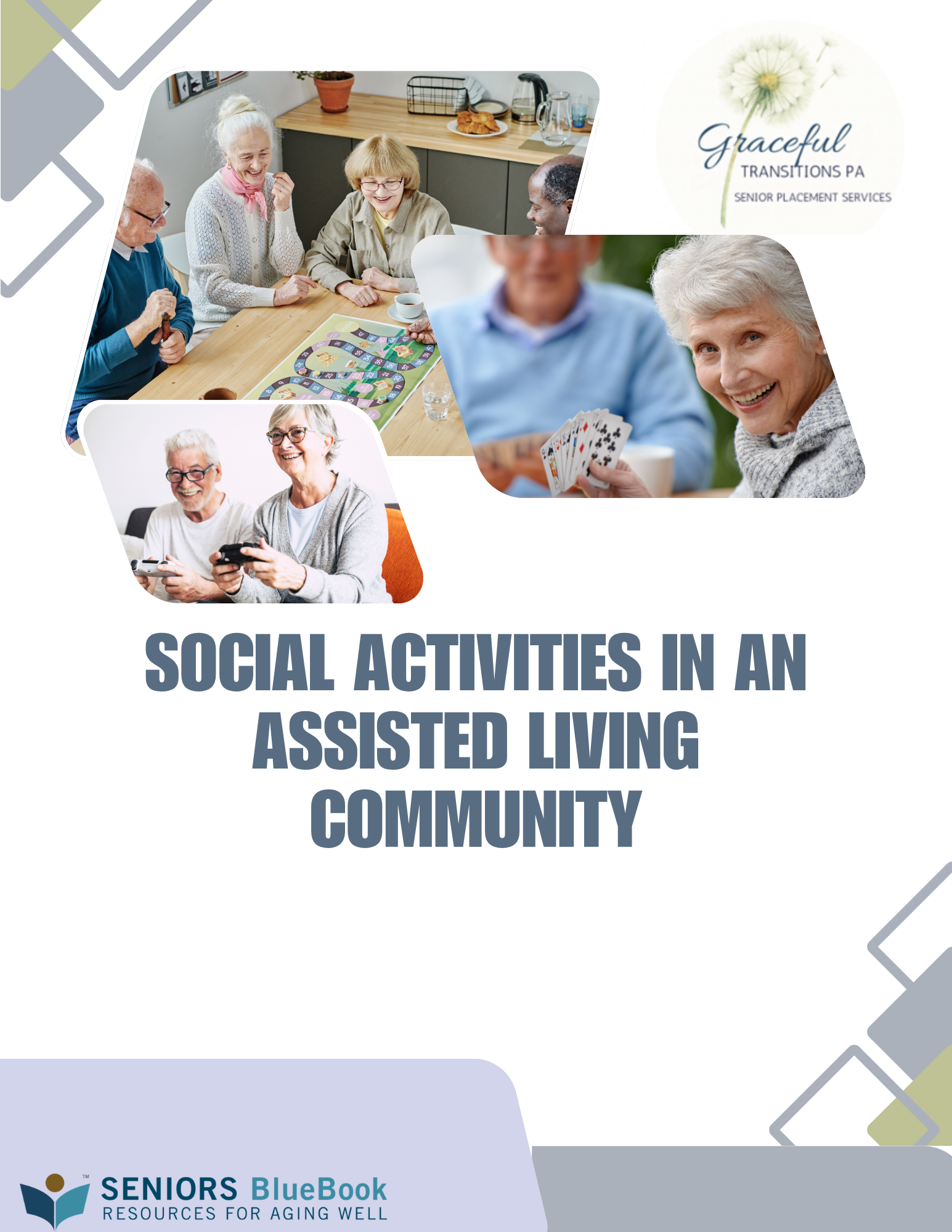
Social Activities in an Assisted Living Community
One of the biggest misconceptions about assisted living is that it's a quiet place where residents simply wait out the days. In reality, a good assisted living community runs more like a small, active neighborhood with a packed calendar, familiar faces, and a steady rhythm of things to look forward to. Social engagement isn't an afterthought; it's one of the core benefits of the setting, and research consistently links it to better physical health, sharper cognitive function, and a lower risk of depression in older adults.Here's a closer look at what social life actually looks like inside an assisted living community.Why Social Activities Matter So MuchIsolation is one of the biggest hidden risks for older adults living alone. Without regular social contact, seniors face higher rates of depression, faster cognitive decline, and even increased mortality risk some studies compare the health impact of chronic loneliness to smoking. Assisted living communities are designed specifically to counter this by building social interaction into daily life, not leaving it up to chance.Beyond the emotional benefits, staying socially active also supports: Cognitive health conversation, games, and learning activities keep the brain engaged Physical health group exercise and mobility-based activities improve strength and balance Sense of purpose clubs, volunteering, and mentoring give residents a reason to get up and get dressed Emotional resilience friendships and community reduce anxiety and grief, especially after loss of a spouse or independence Types of Social Activities Typically OfferedMost communities organize a monthly or weekly calendar covering a wide range of interests. Common categories include:Fitness and Movement Chair yoga or seated exercise classes Tai chi Walking clubs Dance classes (line dancing is a perennial favorite) Balance and fall-prevention classes Arts and Creativity Painting and watercolor classes Pottery or ceramics Knitting and needlework circles Music appreciation or sing-alongs Book clubs and creative writing groups Games and Mental Stimulation Bingo (often a daily or weekly staple) Trivia and quiz nights Bridge, poker, and other card games Puzzle groups Brain-training games and workshops Social Events and Outings Happy hours and themed cocktail parties Holiday celebrations and seasonal festivals Movie nights Live music or visiting performers Off-site outings museums, shopping trips, scenic drives, restaurant visits Lifelong Learning Guest lectures on history, science, or current events Language classes Cooking demonstrations Technology classes (video calling grandchildren, using tablets) Spiritual and Reflective Religious services or Bible study Meditation and mindfulness groups Volunteer opportunities, both on-site and in the local community Intergenerational Programs Visits from local schools or scouting groups Partnerships with area colleges for student volunteers Pet therapy visits A Sample WeekWhile every community differs, a typical week might look something like this: Monday Morning stretch class, afternoon bingo, evening documentary screening Tuesday Watercolor painting, group walk, happy hour Wednesday Off-site outing (grocery store or scenic drive), book club Thursday Chair yoga, trivia night, live music performance Friday Cooking demonstration, happy hour, movie night Saturday Family visiting day, card games Sunday Religious services, quiet reflection time, family dinner Meals themselves often double as social time, with communal dining rooms designed to encourage conversation rather than isolated eating.How Activities Are Tailored to ResidentsGood communities don't take a one-size-fits-all approach. Activities directors typically: Survey new residents about hobbies, interests, and past careers Offer a range of activity intensities, from high-energy exercise classes to quiet reading groups Adjust programming for residents with mobility limitations or early-stage cognitive impairment Rotate the calendar regularly to keep things fresh and avoid repetition fatigue Encourage resident-led clubs, where residents themselves propose and run activities they're passionate about For residents in memory care or with more advanced cognitive needs, activities are often adapted further shorter sessions, more repetition, and a stronger focus on sensory engagement (music, familiar scents, tactile crafts) rather than complex tasks.The Role of Staff and VolunteersLife enrichment coordinators or activities directors are usually dedicated staff members whose entire job is to plan, promote, and run this calendar. Their work often includes: Building monthly activity calendars and distributing them to residents and families Coordinating transportation for outings Recruiting outside performers, speakers, or volunteer groups Tracking resident participation and reaching out personally to residents who seem to be withdrawing Partnering with families to celebrate birthdays, anniversaries, and other milestones What Families Should Look For When TouringIf you're evaluating communities for yourself or a loved one, the activity program is worth scrutinizing closely. Helpful questions to ask include: Can I see this month's activity calendar? How many activities run per day, and at what times? Are activities optional, or is there encouragement to participate? How do you engage residents who are less mobile or more introverted? Is transportation provided for off-site outings? How do you handle activities for residents with dementia or cognitive decline? Can residents propose or lead their own clubs or interest groups? It's also worth visiting during an actual activity, rather than just reviewing a printed calendar seeing real engagement (or the lack of it) tells you far more than a schedule on paper.
Aug 13, 2026

Do You Qualify for Assisted Living?
Deciding whether it's time for assisted living is rarely a single event. It's usually the accumulation of small signs a missed medication, a fall in the bathroom, a stove left on that eventually adds up to a bigger question: is it safe to keep living independently?Unlike a nursing home, assisted living doesn't require a specific medical diagnosis or a doctor's order in most cases. Instead, eligibility is based on a broader picture of daily functioning, safety, and support needs. Here's how that picture typically gets evaluated.1. Difficulty with Activities of Daily Living (ADLs)The most common measure used by assisted living communities is a person's ability to perform basic self-care tasks, often called Activities of Daily Living. These include: Bathing and grooming Dressing Toileting Mobility and transferring (getting in and out of a bed or chair) Eating Continence management Most communities will assess how many of these a prospective resident can do independently, with reminders, or with hands-on help. Needing assistance with two or more ADLs is a common threshold that suggests assisted living may be appropriate.2. Trouble with Instrumental Activities of Daily Living (IADLs)Beyond basic self-care, communities also look at more complex daily tasks, known as Instrumental Activities of Daily Living: Managing medications correctly Preparing meals Housekeeping and laundry Managing finances or paying bills Using the phone or transportation Grocery shopping Struggling with several of these even if basic self-care is still manageable is often an early sign that some level of support could help, even if full assisted living isn't needed yet.3. Safety Concerns at HomeSometimes the clearest signal isn't a checklist, it's a pattern of close calls. Common red flags include: Recent falls or a fear of falling Wandering or getting lost, even in familiar places Leaving appliances on or forgetting to lock doors Unexplained bruises, weight loss, or a decline in hygiene Piling mail, unpaid bills, or expired food in the fridge Missed medications or medication mix-ups If safety at home has become unpredictable, that's often a stronger indicator than any single ADL score.4. Cognitive ChangesMild cognitive decline doesn't automatically mean someone needs assisted living, but it does change the calculus. Communities and families typically watch for: Repeating questions or stories frequently Confusion about time, dates, or familiar places Difficulty following conversations or instructions Poor judgment in decisions involving money or safety Many assisted living communities can accommodate mild to moderate cognitive impairment; more advanced dementia may require a memory care unit instead, which offers a higher level of structure and supervision.5. Social Isolation and Emotional WellbeingQualification isn't only physical. Increasing isolation, loneliness, or signs of depression are also taken seriously, since these can accelerate physical and cognitive decline. If someone has stopped engaging in hobbies, rarely leaves the house, or has lost touch with friends and family, this is often part of the overall assessment.6. Medical NeedsAssisted living is generally designed for people who need help with daily living but don't require the round-the-clock skilled nursing care provided in a nursing home. That said, many communities can manage: Medication administration Chronic condition monitoring (diabetes, high blood pressure, etc.) Coordination with visiting nurses, physical therapists, or home health aides If a person needs continuous medical monitoring, IV therapy, or has a condition requiring skilled nursing care, a nursing home or skilled nursing facility may be a better fit than assisted living.7. The Formal Assessment ProcessMost assisted living communities require a formal evaluation before move-in, which usually includes: A functional assessment evaluating ADLs and IADLs, often using a standardized tool. A health history review including current diagnoses, medications, and recent hospitalizations. A cognitive screening a brief test to check for memory or reasoning issues. A physician's statement many states require a doctor to confirm the person doesn't need a higher level of care (like skilled nursing). The community uses this information to determine not just whether someone qualifies, but what level of care and pricing tier applies.8. Financial QualificationBeyond care needs, there's a practical side to qualifying: affordability. Assisted living is primarily private-pay, and communities typically want to see: Proof of income or assets sufficient to cover costs (often for a minimum period, such as one to two years) Long-term care insurance details, if applicable Eligibility for veteran's benefits (such as Aid and Attendance) if relevant In some states, Medicaid waiver eligibility for assisted living (availability varies significantly by state) It's worth noting that traditional Medicare does not cover the room-and-board costs of assisted living, though it may cover certain medical services provided there.Signs It Might Be Time to Look Into ItIf you're trying to gauge whether a loved one or yourself might qualify, consider whether any of these describe the situation: Needing reminders or help with two or more daily self-care tasks A fall, near-fall, or safety scare in the last six months Noticeable weight loss, poor hygiene, or a messier-than-usual living space Increasing forgetfulness that affects safety or daily routines Caregiver burnout among family members providing informal support A doctor or discharge planner recommending a higher level of support after a hospital stay
Aug 13, 2026

Independent Living vs. Assisted Living: Which Is Right for You?
For many older adults and their families, senior living decisions start with a simple but surprisingly tricky question: independent living or assisted living? The names sound similar, and both options offer community, amenities, and a maintenance-free lifestyle but the level of care, cost, and day-to-day experience can differ significantly. Understanding those differences is the key to choosing the right fit.The Core DifferenceThe simplest way to think about it: independent living is about lifestyle, while assisted living is about lifestyle plus support. Independent living is designed for seniors who are largely self-sufficient and want to downsize, simplify, and enjoy an active, maintenance-free community without the burdens of homeownership. Assisted living is designed for seniors who need help with daily tasks like bathing, medication management, or mobility but don't require the intensive medical care of a nursing home. Both offer private living spaces, communal dining, activities, and social opportunities. The dividing line is the amount of hands-on personal care provided.Independent Living: An OverviewIndependent living communities (sometimes called retirement communities or senior apartments) are built for active seniors, typically 55 and older, who want to leave behind home maintenance, yard work, and the isolation that can come with living alone.What's typically included: Private apartment, cottage, or villa Housekeeping and maintenance Communal dining options (though many residents also cook for themselves) Social and recreational activities Transportation services Fitness centers, pools, and common areas Security and emergency call systems What's generally NOT included: Help with bathing, dressing, or medication Skilled nursing or medical care Personal care aides Residents in independent living are essentially living in their own apartment within a larger community they retain full independence but shed the responsibilities of maintaining a house.Assisted Living: An OverviewAssisted living communities serve seniors who need some level of daily support but don't require round-the-clock medical supervision. Care is personalized, meaning residents typically pay for (and receive) only the specific help they need.What's typically included: Private or semi-private apartment Assistance with Activities of Daily Living (ADLs) bathing, dressing, toileting, mobility Medication management and reminders Three daily meals, often with dietary accommodations Housekeeping and laundry 24-hour staff availability and emergency response Social and wellness activities, often tailored to varying ability levels Coordination with outside healthcare providers Assisted living fills the gap between independent living and a nursing home offering more support than the former, but a less clinical, more homelike environment than the latter.Side-by-Side Comparison Feature Independent Living Assisted Living Target resident Active, self-sufficient seniors Seniors needing daily living support Personal care (bathing, dressing) Not provided Provided as needed Medication management Not provided Provided Meals Often optional or la carte Typically included, 3x daily Housekeeping Included Included Medical monitoring Minimal to none Available, coordinated with providers Emergency response Available Available, often more integrated Cost Generally lower Generally higher Living space Apartment, cottage, or villa Private or semi-private apartment Level of independence High Moderate, with support as needed Key Questions to Help You Decide1. How much help is actually needed day to day?Be honest about ADLs: bathing, dressing, toileting, mobility, and medication management. If help is needed with two or more of these regularly, assisted living is likely the better fit. If daily tasks are manageable independently, independent living may be sufficient for now.2. Is safety a growing concern?Falls, wandering, missed medications, or a general decline in home upkeep are signs that more support may be needed than independent living provides.3. What does a typical day look like?Independent living residents often still drive, cook, manage their own schedules, and come and go freely. Assisted living residents may need more structured routines and closer staff involvement.4. What's the budget?Independent living is generally less expensive since it doesn't include personal care services. Assisted living costs more but bundles in a higher level of support which can actually be more cost-effective than paying separately for a home, housekeeping, and outside caregiving.5. Is this a "for now" or "for the future" decision?Some families choose independent living with an eye toward "aging in place" within the same community many campuses offer a continuum of care, allowing a resident to transition to assisted living (or beyond) later without relocating entirely. This can simplify future transitions considerably.6. What does a professional assessment say?Many communities offer a free needs assessment, and a geriatric care manager or physician can offer an outside, objective opinion on the appropriate level of care.Signs Independent Living May Be the Right Fit Generally healthy and mobile, with no significant chronic conditions requiring daily management Comfortable managing medications, meals, and personal care independently Primarily seeking to simplify life, downsize, and gain social connection Wants an active lifestyle with amenities, without giving up autonomy Signs Assisted Living May Be the Right Fit Needs help with two or more Activities of Daily Living Recent falls, safety incidents, or near-misses at home Difficulty managing medications correctly Noticeable decline in hygiene, nutrition, or home upkeep Increasing memory issues affecting daily safety Family caregivers experiencing burnout trying to fill the gap What Happens When Needs Change?It's worth noting that this isn't necessarily a permanent, one-time decision. Many seniors start in independent living and transition to assisted living years later as needs evolve. Continuing Care Retirement Communities (CCRCs) are built specifically around this idea, offering independent living, assisted living, and skilled nursing all on one campus so a resident (and their family) doesn't have to search for a new community each time care needs change.If choosing a standalone community rather than a CCRC, it's worth asking upfront how the community handles increasing care needs over time whether they offer added support services, or whether a resident would eventually need to relocate elsewhere.
Aug 13, 2026

Planning Before the Crisis: A Better Approach to Senior Care
Planning Before the Crisis: A Better Approach to Senior Care Many families delay senior care planning not because they are unaware of concerns, but because it doesnt feel like the right time yet. A loved one may still be living at home, managing daily routines, and maintaining independence with a little extra support. And in many ways, that assessment feels reasonable. However, waiting until a crisis occurs often removes the very thing families hope to preserve: choice. When Not Yet Feels Manageable There is often a long period where nothing dramatic has happened, yet more effort is required to keep things stable. A loved one may still be living independently, but: Family members worry whether they could call for help in an emergency Monitoring systems, alert buttons, or cameras are used for reassurance Check-ins become more frequent or schedules are adjusted to stay available Medications, balance, or stamina require closer attention There is a quiet awareness of how quickly circumstances could change Nothing may feel urgent but safety and independence are being supported behind the scenes. This stage is often overlooked, even though it is one of the most important times to begin planning. The Risk of Waiting: When Timing Removes Choice When planning is delayed until a fall, sudden illness, or hospitalization, decisions are no longer made on a familys timeline. If something unexpected happens, the conversation that was meant to occur someday often takes place in a hospital room or during a rushed discharge discussion. Decisions may be needed quickly sometimes within days or even hours. In these moments: A loved one may not feel well enough to tour or evaluate options Preferred communities may not have availability Decisions are driven by immediate safety rather than personal fit Comfort, routine, and preference take a back seat to urgency What could have been a thoughtful, measured decision becomes reactive. The Moment Families Wish They Had Planned Ahead Families navigating a crisis often express similar reflections: We didnt realize how limited the options would be. I wish we had talked about this sooner. I wish we had a plan before everything changed. These thoughts dont come from regret or blame, but from recognizing how quickly flexibility disappears once a crisis occurs. Planning ahead does not prevent emergencies but it prevents emergencies from making decisions on a familys behalf. Planning Early Keeps Loved Ones at the Center When planning happens before urgency takes over, older adults can participate meaningfully in decisions about their future. They are able to: Visit and explore options while feeling well and clear-headed Share preferences about routine, location, lifestyle, and privacy Process change gradually rather than abruptly Feel included rather than relocated Once a crisis drives the decision, that participation is often limited or lost. Comfort Is Easier to Preserve When Decisions Arent Rushed Sudden transitions can be disorienting. Familiar routines are disrupted, and anxiety increases when changes happen quickly and without preparation. Planning early allows for: Gradual emotional adjustment Familiarity with environments before a move is needed Thoughtful downsizing instead of urgent packing A greater sense of control and continuity Comfort is not only physical it is emotional, and it plays a significant role in overall well-being. Monitoring Isnt the Same as Support Technology can be helpful, but it is not the same as care. When safety depends on cameras, alert systems, frequent family check-ins, or neighbors keeping an eye out, independence is already fragile. These tools rely on constant vigilance and vigilance can fail. Support looks different. It looks like regular, in-person check-ins throughout the day, gentle reminders that meals are available, and the reassurance that someone will notice if help is needed. That kind of presence preserves dignity, reduces isolation, and provides stability in a way monitoring alone cannot. Planning Doesnt Mean Acting Immediately One common misconception is that planning requires an immediate change. In reality, planning simply means: Understanding available options Identifying what signs indicate a need for change Establishing a clear next step if circumstances shift It allows families to be prepared rather than rushed when change eventually occurs. Start the Conversation Before Choice Is Taken Away For many families, planning doesnt feel urgent because nothing dramatic has happened yet. Life may feel manageable with some additional support in place. Starting the conversation early does not mean committing to a decision. It means gaining clarity, understanding preferences, and ensuring a loved ones voice is part of future planning. When discussions happen before a crisis, families are better positioned to make thoughtful decisions based on comfort, routine, and quality of life rather than urgency or limited availability. Thoughtful planning creates readiness, reduces stress, and supports calmer transitions for everyone involved. Because meaningful care decisions are best made before they are forced.