Hunger Free Colorado - HOTLINE
Counties Served: Colorado - Adams, Alamosa, Arapahoe, Archuleta, Baca, Bent, Boulder, Broomfield, Chaffee, Cheyenne, Clear Creek, Conejos, Costilla, Crowley, Custer, Delta, Denver, Dolores, Douglas, Eagle, El Paso, Elbert, Fremont, Garfield, Gilpin, Grand, Gunnison, Hinsdale, Huerfano, Jackson, Jefferson, Kiowa, Kit Carson, La Plata, Lake, Larimer, Las Animas, Lincoln, Logan, Mesa, Mineral, Moffat, Montezuma, Montrose, Morgan, Otero, Ouray, Park, Phillips, Pitkin, Prowers, Pueblo, Pueblo County, Rio Blanco, Rio Grande, Routt, Saguache, San Juan, San Miguel, Sedgwick, Summit, Teller, Washington, Weld, Yuma
Food Resources



About Hunger Free Colorado - HOTLINE
Toll-free, bilingual hotline is a free "one-stop" resource that offers geographically based referrals to both public and private assistance programs throughout the state.Hunger Free Colorado, a statewide nonprofit organization launched in 2009, connects families and individuals to food resources and fuels change in systems, policies and social views, so no Coloradan goes hungry. By leveraging the power of collaboration, innovation and partnership, we eliminate barriers to the access of affordable, nutritious food, so all Coloradans can thrive and reach their full potentialSee More
Continue Your Search! Explore More Local Options.
Start SearchingLet’s engage and get educated!
Browse through thousands of expert articles in over 100 different categories.
Browse NowArticles You May Like
How Food Access Supports Healthy Aging
How Food Access Supports Healthy AgingAcross Denver and Northern Colorado, food insecurity affects more older adults than many people realize. Rising housing costs, fixed incomes, medical expenses, and transportation barriers can make it difficult for seniors to consistently access nutritious meals. Yet proper nutrition is foundational to healthy agingit supports mobility, cognitive health, immune function, and overall quality of life.Hunger Free Colorado works statewide to ensure that no Coloradan, including older adults, has to choose between paying for essentials and putting food on the table. Through education, advocacy, and direct assistance, the organization plays a vital role in connecting seniors and their families with the food resources they need to thrive.Understanding Food Insecurity Among Older AdultsFood insecurity doesnt always look like hunger. For seniors, it may mean skipping meals, choosing cheaper but less nutritious food, or worrying constantly about running out of groceries before the end of the month.Common contributors to food insecurity among older adults include: Fixed or limited incomes Rising healthcare and prescription costs Limited mobility or transportation Social isolation Lack of awareness about available benefits In urban areas like Denver and growing Northern Colorado communities, these challenges can be compounded by cost-of-living pressures and access gaps.Hunger Free Colorados Role in Senior NutritionHunger Free Colorado focuses on improving food access across the state by helping individuals navigate and enroll in nutrition programs. Rather than operating food pantries, the organization connects people to sustainable, long-term resources that meet their needs.Key areas of support include: Assistance with SNAP (Supplemental Nutrition Assistance Program) enrollment Education about senior nutrition programs Outreach to underserved communities Advocacy to strengthen food access policies This approach empowers seniors to access consistent nutrition while maintaining independence and dignity.Becca Lee-Simpson of Hunger Free Colorado emphasizes the importance of access and awareness: So many older adults qualify for nutrition programs but dont know where to start. Our work is about removing barriers and making sure people get the support they deserve. Why Nutrition Is Critical for Healthy AgingGood nutrition is closely linked to nearly every aspect of senior health. Inadequate access to nutritious food can increase the risk of chronic disease, weaken the immune system, and contribute to falls or hospitalizations.Proper nutrition supports: Muscle strength and balance Cognitive function and memory Medication effectiveness Energy levels and mood By helping seniors access nutritious food, Hunger Free Colorado supports not just hunger reliefbut long-term health and independence.Reducing Barriers to Food AccessMany seniors face challenges beyond affordability. Complex applications, stigma, or misinformation can prevent older adults from seeking help. Hunger Free Colorado addresses these barriers through education and personalized assistance.Support often includes: One-on-one help completing applications Clear explanations of eligibility requirements Assistance navigating online or phone-based systems Reassurance that benefits are there to be used This compassionate guidance makes food assistance programs more accessible and less intimidating.Supporting Caregivers and FamiliesFood insecurity doesnt affect seniors aloneit impacts entire families. Caregivers may worry about whether a loved one is eating well or may struggle to supplement groceries on a limited budget.By connecting seniors with reliable nutrition resources, Hunger Free Colorado helps reduce caregiver stress and supports more stable household planning. Families gain peace of mind knowing basic needs are met.Collaboration Across Northern ColoradoHunger Free Colorado works closely with community organizations, healthcare providers, and aging services throughout Denver and Northern Colorado. This collaboration ensures that food access is addressed alongside other senior needs such as housing, healthcare, and transportation.By aligning efforts, communities can respond more effectively to the complex realities of aging.When Should Seniors or Families Seek Help?Many people assume they dont qualify for assistance or that others need help more. In reality, programs are designed to support a wide range of individualsand seeking help early can prevent health complications later.Seniors or caregivers may want to explore food assistance if: Grocery budgets are tight Meals are being skipped Health conditions require better nutrition Transportation limits shopping options Stress about food access is growing Early support helps stabilize nutrition and overall well-being.A Trusted Resource Through Seniors Blue BookSeniors Blue Book serves as a trusted guide for families navigating aging-related resources. By highlighting organizations like Hunger Free Colorado, it helps connect seniors with essential services that support daily living.By visiting the Seniors Blue Book listing for Hunger Free Colorado, families can: Learn about nutrition assistance programs Find guidance on eligibility and enrollment Take steps toward food security and health This centralized resource supports informed decision-making during critical times.Frequently Asked QuestionsDo seniors have to be very low-income to qualify for SNAP? Eligibility varies, and many seniors qualify even if they own a home or receive Social Security.Does receiving nutrition assistance affect other benefits? In most cases, SNAP does not reduce other benefits and may increase overall stability.Can caregivers help seniors apply? Yes. Caregivers are encouraged to assist with applications.Is there stigma in using food assistance programs? Programs are designed to support health and dignityusing them is a responsible choice.Are services available throughout Northern Colorado? Yes. Hunger Free Colorado serves individuals statewide.Strengthening Senior Well-Being Through Food SecurityAccess to nutritious food is a cornerstone of healthy aging. By helping seniors and families navigate food assistance programs, Hunger Free Colorado strengthens health, independence, and peace of mind across Denver and Northern Colorado. Families seeking nutrition support are encouraged to explore the Seniors Blue Book listing for Hunger Free Colorado and take the next step toward food security with confidence.
Jan 02, 2026
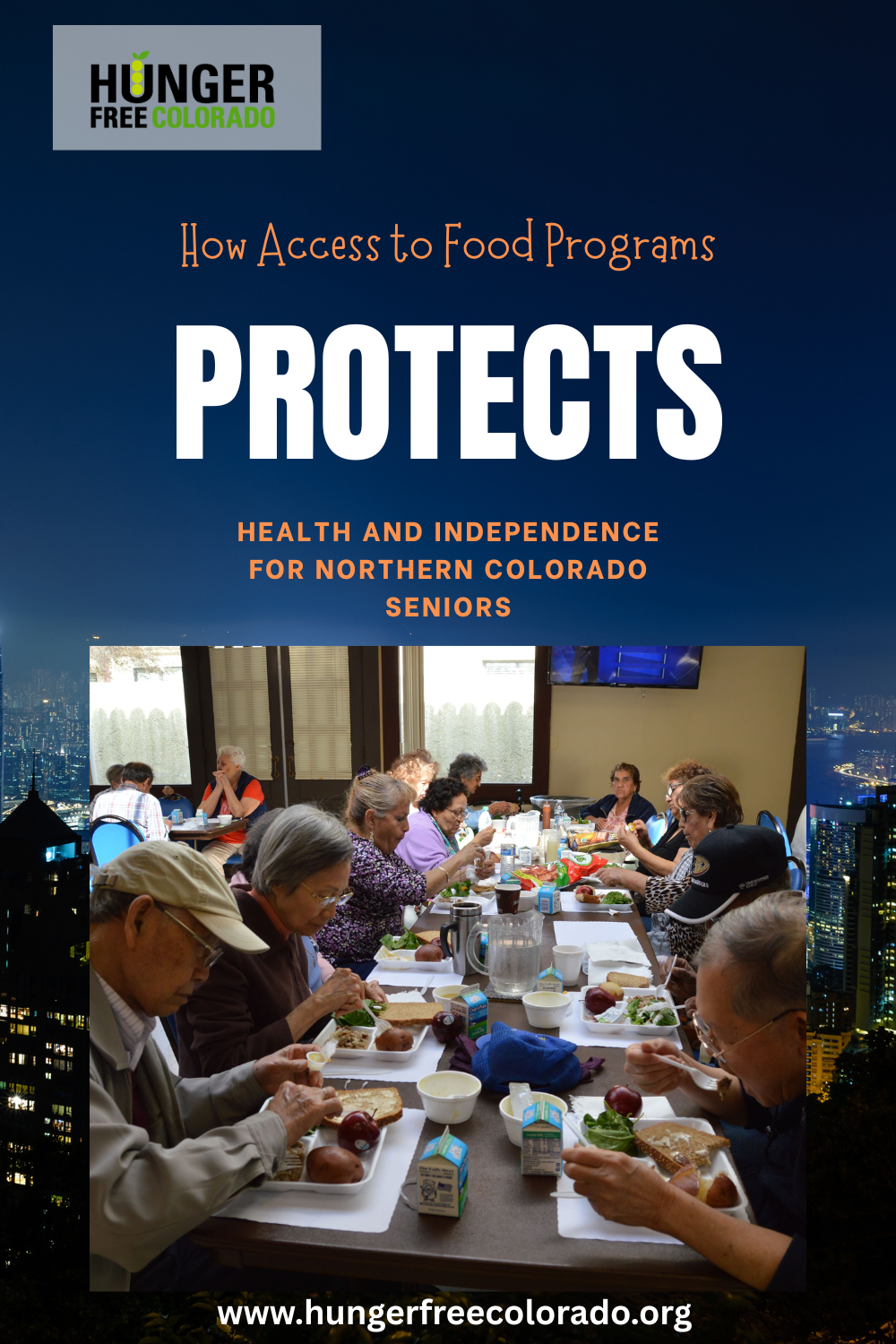
How Access to Food Programs Protects Health and Independence for Northern Colorado Seniors
How Access to Food Programs Protects Health and Independence for Northern Colorado SeniorsFood insecurity is often invisible. Many older adults quietly skip meals, stretch groceries, or rely on inexpensive foods that lack proper nutritionnot because they dont value healthy eating, but because access, affordability, and mobility become barriers with age. In Northern Colorado, where living costs continue to rise and many seniors live on fixed incomes, nutrition has become a critical aging issue.Thats where Hunger Free Colorado plays a vital role. By connecting older adults to nutrition assistance programs, education, and advocacy, Hunger Free Colorado helps ensure seniors can access the food they need to remain healthy, independent, and engaged in their communities.This article explores why nutrition is foundational to healthy aging, how food access impacts seniors across Northern Colorado, and how coordinated food resource support strengthens both individuals and families.Why Nutrition Becomes More Complex With AgeAs people age, nutritional needs changebut access to healthy food often becomes harder. Physical limitations, medical conditions, and financial constraints can all interfere with proper nutrition.Common challenges seniors face include: Fixed incomes that dont stretch far enough for groceries Difficulty shopping or cooking due to mobility issues Dietary restrictions related to chronic conditions Social isolation that reduces motivation to prepare meals Limited awareness of available food programs Without support, these challenges can lead to malnutrition, weakened immunity, and increased hospitalizations.Food Access Is a Health Issue Not Just a Financial OnePoor nutrition directly affects senior health outcomes. Inadequate access to healthy food is linked to: Increased risk of falls Slower wound healing Higher rates of chronic disease complications Cognitive decline Reduced ability to live independently Ensuring seniors have consistent access to nutritious food is as important as access to healthcare.What Hunger Free Colorado Does for SeniorsHunger Free Colorado works statewide to ensure Coloradansespecially vulnerable populations like seniorscan access food assistance programs with dignity and ease.Key areas of support include: Helping seniors enroll in SNAP and other nutrition programs Providing education on food benefits and eligibility Reducing stigma around food assistance Advocating for policies that improve food access Connecting families to local food resources Their work bridges the gap between available programs and the seniors who need them.Why Northern Colorado Seniors Are Especially ImpactedNorthern Colorado includes a mix of urban, suburban, and semi-rural communities. While resources exist, access can vary widely depending on location and mobility.Local challenges may include: Transportation barriers to grocery stores Fewer nearby food pantries in certain areas Rising housing costs reducing food budgets Seniors aging alone without family nearby Targeted food access advocacy helps ensure no senior is overlooked due to geography or circumstance.Reducing Barriers to Nutrition AssistanceMany seniors qualify for food assistance programs but never enroll. Reasons include confusion, stigma, or misconceptions about eligibility.According to Becca Lee-Simpson, Many older adults are surprised to learn they qualify for nutrition assistance. Our goal is to make access simple, respectful, and empowering. Removing these barriers allows seniors to use benefits theyve earned and deserve.Supporting Independence Through Food StabilityReliable access to food allows seniors to: Maintain strength and energy Manage chronic conditions more effectively Avoid unnecessary medical visits Remain independent longer Food stability supports aging in place and reduces strain on families and healthcare systems.Helping Caregivers and Families Navigate ResourcesFamily caregivers often struggle to balance food needs with other caregiving responsibilities. Understanding eligibility rules, applications, and renewal processes can be overwhelming.Hunger Free Colorado supports families by: Clarifying benefit options Offering guidance through enrollment steps Connecting caregivers to local resources Reducing stress around food planning This support allows caregivers to focus on quality time rather than constant logistics.Advocacy That Creates Systemic ChangeBeyond individual assistance, Hunger Free Colorado works to improve food systems statewide. Advocacy ensures programs remain accessible, responsive, and inclusive of seniors needs.Advocacy efforts support: Improved benefit levels Simplified enrollment processes Protection for older adults with limited income Increased awareness of senior hunger Systemic change creates long-term impact beyond immediate relief.Combating Isolation Through Community Food ProgramsFood programs often provide more than nutritionthey create connection. Community-based food access initiatives can reduce isolation and encourage engagement.Benefits include: Regular interaction with volunteers or staff Increased awareness of other senior resources A sense of dignity and inclusion Connection to broader community support systems Nutrition programs often become gateways to additional assistance.When Should Seniors or Families Seek Food Assistance?Food assistance is appropriate whenever access to nutritious meals becomes uncertain. Early support can prevent health decline.Families may consider reaching out when: Grocery budgets feel stretched Meals are being skipped Weight loss or fatigue is noticeable Cooking feels overwhelming Medical conditions require specific diets There is no downside to exploring options.Building a Healthier Future for Aging ColoradansFood is foundational to health, dignity, and independence. By ensuring seniors across Northern Colorado can access nutrition resources without barriers, Hunger Free Colorado strengthens not only individualsbut entire communities.To learn more about food assistance programs, eligibility support, and advocacy efforts, visit Hunger Free Colorados Seniors Blue Book listing and explore resources designed to help seniors thrive.Frequently Asked QuestionsDo seniors need to be low-income to qualify for food assistance? Eligibility varies; many seniors qualify even if they dont consider themselves low-income.Is applying for food benefits complicated? Support organizations can help make the process straightforward.Does food assistance affect other benefits? Generally, nobut guidance is available to clarify concerns.Can caregivers apply on behalf of seniors? Yes, caregivers can often assist with applications and renewals. Are food resources available across Northern Colorado? Yes. Resources vary by location, but statewide support helps connect seniors locally.
Jan 08, 2026

How Food Access Programs Support Seniors Across Colorado
How Food Access Programs Support Seniors Across ColoradoGood nutrition is one of the most powerful tools for healthy aging, yet thousands of older adults across Colorado face barriers to accessing enough nutritious food. Fixed incomes, rising living costs, transportation challenges, and health limitations can quietly push seniors toward food insecurityoften without their families realizing it.Hunger Free Colorado works statewide to ensure that older adults and their caregivers know where to turn for food assistance and nutrition resources. Through education, advocacy, and direct support navigation, the organization helps seniors maintain health, dignity, and independence.The Hidden Reality of Senior HungerFood insecurity among older adults is often overlooked. Many seniors do not identify as hungry, yet they may skip meals, reduce portion sizes, or choose less nutritious foods to stretch limited budgets.Common contributors to senior food insecurity include: Fixed retirement income Rising housing and medical costs Limited mobility or transportation Social isolation Lack of awareness about available programs In urban areas like Denver and across Northern Colorado, these challenges affect seniors from all backgrounds.Why Nutrition Matters More as We AgeAs people age, proper nutrition becomes even more critical. Adequate meals support immune function, cognitive health, muscle strength, and chronic disease management.Poor nutrition can increase risks such as: Falls and frailty Hospitalization Slower recovery from illness Worsening chronic conditions Depression and social withdrawal Ensuring consistent access to nutritious food allows seniors to remain healthier, more independent, and more engaged in their communities.What Hunger Free Colorado Does for SeniorsHunger Free Colorado does not operate food pantries or meal sites directly. Instead, they focus on helping individuals and families navigate food assistance programs and advocate for stronger food systems statewide.Key areas of support include: Connecting seniors to SNAP (food assistance benefits) Helping individuals understand eligibility and application steps Educating communities about nutrition resources Advocating for policies that reduce hunger This navigation-focused approach ensures seniors receive the support they qualify forwithout unnecessary confusion or barriers.Breaking Down Barriers to AccessMany seniors qualify for food assistance but never apply due to misconceptions or lack of information. Some believe benefits are only for families with children, while others worry about stigma or complicated paperwork.Hunger Free Colorado works to remove these barriers by: Providing clear, respectful education Offering one-on-one assistance navigating applications Ensuring seniors understand how benefits can be used Supporting caregivers who help manage food needs This guidance empowers seniors to access support confidently and privately.A Voice for Dignity and RespectFood assistance is not about charityits about access and dignity. Hunger Free Colorado approaches food security through a lens of respect, ensuring older adults feel supported rather than judged.Becca Lee-Simpson, who works closely with statewide hunger initiatives, emphasizes this perspective: Food is a basic need, and no one should have to choose between groceries and medication. Our work focuses on making sure seniors know help is available and that asking for support is okay. This message resonates strongly with seniors who value independence but deserve support.Supporting Caregivers and FamiliesCaregivers often play a key role in managing nutrition for aging loved ones. Hunger Free Colorado supports caregivers by providing information, tools, and referrals that make meal planning and food access more manageable.Caregivers benefit from: Guidance on available food programs Help understanding eligibility requirements Reduced financial strain Confidence that loved ones nutritional needs are met These resources allow families to focus on care and connection rather than constant worry about food access.Nutrition as a Community Health IssueSenior hunger affects entire communities. When older adults have access to proper nutrition, they are healthier, more independent, and less likely to require emergency care or hospitalization.Addressing food insecurity supports: Better public health outcomes Reduced healthcare costs Stronger, more resilient communities Greater quality of life for older adults Hunger Free Colorados advocacy ensures that senior nutrition remains a priority at both local and state levels.Frequently Asked QuestionsDo seniors qualify for food assistance programs?Many do. Eligibility depends on income and household size, and assistance is often underutilized.Is SNAP only for families with children?No. Seniors and individuals without children may qualify.Does receiving food assistance affect other benefits?In most cases, food assistance does not negatively affect other benefits.Can caregivers help seniors apply?Yes. Caregivers are often encouraged to assist with applications.Are these resources available statewide?Yes. Hunger Free Colorado supports individuals across the entire state.A Trusted Nutrition Resource for Colorado SeniorsAccess to nutritious food should never be a barrier to aging with dignity. Hunger Free Colorado helps seniors and families across Denver and Northern Colorado navigate food resources with clarity, compassion, and respect. To learn more about available nutrition resources or get help navigating food assistance programs, visit their Seniors Blue Book listing and connect with a trusted statewide advocate for senior food security.
Jan 12, 2026

Hunger Free Colorado Connects Older Coloradans to Food Resources
Nearly one in nine older Coloradans have faced uncertainty, at some point as a senior, in knowing when or where they would get their next meal. Help is just a phone call away for those looking to access food that meets their needs from dietary restrictions to limited transportation.Hunger Free Colorado, the state's leading anti-hunger organization, connects Coloradans with needed food and nutrition resources via their statewide Hunger Free Hotline. The toll-free, multilingual hotline is a free "one-stop" resource, and food assistance navigators provide helpful and thorough referrals based on each callers needs. They offer information and guidance on the options available in the callers area, such as meal sites, food pantries, Meals on Wheels, the Supplemental Nutrition Assistance Program (SNAP) and the Commodity Supplemental Food Program for Seniors (CSFP).In addition to the hotline, Hunger Free Colorado also offers on-site SNAP application assistance at locations across metro Denver, as well as nutrition presentations for senior-focused groups and programs."After a lifetime of working, many older Coloradans are left to fend for themselves and often face the question: Do I buy needed medication or food?," said Kathy Underhill, executive director for Hunger Free Colorado. "There are several programs designed specifically to meet the needs of older Coloradans, and through our services, we can ensure more neighbors have access adequate, nutritious food.The statewide Hunger Free Hotline can be reached toll-free at (855) 855-4626 from 8 a.m. to 4:30 p.m., Monday through Friday. All calls are kept confidential, and messages left after-hours or on a weekend will be returned the next business day. For those with hearing loss, call Relay Colorado toll-free at 7-1-1 or (800) 659-2656.Hunger Free Colorado also established a Senior Volunteer Force to connect more seniors to food resources in their communities. Volunteers offer one-on-one assistance, such as navigating nutrition assistance programs like SNAP. To join the volunteer force or utilize its assistance, call (720) 328-1284 or email [email protected] more information on Hunger Free Colorado, visit HungerFreeColorado.org. Editors Note: This article was submitted by Michelle Ray, director of communications for Hunger Free Colorado. She can be reached at (303) 228-7949 or [email protected]
Apr 06, 2014

Finding Food Support Without Losing Independence in Denver
Finding Food Support Without Losing Independence in DenverFor many older adults in Denver, food insecurity may look like stretching groceries until the next Social Security payment, skipping fresh produce because rent increased, or choosing a cheaper meal so there is enough money for medication. These decisions often happen quietly in neighborhoods from Capitol Hill to Montbello.Hunger Free Colorado helps make the search for assistance less confusing. The statewide nonprofit connects Coloradans with food and nutrition resources while working on policy and systems change to address hungers underlying causes. Its services can be especially useful for older adults, caregivers, and families who are unsure where to begin.Why Food Assistance Can Be Difficult to NavigateDenver has many food resources, but they are not always easy to use. An older adult may encounter complicated applications, transportation barriers, limited internet access, language differences, or uncertainty about whether asking for help could affect other benefits.Some people assume they will not qualify because they own a home, receive retirement income, or have never used public assistance. Hunger Free Colorado notes that many adults age 60 and older, as well as people with disabilities, may qualify for the Supplemental Nutrition Assistance Program, particularly when living on a fixed income.A Practical Food Resource RoadmapStep 1: Start With a Confidential ConversationA simple first step is calling Hunger Free Colorados statewide Food Resource Hotline at 855-855-4626. The hotline is toll-free, confidential, available regardless of legal status, and offers assistance in more than 150 languages. Current hours are Monday through Thursday from 8:30 a.m. to 4:30 p.m. and Friday from 8 a.m. to noon.Callers do not need to know the name of the program they need. They can explain their situation: limited grocery money, an urgent need for food, questions about SNAP, application problems, or concern about a relative who is not eating well.Before calling, it may help to write down:The older adults ZIP code and household sizeApproximate monthly incomeMajor housing and utility expensesTransportation or mobility limitationsDietary needsThese details can help a navigator identify useful next steps.Step 2: Explore SNAP Without Making AssumptionsSNAP provides eligible households with monthly grocery funds through an Electronic Benefit Transfer card. Hunger Free Colorado offers information and navigation support for older adults and people with disabilities, including help understanding the application process and requested documents. Many applicants can complete the required interview by telephone, which may benefit Denver residents with mobility or transportation challenges.Eligibility depends on individual circumstances. Housing costs, utilities, household composition, income, and certain expenses may matter, so families should not decide on their own that an older adult will not qualify.Step 3: Build More Than One Source of SupportA strong food plan rarely depends on one program. An older adult might use SNAP for groceries, visit a pantry during a difficult month, receive community meals, and shop at a market that adds value for fruits and vegetables.Hunger Free Colorados resource information includes SNAP, its hotline, community food options, and Double Up Food Bucks. The Double Up program can increase the value of SNAP dollars spent on eligible produce at participating locations.Before visiting a local resource, ask:Is an appointment required?What documents should be brought?Are delivery or drive-through options available?Is the location accessible by transit?Can a caregiver pick up food?Are special-diet foods available?Schedules can change, so calling ahead may prevent an unnecessary trip.Food Access Is Also About Dignity and ChoiceFood assistance works best when people can use it without shame or unnecessary obstacles. During a 2026 discussion about proposed restrictions on SNAP purchases, Hunger Free Colorado Director of Communications Raquel Lane-Arellano said, Banning what people can get doesnt actually change the health outcomes.Her comment reflects an important principle for older adults: effective support should respect personal choice, cultural traditions, health needs, and the realities of a limited budget.For a Denver senior managing diabetes, dental problems, reduced appetite, or medication side effects, the right food may differ greatly from what works for another person. A helpful resource plan listens first rather than treating every household the same.When Families Should Reach OutFamilies do not need to wait for a crisis. Consider seeking help when an older adult:Regularly skips meals or reduces portionsHas lost weight unexpectedlyRelies on inexpensive foods with little varietyMust choose between food, utilities, housing, or prescriptionsCannot shop because of mobility or transportationSeems confused by benefit notices or renewalsEarly support can reduce stress and preserve independence. It can also help caregivers prepare before a hospital discharge, health change, or financial emergency.Frequently Asked QuestionsCan Denver seniors call Hunger Free Colorado directly?Yes. Older adults, caregivers, relatives, and professionals can call the Food Resource Hotline at 855-855-4626 for confidential help connecting with food and nutrition resources.Is the hotline only for SNAP applications?No. Callers may ask about SNAP, local food resources, nutrition programs, or urgent food needs. A navigator can help identify a starting point.Can someone qualify for SNAP while receiving Social Security?Possibly. Eligibility depends on several factors, and many older adults living on fixed incomes may qualify. An eligibility review is more reliable than assuming benefits are unavailable.What if the caller does not speak English?The Food Resource Hotline offers assistance in more than 150 languages.Are services limited to Denver residents?No. Hunger Free Colorado serves people statewide, while Denver residents can use its navigation services to locate resources suited to their neighborhood and circumstances.Connect With Hunger Free Colorado Through Seniors Blue BookFinding food support should not require older adults or caregivers to navigate every program alone. Hunger Free Colorado offers a trusted starting point for understanding SNAP, locating community food resources, and identifying practical next steps with confidentiality and respect.Visit Hunger Free Colorados Seniors Blue Book listing to review current contact information, learn more about food-resource support, and connect with an organization working to improve food access for older adults and families throughout Denver and Colorado.
Jul 21, 2026
How Food Access Programs Support Older Adults Across Northern Colorado
How Food Access Programs Support Older Adults Across Northern ColoradoAccess to nutritious food is a cornerstone of healthy agingyet for many older adults in Denver and throughout Northern Colorado, reliable access to food is not guaranteed. Rising living costs, fixed incomes, mobility challenges, and limited awareness of available resources can quietly place seniors at risk of food insecurity. Food access organizations play a critical role in ensuring that older adults not only have enough to eat, but have access to nutritious, culturally appropriate food that supports long-term health and independence.Food insecurity among seniors often goes unnoticed, but its effects are far-reachingimpacting physical health, mental well-being, and quality of life.Why Food Insecurity Affects Seniors DifferentlyOlder adults face unique barriers when it comes to accessing food. Unlike younger populations, seniors may struggle with transportation, physical limitations, or chronic health conditions that make grocery shopping and meal preparation difficult.Common challenges include: Fixed or limited incomes Rising housing and healthcare costs Mobility or vision impairments Lack of transportation Social isolation In urban and rural areas of Northern Colorado alike, these barriers can compound, making consistent nutrition difficult to maintain.The Health Impact of Food AccessNutrition plays a vital role in managing chronic conditions common among seniors, such as diabetes, heart disease, and osteoporosis. Inadequate access to healthy food can worsen these conditions and increase hospitalizations.Proper food access supports: Medication effectiveness Energy and strength Immune function Cognitive health Overall independence Ensuring seniors can access nutritious food is not just about mealsits about health outcomes. Food access is directly tied to health, dignity, and independence, says Becca Lee-Simpson. When seniors have the nutrition they need, theyre better equipped to stay healthy and engaged in their communities. Connecting Seniors to Existing BenefitsMany seniors qualify for food assistance programs but dont enroll due to lack of awareness or confusion about eligibility. Food access organizations help bridge this gap by connecting individuals to benefits they may already qualify for.Support often includes: Assistance with SNAP enrollment Education on senior-specific nutrition programs Help navigating application processes Referrals to local food resources These services help seniors stretch their budgets while maintaining healthy eating habits.Denver and Northern Colorado: A Diverse Food LandscapeNorthern Colorado includes both urban centers like Denver and more rural or suburban communities where access challenges may differ. Food access efforts are designed to meet seniors where they are.Regional considerations include: Transportation limitations in suburban and rural areas Language and cultural accessibility Awareness of local food pantries and meal programs Coordination with healthcare and social services By tailoring outreach and education, food access programs reach seniors across diverse communities.Supporting Aging in Place Through NutritionMany seniors want to remain in their homes as long as possible. Consistent access to food plays a key role in making aging in place sustainable.Food access support helps seniors: Maintain energy for daily activities Avoid health crises related to malnutrition Stay independent longer Reduce reliance on emergency services Nutrition is foundational to aging safely and comfortably at home.Reducing Stigma Around Asking for HelpOne of the biggest barriers to food assistance is stigma. Many older adults are reluctant to ask for help, even when they qualify for support.Food access organizations work to: Normalize the use of nutrition assistance programs Provide respectful, confidential support Educate communities about senior hunger Advocate for inclusive, accessible services This approach ensures seniors feel respectednot judgedwhen seeking help.How Families and Caregivers Can HelpFamily members and caregivers are often the first to notice changes in eating habits or food availability. Understanding available resources can make a significant difference.Caregivers can support seniors by: Asking about grocery access and meal routines Helping with benefit applications Coordinating transportation or delivery services Connecting with local food resources Early intervention can prevent serious health consequences.Community Partnerships Strengthen ImpactFood access organizations collaborate with healthcare providers, senior centers, housing communities, and local agencies to reach more older adults.Partnerships help by: Identifying seniors at risk Coordinating wraparound services Expanding outreach efforts Strengthening local safety nets These collaborations ensure food access is part of a broader approach to healthy aging.Frequently Asked Questions (FAQs)Do seniors have to be extremely low-income to qualify for food assistance? Not always. Many seniors qualify even with modest incomes due to medical expenses.Is SNAP only for families with children? No. Seniors are eligible and often qualify under different guidelines.Are food resources available outside Denver? Yes. Programs serve seniors throughout Northern Colorado.Can caregivers apply on behalf of a senior? In many cases, yes. Assistance is available to help navigate the process.Does food assistance affect other benefits? Food access organizations can explain how benefits interact and help seniors make informed choices.Nutrition as a Foundation for Healthy AgingAccess to nutritious food is essential for older adults to live with health, dignity, and independence. By connecting seniors to resources and reducing barriers, food access organizations help strengthen communities across Northern Colorado. To learn more about food access programs and nutrition support for seniors, visit the Hunger Free Colorado listing on Seniors Blue Book and explore resources designed to support healthy aging.
Jan 06, 2026
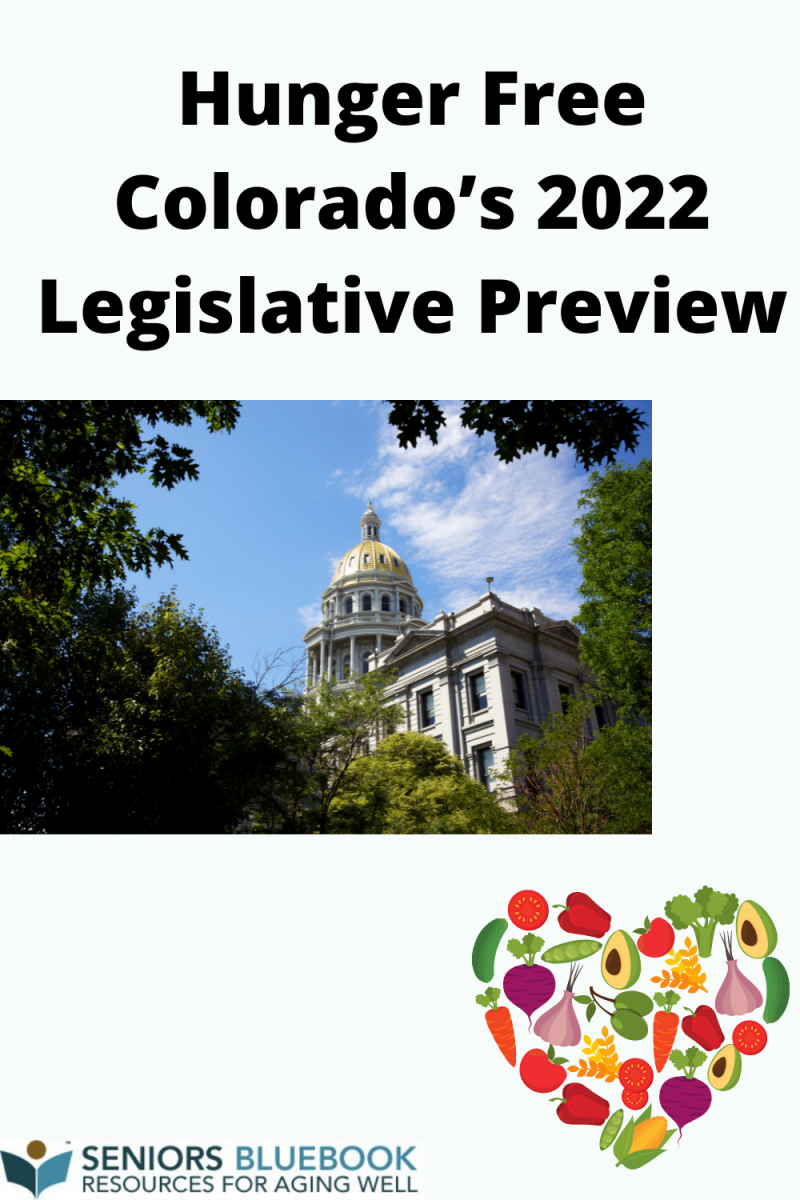
Hunger Free Colorados 2022 Legislative Preview
On January 12th, Colorado lawmakers will convene at the state capitol for the start of the 2022 Legislative Session. This will begin the 120-day lawmaking period when state representatives and senators introduce, debate and pass new state laws and a Colorado state budget, called the Long Bill.During the 2022 Legislative Session, Hunger Free Colorado will advocate for policies that strengthen an equitable food system and ensure all Coloradans can access the nutrition they need in their communities. While we will be supporting our partners as they work on legislation to address Coloradans basic needs and well-being through cash assistance, housing reform, and more, our main focus this session will be on three key anti-hunger policies:1. Create a Path to Healthy School Meals for All Colorado ChildrenChildren need nutritious food to focus in school, stay healthy and support their well-being. Currently, all schools are temporarily able to provide school meals to any child who needs them as part of COVID-19 federal aid. Colorado should make this temporary option permanent and help thousands of children access the food they need learn, grow and thrive every day at school. Investing in healthy school meals for all is an investment in strengthening communities, reducing administrative costs, eliminating lunch debt, removing shame and stigma from the lunchroom, freeing up resources for schools and staff and supporting student well-being. Want to join us to pass and fund a community-informed policy to create school meals for all children in Colorado public schools?Sign up to join our coalition!2. Extend the Food Pantry Assistance Grant Program for five yearsThe Food Pantry Assistance Grant Program has provided a lifeline to food pantries, food banks, and Colorado producers throughout the pandemic. The grants go to direct emergency food providers like food pantries and food banks to allow them to purchase products from local producers. Furthermore, up to 20 percent of the grants can be used by pantries to invest in other needs including fridges and transportation. These funds help pantries provide foods that their communities most want and need but that can be hard for these operations to supply, like fresh produce, dairy, and proteins. Hunger Free Colorado is working with a coalition of food pantries, food banks, growers, and food systems navigators to extend and strengthen this program for another five years. The proposed legislation this session will extend the program for five years using federal and state funds and support local procurement through technical assistance and better aligning grant cycles with the growing season. This will help Colorado community-based organizations to continue their response to the historic hunger crisis caused by COVID-19, while also fostering relationships between food pantries and local agriculture for years to come, fueling health for Colorado families relying on pantries for nutrition, and supporting a more equitable food system. Join the Food Pantry Assistance Grant Legislation coalition and sign onto the bill fact sheet by filling out this form!3. Sustainably Fund the SNAP Outreach Program in the state budgetThe Supplemental Nutrition Assistance Program (SNAP) provides grocery EBT benefits to low-income households and serves as the first line of defense against hunger for many families facing financial crisis. Colorados SNAP Outreach Program works with more than 50 community-based organizations to connect eligible households to food assistance, provide education and information on SNAP, and assist with enrollment. This is crucial, as about 40 percent of low-income Coloradans do not access the program due to barriers to enrollment that outreach can help mitigate. SNAP outreach also makes good financial sense. What the state invests in SNAP outreach services is matched dollar for dollar by the federal government. SNAP outreach also fuels economic recovery as families connected to SNAP receive federal money for food that they quickly spend in their local communities. By our estimates, in Federal Fiscal Year 2020 every state dollar invested in SNAP outreach brought $14 to Colorado families in the form of federal food benefits to help purchase groceries, with an economic stimulus impact of $21! We must fund SNAP outreach in the state budget at $1.5 million to continue the important support the program provides as COVID-19 continues to disproportionately impact low-income families and communities of color. This increase of $500,000 will maintain current funding levels since the program has experienced a recent loss of private dollars. Complete this form to add your organization as a supporter of the SNAP Outreach funding request!