Inglis Innovation Center Pittsburgh
100 South Jackson Avenue, Flr 2 Ste 3, Pittsburgh, Pennsylvania, 15202
Home Improvements & Modifications


About Inglis Innovation Center Pittsburgh
Families in Pittsburgh and throughout Western Pennsylvania who are searching for ways to help aging loved ones or individuals with disabilities remain independent at home are increasingly turning to programs that combine home modifications, assistive technology, and personalized support. The Inglis Innovation Center Pittsburgh offers a comprehensive approach to independence, providing both physical home adaptations and technology-based solutions that help individuals live safely, comfortably, and confidently in their own homes.
Located in the Pittsburgh region, the Inglis Innovation Center Pittsburgh serves as a hub for accessibility, innovation, and independence. The center brings together multiple programs designed to address the real-life challenges individuals face as they age or navigate physical disabilities. By combining practical home modifications with advanced assistive technology services, Inglis provides solutions that support both daily living and long-term independence.
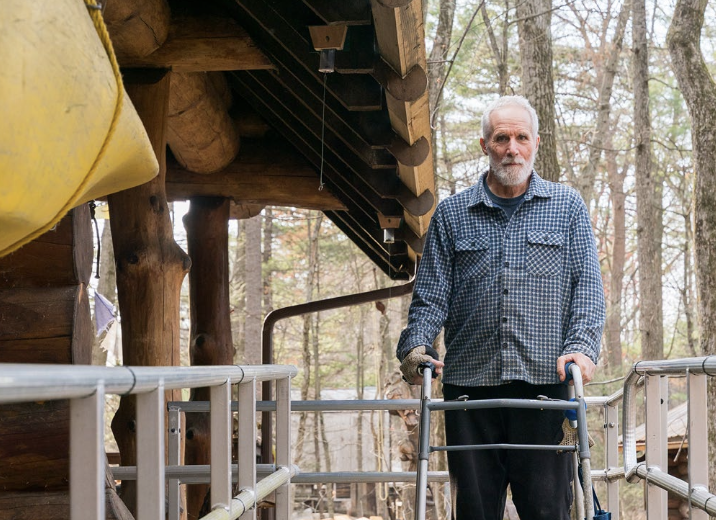
One of the most impactful programs offered through the Innovation Center is Inglis Home Modifications for Independence (HMI). This program provides accessible home modifications to help older adults and individuals with disabilities remain as independent as possible while continuing to live safely in their homes. For many individuals, the ability to age in place or remain at home depends on whether their environment can support their physical needsand the HMI program directly addresses these challenges.
The HMI program serves homeowners and renters across more than 60 counties throughout Pennsylvania, including Western Pennsylvania communities such as Allegheny, Beaver, Fayette, Greene, Washington, and Westmoreland counties. Through grant-funded renovations, Inglis is able to provide modifications that range from simple, high-impact safety improvements to larger-scale accessibility adaptations. Each modification is tailored to the individuals specific needs, ensuring that it meaningfully improves daily living.
The program supports a wide range of individuals based on funding eligibility criteria. This includes older adults over the age of 62, individuals of all ages living with a physical disability, and individuals who have experienced a traumatic spinal cord injury. A traumatic spinal cord injury may result from events such as a fall, car accident, or other sudden physical impact. By serving these diverse populations, the HMI program provides critical support to individuals who may otherwise face barriers to remaining safely in their homes.
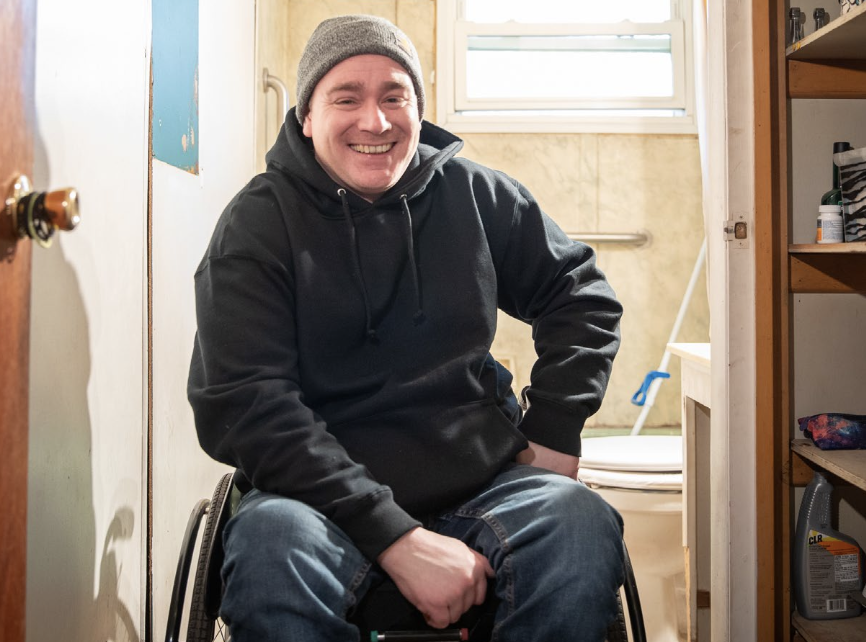
Home modifications provided through the HMI program are designed to improve accessibility, mobility, and safety throughout the home. Common modifications include the installation of grab bars and railings in bathrooms and along stairways, raised toilets, and accessible sinks that are easier to use for individuals with mobility challenges. Additional bathroom safety features may include walk-in or roll-in showers, shower seats, adjustable shower heads, and non-slip flooring to help reduce fall risks.
For individuals with more advanced mobility needs, the program may include larger structural modifications such as ramps, stair lifts, and wheelchair lifts. Doorways may be widened to improve accessibility, while lighting enhancements can be added to increase visibility and reduce the likelihood of accidents. Kitchen modifications, such as adjusting countertop and cabinet heights, can make daily tasks more manageable. Other practical improvements may include easy-grip door handles and faucets, stair repairs, and exterior safety features such as enlarged address signage.
In addition to physical home modifications, the HMI program also incorporates technology support in partnership with Inglis Assistive Tech Solutions. This integration allows participants to benefit from smart home technology and digital tools that further enhance safety and independence. Technology solutions may include motion-detected lighting, smart light bulbs, doorbell cameras, voice-controlled devices, and connected home systems that make it easier for individuals to navigate their living environment.
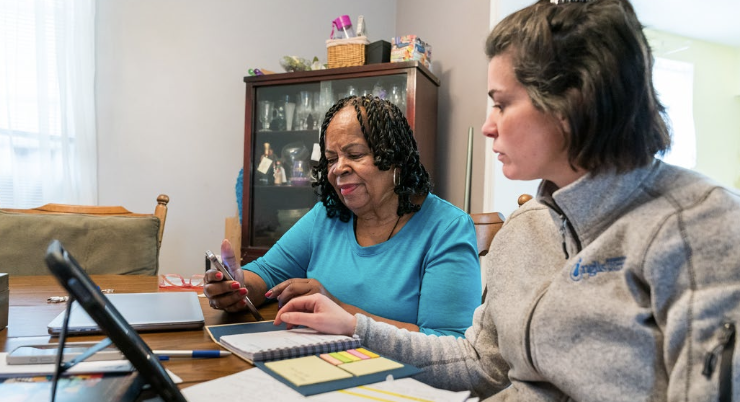
Participants may also receive access to devices such as tablets, laptops, and other digital tools that support communication, daily organization, and access to essential services. These technologies can help individuals remain connected with family, manage appointments, access telehealth services, and perform everyday tasks more independently.
The HMI program follows a structured and supportive process to ensure that each participant receives the appropriate level of assistance. Individuals interested in the program begin with a screening process to determine eligibility based on factors such as age, disability status, geographic location, and income. Those who qualify are invited to complete an application, which initiates the next phase of the process.
Once an application is submitted, Inglis schedules an in-home assessment to evaluate the individuals living environment and identify safety concerns and accessibility needs. During this assessment, professionals determine what modifications would be most beneficial and what funding is available to support those changes. Following the evaluation, participants are notified if their home modifications have been approved and are provided with a timeline for completion. This structured process ensures that each modification is thoughtfully planned and implemented.
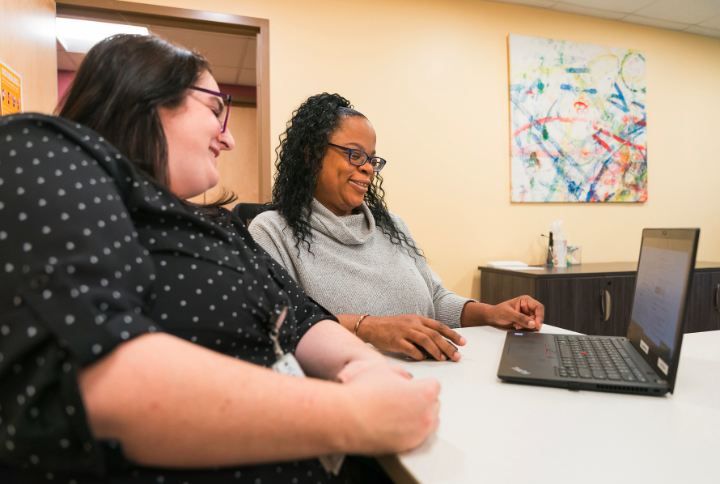
Complementing the HMI program is Inglis Assistive Tech Solutions (IATS), which focuses on helping individuals use technology to enhance independence, improve communication, and manage daily life. IATS works collaboratively with individuals, their families, and professionals within the healthcare and senior services communities to provide customized, goal-based support.
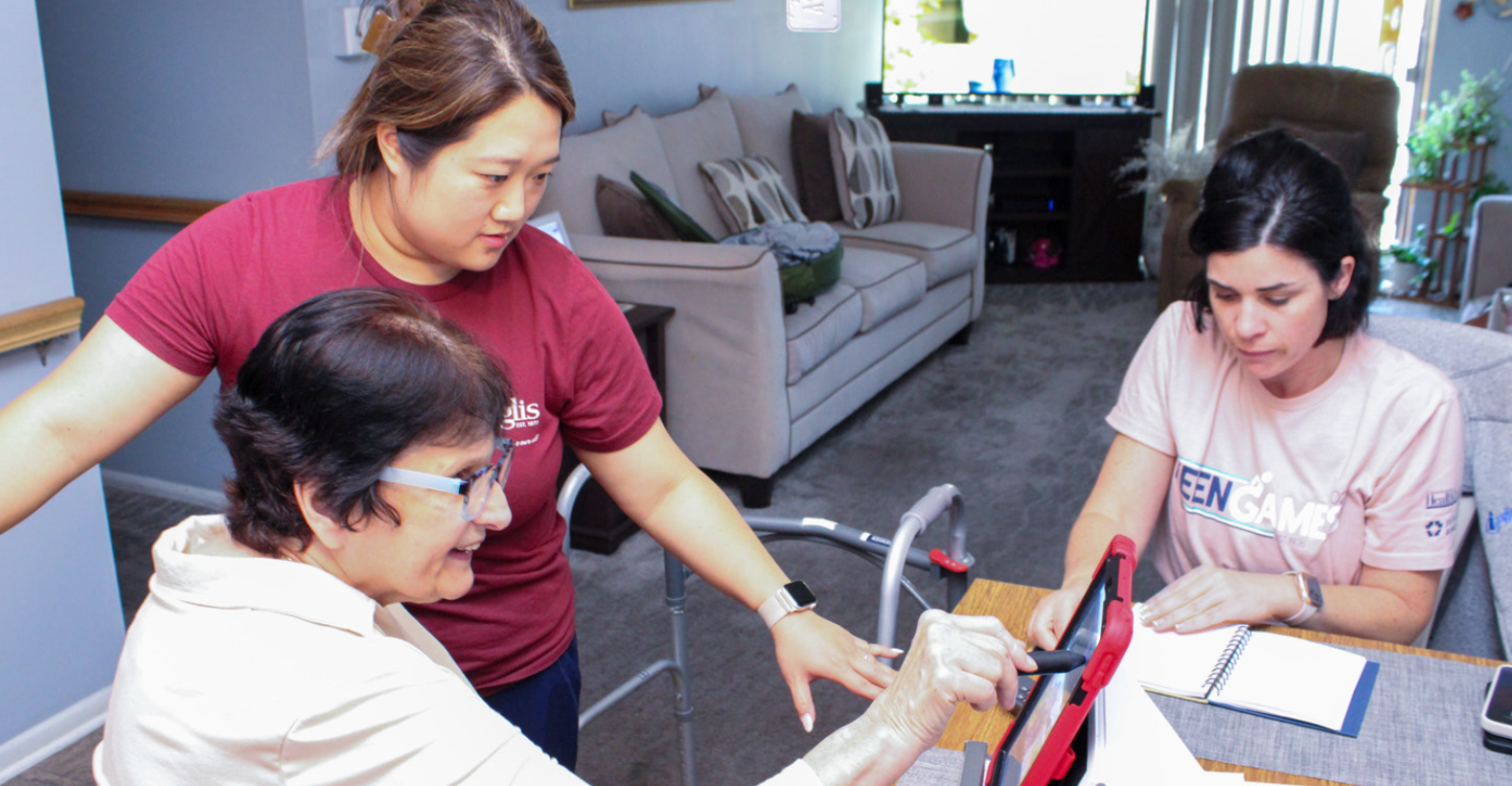
Through IATS, participants receive personalized assessments to identify how technology can support their specific needs and goals. Certified Assistive Technology Professionals provide training and education, helping individuals learn how to use software, devices, and adaptive tools effectively. This may include learning how to navigate the internet, use social media, shop online, access telehealth services, and communicate with others using digital platforms.
The program also provides support for software applications, environmental hardware setup, assistive technology device acquisition, and smart home implementation. Additional services include hardware management and education on online safety and security, ensuring that participants can confidently and safely use technology in their daily lives.
Together, the HMI and IATS programs provide a comprehensive solution for individuals seeking to maintain independence at home. By addressing both the physical environment and the tools used for daily living, Inglis creates a well-rounded approach that supports long-term safety, accessibility, and quality of life.
For caregivers and families, the Inglis Innovation Center Pittsburgh offers a valuable resource when navigating changes in a loved ones independence. Many families begin searching for home modification services or assistive technology when they notice mobility challenges, increased fall risk, or difficulty managing everyday tasks. Addressing these concerns early can help prevent injuries, reduce stress, and allow individuals to remain in their homes longer.
The programs flexibility allows services to be delivered at the Innovation Center, within the community, or directly in the home. This ensures that participants receive support in environments where solutions can be most effectively implemented.
Service Area: The Inglis Innovation Center Pittsburgh serves individuals and families throughout Pittsburgh, Allegheny County, and surrounding Western Pennsylvania communities, including Beaver, Fayette, Greene, Washington, and Westmoreland counties.
Families often begin searching for home modifications for seniors in Pittsburgh, assistive technology services, or aging-in-place solutions when they recognize that a loved one may need additional support to remain safe at home. Programs like the Inglis Innovation Center Pittsburgh provide practical, personalized solutions that bridge the gap between independence and care.
For those seeking home accessibility modifications, smart home technology for seniors, or assistive technology programs in Pittsburgh and Western Pennsylvania, the Inglis Innovation Center Pittsburgh offers a comprehensive and compassionate approach. By combining home safety improvements, technology solutions, and individualized support, the program empowers individuals to live more independently, safely, and confidently in their homes and communities.
See More
Additional Services Offered
Inglis Innovation Center Pittsburgh
Disability Services 100 South Jackson Avenue, Flr 2 Ste 3, Allegheny County, Pittsburgh, Pennsylvania, 15202Families in Pittsburgh and throughout Western Pennsylvania who are searching for ways to help aging loved ones or individuals with disabilities remain independent at home are increasingly turning to programs that combine home modifications, assistive technology, and personalized support. The Inglis Innovation Center Pittsburgh offers a comprehensive approach to independence, providing both physical home adaptations and technology-based solutions that help individuals live safely, comfortably, and confidently in their own homes.Located in the Pittsburgh region, the Inglis Innovation Center Pittsburgh serves as a hub for accessibility, innovation, and independence. The center brings together multiple programs designed to address the real-life challenges individuals face as they age or navigate physical disabilities. By combining practical home modifications with advanced assistive technology services, Inglis provides solutions that support both daily living and long-term independence.One of the most impactful programs offered through the Innovation Center is Inglis Home Modifications for Independence (HMI). This program provides accessible home modifications to help older adults and individuals with disabilities remain as independent as possible while continuing to live safely in their homes. For many individuals, the ability to age in place or remain at home depends on whether their environment can support their physical needsand the HMI program directly addresses these challenges.The HMI program serves homeowners and renters across more than 60 counties throughout Pennsylvania, including Western Pennsylvania communities such as Allegheny, Beaver, Fayette, Greene, Washington, and Westmoreland counties. Through grant-funded renovations, Inglis is able to provide modifications that range from simple, high-impact safety improvements to larger-scale accessibility adaptations. Each modification is tailored to the individuals specific needs, ensuring that it meaningfully improves daily living.The program supports a wide range of individuals based on funding eligibility criteria. This includes older adults over the age of 62, individuals of all ages living with a physical disability, and individuals who have experienced a traumatic spinal cord injury. A traumatic spinal cord injury may result from events such as a fall, car accident, or other sudden physical impact. By serving these diverse populations, the HMI program provides critical support to individuals who may otherwise face barriers to remaining safely in their homes.Home modifications provided through the HMI program are designed to improve accessibility, mobility, and safety throughout the home. Common modifications include the installation of grab bars and railings in bathrooms and along stairways, raised toilets, and accessible sinks that are easier to use for individuals with mobility challenges. Additional bathroom safety features may include walk-in or roll-in showers, shower seats, adjustable shower heads, and non-slip flooring to help reduce fall risks.For individuals with more advanced mobility needs, the program may include larger structural modifications such as ramps, stair lifts, and wheelchair lifts. Doorways may be widened to improve accessibility, while lighting enhancements can be added to increase visibility and reduce the likelihood of accidents. Kitchen modifications, such as adjusting countertop and cabinet heights, can make daily tasks more manageable. Other practical improvements may include easy-grip door handles and faucets, stair repairs, and exterior safety features such as enlarged address signage.In addition to physical home modifications, the HMI program also incorporates technology support in partnership with Inglis Assistive Tech Solutions. This integration allows participants to benefit from smart home technology and digital tools that further enhance safety and independence. Technology solutions may include motion-detected lighting, smart light bulbs, doorbell cameras, voice-controlled devices, and connected home systems that make it easier for individuals to navigate their living environment.Participants may also receive access to devices such as tablets, laptops, and other digital tools that support communication, daily organization, and access to essential services. These technologies can help individuals remain connected with family, manage appointments, access telehealth services, and perform everyday tasks more independently.The HMI program follows a structured and supportive process to ensure that each participant receives the appropriate level of assistance. Individuals interested in the program begin with a screening process to determine eligibility based on factors such as age, disability status, geographic location, and income. Those who qualify are invited to complete an application, which initiates the next phase of the process.Once an application is submitted, Inglis schedules an in-home assessment to evaluate the individuals living environment and identify safety concerns and accessibility needs. During this assessment, professionals determine what modifications would be most beneficial and what funding is available to support those changes. Following the evaluation, participants are notified if their home modifications have been approved and are provided with a timeline for completion. This structured process ensures that each modification is thoughtfully planned and implemented.Complementing the HMI program is Inglis Assistive Tech Solutions (IATS), which focuses on helping individuals use technology to enhance independence, improve communication, and manage daily life. IATS works collaboratively with individuals, their families, and professionals within the healthcare and senior services communities to provide customized, goal-based support.Through IATS, participants receive personalized assessments to identify how technology can support their specific needs and goals. Certified Assistive Technology Professionals provide training and education, helping individuals learn how to use software, devices, and adaptive tools effectively. This may include learning how to navigate the internet, use social media, shop online, access telehealth services, and communicate with others using digital platforms.The program also provides support for software applications, environmental hardware setup, assistive technology device acquisition, and smart home implementation. Additional services include hardware management and education on online safety and security, ensuring that participants can confidently and safely use technology in their daily lives.Together, the HMI and IATS programs provide a comprehensive solution for individuals seeking to maintain independence at home. By addressing both the physical environment and the tools used for daily living, Inglis creates a well-rounded approach that supports long-term safety, accessibility, and quality of life.For caregivers and families, the Inglis Innovation Center Pittsburgh offers a valuable resource when navigating changes in a loved ones independence. Many families begin searching for home modification services or assistive technology when they notice mobility challenges, increased fall risk, or difficulty managing everyday tasks. Addressing these concerns early can help prevent injuries, reduce stress, and allow individuals to remain in their homes longer.The programs flexibility allows services to be delivered at the Innovation Center, within the community, or directly in the home. This ensures that participants receive support in environments where solutions can be most effectively implemented.Service Area: The Inglis Innovation Center Pittsburgh serves individuals and families throughout Pittsburgh, Allegheny County, and surrounding Western Pennsylvania communities, including Beaver, Fayette, Greene, Washington, and Westmoreland counties.Families often begin searching for home modifications for seniors in Pittsburgh, assistive technology services, or aging-in-place solutions when they recognize that a loved one may need additional support to remain safe at home. Programs like the Inglis Innovation Center Pittsburgh provide practical, personalized solutions that bridge the gap between independence and care.For those seeking home accessibility modifications, smart home technology for seniors, or assistive technology programs in Pittsburgh and Western Pennsylvania, the Inglis Innovation Center Pittsburgh offers a comprehensive and compassionate approach. By combining home safety improvements, technology solutions, and individualized support, the program empowers individuals to live more independently, safely, and confidently in their homes and communities.
Continue Your Search! Explore More Local Options.
Start SearchingLet’s engage and get educated!
Browse through thousands of expert articles in over 100 different categories.
Browse Now