
PHONE
Click to View NumberSee More
Additional Services Offered
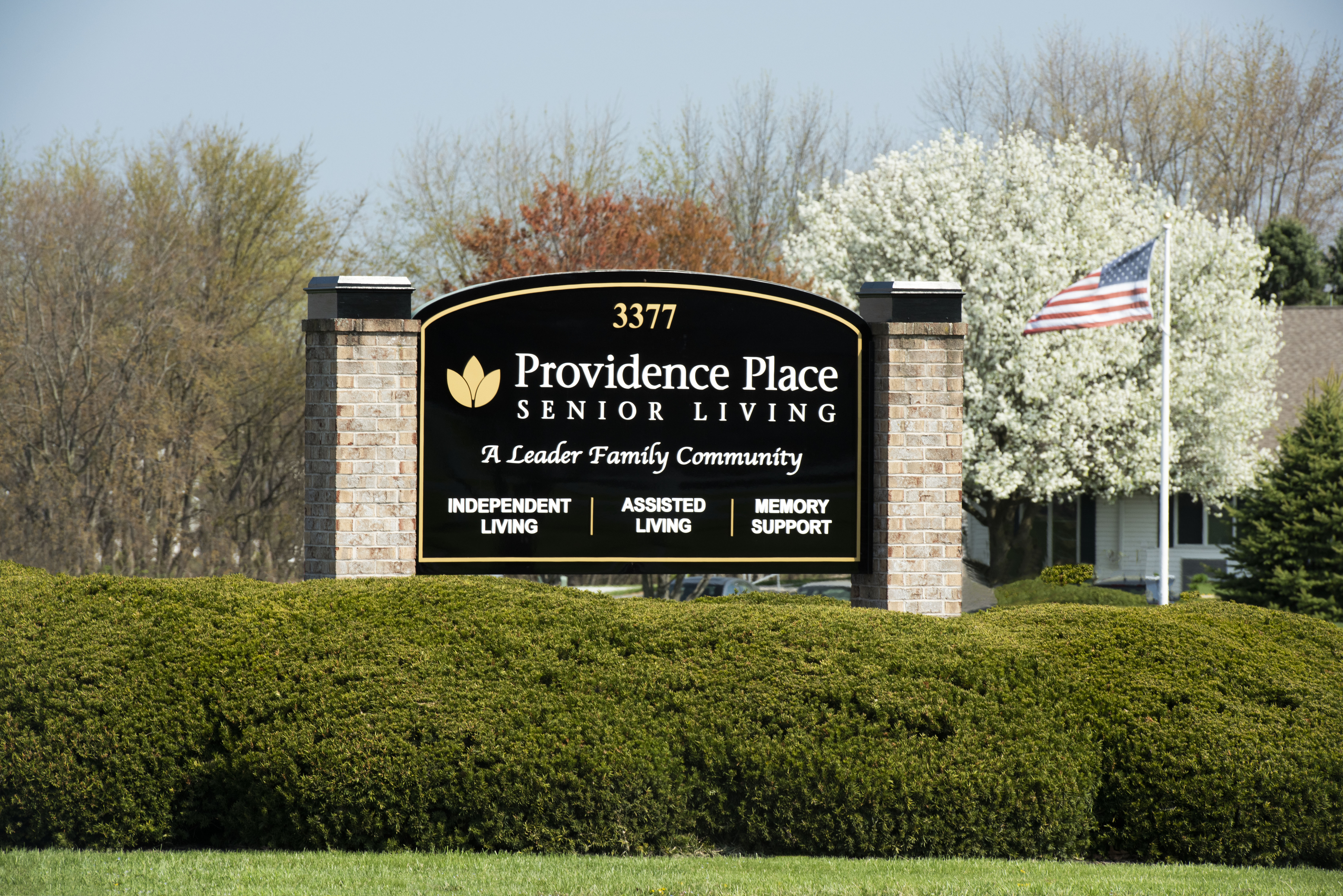
Providence Place Senior Living Of Dover (York)
Assisted Living 3377 Fox Run Road, York County, Dover, Pennsylvania, 17315Welcome to Providence Place, a local family-owned senior living company founded in 1998 by former Pennsylvania governor, George M. Leader. Our mission is to enhance the quality of life for our senior residents by delivering vibrant programs and exceptional service at an affordable rate. We offer Independent Living, Assisted Living, and two-levels of Memory Support at each of our seven campuses across Pennsylvania.
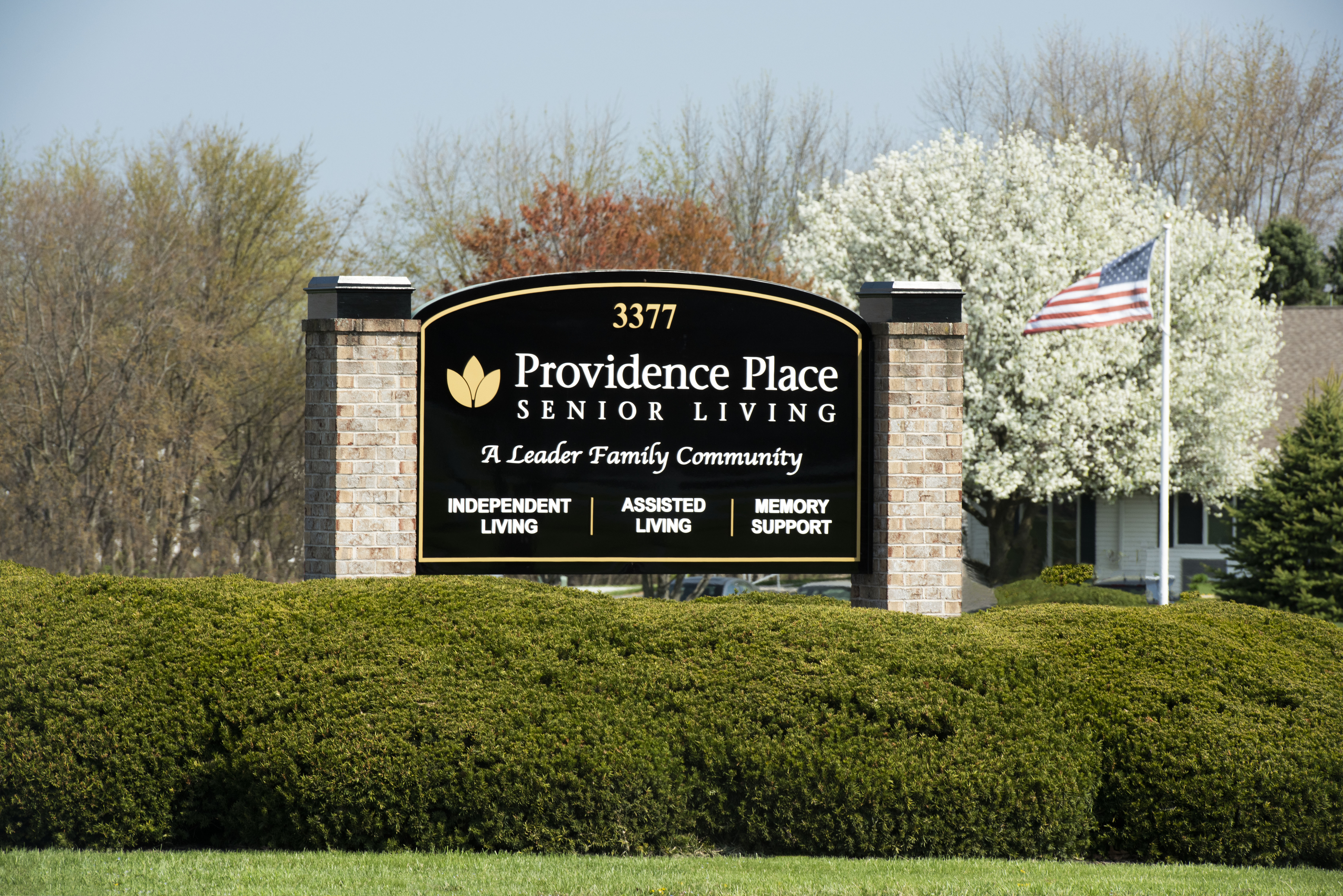
Providence Place Senior Living Of Dover (York)
Memory Care 3377 Fox Run Road, York County, Dover, Pennsylvania, 17315Welcome to Providence Place, a local family-owned senior living company founded in 1998 by former Pennsylvania governor, George M. Leader. Our mission is to enhance the quality of life for our senior residents by delivering vibrant programs and exceptional service at an affordable rate. We offer Independent Living, Assisted Living, and two-levels of Memory Support at each of our seven campuses across Pennsylvania.
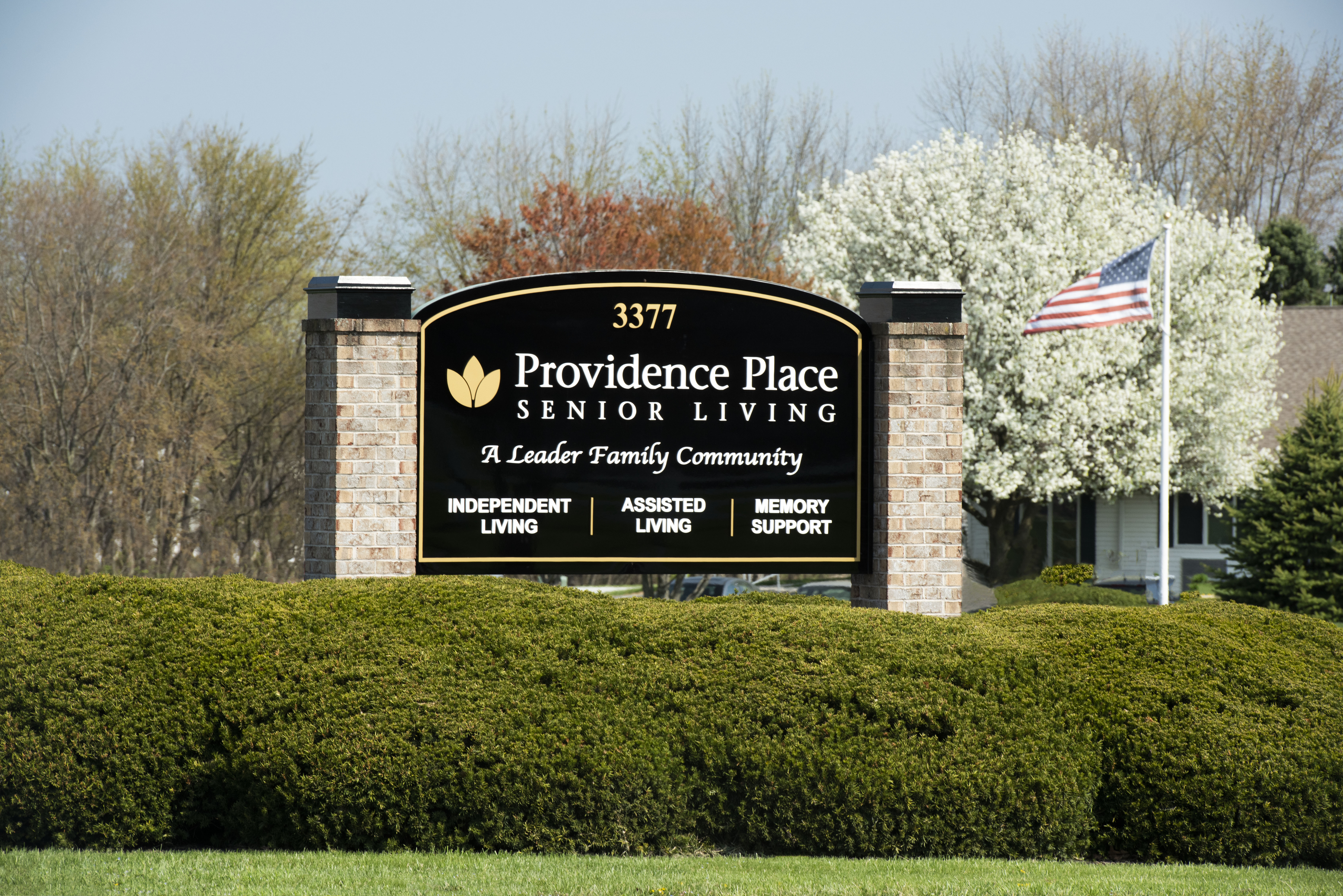
Providence Place Senior Living Of Dover (York)
Independent Living 3377 Fox Run Road, York County, Dover, Pennsylvania, 17315Welcome to Providence Place, a local family-owned senior living company founded in 1998 by former Pennsylvania governor, George M. Leader. Our mission is to enhance the quality of life for our senior residents by delivering vibrant programs and exceptional service at an affordable rate. We offer Independent Living, Assisted Living, and two-levels of Memory Support at each of our seven campuses across Pennsylvania. Our early-stage memory support offers Connections Club programming and late-stage offers our Security Connections Neighborhood.
Continue Your Search! Explore More Local Options.
Start SearchingLet’s engage and get educated!
Browse through thousands of expert articles in over 100 different categories.
Browse NowArticles You May Like

U.S. News & World Report Names Providence Place Senior Living Among Best Communities for 2023-2024 in Pennsylvania
U.S. News & World Report Names Providence Place Senior Living Among Best Communities for 2023-2024 in Pennsylvania Multiple communities from Providence Place Senior Living have been recognized by U.S. News & World Report as a 2023-2024 Best in Senior Living. The ratings offer a look at the best senior living communities across the United States, to assist older adults and their loved ones when researching and choosing the right senior living community. For 2023-2024 Best Senior Living, U. S. News rated nearly 4,000 communities natiowide on several criteria, including resident and family members satisfaction with safety, care, community management and staff, value, and other services and amenities provided by the community. Providence Place Senior Livings seven communities participated in a campus-wide survey of residents and family members and topped the annual report in the following: Best Independent Living: Providence Place Senior Living of Dover (York) Best Assisted Living: Providence Place Senior Living at the Collegeville Inn Best Memory Care: Providence Place Senior Living of Chambersburg Best Memory Care: Providence Place Senior Living of PottsvilleThe detailed survey results provided quantitative information as well as feedback and comments from residents and family members. Many family member testimonials were included, like the following: This place has really been an asset to my parents lives. It has transitioned them into this stage of their lives. This has been a great experience for them with many opportunities to get as involved as the would like. They have accommodated my parents through the different stages and medical difficulties. I no longer worry about their safety of them living by themselves and strongly recommend this place to others that are looking for a facility for their family. The organization looks forward to celebrating the Best of honors in 2023 as well as Providence Places 25 years of service to Pennsylvania seniors. About Providence Place Senior Living: Providence Place and The Leader family operates seven (7) communities in central and eastern Pennsylvania and offers Independent Living, Assisted Living and Memory Support Services to about 800 seniors company-wide. Locations in Chambersburg, Collegeville, Dover (York), Drums (Hazleton), Lancaster, Pine Grove and Pottsville. For more information, visit www.Providence-Place.com.
Jun 14, 2023

Understanding the Stages of Dementia: When to Consider Memory Care
Dementia is a general term for a decline in cognitive function that interferes with daily life, affecting memory, reasoning, communication, and the ability to perform routine tasks. While its not a single disease, it typically advances through a series of stages each bringing new challenges for both individuals and their families. Because symptoms often overlap and progress gradually, pinpointing the exact stage can be difficult.In this article, well walk through the common stages of dementia and provide guidance on how to recognize when it may be time to consider specialized memory care for your loved one.Different Types of DementiaThere are several different types of dementia, each with its own causes, symptoms, and progression. Here are the most common types: Alzheimers disease: the most prevalent form, characterized by gradual memory loss and confusion Lewy Body: associated with visual hallucinations, fluctuating cognition, and movement symptoms similar to Parkinsons disease Vascular: often caused by strokes or reduced blood flow to the brain, leading to impaired judgment and difficulty with organization Frontotemporal Dementia (FTD): caused by degeneration in the frontal and temporal lobes of the brain, its symptoms include personality changes, inappropriate behavior, language difficulties, and poor judgment No matter which type of dementia one may experience, early recognition is important. This allows individuals and families time to understand the diagnosis, explore treatment options, and make important care and legal decisions before progression. Planning ahead can also help ensure that the person living with dementia receives the appropriate level of support as their needs change over time.Stages of DementiaEarly Stage (Mild)In the early stages of dementia, symptoms are often subtle and may be mistaken for normal aging. People may experience: Short-term memory loss (forgetting recent conversations or appointments) Difficulty finding words or following conversations Trouble with organization or completing complex tasks Mild confusion or disorientation Changes in mood, such as increased anxiety or irritability At this stage, most individuals can still live independently, though they may benefit from support with certain activities. Some individuals may remain in a mild stage for years, while others progress more rapidly.Middle Stage (Moderate)As dementia progresses, symptoms become more noticeable and begin to interfere more significantly with daily life. This stage often includes: Increased memory loss and confusion Difficulty recognizing familiar people or places Problems with language, reasoning, and decision-making Changes in behavior or personality (e.g., agitation, suspicion) Needing help with daily tasks, such as dressing, cooking, or managing medications Noticeable loss of time and space The middle stage often lasts the longest and usually requires regular support from caregivers or family members.Late Stage (Severe)In the late stages, dementia symptoms can be severe, and individuals are typically no longer able to care for themselves. Common characteristics include: Significant memory loss, including the inability to recognize loved ones Loss of physical abilities (e.g., walking, swallowing) Difficulty communicating verbally Increased vulnerability to infections, especially pneumonia Loss of time and space and may be prone to wandering or exit-seeking At this stage, full-time care or supervision is often required, and the focus of care shifts to comfort, safety, and quality of life.Signs it May be Time to Consider Memory CareAs dementia progresses, there may come a point when it becomes time for professional memory care. This often happens when daily activities become increasingly challenging in moderate stages or early stages if persons are unsafe. If your loved one is becoming disoriented or wandering, especially at night, it can pose serious safety risks that require more structured supervision. Changes in behavior such as heightened aggression, anxiety, or paranoia can also indicate the need for specialized care.Additionally, memory care can provide the necessary support if caregivers are feeling overwhelmed or burnt out or if the person living with dementia is experiencing frequent hospital visits or health declines due to accidents, missed meals or medications.Benefits of Memory Care CommunitiesMemory care communities offer several key benefits for individuals with dementia and their families: Specialized, trained staff: Team members are specifically trained to understand the needs and behaviors associated with Alzheimers and other forms of dementia, providing compassionate and informed care. They are provided tools to help communicate with individuals and provide dignified care. Safety and security: These communities are designed with safety in mind, often featuring secured areas to prevent wandering and reduce fall risks. Structured routines: Daily schedules help reduce confusion and anxiety by providing consistency, which is particularly helpful for individuals with memory loss. Engaging activities: Memory care programs include tailored activities that support cognitive function, encourage social interaction, and promote emotional well-being. They also encourage brain fitness, which is research-based methods to help slow cognitive decline. Support for families: Families benefit from educational resources, caregiver support (our communities offer dementia caregiver support groups), and the reassurance that their loved one is in a supportive and capable environment. Peace-of-mind is crucial at this stage to be able to support your loved ones. Holistic health monitoring: Residents receive regular wellness checks, medication management, and access to healthcare professionals to help maintain their overall health. This includes on-site physical and occupational therapy, three home-cooked meals daily, and transportation to medical appointments. Tips for Starting the Conversation Approach with compassion and respect: Begin the conversation gently and at an appropriate time when your loved one is calm and receptive. Focus on their well-being, using I statements (e.g., Ive noticed youve been having more trouble remembering things lately). Avoid being confrontational or making the conversation feel like a forced decision. Emphasize support: Focus on the benefits, framing memory care as a way to get help and maintain dignity not as a loss of independence. Involve medical professionals: Having a trusted doctor or neurologist involved in the conversation can add credibility and help your loved one understand the medical need for memory support. A professional diagnosis and recommendation often provide clarity for families facing tough decisions. Tour senior living communities and options together: Visiting memory care communities in-person allows your loved one to see what the environment is like, ask questions, and express their feelings. Bring a list of questions to ask staff such as caregiver-to-resident ratios, activity schedules, safety measures, and medical support to help you make an informed decision. Be patient and open to ongoing dialogue: It may take several conversations for your loved one to feel comfortable with the idea. Give them time to process and be open to their concerns, emotions, and questions. Reassure them that your goal is to ensure theyre safe, supported, and cared for. Personalized Memory Care for Each Stage of DementiaNavigating the stages of dementia is never easy, but understanding how the condition progresses can empower families to make informed, compassionate decisions.At Providence Place Senior Living, Connections (our signature memory care program) is personalized, providing the appropriate level of support based on each residents stage of dementia. Our approach includes distinct programs tailored to both early-stage and late-stage memory loss, ensuring residents receive the right care at the right time. With 25 years of experience, we hope to support our residents and families during these challenging transitions.
Aug 12, 2026
A Day in the Life at Providence Place
A Day in the Life at Providence Place: Wellness, Community, and Purposeful LivingEvery day in our senior living community is designed to feel comfortable, meaningful, and engaging. Whether its enjoying a favorite morning ritual, participating in activities with friends, or relaxing in familiar spaces, daily life is shaped around individual preferences and supportive care.This article offers a closer look at what a typical day looks like for a resident and how our community creates an environment where seniors can feel at home, stay active, and enjoy each moment.The Dimensions of Wellness FrameworkOur daily activities arent planned in a vacuum; theyre engineered using the Dimensions of Wellness as a guide. This framework ensures that a day at Providence Place touches upon specific human needs: Physical: movement and nutrition Social: interaction and community Emotional: security and joy Intellectual: cognitive challenge Spiritual: meaning and connection Vocational: purpose and contribution Environmental: safety and aesthetics The Physical Dimension of WellnessAt Providence Place, physical programs are offered daily, with formal classes occurring an average of two to three times per week, depending on the campus. The schedule includes Yoga, Zumba, dance classes, and general strengthening exercises.We partner with our in-house therapy to offer a monthly program, ensuring that the physical activities are not just recreational but are clinically informed.We also encourage our residents to do as much as possible for themselves and to stay physically independent as long as they can.The Culinary ExperienceResident meals are scheduled, and they have assigned seating. In the context of communal living, this functions as a mechanism for social safety and stability.Our dining program gives residents daily menu options, ensuring they can choose a meal that they want to eat. Many residents jokingly complain about gaining weight a month into moving in.We focus on using local fruits, vegetables, meats and breads, and the menus are carefully curated to include regional favorites, which is a subtle but powerful tool for comfort.Special Dining EventsOur culinary team executes brunches, holiday meals, picnics, and out of building dining experiences. Additionally, each campus offers areas for families to host private meals and parties.Programming That Supports Every Interest and AbilityAt Providence Place, we offer multiple programs every day of the week, including weekends. We overlap programs to give options for differing needs. What sets us apart is that we offer a program thats specific to residents living with dementia, who live among our assisted living and independent residents.Church is probably the highest attended activity at all our retirement communities, followed by Bingo. 100th-plus birthday celebrations are also huge at our campuses. We host large-scale birthday parties with delicious cake, music, decorations, family members, and local community members.Through our Wish program, we take residents one-on-one to places and events that they would otherwise be unable to attend. Some examples include trips to New York City, helicopter rides, and family weddings.Holidays are also an important part of life at Providence Place. Our team strives to provide a home-like atmosphere and continue any known traditions. And we partner with outside resources to ensure the religious aspects of holidays are met. Resident-Led Planning and Community RolesProgram feedback is captured through multiple surveys throughout the year, comment boxes, direct access to email/phone numbers, and the monthly resident planning meetings, which allow residents to shape the calendar, ensuring the programming remains relevant to the current population.We have strong resident leaders at each community that host programs on the calendar. We also have residents that help around the building, including: A librarian A gardener A dining room coordinator A welcome ambassador A program host A party planner A Family-Centered CommunityOur campuses are extremely family oriented our residents families and our coworkers families are always welcome. Staff members know resident family members, and residents know staff members children by name.We encourage families to participate in programming and everyday activities in our buildings. Plus, we host programs throughout the year, inviting friends, families, and sometimes the surrounding community. At Providence Place, we pride ourselves on our community partnerships with local businesses, schools, and churches to offer multi-generational programming.Social Connection as a Magic BulletMayo Clinic research suggests that strong social connections are the factor that comes closest to a magic bullet for healthy aging potentially more significant than family longevity or the absence of physical illness.The research categorizes loneliness and social isolation as health risks on par with obesity and smoking. Isolation is linked to an increased risk of: Premature death Dementia Heart disease Stroke By providing a built-in community where making new friends or reconnecting with old friends is the norm, Providence Place acts as a prophylactic against these conditions. The daily schedule of socials and communal dining is, in effect, a medical intervention designed to prolong life and health span.Learn more about the benefits of social connection for seniors mental and physical health.