
PHONE
Click to View NumberSee More
Additional Services Offered
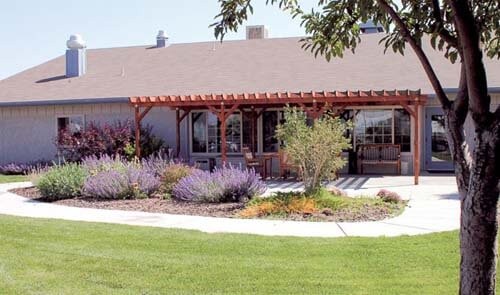
San Luis Care Center
Skilled Nursing 240 Craft Drive, Alamosa County, Alamosa, Colorado, 81101San Luis Care Center is proud to offer post-acute care, short-term physical, occupational and speech therapies as well as outpatient rehabilitation. Rehabilitation is a focus at this facility, providing comprehensive individualized programs and services for patients of all ages. The facility also offers long term care services including respite care. Call today for a tour.
Continue Your Search! Explore More Local Options.
Start SearchingLet’s engage and get educated!
Browse through thousands of expert articles in over 100 different categories.
Browse NowArticles You May Like
What Skilled Nursing Really Means for Recovery and Long-Term Care in the San Luis Valley
When a loved one needs more than occasional helpafter a hospitalization, during recovery from surgery, or as health needs become more complexfamilies in the San Luis Valley often hear the term skilled nursing. Yet many people arent quite sure what skilled nursing truly involves, how it differs from other care options, or when it becomes the right level of support.In Alamosa and surrounding Southern Colorado communities, skilled nursing plays a vital role in helping seniors recover safely, manage chronic conditions, and maintain dignity through every stage of care. San Luis Care Center provides clinically guided support paired with compassionate, person-centered caremeeting both medical needs and human needs at the same time.Defining Skilled Nursing: More Than Basic CareSkilled nursing is a level of medical care delivered by licensed professionals, typically including registered nurses (RNs), licensed practical nurses (LPNs), and certified nursing assistants (CNAs), under physician oversight. Unlike home care or assisted living, skilled nursing includes ongoing clinical services that require medical expertise.Skilled nursing services may include: 24/7 nursing supervision Medication administration and monitoring Wound care and infection management IV therapy and injections Management of complex or chronic medical conditions Post-hospital recovery and rehabilitation support This level of care is essential when health needs are too complex or unpredictable to manage safely at home.Why Skilled Nursing Matters in the San Luis ValleyThe San Luis Valley is known for its close-knit communities, agricultural heritage, and vast landscapes. While these qualities make it a wonderful place to live, they can also create challenges when it comes to accessing healthcareespecially specialized or continuous care.Skilled nursing centers like San Luis Care Center help bridge that gap by offering: Local access to 24/7 medical support Reduced need for long-distance travel for care Continuity between hospital discharge and recovery Peace of mind for families across Alamosa County and beyond Having skilled nursing available locally allows seniors to receive high-level care while remaining close to family, familiar routines, and their community.Supporting Recovery After Illness or HospitalizationOne of the most common reasons families turn to skilled nursing is after a hospital stay. Recovery doesnt always end when someone is dischargedmany seniors still need monitoring, therapy, and medical oversight to heal safely.Skilled nursing supports recovery by: Monitoring vital signs and symptoms Managing medications accurately Preventing complications and readmissions Coordinating with physicians and specialists Providing structured daily care routines This level of oversight helps seniors regain strength while reducing the risk of setbacks. Skilled nursing is about providing the right care at the right time, says Crystal Deherrera. Our goal is to support recovery while ensuring residents feel safe, respected, and well cared for every day. When Skilled Nursing Becomes Long-Term SupportSkilled nursing isnt only for short-term recovery. For some seniors, it becomes the most appropriate long-term care option due to ongoing medical needs.Long-term skilled nursing may be appropriate for individuals who: Have advanced or progressive medical conditions Require frequent nursing interventions Need consistent monitoring for safety Have difficulty managing medications or mobility Need a higher level of care than assisted living can provide In these situations, skilled nursing offers stability, structure, and clinical oversighthelping residents maintain the highest possible quality of life.The Role of the Skilled Nursing Care TeamQuality skilled nursing relies on a coordinated care team that works together to meet each residents needs. This team approach ensures care is comprehensive, responsive, and individualized.A skilled nursing team typically includes: Registered and licensed nurses Certified nursing assistants Physicians and medical providers Therapists and specialists as needed Administrative and support staff This collaboration allows care plans to evolve as needs changewithout disruption or gaps in support.Person-Centered Care in a Clinical SettingWhile skilled nursing is medically focused, quality care also prioritizes dignity, comfort, and personal connection. Residents are not just patientsthey are individuals with histories, preferences, and relationships that matter.At San Luis Care Center, person-centered care means: Respecting personal routines and preferences Communicating clearly with residents and families Supporting emotional and social well-being Creating a calm, structured environment This balance between clinical care and human connection is essential for long-term success.Helping Families Navigate Complex Care DecisionsFamilies often arrive at skilled nursing after weeksor monthsof uncertainty. Deciding on a higher level of care can be emotional, especially when it involves changes to daily life.Skilled nursing teams support families by: Explaining care options clearly Answering medical and logistical questions Coordinating transitions from hospital to care center Providing ongoing communication and updates This guidance helps families move forward with confidence rather than fear.Frequently Asked Questions About Skilled Nursing in AlamosaHow is skilled nursing different from assisted living?Skilled nursing provides continuous medical care and monitoring, while assisted living offers help with daily activities but limited clinical services.Is skilled nursing only short-term?No. Skilled nursing can be short-term for recovery or long-term for ongoing medical needs.Does skilled nursing mean giving up independence?Not necessarily. Skilled nursing supports safety and health while respecting dignity and personal preferences.Can families stay involved in care?Yes. Family involvement and communication are encouraged and supported.How do we know if skilled nursing is the right option?If medical needs exceed what can be safely managed at home or in assisted living, skilled nursing may be appropriate.Trusted Skilled Nursing Care for the San Luis ValleySkilled nursing is about more than medical treatmentits about creating a safe, supportive environment where seniors can recover, stabilize, or live with complex health needs while maintaining dignity and comfort. San Luis Care Center serves Alamosa and the greater San Luis Valley with compassionate, professional skilled nursing care rooted in experience and trust. Families seeking guidance or exploring care options can find additional information through their Seniors Blue Book listing
Dec 17, 2025
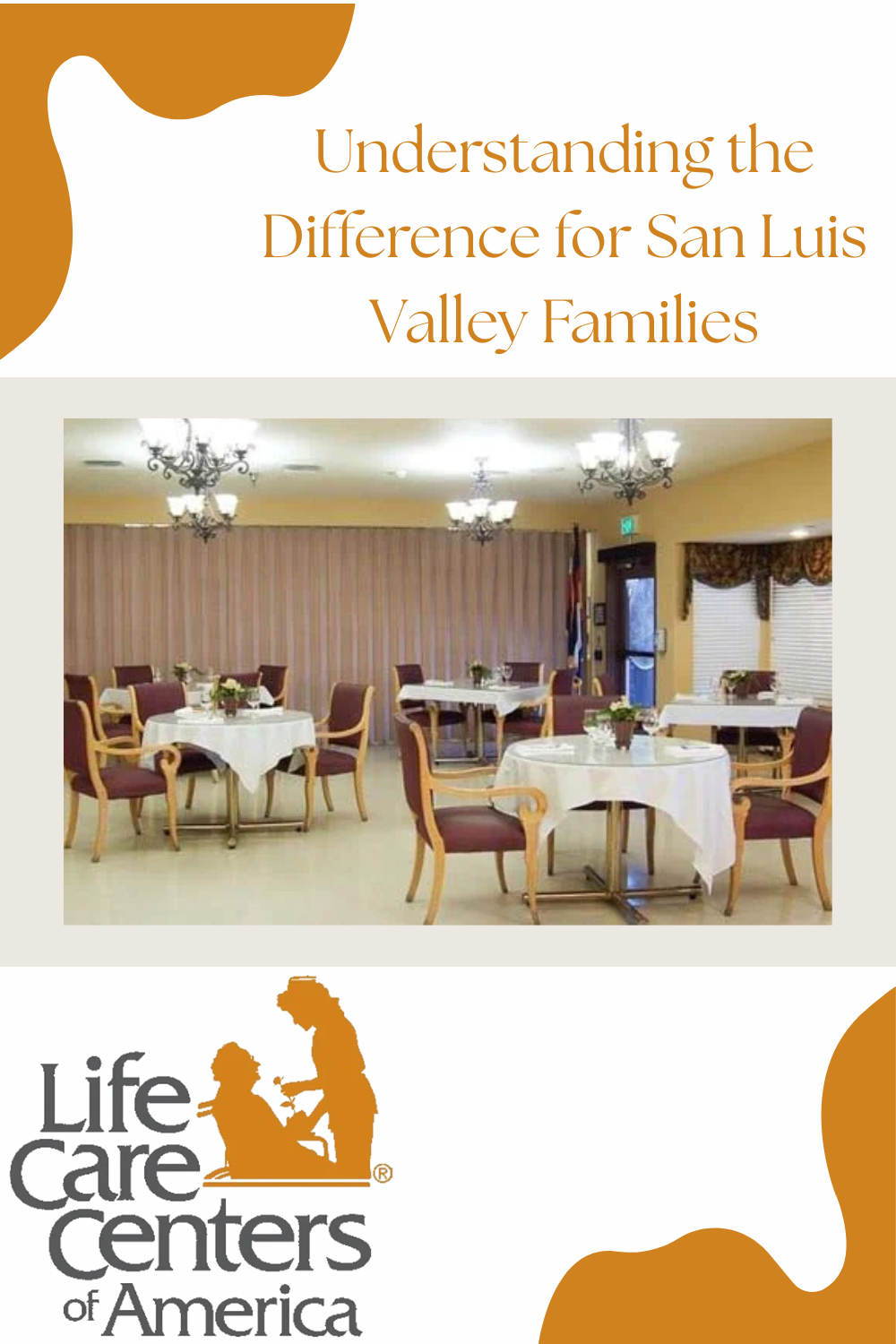
Understanding the Difference for San Luis Valley Families
When a loved one needs a higher level of care, families in Alamosa and across the San Luis Valley are often faced with an importantand sometimes confusingquestion: Is this short-term rehabilitation, or is long-term skilled nursing the right fit? While both services fall under the skilled nursing umbrella, they serve different purposes and timelines. Understanding the distinction can help families make informed, confident decisions that align with medical needs, recovery goals, and quality of life.San Luis Care Center supports families through both paths, offering clinically guided care that adapts as needs changewhether the goal is recovery and return home or ongoing, comprehensive support.Why the Distinction MattersThe difference between short-term rehab and long-term skilled nursing isnt just about length of stay. It affects care planning, expectations, insurance coverage, and family involvement. Choosing the right path from the start can reduce stress, prevent unnecessary transfers, and improve outcomes.Families benefit from clarity around: Care goals and timelines The intensity and focus of services How progress is measured What support looks like day to day Knowing what each option provides helps families advocate effectively for their loved one.What Is Short-Term Rehabilitation?Short-term rehabilitation is designed for individuals recovering from a specific medical eventoften after hospitalization, surgery, or acute illness. The primary goal is to help residents regain strength, mobility, and function so they can safely return home or transition to a lower level of care.Common reasons for short-term rehab include: Joint replacement or orthopedic surgery Stroke or neurological events Cardiac procedures Serious illness requiring reconditioning Injury-related recovery Care is typically time-limited and progress-driven.What Short-Term Rehab Looks Like Day to DayShort-term rehab focuses on intensive, goal-oriented care. Residents receive coordinated clinical support alongside therapy services tailored to recovery.Key features often include: Daily nursing oversight Therapy services as ordered by a physician Medication management and monitoring Structured routines that support healing Regular progress evaluations The care team collaborates closely to adjust plans as recovery milestones are reached. Short-term rehab is about helping people heal and regain confidence, says Crystal Deherrera. We focus on progress while ensuring residents feel supported every step of the way. What Is Long-Term Skilled Nursing?Long-term skilled nursing is appropriate when a person has ongoing medical needs that require continuous nursing care and oversight. Unlike short-term rehab, the goal isnt a rapid return homeits stability, safety, and quality of life over time.Long-term skilled nursing may be the right choice for individuals who: Have complex or progressive medical conditions Require frequent nursing interventions Need ongoing medication management Have significant mobility or cognitive challenges Cannot be safely supported at home or in assisted living This level of care provides consistency and clinical expertise around the clock.Daily Life in Long-Term Skilled NursingLong-term skilled nursing emphasizes routine, comfort, and dignity while addressing medical needs. While the setting is clinical, the focus remains person-centered.Residents typically benefit from: 24/7 nursing supervision Personalized care plans that evolve over time Support with daily activities and medical needs Familiar routines that promote stability Ongoing communication with families For many residents, this consistency becomes an essential source of comfort.How Care Goals Differ Between the TwoUnderstanding care goals is one of the clearest ways to distinguish between short-term rehab and long-term skilled nursing.Short-term rehab goals often include: Regaining strength and mobility Improving functional independence Preparing for discharge home Reducing risk of complications Long-term skilled nursing goals often include: Managing chronic conditions Preventing complications and hospitalizations Maintaining comfort and dignity Supporting overall well-being Both approaches are valuablethey simply serve different needs.When Short-Term Rehab Transitions to Long-Term CareIn some cases, a stay that begins as short-term rehab may transition into long-term skilled nursing. This can happen when recovery goals change or when it becomes clear that ongoing medical support is needed.When transitions occur, skilled nursing teams help by: Communicating clearly with families Reassessing medical needs and goals Updating care plans thoughtfully Minimizing disruption for the resident This flexibility ensures care remains appropriate and responsive.The Importance of Local Skilled Nursing OptionsFor San Luis Valley families, receiving skilled nursing care close to home offers significant advantages. Long travel distances to larger cities can make recovery and family involvement more difficult.Local care provides: Easier, more frequent family visits Reduced stress for residents Continuity with regional healthcare providers A familiar cultural and community environment Staying local often improves emotional well-being alongside physical care.Insurance and Planning ConsiderationsCoverage and payment can differ between short-term rehab and long-term skilled nursing. While specific coverage depends on individual circumstances, understanding the general differences helps families plan ahead.Families are encouraged to: Ask questions early about coverage and timelines Discuss options with care coordinators Plan for potential changes in level of care Review resources available locally Clear communication helps avoid surprises and supports smoother transitions.Choosing the Right Path for Your Loved OneThere is no one-size-fits-all answer when deciding between short-term rehab and long-term skilled nursing. The right choice depends on medical needs, recovery potential, and long-term safety.Families can feel more confident by: Understanding the purpose of each care type Asking care teams for clear explanations Involving loved ones in discussions when possible Planning with flexibility in mind Informed decisions lead to better experiences for everyone involved.Frequently Asked Questions About Skilled Nursing OptionsHow long does short-term rehab usually last?Length varies based on recovery goals and progress, but it is typically time-limited.Can someone move from rehab to long-term skilled nursing?Yes. Care plans can evolve if medical needs change.Is therapy part of long-term skilled nursing?Therapy may be included as needed, but it is not the primary focus.How do families know which option is appropriate?Medical providers and skilled nursing teams can help guide the decision.Can families remain involved in both types of care?Absolutely. Family communication and involvement are encouraged.Clarity and Care for Every Stage of NeedWhether supporting recovery or providing long-term medical oversight, skilled nursing plays a critical role in senior care across the San Luis Valley. Understanding the difference between short-term rehab and long-term skilled nursing empowers families to choose the right path with confidence. San Luis Care Center offers both recovery-focused rehabilitation and long-term skilled nursing caredelivered locally with compassion, professionalism, and respect. Families can find more information and explore care options through their Seniors Blue Book listing
Dec 17, 2025
Beat the summer heat
Summertime is here. Though it is the season of outdoor activities, barbecues, and sunshine, it can also be the season of heat disorders and stifling heat. Keep the heat at bay by staying cool with helpful tips from The National Weather Service. There are many ways to avoid heating disorders. It is important to think of your health and others' by maintaining good summer safety techniques.Avoid the heat.You can escape the heat by spending time indoors and allotting time to stay cool. Staying two hours in the air conditioning a day can reduce your hazard of heat-related sicknesses. If air conditioning is not available, stay in areas in your home that are out of the sunlight.Dress to relieve heat stress.When deciding your wardrobe for summer outings, keep in mind your health and skin. Wearing loose-fitting clothes to protect yourself if you easily sunburn. A sunburn slows the skins ability to cool itself and using sunscreen with a high SPF will protect you from it. If you wear lightweight, light-colored clothing that reflects heat and sunlight. This will help regulate a normal body temperature.Drink and eat FOR the heat.There is a right and wrong way to nourish yourself before going out in the summer heat. Avoid drinking alcoholic beverages and drinks with a lot of caffeine in them. Alcohol and caffeine can compress blood vessels near the skin, and this will reduce the amount of heat the body can release. This can cause further dehydration. For hydration, drink plenty of water and natural juices. Always consult a doctor on your fluid intake.As for eating, it is recommended to eat smaller meals before going outside. Foods that are high in protein increase metabolic heat and should be avoided.Protect children from the heat.Children have sensitive skin and need sunscreen to protect them from UV rays.Remember to always avoid leaving children in a closed vehicle. Temperatures can rise to over 140 degrees in just 30 minutes on a summer day. Even though this is a common rule, deaths from overheating have occurred almost every summer when a person leaves a child in a closed vehicle.Help your pets remain cool.Like humans, your pets can feel just as hot as you do when the summer heat wave hits. Just like with children, do not leave your pets in a closed vehicle. Make sure your animals have a shady area outside with a full, cold and clean bowl of water. Dogs and cats cannot tolerate the heat very well because they cannot sweat, and their bodies get hot and stay hot. Avoid walking them on hot pavement because they can get blisters on their paws.It is always wise to consult your primary care physician and to learn more about heating disorders and how to avoid them. Following these steps will help you stay cool in the extreme heat.
Jul 14, 2021
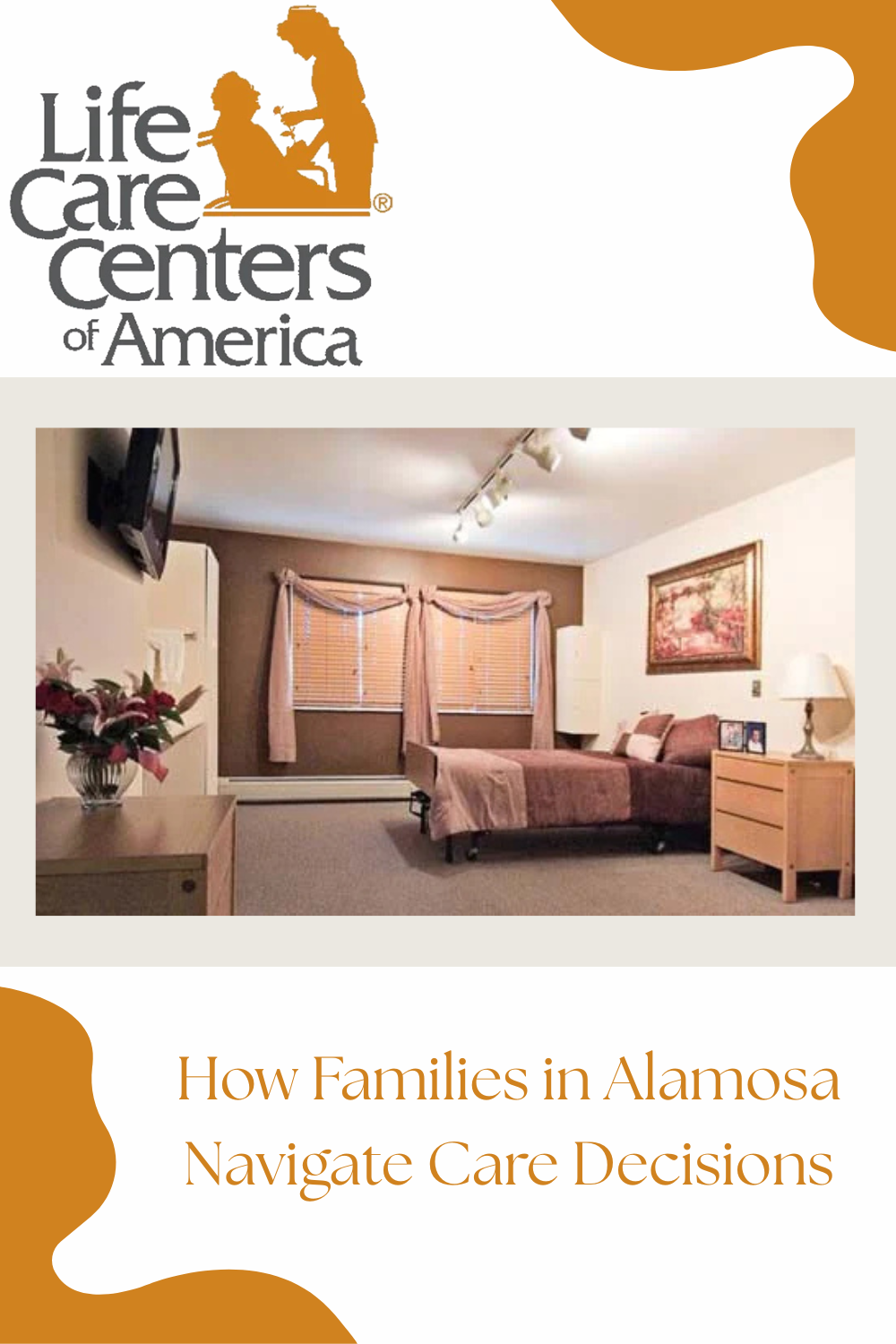
How Families in Alamosa Navigate Care Decisions
Few decisions are as emotionally complex as realizing a loved one needs skilled nursing care. For families in Alamosa and throughout the San Luis Valley, this moment often arrives quietlyafter a hospitalization that doesnt lead to a full recovery, a series of health setbacks, or growing concerns about safety at home. While the need for skilled nursing may be clear medically, the decision itself can feel overwhelming.Understanding what skilled nursing offers, when its appropriate, and how it supports both residents and families can bring clarity during an otherwise uncertain time. At San Luis Care Center, families are guided through these decisions with compassion, transparency, and respecthelping them move forward with confidence rather than fear.How Families Often Arrive at the Skilled Nursing ConversationRarely does a family wake up one day expecting to choose skilled nursing care. More often, the decision develops gradually as health needs change.Common situations that prompt the conversation include: A hospital discharge with ongoing medical needs Difficulty managing medications or complex treatments at home Increased falls, infections, or emergency room visits Progressive conditions that require frequent nursing oversight Caregiver exhaustion or safety concerns For many families in the San Luis Valley, distance to larger medical centers and limited in-home medical resources make skilled nursing a necessary and practical option.The Emotional Weight of Care DecisionsDeciding on skilled nursing is rarely just a logistical choiceits an emotional one. Families may feel guilt, worry, or fear that choosing a higher level of care means giving something up.Common emotional concerns include: Fear of taking independence away Worry about how a loved one will adjust Uncertainty about quality of care Feeling unprepared to make medical decisions These feelings are natural. Skilled nursing teams recognize that families need reassurance and information, not pressure, during this process. Families often come to us carrying a lot of emotion, says Crystal Deherrera. Our role is to listen, explain options clearly, and help them understand that skilled nursing is about safety, dignity, and supportnot loss. Why Skilled Nursing Becomes the Right Level of CareSkilled nursing is designed for individuals who need continuous medical oversight that cannot be safely provided at home or in assisted living. This level of care supports both short-term recovery and long-term medical needs.Skilled nursing may be appropriate when a loved one: Requires 24/7 nursing supervision Needs complex medication management Is recovering from surgery, illness, or injury Has chronic conditions requiring ongoing monitoring Is at high risk for complications without medical oversight For families, knowing that licensed professionals are present around the clock provides invaluable peace of mind.Navigating the Transition From Hospital to Skilled NursingOne of the most stressful moments for families is the transition from hospital to skilled nursing care. Discharge timelines can feel rushed, and families may struggle to understand what happens next.Skilled nursing centers help ease this transition by: Coordinating directly with hospital discharge teams Reviewing medical records and care needs Creating a personalized care plan upon admission Ensuring continuity of medications and treatments This structured transition reduces confusion and lowers the risk of complications or readmissions.What Families Can Expect in a Skilled Nursing SettingUnderstanding daily life in skilled nursing can ease anxiety for both residents and families. While the care is clinical, the goal is to maintain comfort, routine, and dignity.Families can expect: Regular communication from nursing staff Ongoing assessment of medical needs Support with mobility, hygiene, and nutrition Respect for personal preferences and routines Opportunities for family involvement Skilled nursing is not just about treatmentits about creating a stable, supportive environment.Supporting Families as Part of the Care TeamQuality skilled nursing recognizes that families remain an essential part of a residents life and care journey. Rather than replacing family involvement, skilled nursing supports it.Families are encouraged to: Participate in care planning discussions Ask questions and share concerns Stay informed about changes in condition Visit and remain emotionally connected Clear communication helps families feel included rather than sidelined.The Importance of Local Skilled Nursing in AlamosaFor residents of Alamosa and the surrounding San Luis Valley, receiving skilled nursing care close to home matters. Familiar surroundings and proximity to loved ones can significantly improve emotional well-being.Local skilled nursing offers: Easier family visits Reduced stress from long-distance travel Connection to familiar community culture Coordination with local healthcare providers Remaining in the community helps skilled nursing feel like supportnot displacement.How Skilled Nursing Supports Long-Term StabilityFor some residents, skilled nursing becomes a long-term care solution. In these cases, stability, consistency, and trust become even more important.Long-term skilled nursing provides: Ongoing medical monitoring Predictable routines Consistent caregiving relationships A safe environment adapted to changing needs This stability benefits both residents and families, reducing crisis-driven decisions.Frequently Asked Questions From Families Considering Skilled NursingHow do we know when its time for skilled nursing?When medical needs exceed what can be safely managed at home or in assisted living, skilled nursing may be appropriate.Is skilled nursing only for short-term recovery?No. Skilled nursing can be short-term or long-term, depending on individual needs.Will our loved one lose independence in skilled nursing?Not necessarily. Care focuses on safety and dignity while respecting personal preferences.Can families stay involved after admission?Yes. Family involvement is encouraged and valued as part of the care team.How do we start the process?Talking with healthcare providers and contacting a skilled nursing center for guidance is a good first step.Finding Reassurance During a Difficult DecisionChoosing skilled nursing care is never easybut it can be the right choice for safety, recovery, and quality of life. With the right information and support, families can move forward knowing their loved one is receiving attentive, professional care. San Luis Care Center serves families across Alamosa and the San Luis Valley with skilled nursing care rooted in experience, compassion, and trust. Families seeking guidance or exploring care options can learn more through their Seniors Blue Book listing
Dec 17, 2025
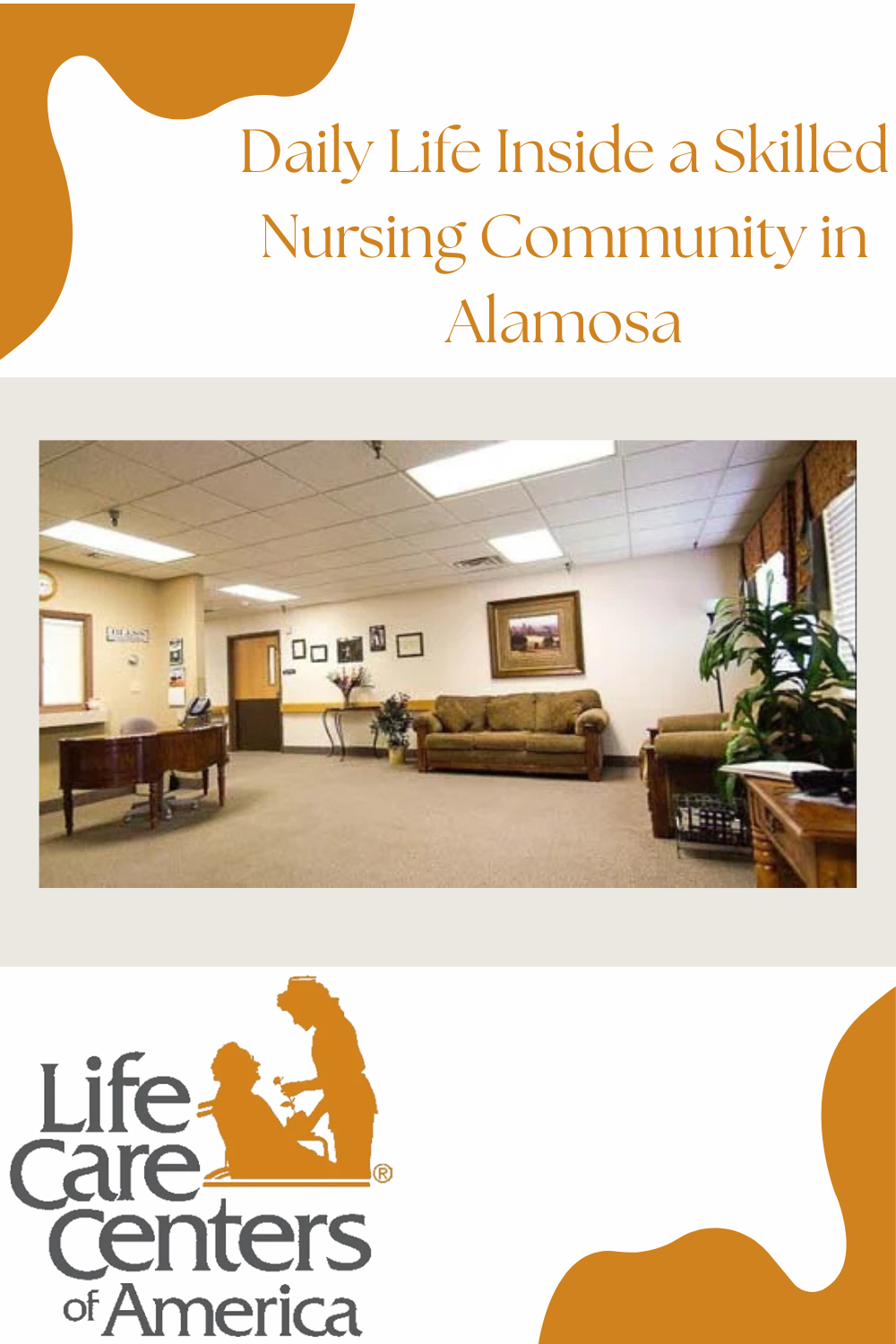
Daily Life Inside a Skilled Nursing Community in Alamosa
When families hear the term skilled nursing, their first thoughts often focus on medical carenurses, medications, and treatments. While clinical support is central, daily life inside a skilled nursing community is about much more than health monitoring. For seniors in Alamosa and across the San Luis Valley, quality skilled nursing blends medical expertise with dignity, comfort, and meaningful human connection.At San Luis Care Center, daily life is shaped around the whole person. Residents are supported not only in managing complex medical needs, but also in maintaining routine, relationships, and a sense of belonging within a familiar Southern Colorado community.More Than Medical Care: A Holistic ApproachSkilled nursing provides continuous medical oversight, but quality care goes beyond clinical tasks. Residents live full days, not just treatment schedules. Thoughtful skilled nursing communities design daily life to balance structure with comfort.Daily life in skilled nursing often includes: Predictable routines that create stability Personalized care plans guided by clinical needs Respect for personal preferences and dignity Opportunities for social connection Ongoing communication with families This holistic approach helps residents feel secure while preserving individuality.The Importance of Routine and StructureAs health needs become more complex, routine plays a powerful role in reducing stress and anxiety. Knowing what to expect each day can be comfortingespecially for seniors managing chronic conditions or cognitive changes.In a skilled nursing setting, routines help with: Medication accuracy and consistency Rest and sleep patterns Nutrition and hydration Physical safety and fall prevention Rather than feeling restrictive, these routines often provide reassurance and calm. Consistency is a big part of comfort, says Crystal Deherrera. When residents know theyre cared for in a reliable, respectful way, it allows them to focus on livingnot worrying. Comfort in a Clinical EnvironmentOne common misconception is that skilled nursing feels cold or impersonal. In reality, quality skilled nursing centers prioritize comfort just as much as clinical care.Comfort-focused care includes: Clean, welcoming living spaces Supportive bedding and mobility assistance Prompt response to needs or concerns A calm, respectful atmosphere Comfort isnt about luxuryits about feeling safe, heard, and cared for every day.Preserving Dignity Through Personal CareDignity is often defined by how care is delivered. In skilled nursing, residents may need help with personal tasks that once felt private or routine. How that help is offered makes all the difference.Dignity-centered care means: Explaining care steps clearly and respectfully Honoring privacy during personal care Encouraging independence whenever possible Treating residents as individuals, not tasks This approach helps residents maintain self-respect even as care needs increase.Clinical Expertise Available Around the ClockOne of the defining features of skilled nursing is 24/7 access to licensed medical professionals. This level of oversight provides safety and reassurance for both residents and families.Clinical support typically includes: Continuous nursing supervision Medication administration and monitoring Wound care and infection prevention Monitoring of chronic or complex conditions Coordination with physicians and specialists This availability allows issues to be addressed earlyoften preventing complications or hospital readmissions.Supporting Emotional and Social Well-BeingHealth and well-being are deeply connected. Skilled nursing communities recognize that emotional health plays a critical role in overall quality of life.Daily life often includes: Friendly interactions with consistent caregivers Opportunities for conversation and connection Family visits and involvement A sense of being known and recognized Even small, everyday interactions can help reduce loneliness and support emotional stability.Family Involvement as Part of Daily LifeFamilies remain an essential part of residents lives, even after transitioning into skilled nursing. Quality communities encourage open communication and family participation.Families often appreciate: Regular updates from nursing staff Opportunities to participate in care discussions A welcoming environment for visits Confidence that loved ones are supported daily This partnership helps families feel reassured and connected.The Value of Skilled Nursing Close to HomeFor residents of Alamosa and the San Luis Valley, receiving skilled nursing care locally makes a meaningful difference. Staying close to home helps preserve identity, community ties, and emotional comfort.Local skilled nursing offers: Easier family visitation Reduced stress from long-distance travel Familiar cultural and community environment Continuity with regional healthcare providers Remaining in the San Luis Valley allows care to feel supportive rather than disruptive.Adapting Care as Needs ChangeSkilled nursing is not static. As residents needs evolve, care plans are adjusted to ensure ongoing safety and comfort.Adaptable care may include: Increased medical monitoring Changes in mobility or assistance levels Coordination with additional specialists Adjustments to daily routines This flexibility ensures residents continue receiving appropriate care without unnecessary transitions.What Families Often Notice After AdmissionMany families report a sense of relief after a loved one settles into skilled nursing. While the decision can be difficult, the results often speak for themselves.Families commonly notice: Improved medical stability Reduced emergency situations Better-managed medications Increased peace of mind Knowing care is handled by professionals allows families to focus on connection rather than crisis management.Frequently Asked Questions About Daily Life in Skilled NursingDoes skilled nursing feel institutional?Quality skilled nursing focuses on comfort, dignity, and person-centered carenot just clinical tasks.Can residents still have routines and preferences?Yes. Personal routines and preferences are respected whenever possible.How often can families visit?Families are encouraged to visit and remain involved in daily life.Is skilled nursing only about medical treatment?No. Emotional well-being, comfort, and dignity are equally important.Does daily life become more stable in skilled nursing?Many residents experience greater stability and safety with continuous support.Care That Honors the Whole PersonSkilled nursing is about more than meeting medical needsits about supporting daily life with dignity, compassion, and expertise. In Alamosa and throughout the San Luis Valley, families turn to skilled nursing when they need both clinical care and human connection. San Luis Care Center provides skilled nursing care that balances medical excellence with comfort, respect, and community. Families seeking more information about services, care options, or next steps can explore additional details through their Seniors Blue Book listing