
PHONE
Click to View NumberSee More
Additional Services Offered
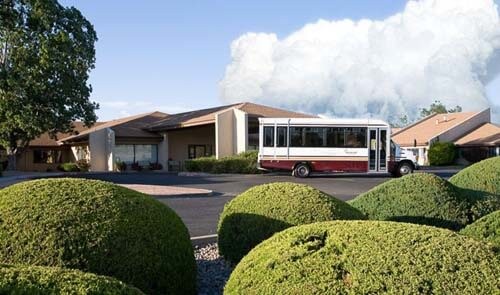
University Park Care Center
Skilled Nursing 945 Desert Flower Boulevard, Pueblo County, Pueblo, Colorado, 81001University Park Care Center is Pueblo~s premiere provider of short term rehabilitation and skilled nursing services as well as a provider of outpatient physical, occupational, and speech therapies. Rehab patients receive 24 hour nursing and individualized therapy services. There is a full time physician on staff. Our rehab rooms include individual climate control, TV~s with cable, phones and wifi. Wheelchair transportation is available. For a tour or more information, please call 719-251-4321 or 719-545-5321
Continue Your Search! Explore More Local Options.
Start SearchingLet’s engage and get educated!
Browse through thousands of expert articles in over 100 different categories.
Browse NowArticles You May Like
What Southern Colorado Families Should Know About Care at University Park Care Center
Few decisions are as emotionally complex as choosing skilled nursing care for a loved one. Families in Southern Colorado often arrive at this moment after a health crisis, a long caregiving journey, or a gradual realization that medical needs have outgrown what can safely be managed at home. Questions come quickly: Is this the right level of care? Will my loved one be treated with dignity? How do we know were choosing the right place?At University Park Care Center in Pueblo, skilled nursing care is built around transparency, clinical expertise, and compassionate partnership with families. By focusing on both medical excellence and human connection, the care center helps families move forward with confidence during one of lifes most challenging transitions.Why Skilled Nursing Requires a Thoughtful ChoiceSkilled nursing is not the same as assisted living or in-home care. It involves ongoing medical oversight provided by licensed professionals, often for seniors with complex or advanced health needs. Because of this, choosing a skilled nursing facility is not just about locationits about trust, competence, and communication.University Park Care Center serves seniors from Pueblo and across Southern Colorado who need: 24-hour licensed nursing care Ongoing medical monitoring Complex medication management Wound care or chronic condition oversight Post-acute or long-term skilled services Families often come to University Park Care Center after realizing that safety, stability, and medical consistency are no longer optionalthey are essential.A member of the care team shares, Families deserve to feel informed and supported. Skilled nursing decisions shouldnt feel rushed or confusing, even when theyre urgent.What Sets Skilled Nursing Apart from Other Care OptionsOne of the most common challenges families face is understanding why skilled nursing is recommended. Skilled nursing is appropriate when medical needs exceed what assisted living or home care can safely provide.Key differences include: Continuous licensed nursing oversight Ability to manage complex medical conditions Coordination with physicians and specialists Clinical monitoring that reduces emergency hospitalizations At University Park Care Center, skilled nursing is not only about meeting medical requirementsits about creating a safe, structured environment where residents can receive consistent, attentive care.Questions Families Should Ask When Choosing Skilled NursingMaking an informed decision means knowing what to look for. Families exploring skilled nursing in Southern Colorado often benefit from asking key questions, such as: How is medical care coordinated and monitored? What experience do nurses have with complex conditions? How are families kept informed about changes in health? What is the approach to dignity and respect in daily care? How does the facility support both short-term and long-term needs? University Park Care Center welcomes these questions, understanding that confidence comes from claritynot pressure.Communication as the Foundation of TrustOne of the most frequent concerns families express is fear of being left out once a loved one enters skilled nursing. University Park Care Center addresses this by prioritizing communication from the very beginning.Families can expect: Clear explanations of care plans Updates on progress or changes in condition Opportunities to ask questions and participate in decisions Respectful, compassionate dialogue with staff This transparency helps families feel like partners rather than observersan important distinction during emotionally charged times.Local Care Makes a Meaningful DifferenceSouthern Colorado families often value proximity and community connection when choosing care. University Park Care Centers Pueblo location allows loved ones to remain close, visit regularly, and stay engaged.This local presence supports: Emotional well-being for residents Increased family involvement Easier communication and coordination A sense of familiarity during transition For seniors who have spent much of their lives in Pueblo or nearby communities, remaining in a familiar area can significantly reduce stress and anxiety.Supporting Residents Beyond Medical NeedsWhile skilled nursing is medically focused, quality care must also address comfort, dignity, and emotional health. University Park Care Center emphasizes respectful, person-centered care that acknowledges residents as individualsnot just diagnoses.Care teams strive to: Preserve routines and preferences Communicate calmly and respectfully Support comfort and personal dignity Recognize emotional and psychological needs Even when medical needs are complex, compassion should never be complicated, a staff member notes.Helping Families Navigate Emotional DecisionsChoosing skilled nursing often brings feelings of guilt, grief, or uncertainty for families. University Park Care Center recognizes that this transition affects everyone involved.By providing education, reassurance, and consistent communication, the care team helps families move from crisis mode to confidence. Over time, many families find relief in knowing their loved one is safe, monitored, and supported by experienced professionals.Planning for Both Short-Term and Long-Term CareSome residents come to University Park Care Center for short-term skilled nursing following hospitalization, while others require long-term care due to ongoing medical needs. The facility is equipped to support both scenarios.Care planning includes: Evaluating recovery or stabilization goals Preparing families for next steps Adjusting care plans as conditions change Coordinating transitions when appropriate This flexibility ensures residents receive appropriate care without unnecessary disruption.Why Southern Colorado Families Choose University Park Care CenterFamilies throughout Pueblo and Southern Colorado often choose University Park Care Center because of: Licensed, experienced nursing staff Strong communication and transparency Local, accessible care Respectful, person-centered approach Ability to support both post-acute and long-term needs These factors help families feel confident theyve chosen a facility that prioritizes both medical care and human dignity.Frequently Asked QuestionsHow do we know skilled nursing is the right level of care? When medical needs require licensed nursing oversight and frequent monitoring, skilled nursing is often appropriate.Can families stay involved after admission? Yes. Family communication and involvement are encouraged.Is University Park Care Center suitable for long-term care? Yes. Both short-term and long-term skilled nursing services are provided.Does skilled nursing help prevent hospital readmissions? Yes. Ongoing monitoring and proactive care can reduce avoidable hospitalizations.Is University Park Care Center only for Pueblo residents? No. Seniors from across Southern Colorado are welcome.Making a Confident, Informed ChoiceChoosing skilled nursing care is never easybut the right information and support can make the decision clearer. University Park Care Center offers Southern Colorado families a place where medical expertise, compassionate care, and open communication come together during lifes most challenging moments. For families exploring skilled nursing options, more information about services, admissions, and care philosophy can be found on University Park Care Centers Seniors Blue Book Listing
Dec 18, 2025
How University Park Care Center Supports Skilled Nursing and Recovery in Southern Colorado
When a serious illness, injury, or surgery disrupts daily life, families are often thrust into making fast, emotional decisions about care. In Southern Colorado, where family connection and community roots run deep, people want skilled nursing care that feels close, trusted, and personalnot distant or impersonal. University Park Care Center in Pueblo provides skilled nursing services designed to support recovery, medical stability, and dignity during some of lifes most vulnerable moments.Serving seniors from Pueblo and across Southern Colorado, University Park Care Center offers both short-term and long-term skilled nursing care. The focus is not only on medical needs, but also on communication, compassion, and helping residents regain confidence as they heal.Understanding Skilled Nursing CareSkilled nursing care is often needed after a hospital stay, surgery, or serious health event. Unlike assisted living, skilled nursing involves ongoing medical care provided by licensed professionals, including registered nurses and therapists.At University Park Care Center, skilled nursing services may include: 24-hour licensed nursing care Post-hospital and post-surgical recovery Medication management and monitoring Wound care and chronic condition management Physical, occupational, and speech therapy This level of care is critical for individuals who are medically stable enough to leave the hospital but still require close supervision and clinical support.A member of the care team explains, Skilled nursing bridges the gap between hospital care and home. Our goal is to help residents recover safely while supporting their overall well-being.Recovery in a Familiar Pueblo SettingRecovering close to home can make a meaningful differenceboth physically and emotionally. University Park Care Centers location in Pueblo allows families from across Southern Colorado to remain involved during a loved ones recovery.For many seniors, being near familiar neighborhoods, routines, and family members reduces stress and anxiety. Regular visits and connection can improve morale, encourage participation in therapy, and support overall healing.Southern Colorado seniors often value personal relationships and consistency. University Park Care Center reflects these values by creating an environment where residents are known, not just treated.Short-Term Skilled Nursing and RehabilitationMany residents come to University Park Care Center for short-term skilled nursing following: Joint replacement surgery Stroke or cardiac events Falls or fractures Serious infections or illness During short-term stays, skilled nursing and therapy teams work together to support recovery goals. Therapy plans are individualized, focusing on improving strength, mobility, and daily function.Progress is monitored closely, and care plans are adjusted as needed. Families are kept informed, helping them understand expectations and next stepswhether that means returning home or transitioning to another level of care.Long-Term Skilled Nursing with Stability and CompassionNot all skilled nursing needs are temporary. Some seniors require long-term skilled nursing due to chronic conditions, advanced illness, or complex medical needs.University Park Care Center provides continuity of care for long-term residents, emphasizing predictable routines, attentive medical oversight, and respectful support. Familiar caregivers and consistent schedules help residents feel secure and comfortable over time.Even in long-term care, quality of life matters, a staff member shares. We focus on comfort, dignity, and meaningful connection.A Team-Based Approach to CareSkilled nursing works best when care is coordinated. At University Park Care Center, nurses, therapists, physicians, and support staff collaborate to address each residents needs holistically.This team-based approach helps: Reduce complications and hospital readmissions Ensure medications and treatments are managed accurately Support rehabilitation goals effectively Provide clear communication with families Families appreciate knowing that care decisions are thoughtful, coordinated, and centered on the individualnot just the diagnosis.Supporting Families During Stressful TimesThe need for skilled nursing often arises unexpectedly, leaving families overwhelmed. University Park Care Center recognizes that families need support, too.Staff members take time to explain care plans, answer questions, and provide updates. This transparency helps families feel confident that their loved one is receiving appropriate, attentive care.In Southern Colorados close-knit communities, this partnership between families and care teams is especially valued.Why Families Choose University Park Care CenterFamilies throughout Pueblo and Southern Colorado often choose University Park Care Center because of: Licensed, experienced nursing staff Skilled rehabilitation services Clear communication with families A respectful, person-centered approach A convenient, local Pueblo location These qualities help families feel reassured during difficult healthcare transitions.Frequently Asked QuestionsWhat is the difference between skilled nursing and assisted living? Skilled nursing provides medical care by licensed professionals, while assisted living focuses on help with daily activities.Is skilled nursing always short-term? No. Skilled nursing can be short-term for recovery or long-term for ongoing medical needs.Can families visit residents? Yes. Family involvement and visits are encouraged.Does University Park Care Center work with hospitals? Yes. Care transitions from hospitals are carefully coordinated.Does skilled nursing include therapy services? Therapy services are often included when medically appropriate.Choosing Care with ConfidenceWhen medical needs arise, choosing the right skilled nursing facility can make all the difference. University Park Care Center offers Southern Colorado seniors a place where medical expertise, compassion, and community come togethersupporting recovery and long-term care with dignity. For families exploring skilled nursing options, additional information about services, admissions, and care philosophy can be found on University Park Care Centers Seniors Blue Book Listing
Dec 18, 2025
How University Park Care Center Guides Safe Post-Acute Recovery in Southern Colorado
For many seniors in Southern Colorado, a hospital stay is only the beginning of the recovery journey. Surgery, serious illness, injury, or a sudden medical event may stabilize a condition, but true healing often requires continued medical oversight, rehabilitation, and structured support after discharge. Families are frequently surprised to learn that returning home immediately is not always the safest option. This is where University Park Care Center plays a critical role in post-acute skilled nursing care.Located in Pueblo and serving communities throughout Southern Colorado, University Park Care Center specializes in helping seniors transition safely from hospital to recovery. With licensed nursing care, coordinated therapy services, and close communication with families and physicians, the facility supports healing while reducing the risk of setbacks or rehospitalization.Understanding Post-Acute Skilled Nursing CarePost-acute skilled nursing care is designed for individuals who no longer need hospital-level treatment but still require medical supervision and clinical support. This level of care bridges the gap between hospital discharge and returning home or transitioning to another care setting.At University Park Care Center, post-acute skilled nursing often includes: 24-hour licensed nursing oversight Medication management and monitoring Ongoing assessment of medical conditions Wound care and pain management Physical, occupational, and speech therapy Care coordination with physicians and specialists This structured support allows seniors to recover in a safer, more controlled environment than they might have at home.A member of the care team explains, Discharge doesnt always mean recovery is complete. Post-acute skilled nursing gives people the time and support they need to heal properly.Why the Transition After Hospitalization MattersThe period immediately following hospital discharge is one of the highest-risk times for seniors. Medication changes, reduced mobility, fatigue, and lingering symptoms can all contribute to complications if not closely monitored.University Park Care Center focuses on smooth, well-planned transitions by: Reviewing hospital discharge instructions carefully Ensuring medications are accurate and administered correctly Monitoring for warning signs of complications Continuing therapy without interruption Communicating regularly with families This attention to detail helps prevent avoidable hospital readmissions and supports more successful recovery outcomes.Common Reasons Seniors Need Post-Acute Skilled NursingPost-acute care is often recommended after: Joint replacement or orthopedic surgery Stroke or cardiac events Serious infections such as pneumonia Falls resulting in fractures or mobility loss Extended hospital stays that cause weakness or deconditioning In many cases, seniors may appear medically stable but lack the strength or endurance to manage safely at home. Post-acute skilled nursing provides time, therapy, and medical oversight to rebuild function gradually.Rehabilitation Focused on Real-Life GoalsRecovery isnt just about medical stabilityits about regaining the ability to function safely in daily life. At University Park Care Center, therapy services are coordinated with nursing care to support practical, meaningful goals.Rehabilitation may focus on: Improving strength, balance, and mobility Regaining the ability to transfer or walk safely Practicing activities of daily living such as dressing or bathing Addressing speech, swallowing, or cognitive challenges Therapy plans are individualized and adjusted based on progress. Families are kept informed about goals and milestones, helping them understand what recovery realistically looks like.The Advantage of Local Care in PuebloReceiving post-acute skilled nursing care close to home offers significant benefits. University Park Care Centers Pueblo location allows families from across Southern Colorado to stay connected during recovery.Frequent visits from loved ones can: Boost morale and motivation Encourage participation in therapy Reduce feelings of isolation or anxiety Improve overall emotional well-being For many seniors, familiar surroundings and family involvement make recovery feel more manageable and less overwhelming.Communication That Builds ConfidenceFamilies often feel anxious after a hospital discharge, unsure of what to expect or how long recovery will take. University Park Care Center prioritizes clear, compassionate communication to reduce uncertainty.Staff members take time to explain: The purpose of post-acute skilled nursing Therapy goals and expected progress Changes in condition or care needs Discharge planning and next steps This transparency helps families feel confident that their loved ones recovery is being managed thoughtfully and professionally.Planning for What Comes NextPost-acute skilled nursing is often temporary, but planning for the next phase of care is essential. University Park Care Center works with residents, families, and healthcare providers to prepare for a safe transitionwhether that means returning home with support, moving to assisted living, or continuing care elsewhere.Discharge planning may include: Home safety recommendations Coordination with home health services Education for families and caregivers Referrals to community resources This forward-looking approach helps ensure continuity of care and reduces the risk of setbacks after discharge.Supporting the Emotional Side of RecoveryRecovery can be physically demanding and emotionally draining, especially for seniors who value independence. Feelings of frustration, fear, or discouragement are common during the post-hospital phase.At University Park Care Center, caregivers recognize the emotional impact of recovery and approach residents with patience and respect. Encouragement, reassurance, and consistent routines help residents regain confidence as they heal.Healing isnt just physical, a staff member shares. Feeling supported and understood makes a real difference in recovery.Why Families Choose University Park Care Center for Post-Acute CareFamilies across Pueblo and Southern Colorado often choose University Park Care Center because of: Experienced, licensed nursing staff Coordinated rehabilitation services Strong communication with families and physicians Focus on safety and recovery Convenient local access in Pueblo These qualities help families feel supported during a critical phase of care.Frequently Asked QuestionsHow long does post-acute skilled nursing usually last? Length of stay depends on medical needs and recovery progress.Is therapy included in post-acute care? Therapy is provided when medically appropriate and tailored to individual goals.Can seniors return home after post-acute skilled nursing? Many do, depending on recovery and support needs.Does University Park Care Center coordinate with hospitals? Yes. Care transitions are closely managed with hospital teams.Are families involved in recovery planning? Yes. Family communication and involvement are encouraged.Supporting Recovery with ConfidenceRecovering after hospitalization is a critical time that deserves thoughtful, skilled support. University Park Care Center helps Southern Colorado seniors move from hospital to healing with medical expertise, compassion, and coordinated care. For families exploring post-acute skilled nursing options, more information about services and admissions can be found on University Park Care Centers Seniors Blue Book Listing
Dec 18, 2025
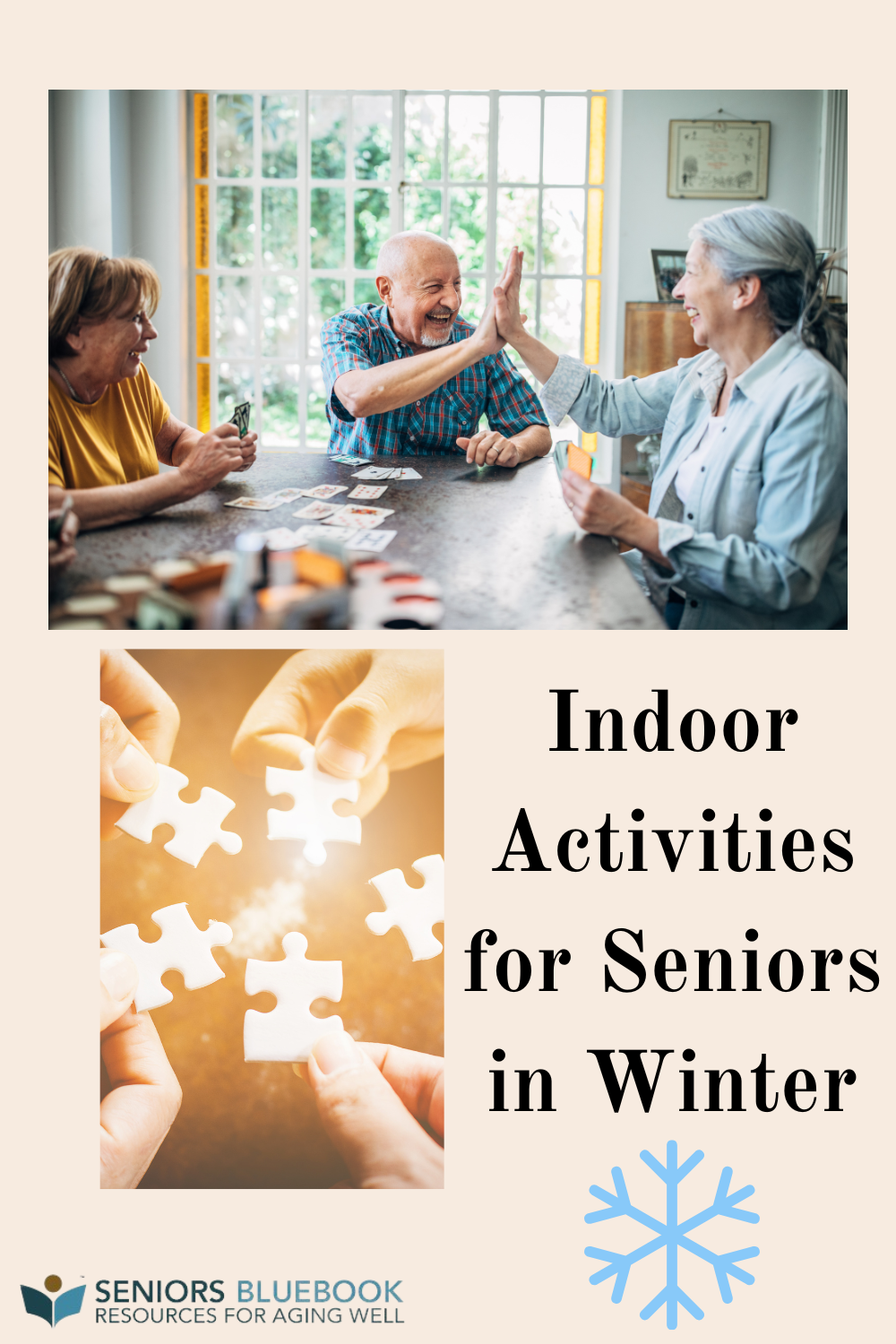
Indoor Activities for Seniors in Winter
Depending on where you live, winter is often a time to stay indoors and pursue activities in the warmth of a cozy building.Here are some ideas for how you can keep your body and brain active during these cold months. And since most of us spend too much time on our phones, all of these are cell phone-free!Physical ActivitiesMany local gyms have senior programs, and if not, even just walking on a treadmill is a good alternative to walking outside. Using an elliptical or a stationary bicycle can also give you exercise with minimal joint impact. Oftentimes, gym equipment allows you to watch television while you work out. You can also bring a set of earbuds or headphones to listen to music or an audiobook.Some gyms also offer indoor pools or classes like Zumba, cycling or yoga (for gentler exercise and stretches), and some have indoor sports leagues. These can be great alternatives to the main workout rooms. Some even have water exercise classes.If you don't want to commit to a gym, many local malls allow community members to walk around inside.At home, although it may not be the season for gardening, winter can be a great time for other physical activities, including deep cleaning. Sweeping, mopping, dusting, vacuuming and scrubbing all burn calories and help with muscle tone.You can also try more traditional exercises at home, such as walking up and down the stairs more frequently, walking from one end of the house to another on a loop or even getting up and walking around the house while talking to friends and family on the phone. Try doing stretches on the floor or on your bed, and depending on your level of fitness, you could also try simple exercises like squats in your living room.Mental ExerciseMaybe winter is the time to bring out some of your favorite old hobbies.If you are good with your hands and have a sense of style, crafts are always fun. Crocheting, sewing, woodworking, whittling and wreath-making are just some ideas. If you have grandchildren, getting them involved with you in crafts gives you both something fun to do to build good memories of family. You can even research kids' crafts online for new ideas.Art is another fun hobby you can use to bring out your creative side. Try your hand at painting or drawing, or, if you prefer, coloring. Coloring books for adults have been trendy for the last few years, so there is no shortage of variety if you want to color. Art can help with relaxation in addition to creativity.Of course, there's something to be said for an afternoon reclined on the couch with a good book and a cup of hot cocoa, too. You can go so many different places through fiction without ever leaving your house, and if non-fiction is your preference, you can learn new things and expand your knowledge base.So Much VarietyAll these things are just the tip of the iceberg there's so much you can do indoors! Here are a few other suggestions.Watch a movie with friends.Host a game night with friends or family.Practice a musical instrument.Put together a jigsaw puzzle.Catch up with old friends on the phone.Cook or bake something new.While you're staying inside, there's no reason to be bored. Enjoy some of these warm activities and let the winter fly by! If you have any questions, please call University Park Care Center at 719-545-5321.
Feb 10, 2023

Spring clean into Good Health
Springtime is here! Its the time of year where new begins, allergies are stirring, and outside activities are starting. Spring is also a great time to spring clean and get rid of the old.Cleaning has been shown to improve physical and emotional health. A space that is clean and organized promotes productivity and reduces stress. Cleaning is a great opportunity to take inventory of your space and create a healthier environment for you and your family.Goodbye GermsGetting rid of germs is an obvious health benefit of cleaning, but our households are filled with germs that need to be cleaned properly. Sponges are great for cleaning and avoiding the spread of bacteria and viruses. Use spring cleaning as a time to clean household items you dont clean often like garbage cans, dishwashers and your washing machine and dryer. Cleaning the germiest places in your home will help reduce sickness.Purge the Medicine Cabinet When organizing your medicine cabinet, take the time to check for expired medicines and throw them away. If you cant read the label, ways to spot expired medicine is if the label has worn off or if the medicine itself is off-colored or gives off an odor. During the winter, while the heat is turned on, the warmth and moisture can cause medication to go bad before its expiration date. Expired medication can be harmful, so when you find it, get rid of it.Give Up Old MakeupLike everything else, your skin deserves a makeover that is healthy and clean. Throw away expired makeup and skincare products. For example, mascara typically has a lifespan of two to three months. These products can house bacteria that can lead to eye infections or irritations. Eyeliner and eye shadows are other products that can be damaging if expired. If an infection arises, throw out the product immediately.Conquer the Fight Against AllergiesWhen you are deep cleaning your house, make sure to dust all surfaces. Dust places such as ceiling fans, dcor, and dispose of the cobwebs in corners that collect dust. Doing so may help relieve your allergy symptoms. Check air humidifiers, as well, for mold and maintain keeping them clean.Safety is BestSpring is a great time to take inventory of the safety of your space. It is the time to replace and replenish. Replace the batteries in your smoke detectors and replace and refresh filters. Be aware of any harmful chemicals in your household. This includes paint or cleaning products; move these to a garage or shed. Use caution and gloves when handling cleaning products and detergents.Stay ProductiveDecluttering and organizing your home can remind you where things are stored and save you the time you would spend looking for or replacing lost items in the future. Organization experts say doing this makes you more productive, and cleaning can actually increase energy levels. Whether you love it or hate it, spring cleaning is valuable exercise, so take the time to spring clean this year. In addition to all of its benefits, you may be surprised to find that spring cleaning is also good, clean fun.
May 12, 2021
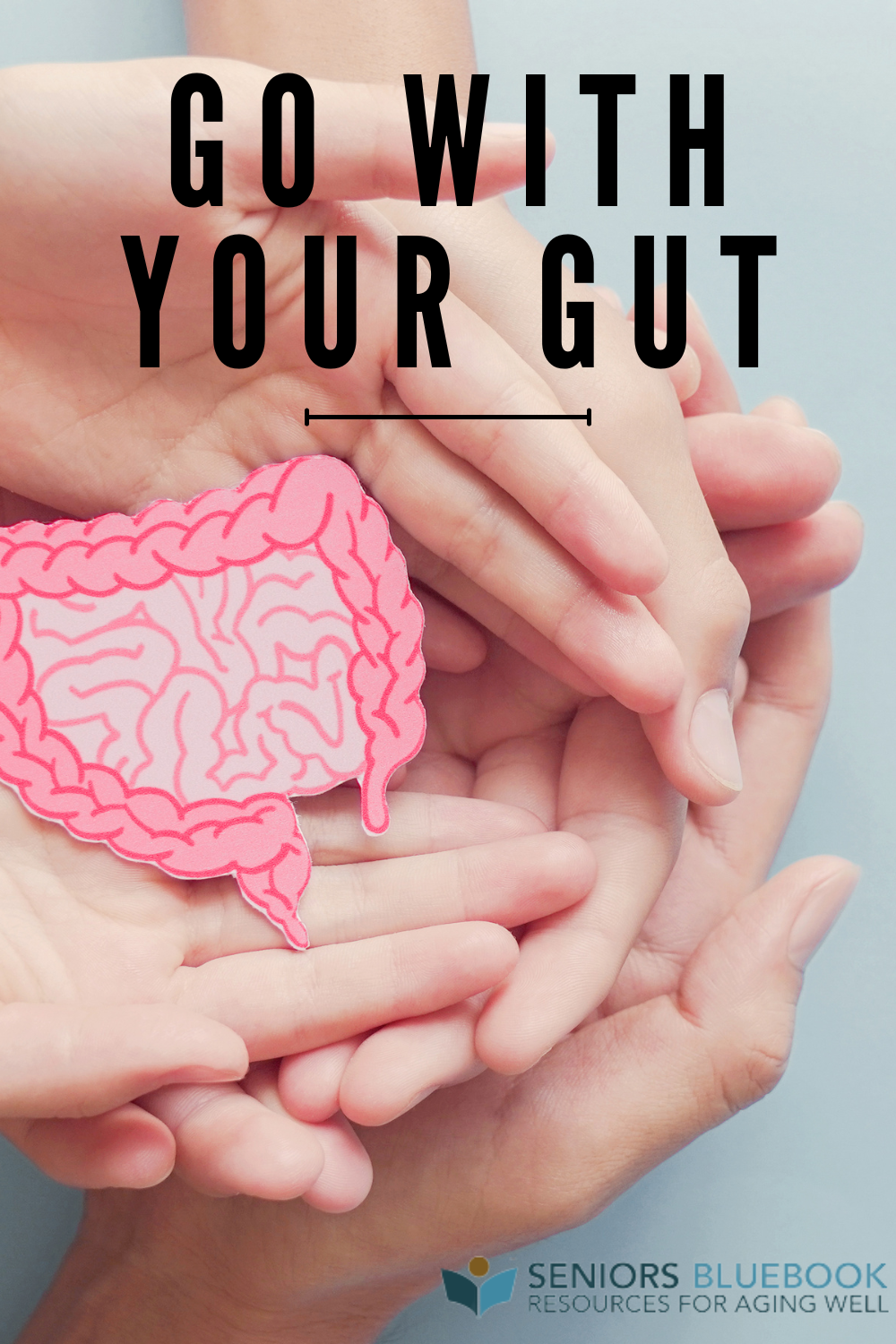
Go with Your Gut
Have you ever had a gut feeling about something and it turned out to be true? What if we told you that your gut has a mind of its own?Hundreds of years ago, a wise man named Hippocrates said, All disease begins in the gut.Did you know that the cells in your body are not entirely human? In fact, your entire body is only 1-10 percent human and 90-99 percent bacteria!Your body contains tiny organisms called microbiota, or bacteria, which create your unique microbiome. Despite the unsettling name, these little bugs are essential for life! There are 300 times more bacteria in your body than stars in the Milky Way Galaxy! And before you blame your parents for your red-hair gene, each of the 1,000+ species of bacteria has its own genome, outnumbering human genes 150:1. Straight from birth, your lifestyle determines the diversity of species in your microbiome, each with its own function, and manipulating your unique DNA including your predisposition to diseases, weight, personality and more.So, why gut health? Your gut houses up to 95 percent of your total bacteria. Inside, your friendly gut bugs produce vitamins and hormones and consume the nutrients from foods you eat. It holds 80 percent of your immune system and up to 70 percent of your brains neurotransmitters. Incredibly, the gut is referred to as the second brain, containing over 100 million neurons. It can control everything from memory, learning to even how you think, feel, eat and behave!The wellness of your brain and body depend on your gut health. There are good and bad bacteria, and you need a balance of both. Dysbiosis describes an imbalance in which the bad bacteria outnumber the good, and the symptoms can mimic other conditions. Research shows that up to 90 percent of all health conditions are linked to the gut microbiome, including diabetes, mood instability, heart disease, chronic inflammation and obesity.How do you know if you have dysbiosis? Do you have:Mood instability or anxiousness? Up to 95 percent of your serotonin and other mood-stabilizing neurotransmitters are made from your gut bugs.Sugar or carbohydrate cravings? They are food for harmful bacteria. To survive, they produce chemicals that cause your brain to crave carbohydrates.Trouble sleeping? Your microbiome has a circadian rhythm, too. When you are stressed or have irregular bed times, they produce imbalanced hormones like melatonin and cortisol at the wrong times of day.Food sensitives, gas or bloating? Your microbiome determines how well you digest certain foods. Likewise, harmful bacteria can destroy the lining of your intestines, leading to conditions such as Irritable Bowel Syndrome (IBS) and Leaky Gut.Diabetes or heart disease? Certain harmful bacteria produce inflammatory markers that increase heart disease risk and blood sugar imbalances.Headaches, joint pain or autoimmune diseases like arthritis or hypothyroid? Good bacteria that are dying or bad bacteria that are thriving all produce inflammatory chemicals that increase risk of these conditions.Weight issues or obesity? It may not be all your fault. Lack of good bacteria, and certain types of harmful bacteria, wreak havoc on your metabolism, causing you to store excess body fat.So, what do you do? Hippocrates also said, Let food be thy medicine and medicine be thy food. You truly are what you eat! The key is simply to shift from a diet based on processed foods, meat and dairy to one that is based on a wide variety of colorful plants. The most crucial component of gut health is dietary fiber. Fiber, an indigestible carbohydrate from plants, scrubs the gut of harmful bacteria and feeds your good bacteria. It fuels your gut bugs to produce neurotransmitters, hormones and anti-inflammatory chemicals that protect against a slew of diseases. The American Dietic Association recommends a minimum of 30-40 grams of fiber daily. From these foods, you can also consume powerful, living microorganisms called probiotics, which restore healthy bacteria and heal the gut. They can be found in fermented foods such as sauerkraut, kombucha, yogurts or taken as a supplement. In fact, they are so powerful that psychiatry is now recognizing a new line of treatment called psychobiotics.So, next time you have a gut feeling, listen. Listen to how your body responds to food, drink, sleep, exercise or stress and design your unique gut health protocol. Giving your gut what it needs means a healthier weight, immune system, brain, and state of mind. Your microbiome is your 24/7 personal medical team when you treat them right! So, that funny gut instinct you have really means something!Questions, please contact University Care Center at 719-545-5321.
Feb 23, 2023

Fight the Flu!
It's that time of year again! The holidays are headed toward us, family and friends come together, and seasons are changing. This time of year is fun and busy, but it is also a playground for the flu virus to show its ugly face to anyone it can. How will you strategize for this battle? There are several defense strategies you can do to prevent this nasty virus from attacking you.Wash your hands!This is the best way to defend yourself from the flu. Proper handwashing requires the use of soap and warm water in addition to washing your hands thoroughly for at least 15 to 20 seconds. Do not remove rings when washing; they get dirty too. Wash your hands after blowing your nose or sneezing.Feeling sick? Stay home!Quarantine yourself during periods when symptoms are present. This avoids the spreading of germs. Take advantage of a disinfectant that contains bleach. This will kill germs you might have spread in your home. Wash your dishes in hot water to kill any germs.Hydrate, eat and exercise!You only have one body; its important to take care of it. Our bodies are 60% water. It is imperative that to stay hydrated for overall health. Unless you have fluid restrictions, drink at least eight, eight ounce glasses of water every day. Eat well-balanced meals for proper digestion and immunity. Make sure the body gets plenty of sleep and exercise daily. The less compromised your body is, the more likely your body will have the strength to fight off infection.It's worth a shot!The flu vaccine has helped many escape the virus. The Centers for Disease Control and Prevention researched that the flu vaccines cause antibodies to develop in the body about two weeks after vaccination. These antibodies provide protection against infection with the viruses that are used to make the vaccine. Consult your primary healthcare provider to see if this is an option for you.The flu is a tough battle to fight, but these helpful tips can help us fight back!Questions, please contact University Care Center at 719-545-5321.
Feb 23, 2023
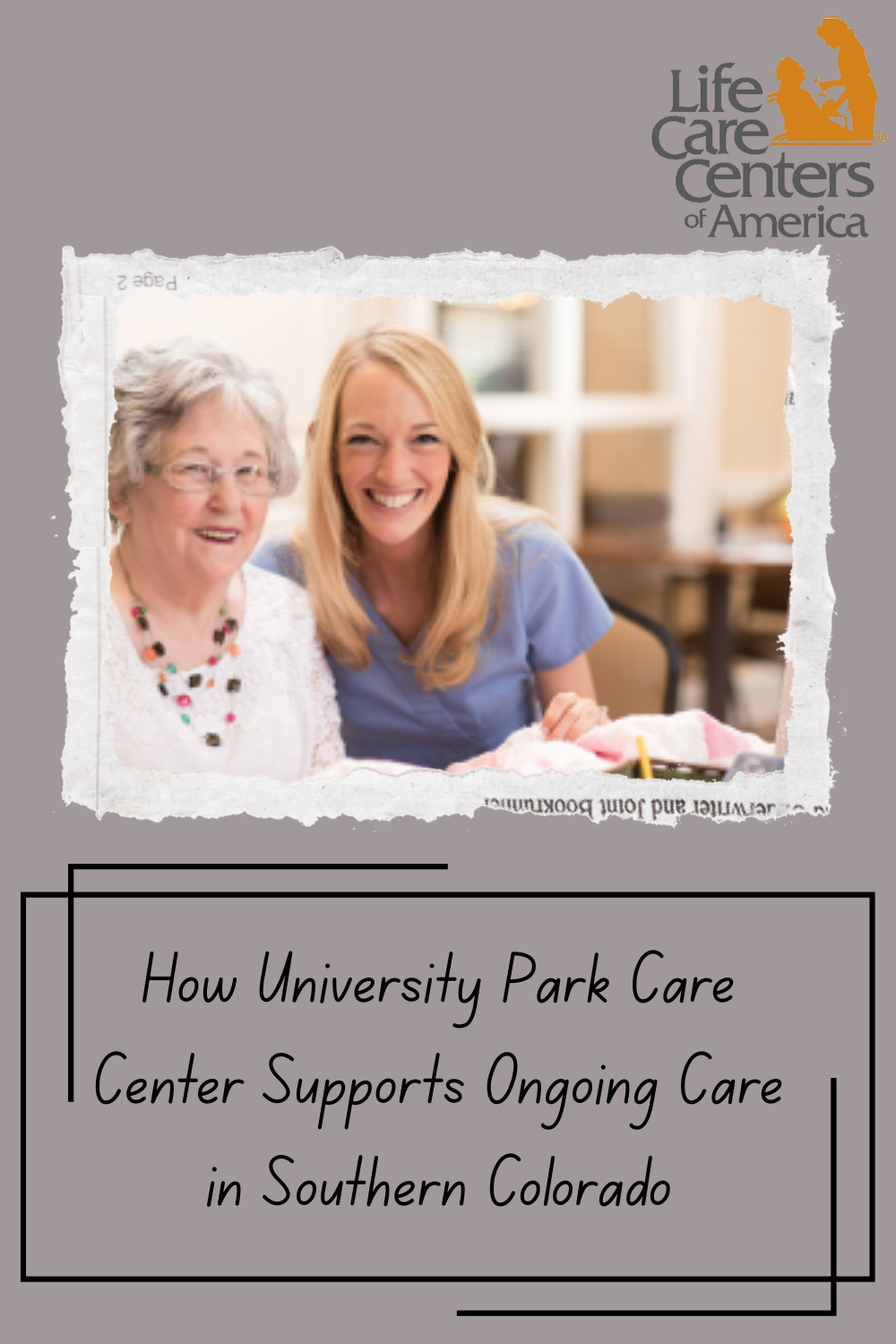
How University Park Care Center Supports Ongoing Care in Southern Colorado
For some seniors in Southern Colorado, skilled nursing is not a temporary stop on the road to recoveryit becomes a necessary, long-term source of stability, safety, and medical support. Chronic illness, progressive conditions, or complex medical needs can make independent living unsafe or unrealistic. When this happens, families are faced with one of the most emotional decisions they will ever make: choosing long-term skilled nursing care for someone they love.At University Park Care Center in Pueblo, long-term skilled nursing is delivered with a focus on dignity, consistency, and quality of life. Rather than viewing long-term care as an end point, the care team sees it as an opportunity to support residents in living as comfortably, safely, and meaningfully as possiblewhile providing families with reassurance and partnership.Understanding Long-Term Skilled NursingLong-term skilled nursing is designed for individuals who require ongoing medical oversight and licensed nursing care that cannot be provided at home or in assisted living. These needs may arise from chronic health conditions, advanced illness, or significant physical or cognitive limitations.At University Park Care Center, long-term skilled nursing may include: 24-hour licensed nursing supervision Ongoing medication administration and monitoring Chronic disease management Wound care and specialized treatments Mobility assistance and fall prevention Coordination with physicians and specialists This level of care ensures residents medical needs are addressed consistently, reducing the risk of complications and emergency hospitalizations.A member of the care team explains, Long-term skilled nursing is about stability. When residents feel safe and supported, their overall well-being improves.When Long-Term Skilled Nursing Becomes the Right ChoiceFamilies often struggle with knowing when long-term skilled nursing is necessary. The decision is rarely based on a single event, but rather a pattern of increasing needs.Long-term skilled nursing may be appropriate when: Medical needs require frequent monitoring Chronic conditions are difficult to manage at home Mobility limitations increase fall risk Cognitive decline affects safety Family caregivers are overwhelmed or burned out University Park Care Center helps families understand these signs and navigate the decision with clarity and compassion.A Predictable Routine That Promotes ComfortOne of the most important aspects of long-term care is routine. Seniors with complex health needs often feel more secure when their days follow a predictable rhythm.At University Park Care Center, daily routines are structured yet flexibleallowing residents to feel grounded without feeling restricted. Familiar caregivers, consistent schedules, and a stable environment help reduce anxiety and promote comfort.For residents who have experienced frequent transitions between hospitals or care settings, this consistency can be especially reassuring.Care That Goes Beyond Medical NeedsWhile skilled nursing is medically focused, quality long-term care must also address emotional and human needs. University Park Care Center emphasizes respectful, person-centered care that recognizes each resident as an individual with a unique history, preferences, and personality.Caregivers take time to: Learn residents routines and comfort preferences Communicate calmly and respectfully Support dignity during personal care Encourage appropriate social interaction Medical care is essential, but kindness and respect matter just as much, a staff member shares. Residents need to feel seen, not just treated.Supporting Families Through Long-Term CareLong-term skilled nursing affects entire families. Adult children and spouses may struggle with guilt, grief, or uncertainty after making the decision for ongoing care. University Park Care Center recognizes this emotional impact and works to support families alongside residents.Families are encouraged to stay involved, ask questions, and participate in care discussions. Clear communication helps families understand care goals, changes in condition, and what to expect over time.In Southern Colorados close-knit communities, this partnership between families and care teams is especially valued.Managing Chronic Conditions with ExpertiseMany long-term residents at University Park Care Center live with chronic illnesses such as heart disease, diabetes, respiratory conditions, or neurological disorders. Skilled nursing staff are trained to manage these conditions proactively.This proactive approach includes: Monitoring for early signs of complications Adjusting care plans as conditions change Coordinating with physicians and specialists Reducing unnecessary hospital transfers For families, this level of oversight provides peace of mind that their loved ones health is being managed attentively and professionally.Maintaining Quality of Life in Long-Term CareQuality of life remains a priority even in long-term skilled nursing. Comfort, communication, and respectful interaction all play a role in how residents experience daily life.University Park Care Center strives to create an environment where residents feel secure, supported, and valuedrather than simply placed. This approach can have a meaningful impact on mood, cooperation with care, and overall well-being.Why Families Choose University Park Care Center for Long-Term Skilled NursingFamilies throughout Pueblo and Southern Colorado often choose University Park Care Center because of: Licensed, experienced nursing staff Consistent, long-term care routines Strong communication with families Coordination with healthcare providers A respectful, person-centered care philosophy These qualities help families feel confident that their loved one is receiving attentive, ongoing support.Frequently Asked QuestionsIs long-term skilled nursing permanent? It can be, depending on the residents medical needs and condition.How is long-term skilled nursing different from assisted living? Skilled nursing provides ongoing medical care by licensed professionals.Are families involved in care planning? Yes. Family communication and involvement are encouraged.Does University Park Care Center manage chronic conditions? Yes. Chronic disease management is a core part of skilled nursing care.Can residents receive therapy in long-term skilled nursing? Therapy may be provided as appropriate to maintain function and comfort.Compassionate Care for the Long Road AheadLong-term skilled nursing is about more than meeting medical needsits about creating stability, comfort, and dignity during a challenging stage of life. University Park Care Center provides Southern Colorado seniors with consistent, skilled care while supporting families through an emotional and complex journey. For families exploring long-term skilled nursing options, more information about services and admissions can be found on University Park Care Centers Seniors Blue Book Listing