Vital Voice Healthcare Navigation LLC
Counties Served: Pennsylvania - Allegheny County, Armstrong County, Beaver County, Bedford County, Butler County, Cambria County, Clarion County, Clearfield County, Erie County, Fayette County, Greene County, Huntingdon County, Indiana County, Jefferson County, Lawrence County, Mercer County, Somerset County, Warren County, Washington County, Westmoreland County
Advocacy for Seniors

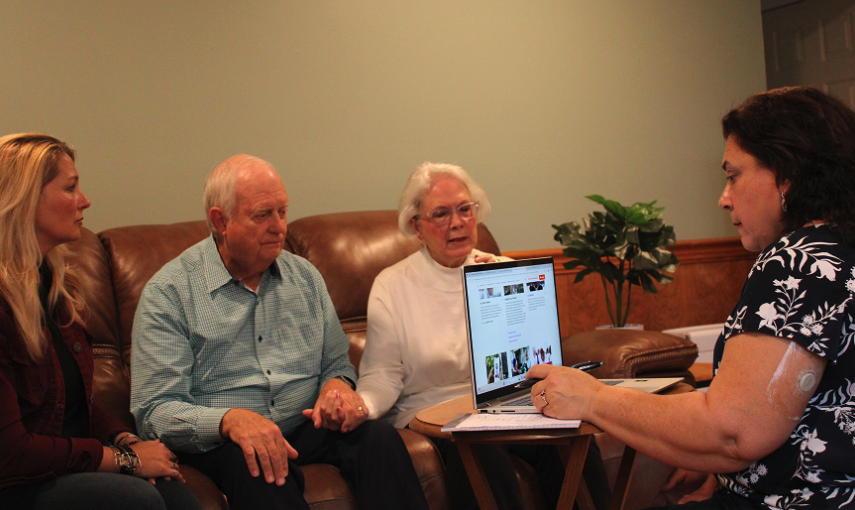
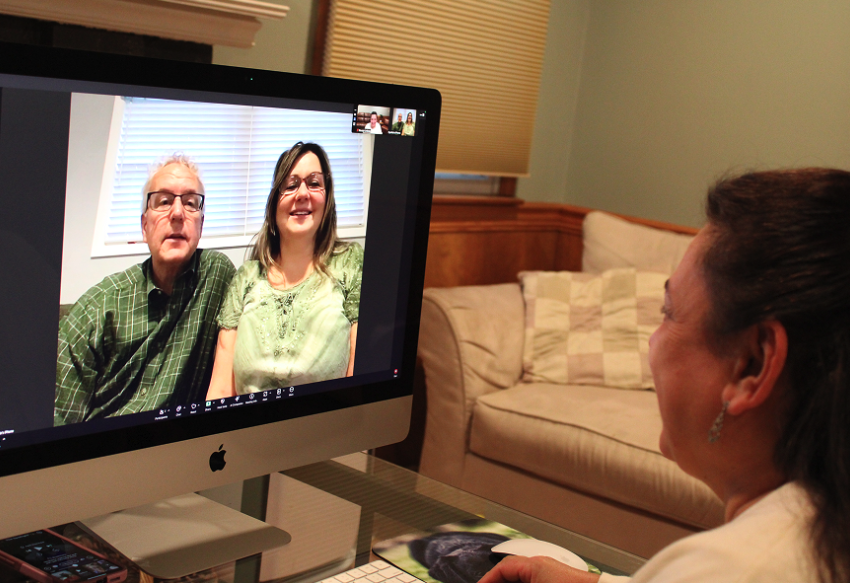


About Vital Voice Healthcare Navigation LLC
Navigating today's healthcare system can feel overwhelming, especially for older adults, family caregivers, and individuals managing multiple medical conditions. Between scheduling appointments, understanding insurance coverage, coordinating specialists, reviewing medical bills, and making informed healthcare decisions, it's easy to feel lost. That's where Vital Voice Healthcare Navigation steps in.
At Vital Voice Healthcare Navigation, the mission is simple: to empower individuals and families by providing expert healthcare navigation, patient advocacy, education, and personalized guidance throughout every stage of the healthcare journey. Whether you're facing a new diagnosis, managing a chronic condition, preparing for surgery, or helping an aging parent coordinate care, having an experienced healthcare advocate by your side can make all the difference.
Unlike many healthcare navigation services that are limited by geography, Vital Voice Healthcare Navigation provides services nationwide through convenient virtual consultations, making expert healthcare advocacy available wherever you live. Whether you're in Pennsylvania, Florida, California, Texas, or anywhere in between, professional guidance is only a phone call or virtual meeting away. This flexible approach makes it easy for seniors, caregivers, busy professionals, and families living in different states to receive personalized support without the need to travel.
Even better, Vital Voice Healthcare Navigation offers complimentary consultations, giving individuals and families the opportunity to discuss their healthcare concerns, ask questions, and learn how healthcare navigation can helpwithout any obligation. It's a comfortable first step for anyone feeling overwhelmed by today's increasingly complex healthcare system.
Healthcare has become more complicated than ever before. Patients are often expected to coordinate multiple physicians, understand insurance benefits, compare treatment options, manage prescriptions, review medical bills, and make important healthcare decisions while coping with illness or caring for a loved one. For many seniors and caregivers, these responsibilities quickly become overwhelming. Vital Voice Healthcare Navigation serves as a trusted healthcare advocate, helping clients understand their options, reduce confusion, and make confident decisions that align with both their medical needs and personal goals.
One of the organization's core beliefs is that everyone deserves to understand their healthcare. Medical terminology, insurance language, treatment plans, and healthcare systems can often feel intimidating. Vital Voice Healthcare Navigation helps bridge that gap by translating complicated healthcare information into clear, understandable guidance. Clients gain the confidence to ask informed questions, understand their options, advocate for themselves, and make decisions that support their overall well-being.
For older adults, healthcare often becomes increasingly complex with age. Managing multiple specialists, medications, chronic illnesses, diagnostic testing, hospital stays, rehabilitation, and insurance coverage requires careful coordination. Having an experienced healthcare navigator available helps simplify the process while reducing unnecessary stress and helping families avoid costly mistakes or overlooked resources.
Family caregivers also benefit tremendously from healthcare navigation services. Adult children frequently find themselves balancing careers, raising families, and coordinating healthcare for aging parents. Keeping track of appointments, physician recommendations, medication changes, hospital discharges, and insurance paperwork can feel like a full-time job. Vital Voice Healthcare Navigation provides knowledgeable support throughout the entire process, allowing caregivers to spend less time navigating systems and more time simply being present with their loved ones.
One of the greatest advantages of working with Vital Voice Healthcare Navigation is the convenience of its virtual care model. Because services are delivered remotely, clients anywhere in the United States can receive one-on-one healthcare guidance from the comfort of home. This is especially valuable for seniors with mobility limitations, individuals living in rural communities, caregivers with demanding schedules, or families whose loved ones live in different parts of the country.
Healthcare navigation is about much more than scheduling appointments. It means having someone who can help explain diagnoses, prepare for physician visits, coordinate communication between providers, evaluate treatment options, understand insurance benefits, identify potential cost savings, and provide trusted guidance during difficult healthcare decisions. Whether someone is preparing for surgery, seeking a second opinion, managing a chronic illness, or recovering after a hospitalization, having an experienced advocate provides clarity during uncertain times.
Vital Voice Healthcare Navigation also recognizes that healthcare extends beyond the doctor's office. Through innovative technology, educational resources, healthcare management tools, medication savings programs, laboratory cost-saving resources, and personalized support, clients receive practical tools that help them become more informed and engaged participants in their own healthcare.
Medical costs remain one of the greatest concerns for many older adults and their families. Understanding insurance coverage, comparing providers, finding lower-cost prescription options, and avoiding unnecessary healthcare expenses can significantly reduce financial stress. Vital Voice Healthcare Navigation helps clients make informed healthcare decisions that support both their health and their financial well-being.
The organization also partners with employers, organizations, and communities to improve health literacy and provide healthcare navigation services on a broader scale. By helping more people better understand and navigate healthcare, Vital Voice Healthcare Navigation is improving healthcare experiences while promoting healthier outcomes nationwide.
Perhaps the greatest benefit clients experience is peace of mind. Healthcare decisions can feel overwhelming, particularly after a new diagnosis, unexpected hospitalization, or major life change. Knowing you have a knowledgeable healthcare advocate available to answer questions, explain options, and help guide important decisions provides reassurance when it matters most.
If you're wondering whether healthcare navigation could benefit you or someone you love, Vital Voice Healthcare Navigation offers a free consultation to discuss your unique circumstances and healthcare goals. It's an opportunity to ask questions, learn about available services, and explore how personalized healthcare advocacy can help simplify your journeyall without obligation.
Whether you're an older adult managing multiple health conditions, an adult child caring for aging parents, or someone simply looking for an experienced healthcare advocate, Vital Voice Healthcare Navigation provides compassionate, personalized support every step of the way. Through nationwide virtual consultations, patient advocacy, healthcare education, and individualized guidance, the organization empowers individuals and families to navigate today's healthcare system with greater confidence, clarity, and peace of mind.
Healthcare shouldn't feel confusing or isolating. With Vital Voice Healthcare Navigation, expert guidance is always within reach. No matter where you live in the United States, you'll have access to compassionate healthcare advocacy, trusted expertise, and personalized support designed to help you make informed decisions and achieve the best possible health outcomes.
See More
Continue Your Search! Explore More Local Options.
Start SearchingLet’s engage and get educated!
Browse through thousands of expert articles in over 100 different categories.
Browse NowArticles You May Like

How to Navigate the Healthcare System When You Have a Chronic Illness
Living with a chronic illness can be challenging in many ways. Beyond managing symptoms and making lifestyle adjustments, individuals with long-term medical conditions often face the ongoing responsibility of navigating a complicated healthcare system. From scheduling appointments and coordinating with specialists to understanding treatment options and managing medications, keeping up with healthcare needs can quickly become overwhelming.Conditions such as diabetes, lupus, heart disease, multiple sclerosis, arthritis, and other chronic illnesses often require continuous medical attention. Patients may work with several healthcare providers, undergo routine testing, manage multiple prescriptions, and make important decisions about their treatment and long-term health.While managing a chronic illness can sometimes feel like a full-time job, understanding how to navigate the healthcare system can make the process easier. Having the right information, staying organized, communicating with healthcare professionals, and knowing where to find support can help patients take a more active role in their healthcare journey.Understanding the Challenges of Living With a Chronic IllnessA chronic illness is generally a health condition that lasts for an extended period and often requires ongoing medical management. Some conditions can be controlled with medication and lifestyle changes, while others may involve complex treatments, frequent appointments, and periods when symptoms become more severe.For example: Diabetes: Requires ongoing blood sugar monitoring, medication management, regular testing, and attention to nutrition and physical activity. Lupus: An autoimmune disease that can affect multiple parts of the body and may require care from several specialists. Heart Disease: Often involves monitoring heart health, managing medications, making lifestyle changes, and attending regular medical appointments. Multiple Sclerosis (MS): A neurological condition that may require specialized treatment, symptom management, rehabilitation, and ongoing monitoring. Arthritis: Can cause chronic pain, stiffness, and mobility challenges that require medication, physical therapy, and other forms of treatment. Although each condition is different, patients often face similar challenges when managing their healthcare.They may need to coordinate appointments with multiple specialists, understand complicated medical information, keep track of treatment plans, and communicate changes in their symptoms. These responsibilities can become especially difficult when someone is already dealing with pain, fatigue, or other symptoms associated with their illness.Understanding how the healthcare system works and knowing how to access the right resources can make a meaningful difference.Build a Strong Relationship With Your Primary Care PhysicianOne of the most important steps in managing a chronic illness is establishing a good relationship with a primary care physician.Your primary care provider can serve as a central point of contact for your healthcare needs. They can help monitor your overall health, coordinate referrals, review medications, and communicate with specialists involved in your treatment.Even if you see several specialists, maintaining regular appointments with your primary care physician helps ensure that your overall health is not overlooked.A primary care physician can also help identify changes in your condition and determine whether additional testing or specialized care may be necessary.Patients should feel comfortable discussing their symptoms, concerns, and treatment goals with their physician. Open communication helps providers better understand individual needs and make appropriate recommendations.Understand Your Medical Condition and Treatment OptionsLiving with a chronic illness often means becoming familiar with medical terminology, test results, medications, and treatment recommendations.However, understanding complicated medical information can be difficult, particularly when patients are dealing with a newly diagnosed condition or an unexpected change in their health.Taking time to learn about your diagnosis can help you become a more informed participant in your healthcare decisions.Start by asking your healthcare provider questions such as: What exactly does my diagnosis mean? How will this condition affect my overall health? What treatment options are available? What are the potential benefits and risks of each treatment? What symptoms should I watch for? Are there lifestyle changes that could help manage my condition? How often should I schedule follow-up appointments? When should I contact my doctor if my symptoms change? Do not hesitate to ask your physician to explain something again if you do not understand it. You deserve to have your questions answered and to understand the recommendations being made about your health.It can also be helpful to request written instructions or reliable educational resources that you can review after your appointment.Coordinate Care Among Multiple SpecialistsMany people with chronic illnesses receive care from several different medical specialists.For example, someone with diabetes and heart disease may see an endocrinologist, cardiologist, primary care physician, and nutrition specialist. A patient with lupus may work with a rheumatologist, nephrologist, dermatologist, and other specialists depending on which parts of the body are affected.Although each provider contributes valuable expertise, coordinating care between multiple medical professionals can become complicated.Patients may receive different recommendations, have difficulty transferring medical records, or struggle to remember which provider is responsible for specific aspects of their treatment.To make coordination easier, consider the following steps:Keep a List of Your Healthcare Providers: Maintain an updated list of doctors, specialists, clinics, and other healthcare professionals involved in your care.Organize Your Medical Records: Keep copies of important test results, diagnoses, treatment plans, and medical reports in one accessible location.Share Important Health Information: Make sure each provider has accurate information about your medical history, current medications, allergies, and other relevant health concerns.Track Appointments and Follow-Ups: Use a calendar or scheduling application to keep track of appointments, testing, and recommended follow-up visits.Ask Who Is Coordinating Your Care: Find out which provider should be your primary contact when questions involve multiple aspects of your treatment.Effective communication among healthcare providers can help patients receive more coordinated care and reduce confusion when managing complex medical conditions.Keep Track of Your MedicationsMedication management is another important part of living with a chronic illness.Some patients take several medications to control symptoms, prevent complications, or manage multiple health conditions. Keeping track of prescriptions, dosage instructions, refill dates, and potential side effects can become challenging.To stay organized, maintain an updated medication list that includes: The name of each medication. The prescribed dosage. When and how often it should be taken. The reason it was prescribed. Any known medication allergies or reactions. The prescribing healthcare provider. Bring this list to medical appointments and update it whenever a medication is started, stopped, or changed.It is also important to tell your healthcare providers about vitamins, supplements, and over-the-counter medications you use, since these may interact with prescription medications.If you experience side effects or have concerns about your prescriptions, contact your healthcare provider or pharmacist. Never stop or change a prescribed medication without discussing it with the appropriate medical professional.Medication reminders, pill organizers, and pharmacy refill services can also help make medication management easier.Prepare for Medical AppointmentsWhen living with a chronic illness, medical appointments may become a regular part of your routine. Preparing ahead of time can help you make the most of each visit.Patients sometimes forget important questions or struggle to remember changes in their symptoms when speaking with their doctors.Before an appointment, consider writing down: Any new or worsening symptoms. Changes in pain, energy levels, or mobility. Questions about medications or treatment recommendations. Concerns about side effects. Results from recent testing. Changes in your daily activities or quality of life. If you monitor certain health measurements at home, such as blood pressure or blood glucose, bring relevant records to your appointment.You may also want to bring a trusted family member or friend who can help take notes, remember instructions, and provide additional support.Being prepared can help you communicate more effectively and ensure that important concerns are addressed.Learn How to Advocate for YourselfSelf-advocacy is an important part of managing a chronic illness. It means taking an active role in your healthcare by asking questions, expressing concerns, and making sure your needs are understood.Patients sometimes hesitate to speak up because they do not want to question their physician or appear difficult. However, asking questions and requesting clarification are important parts of receiving appropriate care.If something does not seem right, or if you do not understand a treatment recommendation, it is reasonable to ask for more information.Effective self-advocacy may include: Speaking up when symptoms change or become worse. Asking for clarification when medical instructions are confusing. Discussing treatment options and personal preferences. Requesting copies of medical records and test results. Asking how different treatments may affect daily life. Seeking another medical opinion when appropriate. Remember that you are an important member of your healthcare team. Your experiences, concerns, and treatment goals deserve to be heard.Consider Getting a Second Medical OpinionA chronic illness may require ongoing treatment and long-term medical decisions. In some situations, patients may benefit from receiving another professional opinion about their diagnosis or treatment plan.A second opinion can provide additional information, confirm an existing diagnosis, or help patients better understand alternative treatment options.This may be particularly helpful when: You have received a complicated or unexpected diagnosis. Your current treatment is not producing the expected results. You are considering a major medical procedure. You are experiencing significant side effects. You want to explore additional treatment approaches. You feel uncertain about the recommendations you have received. Seeking a second opinion does not mean you distrust your current physician. It is simply another opportunity to become informed and feel confident about your healthcare decisions.A healthcare advocate may also help patients understand the process of obtaining another opinion and organizing the medical records needed for a consultation.Use Technology to Manage Your HealthcareTechnology has made it easier for many patients to access medical information and stay connected with their healthcare providers.Patient portals, mobile applications, and telehealth services can help individuals manage some of the everyday responsibilities associated with chronic illness.Depending on the healthcare provider and available services, technology may allow patients to: Review laboratory results and medical records. Request prescription refills. Schedule appointments. Send secure messages to healthcare providers. Participate in virtual medical visits. Track health measurements and symptoms. Receive appointment reminders. Some patients also use mobile applications to monitor blood pressure, blood glucose, physical activity, medication schedules, or other health information.These tools can help patients stay organized and provide useful information to share with their medical team.However, technology should complement, not replace, communication with healthcare professionals. Patients should discuss concerning symptoms and unexpected changes with their providers rather than relying solely on information from an application.Understand Your Health Insurance and Healthcare CostsManaging a chronic illness can involve significant financial responsibilities. Regular appointments, specialist visits, medications, laboratory testing, medical equipment, and treatment procedures can add up over time.Understanding your health insurance coverage can help you avoid unexpected expenses and make more informed decisions about your care.Important things to review include: Your insurance plan's coverage for specialist visits. Prescription medication coverage and pharmacy requirements. Deductibles, copayments, and out-of-pocket maximums. Whether referrals are required to see specialists. Coverage for physical therapy and other supportive services. Available financial assistance programs. If you are unsure about coverage, contact your insurance company or healthcare provider's billing department for clarification.Hospital and clinic social workers may also be able to connect patients with financial assistance programs, medication resources, and community organizations.Understanding your options can help reduce financial stress while ensuring you have access to the services you need.The Role of a Healthcare Advocate in Managing Chronic IllnessNavigating the healthcare system can be especially challenging when managing a long-term medical condition. Patients may spend considerable time coordinating appointments, communicating with specialists, understanding treatment recommendations, and organizing medical information.For individuals who feel overwhelmed by these responsibilities, working with a healthcare advocate may provide valuable support.A healthcare advocate helps patients understand and navigate the healthcare system while keeping their needs and preferences at the center of the process.Depending on the services offered, a healthcare advocate may help with:Understanding Medical Information: Helping patients organize information about their diagnosis, treatment recommendations, and healthcare options so they can have more informed conversations with their physicians.Coordinating Appointments: Assisting with scheduling and organizing appointments with multiple specialists and healthcare providers.Preparing for Doctor Visits: Helping patients identify questions, organize medical records, and prepare for important healthcare discussions.Improving Communication: Helping patients communicate concerns and understand instructions from their medical team.Exploring Additional Resources: Identifying support services, community programs, and other resources that may help patients manage their condition.Supporting Informed Decisions: Helping patients understand the information available so they can discuss treatment choices and personal preferences with their healthcare providers.A healthcare advocate does not replace a physician, diagnose medical conditions, or make treatment decisions. Instead, they provide guidance and support to help patients become more confident and informed participants in their healthcare journey.For patients managing multiple medical conditions or working with several specialists, having someone help organize the process can make a meaningful difference.Build a Support System to Help Manage Your ConditionLiving with a chronic illness can sometimes feel isolating, particularly when symptoms interfere with everyday activities or require ongoing lifestyle changes.Having a reliable support system can make managing a long-term condition easier.Family members and friends may be able to provide transportation, help with household responsibilities, attend medical appointments, or offer emotional encouragement.Patients may also benefit from connecting with support groups and organizations focused on their specific medical condition.For example, individuals living with diabetes, lupus, heart disease, or multiple sclerosis may find educational resources and support communities through national health organizations and local programs.In addition, counselors, social workers, registered dietitians, and other healthcare professionals may provide specialized assistance depending on individual needs.Having people who understand your challenges and are willing to help can reduce stress and make it easier to stay engaged in your healthcare.Take an Active Role in Your Long-Term HealthLiving with a chronic illness requires ongoing attention, patience, and commitment. While some days may be more challenging than others, taking small steps to stay organized and informed can make a significant difference.Understanding your diagnosis, maintaining communication with your healthcare providers, keeping track of medications, and coordinating appointments can help you feel more in control of your medical care.It is also important to remember that you do not have to manage every aspect of your healthcare alone. Family members, medical professionals, support organizations, and healthcare advocates can all play valuable roles in helping you navigate the process.You Don't Have to Navigate Chronic Illness AloneManaging a chronic illness involves much more than attending medical appointments and taking prescribed medications. It requires ongoing coordination, communication, decision-making, and adjustments to everyday life.For patients living with conditions such as diabetes, lupus, heart disease, multiple sclerosis, and other long-term illnesses, the healthcare system can sometimes feel complicated and overwhelming.Having the right support can help make the journey easier.A knowledgeable healthcare advocate can help patients understand medical information, prepare for appointments, coordinate care, and identify resources that may improve their healthcare experience.Vital Voice Healthcare Navigation understands that managing a chronic illness can be challenging. Having someone to help you navigate the healthcare system, communicate with medical professionals, and better understand your healthcare options can make a meaningful difference. You deserve to feel informed, supported, and confident as you take an active role in managing your long-term health.
Nov 10, 2026

Why Coordinating Your Healthcare Team Is Important
Why Coordinating Your Healthcare Team Is Important for Better Patient Care Managing your health often involves more than visiting a single doctor. Depending on your medical needs, you may work with a primary care physician, several specialists, surgeons, nurses, pharmacists, therapists, and other healthcare professionals. Each provider plays an important role in helping you maintain your health, diagnose medical conditions, and develop appropriate treatment plans. However, when multiple healthcare professionals are involved in a patient's care, keeping everyone informed and on the same page can become challenging. Medical records may be spread across different offices, appointments may overlap, and treatment recommendations may not always be communicated clearly between providers. This is why coordinating your healthcare team is so important. Effective communication and coordination among healthcare professionals help ensure that everyone involved understands the patient's medical history, current health concerns, medications, and treatment goals. When providers work together, patients are better positioned to receive consistent, informed, and comprehensive care. Whether you are managing a chronic illness, recovering from surgery, dealing with a serious diagnosis, or simply trying to maintain your overall health, having a coordinated healthcare team can make a meaningful difference in your medical journey. What Is Healthcare Team Coordination? Healthcare coordination is the process of organizing and connecting the different healthcare professionals, services, and resources involved in a patient's medical care. The goal is to ensure that everyone responsible for treating a patient has access to the information they need and understands their role in the overall treatment plan. For example, someone managing heart disease may receive care from a primary care physician, cardiologist, nutritionist, and other specialists. If the patient also develops diabetes, an endocrinologist may become part of the healthcare team. Each professional focuses on a different aspect of the patient's health, but their recommendations and treatment plans need to work together. Effective healthcare coordination helps prevent communication gaps, reduces confusion, and makes it easier for patients to understand what needs to happen next. It also helps ensure that patients and their families remain informed and involved in important healthcare decisions. The Important Roles Within a Healthcare Team A patient's healthcare team may include several professionals, depending on their medical conditions and individual needs. Understanding the responsibilities of each provider can help patients better navigate their care. Primary Care Physicians A primary care physician (PCP) often serves as the central point of contact for a patient's overall healthcare. Primary care providers help manage routine health concerns, monitor ongoing medical conditions, conduct preventive screenings, and identify when additional specialized care may be necessary. They also help coordinate referrals to specialists and review information from other healthcare professionals. Maintaining a relationship with a primary care physician is especially important for patients managing multiple medical conditions because the provider can help maintain a broader understanding of their overall health. Medical Specialists Specialists focus on specific areas of medicine and provide advanced knowledge and treatment for particular health conditions. Depending on a patient's needs, specialists may include: Cardiologists who treat heart and cardiovascular conditions. Oncologists who diagnose and treat cancer. Neurologists who treat conditions affecting the brain and nervous system. Endocrinologists who manage hormonal conditions and diabetes. Rheumatologists who treat autoimmune diseases and arthritis. Pulmonologists who specialize in lung and respiratory conditions. Specialists work alongside primary care physicians to address specific medical concerns. Sharing information between these providers helps ensure that specialized treatments are considered within the patient's overall healthcare plan. Surgeons and Surgical Teams Patients undergoing surgery often work with surgeons, anesthesiologists, nurses, and other healthcare professionals. Before surgery, communication between the surgical team and the patient's other providers is important for reviewing medical history, medications, allergies, and potential health risks. After surgery, coordination continues as patients transition into recovery. Their primary care physician, surgeon, physical therapist, and other providers may all play a role in monitoring progress and addressing complications. Clear communication helps ensure that everyone understands the recovery plan and any necessary follow-up care. Nurses and Care Coordinators Nurses play an essential role in patient care. They monitor health conditions, provide treatment instructions, administer medications, and help patients understand their care plans. Care coordinators may also assist with organizing appointments, communicating with different providers, arranging referrals, and helping patients access appropriate healthcare services. These professionals often serve as important connections between patients, families, and medical teams. Pharmacists and Therapists Pharmacists help patients understand prescription medications, identify potential drug interactions, and answer questions about proper medication use. Physical, occupational, and speech therapists may also become important members of a patient's healthcare team, particularly during rehabilitation or recovery from illness, injury, or surgery. When these professionals communicate with the patient's other providers, they can help ensure that recommendations support the patient's overall treatment goals. Why Communication Between Healthcare Providers Matters One of the most important elements of coordinated healthcare is effective communication. When several medical professionals are treating the same patient, each provider needs accurate and current information to make appropriate decisions. Without good communication, important details may be missed, treatment recommendations may conflict, or patients may receive unclear instructions. Consider a patient who sees several specialists and takes multiple prescription medications. If one physician changes a medication without the other providers being informed, there may be concerns about drug interactions, duplicate prescriptions, or conflicting treatment instructions. Similarly, if a specialist orders testing but the results are not shared with the primary care physician, important information may not be considered during future appointments. Communication helps prevent these gaps by allowing providers to share relevant information and work toward consistent treatment goals. Benefits of effective communication include: Better access to accurate medical information. More consistent treatment recommendations. Improved medication management. Fewer misunderstandings about care instructions. Better coordination of follow-up appointments. Greater awareness of changes in a patient's condition. More informed healthcare decisions. Patients should not have to act as the only connection between multiple medical offices. Although patients can help keep their records organized, healthcare providers should communicate with one another when coordination is needed and appropriate. Reducing Medication Errors and Conflicting Treatment Recommendations Medication management can become complicated when patients receive prescriptions from several different healthcare providers. For example, someone with heart disease, diabetes, and arthritis may take medications prescribed by a cardiologist, endocrinologist, and rheumatologist. Without proper communication, providers may not always have a complete picture of the patient's current medications. This can increase the risk of duplicate prescriptions, potential drug interactions, or confusion about dosage instructions. Coordinated healthcare helps reduce these risks by encouraging providers to review current medication lists and communicate changes. Patients can also help by maintaining an updated list of all prescription medications, over-the-counter products, vitamins, and supplements they take. Pharmacists can be valuable resources for reviewing medications and identifying potential concerns. If you receive conflicting medication instructions, contact your healthcare providers or pharmacist for clarification rather than making changes on your own. Better Management of Chronic Health Conditions Patients living with chronic illnesses often benefit significantly from having a coordinated healthcare team. Conditions such as diabetes, heart disease, lupus, multiple sclerosis, kidney disease, and arthritis may require ongoing treatment from several specialists. Each provider focuses on a particular aspect of the condition, but successful long-term management requires looking at the patient's overall health. For example, someone with diabetes and heart disease may need coordinated treatment to manage blood sugar levels, monitor cardiovascular health, review medications, and address lifestyle factors. When providers communicate regularly, they can better understand how one condition or treatment may affect another. Healthcare coordination can help patients: Keep up with routine testing and screenings. Monitor changes in symptoms. Understand treatment recommendations. Manage multiple medications. Schedule necessary specialist appointments. Identify additional services or resources. Maintain a more organized long-term care plan. Having a healthcare team that works together can help reduce confusion and make managing a chronic condition more manageable. The Importance of Coordination Before and After Surgery Surgery often requires involvement from several different healthcare professionals, making communication especially important. Before a procedure, the surgical team needs accurate information about the patient's medical history, medications, allergies, previous surgeries, and existing health conditions. The patient's primary care physician and specialists may also need to provide information to help determine whether the patient is medically prepared for surgery. After surgery, coordination becomes equally important. Depending on the procedure, patients may need assistance from: Surgeons and surgical nurses. Primary care physicians. Physical and occupational therapists. Home healthcare providers. Pharmacists. Rehabilitation specialists. Patients must understand their recovery instructions, medication schedules, activity restrictions, and follow-up appointments. When everyone involved understands the recovery plan, patients and caregivers can feel more confident about the next steps. Clear communication is also important when a patient experiences unexpected symptoms or complications after surgery so that appropriate medical attention can be provided. Improving the Patient Experience and Reducing Stress Navigating the healthcare system can be stressful, particularly when patients are dealing with serious medical conditions or unexpected diagnoses. Having to repeat medical histories, explain previous test results, track down records, and coordinate appointments between different offices can become exhausting. Patients may also feel uncertain about which provider to contact when they have questions or concerns. A coordinated healthcare team can make the experience easier by creating a more organized approach to care. When providers communicate effectively, patients are less likely to feel caught between different medical offices or confused about treatment recommendations. They also have a better opportunity to understand their healthcare plan and know who to contact when questions arise. For patients and families, this additional organization can provide reassurance during what may already be a difficult time. How Patients Can Help Coordinate Their Healthcare Team Although healthcare providers play an important role in coordinating care, patients can also take steps to help keep their medical information organized. Being proactive can improve communication and make appointments more productive. Here are several practical ways to stay involved: 1. Maintain an Updated Medical History Keep a record of your diagnoses, previous surgeries, allergies, medications, and important test results. Make sure your healthcare providers have accurate information. 2. Keep a List of Your Healthcare Providers Maintain the names and contact information of your primary care physician, specialists, surgeons, and other professionals involved in your care. 3. Share Information Between Providers Ask whether your medical records and test results are being shared with the appropriate members of your healthcare team. Do not assume every provider automatically has access to information from another office. 4. Prepare for Medical Appointments Write down questions, concerns, and changes in your symptoms before each visit. Bring relevant medical records and an updated medication list. 5. Ask Questions When Instructions Are Unclear If two providers give you different recommendations, ask them to clarify how those instructions should work together. 6. Use Patient Portals When Available Many healthcare systems offer online portals where patients can review test results, communicate with providers, request prescription refills, and manage appointments. 7. Identify Your Main Point of Contact Ask your primary care physician or care team who you should contact when questions involve multiple specialists or aspects of your treatment. Taking these steps can help patients become more active participants in their healthcare while making it easier for providers to communicate. The Role of a Healthcare Advocate in Coordinating Care For patients managing multiple medical conditions or working with several healthcare providers, keeping everything organized can become a full-time responsibility. Between scheduling appointments, collecting medical records, understanding treatment recommendations, and communicating with different specialists, patients and family members may find themselves overwhelmed. A healthcare advocate can provide valuable assistance by helping patients navigate the healthcare system and organize the many details involved in their medical care. Depending on the services offered, a healthcare advocate may help with: Organizing Medical Information: Helping patients gather and organize medical records, test results, diagnoses, and medication information so important details are easier to access. Coordinating Appointments: Assisting with scheduling and tracking appointments with primary care physicians, specialists, and other healthcare professionals. Improving Communication: Helping patients prepare questions and communicate concerns to their healthcare providers. Understanding Treatment Recommendations: Helping patients organize information and better understand the instructions provided by their medical team. Supporting Transitions in Care: Helping patients and families navigate changes such as leaving the hospital, beginning rehabilitation, or arranging additional services at home. Identifying Healthcare Resources: Connecting patients with appropriate services and resources that may support their medical and personal needs. A healthcare advocate does not replace medical professionals or make treatment decisions. Instead, an advocate helps patients become better informed, more organized, and more confident when working with their healthcare team. For individuals facing complicated diagnoses or managing multiple specialists, this additional support can make navigating the healthcare system considerably easier. The Importance of Family Involvement in Coordinated Care Family members often play an important role in helping loved ones manage their healthcare, particularly when someone is dealing with a serious illness, recovering from surgery, or experiencing age-related health challenges. With the patient's permission, family members may attend appointments, help organize medical information, take notes, and assist with understanding treatment instructions. They can also help communicate changes in symptoms or concerns that the patient may have difficulty explaining. Family involvement is especially valuable when patients are managing complicated treatment plans or need assistance making healthcare decisions. However, it is important to respect the patient's independence, privacy, and preferences. Patients should remain involved in decisions about their own medical care whenever possible. When family members and healthcare providers work together, patients can benefit from a stronger network of support. Recognizing When Additional Healthcare Coordination Is Needed Some patients can manage their healthcare responsibilities with minimal assistance, while others may need additional support as their medical needs become more complicated. It may be time to consider additional coordination if: You regularly see several different specialists. You are having difficulty keeping track of appointments and medical records. You receive conflicting treatment recommendations. You take multiple medications prescribed by different providers. You have recently been diagnosed with a serious medical condition. You are transitioning from a hospital to home or rehabilitation. You are helping an aging parent or loved one manage complicated medical needs. You feel overwhelmed trying to understand and coordinate your healthcare. A primary care physician, hospital social worker, care manager, or healthcare advocate may help identify the resources and services that are appropriate for your situation. Getting assistance early can make it easier to manage healthcare responsibilities before they become overwhelming. Better Communication Leads to Better Coordinated Care Your healthcare team plays an important role in protecting your health, managing medical conditions, and helping you make informed decisions. However, when several healthcare professionals are involved, communication and coordination are essential. Primary care physicians, specialists, surgeons, nurses, pharmacists, therapists, and other providers each contribute important knowledge and services. When they share information and work together, patients are better positioned to receive consistent and organized care. Patients and families also benefit from understanding their roles, asking questions, and knowing where to turn when additional assistance is needed. You should never feel that you have to navigate a complicated healthcare system entirely on your own. Vital Voice Healthcare Navigation understands how challenging it can be to coordinate care among multiple medical professionals. Having knowledgeable support to help organize medical information, prepare for appointments, communicate with providers, and identify available resources can make a meaningful difference in your healthcare experience. Whether you are managing a chronic illness, facing a new diagnosis, preparing for surgery, or helping a loved one navigate medical decisions, having the right support can help you feel more informed, organized, and confident throughout your healthcare journey.
Nov 10, 2026

The Importance of Having a Support System After a Cancer Diagnosis
Receiving a cancer diagnosis can be one of the most frightening and overwhelming experiences a person will ever face. Along with the emotional impact of hearing the news, patients are often confronted with numerous medical appointments, treatment decisions, unfamiliar terminology, and uncertainty about what the future may hold. The journey can be physically and emotionally exhausting, not only for the individual diagnosed with cancer but also for their family members and loved ones.During this challenging time, having a strong support system can make a meaningful difference. Whether support comes from family, friends, healthcare professionals, caregivers, or a healthcare advocate, having someone to turn to can help patients feel less alone and more confident as they navigate their cancer journey.A support system provides more than emotional reassurance. It can also help patients coordinate medical care, understand treatment options, manage everyday responsibilities, and make informed decisions about their health.The Emotional Impact of a Cancer DiagnosisA cancer diagnosis can bring a wide range of emotions, including fear, anxiety, sadness, anger, and uncertainty. Patients may worry about their prognosis, the effectiveness of treatment, potential side effects, financial concerns, and how their illness will affect their families.It is not uncommon for individuals to feel overwhelmed or have difficulty processing all the information they receive from their medical team. Even when physicians explain treatment recommendations, patients may leave appointments with unanswered questions or concerns they are not sure how to express.Having a strong support system can help ease some of this emotional burden.Friends and family members can provide encouragement, listen to concerns, and offer reassurance during difficult moments. Sometimes, simply having someone available to talk to can help a patient feel more comfortable and less isolated.Emotional support may also come from cancer support groups, counselors, social workers, or other individuals who understand what it means to face a cancer diagnosis.Every patient's experience is different, but knowing that someone is available to listen, encourage, and help can make the journey feel more manageable.Why Emotional Support Matters During Cancer TreatmentCancer treatment can be physically demanding and emotionally draining. Depending on the type of cancer and recommended treatment, patients may experience fatigue, nausea, pain, changes in appetite, sleep difficulties, or other side effects.These challenges can affect a person's mood, independence, and overall quality of life.Emotional support can help patients cope with these changes and maintain a sense of hope throughout treatment.A supportive friend or family member can help by: Listening without judgment when a patient needs to talk. Offering encouragement during difficult treatment days. Helping patients maintain a positive connection with everyday activities. Accompanying patients to appointments when needed. Recognizing when additional emotional or professional support may be helpful. Providing companionship during periods of isolation or uncertainty. It is important to remember that patients do not always need someone to offer advice or solutions. Sometimes, the most valuable thing a loved one can do is simply be present.Professional counseling and cancer support groups can also provide a safe environment for patients to discuss their feelings, learn coping strategies, and connect with others who have similar experiences.The Importance of Coordinating Cancer TreatmentCancer care often involves several different medical professionals working together to develop and manage a patient's treatment plan. Depending on the diagnosis, a patient may see an oncologist, surgeon, radiation oncologist, primary care physician, radiologist, and other specialists.Coordinating appointments, medical records, test results, medications, and treatment recommendations can quickly become complicated.Patients may have difficulty keeping track of everything, especially when they are experiencing fatigue or other treatment-related side effects.Having someone help coordinate care can make the process easier.A trusted support person or healthcare advocate may assist with: Organizing medical records, test results, and treatment information. Keeping track of appointments and follow-up visits. Helping patients prepare questions for their doctors. Taking notes during medical appointments, with the patient's permission. Helping communicate questions or concerns to healthcare providers. Keeping track of medication instructions and treatment schedules. Identifying resources that may help with transportation, home care, or other needs. Good communication among healthcare providers is important throughout cancer treatment. Having someone help organize information and follow up on questions can help patients stay informed and better understand their care plan.How Family Members Can Help During the Cancer JourneyFamily members often play an important role in supporting someone diagnosed with cancer. From attending medical appointments to helping with daily activities, their involvement can provide comfort and practical assistance.However, family members may not always know what to say or how to help. They may also experience fear, anxiety, and uncertainty about their loved one's diagnosis.One of the best ways family members can provide support is by asking the patient what they need rather than assuming what would be most helpful.Depending on the patient's circumstances, family involvement may include:Attending Medical Appointments: A family member can accompany the patient to appointments, take notes, help remember important information, and ask questions when appropriate.Providing Transportation: Driving to chemotherapy, radiation treatments, diagnostic testing, and follow-up appointments can become difficult, particularly when patients are experiencing fatigue or other side effects.Helping With Everyday Responsibilities: Preparing meals, grocery shopping, housekeeping, managing errands, and assisting with household responsibilities can help patients conserve their energy.Offering Companionship: Spending time together, watching a movie, taking a short walk when appropriate, or simply talking can help patients maintain a sense of normalcy.Helping With Communication: Family members can assist with sharing updates among relatives and friends, provided the patient is comfortable with that involvement.Respecting Personal Choices: Patients should remain at the center of their healthcare decisions. Family members can offer encouragement and assistance while respecting the patient's wishes, privacy, and independence.Even small gestures can have a significant impact on someone going through cancer treatment.The Benefits of Having a Healthcare AdvocateWhile family and friends provide invaluable emotional and practical support, navigating the medical system can sometimes require additional assistance.Cancer treatment involves complicated medical information, multiple specialists, important decisions, and ongoing communication with healthcare providers. Patients and families may find it difficult to manage all these responsibilities while coping with the emotional and physical demands of the illness.This is where a healthcare advocate can be especially valuable.A healthcare advocate helps patients understand and navigate the healthcare system. Their role is to provide guidance, help organize information, support communication with medical professionals, and assist patients in understanding their healthcare options.For someone facing cancer, an advocate may help with: Understanding medical terminology and treatment recommendations. Preparing questions before appointments with oncologists and specialists. Organizing medical records, test results, and treatment information. Helping coordinate appointments among different healthcare providers. Exploring the process of obtaining a second medical opinion. Identifying available support services and community resources. Helping patients and families understand the next steps in their healthcare journey. A healthcare advocate does not replace an oncologist or make treatment decisions for the patient. Instead, an advocate helps patients become more informed and confident when communicating with their medical team.Having someone knowledgeable available to help navigate these responsibilities can reduce some of the stress and confusion that often accompany a cancer diagnosis.Finding Additional Resources and Support ServicesA cancer diagnosis can affect nearly every aspect of a person's life. In addition to medical treatment, patients may need help with transportation, financial concerns, nutrition, home care, emotional health, and everyday responsibilities.Fortunately, there are many resources available to help patients and families during this time.Some helpful resources may include:Cancer Support Groups: Support groups provide opportunities to connect with others who understand the challenges of living with cancer. Patients can share experiences, discuss concerns, and learn from people facing similar situations.Counseling and Mental Health Services: Professional counselors and therapists can help patients and family members manage anxiety, depression, stress, and the emotional challenges associated with cancer.Social Workers and Patient Navigators: Oncology social workers and patient navigators can help identify resources, address practical concerns, and connect patients with appropriate support services.Transportation Assistance: Local organizations and cancer support programs may offer transportation assistance for patients who have difficulty getting to treatment appointments.Home Care Services: Depending on a patient's needs, non-medical home care services may provide assistance with personal care, meal preparation, light housekeeping, and companionship.Financial Assistance Programs: Some organizations offer resources to help patients understand insurance coverage, locate financial assistance programs, and manage certain treatment-related expenses.Knowing where to find these resources can help patients feel more supported and less overwhelmed.Supporting Caregivers: Why Their Well-Being Matters TooWhen someone receives a cancer diagnosis, family members and caregivers often shift their attention entirely toward the patient. While providing care and emotional support is important, caregivers must also recognize their own physical and emotional needs.Caregiving responsibilities can involve coordinating appointments, managing household tasks, providing transportation, assisting with daily activities, and offering ongoing emotional support.Over time, these responsibilities can lead to exhaustion, stress, and caregiver burnout.Caregivers should remember that taking care of themselves is not selfish. Maintaining their own health and well-being allows them to continue providing meaningful support to their loved one.Helpful ways caregivers can protect their well-being include: Asking other family members and friends to share responsibilities. Taking regular breaks from caregiving duties. Maintaining their own medical appointments and health routines. Connecting with caregiver support groups. Seeking help from professional care providers when needed. Talking with someone when feelings of stress or frustration become overwhelming. A strong support system should include the caregiver as well as the person receiving treatment.Building a Support System That Meets Your NeedsThere is no one-size-fits-all approach to building a support system after a cancer diagnosis. Some patients may rely primarily on family members, while others benefit from a combination of friends, healthcare professionals, support groups, and patient advocates.The most important thing is to identify the types of support that will make the greatest difference throughout the treatment process.Consider the following steps: Identify Your Needs: Think about where you need the most help, whether it is emotional support, transportation, appointment coordination, household responsibilities, or understanding medical information. Talk With Family and Friends: Let loved ones know how they can help. Be specific about your needs and remember that accepting assistance is okay. Communicate With Your Healthcare Team: Ask your doctors about available patient navigation services, oncology social workers, counseling, and other support resources. Explore Cancer Support Organizations: Look into local and national organizations that provide education, emotional support, transportation, and financial assistance. Consider Working With a Healthcare Advocate: If you feel overwhelmed by medical information or coordinating care, a healthcare advocate may provide additional guidance and help you navigate the healthcare system. Your support system may change as your needs change. What is helpful during diagnosis and treatment may be different from what you need during recovery or long-term follow-up care.You Don't Have to Navigate Cancer AloneA cancer diagnosis can change a person's life in many ways, bringing medical challenges, emotional uncertainty, and difficult decisions. While every patient's journey is unique, having the right people and resources available can make a meaningful difference.A strong support system provides encouragement, companionship, practical assistance, and guidance when patients need it most. Family members and friends can help with everyday responsibilities, while healthcare professionals and advocates can help patients understand their treatment options and navigate complicated medical decisions.Most importantly, patients should never feel that they have to manage every aspect of their cancer journey alone.If you or someone you love has recently received a cancer diagnosis, consider reaching out for support. Whether it is a family member, a cancer support organization, or a professional healthcare advocate, having someone by your side can help you feel more informed, supported, and confident as you move forward.Vital Voice Healthcare Navigation understands that navigating a serious medical diagnosis can be overwhelming. Having knowledgeable support to help organize care, understand medical information, and communicate with healthcare providers can make the cancer journey easier to navigate. You deserve to feel heard, supported, and empowered throughout every step of your healthcare journey.
Nov 10, 2026

Why Having a Healthcare Advocate Can Make a Difference
Why Having a Healthcare Advocate Can Make a Difference in Your Medical Journey. Navigating the healthcare system can sometimes feel overwhelming, especially when dealing with a new diagnosis, managing a chronic condition, or making important decisions about medical treatment. Between scheduling appointments, understanding medical terminology, communicating with multiple healthcare providers, and keeping track of treatment plans, patients and their families can quickly become frustrated or confused. This is where a healthcare advocate can make a meaningful difference. A healthcare advocate serves as a knowledgeable support person who helps patients navigate the healthcare system, understand their medical options, communicate with healthcare professionals, and make informed decisions about their care. Whether someone is facing a serious diagnosis, preparing for surgery, managing a long-term illness, or simply trying to understand their treatment options, having an advocate can provide valuable guidance and reassurance throughout the medical journey. What Is a Healthcare Advocate? A healthcare advocate is someone who helps patients understand and navigate the often-complicated healthcare system. Their role is to support patients by helping them access information, communicate with medical professionals, coordinate care, and better understand their healthcare choices. Healthcare advocates may assist with a variety of needs, including: Helping patients understand medical diagnoses and treatment recommendations. Preparing questions for upcoming doctor appointments. Helping patients communicate concerns and symptoms to healthcare providers. Coordinating appointments with multiple specialists. Reviewing treatment options and helping patients understand the information provided by their medical team. Helping patients obtain and organize medical records. Supporting patients who are considering a second medical opinion. Helping families understand available healthcare resources and services. A healthcare advocate does not replace a physician or make medical decisions for the patient. Instead, they help patients become more informed, confident, and involved in their own healthcare decisions. Understanding Your Diagnosis and Treatment Options Receiving a medical diagnosis can be an emotional and confusing experience. Patients may leave a doctor's appointment with more questions than answers, especially when they are unfamiliar with medical terminology or are trying to process unexpected news. A healthcare advocate can help patients better understand the information they receive from their healthcare providers. For example, after receiving a diagnosis of cancer, heart disease, diabetes, or another serious medical condition, a patient may need to understand several aspects of their care, including treatment options, potential side effects, follow-up appointments, and lifestyle changes. An advocate can help organize this information, identify questions that need clarification, and encourage patients to discuss their concerns directly with their physicians. Having someone help explain complicated healthcare information can make it easier for patients and families to understand their situation and feel more prepared for the decisions ahead. Improving Communication Between Patients and Doctors Good communication between patients and healthcare providers is essential for effective healthcare. However, patients sometimes feel intimidated, rushed, or unsure about how to express their concerns during medical appointments. They may forget important questions, struggle to describe their symptoms, or leave without fully understanding their physician's recommendations. A healthcare advocate can help bridge this communication gap. Before an appointment, an advocate may help patients prepare a list of questions, organize medical information, and identify concerns they want to discuss. During an appointment, when authorized and welcomed by the patient and provider, an advocate may attend to help take notes, ask questions, and make sure important information is understood. After the appointment, an advocate can help patients review their notes, understand the next steps, and identify any follow-up questions. This additional support can be particularly helpful for older adults, individuals managing complex medical conditions, and patients who feel overwhelmed by the amount of information they receive. Coordinating Care Among Multiple Healthcare Providers Many patients receive care from several different healthcare professionals. Someone managing a chronic illness, for example, may see a primary care physician, cardiologist, neurologist, endocrinologist, or other specialists. Although each provider plays an important role, coordinating appointments, medical records, treatment recommendations, and follow-up instructions can become challenging. A healthcare advocate can help patients stay organized and navigate these different aspects of their care. Care coordination may include: Helping schedule appointments with specialists. Keeping track of upcoming medical visits and follow-up care. Organizing medical records and test results. Helping patients communicate information between healthcare providers. Identifying questions about conflicting or unclear treatment recommendations. Helping patients understand referrals and recommended next steps. When patients have multiple medical providers, having someone help organize their healthcare information can make the process less stressful and help reduce the likelihood of important details being overlooked. Helping Patients Make Informed Healthcare Decisions Medical decisions can have a significant impact on a person's health, independence, finances, and quality of life. Patients may be asked to consider medications, surgical procedures, treatment plans, rehabilitation services, or other medical interventions. Making these decisions can be difficult, particularly when patients are facing unfamiliar medical conditions or complicated treatment choices. A healthcare advocate helps patients understand the information available so they can have more productive conversations with their medical providers. An advocate may help patients: Understand the purpose of recommended treatments. Prepare questions about potential risks and benefits. Discuss alternative treatment approaches with their physicians. Understand what to expect during recovery. Explore whether a second medical opinion may be appropriate. Consider how different treatment options may affect daily life and personal goals. The goal is not to tell patients which treatment to choose. Instead, it is to make sure they have the information and support needed to participate in decisions about their healthcare. Ultimately, medical decisions should reflect the patient's needs, values, preferences, and conversations with qualified healthcare professionals. The Importance of a Second Medical Opinion When facing a serious or complicated diagnosis, patients may benefit from seeking a second medical opinion. Getting another professional perspective can help confirm a diagnosis, provide additional information about treatment options, or identify alternative approaches. However, knowing when and how to seek another opinion can be confusing. A healthcare advocate can help patients understand the process and prepare for a second opinion appointment. This may involve organizing medical records, collecting test results, identifying specialists, and preparing questions about the diagnosis and recommended treatment. Having additional information can help patients feel more confident about the decisions they make and better understand the options available to them. Seeking a second opinion does not mean a patient distrusts their current physician. It is simply another way to become informed and make thoughtful decisions about their health. Providing Support for Family Members and Caregivers A serious medical condition affects more than just the individual receiving care. Family members and caregivers often become involved in managing appointments, understanding treatment recommendations, communicating with physicians, and providing emotional support. These responsibilities can become overwhelming, especially when family members are balancing caregiving with their own personal and professional obligations. A healthcare advocate can help ease some of this burden by providing guidance and organizational support. With the patient's permission, an advocate can help family members understand the care plan, keep track of upcoming appointments, organize medical information, and identify questions that need to be addressed. This support can be particularly valuable when adult children are helping aging parents navigate healthcare decisions or when families live in different locations. Having an additional knowledgeable person involved can help families feel more supported while keeping the patient's preferences and needs at the center of care. When Should You Consider Hiring a Healthcare Advocate? There is no single time when everyone needs a healthcare advocate. Some people benefit from assistance during a major medical event, while others appreciate having ongoing support as they manage complicated healthcare needs. You may want to consider working with a healthcare advocate if: You have recently received a serious or unexpected medical diagnosis. You are managing multiple chronic health conditions. You have difficulty understanding medical terminology or treatment recommendations. You see several specialists and need help coordinating your care. You are preparing for surgery or a complicated medical procedure. You want assistance obtaining a second medical opinion. You feel rushed or uncomfortable during medical appointments. You are helping an aging parent or loved one navigate the healthcare system. You want someone to help organize medical records, appointments, and treatment information. Even patients who are generally comfortable managing their healthcare may benefit from having an advocate during particularly complicated or stressful medical situations. How to Choose the Right Healthcare Advocate Choosing a healthcare advocate is an important decision. You want someone who understands the healthcare system, communicates effectively, respects your preferences, and has your best interests in mind. When considering an advocate, look for someone who: Has experience navigating healthcare systems and working with patients. Communicates clearly and listens carefully to your concerns. Understands the importance of patient choice and confidentiality. Can help organize medical information and coordinate care. Is willing to explain complicated information in an understandable way. Respects your relationship with your physicians and other healthcare providers. Provides personalized guidance based on your individual needs. It is also important to understand what services are included, how the advocate works with healthcare providers, and whether services are available in person, remotely, or both. A good healthcare advocate should help you feel informed, respected, and empowered rather than pressured into making decisions. Take an Active Role in Your Healthcare Journey Your health is one of your most valuable assets, and you deserve to feel informed and supported when making decisions about your medical care. Unfortunately, navigating the healthcare system is not always easy. Complicated diagnoses, multiple specialists, confusing medical information, and difficult treatment decisions can leave patients feeling uncertain about what to do next. A healthcare advocate can help make the process more manageable by providing guidance, improving communication, organizing healthcare information, and helping patients understand their options. Most importantly, having an advocate can help patients become more confident participants in their own healthcare journey. You do not have to navigate complicated medical situations alone. With the right support, you can ask better questions, understand your choices, and work more effectively with your healthcare team. If you or someone you love is feeling overwhelmed by the healthcare system, consider reaching out to Vital Voice Healthcare Navigation. Having a knowledgeable advocate by your side can make a meaningful difference in understanding your care and moving forward with greater confidence.
Nov 10, 2026

Facing a Cancer Diagnosis? How a Patient Advocate Can Help.
Facing a Cancer Diagnosis in Western Pennsylvania? How a Patient Advocate Can Help Understanding your diagnosis, navigating cancer treatment, and making important healthcare decisions can feel overwhelming. Discover how a healthcare patient advocate can help you find clarity, confidence, and support when you need it most. Hearing the words "You have cancer" can change your world in an instant. Suddenly, everyday life takes a back seat to medical appointments, unfamiliar terminology, treatment decisions, insurance questions, and concerns about what the future may hold. Whether you've recently received a cancer diagnosis, are undergoing treatment, or are helping a loved one navigate their healthcare journey, it's natural to feel overwhelmed. You may have excellent doctors and a supportive family, yet still find yourself wondering: Am I asking the right questions? Do I understand all my options? What if I'm missing something important? The good news is that you don't have to navigate a cancer diagnosis alone. A healthcare patient advocate can help you better understand medical information, prepare for important conversations, and feel more confident making decisions about your care. For individuals and families throughout Pittsburgh and Western Pennsylvania, Vital Voice, led by Wendy, provides personalized healthcare advocacy, clarity, and compassionate guidance during some of life's most challenging moments. Cancer in Pennsylvania: Why Patient Advocacy Matters More Than Ever Cancer affects thousands of Pennsylvania families every year. According to the American Cancer Society, an estimated 90,240 new cancer cases were projected to be diagnosed in Pennsylvania in 2025. Behind every statistic is a person trying to understand a diagnosis, a spouse worried about their partner, or an adult child helping an aging parent make important healthcare decisions. Western Pennsylvania is also home to a substantial population of older adults. According to the U.S. Census Bureau, approximately 21.9% of Allegheny County residents are age 65 or older. Because the risk of developing many types of cancer increases with age, older adults represent an important population when discussing cancer care, treatment decisions, and healthcare navigation. For seniors, a cancer diagnosis can bring additional challenges, particularly when they are already managing chronic health conditions, taking multiple medications, or trying to maintain their independence. And while the Pittsburgh region offers access to hospitals, oncology specialists, cancer treatment centers, and community resources, knowing where to turn and what questions to ask isn't always easy. That's why having someone who can help you navigate the healthcare system can be so valuable. What Is a Cancer Patient Advocate, and How Can One Help? A cancer patient advocate is someone who helps individuals better understand and navigate the medical, practical, and emotional challenges that can accompany a cancer diagnosis. Think of a healthcare advocate as an additional person in your corner. Your oncologist focuses on diagnosing and treating your cancer. Your nurses and other healthcare professionals provide essential medical care. A patient advocate helps you become a more informed, organized, and confident participant in the process. Healthcare advocacy isn't about replacing your medical team or making medical decisions for you. It's about helping you understand what's happening, identify the questions that matter, and feel comfortable speaking up about your needs and concerns. Depending on your situation, a healthcare advocate may help you: Understand medical information and unfamiliar terminology. Prepare questions for oncology appointments. Organize information about treatment options and recommendations. Identify concerns to discuss with your healthcare providers. Prepare for conversations about second opinions. Better understand the next steps in your care. Identify questions about insurance, treatment costs, or available resources. Feel supported during difficult healthcare decisions. Sometimes, simply having someone help you sort through everything can make an overwhelming situation feel much more manageable. Seven Ways a Healthcare Advocate Can Help During Your Cancer Journey 1. Understanding a New Cancer Diagnosis When you're first diagnosed with cancer, your mind may be racing. Your physician might explain pathology reports, imaging results, cancer staging, and recommended treatments, but absorbing that information while processing the emotional impact of a diagnosis can be difficult. You may leave the appointment realizing you didn't fully understand what was discussed. A healthcare advocate can help you review the information you've received, identify what needs clarification, and prepare questions for your medical team. For example: What type and stage of cancer do I have? Has the cancer spread? What additional tests are needed? What treatment options should I consider? How soon do I need to make a decision? What is the goal of the recommended treatment? Understanding your diagnosis is the first step toward feeling more empowered in your healthcare journey. You don't need to become a medical expert. You simply deserve information presented in a way you can understand. 2. Preparing for Oncology Appointments and Asking the Right Questions Have you ever walked out of a doctor's appointment and suddenly remembered everything you meant to ask? Now imagine doing that while navigating a cancer diagnosis. Oncology appointments often involve complicated conversations, unfamiliar information, and significant decisions. Even patients who are normally organized and confident may struggle to remember everything. A healthcare advocate can help you prepare by organizing your concerns, developing a list of questions, and identifying what information you need before your appointment. Keeping a notebook with your medications, symptoms, appointments, test results, and questions can also be helpful. You may want to bring a trusted family member, take notes, or ask your provider whether recording the conversation is permitted. Being prepared can help you leave appointments with a clearer understanding of what comes next. 3. Making Sense of Cancer Treatment Options Cancer treatment is rarely one-size-fits-all. Depending on the type and stage of cancer, your medical team may recommend surgery, chemotherapy, radiation therapy, immunotherapy, targeted therapy, hormone therapy, or a combination of treatments. Each approach can involve different benefits, risks, side effects, and schedules. For older adults, treatment decisions may also involve considerations such as existing medical conditions, mobility, medications, independence, and quality of life. You may wonder: What are the benefits and risks of this treatment? How will it affect my everyday activities? What side effects should I expect? Are there other treatment options worth discussing? Should I seek a second opinion? What happens if I choose not to pursue a particular treatment? A healthcare advocate can help you organize these questions and better understand the information provided by your medical professionals. The ultimate goal is to help ensure that your treatment decisions reflect your medical needs, personal preferences, and what matters most to you. 4. Helping Older Adults Maintain Independence During Cancer Treatment For many seniors in Pittsburgh and Western Pennsylvania, maintaining independence is a major concern when facing cancer treatment. Some older adults live alone. Others have spouses who may also be managing health challenges. Many worry about becoming a burden to their adult children. Cancer treatment can sometimes affect energy levels, mobility, appetite, and the ability to manage everyday responsibilities. In addition to medical treatment, patients may need to consider: Transportation to oncology appointments. Help with meals, housekeeping, or personal care. Home care or home health services when appropriate. Medication management and organization. Physical or occupational therapy. Nutrition support. Cancer support groups and counseling. Palliative care to help manage symptoms and improve quality of life. Palliative care is not the same as hospice care. It focuses on relief from symptoms and the stress of serious illness and can be provided alongside cancer treatment. A healthcare advocate can help patients and families recognize important support needs and prepare questions about available services. The earlier these conversations happen, the easier it may be to plan for changes before they become urgent. 5. Supporting Spouses, Adult Children, and Family Caregivers A cancer diagnosis doesn't affect only the person receiving treatment. It often changes the lives of everyone who loves them. Spouses may suddenly become primary caregivers. Adult children may find themselves coordinating appointments, managing paperwork, arranging transportation, and communicating with multiple healthcare providers. For families living in different parts of Western Pennsylvaniaor adult children living outside the regionthese responsibilities can become especially challenging. It's common for caregivers to feel overwhelmed, uncertain, or worried about making the wrong decision. A healthcare advocate can provide additional guidance by helping families organize their concerns, identify questions, and communicate more effectively with healthcare professionals. This support can be particularly helpful when family members have different opinions about treatment or when an older adult wants to maintain independence while accepting necessary assistance. The goal is to support the patient's wishes while helping loved ones feel better prepared for the journey ahead 6. Understanding Medicare, Insurance, and Cancer Treatment Costs A serious medical diagnosis often brings financial questions along with medical concerns. Patients may receive bills from hospitals, oncology specialists, laboratories, imaging centers, and treatment facilities. Even with Medicare or private health insurance, understanding deductibles, copayments, coinsurance, prior authorizations, and out-of-pocket expenses can be confusing. Some treatments or medications may require additional insurance approvals, and coverage can vary depending on the individual's plan. Important questions to ask include: Is my oncologist or cancer treatment center covered by my insurance? Does my treatment require prior authorization? What expenses might I be responsible for? Are financial assistance programs available? Does my cancer treatment center have a financial navigator or social worker? Who can help me understand an unexpected medical bill? A healthcare advocate can help you identify questions and determine which professionals or departments may be able to provide answers. For specialized insurance guidance, patients should also consult their insurance provider, hospital financial counselor, or a qualified Medicare counselor. Understanding potential costs and available resources early can help reduce unnecessary stress. 7. Having Someone to Turn to When Everything Feels Overwhelming Not every challenge associated with cancer involves a medical decision. Sometimes, it's simply the emotional weight of the experience. You may feel exhausted from appointments, frustrated by conflicting information, or anxious about what comes next. You may not want to worry your family with another question or concern. Even when surrounded by people who care about you, navigating a serious illness can feel isolating. This is where the personal side of healthcare advocacy becomes especially meaningful. Having someone who listens, helps you organize your thoughts, and encourages you to speak up can provide an important sense of support. You deserve to feel heard, respected, and involved in decisions about your own health. And sometimes, knowing you have someone in your corner can make a difficult day feel a little less overwhelming. Do You Need a Healthcare Advocate If You Already Have a Good Doctor? This is a question many patients and families ask. The answer is that even individuals with excellent physicians and compassionate medical teams may benefit from additional advocacy support. Doctors, nurses, oncology social workers, and hospital patient navigators play essential roles in cancer care. However, patients may still need help organizing information, preparing questions, or understanding what to do between appointments. An independent healthcare advocate can complement the support provided by your existing healthcare team. Think of it this way: Your medical team focuses on your cancer treatment. Your healthcare advocate helps you stay informed, organized, and confident as you navigate the experience. It's not about questioning the expertise of your physicians. It's about ensuring you feel comfortable participating in your care. Five Important Questions Every Cancer Patient Should Ask Whether you've recently been diagnosed or are already undergoing treatment, consider bringing these five questions to your next oncology appointment. 1. What is the goal of my treatment? Understanding whether treatment is intended to eliminate cancer, control its growth, relieve symptoms, or achieve another goal can help you evaluate your options. 2. What side effects should I expect, and when should I call my doctor? Ask which symptoms are common, which require a call to your treatment team, and which may require immediate medical attention. 3. How might treatment affect my daily life? Discuss fatigue, nutrition, transportation, mobility, caregiving responsibilities, and your ability to remain independent. 4. What additional support services are available? Ask about oncology social workers, nutrition specialists, financial counselors, rehabilitation services, support groups, and other community resources. 5. Who should I contact when I have questions between appointments? Knowing whom to call can provide reassurance when new symptoms, concerns, or questions arise. Remember, there is no such thing as a foolish question when it comes to your health. If something doesn't make sense, ask for clarification. If you need more time to understand your options, communicate that to your healthcare team. Your voice matters. When you're facing a serious health challenge, it's easy to feel like you're just another patient trying to make sense of a complicated healthcare system. Wendy, through Vital Voice, believes that every individual deserves personalized attention, clear information, and compassionate support throughout their healthcare journey. Based in Western Pennsylvania, Vital Voice provides individualized healthcare advocacy and guidance for people facing a wide range of medical challenges, including cancer diagnoses, upcoming surgeries, ongoing treatments, and uncertainty about their medical care. Wendy serves as a healthcare advocate, clarity coach, and supportive companion, helping individuals take a fresh look at their circumstances, organize their concerns, and feel more prepared to communicate with healthcare professionals. Her approach recognizes that no two healthcare journeys are exactly alike. Some individuals may need a conversation to help sort through their thoughts and prepare for an important appointment. Others may benefit from ongoing guidance while navigating a complicated medical situation. Whether you're an older adult facing cancer treatment, a spouse supporting a loved one, or an adult child helping an aging parent, Vital Voice provides personalized support based on your needs. For individuals searching for a cancer patient advocate in Pittsburgh or healthcare advocacy services in Western Pennsylvania, Vital Voice offers a local connection and a compassionate approach to navigating difficult healthcare experiences. Because behind every diagnosis is a real person with questions, concerns, hopes, and decisions that deserve thoughtful attention. You Have a Voice in Your Cancer Care. Don't Be Afraid to Use It. A cancer diagnosis can bring uncertainty, but it doesn't take away your right to ask questions, understand your options, express your preferences, and participate in decisions about your health. You don't have to understand every medical term. You don't have to remember every detail from every appointment. And you certainly don't have to pretend you have everything figured out. What matters is knowing that support is available. Whether you're newly diagnosed with breast cancer, prostate cancer, lung cancer, colorectal cancer, or another serious illness, or you're helping a loved one navigate treatment, a healthcare advocate can help you approach the next step with greater clarity and confidence. You Don't Have to Navigate Cancer Alone: If you or someone you love is facing a cancer diagnosis or another challenging healthcare situation in Pittsburgh or Western Pennsylvania, consider connecting with Wendy at Vital Voice to learn more about personalized healthcare advocacy and support. Because when it comes to your health, understanding your options, asking the right questions, and having someone in your corner can make all the difference. Your health matters. Your questions matter. Your voice matters. Vital Voice provides healthcare advocacy and guidance, not medical diagnosis or treatment. Always consult qualified healthcare professionals regarding medical decisions and treatment.
Oct 20, 2026

You Don't Have to Face a Health Crisis Alone
You Don't Have to Face a Health Crisis Alone: How Vital Voice Healthcare Navigation Can Help. A serious health diagnosis can change your life in an instant. Whether you or someone you love has been diagnosed with cancer, is managing a chronic medical condition, preparing for surgery, or simply trying to understand complicated medical information, navigating the healthcare system can feel overwhelming. Suddenly, there are appointments to schedule, specialists to consult, test results to review, treatment options to consider, and important decisions to make. You may find yourself trying to understand unfamiliar medical terminology while managing fear, uncertainty, and concerns about what comes next. For many patients and families, the hardest part is not knowing where to turn for answers or how to make sense of everything happening around them. The good news is that you do not have to navigate these challenges alone. At Vital Voice Healthcare Navigation, the goal is to provide compassionate, personalized guidance to individuals and families facing healthcare challenges. Having someone knowledgeable by your side can help bring clarity to confusing situations, organize important information, and give you the confidence to become a more active participant in your healthcare journey. When Healthcare Becomes Overwhelming, Having an Advocate Matters The healthcare system can be complicated, especially when multiple medical professionals are involved in your care. Patients may receive information from several specialists, encounter different treatment recommendations, and struggle to understand what each step means for their health. Even routine medical appointments can become stressful when you are dealing with an unexpected diagnosis or trying to manage a long-term condition. You may find yourself asking: Am I asking my doctor the right questions? Do I fully understand my diagnosis? Are there other treatment options I should consider? Should I seek a second medical opinion? How do I coordinate care between multiple specialists? What should I do if I receive conflicting medical information? Am I making the best decisions for my health and quality of life? These are important questions, and you deserve to have the time and support needed to explore them. A healthcare advocate provides an additional layer of guidance, helping you organize your concerns, prepare for medical appointments, understand the information you receive, and identify appropriate resources. Rather than feeling like you are trying to figure everything out on your own, you have someone helping you navigate the process. Facing a Cancer Diagnosis: Finding Clarity During an Uncertain Time A cancer diagnosis can be one of the most frightening experiences a person and their family will ever face. Along with the emotional impact of the diagnosis, patients may need to undergo additional testing, meet with multiple specialists, consider treatment options, and make decisions about surgery, chemotherapy, radiation, or other therapies. The amount of information can be overwhelming. Patients may leave appointments with unanswered questions or struggle to remember everything their physicians discussed. Family members may also feel uncertain about how to help or what questions they should be asking. Having a healthcare advocate can make a meaningful difference during this difficult time. Support may include: Helping patients better understand medical terminology and diagnostic information. Preparing questions for appointments with oncologists and specialists. Organizing medical records, test results, and treatment information. Helping patients evaluate their satisfaction with their current healthcare team. Discussing when obtaining a second medical opinion may be appropriate. Providing a supportive presence during medical appointments, including virtual attendance when arranged. Helping patients and families identify additional resources and support services. Cancer treatment is rarely a simple or straightforward process. Having someone who can help you stay organized, ask important questions, and better understand your options can provide reassurance during an uncertain time. Most importantly, you deserve to feel heard and supported throughout your cancer journey. Managing a Chronic Condition: You Don't Have to Figure It All Out Alone Living with a chronic illness often means making healthcare decisions and managing medical responsibilities over an extended period. Conditions such as diabetes, lupus, heart disease, asthma, Alzheimer's disease, Hashimoto's disease, and multiple sclerosis may require ongoing appointments, medication management, testing, and communication with different healthcare professionals. Over time, the responsibilities can become exhausting. You may feel frustrated trying to coordinate multiple specialists or uncertain about whether your current treatment plan is meeting your needs. You may also have questions about new symptoms, lifestyle changes, or additional resources that could help improve your daily life. Healthcare navigation can provide support by helping you: Better understand your diagnosis and available information. Prepare questions for your healthcare providers. Organize medical records and treatment recommendations. Evaluate whether your current medical team is meeting your needs. Explore the possibility of a second opinion. Identify helpful educational materials and healthcare resources. Develop a more organized approach to managing your ongoing care. Living with a chronic condition can involve many adjustments, but having guidance and support can help make the process less confusing. You deserve to understand your healthcare choices and feel confident when discussing your needs with your medical team. Preparing for Surgery: Feel More Confident About the Road Ahead Preparing for surgery can bring a combination of emotions. You may feel hopeful that a procedure will improve your health while also experiencing anxiety about the surgery itself, recovery, and what to expect afterward. Whether you are preparing for a joint replacement, neck or back surgery, or another medical procedure, having a clear understanding of the process is important. Patients often have questions about surgical recommendations, recovery expectations, medications, rehabilitation, and follow-up care. A healthcare advocate can help you prepare for these conversations and organize the information you receive from your medical team. Support may include: Preparing a list of questions for your surgeon. Helping you understand the information provided about your procedure. Organizing medical instructions and important documents. Helping identify concerns that should be discussed with your healthcare providers. Providing a supportive listener during virtual appointments. Helping you understand follow-up instructions and recovery recommendations. Having someone help you prepare for surgery can make you feel more informed and less overwhelmed. It can also help family members better understand how they can support you during recovery. The Importance of Having Someone in Your Corner During Medical Appointments Medical appointments are important opportunities to ask questions, discuss symptoms, review test results, and understand treatment recommendations. Unfortunately, patients sometimes leave appointments feeling that they did not get all the answers they needed. When you are worried about your health, it can be difficult to remember every question or process all the information being discussed. This is especially true when receiving unexpected medical news or meeting with several different specialists. Having an additional person involved can provide valuable support. Vital Voice Healthcare Navigation offers remote appointment support, allowing an advocate to participate virtually as a supportive listener and note-taker when arranged with the patient and provider. This additional set of ears can help you: Remember important information discussed during the appointment. Keep track of questions and concerns. Identify information that may need further clarification. Review notes and instructions after the visit. Develop follow-up questions for your healthcare team. Sometimes, simply having someone help you organize your thoughts before an appointment can make the entire experience more productive. You should never feel uncomfortable asking your doctor to explain something again or clarify information you do not understand. Your healthcare journey should include your voice, your questions, and your concerns.
Nov 10, 2026

Caregiver Burnout: Recognizing the Signs
Caregiver Burnout: Recognizing the Signs and Finding the Support You Need Caring for a loved one can be one of the most meaningful things a person does. Whether helping an aging parent, a spouse, or a family member manage a serious illness or chronic medical condition, caregivers often make significant personal sacrifices to ensure their loved ones receive the care and attention they need. However, caregiving can also be physically and emotionally demanding. Between managing medical appointments, coordinating treatments, assisting with daily activities, and providing emotional support, caregivers may find themselves putting their own needs aside. Over time, the stress and responsibility of caring for someone else can take a toll on their health and well-being. This experience is commonly known as caregiver burnout. Caregiver burnout can develop gradually, making it difficult to recognize until exhaustion, frustration, and emotional stress become overwhelming. Understanding the warning signs and knowing where to find help can make a significant difference for caregivers and the loved ones who depend on them. What Is Caregiver Burnout? Caregiver burnout occurs when the ongoing physical, emotional, and mental demands of caring for another person become overwhelming. It can affect anyone who regularly provides care, whether they are helping a parent with dementia, supporting a spouse through cancer treatment, or assisting a family member with a chronic illness or disability. Unlike temporary stress, caregiver burnout often develops over time as responsibilities continue without enough rest, support, or opportunities for self-care. Many caregivers feel they must handle everything themselves. They may worry about leaving their loved one alone, feel guilty asking others for help, or believe that taking time for themselves means they are neglecting their responsibilities. Unfortunately, ignoring these feelings can make burnout worse. Caregiving should not mean sacrificing your own physical and emotional health. Recognizing when you need help is an important part of providing sustainable care. Common Signs and Symptoms of Caregiver Burnout Caregiver burnout can affect people in different ways. Some individuals experience physical exhaustion, while others notice changes in their mood, sleep patterns, or ability to concentrate. Recognizing these symptoms early can help caregivers take steps to protect their health and find additional support. 1. Constant Physical Exhaustion Feeling tired after a long day of caregiving is normal. However, ongoing exhaustion that does not improve with rest may be a warning sign of burnout. Caregivers may spend hours helping loved ones with bathing, dressing, meal preparation, transportation, medications, and other daily responsibilities. When these tasks become part of an ongoing routine, caregivers may not have enough time to recover physically. Common symptoms may include: Persistent fatigue and low energy. Frequent headaches or muscle aches. Changes in appetite. Difficulty sleeping or staying asleep. Becoming sick more frequently. When caregiving begins to affect your physical health, it may be time to reconsider your responsibilities and seek additional assistance. 2. Feeling Overwhelmed or Emotionally Drained Caregiving involves more than completing daily tasks. It also requires patience, understanding, and emotional strength. Watching someone you love struggle with a serious illness, lose independence, or experience changes in their physical or mental abilities can be heartbreaking. Caregivers may experience sadness, anxiety, frustration, or helplessness. They may also feel emotionally drained from constantly worrying about their loved one's health and future. If you find yourself feeling overwhelmed most of the time, it is important to recognize that these feelings deserve attention and support. 3. Increased Irritability and Frustration Caregiving can require an enormous amount of patience, especially when helping someone who has dementia, Alzheimer's disease, mobility limitations, or other challenging medical conditions. Over time, exhaustion and stress can make it harder to manage difficult situations calmly. Caregivers may notice that they become irritated more easily, lose patience over small things, or feel frustrated with their loved one, other family members, or healthcare providers. These feelings do not mean you are a bad caregiver. They may indicate that you are carrying more responsibility than you can comfortably manage. Recognizing these emotions can help you identify when it is time to take a break or ask someone else to help. 4. Withdrawing From Family and Friends Caregiving responsibilities can make it difficult to maintain personal relationships and social activities. You may begin declining invitations, missing family gatherings, or avoiding phone calls because you feel too tired or overwhelmed to socialize. Some caregivers also withdraw because they believe others will not understand what they are experiencing. Unfortunately, social isolation can increase feelings of loneliness, sadness, and stress. Maintaining connections with friends and family is important. Even a short conversation, coffee with a friend, or a little time away from caregiving responsibilities can provide emotional relief. 5. Neglecting Your Own Health One of the most common challenges caregivers face is putting their own health last. They may postpone medical appointments, skip meals, stop exercising, or ignore symptoms because they are focused on meeting someone else's needs. Over time, neglecting personal health can create additional problems and make caregiving even more difficult. Caregivers should remember that their health matters, too. Maintaining regular medical care, eating nutritious meals, getting adequate sleep, and finding time for physical activity are important parts of staying healthy. 6. Feeling Guilty or Like You Are Never Doing Enough Many caregivers experience guilt, even when they are doing everything possible to help their loved one. They may feel guilty about taking a break, asking another family member for assistance, considering professional caregiving services, or feeling frustrated by their responsibilities. Some also struggle with the belief that they should be able to manage everything themselves. It is important to understand that no one can provide continuous care without needing rest and support. Asking for help does not mean you love someone less or are failing in your responsibilities. It means you recognize that caregiving is a demanding job and that you need support, too. Why Caregiving Can Become So Overwhelming Every caregiving situation is different, but several circumstances can increase the risk of burnout. Managing a Serious or Chronic Illness: Caring for someone with cancer, heart disease, Parkinson's disease, diabetes, dementia, or another chronic condition may involve ongoing medical appointments, medications, treatment schedules, and changes in health needs. Providing Around-the-Clock Care: Some individuals require assistance throughout the day and night. Constant supervision and interrupted sleep can leave caregivers physically and emotionally exhausted. Balancing Work and Family Responsibilities: Many family caregivers also have full-time jobs, children, household responsibilities, and other personal obligations. Trying to balance everything can create significant stress. Lack of Family Support: When caregiving responsibilities fall primarily on one person, the workload can quickly become overwhelming. Financial Concerns: Medical expenses, medications, transportation, and reduced work hours can create financial pressure for families. Watching a Loved One's Health Decline: Seeing someone you love lose independence or experience changes in their abilities can be emotionally painful. Caregivers may also experience grief while their loved one is still living, particularly when a progressive illness changes the relationship they once shared. Understanding these challenges can help caregivers recognize that burnout is not a personal failure. It is often the result of prolonged stress and insufficient support. Finding the Support You Need One of the most important steps in preventing caregiver burnout is recognizing that you do not have to do everything alone. There are many resources available to help caregivers manage their responsibilities while protecting their own health and well-being. 1. Ask Family Members and Friends for Help Family members and friends may want to help but simply do not know what is needed. Instead of trying to manage everything yourself, identify specific tasks that others can take over. For example, someone may be able to: Provide transportation to medical appointments. Prepare meals or help with grocery shopping. Assist with household chores. Spend time with your loved one while you take a break. Help organize medical appointments and paperwork. Run errands or pick up prescriptions. Sharing responsibilities can help reduce stress and give caregivers time to rest and recharge. 2. Consider Respite Care Respite care provides temporary relief for family caregivers by arranging for another qualified person or care provider to assist with their loved one's needs. Depending on the situation, respite care may be available for a few hours, several days, or longer periods. Options may include: In-home respite care. Adult day programs. Short-term stays in assisted living or skilled nursing communities. Assistance from family members or trusted caregivers. Respite care allows family caregivers to attend appointments, spend time with friends, take a vacation, or simply enjoy a few hours away from their caregiving responsibilities. Taking a break is not abandoning your loved one. It is an important way to maintain your ability to provide care over the long term. 3. Explore Professional Home Care Services As a loved one's medical needs increase, family caregivers may find that providing all the necessary assistance becomes difficult. Professional home care services can help reduce some of the daily responsibilities while allowing individuals to remain in the comfort of their own homes when appropriate. Depending on the provider and the individual's needs, non-medical home care services may include: Assistance with bathing, dressing, and personal care. Meal preparation and nutrition support. Light housekeeping and laundry. Medication reminders. Transportation and errands. Companionship and social engagement. Assistance with daily routines. Having a professional caregiver available can give family members peace of mind while allowing them to spend more quality time with their loved one. 4. Connect With Caregiver Support Groups Sometimes, the most helpful support comes from talking with people who understand what you are experiencing. Caregiver support groups provide an opportunity to share experiences, discuss challenges, and learn from others who are facing similar situations. These groups may meet in person or online and can provide emotional encouragement, practical advice, and a sense of community. Support groups are available for caregivers assisting individuals with Alzheimer's disease, cancer, Parkinson's disease, and many other medical conditions. Knowing you are not alone can make a significant difference in how you manage the emotional demands of caregiving. 5. Work With a Healthcare Advocate Navigating the healthcare system can become another major source of stress for caregivers. Coordinating appointments, communicating with multiple specialists, understanding treatment recommendations, and organizing medical records can require considerable time and effort. A healthcare advocate can help patients and families navigate these responsibilities. Depending on the services provided, a healthcare advocate may assist with: Organizing medical records and healthcare information. Preparing questions for doctor appointments. Helping patients understand diagnoses and treatment recommendations. Coordinating communication among healthcare providers. Identifying appropriate community resources and support services. Helping families understand available care options. For caregivers who feel overwhelmed by medical responsibilities, having someone knowledgeable to help navigate the healthcare system can provide valuable guidance and reassurance. 6. Consider Counseling or Professional Emotional Support Caregiving can bring complicated emotions, including anxiety, sadness, frustration, grief, and guilt. Talking with a licensed counselor or mental health professional can help caregivers process these feelings and develop healthy coping strategies. Professional support can also help caregivers recognize unhealthy patterns, establish boundaries, and learn how to manage stress more effectively. If feelings of depression, anxiety, or hopelessness become persistent or interfere with daily life, reaching out to a qualified professional is especially important. The Importance of Making Time for Yourself Caregivers often hear that they need to practice self-care, but finding the time can feel nearly impossible when someone depends on them every day. However, self-care does not have to involve expensive activities or large amounts of free time. Small changes can help caregivers maintain their physical and emotional health. Consider incorporating these habits into your routine: Get Enough Rest: Try to establish a consistent sleep schedule and accept help when nighttime responsibilities interfere with your rest. Eat Healthy Meals: Skipping meals or relying on convenience foods can leave you feeling even more exhausted. Make time for balanced meals and stay hydrated. Stay Physically Active: Even a short walk, gentle stretching, or another activity you enjoy can help reduce stress and improve your overall well-being. Maintain Social Connections: Make time to talk with friends, spend time with family, or participate in activities outside your caregiving responsibilities. Set Realistic Expectations: Understand that you cannot control every aspect of your loved one's illness or recovery. Focus on what you can reasonably accomplish. Take Breaks Without Feeling Guilty: Schedule time for yourself, even if it is only a few minutes each day. Rest is a necessary part of maintaining your health. Remember, taking care of yourself is not separate from taking care of your loved one. It is part of being able to provide consistent, compassionate support. When Is It Time to Ask for More Help? Caregiving needs can change as a loved one's condition progresses. Someone who initially needed only occasional assistance may eventually require help with bathing, dressing, mobility, medication management, or around-the-clock supervision. If caregiving responsibilities are affecting your health, relationships, employment, or ability to manage everyday activities, it may be time to explore additional support. Consider seeking help if: You feel physically exhausted most of the time. You are experiencing ongoing anxiety, sadness, or frustration. You have little or no time for your own needs. You are struggling to manage medical appointments and treatment responsibilities. Your loved one requires more assistance than you can safely provide. You feel isolated or unsupported. You are worried about your ability to continue providing care. A healthcare professional, social worker, care manager, or healthcare advocate can help you evaluate your situation and identify resources that may be appropriate. Seeking additional help does not mean you are giving up on your loved one. It means you are taking steps to ensure both of you receive the support you need. Remember, Caregivers Need Care, Too Caring for someone you love is an act of compassion, patience, and dedication. However, the physical and emotional demands of caregiving can become overwhelming when responsibilities continue without adequate rest or support. Caregiver burnout is a real challenge, and recognizing the warning signs is the first step toward finding relief. Whether you need help coordinating medical care, assistance with everyday responsibilities, professional home care services, or someone to talk to, resources are available. You do not have to manage every responsibility on your own. Building a strong support system can help protect your health, reduce stress, and allow you to continue being there for the person you love. If you are feeling overwhelmed by the responsibilities of helping a loved one manage a serious illness or chronic condition, consider reaching out to Vital Voice Healthcare Navigation. Having knowledgeable support to help coordinate care, understand medical information, and identify available resources can make the caregiving journey easier to navigate. Remember, taking care of yourself is just as important as taking care of someone else.