Honoring Our Veterans: Compassionate Care Close to Home
Seniors Helping Seniors Minneapolis West
For more information about the author, click to view their website: Seniors Helping Seniors Minneapolis West
Nov 17, 2026
Minnesota - Twin Cities Metro Area

Email US
Click to Email Us
Our nation's veterans have dedicated years of their lives to serving and protecting others. As they grow older, many face a new set of challenges, from managing everyday activities to maintaining independence and staying connected with their communities.
For aging veterans in Minnesota, remaining in the comfort of home can be especially meaningful. Familiar surroundings, treasured memories, and established routines often provide a sense of stability and belonging.
At Seniors Helping Seniors®, the philosophy is simple: older adults deserve compassionate assistance, meaningful companionship, and the opportunity to continue living life on their own terms.
For veterans and their families, that support can make a meaningful difference.
Veterans Deserve Support That Honors Their Independence
Military service often instills a strong sense of independence, determination, and self-reliance. These qualities can remain important throughout a veteran's life.
However, accepting assistance with daily activities isn't always easy.
A veteran who once traveled the world or managed demanding responsibilities may hesitate to ask for help with grocery shopping, transportation, household chores, or meal preparation.
Family members may recognize the need for additional support long before their loved one feels comfortable discussing it.
Non-medical in-home care can provide a thoughtful solution. Rather than taking over daily life, caregivers can assist with specific activities while encouraging veterans to remain as independent and involved as possible.
The goal is not to change how someone lives but to help them continue enjoying the life they've built.
The Unique Value of Seniors Helping Seniors®
Seniors Helping Seniors® offers a distinctive approach to non-medical home care by connecting older adults with caregivers who understand the experiences and perspectives that often come with aging.
For veterans, this relationship-centered philosophy can be especially valuable.
A caregiver who shares similar interests, life experiences, or generational memories may help create a comfortable and respectful relationship.
Conversations about family, community, military service, or favorite pastimes can become an important part of the day.
Some veterans may enjoy sharing stories about their service, while others prefer to focus on current interests and everyday activities. Compassionate companionship means respecting those individual preferences.
Whether it's enjoying coffee together, preparing lunch, working on a hobby, or taking a walk, meaningful interactions can help older veterans feel connected and appreciated.
Everyday Assistance That Makes Aging at Home Easier
Not every veteran requires medical care or extensive daily assistance.
Sometimes, a little help with ordinary activities can make remaining at home more manageable.
Depending on the local office and individual care plan, non-medical support may include:
Companionship: Friendly visits, conversation, games, hobbies, and social engagement.
Homemaking: Light housekeeping, laundry, and help maintaining an organized living environment.
Meal preparation: Assistance preparing meals and maintaining familiar routines.
Transportation: Help getting to appointments, grocery stores, community activities, or other destinations.
Errands and shopping: Assistance completing everyday tasks that may have become difficult.
Respite support: Giving family caregivers time to rest, work, or attend to personal responsibilities.
These services can help veterans preserve their independence while providing additional reassurance for family members.
Understanding Veterans' Home Care Benefits
One important consideration for veterans and their families is whether assistance may be available through the U.S. Department of Veterans Affairs.
Certain veterans and surviving spouses may qualify for benefits that help cover eligible long-term care expenses.
One program worth exploring is VA Aid and Attendance, an additional monthly payment that may be available to qualifying individuals who receive a VA pension and meet specific care-related requirements.
Eligibility depends on several factors, including service history, financial circumstances, and the individual's need for assistance.
The VA also offers certain home- and community-based care programs for eligible veterans. Availability and coverage depend on clinical eligibility, enrollment, local resources, and program requirements.
Families should understand that not every veteran automatically qualifies for financial assistance and not every non-medical home care service is covered.
Before making decisions, veterans and their families should speak with an accredited VA representative or a qualified veterans service officer.
A helpful starting point is the U.S. Department of Veterans Affairs website at www.va.gov.
Recognizing When an Aging Veteran May Need Extra Help
For many families, the need for additional assistance develops gradually.
A veteran may still be managing independently but beginning to experience challenges with daily routines.
Some common signs include:
Difficulty keeping up with household chores
Missing appointments because transportation is challenging
Reduced interest in social activities
Trouble shopping for groceries or preparing meals
Increased isolation after the loss of a spouse or friends
Family caregivers feeling overwhelmed by growing responsibilities
These changes don't automatically mean that a veteran needs to move into assisted living or another residential setting.
In many situations, additional non-medical assistance can help support continued independence at home.
A thoughtful conversation about what the veteran wants, what activities have become difficult, and what type of help would feel comfortable is often a good first step.
Companionship Matters for Veterans, Too
While physical assistance is important, emotional connection deserves equal attention.
Some older veterans experience loneliness after retirement, the loss of friends or loved ones, or changes in mobility.
Minnesota's long winters can also make regular social interaction more challenging.
Having someone visit consistently, share conversation, or accompany a veteran on an outing can help maintain a sense of routine and connection.
Companionship doesn't have to involve elaborate activities.
Sometimes, it's a familiar face arriving for a weekly visit. Other times, it's sharing a favorite meal, discussing a Minnesota sports team, or enjoying a quiet afternoon together.
These moments remind older adults that they remain valued members of their communities.
Supporting the Families Who Support Our Veterans
Spouses, adult children, and other family members frequently provide tremendous support to aging veterans.
Many juggle caregiving responsibilities alongside employment, raising children, and managing their own households.
Over time, these demands can become physically and emotionally exhausting.
Non-medical home care can help families share responsibilities while ensuring their loved one receives personalized attention.
For example, having a caregiver assist with errands or companionship for a few hours may allow a spouse to attend an appointment, visit friends, or simply enjoy some time to recharge.
This additional support can help families maintain healthier caregiving routines and spend more of their time together enjoying meaningful moments.
Serving Veterans Throughout the Twin Cities
Seniors Helping Seniors® has Minnesota locations serving the Woodbury, Minneapolis, Plymouth, and West Hennepin areas.
For veterans who wish to remain in their own homes, these local offices can be a starting point for exploring companionship and non-medical assistance.
Families should contact the appropriate location to discuss available services, scheduling, and individual care needs.
Whether someone needs help with errands, companionship during the week, or assistance maintaining daily routines, the right support can make aging at home more comfortable and rewarding.
Honoring Service Through Compassionate Care
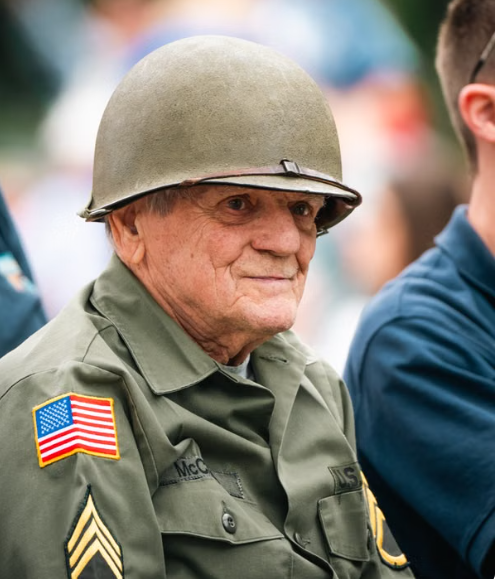
Veterans have given so much in service to our country. As they age, honoring that service means more than expressing gratitude on Veterans Day.
It also means recognizing their continued need for independence, dignity, friendship, and meaningful support.
At Seniors Helping Seniors®, the focus on personal relationships and compassionate assistance reflects the belief that older adults deserve to feel respected, connected, and valued.
For Minnesota veterans and their families, a helping hand and a friendly companion can make home an even better place to be.
To learn more about non-medical home care and companionship services, contact Seniors Helping Seniors® in Woodbury, Minneapolis, Plymouth, or West Hennepin, Minnesota.
Other Articles You May Like
Why Companionship Matters for Seniors Aging at Home
Discover how Seniors Helping Seniors provides meaningful companionship and non-medical home care for older adults across the Twin Cities. Growing older doesn't mean giving up independence, meaningful friendships, or the simple joys of everyday life. For many older adults in Minnesota, remaining in their own homes provides comfort, familiarity, and a sense of control. However, living independently can sometimes bring an unexpected challenge: loneliness.As families become busier, friends move away, and opportunities for social interaction change, some seniors find themselves spending more time alone than they would like. While help with household tasks and daily routines is important, emotional connection can be just as valuable.That's where companionship care can make a meaningful difference.The Importance of Staying Connected as We AgeHuman connection is important at every stage of life. Having someone to talk with, share stories, laugh with, or enjoy an afternoon activity can make an ordinary day feel special.For older adults, regular social interaction can also support emotional well-being and encourage participation in daily activities.Research has linked prolonged loneliness and social isolation with increased risks of depression, cognitive decline, and other health concerns. Although companionship alone cannot prevent these conditions, maintaining meaningful relationships is an important part of healthy aging.Sometimes, the greatest gift isn't someone doing something for you. It's having someone there to do something with you.What Is Companion Care for Seniors?Companion care is a form of non-medical home care focused on social interaction, emotional support, and assistance with everyday activities.Unlike medical home health services, companion care doesn't involve skilled nursing or medical treatment. Instead, it helps older adults remain engaged, comfortable, and connected while continuing to live in familiar surroundings.Depending on individual needs and the services available locally, companion care may include:Friendly conversations and social visitsPlaying cards, board games, or working on puzzlesSharing hobbies, crafts, and favorite activitiesAccompaniment on walks or community outingsAssistance with grocery shopping and errandsLight meal preparation and companionship during mealsHelp maintaining familiar daily routinesAccompaniment to appointments or social activitiesThese everyday interactions can provide reassurance for seniors and peace of mind for their families.A Unique Approach: Seniors Helping SeniorsOne of the distinguishing features of Seniors Helping Seniors is its relationship-centered approach to in-home care.The organization brings together older adults who need assistance with caregivers who understand the experiences, interests, and perspectives that can come with aging.This peer-oriented approach can help create a comfortable, natural connection between caregivers and the people they serve.Imagine a retired teacher enjoying a conversation with someone who shares a love of books. Or two older adults exchanging favorite recipes while preparing lunch. Perhaps it's a morning spent discussing Minnesota memories, gardening, grandchildren, or a favorite sports team.These moments may seem small, but they can add purpose and enjoyment to the day.Rather than focusing exclusively on tasks, Seniors Helping Seniors emphasizes the importance of relationships, dignity, and mutual respect.Companionship Can Help Seniors Maintain IndependenceMany older adults want to continue managing their own lives for as long as possible. They may not need extensive daily assistance, but they could benefit from someone visiting regularly, helping with errands, or accompanying them to activities.Companion care can provide that extra layer of support without unnecessarily taking away independence.For example, a senior who no longer feels comfortable driving may begin declining invitations to visit friends or attend community events. Having assistance with transportation or outings can help that individual remain connected to the activities they enjoy.Likewise, someone who lives alone may appreciate having a regular companion for grocery shopping, preparing meals, or simply sharing a cup of coffee.The goal is to support what a person can still do while offering assistance where it is helpful.Recognizing When a Loved One May Need More CompanionshipLoneliness isn't always easy to recognize. Some older adults may hesitate to tell their families that they feel isolated because they don't want to be a burden.Family members might notice changes such as:Less interest in hobbies or favorite activitiesFewer conversations with friends or relativesReluctance to leave the houseIncreased expressions of sadness or boredomSpending long periods without meaningful social interactionDifficulty keeping up with errands or regular outingsThese changes don't necessarily mean someone needs full-time care. They may simply indicate that additional social support would be beneficial.Persistent changes in mood, memory, or behavior should also be discussed with a healthcare professional.Peace of Mind for Minnesota FamiliesFamily caregivers often balance employment, children, household responsibilities, and the needs of aging parents.Even when family members live nearby, visiting as often as they'd like can be difficult. Minnesota winters, busy schedules, and transportation challenges can make maintaining regular social contact even harder.Companion care can help bridge those gaps.Knowing that a loved one has someone to visit, share activities with, or accompany them on an outing can reduce some of the worry families experience.It also allows family visits to focus more on enjoying time together rather than completing an ever-growing list of chores.Companionship care isn't a replacement for family relationships. It's an additional source of connection and support.Supporting Seniors Across the Twin CitiesSeniors Helping Seniors serves older adults and families through Minnesota locations including Woodbury, Minneapolis, Plymouth, and West Hennepin.For families exploring non-medical home care, companionship may be an excellent starting point. Whether someone needs occasional social visits or more consistent assistance with daily activities, the right support can help make aging at home a more positive experience.Service availability and specific offerings should be confirmed with the local office.Because Aging Well Is About More Than Staying HomeAging in place is about more than remaining in a familiar house. It's about continuing to feel connected, valued, and involved in everyday life.Meaningful conversations, shared laughter, familiar activities, and trusted relationships can make a lasting difference in how older adults experience their days.Through its relationship-focused approach, Seniors Helping Seniors helps Minnesota older adults enjoy companionship while maintaining independence and dignity.Because sometimes, a friendly face and a meaningful conversation can make all the difference.To learn more about companionship and non-medical in-home care, contact your local Seniors Helping Seniors office serving Woodbury, Minneapolis, Plymouth, or West Hennepin, Minnesota.
How Can You Reduce Fall Risks for an Aging Parent at Home?
Families can reduce an older adults fall risk by addressing hazards in the home, supporting safe movement, checking for health-related causes of unsteadiness, and arranging help with challenging daily activities. No plan can eliminate every fall, but small changes can make ordinary routines more manageable. If a parent in Windsor, Connecticut, has begun holding onto furniture, avoiding the stairs, or hesitating before bathing, use those observations as a reason to review the home and speak with the appropriate healthcare professional. Fall prevention works best when the older adult helps identify what feels difficult. Start With the Places Where Falls Are More Likely Bathrooms and bedrooms Bathrooms deserve attention because water, slippery surfaces, and awkward transfers can create hazards. Consider whether grab bars, adequate lighting, a properly fitted shower chair, or nonslip surfaces would help. A professional can advise which equipment and installation are appropriate. Keep a clear route between the bed and bathroom, especially for nighttime trips. Walkways, stairs, and entrances Remove loose clutter and secure cords away from walking paths. Check that rugs do not slide, stairways have sturdy handrails, and entrances are well lit. In winter, Windsor-area households should plan for snow and ice at steps, driveways, and pathways. Do not expect someone with poor balance to manage slippery outdoor surfaces alone. Everyday belongings Place frequently used clothing, dishes, and supplies within comfortable reach. Reaching onto high shelves or carrying a heavy basket down the stairs can become risky. Organizing the home to reduce bending, climbing, and rushing is often a useful first step. Could a Health Issue Be Contributing? Falls are not always caused by clutter. Dizziness, vision changes, weakness, poorly fitting footwear, and medication side effects may affect balance. A healthcare professional can evaluate symptoms, review medicines, and recommend appropriate exercise, therapy, or assistive equipment. A caregiver can notice changes and share concerns, but should not diagnose the cause. Seek urgent medical care after a fall when there is a head injury, loss of consciousness, severe pain, inability to bear weight, or other serious symptoms. A sudden change in balance or strength also needs prompt medical attention. How Non-Medical Home Care Fits Into Fall Prevention A non-medical caregiver may help an older adult move through routines at a comfortable pace, assist with dressing and personal hygiene, keep paths clear, and help prepare meals so the person does not need to carry heavy items. Caregivers can also provide companionship and alert family members to changes they notice. The goal is not to take over every task. It is to identify which activities need assistance and which the older adult can continue doing independently. Families should discuss safe mobility practices and any instructions from a physician or therapist with the home care provider. What Should Families Ask During a Home Assessment? Before choosing help, walk through a normal day and consider what happens from waking up to bedtime. Useful questions include: Which transfers, such as getting out of bed or stepping into the shower, are difficult? Are there times when the person feels rushed, fatigued, or unsteady? Can they safely prepare meals, carry laundry, and answer the door? Would transportation assistance reduce difficult trips or unnecessary walking? How will family members learn about new mobility or safety concerns? Write down the answers and revisit them after any fall, change in health, or adjustment to the care schedule. An occupational or physical therapist may be helpful when a professional evaluation of mobility or home modifications is needed. A Local Option for Windsor Households Caring Companions Home Care, located in Windsor, offers non-medical home care including fall-prevention support and home safety assessments. Its caregivers also assist with personal care, meal preparation, transportation, companionship, and medication reminders. The company serves clients throughout Connecticut and Western Massachusetts. Families can begin with the companys free home assessment to discuss specific routines and ask which caregiver services fit the persons needs. If an older adult has dementia or Alzheimers disease, ask how the care approach can be adjusted to support familiar routines and respond to safety concerns. Build a Plan That Can Change Fall-prevention planning is an ongoing process. Check that recommended equipment is being used correctly, lighting remains adequate, and walkways stay clear. Encourage the older adult to mention near-falls rather than hiding them out of embarrassment. Focus on what helps them remain active and safe rather than imposing unnecessary restrictions. To discuss fall-prevention assistance or arrange a free home assessment in Windsor, contact Caring Companions Home Care at (860) 969-3134 or visit https://wecarect.biz/.
In-Home Personal Care in Windsor, CT
An older parent may still enjoy living at home but find certain parts of the day increasingly difficult. Getting dressed takes longer, preparing dinner feels exhausting, or a trip to the store becomes stressful. For families in Windsor, Connecticut, non-medical in-home personal care can provide help with these routines without requiring a move to a residential community. The right arrangement starts with the person, not a preset list of tasks. Some older adults need assistance each morning, while others benefit from help with meals, transportation, and keeping a safe household. Understanding what a caregiver can do makes it easier to create a useful schedule. What Does Non-Medical Personal Care Include? Personal care refers to hands-on assistance with activities of daily living, often called ADLs. These include bathing, dressing, grooming, toileting, and moving safely through daily routines. Depending on the individuals needs and the caregivers role, support may also include meal preparation, companionship, laundry, and light housekeeping. Non-medical caregivers do not replace physicians, nurses, or licensed therapists. They support daily life alongside the medical care an older adult already receives. For medication needs, families should clarify whether the service involves reminders and organization or tasks that require a licensed healthcare professional. When Might a Windsor Family Consider Home Care? Daily tasks are becoming difficult or unsafe Look for a pattern rather than one isolated incident. An older adult may skip showers because the bathtub feels unsafe, wear the same clothes repeatedly, or stop preparing full meals. These changes suggest that a conversation about practical assistance could help. Family caregivers are stretched too thin An adult child may be balancing work, children, and frequent visits to a parent. Scheduled caregiver visits can cover specific responsibilities and allow relatives to focus on time together. Families should identify which tasks are most urgent and which can remain with relatives. A loved one needs extra supervision Memory changes, reduced mobility, or a recent illness can make ordinary activities harder. Assistance with familiar routines, companionship, and attention to hazards may be useful. New confusion, dizziness, or sudden weakness should still be assessed by a healthcare professional. Caring Companions Home Care in Windsor Caring Companions Home Care is based at 150 Broad Street, Suite 600, in Windsor and provides non-medical in-home support throughout Connecticut and Western Massachusetts. Its services include personal care, Alzheimers and dementia care, fall-prevention support, meal preparation, medication reminders, transportation, and companionship. Caregivers assist with bathing, dressing, and grooming as well as daily needs such as shopping and household routines. The company also works with veterans and families using long-term care insurance or private pay. Eligibility and coverage depend on the individuals plan or benefits, so families should confirm details before arranging care. Caring Companions offers a free home assessment. This can be a useful starting point for discussing mobility, household safety, personal preferences, and the times of day when help is needed most. How to Plan a Practical Care Schedule Begin with a typical week Write down the situations that cause difficulty: bathing, breakfast, morning medications, grocery trips, or evenings alone. Note when a family member is available and when outside help would fill a genuine gap. Include the older adult in the discussion wherever possible. Ask specific questions before services begin Find out how caregivers are matched with clients, what training they receive, whether transportation is offered for the planned destinations, and how changes to the schedule are handled. Ask how the agency communicates concerns to the family and what happens if the regular caregiver is unavailable. Review the plan as needs change A schedule that works today may need adjustments after a fall, a hospital stay, or an improvement in mobility. Check whether the current visits are helping with the intended tasks and whether the person receiving care feels comfortable with the arrangement. Why Local Support Matters For Windsor households, having a local point of contact can make discussions about care more straightforward. Families may need to coordinate visits around medical appointments, grocery shopping, and relatives living elsewhere in the Hartford area. Clear expectations and regular communication help turn occasional assistance into dependable daily support. To discuss non-medical personal care in Windsor or request a free home assessment, contact Caring Companions Home Care at (860) 969-3134 or visit https://wecarect.biz/.