Beyond Memory Loss: Personalized Dementia Support
The Villas at Manalapan
For more information about the author, click to view their website: The Villas of Manalapan
Oct 15, 2026
New Jersey - Ocean & Monmouth Counties


Personalized Memory Care in Monmouth County, NJ
Caring for an older adult experiencing memory loss can involve difficult decisions. Families often begin by providing reminders, organizing appointments, and helping with everyday activities. As cognitive changes progress, however, familiar routines may become more challenging and the amount of assistance needed can increase.
An older adult may become confused about time, struggle to complete personal care tasks, or require additional supervision. Family members may worry about safety, communication, and whether the current living arrangement continues to meet their loved one's needs.
For families throughout Monmouth County, New Jersey, exploring specialized memory care can be an important part of planning for Alzheimer's disease and related conditions.
The Villas of Manalapan has previously documented memory care services in its official community materials, alongside assisted living accommodations. The community's memory care approach has emphasized personalized support, residential comfort, and opportunities for meaningful daily engagement.
Because memory care programs and admissions arrangements may change, families should confirm the current availability, staffing, and capabilities of the memory care offering directly with The Villas of Manalapan.
Understanding what personalized memory care should provide can help families evaluate whether the community is an appropriate choice.
What Is Memory Care?
Memory care is a specialized residential service intended for people living with dementia, Alzheimer's disease, or other conditions affecting memory and cognitive functioning.
It typically involves additional supervision and assistance tailored to cognitive needs.
Common Support Needs
These may include:
Frequent reminders
Assistance with dressing
Bathing and hygiene support
Structured routines
Meal-related assistance
Supervision
Mobility support
Communication assistance
Behavioral and emotional support
The appropriate level of care depends on the individual's condition, abilities, and clinical assessment.
Memory Care at The Villas of Manalapan
Earlier official materials for The Villas of Manalapan describe a memory care offering associated with the community.
These materials identify a residential approach that combines care services with amenities and daily activities.
Documented Features Include
Residential accommodations
Daily concierge-style support
Chef-prepared meals
Housekeeping
Social programming
Recreational activities
Medication-related support
Opportunities for family involvement
The descriptions reflect materials published previously; the current program, fees, and inclusion of individual services must be confirmed.
Why Personalized Care Matters
Dementia does not affect every person in the same way.
Two residents may have similar diagnoses but very different abilities and interests.
Individual Differences May Include
Communication style
Mobility
Personal history
Hobbies
Sleep routines
Mealtime preferences
Social comfort
Need for supervision
A person-centered plan considers these differences.
Care Beyond the Diagnosis
Memory challenges do not eliminate personal identity.
Caregivers should continue recognizing the resident's relationships, preferences, and meaningful experiences.
Building a Personal History Profile
Families can help caregivers understand a loved one by sharing important personal information.
Useful Details
Former occupation
Favorite music
Family traditions
Preferred foods
Favorite hobbies
Important relationships
Typical daily routines
Activities that provide reassurance
This information may help care staff create more familiar experiences.
For example, a resident who enjoyed cooking may respond positively to activities involving recipes or familiar kitchen traditions.
Creating Predictable Daily Routines
Consistency can be helpful for someone experiencing cognitive changes.
Regular mealtimes, familiar activities, and predictable personal care routines may reduce uncertainty.
A Daily Schedule May Include
Morning hygiene
Breakfast
Conversation
Appropriate recreation
Lunch
Rest
Gentle activity
Dinner
Evening preparation
Schedules should remain flexible enough to reflect individual needs.
The goal is to provide recognizable patterns without forcing participation.
Meaningful Activities in Memory Care
Activities provide opportunities for social interaction and personal expression.
The most useful programs reflect residents' abilities rather than demand performance.
Activities May Include
Music
Games
Art
Gentle exercise
Reminiscence
Reading
Shared meals
Small-group conversation
Appropriate outdoor activity
An activity does not need to be completed perfectly to be enjoyable.
Residents should be encouraged to participate without unnecessary pressure.
Music and Familiar Experiences
Music can remain meaningful even as communication changes.
Familiar songs may encourage conversation, recognition, or enjoyment.
Ways Music May Be Used
Listening to preferred recordings
Singing familiar songs
Discussing favorite performers
Enjoying musical entertainment
Participating in appropriate movement activities
Responses vary by individual.
Music-related activities should complement, not replace, appropriate medical care.
Communication and Respect
Dementia can affect how people express needs or understand conversations.
A supportive communication approach emphasizes patience.
Helpful Strategies
Speak clearly
Use simple explanations
Allow extra response time
Offer manageable choices
Maintain a calm tone
Watch for nonverbal signals
Avoid unnecessary arguments
Difficulty communicating does not mean an individual has no opinions or preferences.
Caregivers should continue treating residents with dignity.
Supporting Safety
Some individuals living with dementia have difficulty recognizing hazards or navigating unfamiliar surroundings.
Families should discuss the community's safety arrangements in detail.
Important Questions
How are exit-seeking behaviors handled?
What supervision is available overnight?
How are falls addressed?
Are outdoor areas appropriately managed?
How are emergencies handled?
Are residents individually assessed?
How are families notified about incidents?
Specific security arrangements should be confirmed with the community rather than assumed.
Personal Care Assistance
Memory changes may affect the ability to complete daily tasks in the correct sequence.
For example, a person may forget steps involved in dressing or become uncertain about bathing.
Support May Include
Selecting clothing
Dressing
Grooming
Bathing
Toileting
Eating
Mobility
Daily reminders
When possible, caregivers should support tasks the individual can still complete independently.
This helps maintain participation in everyday life.
Nutrition and Mealtimes
Eating may become more challenging when someone forgets meals, experiences difficulty concentrating, or has other health needs.
Care Planning Should Consider
Preferred foods
Meal schedules
Dietary restrictions
Eating assistance
Hydration
Appetite changes
Swallowing concerns
A medical professional should assess swallowing difficulties and other significant clinical concerns.
The Villas has published dining services as part of its senior residential offerings.
Families should confirm how meals and dietary needs are handled in any current memory care program.
Family Involvement
Moving into memory care does not eliminate the importance of relatives.
Families can provide emotional connections and valuable knowledge about the resident.
Ways Families Can Help
Share meaningful photographs
Explain established routines
Discuss favorite activities
Visit as appropriate
Participate in authorized care meetings
Communicate important changes
Support familiar traditions
Families should ask about visitation arrangements and communication procedures.
Adjusting to Residential Memory Care
A move may be confusing for someone experiencing significant memory difficulties.
Preparing the care team and creating familiar surroundings can help.
Preparation May Include
Identifying favorite personal belongings
Sharing routine information
Discussing communication preferences
Reviewing current medications
Explaining mobility needs
Asking about admission procedures
Caregivers should understand factors that may cause anxiety and approaches that provide comfort.
Choosing the Right Level of Support
A dementia diagnosis alone does not determine the best care setting.
Families should consider functioning, supervision, medical needs, and personal preferences.
Assessment Questions
Can the person complete personal care activities?
Is wandering a concern?
Are there nighttime supervision needs?
Does the person require skilled medical treatment?
Can the residence provide appropriate support?
How are changing cognitive needs handled?
Healthcare professionals can assist with evaluating the level of care required.
Understanding Costs
Memory care may involve residential charges, personal care costs, medication support, and other fees.
Ask About
Monthly residence charges
Care level fees
Staffing and supervision
Medication arrangements
Meals
Laundry
Activities
Additional services
Payment options
Previous brochures may describe pricing models that are no longer current.
Always request updated written terms.
When Families Should Explore Memory Care
The need for residential support may become more urgent when home-based care cannot consistently meet an individual's needs.
Concerns May Include
Repeated wandering
Difficulty eating
Unsafe household activities
Significant personal care needs
Nighttime confusion
Increasing supervision requirements
Family caregiver exhaustion
Discussing available options before a crisis may provide more time for thoughtful decisions.
Questions to Ask During a Visit
Families should ask to review the actual memory care environment, if currently available.
Important Questions
Is the memory care program currently accepting residents?
What training do staff receive?
What supervision is available?
What activities are provided?
How are care plans developed?
Are medical professionals involved?
What are current costs?
How are emergencies managed?
The responses can help establish whether the setting meets the individual's needs.
Expert Tip: Bring the Person's History Into the Care Plan
Memory Care Tip: Prepare a short profile describing your loved one's routines, favorite activities, family relationships, preferred meals, and things that provide comfort. Sharing this information with the memory care team can help caregivers create more meaningful and familiar interactions.
Frequently Asked Questions About Memory Care
1. Has The Villas of Manalapan offered memory care?
Yes. An earlier official community brochure documents a memory care offering at The Villas of Manalapan. Families should confirm current program availability directly.
2. Who may benefit from memory care?
People living with dementia who require structured support, personal assistance, or supervision may benefit, depending on their assessed needs.
3. Does memory care include personal assistance?
Specialized programs commonly provide assistance with dressing, hygiene, meals, and daily routines. Confirm the current services at The Villas.
4. What should families ask about memory care safety?
Ask about supervision, staff training, exits, wandering procedures, nighttime support, and emergency response arrangements.
5. How can families arrange a memory care consultation?
Contact The Villas of Manalapan to confirm whether its memory care program is currently available and discuss assessments, services, and possible admission.
Supporting Individuality Through Memory Care
Memory-related changes can affect daily functioning, communication, and residential safety.
However, every older adult continues to have a personal history, unique interests, and important relationships.
For families throughout Monmouth County, New Jersey, The Villas of Manalapan has documented memory care as part of its senior living services.
The best decision begins with confirming current services, evaluating the individual's needs, and asking detailed questions about daily support and supervision.
A thoughtful memory care plan should address safety while respecting dignity, comfort, and personal identity.
Learn More About The Villas of Manalapan
Visit The Villas of Manalapan on SeniorsBlueBook.com to explore its Memory Care listing.
Other Articles You May Like
Helping Families Navigate the Changing Needs of Dementia
Helping Families Navigate the Changing Needs of DementiaWhen a loved one is diagnosed with Alzheimer's disease or another form of dementia, families often begin adjusting everyday routines. At first, these changes may seem manageable. A spouse might provide reminders about appointments, an adult child may help organize medication schedules, or relatives may stop by more frequently to check on daily activities.As cognitive changes progress, however, caregiving responsibilities can become increasingly complicated.An older adult who previously prepared meals independently may begin forgetting whether the stove is on. Someone who once enjoyed walking around the neighborhood may become confused about familiar routes. Changes in sleep patterns, communication, mobility, or judgment may also create concerns about personal safety.For family caregivers, these developments can bring difficult questions.How much supervision does a loved one need? When is additional assistance necessary? How can families communicate effectively when memory changes affect conversation? What should happen when the current care arrangement no longer provides enough support?For older adults and families throughout Monmouth County, New Jersey, understanding how dementia care needs may change can help make these decisions more manageable.Sunnyside Manor Memory Care: Manor Recollections, officially known as Recollections Memory Care, provides specialized residential support for older adults living with Alzheimer's disease and other memory-related conditions.The program combines trained caregivers, an environment designed for memory support, personalized daily assistance, and a continuum of care that allows families to discuss changing needs with the community.Recognizing when support requirements have changed is an important step toward creating a safer, more sustainable care arrangement.Understanding How Dementia Care Needs ChangeDementia is not a single condition with an identical progression for everyone.Different forms of dementia can affect memory, reasoning, communication, behavior, and functional abilities in different ways.Some people experience gradual changes over several years. Others may develop more noticeable limitations over a shorter period.Areas That May Change Over TimeShort-term memoryDecision-makingCommunicationPersonal hygieneMeal preparationMedication routinesMobilitySleepSafety awarenessAbility to recognize familiar surroundingsChanges Do Not Always Follow a Predictable PatternAn older adult may remain physically active while experiencing significant confusion.Another may retain strong communication skills but need considerable assistance with everyday tasks.Avoid Relying on Memory Loss AloneA person's ability to function safely depends on more than remembering names or dates.Families should consider everyday judgment, physical abilities, supervision requirements, and the availability of appropriate support.Recognizing When Existing Care May No Longer Be EnoughMany families begin dementia caregiving with informal arrangements.Relatives might coordinate visits, provide prepared meals, or arrange a few hours of professional home care.These arrangements can be effective when they match the individual's needs.However, additional support may become necessary when the person's safety or functioning changes.Warning Signs Worth EvaluatingThese may include:Becoming lost in familiar environmentsAttempting to leave home without appropriate supervisionForgetting essential personal careMissing mealsDifficulty recognizing hazardsIncreasing nighttime confusionFrequent falls or unsafe mobilityTrouble following medication routinesRepeated distress during ordinary activitiesGrowing dependence on one family caregiverLook for PatternsA single unusual incident may have several possible explanations.Repeated changes deserve closer attention.Seek Medical EvaluationSudden confusion, major behavioral changes, or rapid deterioration can indicate an acute medical problem rather than expected dementia progression.Qualified healthcare professionals should evaluate these changes promptly.When to Consider Residential Memory CareA move to memory care is a significant decision.It is not automatically necessary immediately after a dementia diagnosis.Some older adults continue living at home with appropriate family assistance and professional services.For others, specialized residential care may become a more suitable option.Important Factors to ConsiderHow much supervision is requiredWhether the person can safely remain aloneFrequency of personal care needsNighttime caregiving requirementsWandering or exit-seeking concernsAvailable family supportMedical conditionsHome accessibilityCaregiver well-beingFocus on Appropriate SupportThe decision should be based on whether the current arrangement can reliably meet the individual's needs.Professional Assessment Is ImportantA healthcare professional can help evaluate changes in cognition, mobility, and overall functioning.Families may also consult a senior care professional to understand available residential options.Memory Care at Sunnyside ManorSunnyside Manor offers Recollections Memory Care, a dedicated neighborhood designed for older adults living with Alzheimer's disease and other memory impairments.The community emphasizes safety, stability, and personalized daily support.Verified Features IncludeSpecially trained memory care staffIndividualized care plansA dedicated residential neighborhoodProtected walking areasSecure outdoor accessDaily assistanceStructured routinesFamily involvementNursing resourcesRecreational programmingSupport for Changing NeedsSunnyside Manor describes adapting services as residents' needs evolve.A Broader Continuum of CareThe community also offers Independence Plus Assisted Living, Skilled Nursing, and Rehabilitation.These different care neighborhoods allow families to discuss available options as medical and functional needs change.Admission to another level of care depends on assessment, capacity, and applicable requirements.Understanding Dementia-Related Safety ConcernsSafety can become increasingly complicated when memory loss affects judgment.A person may be physically capable of completing an activity but have difficulty recognizing its risks.Common ConcernsThese include:Leaving appliances onForgetting to lock doorsBecoming confused outdoorsDifficulty using mobility equipmentUnsafe stair useTrouble recognizing emergenciesTaking medications incorrectlyWhy Supervision May IncreaseAn individual who once needed occasional reminders may eventually require more frequent guidance.Avoid Overlooking Remaining AbilitiesIncreased safety needs do not mean the person should lose every opportunity for independence.Care should balance appropriate safeguards with meaningful personal choice.Wandering and Exit-SeekingSome individuals living with dementia may walk frequently or attempt to leave their home or residential environment.This behavior can occur for several reasons.A person may be trying to follow an old routine, look for someone familiar, or respond to an unmet need.Important Questions for FamiliesHas the person become lost before?Do they attempt to leave without telling anyone?Can they recognize traffic or other hazards?Do they become confused during outings?Is appropriate supervision consistently available?Sunnyside Manor's Memory Care EnvironmentRecollections includes protected indoor and outdoor walking areas designed around the needs of residents with memory impairment.Supporting Movement SafelyWalking may remain an enjoyable part of daily life.The goal is to provide appropriate opportunities for movement while addressing individual supervision needs.Ask About Specific ProceduresFamilies should discuss exit management, resident monitoring, and emergency response with the memory care team.The Importance of Overnight SupervisionDementia can affect a person's sleep-wake cycle.Some older adults may wake frequently, become disoriented at night, or attempt to begin daytime activities during sleeping hours.Potential Nighttime ChallengesThese include:Difficulty returning to bedConfusion about timeUnsafe attempts to walkNeed for toileting assistanceIncreased anxietyChanges in sleeping patternsQuestions to Ask About Overnight CareHow many caregivers are available?Is nursing support accessible?How are nighttime concerns documented?What happens when a resident becomes confused?How are families notified about significant changes?Nursing Resources at Sunnyside ManorThe community confirms that nurses are on-site around the clock.Families should clarify the specific nursing and caregiver arrangements for Recollections residents.Individualized Overnight PlanningNot every resident requires identical supervision.The care plan should reflect assessed needs.Recognizing Changes in Daily Personal CareDementia can affect the ability to complete familiar tasks in the correct sequence.Someone may forget what to do next while dressing or become confused about bathing routines.Areas Requiring Additional Support May IncludeBathingDressingGroomingToiletingEatingMobilityPersonal hygieneDaily remindersMaintaining DignityCaregivers should explain assistance clearly and respect personal privacy.Encouraging ParticipationAn older adult may still be able to choose clothing, wash their face, or complete other parts of a routine.Appropriate support should preserve these abilities whenever possible.Avoid Unnecessary PressureTasks may require additional time.Caregivers should adapt their approach to the person's comfort and functional abilities.Communicating With Someone Living With DementiaCommunication changes can be among the most difficult adjustments for family members.A loved one may repeat questions, struggle to find words, or become confused during conversations.Helpful Communication StrategiesSpeak slowly and clearlyUse familiar wordsOffer simple choicesAsk one question at a timeAllow extra response timeReduce distracting background noiseMaintain a calm toneWatch for nonverbal signalsFocus on UnderstandingSomeone may not be able to explain a feeling accurately but may still communicate through facial expressions or body language.Avoid Repeated CorrectionsRepeatedly challenging mistaken memories may increase frustration.Respect the Person's ExperienceCompassionate communication begins by acknowledging emotions and responding respectfully.Professional caregivers trained in dementia support can help families understand useful communication techniques.Responding to Repeated QuestionsRepetition is common in some forms of dementia.An older adult may ask the same question several times because they cannot retain the previous answer.Why Repetition Can Be FrustratingFamily members may feel they are having the same conversation repeatedly.However, the individual may genuinely experience the question as new each time.Helpful ResponsesConsider:Providing a calm answerOffering reassuranceUsing a written reminder if usefulRedirecting attention gentlyAvoiding expressions of frustrationLook for the Underlying ConcernRepeated questions may reflect uncertainty or anxiety rather than a simple request for information.Professional GuidanceCaregivers and healthcare professionals can help families identify approaches appropriate to the individual's condition.Understanding Behavioral and Emotional ChangesSome people living with dementia experience changes in mood, sleep, or behavior.These changes may be linked to cognitive impairment, but they can also reflect physical discomfort or environmental conditions.Possible Contributing FactorsPainIllnessFatigueHungerMedication effectsExcessive noiseUnfamiliar surroundingsDifficulty communicatingChanges in routineInvestigate Possible CausesBehavior should not automatically be dismissed as part of dementia.A person may be trying to express an unmet need.Sudden Changes Need AttentionRapid or severe changes can require prompt medical evaluation.A Personalized ResponseMemory care staff should consider the person's history, needs, and current circumstances when responding.Why Consistent Daily Routines MatterWhen an older adult has difficulty remembering recent events, predictable routines can create familiarity.Sunnyside Manor's Recollections program emphasizes structured days supported by familiar caregivers.Daily Routine Elements May IncludeMorning personal careRegular mealtimesScheduled activitiesRest periodsAppropriate movementAfternoon recreationEvening preparationRoutines Should Be IndividualizedNot everyone enjoys the same wake-up time or activity schedule.Consistency Without RigidityA useful routine provides structure while allowing flexibility for health, fatigue, and personal preferences.Helping Families Understand the DaySunnyside Manor publishes descriptions of daily life in Recollections to help families understand how residents receive support throughout ordinary routines.Preparing for a Residential Memory Care TransitionMoving from home or assisted living into memory care can be emotionally significant.The older adult may feel confused about unfamiliar surroundings.Family members may worry about how their loved one will adjust.Planning Before the MoveFamilies should:Obtain a professional care assessmentConfirm memory care admission requirementsReview the residential agreementDiscuss current medicationsShare communication preferencesIdentify mobility needsPrepare emergency contact informationAsk about the admission scheduleReduce Last-Minute ChangesWhenever possible, organize documents and belongings before move-in day.Coordinate With the Care TeamStaff should understand the resident's most important daily needs before arrival.Be Realistic About AdjustmentSome residents adapt relatively quickly.Others require more time.The care team can help families understand what to expect during the early weeks.What to Bring When Moving Into Memory CareA familiar environment may help an older adult feel more comfortable in a new residence.Personal Items to ConsiderFamily photographsFavorite beddingComfortable clothingFamiliar artworkPreferred booksMeaningful decorationsApproved personal keepsakesKeep the Space ManageableAvoid overcrowding or creating walking obstacles.Follow Community GuidelinesAsk which furnishings and personal items are permitted.Prioritize ComfortA few familiar belongings may be more useful than attempting to recreate an entire former home.Understanding the Adjustment PeriodA residential transition changes both the older adult's daily environment and the family's caregiving routine.It is reasonable to expect an adjustment period.Changes Families May NoticeThese may include:Initial uncertaintyQuestions about the new surroundingsChanges in appetiteDifferent sleep routinesHesitation about activitiesIncreased desire for familiar contactMaintain CommunicationFamilies should ask how staff monitor the resident's adjustment and report concerns.Avoid Judging the Transition Too QuicklyA difficult first day does not necessarily indicate that the entire care arrangement is unsuitable.Address Significant ProblemsPersistent distress, major functional changes, or medical concerns deserve professional attention.Sunnyside Manor's Approach to Care TransitionsSunnyside Manor offers several distinct senior care neighborhoods, including assisted living, memory care, and skilled nursing.Its official guidance explains that changes between neighborhoods are considered when a resident's safety or quality of life would benefit from another level of support.Reasons for Reassessment May IncludeChanges in safety awarenessWanderingDifficulty using mobility equipment safelyIncreased cognitive confusionGreater personal care needsDifficulty managing the pace of assisted livingChanging medical requirementsCommunication With FamiliesSunnyside Manor describes regular communication about care changes, allowing families to participate in discussions before a planned transition when circumstances permit.Individual AssessmentMovement between neighborhoods is not automatic.Care decisions depend on actual needs and the appropriate residential services.Maintaining Family Involvement After Move-InFamily caregiving changes after an older adult enters memory care, but family relationships remain important.Relatives continue to provide emotional support, familiar connections, and personal knowledge.Ways Families Can Remain InvolvedVisiting regularlySharing updates with staffParticipating in authorized care meetingsBringing familiar belongingsAttending community eventsDiscussing changes in healthMaintaining meaningful traditionsVisitation at Sunnyside ManorThe community encourages family involvement and welcomes families to participate in activities and events, subject to current policies.A Shared Caregiving RelationshipProfessional staff provide daily residential support while relatives remain important partners in the person's life.Privacy and AuthorizationMedical information and care decisions should be shared according to applicable privacy requirements and legal authority.Making Visits More ComfortableVisits may change as dementia progresses.Long conversations or complex outings may become difficult, but meaningful interaction can still occur.Comfortable Visit IdeasThese may include:Listening to familiar musicSharing a snackLooking through photographsSitting together quietlyTaking an appropriate supervised walkReading aloudEnjoying a familiar conversation topicKeep Expectations FlexibleA loved one may be tired or less talkative on some days.Avoid Testing MemoryRepeatedly asking someone to remember names or recent events can create frustration.Focus on ConnectionThe purpose of a visit is not to evaluate memory performance.It is to spend meaningful time together.Supporting Family Caregiver Well-BeingDementia caregiving can place substantial demands on family members.Spouses and adult children may provide daily assistance while managing their own responsibilities.Signs of Caregiver StrainThese may include:Persistent fatigueDifficulty sleepingFeeling overwhelmedTrouble maintaining personal commitmentsReduced social contactIncreased irritabilityNeglecting personal healthWhy Additional Support MattersFamilies may benefit from sharing responsibilities before exhaustion becomes severe.Possible Support OptionsThese may include professional home care, adult day services, respite care, caregiver education, or residential memory care.Sunnyside Manor's Broader ServicesThe community identifies respite stays among its senior care offerings.Families should confirm whether a particular short-term arrangement is appropriate and available within the relevant neighborhood.Managing Feelings During a Care TransitionDeciding to arrange memory care can bring mixed emotions.Family members may feel relief that additional support will be available while also worrying about the move.Common ConcernsThese may include:Whether the loved one will adjustHow relationships will changeThe cost of careCommunication with staffThe possibility of further health changesMaintaining family involvementDiscuss Concerns OpenlyFamilies can ask the care team about expectations and available support.Recognize Different PerspectivesRelatives may have different opinions about when residential memory care becomes appropriate.A clinical assessment and clear discussion of functional needs may help guide decisions.Seek Additional Support When NecessaryCaregiver support groups or mental health professionals may help family members managing significant emotional strain.Preparing Financially for Memory CareResidential memory care can involve significant ongoing expenses.Families should understand the community's current fee structure before admission.Costs to ReviewThese may include:Residential accommodationPersonal care assistanceMedication servicesMealsActivitiesLaundryAdditional supervision needsCare plan changesOther applicable chargesAsk for a Written AgreementA current agreement should explain services, payment terms, and circumstances that may affect costs.Medicare ConsiderationsOriginal Medicare generally does not pay for ongoing custodial residential memory care when that is the only care required.Explore Appropriate Financial ResourcesDepending on individual eligibility, families may consider long-term care insurance, personal resources, or applicable public benefits.Coverage and payment arrangements should be verified before admission.Questions to Ask During a Recollections TourA personal visit can help families understand the difference between general senior living and specialized dementia support.Questions About SafetyHow are wandering concerns addressed?What supervision is available overnight?How are mobility risks evaluated?What emergency procedures are in place?Questions About Daily CareHow are personal care plans created?How often are needs reassessed?What dementia-specific training do caregivers receive?How is medication management handled?Questions About Family CommunicationWho provides regular updates?How are significant changes reported?Can relatives participate in care planning?What visiting arrangements are available?Questions About Future NeedsWhat happens if nursing needs increase?How are transfers between care neighborhoods managed?Which additional services may be necessary?How are related costs explained?Clear answers can help families evaluate whether Recollections is appropriate for their loved one.Expert Tip: Track Changes Before a CrisisFamily Dementia Care Tip: Keep a simple weekly record of changes in safety awareness, personal care, mobility, eating, sleep, and supervision needs. Include how much assistance family members are providing. Share this information with a healthcare professional or memory care team during an assessment. A clear record can help families distinguish ongoing patterns from isolated incidents and make better-informed care decisions.The purpose is not to document every forgotten detail.It is to understand whether the person's overall support requirements are changing.Frequently Asked Questions About Changing Dementia Care Needs1. How do families know when residential memory care may be necessary?Memory care may be appropriate when dementia-related changes create supervision, safety, or personal care needs that cannot be reliably met in the current living arrangement. A professional assessment should consider cognition, functional abilities, medical conditions, and available support.2. Does Sunnyside Manor provide specialized dementia care?Yes. Sunnyside Manor provides Recollections Memory Care, a dedicated neighborhood with trained caregivers, individualized support, and a residential environment designed for individuals living with Alzheimer's disease and other memory-related conditions.3. What safety and nursing support is available at Sunnyside Manor?Recollections offers protected indoor and outdoor walking spaces and a memory-supportive environment. Sunnyside Manor also confirms that nursing staff are available on-site 24 hours a day. Families should discuss the specific supervision and clinical services their loved one requires.4. Can families remain involved after a loved one moves into Recollections Memory Care?Yes. Sunnyside Manor encourages family visits, participation in appropriate activities, and ongoing communication with its care team. Families can share personal preferences, attend authorized care discussions, and maintain meaningful relationships.5. How can families prepare for a transition to Sunnyside Manor Memory Care?Families can begin with a professional assessment, gather relevant medical and medication information, discuss safety concerns, review current fees, prepare familiar belongings, and arrange a community tour. Sunnyside Manor can explain admission requirements and the support available during the adjustment period.Finding the Right Support as Dementia Needs ChangeDementia can affect memory, communication, judgment, mobility, and everyday independence.As these changes occur, families may need to reassess how much assistance an older adult requires and whether existing caregiving arrangements remain appropriate.Some individuals continue living at home with suitable support.Others may benefit from specialized residential memory care designed to address cognitive challenges, personal assistance, and supervision needs.For families throughout Monmouth County, New Jersey, Sunnyside Manor Memory Care: Manor Recollectionsoffers a dedicated neighborhood that combines dementia-trained caregivers, individualized support, secure walking areas, familiar routines, and family involvement.The broader Sunnyside Manor community also provides assisted living, skilled nursing, and rehabilitation services, allowing families to discuss different levels of care as circumstances change.Choosing memory care should not be based solely on a diagnosis or a single difficult incident.A thoughtful decision considers recurring safety concerns, functional abilities, healthcare needs, family caregiving resources, and the older adult's preferences.Early planning can provide more time to review options, ask detailed questions, and prepare for a possible residential transition.With appropriate professional assessment and clear communication, families can make informed decisions that support dignity, comfort, and changing care needs.Learn More About Sunnyside Manor Memory Care: Manor RecollectionsConcerned about changing dementia care needs in Monmouth County, New Jersey?Visit Sunnyside Manor Memory Care: Manor Recollections on SeniorsBlueBook.com to explore its Memory Care listing and learn more about specialized residential dementia support, daily supervision, and care transitions.Understanding when additional support is needed can help families approach the next stage of dementia care with greater confidence and preparation.
Every Memory Matters: A Personalized Approach to Dementia Care
Every Memory Matters: A Personalized Approach to Dementia CareMemory loss can change how an older adult experiences everyday life, but it does not erase the relationships, accomplishments, interests, and experiences that make each person unique.Someone who spent decades raising a family may continue finding comfort in familiar traditions. A retired professional may still enjoy activities related to a lifelong career. An individual who loves music may respond warmly to favorite songs, even when recalling recent conversations becomes difficult.For families caring for someone with Alzheimer's disease or another form of dementia, recognizing these remaining abilities is an important part of providing meaningful support.However, as memory-related conditions progress, daily routines may become more complicated. Activities such as bathing, dressing, eating, and navigating familiar environments may require increasing assistance.Family members may also become concerned about wandering, confusion, personal safety, or the need for supervision throughout the day and night.For older adults and families throughout Monmouth County, New Jersey, specialized residential memory care can provide an environment designed to address these challenges while recognizing each resident's individuality.Sunnyside Manor Memory Care: Manor Recollections, officially known as Recollections Memory Care, offers a dedicated dementia care neighborhood focused on personalized assistance, meaningful engagement, and residential comfort.The community emphasizes understanding each resident's life story, maintaining familiar routines, and encouraging participation in activities that reflect personal interests.By combining trained caregivers with a thoughtfully designed environment, Sunnyside Manor seeks to help residents experience meaningful moments while receiving the support they need.Understanding Person-Centered Memory CarePerson-centered memory care focuses on the individual rather than defining someone entirely by a medical diagnosis.Alzheimer's disease and other forms of dementia can affect memory, judgment, communication, and everyday functioning. However, the changes experienced by one person may differ substantially from those experienced by another.Person-Centered Care ConsidersPersonal historyFamily relationshipsPrevious occupationsFavorite activitiesCommunication preferencesDaily routinesCultural traditionsPhysical abilitiesSocial interestsEmotional comfortThese details help caregivers understand how to approach daily interactions and activities.Why Individuality MattersTwo residents may require similar assistance with personal care but have very different interests.One may appreciate group conversations, while another prefers quiet activities.A personalized approach respects those differences and avoids treating every resident as though they have identical needs.Discover Recollections Memory Care at Sunnyside ManorSunnyside Manor provides a dedicated Recollections Memory Care neighborhood for older adults living with Alzheimer's disease and other memory-related conditions.The community describes its approach as combining safety, stability, engagement, and personal independence.Recollections Memory Care FeaturesThe program includes:Specially trained memory care staffA thoughtfully designed residential neighborhoodProtected indoor and outdoor walking spacesA secure outdoor patioComfortable shared living areasIndividualized activitiesRecreational and therapeutic programmingResidential diningFamily gathering spacesPersonal assistance with daily routinesSupporting Changing NeedsMemory care requirements may evolve as cognitive and physical abilities change.Sunnyside Manor emphasizes a residential environment that can respond to these changes while encouraging residents to participate in everyday activities whenever appropriate.A Family-Owned Senior Living CommunitySunnyside Manor describes itself as a family-owned community offering assisted living, memory care, skilled nursing, and rehabilitation services.Its Recollections neighborhood is specifically designed for individuals requiring dementia-focused support.The Life Recipe: Celebrating Personal HistoryOne distinctive feature of Sunnyside Manor's Recollections approach is its Life Recipe.This personalized guide incorporates information about a resident's life history, former occupation, personality, interests, and preferences.The memory care team uses this information to help create meaningful daily experiences.What a Life Recipe May IncludeFavorite hobbiesPrevious professional rolesFamily traditionsPreferred musicMeaningful accomplishmentsActivities that provide comfortPersonal likes and dislikesFamiliar daily habitsTurning Personal History Into EngagementConsider a former accountant who has always enjoyed working with numbers.Traditional exercise activities may not capture that person's interest, but number-based activities might feel familiar and satisfying.Sunnyside Manor's published account of a day in Recollections illustrates how staff use a resident's occupational interests to guide individualized engagement.Meaningful Activities Are PersonalThe purpose is not simply to keep residents occupied.It is to provide opportunities for individuals to connect with interests that have been important throughout their lives.Meaningful Activities That Reflect Individual AbilitiesA well-designed memory care activity program recognizes that residents have different cognitive abilities, physical limitations, and preferences.An activity should be adapted to the person rather than requiring the person to meet a fixed standard.Activities at Recollections May IncludeGuided conversationsMusicArt and craftsTriviaFitness activitiesGamesReading and discussionReminiscenceSensory experiencesAppropriate outdoor activitiesParticipation Without PressureSomeone may enjoy listening to a musical performance without singing.Another resident may participate in a craft project with assistance.The value of the experience comes from meaningful engagement, not necessarily completing an activity independently.Encouraging Personal ChoiceResidents should have opportunities to participate in programs that appeal to them while also enjoying quieter activities when preferred.How Familiar Routines Can Support Everyday ComfortChanges in memory and orientation may make unexpected events confusing.Predictable routines can provide a recognizable structure throughout the day.Familiar Daily Patterns May IncludeMorning greetingsPersonal hygieneBreakfast with familiar tablematesScheduled activitiesLunchRest periodsAfternoon recreationEvening mealsBedtime preparationThe Importance of Familiar CaregiversSeeing recognizable staff members can contribute to a sense of familiarity.Sunnyside Manor's published description of Recollections emphasizes the importance of familiar faces throughout the day.Flexibility Is Still NecessaryA routine should not be unnecessarily rigid.A resident who is tired, uncomfortable, or uninterested in a scheduled activity may benefit from a different approach.The goal is to provide structure while recognizing personal needs.Supporting Dignity During Personal CareDementia can affect a person's ability to organize or complete familiar daily activities.For example, someone may have difficulty remembering the steps involved in dressing, even when they retain the physical ability to complete some of those steps.Personal Care Assistance May IncludeBathingDressingGroomingToiletingEatingMobilityDaily remindersAssistance with routinesEncouraging ParticipationCaregivers may offer gentle reminders, prepare clothing, or provide help with difficult steps.When appropriate, the resident can continue making decisions about clothing, grooming, and other personal preferences.Privacy and RespectPersonal care involves sensitive activities.Caregivers should explain what they are doing, maintain privacy, and respect the resident's comfort.Supporting Remaining AbilitiesProviding care does not mean automatically doing everything for someone.An individualized approach recognizes what the person can still accomplish.Communication That Honors the IndividualAlzheimer's disease and other dementias may affect speech, word retrieval, comprehension, and the ability to follow conversations.These changes can be frustrating for residents and family members.Supportive communication can help create more comfortable interactions.Helpful Communication ApproachesThese include:Speaking calmlyUsing clear sentencesAllowing additional response timeOffering simple choicesReducing unnecessary distractionsWatching facial expressionsListening without interruptionAvoiding repeated memory testsResponding to FeelingsA resident may have difficulty explaining a concern.Changes in facial expression, body language, or behavior may provide important information about discomfort or unmet needs.Avoid Unnecessary ArgumentsRepeatedly correcting memory-related mistakes may increase frustration.A respectful approach often focuses on reassurance and understanding.Professional Evaluation When NeededSudden confusion or major behavioral changes may indicate a medical concern and should receive appropriate clinical attention.The Importance of a Dementia-Friendly EnvironmentA memory care residence should support both safety and comfortable everyday participation.Individuals experiencing memory changes may become confused by unfamiliar layouts or have difficulty recognizing certain environmental hazards.Design ConsiderationsThese can include:Accessible common areasClear walking routesAppropriate lightingComfortable furnishingsSupervised entrancesSecure outdoor spacesAreas for quiet activitiesConveniently located important roomsSunnyside Manor's Recollections LayoutSunnyside Manor explains that important features are centrally located within the neighborhood.Its physical layout considers residents' cognitive and physical needs.Colors and furnishings are also selected with comfort and engagement in mind.Supporting IndependenceA thoughtfully arranged environment can make it easier for residents to participate in familiar activities with appropriate support.Outdoor Access and Secure Walking AreasSpending time outdoors can remain enjoyable for individuals living with dementia.Fresh air, seasonal surroundings, and gentle movement may provide opportunities for relaxation and conversation.Recollections Outdoor SpacesSunnyside Manor offers protected indoor and outdoor walking areas, including a secure patio.Activities May IncludeWalking with appropriate supervisionSitting outdoorsEnjoying garden viewsObserving seasonal changesConversing with caregiversParticipating in suitable outdoor recreationSafety Remains IndividualizedNot every resident has the same mobility or supervision needs.Caregivers should consider individual assessments when supporting outdoor activities.Freedom Within a Supportive SettingThe goal is to balance appropriate safeguards with opportunities to enjoy everyday experiences.Dining That Feels FamiliarMeals can be important social and sensory experiences.For someone living with dementia, familiar smells, preferred foods, and recognizable dining routines may help make mealtimes more comfortable.Sunnyside Manor's Country KitchenThe Recollections neighborhood features a country-style kitchen where meals are served in a residential atmosphere.According to the community, meals are plated at the table, and familiar food aromas are part of the dining experience.Supporting Personal PreferencesDining arrangements may consider:Favorite foodsFamiliar mealtimesAppropriate menu choicesAssistance with eatingDietary requirementsSocial dining preferencesEncouraging ChoiceSunnyside Manor's description of everyday memory care life illustrates how residents may receive simplified menu options while retaining meaningful choices.Medical Dietary NeedsSwallowing difficulties, food allergies, and therapeutic diets require guidance from qualified healthcare professionals.The Role of Sensory ExperiencesSensory activities can offer opportunities for engagement when memory and verbal communication change.Familiar sounds, textures, and objects may connect with personal experiences.Possible Sensory ActivitiesListening to musicHandling familiar materialsLooking at photographsEnjoying garden surroundingsParticipating in craftsExploring appropriate tactile activitiesRecollections Sensory ProgrammingSunnyside Manor's published resident experience describes the use of a sensory room for individualized activities.Follow the Resident's ResponseAn experience that is pleasant for one resident may be overwhelming for another.Caregivers should observe reactions and adjust activities accordingly.An Important DistinctionSensory engagement can support enjoyment and connection, but it does not cure dementia or replace necessary medical treatment.Building Relationships Through Shared ExperiencesMemory care should also provide opportunities for personal connection.Residents may enjoy regular meals with familiar companions, small-group activities, or one-to-one conversations.Social Opportunities at RecollectionsThe community describes a shared living room used for:ConversationGamesCraftsMoviesMusicFamily visitsRelaxationFriendships May Develop DifferentlyA person living with dementia may not remember every earlier conversation yet still enjoy seeing familiar faces.Respecting Social PreferencesSome residents welcome group activities.Others prefer quiet companionship.Both approaches can be part of meaningful personalized care.Specially Trained Dementia Care StaffStaff knowledge is an important consideration when evaluating memory care.People living with dementia may need assistance that differs from traditional residential care.Training May AddressDementia-related communicationResponding to confusionPersonal care techniquesBehavioral changesResident dignityRecognizing distressActivity adaptationSupervision needsSunnyside Manor's Memory Care TeamThe community confirms that staff working in its Recollections neighborhood receive specialized training for individuals with Alzheimer's disease and other memory-related impairments.Questions Families Can AskFamilies should discuss how care plans are communicated, how changing needs are assessed, and what staffing resources are available throughout the day and night.Family Involvement in Personalized Memory CareFamily members can provide valuable information about a resident's life, preferences, and relationships.Their involvement remains important after residential care begins.Ways Families Can ContributeSharing personal historyExplaining familiar routinesIdentifying favorite activitiesProviding photographsDiscussing communication preferencesParticipating in authorized care meetingsVisiting regularly when appropriateNotifying staff about important changesA Dedicated Family Dining SpaceSunnyside Manor's Recollections neighborhood includes a private dining room where residents and families can share meals and celebrations.Maintaining Meaningful RelationshipsA move into memory care changes how daily support is delivered, but it need not eliminate familiar relationships or shared experiences.Communicating With the Care TeamFamilies should ask how updates are provided and how they can participate in care planning with the resident's permission or appropriate legal authority.Recognizing When Memory Care May Be AppropriateChoosing memory care is a significant decision.Some older adults living with dementia can remain at home with suitable family or professional support.Others may develop needs that make a specialized residential environment more appropriate.Changes That May Prompt an AssessmentIncreasing confusionDifficulty completing personal careWandering or becoming lostNighttime supervision needsChanges in communicationUnsafe household activitiesIncreasing mobility limitationsSignificant demands on family caregiversConsider the Whole PersonA dementia diagnosis alone does not determine the right residential setting.Decisions should consider clinical needs, everyday functioning, personal preferences, and available support.Consult Healthcare ProfessionalsA qualified clinician can help families evaluate cognitive changes and determine appropriate care requirements.Preparing for a Recollections Memory Care TourA community tour provides an opportunity to understand daily life beyond photographs and promotional descriptions.Important Areas to ExploreResident accommodationsShared living spacesDining areasActivity locationsOutdoor walking spacesSecurity arrangementsAccessibilityFamily visiting spacesQuestions About Personalized CareAsk:How is each resident's Life Recipe developed?What information should families provide?How are activities individualized?How are care needs reassessed?What dementia-related staff training is provided?How are families updated?What services are included in the residence agreement?Observe Everyday InteractionsThe way staff speak with residents and encourage participation can be as important as the appearance of the building.Understanding Memory Care Costs and ServicesThe cost of residential memory care depends on accommodations, services, and the individual's needs.Families should request written information directly from Sunnyside Manor.Financial Considerations May IncludeMonthly residential feesPersonal care servicesMedication-related assistanceMealsLaundryActivitiesAdditional supervision needsOptional servicesFuture rate changesConfirm the Full AgreementAsk which services are included and what circumstances may result in additional charges.Review Payment OptionsLong-term care insurance, eligible public benefits, and private financial resources may play a role depending on individual circumstances.Families should not assume Medicare pays for ongoing residential custodial memory care.Expert Tip: Help Caregivers Understand the Person Behind the DiagnosisMemory Care Tip: Before arranging residential memory care, prepare a short profile describing your loved one's career, hobbies, favorite meals, family traditions, preferred music, and daily routines. Include activities that bring comfort and situations that may cause distress. Sharing this information with the care team can help create meaningful, personalized experiences.A thoughtful care plan begins by understanding the individual's life, not just their current symptoms.Frequently Asked Questions About Recollections Memory Care1. Does Sunnyside Manor offer specialized care for people with Alzheimer's disease?Yes. Sunnyside Manor offers Recollections Memory Care, a dedicated residential neighborhood designed to support older adults living with Alzheimer's disease and other memory-related impairments.2. What makes Sunnyside Manor's memory care approach personalized?The community uses a Life Recipe approach that considers each resident's personal history, previous occupation, interests, and preferences. Caregivers use this information to guide individualized activities and interactions.3. What activities are available in Recollections Memory Care?Sunnyside Manor describes activities such as music, guided discussions, games, crafts, gentle fitness, reminiscence, and sensory engagement. Programs are adapted to resident abilities and preferences, and schedules may change.4. Does the memory care neighborhood provide secure outdoor access?Yes. Recollections includes protected indoor and outdoor walking areas and a secure patio where residents can enjoy outdoor surroundings with appropriate supervision.5. How can families learn about memory care availability and pricing?Families can contact Sunnyside Manor to discuss individual care needs, ask about the Recollections program, request current pricing, and arrange a community tour. Admissions depend on assessment and available accommodations.Celebrating Individuality Through Personalized Memory CareMemory-related conditions can change how older adults communicate, participate in daily activities, and manage familiar responsibilities.However, those changes do not eliminate the value of personal history, relationships, hobbies, and everyday choices.For families throughout Monmouth County, New Jersey, Sunnyside Manor Memory Care: Manor Recollectionsprovides a specialized residential program centered on individualized support and meaningful engagement.The Recollections neighborhood combines specially trained staff, a dementia-friendly environment, secure walking spaces, recreational programming, and residential dining.Its Life Recipe approach helps connect daily experiences with residents' personal backgrounds and interests.Family members can play an important role by sharing information, maintaining relationships, and participating in appropriate care discussions.Choosing memory care requires thoughtful evaluation of safety, supervision, daily support, and emotional comfort.By focusing on the individual rather than the diagnosis alone, families can seek an environment that respects dignity while providing appropriate assistance throughout the changing experience of dementia.Learn More About Sunnyside Manor Memory Care: Manor RecollectionsLooking for personalized Alzheimer's and dementia care in Monmouth County, New Jersey?Visit Sunnyside Manor Memory Care: Manor Recollections on SeniorsBlueBook.com to explore its Memory Care listing and learn more about the Recollections program, personalized activities, residential support, and family involvement.Discover how a personalized approach to memory care can help older adults continue enjoying meaningful activities, familiar relationships, and everyday moments of connection.
When Dementia Changes Daily Life: A Family's Guide
When Dementia Changes Daily Life: A Family's GuideCaring for someone living with dementia often begins with small adjustments. A family member may provide reminders about appointments, help organize medications, or prepare meals when an older loved one becomes forgetful.Over time, those responsibilities can become more demanding.An individual may become confused during familiar activities, have difficulty navigating their home, or need assistance throughout the evening and overnight hours. Family caregivers may find themselves responding to changing needs while also managing employment, household responsibilities, and their own health.These changes can make families question whether the current care arrangement remains appropriate.For older adults throughout Monmouth County, New Jersey, understanding the signs that additional memory support may be needed is an important part of long-term planning.Springpoint Living at Manalapan Memory Care offers specialized residential dementia support through its Connections program.The community provides dementia-trained caregivers, structured routines, personalized assistance, and a secure setting designed for older adults experiencing cognitive changes.Knowing how to evaluate safety, prepare for a transition, and remain involved in care can help families navigate an emotionally significant decision.How Dementia Can Affect Everyday LifeDementia is a general term for conditions involving changes in memory, thinking, reasoning, and other cognitive abilities that interfere with daily functioning.Alzheimer's disease is one common cause.Changes May AffectRemembering appointmentsPreparing mealsTaking medicationsManaging financesRecognizing familiar surroundingsFollowing conversationsCompleting personal careMaintaining sleep routinesMaking decisionsThe course of dementia varies.Families should not assume that everyone will experience the same symptoms or progress at the same rate.Recognizing Changes in Supervision NeedsSome individuals living with dementia remain comfortable at home with appropriate support.Others develop needs requiring more frequent supervision.Warning Signs Worth DiscussingRepeated wanderingLeaving household appliances onBecoming lost in familiar placesDifficulty maintaining hygieneIncreasing nighttime confusionUnsafe attempts to leave homeChanges in eating or hydrationMore frequent fallsDifficulty recognizing hazardsA healthcare professional should assess significant changes.Avoid Waiting for an EmergencyDiscussing care options early gives families more time to evaluate alternatives.Understanding the Family Caregiver's ResponsibilitiesSupporting a person with dementia can involve practical and emotional demands.Common TasksManaging schedulesProviding remindersPreparing mealsAssisting with personal careSupervising daily activitiesCoordinating healthcareProviding transportationResponding to nighttime needsAs responsibilities increase, one person may struggle to manage everything.Shared CaregivingFamilies may benefit from distributing responsibilities among relatives and qualified professionals.The appropriate level of support should match the older adult's actual needs.When Residential Memory Care May Be HelpfulResidential memory care may be worth considering when consistent supervision, specialized communication, or assistance with daily activities becomes difficult to provide in the current setting.A Decision Should ConsiderCognitive functioningMedical conditionsDaily living abilitiesSafetyAvailable home supportFamily caregiving capacityPersonal preferencesFinancial circumstancesMemory care should not be selected solely because of age or a dementia diagnosis.An individualized assessment is important.Memory Care at Springpoint Living at ManalapanSpringpoint's Connections program provides a dedicated residential option for people living with Alzheimer's disease and other dementias.Published FeaturesDementia-trained team membersAround-the-clock supportIndividual care plansStructured daily activitiesSecure surroundingsPersonal care assistanceMedication managementFamily education and supportThese services are designed to address cognitive and functional needs in a residential environment.What Families Should ConfirmAsk about the actual staffing arrangement, medical services, admission criteria, and individualized supervision needs.Why Environmental Safety MattersCognitive changes can affect the ability to recognize unfamiliar hazards.Someone may have difficulty interpreting signs, locating a room, or remembering why an exit is restricted.Residential Safety ConsiderationsClear pathwaysRecognizable gathering areasAppropriate lightingSupervised accessSecured entrancesSafe bathroom accessStaff availabilityEmergency proceduresSpringpoint describes its Connections environment as secure and thoughtfully designed.Security Does Not Eliminate Every RiskFamilies should understand the specific precautions and how staff respond to incidents.Understanding Wandering and Exit-SeekingSome individuals living with dementia walk frequently or attempt to leave a residence.This behavior can occur for different reasons.A person may be searching for someone, following an earlier routine, or responding to discomfort.Questions to AskHow does the community assess wandering risks?What procedures are used for exit-seeking?Are walking opportunities available?How are residents supervised?How are families notified about concerns?What happens during emergencies?A qualified team should consider both safety and individual needs.Nighttime Support and Sleep ChangesDementia can affect sleep patterns and orientation.Some individuals wake frequently, become confused during the night, or require assistance with toileting.Important Planning QuestionsAre caregivers present overnight?How are calls for assistance managed?How are nighttime routines individualized?What happens when confusion suddenly increases?Are sleep-related medical concerns evaluated?Springpoint advertises 24/7 support in its memory care program.Families should discuss specific needs rather than assume identical monitoring for every resident.Supporting Communication During Cognitive ChangesDementia may make conversation more difficult.A person can have trouble finding words, following several instructions, or explaining discomfort.Helpful Communication StrategiesSpeak calmlyUse simple languageAllow response timeOffer manageable choicesObserve facial expressionsAvoid unnecessary confrontationProvide reassuranceRespect Adult IdentityCommunication difficulties should not lead caregivers to speak disrespectfully or assume the individual has no preferences.Responding to Emotional DistressA person with dementia may experience anxiety, frustration, or agitation.These reactions can have many causes.Possible ContributorsPainHungerFatigueIllnessUnfamiliar surroundingsExcessive noiseDifficulty communicatingChanges in routineCaregivers should evaluate potential needs and use appropriate individualized responses.Sudden changes may require prompt medical attention.Preparing for a Memory Care TourA tour allows families to understand daily operations.Areas to ReviewLiving accommodationsDining spacesActivity roomsWalking routesCommon areasSecurity arrangementsStaff interactionsObserve the Caregiving ApproachNotice whether staff communicate respectfully and whether residents have opportunities for meaningful engagement.Ask About Different Times of DayThe community's morning activities may look very different from evening and overnight routines.Choosing the Appropriate ResidenceSpringpoint Living at Manalapan advertises several memory care residence types.These include studios, one-bedroom apartments, and shared suites.ConsiderPrivacy preferencesMobilityAccessibilityPersonal belongingsSupervision requirementsRoom-sharing comfortCurrent availabilityCostsThe residence should fit the person's needs rather than the family's assumptions about what they might prefer.Preparing the Older Adult for a MoveTransitions may be more difficult when an individual experiences confusion or relies on familiar surroundings.Practical PreparationDiscuss the transition with healthcare professionalsShare care needs with the communityPrepare medication and contact informationIdentify favorite belongingsCommunicate established routinesAsk staff about move-in recommendationsFamiliar ItemsPhotographs, preferred bedding, or other permitted possessions may provide comfort.Allow Adjustment TimeFamilies should not expect every resident to adjust in the same way.Creating a Family Communication PlanResidential memory care changes caregiving responsibilities but does not end family involvement.EstablishPrimary family contactsAuthorized healthcare representativesPreferred communication methodsVisit schedulesCare meeting arrangementsEmergency notification proceduresAsk About Changes in ConditionFamilies should understand how staff communicate significant changes in mobility, appetite, behavior, or health.Making Visits MeaningfulEven when an older adult cannot remember recent conversations, familiar relationships may remain important.Visit ActivitiesListening to musicReviewing photographsSharing a quiet mealSitting outdoors when appropriateReading togetherParticipating in simple activitiesAvoid Memory TestsRepeatedly asking a loved one to recall names or events can create frustration.Focus on shared enjoyment instead.Supporting Family Caregivers After PlacementFamily members may continue experiencing worry, sadness, or uncertainty after arranging professional care.Ways Families Can Support ThemselvesMaintain communication with the care teamShare responsibilitiesAttend educational programsAsk questions about the care planMake time for personal healthSeek emotional support when neededSpringpoint identifies family education and support among the Connections program components.Reviewing Medical and Medication ArrangementsSome residents living with dementia also have chronic medical conditions.Questions to ClarifyWho administers medications?How are physician appointments coordinated?How are behavioral changes evaluated?What happens if hospitalization is necessary?What clinical needs exceed the community's services?How are families notified?Families should review the current service agreement and care plan.Understanding Memory Care FeesSpringpoint's published information describes different residential pricing tiers based on care level and accommodation.Financial QuestionsWhat is the current monthly rate?Which services are included?Are medication services priced separately?Are assessments required?What additional fees may apply?How are rate changes handled?Request current written information and avoid relying on estimates from earlier publications.Comparing Memory Care With Other OptionsResidential memory care is one of several care approaches.Alternatives may include additional in-home assistance, adult day services, or other supervised settings, depending on individual needs.ConsiderSafety and supervisionMedical needsTransportationFamily availabilityCognitive functioningFinancial resourcesPersonal preferencesA healthcare professional can help determine the appropriate level of support.Expert Tip: Prepare a Clear Transition SummaryDementia Care Tip: Before admission, organize a concise guide containing medical contacts, current medication information, mobility needs, communication preferences, favorite routines, and behaviors that may signal discomfort. Share the relevant details with authorized care staff. This can help create a more informed care plan during the transition.Frequently Asked Questions About Dementia Care Decisions1. When should families consider memory care?A memory care assessment may be appropriate when dementia-related supervision or daily assistance needs exceed the support available in the current living arrangement.2. Does Springpoint Living at Manalapan offer secure dementia support?Yes. Its Connections program operates in a specialized, secure memory care environment with trained caregivers and individualized programming.3. Is support available overnight?Springpoint describes 24/7 support in its memory care neighborhood. Families should confirm the individual supervision arrangements needed for their loved one.4. Can families remain involved after admission?Yes. Springpoint includes family education and support in Connections, and relatives can remain involved through appropriate visits and care discussions.5. How can families evaluate the cost of memory care?Contact the community to discuss current rates, available residence types, included services, additional charges, and care assessment requirements.Navigating Dementia Care With Greater ConfidenceChanging cognitive and daily living needs can place substantial demands on older adults and their families.However, thoughtful planning can help identify appropriate care options before a situation becomes urgent.For families throughout Monmouth County, New Jersey, Springpoint Living at Manalapan provides specialized residential support through its Connections memory care program.By evaluating safety, daily routines, staffing, family communication, and financial arrangements, families can make more informed decisions about future care.Learn More About Springpoint Living at Manalapan Memory CareVisit Springpoint Living at Manalapan Memory Care on SeniorsBlueBook.com to explore dementia care services and residential options.
Local Services By This Author
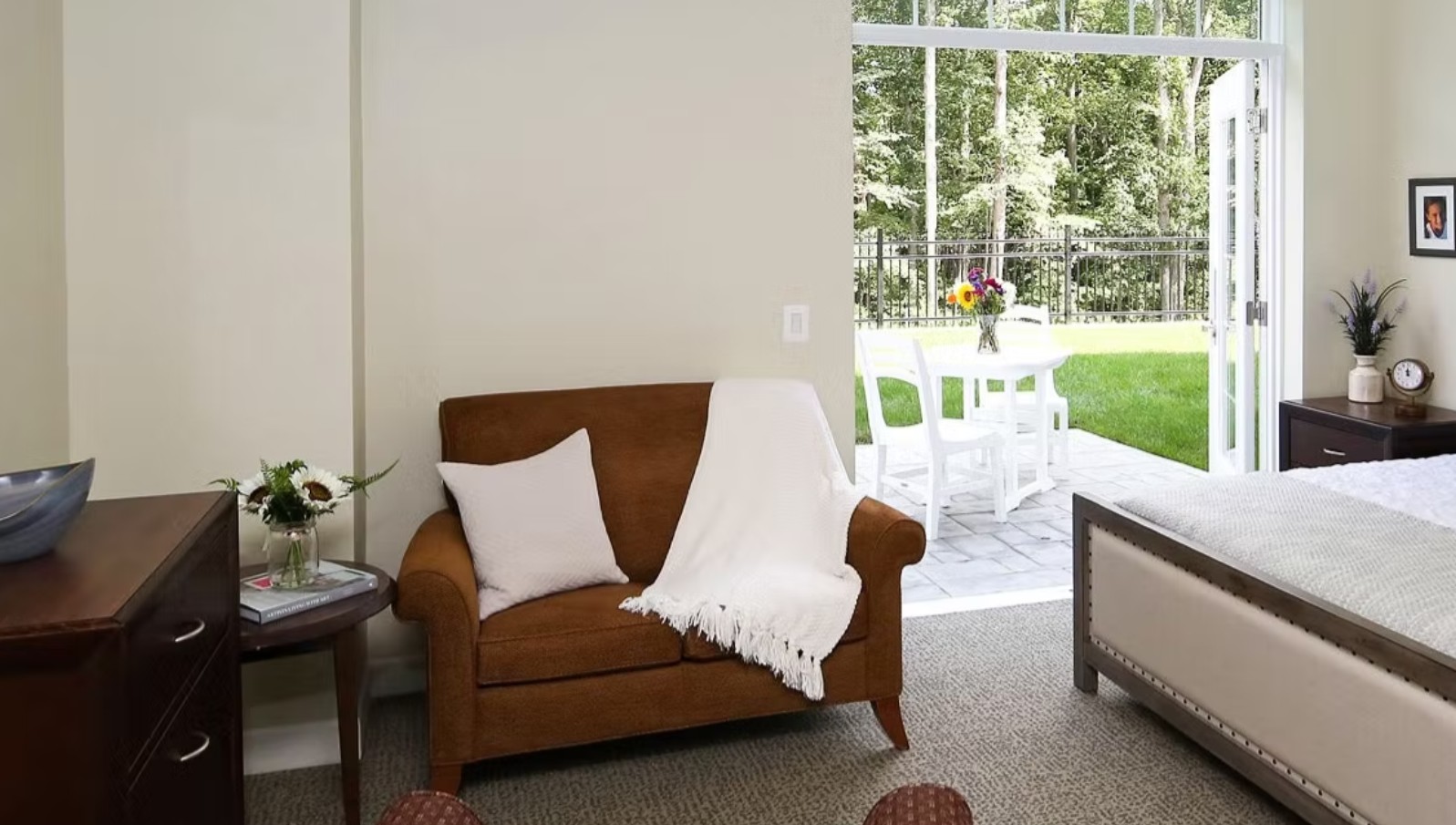
The Villas of Manalapan
Assisted Living 289 Gordons Corner Road, Manalapan Township, New Jersey, 07726The Villas offers upscale assisted living in Holmdel and Manalapan, NJ with an experience you can truly appreciate. We provide our residents with the highest quality of care and services, while encouraging their independence. Our state-of-the-art amenities and beautiful grounds provide the perfect setting for those who want to enjoy senior living solutions with a vibrant atmosphere. Whether it's taking a dip in the heated indoor pool, enjoying a gourmet meal in our restaurant, or simply relaxing in your own spacious villa, you'll find we offer the perfect place to call home. If you're looking for an assisted living facility that goes beyond a traditional nursing home, look no further than The Villas
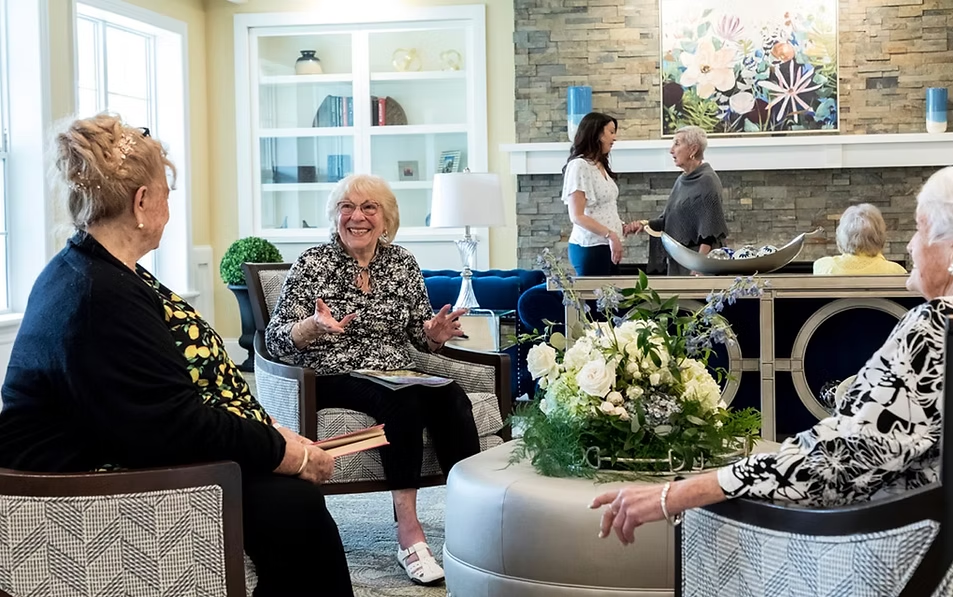
The Villas of Manalapan
Memory Care 289 Gordons Corner Rd, Manalapan, New Jersey, 07726At The Villas of Manalapan, we understand that caring for a loved one with memory loss can be challenging. That's why we offer specialized memory care services to help support both our residents and their families.Our memory care program is designed to provide a safe and secure environment for individuals with Alzheimer's disease, dementia, or other memory impairments. Our trained staff members are dedicated to providing personalized care and support to each resident, helping them maintain their independence and quality of life. We offer a range of specialized memory care services, including:Personalized Care Plans: Our team of healthcare professionals works closely with each resident and their family members to develop a personalized care plan tailored to their specific needs and preferences.Memory Support Programming: Our memory support programming is designed to promote cognitive function, socialization, and overall well-being. We offer a variety of activities and events, such as music therapy, art classes, and pet therapy, that are specifically tailored to the needs of our memory care residents.Safe and Secure Environment: Our memory care unit is designed to provide a safe and secure environment for our residents, with secure access and exit points, emergency call systems, and specialized monitoring to ensure their safety and well-being.Nutritious Meals: We provide healthy and nutritious meals that are specifically tailored to the needs of our memory care residents. Our chefs work closely with our healthcare professionals to develop menus that are not only delicious but also help support cognitive function and overall health. At The Villas of Manalapan, we believe that every resident deserves compassionate and personalized care, especially those with memory impairments. If you're looking for a safe and supportive environment for your loved one, we invite you to visit our memory care unit and learn more about how we can help you and your family.