
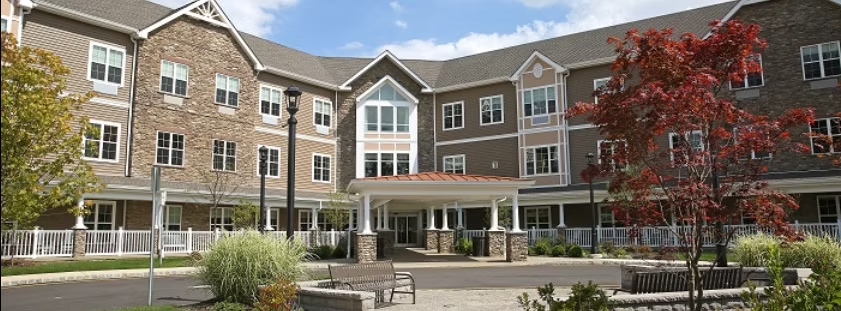


About The Villas of Manalapan
At The Villas of Manalapan, we understand that caring for a loved one with memory loss can be challenging. That's why we offer specialized memory care services to help support both our residents and their families.
Our memory care program is designed to provide a safe and secure environment for individuals with Alzheimer's disease, dementia, or other memory impairments. Our trained staff members are dedicated to providing personalized care and support to each resident, helping them maintain their independence and quality of life.
We offer a range of specialized memory care services, including:
Personalized Care Plans: Our team of healthcare professionals works closely with each resident and their family members to develop a personalized care plan tailored to their specific needs and preferences.
Memory Support Programming: Our memory support programming is designed to promote cognitive function, socialization, and overall well-being. We offer a variety of activities and events, such as music therapy, art classes, and pet therapy, that are specifically tailored to the needs of our memory care residents.
Safe and Secure Environment: Our memory care unit is designed to provide a safe and secure environment for our residents, with secure access and exit points, emergency call systems, and specialized monitoring to ensure their safety and well-being.
Nutritious Meals: We provide healthy and nutritious meals that are specifically tailored to the needs of our memory care residents. Our chefs work closely with our healthcare professionals to develop menus that are not only delicious but also help support cognitive function and overall health.
At The Villas of Manalapan, we believe that every resident deserves compassionate and personalized care, especially those with memory impairments. If you're looking for a safe and supportive environment for your loved one, we invite you to visit our memory care unit and learn more about how we can help you and your family.
General Property Features
- Private Rooms, Semi-Private Rooms
- Nurse on Staff, Respite/Short Term Stay
- Assisted Living Community, Secured Memory Care Unit
Memory Care
- https://www.villasseniorlivingnj.com/senior-living-manalapan
- 23
- Alz/Dementia Residents Only
Additional Levels of Care Offered
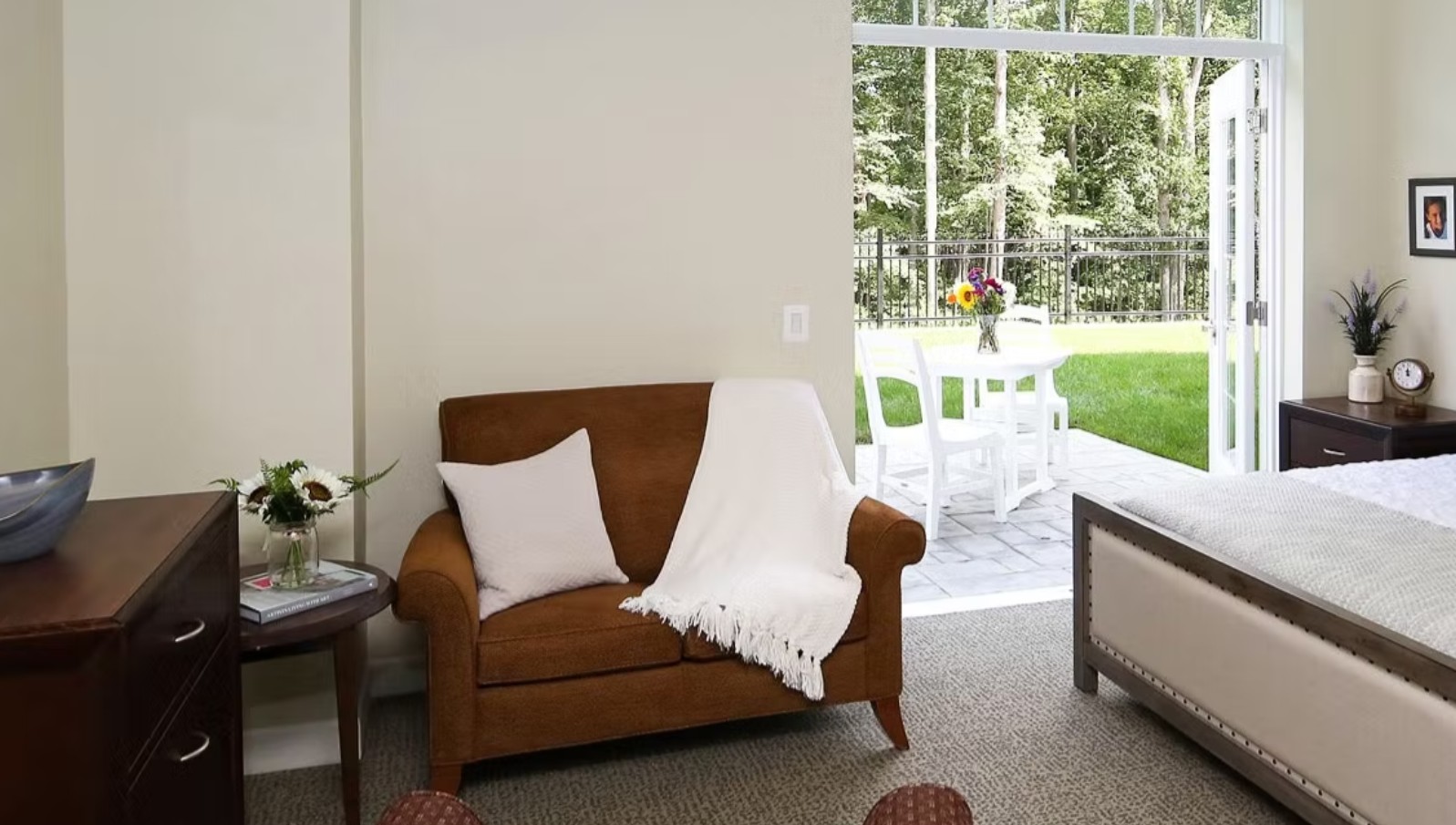
The Villas Of Manalapan
Assisted Living 289 Gordons Corner Road, Monmouth County, Manalapan Township, New Jersey, 07726The Villas offers upscale assisted living in Holmdel and Manalapan, NJ with an experience you can truly appreciate. We provide our residents with the highest quality of care and services, while encouraging their independence. Our state-of-the-art amenities and beautiful grounds provide the perfect setting for those who want to enjoy senior living solutions with a vibrant atmosphere. Whether it~s taking a dip in the heated indoor pool, enjoying a gourmet meal in our restaurant, or simply relaxing in your own spacious villa, you~ll find we offer the perfect place to call home. If you~re looking for an assisted living facility that goes beyond a traditional nursing home, look no further than The Villas
Continue Your Search! Explore More Local Options.
Start SearchingLet’s engage and get educated!
Browse through thousands of expert articles in over 100 different categories.
Browse NowArticles You May Like

From Family Home to Assisted Living: A Fresh Start
Choosing Assisted Living in Monmouth County, NJDeciding to leave a longtime home is an important transition for many older adults. A familiar residence may hold decades of memories, family traditions, and meaningful belongings.Even when moving could provide greater convenience and daily support, the decision can bring uncertainty.Some families worry about safety and changing care needs. Others are concerned about cost, loss of independence, or how an older adult will adjust to a new community.The best approach is to evaluate these questions before making a rushed decision.For families throughout Monmouth County, New Jersey, The Villas of Manalapan offers an assisted living option combining residential accommodations, personalized care, wellness resources, and social opportunities.Understanding how to prepare for the move can help older adults maintain a sense of control throughout the transition.Begin With the Reason for MovingAn assisted living decision should start with understanding what the older adult wants to improve.Common ReasonsDaily personal care has become difficultHousehold responsibilities are tiringMedication routines require assistanceFamily caregivers cannot meet all needsSocial opportunities have decreasedTransportation has become challengingThe person wants a more convenient residential settingThe most useful questions focus on needs and preferences rather than age alone.How Assisted Living Differs From Independent LivingIndependent living generally focuses on lifestyle and convenience for people who manage their own personal care.Assisted living provides additional support with daily activities.Support May IncludeBathingDressingGroomingMedication managementMobilityToiletingDining and housekeepingThe Villas of Manalapan offers individualized assisted living services.Families should request an assessment to determine whether these services match the prospective resident's needs.Include the Older Adult in Decision-MakingFamily members may have strong opinions about care and safety.However, an older adult should remain involved in residential decisions whenever possible.Important TopicsAsk:What do you enjoy most about your home?Which responsibilities are becoming frustrating?What kind of apartment would feel comfortable?Are dining and social activities appealing?What concerns do you have about accepting assistance?Which belongings are most meaningful to you?These conversations can reveal priorities that are easy to overlook.Evaluate the Care ApproachThe Villas describes its assisted living model as personalized and centered on individual wellness.Its registered nurses assess needs and help develop assistance plans.Questions to DiscussHow are care requirements determined?Who updates the plan?How is medication support organized?What nursing resources are available?Are outside medical appointments coordinated?How does the community respond to changing needs?A clear description of services and limitations is essential.Compare the Living EnvironmentAssisted living is also a residential choice.A comfortable apartment should support privacy, familiar routines, and accessibility.Apartment ConsiderationsBedroom and living area dimensionsBathroom accessibilityStorageNatural lightingSpace for favorite furnitureProximity to common areasWalking distance to diningMobility requirementsThe Villas offers senior residential accommodations with access to concierge-style amenities.Families should ask which floor plans are available in the assisted living program.Assess Dining and Everyday ConvenienceFor some seniors, a major benefit of residential living is having fewer household tasks.The Villas advertises dining services, housekeeping, transportation, and other amenities.Questions to AskHow many meals are included?Are special diets accommodated?How does transportation scheduling work?Are cleaning and laundry included?Which services require extra payment?Are guest meals available?The answers can help families compare total costs and everyday convenience.Understand the ReviteWellness ProgramThe Villas promotes its ReviteWellness program as part of a broader senior lifestyle.Published descriptions reference physical activity, cognitive engagement, relaxation, healthcare access, and social connections.Discuss Individual SuitabilityNot every resident will participate in the same activities.A person recovering from illness may need different programming from someone who enjoys regular fitness classes.Healthcare professionals should advise residents on appropriate activity levels.Preparing Financially for the MoveAssisted living changes the structure of household expenses.Instead of paying directly for every utility, repair, grocery purchase, and home service, residents may pay residential and care-related fees.Expenses to ReviewMonthly residence chargesCare level feesMedication servicesPersonal expensesMove-in chargesTransportationAdditional amenitiesFuture rate changesCompare Current Home CostsMaintaining a house may include property taxes, insurance, maintenance, utilities, housekeeping, groceries, and transportation.Assisted living is not automatically cheaper.A realistic comparison considers the full financial picture.Review the Residency AgreementFamilies should ask for written documentation describing the residence and services.Important Contract QuestionsWhat is included in the monthly charge?How are additional care fees calculated?Are there notice requirements?What happens if care needs increase?What services are unavailable?Are refunds or deposits addressed?How are changes communicated?A qualified attorney or financial advisor may help evaluate significant contractual obligations.Downsizing a Longtime HomeMoving into a smaller residence often requires organizing personal belongings.This can be emotionally demanding.A Practical Sorting PlanSeparate possessions into:BringGive to familyDonateSellStoreDiscardBegin with less emotionally significant items, such as unused household supplies.Important photographs and keepsakes may require more time.Preserve Meaningful MemoriesDownsizing does not require abandoning personal history.Ways to Preserve MemoriesKeep favorite photographsCreate albumsShare heirlooms with relativesPhotograph large sentimental itemsBring familiar furnishingsRecord family storiesRespect the older adult's decisions whenever possible.Use the New Floor PlanBefore arranging movers, obtain measurements of the future residence.MeasureBedroomsLiving spacesDoorwaysClosetsBathroomsFurniture clearancesThis helps avoid bringing items that cannot comfortably fit.Clear walking areas are particularly important when mobility equipment is used.Coordinate the Moving TimelineA residential transition can involve the existing property, a new apartment, professional movers, and family schedules.Key TasksConfirm the admission dateReview the care planArrange moving servicesOrganize medical documentsUpdate contact informationPrepare essential personal itemsSchedule utility changes as neededCoordinate family visitsAllow flexibility for possible delays.Preparing for the First WeekMoving day can feel busy and unfamiliar.A comfortable first week should prioritize essential spaces and routines.First-Week PrioritiesArrange the bed and favorite chairMake clothing accessibleOrganize personal itemsConfirm medication arrangementsLearn dining schedulesLocate important amenitiesMeet key staffEstablish family contact routinesNot every box needs to be unpacked immediately.Encouraging Social Participation Without PressureThe Villas offers activities, dining, and opportunities for community engagement.Some residents adapt quickly.Others prefer a gradual introduction.Helpful ApproachesAttend one preferred activityVisit the dining roomExplore a common areaJoin a small groupContinue familiar hobbiesAllow quiet timeThe resident should help determine the pace.Supporting Spouses and RelativesAssisted living may also affect spouses, adult children, and other caregivers.Responsibilities may shift from completing daily tasks to participating in care discussions and maintaining personal relationships.Family Involvement Can IncludeRegular visitsAuthorized care meetingsSharing personal preferencesAttending celebrationsHelping with appointmentsMonitoring changing needsFamily participation should respect the resident's choices and privacy.Planning for Future Care NeedsA person may require more assistance as health or mobility changes.The Villas describes offering individualized levels of care.Ask AboutIncreased personal care needsMedication changesRehabilitation arrangementsSignificant cognitive changesMobility limitationsTransitions to different care arrangementsFamilies should understand which services are available and when another setting may be required.Avoiding Common Assisted Living Selection MistakesImportant mistakes to avoid include:Choosing based only on photographsFailing to review the contractNot asking about staffingOverlooking additional care chargesIgnoring accessibilityMoving without a furniture planAssuming medical services are all includedExcluding the older adult from decisionsFailing to coordinate admission and moving datesA thoughtful tour and written list of questions can help.Questions to Ask During a TourFamilies may want to ask:Which apartments are available?How are caregivers assigned?What happens during medical emergencies?What activities are offered?How are residents involved in decisions?Can family members join meals?What is the current pricing?How does the community assess care changes?Try to imagine a typical day rather than focusing only on furnishings and amenities.Expert Tip: Plan Around the Resident's Ordinary DayAssisted Living Transition Tip: Write down your loved one's preferred morning, afternoon, and evening routines before touring. Ask how each part of that day would work in the community. This can reveal practical questions about bathing, meals, medication support, activities, privacy, and transportation.Frequently Asked Questions About Moving to Assisted Living1. Is The Villas of Manalapan an assisted living residence?Yes. The community is licensed in New Jersey as an assisted living residence.2. Can residents retain personal independence?The community emphasizes individualized assistance and resident choice. Residents can continue participating in activities and decisions appropriate to their needs.3. What amenities should families expect?The Villas advertises dining, transportation, wellness opportunities, social activities, and concierge-style services. Confirm current offerings and fees directly.4. How should families prepare for the move?Begin with a care assessment, apartment measurements, a realistic budget, a moving checklist, and conversations about the older adult's preferences.5. How can families schedule a visit?Contact The Villas of Manalapan to request current residence availability, pricing information, and a community tour.Making an Assisted Living Transition More ManageableChoosing assisted living involves far more than selecting an apartment.Families must consider care needs, financial responsibilities, personal belongings, established routines, and emotional adjustment.For older adults throughout Monmouth County, New Jersey, The Villas of Manalapan offers personalized assisted living in a setting emphasizing wellness, convenience, and engagement.Beginning the conversation early, reviewing written information, and involving the older adult can help the transition feel more organized.The right decision should reflect the resident's needs, preferences, and long-term goals.Learn More About The Villas of ManalapanVisit The Villas of Manalapan on SeniorsBlueBook.com to explore assisted living accommodations and services.
Oct 15, 2026
When Dementia Care Needs Change: A Family's Guide
Planning Dementia Care in Monmouth County, NJA loved one's memory-related condition can gradually change the responsibilities of family caregiving.At first, assistance may involve an occasional reminder or help organizing appointments. Later, family members may need to supervise meals, assist with personal hygiene, respond to confusion, or remain available during the night.These increasing needs can be difficult to manage alongside work, household responsibilities, and other family commitments.Families may begin wondering whether home care remains sufficient or whether specialized residential memory support would be more appropriate.For older adults and families throughout Monmouth County, New Jersey, understanding the transition from family caregiving to professional memory care can help reduce uncertainty.The Villas of Manalapan has previously advertised dedicated memory care services in official community materials. Those materials describe a residential approach combining daily assistance, dining, activities, and supportive amenities.Because current public materials primarily emphasize assisted living and independent living, families should verify the availability and details of memory care directly before planning a move.The following guidance explains how to evaluate changing dementia needs and prepare for a possible residential transition.Understanding the Family Caregiving JourneyDementia can influence memory, behavior, communication, and daily functioning.The needs of a person living with dementia may change over time.Early Caregiving ResponsibilitiesFamily members may help with:AppointmentsTransportationShoppingRemindersHousehold organizationMealsIncreased AssistanceAs abilities change, families may also need to provide:Personal careSupervisionMobility assistanceNighttime supportHelp with eatingFrequent reassuranceRecognizing when the care arrangement is becoming difficult to sustain is an important part of planning.When Home Support May Need ReassessmentHome care can be appropriate for some individuals living with dementia.However, the level of assistance required may eventually exceed the support available.Changes Worth DiscussingWandering or exit-seekingUnsafe kitchen activitiesRepeated nighttime confusionDifficulty eating regularlyIncreasing personal care needsCommunication difficultiesSignificant caregiver fatigueFrequent emergenciesThese concerns should be evaluated with qualified healthcare professionals.Begin With a Clinical AssessmentA residential memory care decision should reflect more than a diagnosis.An Assessment May ConsiderMedical conditionsCognitive functioningMobilityBehavioral changesPersonal care abilitiesSupervision needsMedication requirementsNutritional concernsThe appropriate care setting depends on these factors.Families should share accurate information about daily challenges.Explore The Villas of Manalapan's Memory Care HistoryThe Villas of Manalapan previously published a dedicated memory care brochure describing residential care, activities, meals, and support.Historically Documented ServicesThese included:Residential accommodationsCare-related assistanceMedication supportDaily activitiesHousekeepingMealsSocial programsConcierge-style servicesThese are historical descriptions, not confirmation of current offerings.A prospective family should first ask whether the program remains operational and accepting admissions.Communication During Dementia CareCommunication may become more difficult as cognitive abilities change.Someone may struggle to explain a need or understand a complex question.Helpful StrategiesSpeak calmlyUse short statementsAllow additional response timeOffer simple choicesAvoid correcting every mistakeObserve nonverbal cuesRespond respectfullyCaregivers should continue recognizing the person's preferences and identity.Understanding Behavioral ChangesDistress may occur when someone feels confused, frightened, tired, or uncomfortable.Possible ContributorsPainHungerFatigueIllnessEnvironmental noiseChanges in routineUnfamiliar peopleDifficulty communicatingAn appropriate response begins with considering potential unmet needs.Sudden changes in behavior or cognition require clinical evaluation.Maintaining Familiar RoutinesPredictable daily patterns may help someone living with dementia feel more comfortable.Routine ConsiderationsWaking timesPreferred mealsPersonal care habitsFavorite activitiesRest periodsEvening routinesFamily members can share this information with a prospective care community.The goal is to preserve meaningful habits where appropriate.Preparing for a Memory Care TourA tour should focus on actual caregiving practices, not simply the appearance of the building.Ask to SeeResident accommodationsDining areasActivity spacesAppropriate outdoor areasStaff gathering areasWalking routesSafety featuresThe memory care neighborhood should be toured directly if currently available.Evaluate Staff TrainingSpecialized dementia support requires staff who understand cognitive changes.Important QuestionsWhat dementia-specific education is provided?How is behavior-related distress handled?Who develops care plans?How are new symptoms assessed?What support is available overnight?How are families informed?Which tasks require licensed professionals?Families should obtain current answers from the community.Review Safety PracticesSafety is an important factor when choosing memory care.Topics to DiscussWandering preventionExit managementEmergency responseMobility supportFall preventionNighttime observationMedication-related proceduresDo not assume a community uses a particular security system unless its staff confirm it.Nutrition and Daily AssistanceDementia may affect appetite, eating routines, or the ability to complete meals independently.Questions for the Care TeamAre meals provided?Is eating assistance available?How are dietary preferences documented?Are swallowing concerns assessed?How is hydration encouraged?What happens when appetite changes?Clinical concerns should be referred to healthcare professionals.Helping a Loved One Prepare EmotionallyA move can be difficult for someone who depends on familiar surroundings.Useful PreparationChoose appropriate personal itemsShare favorite photographsDiscuss established routinesCoordinate arrival with staffPrepare necessary paperworkExplain comfort preferencesThe community may recommend specific transition procedures based on the person's needs.Supporting Family Members Through the DecisionFamily caregivers may experience different emotions when exploring residential support.Some feel uncertain about changing longstanding routines or responsibilities.Helpful ApproachesDiscuss concerns openlyShare responsibilitiesConsult cliniciansReview residential options togetherInclude the older adult when possibleAsk questions before making commitmentsThe goal is to match care with actual needs, not to rush toward a predetermined decision.Moving Day PlanningA residential transition requires logistical coordination.Important TasksConfirm admission approvalReview payment arrangementsPrepare medication informationShare emergency contactsBring permitted personal belongingsArrange transportationReview mobility needsCoordinate family communicationFamilies should verify which supplies and furnishings are provided.Maintaining Family Connections After Move-InThe family role continues after professional caregivers assume daily responsibilities.Families May Remain Involved ByVisiting appropriatelySharing familiar storiesParticipating in care discussionsBringing meaningful photographsCommunicating health changesAttending suitable activitiesConsistency and personal connection remain valuable.Reviewing Costs and ServicesResidential memory care may have different charges from assisted living.Financial QuestionsWhat is included in the monthly fee?Are care levels priced separately?Is medication support included?Are meals and housekeeping covered?Are there move-in charges?What happens if care needs change?What notice provisions apply?Families should request current written agreements and avoid relying on historic brochures.Considering AlternativesMemory care may not be necessary for every person with dementia.Alternatives could include:Additional home careAdult day programsFamily respite arrangementsAssisted living, when appropriateOther residential careThe correct choice depends on functional needs, safety, available support, and clinical assessment.Planning for Changing Care NeedsEven after moving into an appropriate community, dementia-related needs may progress.Families should understand how the care team evaluates changes.Ask AboutReassessment frequencyNursing resourcesHospital transfersTherapy referralsPalliative care coordinationHigher-level care requirementsResident and family communicationA plan should address both current needs and foreseeable changes.Expert Tip: Prepare a Transition Information FolderMemory Care Transition Tip: Before moving a loved one into residential care, organize medications, medical contacts, emergency information, mobility requirements, favorite activities, and calming routines in one accessible folder. Share relevant information with authorized care staff to help make the first days more organized.Frequently Asked Questions About Dementia Care Transitions1. When should a family consider residential memory care?When cognitive and functional needs require more supervision or personal support than can safely and reliably be provided at home, a professional assessment may be useful.2. Does The Villas of Manalapan offer memory care?The community previously documented a memory care offering. Families must confirm the current program and admission availability directly.3. How can families prepare for memory care admission?Gather healthcare information, discuss personal routines, review service agreements, and clarify supervision and safety needs.4. Can families remain involved after a move?Yes. Appropriate visits, communication, and authorized care discussions can help maintain important family relationships.5. What should families ask about pricing?Confirm current residential fees, included services, additional care charges, payment terms, and policies for changes in care needs.Making Thoughtful Decisions About Dementia SupportDementia caregiving involves practical responsibilities, emotional considerations, and changing needs.For families throughout Monmouth County, New Jersey, planning ahead can make it easier to compare available support options and understand the transition process.The Villas of Manalapan has previously documented memory care within its senior residential services, making it important for interested families to obtain current information about the program.A careful decision begins with a professional assessment and clear answers about services, staffing, safety, costs, and personal preferences.Learn More About The Villas of ManalapanVisit The Villas of Manalapan on SeniorsBlueBook.com to explore its Memory Care listing.
Oct 15, 2026
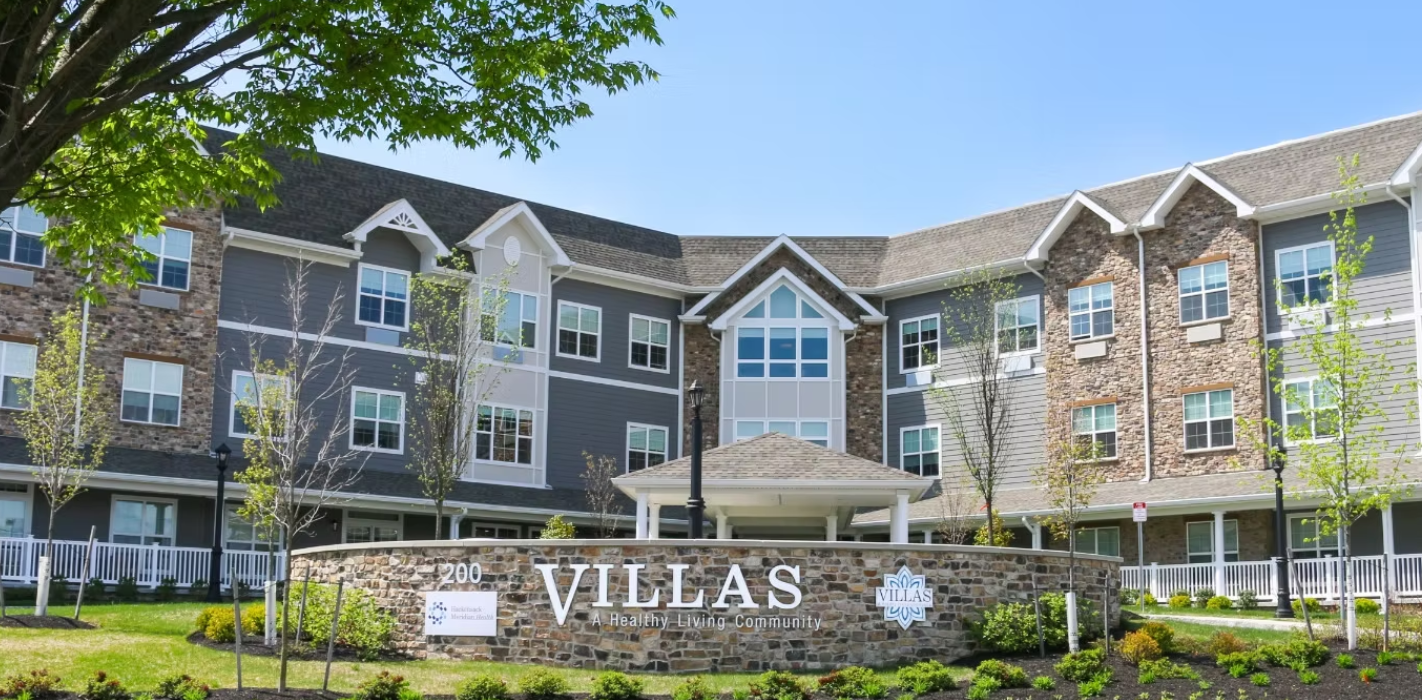
Choosing the Right Senior Living Community in Central New Jersey
Choosing the Right Senior Living Community in Central New Jersey: What Families Should KnowFrom the rolling neighborhoods of Holmdel to the tree-lined streets of Manalapan, Central New Jersey has become a popular place for older adults to enjoy retirement. Many seniors want to remain close to family, familiar doctors, and lifelong communities but also want freedom from home maintenance and worry.Thats where The Villas of Holmdel and The Villas of Manalapan step in, offering both assisted living and memory care in two of Monmouth Countys most desirable towns.Guided by leadership including Nicole Serluco, and Kim Russo, the Villas focus on creating a supportive, dignified environment where residents can live with purpose, safety, and connection. Why Seniors Are Choosing Holmdel & ManalapanThese communities offer: Quiet suburban neighborhoods Easy access to Route 9, 18, and the Parkway Proximity to hospitals like Hackensack Meridian Parks, shopping, and restaurants Close proximity to adult children raising families For seniors who spent decades in Monmouth County, staying local is often deeply meaningful.The Villas allow residents to remain close to everything they know while receiving the care they need. Assisted Living vs. Memory Care: Understanding the DifferenceOne of the biggest challenges families face is knowing what type of care is appropriate.Assisted Living is ideal for seniors who: Need help with medications Need assistance bathing or dressing Want meals and housekeeping provided Desire social interaction and safety Memory Care is designed for seniors with: Alzheimers disease Dementia Cognitive decline Wandering or confusion Safety concerns Both Villas communities offer specialized care environments, allowing residents to remain in the same community even as needs change. What Makes The Villas Unique?Unlike large, corporate senior housing complexes, The Villas are known for their warm, relationship-driven culture.Residents and families often notice: Consistent caregivers Personalized care plans Smaller, close-knit community feel Staff who truly know each resident Leadership, including Kim Russo, emphasizes family communication and individualized attention two things that matter most when someone you love needs support. Daily Life at The VillasResidents enjoy: Chef-prepared meals Social activities and events Fitness and wellness programs Housekeeping and laundry Transportation to appointments Safe outdoor spaces Memory care residents benefit from structured routines and secure environments designed to reduce anxiety and promote comfort. Peace of Mind for FamiliesFor adult children, choosing assisted living or memory care is not just about their parent its about peace of mind.The Villas provide: 24/7 trained staff Emergency response systems Medication management Fall prevention strategies Cognitive support programs Knowing your loved one is safe allows families to shift from being caregivers back to being sons, daughters, and spouses. Frequently Asked QuestionsDo residents need to leave if their care needs increase? No. The Villas provide both assisted living and memory care.Are visits allowed? Yes family involvement is encouraged.Are apartments private? Yes, residents enjoy private or semi-private living spaces.Is transportation provided? Yes, for medical appointments and outings.Can couples live together? In many cases, yes, depending on care needs. A Local Solution for a Big DecisionChoosing senior living is one of the most important decisions a family will make. In Holmdel and Manalapan, The Villas provide a balance of professionalism, compassion, and community that allows seniors to continue living with dignity.Explore their community and learn more by visiting their Seniors Blue Book listing today. More information can be found on their Seniors Blue Book Listing The Villas
Apr 28, 2026
A Better Balance of Care and Independence for Seniors
Personalized Assisted Living in Monmouth County, NJFor many older adults, maintaining independence is closely connected to quality of life. Choosing daily activities, enjoying familiar routines, and spending time with family and friends can make retirement both comfortable and meaningful.However, aging can bring changes that make some everyday responsibilities more challenging. An older adult may need assistance with dressing, medication routines, mobility, or meal preparation. Household maintenance may become physically demanding, and families may worry about whether enough support is available throughout the day.Assisted living offers a residential option that combines personal freedom with appropriate assistance.For seniors and families throughout Monmouth County, New Jersey, The Villas of Manalapan provides assisted living accommodations, individualized care, wellness opportunities, and amenities designed to support an active lifestyle.The community's approach centers on recognizing each resident's abilities, personal interests, and changing needs. Rather than assuming everyone requires identical services, the goal is to develop support arrangements appropriate to the individual.Understanding the benefits of personalized assisted living can help families evaluate whether this type of residence matches their loved one's needs.What Is Assisted Living?Assisted living is a residential care option for individuals who need help with some everyday activities but do not necessarily require the continuous clinical treatment available in a skilled nursing facility.Residents generally have private living accommodations and access to supportive services.Assistance May IncludeBathing and showeringDressing and groomingToiletingMobility and transfersMedication-related supportMeal servicesHousekeepingLaundryTransportationDaily wellness activitiesThe amount of assistance varies according to individual needs and the residence's capabilities.Independence Remains ImportantAn older adult who needs help with one activity may continue managing many others independently.Good care planning considers both the tasks requiring assistance and the resident's existing strengths.Assisted Living at The Villas of ManalapanThe Villas of Manalapan is a licensed assisted living residence in Monmouth County.Its published services include assistance with everyday activities, medication management, dining, transportation, and wellness programming.The community also offers amenities intended to make residential life comfortable and engaging.A Personalized Residential ExperienceThe Villas emphasizes understanding each person's story, interests, and support requirements.This can help caregivers establish an appropriate daily care plan.Around-the-Clock SupportThe community advertises staff support and nursing resources available around the clock.Families should ask about the specific services and licensed professionals available during each shift.A Lifestyle Beyond Basic AssistanceResidents can participate in social, educational, wellness, and recreational experiences alongside their care arrangements.Recognizing When Assisted Living May Be HelpfulFamilies sometimes struggle with the timing of a residential care decision.A single difficult day may not indicate a need for relocation. Repeated difficulties with essential activities, however, may suggest that additional support would be valuable.Signs Worth DiscussingDifficulty maintaining personal hygieneConfusion about medication schedulesReduced ability to prepare mealsIncreasing mobility limitationsUnmanaged household tasksDifficulty reaching appointmentsDependence on relatives for daily routinesConcerns about living aloneGreater family caregiver responsibilitiesA professional assessment can help distinguish ordinary changes from needs requiring medical treatment or residential support.Individual Care AssessmentsThe Villas describes using registered nurses to evaluate individual care needs and develop personalized assistance plans.Such assessments can help identify appropriate services.Areas That May Be ReviewedMobility and balancePersonal care needsMedication routinesChronic healthcare conditionsNutritional needsCognitive functioningExisting daily routinesPersonal preferencesCare Plans Can ChangeA resident's needs may change after an illness, hospitalization, or other event.Regular reassessment can help ensure that the service plan remains appropriate.Family ParticipationWith appropriate authorization, relatives may share important observations or personal preferences that support care planning.Medication Management SupportMedication routines can become complicated when someone takes several prescriptions at different times.An older adult may struggle to organize medications, remember instructions, or coordinate refills.Why Medication Support MattersProper oversight can help residents follow prescribed treatment plans while reducing confusion about daily routines.The Villas advertises medication management among its assisted living services.Questions Families Should AskWho reviews medication orders?Which staff members administer medications?How are prescription changes communicated?What happens when a medication is missed?How are concerns reported to physicians?Are related services included in the care agreement?Medication decisions and clinical treatment remain the responsibility of qualified healthcare professionals.Assistance With Personal CareActivities such as dressing, grooming, and bathing can become physically demanding because of arthritis, reduced mobility, or changes in strength.Personalized Support May IncludePreparing for the dayChoosing appropriate clothingAssistance with buttons or footwearBathing supportToileting assistanceGrooming and hygieneEvening preparationDignity and PrivacyResidents should receive assistance in ways that respect personal comfort and individual preferences.Encouraging ParticipationWhen possible, caregivers can help with difficult steps while allowing residents to complete manageable activities independently.Mobility and Everyday ConfidenceMobility influences participation in meals, recreation, and other daily activities.Some residents may need help walking longer distances or transferring between positions.Important ConsiderationsAccessibility of residential spacesSuitable mobility aidsAssistance reaching dining roomsSupport during appropriate activitiesFall risk assessmentRehabilitation referrals when neededA physical or occupational therapist may be appropriate when a resident experiences significant mobility changes.Wellness Through ReviteWellnessThe Villas promotes a branded ReviteWellness approach that combines attention to physical activity, cognitive engagement, stress reduction, and social connections.Its published descriptions emphasize wellness as part of residential life.Wellness Opportunities May IncludeAppropriate fitness activitiesIntellectual engagementSocial programsRelaxationHealth-related servicesActivities supporting personal interestsThese programs should be viewed as wellness opportunities, not guaranteed treatment or prevention of medical conditions.Residents should follow healthcare guidance when participating in exercise or other activities.Dining and Daily ConvenienceMeal preparation can become an unwanted burden in retirement.Residential dining services reduce daily shopping, cooking, and cleanup responsibilities.The Villas Dining ExperienceThe community advertises chef-prepared meals and dining opportunities that encourage social interaction.What Families Should ReviewAsk about:Meal schedulesDietary accommodationsGuest diningMenu varietyAssistance at mealtimesCharges for additional servicesMeals can also become valuable opportunities to meet neighbors and maintain familiar social routines.Community Activities and RelationshipsAssisted living should offer more than assistance with personal needs.An engaging environment can create opportunities for friendships, hobbies, and personal growth.Possible ActivitiesMusic and entertainmentGroup discussionsArt programsFitness classesSocial eventsGamesEducational presentationsOrganized outingsThe exact calendar may change.Residents can choose activities that match their interests rather than participate in every event.Concierge-Style AmenitiesThe Villas describes its residential model as concierge living.This approach emphasizes convenience, access to amenities, and assistance with certain everyday arrangements.Amenities and Services to ExploreComfortable residential accommodationsDining venuesRecreation spacesConcierge assistanceHousekeepingWellness activitiesTransportation arrangementsOpportunities to socializeFamilies should confirm which amenities are offered at the individual campus and whether extra fees apply.The Importance of Resident ChoiceMoving into assisted living should not mean losing personal identity.Residents may want to maintain familiar habits involving morning routines, hobbies, visits, and social activities.Meaningful Choices May IncludeDaily schedulesClothing and appearanceMeal preferencesActivity participationPersonal belongingsFamily visitsQuiet timeAn effective residential plan balances necessary assistance with reasonable autonomy.Supporting Family CaregiversAdult children and spouses may provide substantial assistance before an older adult enters assisted living.Over time, these responsibilities can become demanding.Assisted Living May Help WithDaily personal careRoutine oversightMeal preparationHousehold maintenanceMedication supportOrganized activitiesFamilies may then spend more visits enjoying conversation and shared interests instead of managing every practical task.They should still remain involved in important decisions according to the resident's wishes.Financial Planning for Assisted LivingAssisted living costs differ according to accommodations, services, and personal care needs.Questions to Ask About PricingWhat is the monthly accommodation fee?Which care services are included?Does medication management involve additional charges?What happens when care needs increase?Are housekeeping and laundry included?Is transportation included?Are there community or move-in fees?How often can prices change?Review written agreements and obtain current prices directly from the community.Families should not assume Medicare covers ongoing room, board, and custodial assisted living expenses.Touring The Villas of ManalapanA personal tour allows prospective residents to evaluate the environment and ask detailed questions.Areas Worth SeeingAvailable residencesDining roomsActivity areasCommon spacesWellness facilitiesOutdoor areasEntrances and accessibility featuresQuestions About CareAsk how staff assess needs, communicate with relatives, respond to emergencies, and coordinate outside healthcare services.A good fit depends on both the living environment and the care services available.Expert Tip: Identify Strengths Alongside Support NeedsAssisted Living Tip: Before meeting with a senior living community, prepare two lists: everyday activities your loved one completes independently and tasks that now require assistance. Sharing both lists helps the care team understand how to provide appropriate support without unnecessarily taking away meaningful independence.Frequently Asked Questions About Assisted Living1. Does The Villas of Manalapan offer assisted living?Yes. The Villas of Manalapan is a New Jersey licensed assisted living residence offering personalized daily assistance and residential services.2. What types of care are available?Its published services include help with daily activities, medication management, dining, transportation, and wellness programming. Individual arrangements depend on assessment.3. Is healthcare support available around the clock?The Villas advertises around-the-clock staff and nursing resources. Families should confirm the specific coverage and clinical services provided at the community.4. Does the community offer social and wellness activities?Yes. Its residential approach emphasizes wellness, fitness, social interaction, and engaging activities through the ReviteWellness program and community programming.5. How can families learn about assisted living costs?Contact The Villas of Manalapan to discuss available residences, current fees, care assessments, and the terms of the residential agreement.Supporting Independence Through Personalized Assisted LivingAssisted living can help older adults continue making personal choices while receiving assistance with difficult everyday tasks.For residents throughout Monmouth County, New Jersey, The Villas of Manalapan provides a residential setting focused on personalized care, wellness, social engagement, and convenient amenities.Families exploring assisted living should consider the resident's abilities, preferences, healthcare needs, and financial circumstances.By discussing these priorities with the community and reviewing available services, older adults and their loved ones can make a more informed decision about an appropriate residential arrangement.Learn More About The Villas of ManalapanVisit The Villas of Manalapan on SeniorsBlueBook.com to learn about assisted living residences, personalized support, amenities, and wellness programming.
Oct 15, 2026

Choosing the Right Senior Living Community in Central New Jersey: What Families Should Know
Choosing the Right Senior Living Community in Central New Jersey: What Families Should KnowFrom the rolling neighborhoods of Holmdel to the tree-lined streets of Manalapan, Central New Jersey has become a popular place for older adults to enjoy retirement. Many seniors want to remain close to family, familiar doctors, and lifelong communities but also want freedom from home maintenance and worry.Thats where The Villas of Holmdel and The Villas of Manalapan step in, offering both assisted living and memory care in two of Monmouth Countys most desirable towns.TThe Villas focus on creating a supportive, dignified environment where residents can live with purpose, safety, and connection. Why Seniors Are Choosing Holmdel & Manalapan, Jersey Shore TownsThese communities offer: Quiet suburban neighborhoods Easy access to Route 9, 18, and the Parkway Proximity to hospitals like Hackensack Meridian Parks, shopping, and restaurants Close proximity to adult children raising families For seniors who spent decades in Monmouth County, staying local is often deeply meaningful.The Villas allow residents to remain close to everything they know while receiving the care they need. Assisted Living vs. Memory Care: Understanding the DifferenceOne of the biggest challenges families face is knowing what type of care is appropriate.Assisted Living is ideal for seniors who: Need help with medications Need assistance bathing or dressing Want meals and housekeeping provided Desire social interaction and safety Memory Care is designed for seniors with: Alzheimers disease Dementia Cognitive decline Wandering or confusion Safety concerns Both Villas communities offer specialized care environments, allowing residents to remain in the same community even as needs change. What Makes The Villas Unique?Unlike large, corporate senior housing complexes, The Villas are known for their warm, relationship-driven culture.Residents and families often notice: Consistent caregivers Personalized care plans Smaller, close-knit community feel Staff who truly know each resident Leadership emphasizes family communication and individualized attention two things that matter most when someone you love needs support. Daily Life at The Villas Residents enjoy: Chef-prepared meals Social activities and events Fitness and wellness programs Housekeeping and laundry Transportation to appointments Safe outdoor spaces Memory care residents benefit from structured routines and secure environments designed to reduce anxiety and promote comfort. Peace of Mind for Families For adult children, choosing assisted living or memory care is not just about their parent its about peace of mind. The Villas provide: 24/7 trained staff Emergency response systems Medication management Fall prevention strategies Cognitive support programs Knowing your loved one is safe allows families to shift from being caregivers back to being sons, daughters, and spouses. Frequently Asked Questions Do residents need to leave if their care needs increase? No. The Villas provide both assisted living and memory care. Are visits allowed? Yes family involvement is encouraged. Are apartments private? Yes, residents enjoy private or semi-private living spaces. Is transportation provided? Yes, for medical appointments and outings. Can couples live together? In many cases, yes, depending on care needs. A Local Solution for a Big Decision Choosing senior living is one of the most important decisions a family will make. In Holmdel and Manalapan, The Villas provide a balance of professionalism, compassion, and community that allows seniors to continue living with dignity. Explore their community and learn more by visiting their Seniors Blue Book listing today. More information can be found on their Seniors Blue Book Listing Villas of Manalapan and Holmdel NJ
Dec 31, 2025
Beyond Memory Loss: Personalized Dementia Support
Personalized Memory Care in Monmouth County, NJCaring for an older adult experiencing memory loss can involve difficult decisions. Families often begin by providing reminders, organizing appointments, and helping with everyday activities. As cognitive changes progress, however, familiar routines may become more challenging and the amount of assistance needed can increase.An older adult may become confused about time, struggle to complete personal care tasks, or require additional supervision. Family members may worry about safety, communication, and whether the current living arrangement continues to meet their loved one's needs.For families throughout Monmouth County, New Jersey, exploring specialized memory care can be an important part of planning for Alzheimer's disease and related conditions.The Villas of Manalapan has previously documented memory care services in its official community materials, alongside assisted living accommodations. The community's memory care approach has emphasized personalized support, residential comfort, and opportunities for meaningful daily engagement.Because memory care programs and admissions arrangements may change, families should confirm the current availability, staffing, and capabilities of the memory care offering directly with The Villas of Manalapan.Understanding what personalized memory care should provide can help families evaluate whether the community is an appropriate choice.What Is Memory Care?Memory care is a specialized residential service intended for people living with dementia, Alzheimer's disease, or other conditions affecting memory and cognitive functioning.It typically involves additional supervision and assistance tailored to cognitive needs.Common Support NeedsThese may include:Frequent remindersAssistance with dressingBathing and hygiene supportStructured routinesMeal-related assistanceSupervisionMobility supportCommunication assistanceBehavioral and emotional supportThe appropriate level of care depends on the individual's condition, abilities, and clinical assessment.Memory Care at The Villas of ManalapanEarlier official materials for The Villas of Manalapan describe a memory care offering associated with the community.These materials identify a residential approach that combines care services with amenities and daily activities.Documented Features IncludeResidential accommodationsDaily concierge-style supportChef-prepared mealsHousekeepingSocial programmingRecreational activitiesMedication-related supportOpportunities for family involvementThe descriptions reflect materials published previously; the current program, fees, and inclusion of individual services must be confirmed.Why Personalized Care MattersDementia does not affect every person in the same way.Two residents may have similar diagnoses but very different abilities and interests.Individual Differences May IncludeCommunication styleMobilityPersonal historyHobbiesSleep routinesMealtime preferencesSocial comfortNeed for supervisionA person-centered plan considers these differences.Care Beyond the DiagnosisMemory challenges do not eliminate personal identity.Caregivers should continue recognizing the resident's relationships, preferences, and meaningful experiences.Building a Personal History ProfileFamilies can help caregivers understand a loved one by sharing important personal information.Useful DetailsFormer occupationFavorite musicFamily traditionsPreferred foodsFavorite hobbiesImportant relationshipsTypical daily routinesActivities that provide reassuranceThis information may help care staff create more familiar experiences.For example, a resident who enjoyed cooking may respond positively to activities involving recipes or familiar kitchen traditions.Creating Predictable Daily RoutinesConsistency can be helpful for someone experiencing cognitive changes.Regular mealtimes, familiar activities, and predictable personal care routines may reduce uncertainty.A Daily Schedule May IncludeMorning hygieneBreakfastConversationAppropriate recreationLunchRestGentle activityDinnerEvening preparationSchedules should remain flexible enough to reflect individual needs.The goal is to provide recognizable patterns without forcing participation.Meaningful Activities in Memory CareActivities provide opportunities for social interaction and personal expression.The most useful programs reflect residents' abilities rather than demand performance.Activities May IncludeMusicGamesArtGentle exerciseReminiscenceReadingShared mealsSmall-group conversationAppropriate outdoor activityAn activity does not need to be completed perfectly to be enjoyable.Residents should be encouraged to participate without unnecessary pressure.Music and Familiar ExperiencesMusic can remain meaningful even as communication changes.Familiar songs may encourage conversation, recognition, or enjoyment.Ways Music May Be UsedListening to preferred recordingsSinging familiar songsDiscussing favorite performersEnjoying musical entertainmentParticipating in appropriate movement activitiesResponses vary by individual.Music-related activities should complement, not replace, appropriate medical care.Communication and RespectDementia can affect how people express needs or understand conversations.A supportive communication approach emphasizes patience.Helpful StrategiesSpeak clearlyUse simple explanationsAllow extra response timeOffer manageable choicesMaintain a calm toneWatch for nonverbal signalsAvoid unnecessary argumentsDifficulty communicating does not mean an individual has no opinions or preferences.Caregivers should continue treating residents with dignity.Supporting SafetySome individuals living with dementia have difficulty recognizing hazards or navigating unfamiliar surroundings.Families should discuss the community's safety arrangements in detail.Important QuestionsHow are exit-seeking behaviors handled?What supervision is available overnight?How are falls addressed?Are outdoor areas appropriately managed?How are emergencies handled?Are residents individually assessed?How are families notified about incidents?Specific security arrangements should be confirmed with the community rather than assumed.Personal Care AssistanceMemory changes may affect the ability to complete daily tasks in the correct sequence.For example, a person may forget steps involved in dressing or become uncertain about bathing.Support May IncludeSelecting clothingDressingGroomingBathingToiletingEatingMobilityDaily remindersWhen possible, caregivers should support tasks the individual can still complete independently.This helps maintain participation in everyday life.Nutrition and MealtimesEating may become more challenging when someone forgets meals, experiences difficulty concentrating, or has other health needs.Care Planning Should ConsiderPreferred foodsMeal schedulesDietary restrictionsEating assistanceHydrationAppetite changesSwallowing concernsA medical professional should assess swallowing difficulties and other significant clinical concerns.The Villas has published dining services as part of its senior residential offerings.Families should confirm how meals and dietary needs are handled in any current memory care program.Family InvolvementMoving into memory care does not eliminate the importance of relatives.Families can provide emotional connections and valuable knowledge about the resident.Ways Families Can HelpShare meaningful photographsExplain established routinesDiscuss favorite activitiesVisit as appropriateParticipate in authorized care meetingsCommunicate important changesSupport familiar traditionsFamilies should ask about visitation arrangements and communication procedures.Adjusting to Residential Memory CareA move may be confusing for someone experiencing significant memory difficulties.Preparing the care team and creating familiar surroundings can help.Preparation May IncludeIdentifying favorite personal belongingsSharing routine informationDiscussing communication preferencesReviewing current medicationsExplaining mobility needsAsking about admission proceduresCaregivers should understand factors that may cause anxiety and approaches that provide comfort.Choosing the Right Level of SupportA dementia diagnosis alone does not determine the best care setting.Families should consider functioning, supervision, medical needs, and personal preferences.Assessment QuestionsCan the person complete personal care activities?Is wandering a concern?Are there nighttime supervision needs?Does the person require skilled medical treatment?Can the residence provide appropriate support?How are changing cognitive needs handled?Healthcare professionals can assist with evaluating the level of care required.Understanding CostsMemory care may involve residential charges, personal care costs, medication support, and other fees.Ask AboutMonthly residence chargesCare level feesStaffing and supervisionMedication arrangementsMealsLaundryActivitiesAdditional servicesPayment optionsPrevious brochures may describe pricing models that are no longer current.Always request updated written terms.When Families Should Explore Memory CareThe need for residential support may become more urgent when home-based care cannot consistently meet an individual's needs.Concerns May IncludeRepeated wanderingDifficulty eatingUnsafe household activitiesSignificant personal care needsNighttime confusionIncreasing supervision requirementsFamily caregiver exhaustionDiscussing available options before a crisis may provide more time for thoughtful decisions.Questions to Ask During a VisitFamilies should ask to review the actual memory care environment, if currently available.Important QuestionsIs the memory care program currently accepting residents?What training do staff receive?What supervision is available?What activities are provided?How are care plans developed?Are medical professionals involved?What are current costs?How are emergencies managed?The responses can help establish whether the setting meets the individual's needs.Expert Tip: Bring the Person's History Into the Care PlanMemory Care Tip: Prepare a short profile describing your loved one's routines, favorite activities, family relationships, preferred meals, and things that provide comfort. Sharing this information with the memory care team can help caregivers create more meaningful and familiar interactions.Frequently Asked Questions About Memory Care1. Has The Villas of Manalapan offered memory care?Yes. An earlier official community brochure documents a memory care offering at The Villas of Manalapan. Families should confirm current program availability directly.2. Who may benefit from memory care?People living with dementia who require structured support, personal assistance, or supervision may benefit, depending on their assessed needs.3. Does memory care include personal assistance?Specialized programs commonly provide assistance with dressing, hygiene, meals, and daily routines. Confirm the current services at The Villas.4. What should families ask about memory care safety?Ask about supervision, staff training, exits, wandering procedures, nighttime support, and emergency response arrangements.5. How can families arrange a memory care consultation?Contact The Villas of Manalapan to confirm whether its memory care program is currently available and discuss assessments, services, and possible admission.Supporting Individuality Through Memory CareMemory-related changes can affect daily functioning, communication, and residential safety.However, every older adult continues to have a personal history, unique interests, and important relationships.For families throughout Monmouth County, New Jersey, The Villas of Manalapan has documented memory care as part of its senior living services.The best decision begins with confirming current services, evaluating the individual's needs, and asking detailed questions about daily support and supervision.A thoughtful memory care plan should address safety while respecting dignity, comfort, and personal identity.Learn More About The Villas of ManalapanVisit The Villas of Manalapan on SeniorsBlueBook.com to explore its Memory Care listing.