From Family Home to Assisted Living: A Fresh Start
The Villas at Manalapan
For more information about the author, click to view their website: The Villas of Manalapan
Oct 15, 2026
New Jersey - Ocean & Monmouth Counties


Deciding to leave a longtime home is an important transition for many older adults. A familiar residence may hold decades of memories, family traditions, and meaningful belongings.
Even when moving could provide greater convenience and daily support, the decision can bring uncertainty.
Some families worry about safety and changing care needs. Others are concerned about cost, loss of independence, or how an older adult will adjust to a new community.
The best approach is to evaluate these questions before making a rushed decision.
For families throughout Monmouth County, New Jersey, The Villas of Manalapan offers an assisted living option combining residential accommodations, personalized care, wellness resources, and social opportunities.
Understanding how to prepare for the move can help older adults maintain a sense of control throughout the transition.
Begin With the Reason for Moving
An assisted living decision should start with understanding what the older adult wants to improve.
Common Reasons
Daily personal care has become difficult
Household responsibilities are tiring
Medication routines require assistance
Family caregivers cannot meet all needs
Social opportunities have decreased
Transportation has become challenging
The person wants a more convenient residential setting
The most useful questions focus on needs and preferences rather than age alone.
How Assisted Living Differs From Independent Living
Independent living generally focuses on lifestyle and convenience for people who manage their own personal care.
Assisted living provides additional support with daily activities.
Support May Include
Bathing
Dressing
Grooming
Medication management
Mobility
Toileting
Dining and housekeeping
The Villas of Manalapan offers individualized assisted living services.
Families should request an assessment to determine whether these services match the prospective resident's needs.
Include the Older Adult in Decision-Making
Family members may have strong opinions about care and safety.
However, an older adult should remain involved in residential decisions whenever possible.
Important Topics
Ask:
What do you enjoy most about your home?
Which responsibilities are becoming frustrating?
What kind of apartment would feel comfortable?
Are dining and social activities appealing?
What concerns do you have about accepting assistance?
Which belongings are most meaningful to you?
These conversations can reveal priorities that are easy to overlook.
Evaluate the Care Approach
The Villas describes its assisted living model as personalized and centered on individual wellness.
Its registered nurses assess needs and help develop assistance plans.
Questions to Discuss
How are care requirements determined?
Who updates the plan?
How is medication support organized?
What nursing resources are available?
Are outside medical appointments coordinated?
How does the community respond to changing needs?
A clear description of services and limitations is essential.
Compare the Living Environment
Assisted living is also a residential choice.
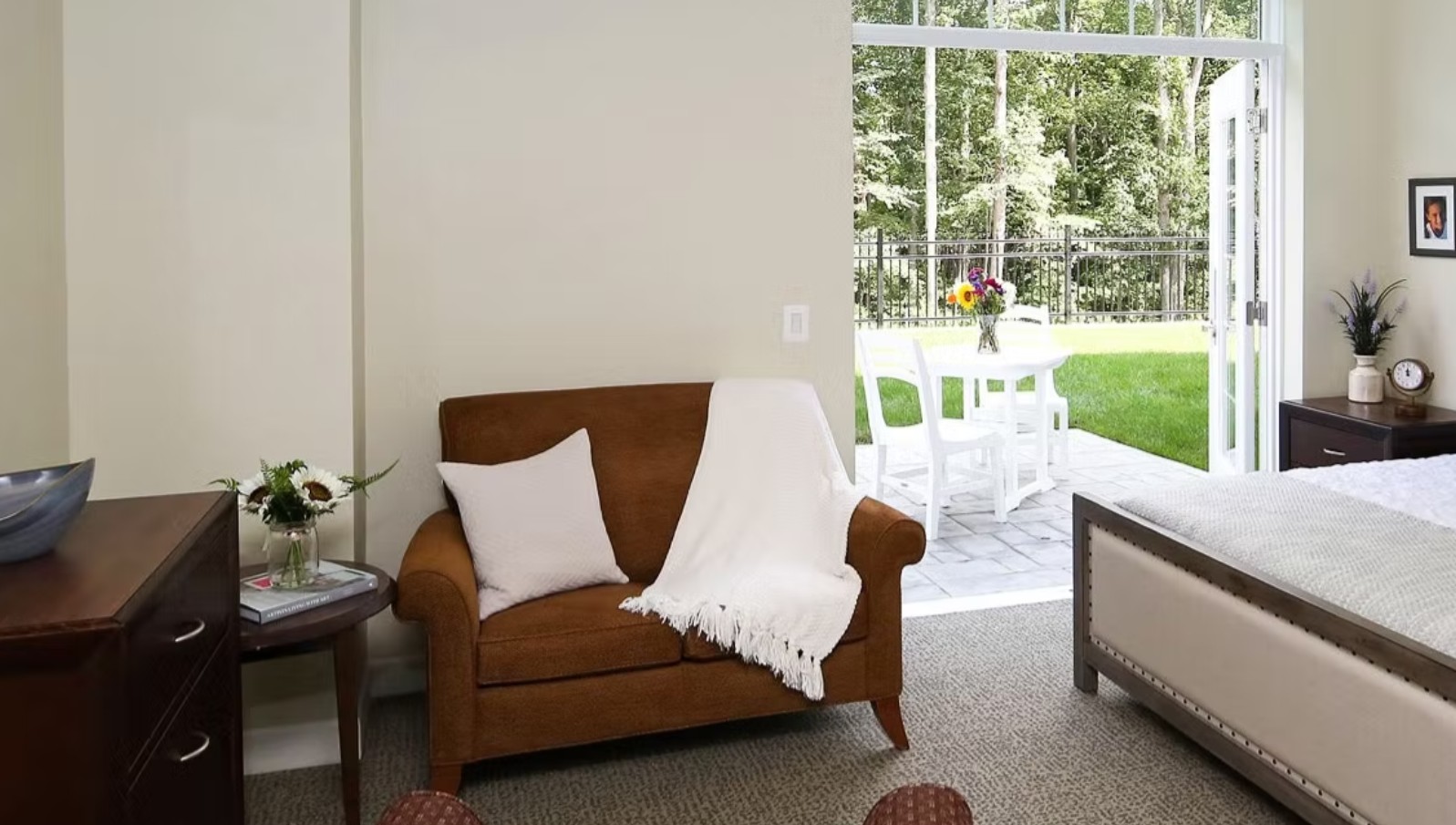
A comfortable apartment should support privacy, familiar routines, and accessibility.
Apartment Considerations
Bedroom and living area dimensions
Bathroom accessibility
Storage
Natural lighting
Space for favorite furniture
Proximity to common areas
Walking distance to dining
Mobility requirements
The Villas offers senior residential accommodations with access to concierge-style amenities.
Families should ask which floor plans are available in the assisted living program.
Assess Dining and Everyday Convenience
For some seniors, a major benefit of residential living is having fewer household tasks.
The Villas advertises dining services, housekeeping, transportation, and other amenities.
Questions to Ask
How many meals are included?
Are special diets accommodated?
How does transportation scheduling work?
Are cleaning and laundry included?
Which services require extra payment?
Are guest meals available?
The answers can help families compare total costs and everyday convenience.
Understand the ReviteWellness® Program
The Villas promotes its ReviteWellness program as part of a broader senior lifestyle.
Published descriptions reference physical activity, cognitive engagement, relaxation, healthcare access, and social connections.
Discuss Individual Suitability
Not every resident will participate in the same activities.
A person recovering from illness may need different programming from someone who enjoys regular fitness classes.
Healthcare professionals should advise residents on appropriate activity levels.
Preparing Financially for the Move
Assisted living changes the structure of household expenses.
Instead of paying directly for every utility, repair, grocery purchase, and home service, residents may pay residential and care-related fees.
Expenses to Review
Monthly residence charges
Care level fees
Medication services
Personal expenses
Move-in charges
Transportation
Additional amenities
Future rate changes
Compare Current Home Costs
Maintaining a house may include property taxes, insurance, maintenance, utilities, housekeeping, groceries, and transportation.
Assisted living is not automatically cheaper.
A realistic comparison considers the full financial picture.
Review the Residency Agreement
Families should ask for written documentation describing the residence and services.
Important Contract Questions
What is included in the monthly charge?
How are additional care fees calculated?
Are there notice requirements?
What happens if care needs increase?
What services are unavailable?
Are refunds or deposits addressed?
How are changes communicated?
A qualified attorney or financial advisor may help evaluate significant contractual obligations.
Downsizing a Longtime Home
Moving into a smaller residence often requires organizing personal belongings.
This can be emotionally demanding.
A Practical Sorting Plan
Separate possessions into:
Bring
Give to family
Donate
Sell
Store
Discard
Begin with less emotionally significant items, such as unused household supplies.
Important photographs and keepsakes may require more time.
Preserve Meaningful Memories
Downsizing does not require abandoning personal history.
Ways to Preserve Memories
Keep favorite photographs
Create albums
Share heirlooms with relatives
Photograph large sentimental items
Bring familiar furnishings
Record family stories
Respect the older adult's decisions whenever possible.
Use the New Floor Plan
Before arranging movers, obtain measurements of the future residence.
Measure
Bedrooms
Living spaces
Doorways
Closets
Bathrooms
Furniture clearances
This helps avoid bringing items that cannot comfortably fit.
Clear walking areas are particularly important when mobility equipment is used.
Coordinate the Moving Timeline
A residential transition can involve the existing property, a new apartment, professional movers, and family schedules.
Key Tasks
Confirm the admission date
Review the care plan
Arrange moving services
Organize medical documents
Update contact information
Prepare essential personal items
Schedule utility changes as needed
Coordinate family visits
Allow flexibility for possible delays.
Preparing for the First Week
Moving day can feel busy and unfamiliar.
A comfortable first week should prioritize essential spaces and routines.
First-Week Priorities
Arrange the bed and favorite chair
Make clothing accessible
Organize personal items
Confirm medication arrangements
Learn dining schedules
Locate important amenities
Meet key staff
Establish family contact routines
Not every box needs to be unpacked immediately.
Encouraging Social Participation Without Pressure
The Villas offers activities, dining, and opportunities for community engagement.
Some residents adapt quickly.
Others prefer a gradual introduction.
Helpful Approaches
Attend one preferred activity
Visit the dining room
Explore a common area
Join a small group
Continue familiar hobbies
Allow quiet time
The resident should help determine the pace.
Supporting Spouses and Relatives
Assisted living may also affect spouses, adult children, and other caregivers.
Responsibilities may shift from completing daily tasks to participating in care discussions and maintaining personal relationships.
Family Involvement Can Include
Regular visits
Authorized care meetings
Sharing personal preferences
Attending celebrations
Helping with appointments
Monitoring changing needs
Family participation should respect the resident's choices and privacy.
Planning for Future Care Needs
A person may require more assistance as health or mobility changes.
The Villas describes offering individualized levels of care.
Ask About
Increased personal care needs
Medication changes
Rehabilitation arrangements
Significant cognitive changes
Mobility limitations
Transitions to different care arrangements
Families should understand which services are available and when another setting may be required.
Avoiding Common Assisted Living Selection Mistakes
Important mistakes to avoid include:
Choosing based only on photographs
Failing to review the contract
Not asking about staffing
Overlooking additional care charges
Ignoring accessibility
Moving without a furniture plan
Assuming medical services are all included
Excluding the older adult from decisions
Failing to coordinate admission and moving dates
A thoughtful tour and written list of questions can help.
Questions to Ask During a Tour
Families may want to ask:
Which apartments are available?
How are caregivers assigned?
What happens during medical emergencies?
What activities are offered?
How are residents involved in decisions?
Can family members join meals?
What is the current pricing?
How does the community assess care changes?
Try to imagine a typical day rather than focusing only on furnishings and amenities.
Expert Tip: Plan Around the Resident's Ordinary Day
Assisted Living Transition Tip: Write down your loved one's preferred morning, afternoon, and evening routines before touring. Ask how each part of that day would work in the community. This can reveal practical questions about bathing, meals, medication support, activities, privacy, and transportation.
Frequently Asked Questions About Moving to Assisted Living
1. Is The Villas of Manalapan an assisted living residence?
Yes. The community is licensed in New Jersey as an assisted living residence.
2. Can residents retain personal independence?
The community emphasizes individualized assistance and resident choice. Residents can continue participating in activities and decisions appropriate to their needs.
3. What amenities should families expect?
The Villas advertises dining, transportation, wellness opportunities, social activities, and concierge-style services. Confirm current offerings and fees directly.
4. How should families prepare for the move?
Begin with a care assessment, apartment measurements, a realistic budget, a moving checklist, and conversations about the older adult's preferences.
5. How can families schedule a visit?
Contact The Villas of Manalapan to request current residence availability, pricing information, and a community tour.
Making an Assisted Living Transition More Manageable
Choosing assisted living involves far more than selecting an apartment.
Families must consider care needs, financial responsibilities, personal belongings, established routines, and emotional adjustment.
For older adults throughout Monmouth County, New Jersey, The Villas of Manalapan offers personalized assisted living in a setting emphasizing wellness, convenience, and engagement.
Beginning the conversation early, reviewing written information, and involving the older adult can help the transition feel more organized.
The right decision should reflect the resident's needs, preferences, and long-term goals.
Learn More About The Villas of Manalapan
Visit The Villas of Manalapan on SeniorsBlueBook.com to explore assisted living accommodations and services.

Other Articles You May Like
Assisted Living in Lafayette, CO
An older adult may still enjoy their own space even when meals, bathing, or getting ready in the morning take more effort. When visiting an assisted living community, picture how an ordinary day would go. That can tell you whether the help on offer fits the way you want to live. What Is Assisted Living?Assisted living combines a place to live with regular help for daily activities. Depending on the residence and care plan, support can include bathing, dressing, medication management, dining, and housekeeping. It may suit someone who wants their own living space and would benefit from having help nearby. Waneka Park Assisted LivingPhone: 720-410-3889 Waneka Park is at 225 Waneka Parkway in Lafayette. Its brochure describes individualized care plans, staff available around the clock with nurse oversight, an emergency response system, and bathing assistance. Ask how the team would handle a specific routine, such as an evening shower or help getting ready for an early appointment. Meals, Outings, and Short StaysWaneka Park describes three daily meals, activities, outings, and scheduled local transportation to medical appointments. Its brochure also describes respite stays. Ask whether a short stay is currently available if you need temporary support and confirm what is included before booking. Why This Matters in LafayetteIf staying close to friends or keeping a regular visit to the Lafayette Senior Center matters, bring those details on the tour. Ask which outings you can continue, how rides are arranged, and what a weekday visit would look like for family. How to Get Started1. Bring Examples from a Typical DayWrite down the tasks you handle yourself and the ones youd like help with. Include weekends and overnight needs if they affect the decision.2. Tour and Request a Written EstimateCall 720-410-3889. Ask to see an available room, try the route to the dining area, and request a written estimate showing what the monthly rate includes and which services cost extra. Related Seniors Blue Book CategoriesIndependent Living Non-Medical Home Care Respite Care
Signs Families Should Notice
It may be time to consider assisted living when an older adult can no longer handle certain daily tasks safely or consistently, even with occasional help from family. The decision is rarely based on age alone. What matters is whether support with personal care, medications, meals, or supervision would make everyday life more manageable while preserving as much independence as possible. Which Changes Suggest More Support Is Needed? One difficult day does not automatically mean a move is necessary. Patterns, however, deserve attention. Repeated trouble getting dressed, skipping showers because of fall concerns, forgetting medications, or struggling to prepare meals can all suggest that the current arrangement needs to change. Families should also watch for a growing need for reassurance or assistance at night. Someone may be physically capable of many tasks but feel unsafe living alone. Another person may be comfortable at home yet need so much hands-on help that relatives cannot provide it consistently. How Is Assisted Living Different From Other Options? In-home care brings assistance into a persons current home. It can be appropriate when the home remains workable and needed support can be scheduled reliably. Assisted living adds a residential setting with staff availability, shared meals, activities, and help with everyday personal needs. Independent living usually focuses on housing, convenience, and community activities for people who can largely manage personal care themselves. Skilled nursing, by contrast, is intended for people who require a higher level of clinical nursing or rehabilitation services. Assisted living does not replace hospital treatment, and a community must evaluate whether it can meet a prospective residents specific needs. Does Needing Help Mean Losing Independence? Not necessarily. Accepting assistance with a few difficult tasks can leave more energy for the things a person enjoys. Independence can mean choosing when to socialize, deciding how to spend the afternoon, maintaining family relationships, and being included in care decisions. The amount and type of help should be matched to actual needs rather than based on assumptions about age. At Waneka Park Assisted Living Residence in Lafayette, Colorado, the stated approach emphasizes individualized care plans, dignity, privacy, and help with daily activities. The residence lists assistance with bathing and dressing, medication management or oversight, and 24-hour wellness monitoring. These are useful topics for a family discussion, but the care team should confirm whether it can accommodate the persons particular circumstances. What If a Parent Resists the Conversation? Start with observations rather than a conclusion. I noticed the stairs are harder lately is more productive than You cannot live alone anymore. Ask which tasks feel frustrating and what the person would change if help were readily available. When possible, involve the older adult in selecting communities and touring them. Avoid treating the first visit as a commitment to move. It can simply be a chance to learn how care is delivered, what residents do during the day, and what the costs might be. Families can then compare those answers with the amount of help available at home. What Questions Help Families Make the Decision? Which activities of daily living now require regular assistance? Are medication routines reliable, and who currently checks them? Is the person eating regularly and moving around the home safely? Can family caregivers sustain the current schedule without gaps? Would a residence with staff available around the clock address the main concerns? What matters most to the older adult: privacy, activities, location, or familiar routines? A primary care clinician can help families understand whether changes are related to a treatable condition and whether additional medical evaluation is needed. If memory loss, falls, or new confusion are involved, those concerns should be assessed rather than assumed to be an inevitable part of aging. What Should You Look for During a Tour? Ask a community to walk through a realistic day for someone with your family members needs. Explore staffing and overnight response, medication procedures, care-plan updates, meals, visitor policies, activities, and potential added charges. Notice whether explanations are clear and whether the prospective resident feels heard. Waneka Park lists an enclosed courtyard, dining services, planned activities, scheduled transportation, and an onsite nurse among its community features. Those details may help families determine whether the setting supports both daily care and personal interests. Confirm all current terms and service availability during your visit. A Practical Next Step for Lafayette Families Make a brief inventory of what is going well at home and what is no longer working. Then speak with communities about the needs that are most likely to change. A thoughtful decision considers safety, preferences, care capabilities, and family involvement together. Families exploring assisted living can contact Waneka Park Assisted Living Residence in Lafayette at (303) 666-0691 or visit https://wanekapark.com/ to arrange a visit and discuss individualized care options.
Assisted Living in Lafayette, CO
For an older adult who values familiar routines but needs help with bathing, dressing, or medications, assisted living can offer a middle ground between managing alone and receiving more intensive medical care. Families searching for assisted living in Lafayette, Colorado, should look beyond the floor plan. The important questions are what staff can help with, how support changes over time, and whether residents can continue making everyday choices. What Does Assisted Living Include? Assisted living combines housing, daily personal assistance, meals, activities, and supervision in a residential setting. It is generally designed for people who need support with some activities of daily living, often called ADLs, but do not require hospital-level treatment or continuous skilled nursing. Services differ by community, so families should ask precisely what is included and what requires an additional arrangement or fee. Common reasons to explore assisted living include difficulty bathing safely, missed medications, limited mobility, inconsistent meals, or growing concern about being alone overnight. Someone may still enjoy conversation, outings, reading, and hobbies while needing practical help at predictable times during the day. Personal Care and 24-Hour Oversight at Waneka Park Waneka Park Assisted Living Residence, at 225 Waneka Parkway in Lafayette, offers assisted living with staff present 24 hours a day, seven days a week. Its published services include help with bathing and dressing, medication oversight or management, 24-hour wellness monitoring and assistance, and individualized personal care plans. A nurse is available onsite according to the communitys service information. That combination can matter when needs are not identical from one resident to another. A person who is comfortable choosing clothes and eating independently may need help getting into the shower. Another may manage most of the day well but benefit from medication oversight and staff availability. An individual care plan gives families a starting point for discussing those differences with the care team. Daily Life Beyond Personal Assistance A good community fit also depends on what daily life feels like after the essential care needs are met. Waneka Park lists three meals each day in its dining room, planned activities, scheduled transportation, and a beauty/barber shop among its offerings. Its enclosed, park-like courtyard creates outdoor space within the community; the Lafayette neighborhood also provides access to nearby shops and restaurants. Activities should be considered an invitation, not a requirement. Some residents like group games, gardening, or entertainment. Others prefer quiet time, visiting with family, or keeping their own routine. During a visit, ask how staff support both social participation and privacy. Questions to Ask on an Assisted Living Tour in Lafayette A tour is more useful when families bring questions tied to the prospective residents actual needs. Consider asking: Who assesses bathing, dressing, mobility, and medication needs before move-in? How are individualized care plans reviewed when a residents condition changes? What help is available overnight, and what situations require outside medical care? Which services are included in the quoted rate, and which may cost extra? How are families informed about changes in care needs or day-to-day concerns? Ask to see living and common areas, notice how residents and staff interact, and review what a typical day looks like. Confirm current availability, pricing, and eligibility directly with the community rather than assuming information shown online applies to every resident. Why Local Fit Matters in Lafayette Choosing a residence close to familiar people and places can make it easier for family members to visit and stay involved. Lafayette families may also want to consider transportation arrangements, access to appointments, and whether the setting feels comfortable across different seasons. The best option is not necessarily the largest or the one with the longest amenities list; it is the one that can reliably meet the persons care needs while respecting their preferences. How to Get Started Write down the tasks that have become difficult, note any recent falls or medication concerns, and discuss what the older adult wants to preserve in daily life. Bring that information to a conversation with the residence so staff can explain whether its services are appropriate. To learn more about assisted living and schedule a visit, contact Waneka Park Assisted Living Residence at (303) 666-0691 or visit https://wanekapark.com/. Touring the community can help you compare its care approach, living spaces, and day-to-day atmosphere with your familys priorities.
Local Services By This Author
The Villas of Manalapan
Assisted LivingThe Villas offers upscale assisted living in Holmdel and Manalapan, NJ with an experience you can truly appreciate. We provide our residents with the highest quality of care and services, while encouraging their independence. Our state-of-the-art amenities and beautiful grounds provide the perfect setting for those who want to enjoy senior living solutions with a vibrant atmosphere. Whether it's taking a dip in the heated indoor pool, enjoying a gourmet meal in our restaurant, or simply relaxing in your own spacious villa, you'll find we offer the perfect place to call home. If you're looking for an assisted living facility that goes beyond a traditional nursing home, look no further than The Villas

The Villas of Manalapan
Memory CareAt The Villas of Manalapan, we understand that caring for a loved one with memory loss can be challenging. That's why we offer specialized memory care services to help support both our residents and their families.Our memory care program is designed to provide a safe and secure environment for individuals with Alzheimer's disease, dementia, or other memory impairments. Our trained staff members are dedicated to providing personalized care and support to each resident, helping them maintain their independence and quality of life. We offer a range of specialized memory care services, including:Personalized Care Plans: Our team of healthcare professionals works closely with each resident and their family members to develop a personalized care plan tailored to their specific needs and preferences.Memory Support Programming: Our memory support programming is designed to promote cognitive function, socialization, and overall well-being. We offer a variety of activities and events, such as music therapy, art classes, and pet therapy, that are specifically tailored to the needs of our memory care residents.Safe and Secure Environment: Our memory care unit is designed to provide a safe and secure environment for our residents, with secure access and exit points, emergency call systems, and specialized monitoring to ensure their safety and well-being.Nutritious Meals: We provide healthy and nutritious meals that are specifically tailored to the needs of our memory care residents. Our chefs work closely with our healthcare professionals to develop menus that are not only delicious but also help support cognitive function and overall health. At The Villas of Manalapan, we believe that every resident deserves compassionate and personalized care, especially those with memory impairments. If you're looking for a safe and supportive environment for your loved one, we invite you to visit our memory care unit and learn more about how we can help you and your family.