Empowering Independence, Access, and Community Inclusion
Center for Independence
For more information about the author, click to view their website: Center for Independence
Feb 09, 2026
Colorado - Western Slope

Email US
Click to Email Us
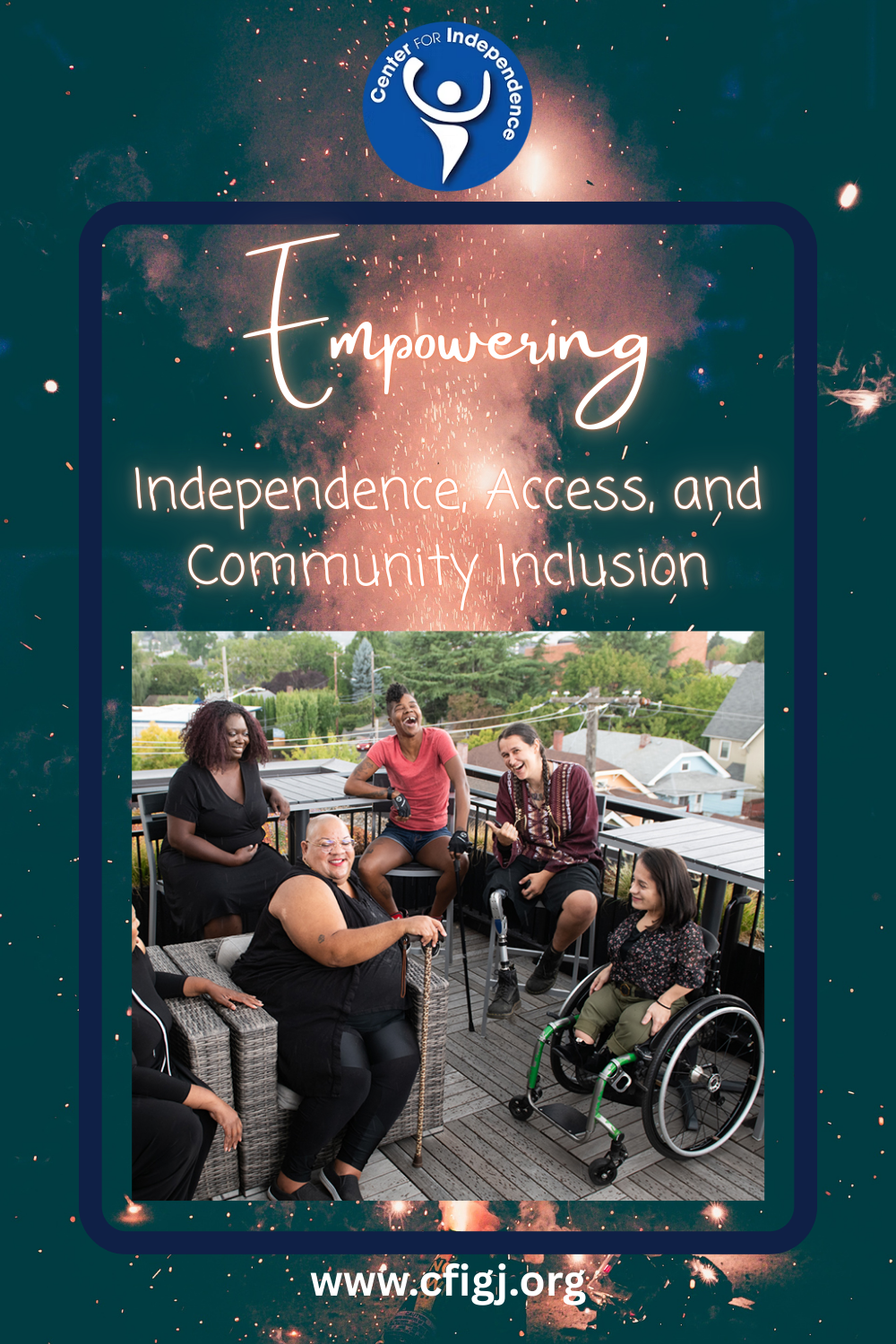
Empowering Independence, Access, and Community Inclusion
Independence means something different to everyone—but for people living with disabilities, it often comes down to having the right supports, resources, and opportunities to live life on their own terms. In Grand Junction and across Colorado’s Western Slope, disability services play a vital role in removing barriers and creating pathways to independence, inclusion, and self-determination.
As a community hub for disability services, the Center for Independence supports individuals of all ages who are navigating physical, cognitive, or sensory disabilities. Their work focuses on empowerment—helping people gain the skills, tools, and confidence needed to participate fully in their community.
“Independence isn’t about doing everything alone—it’s about having access to the right resources and the freedom to make your own choices,” says David Nelson. “Our role is to support people as they build the life they want.”
Understanding Disability Services and Independent Living
Disability services are designed to support individuals in overcoming barriers that limit participation in daily life. Rather than focusing on limitations, independent living services emphasize strengths, goals, and personal choice.
These services may support individuals who:
-
Live with mobility, sensory, or cognitive disabilities
-
Are aging with a disability
-
Are adjusting to a new diagnosis or injury
-
Want to live independently in the community
In Grand Junction, where access to services can vary due to geography, having a centralized resource for disability support is especially important.
A Philosophy Rooted in Empowerment
The independent living model is built on the belief that people with disabilities are the best experts on their own lives. Services are voluntary, person-centered, and driven by individual goals.
Core principles include:
-
Consumer choice and control
-
Equal access and inclusion
-
Peer support and advocacy
-
Community integration
This approach ensures that services respect personal autonomy while offering practical support.
Services That Support Everyday Independence
Disability services often address the real-life challenges people face at home, work, and in the community. The Center for Independence provides programs and resources that help individuals navigate these challenges with confidence.
Common areas of support include:
-
Independent living skills training
-
Housing and accessibility guidance
-
Benefits and resource navigation
-
Assistive technology information
-
Peer mentoring and support
These services are designed to adapt as needs change, offering long-term value and stability.
Advocacy That Creates Systemic Change
Beyond individual support, disability services play a critical role in advocacy—working to improve access, equity, and opportunity at the community level.
Advocacy efforts may focus on:
-
Accessible housing and transportation
-
Employment opportunities
-
Public access and ADA compliance
-
Policy and systems change
By amplifying the voices of people with disabilities, advocacy helps shape a more inclusive Grand Junction for everyone.
Supporting Seniors Aging With Disabilities
As the Western Slope’s population ages, more seniors are living longer with disabilities or experiencing new functional challenges. Disability services bridge the gap between aging and independence, helping older adults remain active and engaged in their communities.
Support for seniors may include:
-
Navigating accessibility modifications
-
Connecting to home- and community-based services
-
Understanding benefits and rights
-
Preventing isolation and loss of independence
David Nelson notes, “Aging doesn’t have to mean losing control. With the right support, people can continue to live independently and with dignity.”
Building Community Connections
Isolation is a common concern for individuals with disabilities, particularly in rural or semi-rural areas. Disability services emphasize connection—linking people to peers, community activities, and shared resources.
Peer support programs are especially powerful, offering:
-
Shared experiences and encouragement
-
Practical advice from people who understand
-
Increased confidence and self-advocacy skills
These connections strengthen both individuals and the broader community.
Navigating Transitions With Confidence
Life transitions—such as leaving school, returning home after an injury, or aging into new support needs—can be challenging. Disability services provide guidance and continuity during these changes.
Support during transitions may include:
-
Planning for independent living
-
Coordinating community resources
-
Learning new skills or adaptive strategies
-
Setting and achieving personal goals
With the right guidance, transitions become opportunities for growth rather than setbacks.
The Importance of Local Disability Services
Local disability services understand the unique needs of the Grand Junction community, including transportation challenges, housing availability, and regional healthcare systems. This local knowledge allows for more responsive, relevant support.
By being rooted in the Western Slope, disability service organizations build trust and long-term relationships with the people they serve.
Taking the First Step Toward Independence
Seeking disability services is not a sign of weakness—it’s a step toward empowerment. Whether someone needs short-term guidance or ongoing support, having a trusted partner makes the journey easier.
A Community Resource Dedicated to Independence
Disability services help transform obstacles into opportunities. Through advocacy, education, and personalized support, individuals can live more independently and fully participate in the community they call home.
To learn more about disability services and independent living resources in your area, visit the Center for Independence’s Seniors Blue Book listing and connect with their team today.
FAQs – Disability Services in Grand Junction
Who can use independent living services?
Services are available to people with disabilities of all ages, including seniors aging with disabilities.
Do I need a referral to receive services?
Most independent living services are self-directed and do not require a referral.
Are services only for physical disabilities?
No. Services support individuals with physical, sensory, cognitive, and other disabilities.
Is there a cost for services?
Many services are provided at no cost or on a sliding scale, depending on funding and program guidelines.
Can family members be involved?
Yes. Families and caregivers are often included, with the individual’s consent.
Other Articles You May Like
Medicare/Medicaid/Insurance in Lafayette, CO
When an older adult needs help at home and sees several clinicians, a coverage decision can affect everything from prescription refills to rides. If youre considering TRU PACE in Lafayette, start by asking how enrollment would change the care and coverage you already use. How Medicare and Medicaid Fit Into PACEPACE is the Program of All-Inclusive Care for the Elderly. It coordinates healthcare and support for eligible adults who meet a state standard for nursing home-level care and can live safely in the community with PACE support at enrollment. Applicants must also be 55 or older and live in the programs service area. TRU PACE and Your Current CoveragePhone: 303-665-0115Medicare says people with Medicaid pay no monthly PACE premium. Medicare beneficiaries without Medicaid pay premiums for the long-term care portion and Medicare Part D drugs. Medicare also says participants owe no deductible, copayment, or coinsurance for drugs, services, or care approved by their PACE team. Ask TRU PACE for an estimate based on your individual coverage before enrolling. Doctors, Prescriptions, and Existing ServicesTRU PACE says it becomes the participants insurance provider at enrollment. Participants generally receive care through the programs provider network. Bring a list of your doctors, medications, and scheduled services. Ask which providers are in the network and how the team would coordinate any changes. Why This Matters in LafayetteIf you regularly see a clinician near home or have a specialist visit scheduled outside Lafayette, give the enrollment team the names and dates. Ask which appointments can continue and what to do about any refill due around the enrollment date. How to Get Started1. Gather Your Coverage InformationHave your Medicare and Medicaid information, if applicable, along with details of any current plan. List the appointments and prescriptions you rely on most.2. Ask for an Enrollment and Cost ReviewCall TRU PACE and ask for your expected monthly cost, when any coverage change would take effect, and who would help coordinate the transition. Related Seniors Blue Book CategoriesPACE Adult Day Services Care Management
Funeral Cremation & Mortuary Services in Lafayette, CO
After a death, families may have to make several decisions in a short time. Others prefer to talk through their wishes ahead of time. In either situation, it helps to separate the practical arrangements from the decisions about how to gather, remember, and say goodbye. What Funeral and Mortuary Services CoverA funeral home can help arrange transportation and care of the person who died, assist with paperwork, and coordinate burial or cremation. A family may also arrange a viewing, funeral, memorial, or private gathering. Ask which decisions need to be made immediately and which can wait. The Natural Funeral in LafayettePhone: 720-515-2344The Natural Funeral lists natural burial, flame cremation, water cremation, and terramation, also called natural organic reduction. Water cremation uses an alkaline water process, and terramation transforms remains into soil. If one of these options interests you, ask what the process involves, how long it typically takes, and what the family receives afterward. Planning a Gathering and Reviewing CostsThe Lafayette funeral home is at 102 W Chester Street in Old Town. Ask what can take place at the Lafayette location and which parts would involve another venue or a cemetery. Request a General Price List and a written breakdown of your choices so you can see which fees cover the funeral homes work and which come from outside providers. Why This Matters in LafayetteIf relatives are coming from out of town or some guests have limited mobility, ask about parking, step-free access, and how many people the gathering space can accommodate. If you plan to hold a service and burial at different locations, check how much time guests will need between them. How to Get Started1. Write Down the Persons WishesLook for written instructions and note any cultural or religious preferences. If youre planning ahead, tell a trusted person where you keep your instructions and whom to call.2. Ask for a Written PlanCall 720-515-2344 and ask what is needed on the first call. Once youve discussed options, request the expected timeline and itemized costs before approving arrangements. Related Seniors Blue Book CategoriesCounseling Hospice Advance Care Planning
Adult Day Services in Lafayette, CO
When an older adult spends most weekdays alone, families may need more than a place for them to go. They may also be juggling transportation, appointments, and help at home. TRU PACE in Lafayette offers a day center as part of a program that coordinates those needs for eligible older adults. What Are Adult Day Services?Adult day services offer daytime support outside the home. Depending on the program, participants may spend time with peers, eat a meal, take part in activities, or receive help with daily needs. Some centers accept people directly. The Lafayette TRU PACE center serves people enrolled in its broader Program of All-Inclusive Care for the Elderly. TRU PACE in LafayettePhone: 303-665-0115TRU PACEs Lafayette center is at 2593 Park Lane. The program coordinates medical and social services and arranges transportation to the day center and medical visits as needed. Ask the enrollment team what a typical center day includes, how often a participant might attend, and how the team decides what support to arrange at home. Who May QualifyPACE applicants must be at least 55, live in the programs service area, meet the states standard for nursing home-level care, and be able to live safely in the community with PACE support at enrollment. Ask how enrollment would affect access to current doctors and prescription coverage before making a decision. Why This Matters in LafayetteWhen family members already drive someone to several appointments a week, a coordinated schedule can change who needs to be available and when. Ask how pickup would work at the persons Lafayette address and who to call if a ride or appointment changes. How to Get Started1. Ask for an Eligibility ReviewCall TRU PACE. Have the participants ZIP code, current coverage, and a short list of the help they need. 2. Ask to Visit the CenterFind out what the participant might do on a center day, how transportation works, and what changes to their current care arrangements enrollment would involve. Related Seniors Blue Book CategoriesCare Management Transportation Respite Care
Local Services By This Author
Center for Independence
Disability Services 740 Gunnison Avenue, Grand Junction, Colorado, 81501Center for Independence promotes community solutions and empowers individuals with disabilities to live independently. CFI is governed by people with disabilities and upholds the independent living philosophy that people with disabilities have the right to live their lives independently and with dignity to their fullest potential. CFI provides information to individuals and businesses about the Americans with Disabilities Act (ADA), accessibility guidelines, and other technical assistance. The Independent Living Philosophy recognizes that; all people with disabilities face many barriers in seeking to achieve personal goals, community acceptance and integration. The goal of the Center for Independence is to help consumers overcome those barriers.
Center for Independence
Support Groups & ServicesCenter for Independence promotes community solutions and empowers individuals with disabilities to live independently. CFI is governed by people with disabilities and upholds the independent living philosophy that people with disabilities have the right to live their lives independently and with dignity to their fullest potential. CFI provides information to individuals and businesses about the Americans with Disabilities Act(ADA), accessibility guidelines, and other technical assistance. The Independent Living Philosophy recognizes that; all people with disabilities face many barriers in seeking to achieve personal goals, community acceptance and integration. The goal of the Center for Independence is to help consumers overcome those barriers.