
PHONE
Click to View NumberSee More
Additional Services Offered
Center For Independence
Support Groups & Services 401 27th St,, Suite 105, Garfield County, Glenwood Springs, Colorado, 81601Center for Independence promotes community solutions and empowers individuals with disabilities to live independently. CFI is governed by people with disabilities and upholds the independent living philosophy that people with disabilities have the right to live their lives independently and with dignity to their fullest potential. CFI provides information to individuals and businesses about the Americans with Disabilities Act(ADA), accessibility guidelines, and other technical assistance. The Independent Living Philosophy recognizes that; all people with disabilities face many barriers in seeking to achieve personal goals, community acceptance and integration. The goal of the Center for Independence is to help consumers overcome those barriers.
Continue Your Search! Explore More Local Options.
Start SearchingLet’s engage and get educated!
Browse through thousands of expert articles in over 100 different categories.
Browse NowArticles You May Like
Empowering Independence for People with Disabilities in Grand Junction
Empowering Independence for People with Disabilities in Grand JunctionGrand Junction is known for its rugged beauty towering red rock formations, sweeping mesas, and open skies that stretch endlessly across the Western Slope. But true independence here isnt defined by geography alone. Its defined by access.Access to transportation. Access to employment. Access to housing. Access to community life.For individuals living with disabilities in Mesa County, independence requires more than determination it requires support systems designed to remove barriers. Thats the mission of the Center for Independence in Grand Junction.As a disability services organization serving the Western Slope, the Center empowers individuals to live, work, and participate fully in their communities on their own terms.What Does Independent Living Really Mean?Independent living doesnt necessarily mean living alone or without assistance. It means having control over your own life.For individuals with physical, sensory, or cognitive disabilities, independence includes: Making personal decisions Accessing education and employment Choosing where and how to live Participating in civic life Navigating community spaces safely David Nelson of the Center for Independence emphasizes this core philosophy: Independence is about choice and self-direction, says David Nelson. Our role is to provide the tools, resources, and advocacy that allow individuals with disabilities to build the lives they want. That perspective shifts the focus from limitation to possibility.Disability Services in a Rural Western Slope CommunityServing Grand Junction and surrounding Western Slope areas comes with unique challenges.Unlike larger metro areas, rural communities often face: Limited public transportation Fewer specialized service providers Geographic distance between towns Accessibility barriers in older buildings The Center for Independence works directly with individuals and families to navigate these obstacles.Their services may include: Independent living skills training Advocacy and peer support Information and referral services Transition support for youth and adults Accessibility guidance Employment resources In a region where terrain and distance can pose challenges, localized expertise matters.Supporting Transitions Across the LifespanDisability services are not one-size-fits-all.The needs of a young adult transitioning out of high school differ from those of an older adult acquiring a disability later in life.The Center provides support for:Youth Transition ServicesHelping students move from school systems into employment, higher education, or independent housing.Adult Advocacy and SupportAssisting individuals with workplace accommodations, housing access, and benefits navigation.Aging with a DisabilityAs Mesa Countys population ages, more adults are aging with long-term disabilities requiring coordinated support systems.Peer Support: Learning from Shared ExperienceOne of the most powerful aspects of independent living centers is peer mentorship.Staff and volunteers often include individuals with lived disability experience. This creates: Shared understanding Practical advice Encouragement rooted in real-world knowledge Empowerment through example Peer support reduces isolation and reinforces confidence.Accessibility and Community IntegrationGrand Junction has made strides in improving accessibility, but barriers remain.The Center for Independence works with individuals and community partners to address: Building accessibility concerns ADA compliance guidance Public transportation challenges Workplace accommodations Community integration ensures individuals with disabilities are not separated from society but fully participating in it.Employment and Self-SufficiencyEmployment plays a significant role in independence.Disability services may include: Resume development Interview preparation Job coaching Employer education Accommodation planning Western Slope employers increasingly recognize the value of inclusive hiring practices. Disability advocacy organizations help bridge that gap.Benefits Navigation and Resource CoordinationNavigating government programs and disability benefits can be complex.Individuals may need assistance understanding: Social Security Disability Insurance (SSDI) Supplemental Security Income (SSI) Medicaid eligibility Housing assistance programs Transportation services Clear guidance prevents misinformation and supports long-term stability.Responding to Life ChangesDisability doesnt always begin at birth. Many individuals acquire disabilities through: Injury Illness Stroke Progressive medical conditions For older adults in Grand Junction experiencing new mobility limitations, the Center for Independence offers guidance on: Adaptive equipment Home modifications Community resources Support groups Timely intervention preserves independence.The Importance of AdvocacyAdvocacy is central to disability services.Whether working with local policymakers, businesses, or service providers, the Center promotes equitable access across the Western Slope.This advocacy ensures individuals with disabilities have a voice in community planning and policy decisions.Building a More Inclusive Mesa CountyIndependence is not achieved alone it requires inclusive communities.Grand Junctions growth presents opportunities to: Improve accessible infrastructure Increase inclusive hiring Expand transportation access Enhance housing options Disability services organizations help guide that progress.When Should You Contact Disability Services?Consider reaching out if you or a loved one: Has acquired a new disability Needs help navigating benefits Faces accessibility barriers Is transitioning from school to adulthood Wants support finding employment Feels isolated or unsure of available resources Early connection leads to stronger outcomes.A Community Resource for EmpowermentThe Center for Independence is not a medical facility its a community empowerment organization.Its focus is not on limitations, but on expanding opportunity.In a region defined by wide-open landscapes, independence means ensuring everyone can participate fully regardless of ability.Take the Next Step Toward Empowered LivingIf you or someone you love in Grand Junction or the Western Slope is seeking disability services, advocacy support, or independent living resources, help is available.Visit Center for Independences listing on Seniors Blue Book to learn more about their programs and connect with their experienced team.Independence is possible with the right support.Frequently Asked Questions About Disability Services in Grand JunctionIs the Center for Independence only for certain disabilities?No. Services support individuals with a wide range of physical, sensory, and cognitive disabilities.Is there a cost for services?Many services are offered at low or no cost, depending on program eligibility.Can older adults access disability support?Yes. Adults of all ages can benefit from advocacy and independent living services.Does the Center help with employment?Yes. Employment preparation and workplace accommodation guidance are key services.How do I begin?Contact the Center directly through their Seniors Blue Book listing to schedule an intake conversation.
Feb 12, 2026
How Support Groups Build Connection, Confidence, and Community
How Support Groups Build Connection, Confidence, and CommunityNestled along the Roaring Fork River and framed by mountain peaks, Glenwood Springs is known for its healing hot springs, outdoor adventure, and tight-knit community spirit. But even in a place filled with natural beauty and recreation, lifes challenges can feel isolating especially for individuals living with disabilities or navigating major life transitions.Connection changes everything.At the Center for Independence in Glenwood Springs, support groups and community-based services offer something essential: a safe place to share experiences, learn practical strategies, and build meaningful relationships.For many Western Slope residents, these groups become lifelines offering understanding, empowerment, and renewed confidence.Why Support Groups MatterLiving with a disability, chronic illness, or sudden life change can create emotional and logistical challenges. Even with strong families, individuals often benefit from connecting with others who truly understand their experiences.Support groups provide: Shared understanding Emotional validation Problem-solving strategies Peer encouragement Resource sharing Katherine Lopez of the Center for Independence highlights the impact: When people realize theyre not alone in their journey, something shifts, says Katherine Lopez. Support groups give individuals a space where they can speak openly, learn from one another, and build real community. That sense of belonging is powerful.Unique Challenges on the Western SlopeRural and mountain communities like Glenwood Springs come with distinctive dynamics.While the town offers exceptional outdoor beauty and strong local identity, geographic isolation can amplify challenges such as: Limited specialized services Transportation barriers Smaller healthcare networks Distance from extended family Support groups reduce that isolation by bringing people together locally.In smaller communities, relationships often grow deeper creating bonds that extend beyond scheduled meetings.Types of Support Groups and Services OfferedThe Center for Independence may offer support groups and services tailored to diverse needs, including:Disability Support GroupsSafe spaces for individuals living with physical, sensory, or cognitive disabilities to share experiences and advocacy strategies.Peer MentorshipOne-on-one connections with individuals who have lived experience navigating similar challenges.Youth Transition GroupsHelping young adults with disabilities prepare for independence, employment, or higher education.Caregiver SupportProviding guidance and emotional support for family members supporting loved ones with disabilities.Life Skills WorkshopsCovering topics such as budgeting, employment readiness, and self-advocacy.Each group is structured to encourage participation and empowerment.Building Confidence Through Shared ExperienceSupport groups arent just about conversation theyre about growth.Participants often gain: Improved communication skills Greater self-advocacy Increased knowledge of rights and resources Renewed confidence in social settings For individuals who may feel overlooked or misunderstood in broader society, these groups create space for authentic self-expression.Mental Health and Emotional WellnessLiving with a disability or major life adjustment can increase the risk of: Anxiety Depression Social withdrawal Loss of confidence Regular group interaction promotes emotional resilience.Simply hearing, Ive experienced that too, can reduce the weight of isolation.In a community like Glenwood Springs where outdoor adventure and social activity are central to culture staying emotionally connected supports overall well-being.Accessibility and InclusionThe Center for Independence prioritizes accessible meeting environments.This includes: ADA-compliant facilities Clear communication support Transportation coordination when possible Hybrid or virtual options when needed Accessibility ensures participation is never limited by logistics.Empowerment Through EducationSupport groups often integrate educational components, such as: Understanding disability rights Navigating Social Security benefits Accessing local transportation resources Planning for employment accommodations Education strengthens independence.Participants leave not only feeling supported but informed.Community Engagement Beyond MeetingsSupport groups often spark additional community involvement.Participants may: Volunteer locally Attend community events Advocate for accessibility improvements Mentor others These ripple effects expand inclusion throughout Glenwood Springs.Responding to Life TransitionsDisability and life changes dont always follow predictable timelines. Some individuals acquire disabilities due to injury, illness, or aging.Support groups help individuals process: Sudden mobility changes Vision or hearing loss Chronic condition diagnoses Major lifestyle adjustments Early connection to peer support reduces long-term emotional strain.Caregiver Support: Strengthening the Entire NetworkFamily caregivers play an essential role, but they also need support.Caregiver-focused groups provide: Stress management strategies Resource education Shared problem-solving Emotional encouragement Stronger caregivers create stronger support systems.When Should You Reach Out?Consider exploring support services if you or a loved one: Feels isolated Has experienced a recent disability diagnosis Is navigating a major life transition Wants to connect with peers Needs guidance navigating resources Support groups are not only for crisis theyre for growth.A Welcoming Community Resource in Glenwood SpringsThe Center for Independence offers more than programming it offers connection.In a mountain town where community identity is strong, inclusive support services ensure everyone has the opportunity to thrive.Independence doesnt mean going alone. It means having the right support.Take the Next Step Toward ConnectionIf you or someone you care about in Glenwood Springs or the surrounding Western Slope is seeking support, peer connection, or disability services, help is available.Visit Center for Independences listing on Seniors Blue Book to learn more about local support groups and services led by Katherine Lopez and her team.Stronger communities begin with shared understanding.Frequently Asked Questions About Support Groups in Glenwood SpringsAre support groups free?Many groups are offered at little or no cost, depending on program funding and eligibility.Do I need a formal diagnosis to attend?Not always. Contact the Center to learn about eligibility guidelines for specific groups.Are caregivers welcome?Yes. Caregiver support groups and resources may be available.Are meetings in person or virtual?Options may vary based on scheduling and participant needs.How do I register? Reach out through the Centers Seniors Blue Book listing to inquire about upcoming meetings.
Feb 12, 2026
How the Center for Independence Empowers Western Slope Residents with
How the Center for Independence Empowers Western Slope Residents with DisabilitiesIndependence looks different for everyone.For some, it means living alone in their own apartment. For others, it means securing meaningful employment, accessing transportation, or learning how to navigate life after an injury.On Colorados Western Slope, where distances are wide and services can be spread out across rural communities, access to disability support isnt just helpful its essential.The Center for Independence in Grand Junction, led by David Nelson and his team, exists to ensure that individuals with disabilities have the tools, advocacy, and resources they need to live fully integrated lives.Disability doesnt mean inability, David says. Our mission is to remove barriers so individuals can define independence on their own terms.What Is an Independent Living Center?The Center for Independence is part of a national network of Independent Living Centers (ILCs). These are community-based organizations designed to empower individuals with disabilities not to direct them, but to support their goals.Unlike medical facilities, ILCs operate on a peer-based model. Many staff members live with disabilities themselves and understand firsthand the challenges and opportunities that come with navigating life in rural Colorado.Core services typically include: Peer support Advocacy Independent living skills training Information and referral Transition services This model emphasizes autonomy and self-determination.Serving a Diverse Western Slope CommunityThe Western Slope spans wide-open landscapes, small towns, and rural counties. Individuals served may include those living in: Grand Junction Clifton Fruita Palisade Rural Mesa County Surrounding communities Services are available to individuals with: Physical disabilities Mobility impairments Vision or hearing loss Chronic illness Traumatic brain injury Developmental disabilities In a region where access to specialists may require long travel distances, having a centralized support organization in Grand Junction is invaluable.Breaking Down Barriers to Daily LivingBarriers come in many forms.They may include: Inaccessible housing Limited transportation Employment discrimination Difficulty accessing healthcare Lack of adaptive equipment The Center for Independence works to identify solutions that promote participation in everyday life.For example: Connecting individuals with housing resources Advocating for workplace accommodations Assisting with transportation planning Teaching budgeting and life skills Providing guidance on assistive technology Independence isnt about doing everything alone its about having the right supports in place.Advocacy That Makes a DifferenceAdvocacy is a cornerstone of independent living philosophy.The Center for Independence supports: Individual advocacy (help navigating services or disputes) Systems advocacy (improving accessibility policies) Community education Whether advocating for ADA compliance or ensuring public transportation remains accessible, the organization plays an active role in strengthening inclusion across the Western Slope.David emphasizes, True independence requires community change. We work not only with individuals, but with systems.Supporting TransitionsLife transitions can be particularly complex for individuals with disabilities.The Center for Independence assists with: Transitioning from nursing facilities back into community living Youth transitioning from school into adulthood Navigating new diagnoses or mobility changes Adjusting after injury Returning home from institutional care when possible restores autonomy and community connection.In rural Colorado, ensuring those transitions are properly supported can mean the difference between isolation and empowerment.Employment and Skill BuildingMeaningful employment is often a key component of independence.The Center for Independence provides: Job readiness support Resume assistance Interview coaching Connection to workforce programs Guidance on workplace accommodations Employment increases financial stability and strengthens community integration.For Grand Junction residents eager to contribute to local businesses, workforce support is life-changing.Peer Support: Learning from Lived ExperienceOne of the most powerful aspects of an Independent Living Center is peer mentorship.When someone newly injured or diagnosed speaks with another person who has navigated similar challenges, the impact is profound.Peer support fosters: Emotional resilience Practical knowledge sharing Confidence Community connection It reminds individuals that independence is possible even when life looks different than before.Frequently Asked Questions About Disability Services in Grand JunctionWho qualifies for services?Services are available to individuals with a wide range of disabilities. Eligibility details can be discussed directly with the Center.Are services limited to seniors?No. The Center serves individuals of all ages with disabilities.Is there a cost for services?Many services are provided at low or no cost, depending on funding and eligibility.Does the Center provide medical treatment?No. The Center focuses on advocacy, skills training, and support not clinical healthcare.Can families reach out for guidance?Yes. Families are welcome to connect for information and referral assistance.Independence with SupportThe Western Slope is built on community strength. That same spirit drives the mission of the Center for Independence.By providing: Advocacy Peer support Skills training Resource navigation Transition services The Center empowers individuals to live integrated, self-directed lives.Independence is not a destination its a journey supported by community. Visit the Center for Independences listing on SeniorsBlueBook.com to learn more and connect with David Nelson and his team today.
Feb 25, 2026
How the Center for Independence Supports People with Disabilities
How the Center for Independence Supports People with DisabilitiesIndependence looks different for everyone.For some, it means driving down North Avenue to run errands. For others, it means navigating a grocery store confidently, managing personal care, securing employment, or advocating for accessibility in the community.In Grand Junction and throughout Mesa County, the Center for Independence (CFI) plays a vital role in helping individuals with disabilities live self-directed, empowered lives.Rooted in the Independent Living philosophy, CFI believes that people with disabilities are the best experts on their own needs. The organization exists not to manage individuals but to support autonomy, access, and inclusion.Disability does not define someones potential, says David Nelson of the Center for Independence. Our mission is to remove barriers so individuals can participate fully in their communities.What Is an Independent Living Center?The Center for Independence is part of a nationwide network of Independent Living Centers (ILCs). These centers are community-based, non-residential organizations designed to support people of all ages and all types of disabilities.Core services typically include: Information and referral Independent living skills training Peer support Individual and systems advocacy Transition services Unlike medical facilities, Independent Living Centers focus on empowerment not treatment.In Grand Junction, where rural access and geography can present unique challenges, this support becomes especially important.Supporting Independence Across the LifespanDisability services are not limited to one age group.CFI serves: Young adults transitioning from school to independent living Adults acquiring disabilities due to injury or illness Seniors experiencing mobility or sensory changes Veterans returning to civilian life Mesa Countys diverse population includes individuals who require support navigating: Accessible housing Transportation Employment Public benefits Community inclusion The Center for Independence helps bridge these gaps.Peer Support: The Power of Shared ExperienceOne of the most impactful services CFI provides is peer support.Peer mentors individuals who also live with disabilities offer guidance, encouragement, and lived experience.This support may include: Sharing strategies for independent living Navigating local resources Addressing social isolation Building confidence Theres something powerful about speaking with someone who truly understands, David Nelson explains. Peer support fosters connection and possibility.Independent Living Skills TrainingFor many individuals, practical skills make the difference between dependence and autonomy.CFI provides training in areas such as: Budgeting and financial literacy Meal planning and preparation Communication and self-advocacy Public transportation navigation Assistive technology use In rural Western Colorado, learning how to navigate local systems is key.For example, accessing transportation between Fruita, Clifton, and Grand Junction may require specific coordination knowledge. CFI helps individuals develop those skills.Advocacy: Removing Community BarriersIndependent Living Centers also advocate for broader systemic change.CFI works to: Promote accessible infrastructure Support inclusive policy development Raise awareness of disability rights Encourage community education Accessibility impacts: Public buildings Sidewalks and transportation Housing design Employment practices Grand Junctions growth brings opportunity and responsibility to ensure that expansion remains inclusive.Advocacy ensures individuals with disabilities are not left behind.Transition Services: Supporting Major Life ChangesLife transitions can be complex.CFI assists with:Youth TransitionHelping students with disabilities prepare for adulthood, employment, and independent living.Institutional TransitionSupporting individuals who wish to move from nursing facilities or institutions back into community-based settings.Community IntegrationHelping people reconnect after hospitalization or life-altering injury.These transitions require planning, resource coordination, and confidence-building.The Rural Western Slope ChallengeLiving on the Western Slope offers beauty and community but also geographic challenges.Barriers may include: Long travel distances Limited specialty providers Transportation limitations Housing shortages The Center for Independence understands these realities and works locally to identify creative solutions.David Nelson emphasizes, Our work is rooted in the Grand Valley. We understand the landscape, the resources, and the unique needs of this region.Frequently Asked Questions About Disability Services in Grand JunctionWho qualifies for services at the Center for Independence?Individuals of any age with a disability physical, sensory, cognitive, or mental health-related may qualify for services.Are services residential?No. CFI is a non-residential organization focused on community-based support.Is there a cost for services?Many services are provided at low or no cost, depending on funding and eligibility.Does CFI provide medical treatment?No. The focus is empowerment, skills training, and advocacy not clinical care.Can seniors use CFI services?Yes. Older adults experiencing mobility or sensory changes can benefit from independent living support.Building a More Inclusive Grand ValleyIndependence is not about doing everything alone. Its about having access, choice, and opportunity.The Center for Independence in Grand Junction empowers individuals with disabilities to live confidently, advocate for themselves, and participate fully in their communities.In a region known for resilience and self-reliance, that mission resonates deeply.If you or a loved one could benefit from disability services, peer support, or advocacy assistance, help is available locally. Visit the Center for Independences listing on Seniors Blue Book to learn more and connect with David Nelson and the team today.
Feb 23, 2026
Building a Plan for Greater Independence
Building a Plan for Greater IndependenceFor many Grand Junction residents, independence is built through everyday routines: preparing breakfast, attending an appointment, shopping along North Avenue, visiting family, or enjoying time outdoors in the Grand Valley. When a disability, injury, vision change, or chronic condition makes those activities more difficult, older adults may worry that losing one ability means losing control over their lives.That does not have to be the case.The Center for Independence in Grand Junction helps people with disabilities identify barriers, understand available resources, develop practical skills, and make informed decisions about how they want to live. The organization has served people with disabilities on Colorados Western Slope since 1982, offering community-based services to individuals with many different types of disabilities.Rather than telling people what their lives should look like, the Center for Independence follows the Independent Living philosophy: people with disabilities are the experts on their own goals, needs, and experiences.Independence Does Not Mean Doing Everything AloneThe word independence is sometimes misunderstood. It does not necessarily mean completing every task without assistance. A person may use a wheelchair, receive help with transportation, borrow adaptive equipment, or ask a family member to assist with paperwork while still directing their own life.True independence is about having choices.It may mean deciding:Where and with whom to liveWhat support is helpfulWhich personal goals to pursueHow to participate in the communityWhat equipment or accommodations to useWhen to ask for assistanceThe Center for Independence is governed by people with disabilities, and at least 51% of its board and staff are people with disabilities. This structure gives the organization first-hand insight into the barriers consumers encounter and supports the disability communitys guiding principle of nothing about us without us.Disability does not define someones potential, says David Nelson of the Center for Independence. Our mission is to remove barriers so individuals can participate fully in their communities.Why Disability Planning Becomes Important With AgeSome Grand Junction residents have lived with disabilities for decades. Others experience new challenges later in life because of a stroke, accident, progressive condition, hearing loss, low vision, arthritis, or reduced mobility.A person may still be medically stable while finding ordinary routines increasingly difficult. Examples include struggling to read correspondence, understand benefit notices, safely use mobility equipment, locate accessible transportation, or communicate needs during appointments.Families often react by trying to take over. Although the intention may be protective, making every decision for an older relative can reduce that persons confidence and sense of control.A more supportive approach begins by asking:What does the individual want to keep doing?Which barriers are causing the most frustration?What tools, information, or training could help?What decisions does the person want to make independently?Where is assistance genuinely needed?These conversations shift the focus away from limitations and toward practical solutions.Services That Can Support a Self-Directed LifeThe Center for Independence offers peer counseling, personal and systems advocacy, information and referral, support groups, transitional support, classes, and education. Services are available to people with different types of disabilities.Its broader program areas include low-vision services, support for people who are deaf or hard of hearing, housing services, vocational programs, SSI and SSDI benefits counseling, Ticket to Work, transition services, youth programs, and a durable medical equipment loan program.Information and ReferralDisability services can be difficult to navigate because programs may have different applications, funding sources, eligibility rules, and service areas. Information and referral support can help individuals locate appropriate community resources instead of calling multiple organizations without knowing where to begin.A consumer may seek guidance related to:Accessible housingTransportationBenefitsEmploymentAdaptive equipmentCommunity participationCommunication accessSupport groupsReceiving accurate information can help families make decisions based on available options rather than assumptions.Peer SupportAdvice can feel different when it comes from someone with relevant lived experience. Peer support gives people an opportunity to talk with others who understand disability-related barriers from a personal perspective.Peer conversations may help someone prepare to request an accommodation, adjust to a recent disability, explore new ways to complete a task, or feel less isolated. Peer support is not medical treatment. It is a practical relationship built around shared experience, encouragement, and problem-solving.Advocacy and Accessibility GuidancePeople with disabilities may encounter barriers in housing, public spaces, transportation, employment, communication, or access to services. The Center for Independence provides individuals and businesses with information about the Americans with Disabilities Act, accessibility guidelines, and related technical assistance.Individual advocacy can help someone understand how to communicate a need or participate more effectively in decisions. Systems advocacy addresses broader barriers that affect groups of people throughout the community.Durable Medical EquipmentA walker, wheelchair, shower aid, or other device can make daily life safer, but people may need equipment temporarily or may not know which item is appropriate. The Center for Independence lists a durable medical equipment loan program among its services. Availability can change, so consumers should contact the organization to ask about current inventory and program requirements.Local Challenges Across Mesa and Delta CountiesThe Grand Junction office serves Mesa and Delta counties and surrounding areas. It is located at 740 Gunnison Avenue in Grand Junction.Western Colorados spacious landscape is part of what residents value, but distance can create challenges for people with disabilities. A service located across town may be manageable for one person and inaccessible to someone who cannot drive. Residents outside central Grand Junction may face longer trips for appointments, equipment, benefits assistance, or specialty services.Other local barriers can include:Limited accessible transportationShortages of affordable, accessible housingLong distances between service providersDifficulty obtaining specialty careUneven sidewalk or building accessLimited support in smaller communitiesDavid Nelson emphasizes that the organizations work is rooted in the Grand Valley and informed by knowledge of the regions landscape, resources, and needs.How to Begin Creating an Independence PlanFamilies do not need to solve every problem before reaching out. A simple first step is to identify one or two immediate goals.For example, a consumer might want to:Find a safer way to bathe.Understand a disability-benefits notice.explore accessible transportation.Learn about employment options.Connect with others who have similar experiences.Locate equipment for temporary use.Contact the Center for Independence and explain the persons goal in their own words. Staff can discuss available programs, provide referrals, or help determine which application is most relevant. The organizations general services are designed for people with many types of disabilities, not only those with a particular diagnosis.Frequently Asked Questions About Disability Services in Grand JunctionDoes someone need a specific diagnosis to contact the Center for Independence?Services are available to people with different types of disabilities. Eligibility can vary by program, so consumers should contact the organization to discuss their needs.Are Center for Independence services residential?No. It is a community-based, nonresidential organization. Its work focuses on information, skills, advocacy, peer support, transitions, and community participation.Can older adults use these disability services?Yes. Services are not limited to one age group. Seniors experiencing mobility, hearing, vision, or other disability-related barriers may benefit from available programs and referrals.Does the organization provide medical care?The Center for Independence is not a hospital, home health agency, or medical clinic. Its primary role is helping people address disability-related barriers and pursue independent living goals.What areas does the Grand Junction office serve?The Grand Junction office serves Mesa and Delta counties and surrounding regions. The organization also has service locations covering other Western Colorado counties.Connect With the Center for IndependenceA disability may change how a person completes certain activities, but it does not erase their preferences, abilities, or right to direct their own life. With informed guidance, peer connection, practical resources, and advocacy support, older adults and other community members can continue participating in the Grand Valley in ways that are meaningful to them.Visit the Center for Independences Seniors Blue Book listing to learn more about disability services in Grand Junction and connect with David Nelson and the local team.
Jul 14, 2026
Building Connection, Confidence, and Independence
Building Connection, Confidence, and IndependenceNestled along the Colorado River and surrounded by mountain beauty, Glenwood Springs is known for its welcoming spirit and strong sense of community. For many residentsespecially seniors and adults living with disabilitiesconnection and support are essential to maintaining independence and emotional well-being. Support groups and community-based services provide a vital space where people can share experiences, learn practical skills, and feel understood.In Glenwood Springs, the Center for Independence offers support groups and services designed to empower individuals through peer connection, education, and advocacy. These programs recognize that independence is strengthened when people have access to community, shared knowledge, and trusted resources. Support groups remind people that theyre not alone, says Katherine Lopez. When individuals connect with others who understand their experiences, they gain confidence, resilience, and a stronger sense of belonging. Why Support Groups Matter at Every Stage of LifeLife transitionsaging, disability, illness, or caregivingcan bring emotional and practical challenges. Support groups create a safe environment where individuals can talk openly, exchange coping strategies, and build meaningful relationships.Support groups are especially valuable for people who: Are aging with a disability Are adjusting to a new diagnosis or life change Experience isolation or limited social interaction Want to learn advocacy or independent living skills In a mountain community like Glenwood Springs, where distances and weather can sometimes limit access, having local support options makes a significant difference.A Peer-Led Approach to EmpowermentThe Center for Independence emphasizes peer-driven supportprograms shaped by people with lived experience. This model fosters trust and mutual respect, allowing participants to learn from one another rather than feeling talked at.Peer support encourages: Shared problem-solving Self-advocacy and confidence Emotional validation Practical, real-world advice Katherine Lopez notes, When people hear Ive been there too, something shifts. That shared understanding creates real momentum.Support Groups That Address Real-Life NeedsSupport groups and services often focus on the day-to-day realities of living independently. Topics may vary depending on participant needs, but commonly include: Managing life transitions and stress Navigating healthcare and benefits Building independent living skills Coping with grief, loss, or isolation Strengthening communication and self-advocacy These conversations help participants feel more prepared and less overwhelmed by lifes challenges.Creating Social Connection in a Rural-Mountain CommunityWhile Glenwood Springs offers rich outdoor and cultural opportunities, social isolation can still affect seniors and adults with disabilitiesparticularly those with mobility or transportation challenges.Support groups provide: Regular opportunities for social interaction A consistent, welcoming environment Opportunities to form friendships and support networks By fostering connection, these programs support mental health and emotional resilience, which are just as important as physical well-being.Support for Seniors Aging With DisabilitiesAs people live longer, many seniors are aging with long-term disabilities or developing new limitations. Support groups help older adults navigate this stage with dignity and confidence.Services for seniors may include: Adjusting to mobility or sensory changes Sharing strategies for aging in place Understanding rights and available resources Preventing isolation and loss of independence Support groups help normalize these experiences and empower seniors to remain active participants in their community.Advocacy and Skill-Building Through Group SupportSupport groups often serve as a gateway to broader advocacy and independent living services. Participants learn how to speak up for their needs, understand their rights, and engage with community systems more effectively.Advocacy-focused discussions may include: Accessing transportation and housing Understanding ADA protections Communicating with healthcare providers Participating in community decision-making This education strengthens both individual independence and community inclusion.A Welcoming Space for Families and CaregiversWhile support groups center on individuals with lived experience, families and caregivers often benefit as well. Understanding challenges from a peer perspective helps families offer better support while respecting independence.Family-inclusive services can: Improve communication and understanding Reduce caregiver stress Strengthen support networks When everyone has access to information and empathy, outcomes improve for all involved.Flexibility and Accessibility in ServicesAccessibility is a core value of community support programs. Support groups may offer flexible formats, including in-person gatherings, virtual options, or hybrid approachesmaking participation easier for individuals with varying needs.This flexibility ensures that more people can access support, regardless of mobility, transportation, or health limitations.Taking the First Step Toward ConnectionJoining a support group can feel intimidating, but many participants find it becomes a turning point. Sharing experiences, gaining perspective, and building relationships often lead to greater confidence and improved quality of life.A Community Built on Understanding and InclusionSupport groups and services strengthen individuals by strengthening community ties. Through connection, education, and advocacy, people are empowered to live independently and with purpose.To learn more about support groups and community services available in the Glenwood Springs area, visit the Center for Independences Seniors Blue Book listing and connect with their team today.FAQs Support Groups & Services in Glenwood SpringsWho can participate in support groups? Support groups are open to individuals with disabilities, seniors aging with disabilities, and others seeking peer support.Do I need a referral to join a support group? Most support groups do not require a referral and are open to community members.Are support groups confidential? Yes. Groups prioritize privacy, respect, and a safe space for sharing.Are there options for people with mobility or transportation challenges? Many programs offer accessible locations or virtual participation options. Can support groups help with advocacy and resources? Absolutely. Groups often include education on rights, resources, and self-advocacy.
Feb 09, 2026
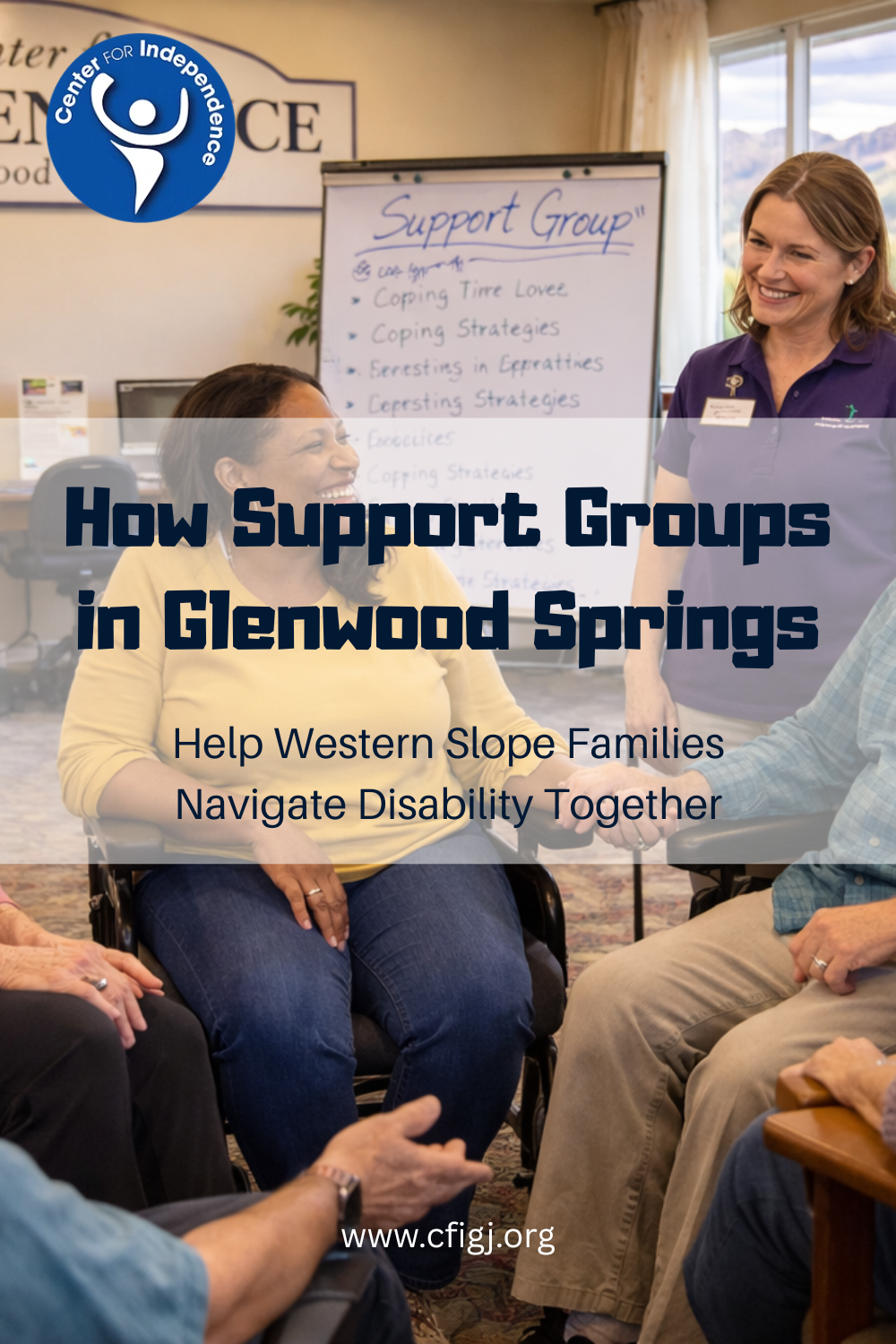
How Support Groups in Glenwood Springs Help Western Slope Families Nav
How Support Groups in Glenwood Springs Help Western Slope Families Navigate Disability TogetherLiving on Colorados Western Slope offers breathtaking scenery and tight-knit communities but it can also mean long drives between services and fewer local resources than larger metro areas.For individuals and families navigating disability, chronic illness, or life-changing diagnoses, isolation can become just as challenging as the condition itself.Thats where the Center for Independence in Glenwood Springs, guided by Katherine Lopez and her team, provides something invaluable: connection.Support groups remind people theyre not alone, Katherine says. When individuals share their experiences, they gain strength from one another.Why Support Groups Matter in Rural ColoradoIn Glenwood Springs and surrounding communities like Carbondale, Rifle, and New Castle, families often travel significant distances for medical appointments. But emotional support is just as critical as clinical care.Support groups offer: Shared lived experience Emotional validation Practical problem-solving Peer encouragement Resource sharing In a region where winter weather and geography can limit mobility, structured community support reduces isolation and builds resilience.Who Benefits from Support Groups?The Center for Independence offers support opportunities for individuals experiencing: Physical disabilities Mobility challenges Vision or hearing loss Chronic illness Traumatic injury New diagnoses Caregiver stress Groups may serve: Adults with disabilities Seniors adjusting to mobility changes Caregivers Young adults transitioning to independence Sometimes just hearing someone say, Ive been through that too, changes everything, Katherine explains.A Safe Space for Honest ConversationsSupport groups are not lectures or clinical appointments. They are guided discussions built on respect and confidentiality.Participants can talk openly about: Accessibility frustrations Navigating insurance systems Employment challenges Adaptive equipment solutions Emotional health Family dynamics For many Western Slope residents, finding a safe place to share these concerns is life-changing.Building Skills Alongside SupportBeyond emotional connection, the Center for Independence integrates education into its group programming.Sessions may include: Independent living skill-building Assistive technology demonstrations Budgeting and financial management tips Transportation planning guidance ADA rights education This combination of peer connection and practical tools empowers participants to take concrete steps toward independence.Caregiver Support: Strength for Those Giving CareCaregivers often carry invisible stress.In Glenwood Springs, many caregivers balance: Full-time employment Long travel distances for appointments Winter weather driving Family responsibilities Support groups specifically for caregivers allow them to: Share experiences without judgment Learn coping strategies Prevent burnout Build local networks When caregivers are supported, individuals with disabilities thrive.Accessible and Inclusive ProgrammingThe Center for Independence prioritizes accessibility in its Glenwood Springs programming.Considerations may include: ADA-compliant meeting spaces Hybrid or virtual options when needed Transportation coordination support Inclusive facilitation Ensuring access reflects the organizations broader mission of removing barriers.Strengthening the Western Slope CommunityGlenwood Springs is known for its hot springs, outdoor recreation, and community events but community inclusion requires intentional effort.Support groups strengthen the social fabric by: Promoting disability awareness Encouraging peer leadership Fostering mutual understanding Supporting advocacy efforts Katherine emphasizes, Independence grows when people feel supported, heard, and valued.Frequently Asked Questions About Support Groups in Glenwood SpringsAre support groups free?Many support services are offered at low or no cost, depending on funding and eligibility.Do I need a referral to attend?Typically no referral is required. Interested individuals can contact the Center directly for information.Are groups only for seniors?No. Groups serve adults of various ages navigating disability or caregiving roles.Are meetings confidential?Yes. Respect and confidentiality are foundational principles.What if I live outside Glenwood Springs?The Center may offer regional or virtual options depending on availability.Connection Is a Form of IndependenceDisability can change how someone moves through the world but it doesnt have to limit belonging.The Center for Independence in Glenwood Springs provides: Peer-led support groups Skill-building opportunities Advocacy guidance Caregiver resources Community connection For Western Slope families seeking strength through shared experience, support groups offer both hope and practical direction. Visit the Center for Independence Glenwood Springs listing on SeniorsBlueBook.com to learn more and connect with Katherine Lopez today.
Feb 25, 2026
Disability Support Groups in Glenwood Springs
Disability Support Groups in Glenwood SpringsIn Glenwood Springs, community isnt just a word its a way of life. From strolls along the Roaring Fork River to gatherings downtown near the historic hot springs, people here value connection. But for individuals living with disabilities whether physical, sensory, cognitive, or related to chronic illness connection can sometimes feel out of reach.Isolation is one of the most significant yet overlooked challenges facing people with disabilities, particularly in rural mountain communities like Glenwood Springs.Thats where the Center for Independence (CFI) plays a transformative role.Through support groups, community services, and peer-led programs, CFI creates safe spaces where individuals can build confidence, share experiences, and strengthen independence right here on the Western Slope.Support groups are about more than conversation, says Katherine Lopez of the Center for Independence. They create belonging. And belonging changes lives.Why Support Groups Matter in Mountain CommunitiesLiving in a scenic mountain town has undeniable advantages beauty, fresh air, and a close-knit culture. But geographic distance and limited public transportation can create barriers for individuals with disabilities.Support groups provide: Emotional connection Shared problem-solving Practical advice Confidence-building Reduced isolation In smaller communities like Glenwood Springs, finding others who understand similar challenges can be life-changing.Whether someone is adjusting to a new diagnosis, living with long-term disability, or navigating aging-related changes, peer support makes a measurable difference in mental health and resilience.What Makes CFI Support Groups UniqueThe Center for Independence operates from an Independent Living philosophy meaning services are community-based, peer-driven, and rooted in empowerment rather than medical oversight.Support groups often focus on: Peer-to-peer encouragement Self-advocacy skills Navigating local resources Disability rights education Emotional resilience Unlike clinical therapy groups, these gatherings emphasize lived experience and practical support.Participants share: Strategies for navigating accessible housing Transportation tips in the Roaring Fork Valley Employment accommodations Social integration techniques Theres power in hearing, Ive been there too.Serving All Ages and AbilitiesCFIs support services are inclusive of individuals across the lifespan.Participants may include: Young adults transitioning out of high school Adults adjusting to life after injury or illness Veterans living with service-related disabilities Seniors experiencing mobility or sensory decline Each stage of life presents different challenges.In Glenwood Springs, where the senior population continues to grow and many retirees relocate for the natural beauty and relaxed lifestyle, having access to disability-focused support groups becomes increasingly important.Empowerment Through Self-AdvocacyA central theme of CFI programming is self-advocacy.Support groups help individuals learn how to: Communicate needs confidently Request workplace accommodations Understand ADA protections Navigate public benefit systems Advocate for accessibility in the community Mountain towns sometimes present accessibility hurdles from uneven sidewalks to older building infrastructure. Learning how to address these barriers constructively strengthens both individuals and the broader community.Katherine Lopez explains, We dont just talk about challenges we talk about solutions. Empowerment is at the heart of everything we do.Reducing Isolation in Rural AreasIsolation is one of the most serious risks facing people with disabilities.Limited transportation, long winters, and physical barriers can compound feelings of loneliness.Support groups create: Consistent social engagement A structured outlet for discussion Opportunities to build friendships Emotional validation For many participants, these gatherings become a lifeline.In a place like Glenwood Springs where tourism and seasonal residents come and go having a stable, local support network matters deeply.Beyond Support Groups: Additional ServicesThe Center for Independence also provides broader services that complement support groups, including: Independent living skills training Resource referrals Transition services Peer mentorship Advocacy initiatives Together, these services create a comprehensive support system.For example:A participant may attend a support group to build confidence, then work with staff on independent living skills such as budgeting, housing searches, or assistive technology use.Creating a More Inclusive Glenwood SpringsSupport groups dont just benefit participants they strengthen the community.As individuals grow more confident and engaged, they become: Active community members Workplace contributors Advocates for accessibility Leaders in inclusion When Glenwood Springs embraces accessibility, everyone benefits from seniors to families to visitors.The Center for Independence plays a critical role in fostering that culture of inclusion.Frequently Asked Questions About Disability Support Groups in Glenwood SpringsWho can participate in support groups?Individuals of any age living with a disability are typically welcome to participate.Are groups diagnosis-specific?Some groups may focus on certain topics, but many are inclusive of diverse disabilities.Is there a cost to attend?Many services through Independent Living Centers are offered at low or no cost, depending on funding and eligibility.Are support groups confidential?Yes. Respect and confidentiality are foundational to creating safe spaces.Can family members attend?In some cases, family-focused resources or referrals may be available. Its best to contact CFI directly for details.Strength Through Connection on the Western SlopeLiving with a disability should never mean living without support.The Center for Independence in Glenwood Springs provides meaningful, empowering support groups and services that strengthen independence, confidence, and community inclusion.If you or a loved one could benefit from peer connection and disability-focused support, local resources are available. Visit the Center for Independences listing on Seniors Blue Book to learn more and connect with Katherine Lopez and the team today.
Feb 23, 2026
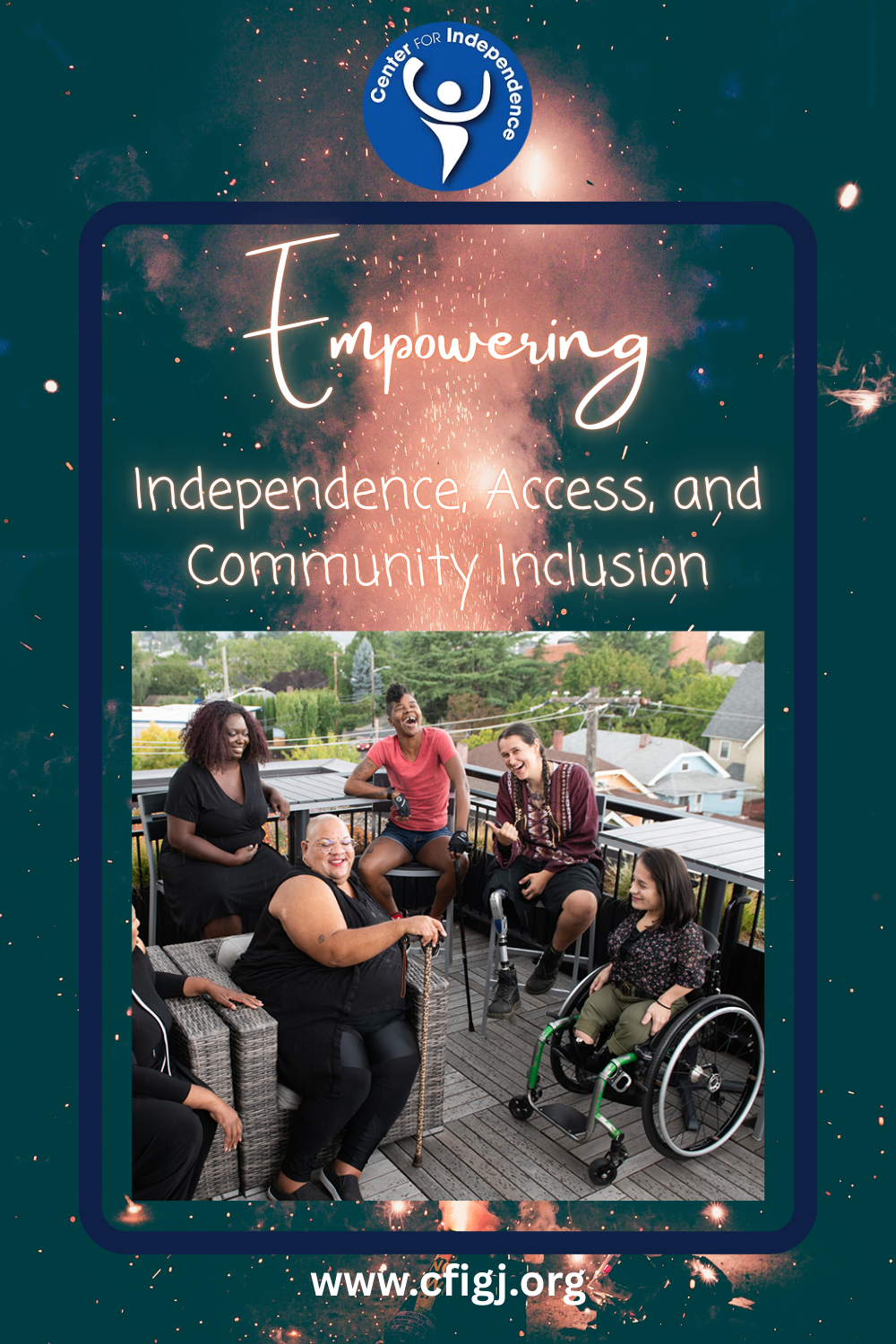
Empowering Independence, Access, and Community Inclusion
Empowering Independence, Access, and Community InclusionIndependence means something different to everyonebut for people living with disabilities, it often comes down to having the right supports, resources, and opportunities to live life on their own terms. In Grand Junction and across Colorados Western Slope, disability services play a vital role in removing barriers and creating pathways to independence, inclusion, and self-determination.As a community hub for disability services, the Center for Independence supports individuals of all ages who are navigating physical, cognitive, or sensory disabilities. Their work focuses on empowermenthelping people gain the skills, tools, and confidence needed to participate fully in their community. Independence isnt about doing everything aloneits about having access to the right resources and the freedom to make your own choices, says David Nelson. Our role is to support people as they build the life they want. Understanding Disability Services and Independent LivingDisability services are designed to support individuals in overcoming barriers that limit participation in daily life. Rather than focusing on limitations, independent living services emphasize strengths, goals, and personal choice.These services may support individuals who: Live with mobility, sensory, or cognitive disabilities Are aging with a disability Are adjusting to a new diagnosis or injury Want to live independently in the community In Grand Junction, where access to services can vary due to geography, having a centralized resource for disability support is especially important.A Philosophy Rooted in EmpowermentThe independent living model is built on the belief that people with disabilities are the best experts on their own lives. Services are voluntary, person-centered, and driven by individual goals.Core principles include: Consumer choice and control Equal access and inclusion Peer support and advocacy Community integration This approach ensures that services respect personal autonomy while offering practical support.Services That Support Everyday IndependenceDisability services often address the real-life challenges people face at home, work, and in the community. The Center for Independence provides programs and resources that help individuals navigate these challenges with confidence.Common areas of support include: Independent living skills training Housing and accessibility guidance Benefits and resource navigation Assistive technology information Peer mentoring and support These services are designed to adapt as needs change, offering long-term value and stability.Advocacy That Creates Systemic ChangeBeyond individual support, disability services play a critical role in advocacyworking to improve access, equity, and opportunity at the community level.Advocacy efforts may focus on: Accessible housing and transportation Employment opportunities Public access and ADA compliance Policy and systems change By amplifying the voices of people with disabilities, advocacy helps shape a more inclusive Grand Junction for everyone.Supporting Seniors Aging With DisabilitiesAs the Western Slopes population ages, more seniors are living longer with disabilities or experiencing new functional challenges. Disability services bridge the gap between aging and independence, helping older adults remain active and engaged in their communities.Support for seniors may include: Navigating accessibility modifications Connecting to home- and community-based services Understanding benefits and rights Preventing isolation and loss of independence David Nelson notes, Aging doesnt have to mean losing control. With the right support, people can continue to live independently and with dignity.Building Community ConnectionsIsolation is a common concern for individuals with disabilities, particularly in rural or semi-rural areas. Disability services emphasize connectionlinking people to peers, community activities, and shared resources.Peer support programs are especially powerful, offering: Shared experiences and encouragement Practical advice from people who understand Increased confidence and self-advocacy skills These connections strengthen both individuals and the broader community.Navigating Transitions With ConfidenceLife transitionssuch as leaving school, returning home after an injury, or aging into new support needscan be challenging. Disability services provide guidance and continuity during these changes.Support during transitions may include: Planning for independent living Coordinating community resources Learning new skills or adaptive strategies Setting and achieving personal goals With the right guidance, transitions become opportunities for growth rather than setbacks.The Importance of Local Disability ServicesLocal disability services understand the unique needs of the Grand Junction community, including transportation challenges, housing availability, and regional healthcare systems. This local knowledge allows for more responsive, relevant support.By being rooted in the Western Slope, disability service organizations build trust and long-term relationships with the people they serve.Taking the First Step Toward IndependenceSeeking disability services is not a sign of weaknessits a step toward empowerment. Whether someone needs short-term guidance or ongoing support, having a trusted partner makes the journey easier.A Community Resource Dedicated to IndependenceDisability services help transform obstacles into opportunities. Through advocacy, education, and personalized support, individuals can live more independently and fully participate in the community they call home.To learn more about disability services and independent living resources in your area, visit the Center for Independences Seniors Blue Book listing and connect with their team today.FAQs Disability Services in Grand JunctionWho can use independent living services? Services are available to people with disabilities of all ages, including seniors aging with disabilities.Do I need a referral to receive services? Most independent living services are self-directed and do not require a referral.Are services only for physical disabilities? No. Services support individuals with physical, sensory, cognitive, and other disabilities.Is there a cost for services? Many services are provided at no cost or on a sliding scale, depending on funding and program guidelines. Can family members be involved? Yes. Families and caregivers are often included, with the individuals consent.