Food Assistance for Older Adults: Ending Hunger and Building Community with Food Bank of the Rockies
Food Bank of the Rockies
For more information about the author, click to view their website: Food Bank of the Rockies
Jul 28, 2025
Colorado - Denver North Metro


As the population ages, food insecurity among older adults has become a growing concern across the United States. Fixed incomes, limited mobility, and chronic health conditions all contribute to the barriers older adults face in accessing nutritious food. In Colorado and Wyoming, Food Bank of the Rockies is leading the charge in ensuring no person goes hungry—offering dignity, support, and nourishment through a variety of programs designed specifically for older adults.
The Hidden Crisis: Food Insecurity Among Older Adults
Many people are surprised to learn that millions of older adults in America are food insecure. According to Feeding America, over 5.5 million seniors aged 60 and older face hunger daily. This figure is expected to rise as the baby boomer generation continues to retire and the cost of living increases. For many seniors, rising rent, utility bills, and healthcare expenses mean choosing between food and medication.
In Colorado, where the cost of living can be especially high, Food Bank of the Rockies recognizes that hunger is a silent epidemic among older adults. They understand that behind every senior struggling to afford groceries is a lifetime of hard work and contribution to the community.
How Food Bank of the Rockies Supports Older Adults
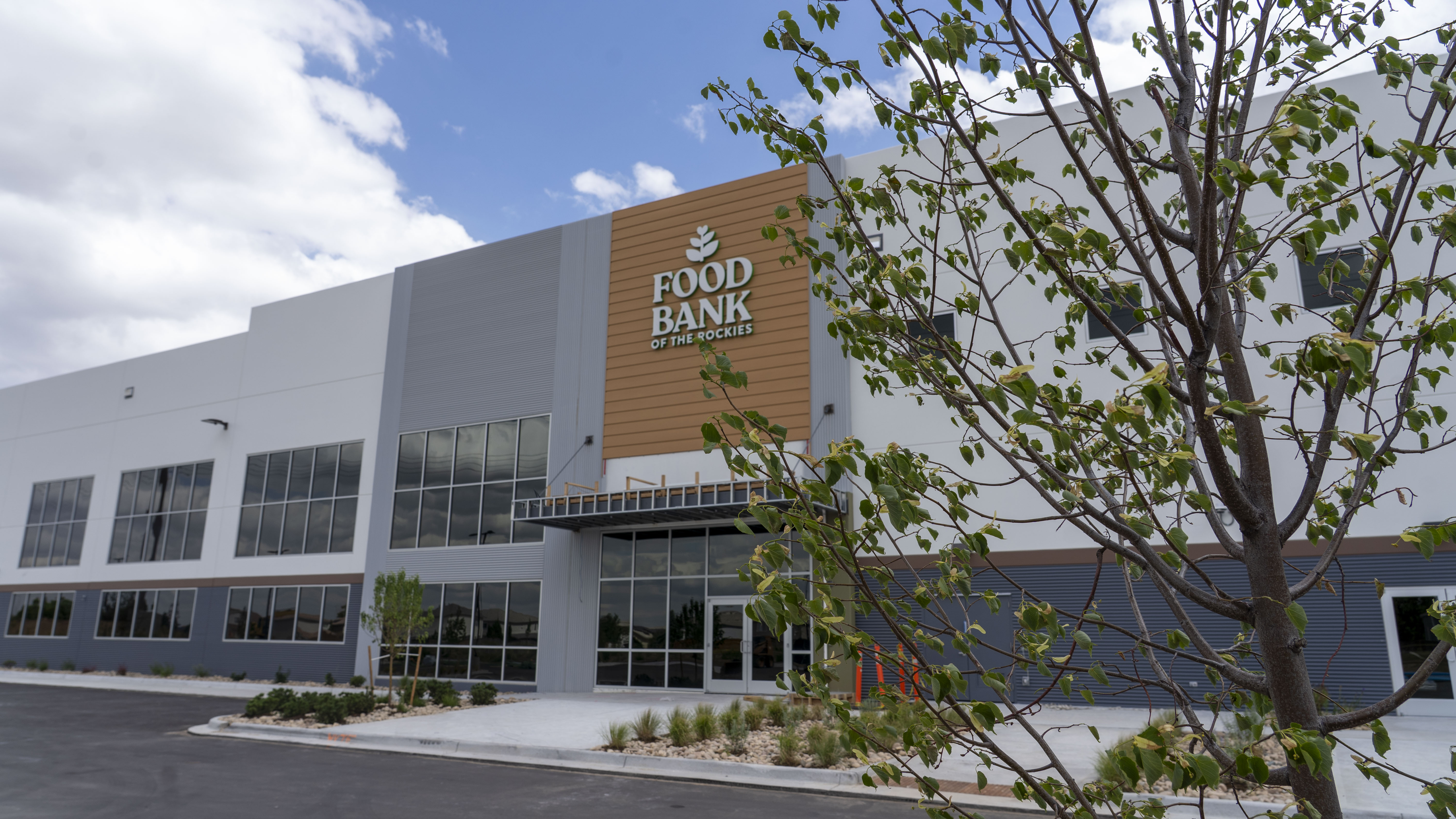
Food Bank of the Rockies, serving 32 counties in Colorado (including Western Slope, Eastern Plains, and Metro Denver) and the entire state of Wyoming, operates one of the largest hunger-relief organizations in the region. Their hunger relief programs are a lifeline for thousands of older adults who need access to healthy food.
Here’s how they help:
1. Everyday Eats
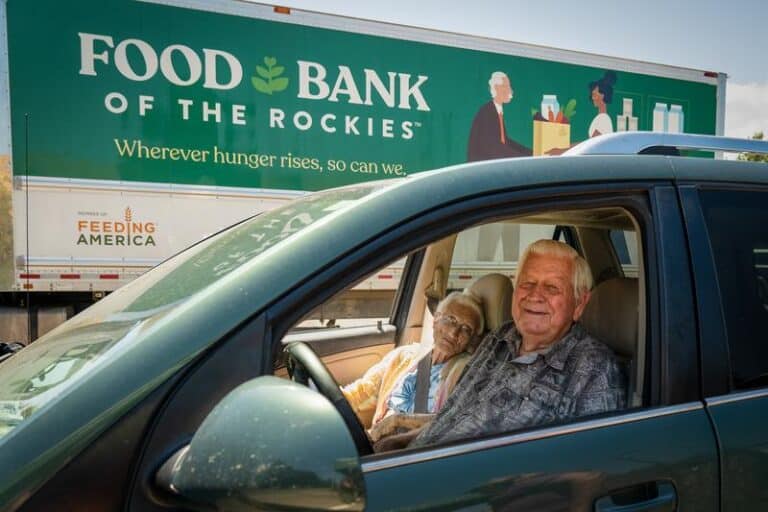
In partnership with the USDA, Food Bank of the Rockies administers the Everyday Eats program for older adults 60 and older. This monthly food box program includes cheese, canned fruits and vegetables, grains, and protein-rich items—critical for maintaining a balanced diet. Must be income eligible.
2. Mobile Pantries
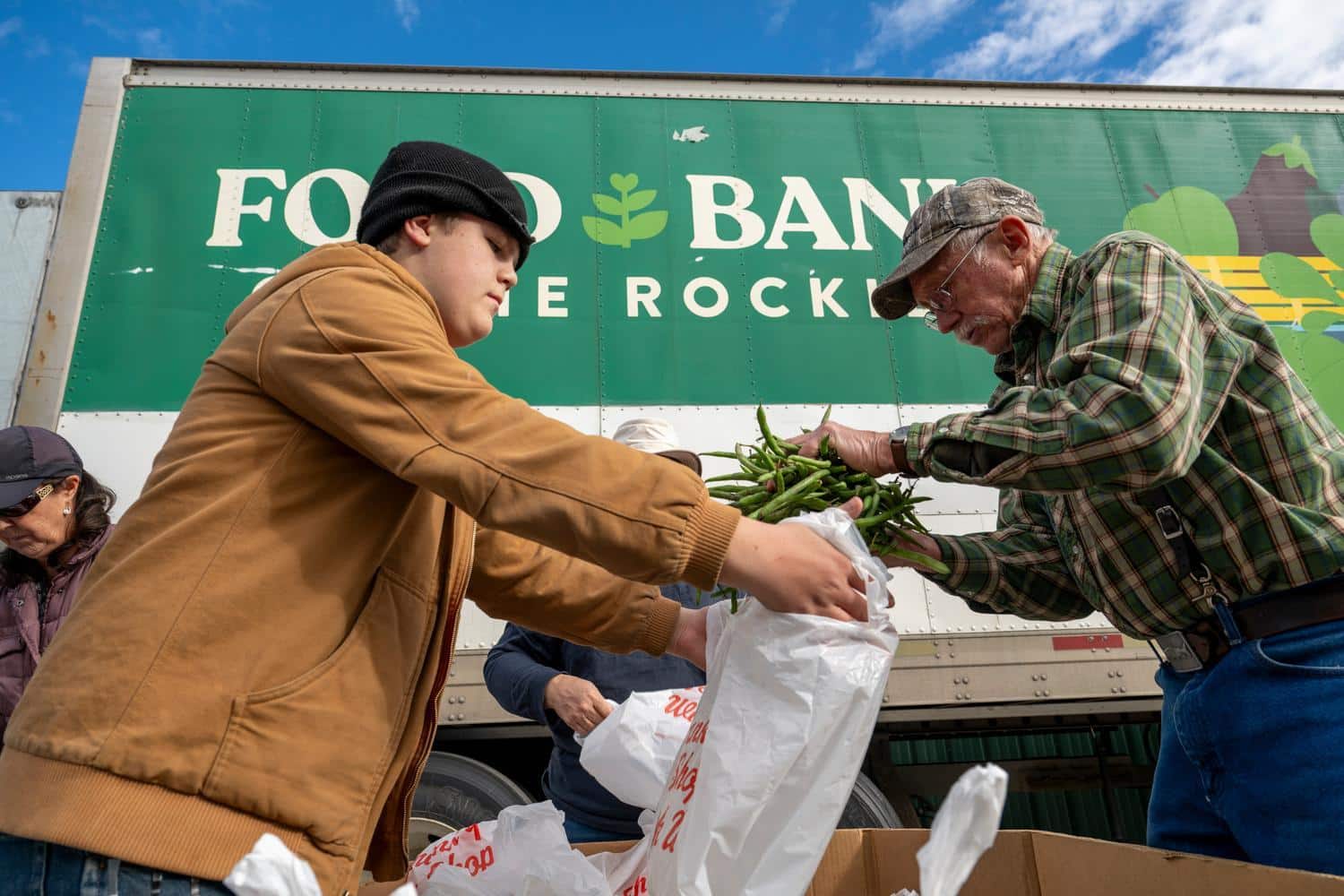
Recognizing that not every senior can travel easily, Food Bank of the Rockies operates dozens of mobile food pantries that bring fresh produce and staple goods to rural or underserved communities. These distributions are inclusive, easy to navigate, and staffed by volunteers who offer respectful assistance.
3. Partnership with Local Senior Centers
The organization collaborates with senior housing developments, Meals on Wheels, and aging services providers to ensure food gets to where it’s needed most. This network ensures efficient distribution and helps identify seniors who may be newly facing food insecurity.
4. Culturally Appropriate and Nutritious Food
Understanding the importance of variety and dignity, Food Bank of the Rockies strives to include food that is culturally familiar and health-conscious. Their goal is to offer meals that are both nutritious and comforting for older adults who may be managing diabetes, heart disease, or other age-related health issues.
5. Supplemental Nutrition Assistance Program (SNAP) application assistance
Assistance is available to apply or recertify for SNAP, the Supplemental Nutrition Assistance Program. This can even be done over the phone. Dedicated support can be reached by phone or email [email protected] or 303-375-5851
The Impact on Health and Quality of Life
Food insecurity is more than just hunger—it’s a public health crisis. Seniors who face regular food shortages are:
-
60% more likely to experience depression
-
50% more likely to have diabetes
-
14% more likely to have high blood pressure
By ensuring access to consistent, nourishing meals, Food Bank of the Rockies is helping older adults stay healthy, independent, and emotionally well. The positive ripple effects touch caregivers, communities, and the broader health care system.
Volunteer and Community Involvement
Behind every meal delivered is a network of compassionate volunteers, donors, and community partners. Food Bank of the Rockies makes it easy for people of all ages to get involved. Opportunities include:
-
Packing food boxes
-
Preparing meals in the Community Kitchen
-
Hosting donation drives
-
Neighbor intake at mobile pantries
Volunteers often find the experience deeply rewarding—connecting with seniors, learning their stories, and becoming part of a movement greater than themselves.
How Seniors and Families Can Get Help
Seniors in need of food assistance—or their loved ones—can visit www.foodbankrockies.org to find resources and locations. The website includes a Find Food map to search for a location nearby.
There is no shame in seeking support. In fact, utilizing food assistance helps ensure that seniors can live healthier, fuller lives in their own homes and communities.
Building a Hunger-Free Future for All Generations
Hunger in later life is a solvable problem. Organizations like Food Bank of the Rockies prove that with the right community partnerships, funding, and advocacy, we can create a region where no senior has to worry about their next meal.
Their work goes beyond charity—it’s about restoring dignity, ensuring equity, and building a support system where older adults can thrive.
Whether you're a family member, caregiver, health professional, or senior yourself, now is the time to join the fight against senior hunger.
Other Articles You May Like
How High Interest Rates Are Slowing Home Sales in the Denver Metro Are
By Brandis Meeks Nov 2026 Quick answer: are high interest rates slowing home sales in Denver?Yes. With 30-year fixed mortgage rates sitting around 7.3% in October 2026, up from about 6.3% a year earlier, Denver metro buyers are pulling back and sellers are feeling it. The Colorado Association of Realtors reported that September 2026 closed sales in the Denver metro fell 18.7% from a year earlier and pending sales dropped 12.7%. The Denver metro housing market by the numbersHere is where the market stands as of late October 2026, using the most recent data released.What the numbers say: prices are drifting lower rather than collapsing, but volume is falling hard. Fewer buyers can qualify at 7%+ rates, so homes sit longer, sellers cut prices or pay concessions, and many listings expire with no sale at all.Figures reflect the latest published reports as of October 28, 2026. Market data is revised each month, so check the sources below for updates.Why high mortgage rates slow home salesThree forces are working together in the Denver metro.1. Monthly payments jump. On a home at the $565,000 metro median with 20% down ($452,000 loan), principal and interest at 7.32% is about $3,105 a month. At last year's 6.34% rate, the same loan was about $2,810. That is roughly $295 more per month, or about $3,500 a year, for the identical house. For buyers already stretched by Denver prices, that gap is often the difference between qualifying and not.2. The lock-in effect keeps sellers on the sidelines. Many Denver homeowners locked in mortgages at 3% to 4% during 2020 and 2021. Local agents quoted by the Denver Gazette have noted that moving to a similar home at today's rates can add $1,500 to $2,000 a month to the housing payment. Owners who don't have to sell stay put, which keeps inventory tight in some price ranges even while demand falls.3. Buyers get cautious and negotiate harder. When affordability shrinks, buyers wait, ask for repairs, and request concessions. In September, 64% of Denver metro sales included seller concessions and nearly half had price reductions. Homes that are dated, deferred-maintenance, or priced optimistically are hit hardest because they need a buyer who can both finance the purchase and absorb surprises at inspection.The result is a stalled market: fewer showings, longer days on market, and more listings that expire unsold.What this means for sellers in Denver and Surrounding CitiesThe slowdown is metro-wide, but it shows up differently depending on the home.Condos and townhomes are seeing the sharpest price pressure. The attached-home median fell 6.2% to $375,000 in September, and HOA dues make monthly payments even harder for buyers to absorb.Move-in-ready single-family homes in strong neighborhoods are still selling, but often with price cuts or concessions.Homes that need work in Aurora, Denver, Lakewood, Centennial, Littleton, Arvada, Thornton and other Front Range cities face the longest waits, because financed buyers and their lenders push back on condition.Inherited, tenant-occupied, hoarder, and storage-heavy properties are especially hard to list, since buyers must stomach cleanout costs on top of a 7% mortgage.If you list in this market, plan for a longer timeline, a possible price reduction, and repair negotiations after inspection. Carrying costs such as mortgage payments, property taxes, insurance, and utilities keep running the whole time. About 45% of listings that left the market in recent REcolorado data did so without selling, so a listing is not a guaranteed sale.Your options when the market is slow1. List on the MLS and wait. This can net the highest price for a turnkey home, but expect longer marketing time, buyer concessions, and repair requests. Costs include agent commissions, staging, and repairs.2. Cut the price or offer concessions. Many Denver sellers are doing this, with nearly half of September sales including a price reduction. It can speed things up but lowers your net.3. Rent the home out or hold it. This works only if the numbers cover your payment, taxes, insurance, and maintenance, and you are comfortable being a landlord.4. Sell as-is to a local cash home buyer. If you need certainty, a fast timeline, or you don't want to fix, clean, or stage the home, a direct sale removes the financing risk that high rates create. A cash buyer doesn't depend on a mortgage approval, so rate swings can't cancel the deal.How The Property Buyers can helpThe Property Buyers is a Colorado home buying company based in Aurora, founded in 2008. We have an A+ Rating with the Better Business Bureau. Plenty of 5 Star Google Reviews show why we are a trusted professional Cash Home Buyer. We buy houses throughout the Denver metro area:Get a No-Obligation Cash Offer for your homeAs-is condition. No repairs, no updates, no inspection haggling.No cleanout. Leave the furniture, belongings, and debris. We handle it.Close in as little as 10 business days, or on the date that fits your schedule.No agent commissions and no financing contingencies.Whether the house is inherited, tenant-occupied, in foreclosure trouble, or just not selling, call 720-650-7986 or visit thepropertybuyers.com to request a no-obligation cash offer. A cash offer may be lower than a fully renovated listing price, so compare it with your net after repairs, commissions, carrying costs, and time on the market.Frequently asked questionsAre high interest rates slowing home sales in Denver?Yes. Mortgage rates near 7.3% have cut buyer purchasing power, and the Colorado Association of Realtors reported Denver metro closed sales down 18.7% and pending sales down 12.7% year over year in September 2026.What is the mortgage rate in Colorado right now?Freddie Mac's national 30-year fixed average was 7.32% for the week of October 22, 2026, compared with 6.34% a year earlier. Colorado rates track the national average and vary by lender, credit score, and down payment.Are Denver home prices falling because of high rates?Prices are softening, not crashing. The Denver metro median price was $565,000 in September 2026, down 1.7% from a year earlier, and the attached-home median fell 6.2% to $375,000.Is it a good time to sell a house in Denver?It depends on your home and your timeline. Turnkey homes in good locations still sell, but sellers are giving more price reductions and concessions. If your home needs repairs or you need to sell quickly, selling as-is to a cash buyer can avoid the delays.Can I sell my Denver house as-is without cleaning it out?Yes. The Property Buyers buy houses as-is across the Denver metro with no cleanout required, so you can leave furniture and belongings behind.How fast can The Property Buyers close on a house?We can close in as little as 10 business days, or later if you need more time.How can I schedule a walk-through of my house?It's very easy: just call 720-650-7986 or visit thepropertybuyers.com to request a home walk-through and your no-obligation cash home offer.SourcesColoradoBiz: Colorado home sales fall as buyers pull back in the Denver metro (September 2026 data, Colorado Association of Realtors)Freddie Mac: Primary Mortgage Market SurveyMile High Title Guy: Denver metro expired listings, September 2026 (REcolorado data)Mortgage News Daily: NAR existing-home sales, September 2026Trading Economics: U.S. existing home salesDenver Gazette: Denver realtors say rates, not prices, are holding back the market (June 4, 2026)Denver Metro Association of Realtors market trendsPayment comparisons are our own calculation: 30-year fixed, 20% down on a $565,000 home, principal and interest only, excluding taxes, insurance, and HOA dues.
Assisted Living vs. Nursing Homes: Are they the same?
When it comes to various housing and care communities for older adults, one of the most common misconceptions is that assisted living and nursing homes are essentially the same thing.The simple answer is, they are not. Heres how they are different:Nursing Homes Provide Skilled Medical CareNursing homes are designed for individuals who require ongoing medical supervision and skilled nursing services.Residents may:-Have complex medical conditions-Need rehabilitation after hospitalization-Require around-the-clock nursing care-Depend on specialized healthcare services, labs, medical oversight and moreMedical staff are available 24 hours a day to provide clinical care and monitor residents health in a nursing home.Assisted Living Focuses on IndependenceBy contrast, Assisted Living emphasizes lifestyle, independence, and support.Residents typically:-Live in private apartments or suites-Participate in community activities, programs and events-Receive assistance with activities of daily living, but not necessarily around the clock-Maintain greater control over their daily routinesFor many older adults, assisted living offers the right balance between support and independence. Staff provide care and guidance, but not so much that the individual is bedridden, highly monitored or restricted to a hospital-like setting.At Kavod Senior Life, Assisted Living residents enjoy the best parts of living as Kavod lifts the struggles and isolation of individual home life outside a community. Benefits include:-Three meals a day in a family-style dining environment-Activities such as music, lectures and outings (at no extra cost!)-Housekeeping, laundry and bed-making-Medication monitoring-Five wellness checks per day-On-site access to geriatric medical clinics, physical/occupational and speech therapy, and a variety of health clinics-Available add-on services (oxygen management, incontinence care and escorting to appointments around campus)-Affordable rents that are 66% below market rate in the Denver area!If youre wondering whether a nursing home or Assisted Living is right for you or your loved one, consider the tips above to help you make that decision. We are always happy to discuss your options with no obligation. Contact us today for assistance!Created with the assistance of ChatGPT
The Bridge to Independence: A Story of Integrated Care in Colorado
For years, home was a place that felt more like a memory than a reality for one senior who spent most of his time moving between hospitals and rehab centers. As someone relying on Health First Colorado, his healthcare journey was often exhausting and repetitive until he found a way to bridge the gap between needing help and wanting to stay in his own favorite chair.A Lifeline through Colorado Medicaid Remote Support ServicesEverything changed when he started a new routine that combined four hours of daily help from a caregiver with the around the clock security of Colorado Medicaid remote support services. While his caregiver focused on making sure his home was clean and his meals were delicious, the remote support team acted like a quiet guardian watching over him through the day and night. By using simple devices to check his blood pressure and oxygen levels, he was never truly alone, and his remote coordinators became familiar voices who checked in on him with a friendly call every single day.Technology that Catches the Small DetailsThe true value of this hybrid care became clear when his daily vitals showed a trend that no one would have noticed otherwise. His remote team saw his blood pressure was dropping to a level that made him feel lightheaded, and they immediately coordinated with his doctor to adjust his medication before he could have a dangerous fall. Even during a sudden bout with an infection, he was able to use his emergency button to keep everyone informed while he was being helped by paramedics, ensuring that his care team was right there with him every step of the way.Six Months of Staying Home After a lifetime of being told he needed to be in a facility, he has now spent six months thriving in his own home with only one very short hospital stay. This story proves that when we combine human heart with the power of technology, staying home is not just a dream but a reality that is accessible through programs like Colorado Medicaid.
Local Services By This Author
Food Bank of the Rockies
Food Resources 20600 East 38th Avenue, Aurora, Colorado, 80011Igniting the Power of Community to Nourish Our NeighborsHunger exists in every community urban, suburban, and rural. In Colorado and Wyoming, thousands of families quietly struggle to put food on the table each day. At Food Bank of the Rockies, we believe no one should have to choose between food and medicine, rent and groceries, or education and a meal.Our mission is simple yet powerful: to ignite the power of community to nourish people facing hunger.We accomplish this by providing food and essential necessities to individuals and families in need through our signature programs and by partnering with hundreds of Hunger Relief Partners across Colorado and Wyoming. Together, we serve the largest food bank coverage area in the contiguous United States, reaching communities across vast mountain regions, rural plains, and growing cities.Because when a community works together, hunger does not stand a chance.The Reality of Hunger in Our CommunitiesFood insecurity touches every county in the United States and Colorado is no exception.1 in 8 Coloradans is experiencing food insecurity.1 in 7 children in Colorado does not have consistent access to enough nutritious food.Behind these numbers are real families making impossible decisions:Parents skipping meals so their children can eatSeniors choosing between groceries and prescription medicationCollege students deciding whether to pay tuition or buy lunchWorking families stretching limited paychecks to cover rising costsFood insecurity is not just about hunger. It impacts physical health, emotional well-being, academic performance, and long-term stability. For children, inadequate nutrition can affect nearly every stage of development from early brain growth to immune system strength and classroom performance. For older adults, it can worsen chronic conditions and increase isolation.Hunger weakens communities. But together, we can strengthen them.Serving Colorado and WyomingFood Bank of the Rockies serves communities across Colorado and Wyoming a vast and diverse region that includes major metropolitan areas, small mountain towns, agricultural communities, and remote rural counties.Through our network of hundreds of Hunger Relief Partners including food pantries, soup kitchens, shelters, faith-based organizations, and community centers we distribute food efficiently and equitably to neighbors who need it most.Right now, we provide food to 1 in 9 individuals throughout our service area in Colorado, including children.Our work spans:Urban neighborhoods facing rising living costsRural communities with limited access to grocery storesMountain towns with seasonal employment fluctuationsCollege campuses where students experience hidden hungerNo matter where someone lives, they deserve access to nourishing food.How We Nourish Our NeighborsFood Bank of the Rockies operates through a combination of innovative programs and strong partnerships designed to meet people where they are.Signature ProgramsOur programs focus on reaching vulnerable populations and closing gaps in food access. These initiatives ensure that children, seniors, working families, and individuals facing unexpected hardship receive nutritious food with dignity.Programs include:Mobile pantries serving rural and underserved communitiesSchool-based distributions supporting children and familiesSenior-focused initiatives addressing food insecurity among older adultsDisaster response efforts for communities impacted by emergenciesDirect distribution programs that supplement partner agenciesBy combining large-scale food sourcing with local-level distribution, we ensure that food reaches communities efficiently and safely.The Power of PartnershipWe could not do this work alone.Food Bank of the Rockies teams up with hundreds of Hunger Relief Partners across Colorado and Wyoming. These trusted local organizations understand the unique needs of their communities. Together, we create a network that is responsive, resilient, and compassionate.This collaborative model allows us to:Increase access points for food distributionReduce food waste by redirecting surplus foodStrengthen local nonprofits and community programsExpand our reach to rural and hard-to-access areasOur partners are the heartbeat of hunger relief and together, we form a united front against food insecurity.Nourishment Beyond the PlateFood is more than calories. It is fuel for learning, working, healing, and thriving.When families have reliable access to nutritious food:Children perform better in schoolSeniors maintain independence longerAdults are more productive at workCommunities become stronger and more stableWe believe that for a community to thrive, every member must have the resources they need to flourish. Proper nourishment is foundational to opportunity, health, and dignity.Hunger relief is not charity it is community investment.Volunteers: The Heart of Our MissionEvery box packed, every truck loaded, every distribution event held is powered by people who care.Volunteers donate thousands of hours each year to sort food, pack boxes, distribute meals, and support operations. Their energy and compassion allow us to serve more neighbors with efficiency and warmth.When individuals give their time, they become part of a larger movement one that transforms generosity into tangible impact.Donors: Turning Generosity Into ImpactFinancial supporters, food donors, and corporate partners play a critical role in fueling our mission.Through strategic sourcing and large-scale distribution, Food Bank of the Rockies is able to maximize every dollar and every donated item. Contributions help usPurchase nutritious food at scaleExpand mobile distribution programsInvest in infrastructure and logisticsRespond quickly to rising needsWhen community members give, they ignite the power of collective action.A Shared Challenge and a Shared SolutionHunger affects every county in the United States. It crosses demographic lines and impacts families from all walks of life.But hunger is not inevitable.The good news is that we can answer the challenge together.When communities unite through volunteering, donating, advocating, and partnering meaningful change happens. Every meal distributed represents hope. Every partnership formed represents strength. Every volunteer shift represents compassion in action.Food Bank of the Rockies exists because we believe in the power of community. And every day, we see that power in motion.See the Impact in Your CountyHunger looks different in every community. We invite you to explore the map of our service area to better understand the need for hunger relief in your county.By learning about local food insecurity rates and distribution efforts, you can see firsthand how your support makes a difference close to home.We also encourage you to visit our blog to read stories of resilience, innovation, and community collaboration. These stories highlight the real lives impacted by our volunteers, donors, and Hunger Relief Partners.Join Us in Igniting ChangeFood Bank of the Rockies is more than a food distribution organization. We are a community movement dedicated to ensuring that every neighbor has access to the nourishment they need to thrive.Whether you volunteer, donate, partner, or advocate, you become part of a powerful network committed to ending hunger in Colorado and Wyoming.Because when communities come together with compassion and purpose, we do more than feed people we nourish hope, dignity, and opportunity.Together, we can ensure that no one in our region faces hunger alone.
Food Bank of the Rockies
Volunteer OpportunitiesFood Bank of the Rockies is the largest hunger-relief organization in the Rocky Mountain region, serving 32 counties and a portion of Gunnison County in Colorado and all 23 counties in Wyoming. Since 1978, weve put the power of community to work for our neighbors in need. Through partnerships. Through programs. Through people. Through you. Everything we do is fueled by the support of our community and donors, and 94 cents of every dollar goes directly to distribution. With support from our community and hundreds of Hunger Relief Partners, we distribute enough food daily for over 200,000 meals. For more information: foodbankrockies.org.