How Accessibility Rams Support Safe, Independent Living in Montrose
AmRamp
For more information about the author, click to view their website: AmRamp Accessibiity
Jan 08, 2026
Colorado - Boulder County , Colorado - Northern Colorado


How Accessibility Rams Support Safe, Independent Living in Montrose
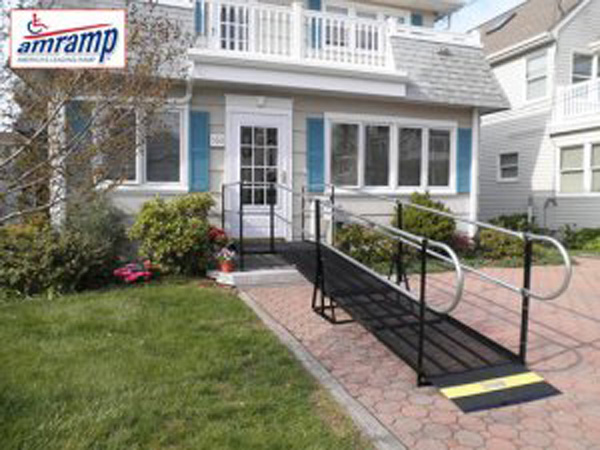
For many seniors and individuals with mobility challenges in Montrose and across Northern Colorado, a single step can become a serious obstacle. Stairs at entrances, uneven thresholds, or steep walkways can quietly limit independence and increase fall risk. Accessibility ramps offer a practical, dignified solution—transforming homes into safer, more navigable spaces without requiring relocation.
As more older adults choose to age in place, home accessibility modifications like ramps play a critical role in preserving freedom, confidence, and quality of life.
Why Home Accessibility Matters More With Age
Mobility changes can happen gradually or suddenly—after surgery, injury, or the progression of a chronic condition. When homes aren’t designed for changing mobility, everyday tasks can become risky.
Common challenges include:
-
Steps at entryways
-
Narrow or uneven walkways
-
Difficulty using walkers or wheelchairs
-
Increased fall risk during bad weather
-
Reliance on others for basic access
In Montrose, where weather conditions and varied terrain can add to mobility challenges, safe home access is essential.
What Accessibility Ramps Provide
Accessibility ramps are designed to create smooth, stable pathways into and out of the home. They are tailored to individual needs, home layouts, and mobility devices.
Ramps can support:
-
Wheelchairs and power chairs
-
Walkers and rollators
-
Scooters
-
Individuals with balance or strength limitations
Properly designed ramps improve safety while allowing users to enter and exit their homes independently.
“Accessibility is about empowering people to move safely and confidently in their own homes,” says Katie Burgoyne. “A well-designed ramp can restore independence and reduce the fear that comes with mobility challenges.”
Supporting Aging in Place in Montrose
Many seniors in Montrose value remaining close to family, neighbors, and familiar routines. Accessibility ramps make aging in place more realistic by addressing one of the most common physical barriers.
Ramps help seniors:
-
Stay in their homes longer
-
Avoid unnecessary relocation
-
Reduce dependence on caregivers
-
Maintain daily routines
This simple modification can have a profound impact on independence.
Safety Benefits Beyond Mobility
Falls are a leading cause of injury among older adults. Entryways are particularly risky areas, especially during winter months or wet conditions.
Accessibility ramps help by:
-
Providing stable, slip-resistant surfaces
-
Eliminating the need to navigate steps
-
Allowing smooth transitions with mobility devices
-
Improving confidence when entering or exiting the home
Improved access supports both physical safety and peace of mind.
Temporary and Long-Term Accessibility Solutions
Accessibility needs aren’t always permanent. Some individuals need ramps temporarily during recovery, while others require long-term solutions.
Ramp options may include:
-
Short-term or rental solutions
-
Long-term installations
-
Modular designs that can be adjusted or removed
-
Custom configurations based on home layout
Flexibility ensures solutions align with current and future needs.
Supporting Caregivers and Families
When a home isn’t accessible, family members often shoulder the burden—lifting mobility devices, assisting with stairs, or worrying about falls.
Accessibility ramps help families by:
-
Reducing physical strain on caregivers
-
Increasing safety during transfers
-
Allowing loved ones greater independence
-
Reducing anxiety about daily movement
Shared peace of mind benefits everyone involved.
Accessibility Without Sacrificing Appearance
Many homeowners worry that accessibility modifications will detract from their home’s appearance. Modern ramp solutions are designed to blend with existing structures whenever possible.
Thoughtful design considers:
-
Home aesthetics
-
Yard and entryway layout
-
Space constraints
-
Ease of use
Accessibility and visual appeal can coexist.
When to Consider an Accessibility Ramp
Families often explore ramps when:
-
A loved one begins using a mobility device
-
Stairs become unsafe or intimidating
-
Recovery from surgery limits mobility
-
Caregivers feel strained assisting with entryways
-
Aging-in-place planning begins
Early installation can prevent accidents and reduce stress.
Frequently Asked Questions (FAQs)
Are accessibility ramps only for wheelchair users?
No. Ramps support walkers, scooters, and individuals with balance challenges.
Can ramps be installed temporarily?
Yes. Many ramp solutions are designed for short-term or adjustable use.
Do ramps require permanent home modification?
Not always. Modular ramps can often be installed without permanent changes.
Are ramps usable in winter conditions?
Yes. Many ramps are designed with slip-resistant surfaces for safety.
Can ramps be customized for different homes?
Absolutely. Solutions are tailored to individual homes and needs.
Access That Restores Confidence
Accessibility ramps do more than improve mobility—they restore independence, reduce risk, and support confident living at home. For Montrose seniors and families, thoughtful accessibility solutions make it possible to remain safely connected to home and community.
To learn more about accessibility ramp solutions in Northern Colorado, visit the AmRamp Accessibility listing on Seniors Blue Book and explore options designed to support safe, independent living.

Other Articles You May Like
Using Home Equity Wisely in Retirement in Daphne, AL
For many older homeowners, a house represents more than a place to live. It may also be one of the largest financial assets accumulated over a lifetime.As retirement approaches, homeowners sometimes face a difficult balance. They want to remain in familiar surroundings but may also need to manage rising living expenses, insurance costs, home maintenance, or changes in healthcare needs.Some residents have significant home equity but relatively limited monthly cash flow.Others want to make accessibility improvements, such as installing a ramp or modifying a bathroom, without selling their property.For homeowners in Daphne, Alabama, a reverse mortgage may be one financing option worth evaluating.A reverse mortgage allows certain eligible homeowners to borrow against their home equity without making required monthly principal and interest payments while the loan remains in good standing.However, the borrowed funds must eventually be repaid, interest and charges accumulate, and borrowers must continue meeting important property-related obligations.Anchor Funding, Inc., a mortgage company serving Baldwin County and surrounding Alabama communities, provides reverse mortgage information through local representative Nicole Cramer.Understanding both the benefits and risks is essential before using home equity to support retirement goals.What Is a Reverse Mortgage?A reverse mortgage is a loan secured by a homeowner's property.It allows eligible borrowers to access part of the equity accumulated in their home.The loan differs from a traditional mortgage because borrowers generally are not required to make monthly principal and interest payments.The Home Remains CollateralThe loan is secured by the property.Ownership ContinuesThe homeowner generally retains title while meeting the agreement's requirements.Interest AccumulatesThe outstanding balance may grow as interest and financed charges are added.Repayment Is DeferredRepayment is generally triggered by certain events, such as selling the home, death, or permanently moving away.Property Responsibilities RemainBorrowers must meet ongoing requirements concerning taxes, insurance, occupancy, and maintenance.Not Free MoneyReverse mortgage proceeds represent borrowed funds rather than a government grant or unrestricted benefit.Understanding Home EquityHome equity represents the difference between a property's value and the debts secured against it.For example, a homeowner may have accumulated equity by paying down an existing mortgage or benefiting from increases in property value.Equity Is Not the Same as CashThe value is tied to the property until it is accessed through selling or financing.Borrowing Reduces Available EquityA reverse mortgage can increase debt secured by the home.Loan Proceeds Have LimitsA reverse mortgage generally does not allow homeowners to borrow the home's entire value.Several Factors MatterAvailable proceeds may depend on the youngest borrower's age, property value, existing mortgage debt, current rates, and product rules.Future Changes MatterThe amount of equity remaining later depends on home value changes, interest accumulation, and other factors.A personalized written estimate is necessary to understand a specific proposal.Anchor Funding, Inc. Serving DaphneAnchor Funding, Inc. is listed with Seniors Blue Book in the Reverse Mortgages category.The company serves eligible homeowners throughout Baldwin, Escambia, and Mobile Counties.Local ContactNicole Cramer is the published representative for reverse mortgage inquiries.Reverse Mortgage EducationThe company discusses how home equity can be used to address retirement-related expenses.Aging-in-Place ConsiderationsIts published information describes possible uses involving home modifications and care expenses.Existing Mortgage PayoffEligible borrowers may use reverse mortgage proceeds to repay an existing mortgage, subject to loan requirements.Retirement Cash FlowSome homeowners investigate reverse mortgages as a way to supplement available resources.Home Purchase OptionsAnchor Funding also describes reverse mortgage arrangements that may be used by eligible older adults purchasing another residence.Personalized GuidanceLoan eligibility and available proceeds must be determined individually.Verified Contact InformationAnchor Funding, Inc.Seniors Blue Book Market: Daphne, Baldwin County, AlabamaContact: Nicole CramerPhone: 251-349-9891The company is listed for the Daphne service market, but its associated local address is in Silverhill. Confirm licensing, contact details, and consultation arrangements before applying.Understanding HECM Reverse MortgagesA Home Equity Conversion Mortgage, or HECM, is a federally insured reverse mortgage product.HECMs are subject to federal rules.Minimum AgeAt least one eligible borrower must generally be age 62 or older, and all borrowers must satisfy applicable eligibility rules.Eligible PropertyThe home must meet relevant property and occupancy requirements.Primary ResidenceThe borrower must generally maintain the property as a principal residence.Financial AssessmentThe lender evaluates the borrower's ability to meet required obligations.Independent CounselingHECM applicants must complete counseling with a HUD-approved housing counselor.Mortgage InsuranceHECMs involve mortgage insurance costs.Maximum Available ProceedsThe available amount depends on federal limits and product-specific calculations.Other reverse mortgage products may have different requirements.Ways Homeowners May Receive ProceedsA reverse mortgage may offer different payment arrangements depending on the product.Lump SumA borrower may receive an available amount at closing, subject to program rules and initial disbursement limits.Monthly PaymentsCertain adjustable-rate arrangements allow scheduled payments.Line of CreditSome products allow eligible homeowners to draw proceeds over time.Combination ArrangementsCertain products provide combinations of payment methods.Interest ConsiderationsBorrowing earlier or withdrawing larger amounts may influence interest accumulation.Choosing an ApproachThe suitable arrangement depends on cash needs, rate structure, other resources, and long-term plans.Not every payment method is available under every reverse mortgage product.Reverse Mortgages and Aging in PlaceSome homeowners consider reverse mortgages because they want to remain in familiar surroundings.Bathroom ModificationsAccessible showers or other modifications may help address mobility concerns.Entrance ImprovementsRamps or other changes may improve access when professionally appropriate.Home RepairsSome residents need funds for roofing, plumbing, or other maintenance.Non-Medical AssistanceHomeowners may consider using available funds for appropriate household or caregiving expenses.Property MaintenanceRoutine repairs remain a homeowner responsibility even after obtaining a reverse mortgage.Long-Term SuitabilityBorrowers should consider whether the home will remain practical if health needs change.Access to equity does not guarantee that aging in place will remain financially or physically appropriate.Using a Reverse Mortgage to Pay Off an Existing LoanSome older homeowners still have monthly mortgage payments when entering retirement.A reverse mortgage may be considered as a way to repay an existing mortgage.Existing DebtThe current mortgage balance affects how much reverse mortgage money may remain available.Required PayoffExisting liens generally must be addressed according to the new loan's requirements.Monthly Cash FlowEliminating required monthly principal and interest payments may improve short-term cash flow.Continuing ObligationsTaxes, insurance, property maintenance, and other costs continue.Growing Loan BalanceThe reverse mortgage debt may grow over time.ComparisonHomeowners should compare the proposed transaction with keeping or refinancing the current mortgage, where appropriate.Reverse Mortgages and Home PurchasesCertain eligible older adults may use a HECM for Purchase to acquire a new principal residence.Why Some Consider ItA homeowner may want to move to a single-level residence or reduce maintenance responsibilities.Required InvestmentA substantial down payment or other borrower funds are typically necessary.EligibilityAge, property, financial, and other requirements apply.Monthly Mortgage PaymentsRequired monthly principal and interest payments generally are not necessary while obligations are met.Ongoing ExpensesTaxes, insurance, maintenance, and association charges continue.Careful PlanningThe purchase should be evaluated against expected living arrangements and remaining financial resources.This product is not appropriate for every borrower.Important Financial RisksReverse mortgages can provide cash flow flexibility, but they also involve meaningful risks.Loan Balance GrowthInterest and financed charges accumulate over time.Reduced Remaining EquityLess equity may remain for a future sale or inheritance.Property Tax ObligationsFailure to pay required property taxes can lead to default.Home InsuranceRequired insurance coverage must be maintained.Property ConditionThe homeowner must satisfy applicable maintenance requirements.OccupancyMoving permanently into another residence or failing to meet occupancy rules can trigger repayment.Long-Term Care ChangesAn extended absence from the home may affect the loan, depending on applicable conditions.Borrowers should ask the lender and independent counselor to explain each repayment event.Why Gulf Coast Homeownership Costs MatterDaphne and surrounding Baldwin County communities have housing expenses that should be incorporated into financial planning.InsuranceProperty insurance should be assessed according to the specific address and coverage needs.Flood and Wind ExposureSome Gulf Coast properties may require separate coverage or have additional storm-related risks.MaintenanceRepairs may become more expensive as a home ages.Property TaxesOwners remain responsible for required taxes.AccessibilitySome households anticipate additional modifications.Emergency PlanningStorm preparation and possible evacuations may create costs.A reverse mortgage does not eliminate these obligations.Discussing Reverse Mortgages With FamilyA loan secured by a longtime family home can affect expectations.Personal DecisionsThe homeowner's informed preferences should remain central.Future ResidenceDiscuss whether the borrower expects to remain in the home.Family InheritanceRelatives should understand that the loan balance may reduce remaining property equity.Selling the PropertyRepayment requirements may affect a future sale.Care TransitionsConsider what happens if residential care becomes necessary.Independent AdviceLegal, financial, and housing counseling may help clarify the consequences.Family involvement is helpful when welcomed by the borrower, but it should not replace the borrower's decision-making rights.Alternatives Worth ComparingA reverse mortgage is not the only possible response to retirement-related financial challenges.Keeping the Existing MortgageSome homeowners may be better served by continuing current financing.Traditional RefinancingThis may be relevant when affordable and available.Selling and DownsizingMoving may reduce maintenance expenses.Home Equity LoansThese generally involve required payments and their own risks.Assistance ProgramsCertain eligible households may qualify for property-related or community assistance.Budget ChangesAdjusting expenses may sometimes address the immediate concern without additional borrowing.Each alternative has benefits and disadvantages.Expert Tip Before ApplyingExpert Tip: Ask the lender for a written illustration showing how the proposed reverse mortgage balance might change after five, ten, and fifteen years under the stated assumptions.Review the estimates alongside expected property taxes, insurance, maintenance, and possible future living arrangements.Discuss the illustration with an independent HUD-approved counselor and, when appropriate, a qualified financial advisor.How to Get Started With Anchor FundingStep 1: Establish the GoalIdentify whether the priority is home modification, cash flow, or another housing need.Step 2: Contact Nicole CramerCall 251-349-9891.Step 3: Confirm the ProductAsk whether the proposed loan is a HECM or another reverse mortgage.Step 4: Review EligibilityDiscuss age, ownership, occupancy, and property requirements.Step 5: Request Loan DetailsAsk about proceeds, fees, interest, and repayment obligations.Step 6: Complete Required CounselingHECM applicants must complete approved independent counseling.Step 7: Compare AlternativesConsider other financing or housing options.Step 8: Review Before SigningUnderstand all legal and financial obligations.Frequently Asked Questions1. What is a reverse mortgage?A reverse mortgage is a loan allowing eligible homeowners to access part of their home equity while generally deferring required monthly principal and interest payments, subject to loan obligations.2. What is the minimum age for a HECM reverse mortgage?HECMs generally require eligible borrowers to be at least 62 years old.3. Who is the local Anchor Funding contact?The Seniors Blue Book listing identifies Nicole Cramer at 251-349-9891.4. Can a reverse mortgage be used for home modifications?Eligible borrowers may use available proceeds for qualifying personal purposes, including certain home improvements. Loan terms and individual eligibility apply.5. Can a homeowner lose their home with a reverse mortgage?Yes. Failure to meet property taxes, insurance, occupancy, maintenance, or other loan requirements can cause default and potentially foreclosure. Borrowers must understand these obligations.Evaluate Your Home Equity With Long-Term Goals in MindHome equity can be a valuable resource, but borrowing against it requires careful planning.A reverse mortgage may help some eligible homeowners address retirement expenses or property improvements. It also creates a debt that can grow over time.Anchor Funding, Inc. provides reverse mortgage information to homeowners in Daphne and surrounding Gulf Coast communities.Contact Nicole Cramer to discuss available products, qualifications, and current terms.Seniors Blue Book Profile: https://seniorsbluebook.com/senior-resources/anchor-funding-incFind Anchor Funding on Seniors Blue BookExplore Anchor Funding's reverse mortgage services and contact information through Seniors Blue Book.
Choosing a Mortgage Strategy in Daphne, AL
Housing decisions can have long-term financial consequences, especially for older adults approaching retirement or living on a fixed income.Some homeowners want to reduce monthly expenses. Others hope to move into a smaller residence, make accessibility improvements, or remain in a longtime family home.A family may also be considering whether refinancing, selling, downsizing, or accessing home equity could help support their goals.Before making a decision, it is important to understand how different mortgage arrangements affect monthly expenses, ownership, borrowing costs, and future flexibility.For homeowners in Daphne, Alabama, a mortgage broker can help explain available financing options and determine which products may warrant further consideration.Mortgage brokers work with borrowers to discuss financing needs, review potential loan arrangements, and explain important requirements and costs.However, not every broker offers every type of mortgage, and the best financing option depends on individual circumstances.Anchor Funding Inc is listed by Seniors Blue Book as a mortgage broker serving Daphne and surrounding Gulf Coast communities.Its local representative, Nicole Cramer, specializes in helping eligible older homeowners understand reverse mortgage financing.Although the company's documented local focus is reverse mortgages, the broader mortgage broker category provides an opportunity to discuss how homeowners should evaluate borrowing decisions carefully.What Does a Mortgage Broker Do?A mortgage broker helps consumers explore borrowing arrangements offered through participating lenders.Depending on the broker, services may include:Discussing financing goalsReviewing basic eligibilityExplaining mortgage product typesIdentifying potential loan optionsComparing rates and termsExplaining feesAssisting with documentationCoordinating parts of the application processReferring borrowers to appropriate professionalsMortgage brokers differ from loan servicers and financial advisors.A broker may arrange financing but does not automatically provide comprehensive retirement planning, tax advice, or legal representation.Identifying the Right Housing GoalBefore discussing a mortgage, homeowners should determine what they want the financing to accomplish.Reducing Monthly ExpensesSome households want a more predictable monthly budget.Moving to a Smaller HomeDownsizing may reduce certain maintenance and housing responsibilities.Remaining in the Current HomeA homeowner may prefer avoiding relocation.Funding ImprovementsSome individuals need money for accessibility or maintenance projects.Managing Retirement Cash FlowHousing equity may be one part of a broader financial plan.Supporting Future FlexibilityBorrowers should consider how the decision would affect relocation, caregiving, or changing health needs.The best mortgage is not necessarily the one offering the largest loan amount.Anchor Funding Inc Serving DaphneAnchor Funding Inc is listed in Seniors Blue Book as a mortgage broker serving Baldwin, Escambia, and Mobile Counties.The company's local listing directs interested homeowners to Nicole Cramer for information about reverse mortgages.Local ContactNicole Cramer serves as the listed contact for reverse mortgage inquiries.Reverse Mortgage EducationThe provider publishes information about accessing home equity during retirement.Housing Finance DiscussionsHomeowners can ask about eligibility, loan requirements, fees, and possible financial implications.Retirement-Related BorrowingThe company discusses situations involving home modifications, living expenses, existing mortgages, and housing transitions.Personalized EstimatesActual loan terms depend on the product, borrower eligibility, property, and current market conditions.Confirm Product AvailabilityThe local listing chiefly documents reverse mortgage expertise.Borrowers seeking a traditional purchase loan or refinance should ask whether Anchor Funding currently arranges that specific product.Verified Contact InformationAnchor Funding IncLocal Market: Daphne, Baldwin County, AlabamaContact: Nicole CramerPhone: 251-349-9891Website Listed by Seniors Blue Book: https://www.reversemortgagechecklist.com/Associated Local Contact Address: 15891 AL-104, Silverhill, AL 36576Category: Mortgage BrokerCounties Served: Baldwin, Escambia, and MobileSpecialty: Reverse mortgage information and financingThe Silverhill address is associated with the local contact and should not be presented as a verified Daphne office. Confirm the consultation location and current licensing directly before applying.Understanding Traditional MortgagesA traditional mortgage is a loan secured by real estate.A borrower generally makes monthly payments according to the loan terms.Purchase MortgagesThese finance a home purchase.RefinancingRefinancing replaces an existing mortgage with a new loan.Fixed-Rate MortgagesA fixed interest rate remains unchanged during the stated loan term.Adjustable-Rate MortgagesInterest rates may change according to contractual rules.Loan TermsDifferent repayment periods influence payments and total interest costs.AvailabilityAnchor Funding's local published materials focus on reverse mortgage products. Borrowers should verify whether conventional forward mortgage products are available from this office.How Reverse Mortgages DifferA reverse mortgage allows qualifying homeowners to convert part of their home equity into loan proceeds.Unlike a traditional mortgage, an eligible borrower usually does not have to make monthly principal and interest payments while meeting the loan requirements.However, the loan remains a debt.The Balance Can IncreaseInterest and financed charges can accumulate over time.Property Responsibilities ContinueBorrowers must meet applicable property tax, insurance, maintenance, and occupancy requirements.Repayment EventsThe balance generally becomes payable after a qualifying event, such as a sale, death of the last borrower, or failure to meet certain obligations.Age RequirementsHome Equity Conversion Mortgages, or HECMs, generally require borrowers to be at least 62.Independent CounselingHECM applicants must complete required counseling with an approved counselor.Important ConsiderationReverse mortgages can reduce available home equity over time and are not suitable for every household.Comparing Mortgage CostsA mortgage decision should consider more than the initial payment.Interest RateThe rate affects borrowing expenses.Annual Percentage RateAPR may help compare certain financing costs, although it is not always directly comparable across different mortgage structures.Origination FeesSome loans involve charges for arranging financing.Closing CostsCosts can include appraisal, title, recording, and other expenses.Mortgage InsuranceCertain products require mortgage insurance.Ongoing Homeownership CostsProperty taxes, insurance, association assessments, and repairs remain important.Long-Term CostsBorrowers should understand the likely total cost under realistic assumptions.Understanding the Loan EstimateFor mortgage products subject to Loan Estimate requirements, the written disclosure helps explain significant loan terms.InterestReview the offered rate and whether it can change.PaymentsUnderstand the scheduled payment arrangement.Closing CostsLook for lender fees and third-party charges.Cash RequirementsDetermine how much money is needed at closing.Rate LocksAsk how long any rate lock applies.ChangesUnderstand which circumstances may affect the final terms.For reverse mortgages, ask for product-specific disclosures and a detailed explanation of how the loan balance may change.Why Mortgage Decisions Matter in Baldwin CountyDaphne homeowners may be balancing retirement plans with expenses associated with property ownership along the Gulf Coast.Home InsuranceInsurance costs should be included in the budget.Storm-Related RisksSome properties require additional consideration of wind, flood, or storm exposure.MaintenanceOlder homes may require substantial repairs.Accessibility ImprovementsSome residents consider ramps, bathroom improvements, or other modifications.DownsizingMoving into a lower-maintenance home may be an alternative to borrowing.Family ProximityRemaining near relatives or healthcare resources may influence housing decisions.Local needs should be evaluated alongside the financial consequences of a proposed mortgage.Preparing Documents for a ConsultationMortgage applications often require documentation.IdentificationBorrowers may need current identification.Ownership RecordsProperty ownership must be established.Existing Mortgage StatementsCurrent loan balances may affect available options.Income InformationLenders may review relevant income and resources.Insurance and Tax StatementsThese help establish ongoing ownership expenses.Property InformationThe home's value and condition may affect eligibility.Financial PrioritiesA clear list of goals helps make the discussion more useful.Document requirements depend on the mortgage product.Understanding Risk and Long-Term PlanningBorrowing against a home can affect future decisions.Possible RelocationWhat happens if the homeowner decides to move?Increasing Medical NeedsCould a future change make remaining in the house impractical?Family ExpectationsDo relatives understand the financial arrangement?InheritanceHow might the loan affect remaining equity?Unexpected ExpensesWould sufficient resources remain for insurance and repairs?Independent AdviceA qualified financial advisor, attorney, or housing counselor may help review consequences.Expert Tip for Comparing Mortgage OptionsExpert Tip: Compare financing choices using three separate questions: What problem does the loan solve today, how much will it cost over time, and what obligations will remain if your circumstances change?A lower monthly payment can be useful, but it should not be the only factor.Review the full borrowing arrangement before making a commitment.How to Get Started With Anchor FundingStep 1: Define Your GoalDetermine whether the priority is cash flow, housing changes, or accessing equity.Step 2: Contact Anchor FundingCall Nicole Cramer at 251-349-9891.Step 3: Confirm Product AvailabilityAsk which financing arrangements the local office currently offers.Step 4: Review EligibilityDiscuss age, ownership, property, and other requirements.Step 5: Gather DocumentsPrepare relevant mortgage and financial information.Step 6: Request Written TermsReview rates, fees, loan obligations, and projected costs.Step 7: Seek Independent AdviceComplete required counseling and consider independent financial or legal review.Step 8: Compare AlternativesEvaluate selling, downsizing, or keeping existing financing before making a final decision.Frequently Asked Questions1. What does Anchor Funding Inc do for Daphne homeowners?The Seniors Blue Book listing categorizes Anchor Funding as a mortgage broker and documents a local focus on reverse mortgage information and financing.2. How can I contact Anchor Funding?Call Nicole Cramer at 251-349-9891.3. Does Anchor Funding have an office in Daphne?Daphne is its listed service market. Its associated published local address is in Silverhill. Confirm how consultations are arranged.4. Does Anchor Funding offer conventional mortgages?The local documentation chiefly describes reverse mortgages. Availability of other mortgage products should be verified directly.5. Should older homeowners compare several financing options?Yes. Borrowers should evaluate eligibility, fees, repayment requirements, future housing plans, and alternatives before committing to a loan.Make Housing Financing Decisions With Clear InformationMortgage financing can influence retirement cash flow, homeownership costs, and future housing flexibility.A decision should begin with personal goals and an understanding of the full financial consequences.Anchor Funding Inc serves Daphne-area homeowners through its published mortgage broker listing and reverse mortgage specialty.Contact Nicole Cramer for information about available products and current consultation arrangements.Featured Seniors Blue Book ListingAnchor Funding IncRecommended Main SBB Category: Mortgage BrokerMarket: Daphne, Baldwin County, AlabamaLocal Contact: Nicole CramerPhone: 251-349-9891Website Listed: https://www.reversemortgagechecklist.com/Published Associated Address: 15891 AL-104, Silverhill, AL 36576Counties Served: Baldwin, Escambia, and MobileDocumented Specialty: Reverse mortgage financing and education.Other Mortgage Products: Confirm availability.Seniors Blue Book Profile: https://l2.seniorsbluebook.com/listings/anchor-funding-inc2Find Anchor Funding Inc on Seniors Blue BookExplore Anchor Funding's mortgage broker profile and contact information.
Finding Dementia Caregiver Support in Mobile, AL
When a loved one begins experiencing memory loss, changes in behavior, or difficulty completing familiar activities, family members often find themselves taking on new responsibilities.A spouse may begin managing medications and appointments. An adult child may spend more time coordinating household assistance. Another family member may become responsible for transportation, meals, or supervision.As dementia progresses, even familiar routines may require a different approach.For families in Mobile, Alabama, these changes can raise questions about how to provide appropriate support while maintaining personal well-being.Dementia support groups and services help individuals and caregivers access education, practical resources, emotional support, and connections with others facing similar challenges.Although professional medical care remains essential, families may also benefit from opportunities to discuss daily challenges, learn communication strategies, and identify community resources.Gulf Coast Dementia Services is a nonprofit organization dedicated to supporting individuals and families affected by Alzheimer's disease and other forms of dementia.Based in Mobile, the organization provides free support groups, educational programs, information and referrals, advocacy, and specialized caregiver resources.For families throughout Mobile County, these services can provide guidance during a period when many caregiving responsibilities are changing.Understanding Dementia and Its Effects on FamiliesDementia is a general term describing a decline in cognitive abilities that interferes with everyday functioning.Alzheimer's disease is one common cause, but dementia can also result from several other conditions.Common ChangesDepending on the cause and stage, individuals may experience:Memory difficultiesProblems with languageChanges in judgmentDifficulty managing familiar tasksConfusion about time or placeChanges in behaviorReduced ability to manage personal activitiesDifficulty communicating needsWhy Individual Experiences DifferNot every person develops the same symptoms or progresses at the same rate.Medical Evaluation MattersMemory changes should be assessed by a qualified healthcare professional. Certain symptoms may have treatable causes.Supporting the FamilyEducation and community support may help relatives better understand the person's needs.Gulf Coast Dementia Services in MobileGulf Coast Dementia Services is a nonprofit organization focused on improving quality of life for people affected by dementia and their families.The organization provides education, community connections, and practical support through multiple programs.Free Support GroupsCaregivers and interested community members can attend educational and discussion-based support meetings.Information and ReferralsThe organization helps individuals locate dementia-related resources.Care AdvocacyGulf Coast Dementia Services provides guidance concerning dementia care needs and community support.Education and TrainingPrograms are designed for family members, professional caregivers, and other interested participants.Health Counseling and CoachingThe organization advertises guidance and coaching services related to dementia care.WorkshopsIts educational events address topics relevant to dementia, family caregiving, and planning.Community Resource GuideGulf Coast Dementia Services produces a dementia resource guide that is available electronically and in print.Verified Contact InformationGulf Coast Dementia ServicesAddress: 2100 North Demetropolis Road, Mobile, AL 36693County: Mobile County, AlabamaPhone: 251-300-0250The official website and 2026 support group flyer identify the North Demetropolis Road location. Older third-party directories may contain previous addresses or meeting schedules.Free Dementia Support Groups in MobileGulf Coast Dementia Services provides free support group meetings for caregivers and people interested in learning more about dementia.What Happens During a Meeting?Participants may discuss challenges, exchange experiences, ask questions, and learn from others.ConfidentialityThe organization emphasizes maintaining confidentiality within support group discussions.Who Can Attend?Its groups are intended for family caregivers, friends, and others interested in dementia education and support.Confirm Before VisitingMeetings may be affected by holidays or other scheduling changes.Call to RSVP and verify current details.Why Dementia Support Groups MatterCaregiving can feel isolating when family members are unsure how to manage unfamiliar situations.Support groups offer opportunities to connect with others.Shared ExperiencesParticipants may discover that other families have encountered similar difficulties.Emotional SupportDiscussing challenges can provide an opportunity to express concerns.Practical IdeasFamilies may exchange suggestions about routines, communication, and available services.Resource AwarenessParticipants can learn about educational materials and community assistance.Continued LearningNeeds may change as dementia progresses.A Nonjudgmental EnvironmentSupport groups aim to create a respectful setting for discussion.Support group participation is not a replacement for clinical assessment or professional mental health treatment.Communication Strategies for Family CaregiversDementia can affect a person's ability to express thoughts or understand information.Adapting communication may help reduce frustration.Use Clear LanguageShort, direct statements may be easier to understand.Speak at a Comfortable PaceAllow time for the person to process information.Reduce DistractionsBackground noise can make communication harder.Offer Simple ChoicesToo many options may feel overwhelming.Avoid Unnecessary ArgumentsCorrecting every inaccurate statement may increase distress.Observe Nonverbal CommunicationFacial expressions, gestures, and behavior may offer clues about unmet needs.Caregivers can ask healthcare professionals for individualized communication guidance.Responding to Changes in BehaviorSome people living with dementia experience agitation, anxiety, sleep changes, or difficulty with unfamiliar situations.Look for Possible TriggersDiscomfort, fatigue, noise, and changes in routine may contribute.Consider Physical NeedsPain, hunger, dehydration, and illness may affect behavior.Maintain Familiar RoutinesPredictable activities may help some individuals feel more comfortable.Respond CalmlyA calm communication style can be useful during stressful moments.Ask for Professional GuidanceSignificant behavioral changes may require medical evaluation.Recognize Sudden ChangesAbrupt confusion or changes in alertness can indicate an urgent medical problem.Families should not automatically assume all behavioral changes are caused by dementia.Planning for Changing Care NeedsCaregiving responsibilities may increase over time.Early planning helps families understand available options.Daily AssistanceAn individual may eventually require help with bathing, dressing, meals, or medications.Home SafetyFamilies may need professional guidance about hazards, accessibility, and wandering risks.TransportationDriving ability may change.Legal PlanningQualified professionals can help families discuss powers of attorney and other relevant documents.Financial ConsiderationsCare costs may increase as assistance needs change.Residential OptionsSome individuals eventually require memory care or another supervised setting.Gulf Coast Dementia Services provides information and education that may help families identify appropriate resources.Educational Workshops and Community ProgramsGulf Coast Dementia Services offers educational workshops and seminars for families and professionals.Dementia Care EducationPrograms may address practical caregiving strategies.Research UpdatesEducational events may discuss developments in dementia research.Long-Term PlanningFamilies may learn about care decisions and related financial or legal concerns.Professional EducationCertain events offer continuing education opportunities.Community AwarenessWorkshops help connect people with dementia-related resources.Confirm Current EventsSchedules, topics, registration procedures, and fees vary.The organization also provides a free dementia resource guide.Why Support Services Matter in Mobile CountyMobile County includes families caring for older adults in private homes, assisted living communities, and other residential settings.Geographic ChallengesCaregivers may live in different parts of the county.Working FamiliesAdult children often balance caregiving with employment.Limited ExperienceMany individuals begin caregiving without formal training.Changing NeedsFamilies may need different resources over time.Community ConnectionsLocal support groups provide opportunities to meet other caregivers.Practical PlanningEducation can help households understand available services before an urgent transition occurs.Supporting the Caregiver's Well-BeingProviding care for someone with dementia can be physically and emotionally demanding.Share ResponsibilitiesRelatives may divide tasks when possible.Consider RespiteTemporary assistance can provide time for other obligations.Maintain Medical AppointmentsCaregivers should continue attending to their own health.Seek Social SupportFriends, family members, and community programs may provide meaningful connections.Recognize StressPersistent exhaustion or emotional distress deserves attention.Ask for Assistance EarlyCaregiver support does not need to begin only after responsibilities become overwhelming.Expert Tip for Dementia CaregiversExpert Tip: Before attending your first support group, write down two or three specific caregiving challenges.Examples might include repeated questions, resistance to bathing, disrupted sleep, or difficulty coordinating appointments.Bring these concerns to the meeting.Specific questions can make it easier to participate in discussions and identify useful educational resources.How to Get StartedStep 1: Identify Your Main ConcernConsider whether you need education, emotional support, or resource information.Step 2: Contact Gulf Coast Dementia ServicesCall 251-300-0250.Step 3: Ask About Support GroupsConfirm the next meeting date and location.Step 4: RSVPRegistration is encouraged, although groups are advertised as free.Step 5: Explore Educational ResourcesAsk about workshops and the dementia resource guide.Step 6: Discuss Additional ServicesInquire about referrals, advocacy, and caregiver training.Step 7: Attend a MeetingParticipate according to your comfort level.Step 8: Remain ConnectedReturn as caregiving questions and needs evolve.Frequently Asked Questions1. What does Gulf Coast Dementia Services provide?The organization provides dementia support groups, education, training, resource referrals, advocacy, health counseling and coaching, workshops, and community information.2. Where is Gulf Coast Dementia Services located?Its official address is 2100 North Demetropolis Road, Mobile, AL 36693. The telephone number is 251-300-0250.3. Are its dementia support groups free?Yes. The organization's published 2026 flyer describes the support groups as free. An RSVP is encouraged.4. When do support groups meet?The published 2026 schedule lists the first Thursday from 2:00 to 3:00 PM and the third Thursday from 10:00 to 11:00 AM. Confirm current dates before attending.5. Can family caregivers attend even if they are not healthcare professionals?Yes. The groups are designed for caregivers, family members, friends, and others interested in learning about dementia.Find Guidance and Community During the Dementia JourneyCaring for someone with dementia involves changing responsibilities, important decisions, and ongoing learning.No single resource can answer every question, but community support can provide education, connection, and practical guidance.Gulf Coast Dementia Services offers free support groups and educational resources to families throughout Mobile County.Its mission focuses on helping individuals affected by dementia and supporting those who care for them.Contact Gulf Coast Dementia Services to learn about upcoming meetings and available resources.SBB Listing Learning: SeniorsBlueBook.comFind Gulf Coast Dementia Services on Seniors Blue BookExplore support groups and dementia-related resources for families in Mobile, Alabama.For current programs, contact Gulf Coast Dementia Services at 251-300-0250.
Local Services By This Author

Amramp Accessibility
Ramps 1910 Otter Pond Circle, Montrose, Colorado, 81401If you need a ramp for more than five or six months, then rentals are not for you. If, however, you need the ramp for less than five or six months, then you will save money by renting. If you are unsure as to the length of time you need the ramp, then you should start in our rental program. We offer a free in-home evaluation and install our ramps and no contracts or permits are needed. Call toll-free at 1-888-715-7598.

AmRamp Accessibiity
Ramps 1910 otter pond circle, Montrose, Colorado, 81401Wheelchair ramps for rent or purchase in your areaAmramps modular wheelchair ramps provide safe access in and out of your home, can be installed in just one day and are available for rent or purchase.Amramp, the leading provider of wheelchair ramps, is transforming the accessibility landscape with its state-of-the-art ramp solutions. Dedicated to empowering individuals with mobility challenges, Amramp offers a wide range of customizable ramp options that ensure freedom and independence for people of all abilities.With an unwavering commitment to quality and innovation, Amramp has become synonymous with excellence in the accessibility industry. Our cutting-edge wheelchair ramps are engineered to surpass industry standards, providing safe and reliable access for individuals using wheelchairs or mobility aids.Designed with versatility in mind, Amramps wheelchair ramps can be easily installed in residential, commercial, and public spaces. Whether its a private home, a business establishment, or a community facility, Amramp offers tailored ramp solutions that cater to specific needs and architectural requirements.What sets Amramp apart is our dedication to customer satisfaction. Our national installation team of experienced professionals works closely with clients to understand their unique accessibility challenges and recommend the most suitable ramping system. From consultation to installation, Amramp ensures a seamless experience, delivering ramps that are not only functional but also aesthetically pleasing.Amramps wheelchair ramps are crafted using premium-grade materials, guaranteeing durability and longevity. Their ramps are designed to withstand various weather conditions, offering year-round accessibility without compromising safety. Additionally, Amramps ramps are ADA-compliant, meeting the highest standards of accessibility set by the Americans with Disabilities Act.With an ever-growing network of locations across the country, Amramp provides nationwide accessibility solutions. This extensive presence allows them to efficiently serve clients in urban and rural areas alike, making sure that everyone has equal access to public spaces, businesses, and residences.Investing in an Amramp wheelchair ramp means investing in the freedom and independence of individuals with mobility challenges. By removing barriers to access, Amramp is empowering individuals to live life to the fullest, ensuring equal opportunities for all.Experience the transformative power of Amramps innovative wheelchair ramps today. Contact their dedicated team to schedule a consultation and discover the perfect ramping solution for your specific needs.If you need a ramp for more than five or six months, then rentals are not for you. If, however, you need the ramp for less than five or six months, then you will save money by renting. If you are unsure as to the length of time you need the ramp, then you should start in our rental program. We offer a free in-home evaluation and install our ramps and no contracts or permits are needed.